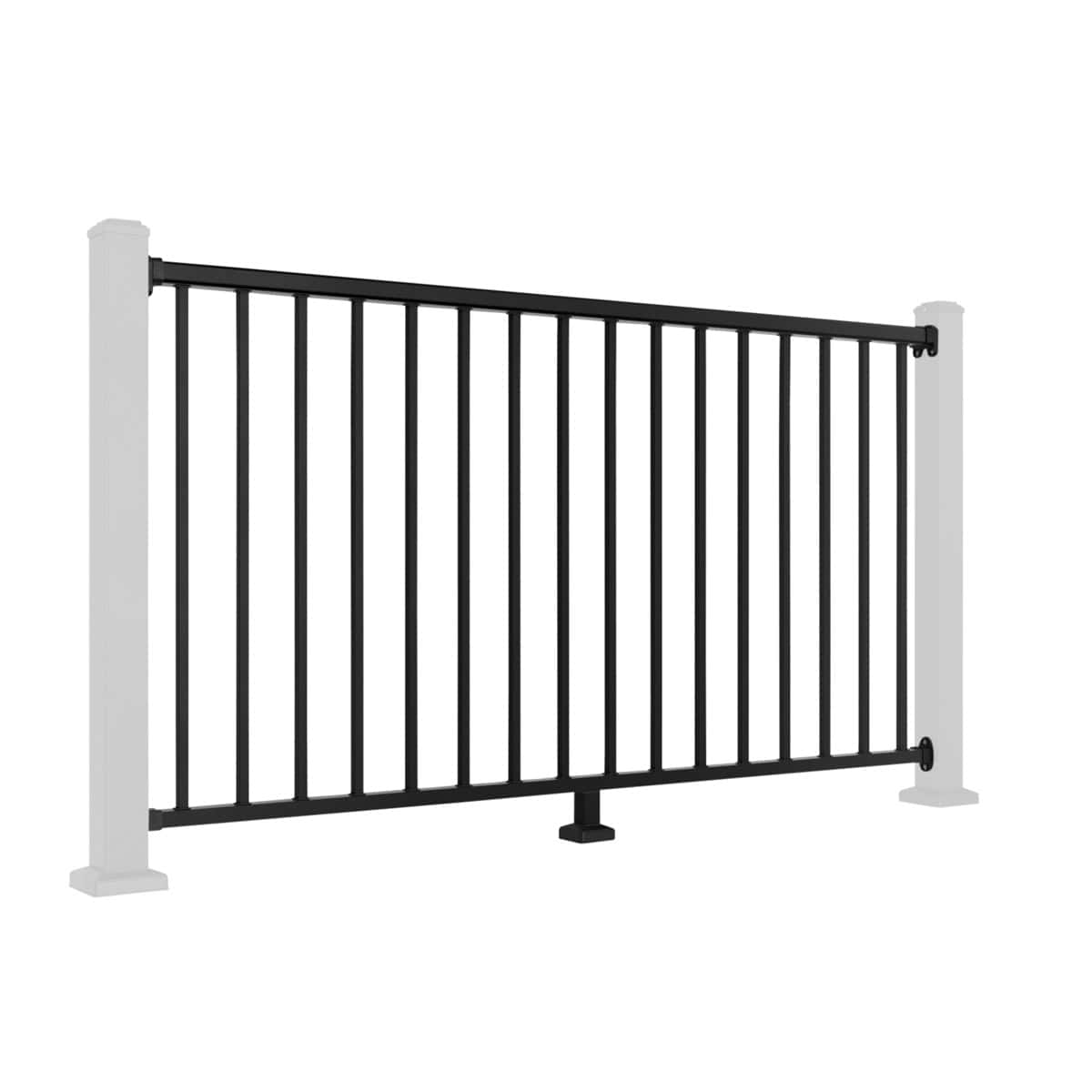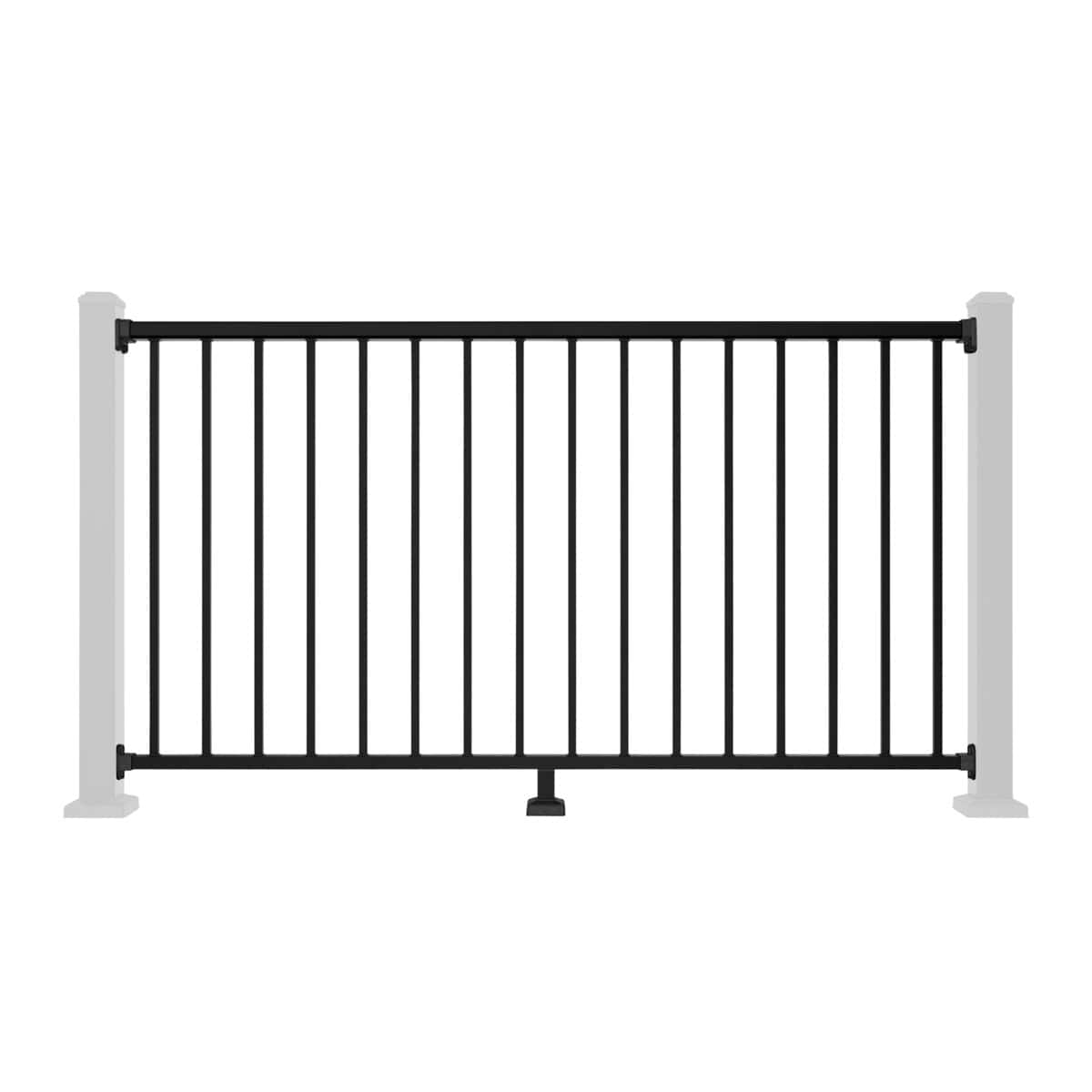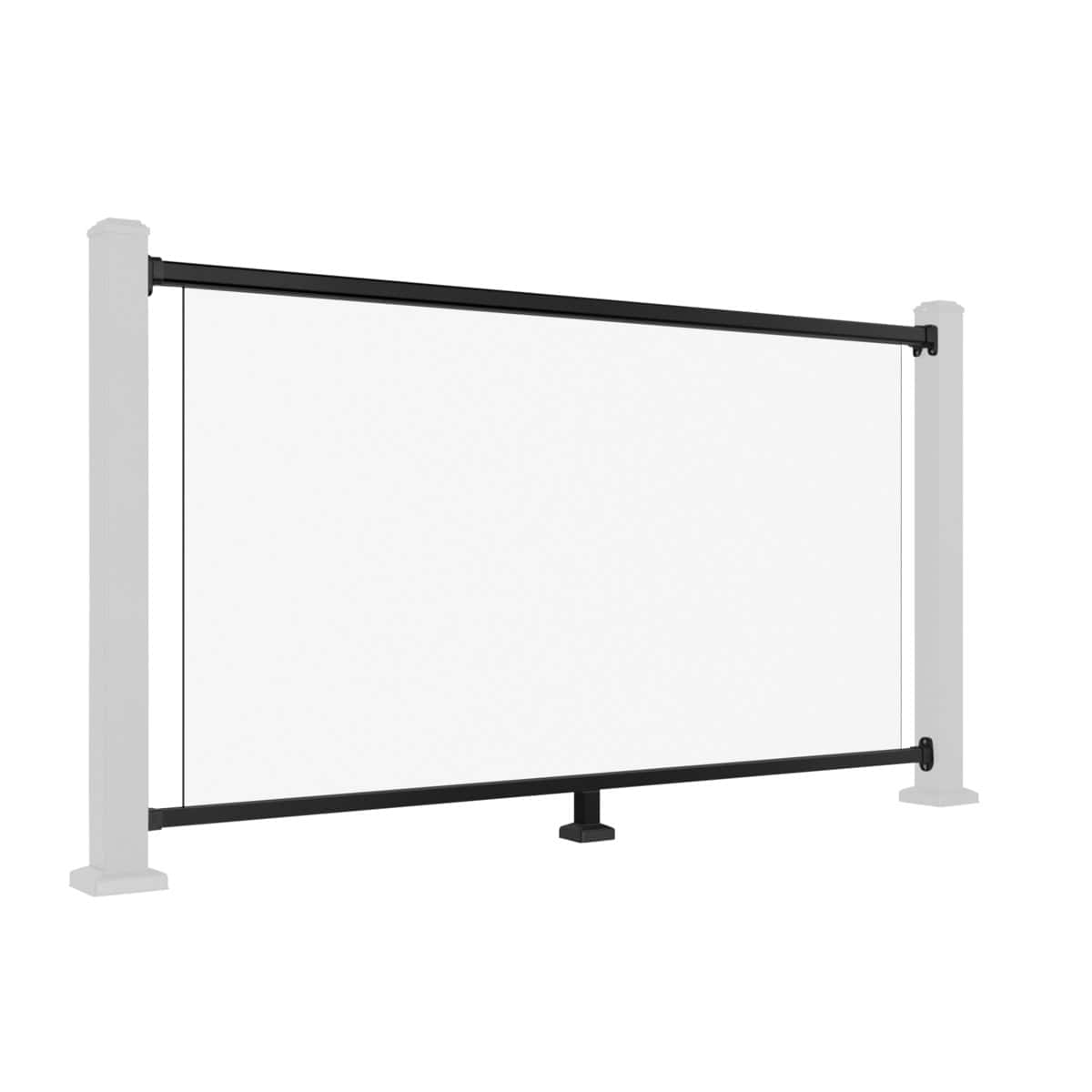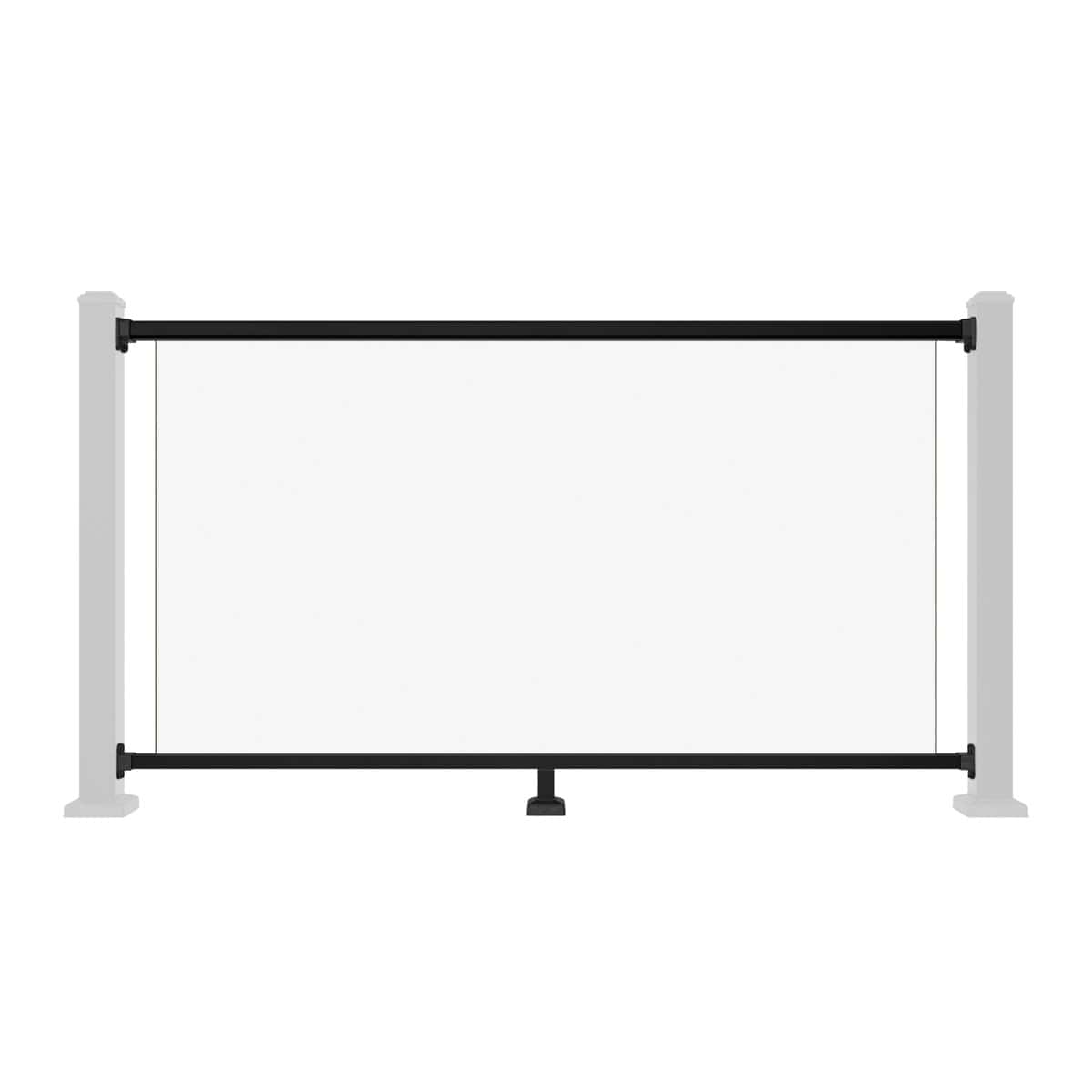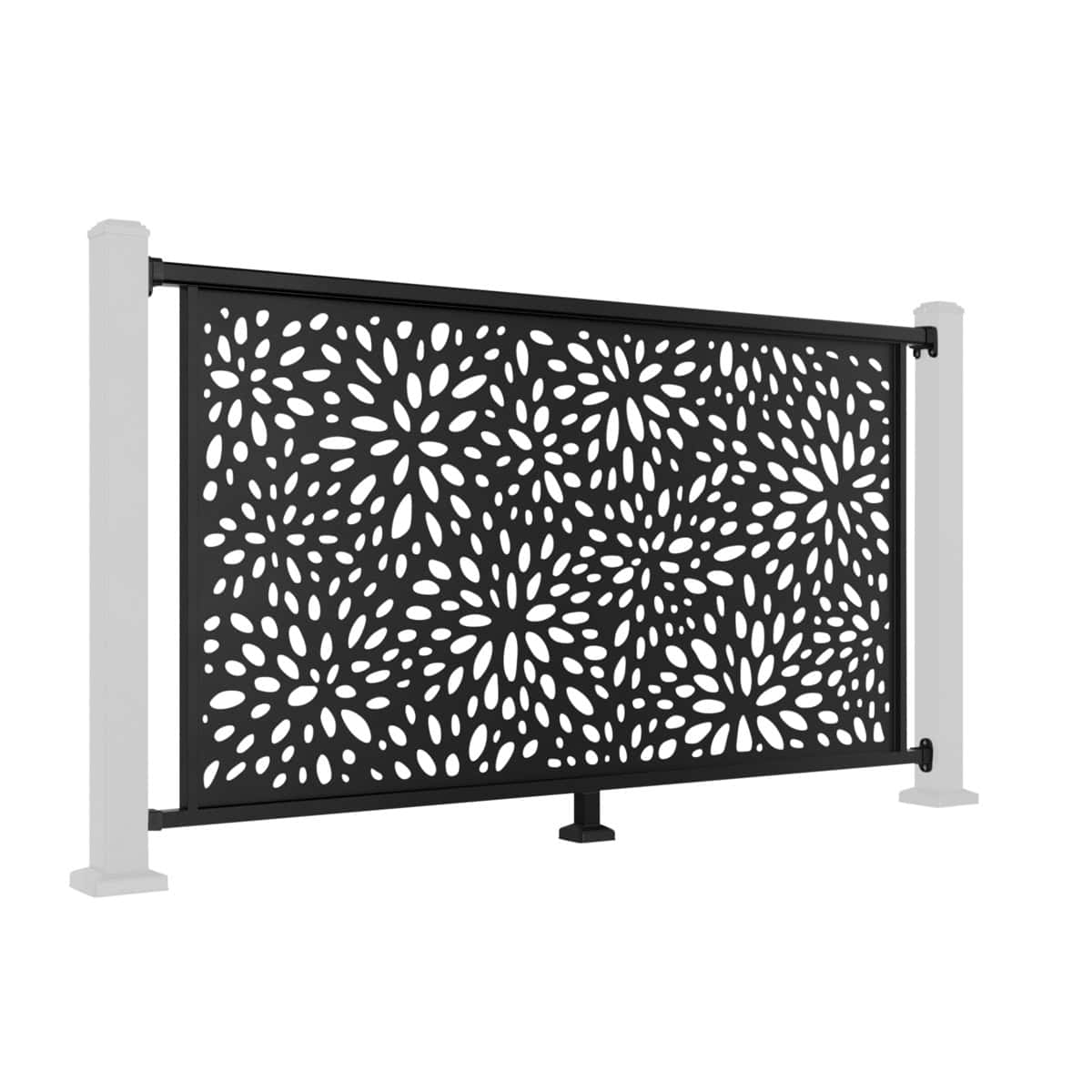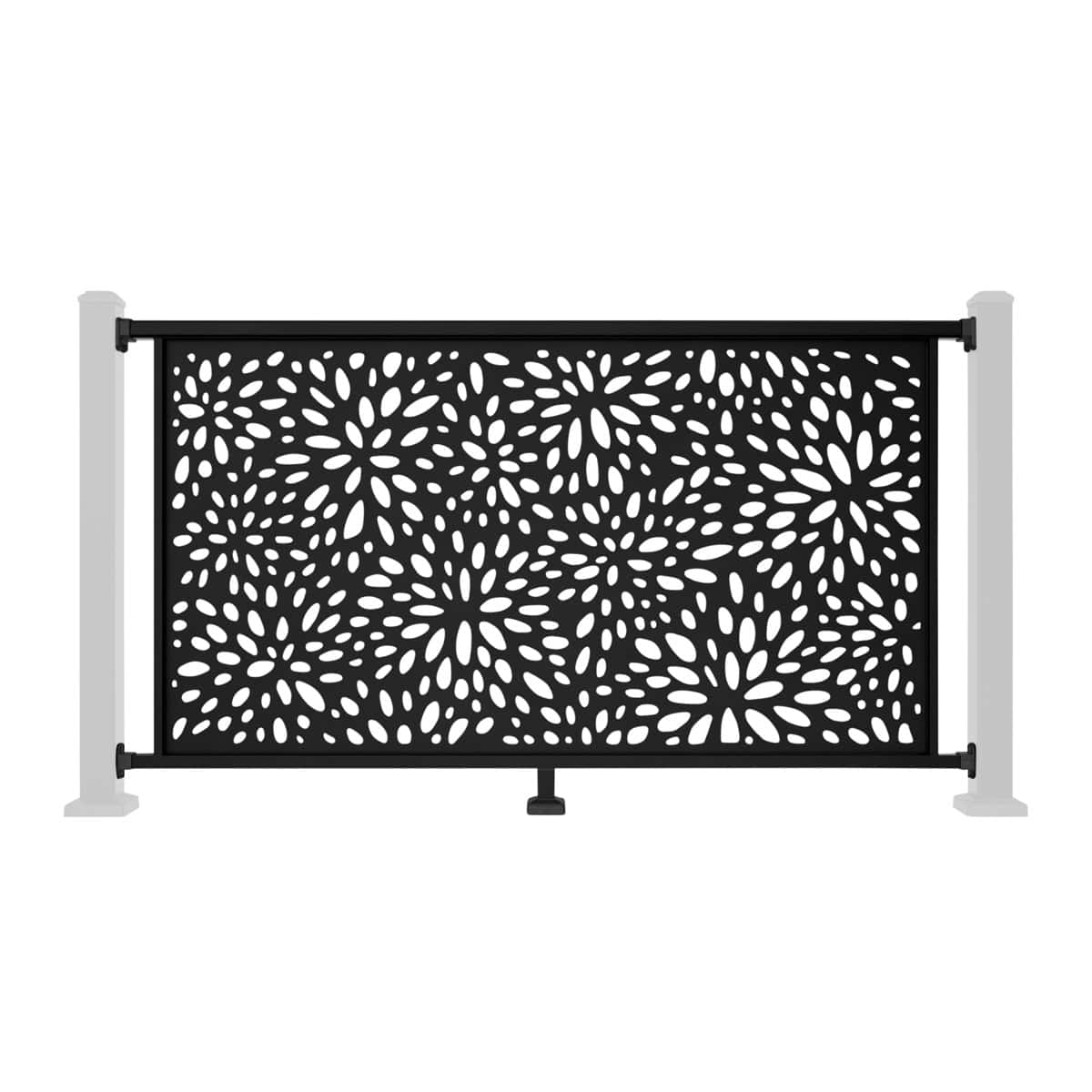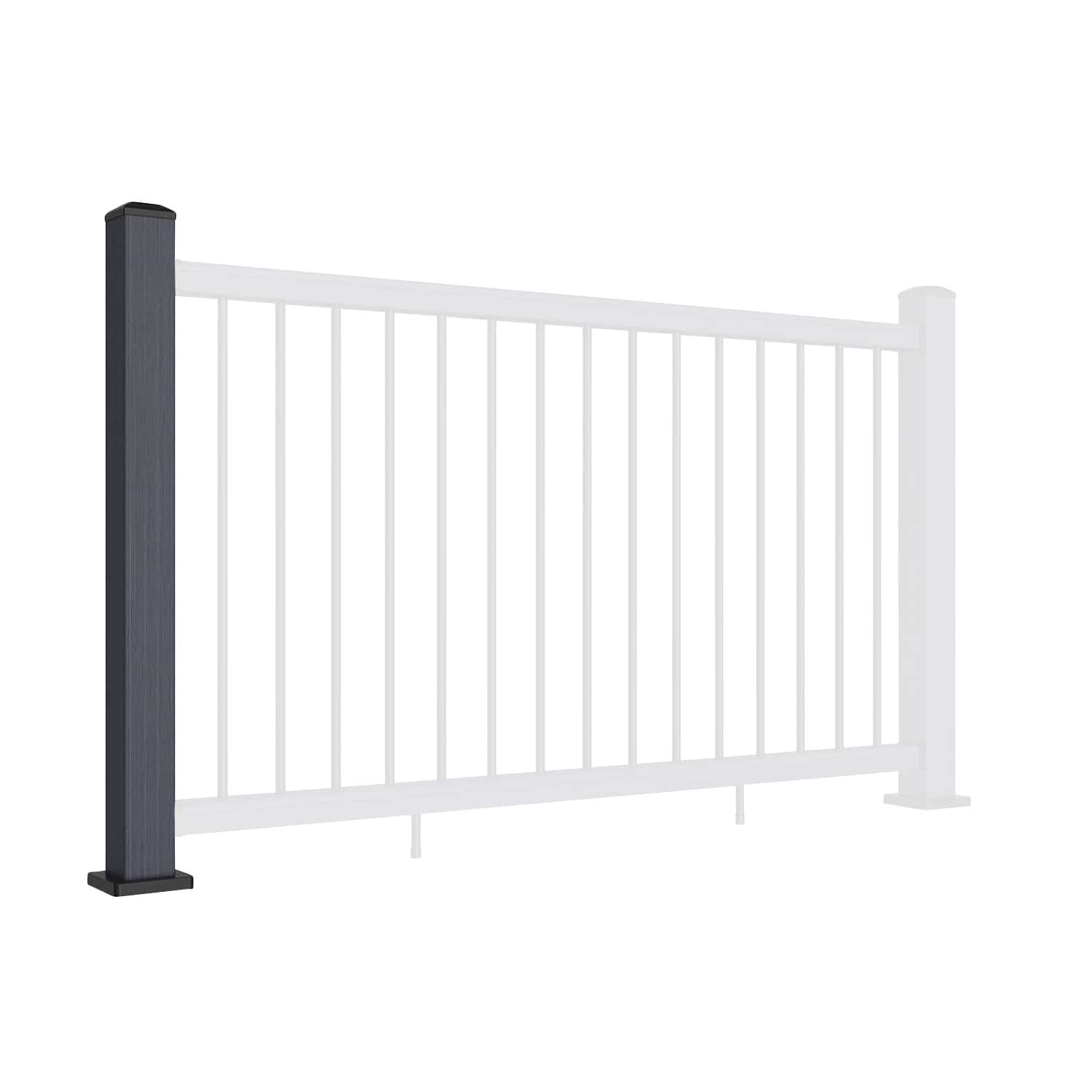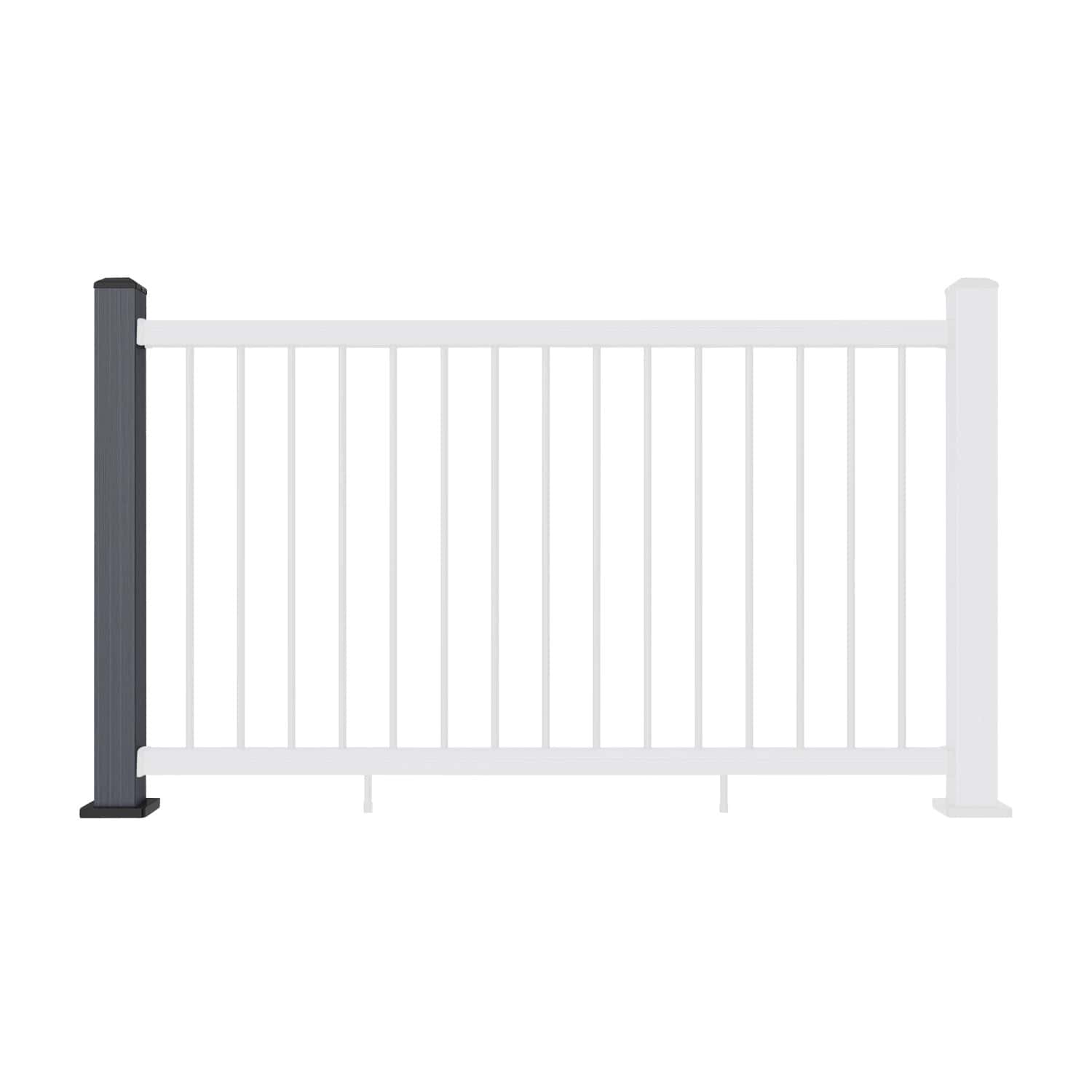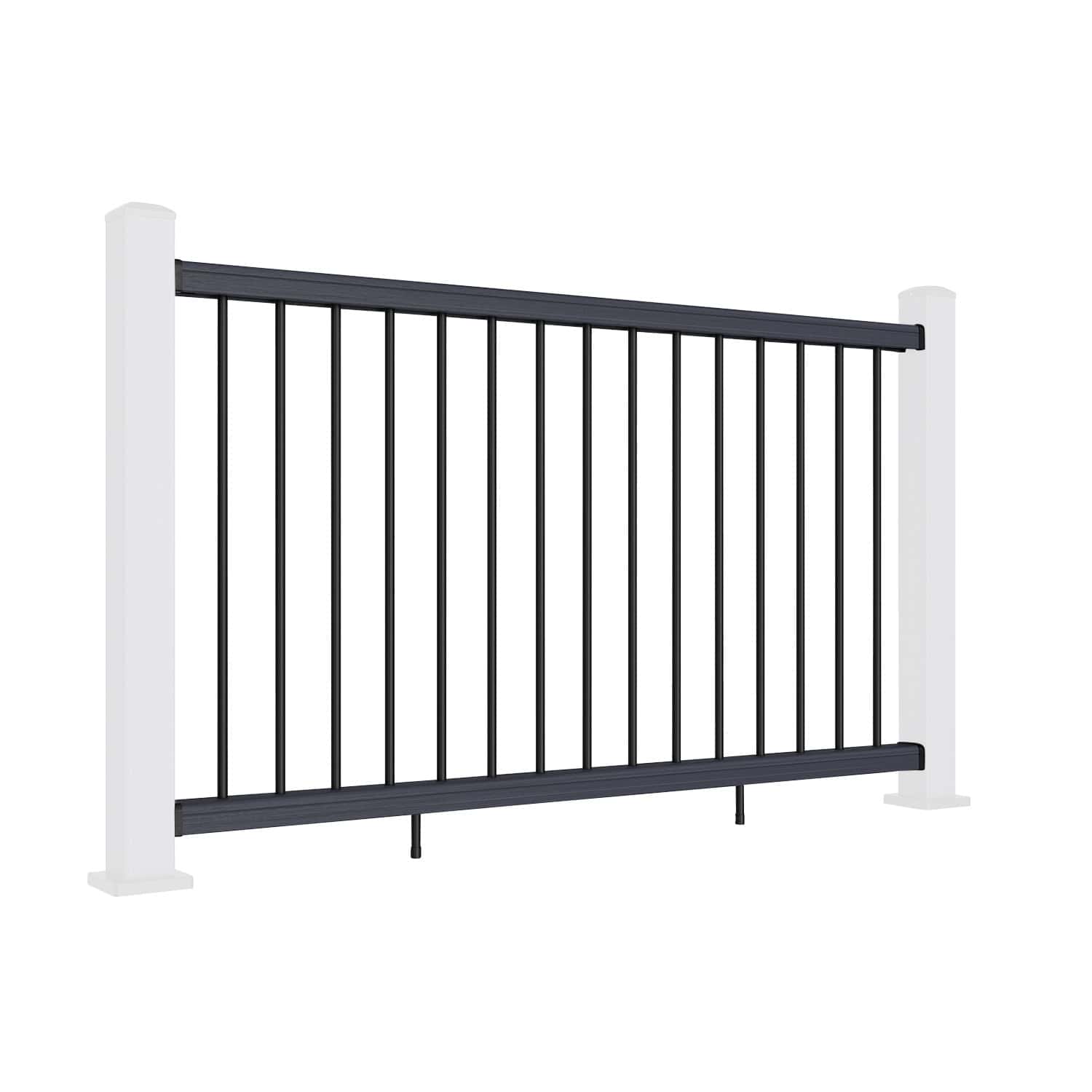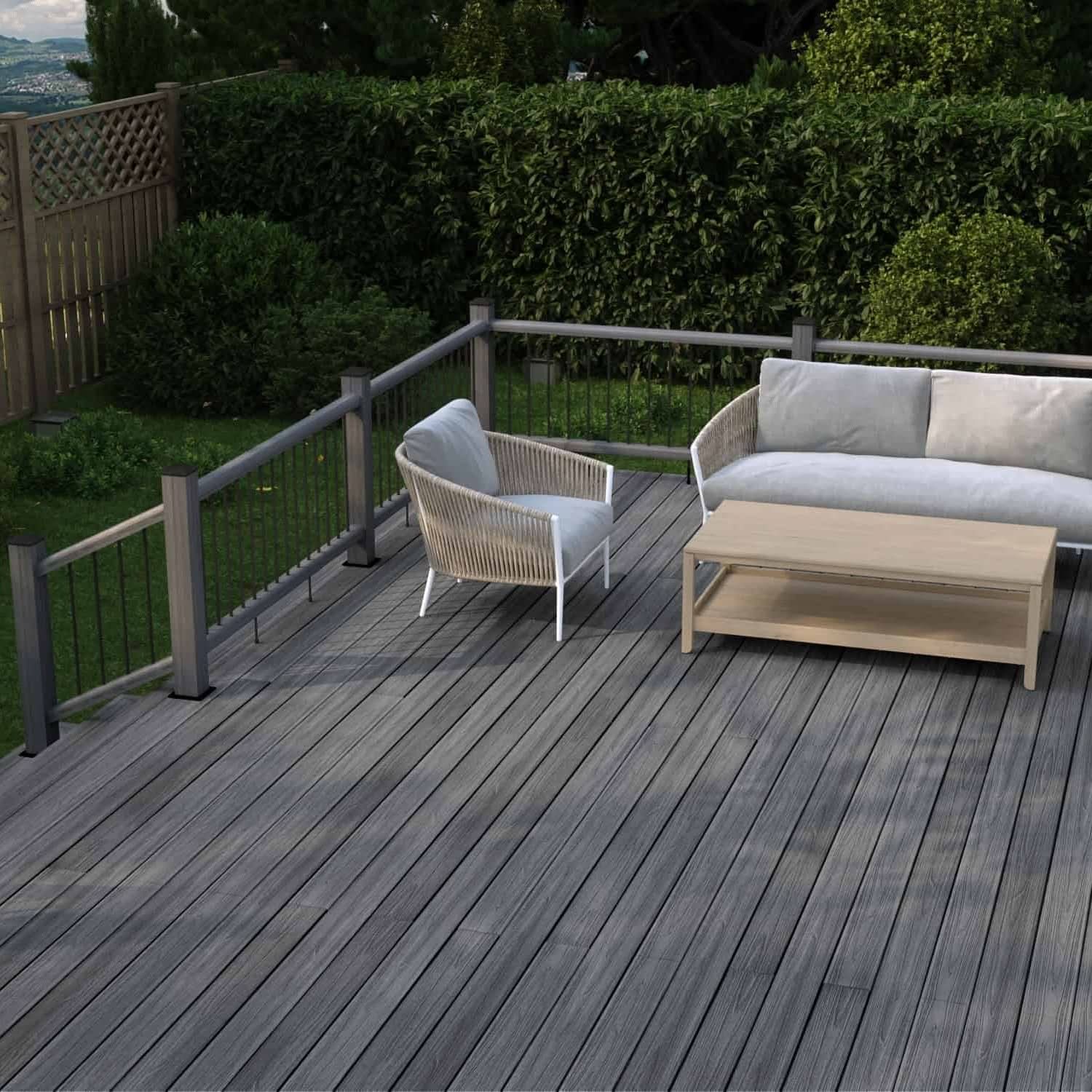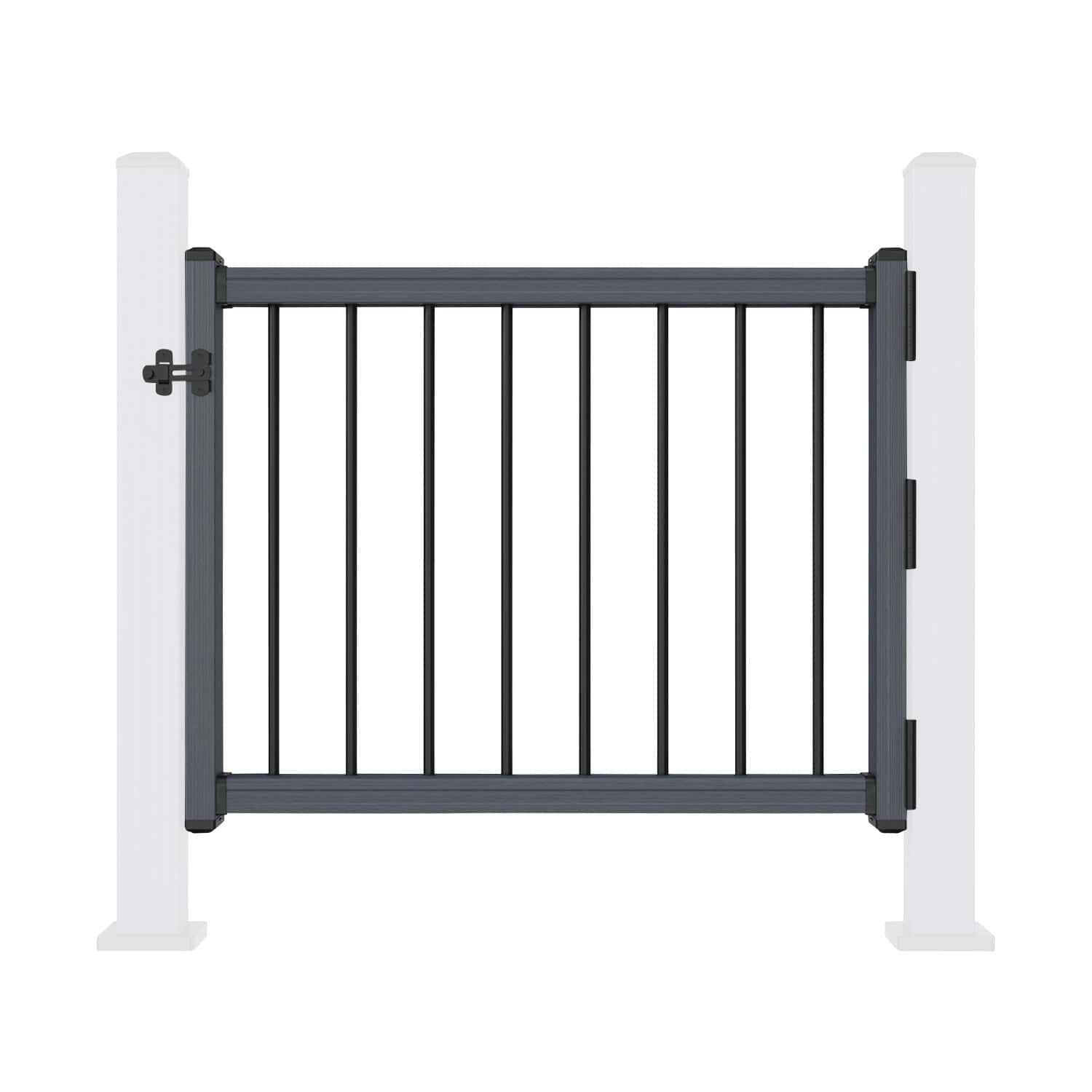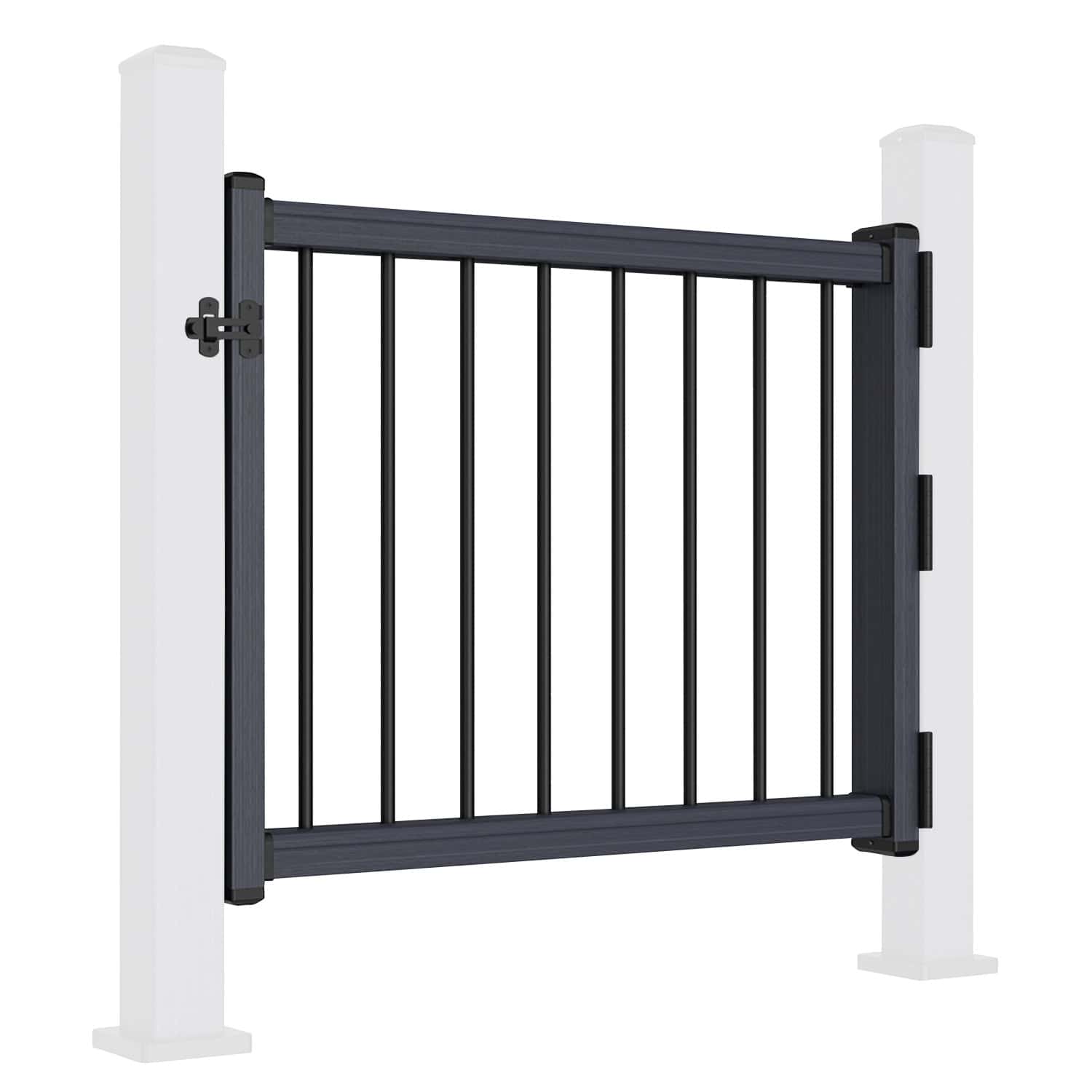

Aluminium Balustrade Spindle Installation: A Guide to Straight Runs and Stairs
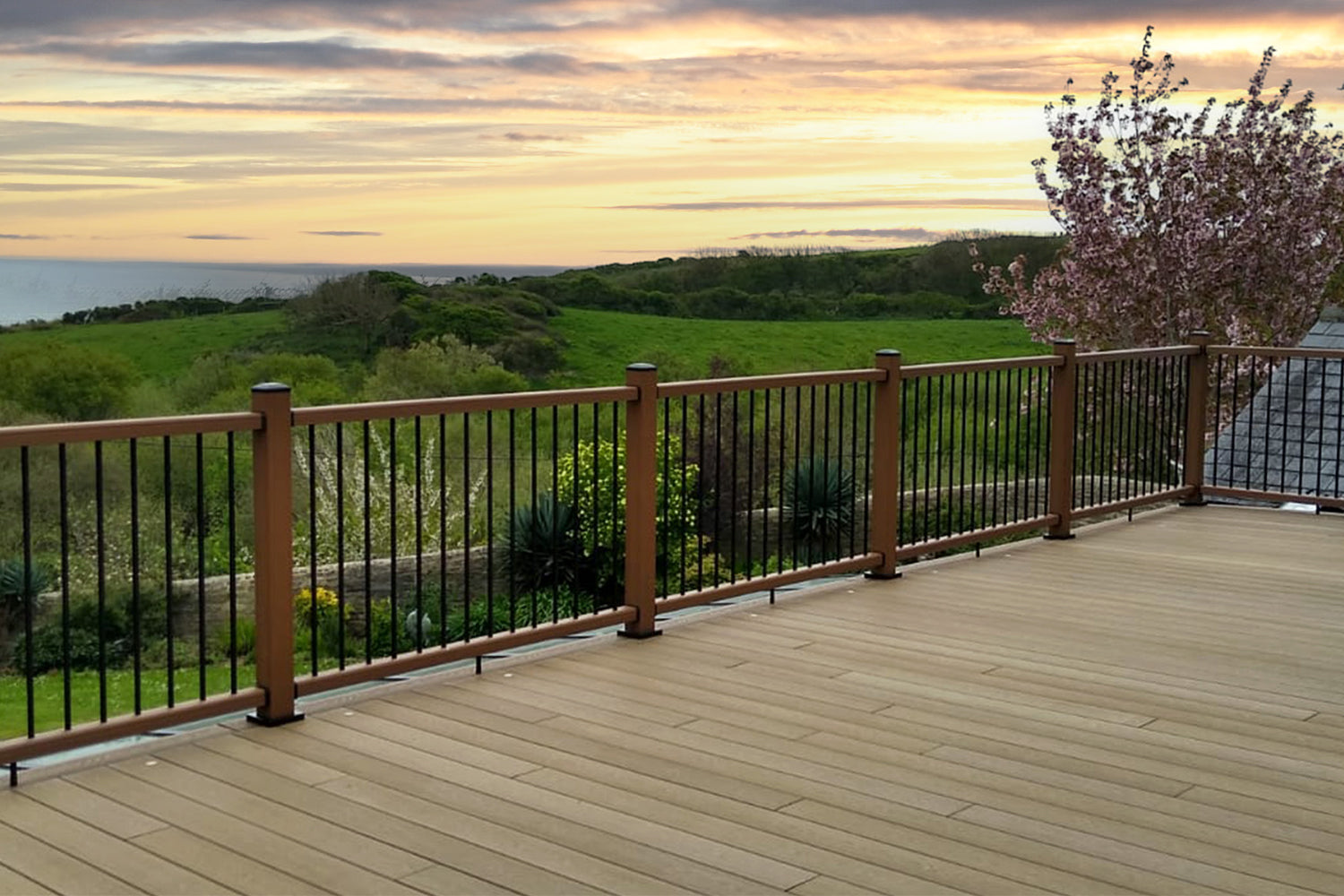
This guide explains how to install aluminium balustrade spindle railings using the NeoTimber® system, covering both straight sections and stair runs. The sequence starts with the bottom rail and its support, continues through spindle and handrail assembly, and finishes with the bracket locking screws.
Accurate post positioning, fully seated spindles and correctly fitted brackets all contribute to a consistent finish. Follow the section that matches your layout, using the supplied templates and current product instructions throughout.
Before You Begin
Check the NeoTimber® aluminium balustrade installation resources and confirm that your posts, substrate and chosen railing configuration are suitable for the project.
- Check the rails, spindles, brackets, foot blocks and fixings are present and undamaged.
- Prepare a tape measure, pencil, spirit level, suitable drill and driver, and the supplied setting-out template.
- For stair rails requiring cutting, use a hacksaw or a mitre saw with an aluminium-rated blade, following the tool and product instructions.
- Arrange assistance to support components during assembly.
For straight runs, read Step 4 before finally tightening the post bases. The described assembly method requires one post's base screws to remain temporarily not fully tightened so the handrail can engage. Keep the area out of use during assembly, and fully secure every post before completion. Do not force or bend a fully fixed post.
Straight Aluminium Spindle Railing Installation
Step 1: Prepare the Bottom Rail and Foot Blocks
With the bottom rail accessible at ground level, mark the foot block connector position on its underside. Pre-drill the marked hole and secure the connector with the supplied screws. Complete the foot block attachment before offering the rail between the posts.


Step 2: Fit the Brackets and Bottom Rail
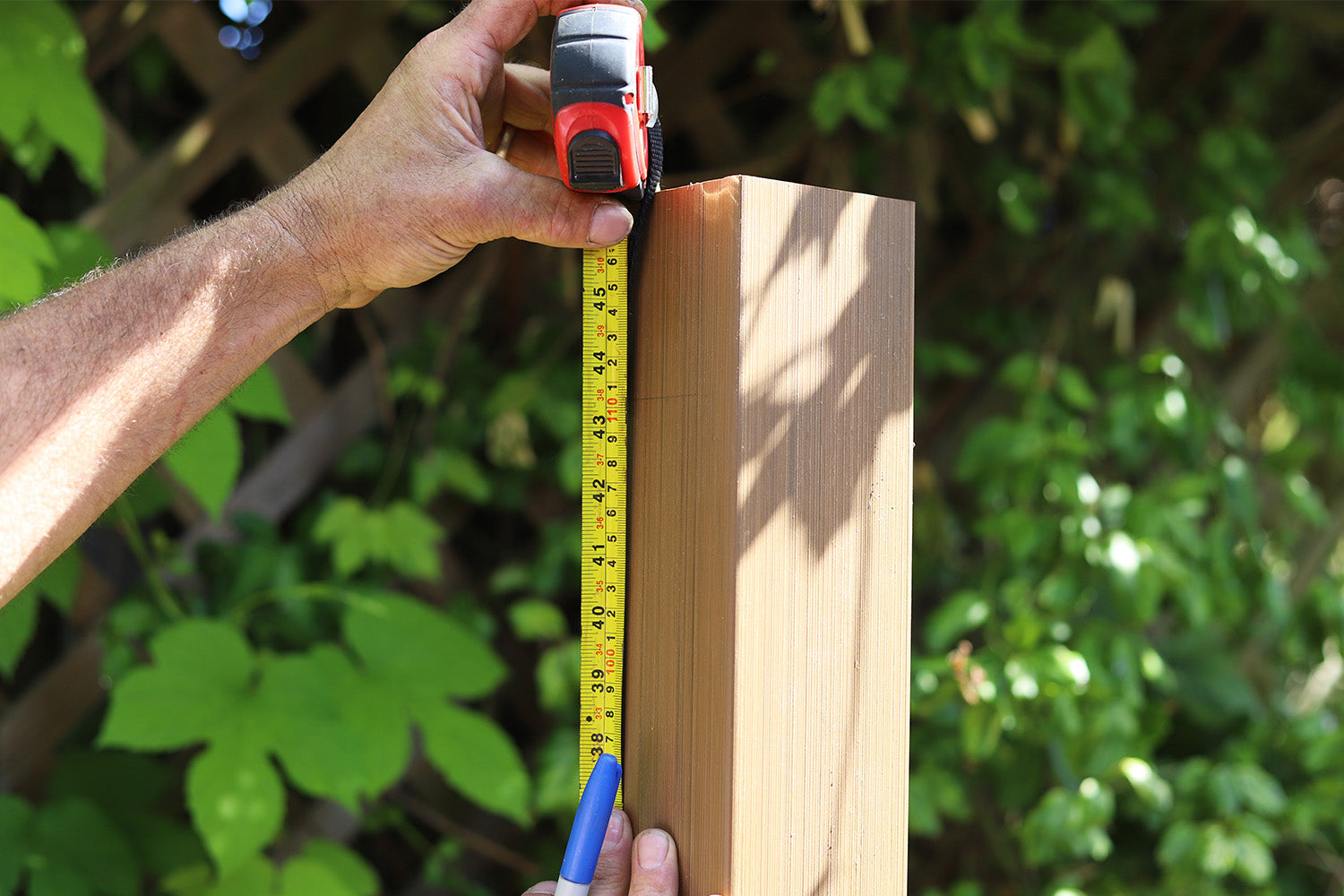
Use the supplied paper template to mark the top and bottom bracket fixing positions on the posts. Pre-drill at the marks and secure the brackets using the provided fixings.


Place the bottom rail into the lower post connectors. Check that the foot block is in full contact with the deck surface and the rail is correctly supported before inserting the spindles.
Step 3: Insert the Spindles into the Bottom Rail
Insert each spindle downward into its pre-drilled hole in the bottom rail. Work along the section in order, checking that every spindle is fully seated. Resolve any seating issue before fitting the top handrail.

Step 4: Connect and Position the Top Handrail
Align the upper end of each spindle with its corresponding hole in the top handrail and engage the spindles. Slide one end of the handrail fully into the top bracket on the fixed post.

Following the NeoTimber® assembly method, gently move the opposite post outward using the clearance allowed by its not-yet-fully-tightened base screws. Slide the remaining handrail end fully into its bracket. Once both ends are engaged, return the post to its correct alignment and fully tighten all base plate screws as specified.
If the handrail will not engage with this controlled adjustment, stop and check the spacing and component alignment. Contact NeoTimber® rather than forcing the assembly.
Step 5: Install the Reinforcement Screws
Check that all spindles are engaged in both rails and both rails are seated in their brackets. From the rear, non-visible side, install one additional reinforcement screw through each bracket into its corresponding rail.


Final Checks for Straight Railings
- All spindles are vertical, evenly spaced and fully seated in both rails.
- The handrail is level across the posts.
- All bracket, reinforcement and base plate fixings are fully tightened.
- Post caps are secure and base covers are fixed with structural adhesive as specified.
- No components are loose or showing unexpected movement.
Aluminium Balustrade Spindle Installation on Stairs
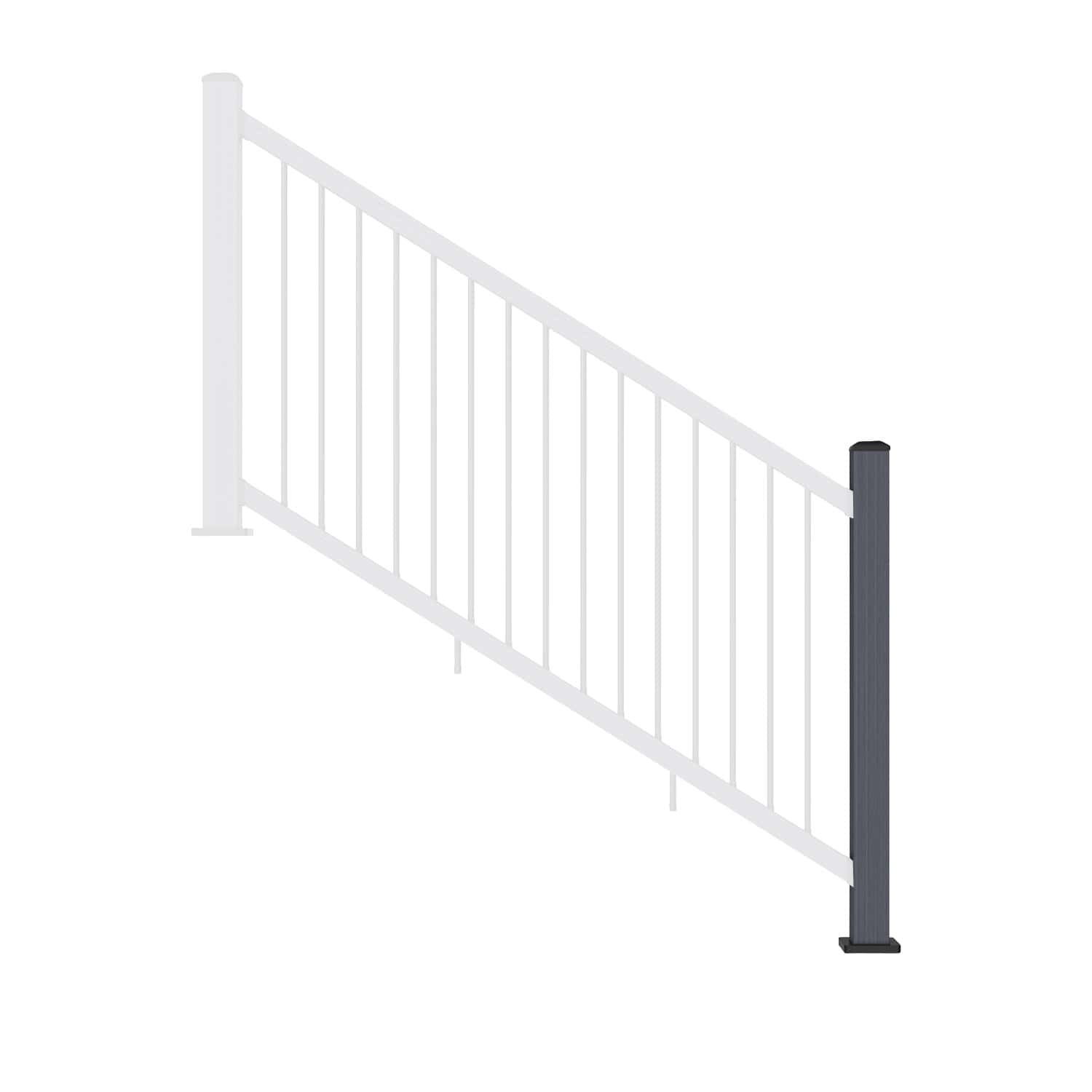
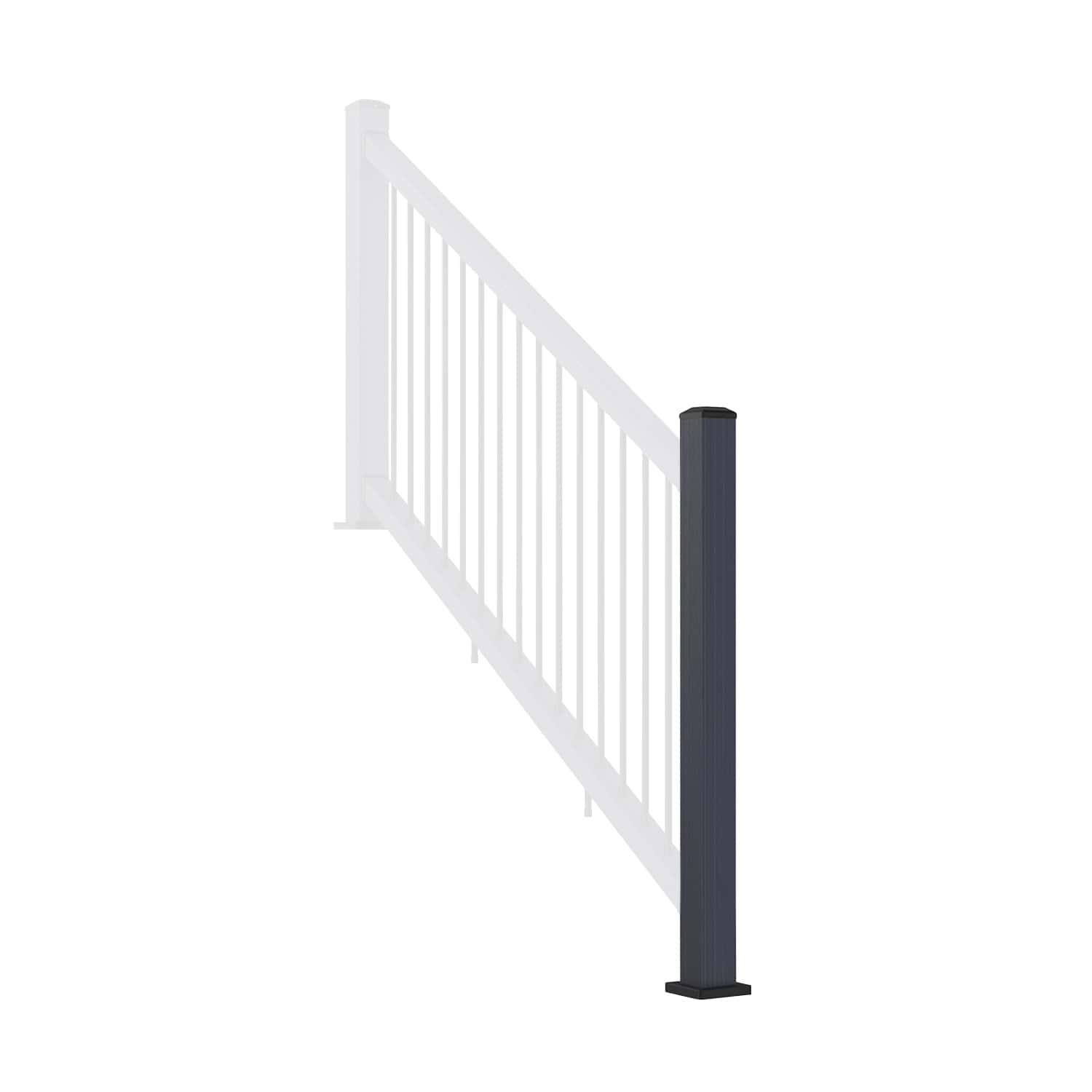
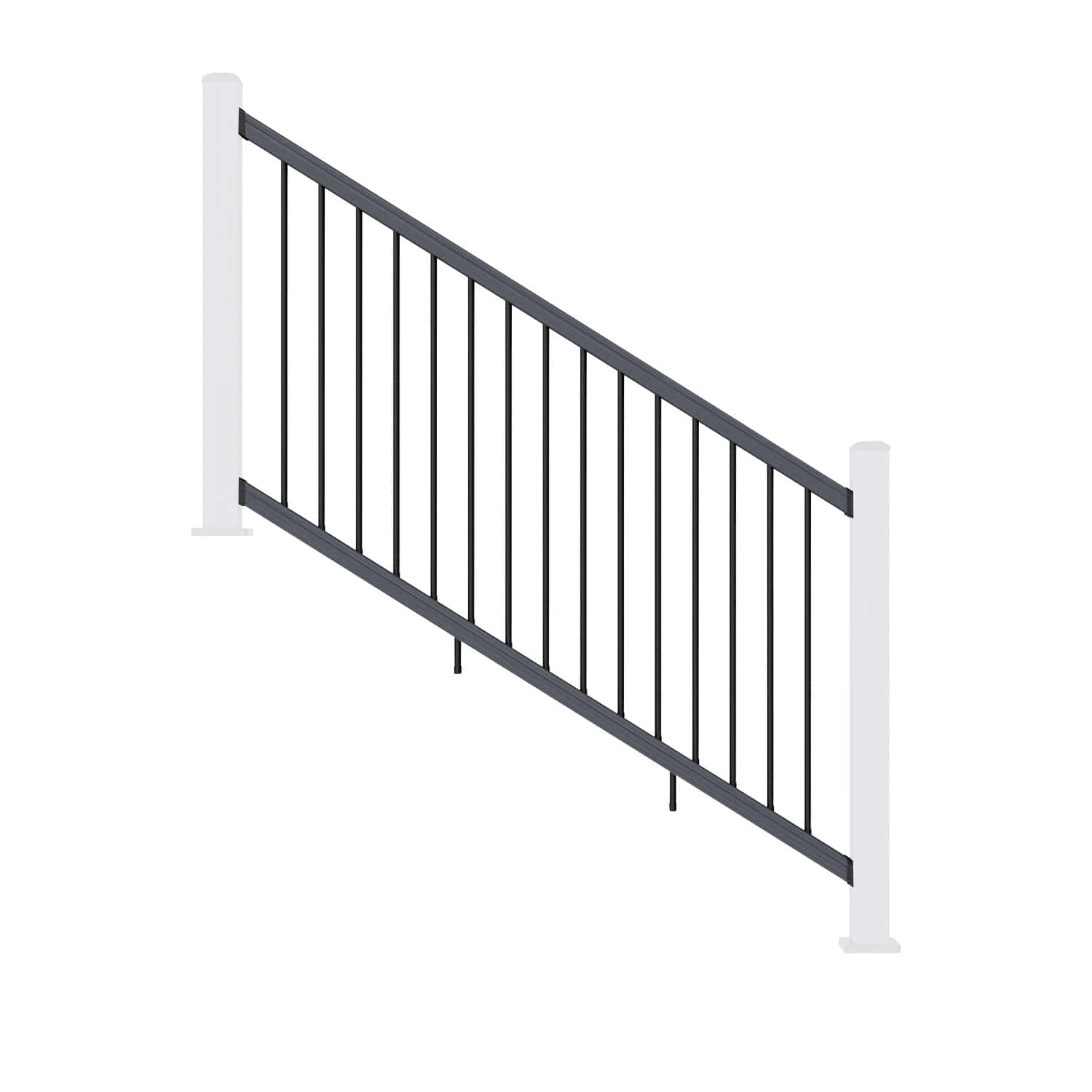
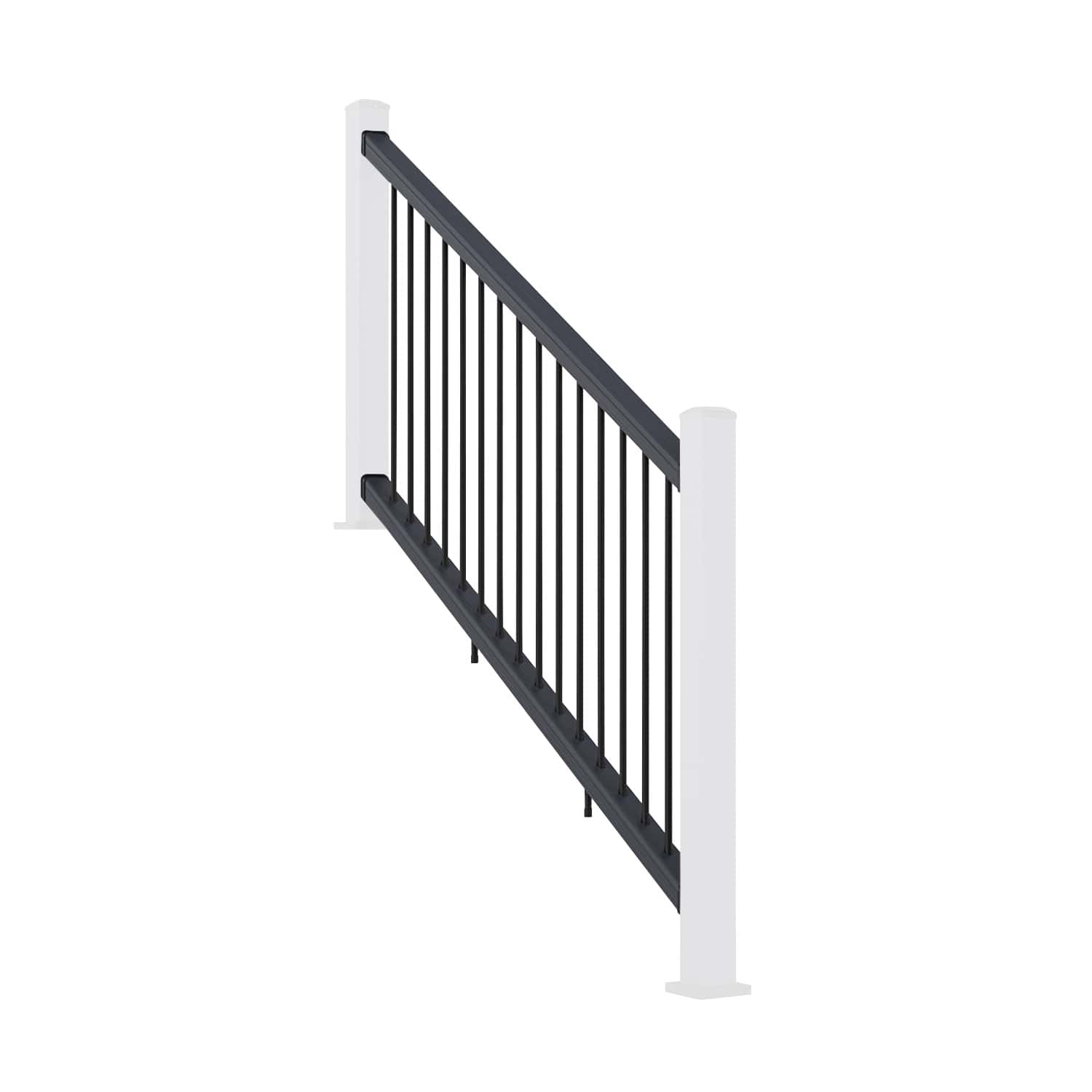
Stair railings use adjustable brackets to follow the staircase pitch. Confirm the intended handrail height and the permitted bracket angle range from the product instructions and project requirements. Do not bend or modify brackets to accommodate an unsuitable angle.
Measure stair post spacing along the slope, not horizontally. Use the measurement reference points shown in the installation diagrams.
Step 1: Set Out and Fix the Stair Posts
Mark the post locations, allowing a sloping post-to-post distance of 1,910mm for the full railing section described here. Where posts are mounted on decking, follow the illustrated minimum 50mm deck-edge setback. Also check the separate edge-distance requirements of the anchors and supporting structure.


For the specified timber fixing arrangement, use a 7mm pilot hole with M8 timber screws. For the specified concrete arrangement, use a 10mm hole with M8 expansion bolts. Confirm drilling depth, embedment and tightening requirements for the actual fixings supplied; these sizes are not universal for alternative anchors.
Fix into suitable structural support and check each post is plumb. Fit the caps and secure the base cover trims with structural adhesive as directed. Our aluminium balustrade post installation guide covers the post fixing stage in more detail.
Step 2: Set the Adjustable Brackets to the Stair Pitch
Position the bottom rail along the stair nosing line to establish the angle. Mark the adjustable bottom bracket position on the post, align the bracket, then mark, pre-drill and secure its fixings.


Use the supplied paper template to position the adjustable top bracket at the matching angle. Mark, pre-drill and fix it to the post, repeating for the remaining posts. Where the instructions permit trimming rails, measure carefully and cut with a hacksaw or an aluminium-rated mitre saw blade.
Step 3: Fit the Central Foot Block Support
Position the foot block centrally along the bottom rail. For the standard 1,910mm section, locate it at the midpoint. Mark the fixing locations on the supporting deck surface and the underside of the rail, then pre-drill the required holes.


Secure the foot block connector to the bottom rail using the supplied screws, then fix the base plate to the deck as specified. Fit the base cover trim to complete the support assembly.
Step 4: Engage the Spindles in Both Rails
With the bottom rail supported and positioned, insert the lower ends of the spindles into its pre-drilled holes. Check every spindle is fully seated.

Align the upper spindle ends with the corresponding holes in the top handrail and engage them carefully. Check consistent seating and alignment across the section before positioning the handrail in its brackets.
Step 5: Seat the Assembly Between the Stair Posts
Offer the assembled handrail section between the posts and slide the top rail into the adjustable brackets. Check that the rail angle follows the stair pitch.

Confirm that the section is evenly positioned and both rails are fully seated within their brackets. Check the spindle orientation against the system diagram; where shown as vertical, the spindles must be plumb, not perpendicular to the sloping rail.
Step 6: Complete the Locking Fixings
Once the section is aligned, install the locking screws through the brackets into the top and bottom rails from the rear, non-visible side. Tighten all fixings according to the supplied instructions.


Final Checks for Stair Railings
- Spindles match the illustrated orientation, are evenly spaced and are fully seated in both rails.
- Rails follow the intended stair pitch and sit correctly in every bracket.
- All bracket, locking and base plate fixings are fully tightened.
- Post caps and base covers are secured as specified.
- The assembly has no loose parts or unexpected movement.
Check the completed installation against the manufacturer's instructions and project requirements before use. A basic movement check does not replace any required structural verification or inspection.
Common Spindle Railing Installation Questions
Do straight and stair railings use the same brackets?
Stair runs use adjustable angle brackets to follow the staircase pitch. Use the components specified for the particular configuration, rather than modifying straight brackets.
When should the foot blocks be installed?
For straight runs, attach them before placing the bottom rail between the posts. For stair runs, follow the central foot support stage after setting out the adjustable brackets.
How is stair post spacing measured?
Measure along the staircase slope at the reference points shown in the installation diagram. The full section described in this guide specifies 1,910mm.
What if the handrail will not fit between the posts?
Recheck post spacing, bracket seating and spindle engagement. For the straight assembly, follow the specified temporary post adjustment in Step 4. Do not force the rail or bend a fully secured post.
Get Help with Your NeoTimber® Installation
For the wider fitting sequence, visit our aluminium balustrade installation resources. If a component does not align or a fixing detail is unclear, contact NeoTimber® before continuing.