
Find the Right Balustrade Colour for Your Outdoor Space
The best balustrade colours work with the whole garden: the decking underfoot, the brickwork behind it and the planting beyond. A matching shade can give a terrace a calm, coordinated finish, while a contrasting rail can frame the space and pick up details such as dark window frames or garden furniture.
There is no single colour that suits every project. Start by deciding whether you want the balustrade to blend into your scheme or become a feature, then compare a small selection of samples outdoors. This guide explores the NeoTimber® palette and offers practical ways to choose a finish you will enjoy beyond the latest garden trend.
Which Composite Balustrade Colours Can You Choose?
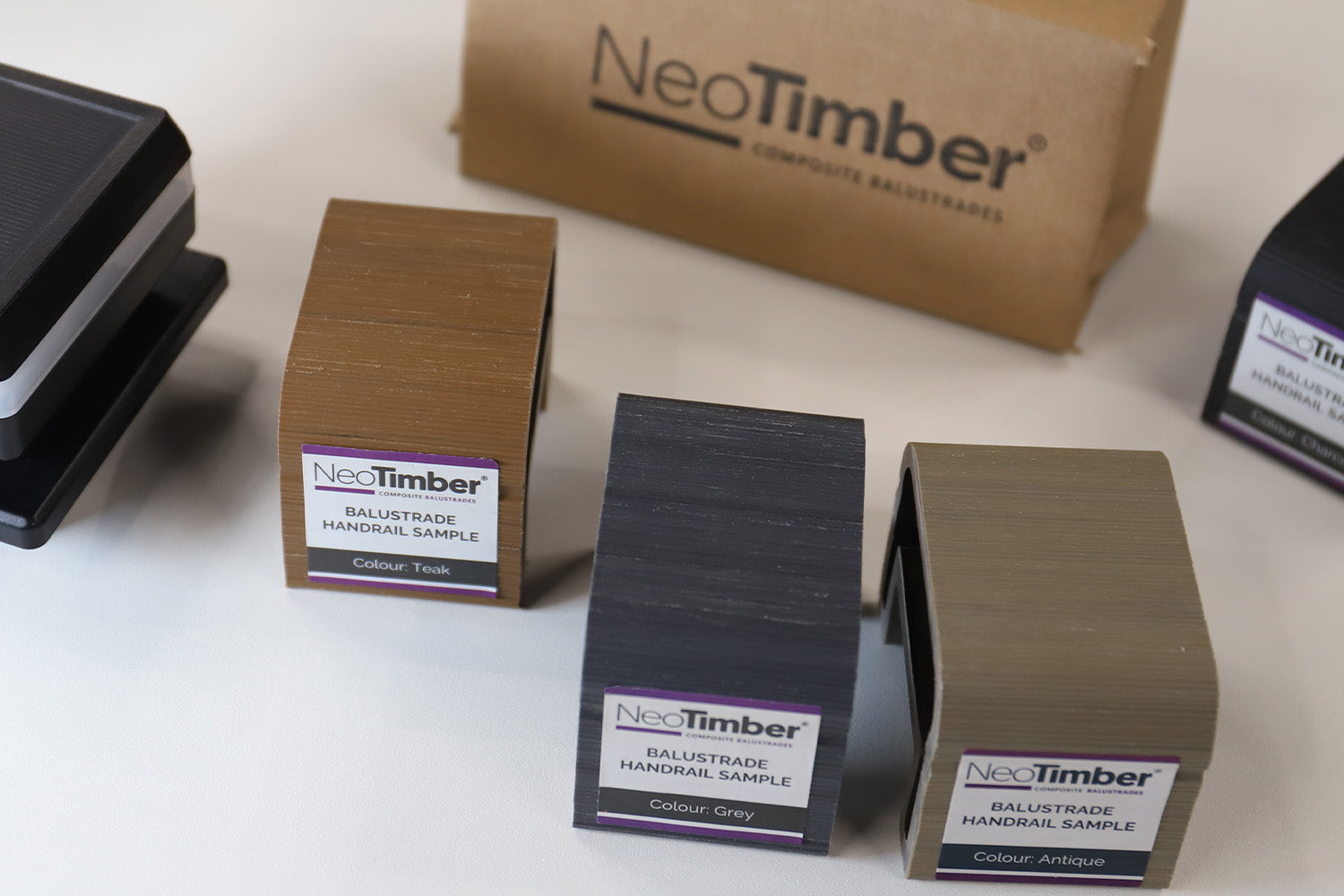
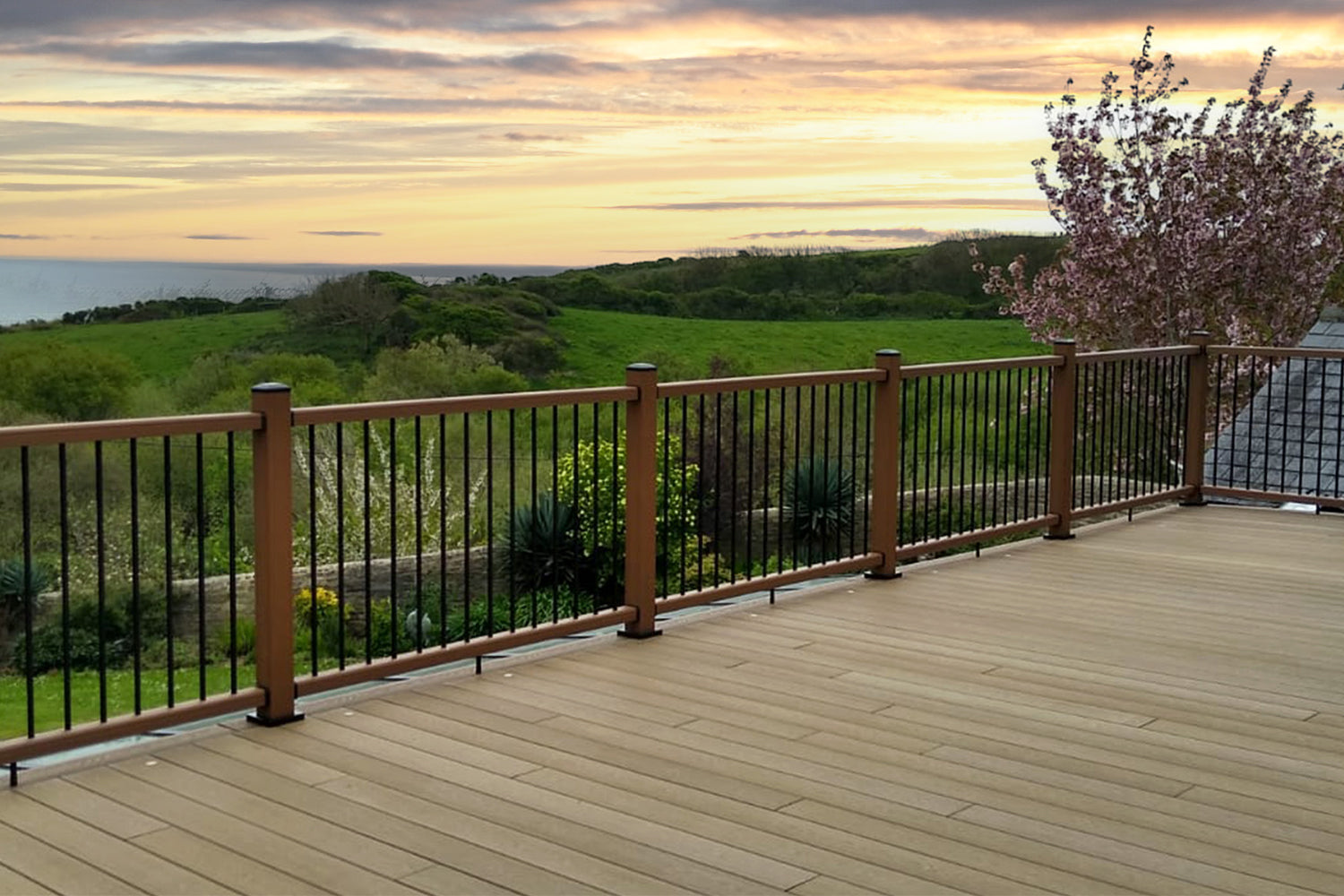
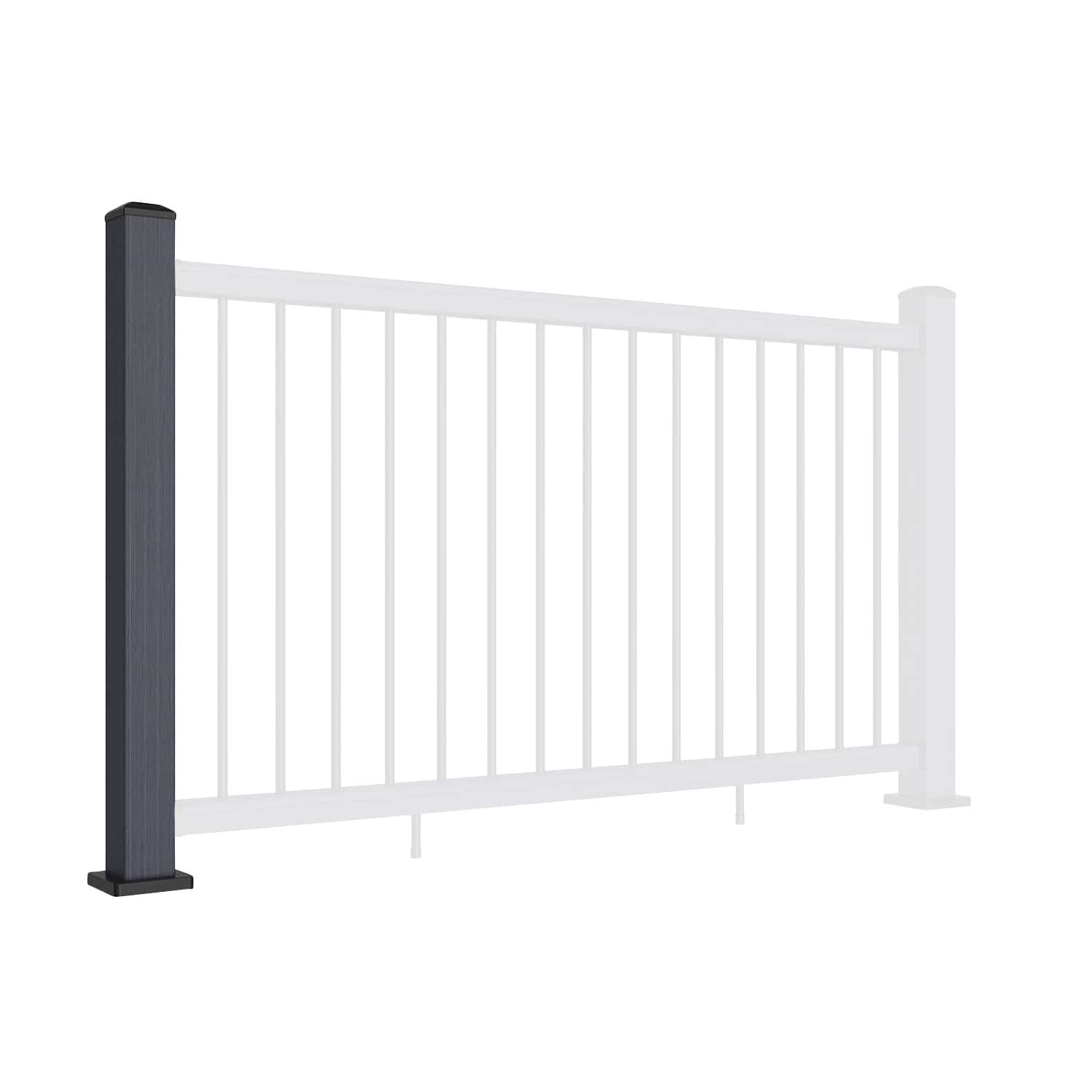
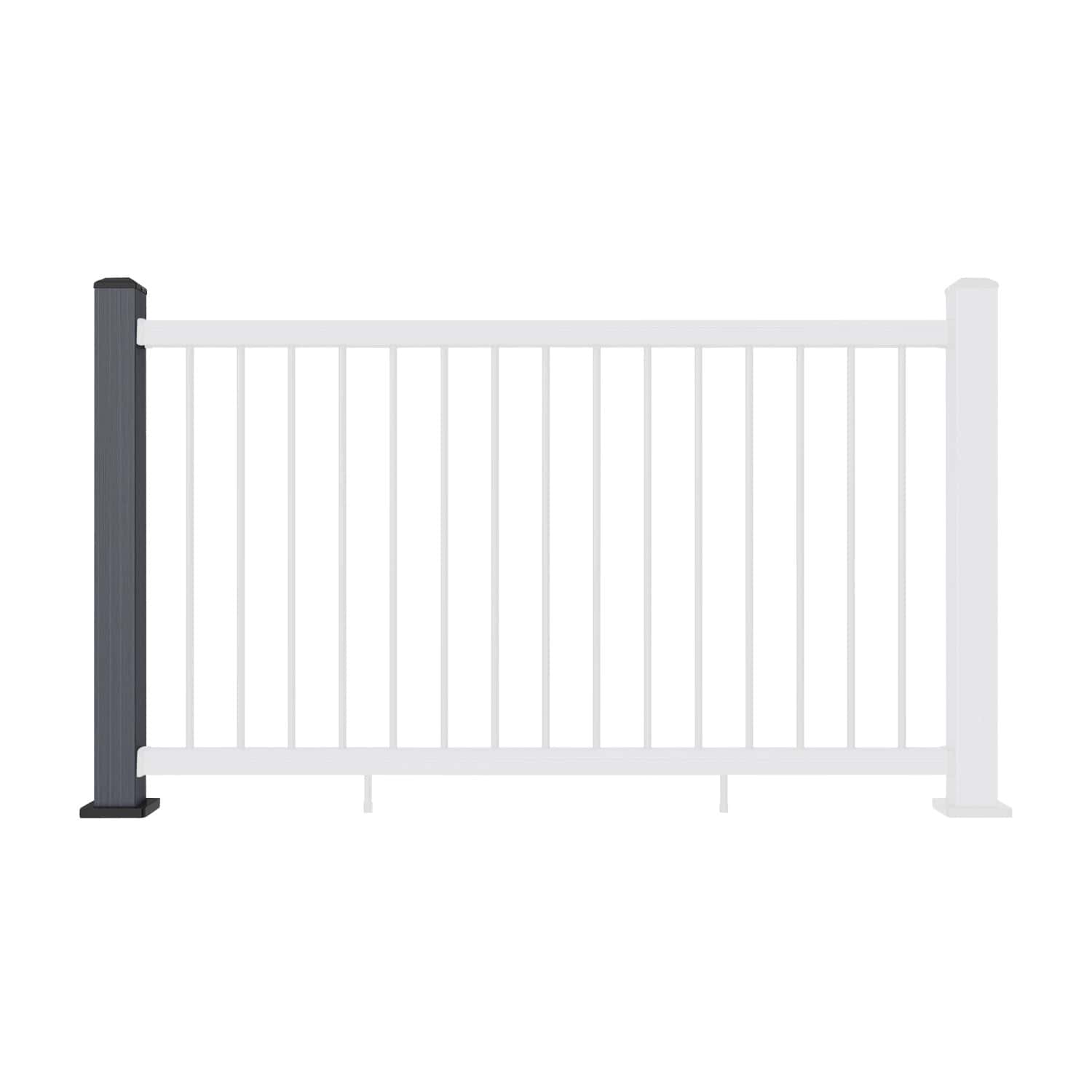
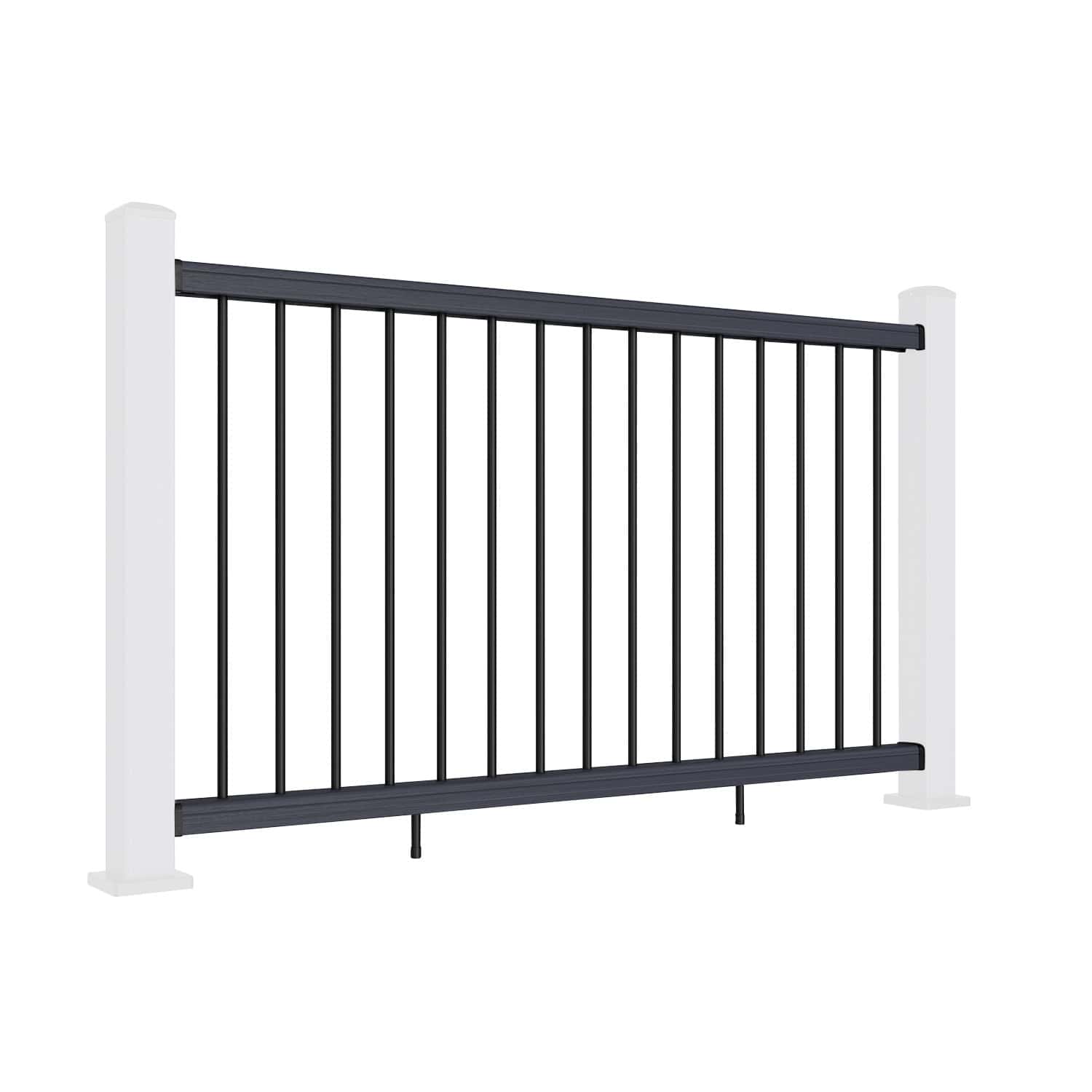
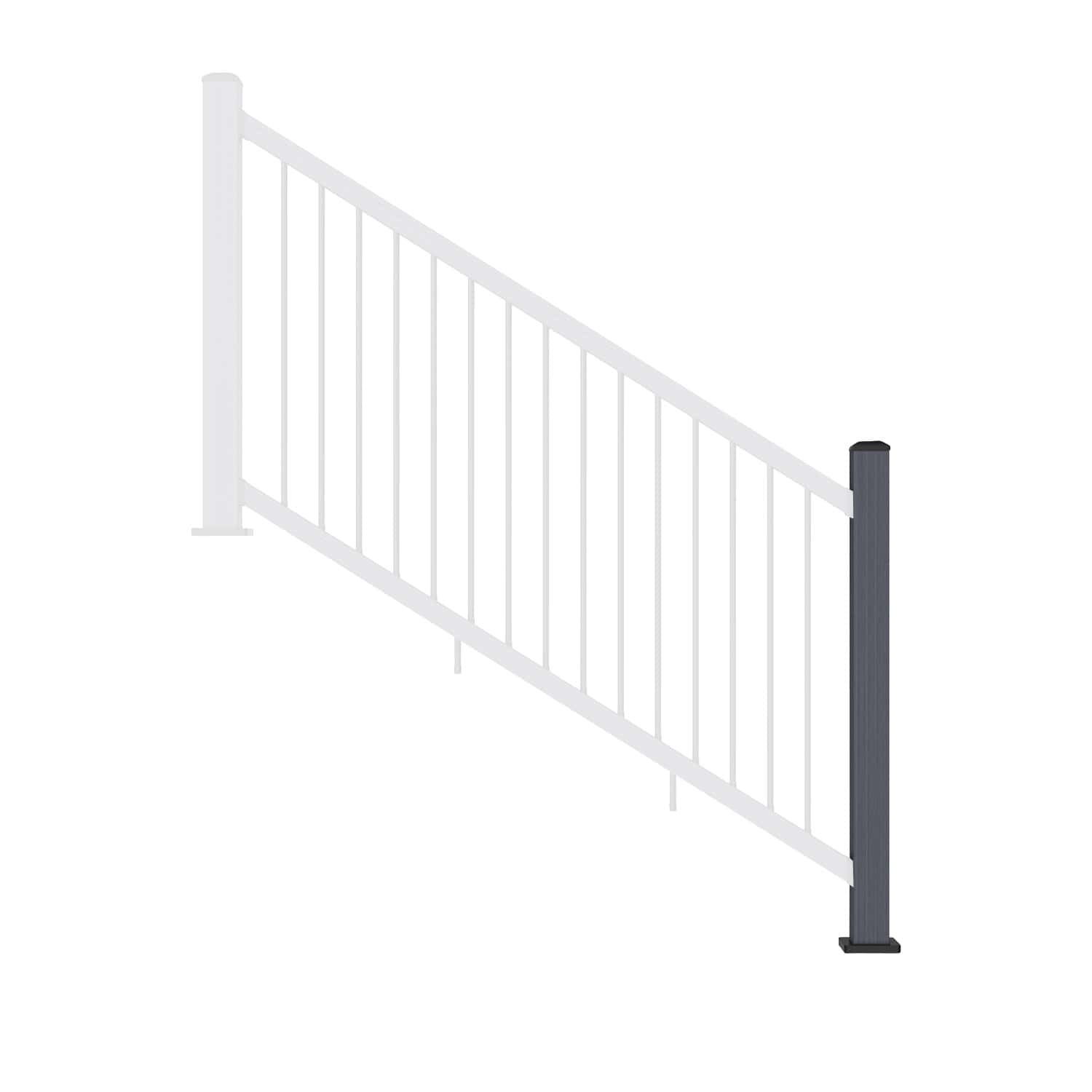
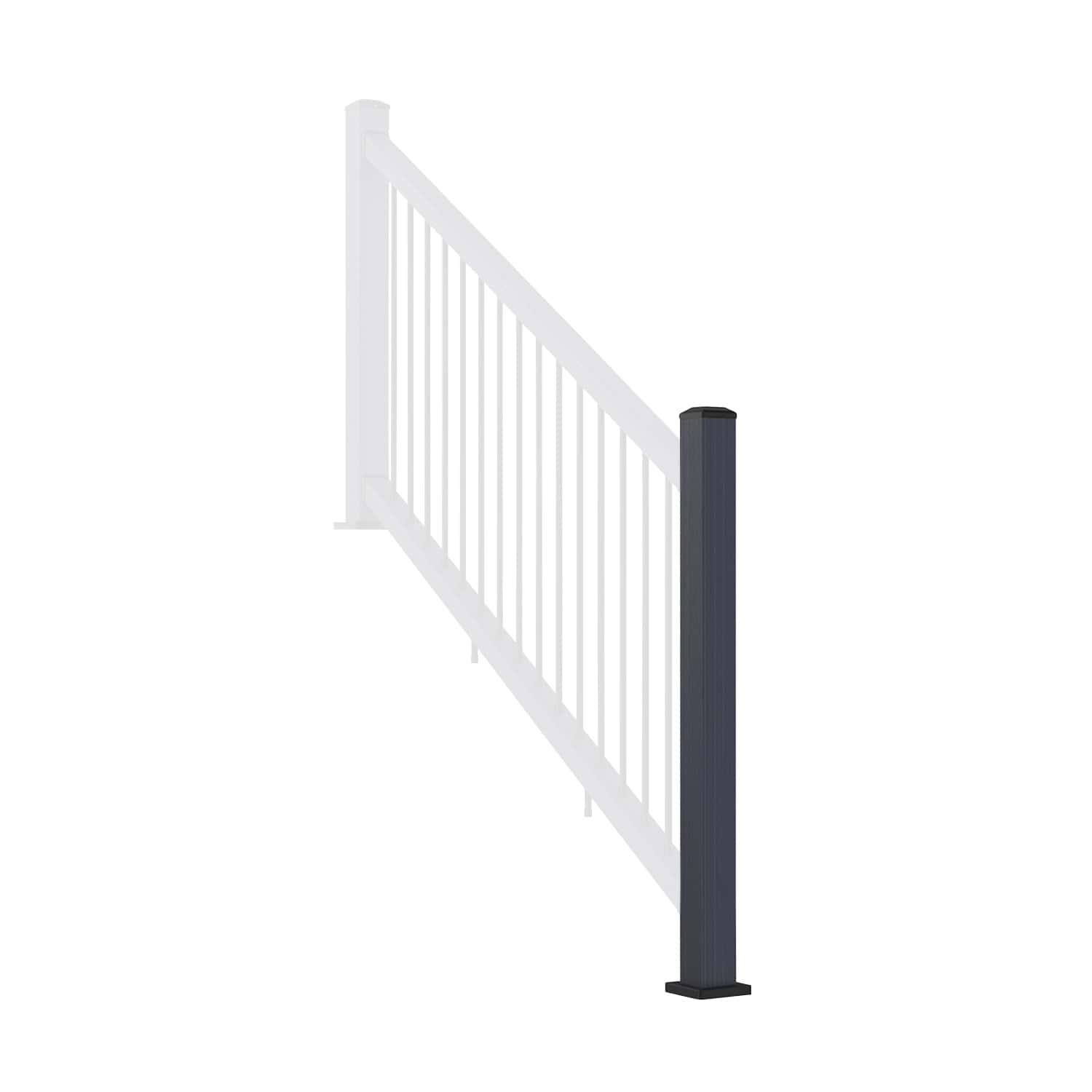
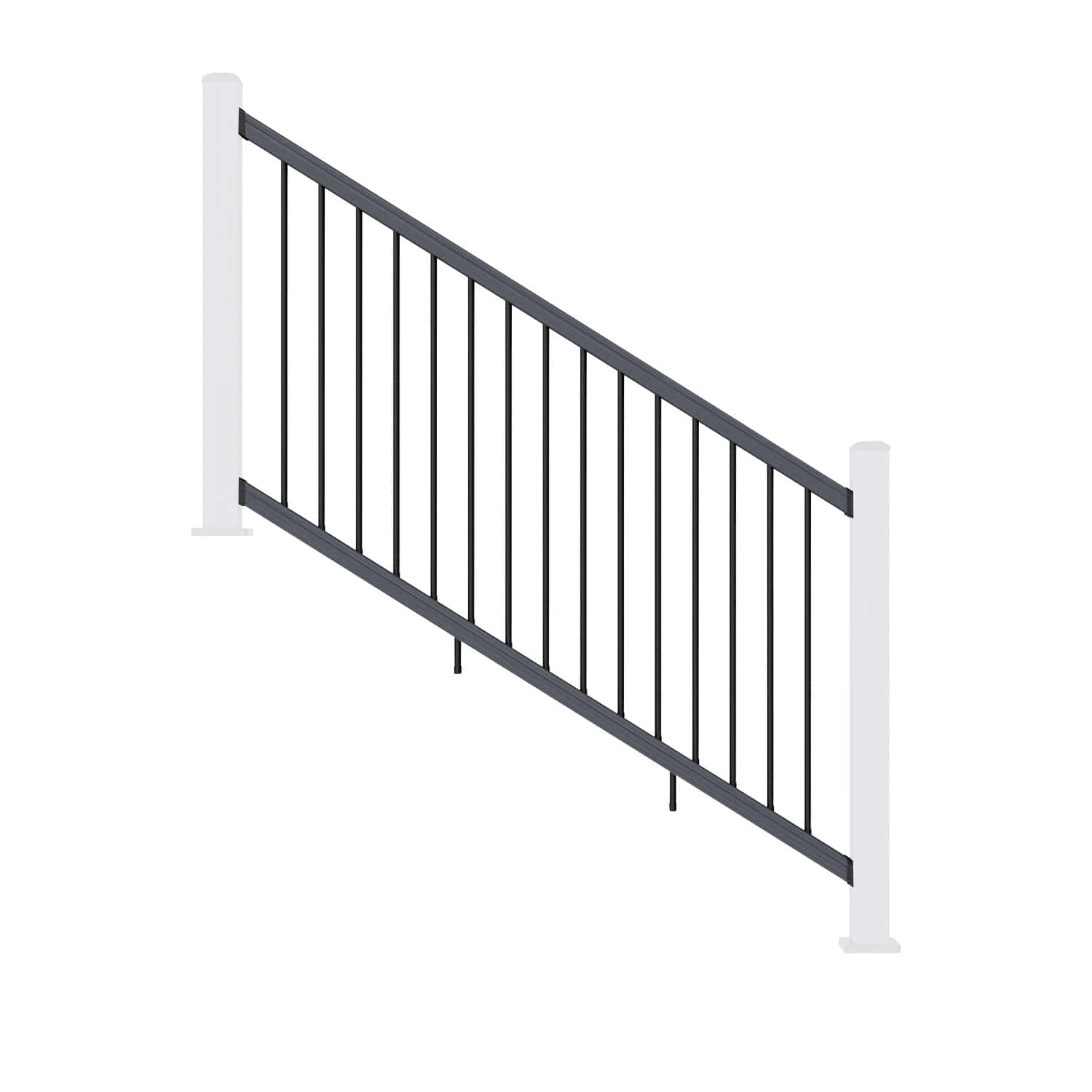
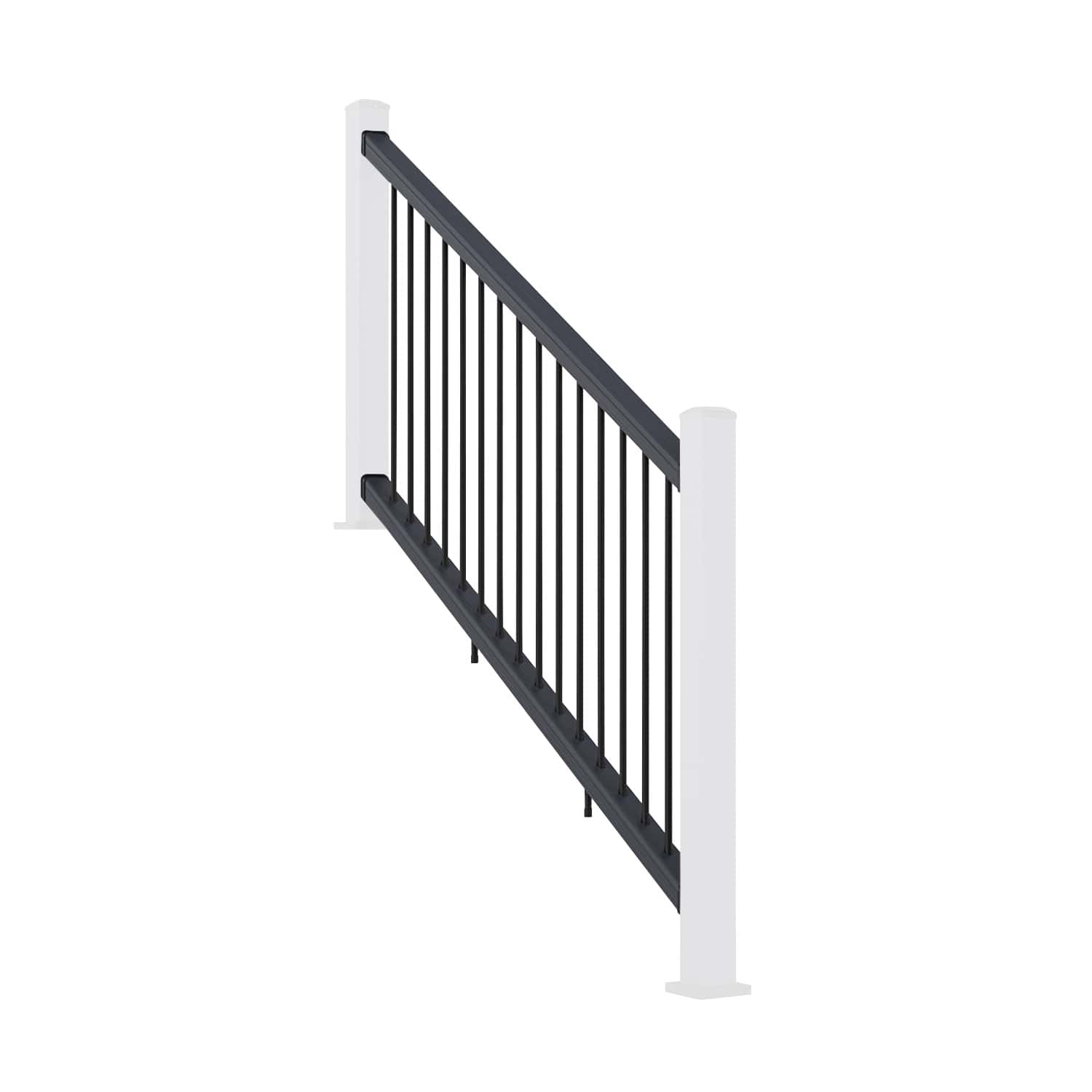
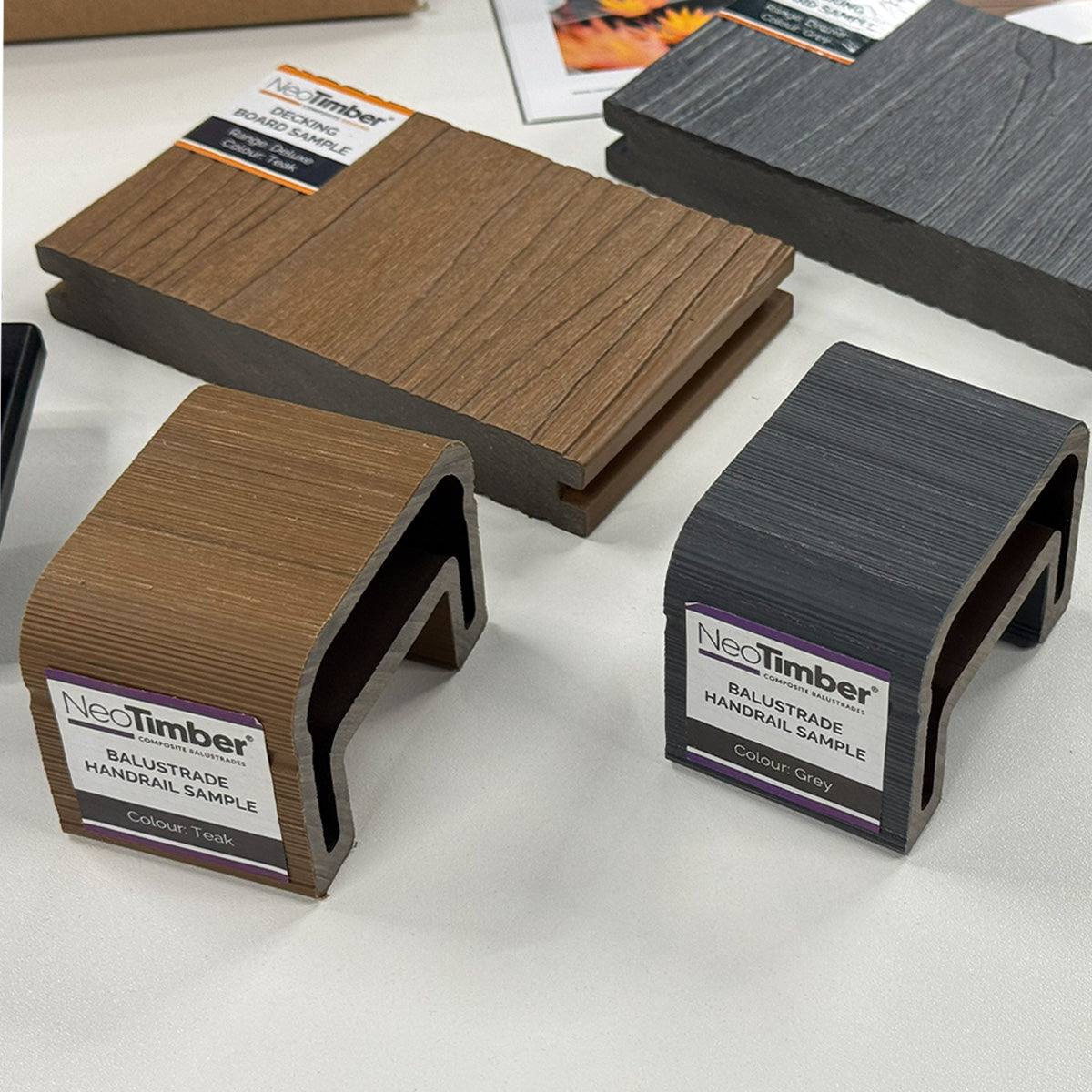
The NeoTimber® composite balustrade range offers eight colours: Grey, Teak, Chocolate, Charcoal, Antique, Ash White, Oak and Silver Birch. The coloured rails and post sleeves sit alongside black aluminium spindles, so consider both the composite finish and the darker vertical lines when planning your scheme.
Use the following ideas as a starting point, then check your preferred combinations with physical samples. The same shade can look different against red brick, pale render or dense green planting.
- Charcoal: consider this for a defined border alongside pale decking, contemporary paving or dark-framed doors.
- Chocolate: a rich brown option to explore with timber furniture, warm brickwork and woodland-inspired planting.
- Grey: a versatile starting point for neutral schemes, whether you want a coordinated deck or a contrast with warmer boards.
- Teak: consider this wood-inspired shade when you want warmth around an outdoor dining or seating area.
- Oak: another option for a timber-inspired palette; compare it directly with Teak rather than choosing from the names alone.
- Antique: include this in your sample shortlist when exploring a softer, understated scheme. Antique is a separate finish from Ash White.
- Ash White: try this for a lighter outline around a deck, particularly where pale architectural details already feature.
- Silver Birch: explore this alongside light paving, neutral furniture and planting for a restrained overall palette.
Dark Balustrade Colours: Define the Edge of Your Deck
Charcoal and Chocolate can create a strong outline around an outdoor space. This works especially well when the balustrade repeats a colour already present elsewhere: a dark pergola, a window frame or a set of dining chairs. Repetition gives the choice a clear relationship with the rest of the garden.
For a contemporary look, compare Charcoal against lighter decking or paving. For a warmer setting, try Chocolate beside brown boards and natural wood furniture. Neither combination needs every surface to match; a few related tones can feel more relaxed than a single colour used throughout.
Check the view from inside the house too. A railing is often visible through patio doors throughout the year, so its relationship with the garden matters even when you are not using the deck.

Light and Neutral Shades: Create a Softer Outline
Lighter balustrade colours can introduce a fresh contrast against darker boards or tie into pale walls and doors. Ash White and Silver Birch are useful options to compare when you want a lighter scheme, while Oak and Teak offer a different route through wood-inspired tones.
Look beyond the idea that a light colour automatically makes a small garden feel bigger. The amount of railing, the size of the posts and the openness of the infill also influence how enclosed the space appears. A pale rail against a dark hedge may stand out more than a darker one.
For a balanced palette, start with your largest permanent surfaces. If your house has warm brickwork, compare warmer finishes first; if the setting features cool grey paving, include neutral shades in your shortlist. These are useful design starting points, rather than rules that prevent you from choosing a contrast.
Why Grey Balustrades Work Across Different Garden Styles
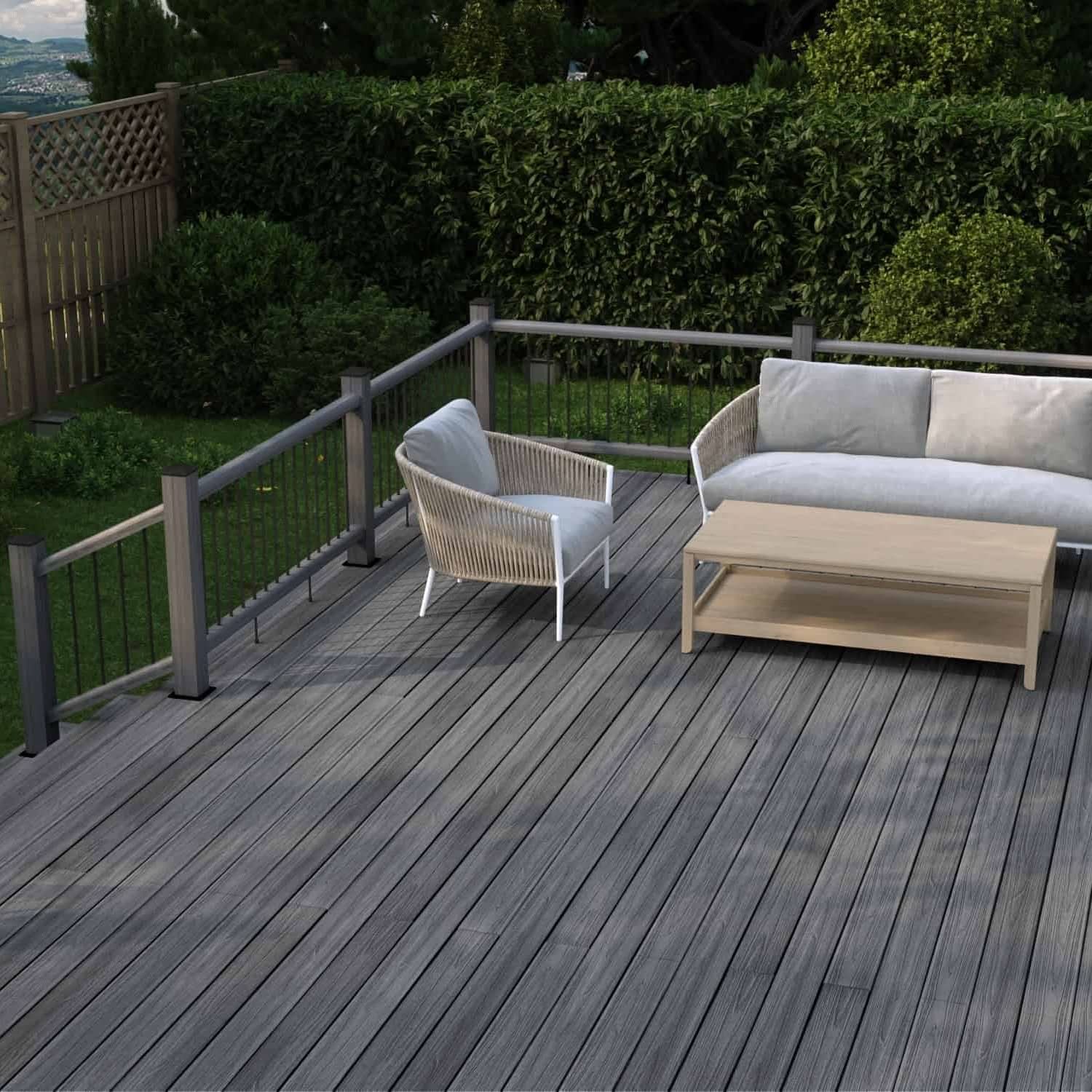
Grey offers a useful middle ground when you want a defined railing without choosing the deepest shade. With grey decking, it can create a consistent perimeter; beside warmer boards, it introduces a change of tone without adding another wood-inspired colour.
Pay attention to the particular grey already in your garden. A cool paving slab, a warm grey fence and a silver-toned chair may look related individually but different when placed together. Compare samples side by side, then step back to judge the overall arrangement.

Should Your Balustrade Match or Contrast with Your Decking?
Match for a continuous finish
Coordinating your rails with the decking can help the area read as one space. This is a useful approach when the garden already contains several materials or strong colours. Keep larger surfaces related, then introduce variety through cushions, pots and planting.
Compare samples from the actual product ranges you intend to order. A shared colour name does not necessarily mean every material, texture or component will look identical in every light.
Contrast for a deliberate design feature
A contrasting balustrade can make the edge of the deck more prominent. Try dark rails against pale boards, or a lighter rail above a deeper deck colour. To keep the scheme coherent, repeat the chosen railing tone in one or two other details rather than introducing several unrelated finishes.
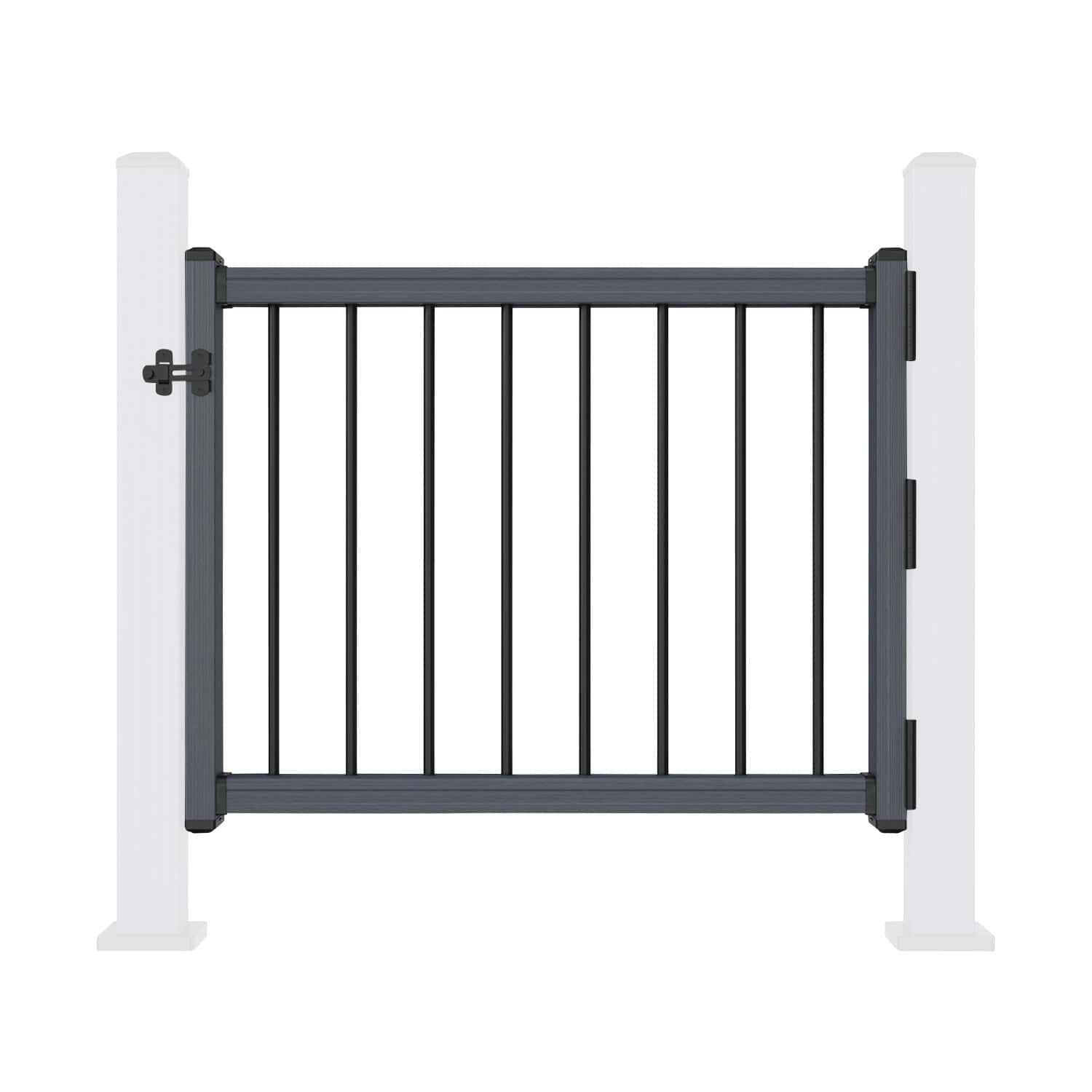
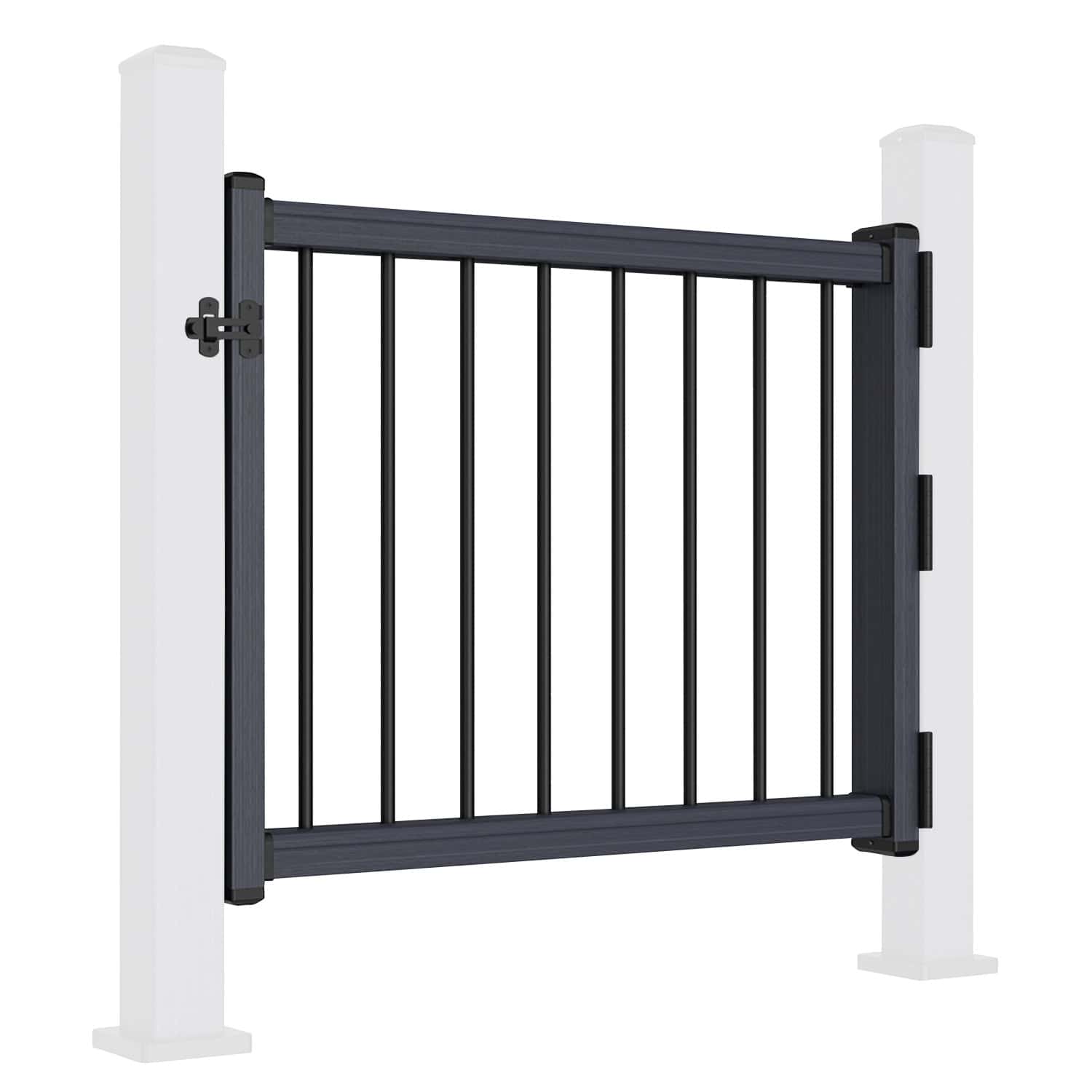
Plan the entire route around the deck, including stairs and gates. Consistent colours through these transitions usually look more intentional than choosing each section separately.
Consider Black Aluminium and the Effect of the Infill
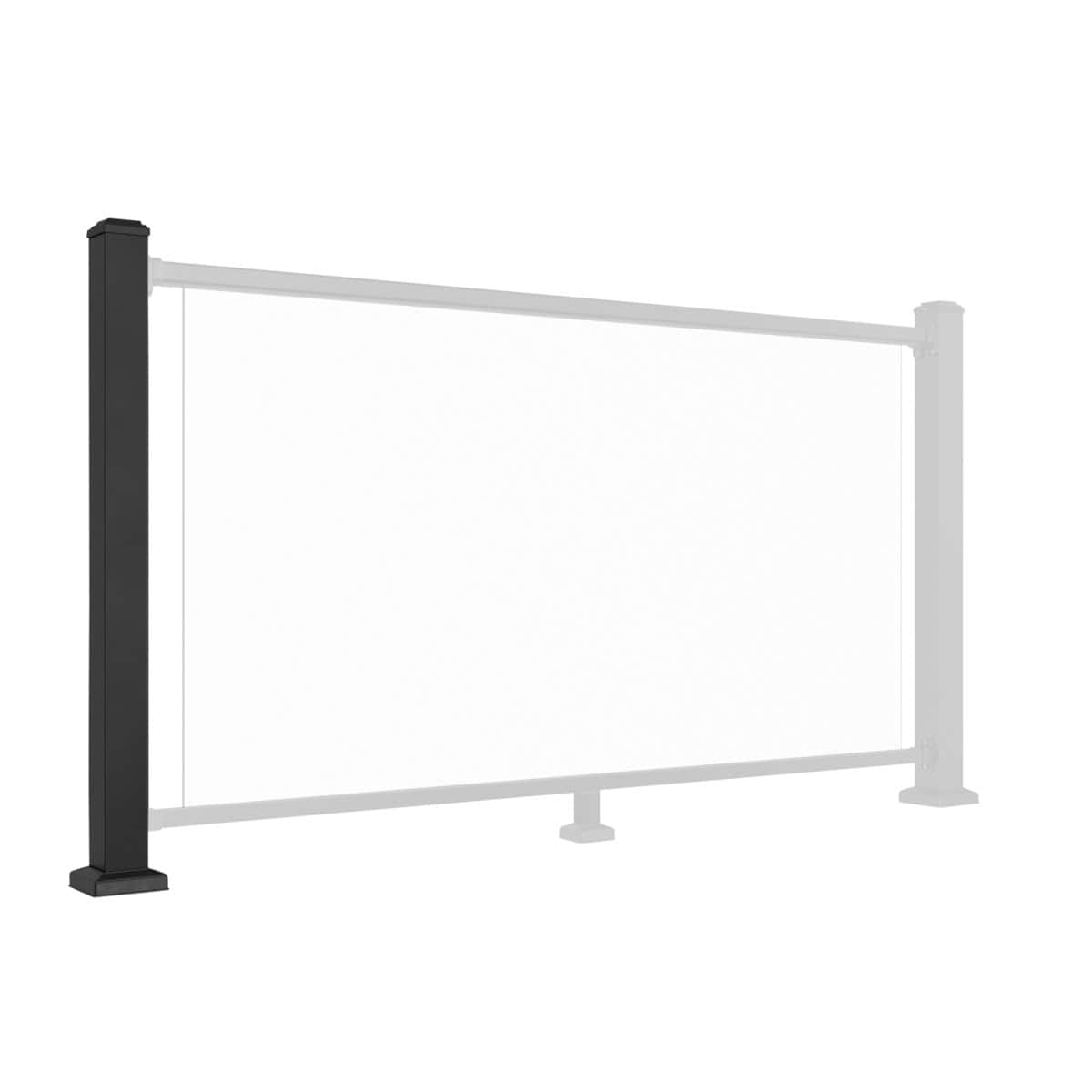
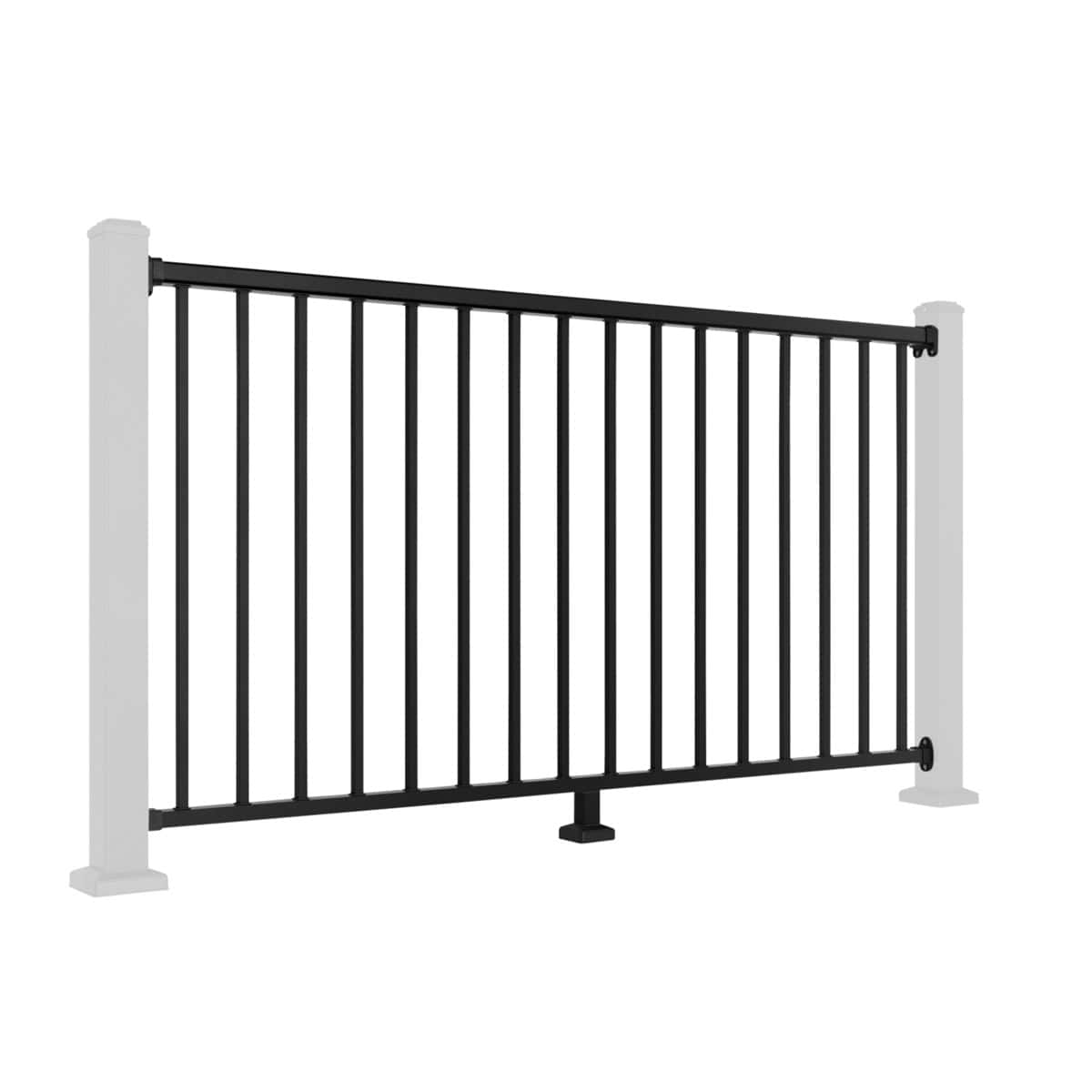
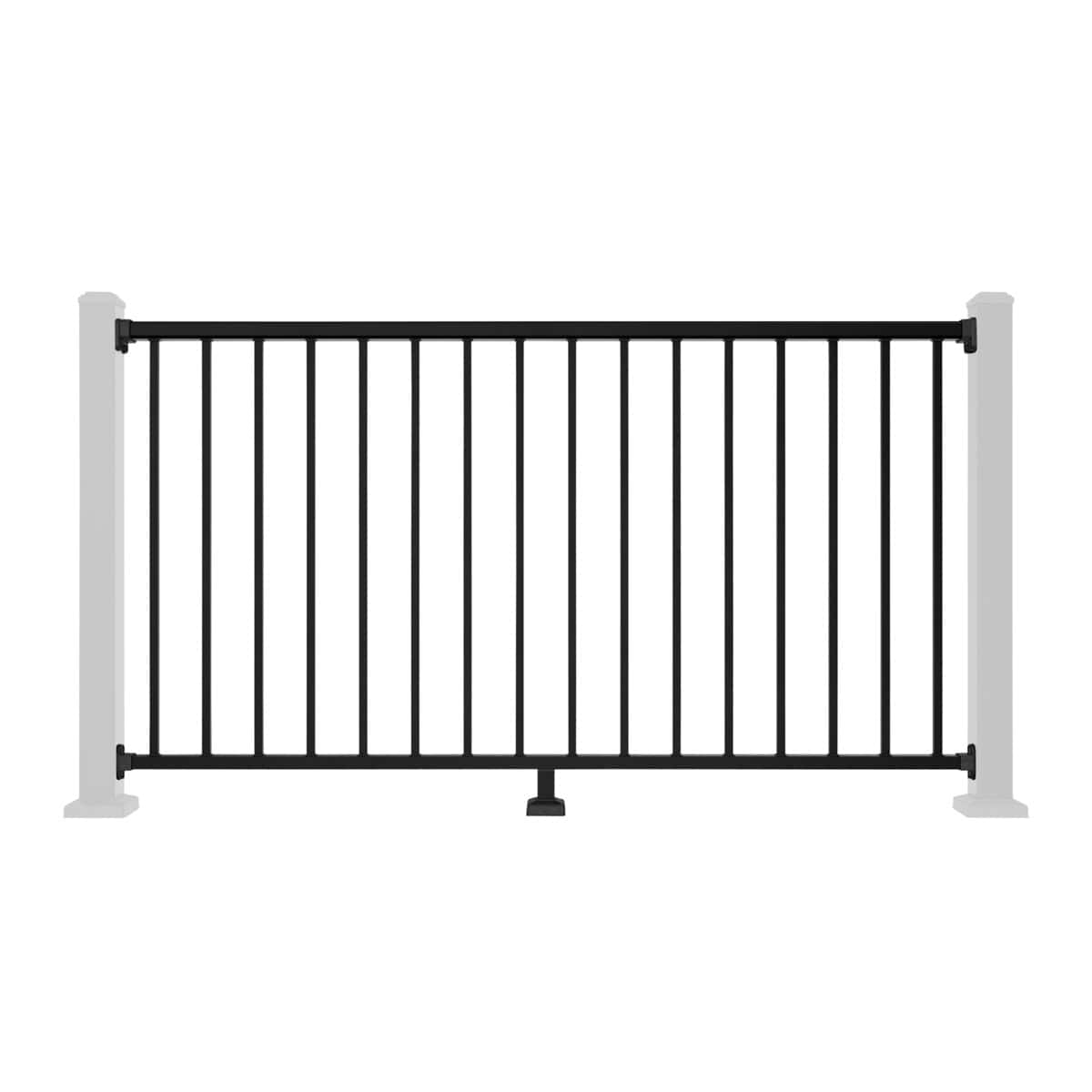
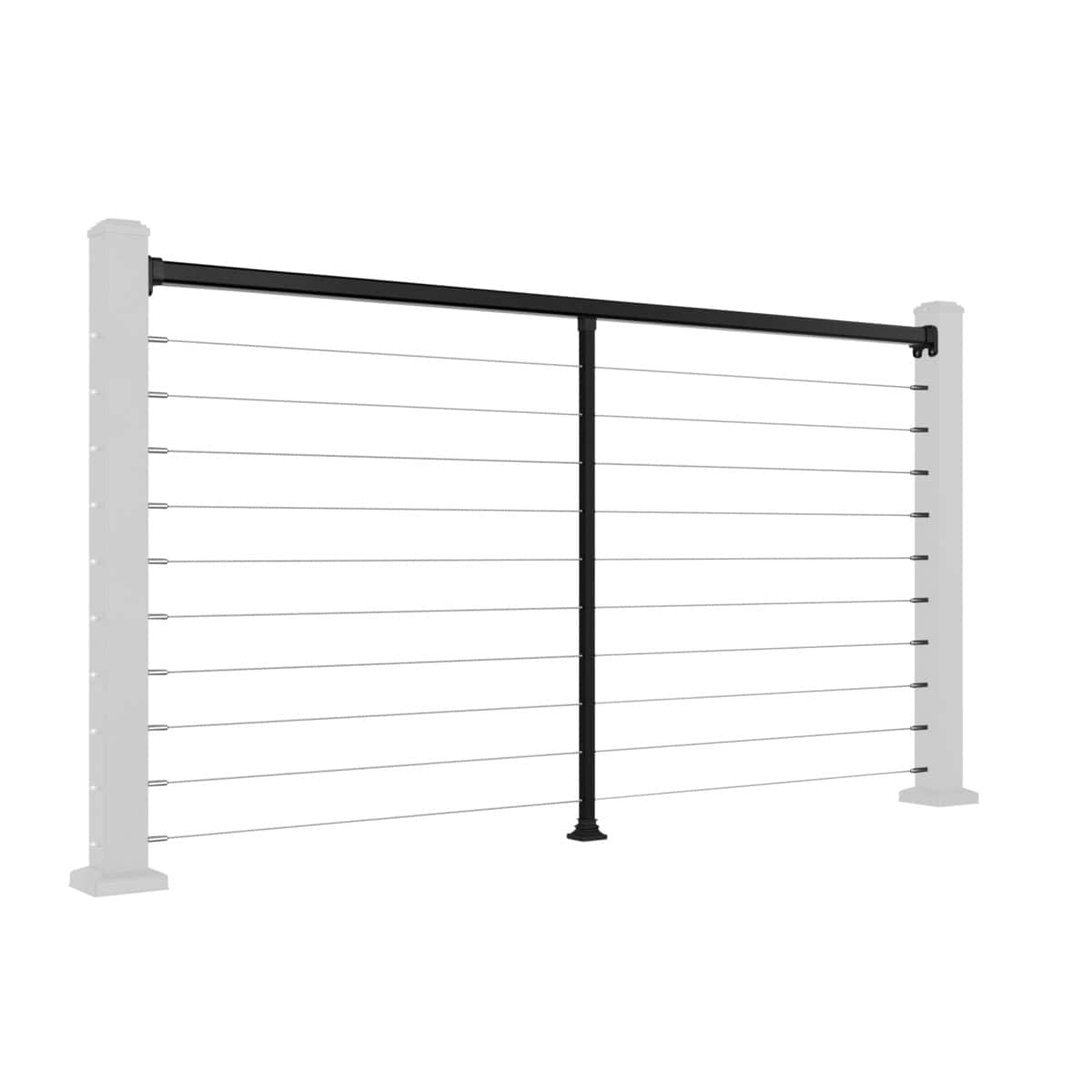
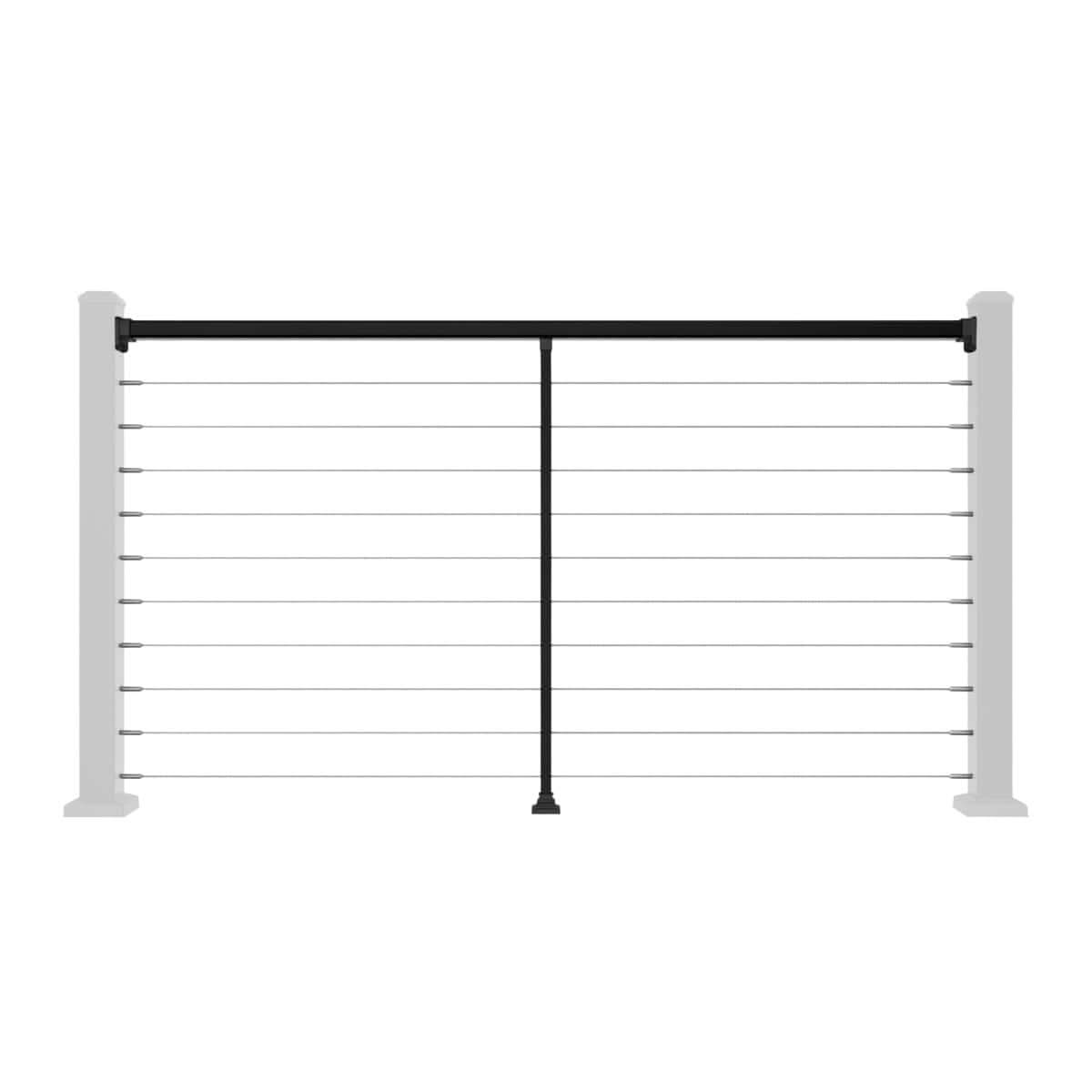
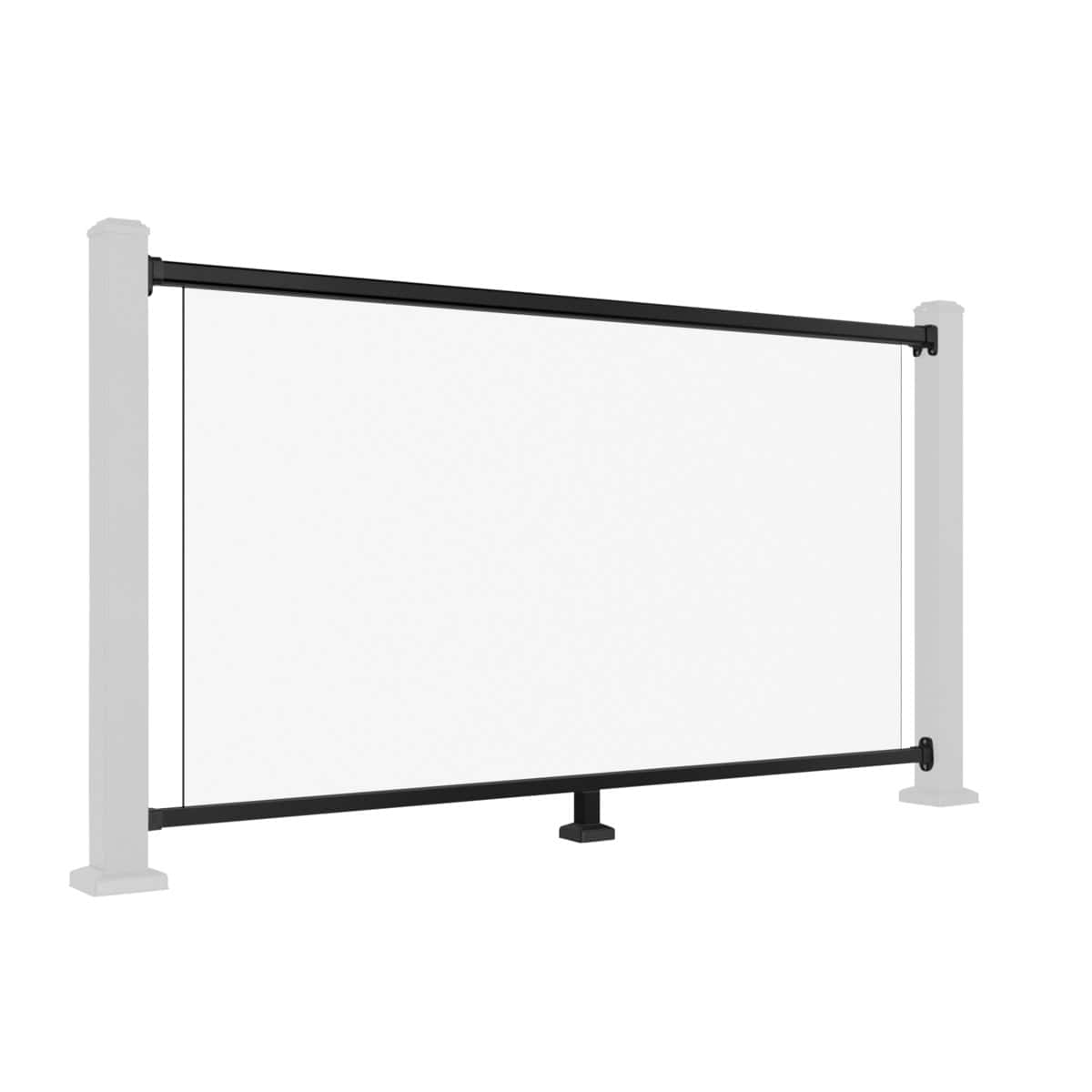
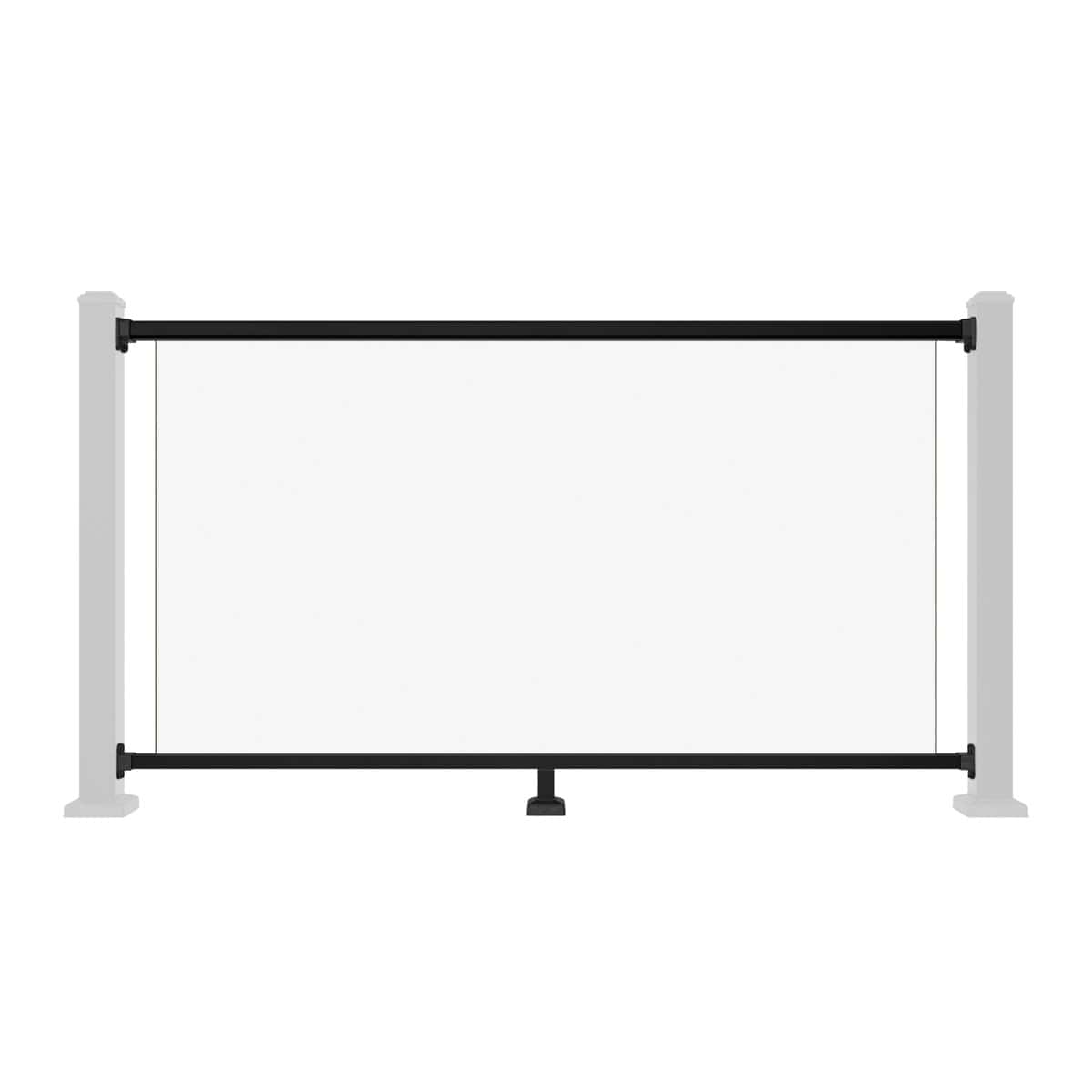
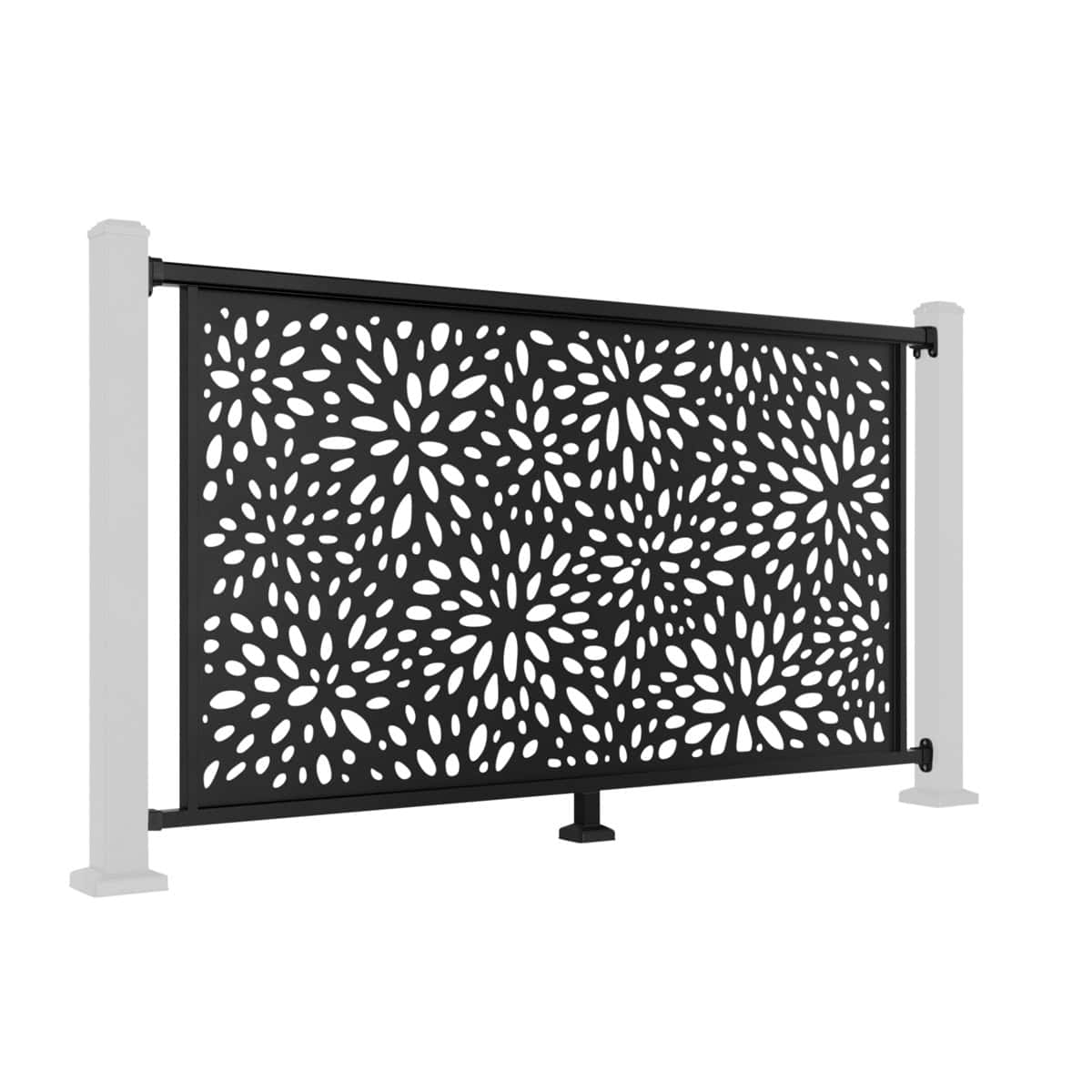
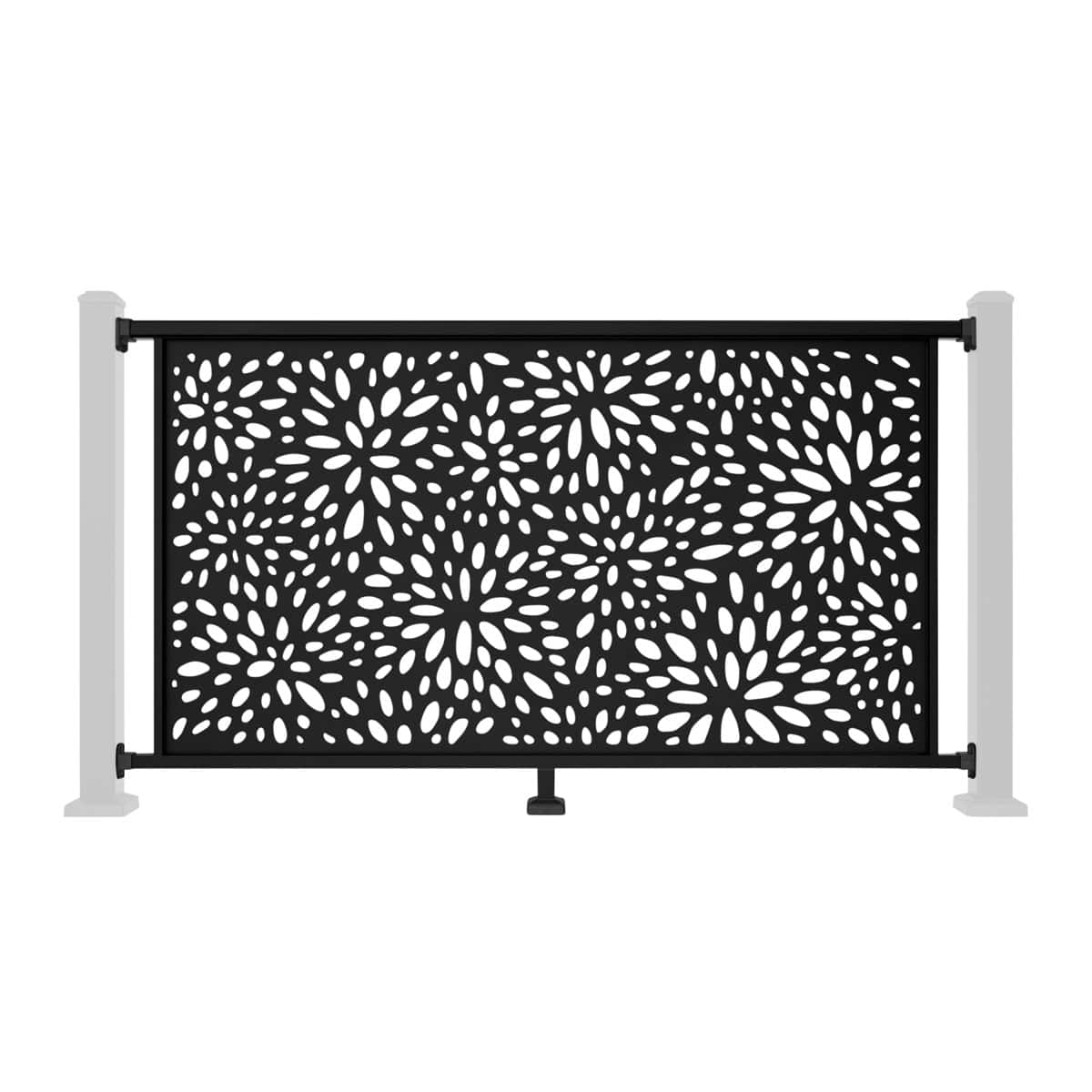
If you prefer a black-framed look, explore NeoTimber® aluminium balustrades. The range includes Glass, Screen, Spindle and Wire designs. The infill changes the visual effect as much as the frame: glass keeps the view more open, while a screen makes the boundary more prominent.
A black frame can echo dark doors and furniture while letting surrounding materials provide the colour. Glass also brings reflections into the composition, so consider the view, nearby planting and the appearance from both sides. Confirm that your chosen system and installation are suitable for the intended location before ordering.

How to Compare Balustrade Colours Before You Order
- Choose an anchor material. Start with the decking, brickwork or paving you are keeping.
- Shortlist two or three finishes. Include a coordinated option and a contrasting one so the difference is easy to assess.
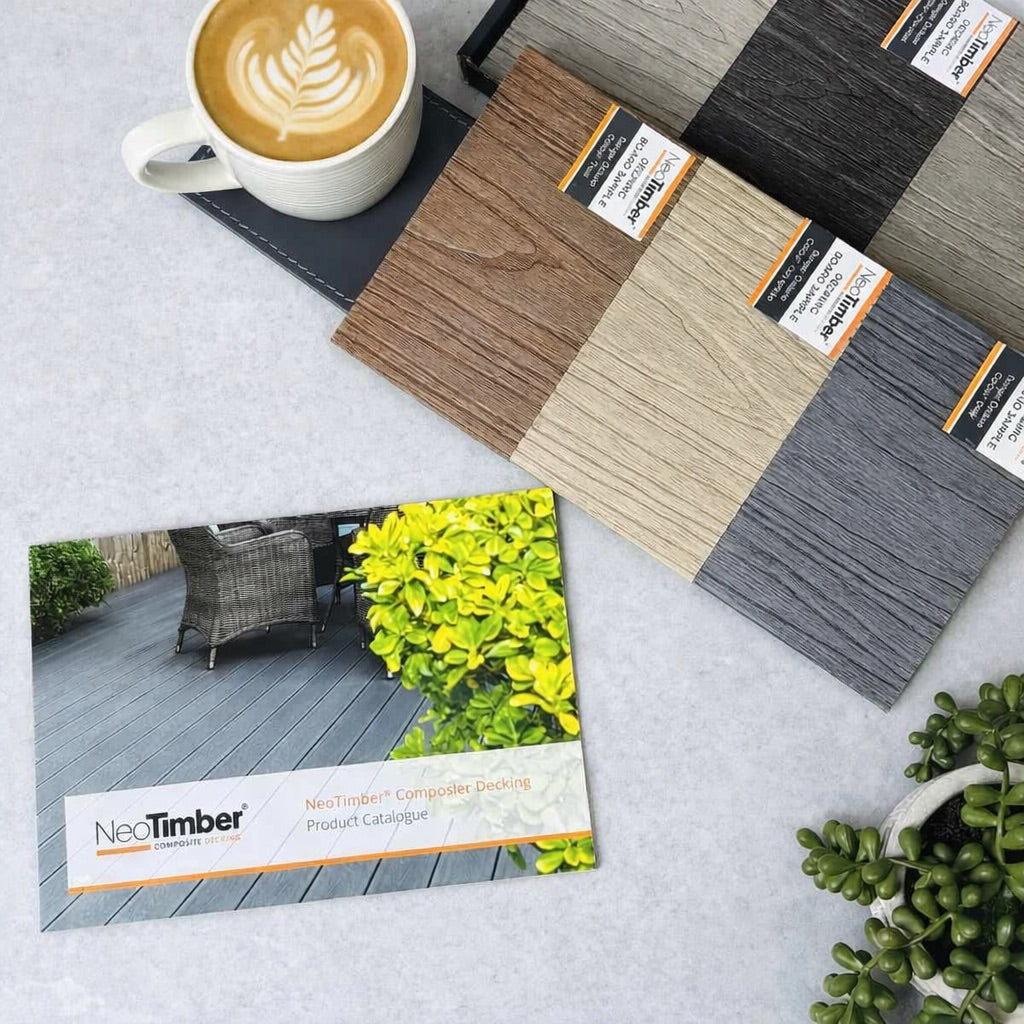
- View samples outside. Check them in sunlight and shade, and at different times of day.
- Hold the railing sample upright. Compare it with a decking sample laid flat to better reflect their installed positions.
- Check the wider view. Look from the house, the seating area and the garden rather than judging only at arm's length.
- Confirm the complete scheme. Consider posts, rails, infill, gates and adjoining stairs before finalising your selection.
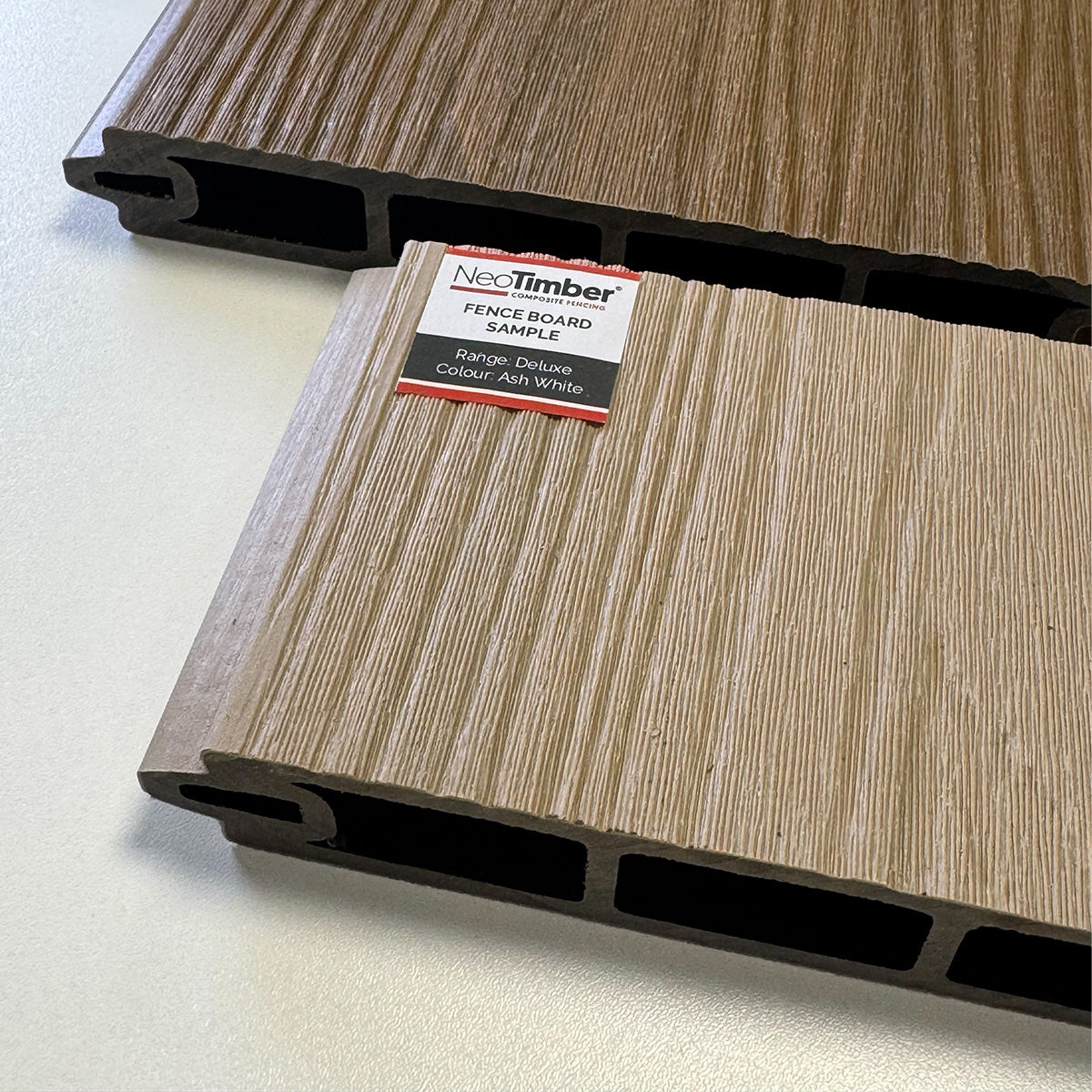
Screen settings and photography can alter how a finish appears. Order NeoTimber® samples to compare the colour and texture in your own setting before committing to a full project.
Keeping Your Chosen Finish Looking Its Best
NeoTimber® capped composite balustrades are designed for fade resistance and do not require routine sanding or painting. Fade resistance should not be read as a promise that the appearance will never change outdoors.
Occasional cleaning still matters. Follow the relevant balustrade care guidance for your system, and check instructions before using a new cleaning product. Choose the finish you want at the outset rather than planning to repaint it later.
Balustrade Colour FAQs
What is the best balustrade colour for a small garden?
Start with the background and the view. A lighter rail may coordinate with pale walls, while a darker rail may be less prominent against dense planting. Compare both options and consider the openness of the infill as well as the colour.
Do balustrades have to match the decking?
No. Matching can create continuity, while contrasting colours can define the perimeter. A contrast often feels more considered when it repeats a tone used elsewhere in the garden or house.
Is Antique the same as Ash White?
No. Antique and Ash White are distinct NeoTimber® composite balustrade colours. Compare physical samples to choose the finish that works best with your other materials.
How can I choose between similar shades?
Place samples beside your decking and walls outdoors, then compare them in different light. Narrow the choice according to the overall scheme rather than selecting a shade in isolation.
Bring Your Garden Palette Together
The right balustrade colour connects the deck, the house and the garden. Decide whether you want a quiet continuation or a visible frame, compare samples in place, and carry the chosen finish consistently through the project. Explore the composite balustrade collection to begin building your shortlist.