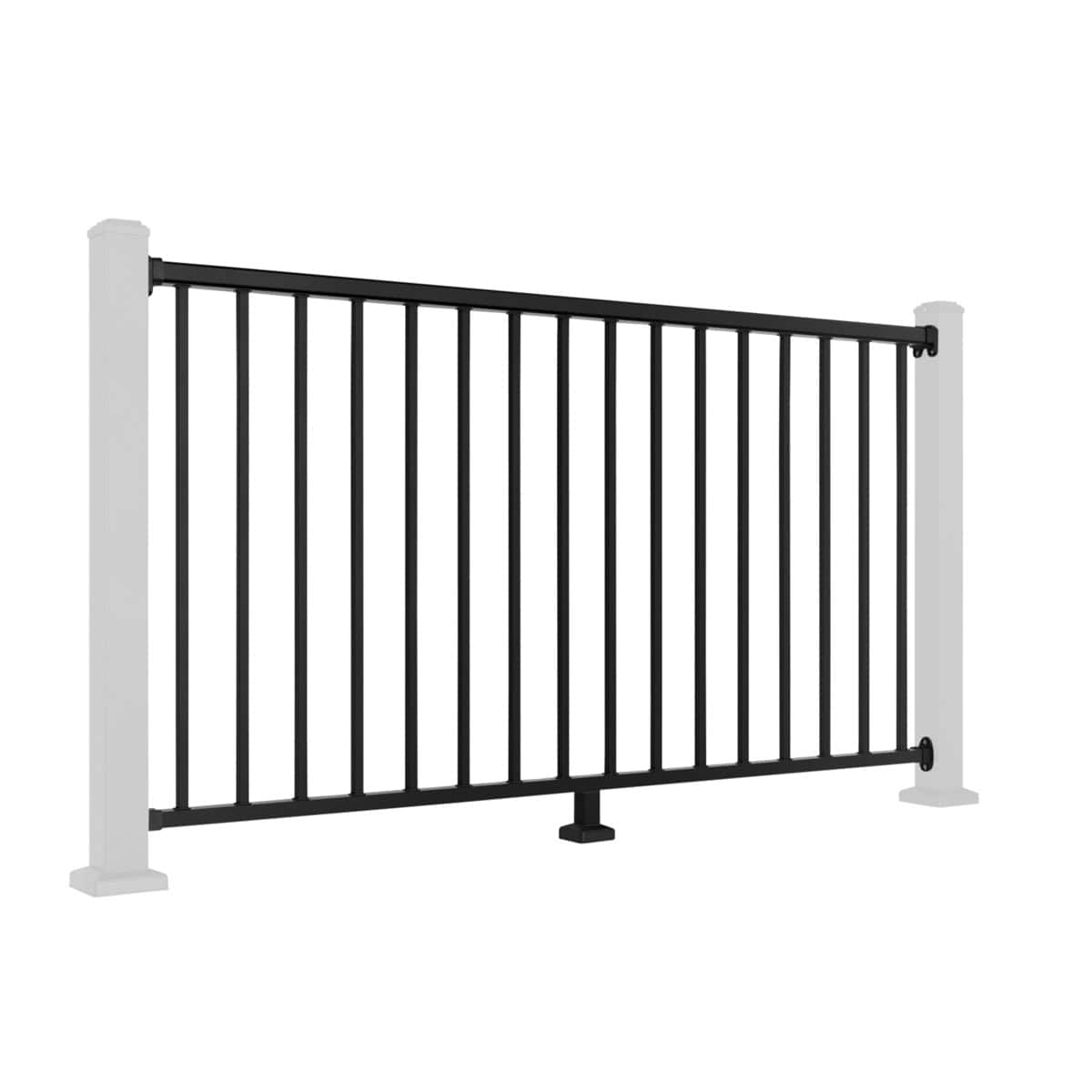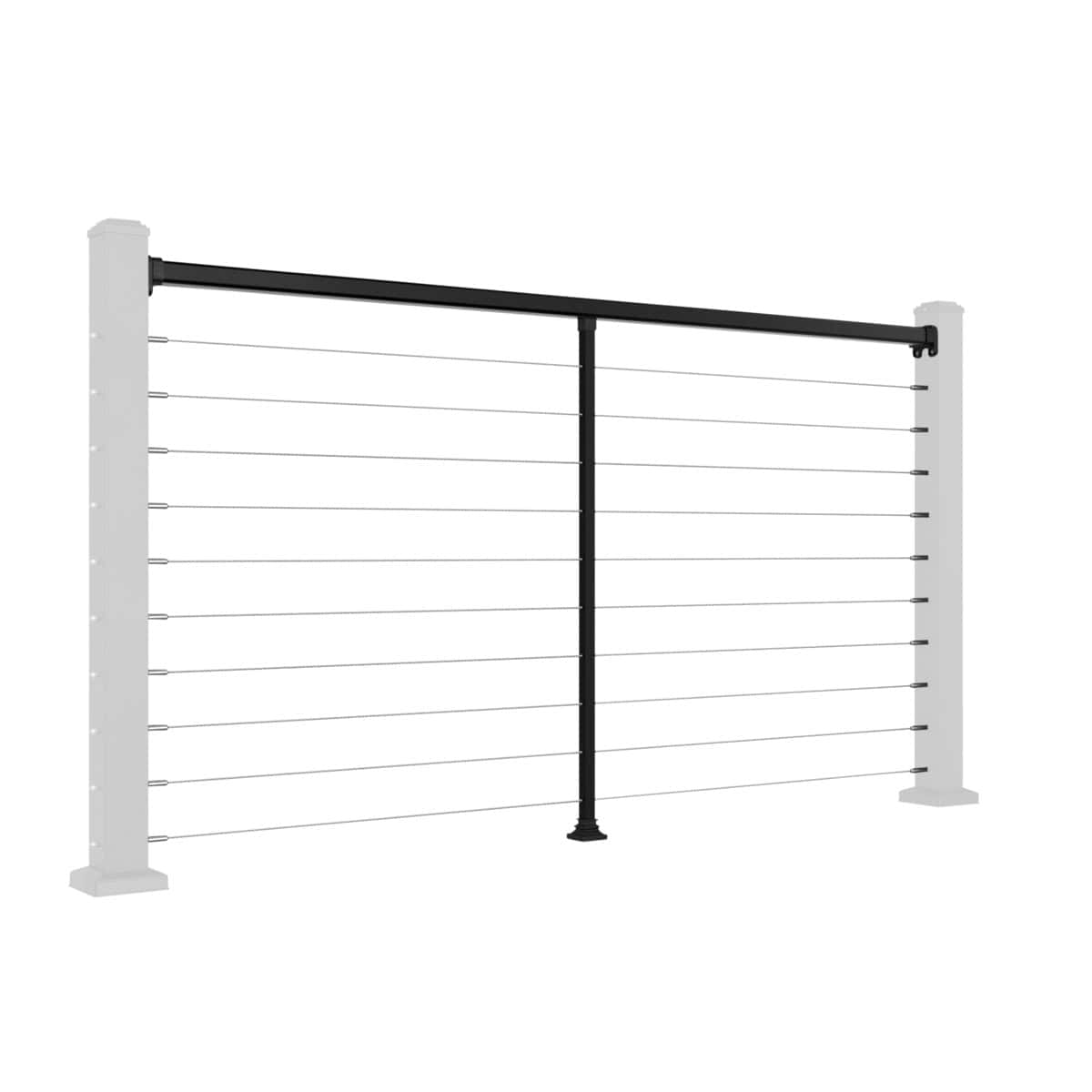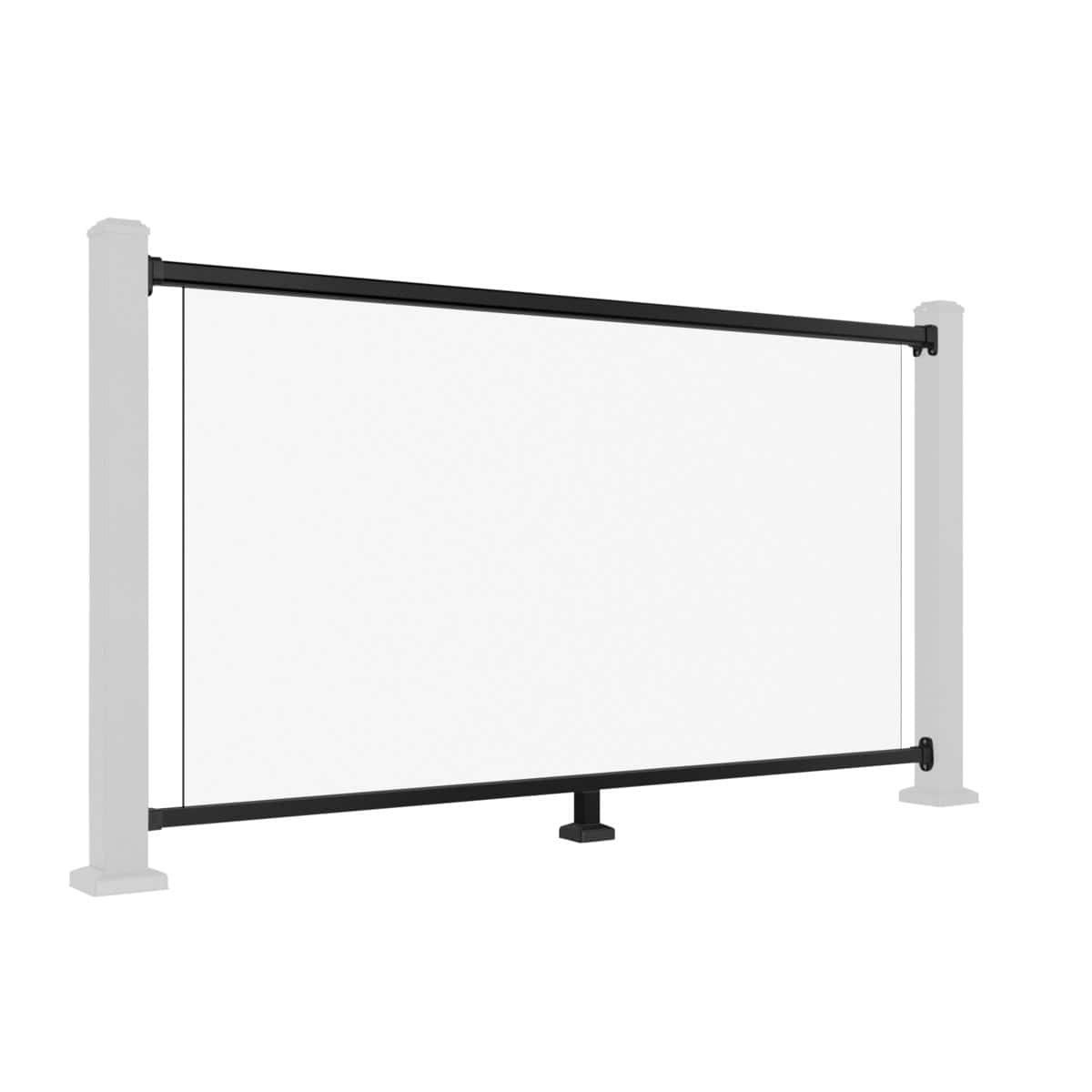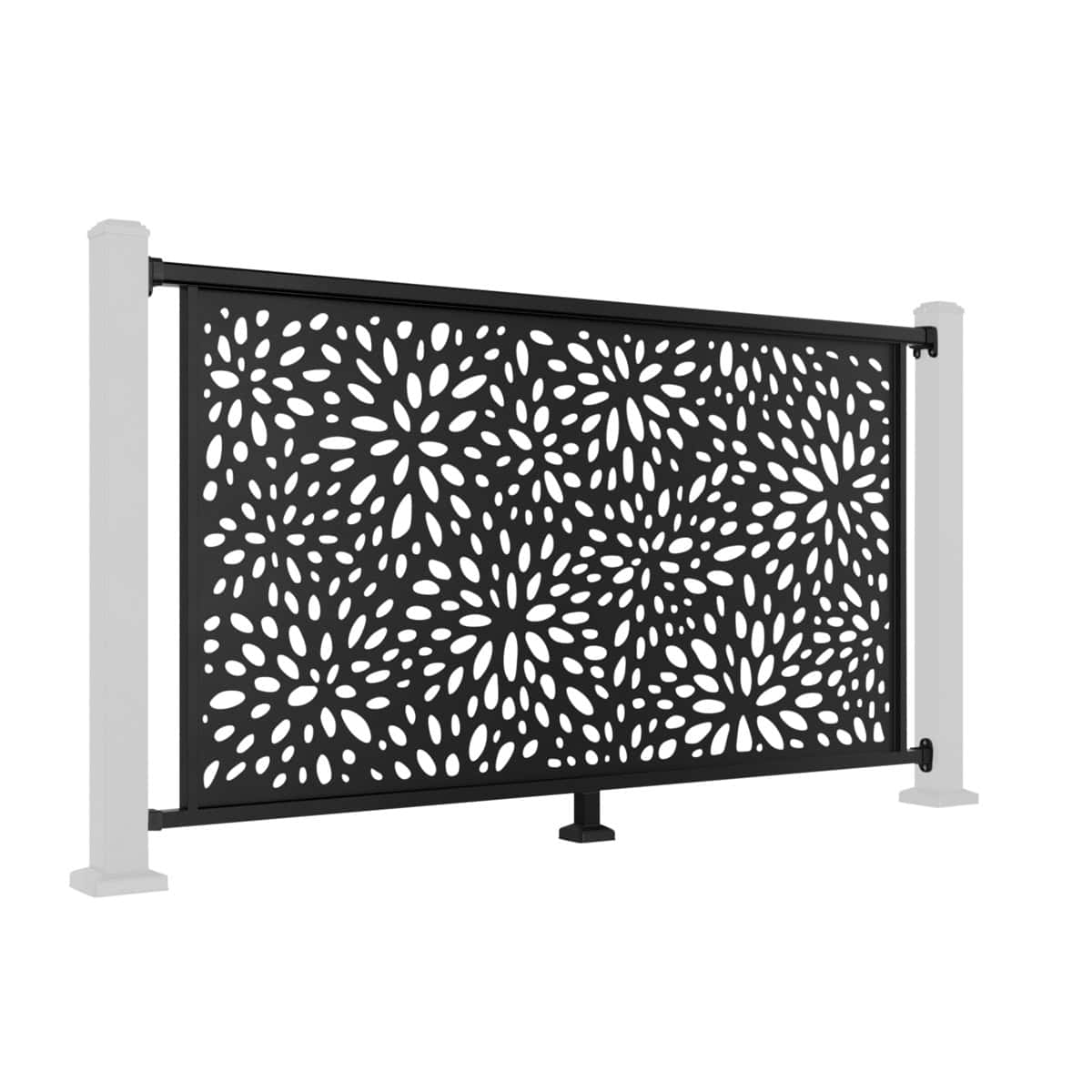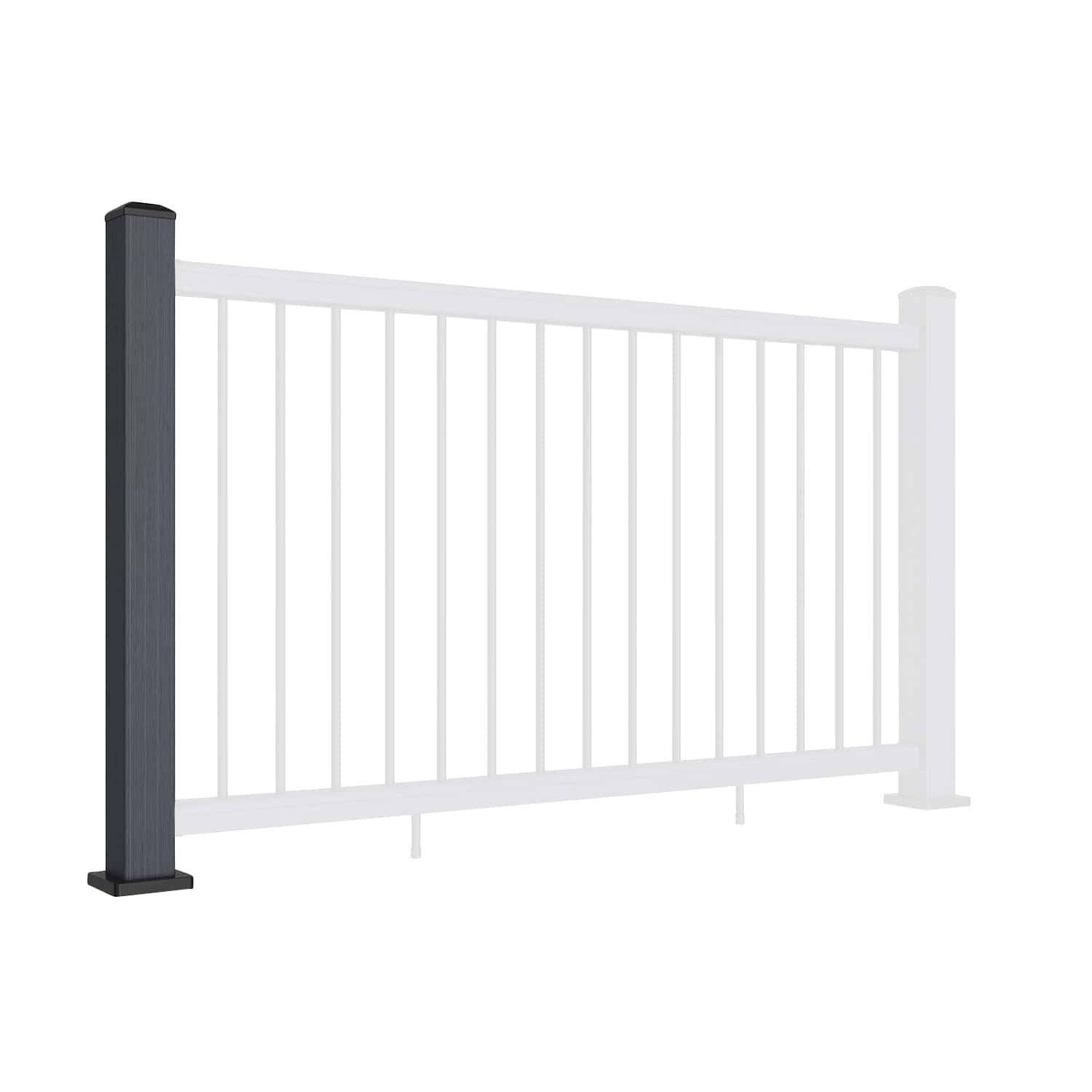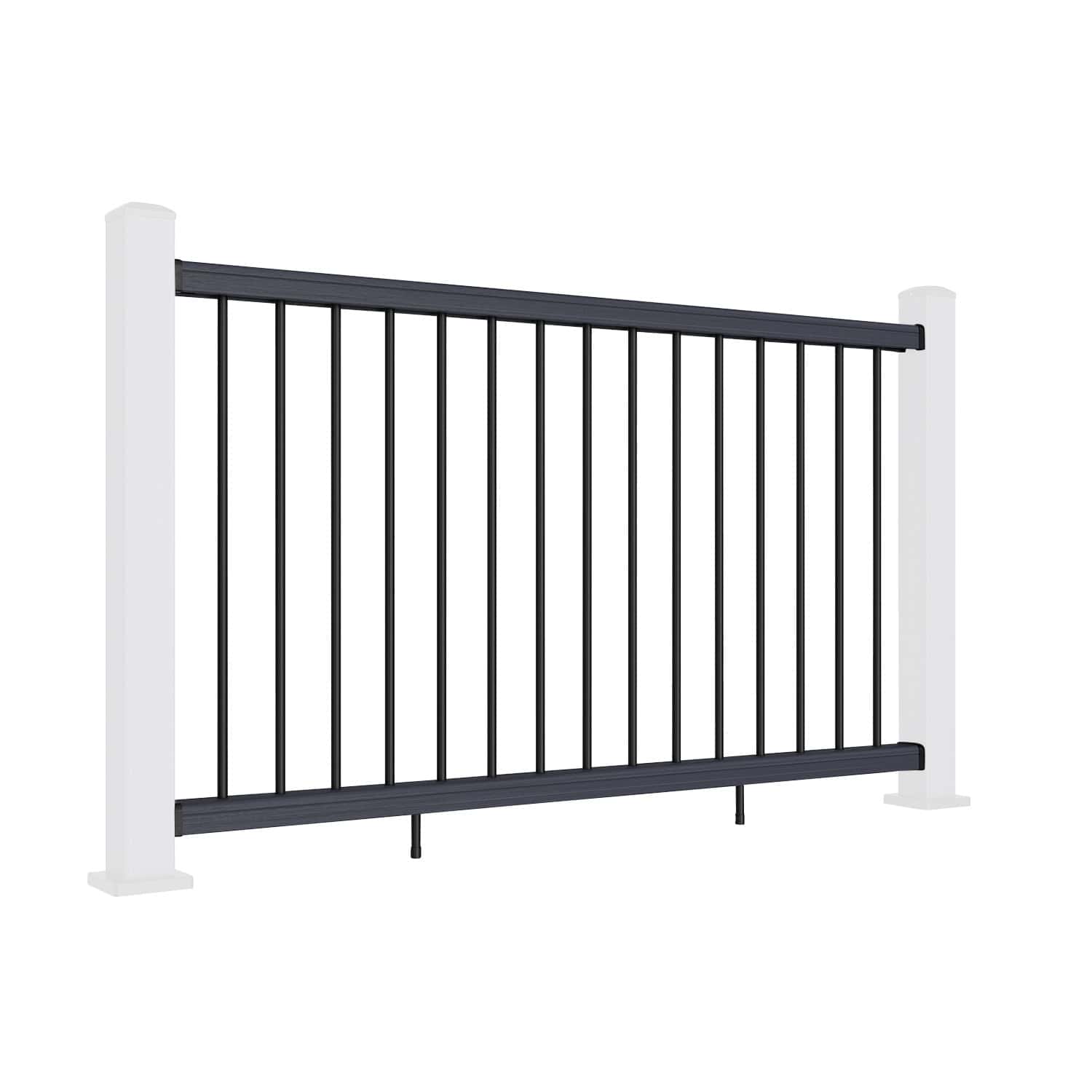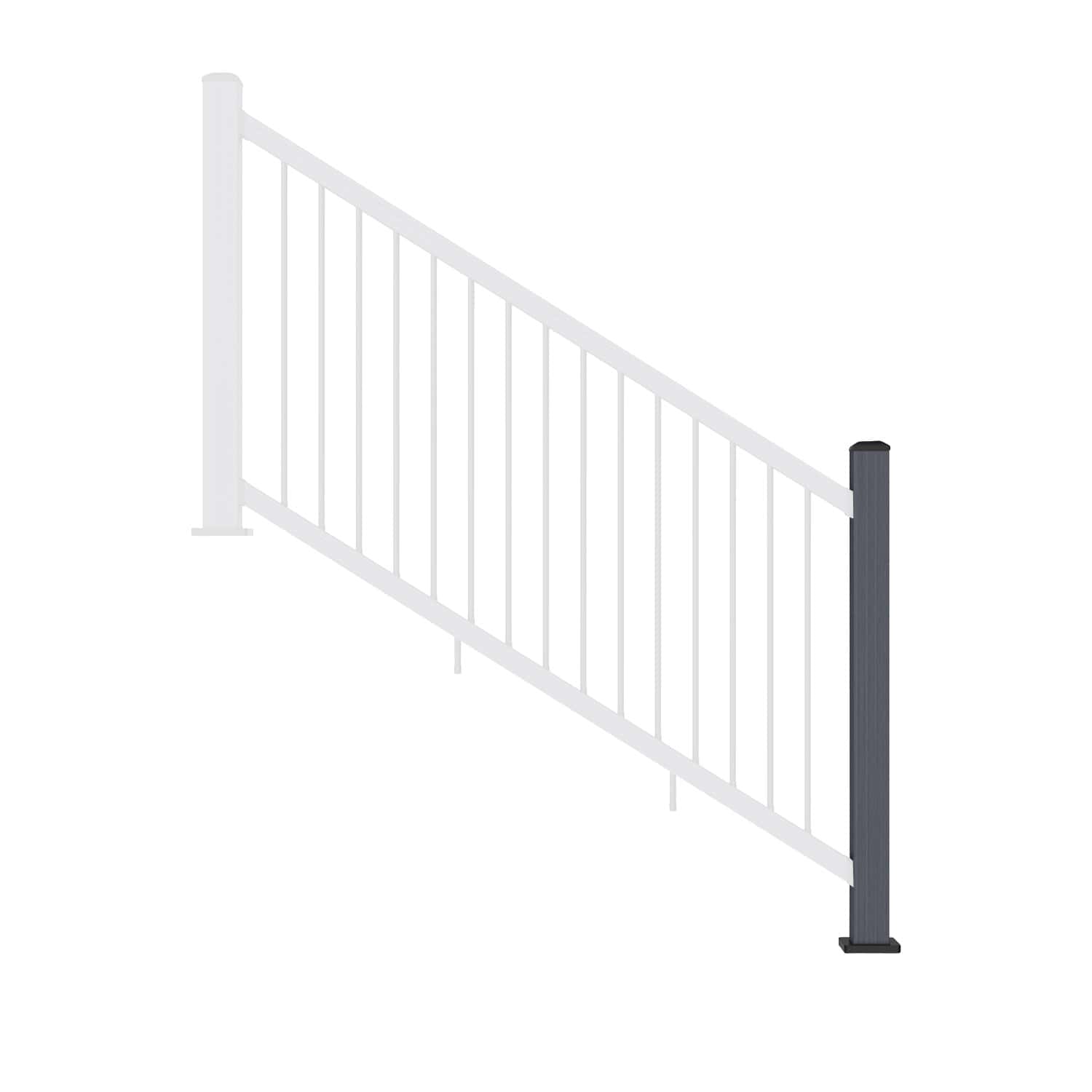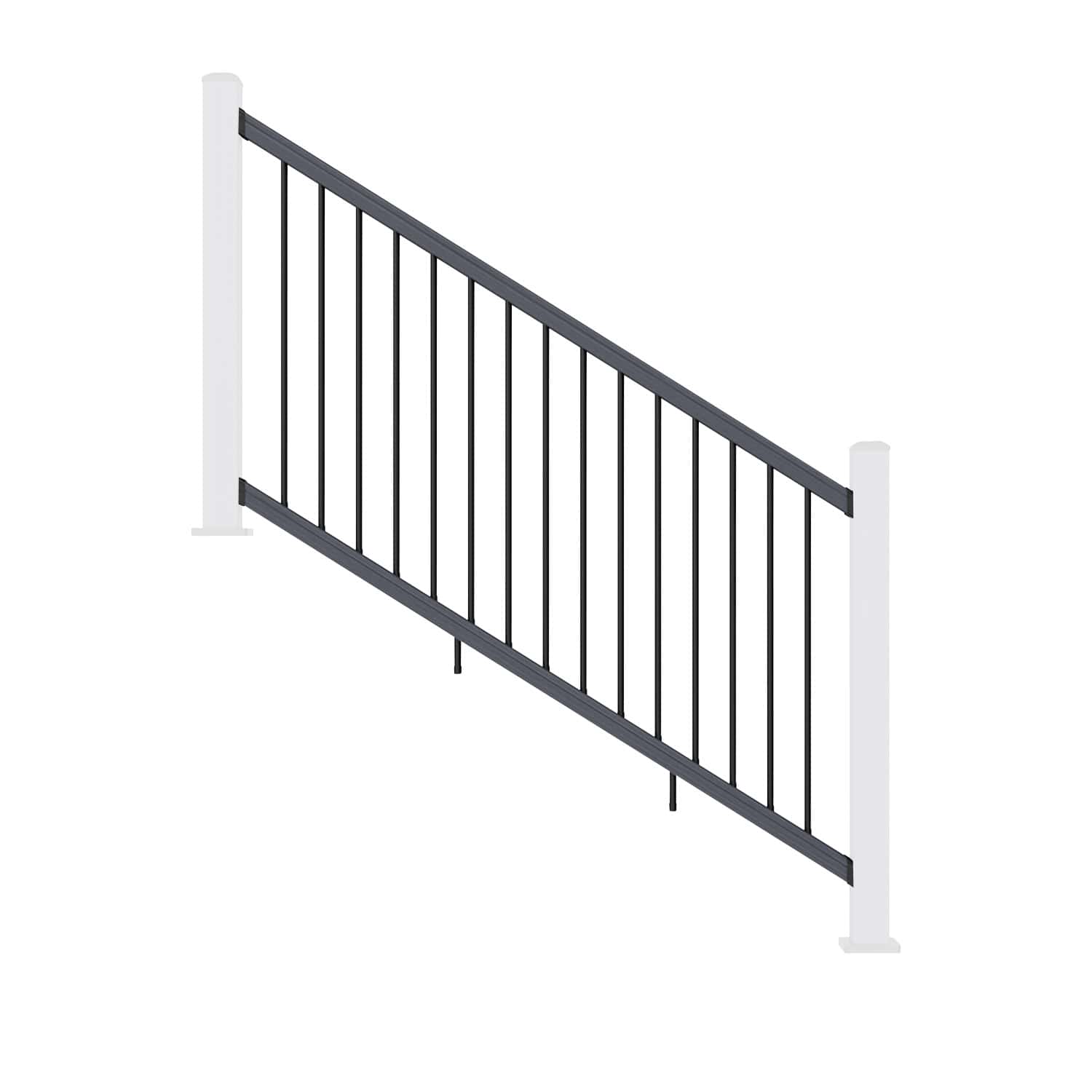
Choose Deck Railings That Complement Your Garden and Suit the Structure
Choosing a balustrade for decks involves more than finding a colour you like. The railing shapes the view, defines the perimeter and connects the main surface with any steps. Where it protects a drop, its structural design and installation are essential.
Start with the deck’s layout and intended use, then compare finishes within systems suitable for the project. This guide brings together design ideas and practical questions to help you develop a coordinated plan.

Begin With the Deck Layout
Mark the edges, entrances and changes in level before choosing individual components. Think about routes between the house, furniture, steps and lawn, and where the railing will sit within those routes.
A balustrade can provide visual definition, but decorative zoning and protective guarding are different roles. Establish what is required at each location before deciding on the style.
For raised areas, involve the responsible designer or installer early enough to resolve the post connections with the supporting framework.
Match or Contrast the Decking Colour
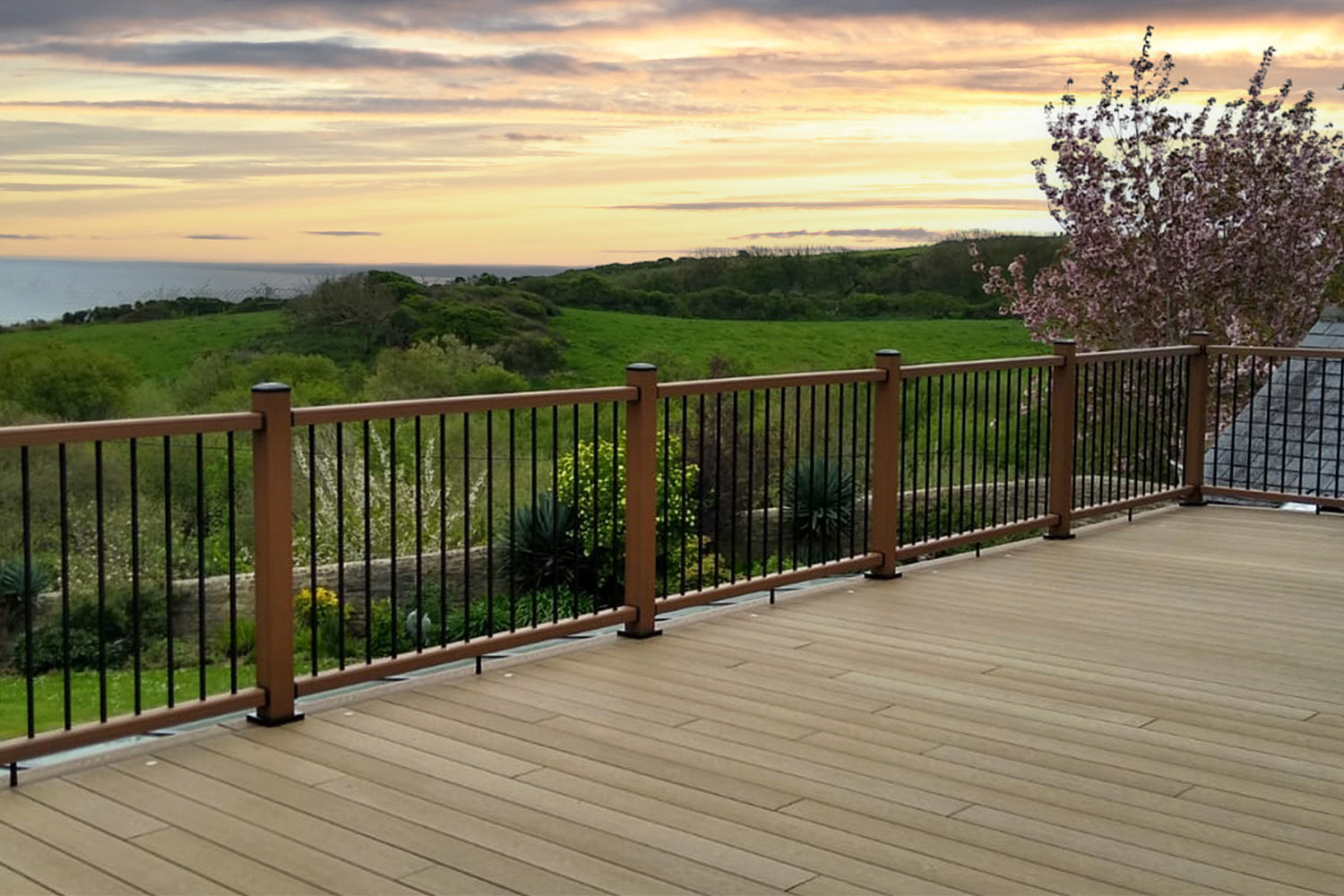
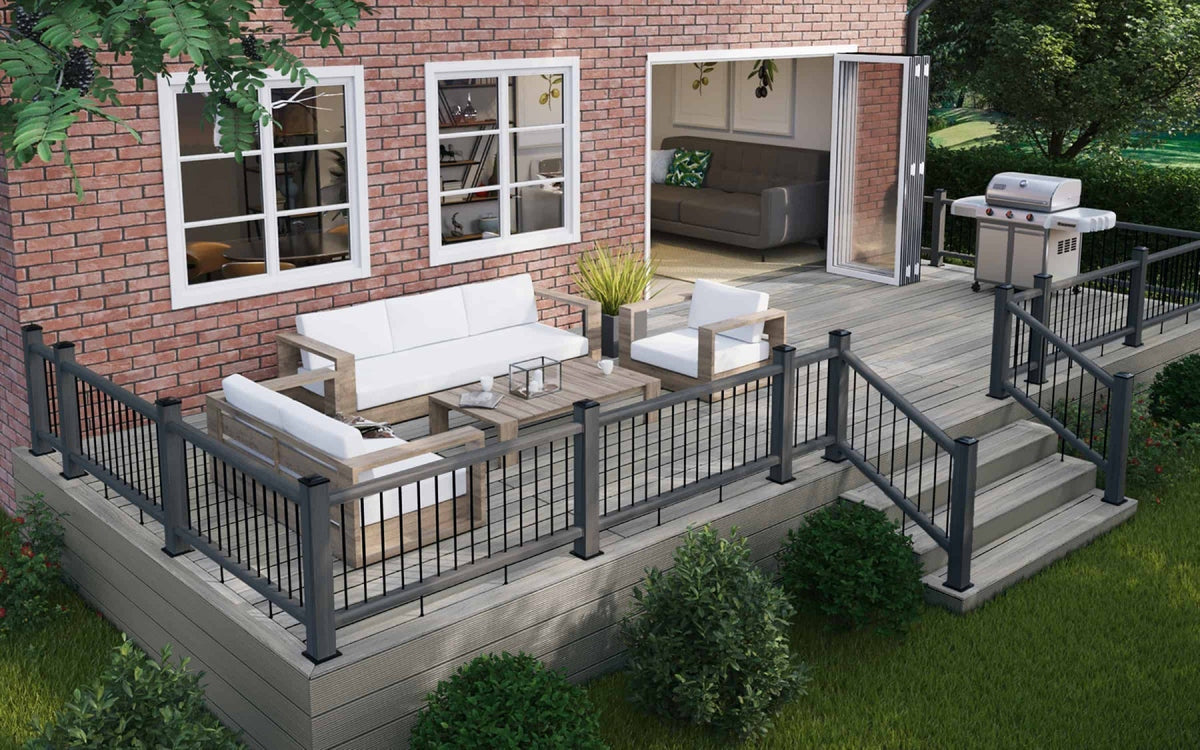
A coordinated colour can make decking and railing feel like one composition. A contrasting finish gives the perimeter more definition and can relate to window frames, furniture or other garden features.
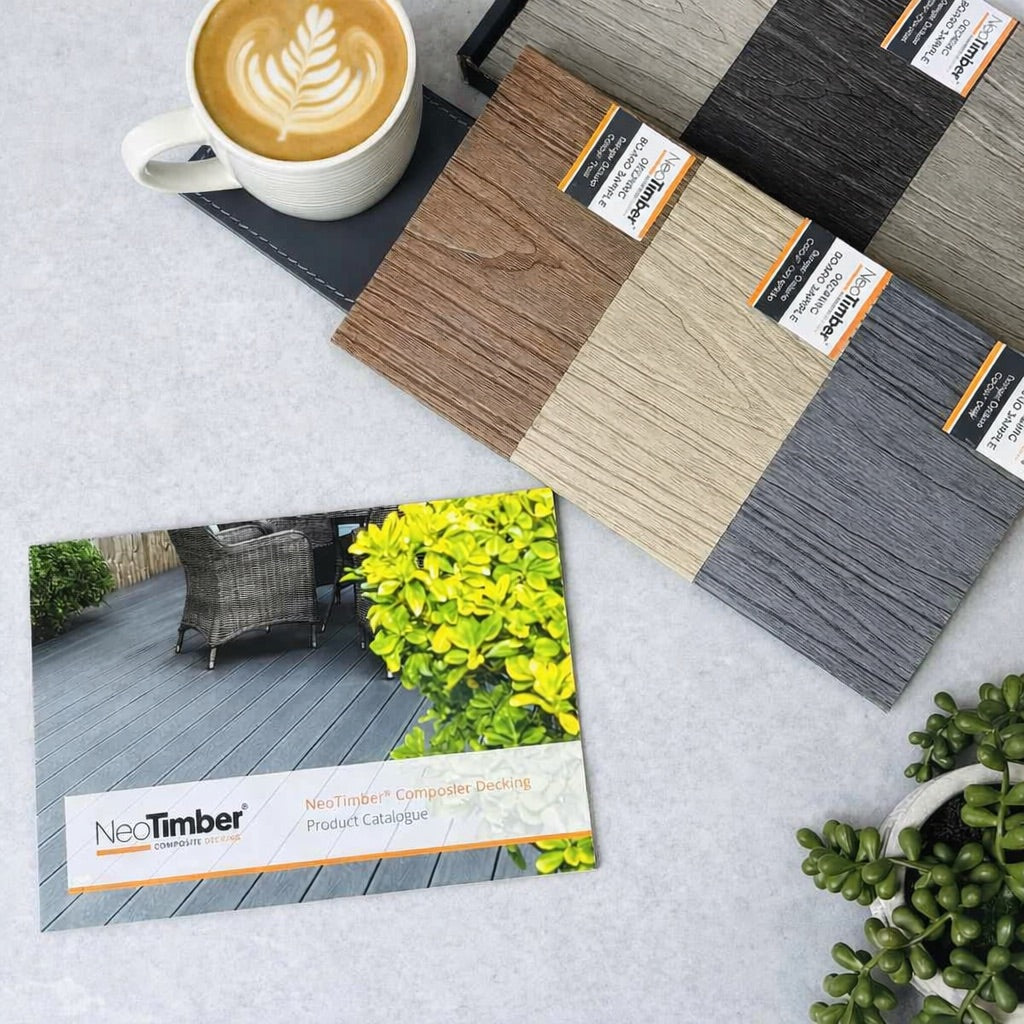
Paler tones may suit a restrained palette, while brown and timber-inspired finishes can complement brickwork and planting. Darker railing can provide a strong outline. None is automatically the right choice for every setting.
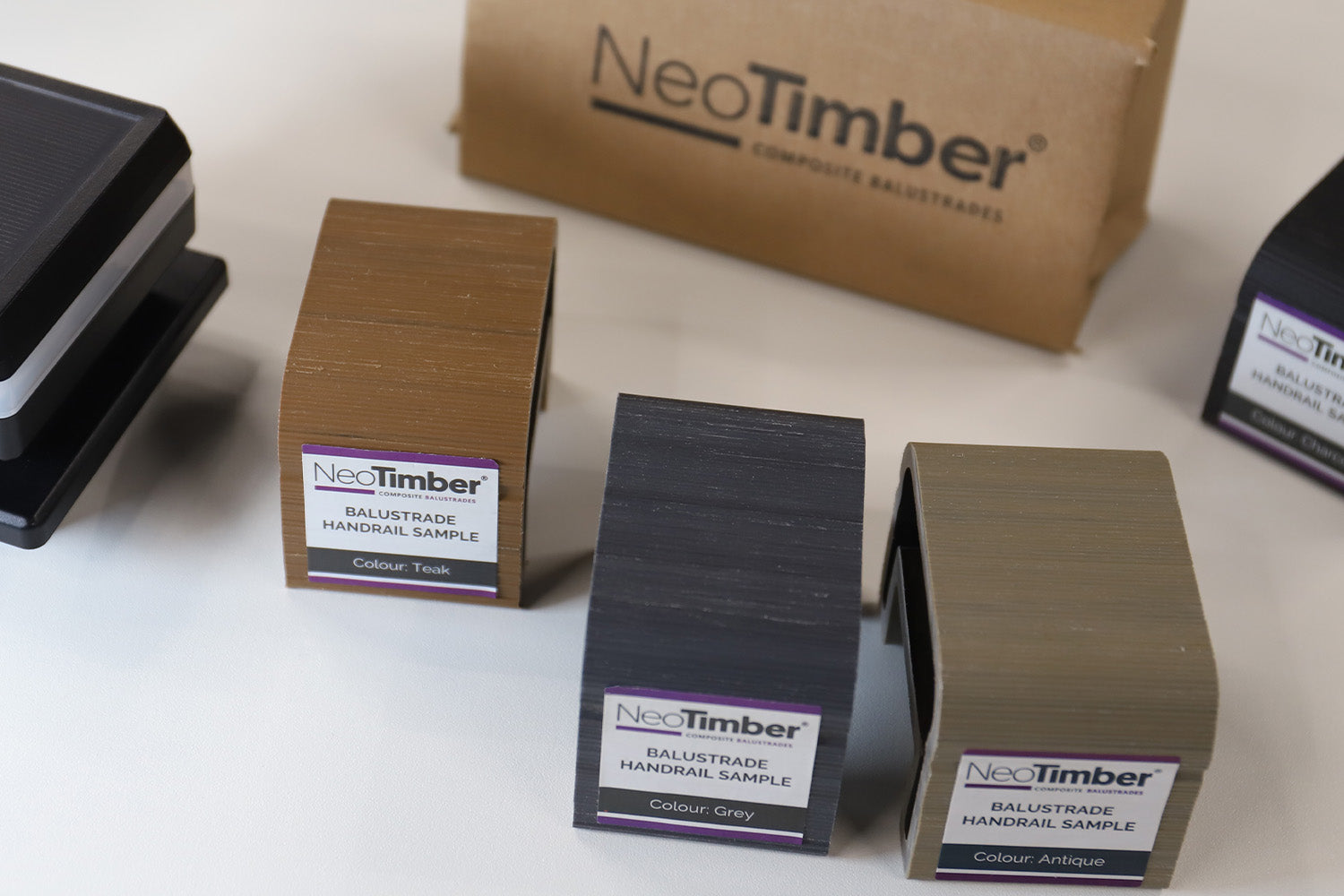
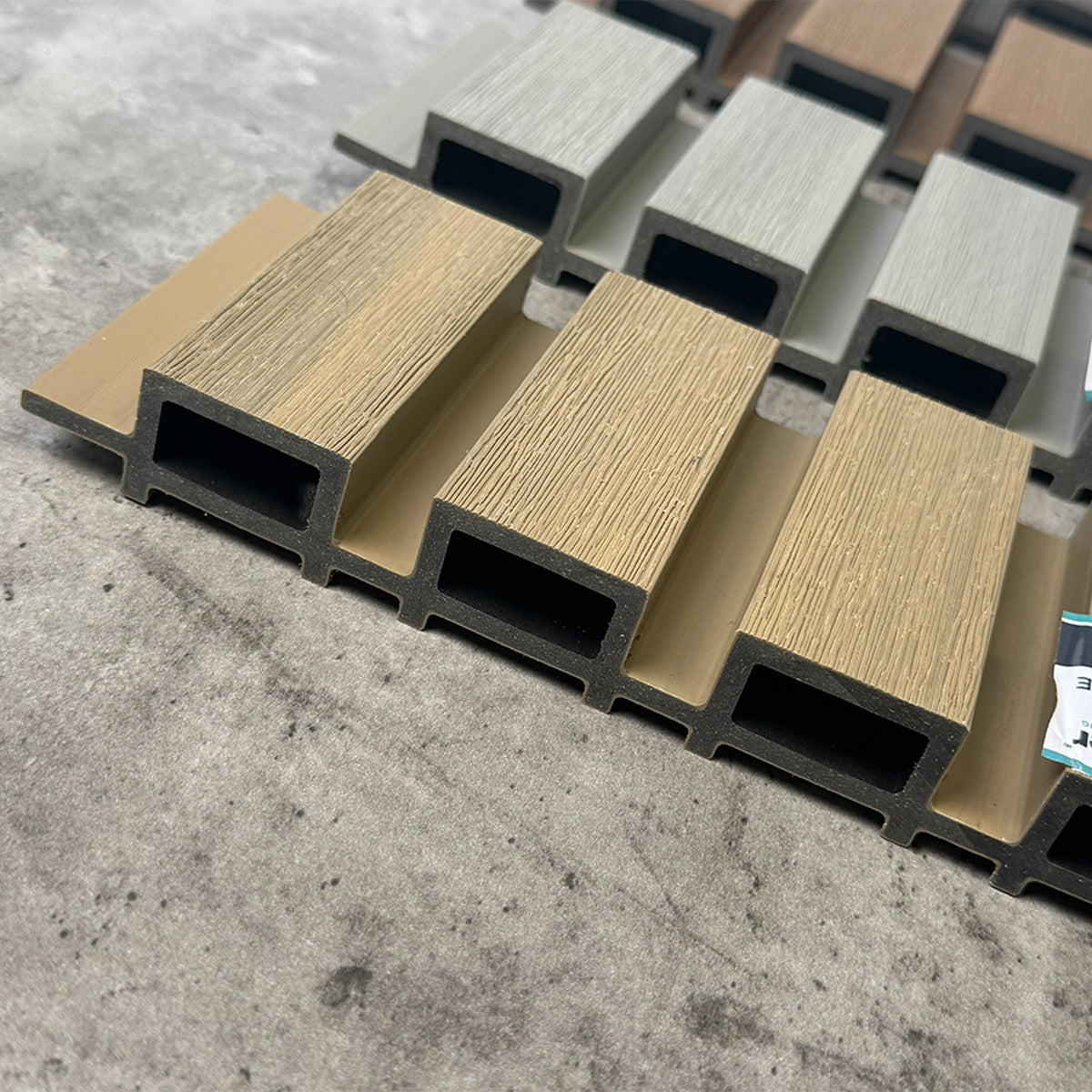
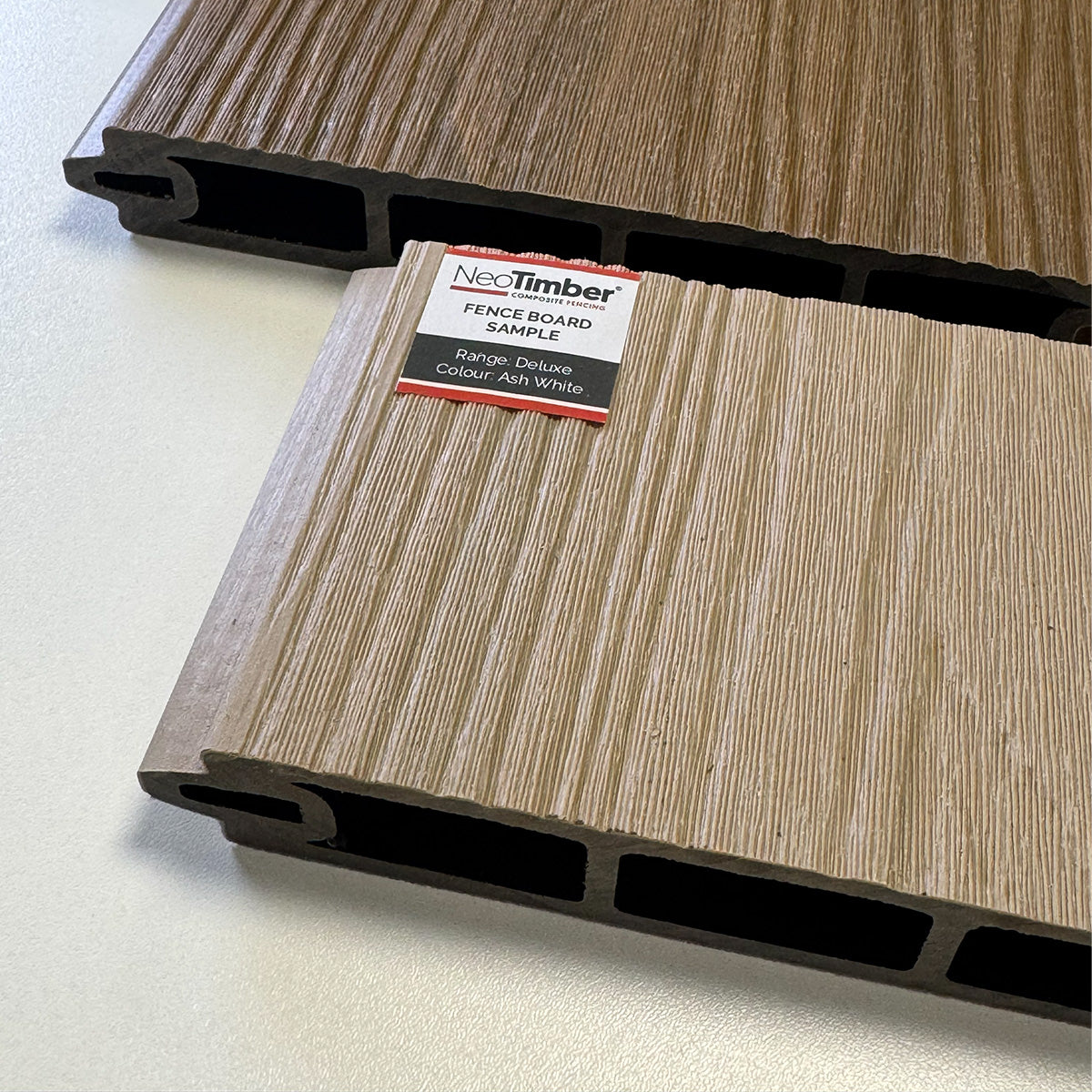
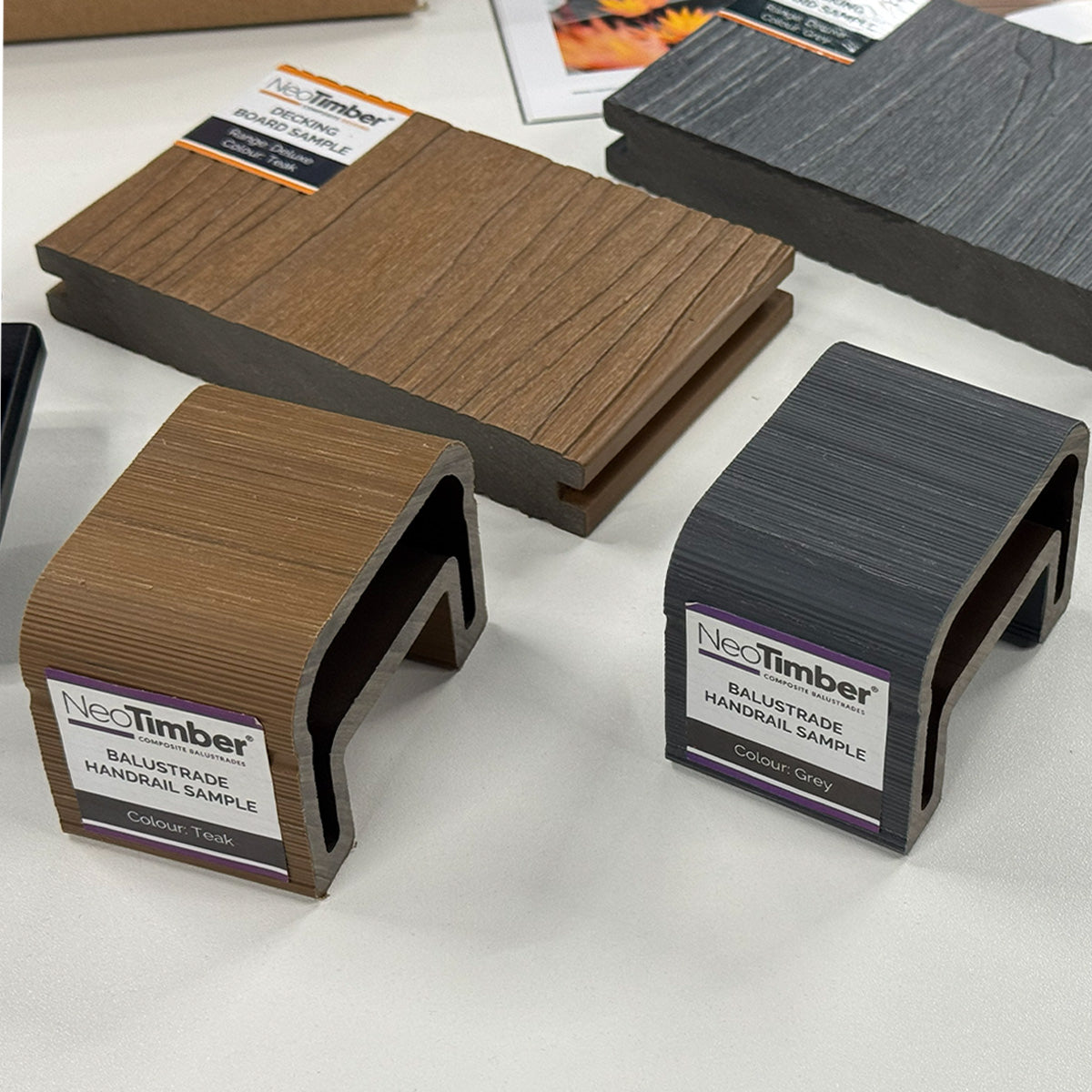
Compare physical samples outdoors against the materials you plan to retain. Colour names such as Oak and Teak describe finishes in a composite range, rather than indicating solid hardwood construction.
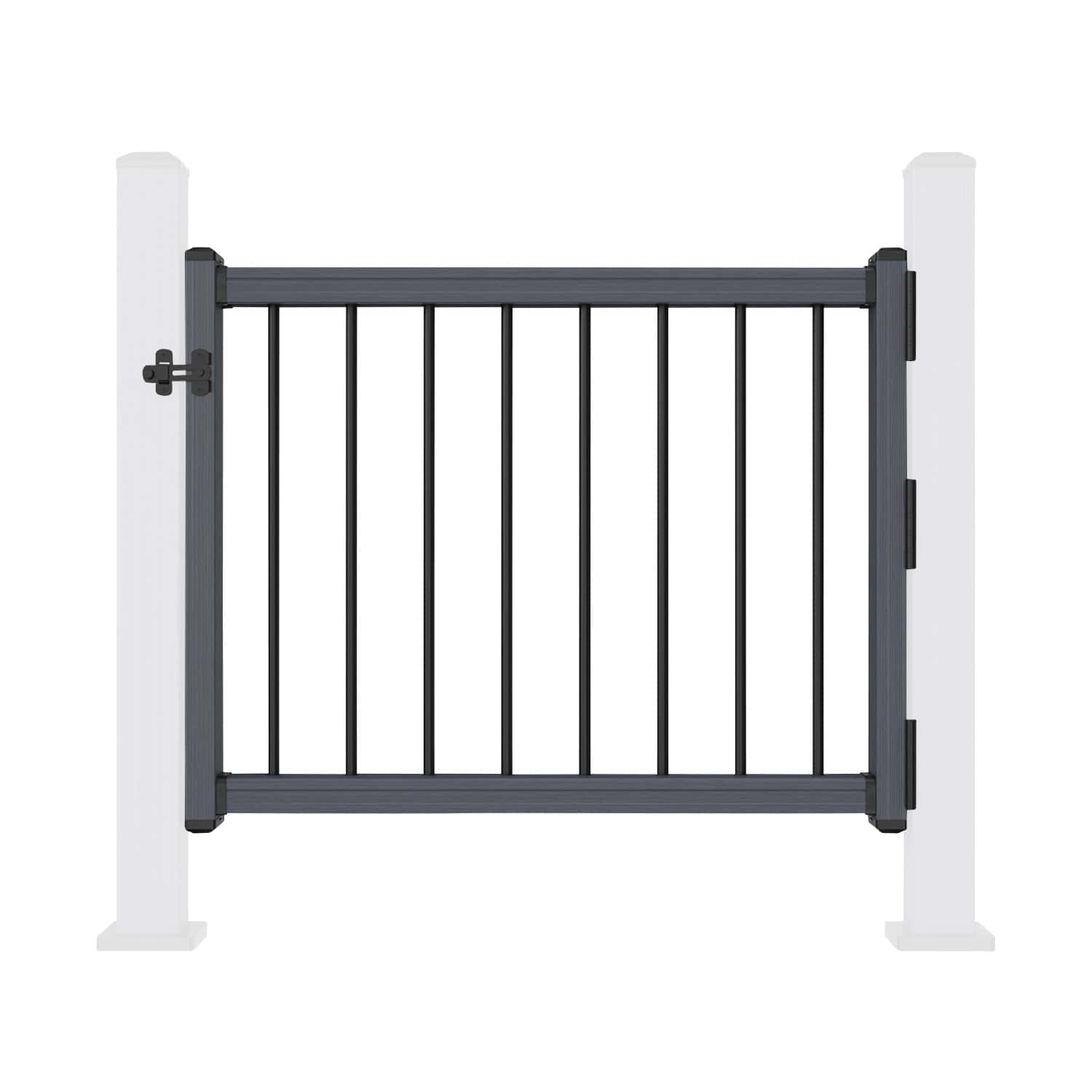
Explore the composite balustrade collection to compare available options.
Compare Materials and Care Requirements
Timber, composite and metal systems offer different appearances and maintenance requirements. Compare the complete system rather than judging solely by the visible rail.
Questions to ask when comparing deck balustrades:
| Consideration | What to check |
|---|---|
| Appearance | Rail profile, post size, infill and colour alongside the deck |
| Construction | Materials used in posts, rails, infill and concealed supports |
| Suitability | Evidence for the intended location, loads and installation |
| Care | Cleaning, inspections and any decorative treatment |
| Coverage | Product warranty and separate workmanship terms |
Composite can reduce repeated decorative treatment compared with timber. It is not maintenance-free, and the system may include metal supports and fixings with their own care requirements.
Carry the Design Through the Stairs
Plan straight and stair sections together. Continuing the chosen finish can make the staircase feel integrated with the main deck, while compatible components help resolve the change in angle.
A sloping stair rail is not necessarily interchangeable with a level section. Confirm the permitted arrangement and whether separate handrail details are required for the project.
Explore our decking stair balustrade guide for design context.

Consider Views and Furniture Placement
Look at the railing from the positions where you will sit as well as from the garden. Post positions and infill influence the view, but they must remain within the system’s permitted design.
Keep furniture clear of access routes and consider how it relates to the perimeter. Do not change required heights, openings or infill simply to improve the view.
Plan Structural Support Before Finishing the Boards
Where a balustrade serves as guarding, its posts need connections that transfer loads into suitable supporting construction. Deck boards alone are not a structural anchorage.
Assess the substrate, framework and foundation arrangement before fixing posts. Surface appearance does not establish whether existing timber, concrete or paving is suitable.
The required height, openings, loading and stair details depend on the project and applicable requirements. Obtain advice for the actual location rather than treating one example as a universal specification.
Use the installation resources and guidance for the exact system when developing the detail.
Choose Compatible Components
Posts, rails, brackets and infill need to work as a complete arrangement. A coordinated colour does not establish compatibility between components from different systems.
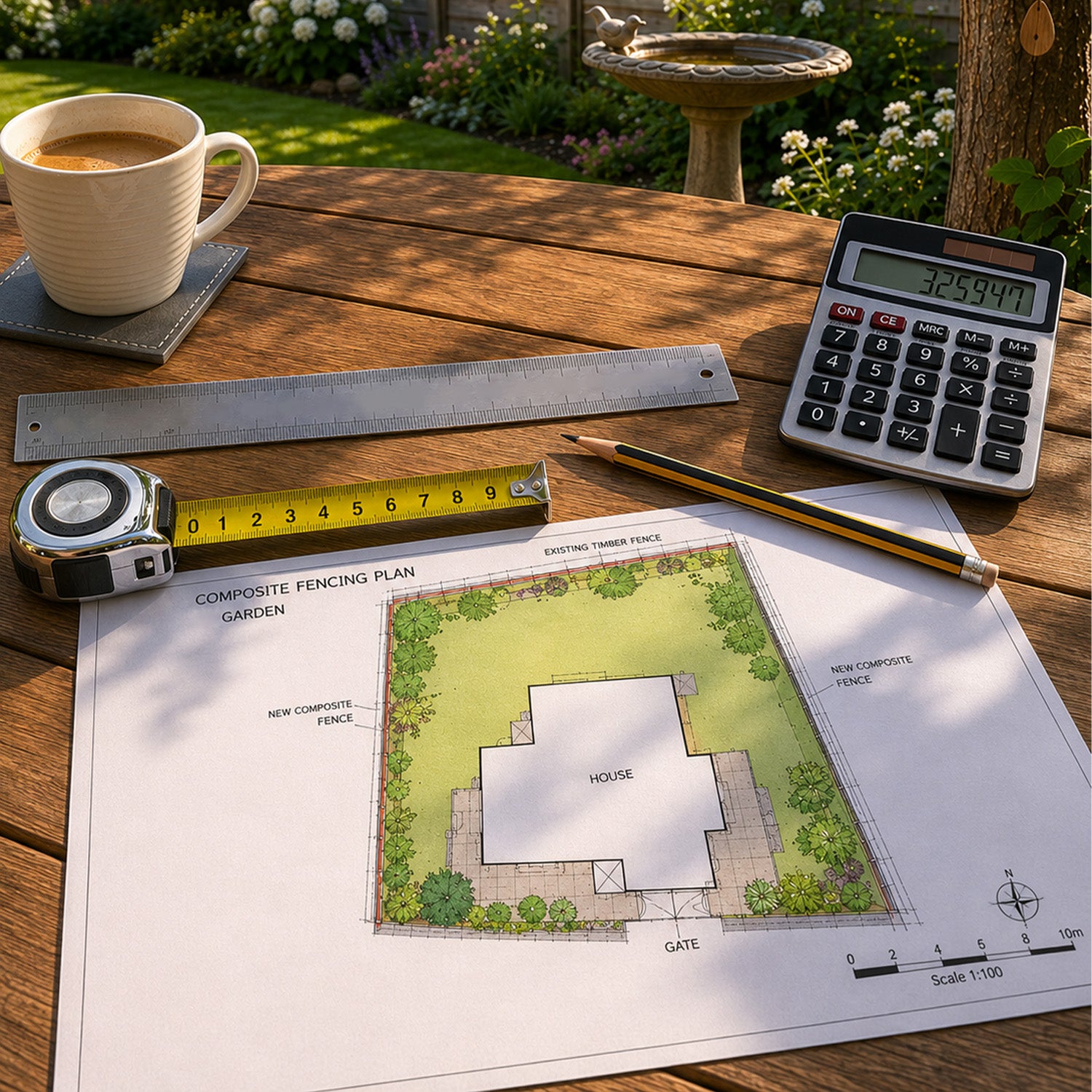
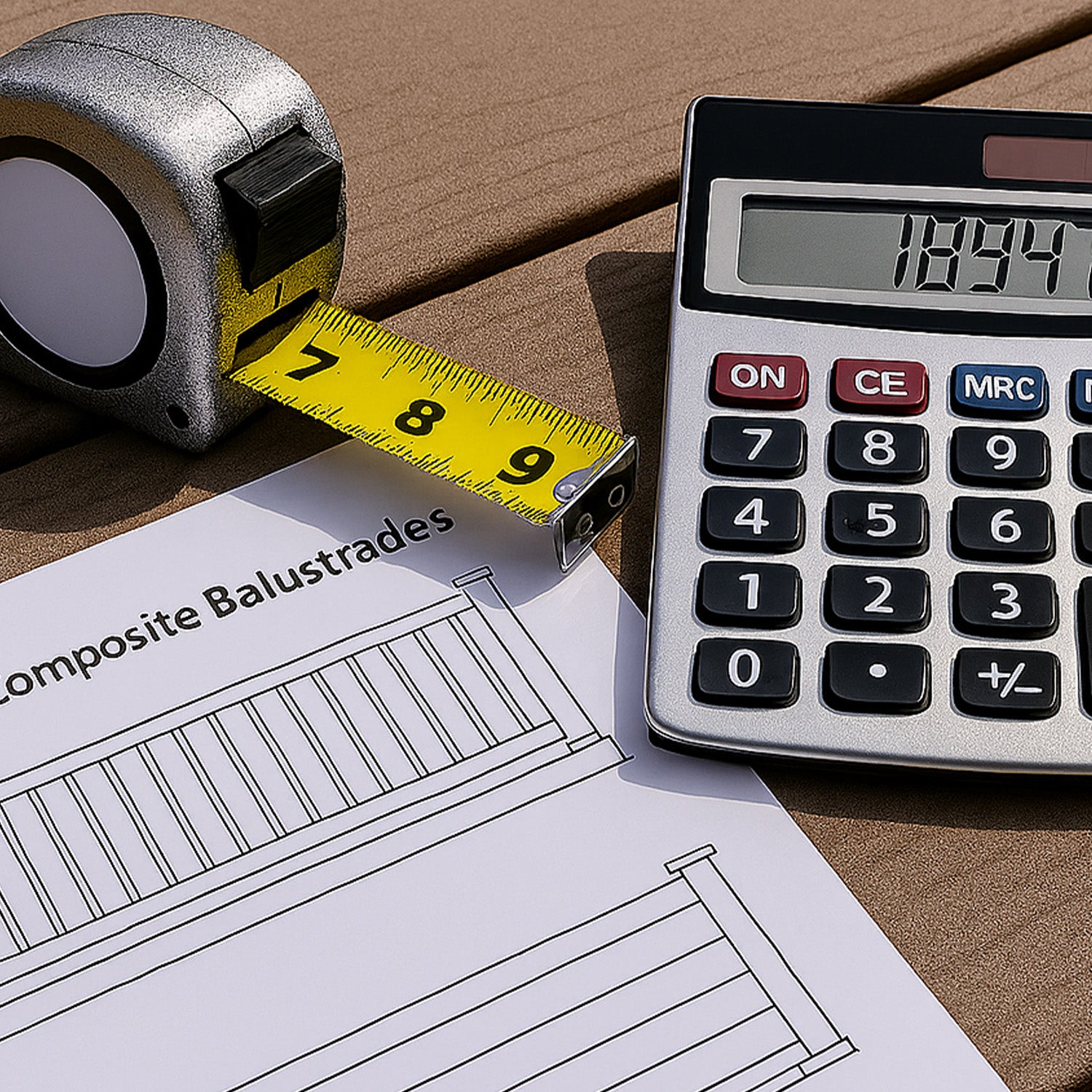
Before ordering, prepare a layout showing section lengths, corners, steps and any openings. Confirm the permitted sizes and cutting details, then calculate the components required for that arrangement.
Tools such as the balustrade calculator can support initial quantity planning. They do not replace a structural assessment or a complete installation specification.

Make Ongoing Care Practical
Allow access to clean the railing and inspect connections. Check for movement, loose components or damage, and follow the product’s maintenance instructions.
Review current warranty information for the exact components and intended use. Product cover is separate from an installer’s workmanship terms and should not be treated as a guaranteed service life.
Frequently Asked Questions
Should the balustrade match the decking?
It can match or contrast. Compare the finishes alongside the house, furniture and planting before deciding.
Can posts be fixed only to the decking surface?
No. Guarding needs suitable structural support and connections beneath or alongside the surface.
Can level railing be used on stairs?
Only where the system’s instructions permit the arrangement. Stair sections and brackets may differ.
Is there one correct height for every deck?
No. Establish the requirements for the location, use and complete design with the responsible designer or installer.
Can I mix components from different ranges?
Do not assume compatibility. Confirm the proposed combination with the relevant supplier.
Are composite balustrades maintenance-free?
No. Cleaning and inspection of the complete system remain necessary.
Bring the Style and Specification Together
Choose the layout and suitable system first, then refine the colour and details. Visit our balustrade resources, browse the NeoTimber® composite range or contact the team for product information to support your plan.