Find a Railing Style That Brings Your Outdoor Space Together
The best balustrade ideas work with the whole outdoor space: the view from your doors, the decking beneath your feet and the planting beyond. A railing can frame a dining area, connect a deck to its steps or give a balcony a clean architectural edge.
If you are searching for decking balustrade ideas UK homeowners can adapt to their gardens, start with the effect you want to create. Glass can preserve views, vertical spindles introduce a regular rhythm, and timber-inspired composite finishes add warmth. These eight ideas explore how to combine colour, infill and layout, alongside the practical details that make a design work.
1. Frame a Garden View With Glass
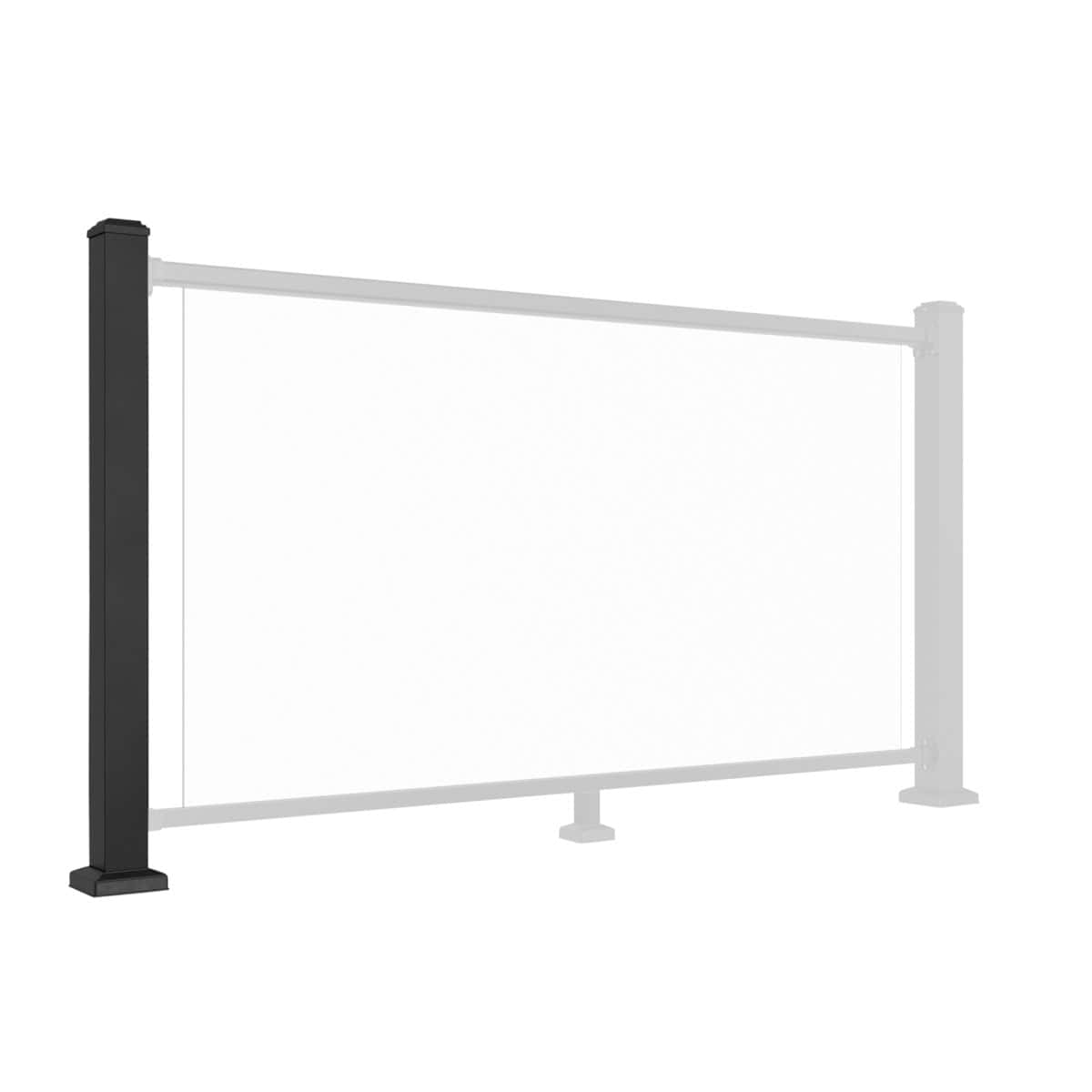
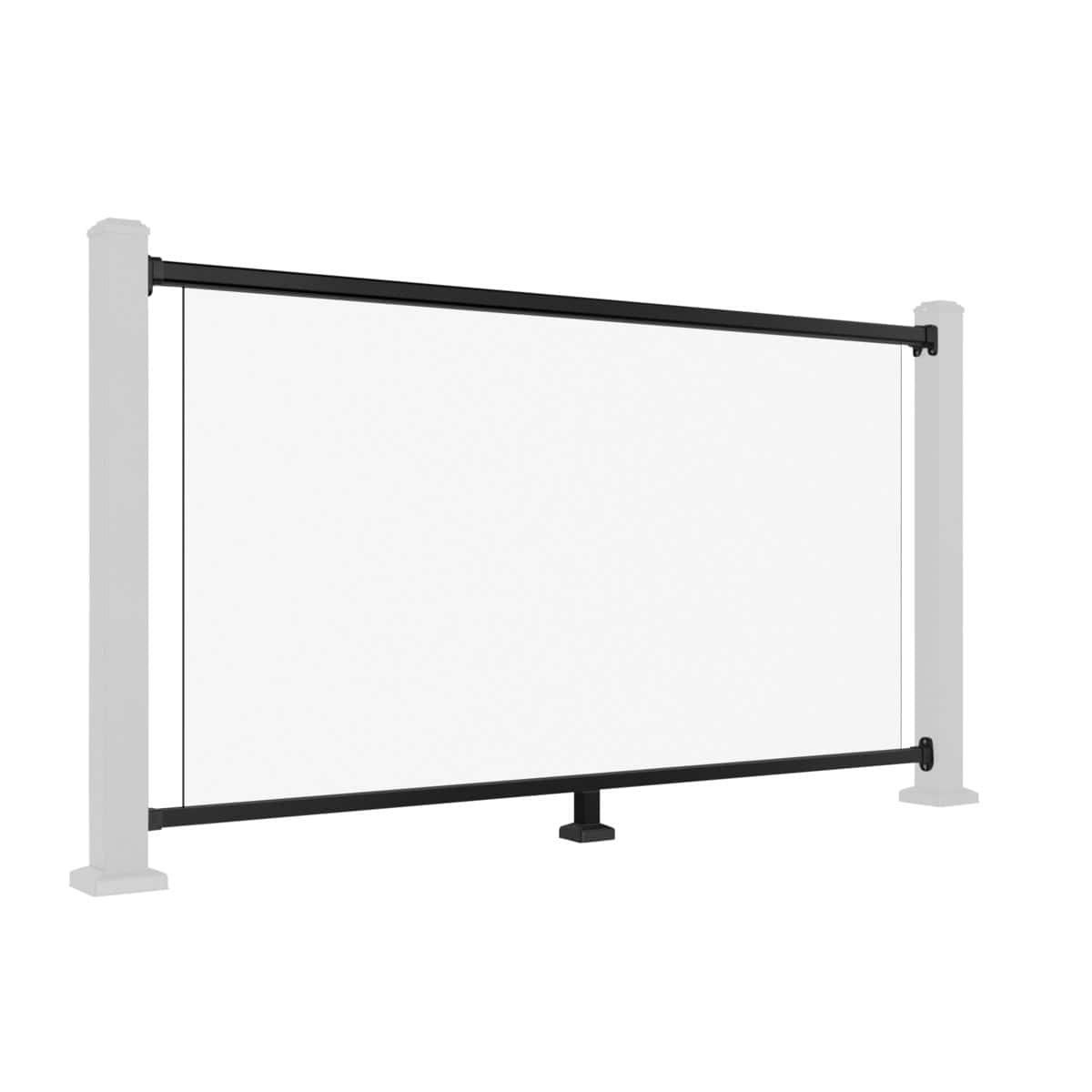
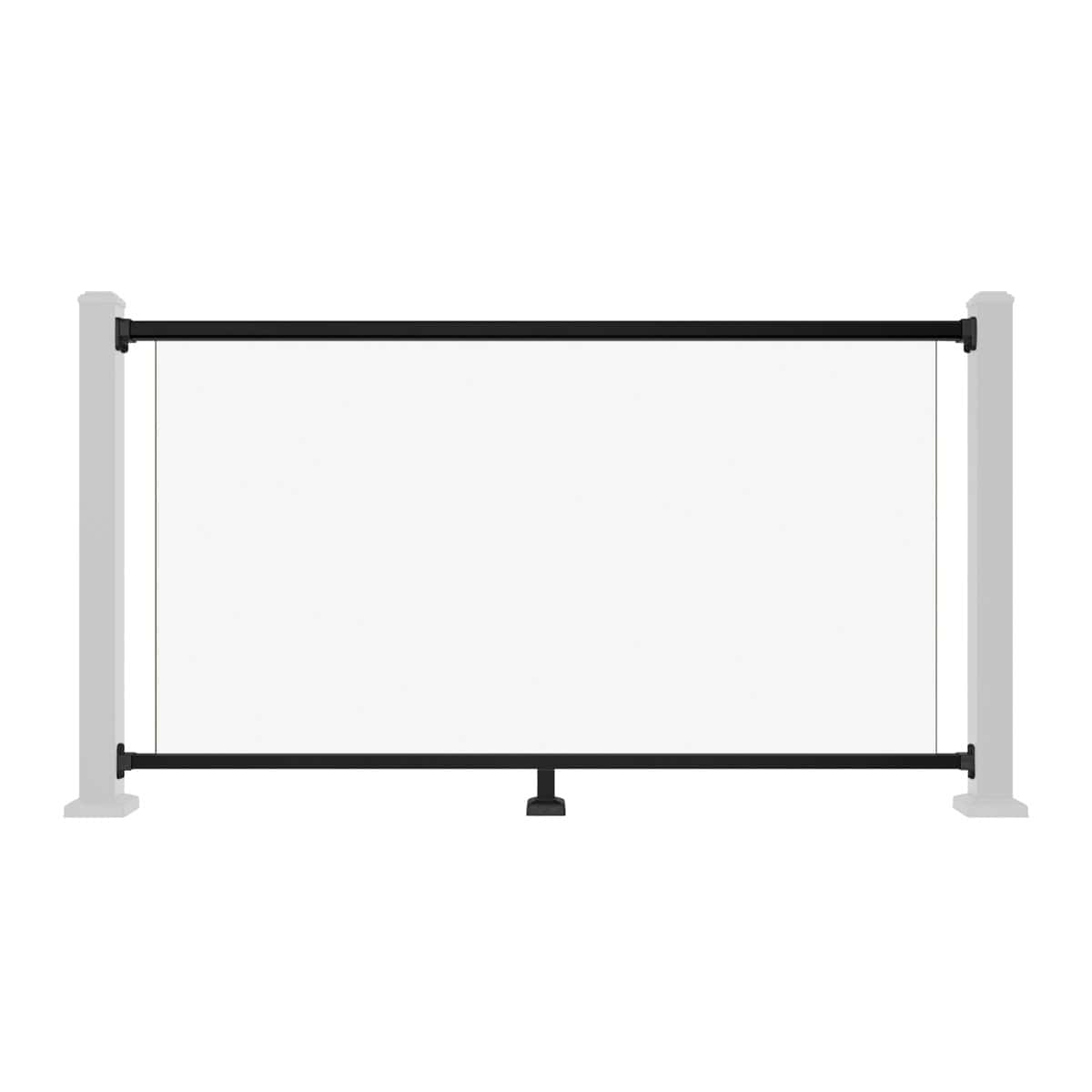
Glass infill is an appealing choice when the garden or landscape deserves to remain the focal point. Paired with slim aluminium balustrade framing, it gives a deck or balcony a defined perimeter while keeping sightlines relatively open.
Repeat a frame colour already used in your windows or patio doors to connect the railing to the house. On a smaller terrace, keep nearby furniture simple so the view remains the strongest feature. Consider how glass will look from inside the room as well as from the garden.

Glass is an infill choice, while aluminium describes the supporting frame. Select a complete system designed for the intended location, rather than choosing panels and posts independently on appearance alone. Allow access to both sides for cleaning where the installation permits.
2. Match Composite Balustrades to Your Decking
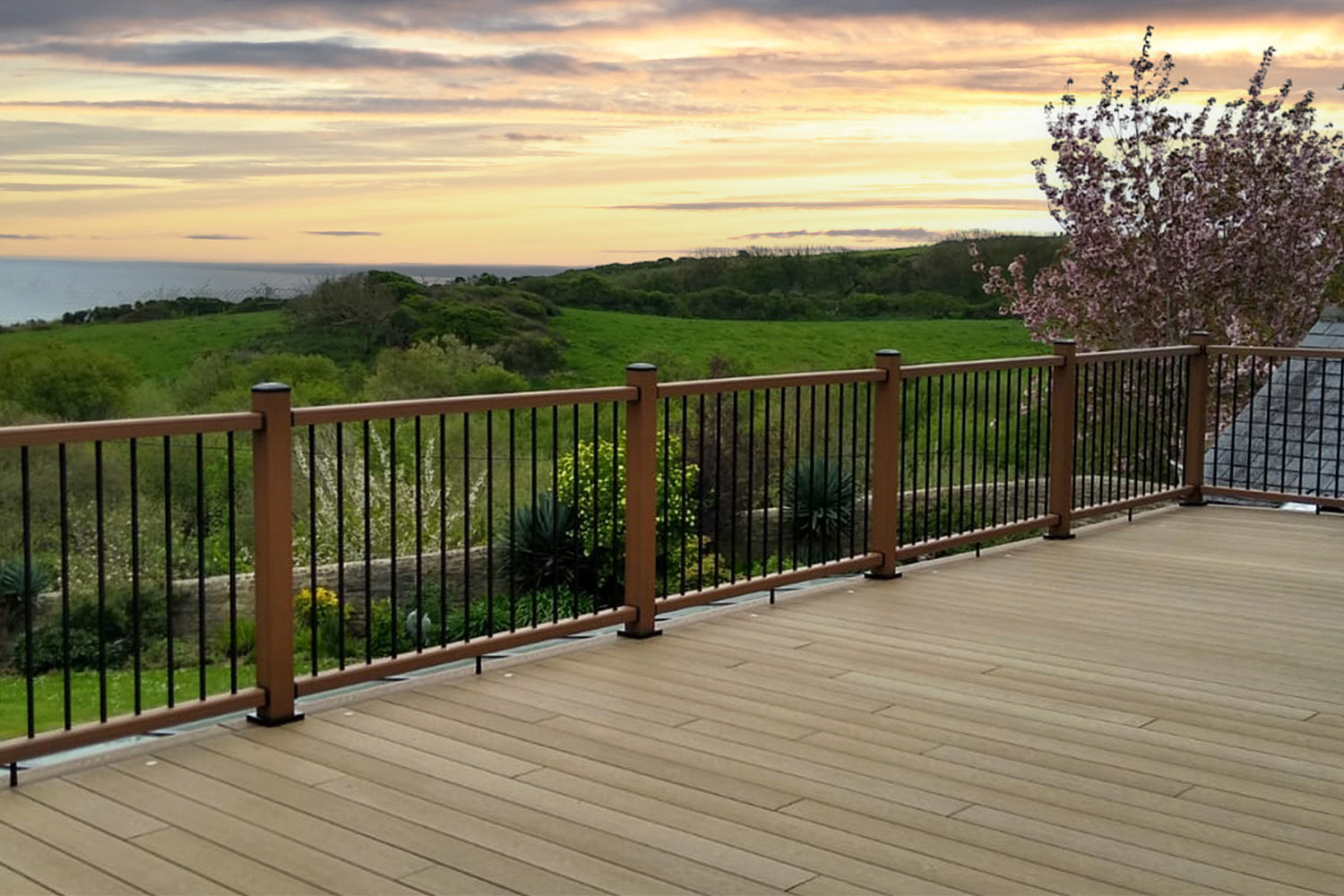
Coordinating the railing and deck colour creates a calm, unified finish. This approach works particularly well where several elements are visible together, such as steps, a seating area and a conservatory.
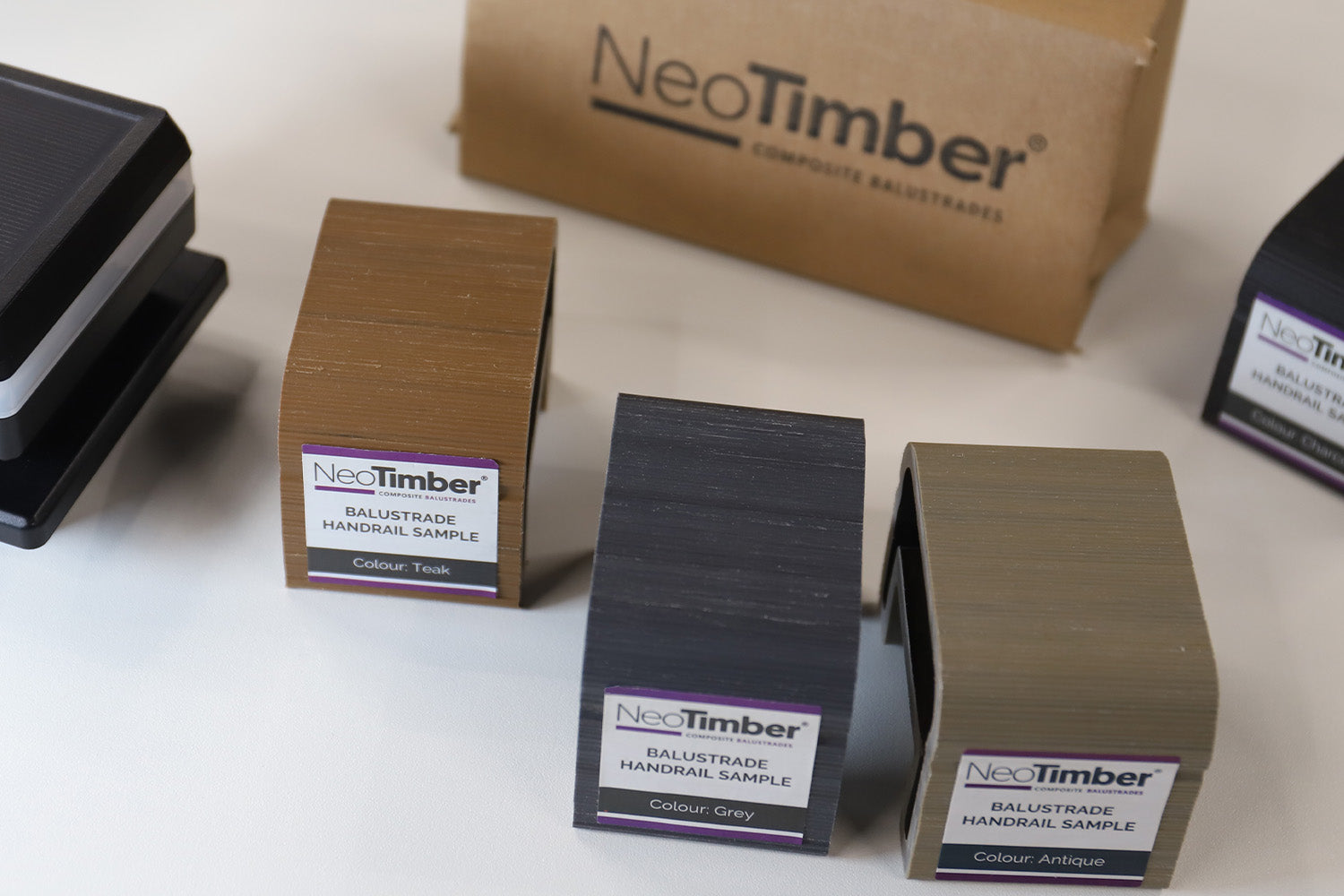
Composite balustrades offer a timber-inspired look that can sit comfortably beside composite decking. Compare physical samples in daylight: products with similar colour names may have different undertones, grain or surface textures.
Use planting and cushions to introduce stronger colours while keeping the larger permanent elements restrained. A coordinated palette can also help a compact deck feel less visually fragmented.
3. Bring Warmth to a Paved Garden With Teak Tones
Warm teak tones soften the contrast between a deck and pale paving, brick or rendered walls. They can also connect a more contemporary terrace to a traditional garden, particularly where there are timber features or established planting nearby.

Instead of matching every surface, repeat the warm tone in one or two details, such as furniture or planters. The result can feel connected without making the whole garden a single colour. Explore teak balustrade inspiration for more ways to use this palette.
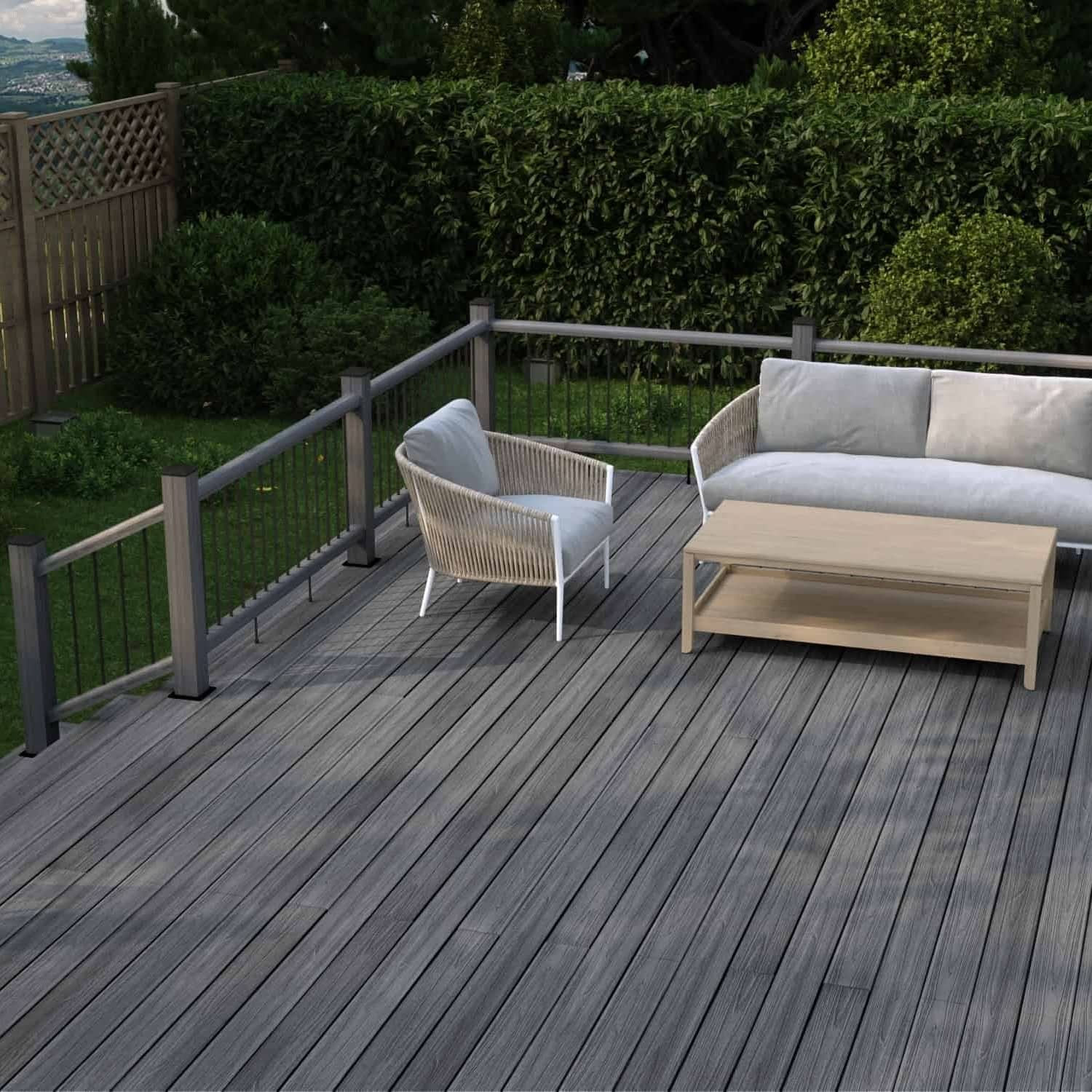
4. Use Grey Railings for a Contemporary Seating Area
Grey balustrades provide a neutral framework for outdoor furniture and colourful planting. Matching grey decking gives the space a consistent base, while pale upholstery, white render or natural stone can introduce contrast.
Look at the depth of the grey alongside existing doors and roof finishes. A cool grey and a warmer stone colour can work together, but sample comparisons are more useful than screen images when deciding on the final combination.

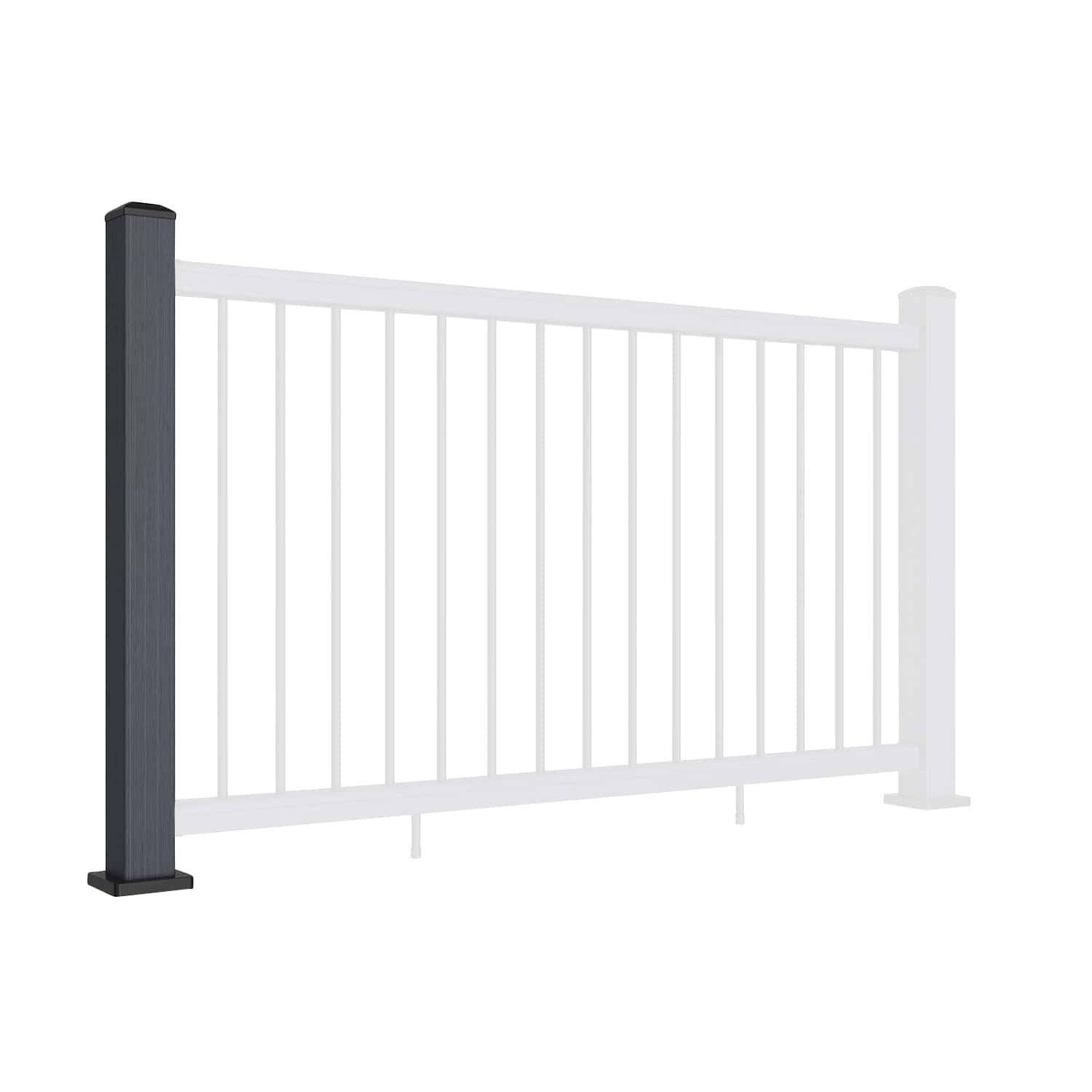
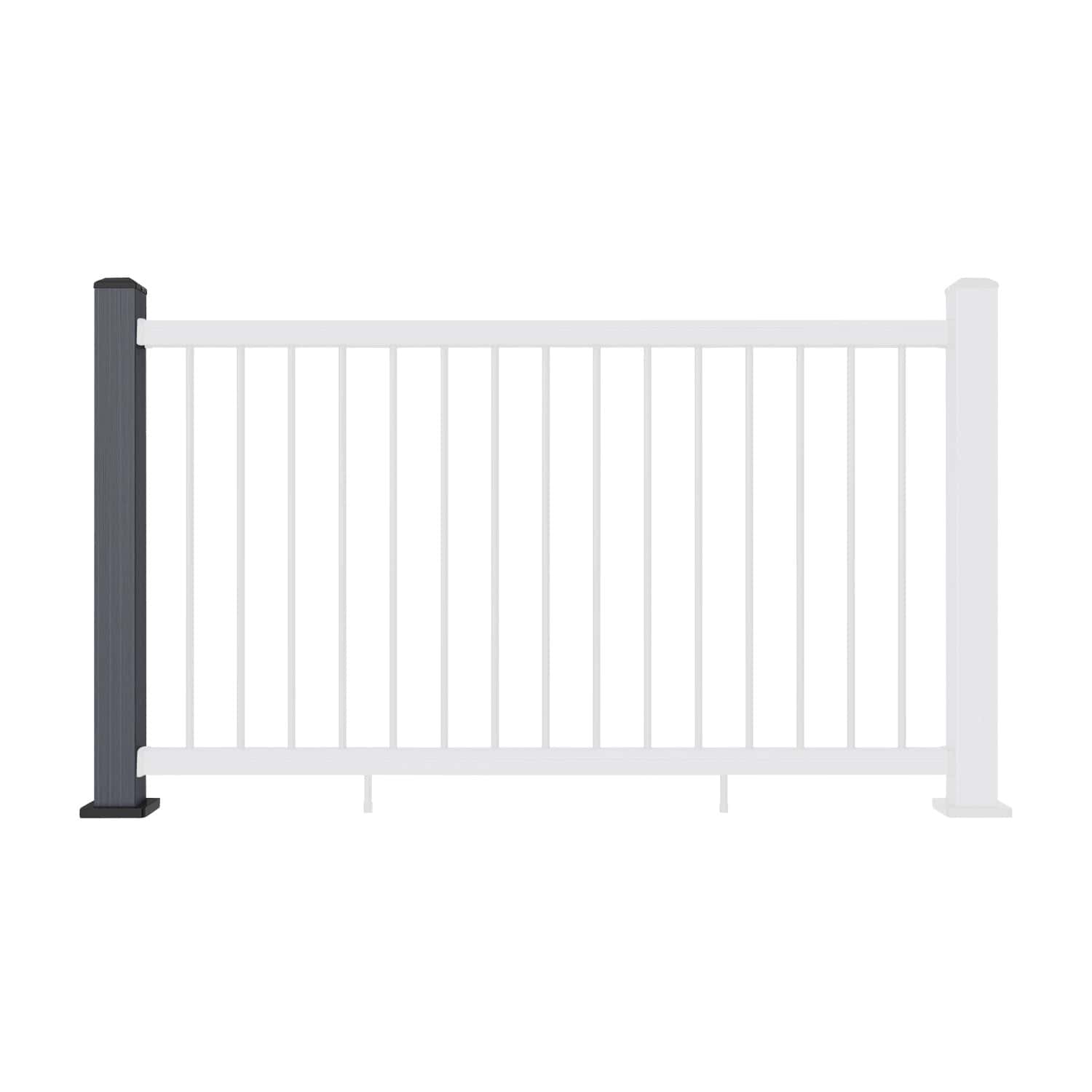
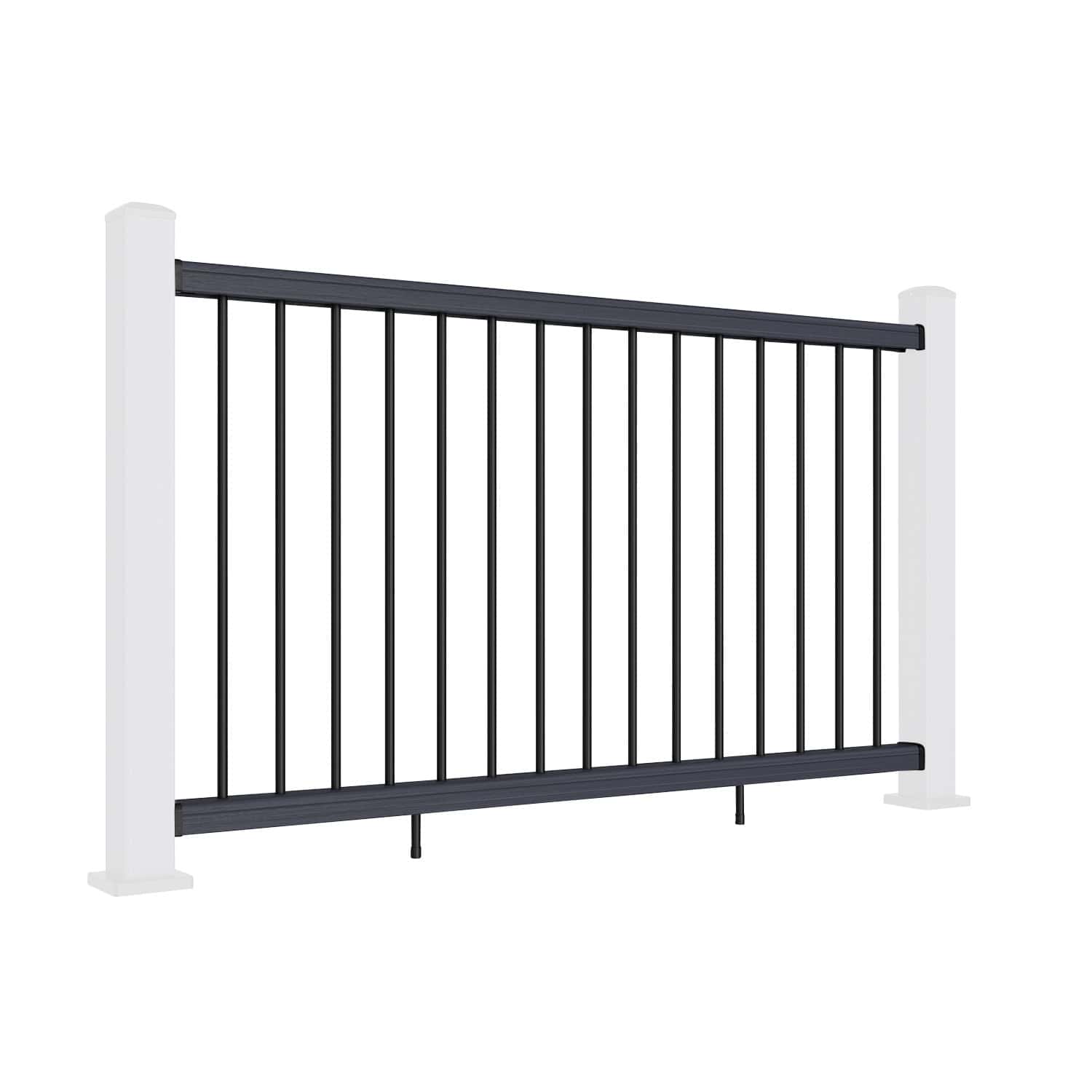
5. Add Definition With Contrasting Posts and Infill
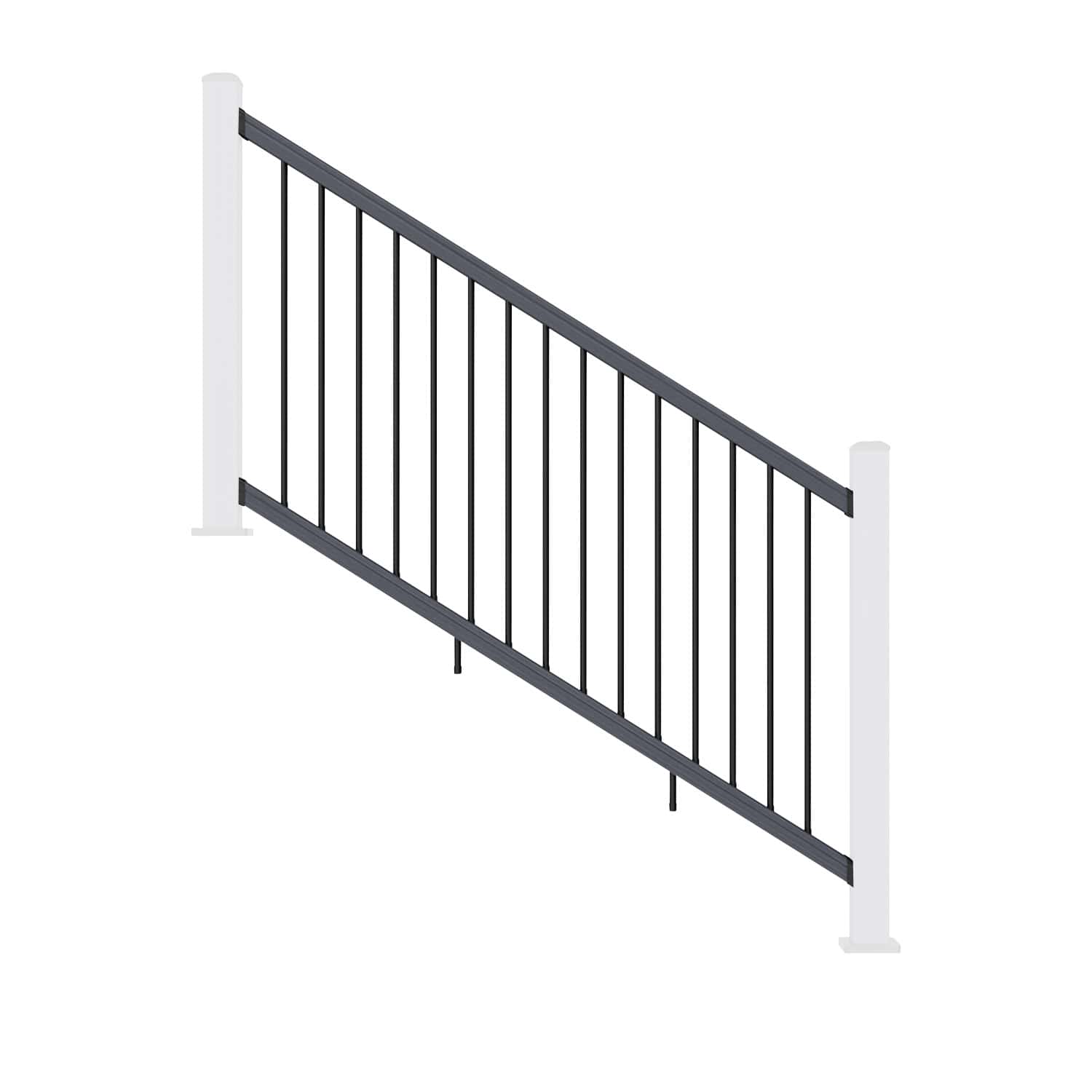
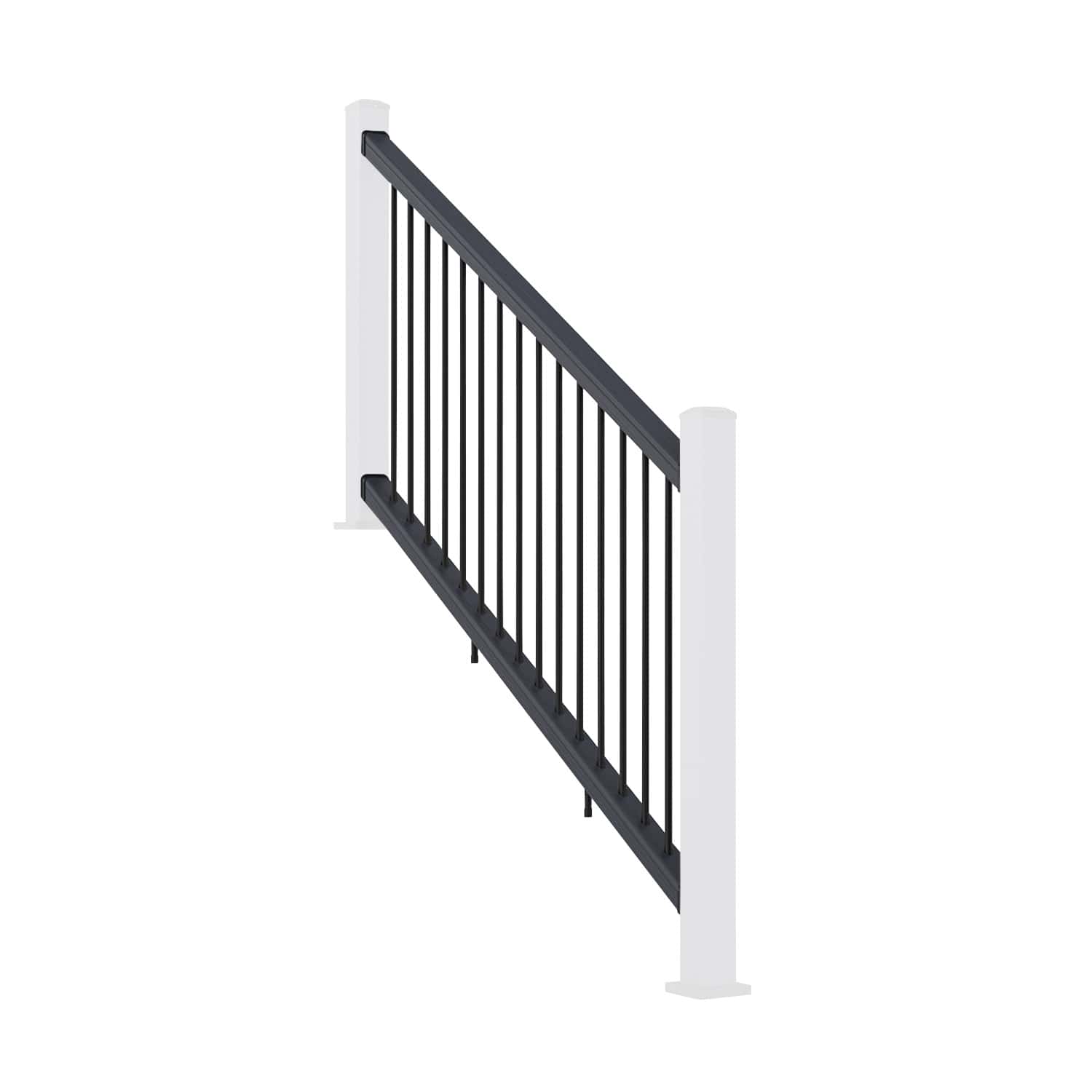
A darker frame against lighter decking gives a terrace a stronger outline. Repeating that dark accent in window frames, planters or furniture legs can make the contrast feel intentional.
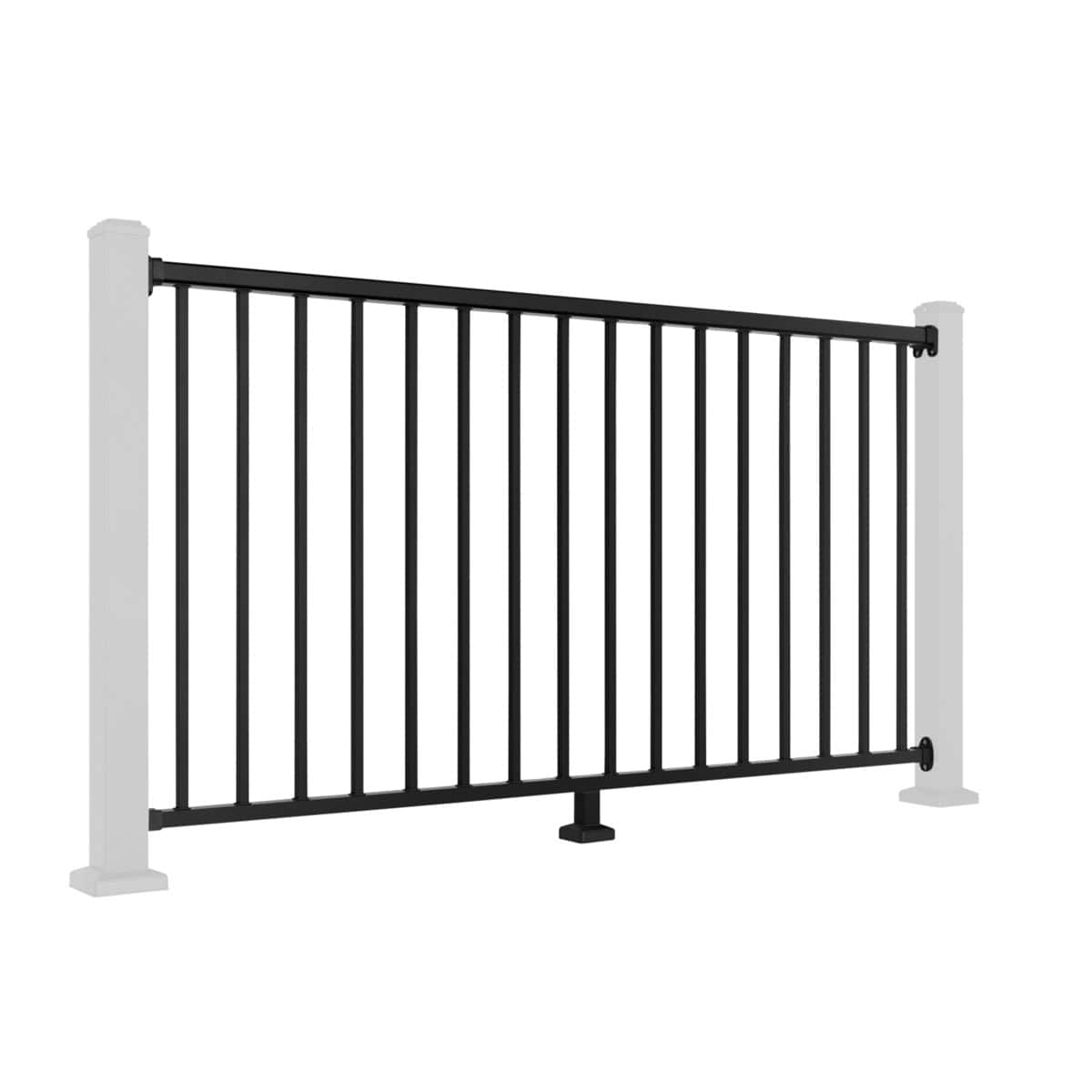
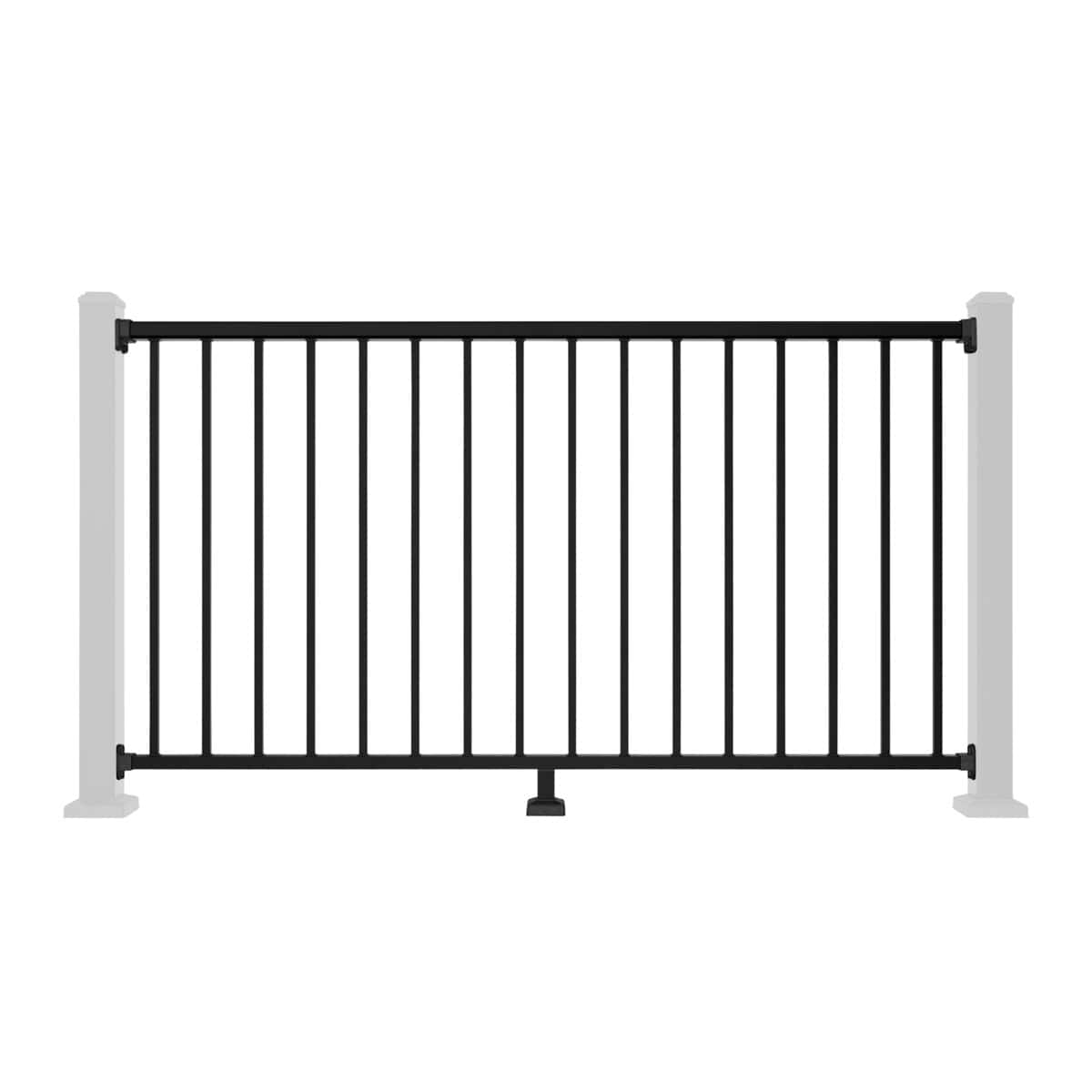
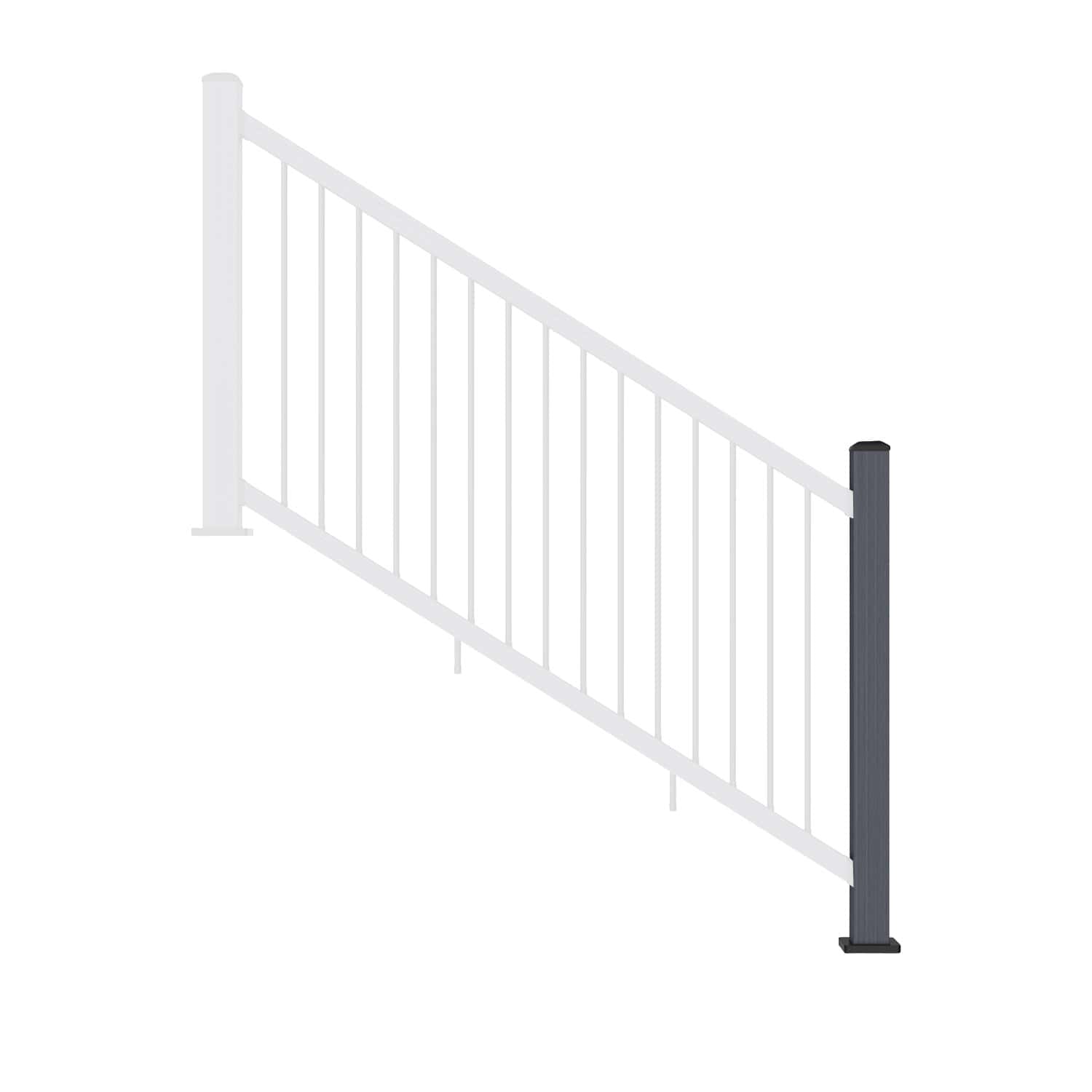
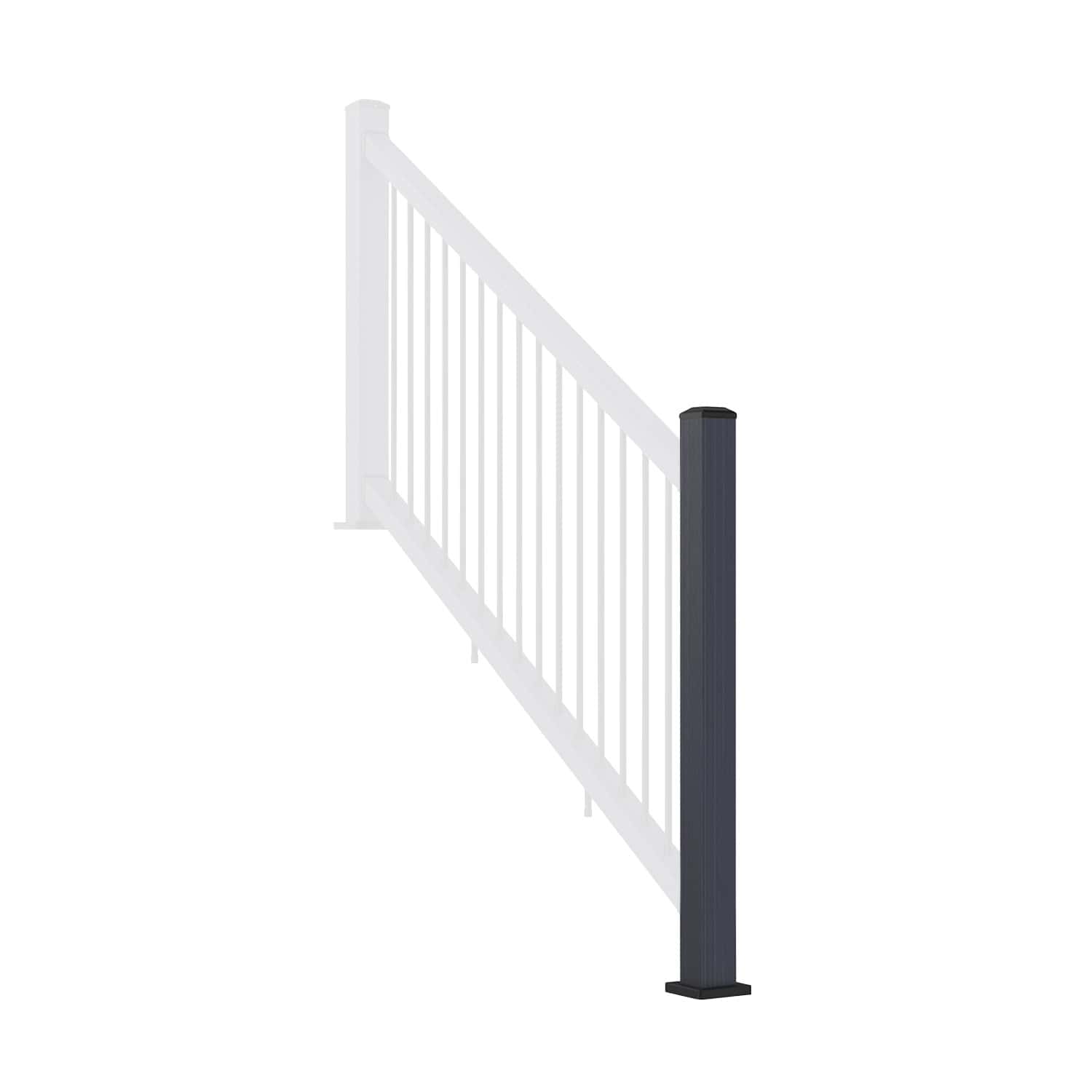
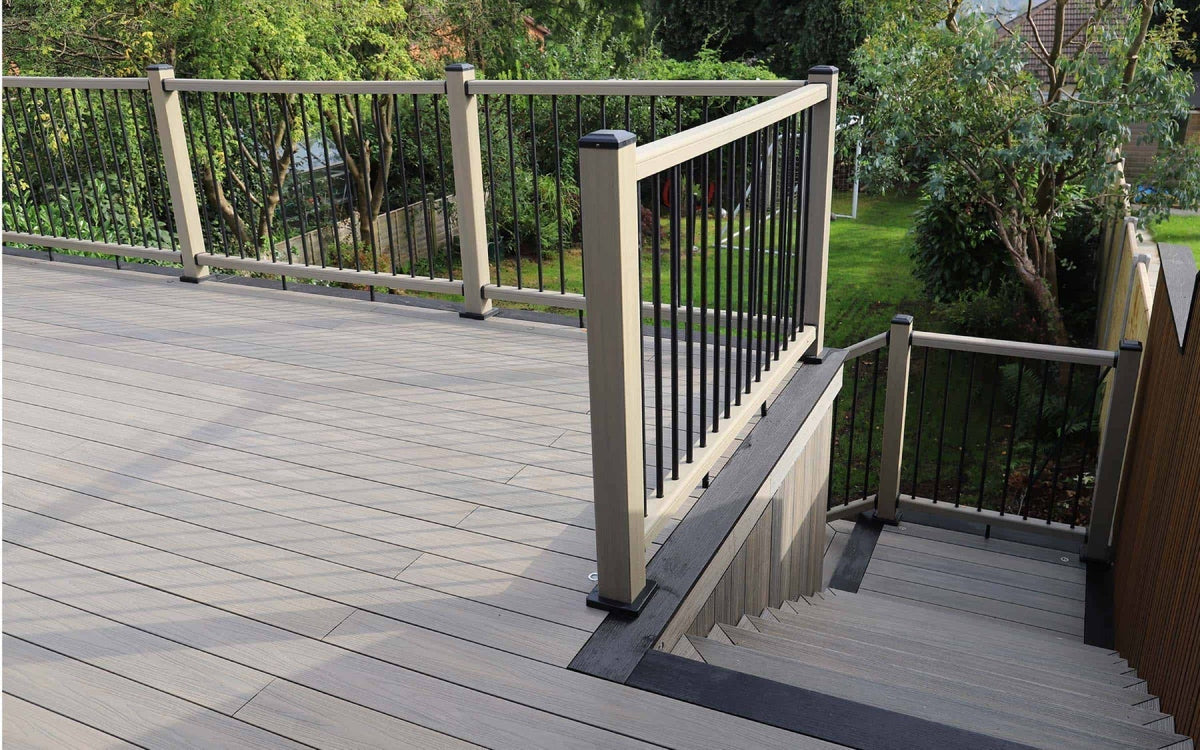
Vertical spindle infill suits both traditional and contemporary settings, depending on the profile and finish. It introduces a regular pattern without the continuous surface of glass. Compare the appearance from a seated position, where the railing may sit directly in your main view.
Keep contrasting components within a compatible system. Mixing colours is a design decision; substituting unrelated rails, brackets or infill changes the installation itself.
6. Consider Wire Infill for a Lighter Visual Pattern
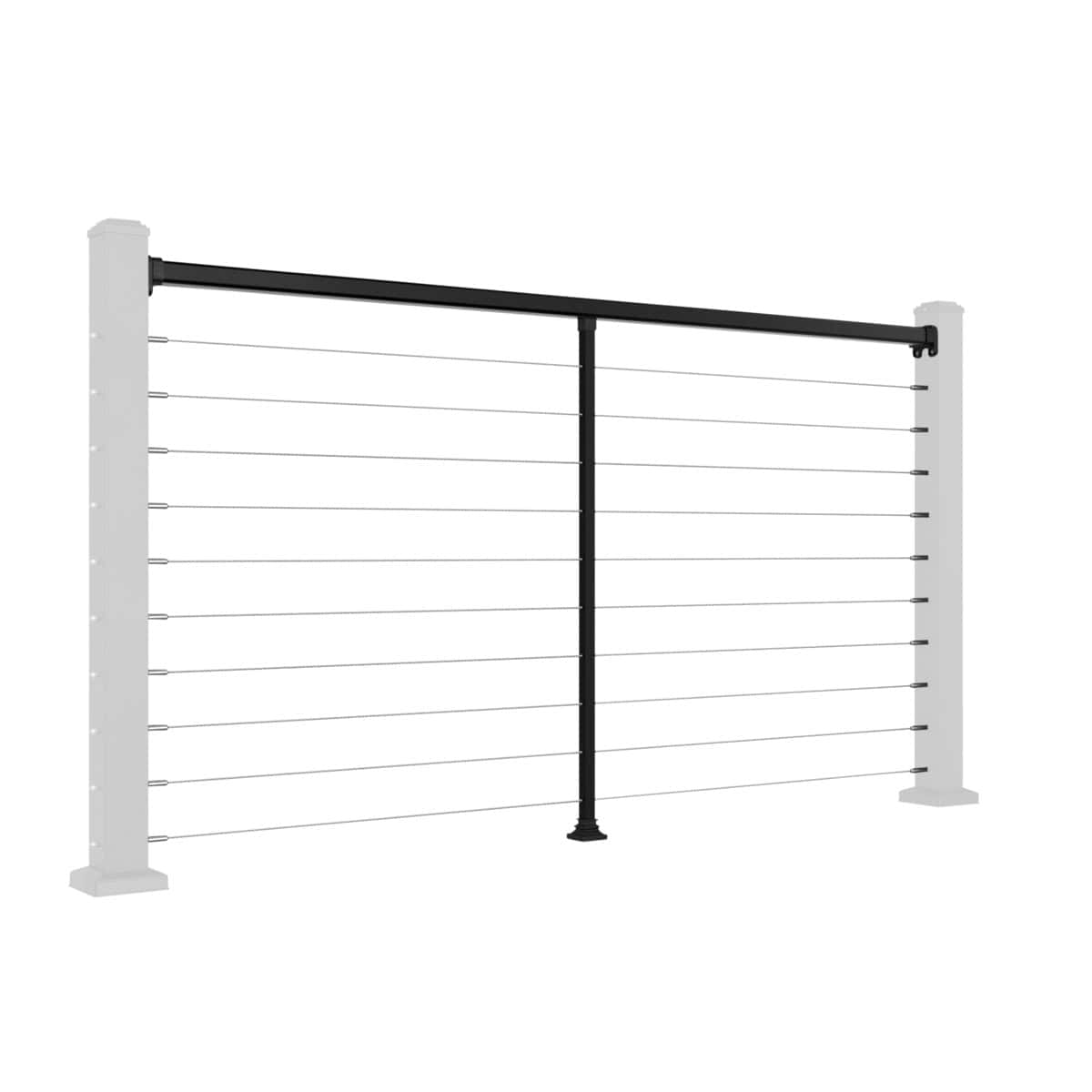
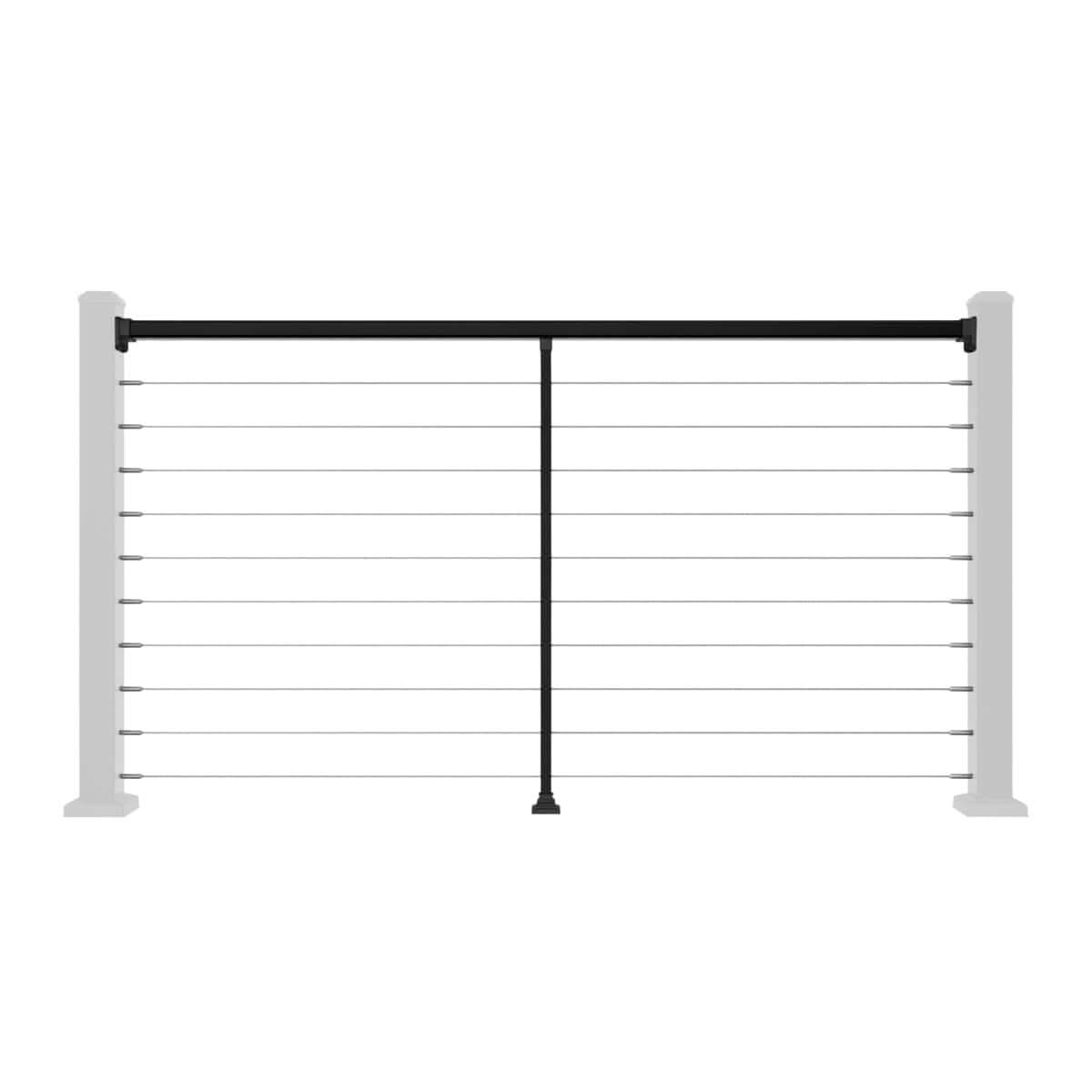
Wire infill can introduce a nautical or industrial character while leaving open space between the wires. It can suit a design built around simple lines and restrained materials.
Its appearance needs to be considered alongside the intended use. Wire orientation, openings, tensioning and climbability require careful assessment, particularly in spaces used by children. Coastal exposure also calls for confirmation that the selected components and maintenance requirements suit the location.
Choose wire for its visual character only after confirming the complete system is appropriate for the project. It should not be treated as a universal substitute for glass or spindles.
7. Introduce Privacy on a Selected Side
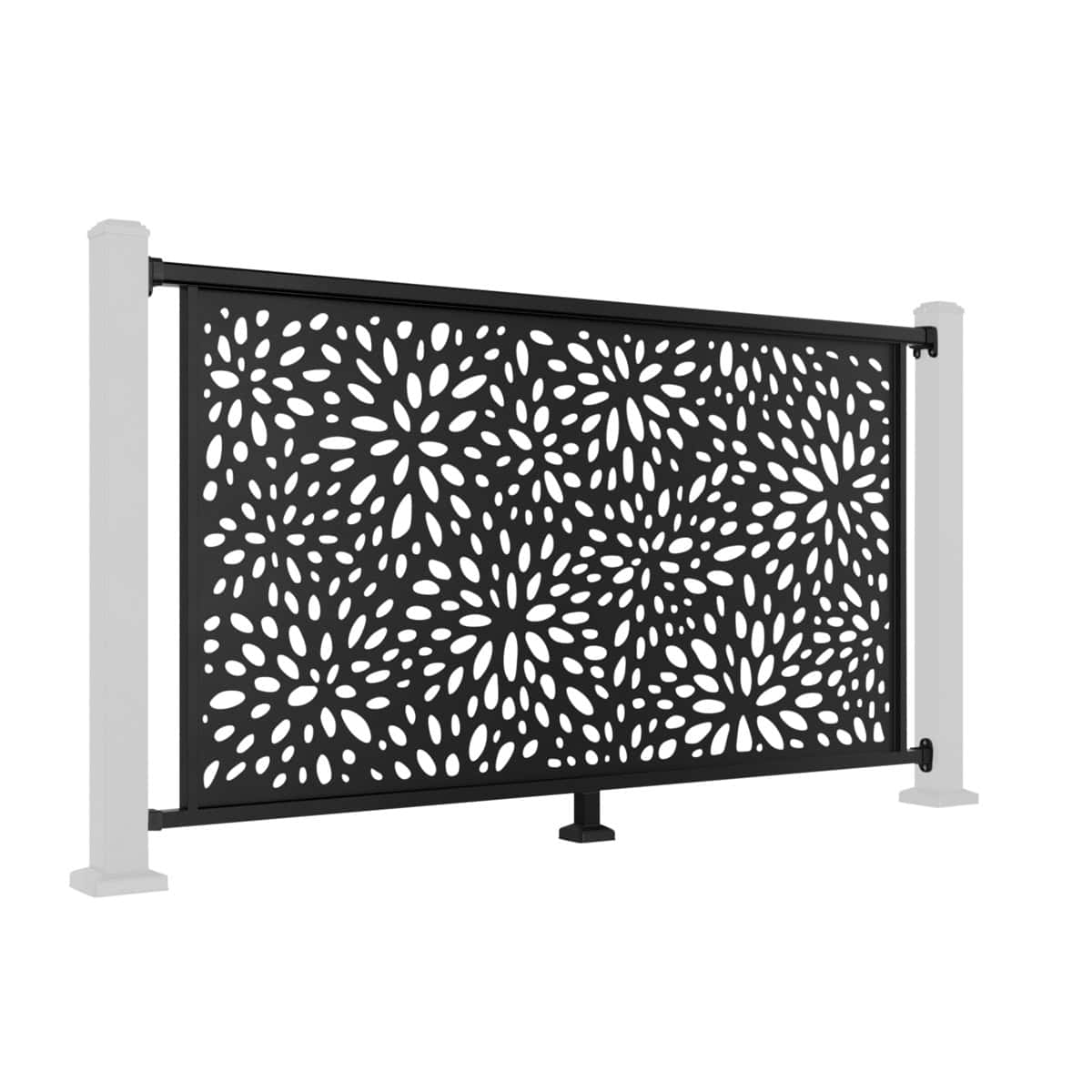
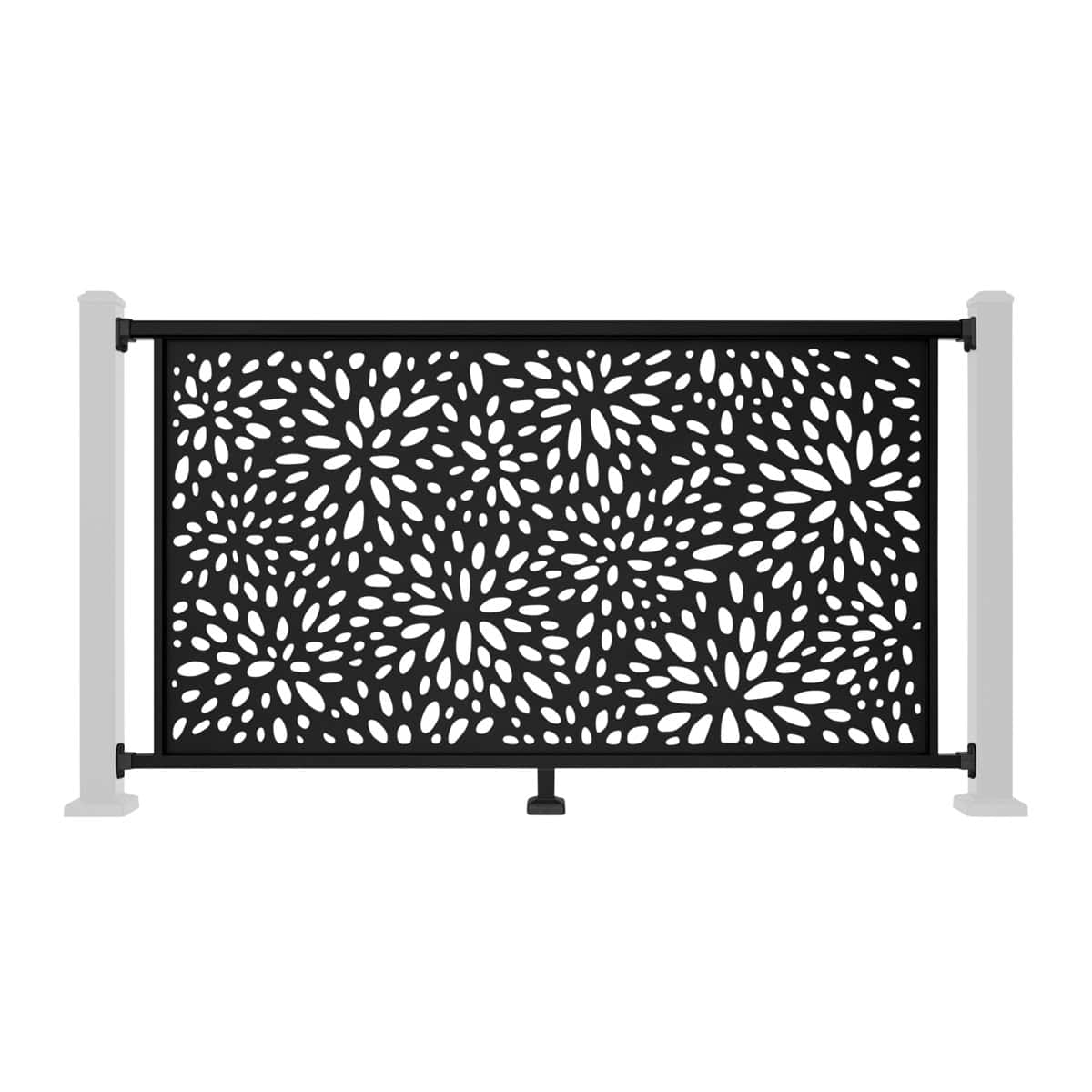
A more screened side can help make a seating area feel sheltered from neighbouring views, while a more open front preserves the outlook. This is useful inspiration for terraces overlooked from one direction rather than on every side.
Plan screening as part of the design from the start. A decorative garden screen is not automatically suitable as guarding, and adding solid panels can change the wind loads on the structure. Ask the supplier about an appropriate screened balustrade arrangement before finalising the layout.
For visual balance, repeat the screen’s colour in a smaller feature elsewhere, such as a planter or a nearby wall finish.
8. Connect the Deck and Stairs With Consistent Details
Carry the same railing finish from the deck perimeter down the stairs to make the route through the garden easier to read. Aligning posts with corners and changes of direction helps create an orderly appearance.
Use dedicated stair components where required, and plan the handrail, stair pitch and transitions together. Position furniture so that it does not obstruct the route between doors, seating and steps. A continuous visual line should still leave enough room for comfortable movement.
Compare Your Balustrade Design Options
Choosing the visual effect for your outdoor space:
| Design approach | Visual effect | Detail to consider |
|---|---|---|
| Glass infill | Open views and a contemporary edge | Cleaning access and the specified glass system |
| Vertical spindles | A regular, framed boundary | Profile, spacing and views from seating |
| Wire infill | A fine linear pattern | Suitability, tensioning and climbability |
| Screened sections | More visual privacy on selected sides | Guarding suitability and wind exposure |
| Coordinated composite finish | A unified deck and railing palette | Samples, compatible components and application |
Turn Your Favourite Idea Into a Practical Plan
Sketch the deck perimeter, stairs, doors and main seating positions before choosing panel lengths. Think about the outlook from the house and the places where privacy matters most.
For raised decks and balconies, confirm the required guarding height, openings, loading and fixing design for the particular project and applicable UK requirements. Material choice alone does not establish suitability. Posts need a suitable structural fixing arrangement; deck boards alone should not be assumed to provide that support.
Explore the NeoTimber® balustrade range and planning resources to compare systems, view installation guidance and find sample options. If you have an unusual layout, discuss your project with the team before ordering components.
Balustrade Ideas FAQs
What balustrade ideas work well on a small deck?
A restrained palette, a simple layout and an infill that preserves the important sightlines can help a small deck feel more open. Leave clear routes around furniture and avoid unnecessary changes of style.
Should balustrades match the decking?
Matching colours create continuity, while contrasting frames give the perimeter more definition. Compare both against the house, paving and furniture before deciding.
Are glass balustrades a good choice for garden views?
Glass can preserve sightlines while defining the edge. Consider reflections, cleaning access and the complete system’s suitability for the location.
Can I use different infill styles in one layout?
Potentially, but the combination needs to be supported by the system design. Ask the supplier to confirm compatible components and transitions before mixing glass, spindles, wire or screening.
Is composite only suitable for ground-level gardens?
No blanket rule applies. Suitability depends on the particular system, application, drop, loading and installation. Check the product guidance for the proposed location rather than choosing on material alone.
Do low-maintenance balustrades still need cleaning?
Yes. Follow the relevant care guide for the frame and infill, and inspect fixings and components periodically. Glass, metal and composite surfaces have different cleaning requirements.