Specifying Composite Balustrades for Commercial Outdoor Spaces
Commercial composite balustrades can help create a coordinated exterior while reducing routine surface maintenance. For project managers, designers and property operators, the decision also involves checking the system's suitability, planning installation and comparing the complete project cost.
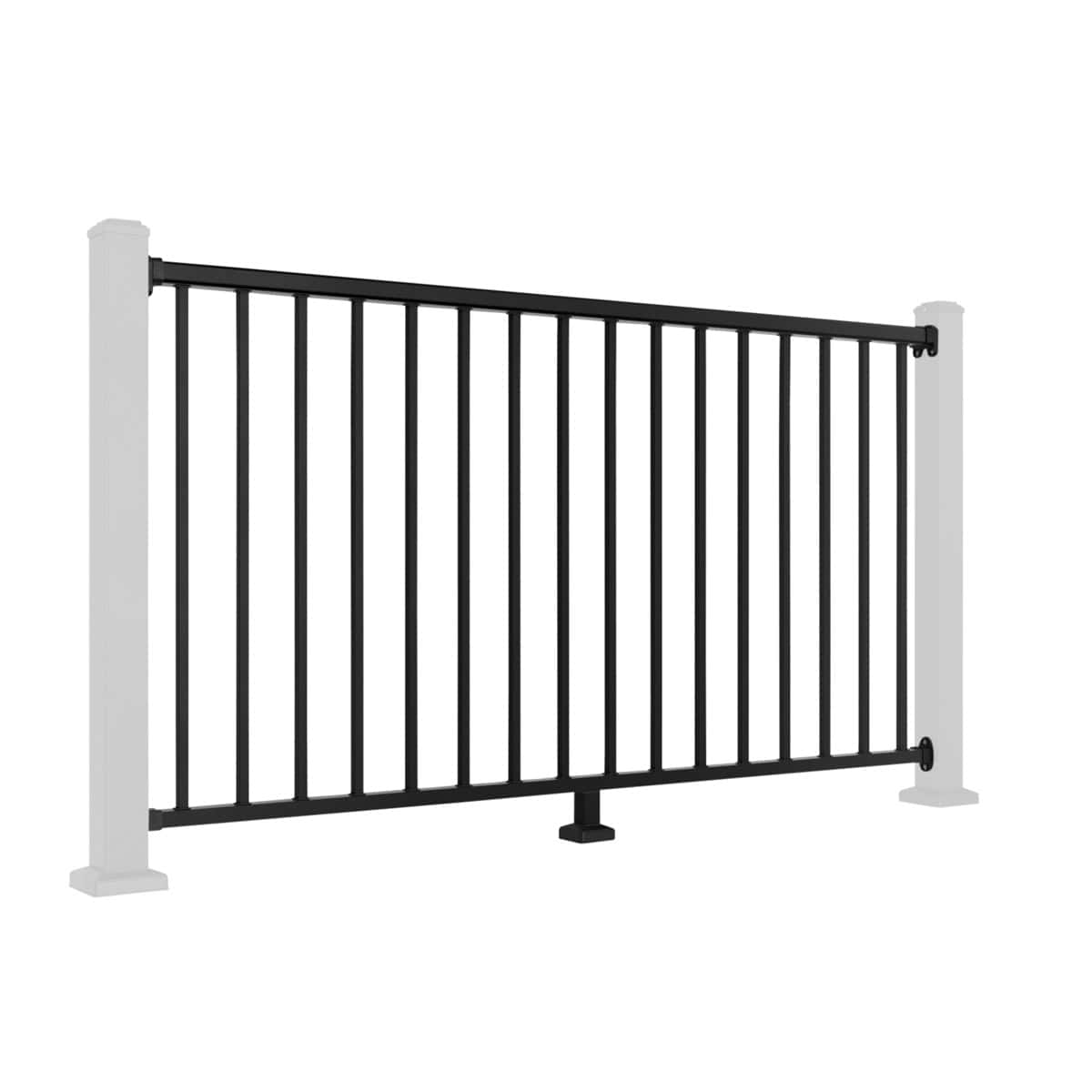
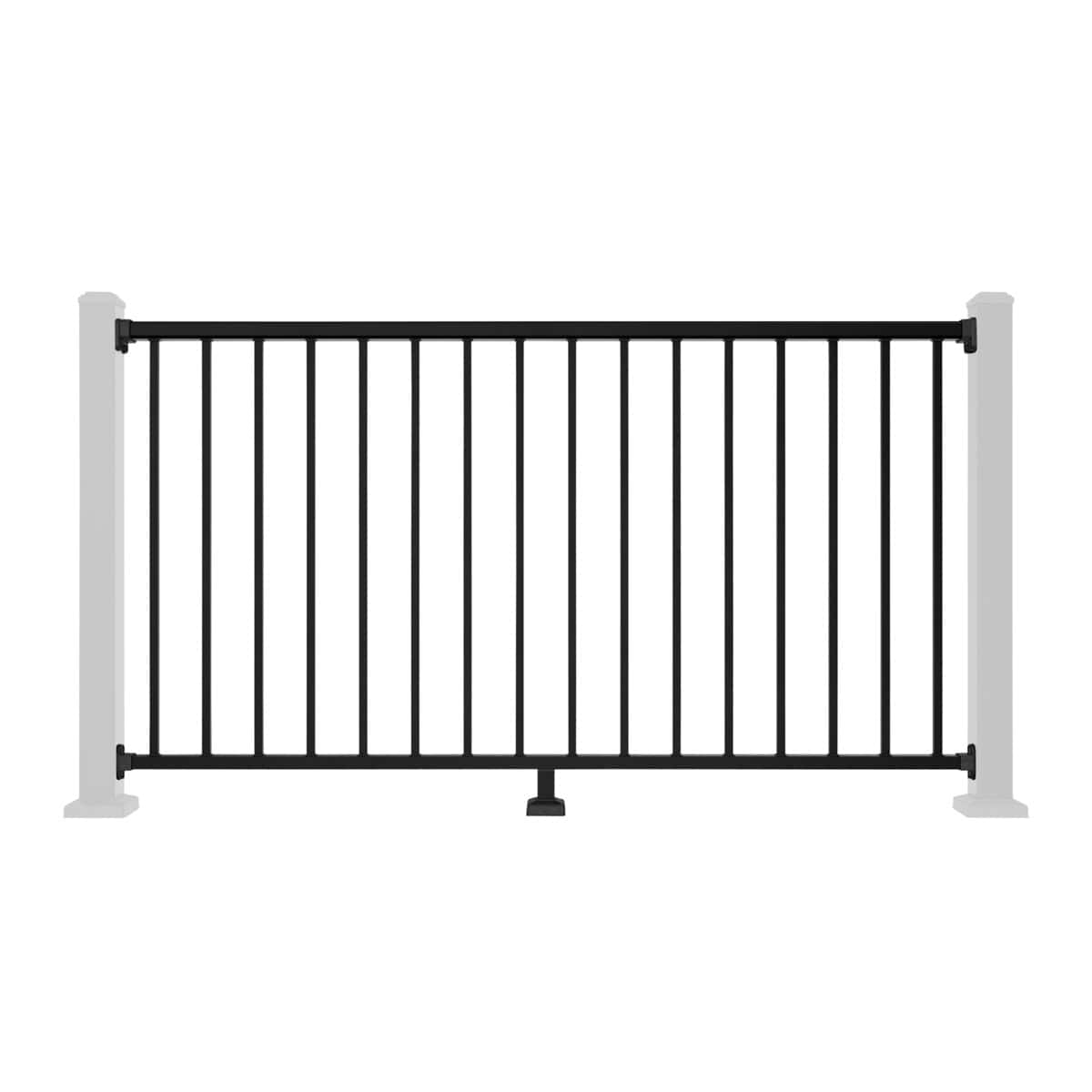
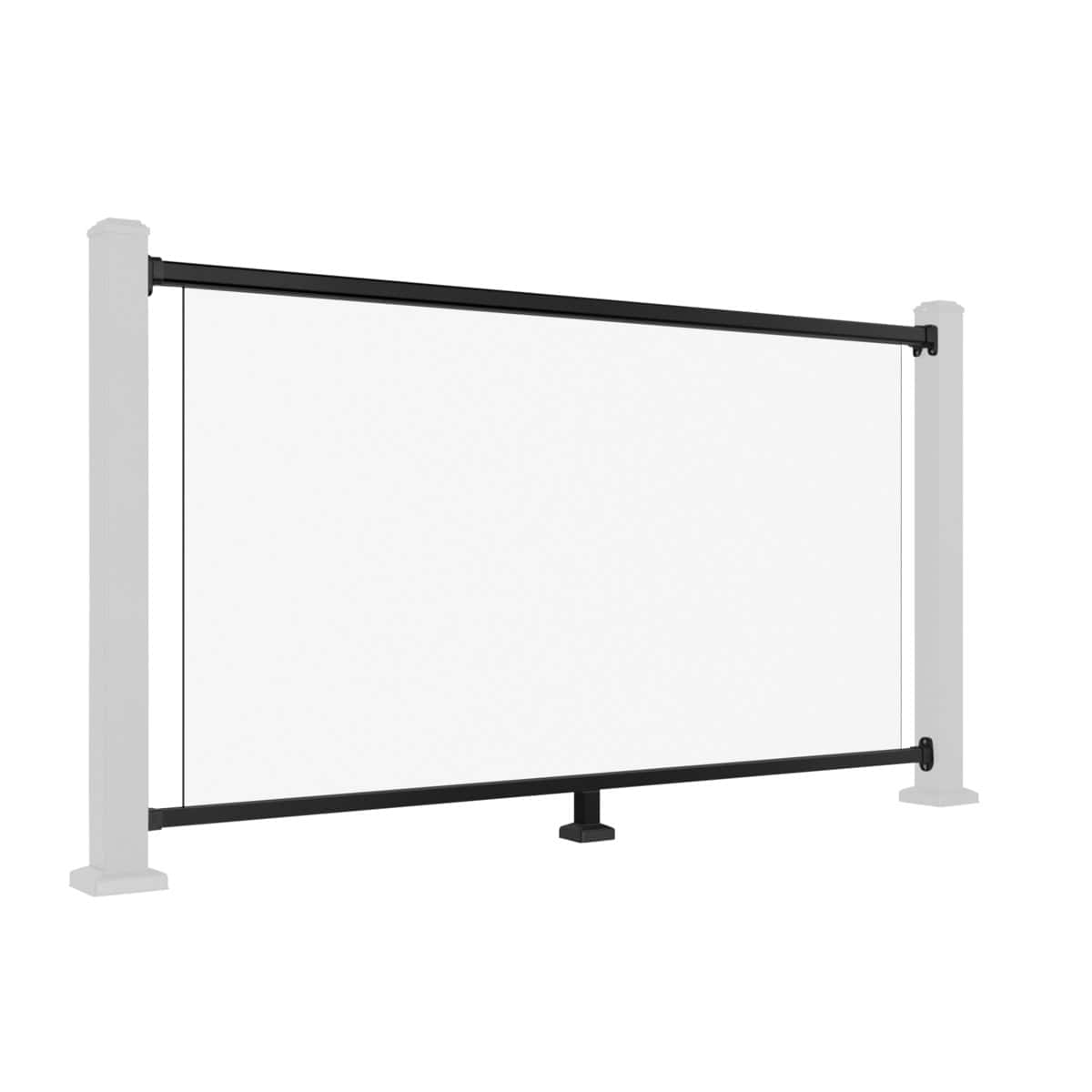
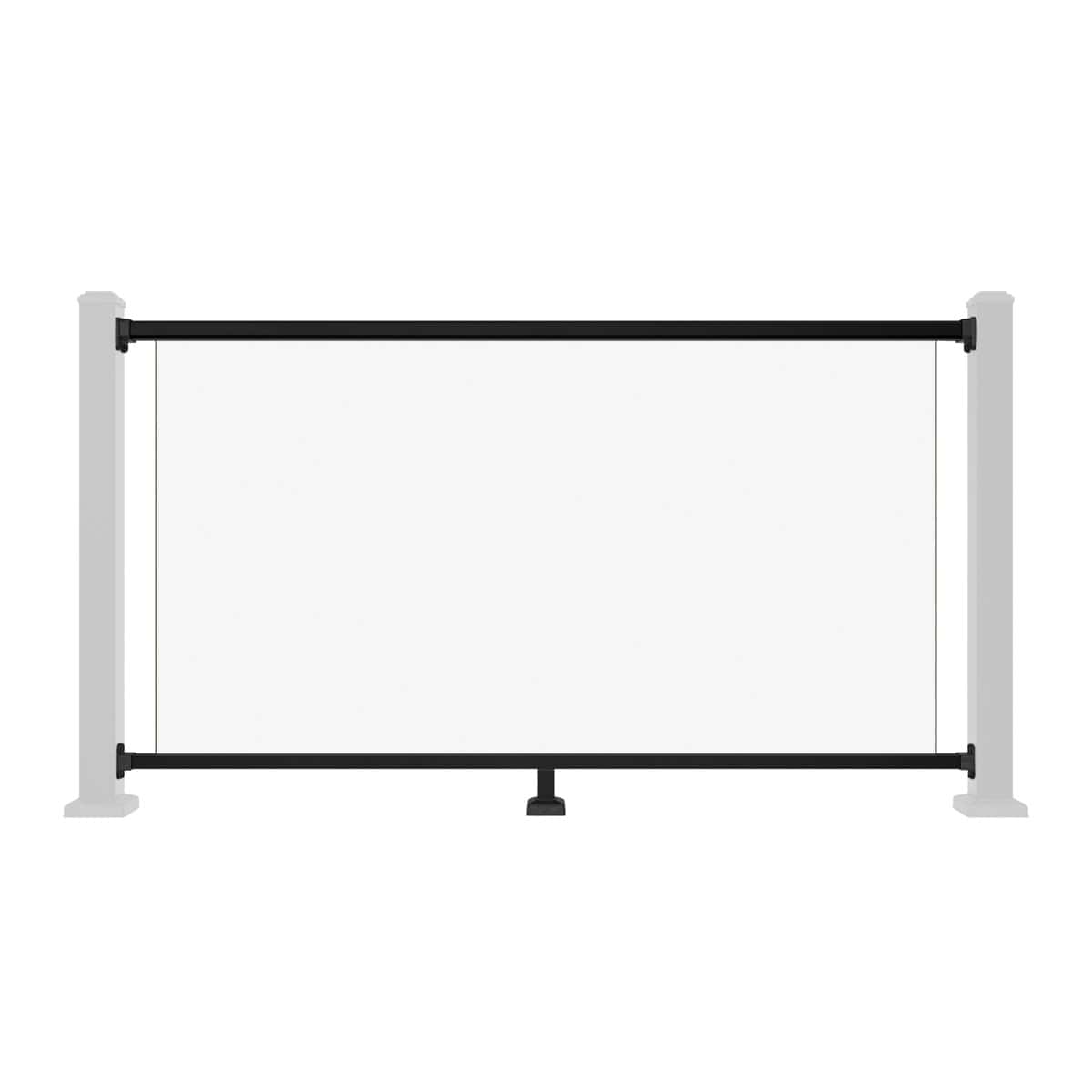
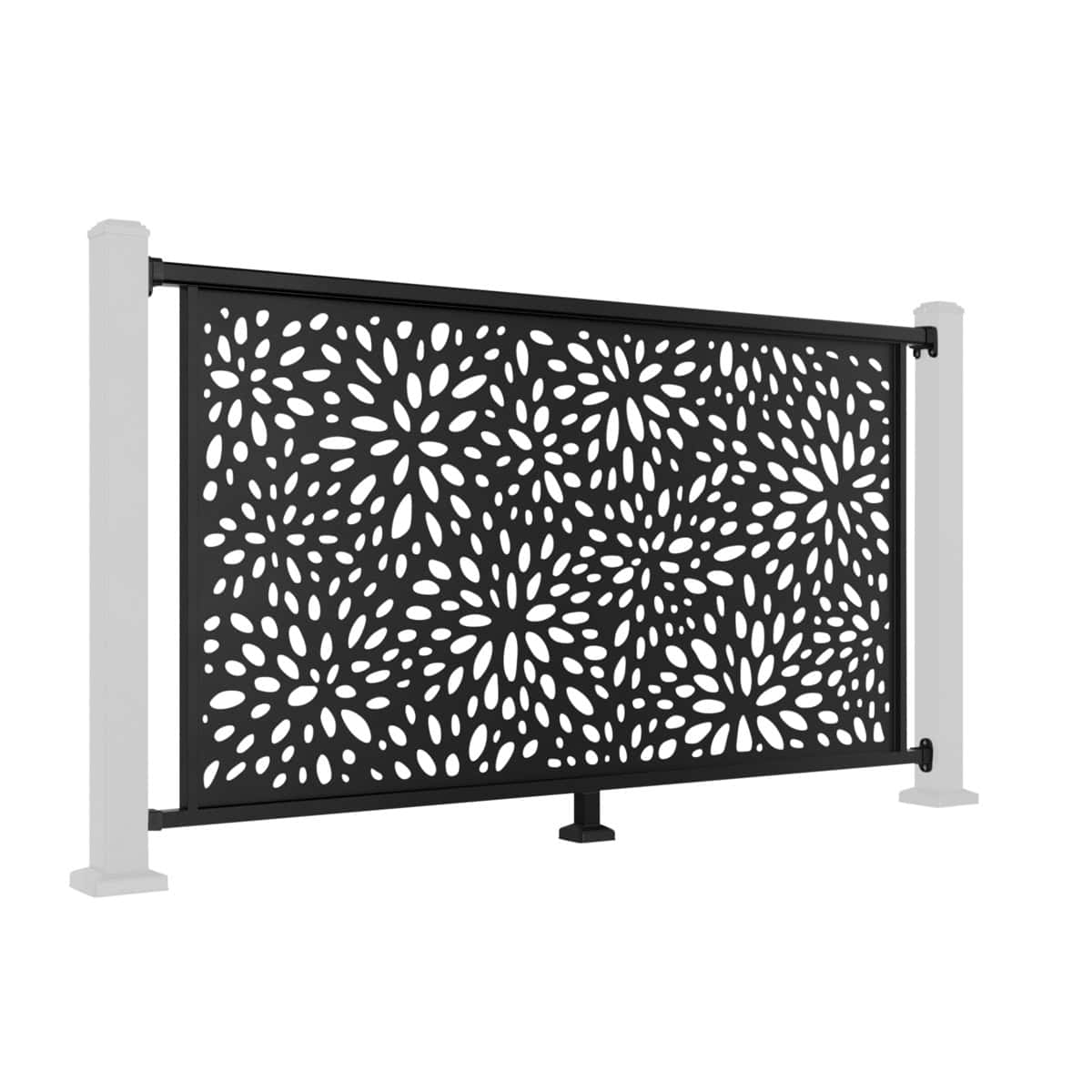
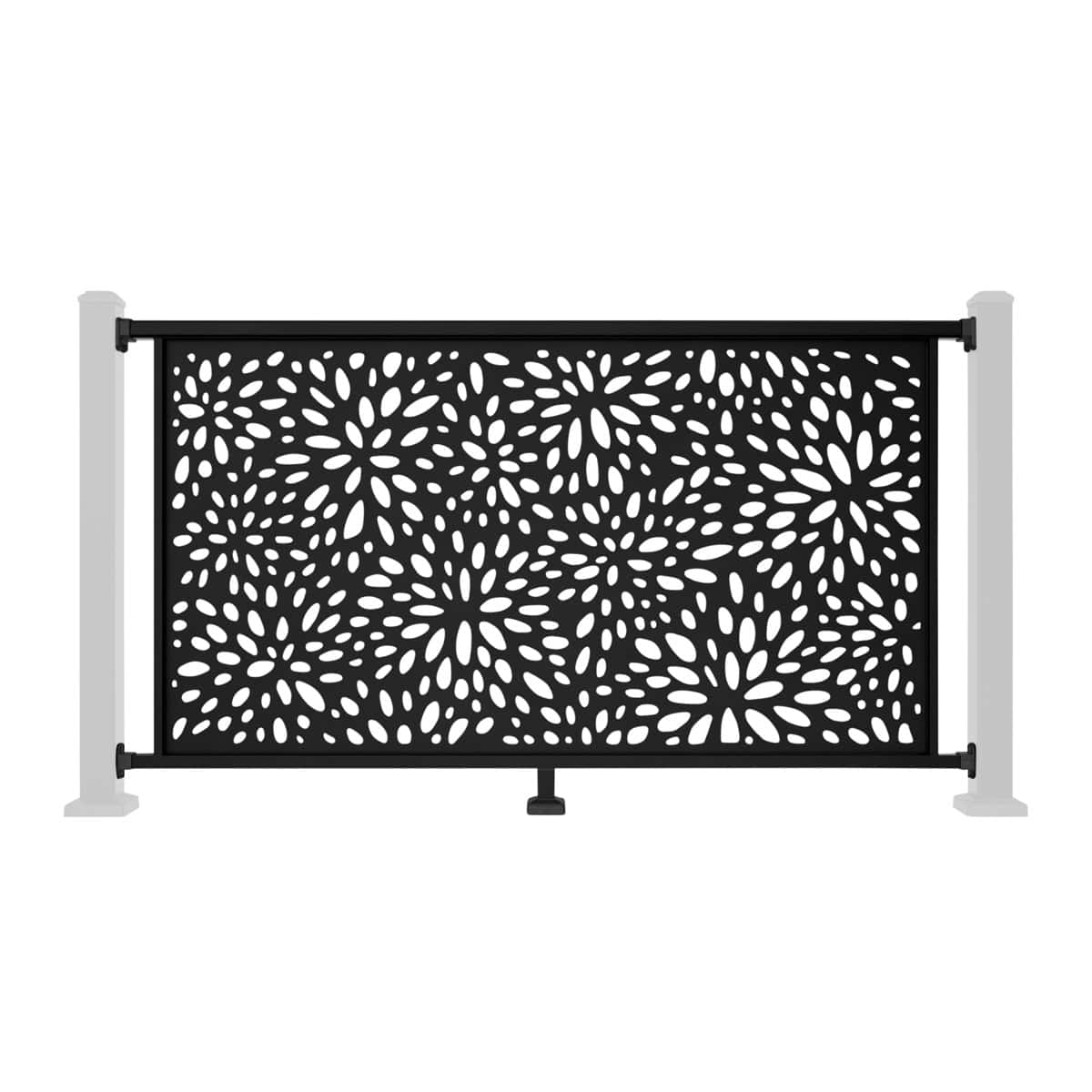
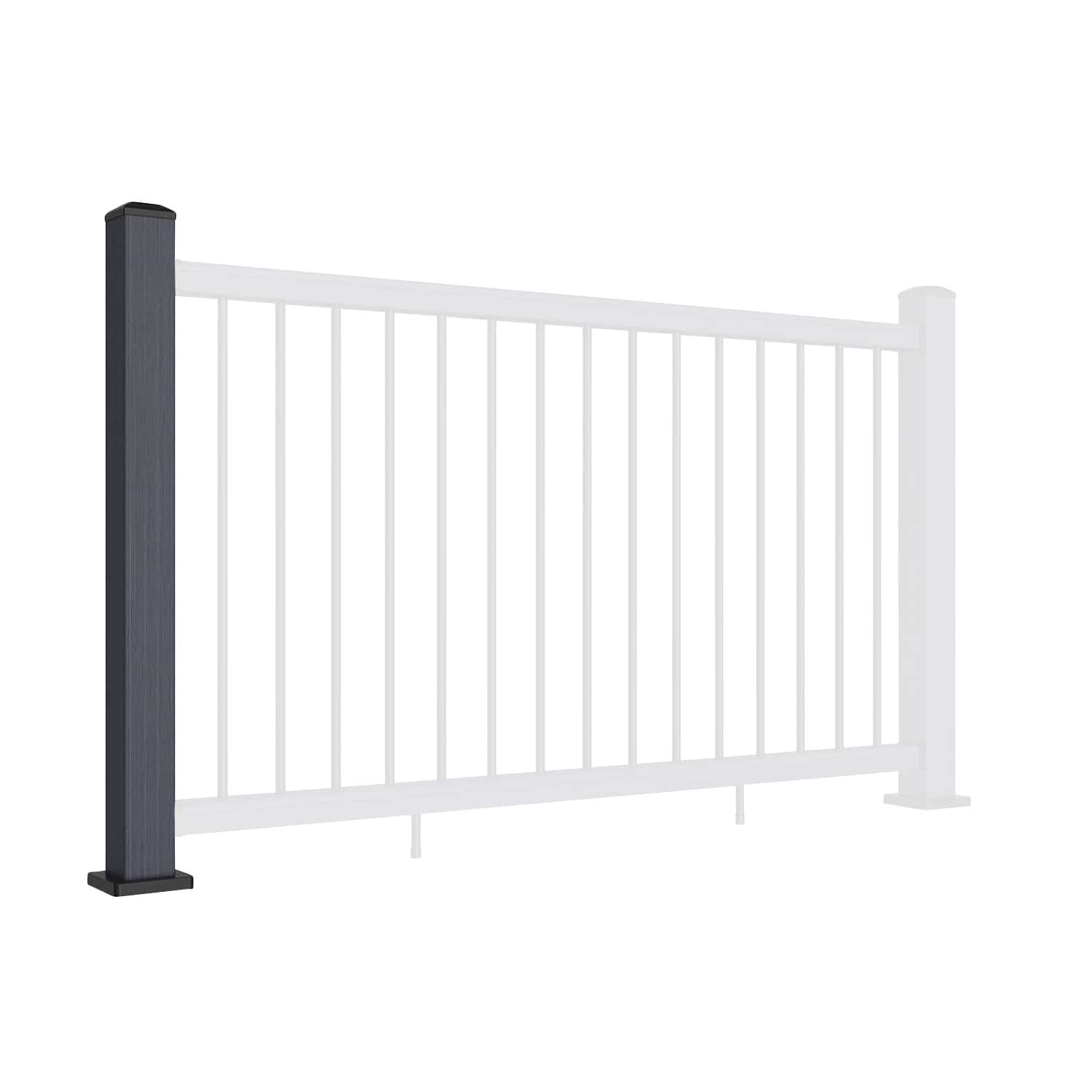
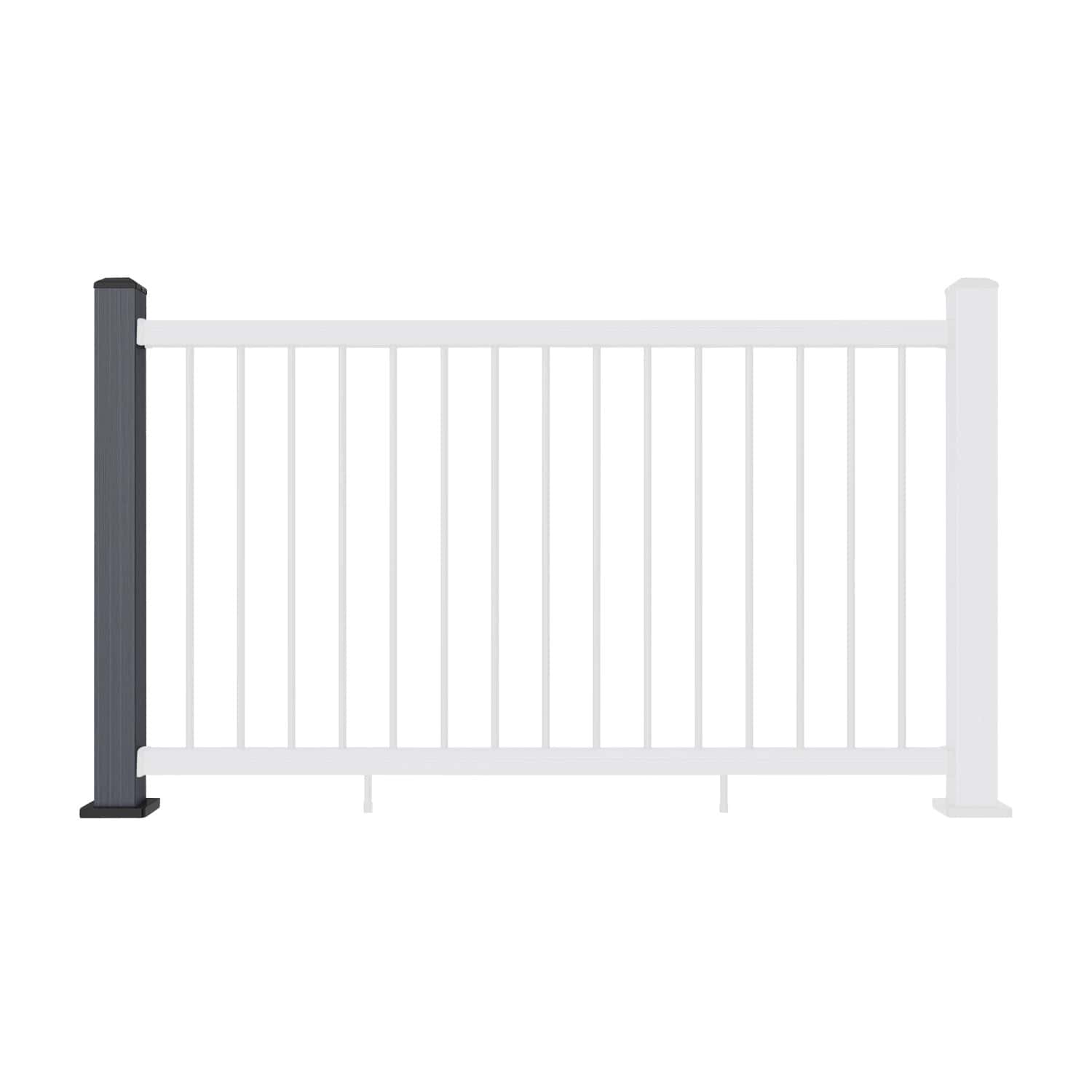
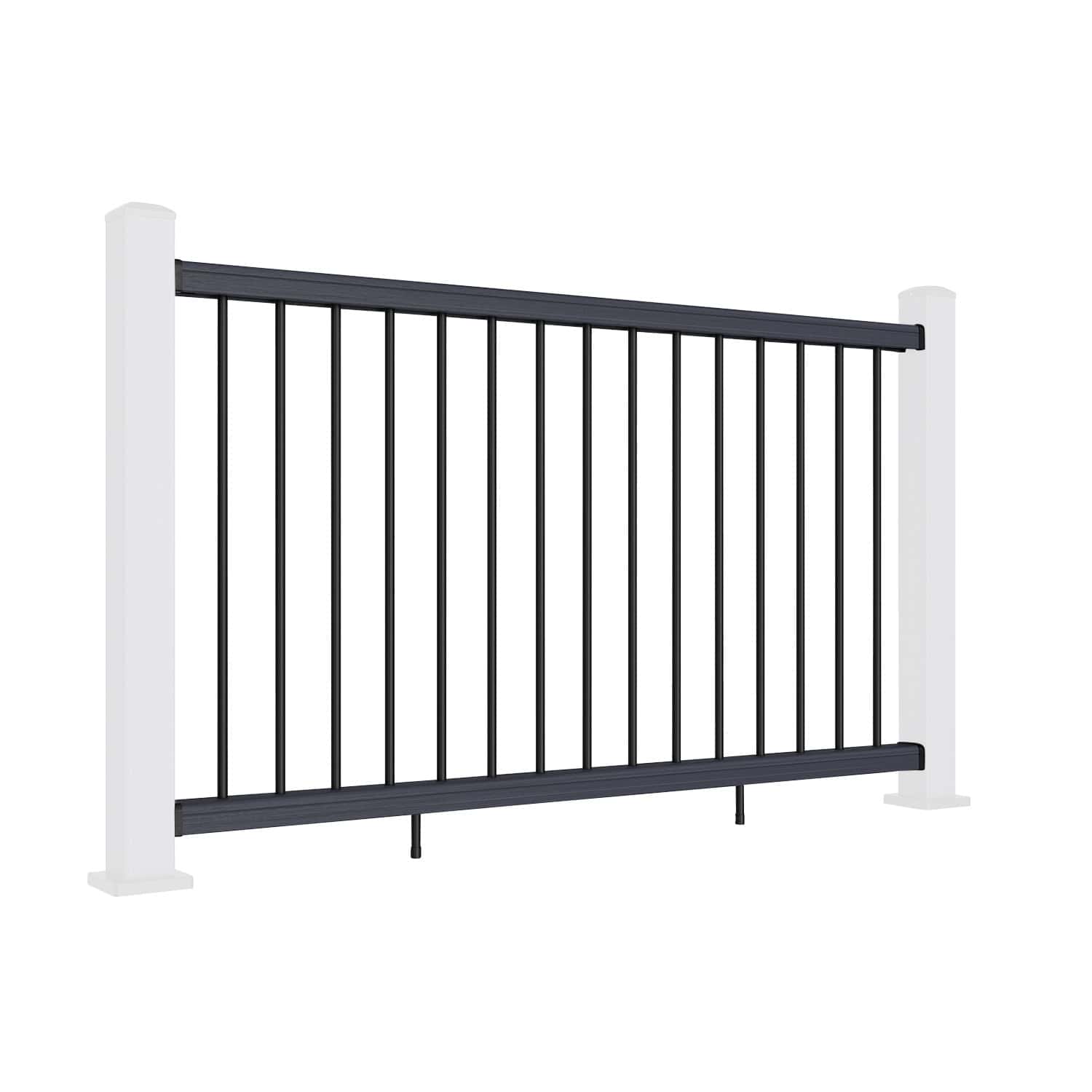
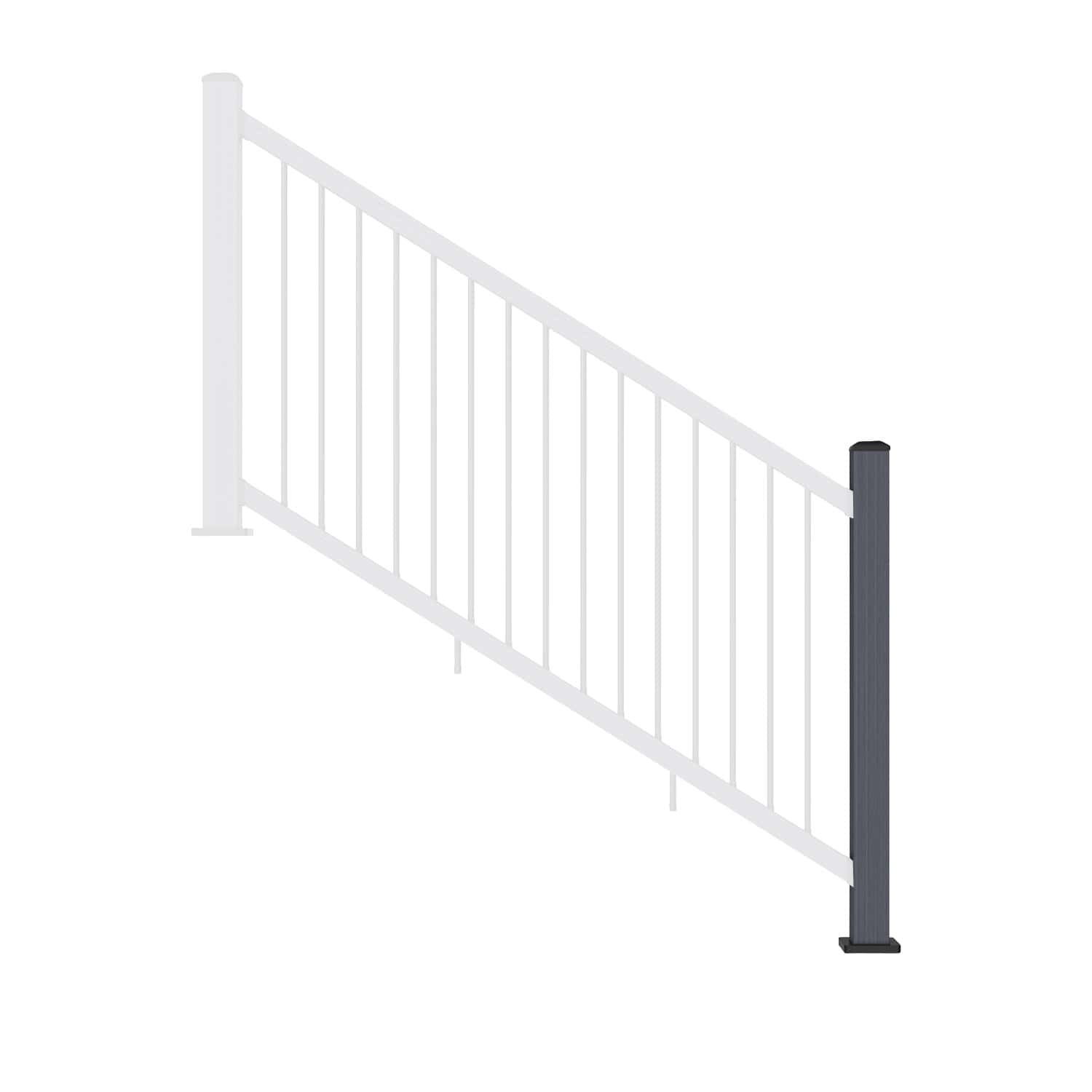
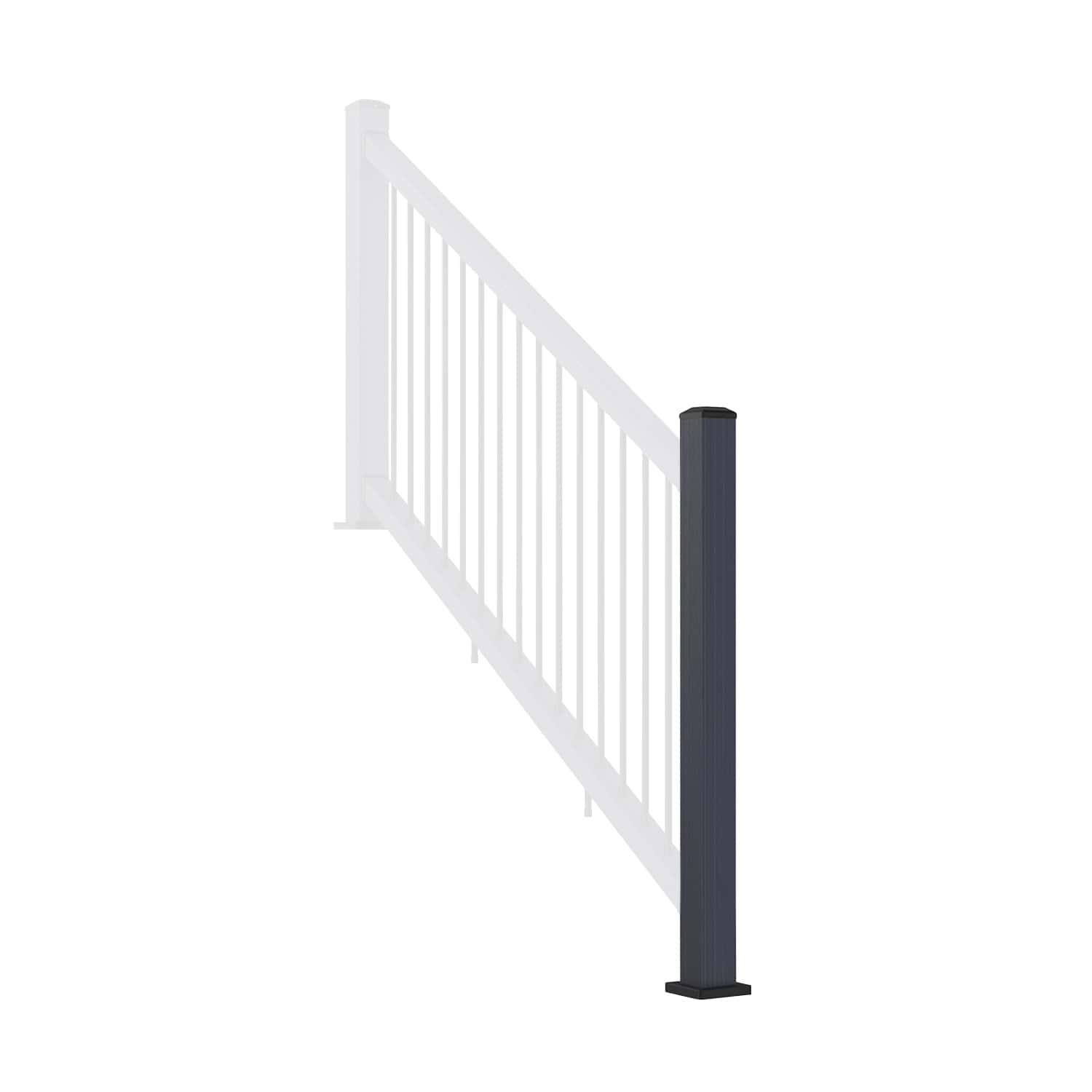
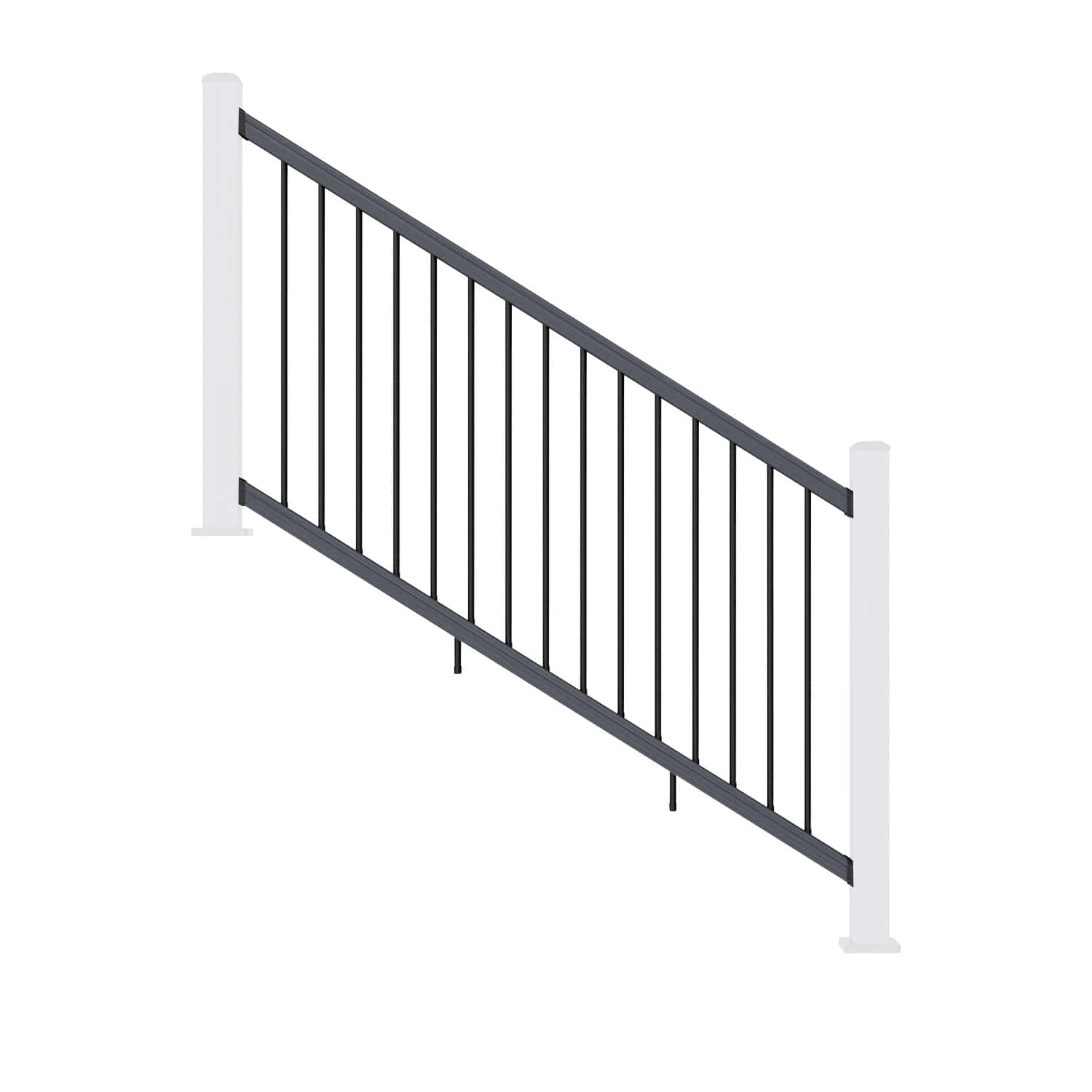
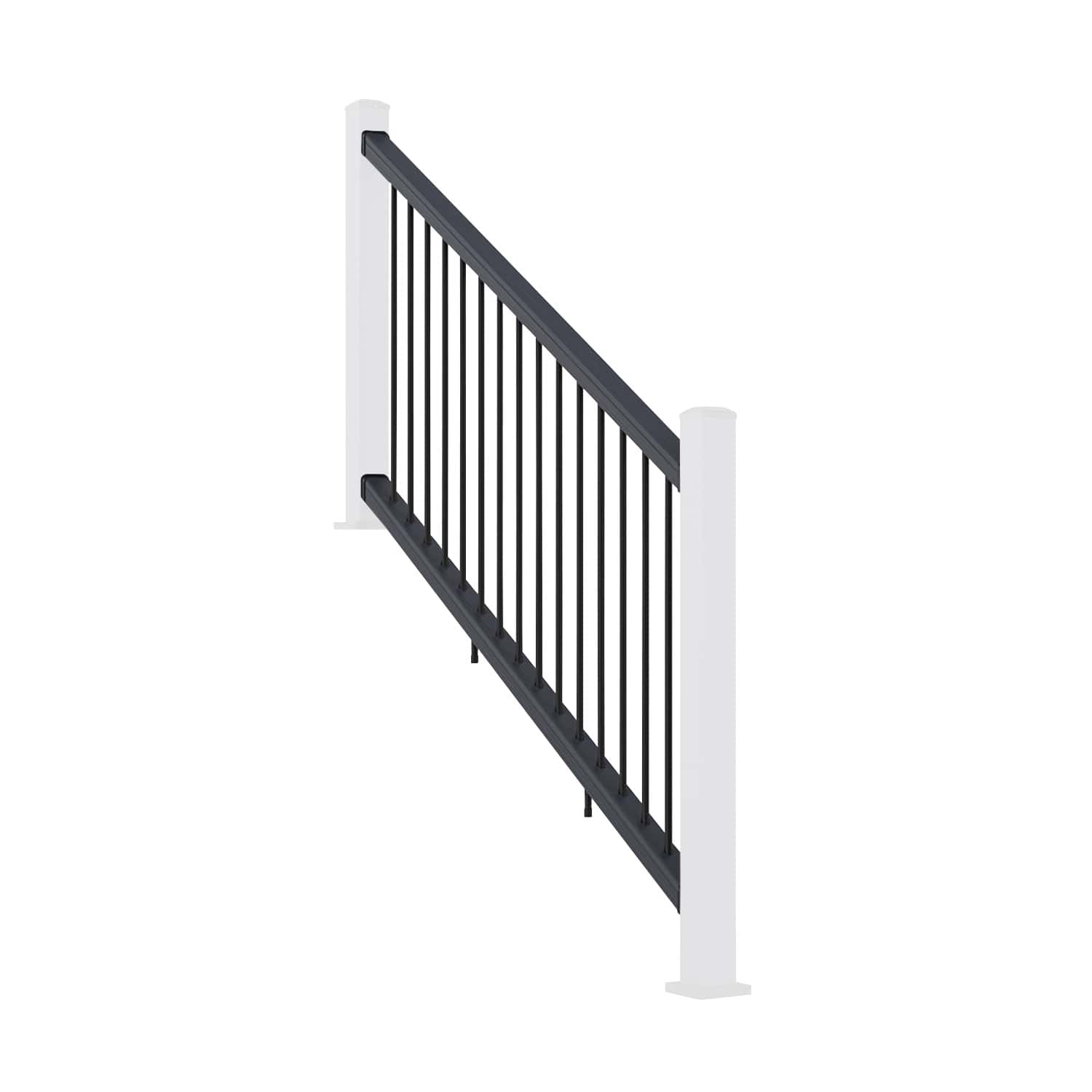
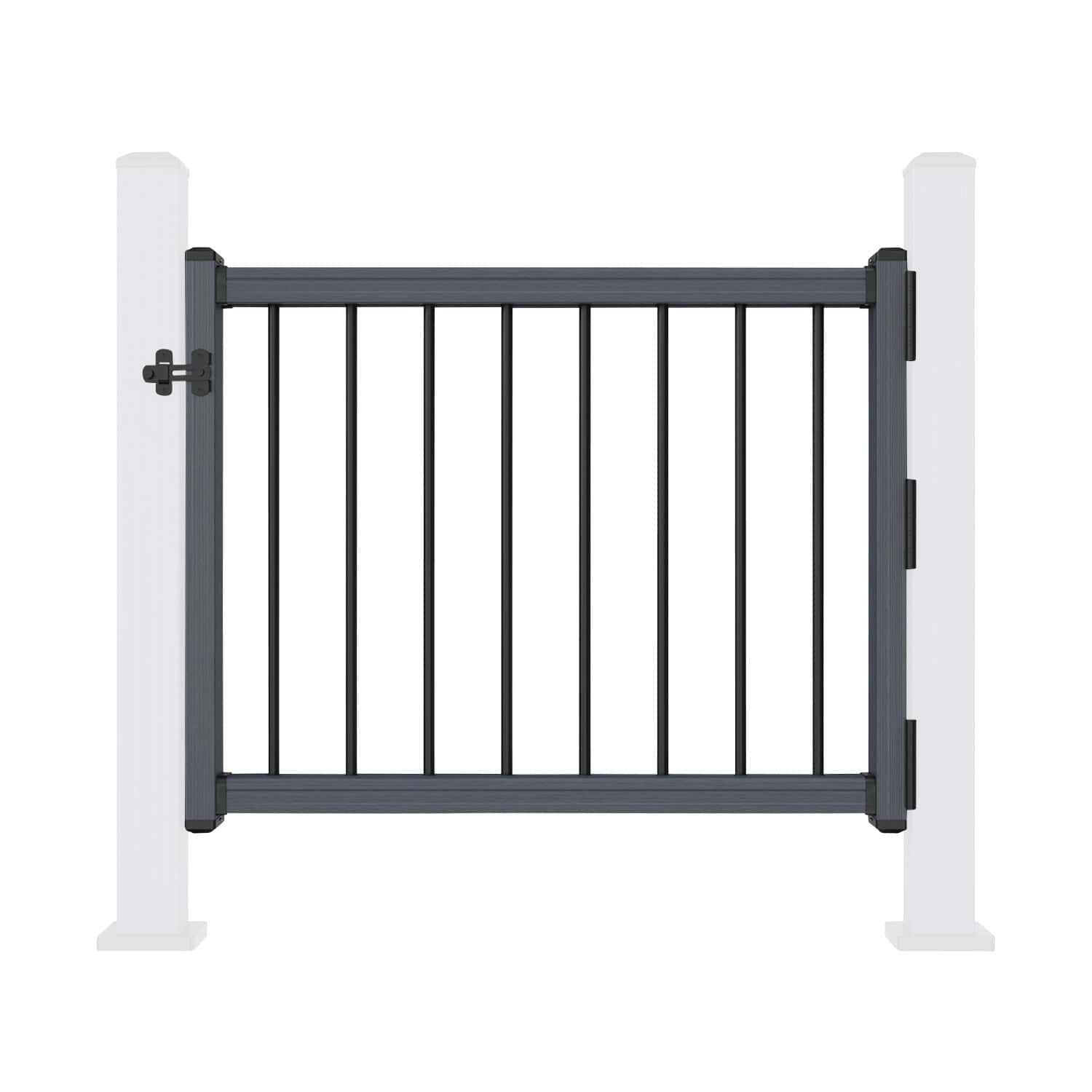
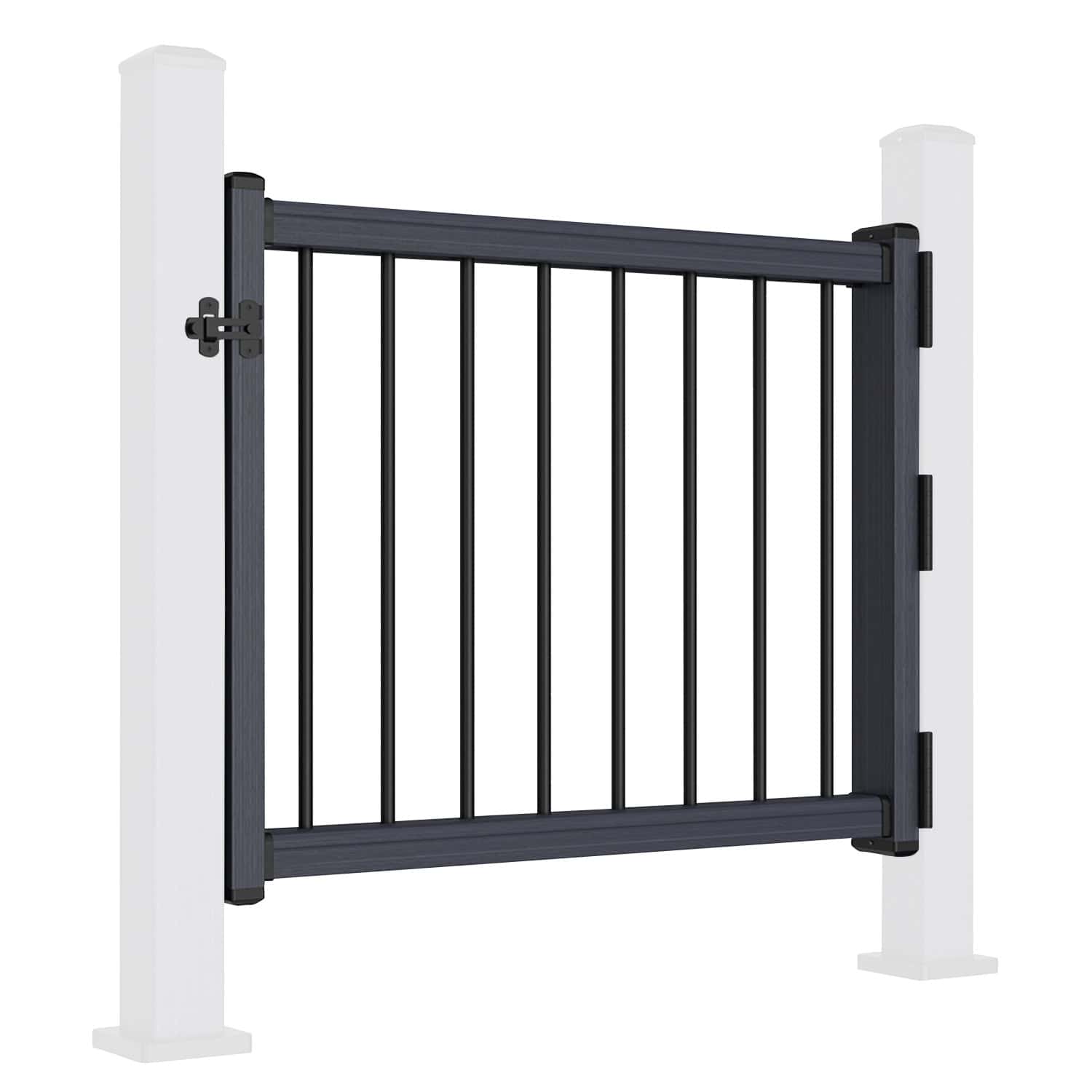
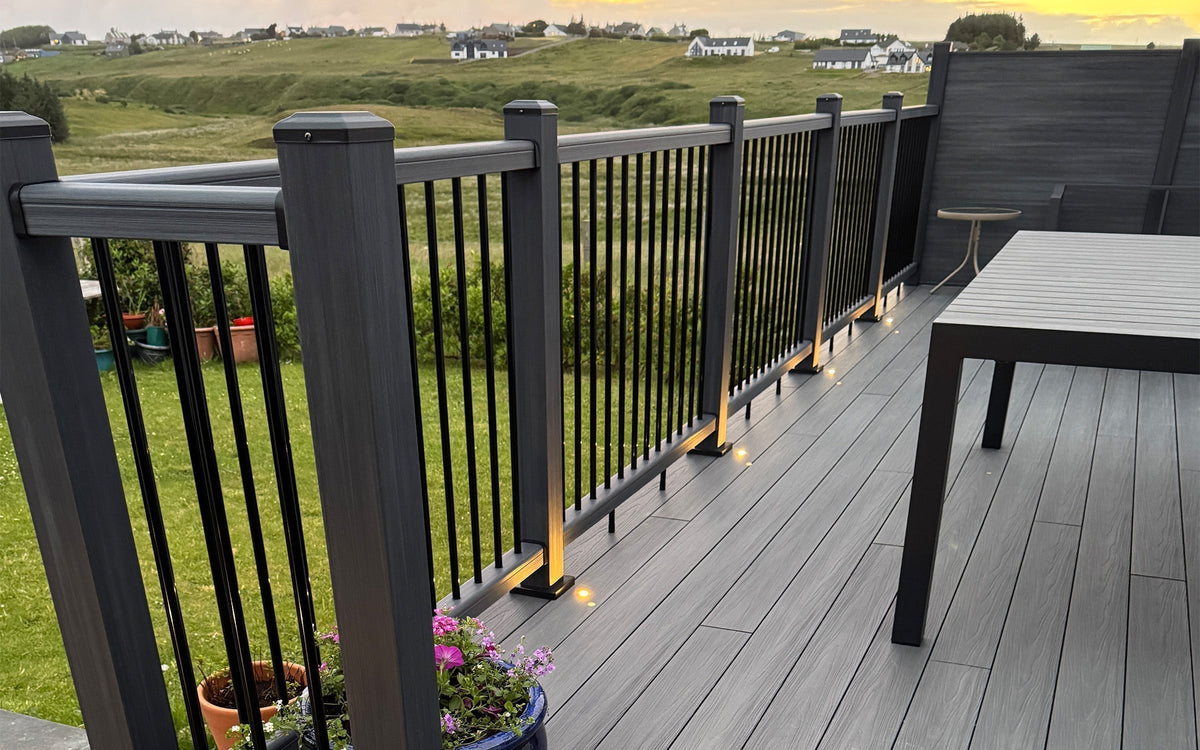
NeoTimber® composite balustrades combine capped composite finishes with metal reinforcement and black aluminium spindles. The range offers an option for selected commercial applications, subject to the requirements of the individual project.
Commercial Balustrades: Confirm Suitability First
A commercial setting can place different demands on a balustrade depending on its occupancy, location and use. A quiet outdoor seating area and a crowded public space should not automatically be given the same specification.
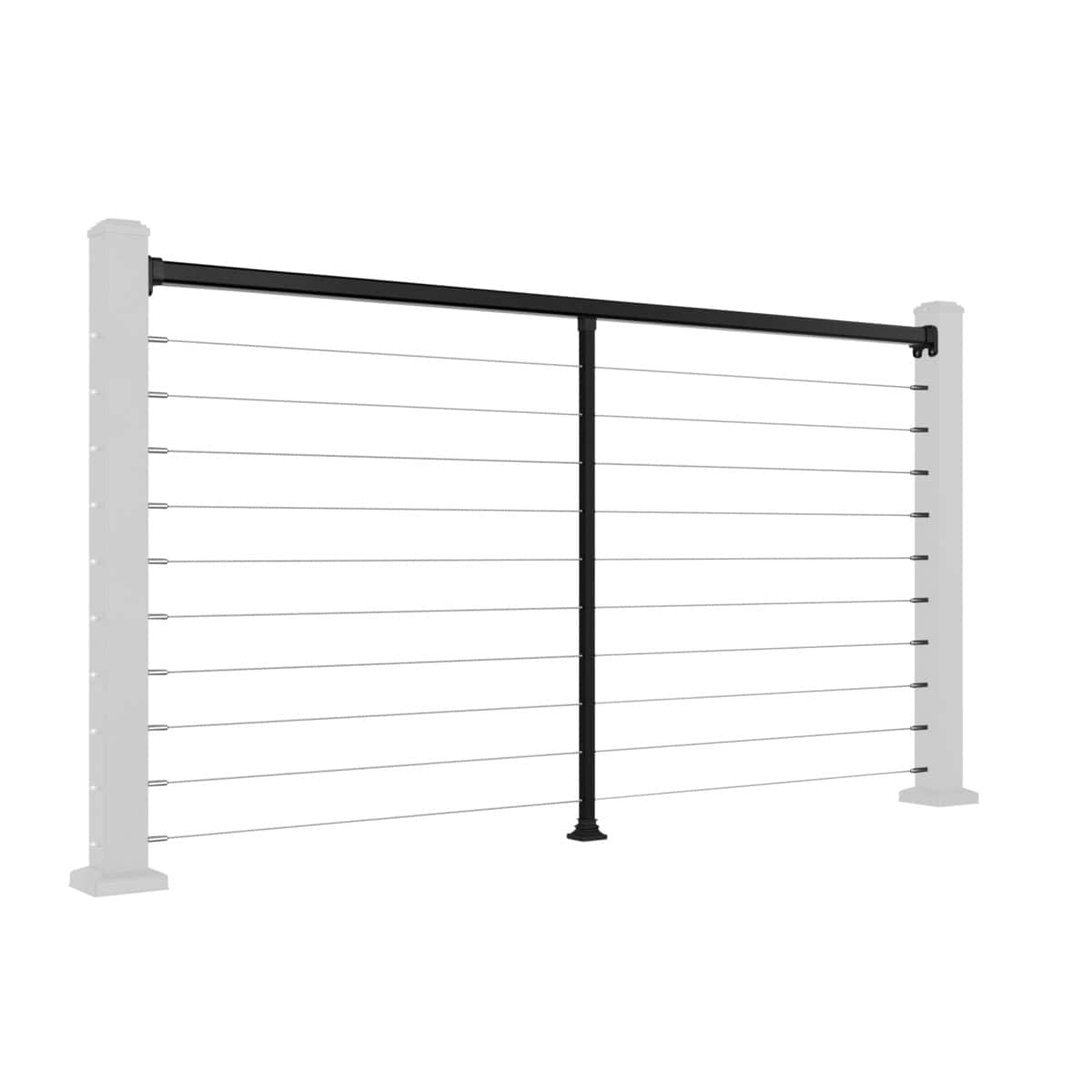
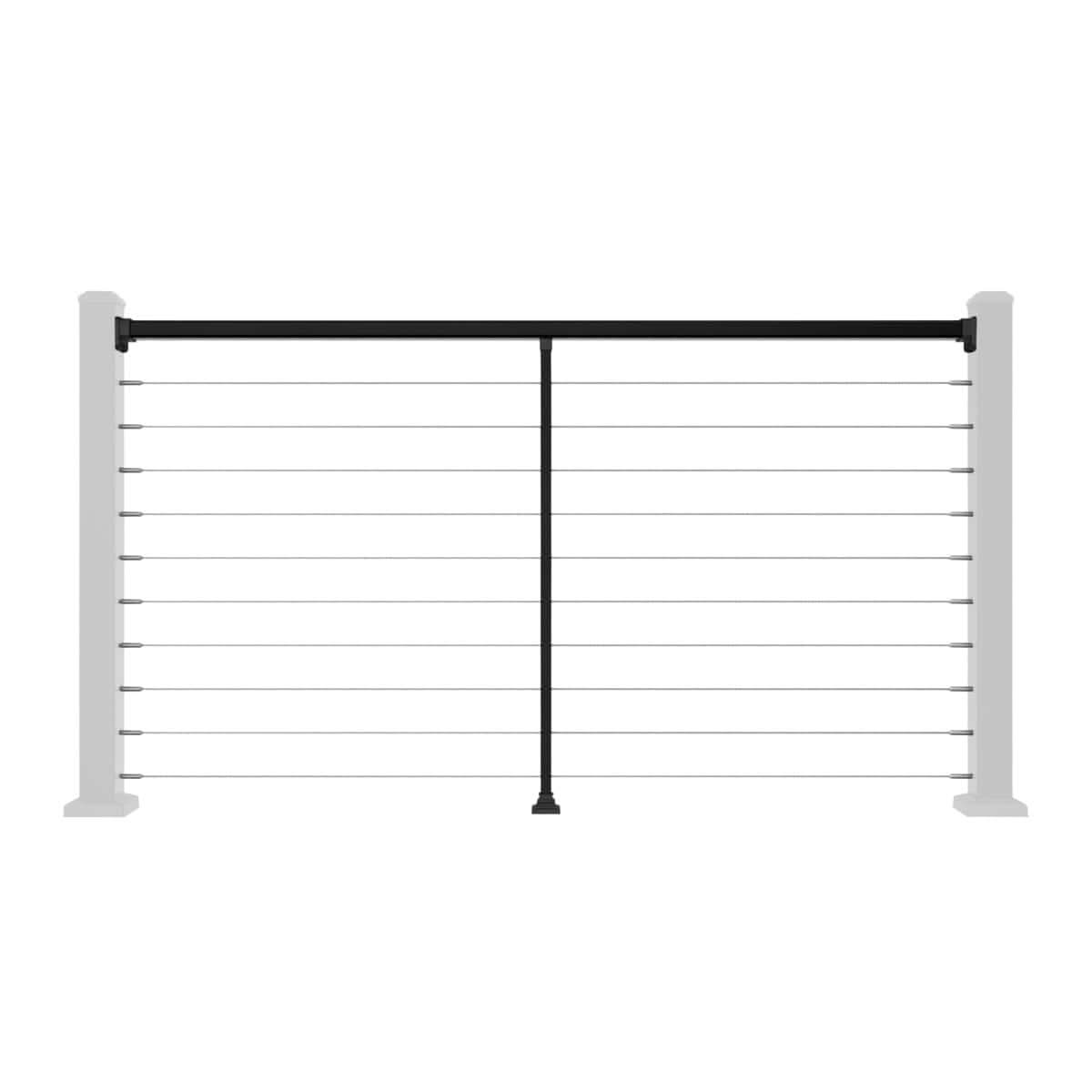
Before selecting a system, establish the required guarding height, loading, infill arrangement and supporting structure. Ask for the relevant technical information and confirm that it applies to the proposed configuration and fixings.
The NeoTimber® composite straight railing is described for low-level residential and selected commercial applications. This does not establish suitability for every balcony, roof terrace or elevated public area. Have the proposed use confirmed by the supplier and project designer before ordering.

Why Consider Commercial Composite Balustrades?
Less Routine Surface Maintenance
NeoTimber® capped composite railings are designed to resist fading and staining without regular sanding, sealing or painting. For operators managing exterior finishes, this can reduce recurring redecoration compared with painted timber.
Cleaning and inspection remain necessary. A low-maintenance surface does not remove the need to check posts, brackets, fixings and any gates, or to assess loose or damaged components.
A Coordinated Exterior Design
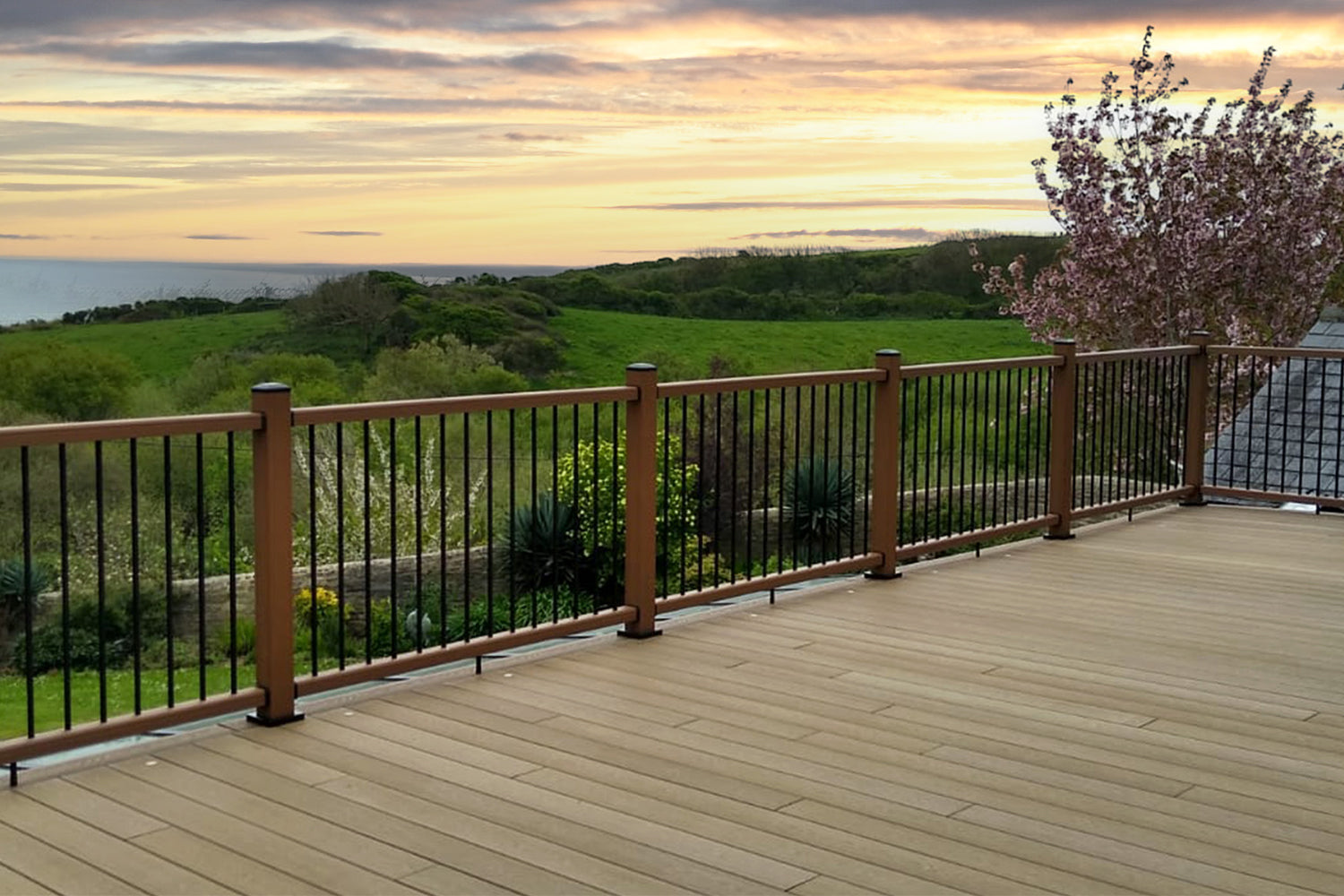
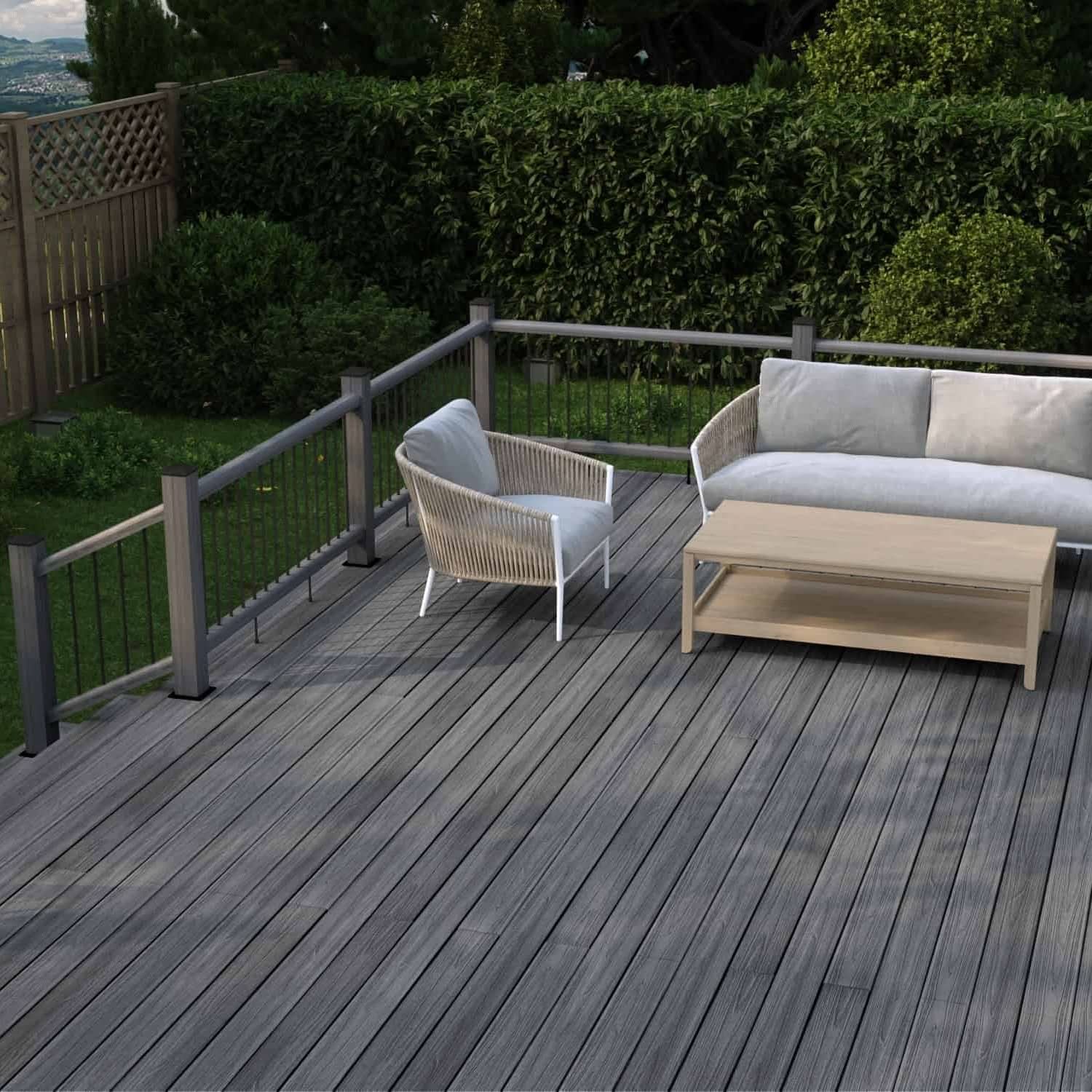
The combination of coloured composite rails and black aluminium spindles provides a consistent design across suitable straight runs and stair sections. This can help connect a terrace, entrance or decking area with the wider building.
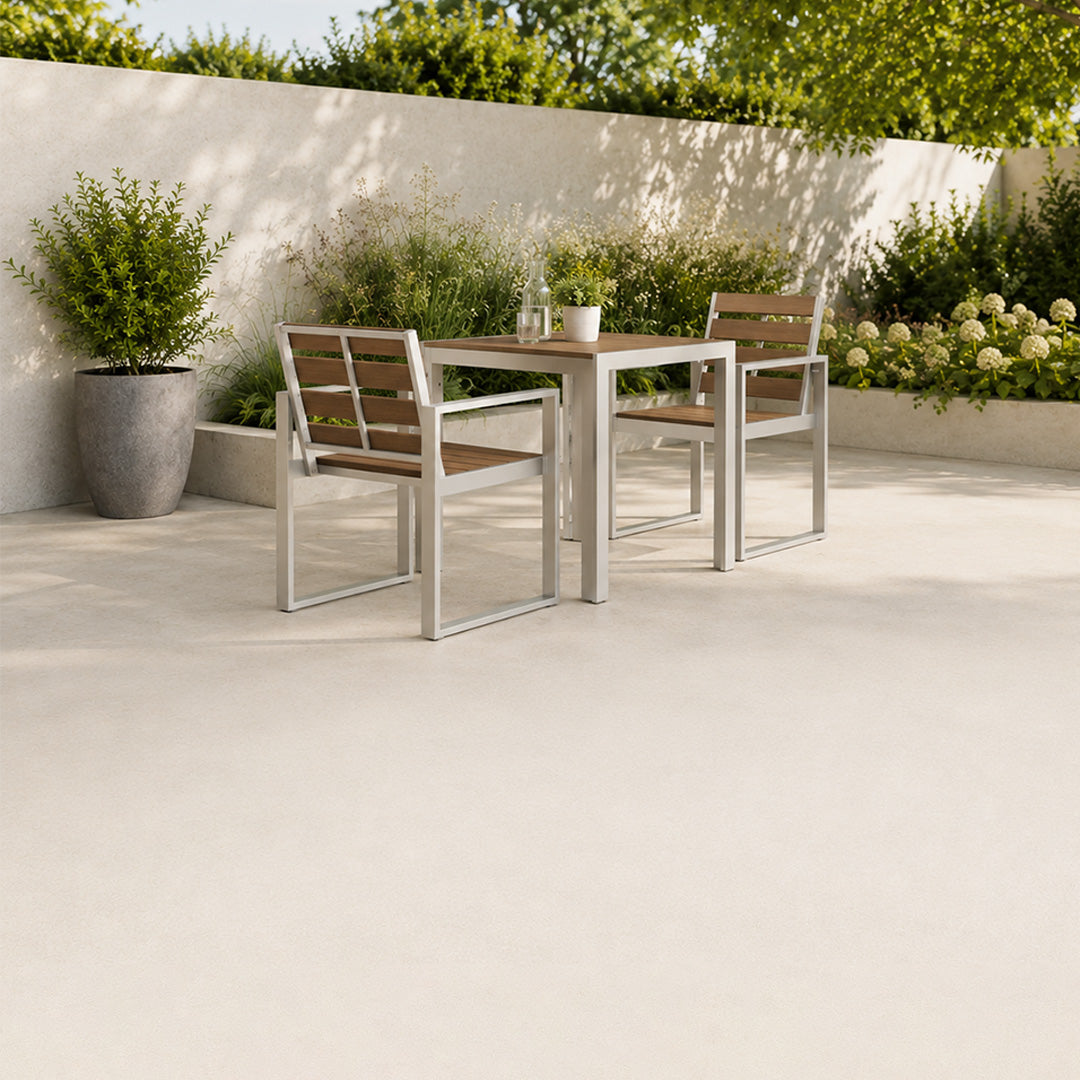
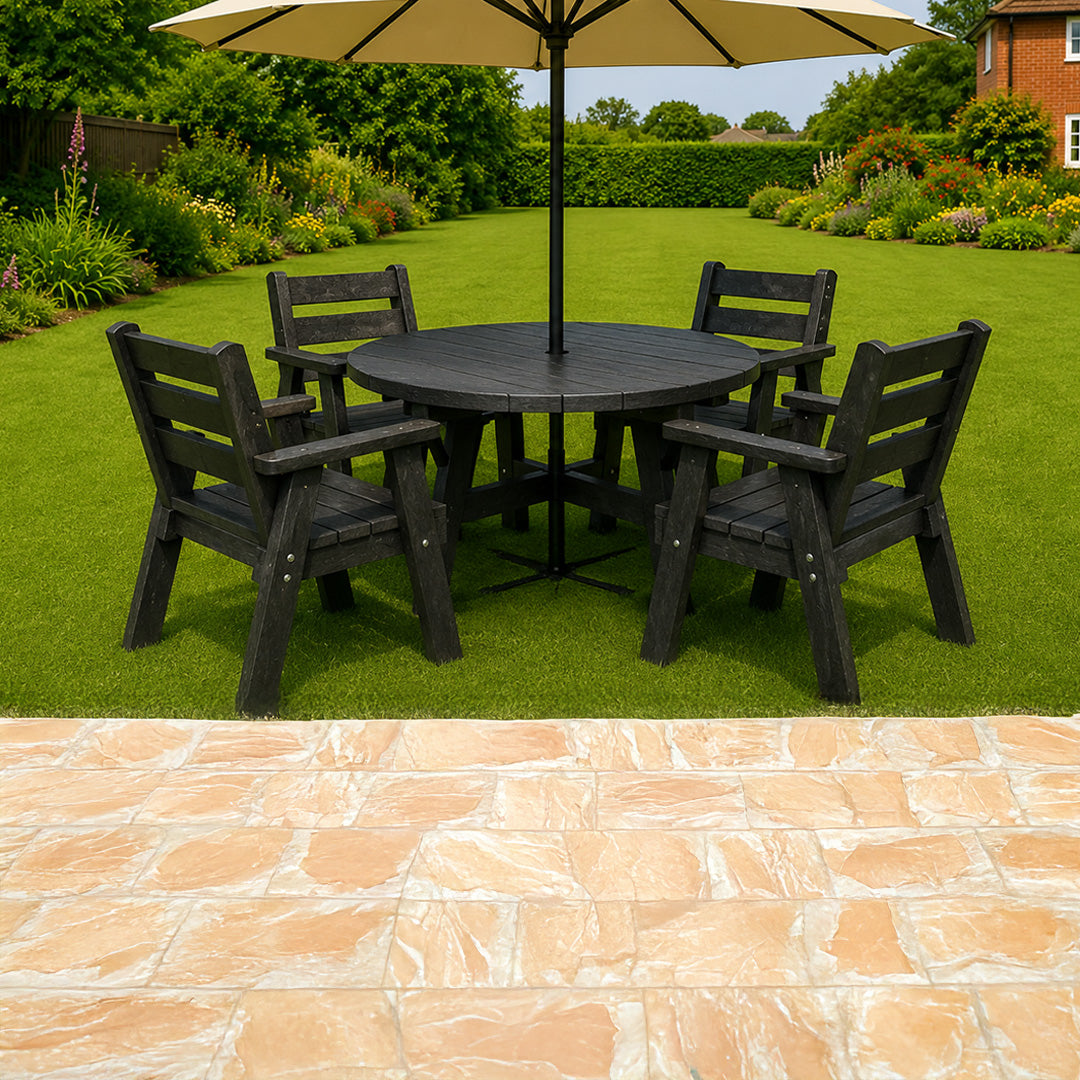
Choose a matching finish for continuity or use contrasting colours to define the boundary. Repeating selected tones in decking, furniture or exterior trim can bring the scheme together without introducing unnecessary visual complexity.

Metal Reinforcement within the System
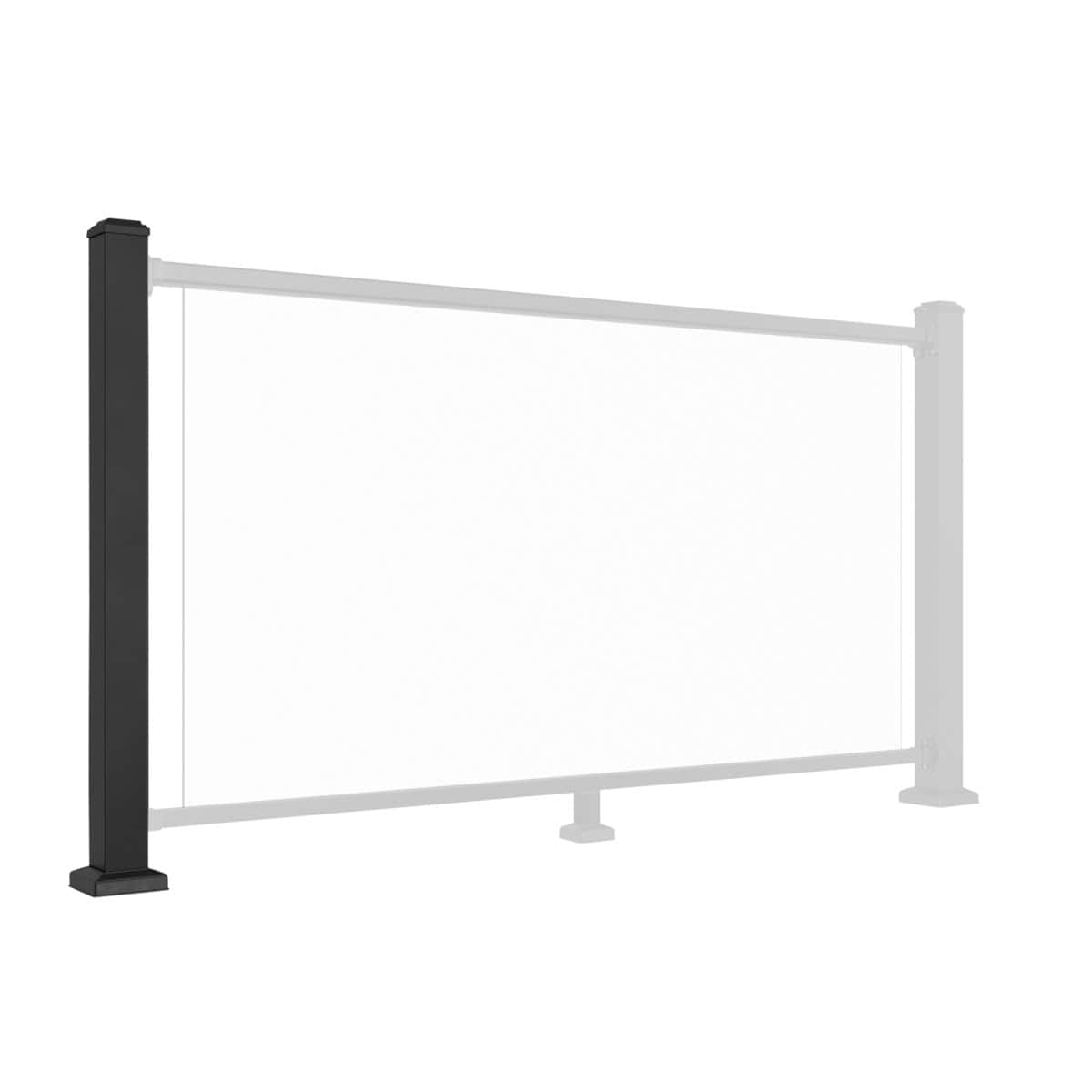
Steel post supports and handrail reinforcement form part of the system alongside composite finishes and aluminium spindles. Performance depends on the complete assembly, including the connections to the supporting substrate.
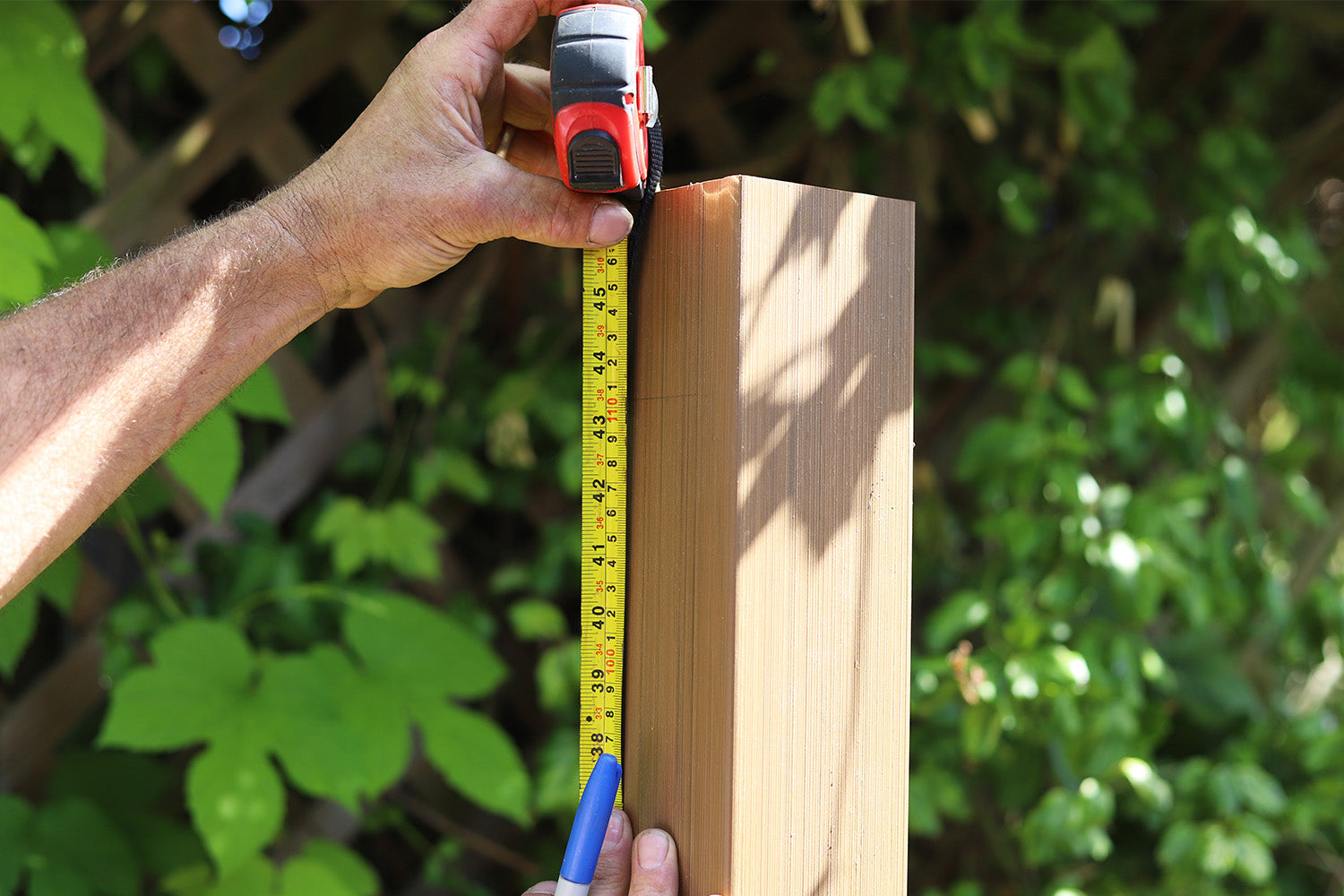
For decking installations, posts need suitable structural support beneath the board surface. Concrete applications require an appropriate substrate and anchor arrangement. Resolve these details during design rather than relying on the visible railing alone.
Choosing Colours for Commercial Premises
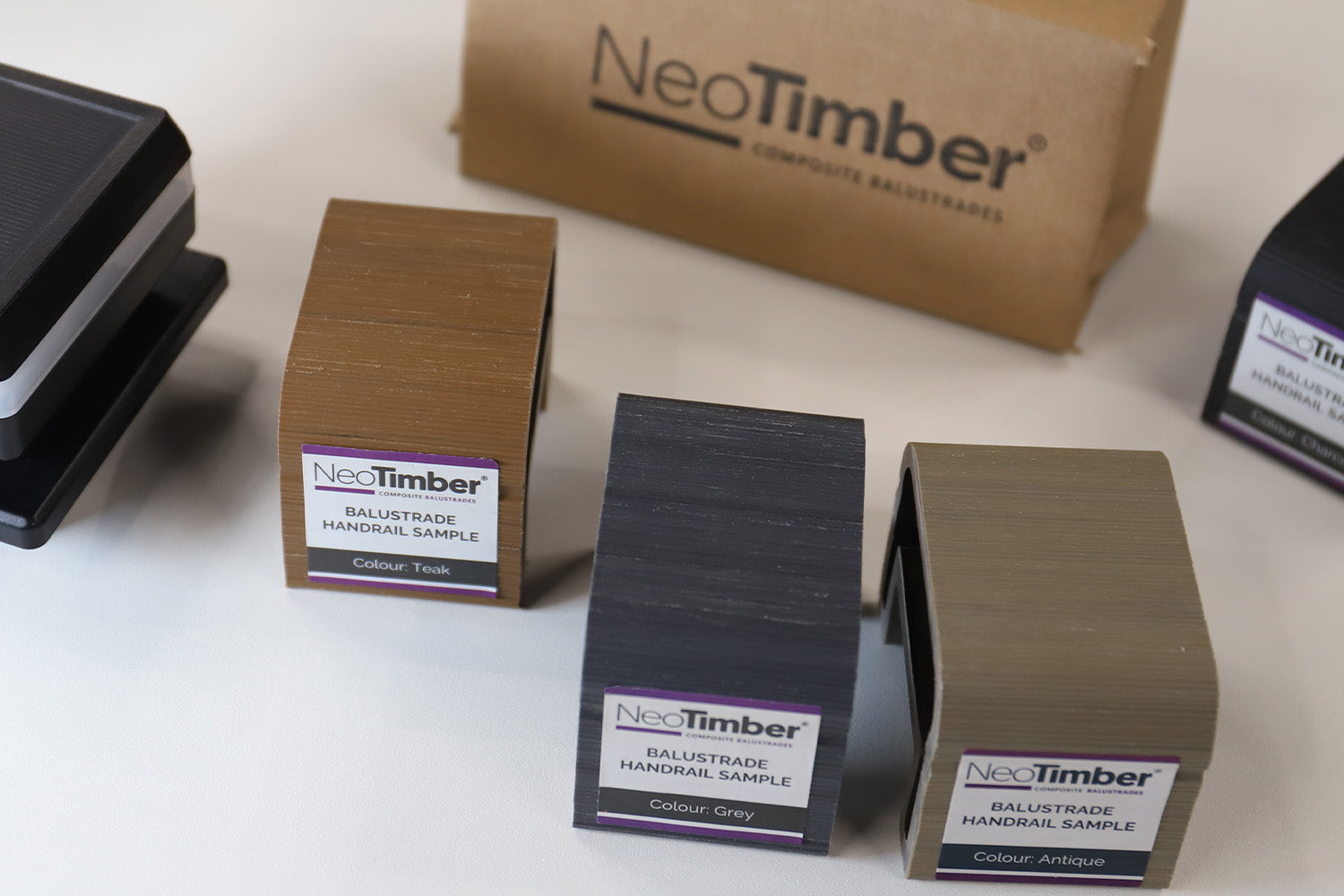
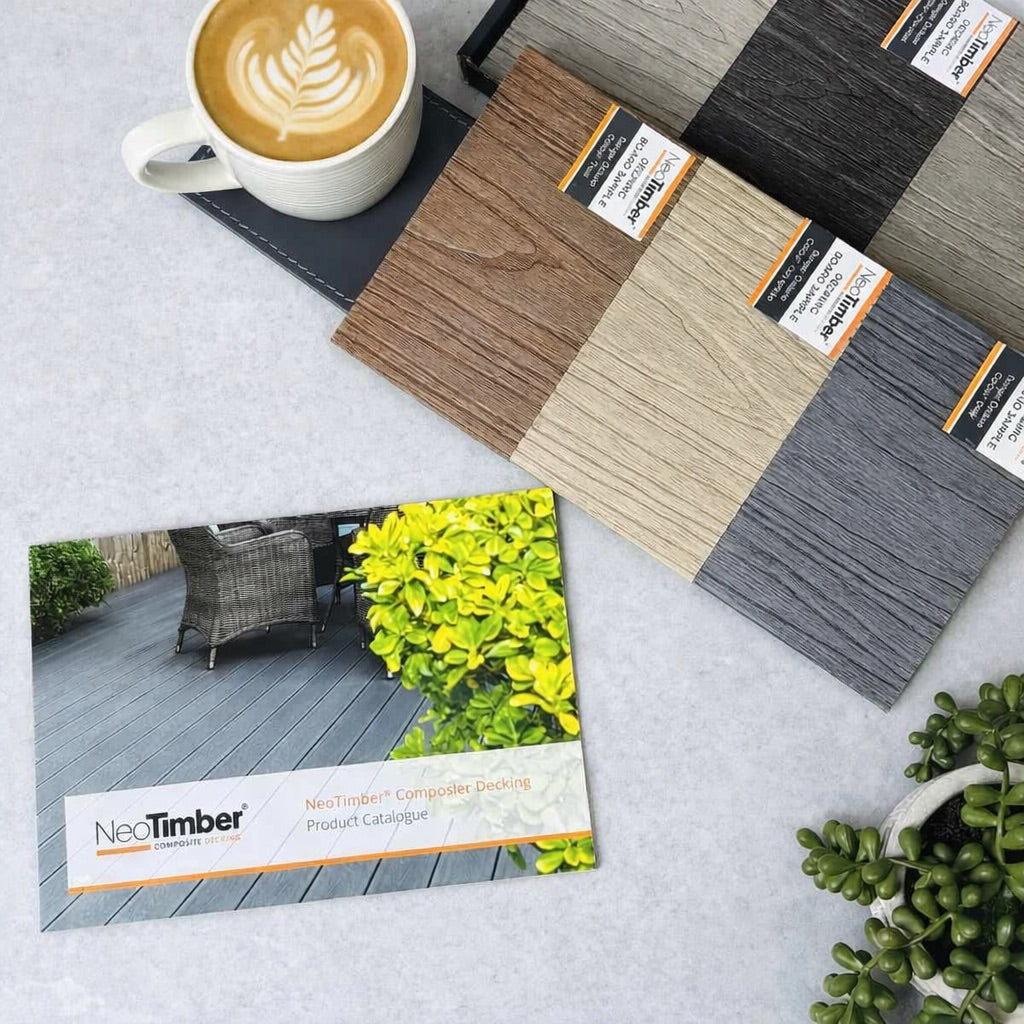
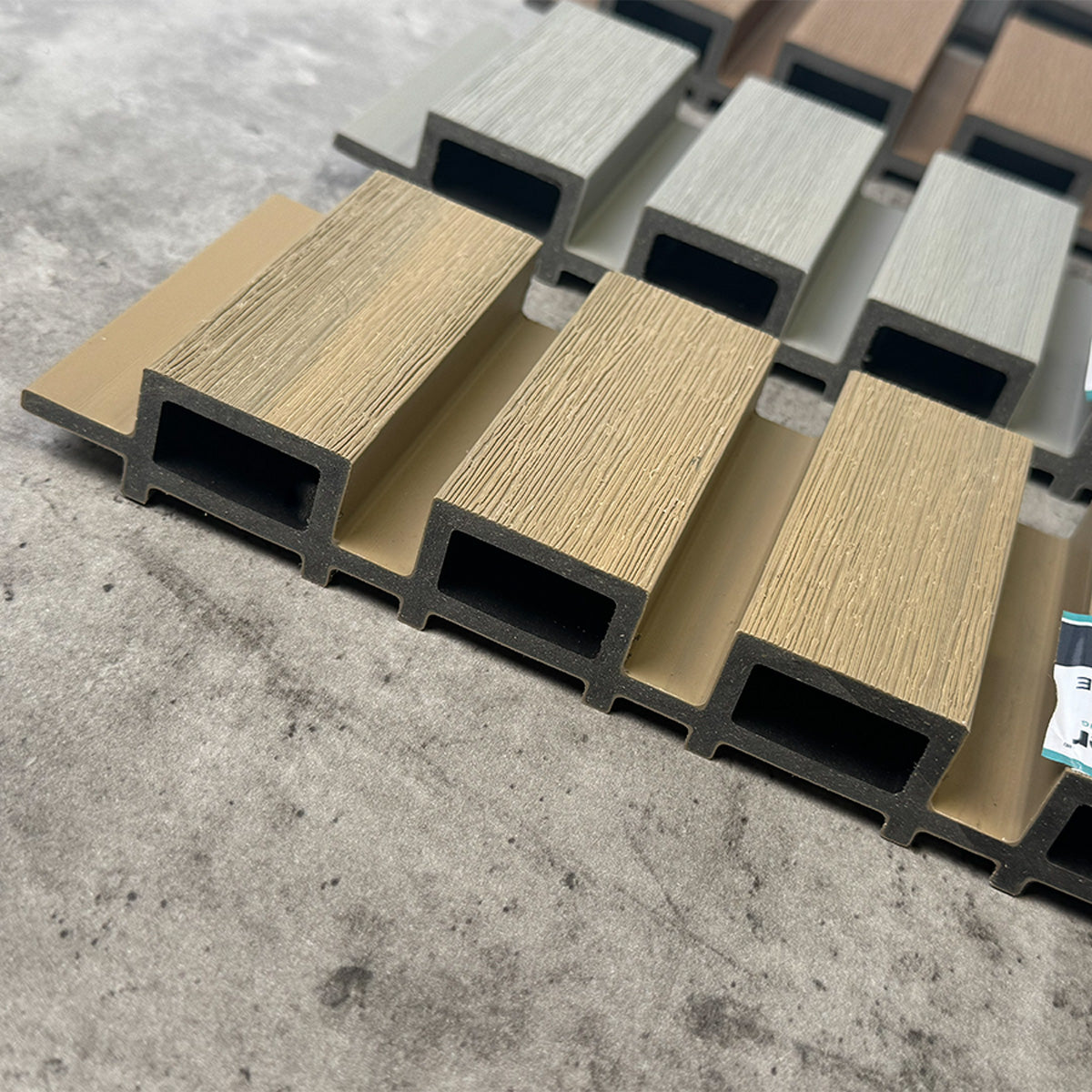
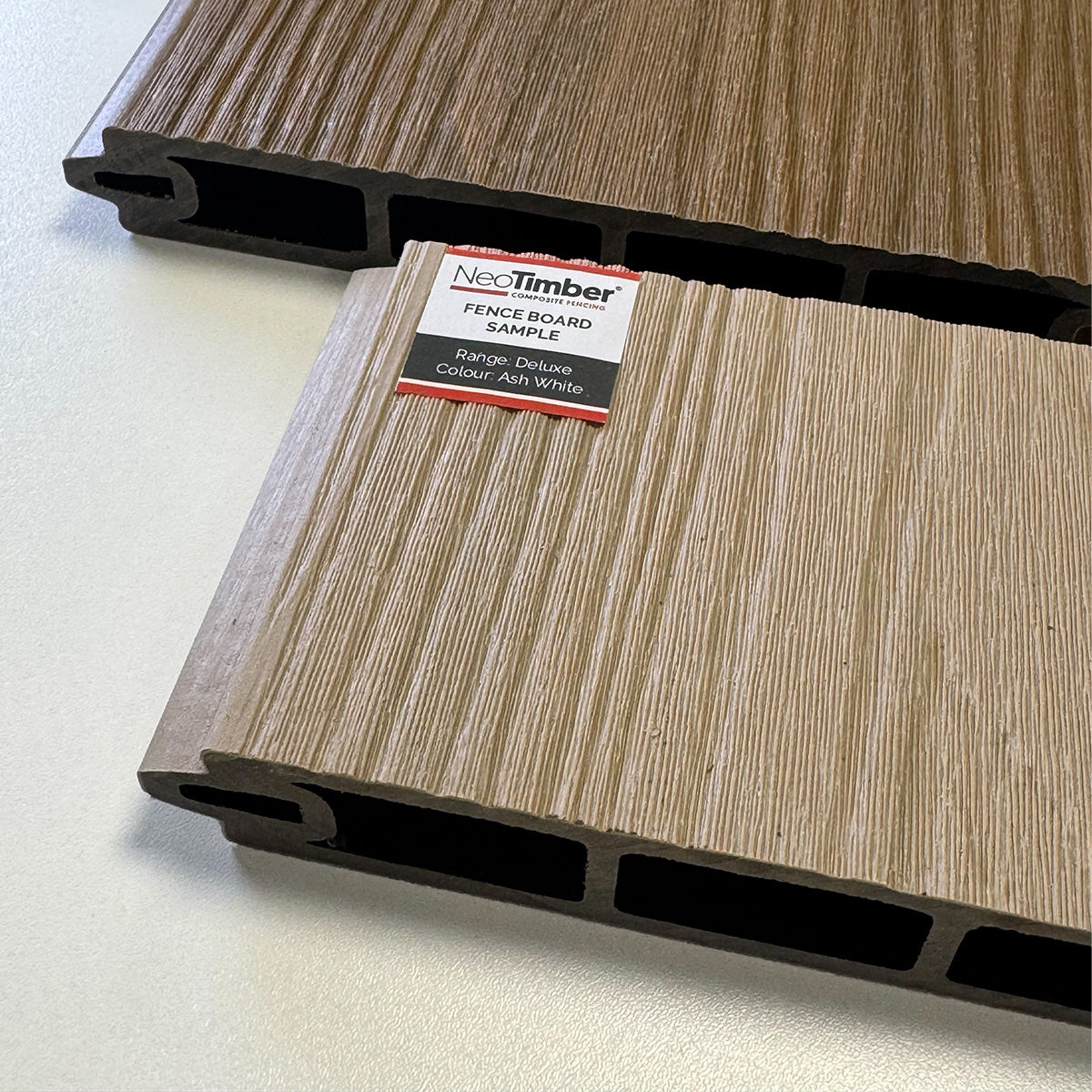
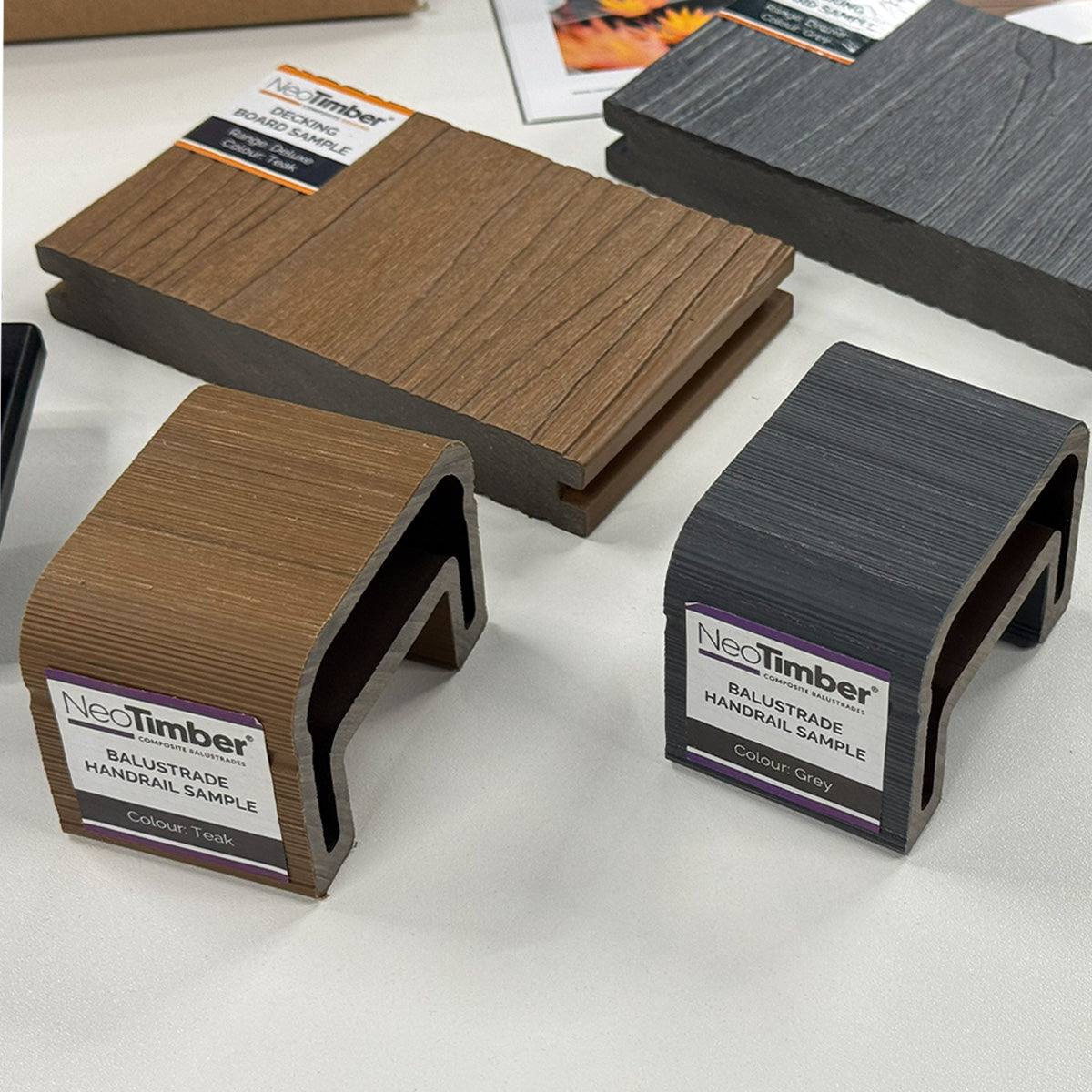
The composite range includes Grey, Teak, Chocolate, Charcoal, Antique, Ash White, Oak and Silver Birch. Compare the actual finishes with other materials specified for the project.
- Grey and Charcoal: consider these alongside contemporary paving, dark frames and metal furniture.
- Teak, Chocolate and Oak: explore warmer combinations with brickwork and timber-inspired exterior finishes.
- Antique, Ash White and Silver Birch: use lighter tones to contrast with dark decking or complement a pale palette.
Review samples outdoors before committing to a scheme, particularly where components need to coordinate across several areas or phases.

Compare the Full Cost of Commercial Balustrades
Compare equivalent layouts and performance requirements rather than the price of a single railing section. Composite is not automatically cheaper than every timber, glass or metal alternative; costs vary with design, specification and installation.
A useful comparison includes:
- Posts, rails, infill and compatible stair or gate components.
- Substrate fixings and any structural preparation.
- Installation labour, access and delivery.
- Planned cleaning, inspections and surface maintenance.
- Warranty conditions and the availability of replacement components.
Reduced repainting may offer practical value over time, but base any savings estimate on the proposed maintenance schedule. Keep necessary inspections in the operating budget.

What to Include in Your Project Enquiry
Providing a clear brief helps establish whether commercial composite balustrades are appropriate and which components are needed.
- Location and use: describe the premises, users and intended function of the boundary.
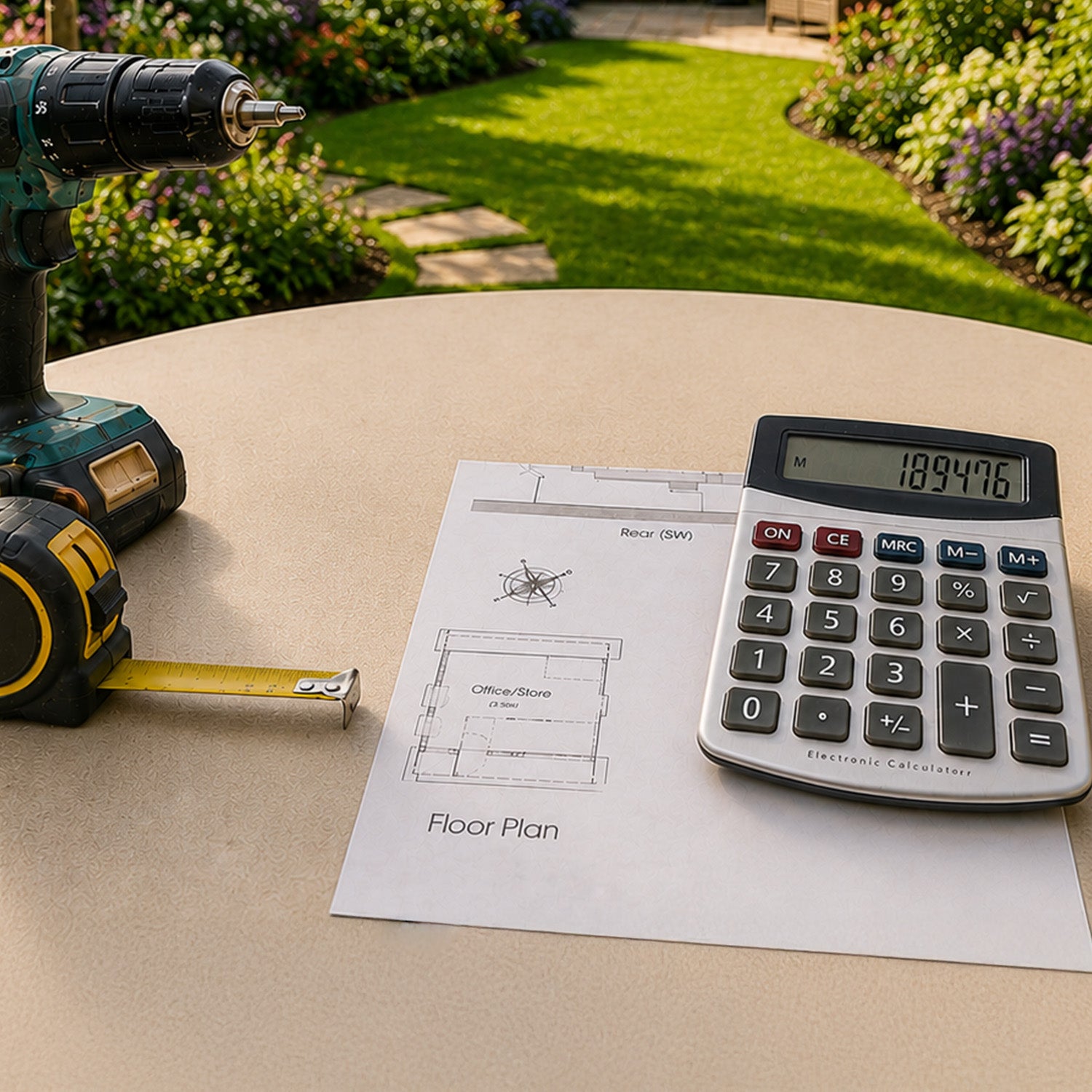
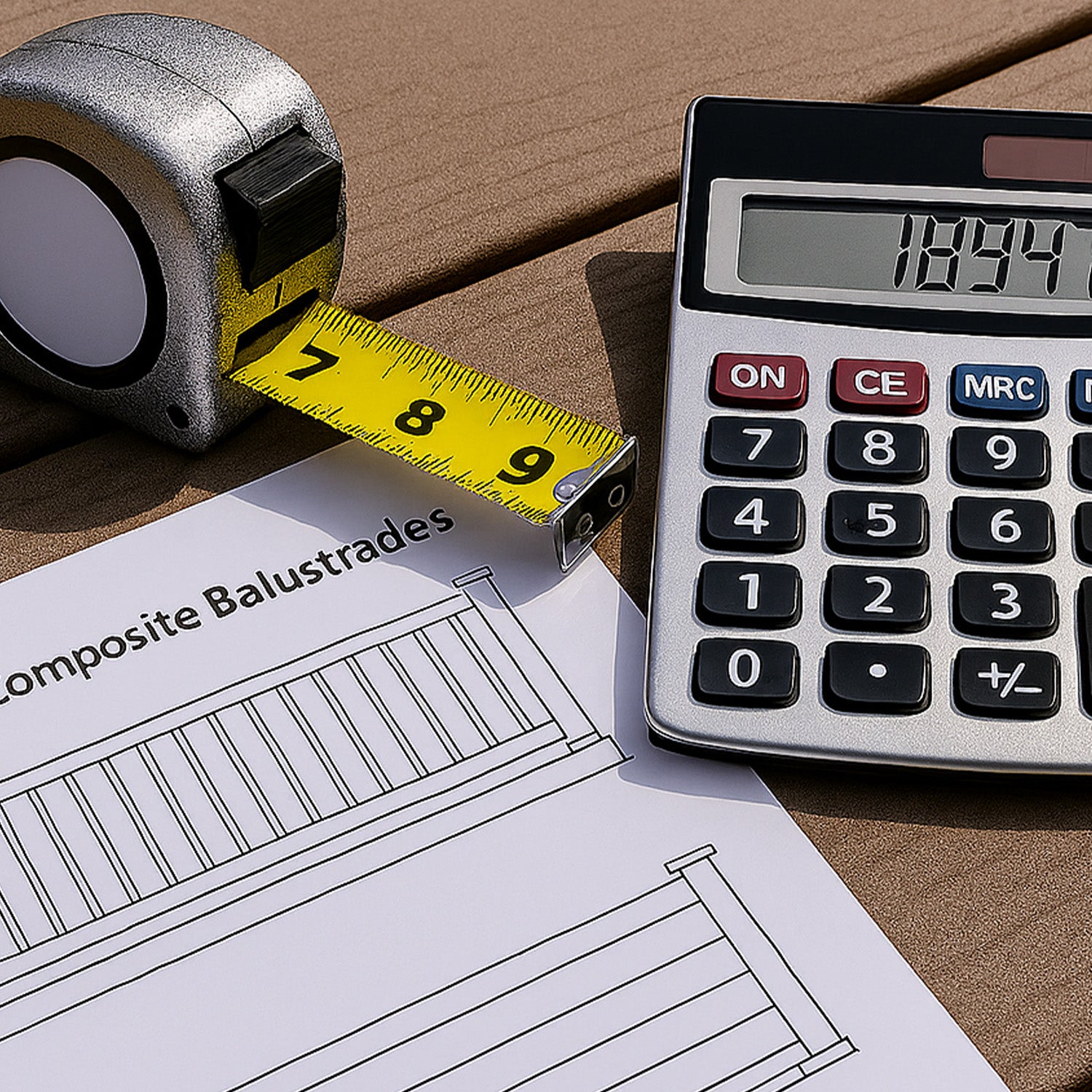
- Layout: include dimensions, corners, entrances, stairs and changes in level.
- Performance requirements: share the designer's guarding and loading specification.
- Substrate: identify the supporting frame or concrete and proposed fixing locations.
- Finish: state the preferred colours and any materials they need to coordinate with.
- Programme: provide the installation schedule and delivery constraints.
Review the composite balustrade installation resources with your installer. Confirm the technical details before finalising quantities and placing the order.
Plan for Maintenance and Handover
Include the product care instructions and relevant installation information in the handover documents. The property operator should understand how to clean the surfaces, inspect the assembly and report damage.
Check the current NeoTimber® warranty terms for the selected products and commercial use, including exclusions and installation conditions. A warranty supports the purchase but does not replace project-specific suitability checks or ongoing care.
Commercial Composite Balustrade FAQs
Are These Balustrades Suitable for Every Commercial Project?
No. The range is described for selected commercial applications. Confirm the actual use, loading, layout and supporting structure against the product's technical information.
Can Composite Balustrades Be Used on Roof Terraces?
Do not assume suitability. Roof terraces and elevated areas require a project-specific assessment. Ask the supplier and designer to confirm whether the proposed system meets the specification.
Do Composite Balustrades Still Need Inspections?
Yes. Reduced surface maintenance does not eliminate checks of posts, fixings, brackets and infill. Follow the product guidance and the site's maintenance arrangements.
Can the Railings Coordinate with Composite Decking?
Yes. Compare the available railing finishes with the specified deck boards and confirm the combination using samples before ordering.
Discuss Your Commercial Balustrade Requirements
Explore the NeoTimber® composite balustrade range to compare colours and components, then contact our team with your drawings and project specification.
From the initial material selection to the final component list, a clear brief helps you choose commercial balustrades that suit the design, installation and ongoing operation of the space.