
Why Choose a Composite Wood Effect Balustrade for Your Garden?
A composite wood effect balustrade combines a timber-inspired appearance with a different maintenance routine from painted or stained wood. For homeowners planning a deck boundary or garden railing, the main appeal is a coordinated finish without regular sanding and repainting.
The most useful composite balustrade advantages are practical: less routine surface treatment, resistance to fading and staining, and a choice of colours that can complement the surrounding materials. This guide explains those benefits alongside the care and installation considerations that still matter.
What Is a Composite Wood Effect Balustrade?
The term describes a railing system with a composite finish designed to echo the appearance of timber. It does not necessarily mean every component is made from composite.
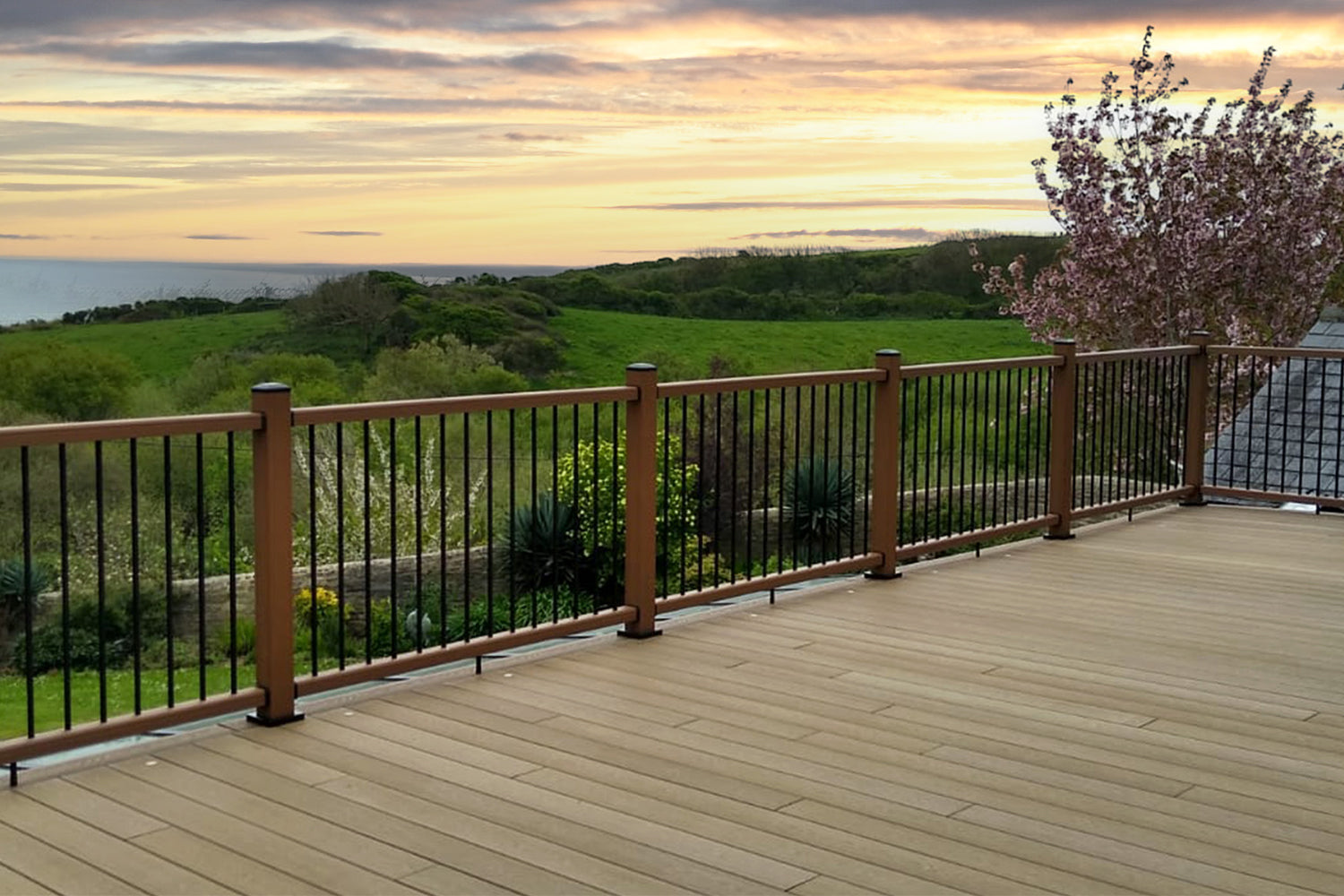
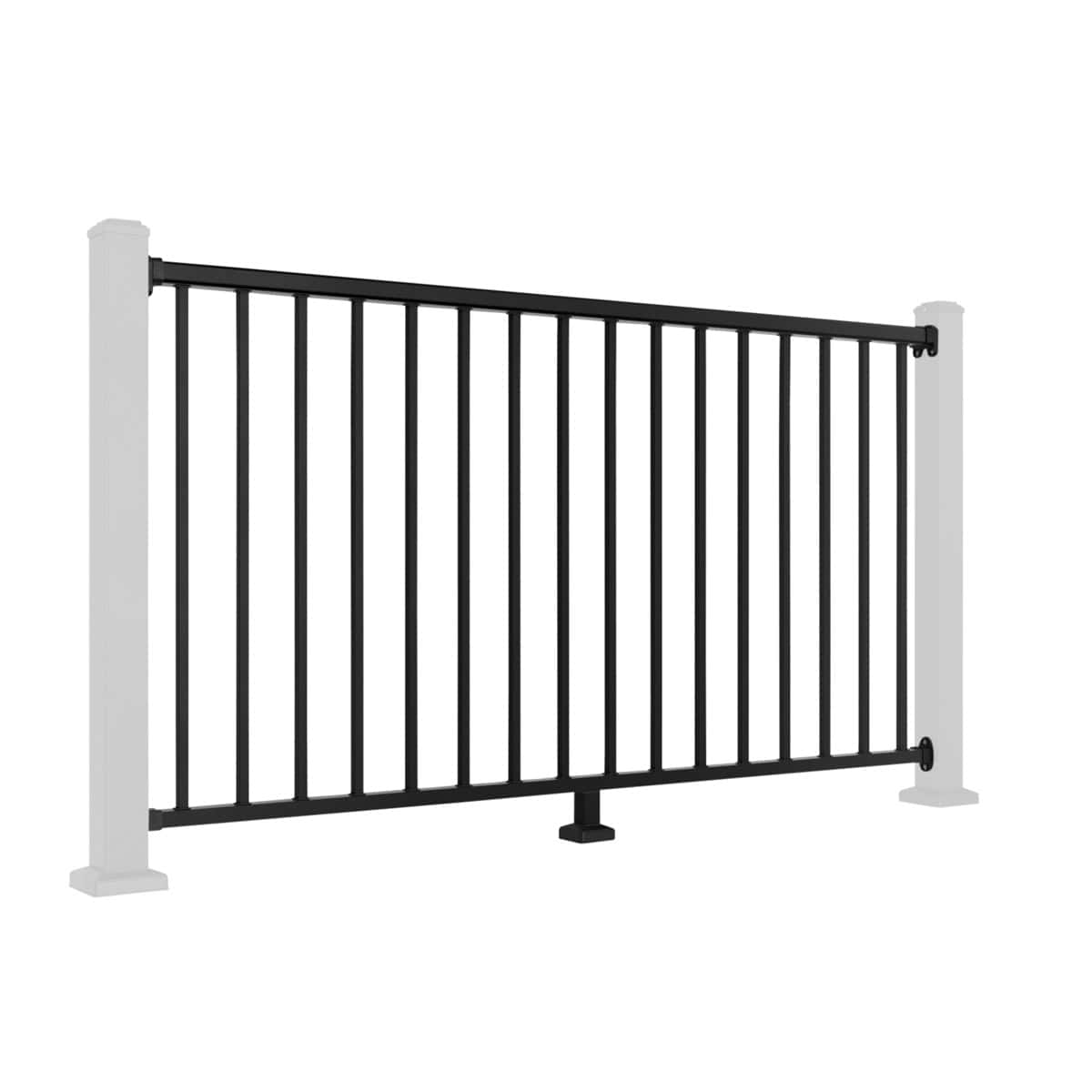
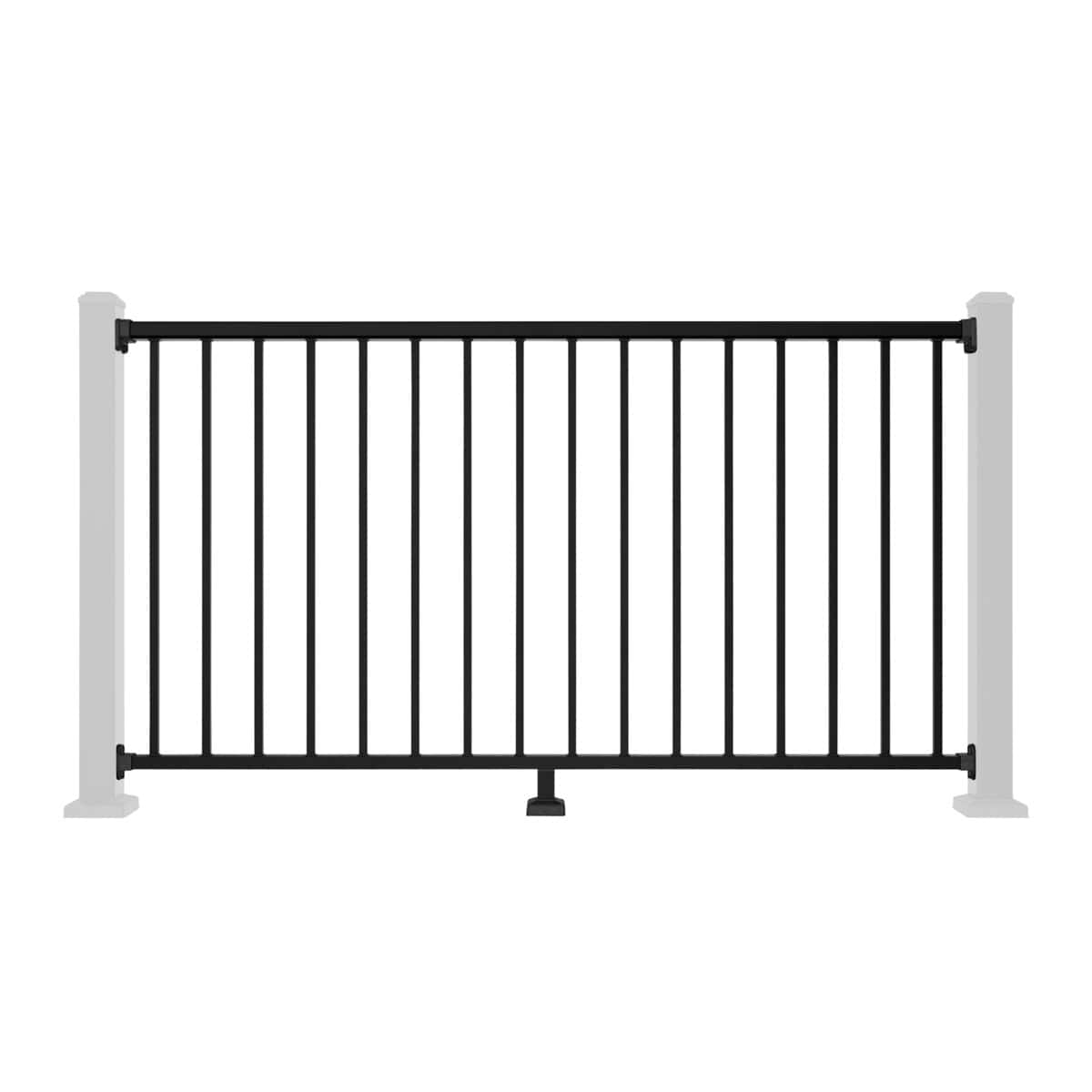
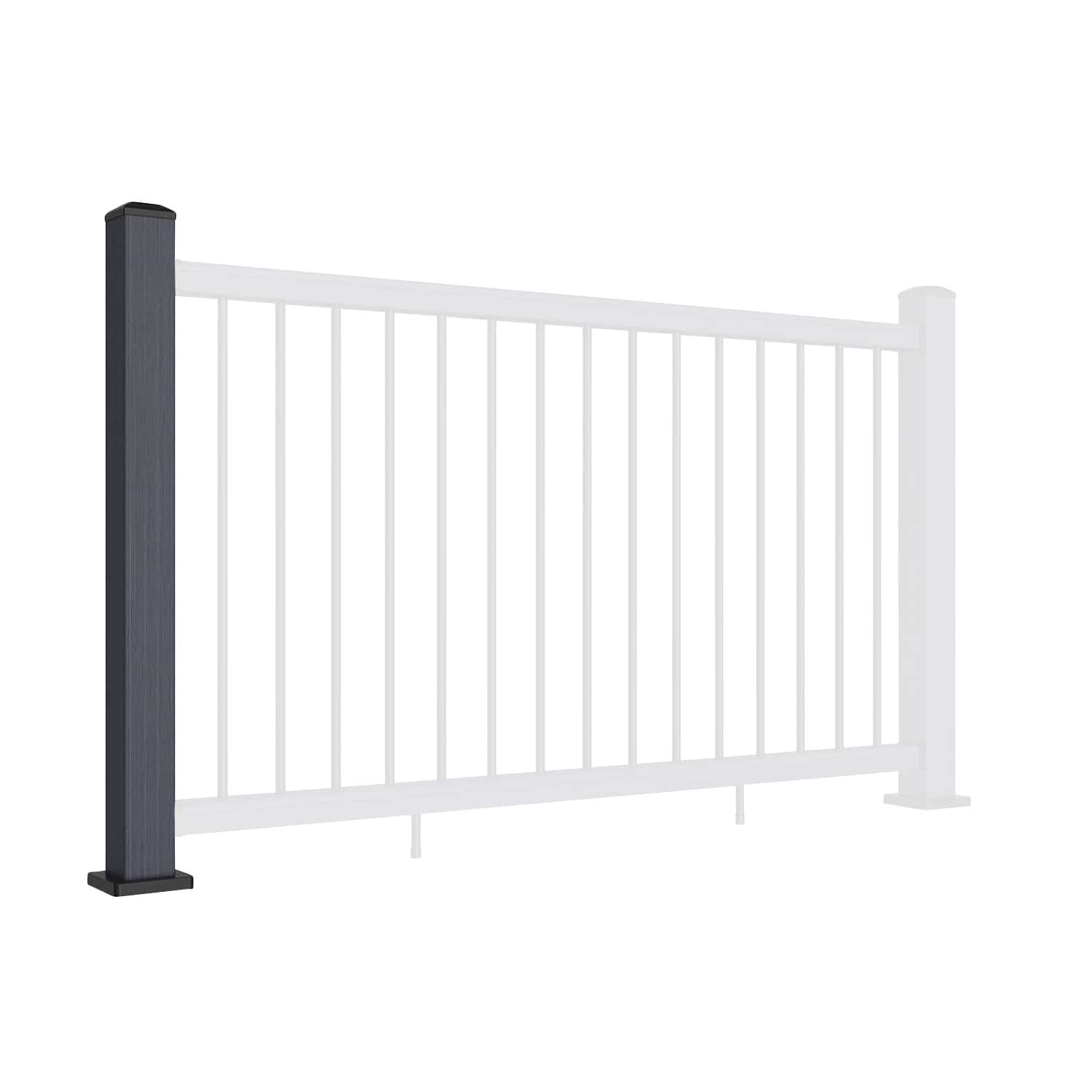
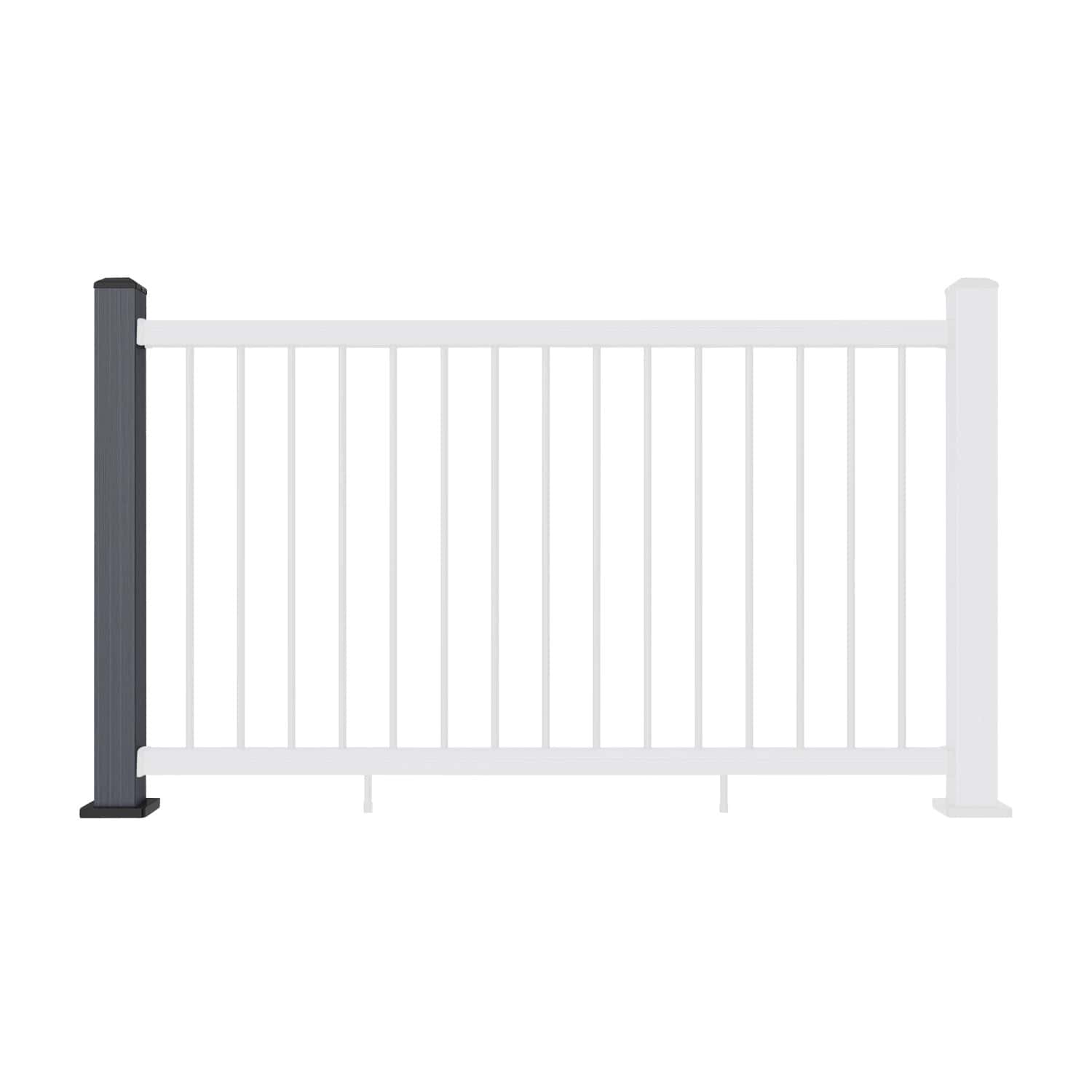
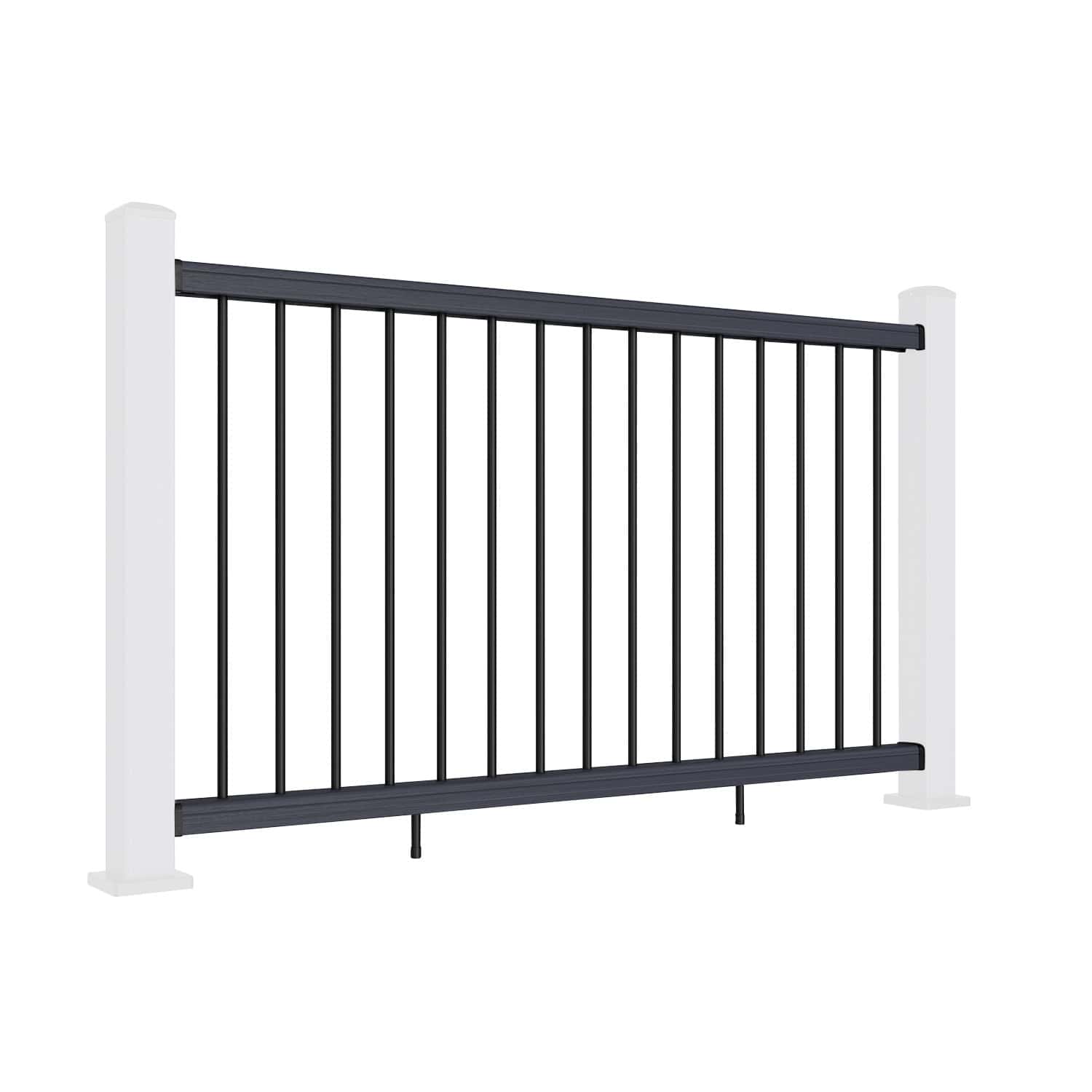
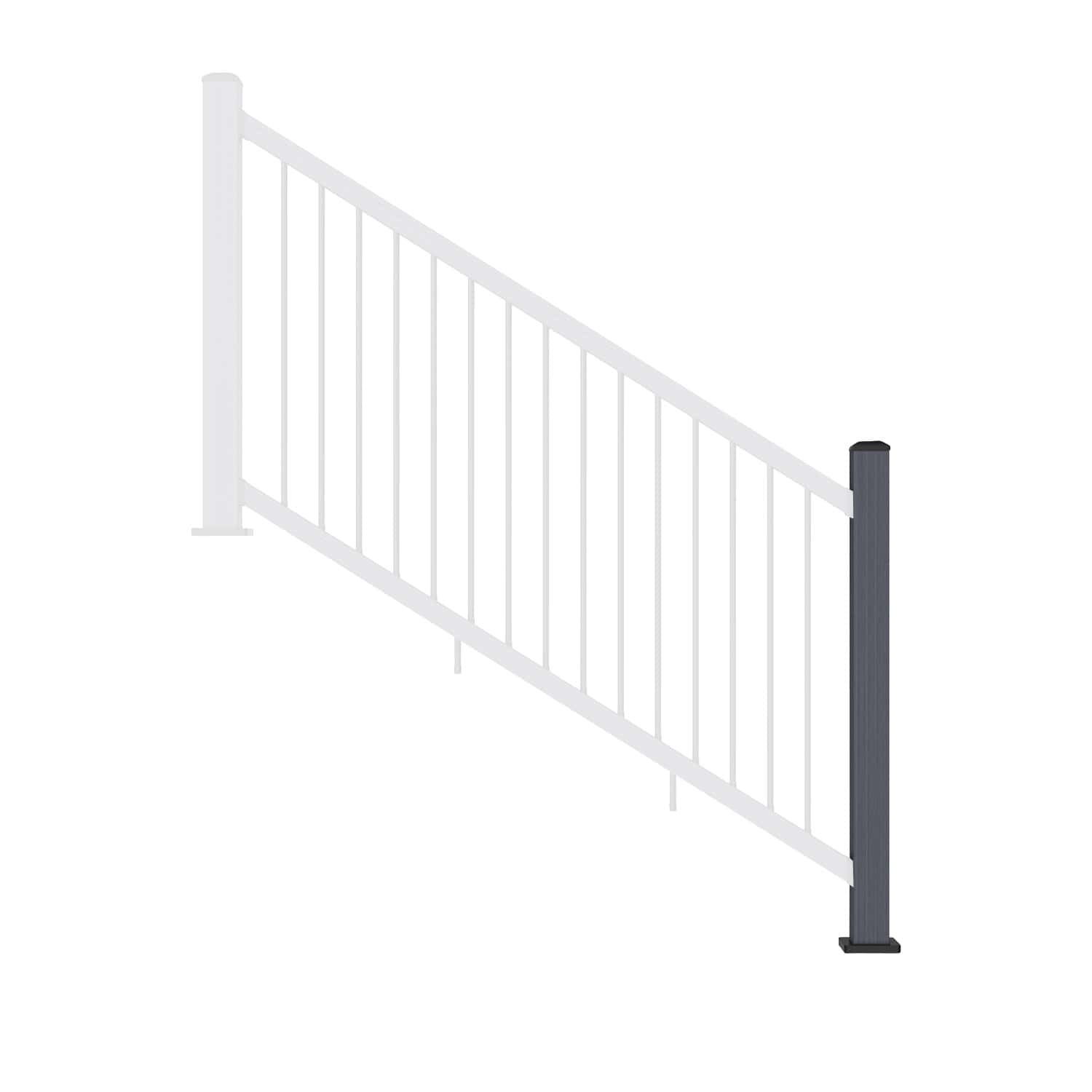
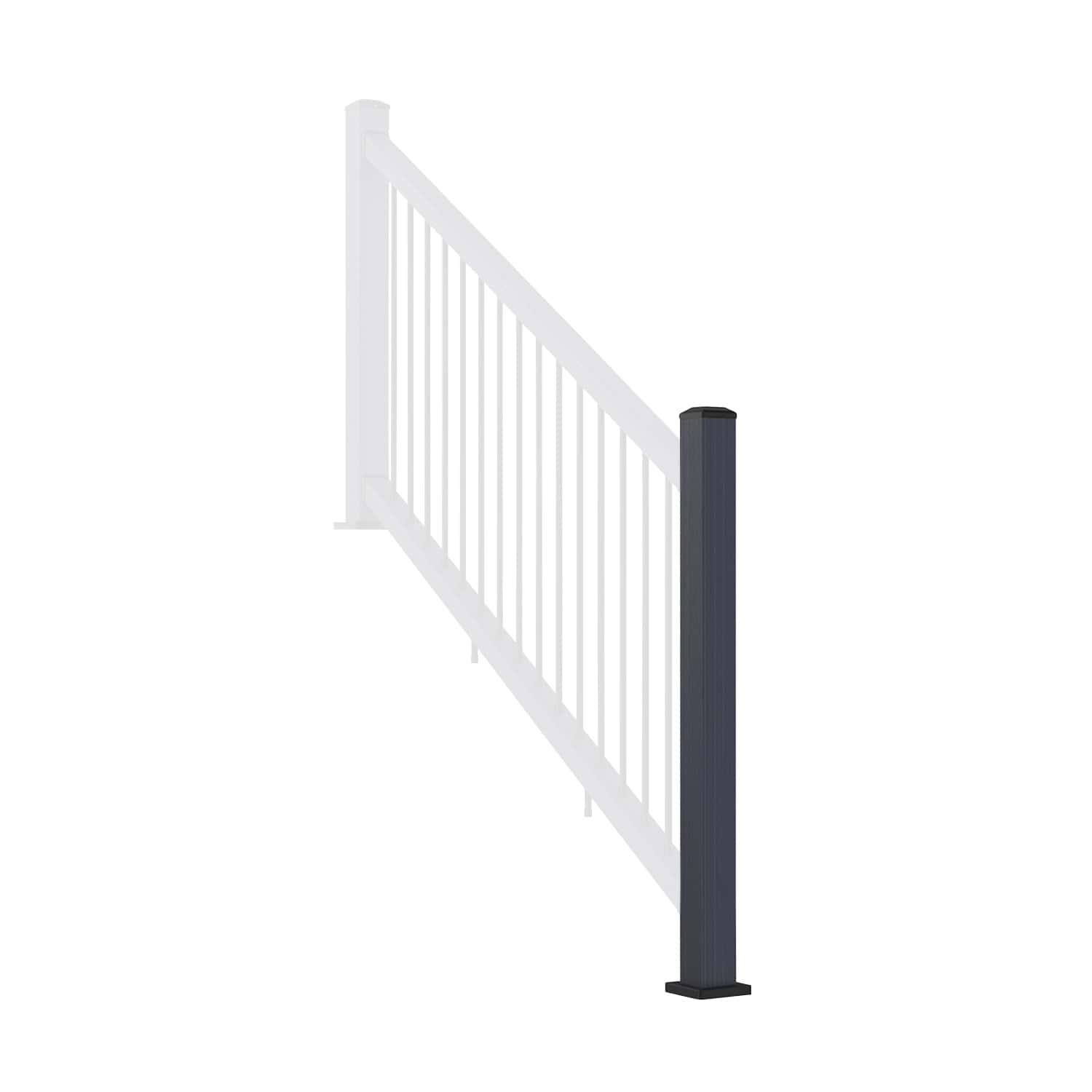
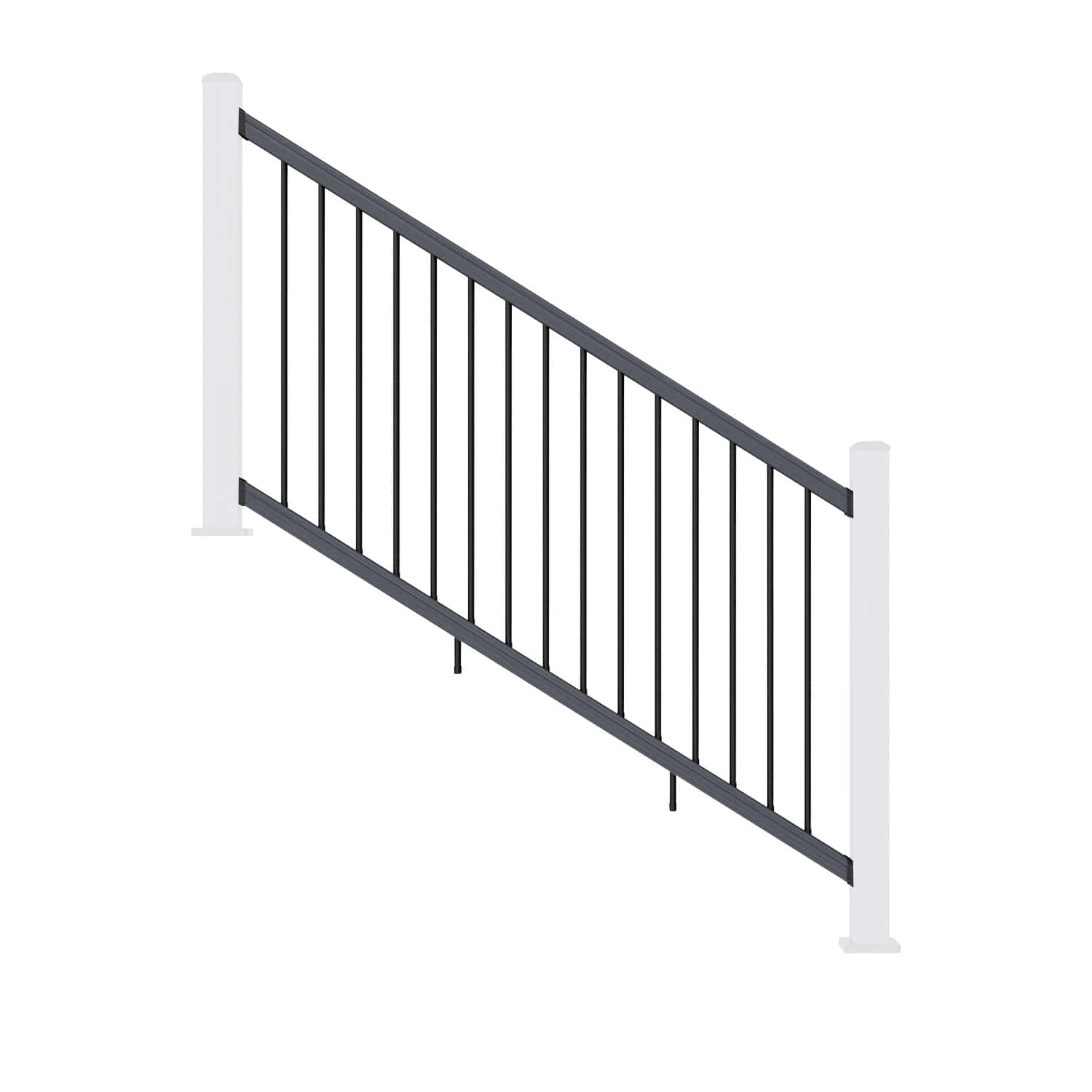
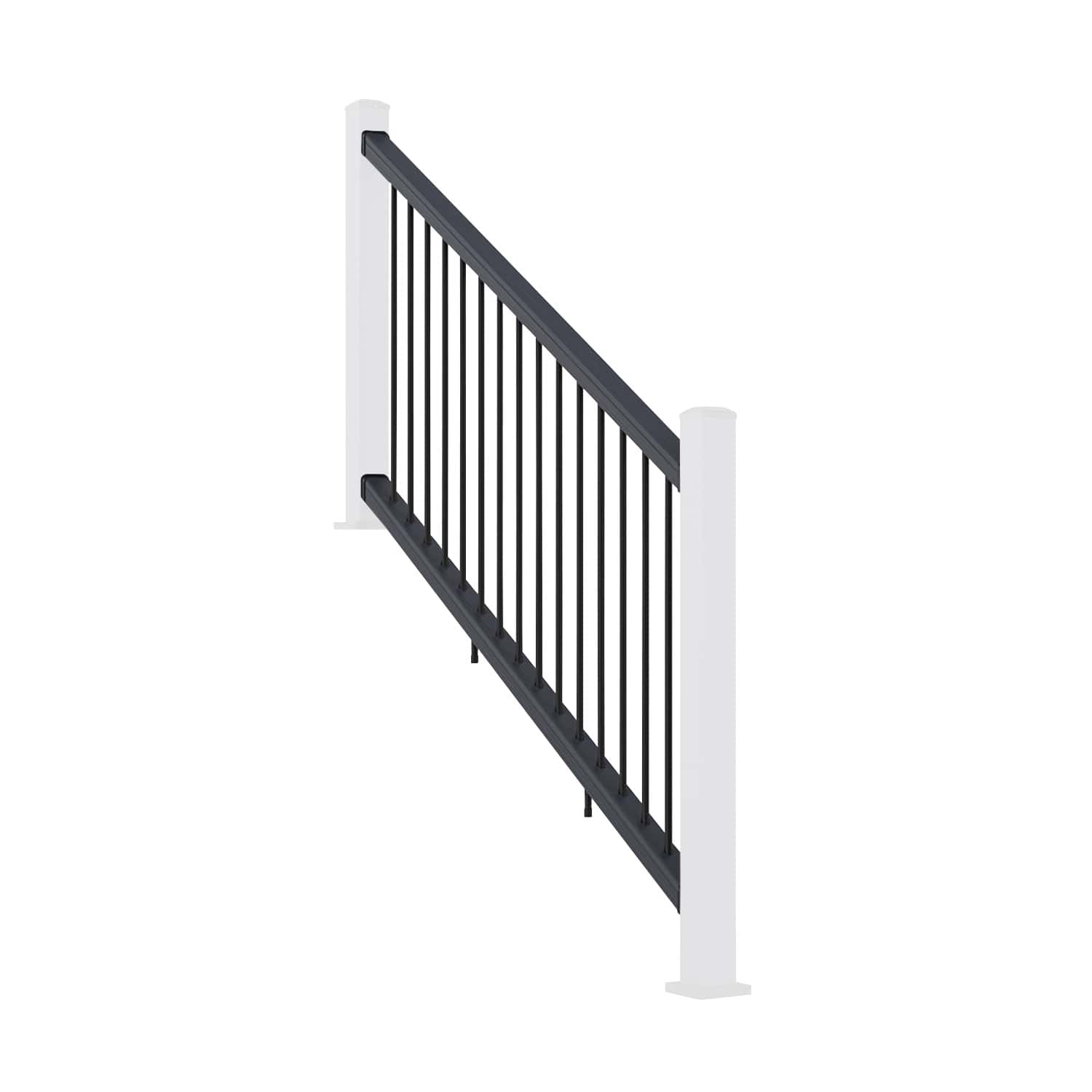
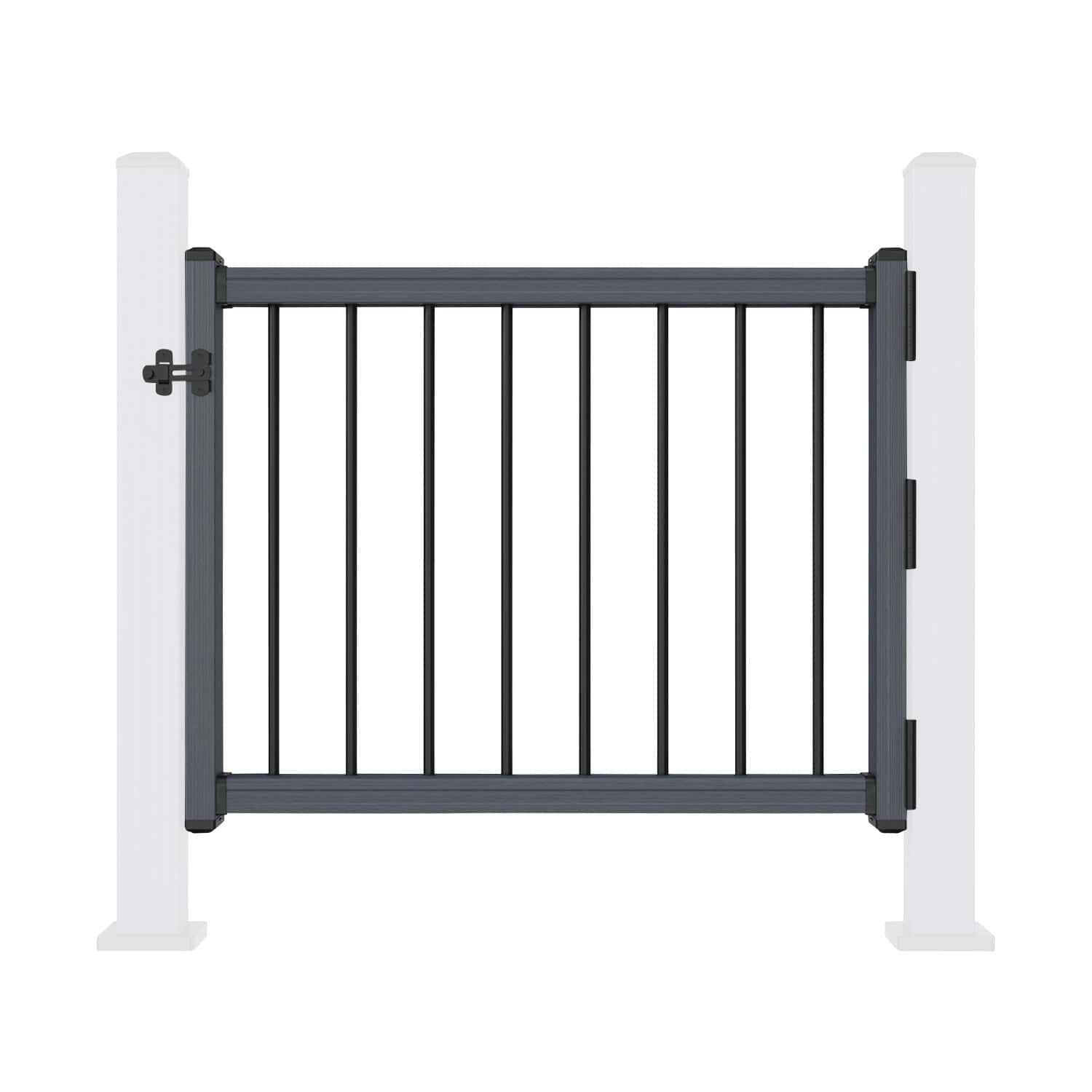
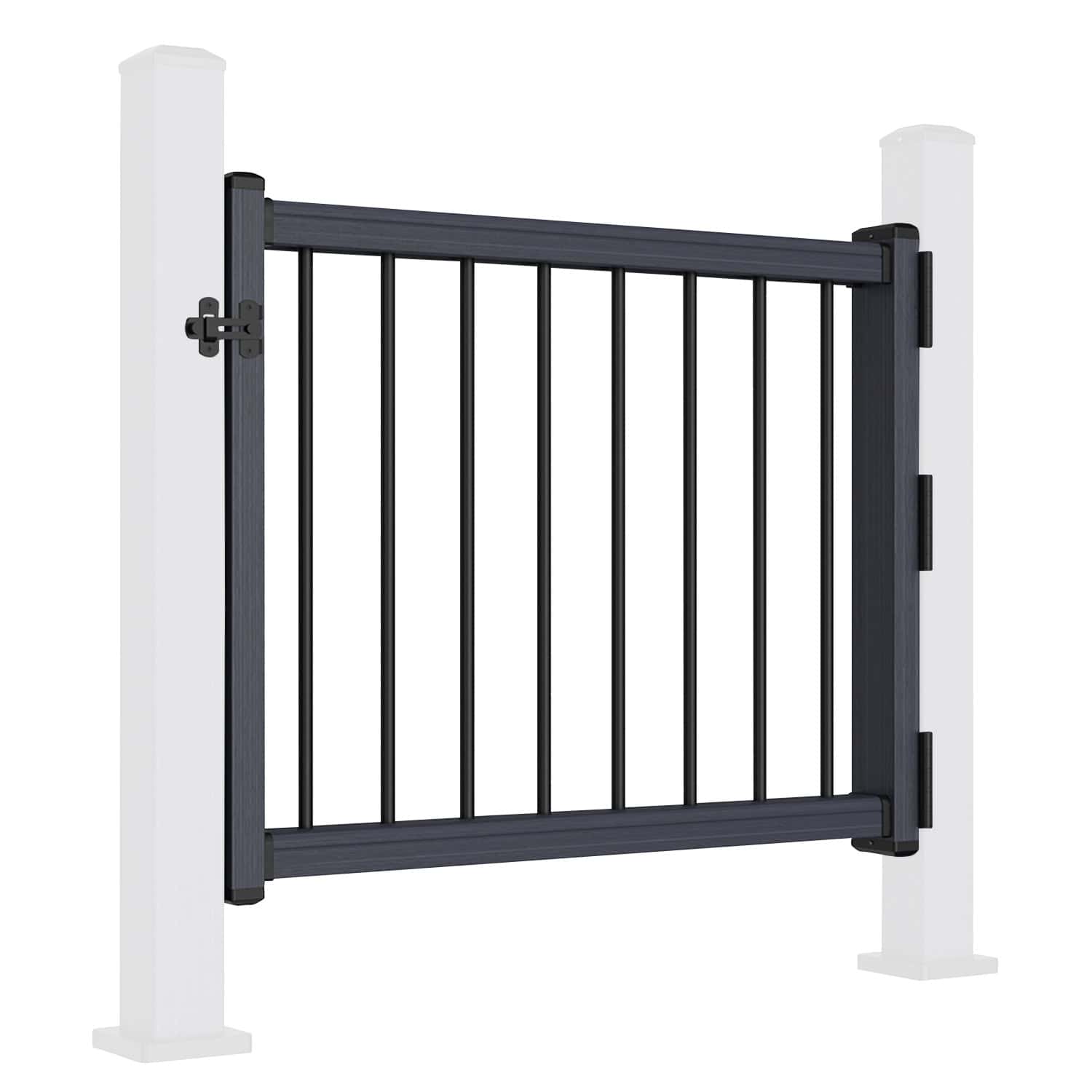
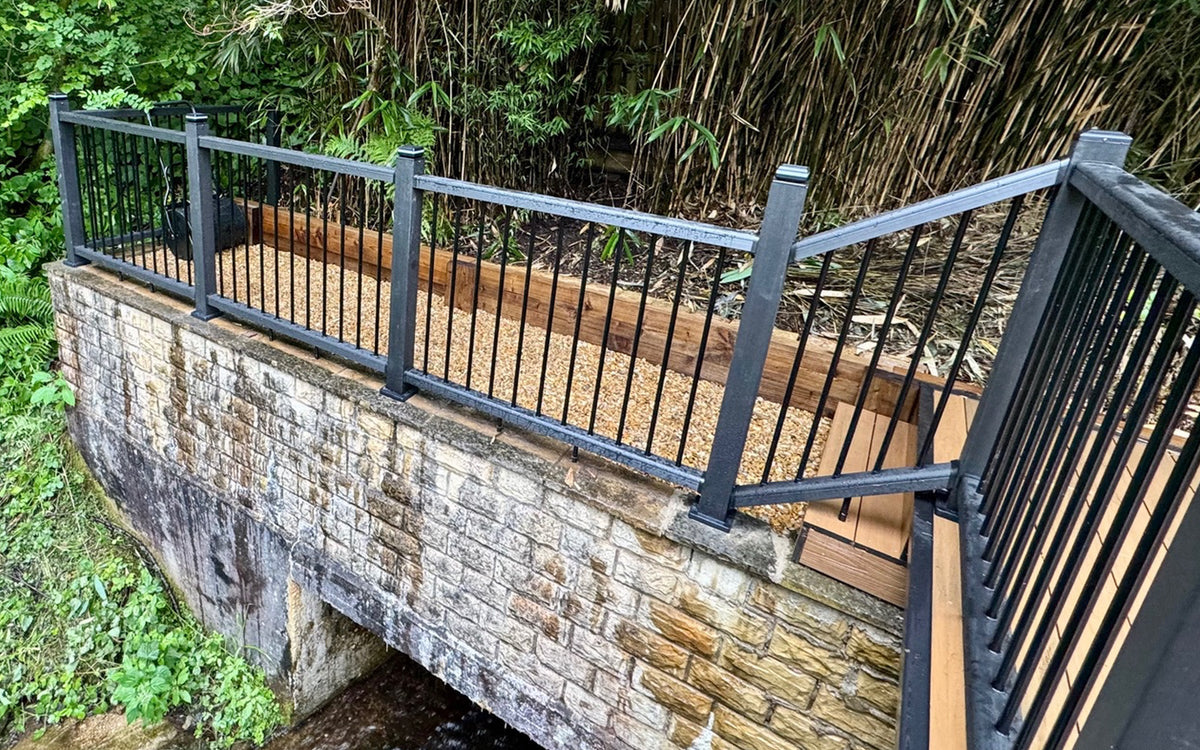
NeoTimber® composite balustrades combine capped composite rails and post sleeves with metal reinforcement and black aluminium spindles. The composite provides the visible colour and texture, while the complete assembly depends on compatible components and structural connections.
Five Composite Balustrade Advantages to Consider
1. Less Routine Sanding and Repainting
One of the clearest benefits is reduced surface redecoration. NeoTimber® capped composite railings require no routine sanding, sealing or painting, making them an option for homeowners who want to spend less time renewing exterior finishes.
Cleaning is still part of the care routine. Follow the manufacturer's instructions, deal with spills promptly and use appropriate cleaning methods rather than assuming every mark will wipe away without attention.

2. A Splinter-Resistant Composite Finish
The capped composite surface is designed to resist splintering. This is a useful consideration when choosing rails and posts for an area people use regularly.
Surface performance is different from structural performance. Inspect the full railing for damage or loose connections, and have any problem assessed rather than relying on the material's appearance alone.

3. Resistance to Fading and Staining
The protective capped finish helps resist fading and staining in outdoor use. This supports a consistent appearance without the recurring repainting associated with some timber finishes.
Resistance does not mean immunity. Exposure, cleaning and everyday use still affect exterior materials, so follow the care guidance and avoid claims that any finish can never stain or change colour.

4. Coordinated Straight and Stair Components
A modular range helps you plan a consistent appearance across suitable straight sections and steps. Matching rails and posts can connect different levels visually, while dedicated stair components accommodate the intended configuration.
Check the permitted layout, angles and support details before ordering. Compatible components simplify planning, but they do not remove the need for a suitable structure and correct installation.

5. Timber-Inspired and Contemporary Colour Choices
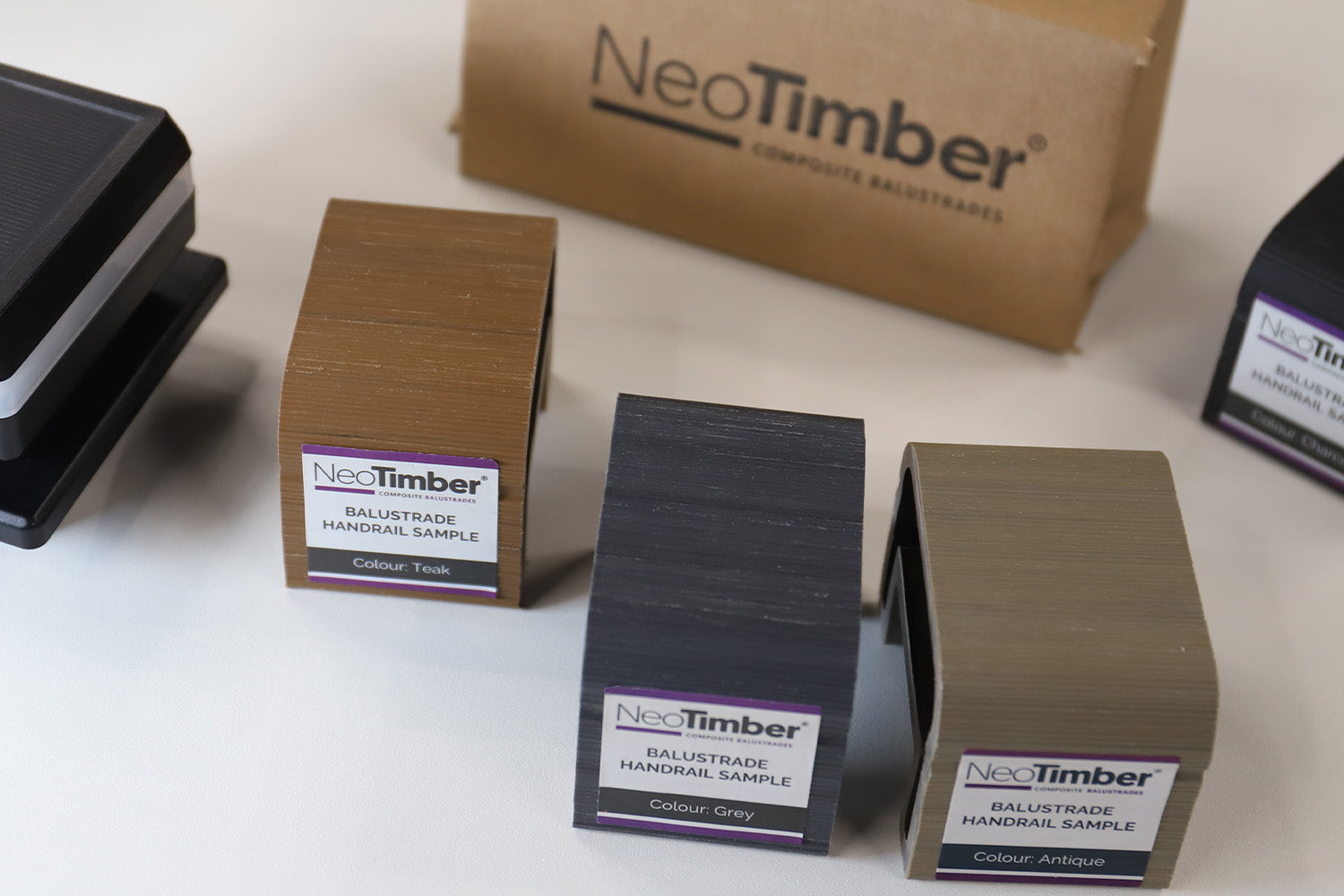
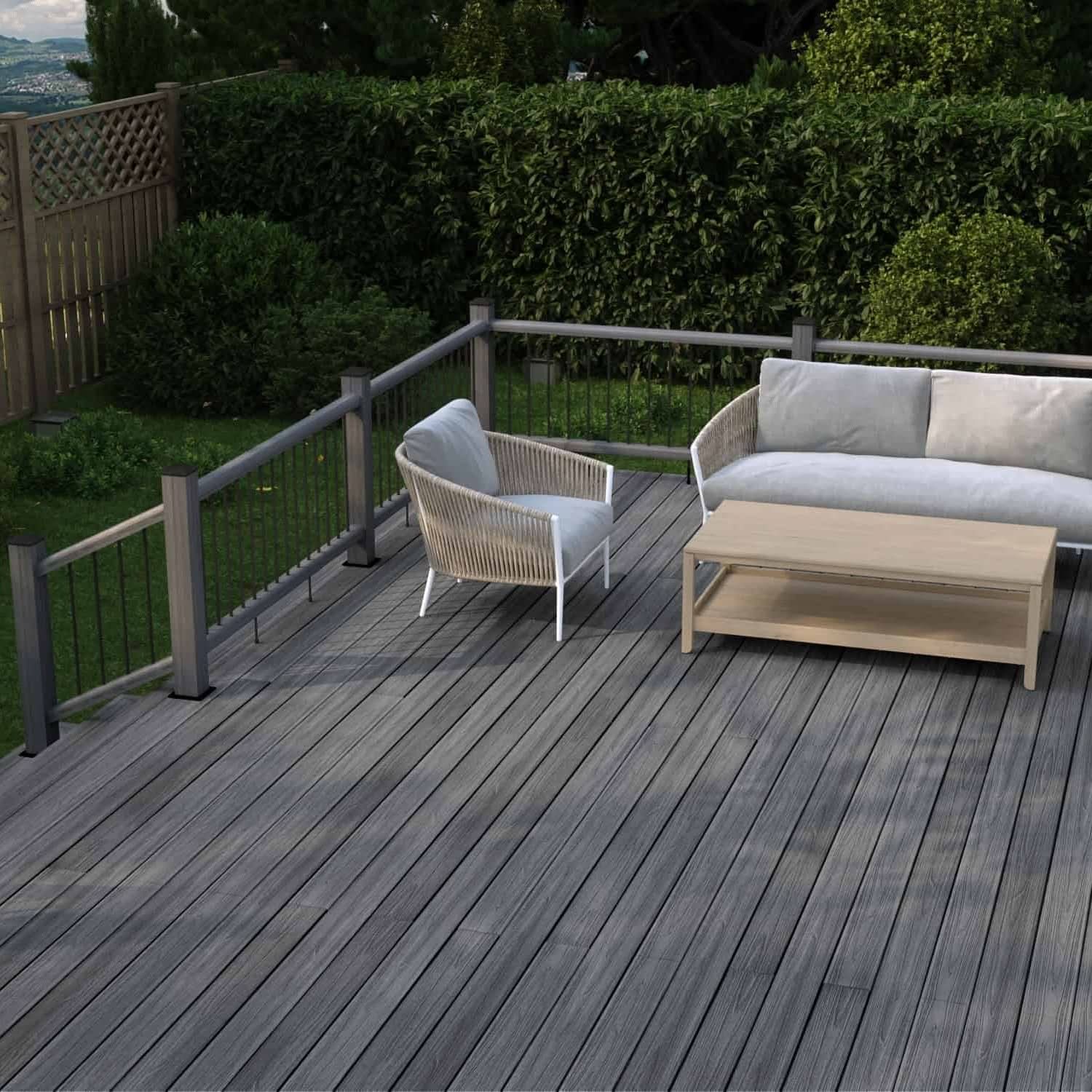
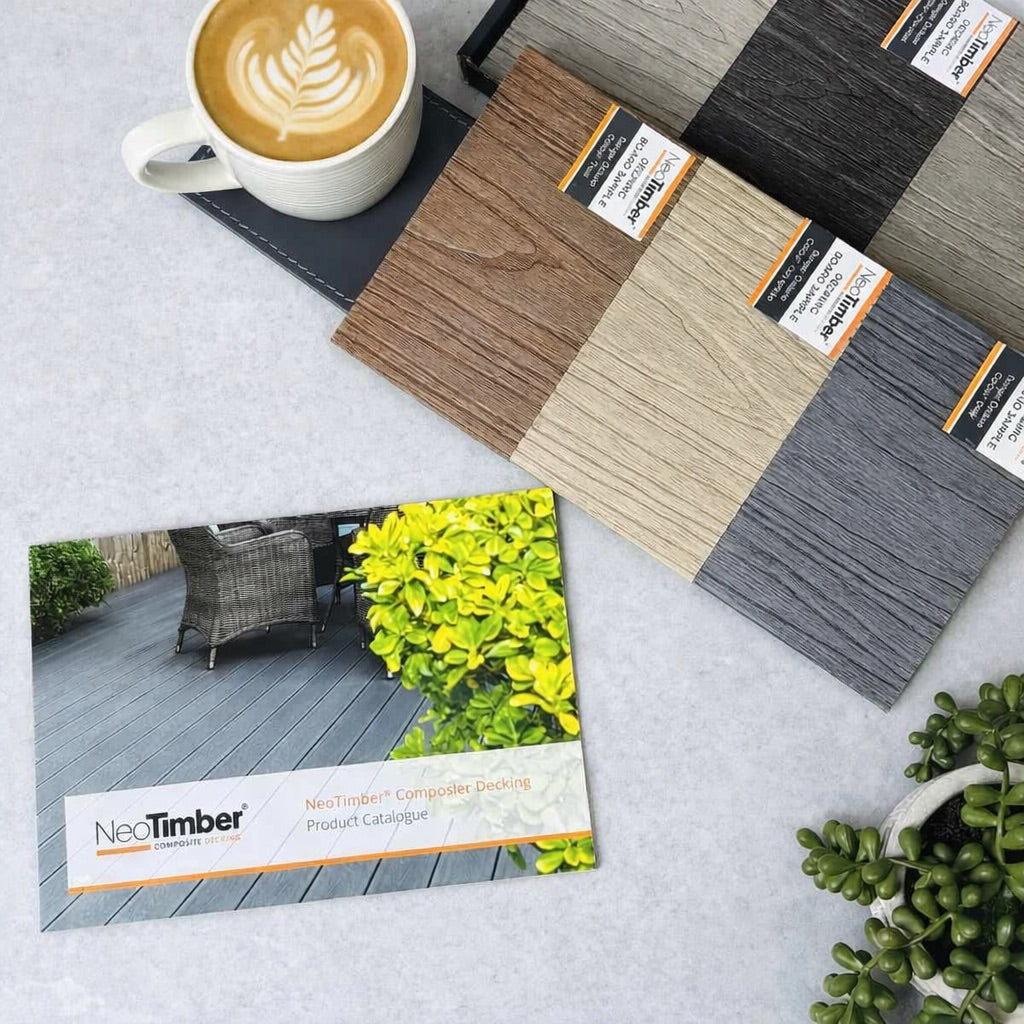
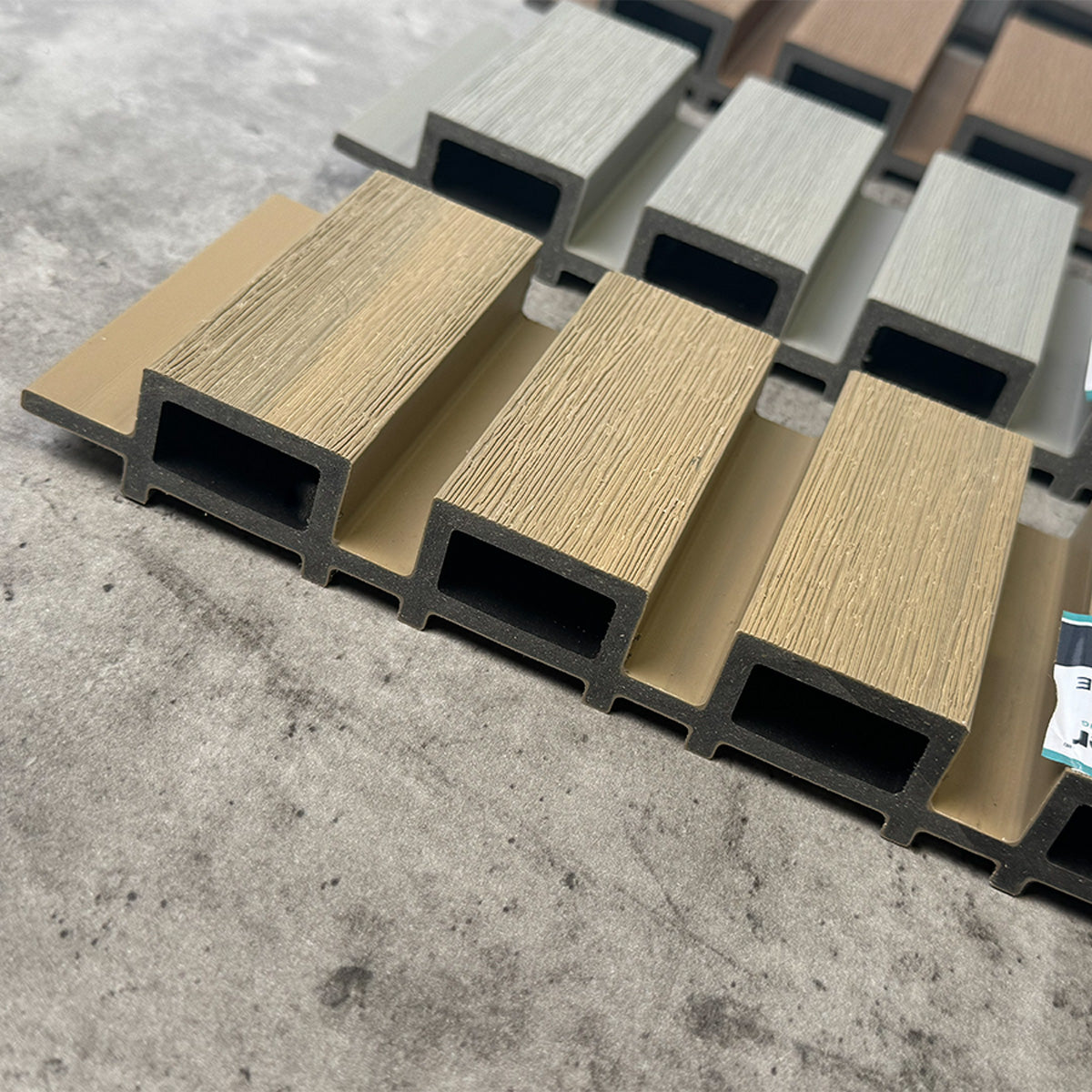
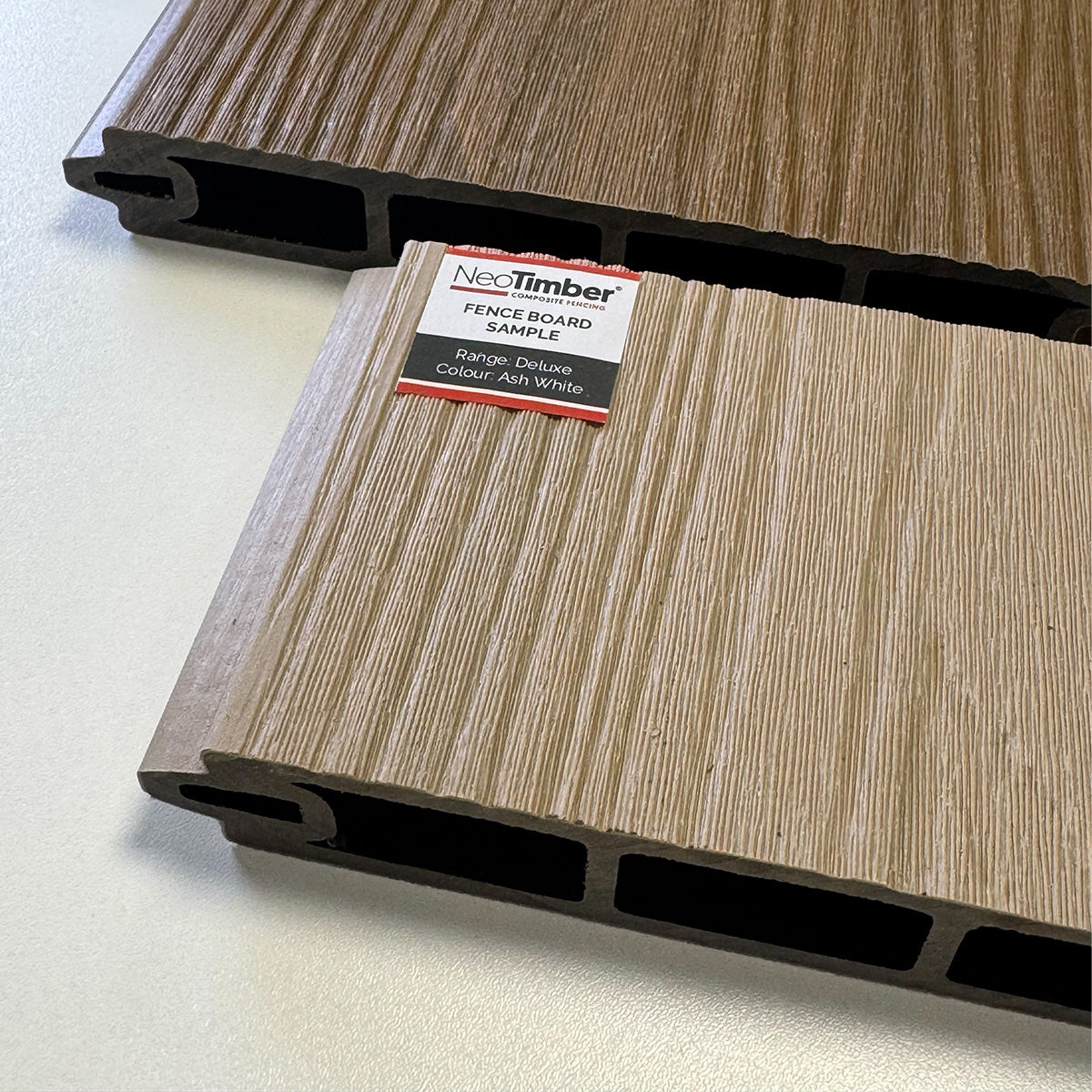
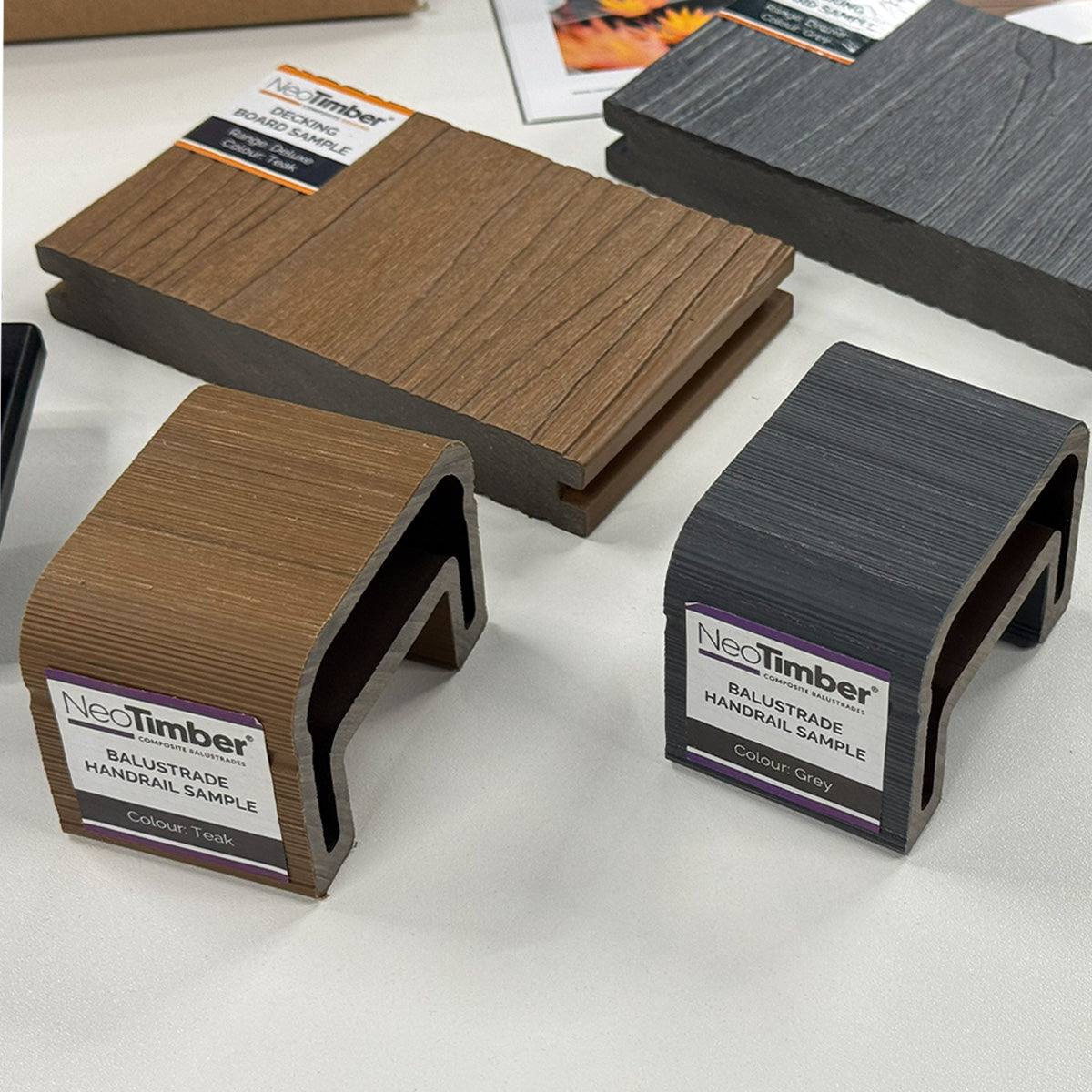
The current NeoTimber® composite range includes Teak, Chocolate, Oak, Grey, Charcoal, Antique, Ash White and Silver Birch. Warmer tones can echo timber and brickwork, while darker or paler finishes create different contrasts with the deck.
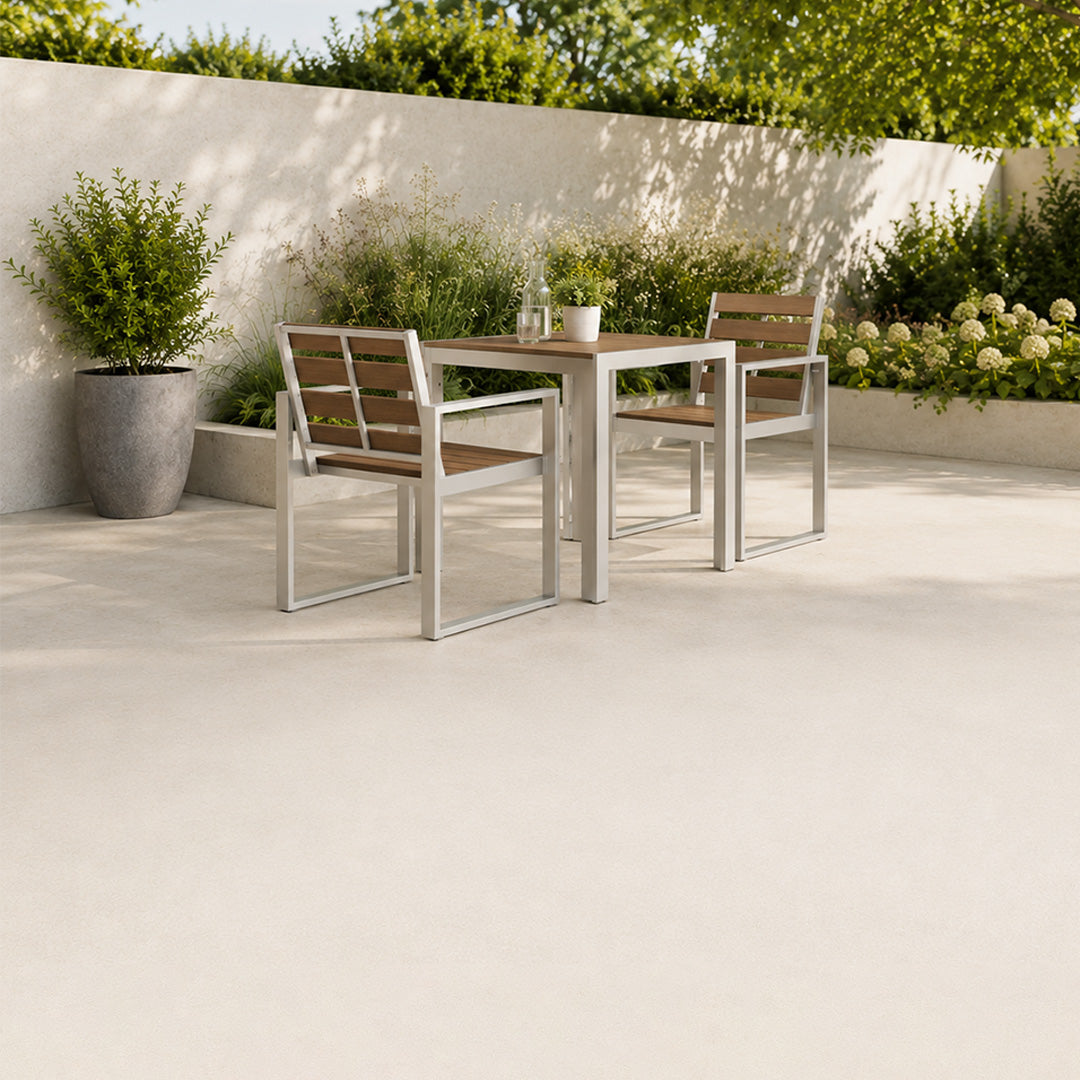
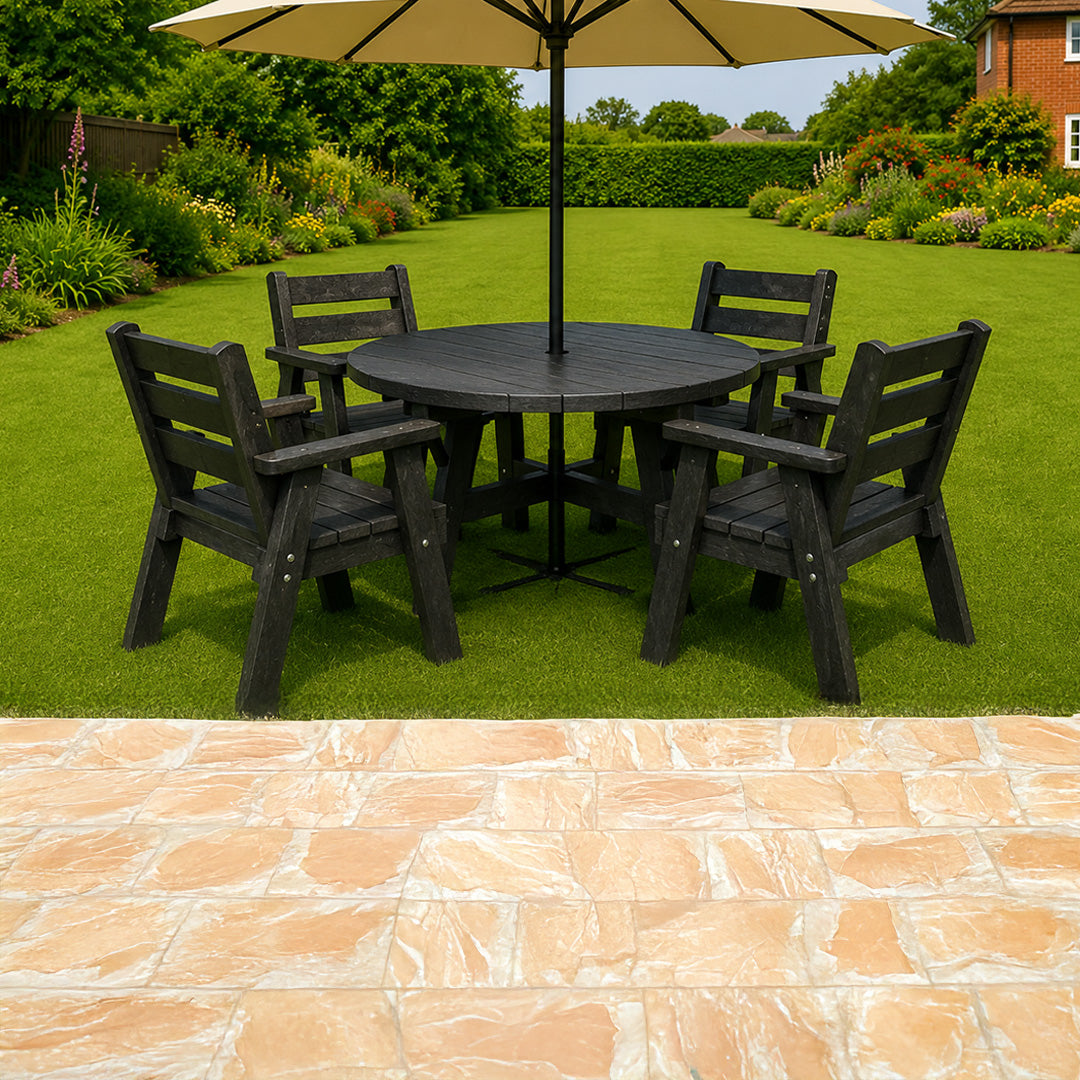
Compare samples beside the chosen boards, paving and furniture. A matching palette creates continuity, while contrasting rails can give the perimeter a stronger outline.

Composite Compared with Timber: A Balanced View
Timber can provide a durable, attractive balustrade when the species, treatment, installation and maintenance suit the setting. Its natural variation may also appeal to homeowners who prefer a traditional material.
Composite offers a manufactured finish and less recurring surface treatment. The better choice depends on the appearance you want, the care you are prepared to undertake and the suitability of the complete system.
- Appearance: timber offers natural grain variation; composite provides a consistent manufactured texture and colour choice.
- Maintenance: timber treatments vary by specification; capped composite avoids routine painting and sealing but still needs cleaning.
- Structure: both systems require suitable supports, connections and installation.
- Cost: compare complete installations and realistic maintenance schedules rather than assuming one material is always cheaper.
Understand the Warranty and Intended Use
A warranty sets out cover for defined circumstances; it is not an unconditional lifespan guarantee. Read the current warranty terms, including the conditions for installation, maintenance and the intended application.
NeoTimber® composite straight railings are described for low-level residential and selected commercial applications. The published domestic load category excludes external balconies and roof edges. Confirm the system's suitability for your project rather than treating every outdoor space as the same application.
Plan the Installation as a Complete System
Posts must connect to suitable structural support. On decking, the board surface alone is not sufficient anchorage; the underlying frame and fixing positions need to be assessed. Concrete installations also require an appropriate substrate and fixing arrangement.
Use the NeoTimber® composite balustrade installation resources to plan the sequence. Check the product contents, required posts, stair sections and any additional fixings before placing your order.
Composite Balustrade FAQs
What Is the Main Advantage over Painted Timber?
Reduced routine redecoration is a key benefit. Capped composite does not need regular sanding, sealing or painting, although cleaning and inspection remain necessary.
Does a Composite Wood Effect Balustrade Contain Only Composite?
No. The NeoTimber® system includes metal reinforcement and aluminium spindles alongside the composite rails and post sleeves. Check the full component specification when comparing products.
Can Composite Balustrades Stain or Fade?
The finish is designed to resist staining and fading, not to be unaffected by every exposure or spill. Follow the care instructions and warranty conditions for the selected product.
Are Composite Balustrades Maintenance-Free?
No. They reduce surface treatments but still require cleaning and checks of the posts, brackets, infill and connections. Arrange assessment of loose or damaged components promptly.
Explore the Finish for Yourself
Compare the NeoTimber® composite balustrade range and order samples to judge the colour and texture beside your outdoor materials.
Once you have a preferred finish, contact our team with your layout to discuss the components and intended application.