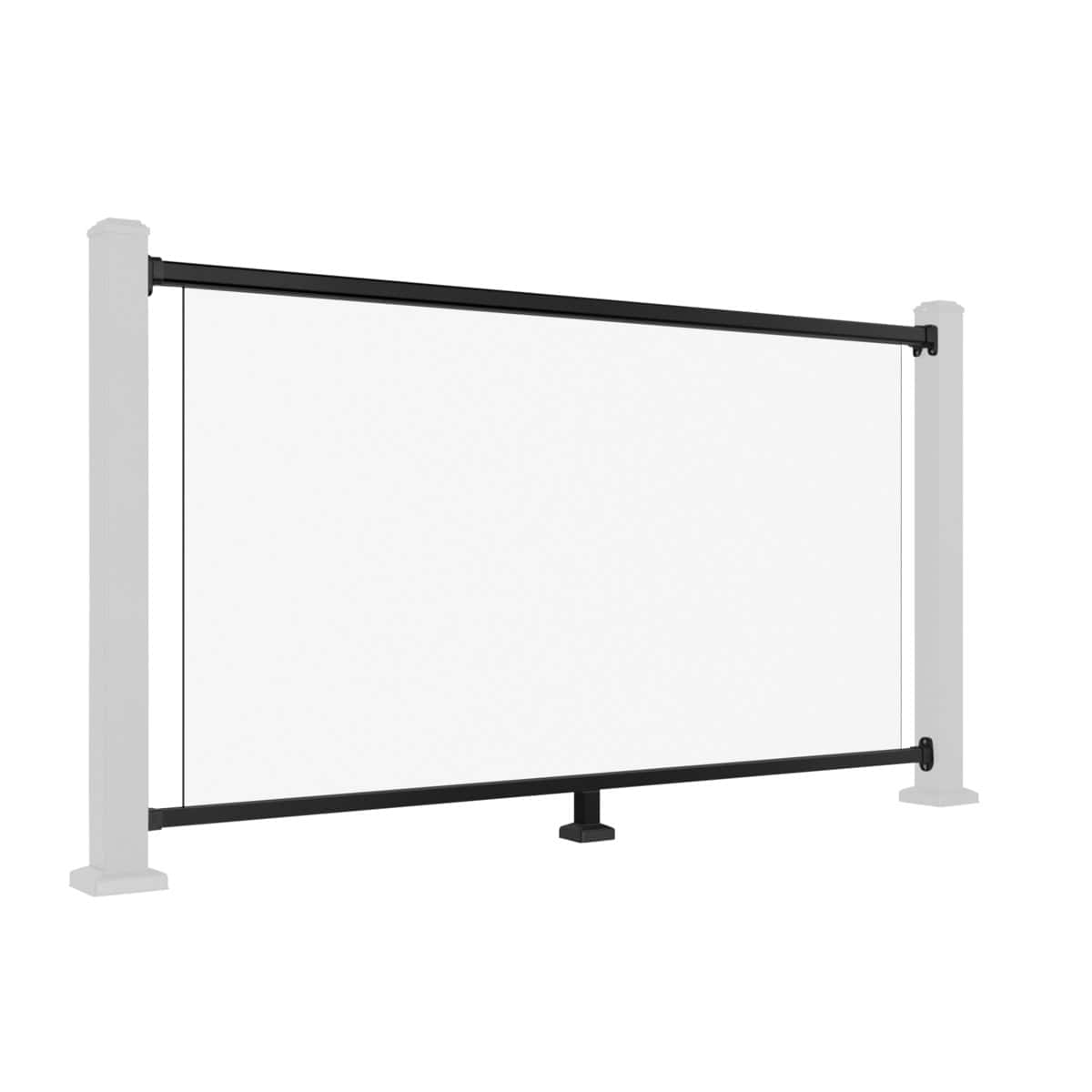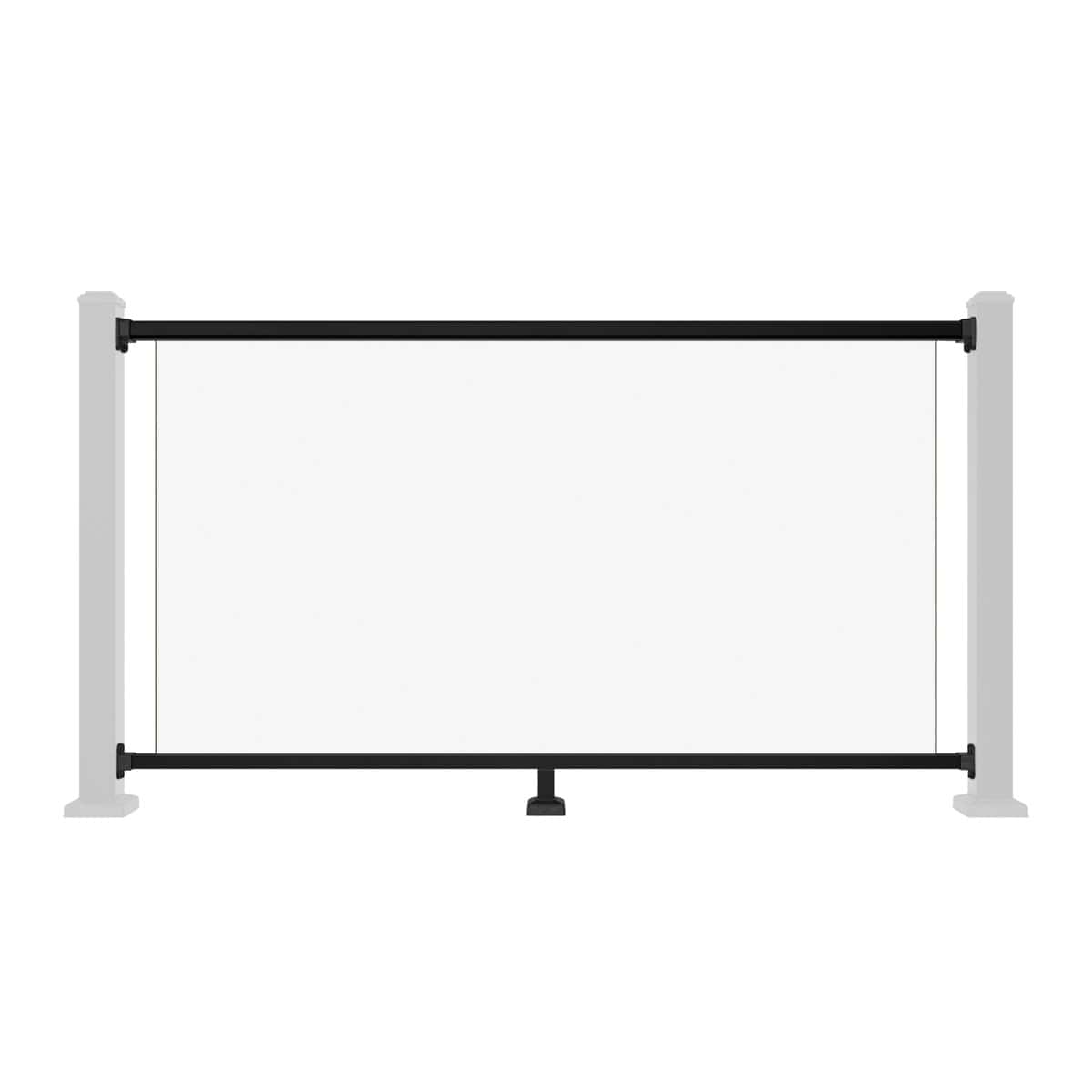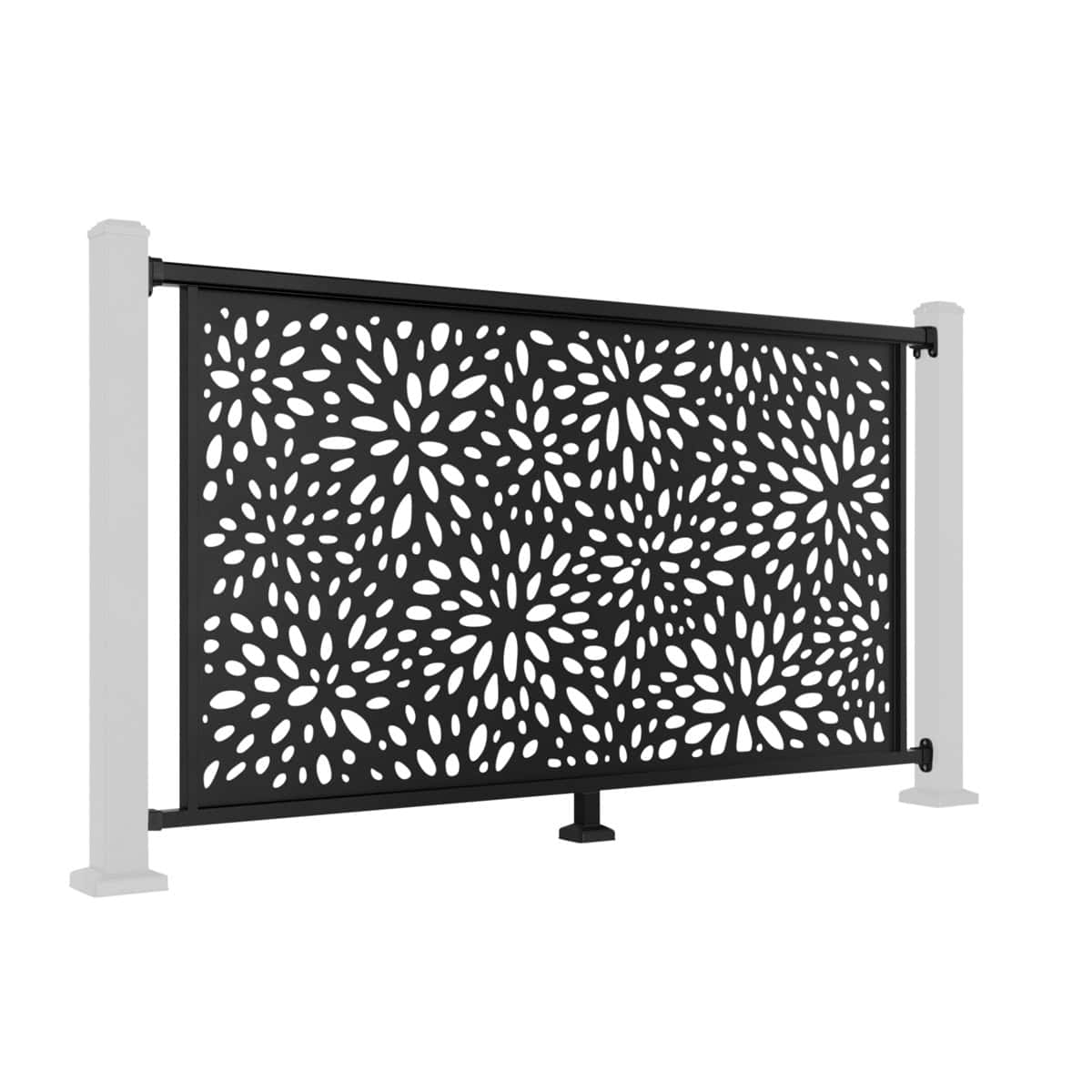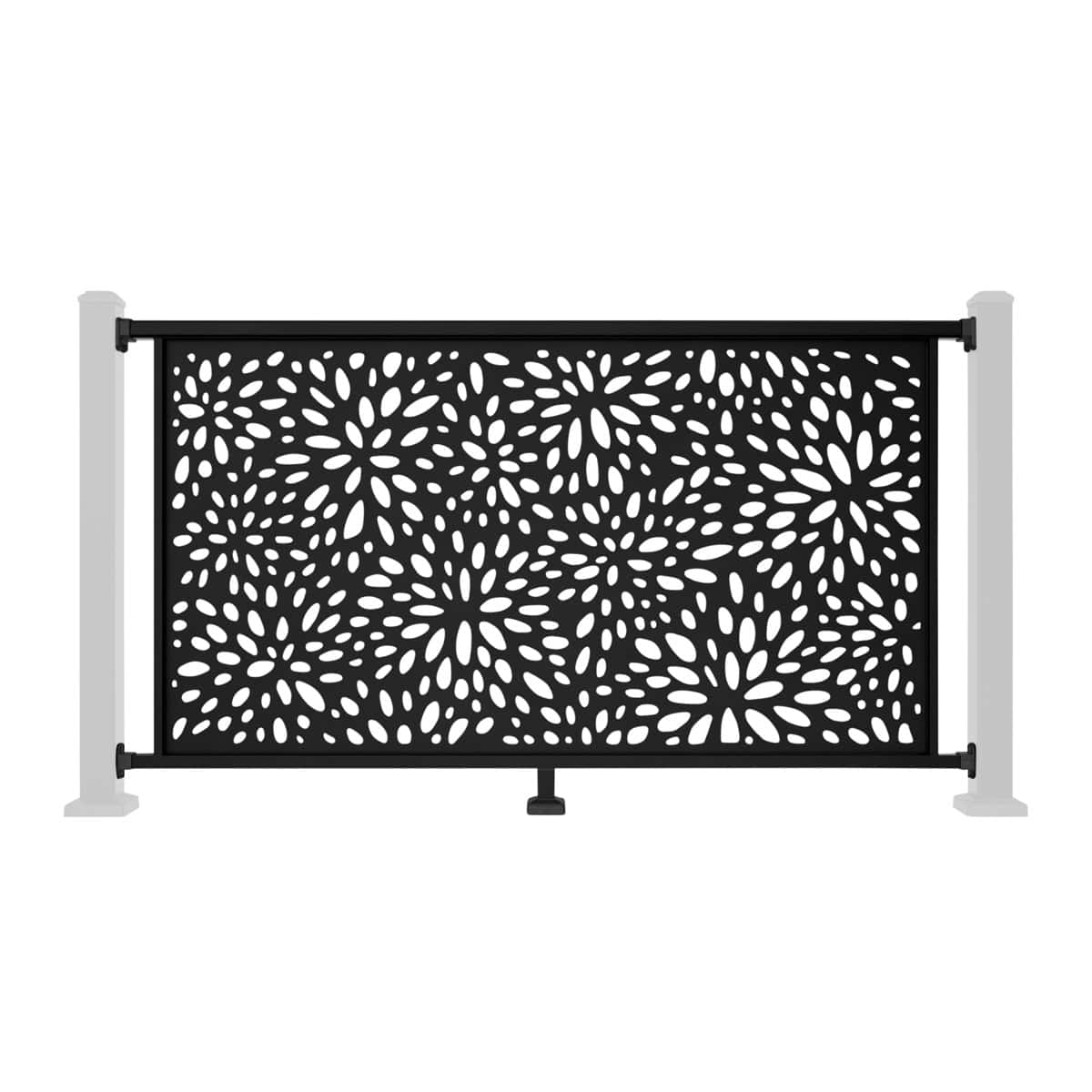
Shape Your Outdoor Space with Thoughtful Balustrade Design
A considered composite balustrade design does more than outline a deck. It can frame a seating area, guide the route through your garden and connect different levels into a coherent outdoor space. The best starting point is how you want to use the area, followed by the layout, materials and colours that will bring it together.
Whether you enjoy the warmth of a timber balustrade design or prefer a sharper contemporary finish, NeoTimber® composite balustrades offer a range of looks to explore. Use the ideas below to develop your design, then confirm that the chosen system is suitable for the location and intended use.
Frame a Deck with a Clear Perimeter
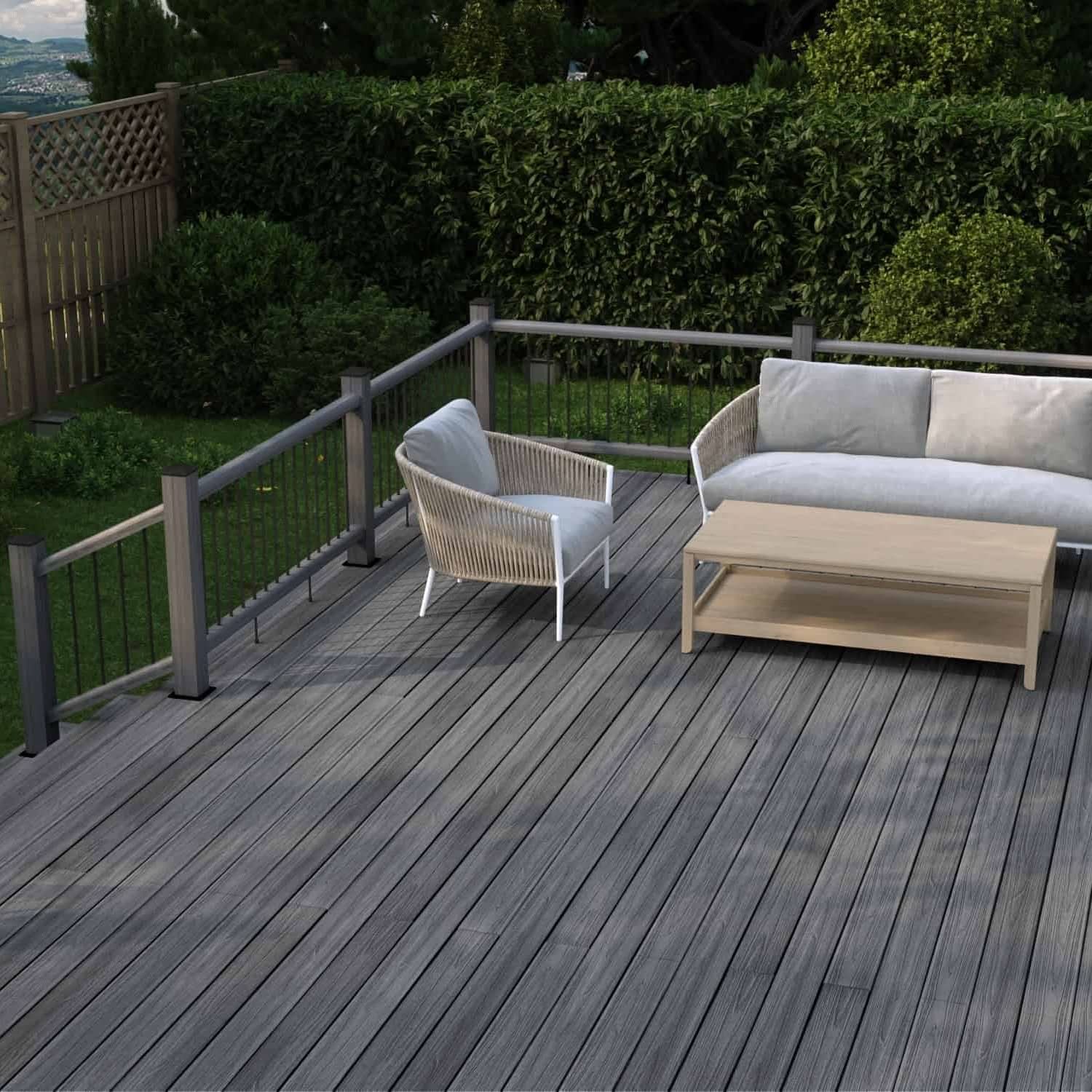
A railing can give a deck a defined edge, making an outdoor dining or lounge area feel more settled within the garden. Plan its position alongside furniture: leave room to pull out chairs, move around a table and reach the entrance comfortably.
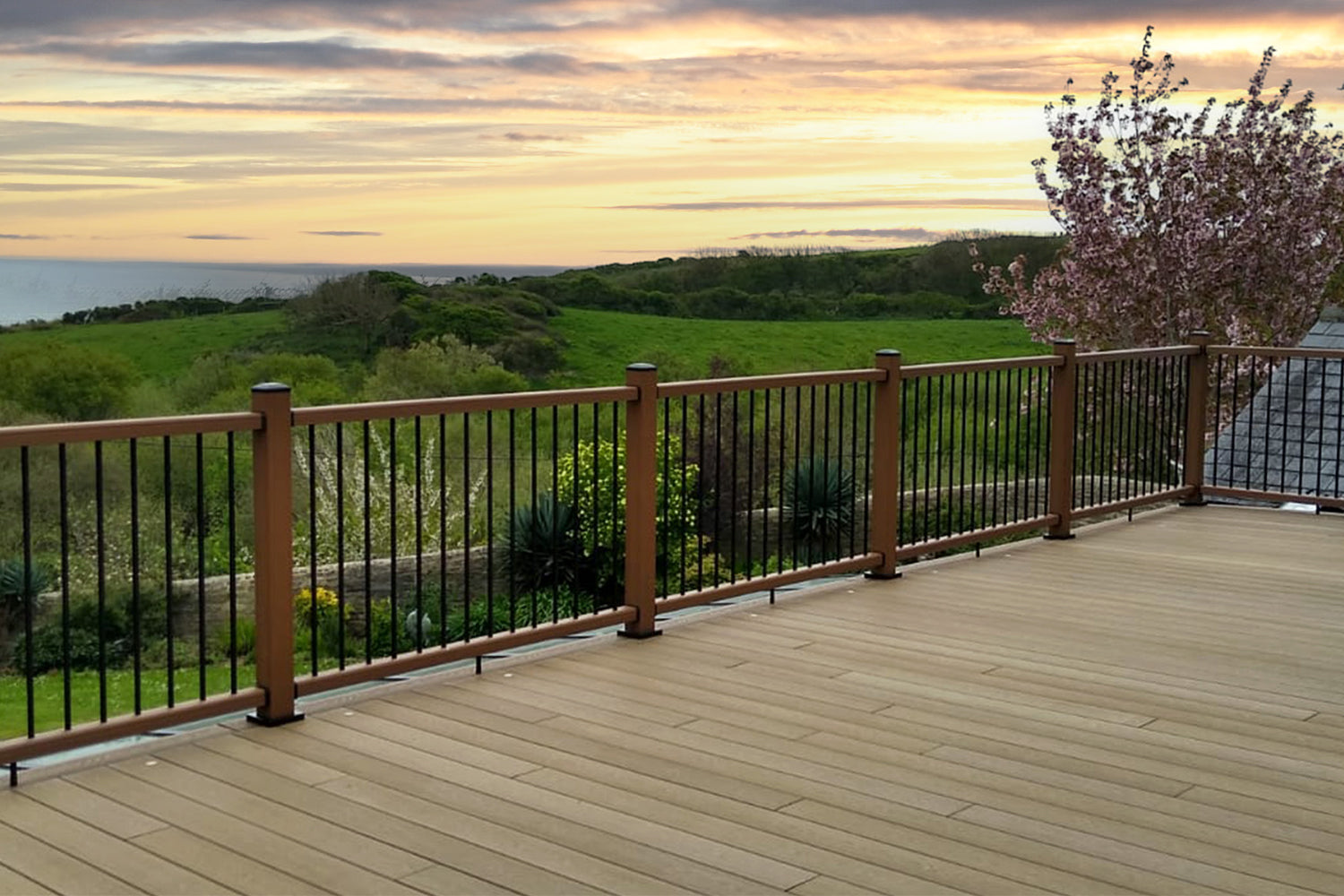
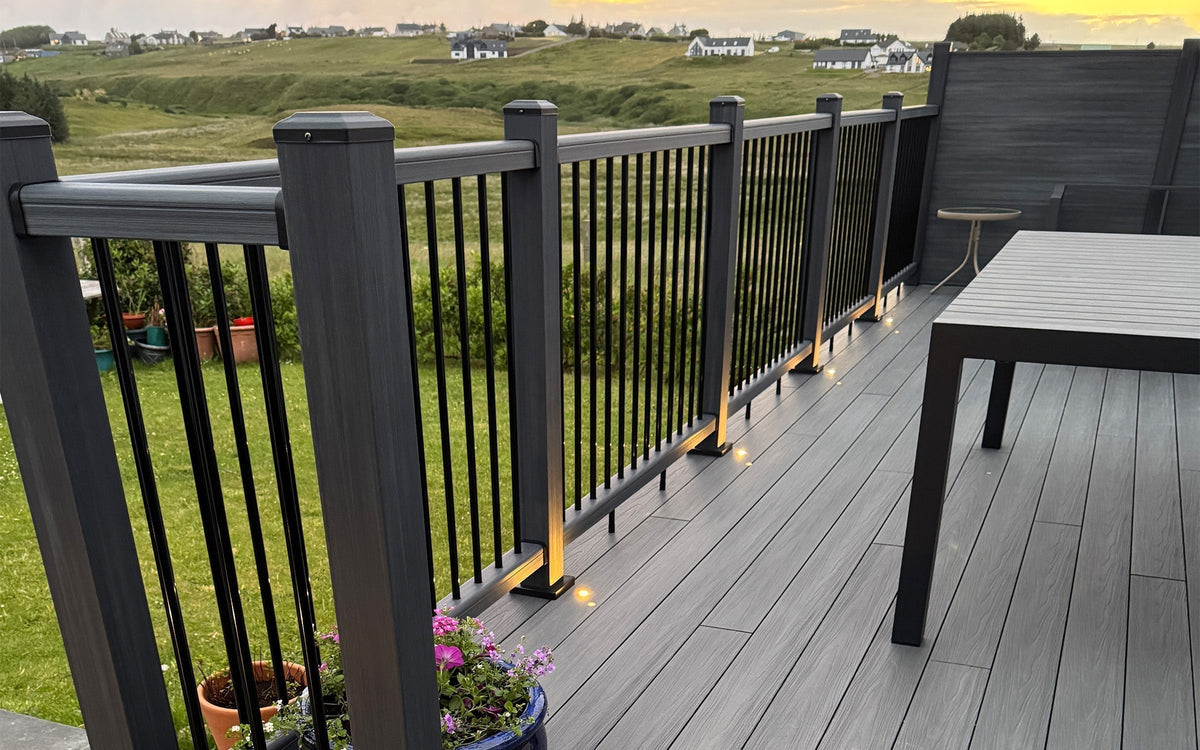
For a unified finish, choose rails and posts that coordinate with the decking. For a stronger outline, try darker balustrades against a lighter deck. Keep the number of competing colours small so the perimeter supports the overall design rather than overwhelming it.
Where the deck is raised, establish the guarding requirements and supporting structure before deciding the final post positions. The visible decking surface alone does not determine whether a post can be securely fixed.

Divide the Garden into Useful Spaces
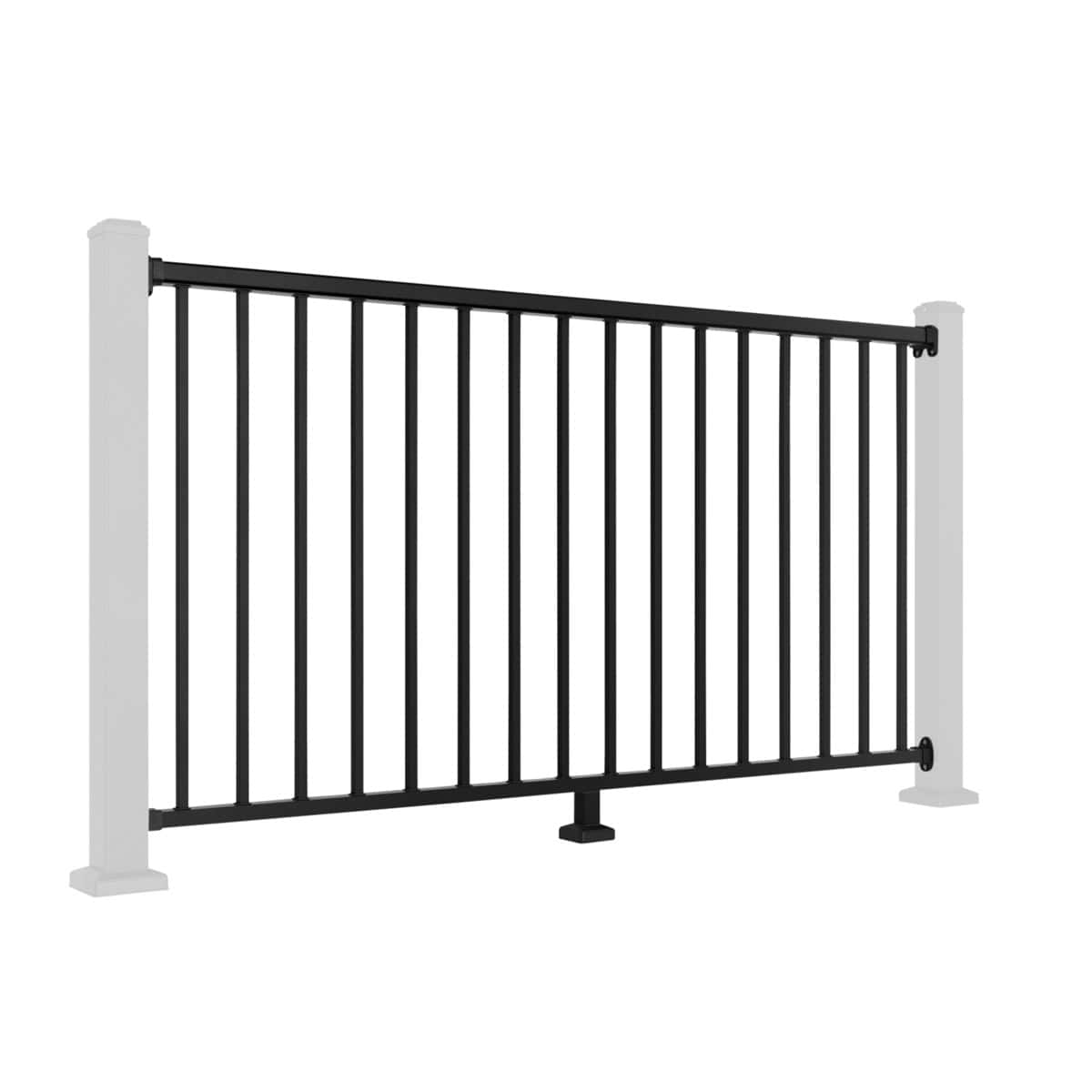
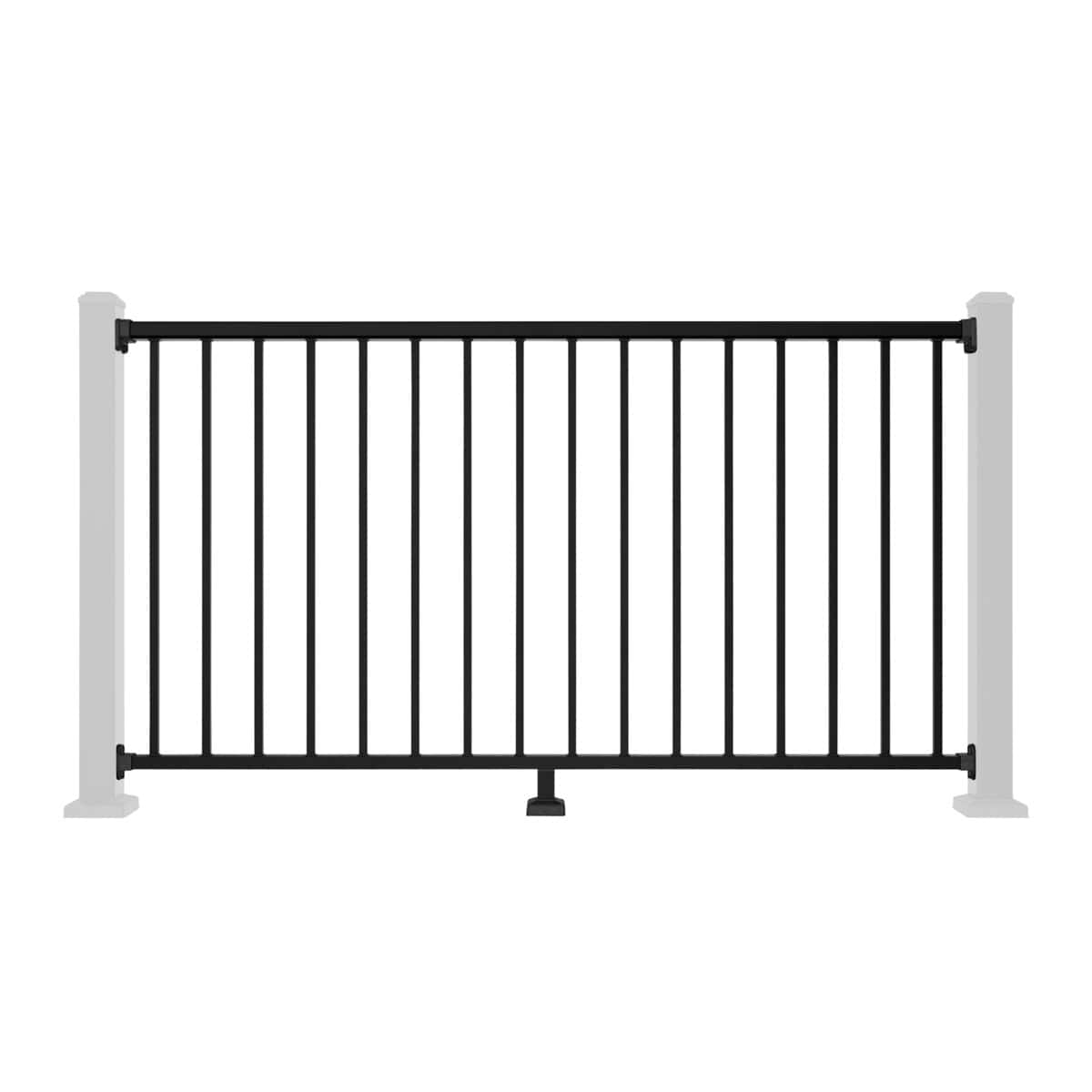
Balustrade design can help distinguish a dining area from a garden path or separate a quiet seating corner from the main entertaining space. An open spindle arrangement maintains views between these areas while giving each one a clearer purpose.
You do not have to surround every ground-level seating area on all sides. A short run or an L-shaped arrangement may create enough definition while keeping the entrance welcoming. Consider the approach from the house and the routes people naturally take across the garden.
Use complete, compatible railing sections where required. Decorative rope or improvised infill should not be treated as a substitute for specified guarding.

Take Inspiration from Timber and Wooden Balustrade Design
A traditional wooden balustrade design often draws its appeal from warm tones, substantial posts and a repeating rhythm of vertical spindles. You can take inspiration from those proportions while choosing a composite finish that complements your outdoor materials.
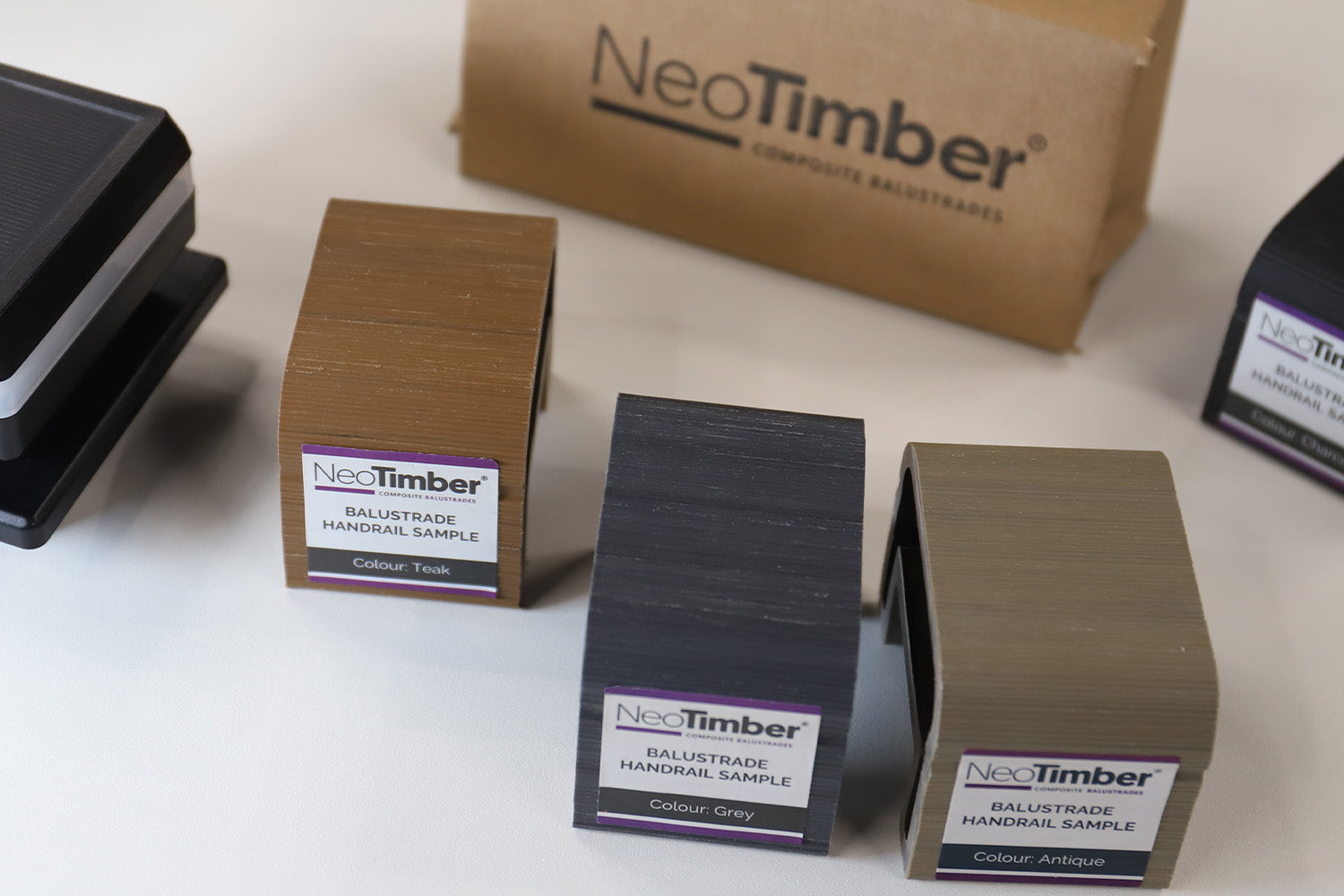
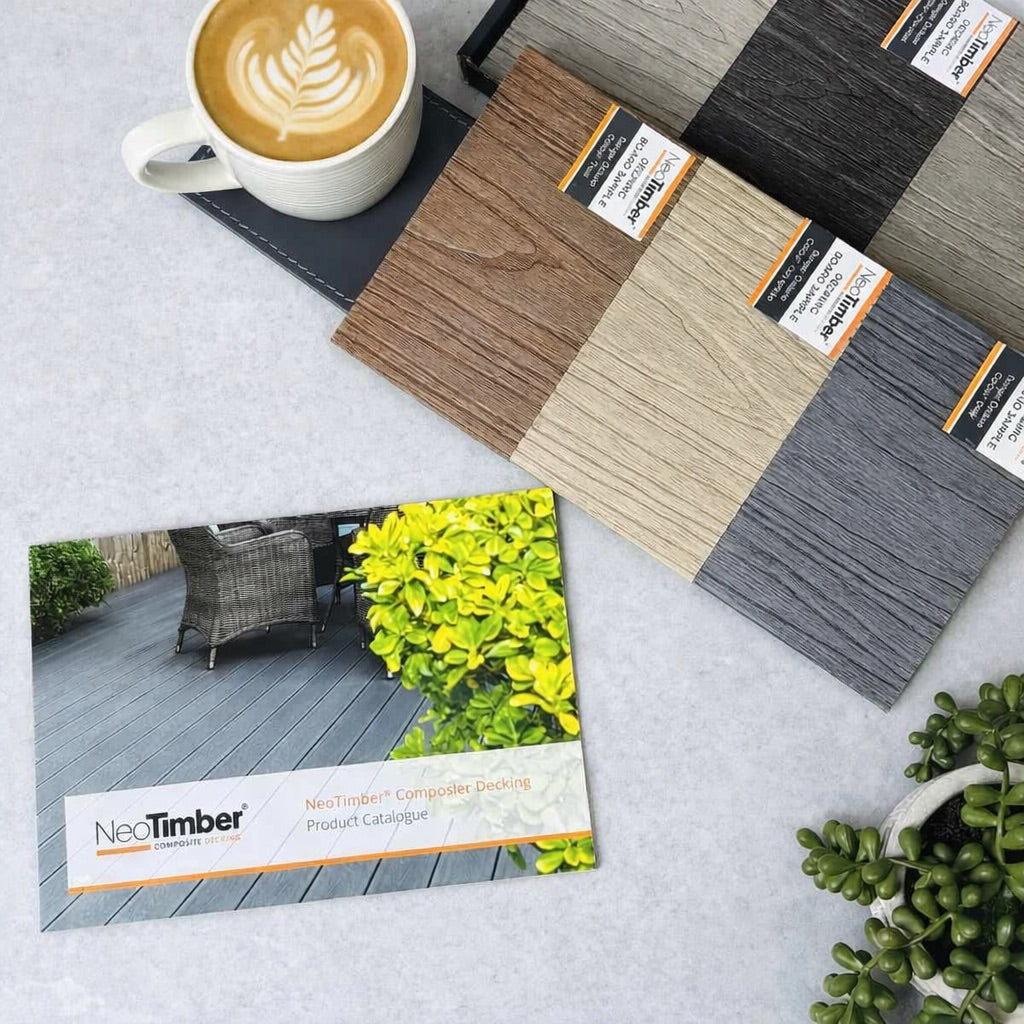
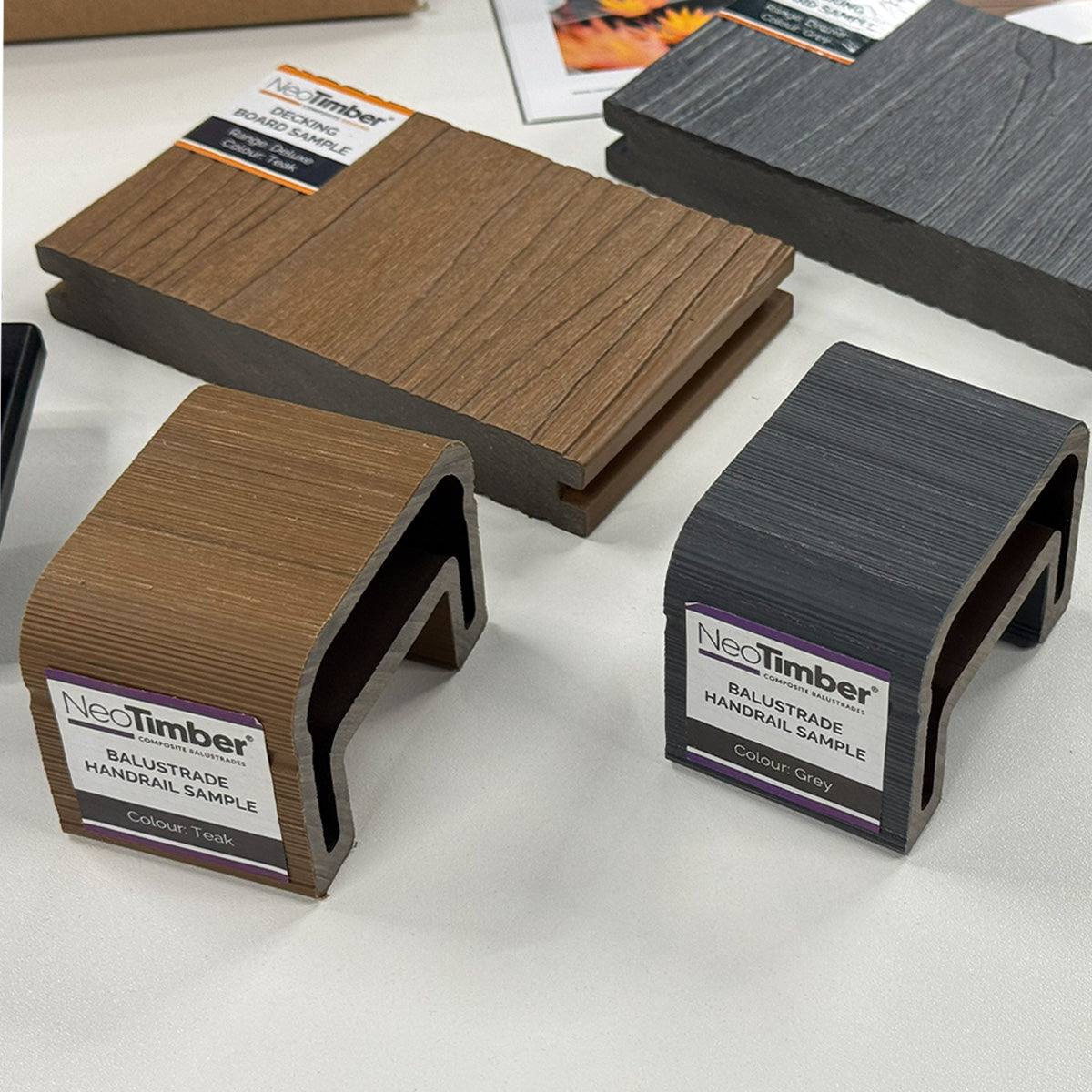
Teak, Oak and Chocolate are options to compare when developing a warmer palette. Place samples beside the house brickwork, paving and furniture to see which combination feels most natural. If your garden already contains several timber tones, a restrained choice can help bring them together.
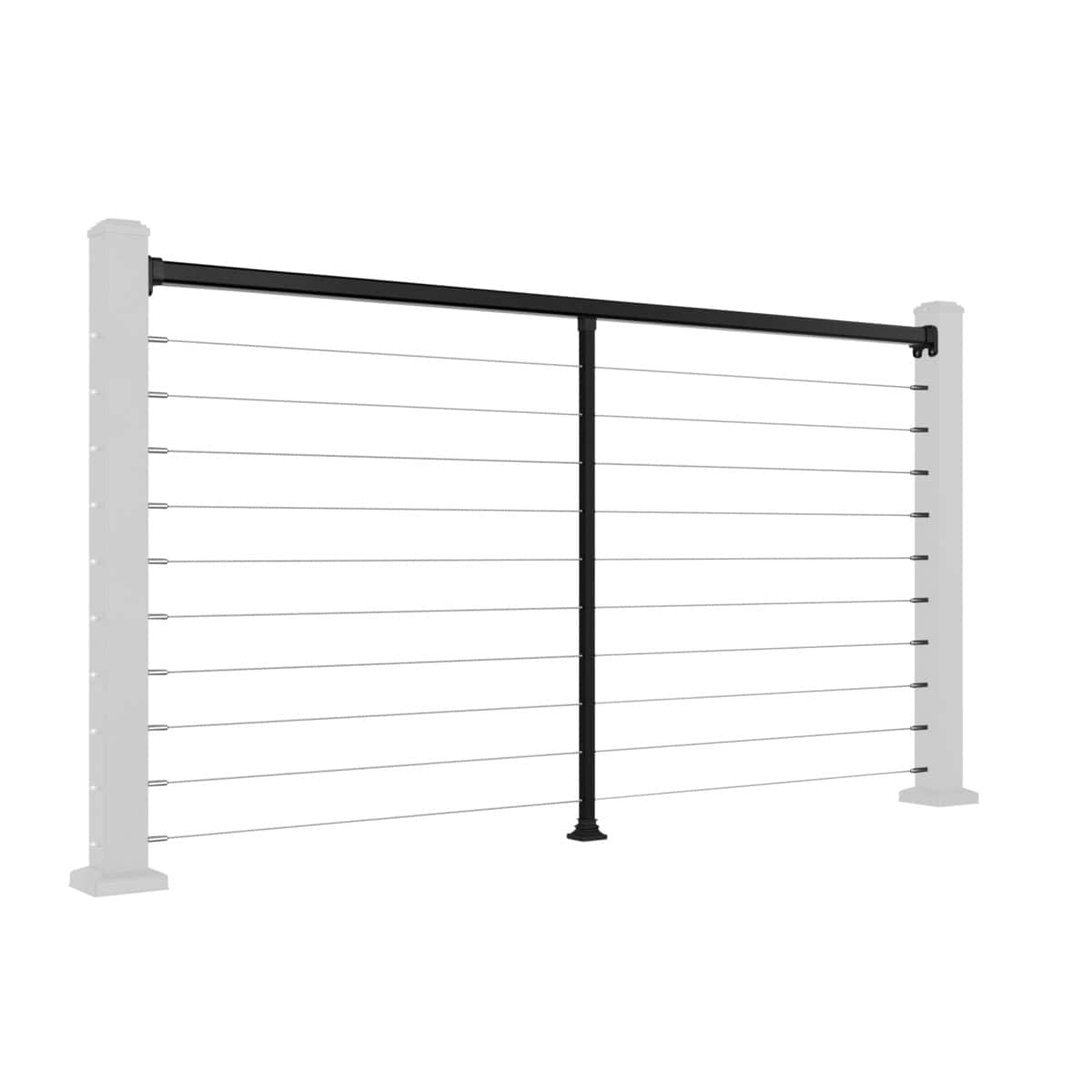
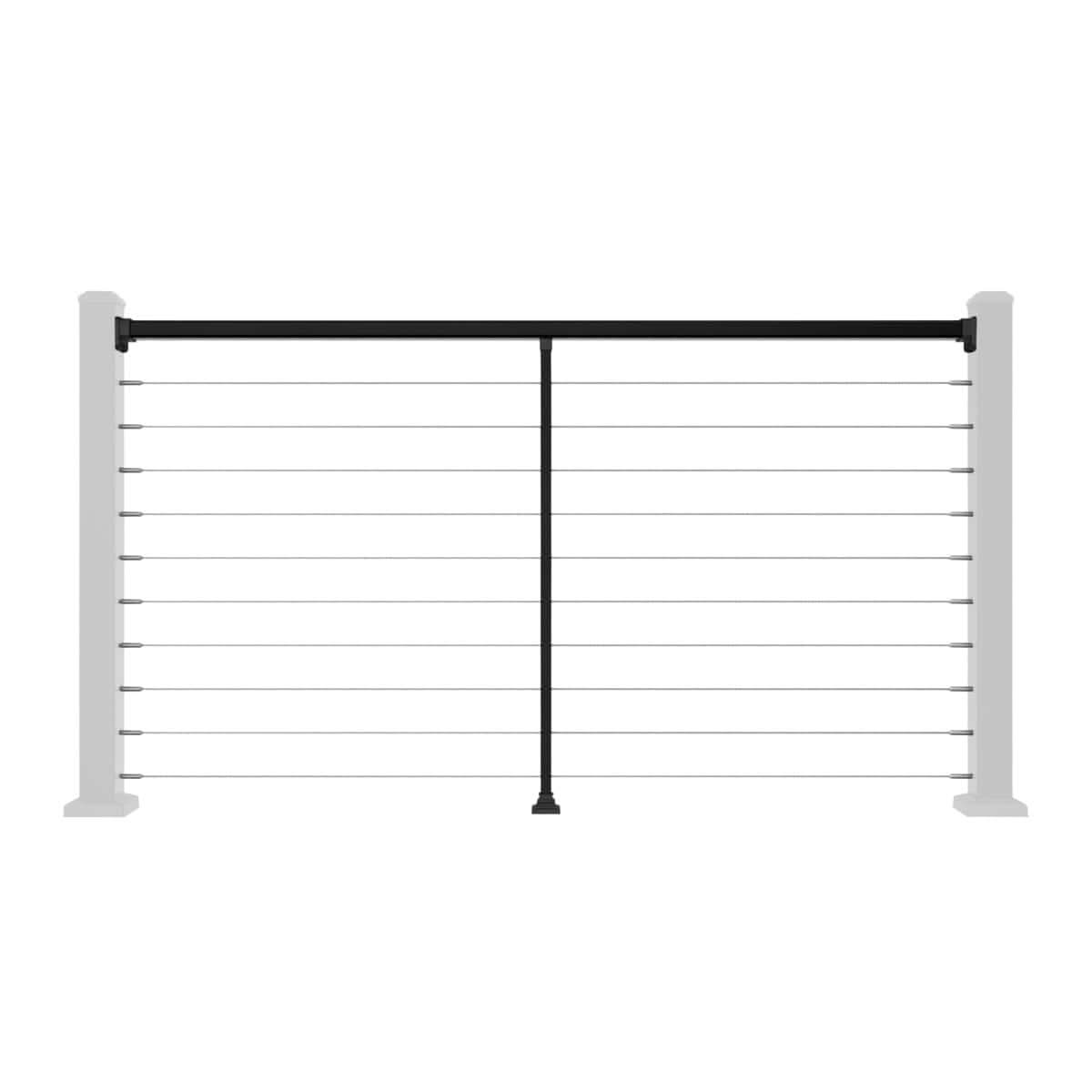
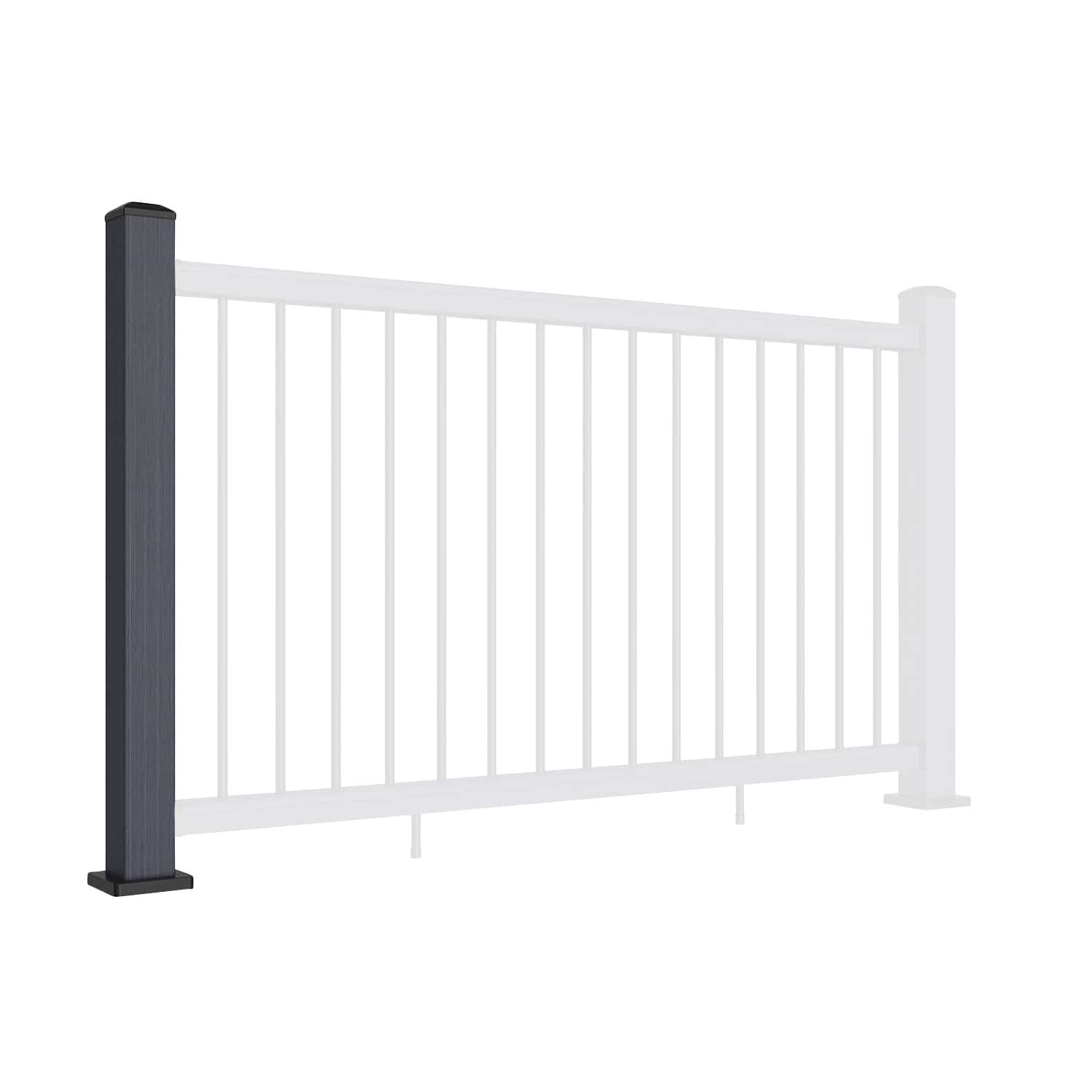
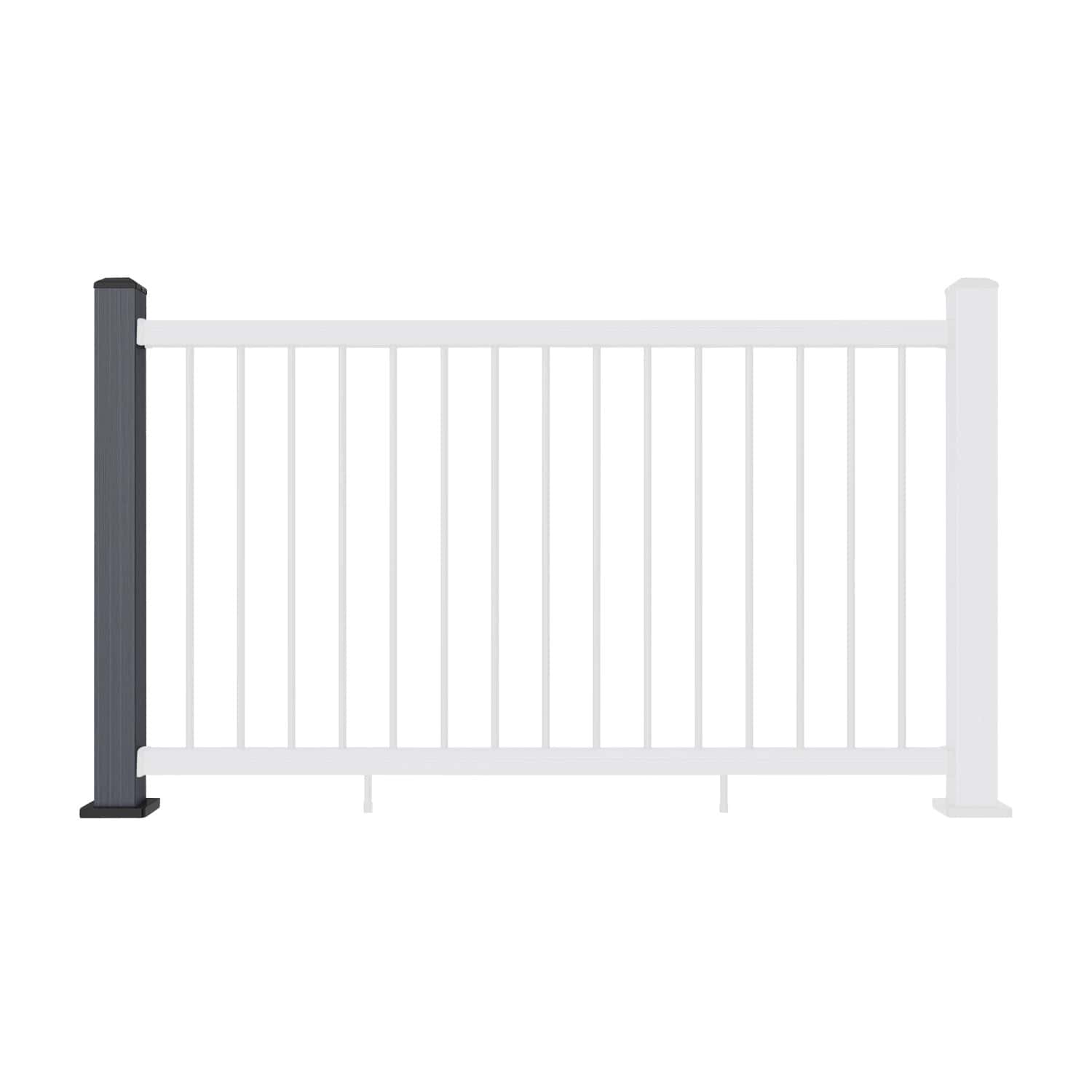
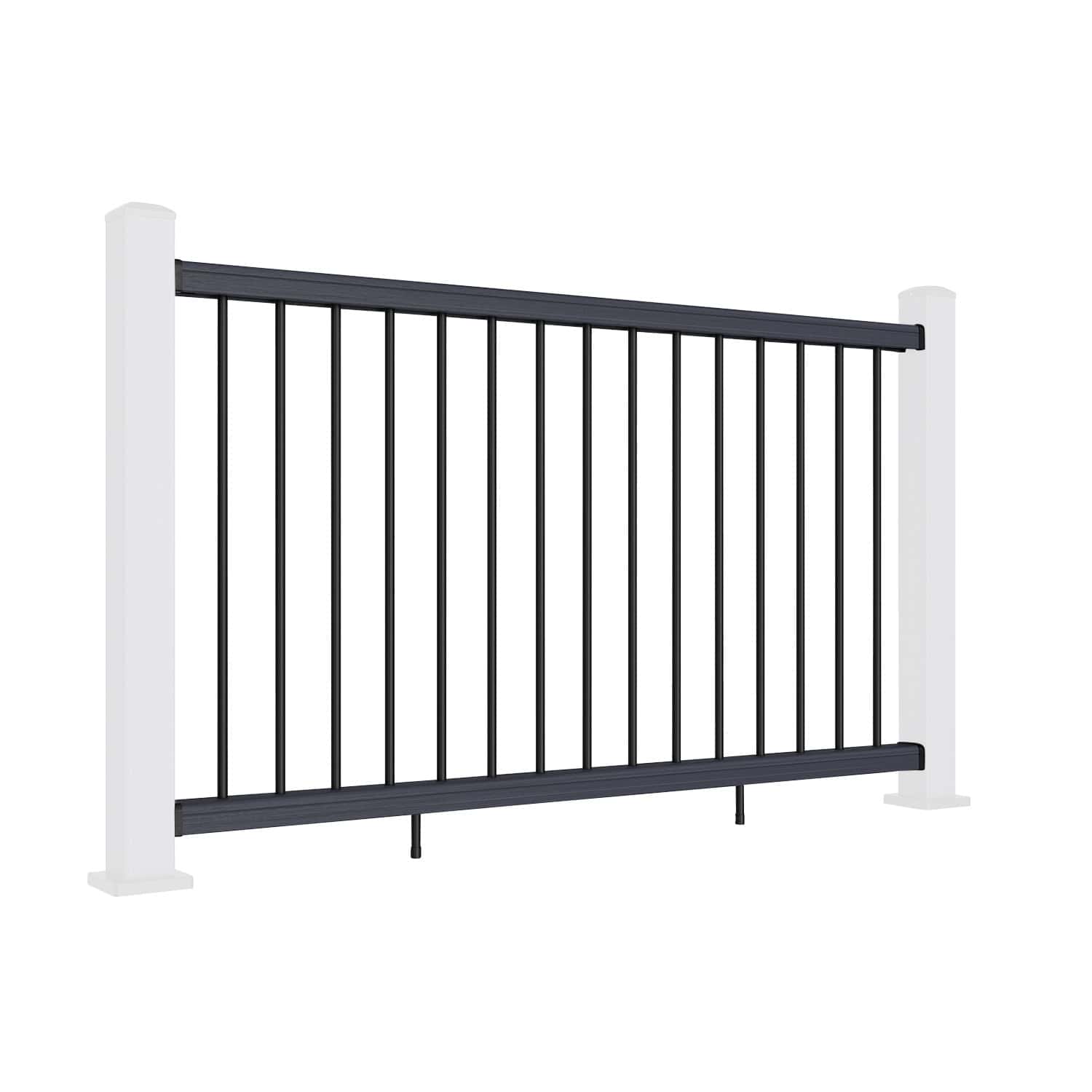
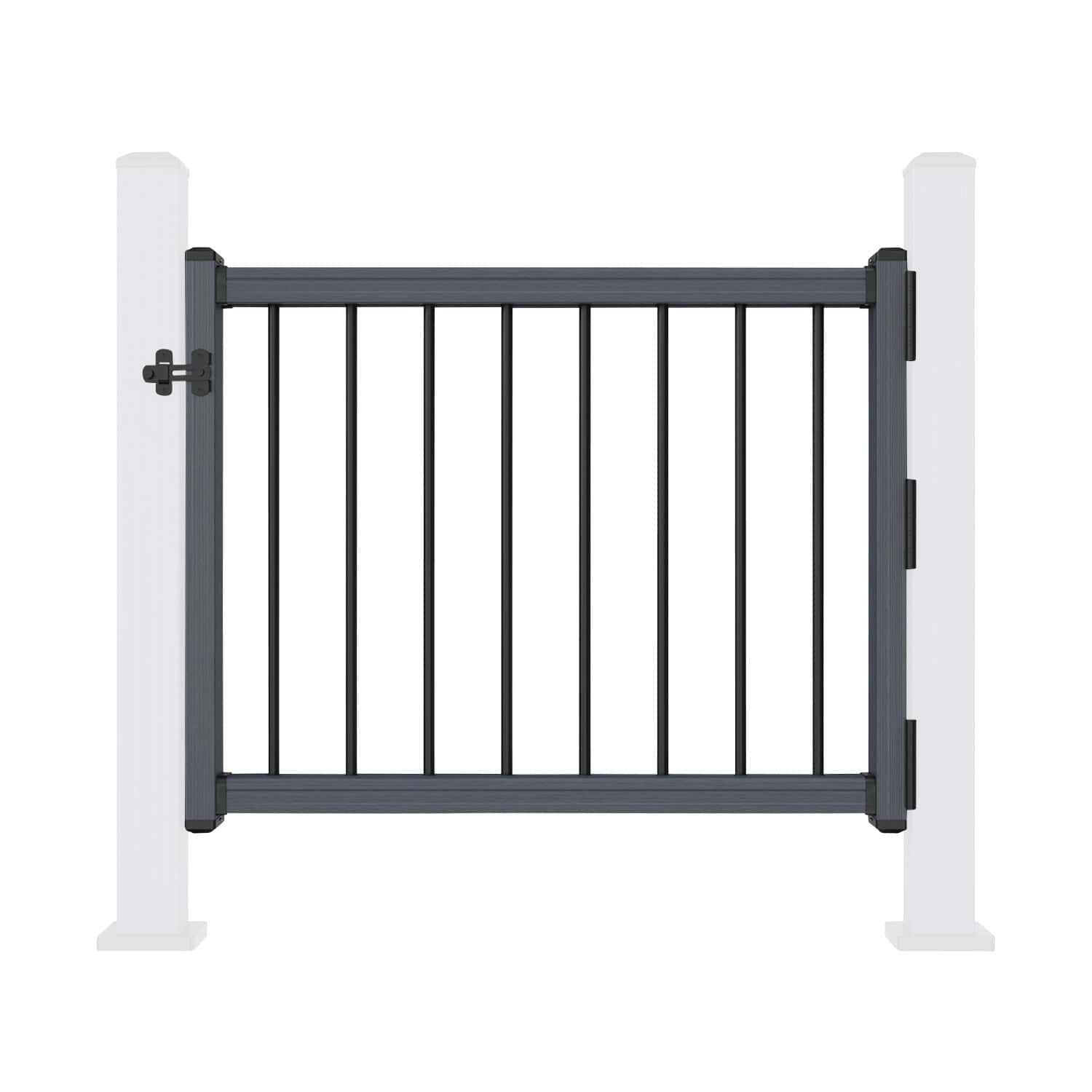
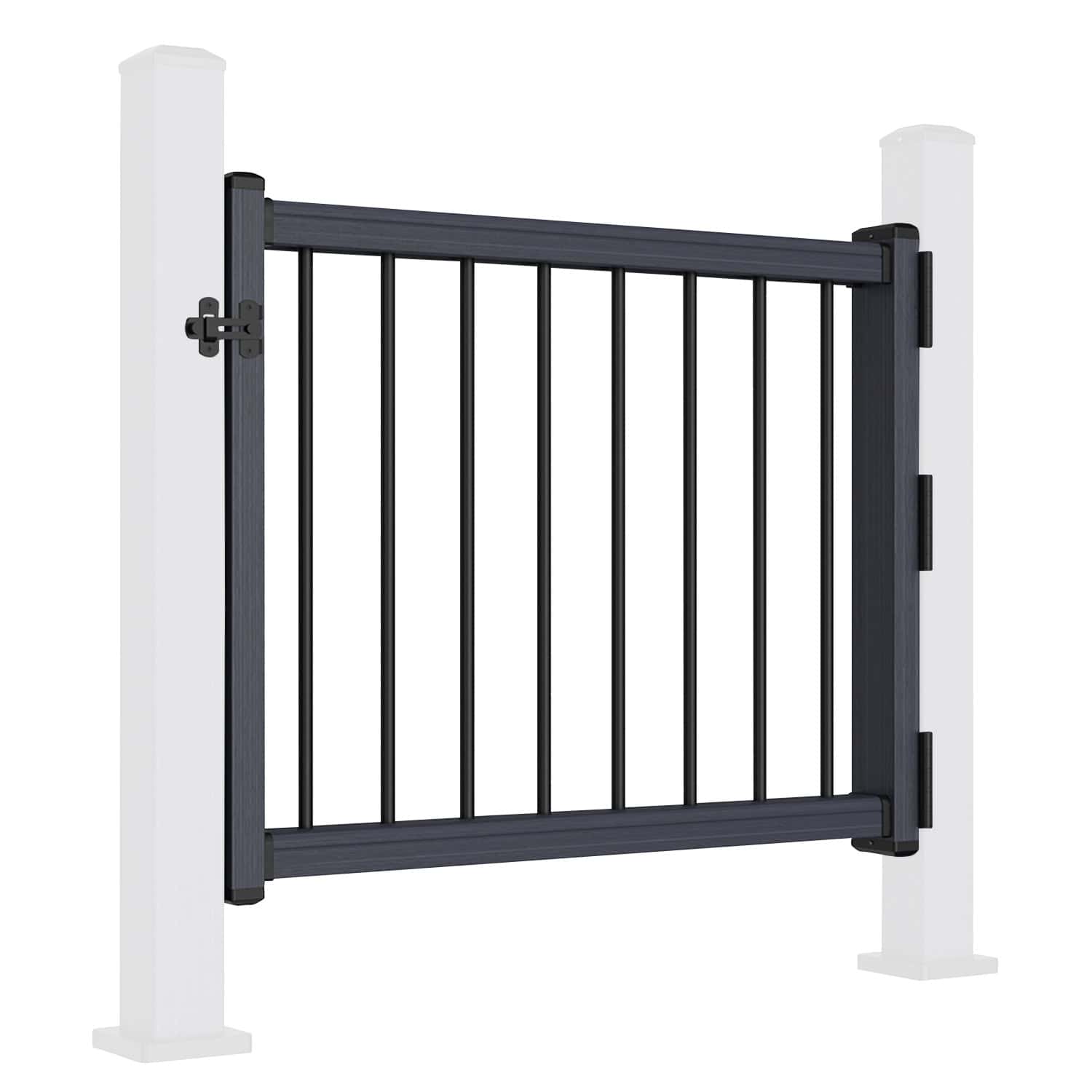
A composite system is not solid timber: NeoTimber's design combines composite rails and post sleeves with metal components, including aluminium spindles. This gives the finished railing its own character, with contrasting materials and a consistent manufactured finish.

Create a Modern Balustrade Design with Contrast
For a modern balustrade design, start with clear lines and a limited colour palette. Grey or Charcoal railings can connect with dark window frames and simple outdoor furniture, while a lighter finish can stand out against darker decking.
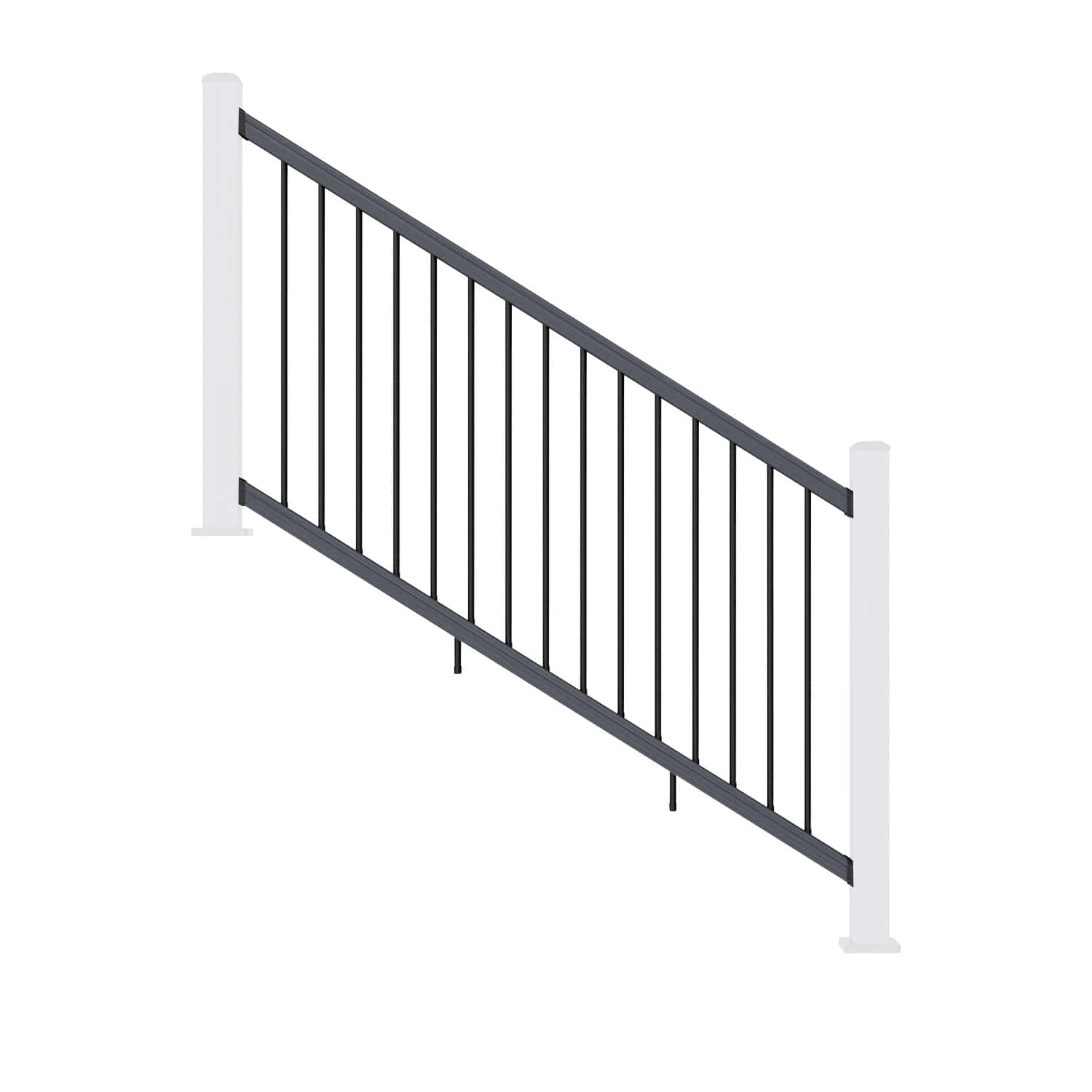
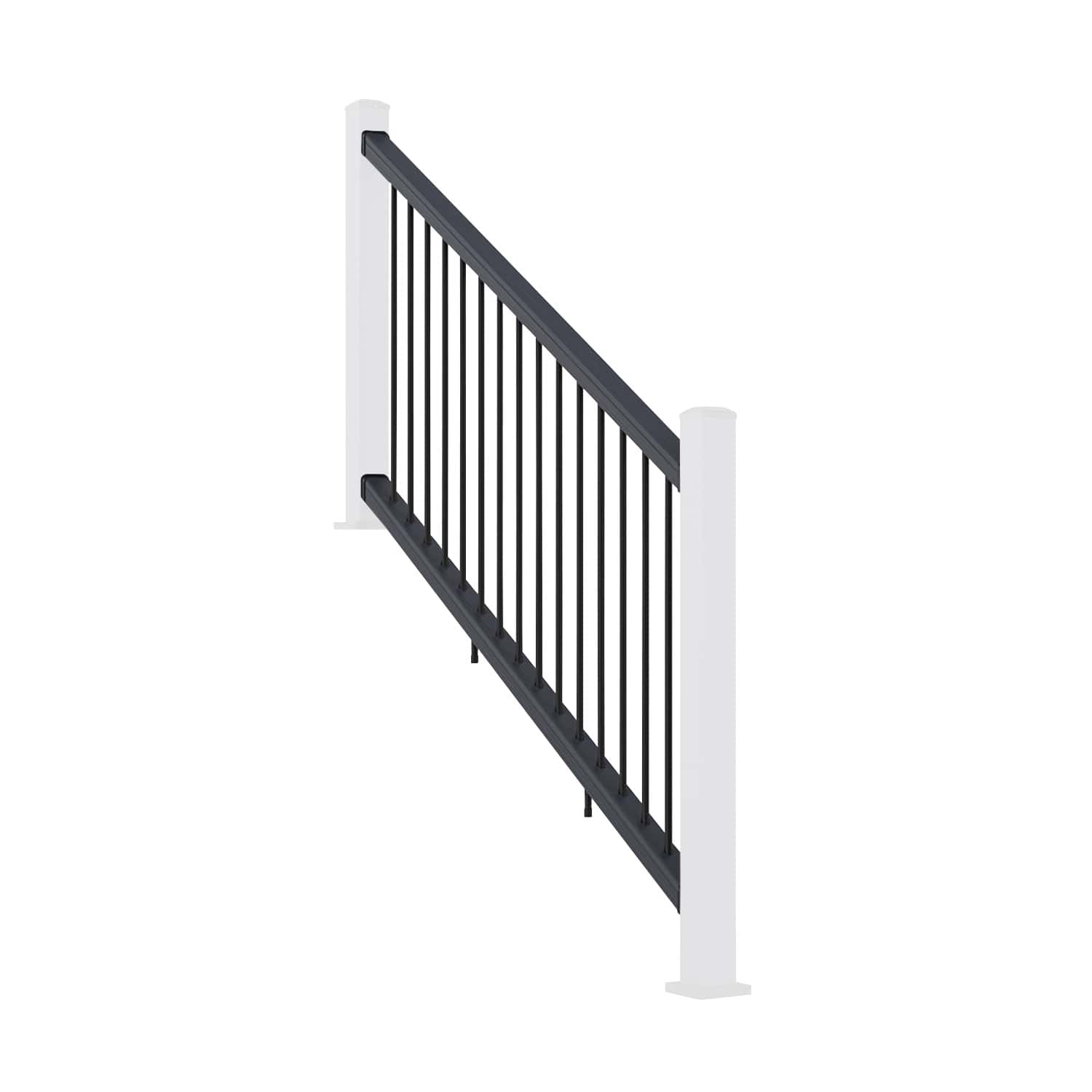
The black spindles provide a recurring detail across the railing. Echo that colour in a planter or furniture frame to make the scheme feel intentional. Avoid adding too many unrelated finishes around the perimeter, particularly in a compact garden.
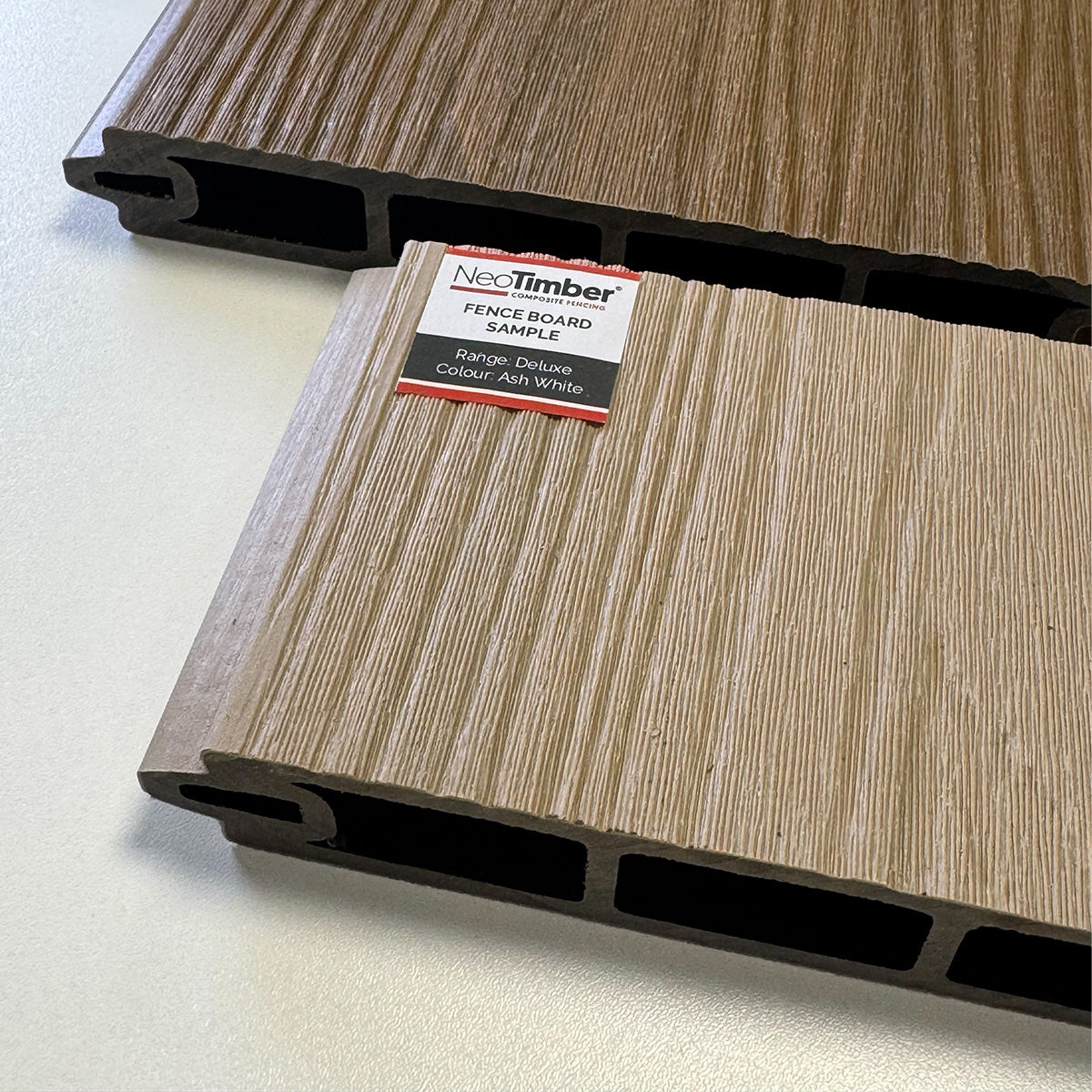
Explore the composite balustrade colours to compare warm, light and dark options. Antique and Ash White are separate finishes, so use samples to assess their differences rather than relying on a photograph alone.
Connect Garden Levels with Coordinated Steps
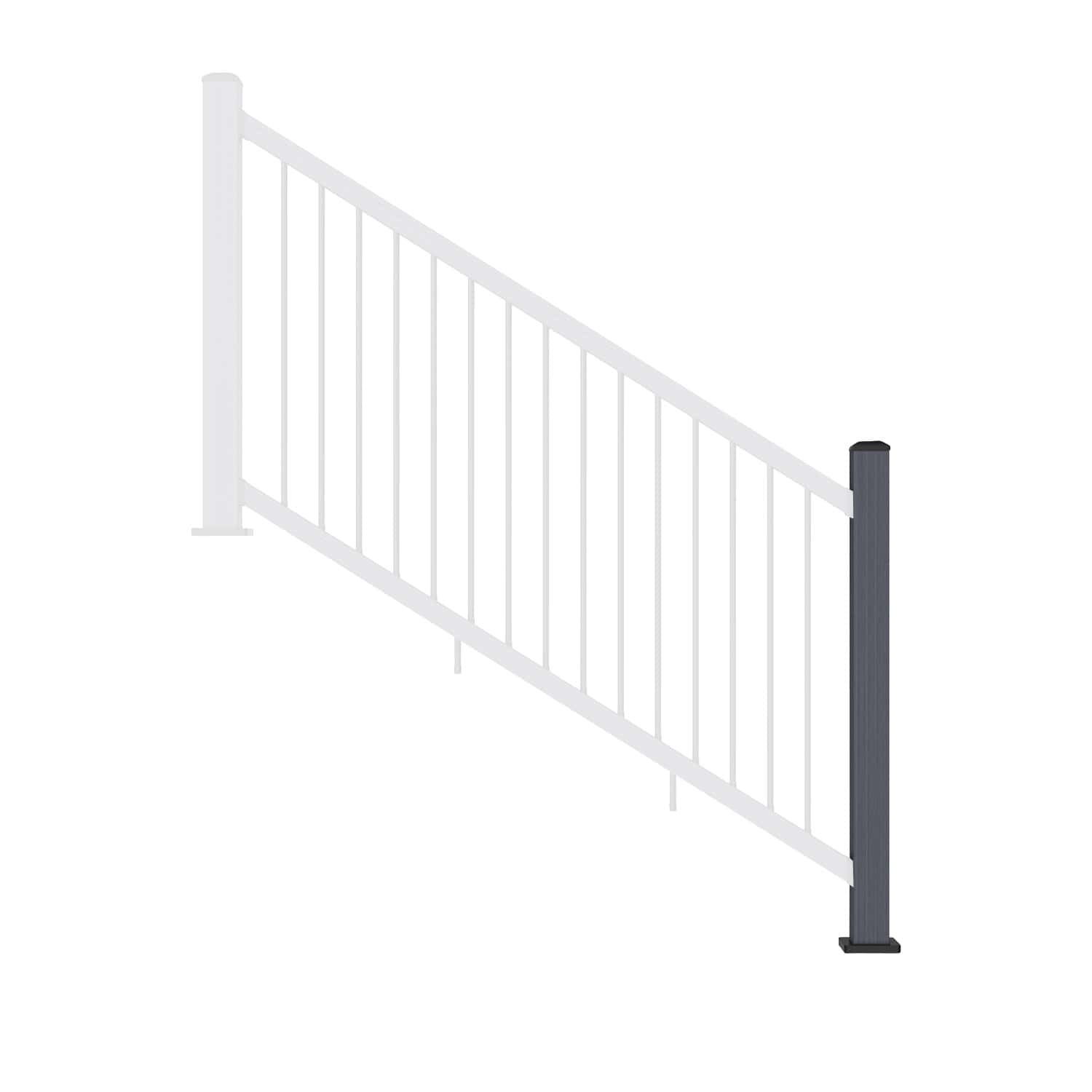
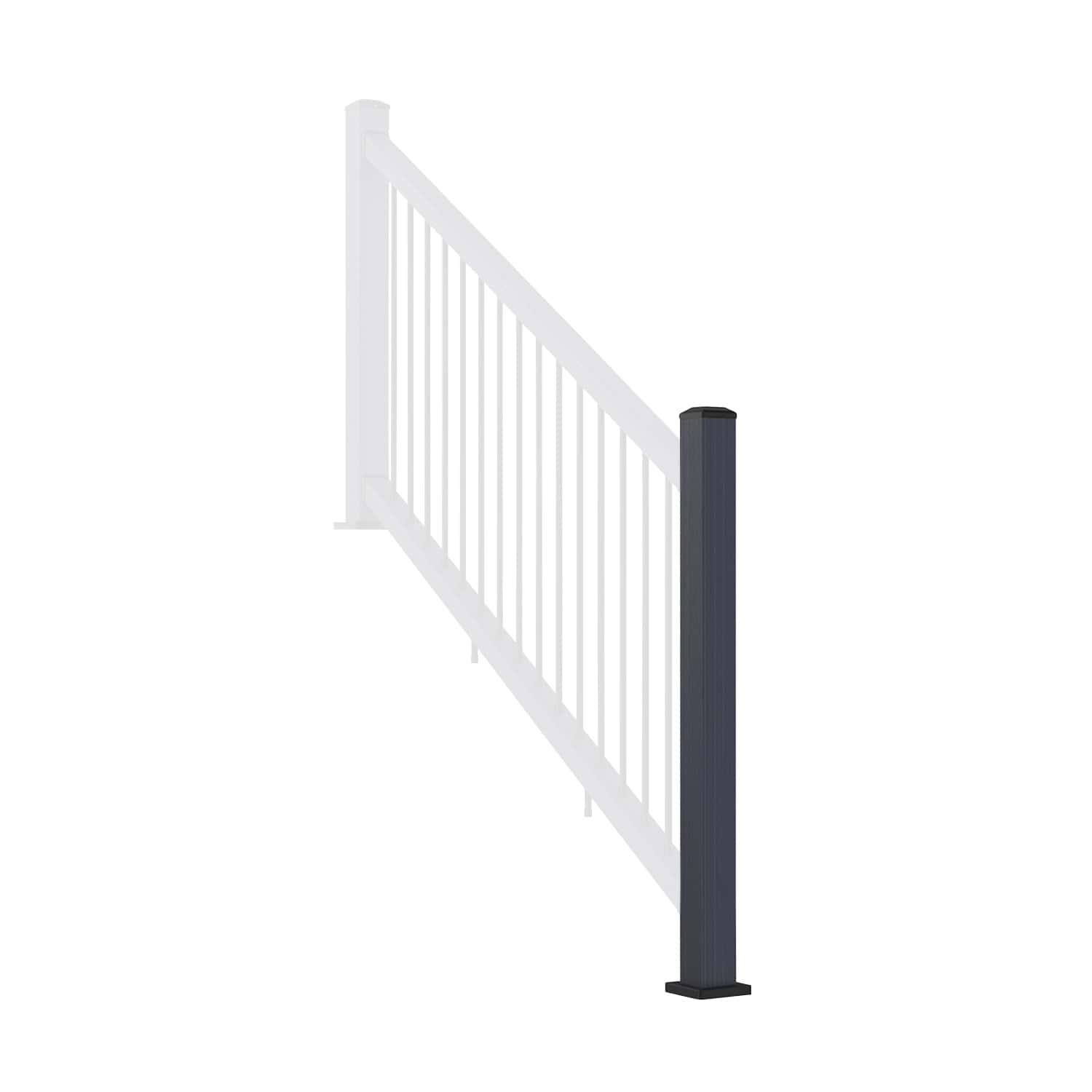
Stairs can become a feature of the design when their railings follow the same palette as the adjoining deck. Plan the top landing, stair run and lower approach together so the route feels continuous.
Use the appropriate stair components and follow the balustrade installation guidance for the proposed arrangement. Straight and stair sections have different requirements, so resolve angles and post locations before ordering.
Lighting can make the steps easier to see and add interest after dark. Position it to illuminate the route without creating glare. Keep the steps clean and clear: composite surfaces can still collect dirt, algae or ice and need care.

Balance Planting, Furniture and Views
Think about what will sit beside the balustrade as well as the railing itself. Lower planting can soften the boundary without obscuring the view, while furniture positioned slightly back from the perimeter leaves more room for circulation and cleaning.
Avoid attaching heavy planters, screens or other loads to the railing unless the manufacturer has confirmed that the arrangement is suitable. Keep access to connections and post bases so they can be inspected.
Turn Your Balustrade Design into a Practical Plan
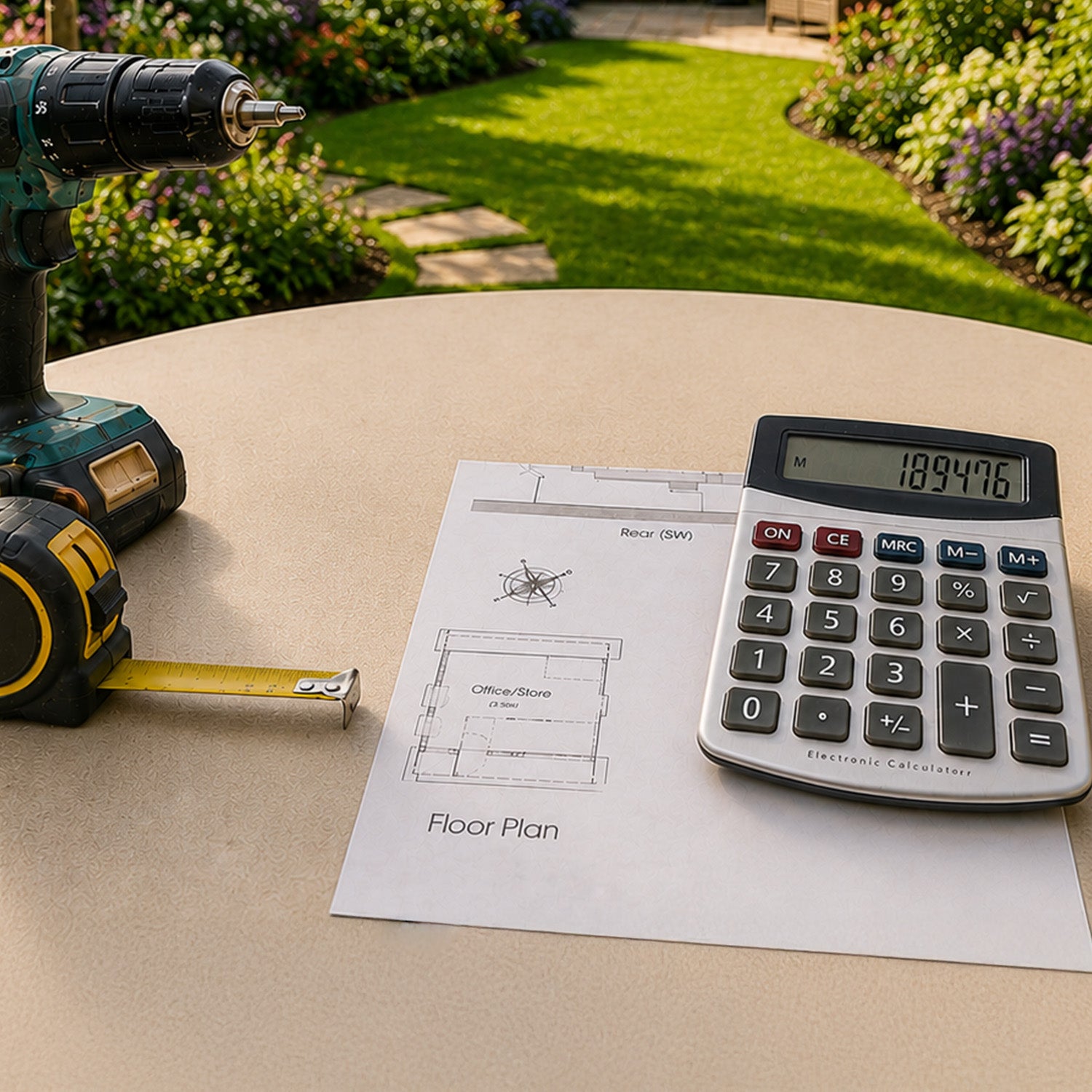
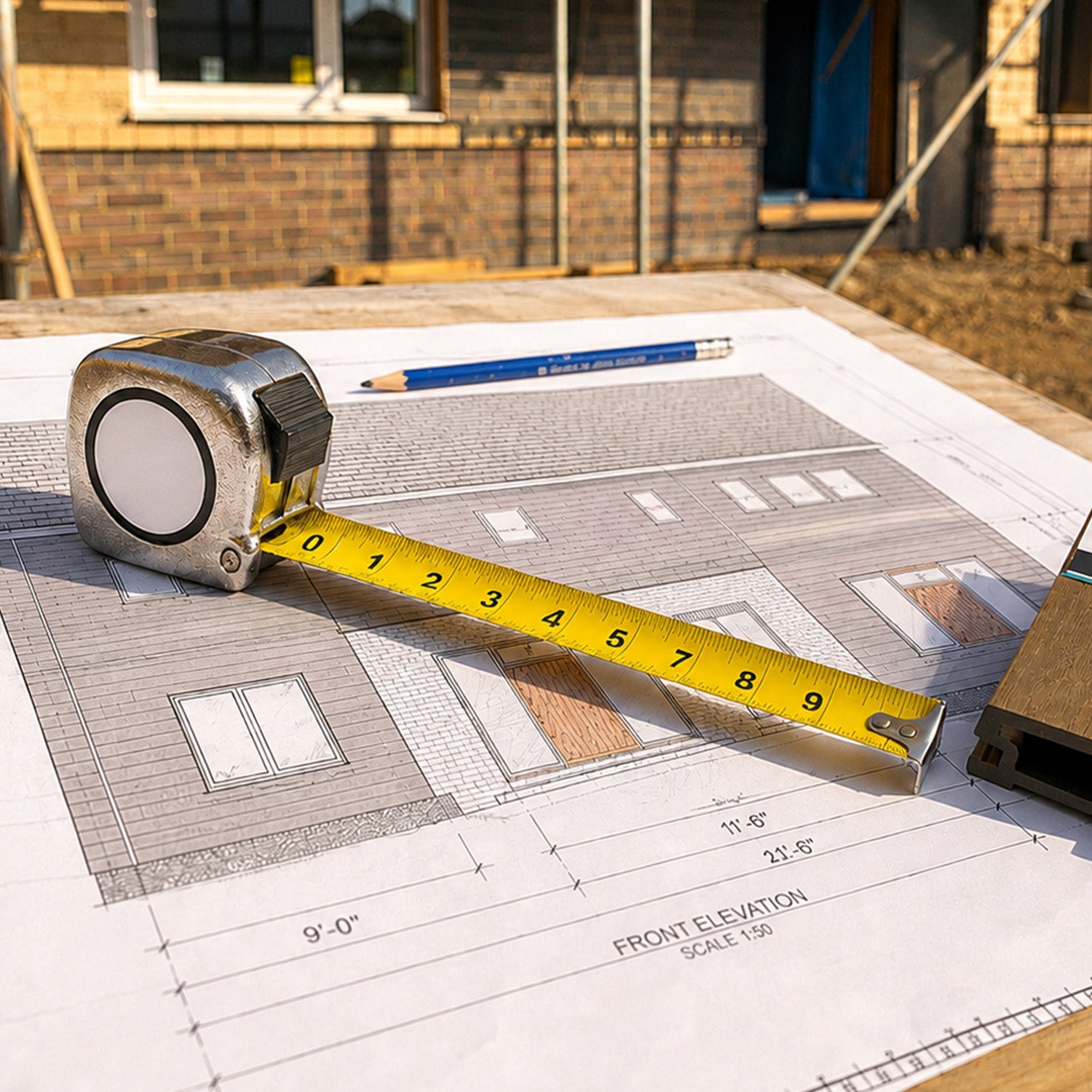
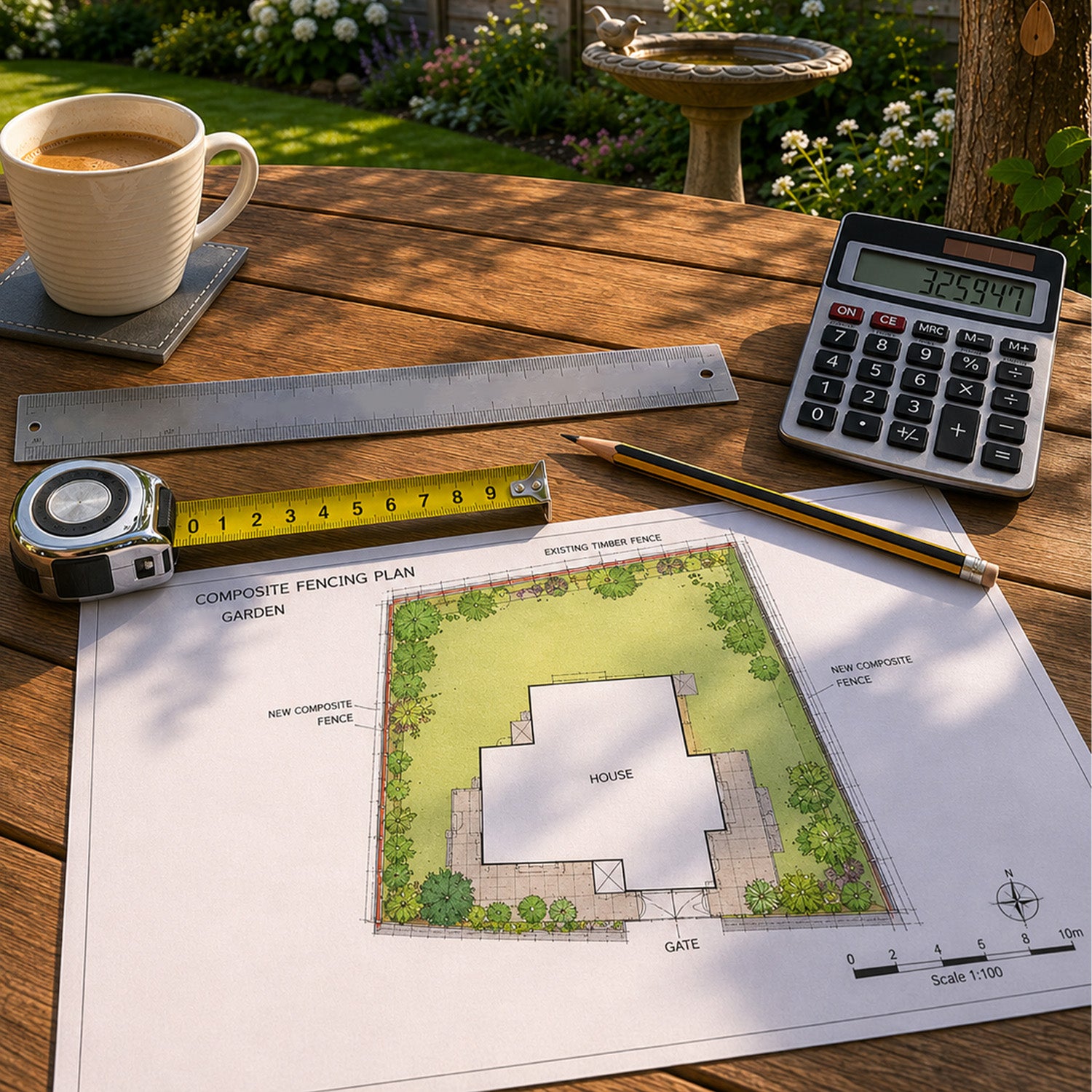
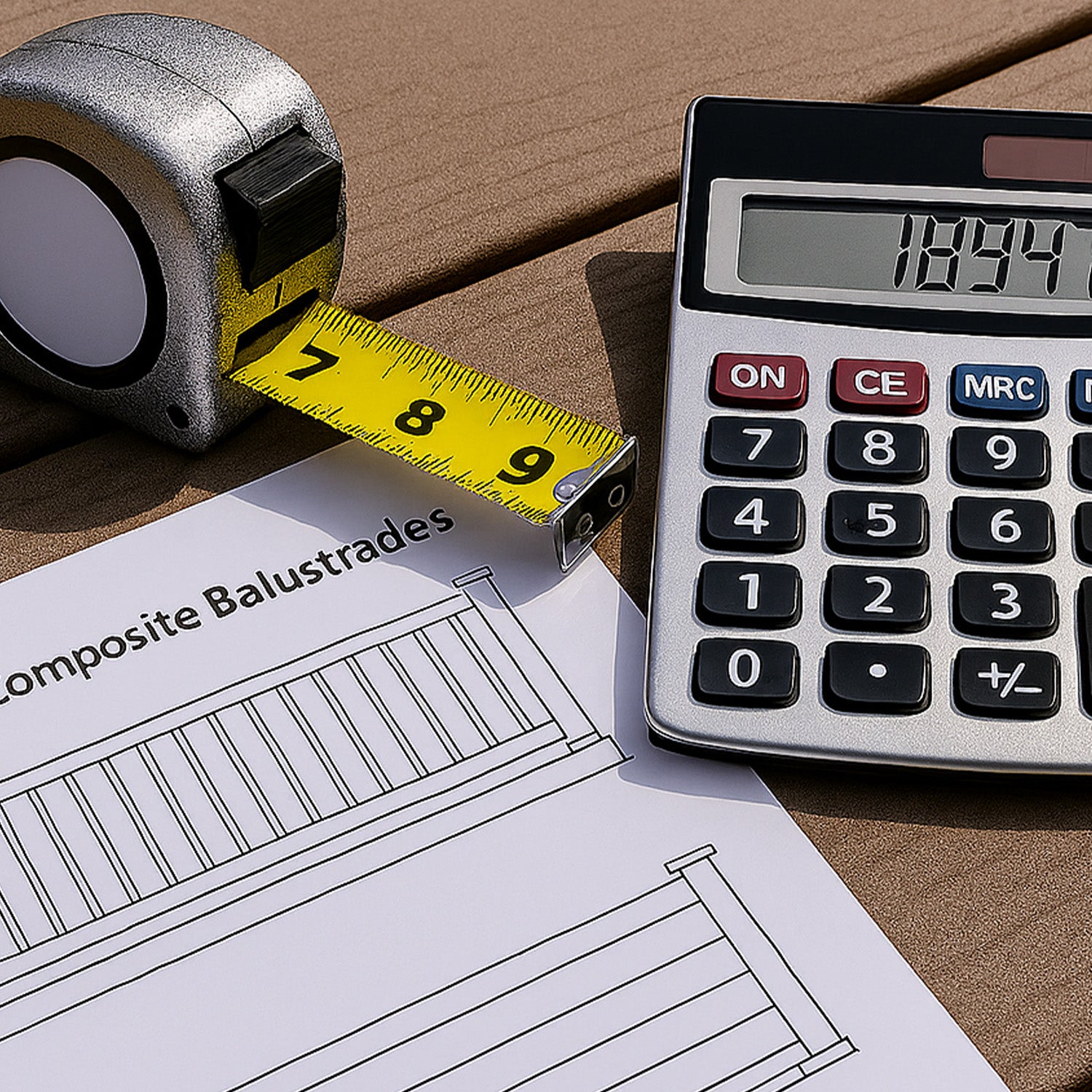
- Sketch the space: include doors, furniture, paths, steps and changes of level.
- Identify the purpose: distinguish visual boundaries from locations requiring guarding.
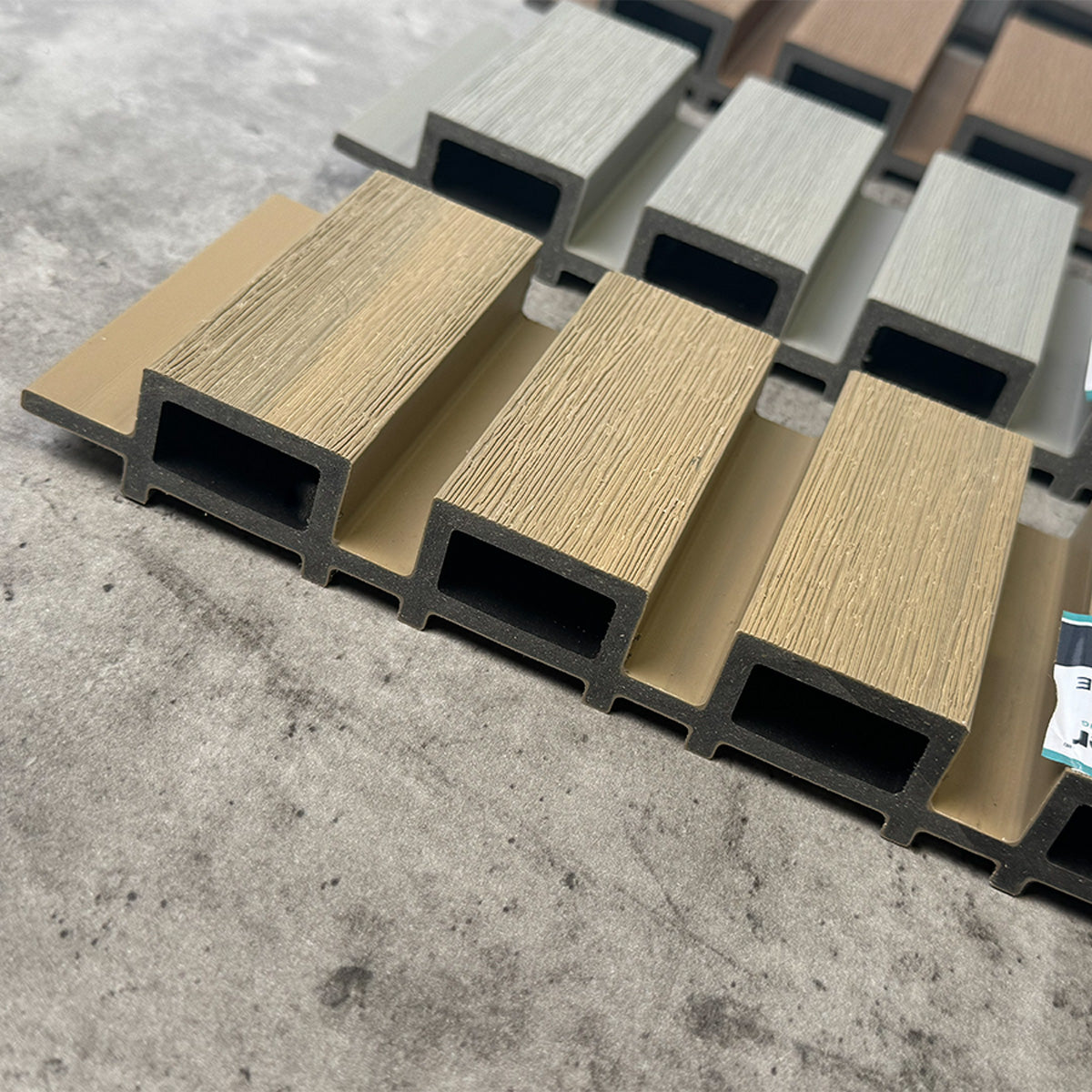
- Compare finishes: assess samples beside the materials already in your garden.
- Check the structure: confirm suitable post supports, fixings and the system's documented scope.
- List the components: account for railing sections, posts, corners, openings and stair parts.
Balconies and roof terraces need a separate suitability assessment. Do not assume a garden balustrade design can be transferred to an elevated location simply because it looks appropriate; ask your designer and supplier to confirm the exact system and supporting evidence.
Balustrade Design Questions Answered
Should my balustrade match my decking?
A matching finish creates continuity, while a contrast makes the boundary more prominent. Compare both options against the surrounding paving, brickwork and furniture before choosing.
Can composite suit a traditional garden?
Yes. Warm finishes and simple proportions can work alongside mature planting and traditional materials. Take inspiration from timber balustrade design, then assess the actual composite samples in your setting.
How can I keep a small deck feeling open?
Keep the palette restrained, preserve clear access routes and plan furniture carefully. Where guarding is required, retain the specified protection rather than removing sections to create a more open appearance.
Start Planning Your Composite Balustrade
Browse the NeoTimber® composite balustrade range and compare samples to develop your preferred look. For help with product selection, share your layout and measurements with our team before finalising your order.