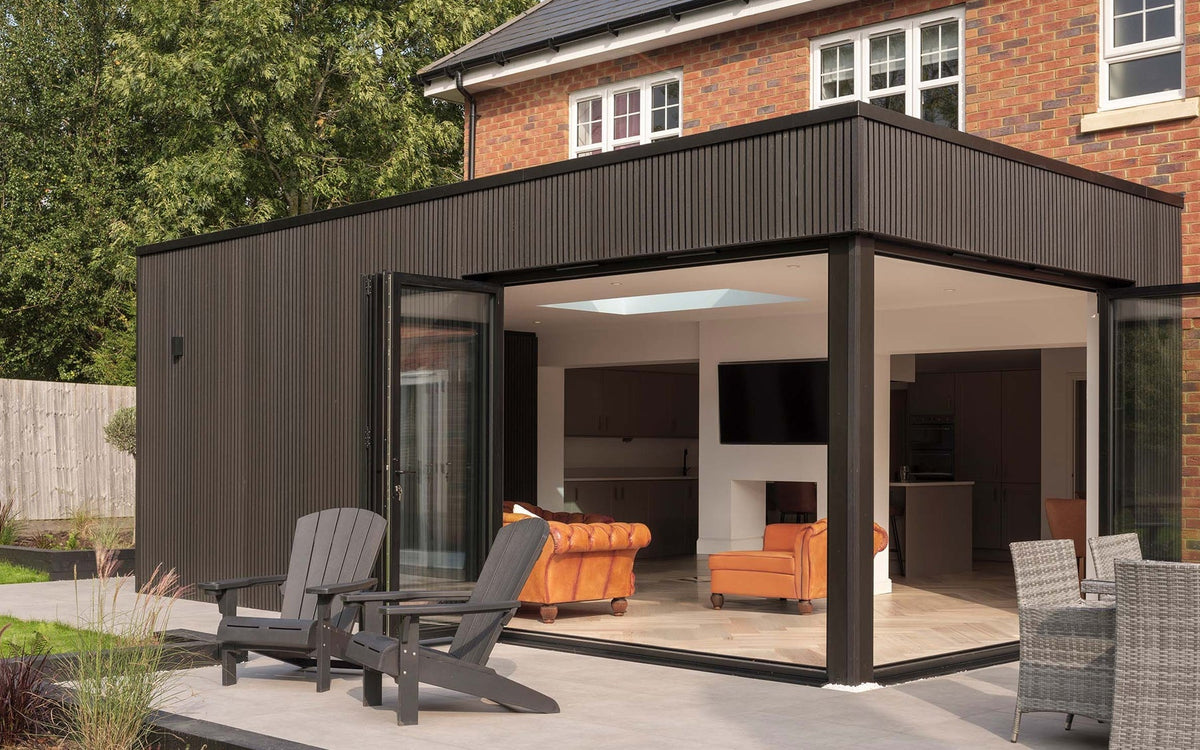
Which Cladding Alternatives Are Right for Your Exterior?
Looking for cladding alternatives that offer the character of timber with less upkeep? Composite, fibre cement and aluminium are three options worth comparing. Each brings a different combination of texture, finish and maintenance requirements, so the right choice starts with what your building needs.
For a timber-inspired exterior without regular painting or staining, composite is a practical place to start. Fibre cement offers a different material construction and a choice of architectural finishes, while aluminium can provide crisp profiles in solid colours or woodgrain effects. This guide compares their strengths and the details to check before choosing.

Why Consider Cladding Alternatives to Timber?
Natural timber has an individual grain and character that many homeowners value. Its appearance also changes with exposure. Depending on the species, finish and location, maintaining a particular colour can mean periodic cleaning and recoating. Some timber is deliberately left to weather instead.
If you would prefer a different maintenance routine, it helps to compare alternatives before committing. Think about access as well as appearance: a finish that needs regular treatment may be less convenient on an upper-storey wall than on a small garden building.
Choosing an alternative does not remove every maintenance task. Exterior surfaces still need inspection and cleaning, and installation details remain essential. The aim is to find a material whose care requirements fit your plans.
Three Cladding Alternatives to Wood Compared
1. Composite cladding: timber-inspired finishes with easier upkeep
Composite cladding combines wood fibres and plastic in a manufactured board. It is particularly relevant if you want the visual influence of wood without maintaining a painted or stained timber surface.
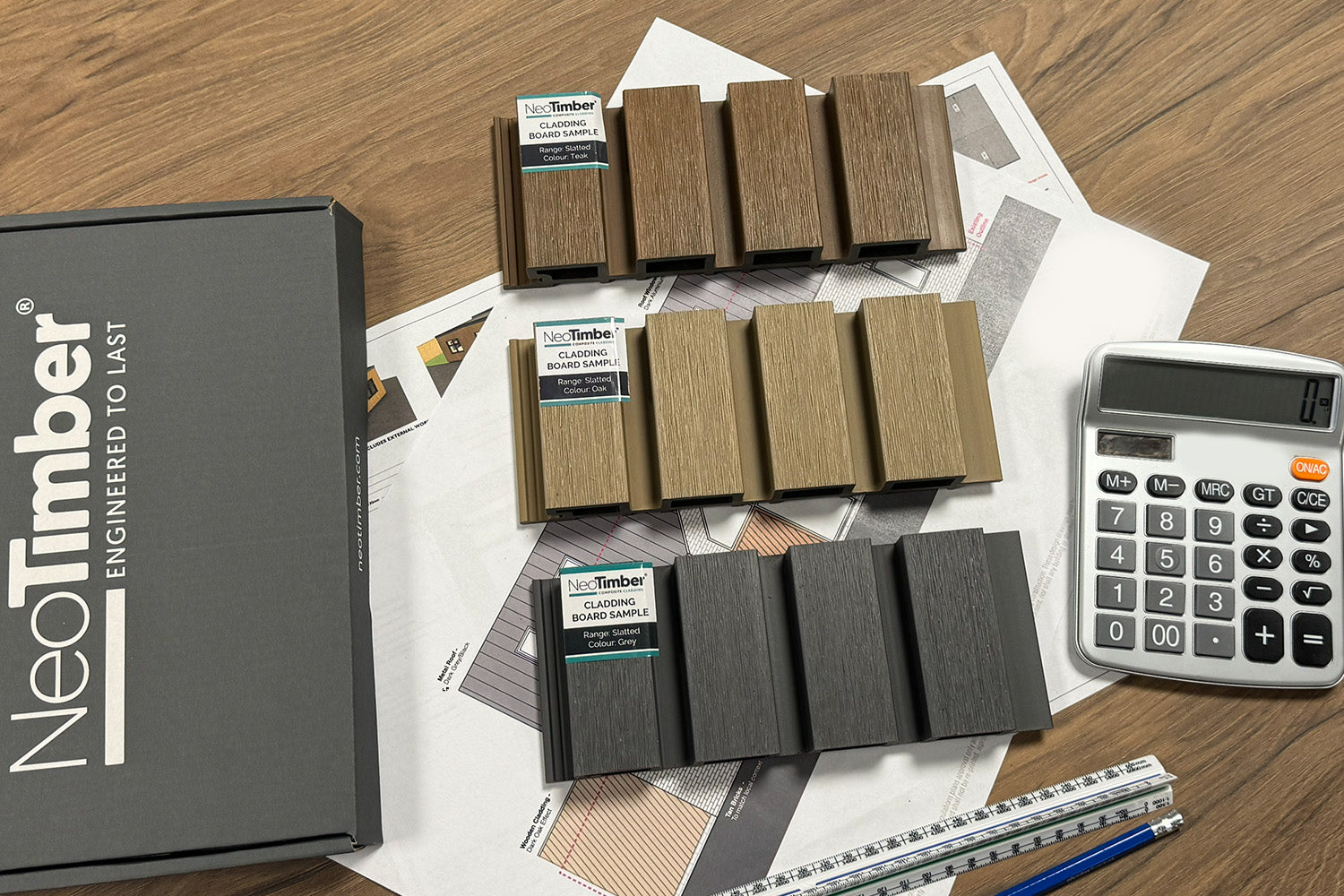
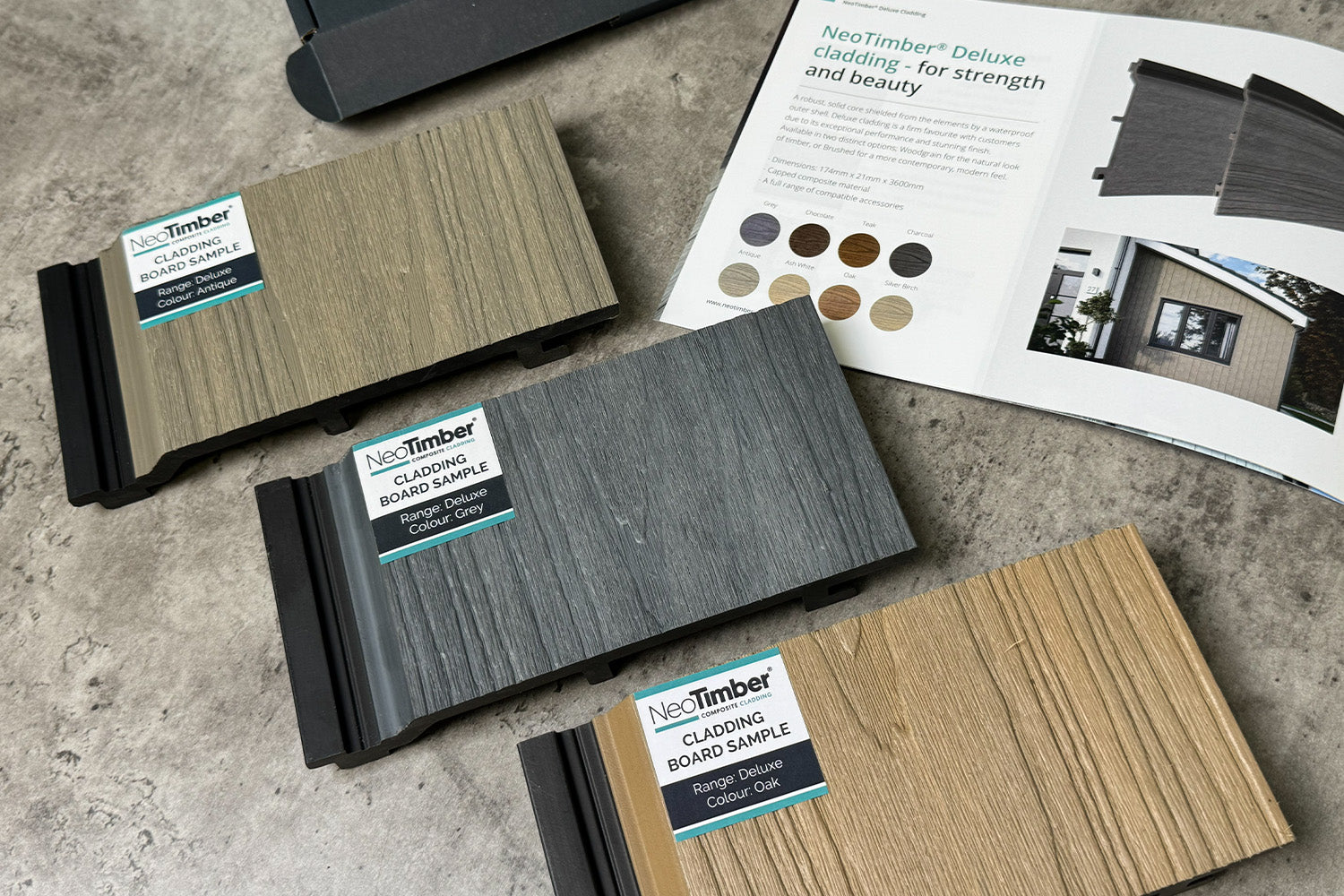
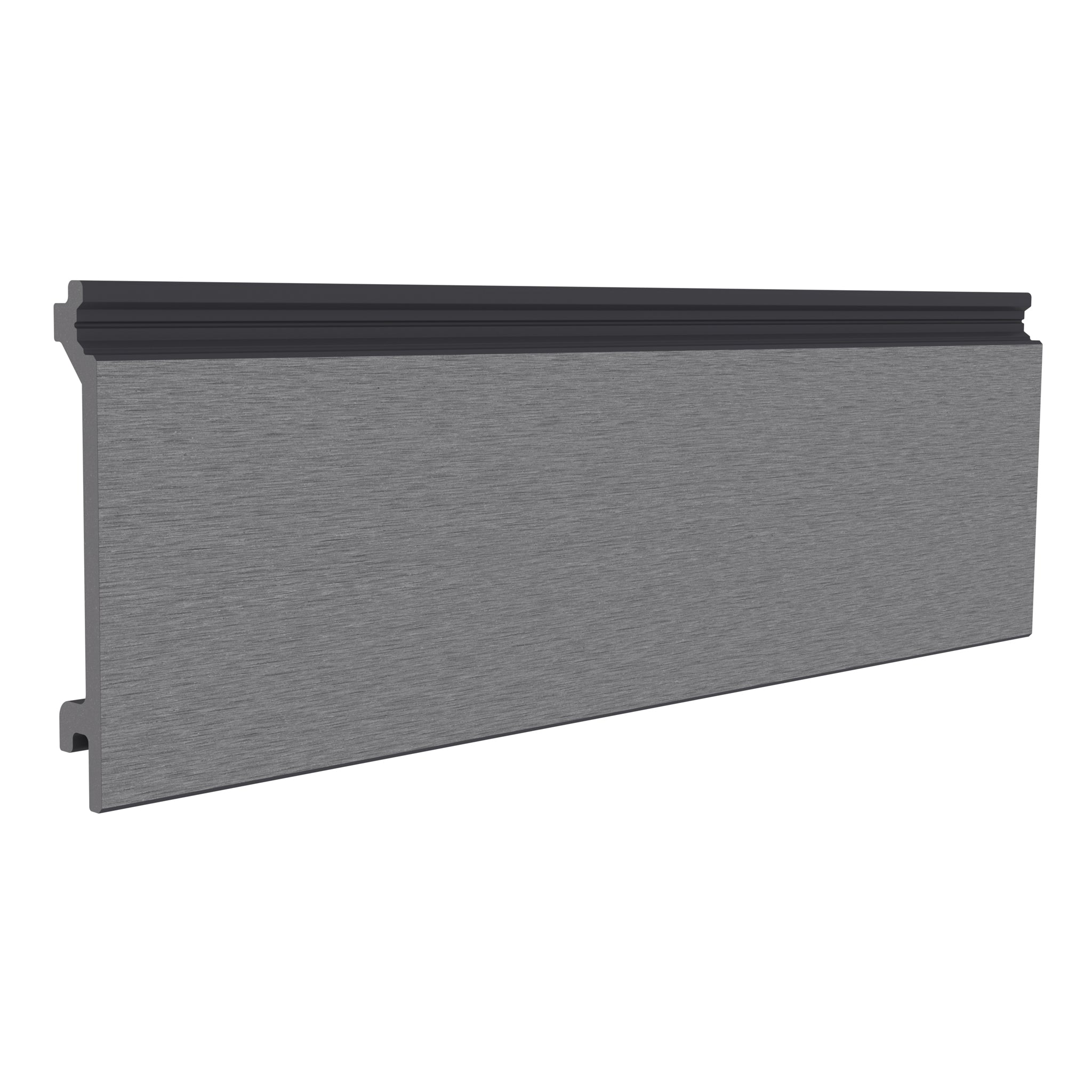
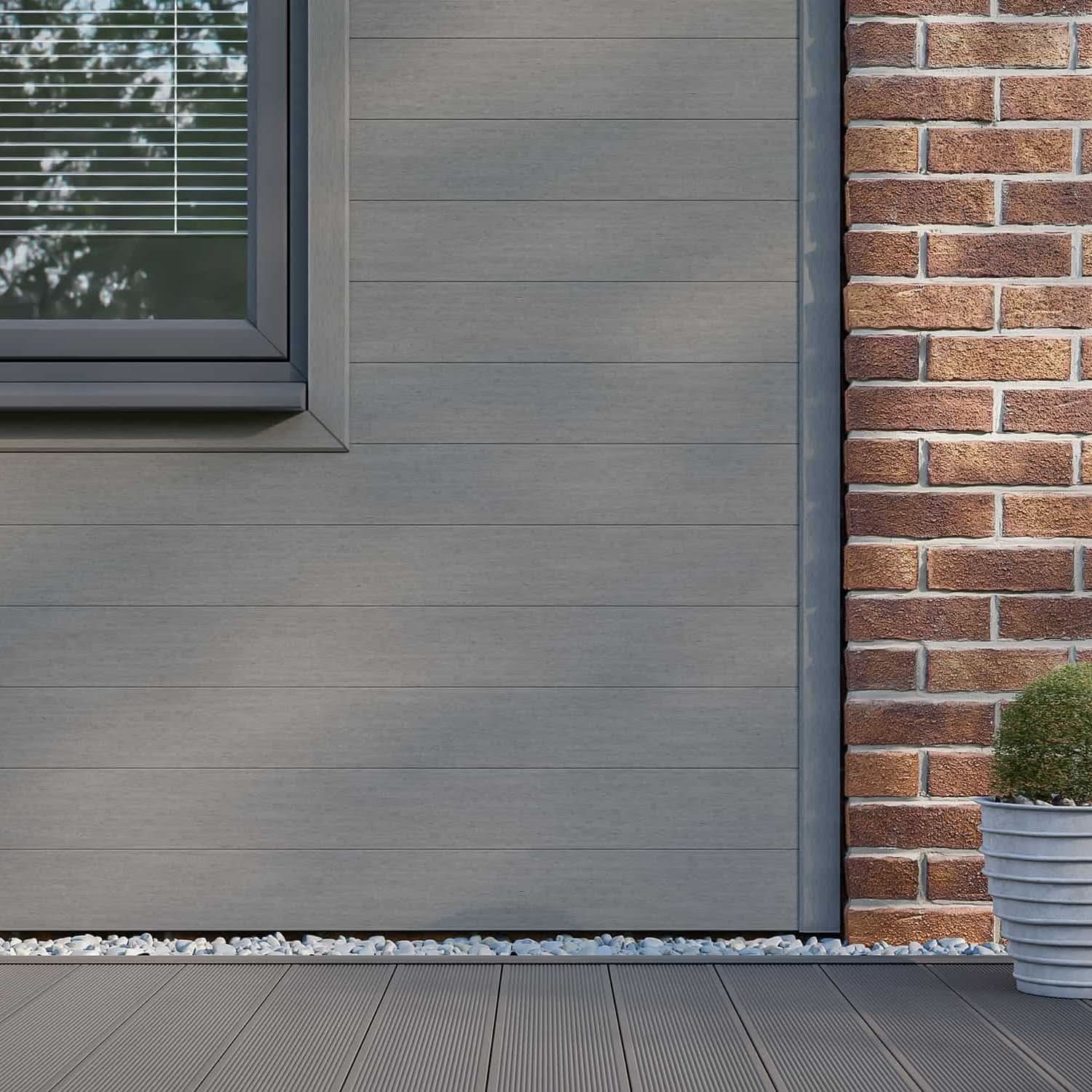
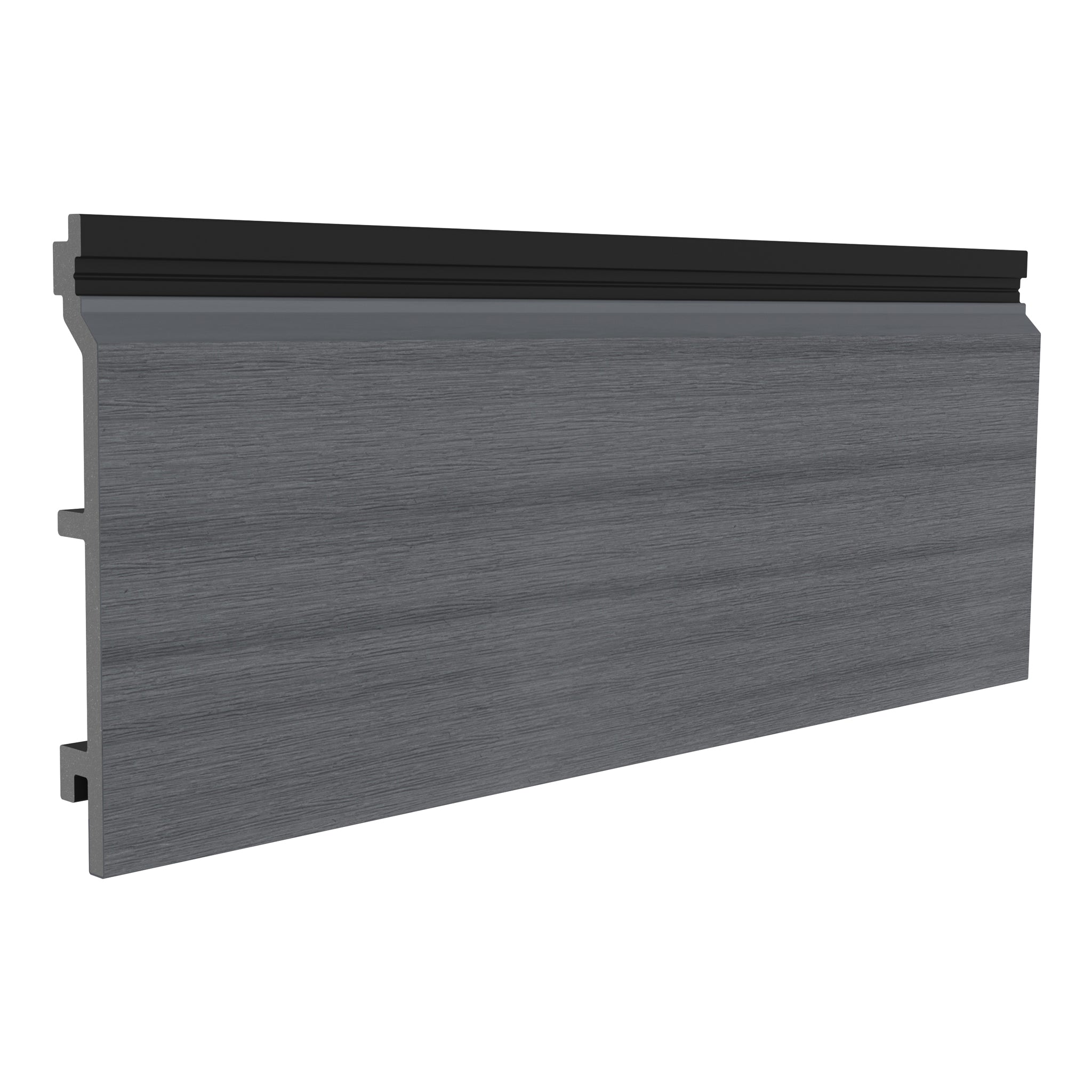
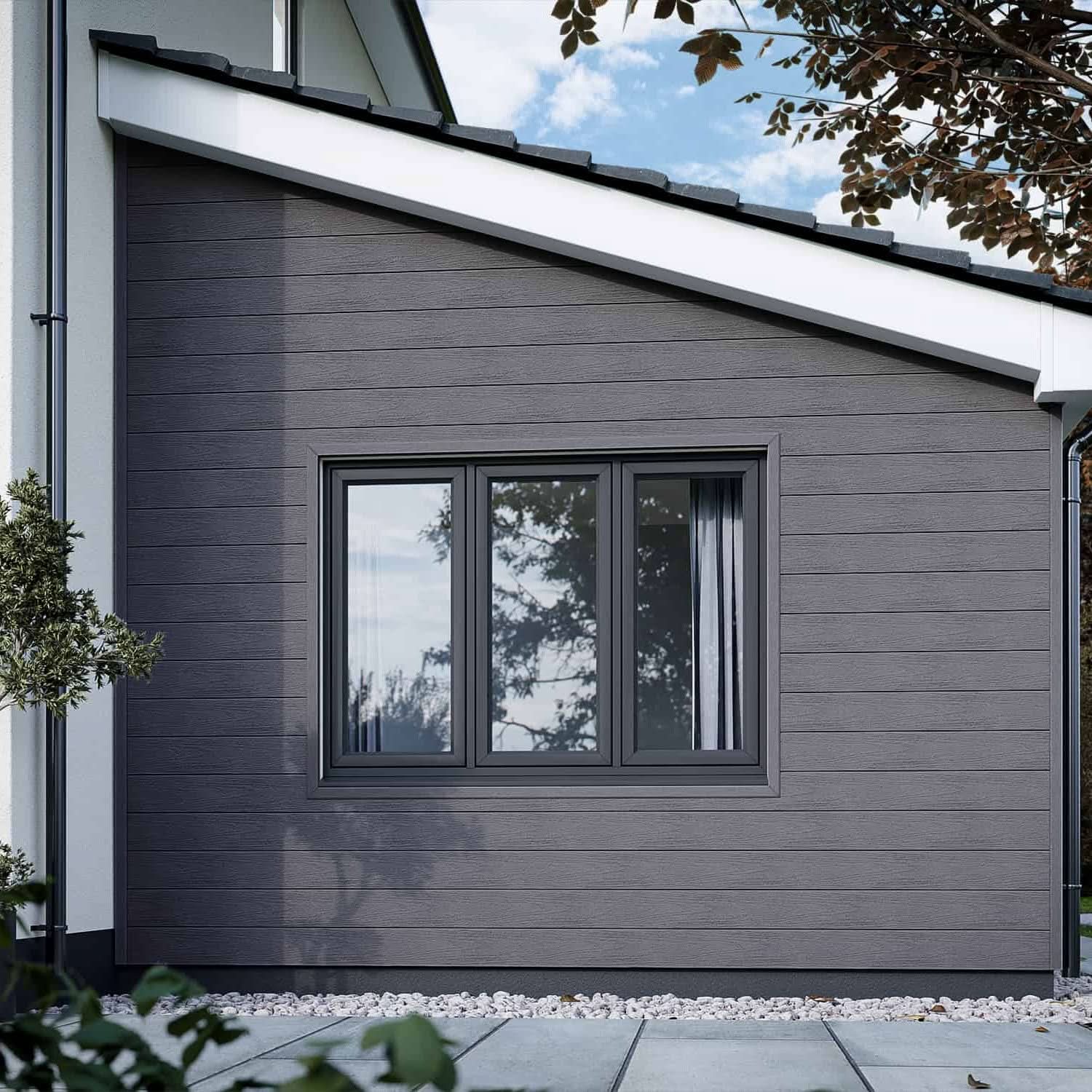
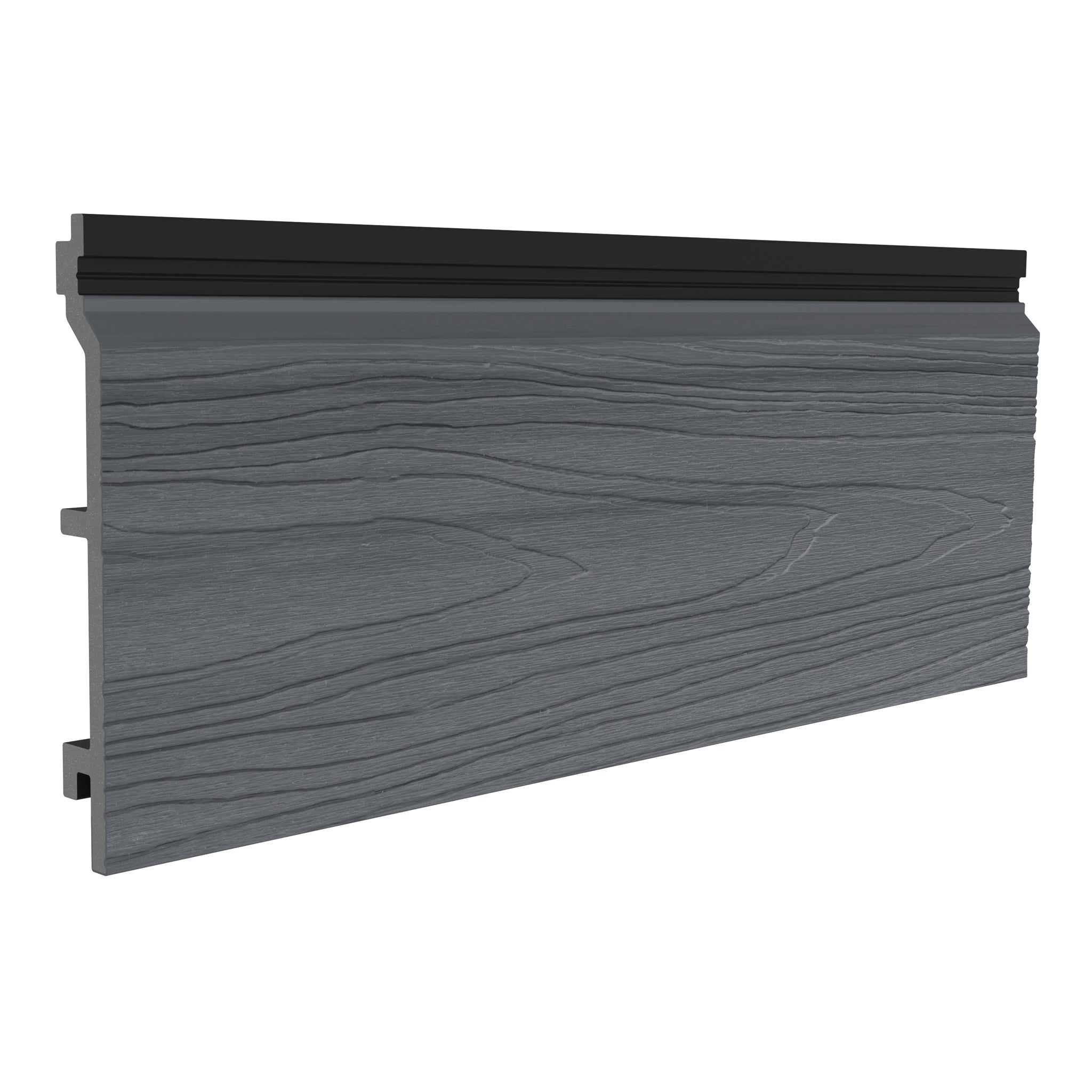
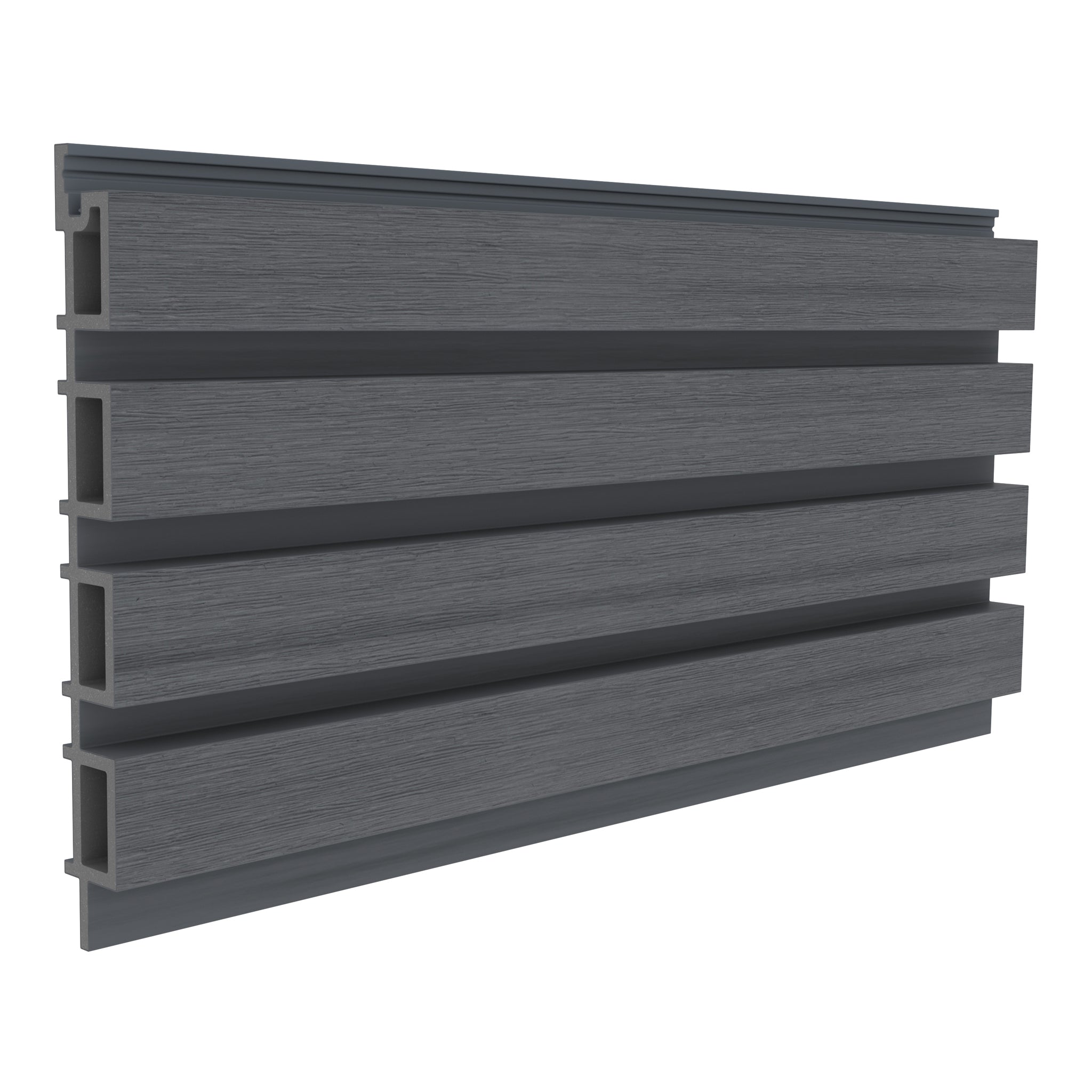
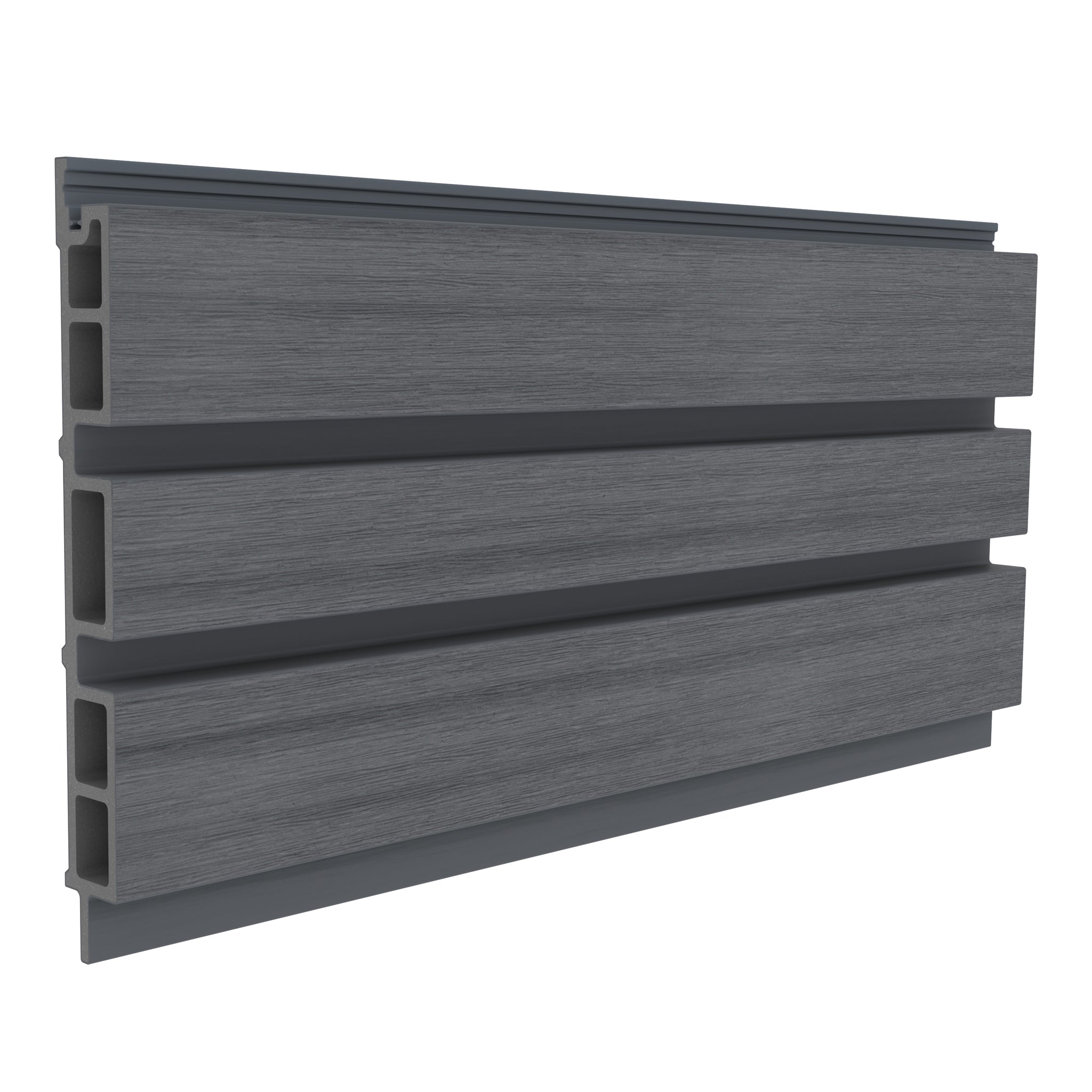
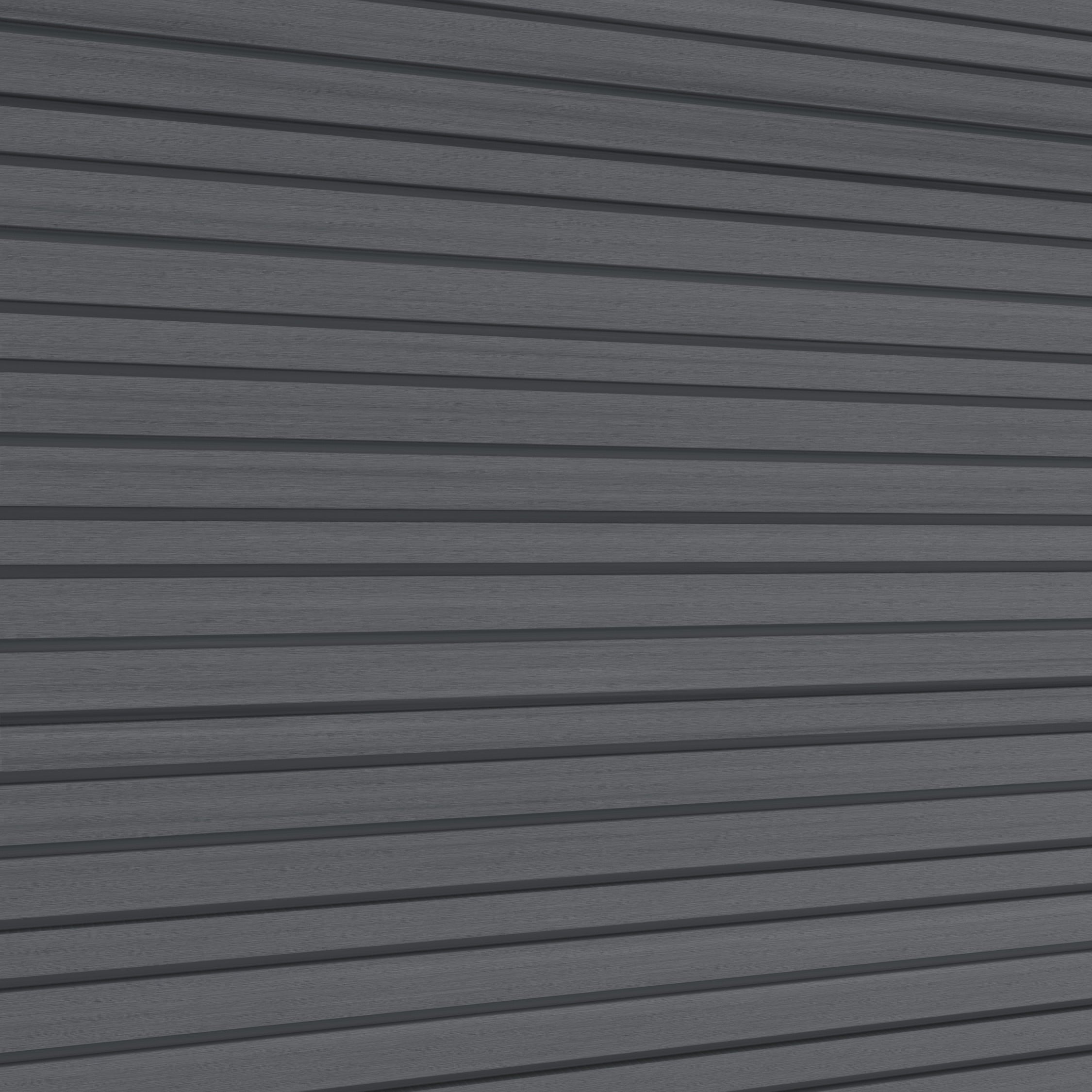
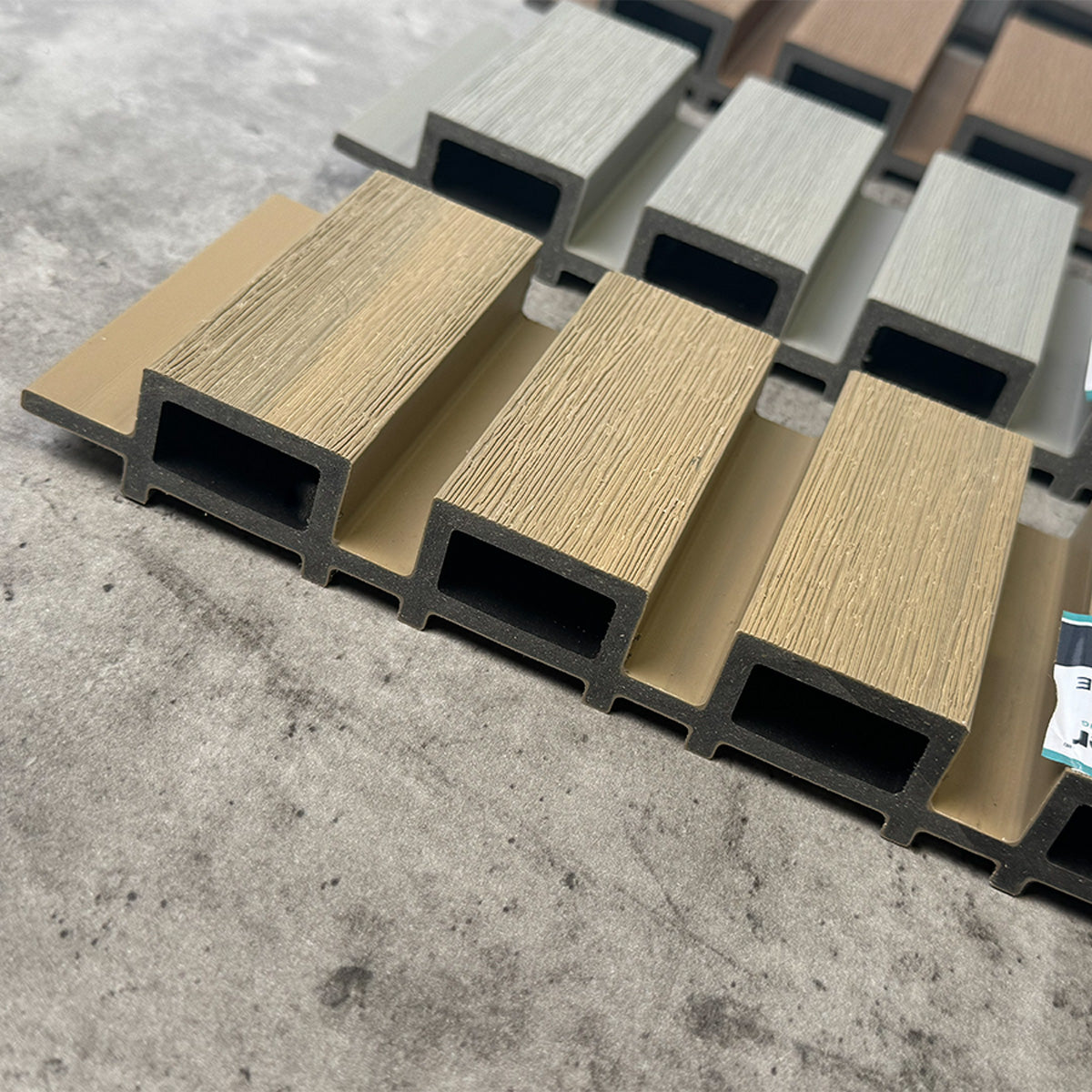
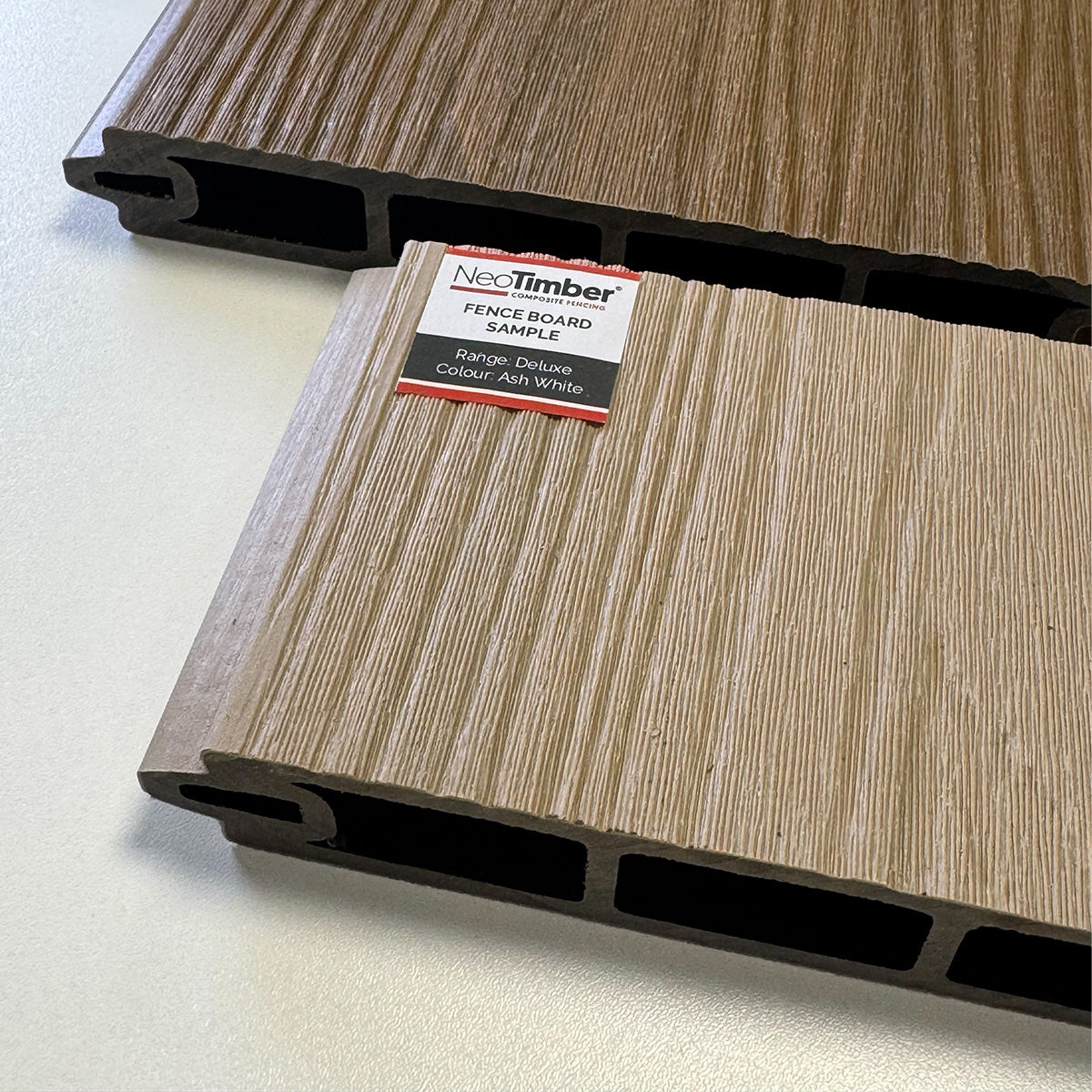
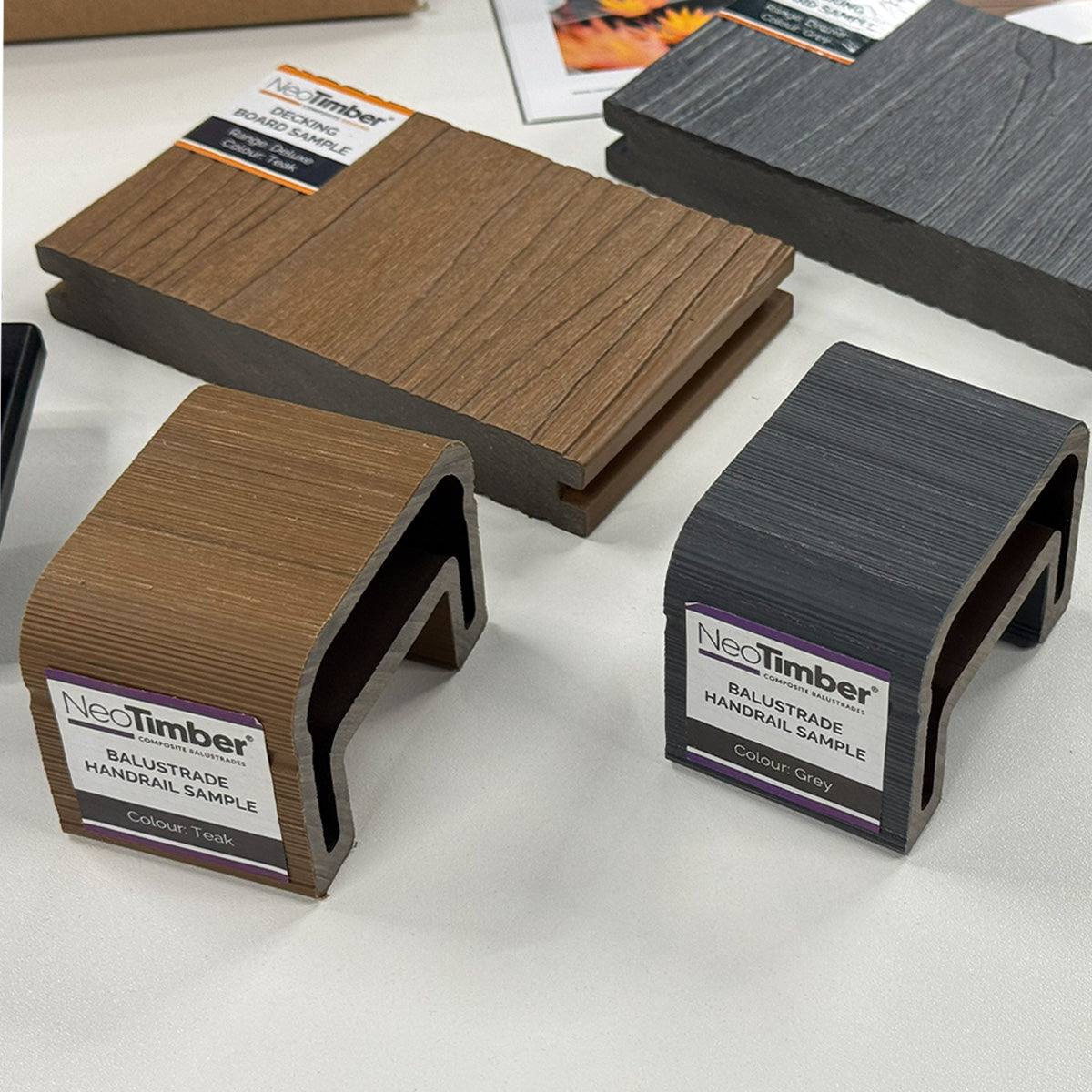
NeoTimber® composite cladding includes Classic, Deluxe and Slatted ranges. Classic has a sanded surface, Deluxe offers brushed and woodgrain options, and Slatted creates more pronounced lines and shadows. These profiles give you different ways to shape a traditional or contemporary exterior.
There is a useful distinction between uncapped and capped boards. Classic is uncapped and naturally lightens during its initial weathering period. Deluxe and Slatted have a protective outer layer that improves resistance to fading and staining. No exterior finish should be treated as entirely immune to weathering or dirt.
Consider composite if: you want a timber-style finish and a cleaning routine that does not involve regular painting, staining or sealing. Check the selected board’s fire classification and installation requirements before specifying it.
2. Fibre cement cladding: an alternative for varied facade designs
Fibre cement is a cement-based material reinforced with fibres. Depending on the manufacturer, it is available as boards or panels, with finishes that can suit both contemporary facades and more traditional weatherboard designs.
Maintenance depends on the product and its coating. Factory-finished fibre cement can offer low upkeep, but cleaning, inspections and any required coating repairs should follow the supplier’s guidance. Avoid assuming that every fibre cement finish will never need attention.
Consider fibre cement if: you want to compare board and panel designs or need a product with a particular documented fire classification. Check the exact specification rather than relying on the material name alone.
NeoTimber® currently lists fibre cement cladding as coming soon on its cladding range page. Confirm availability and published technical information before including it in your project.
3. Aluminium cladding: clean lines and woodgrain options
Aluminium cladding is not limited to a metallic appearance. Some systems offer factory-applied woodgrain finishes alongside solid colours, making them another option for a timber-inspired facade.
Compare the profile, coating, trims and fixing system as a complete package. Routine washing remains part of caring for the finish, with the cleaning schedule influenced by the product and its exposure.
Consider aluminium if: you want sharply defined detailing or a coated metal system. Use cladding-specific documentation to assess suitability; a decking product does not establish the performance of a wall-cladding system.
Timber vs Cladding Alternatives at a Glance
| Material | Appearance | Typical care considerations | What to check |
|---|---|---|---|
| Natural timber | Individual grain and natural variation | Cleaning and possible recoating, depending on the intended finish | Species, durability, treatment and expected weathering |
| Composite | Timber-inspired textures and slatted profiles | Routine cleaning; NeoTimber® boards need no regular painting or sealing | Capped or uncapped construction, movement gaps and fire classification |
| Fibre cement | Board or panel designs; finish varies by product | Cleaning and coating care according to the manufacturer | Product weight, fixing details, finish and tested classification |
| Aluminium | Defined profiles with solid-colour or woodgrain finishes | Washing and inspection of the coated surface | Coating specification, exposure suitability and complete system details |
These are material-level comparisons. Performance, maintenance and warranty cover vary between individual products and systems.
How to Choose the Right Cladding for Your Project
Start with the building and its requirements
A garden room, house extension and commercial facade can have different specification requirements. Establish where the cladding will be installed, how exposed the wall is and what supporting structure is needed. Fire performance must be assessed for the particular building and wall system; a board classification alone does not establish project compliance.
Read the relevant technical specifications and supporting documents before ordering. Include the subframe, ventilation, fixings, expansion allowances and finishing details in the installation plan.
Compare the complete installed cost
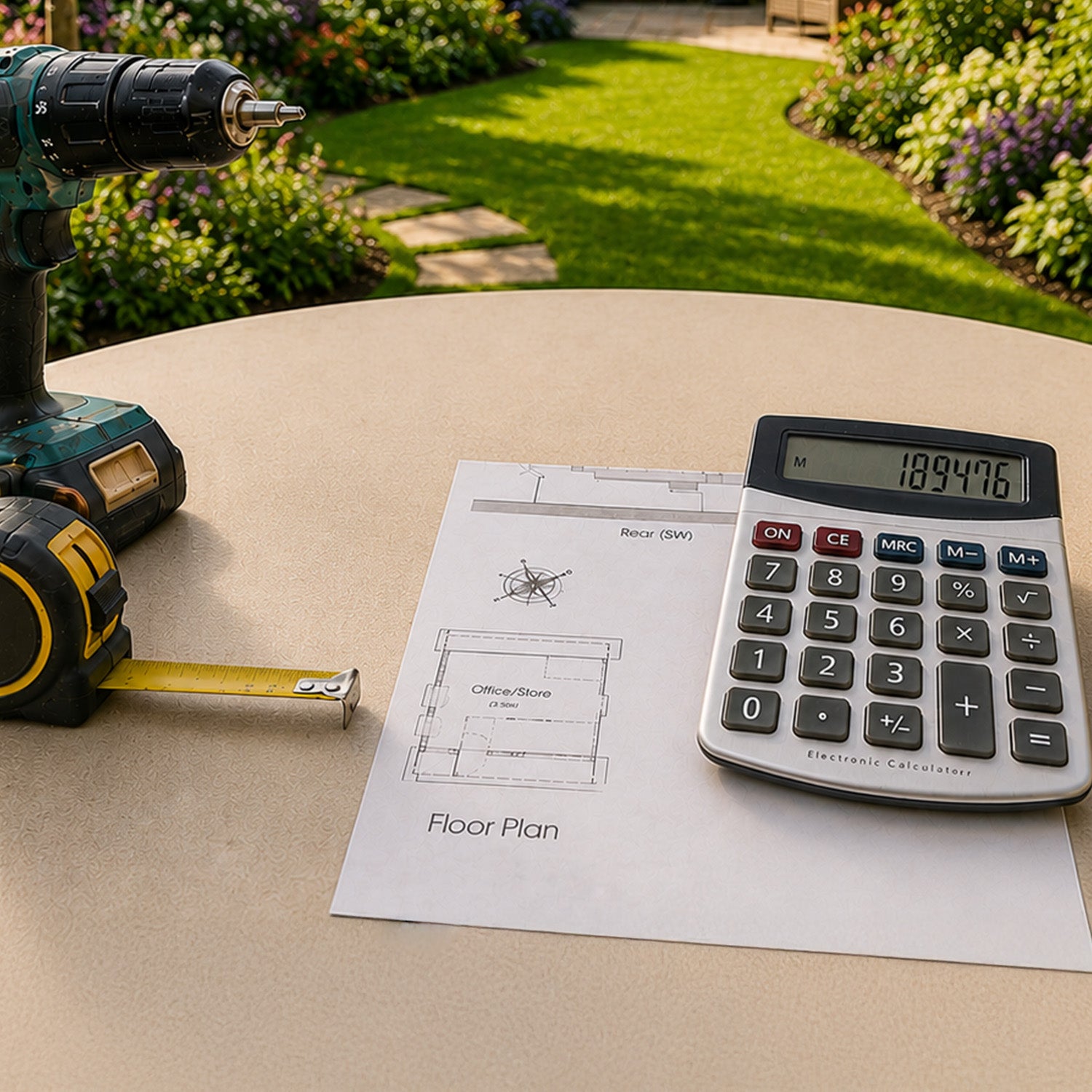
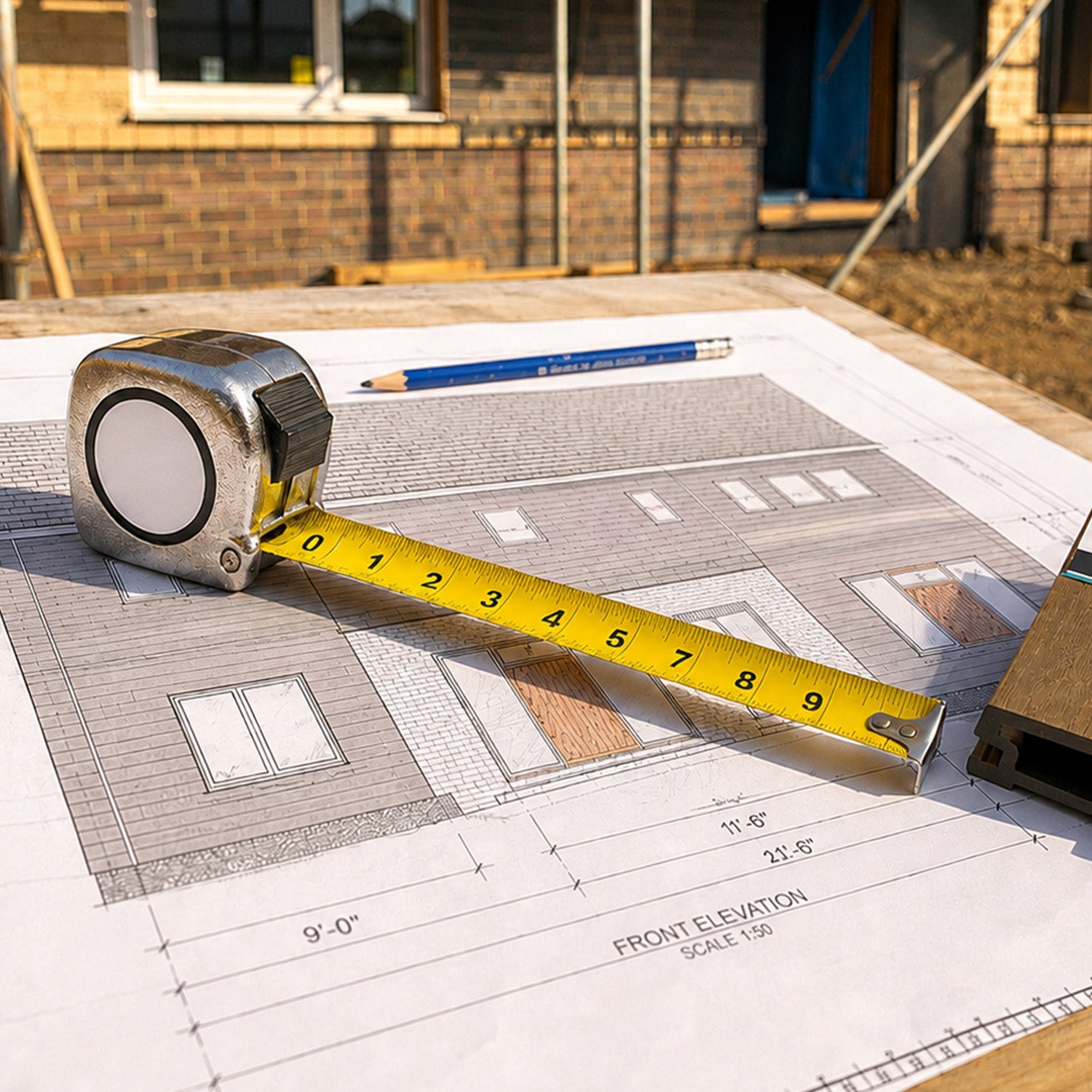
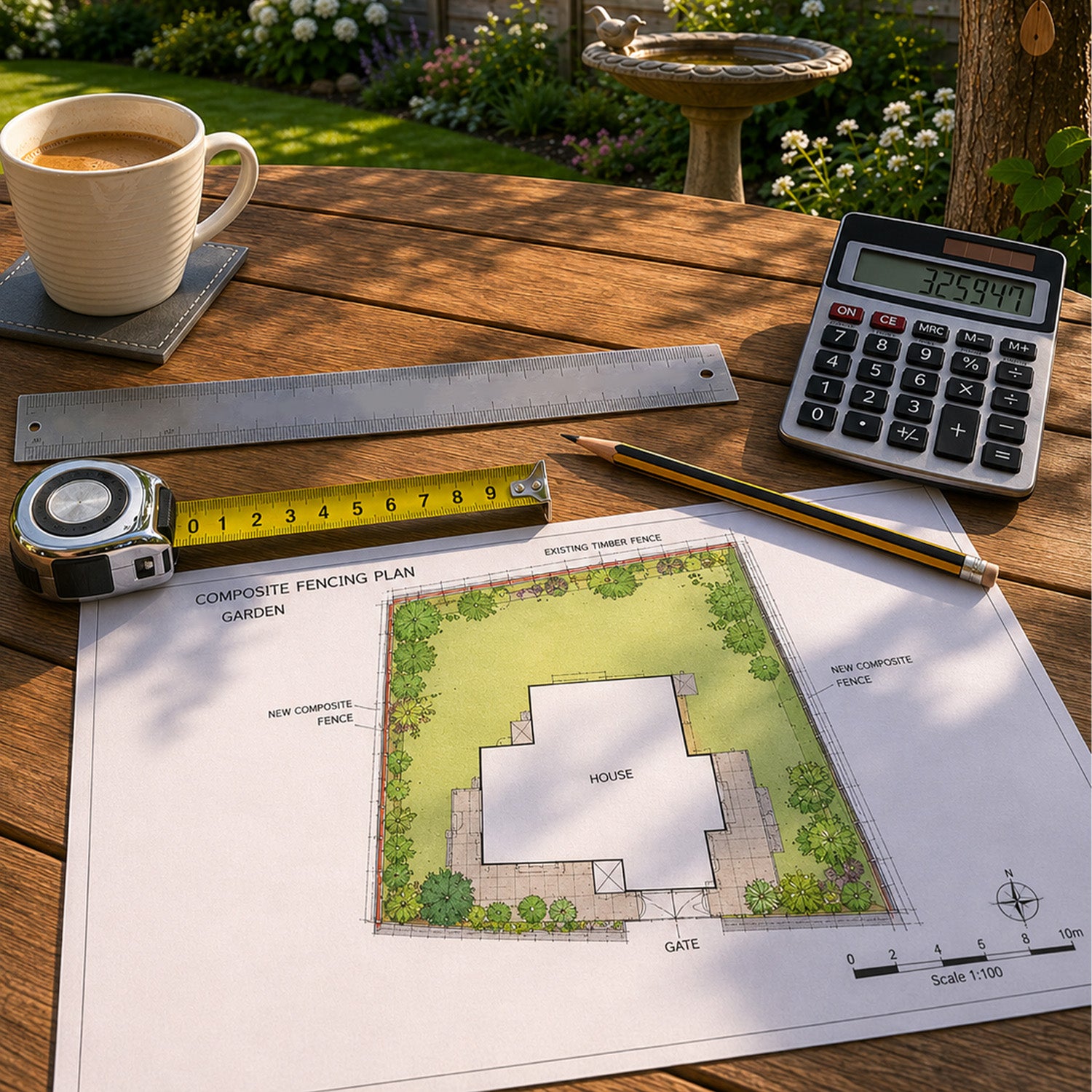
Board prices are only one part of the budget. Ask for a like-for-like estimate that includes the measured coverage, waste allowance, subframe, trims, fixings, labour and access equipment. Then consider the cleaning and treatment each option may need over time.
Use the NeoTimber® material calculators as a starting point for quantities, and confirm the final specification with your installer.
Choose a finish in natural light
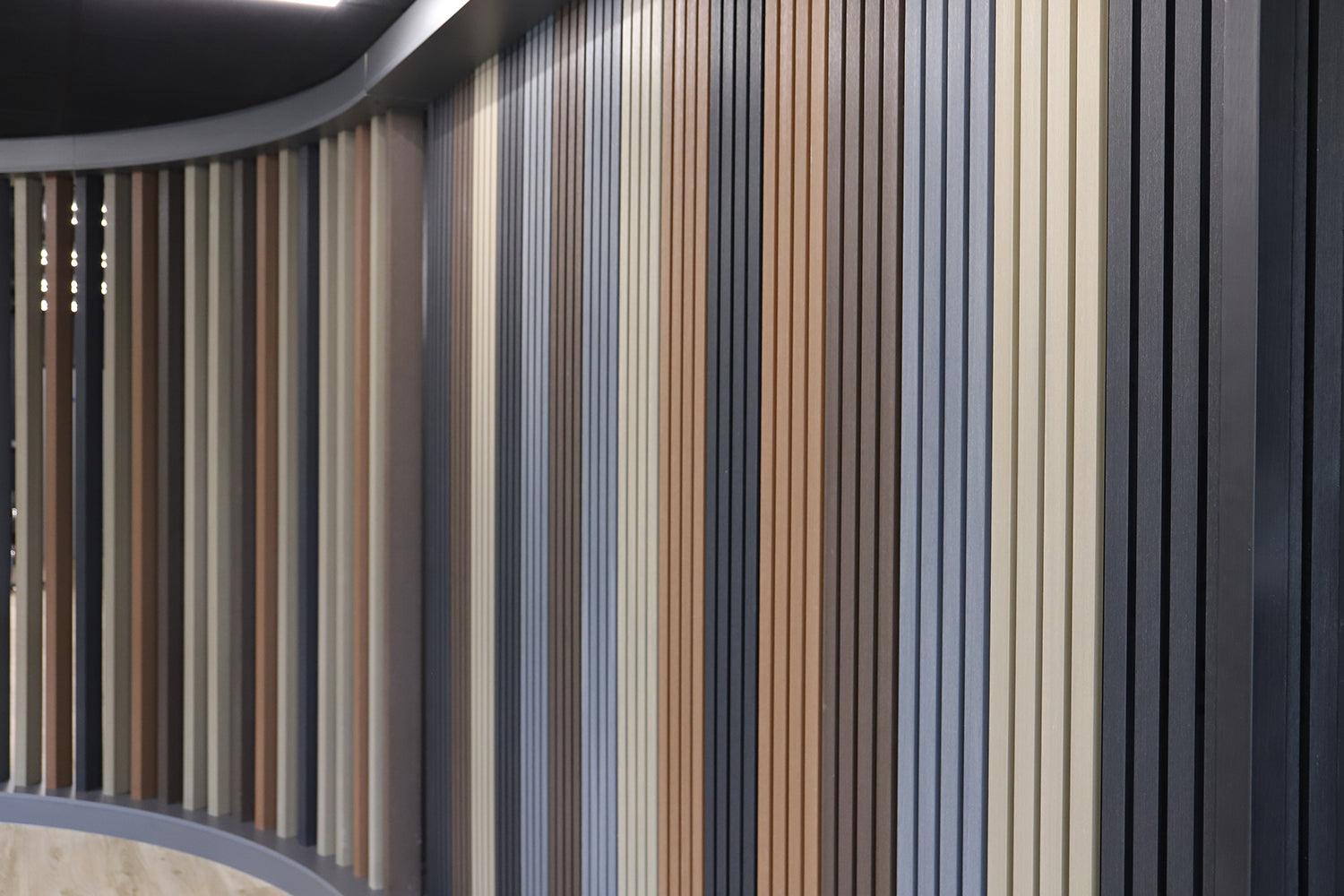
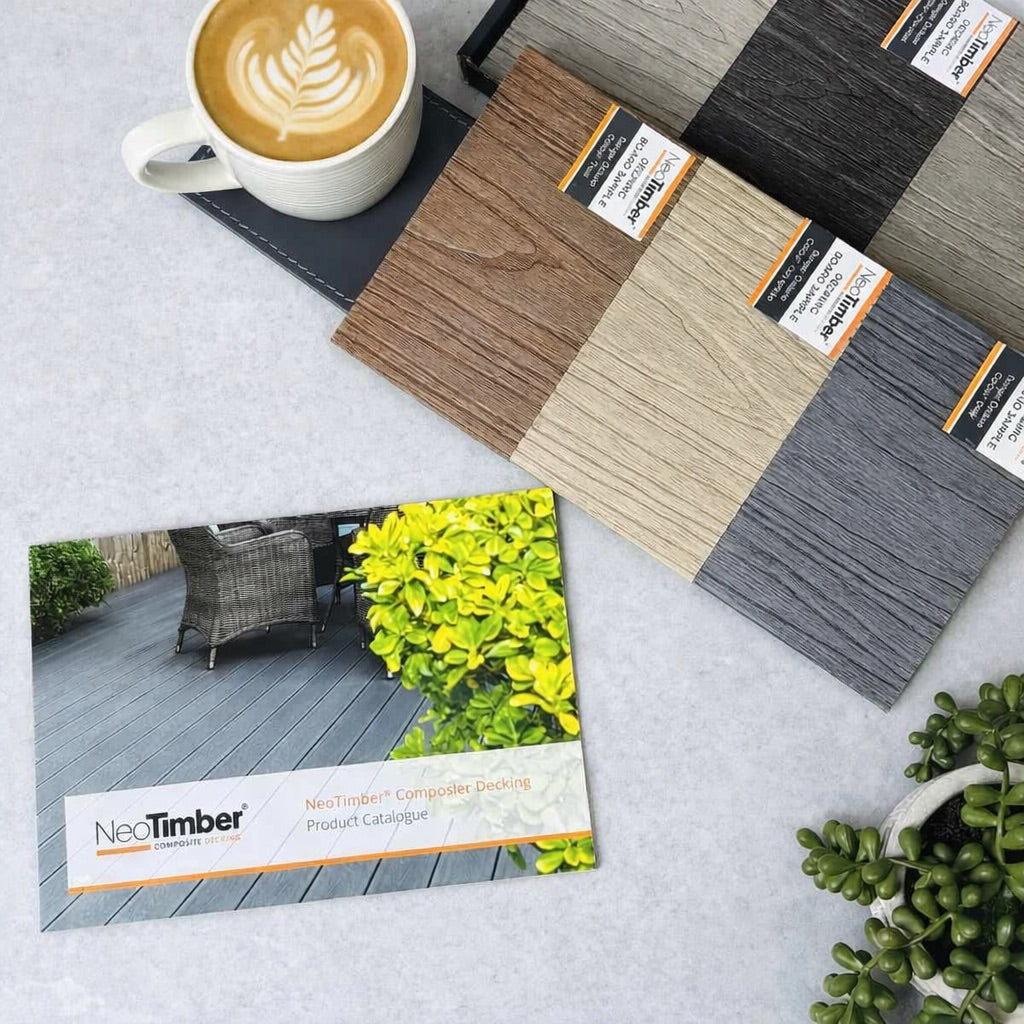
View samples beside your brickwork, render, window frames and paving. Colour on a screen may look different outdoors. Compare texture as well as shade, and think about how the profile will cast shadows across the elevation.
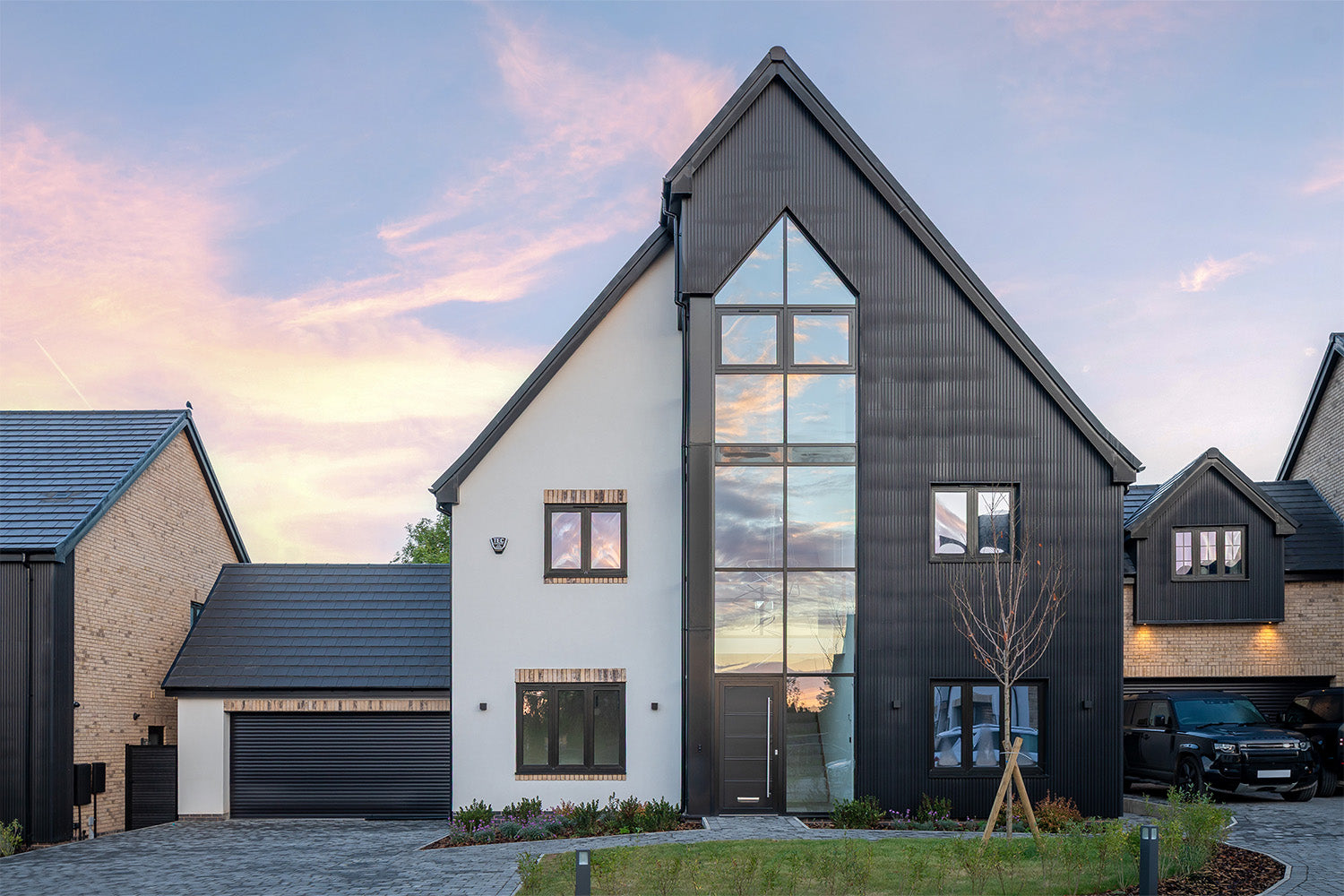
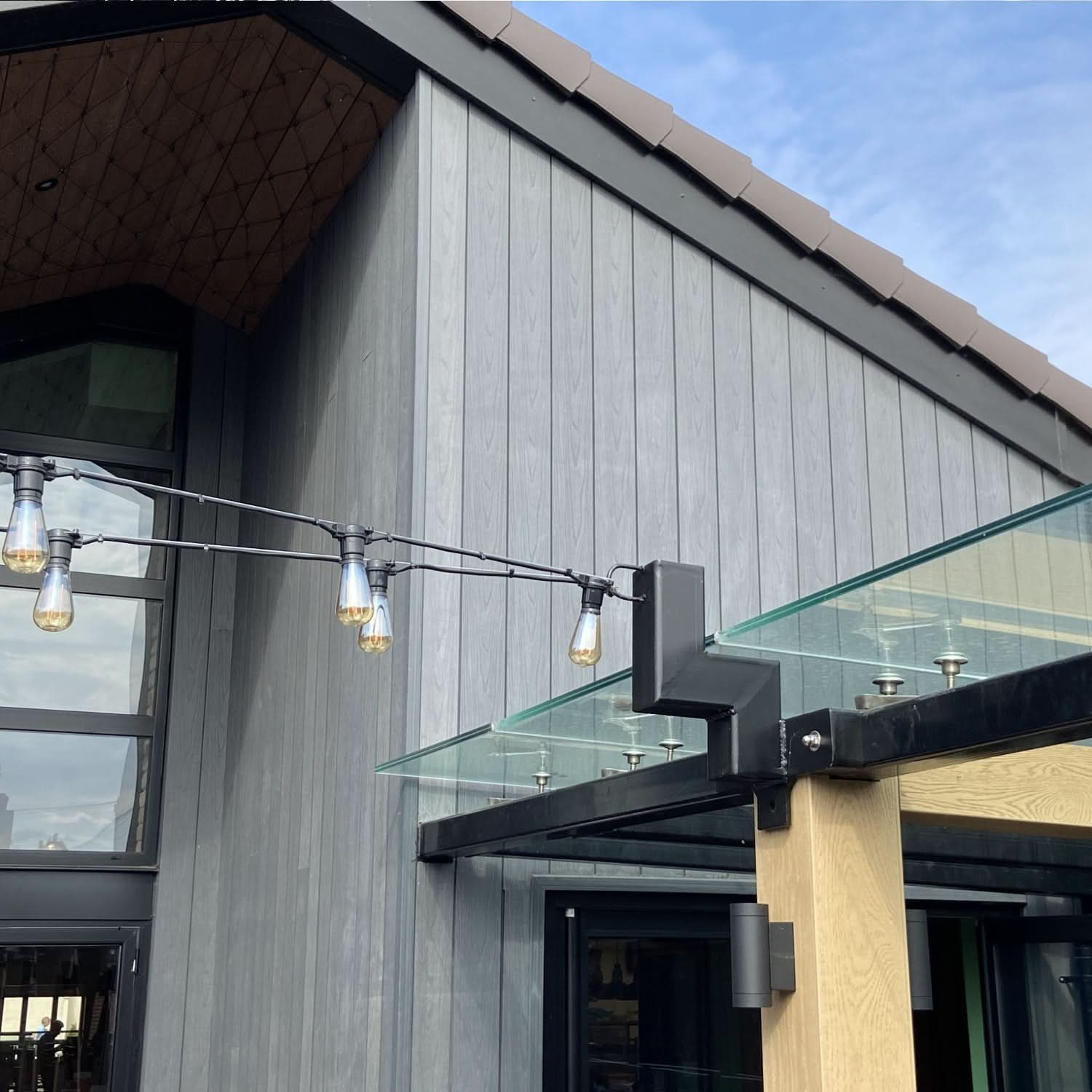
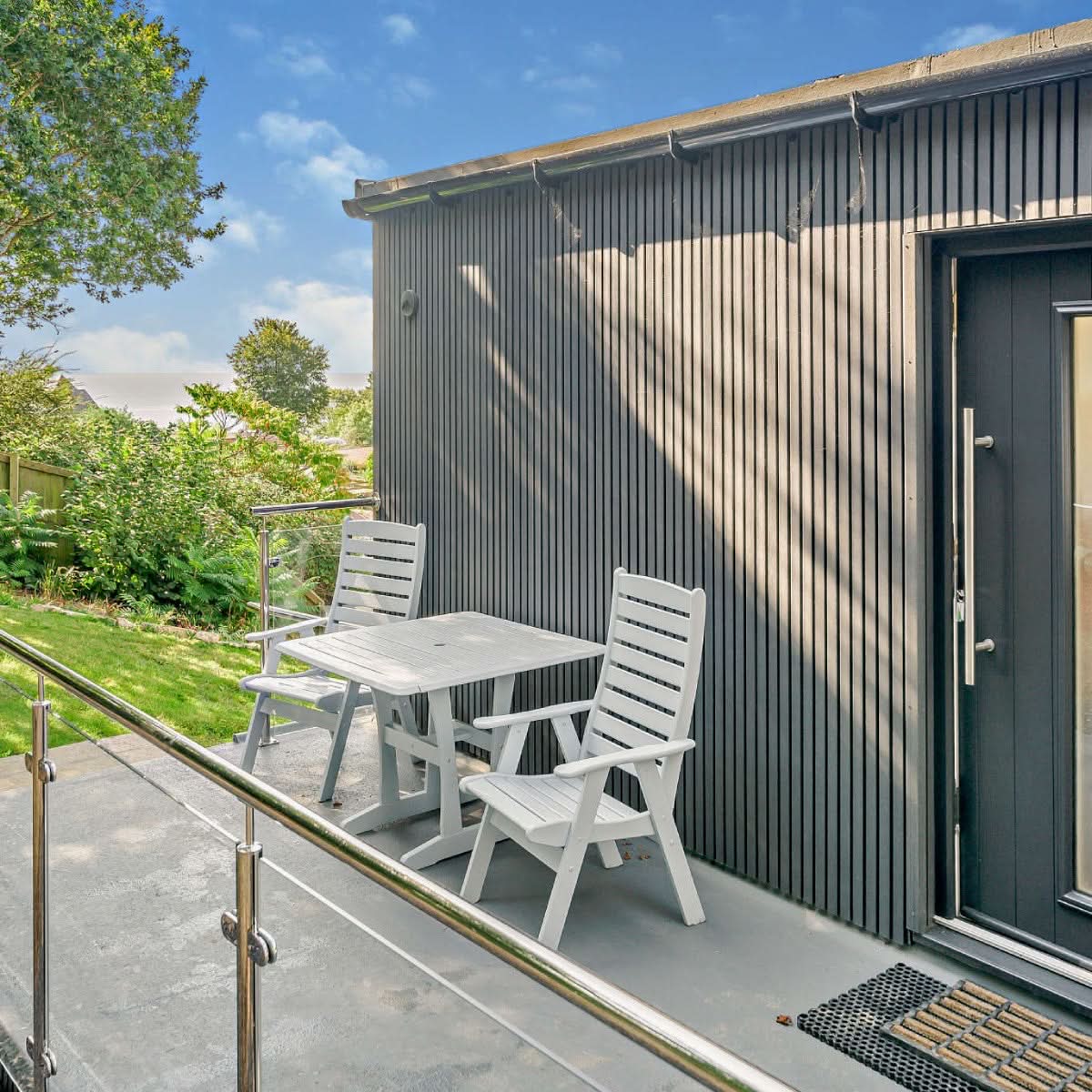
Horizontal layouts can emphasise width, while vertical boards can draw attention to height. Check which orientations your chosen system supports and whether the supporting framework needs to change. Browse completed cladding installations to see these choices in context.
Cladding Alternatives FAQs
What are the best cladding alternatives to timber?
Composite, fibre cement and aluminium are all worth considering. Composite suits those seeking timber-inspired textures with reduced treatment needs. Fibre cement offers board and panel options, while aluminium provides coated metal profiles. The best choice depends on the building, desired finish, installation requirements and budget.
Are cladding alternatives to wood completely wood-free?
Not necessarily. Wood-plastic composite contains wood fibres, and some fibre cement products also use wood-derived fibres. If avoiding wood content is essential, check the product composition rather than relying on the term “alternative to wood”.
Does composite cladding need painting or staining?
NeoTimber® composite cladding does not require regular painting, staining or sealing. Routine cleaning is still necessary. Follow the relevant care instructions and avoid applying treatments that the manufacturer does not recommend.
Can I install cladding myself?
This depends on your experience, the building and the chosen system. Read the cladding installation guides before deciding. For professional support, use the Find an Installer service.
How should I compare cladding warranties?
Check what is covered, the exclusions and the installation and care conditions. NeoTimber® composite cladding has a 25-year residential and 10-year commercial limited warranty, subject to its terms. Review the current warranty documentation for your intended application.
Find a Timber-Inspired Finish That Works for You
The most useful comparison brings appearance, upkeep and building requirements together. Shortlist suitable materials first, compare the complete installation, then use samples to make the design decision.
Ready to explore composite? Order free NeoTimber® cladding samples to compare colours and textures at home, or browse the composite cladding range to find your preferred profile.