How Long Do Cladding Boards Last?
Cladding boards can provide a lasting finish for exterior walls, but their lifespan depends on the material, installation, exposure and care they receive. Timber, composite and uPVC boards age differently, so choosing the right option means looking beyond how the surface appears on day one.
If you are comparing exterior cladding for a home, garden building or commercial project, this guide explains what affects durability, how timber and composite compare, and what to check before you buy.
What Do Exterior Cladding Boards Do?
Cladding boards form the visible outer covering of a wall. As part of a correctly designed system, they help protect the underlying construction from weather exposure while adding colour, texture and definition to a building.
The boards are only one part of that system. The supporting structure, drainage, ventilation, fixings and junctions around openings all contribute to its performance. For more ideas on materials and applications, explore our exterior cladding guides.
Timber, Composite and uPVC: How Do the Materials Compare?
Timber cladding boards
Timber offers natural grain and character, with performance that varies considerably by species, treatment and detailing. Well-specified timber cladding can serve for many years; there is no single lifespan that applies to every board.
Some timber is intended to weather naturally to a silver-grey finish. Where a painted or stained appearance is required, coatings need inspection and renewal according to the finish supplier’s advice. Persistent moisture and poor drainage can increase the risk of decay, while changes in moisture content can cause movement or splitting.
If you prefer a different balance of appearance and upkeep, our guide to alternatives to timber cladding explains other options.

Composite cladding boards
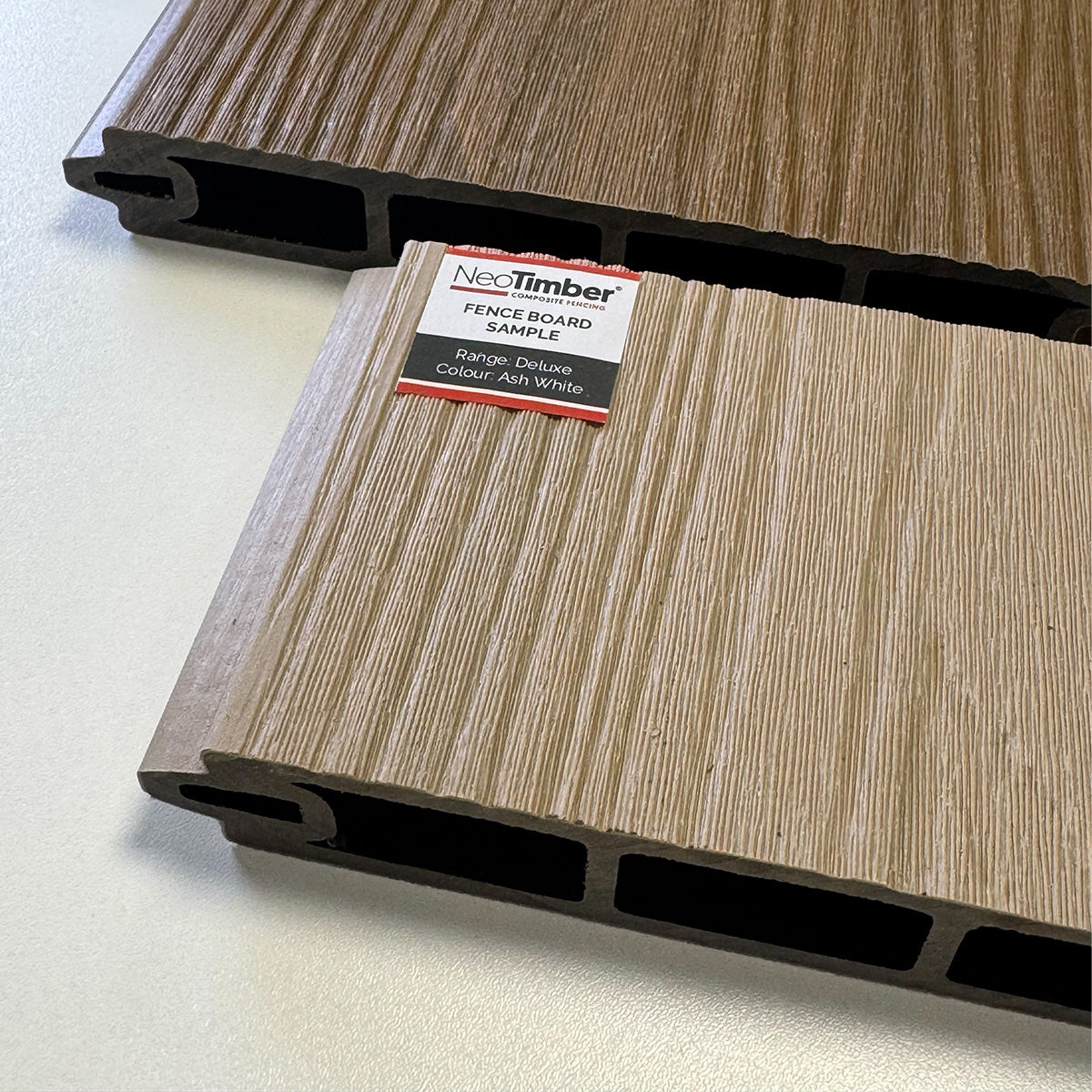
Composite cladding typically combines wood fibres with polymers to create a wood-effect exterior finish. It is a useful option for homeowners who want to reduce the routine painting, staining or sealing associated with some timber finishes.
Performance varies between products. Board construction, surface protection and installation requirements all matter, so compare the specification for the range you are considering. Composite boards still need cleaning and can expand and contract as temperatures change. Low maintenance does not mean maintenance-free.
uPVC cladding boards
uPVC is another option for exterior wall cladding, particularly where straightforward cleaning and a painted-style finish are priorities. Check the individual product’s weathering information, fixing requirements and warranty rather than assuming that every plastic board will perform in the same way.
For a closer look at the two wood-effect options, read our comparison of composite and timber cladding.
What Affects the Lifespan of Cladding Boards?
A material label alone cannot tell you how long an installation will last. These factors make a substantial difference to long-term performance:
- Product specification: choose boards intended for the application and review their technical documentation.
- Weather exposure: sun, wind-driven rain and exposed locations place different demands on the cladding system.
- Moisture management: effective drainage and the specified ventilation help prevent moisture from becoming trapped behind the boards.
- Installation quality: correct supports, compatible fixings and movement allowances help the system perform as designed.
- Ongoing care: suitable cleaning and timely attention to loose fixings or damaged components help keep the installation in good condition.
For exposed projects, our guide to cladding in high-wind areas provides a starting point for discussions with your installer.

How Should You Compare Lifespan and Warranty?
A fixed lifespan such as “15 years for timber” or “25 years for composite” is too broad to guide every purchase. The quality of the product, the wall design and the conditions on site can all affect the result.
A warranty is also different from a prediction of service life. It sets out defined cover, conditions and exclusions. Before ordering, check which products and applications are covered, whether residential and commercial terms differ, and what installation or maintenance requirements apply.
Review the current NeoTimber® composite cladding warranty terms alongside the technical information for your chosen range.
Keeping Exterior Cladding Looking Its Best
Cleaning and routine checks
Follow the care instructions for your specific boards and use approved cleaning methods. Check for dirt build-up, obstructions to drainage or ventilation, and any loose or damaged components. Addressing small issues early can prevent more disruptive repairs later.
Our cladding care and cleaning guides explain routine upkeep. You can also explore what low-maintenance cladding involves before deciding which material suits your schedule.
Colour and weathering
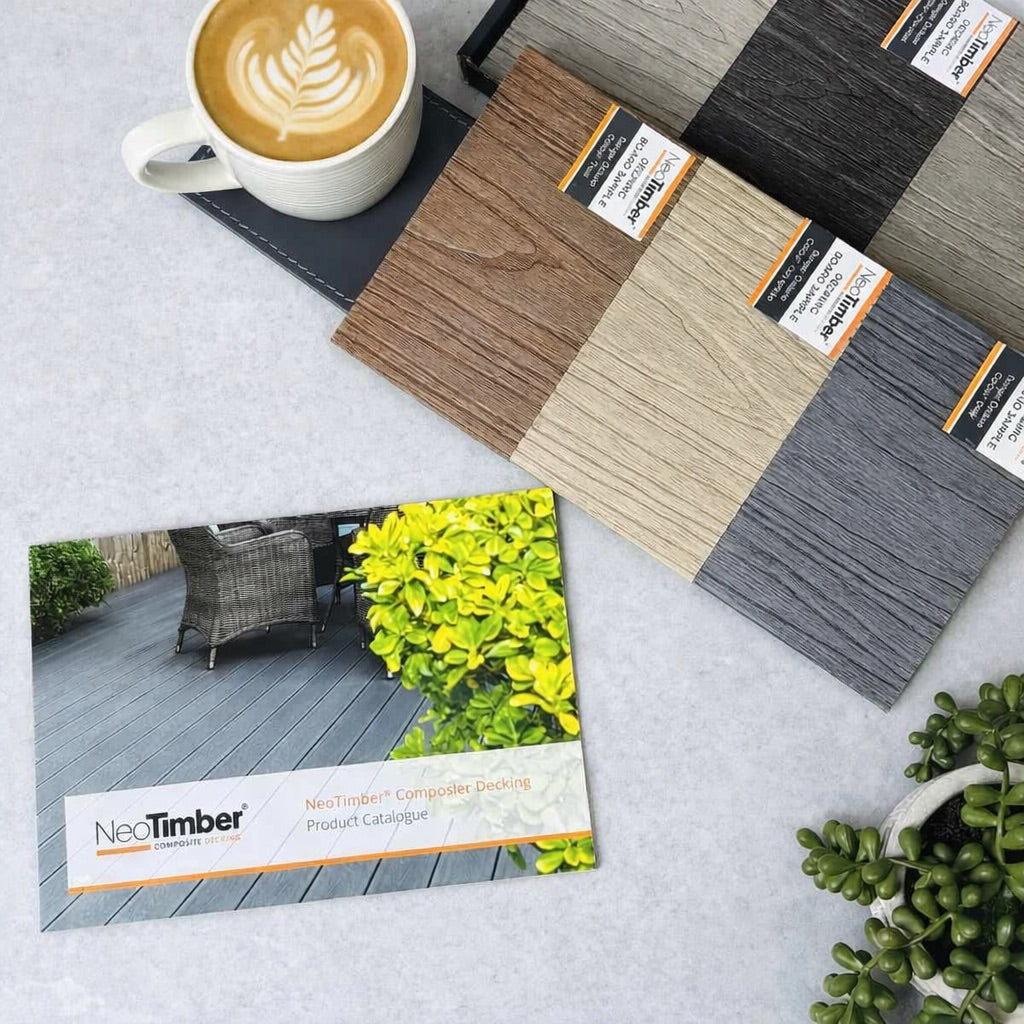
All exterior finishes should be assessed with weather exposure in mind. Fade resistance does not mean that colour will never change, and different elevations can receive very different amounts of sunlight. Read the manufacturer’s weathering guidance and view samples outdoors before making your choice.
Learn more about fade-resistant composite cladding, or explore black and charcoal cladding ideas, ash white composite cladding and teak-effect cladding.
Choosing a Profile and Layout for Your Project
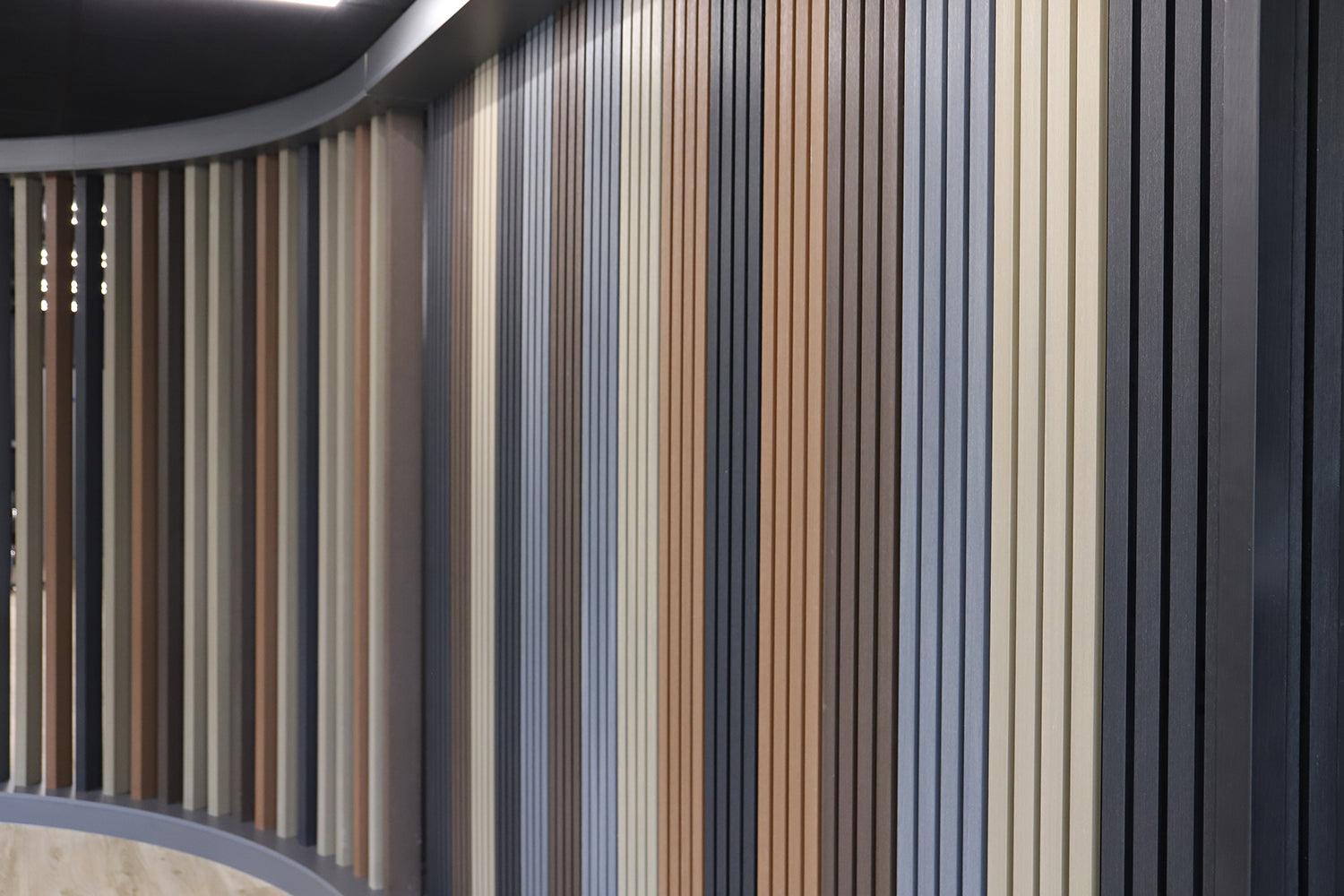
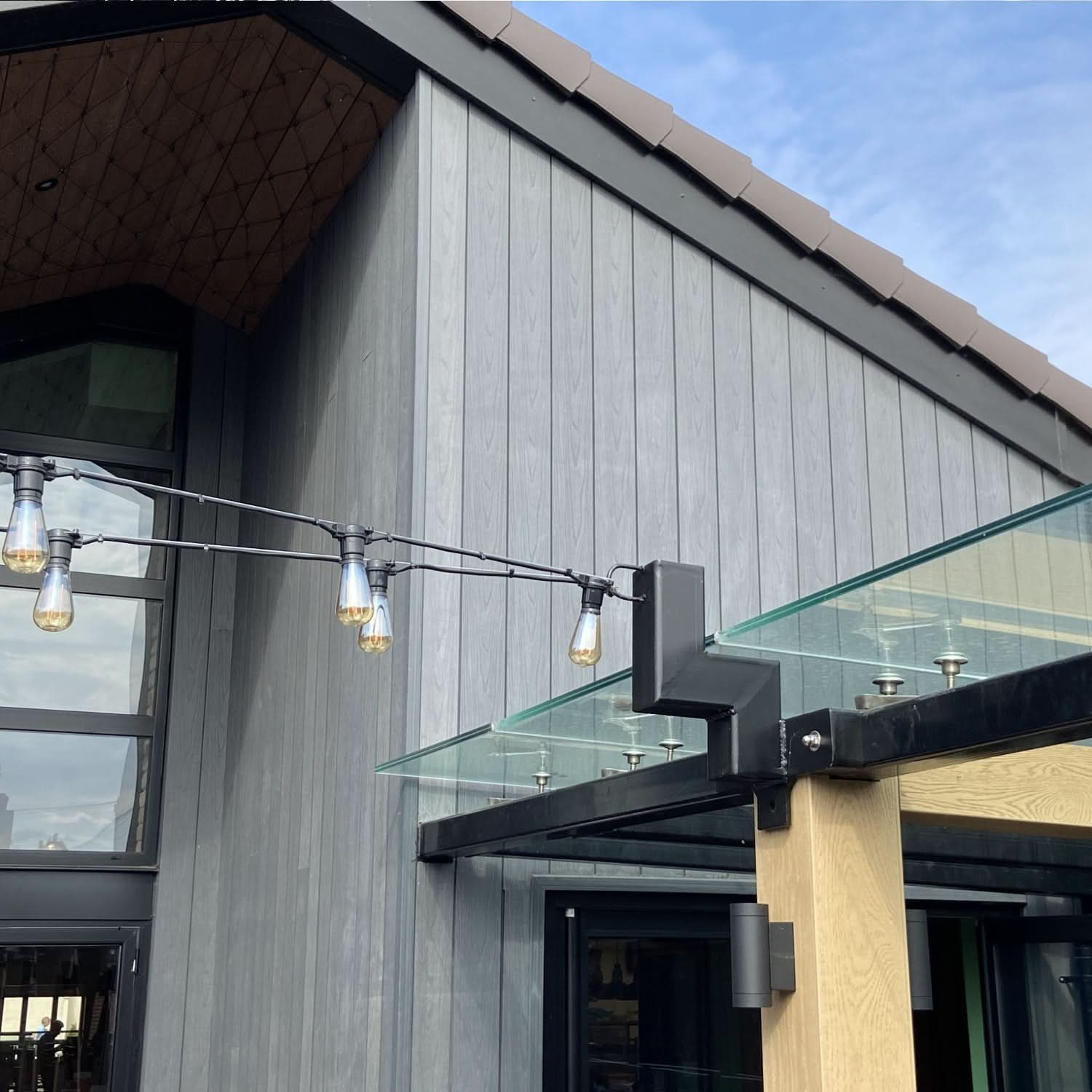
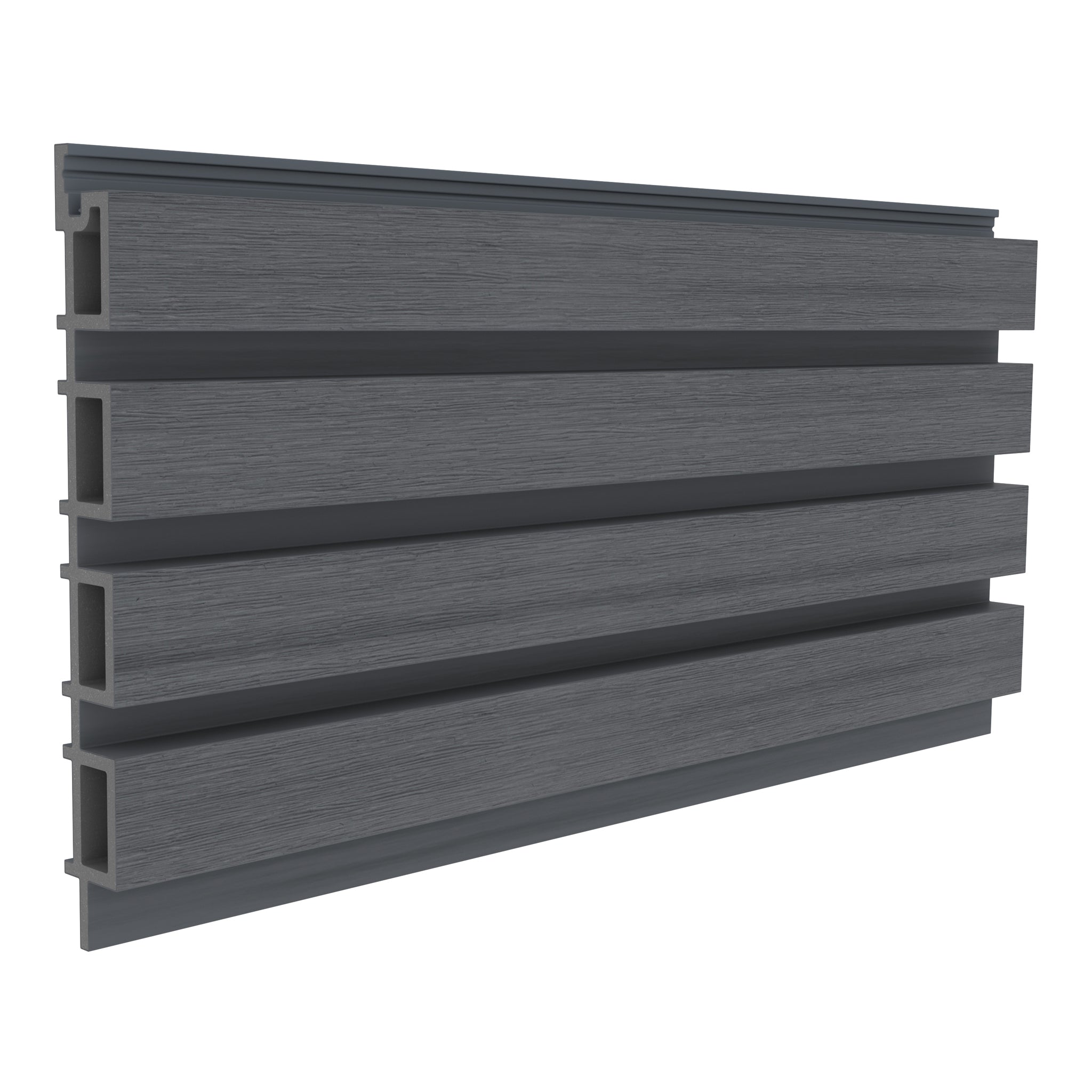
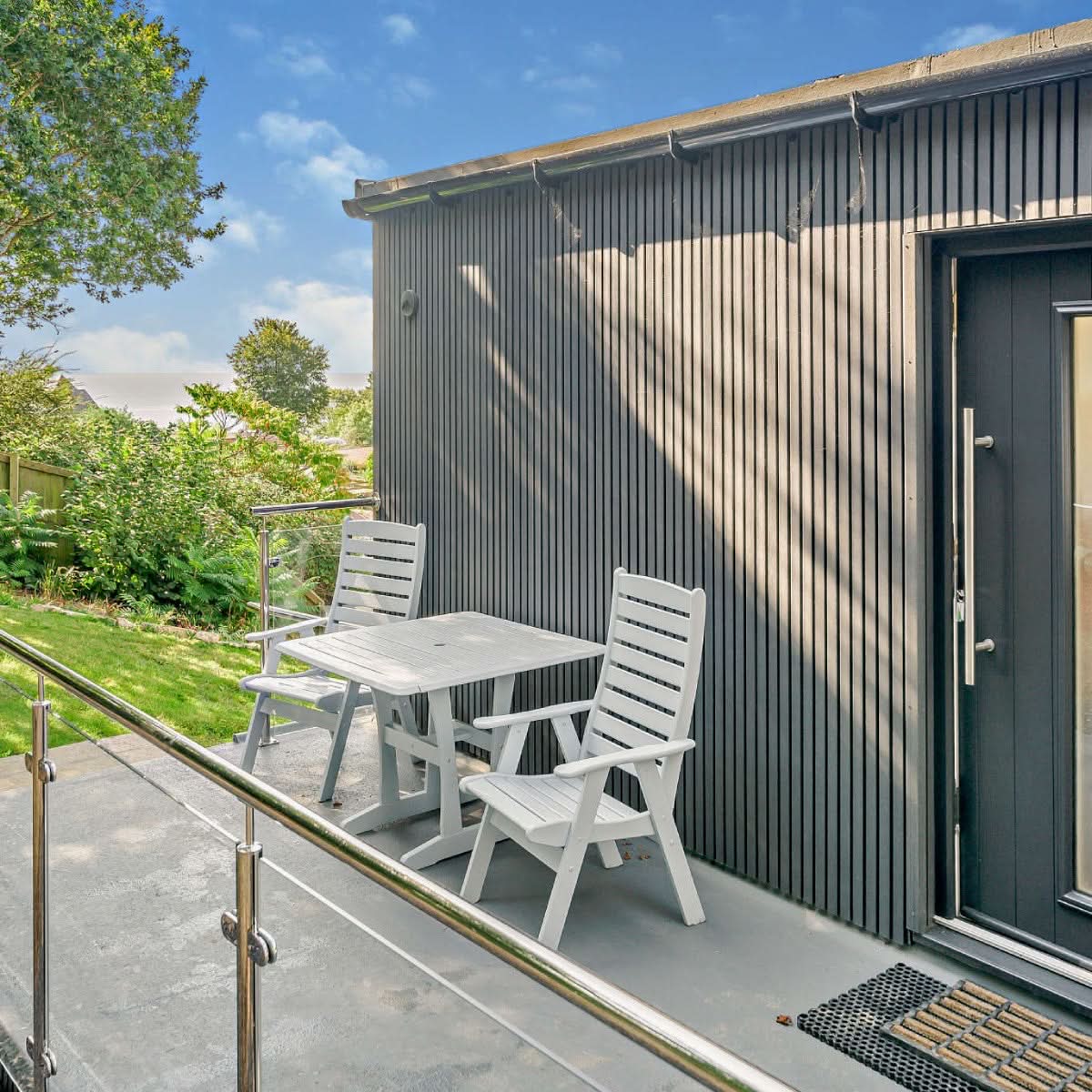
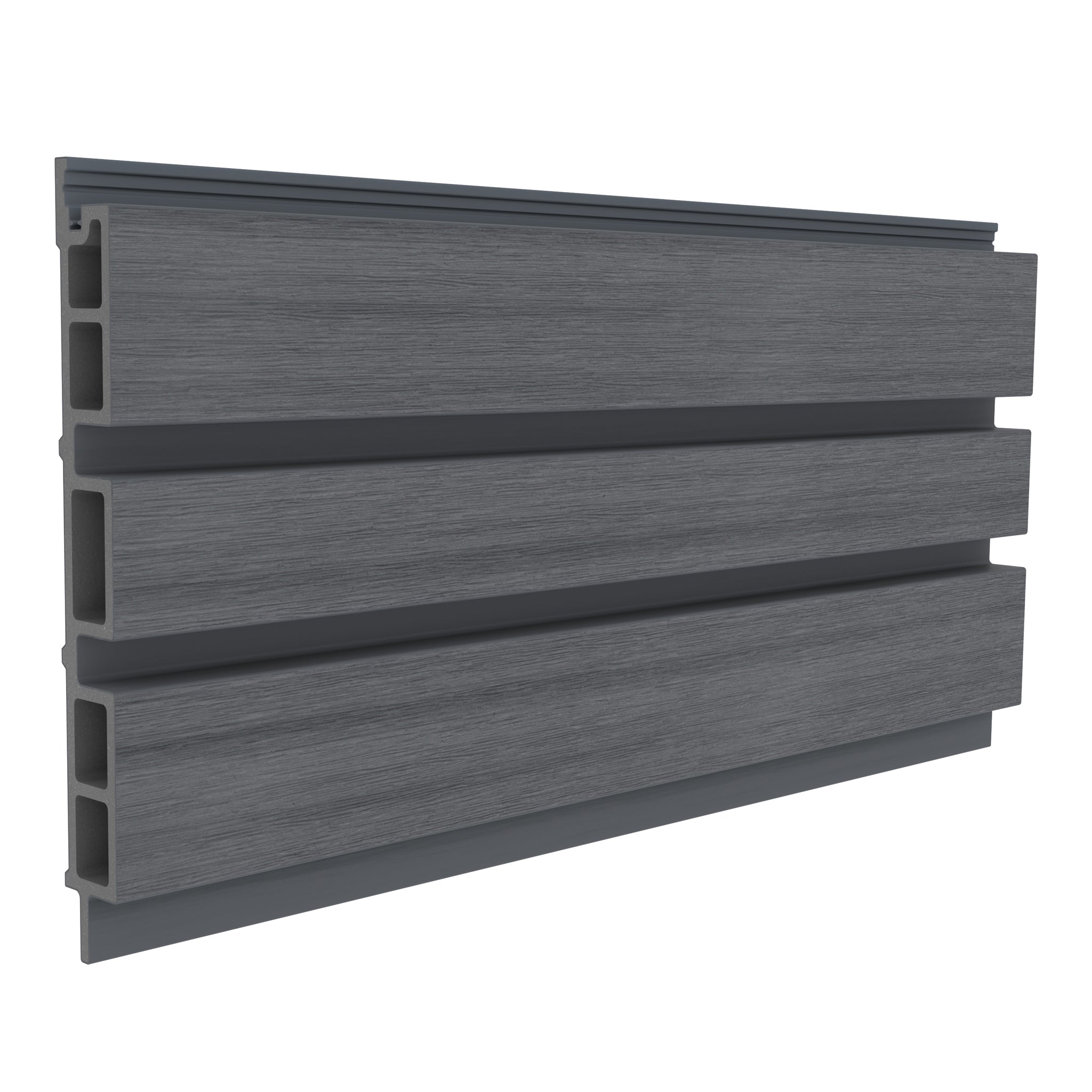
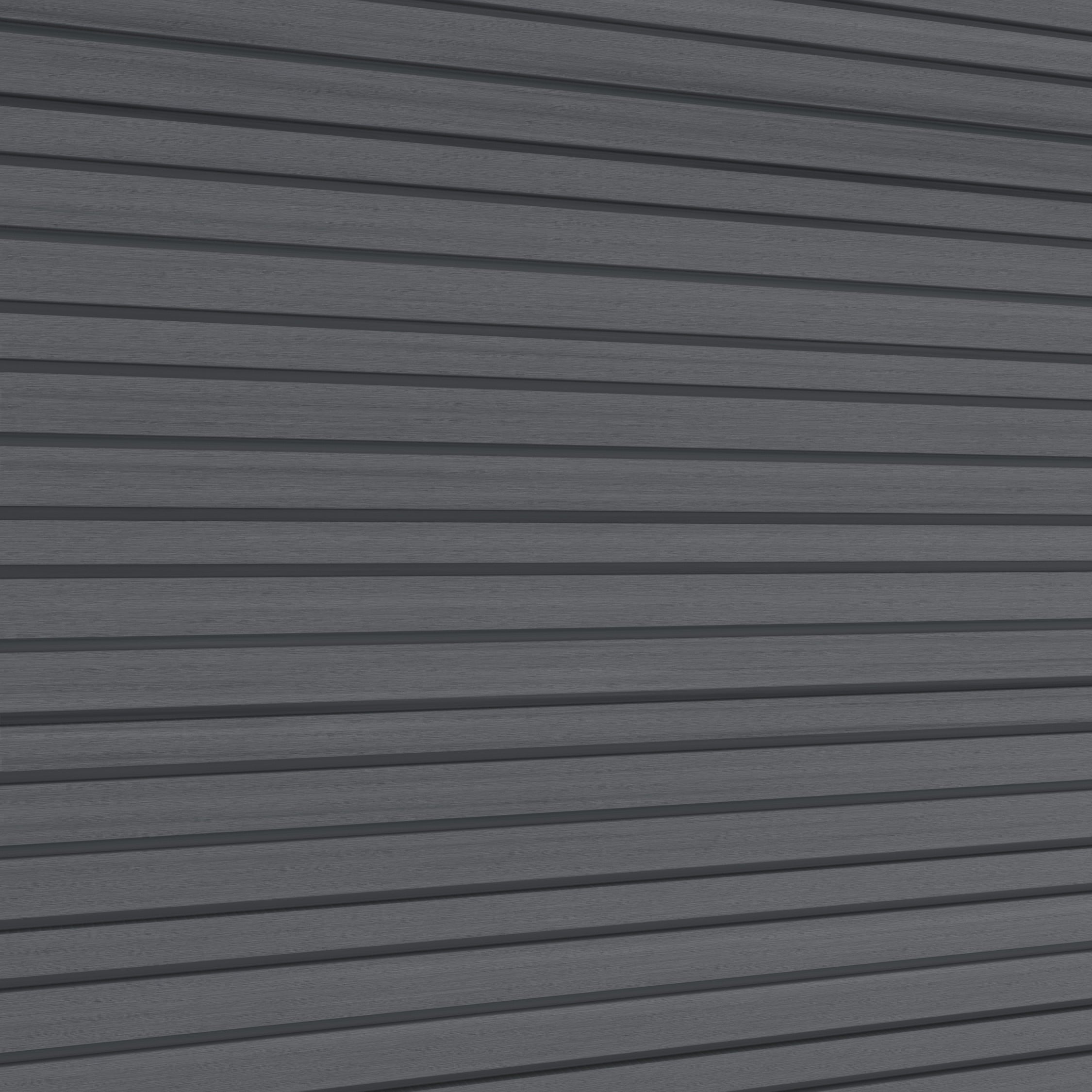
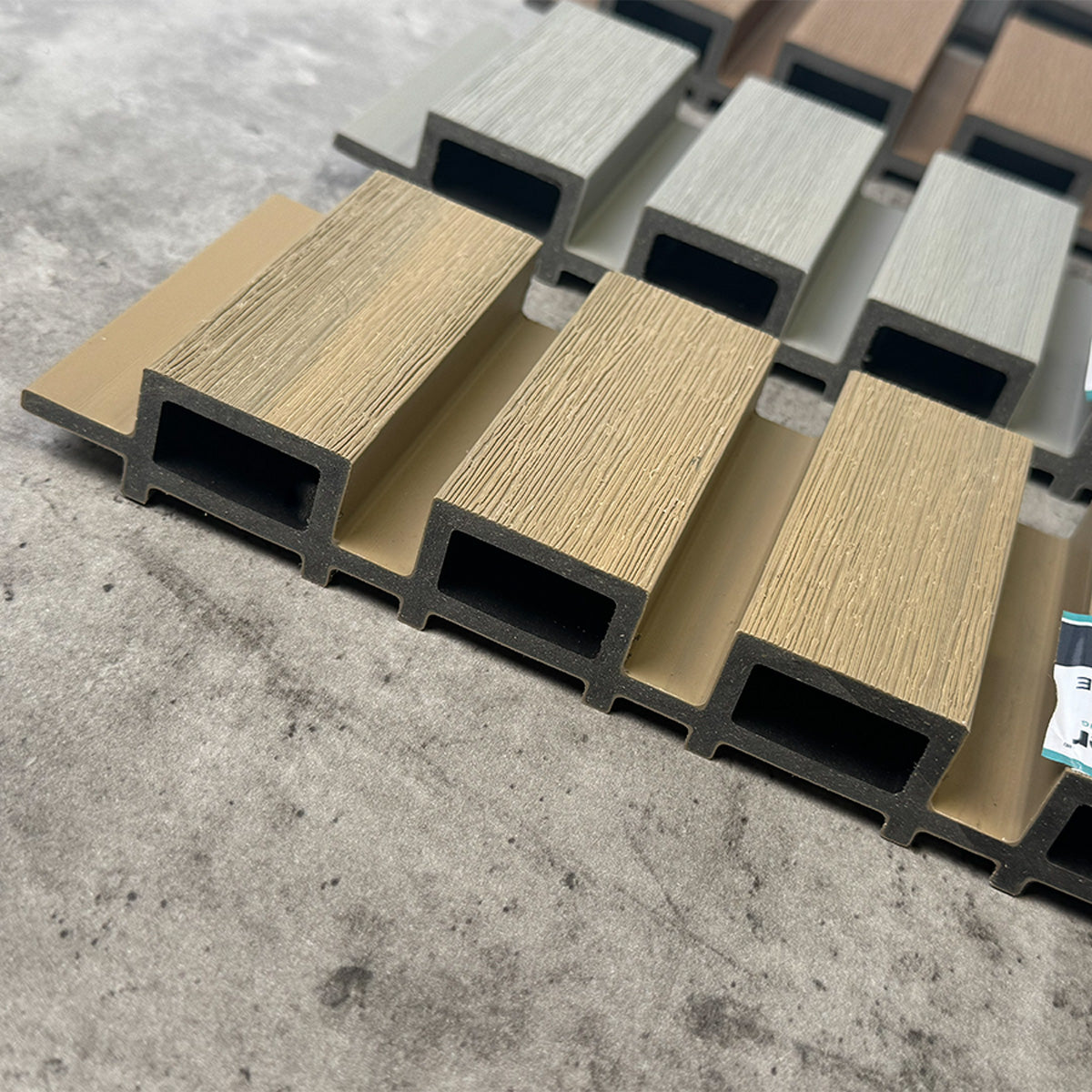
The shape and arrangement of the boards influence the finished appearance. Slatted composite cladding adds texture and shadow lines, while other profiles create a broader boarded finish. Check whether your chosen system supports horizontal or vertical installation and follow the corresponding fitting instructions.
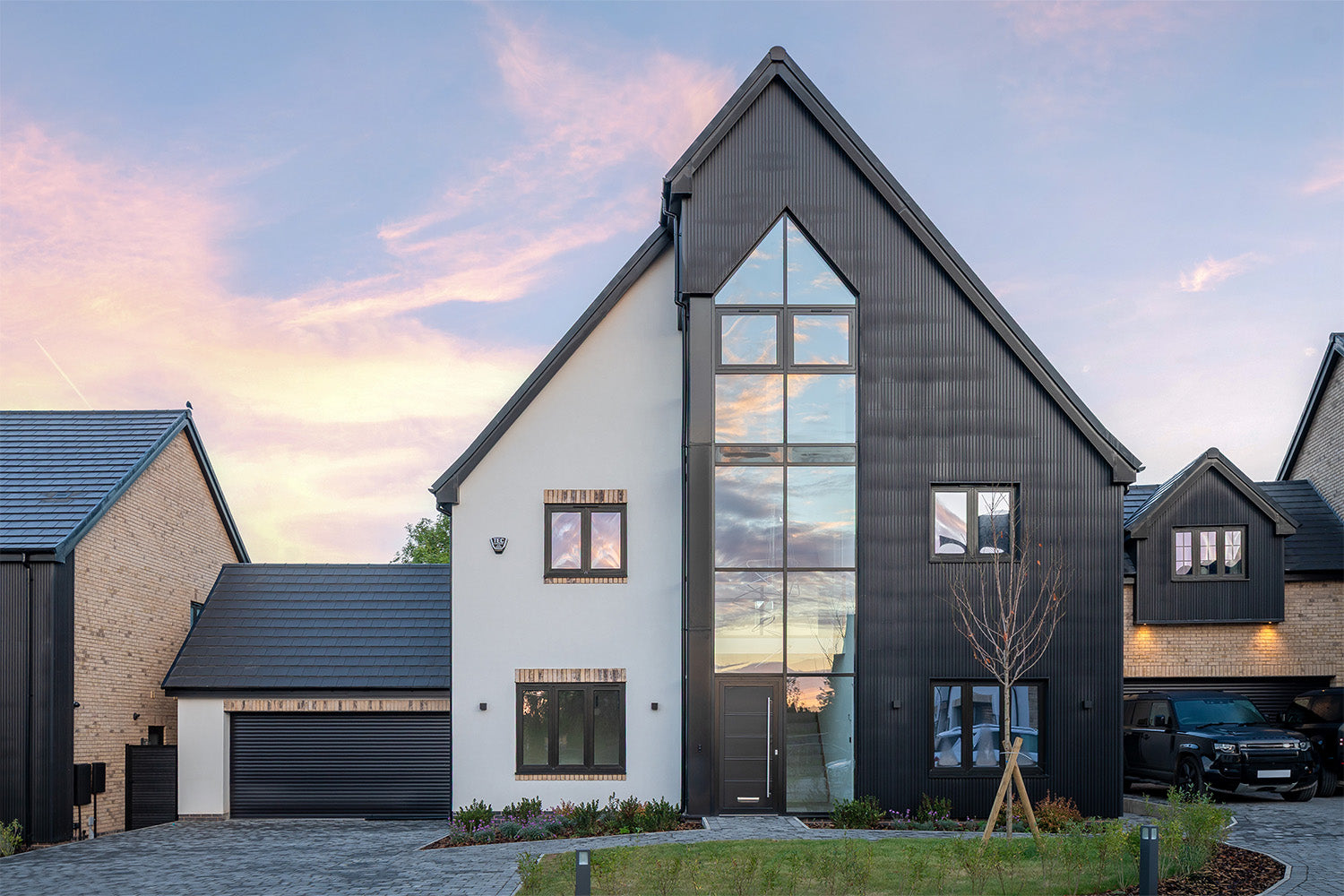
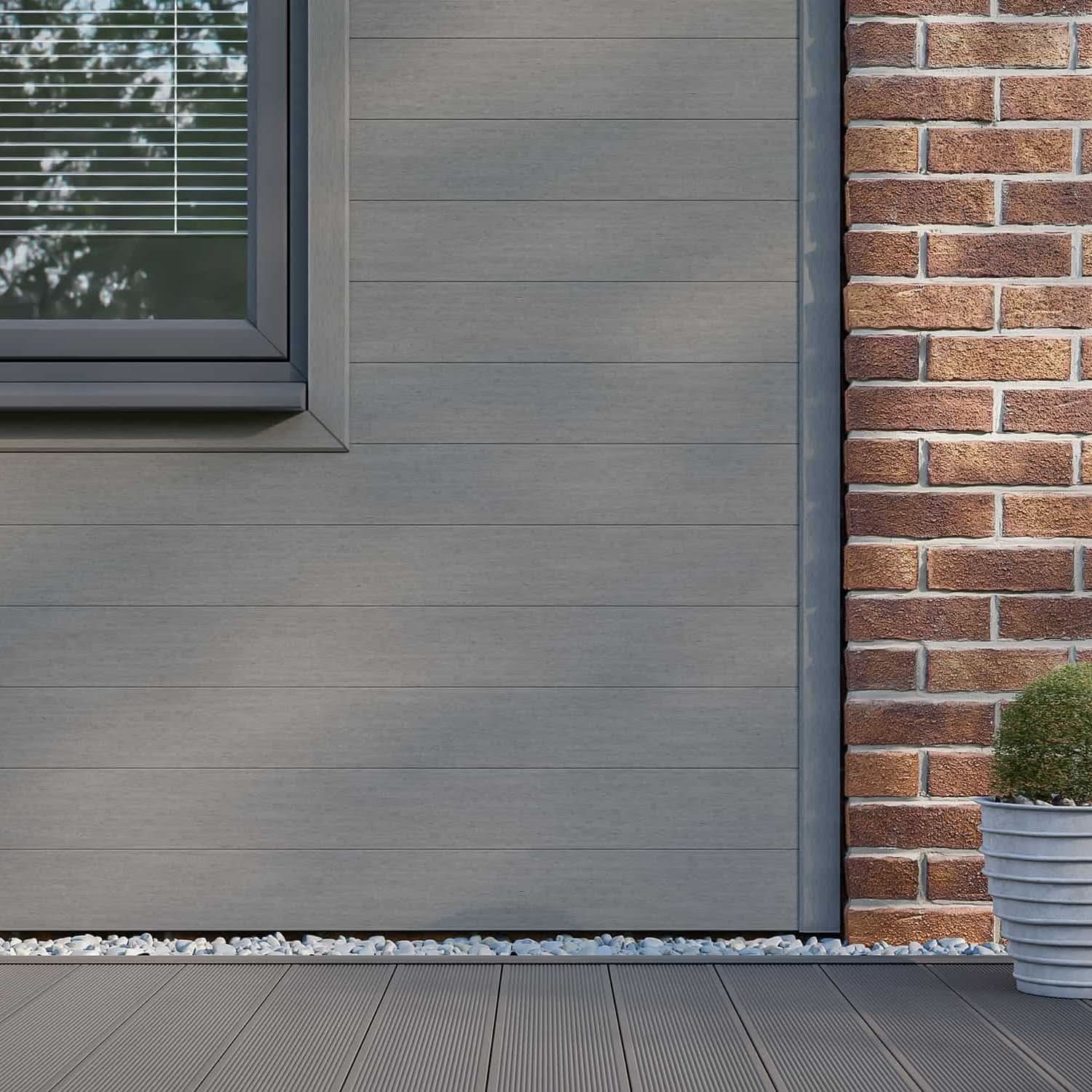
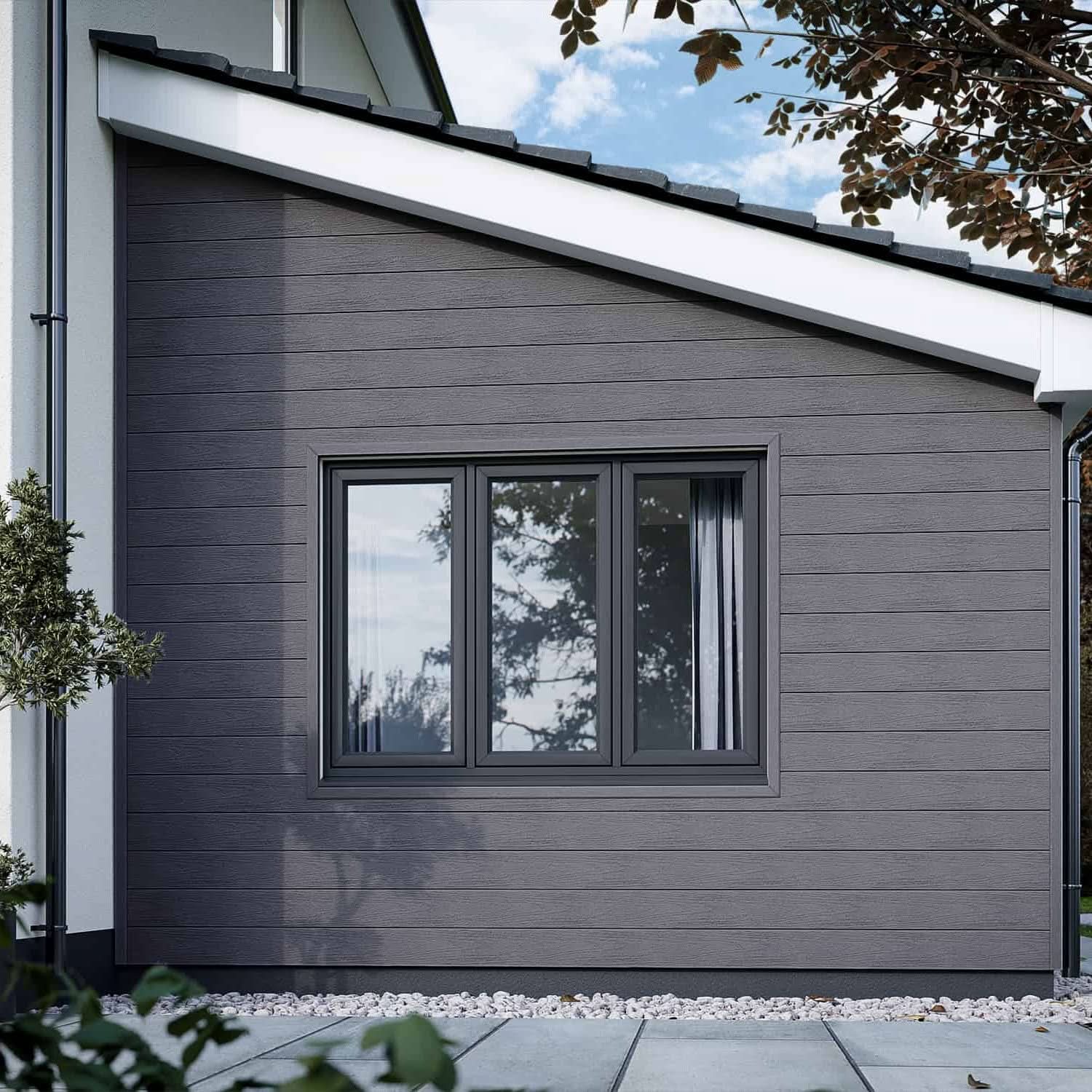
For a coordinated outdoor scheme, consider how the cladding will sit alongside windows, doors, paving and other finishes. Our garden wall cladding ideas and residential grey slatted cladding case study offer inspiration for different settings.

Installation Details That Support Long-Term Performance
Before fitting exterior wall boards, confirm that the supporting structure is suitable and follow the manufacturer’s instructions for the complete system. Batten spacing, fixings, ventilation, clearances and expansion gaps should come from the relevant installation guide, rather than a general rule of thumb.
Plan corners, edges and openings before work starts so the required trims and fixings are available. Explore our guide to planning cladding installation and compatible cladding trims and accessories.
For homes and commercial buildings alike, suitability depends on the project requirements. Check the documented fire performance of the specified product and system with the project designer. Our guide to fire-rated composite cladding introduces the topic; product-specific documentation is essential when selecting a system.
Find the Right NeoTimber® Cladding Boards
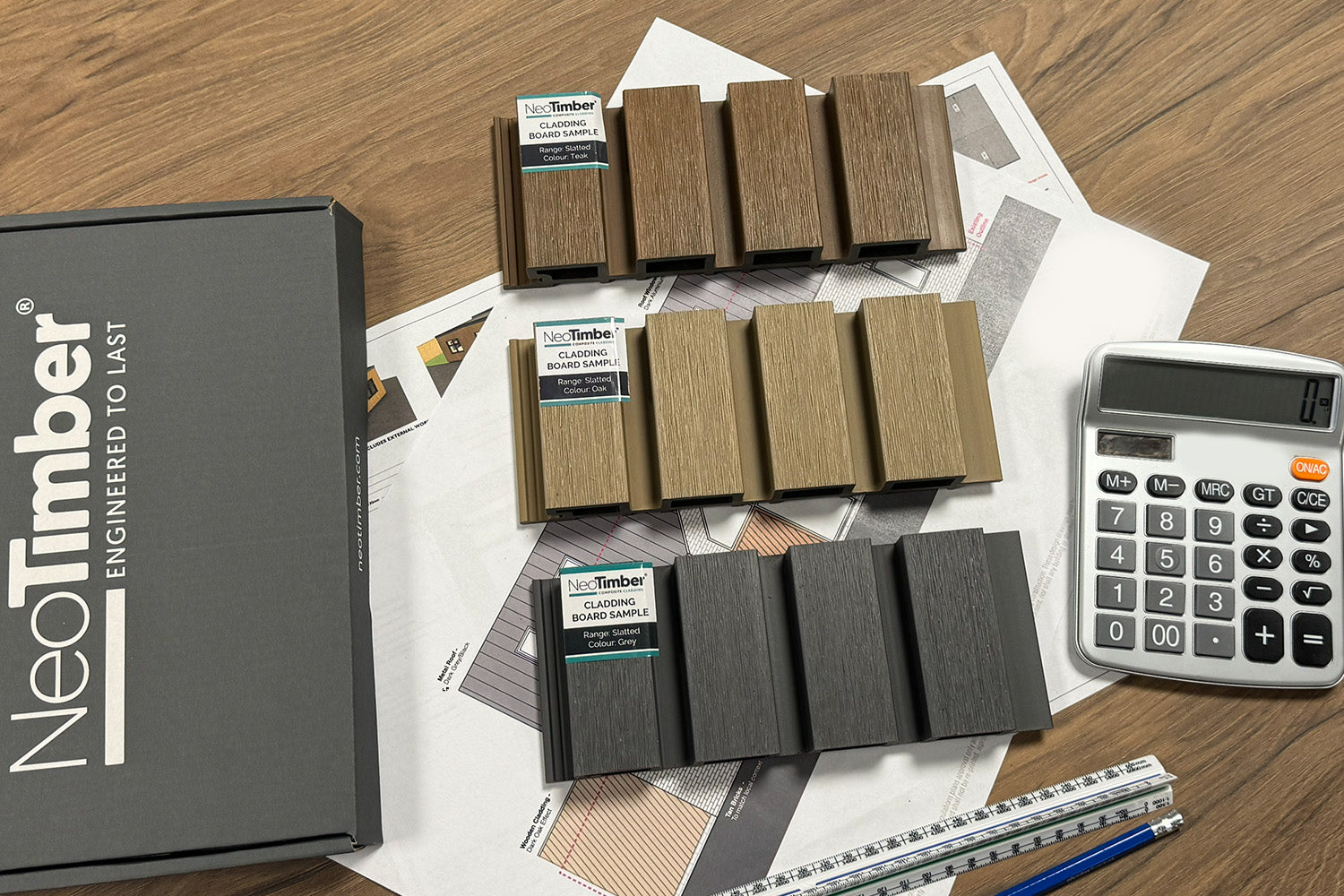
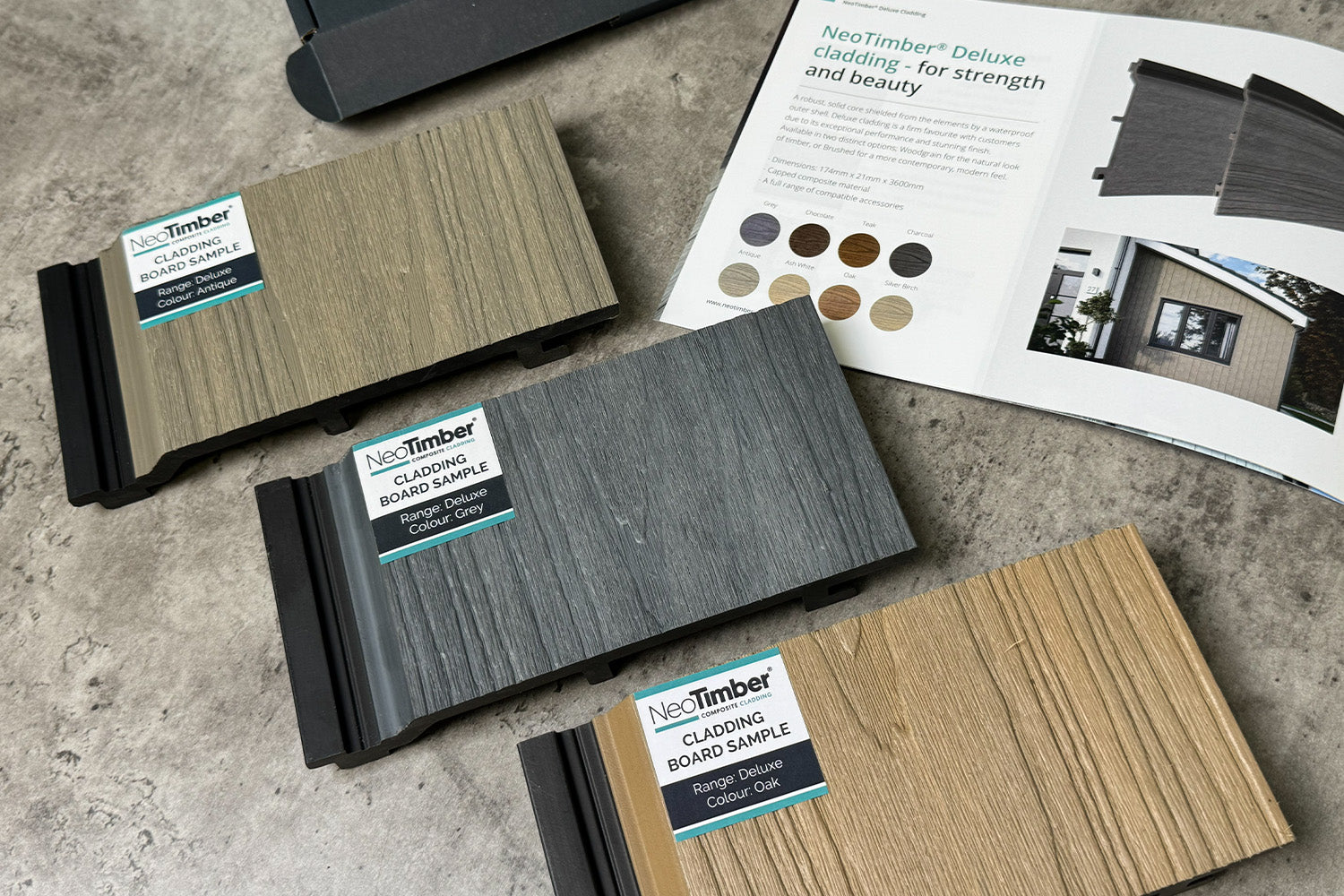
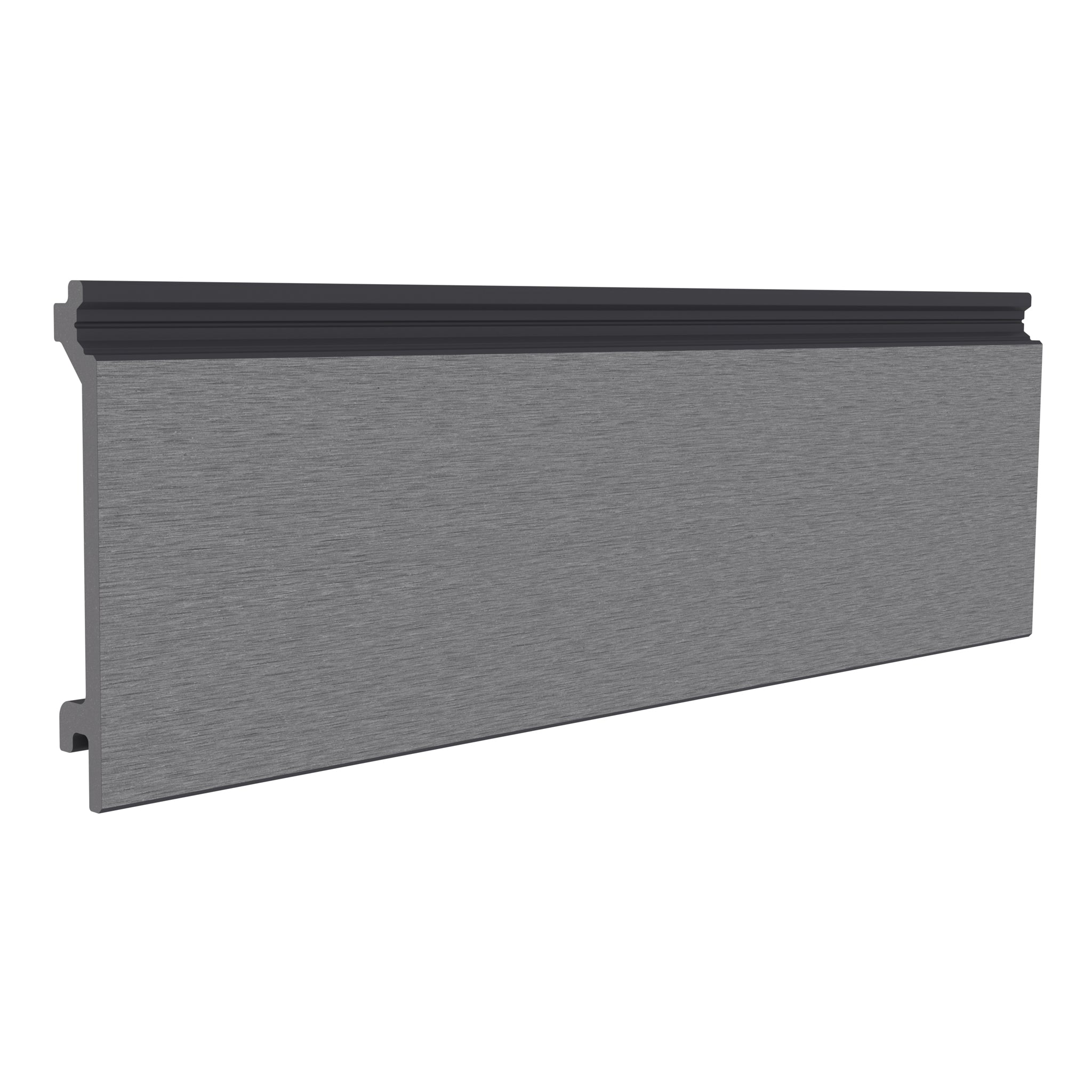
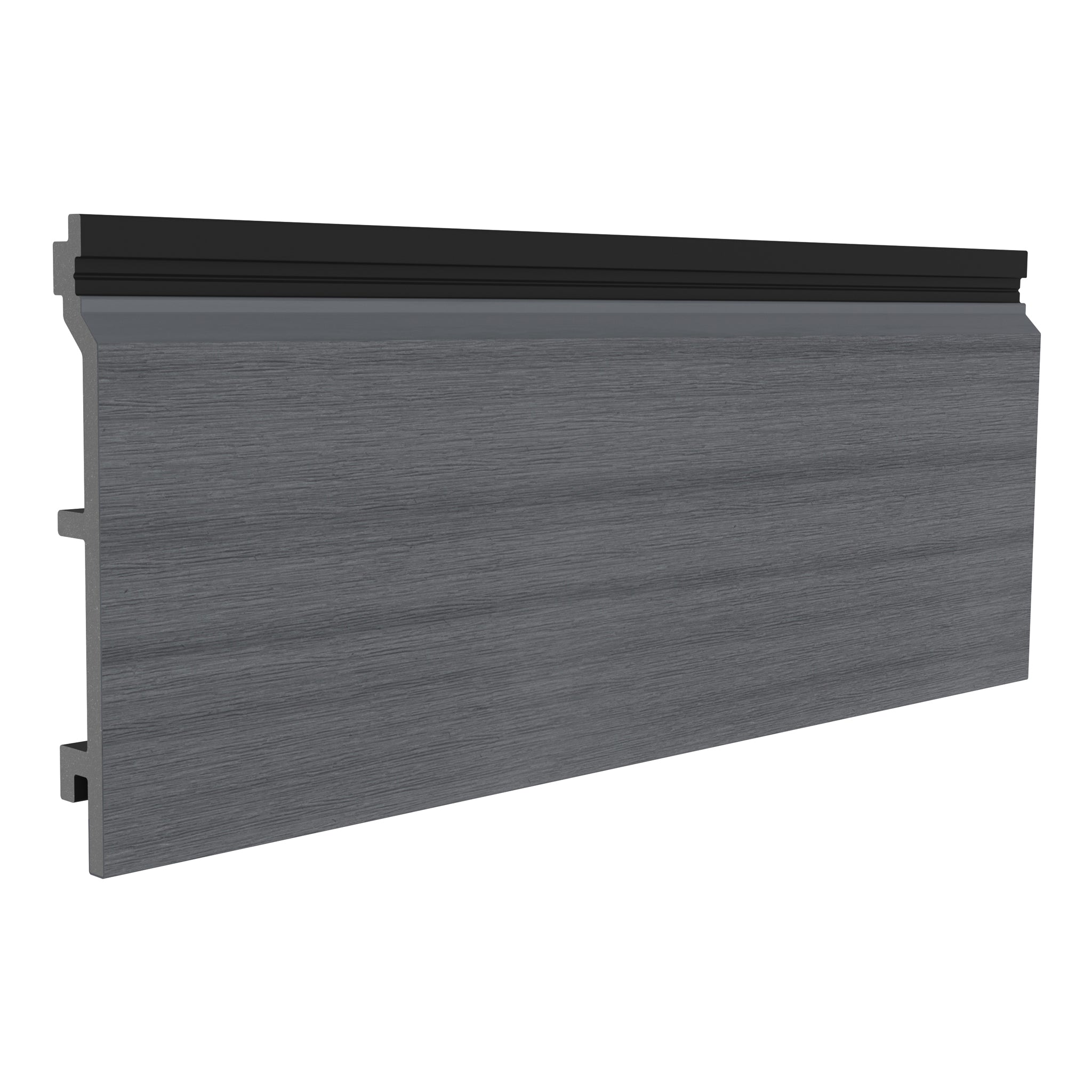
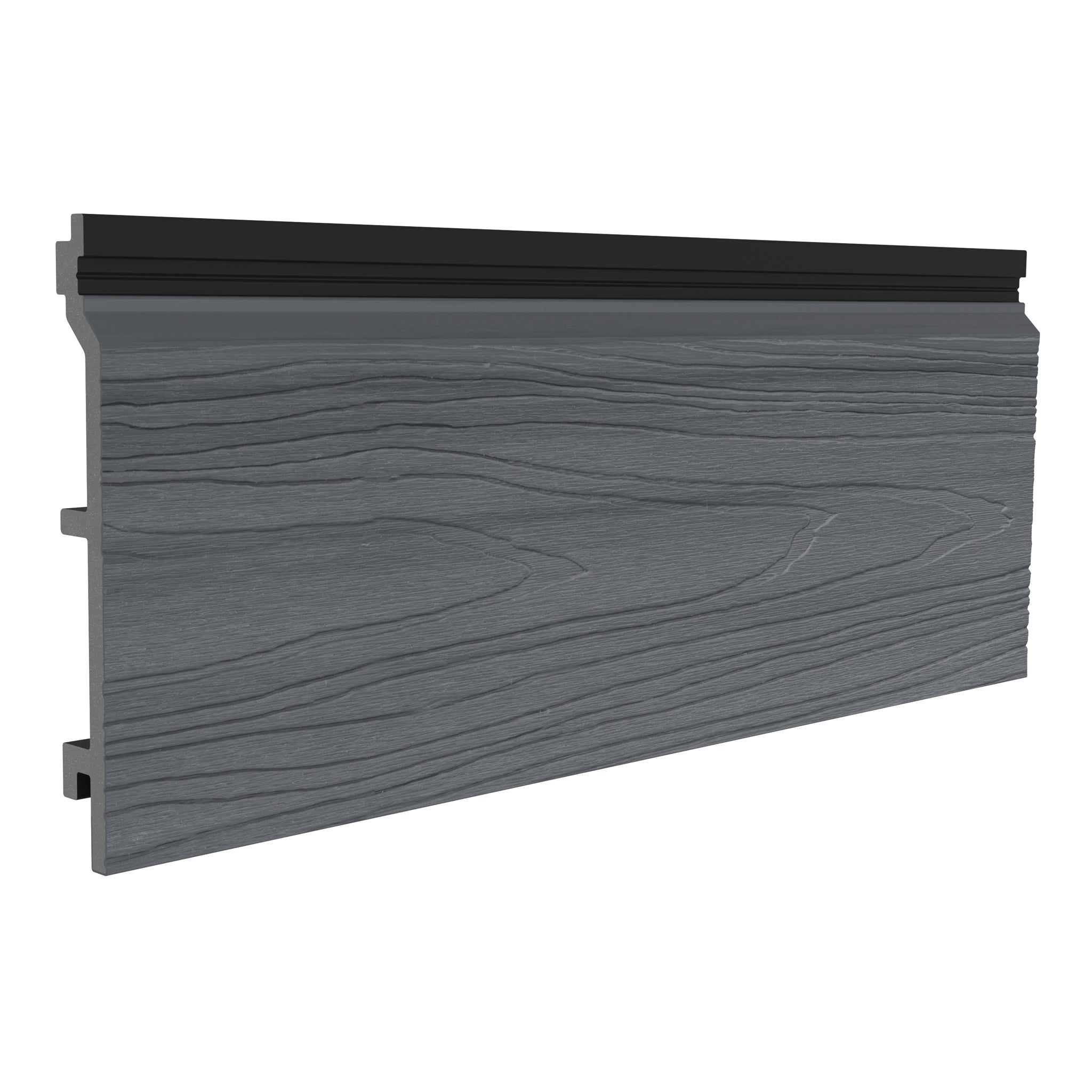
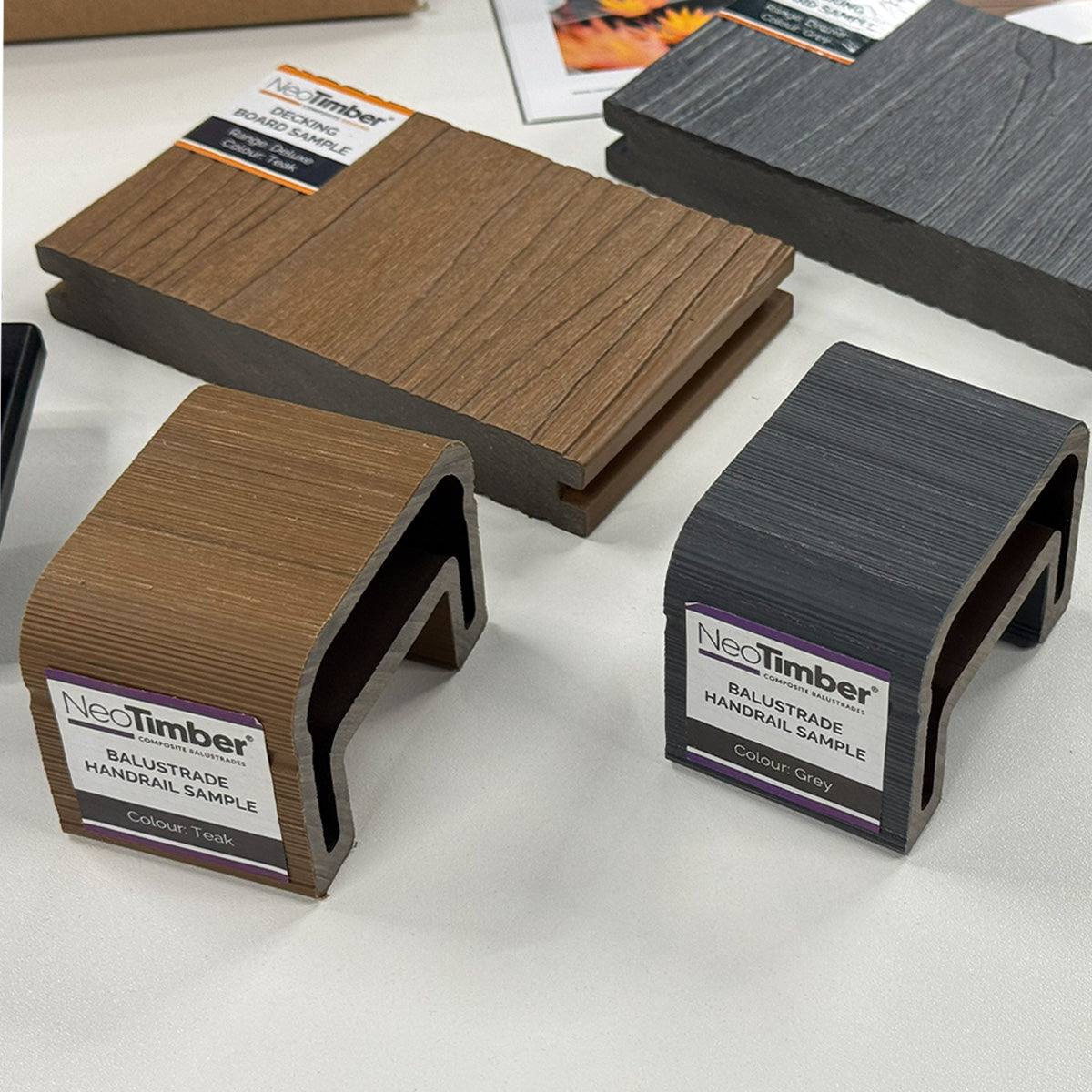
The best choice balances appearance, maintenance, installation requirements and budget over the life of the project. Compare NeoTimber® Classic cladding boards with the Deluxe composite cladding range, checking each range’s specifications and care guidance before you decide.
Choosing suitable boards and installing them correctly gives your exterior finish a sound starting point. Add a manageable care routine, and you can make an informed investment in the appearance and performance of your outdoor space.