Choosing Artificial Lumber for Decking and Outdoor Subframes
Artificial lumber is a manufactured alternative to traditional timber. Common types include composite lumber, made from wood fibres and plastic, and recycled plastic lumber, which contains no wood. Depending on the product, these materials can be used for decking boards, joists, posts and other outdoor components.
The main appeal is durability with less routine maintenance. However, different materials and profiles serve different purposes: a decking board is not interchangeable with a structural joist. This guide compares composite and recycled plastic options, explains where aluminium offers another timber alternative, and outlines what to consider for your project.

Composite Lumber: Wood Fibres and Recycled Plastic
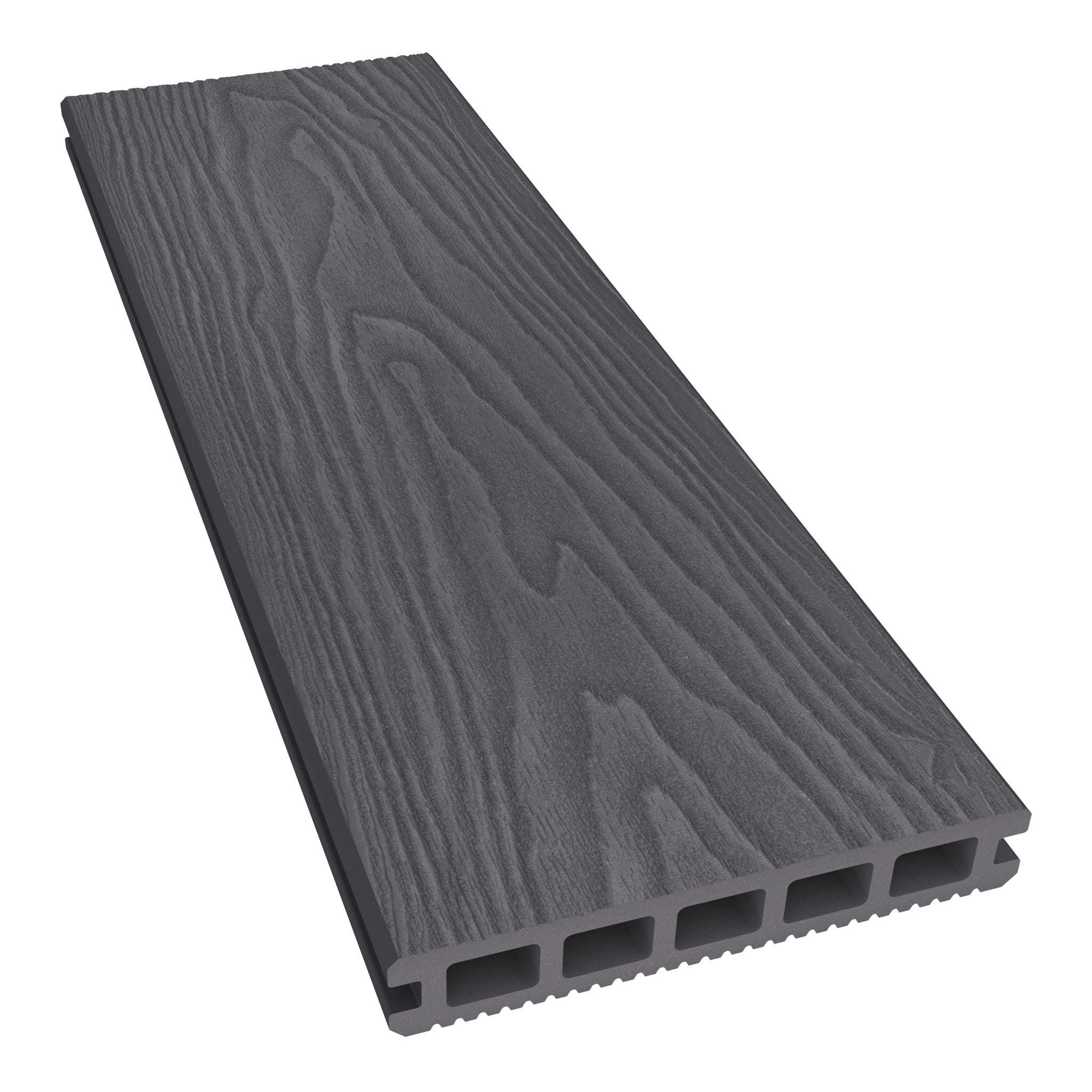
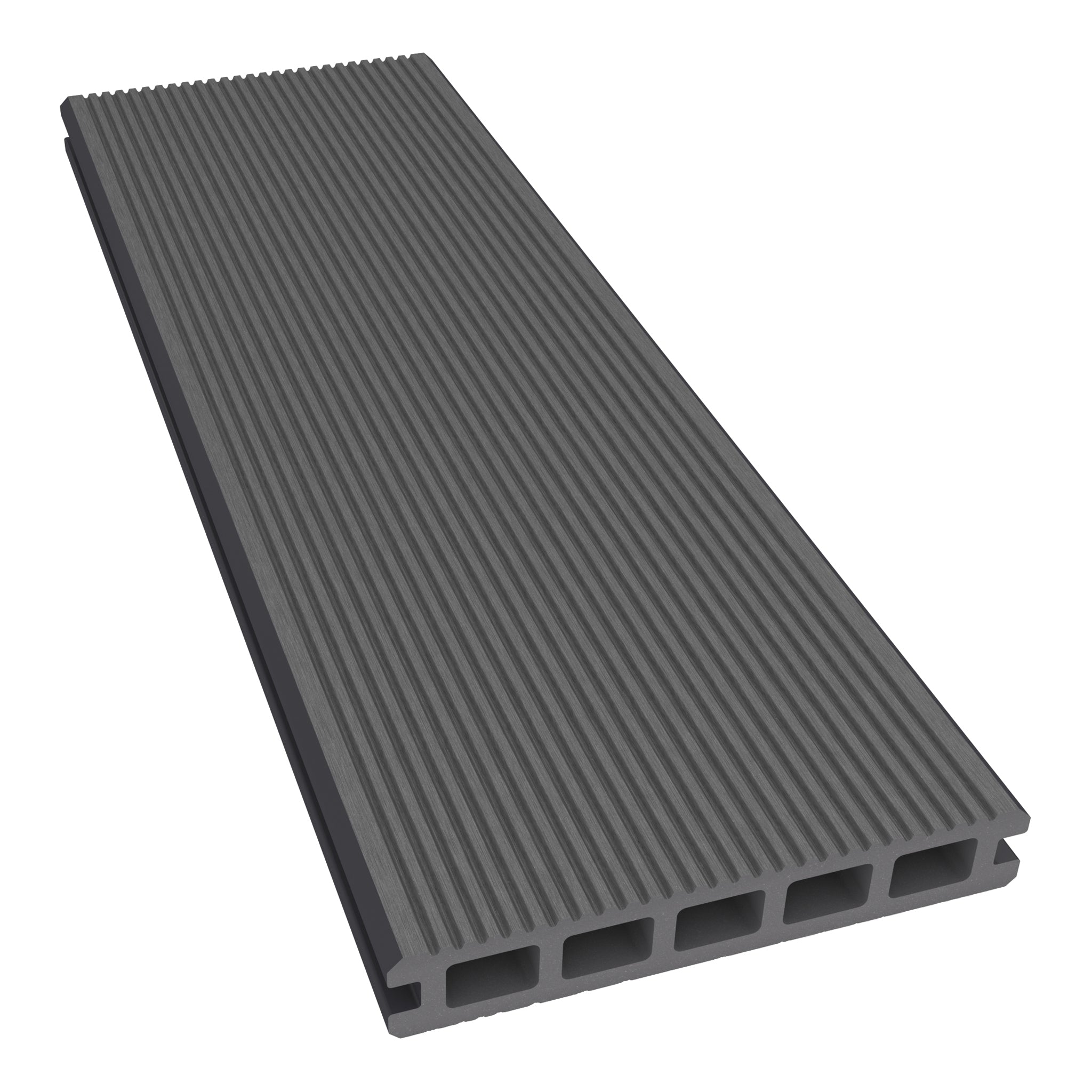
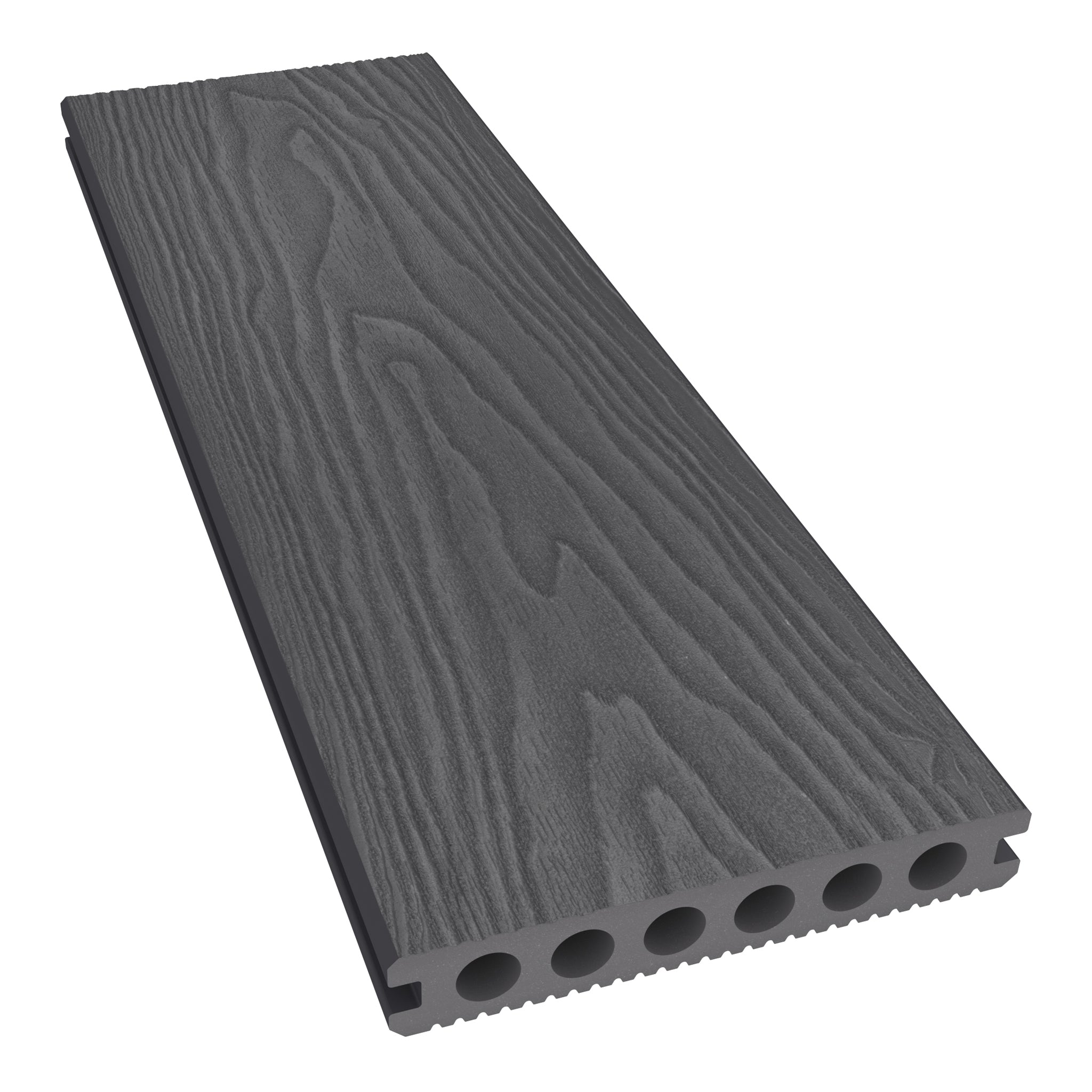
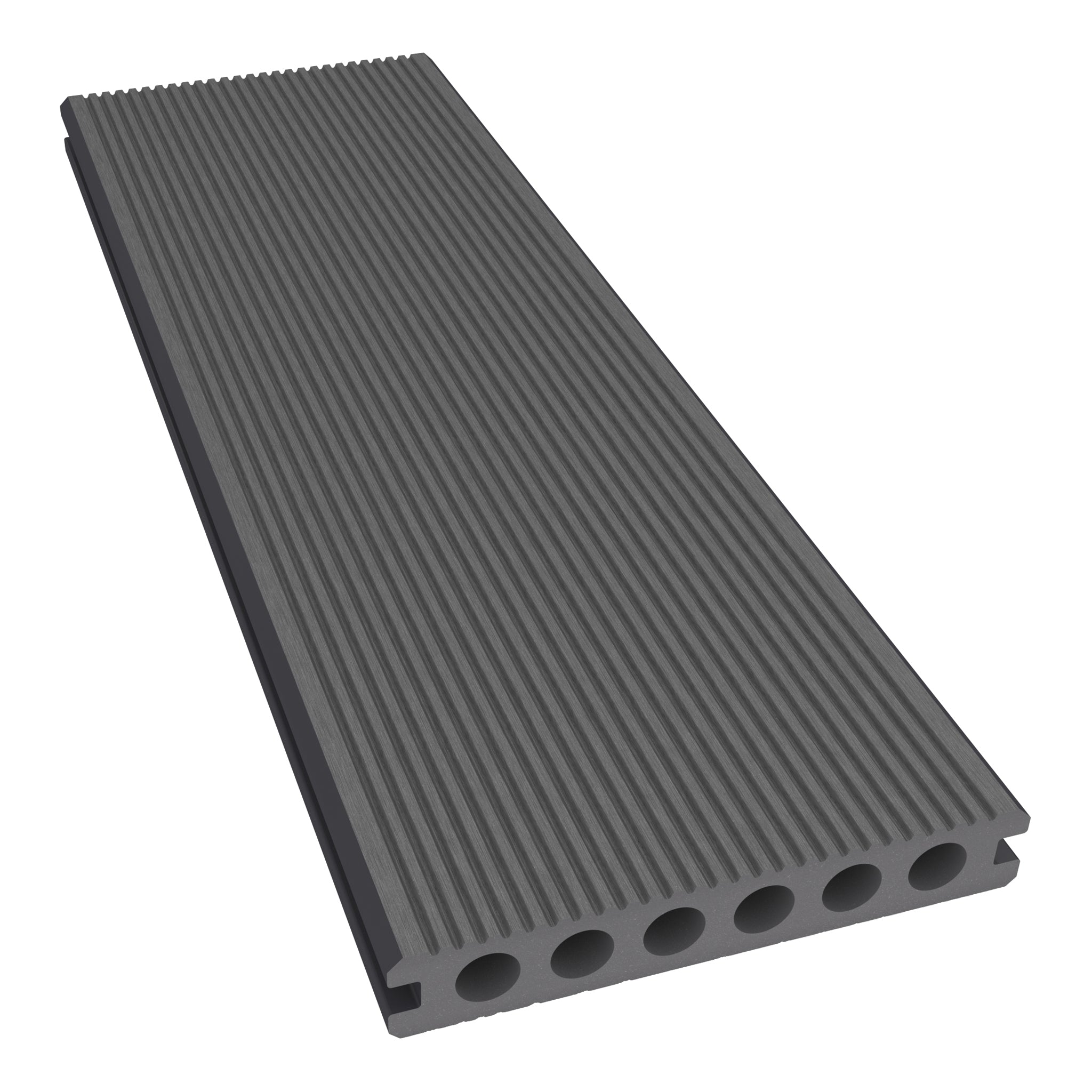
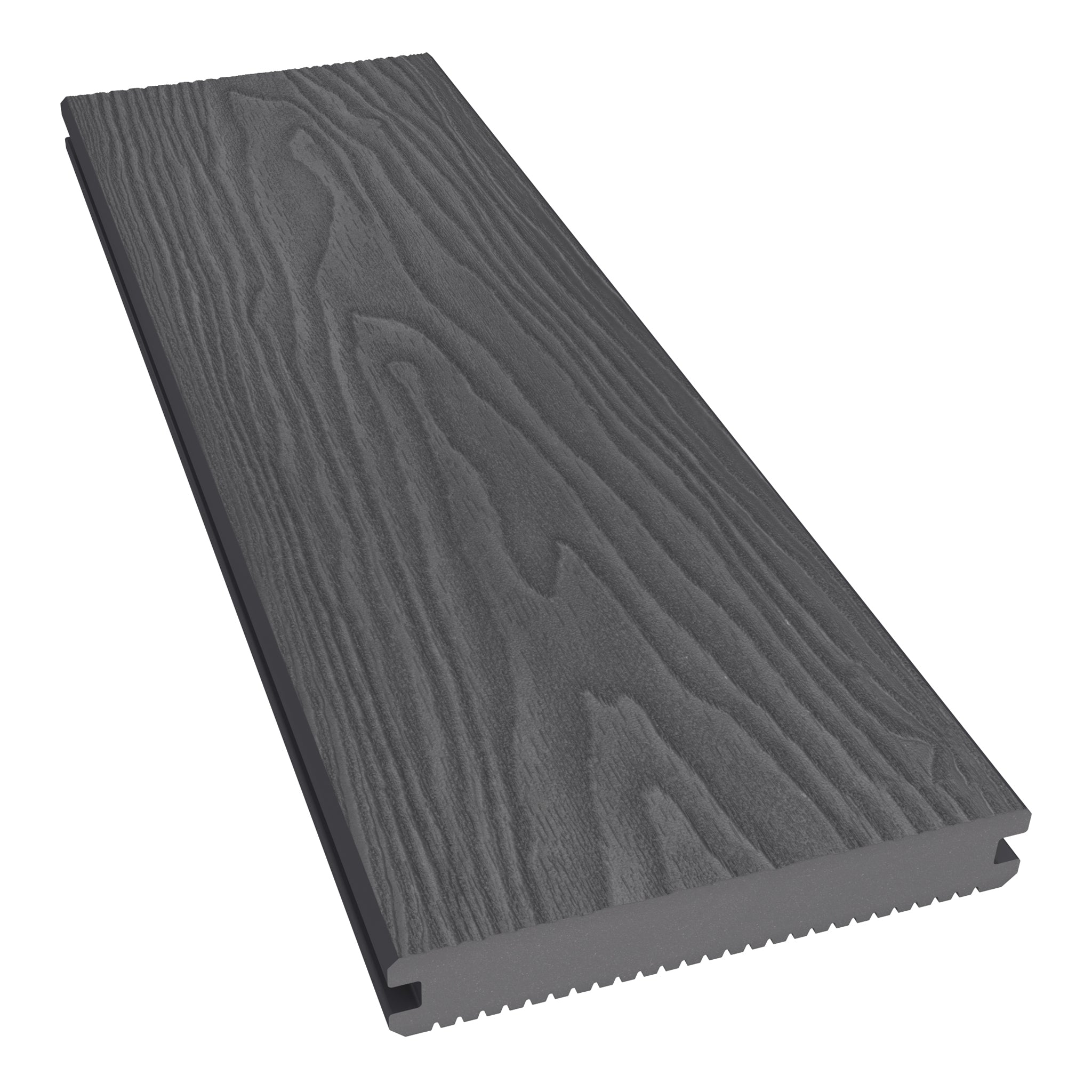
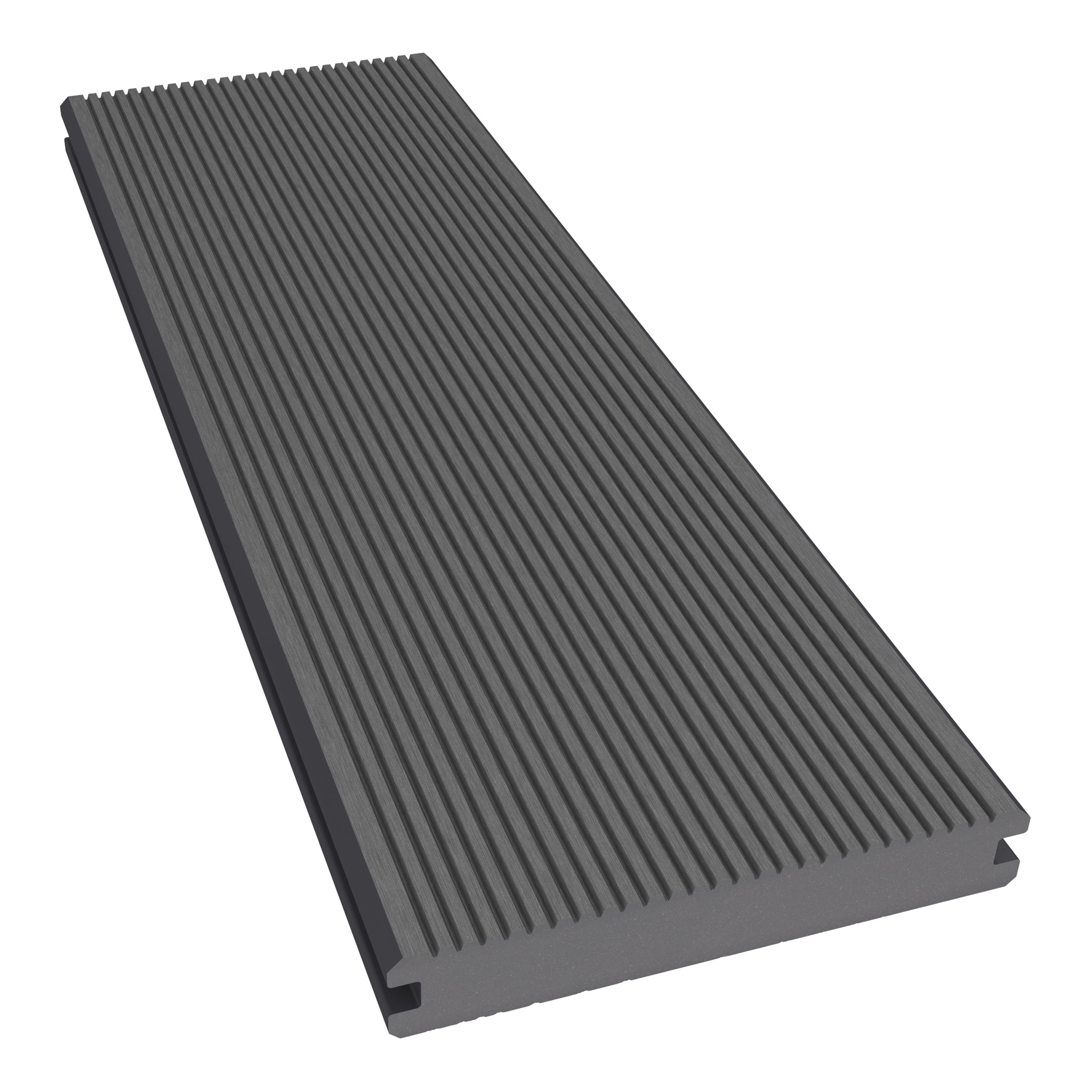
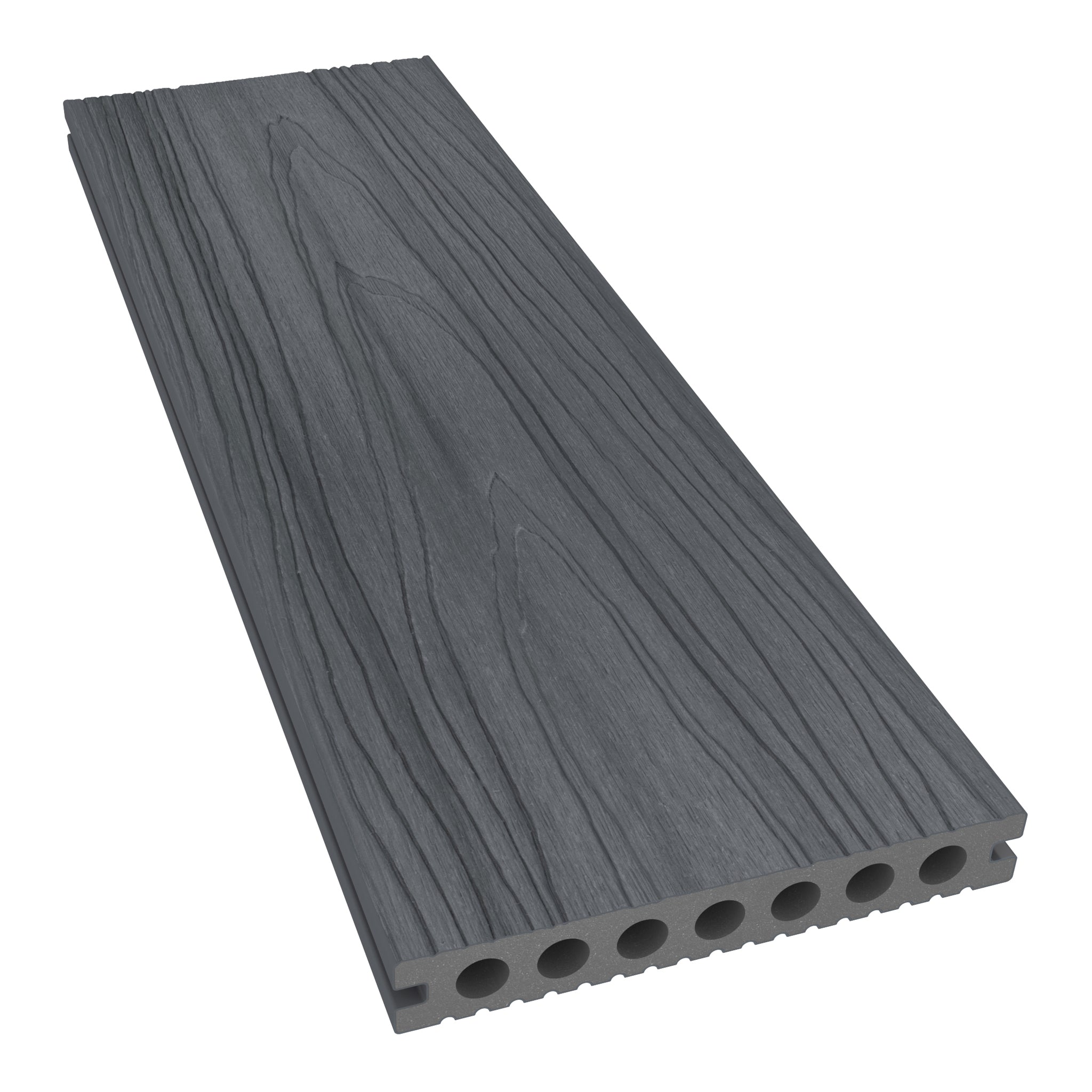
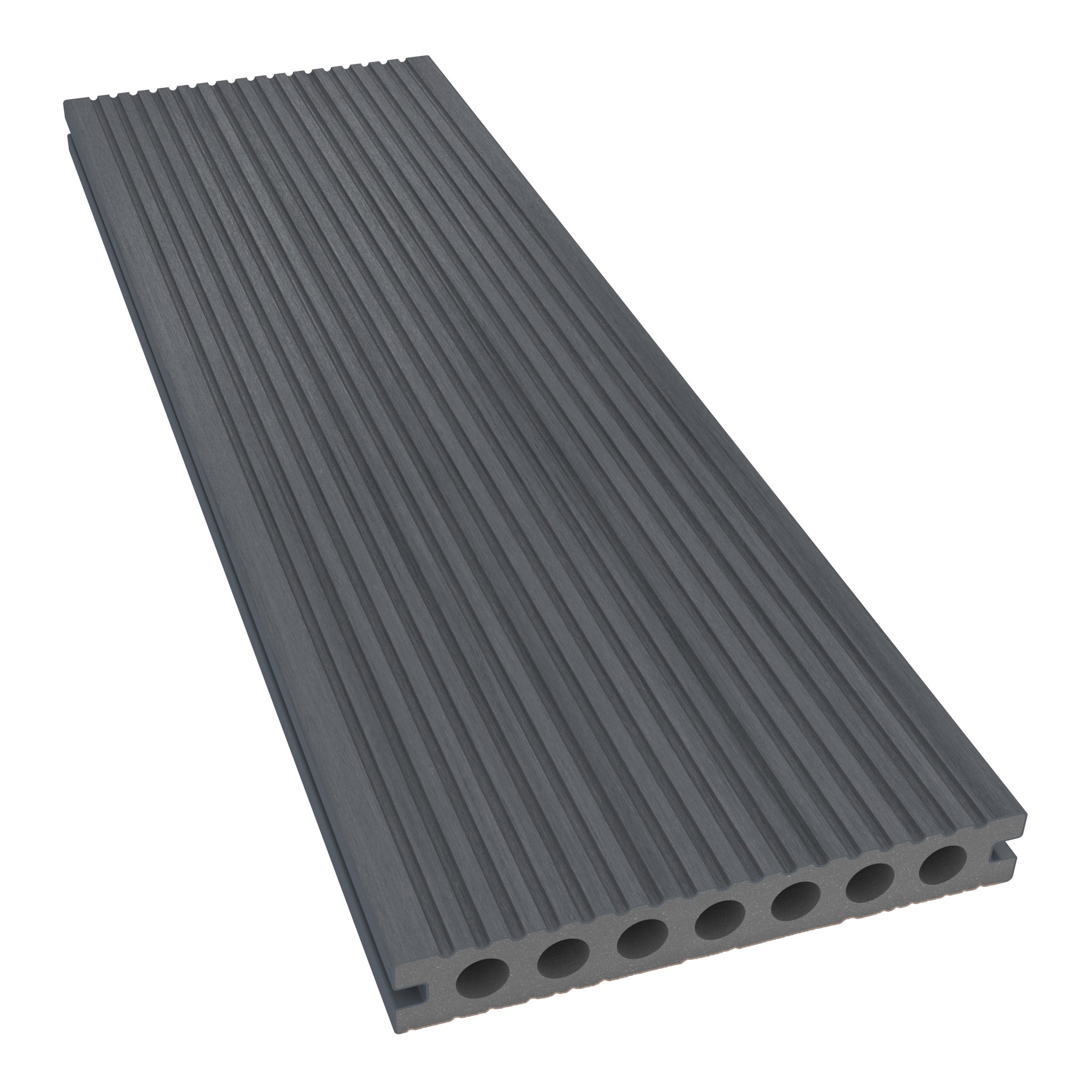
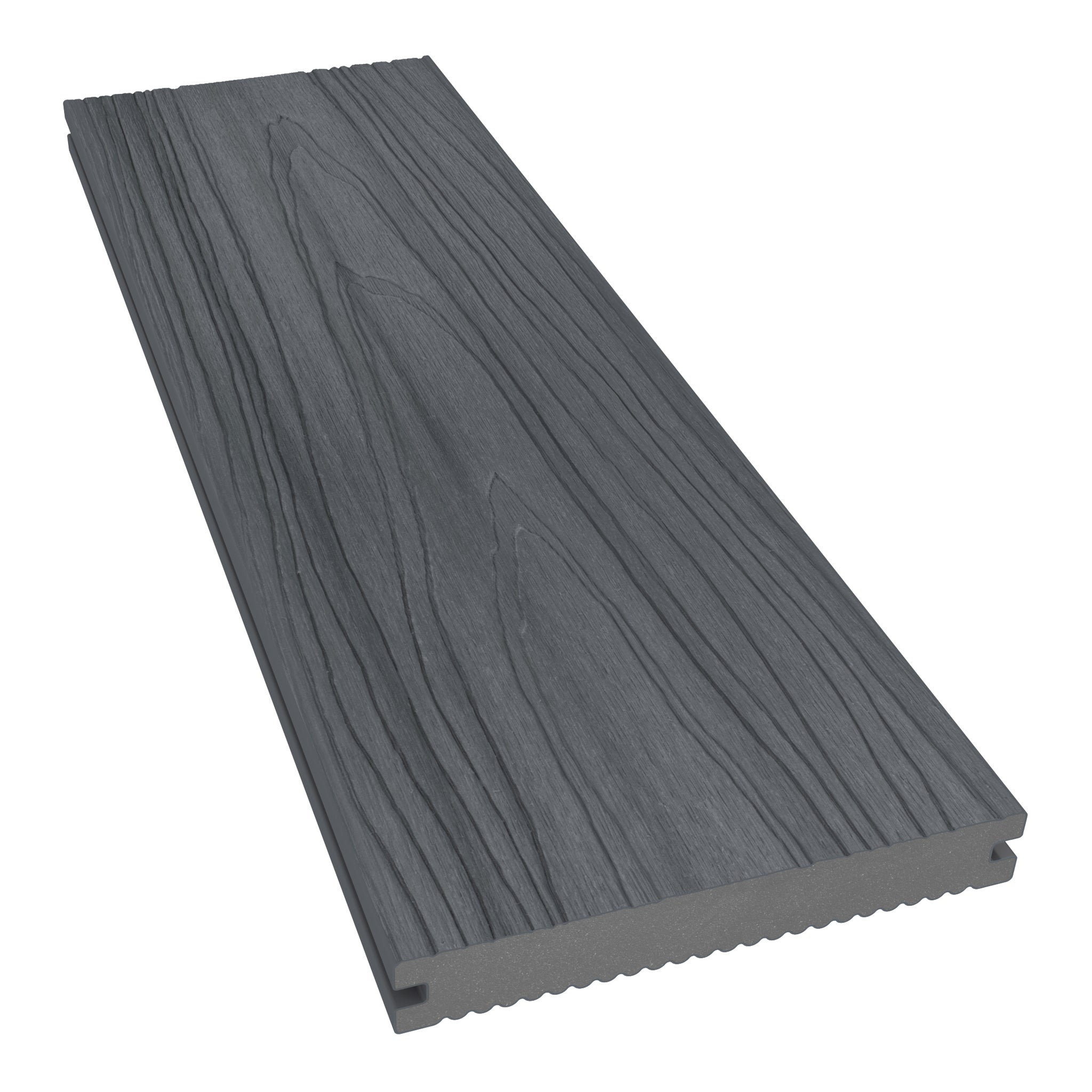
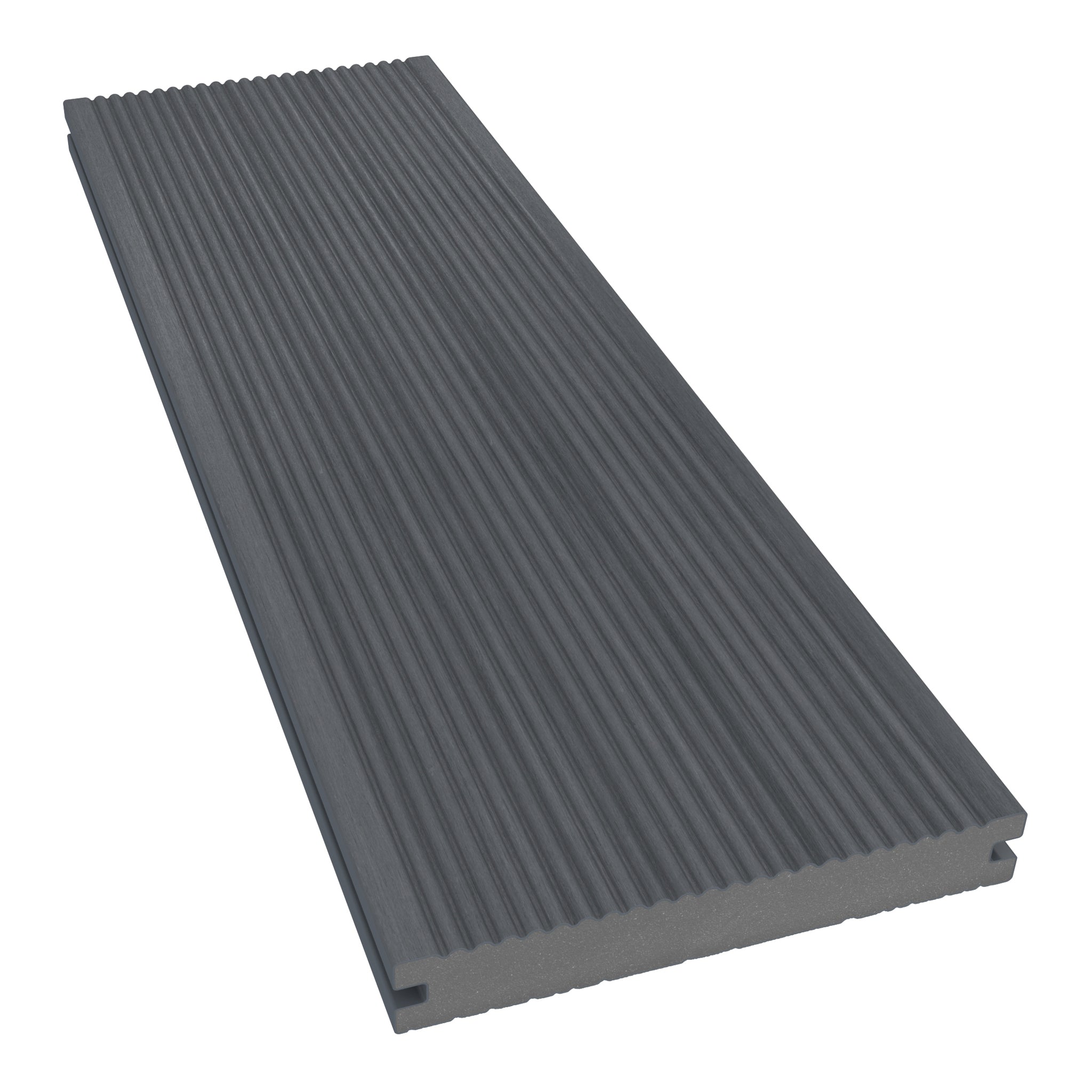
Composite lumber combines wood fibres with plastic to create manufactured boards and profiles. NeoTimber® uses responsibly sourced wood fibres and recycled plastic in its composite boards and joists. The range includes visible decking surfaces as well as components designed for supporting frameworks.
Within a decking project, NeoTimber® composite decking joists provide a strong foundation for low-lying installations over solid bases. They resist moisture and rot without routine timber treatments. Use the specified support arrangement: these joists are intended for low-lying installations over a suitable solid base. The same material also has uses beyond decking. NeoTimber® composite cladding joists provide a supporting framework behind exterior cladding.
Recycled Plastic Lumber: Joists and Posts for Damp Conditions
Unlike composite forms of artificial lumber, recycled plastic lumber takes wood out of the equation altogether. NeoTimber® recycled plastic joists and posts provide a durable alternative to traditional timber subframes. They resist water absorption and will not rot like timber. This makes the material particularly useful where a subframe faces damp or exposed conditions.
NeoTimber® recycled plastic decking joists can create a durable supporting structure for raised decking. Matching recycled plastic deck posts can be concreted into soft ground to provide additional support. Together, they can support an elevated deck over uneven ground when installed to the specified layout. Resistance to moisture does not remove the need for suitable foundations, support spacing and drainage.
What Are the Benefits of Artificial Lumber?
Composite and recycled plastic products can reduce several maintenance jobs associated with timber. The benefits depend on the material, profile and intended application, but may include:
- Less routine upkeep: no regular painting, staining or sealing for the relevant NeoTimber® products.
- Resistance to rot and moisture: useful for outdoor surfaces and correctly specified supporting structures.
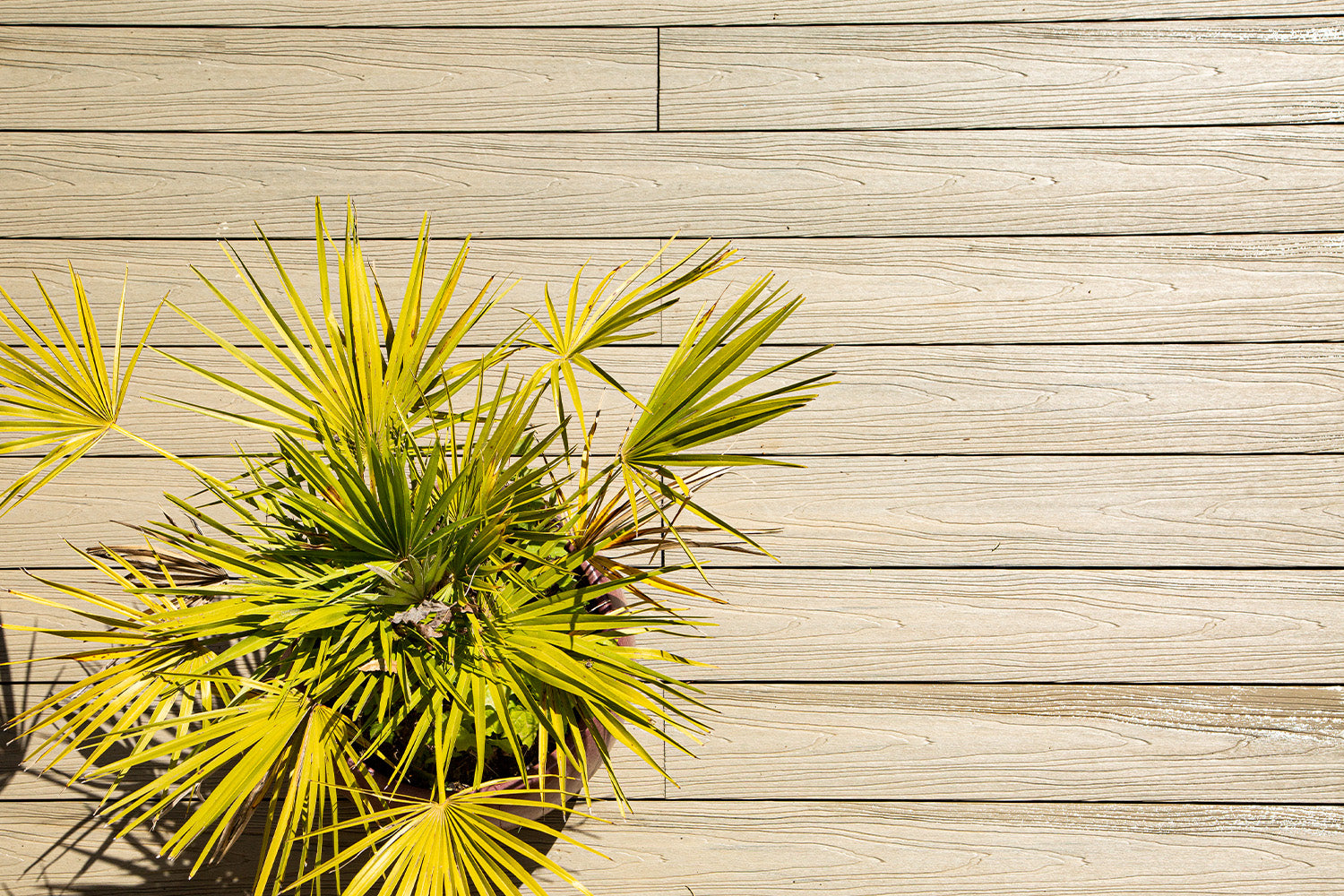
- Ready-made finishes: a choice of colours and textures for visible decking boards.
- Recycled content: recycled plastic is used in NeoTimber® composite and recycled plastic products.
- Product-specific warranty cover: available across relevant ranges, subject to terms.
Low maintenance still involves care. Keep decking clean, remove debris and follow the guidance for your chosen material. Compare the decking subframe options to match the supporting structure to the location and intended use.

How Does Aluminium Compare with Artificial Lumber?
Artificial lumber is not the only alternative to traditional timber. Aluminium brings a different set of advantages where weight, fire classification and exposure influence material choice. NeoTimber® aluminium joists are lightweight, corrosion resistant and non-combustible. They can support both low-level and raised installations, including projects using adjustable pedestals.
Aluminium can also continue from the subframe through to the finished surface. NeoTimber® aluminium decking carries an A2fl-s1 fire classification and comes in contemporary and woodgrain-effect finishes. This is relevant when considering balconies, roof terraces and commercial projects with defined fire-performance requirements. Assess the complete deck specification; the board classification alone does not establish the performance of the supporting structure or the finished installation. A fire-compliant aluminium decking hotel terrace can combine these practical requirements with the demands of a busy outdoor setting.

Which Material Suits Your Outdoor Project?
Artificial lumber includes composite and recycled plastic, with aluminium offering another alternative to timber. NeoTimber® decking material options include solutions for a wide range of outdoor projects:
| NeoTimber® Material & Options | Where It Can Work Well |
|---|---|
| Composite lumber, including decking boards and composite joists. | Boards for gardens, terraces and suitable commercial applications. Composite joists for low-lying installations over a solid base, following the specified support requirements. |
| Recycled plastic lumber, including joists and posts. | Ground-level or raised subframes, including damp sites. Posts and foundations must be suitable for the ground conditions and design loads. |
| Aluminium, including decking boards and aluminium joists. | Low-level and raised decks, including balconies and roof terraces, subject to the required loading, support layout and fire specification. |
The surface and subframe can use different materials where the system permits it. Select compatible boards, joists and fixings, then check the required spacing and loading. Adding aluminium joists does not make composite boards non-combustible.
Installing Artificial Lumber: What to Plan
Artificial lumber can reduce preparation and finishing work, but still needs careful installation. NeoTimber® composite decking arrives ready to install, with no painting or protective treatment required. Consistent board dimensions help when laying composite decking and compatible concealed FastClips help maintain side-to-side spacing. Follow the specified expansion gaps and fixing details for your board range.
That practicality extends across the wider NeoTimber® range. Recycled plastic components can be cut and assembled into durable supporting structures, while aluminium combines lightweight handling with precision-made joists, boards and fixings. Maintenance after installation is straightforward too, with no routine sanding, staining or sealing required. Detailed installation guidance and decking installation videos provide further support from subframe preparation through to the finishing details.
Choose the Right Boards and Supports Together
Choose artificial lumber around the job it needs to do. Composite offers finished decking boards and dedicated supporting profiles; recycled plastic provides another option for joists and posts exposed to damp conditions. Aluminium adds a separate alternative where lightweight handling, corrosion resistance or fire classification matters.
Compare the full project requirements, including foundations, supports, compatible fixings and maintenance, before selecting a material. Explore the composite decking range for board styles and finishes. Relevant NeoTimber® ranges offer up to 25-year residential and 10-year commercial warranty cover, subject to the product and applicable terms.
Artificial Lumber FAQs
Does artificial lumber need treating like traditional timber?
No. One of the practical advantages of artificial lumber is avoiding many treatments associated with timber. NeoTimber® composite and recycled plastic materials do not require routine painting, staining or sealing. This can reduce ongoing upkeep throughout the life of the project. Our low maintenance decking guidance explains what is required to keep composite boards looking their best.
Can composite lumber be used with different subframe materials?
Yes. NeoTimber® composite decking can be installed over different subframe materials, including composite, recycled plastic and aluminium joists. This allows the supporting structure to suit the individual project. Ground conditions, deck height and fire requirements can all influence the choice. Check the installation guidance for the chosen combination of boards and joists; each component must suit its intended role.
Can I order samples before choosing my decking?
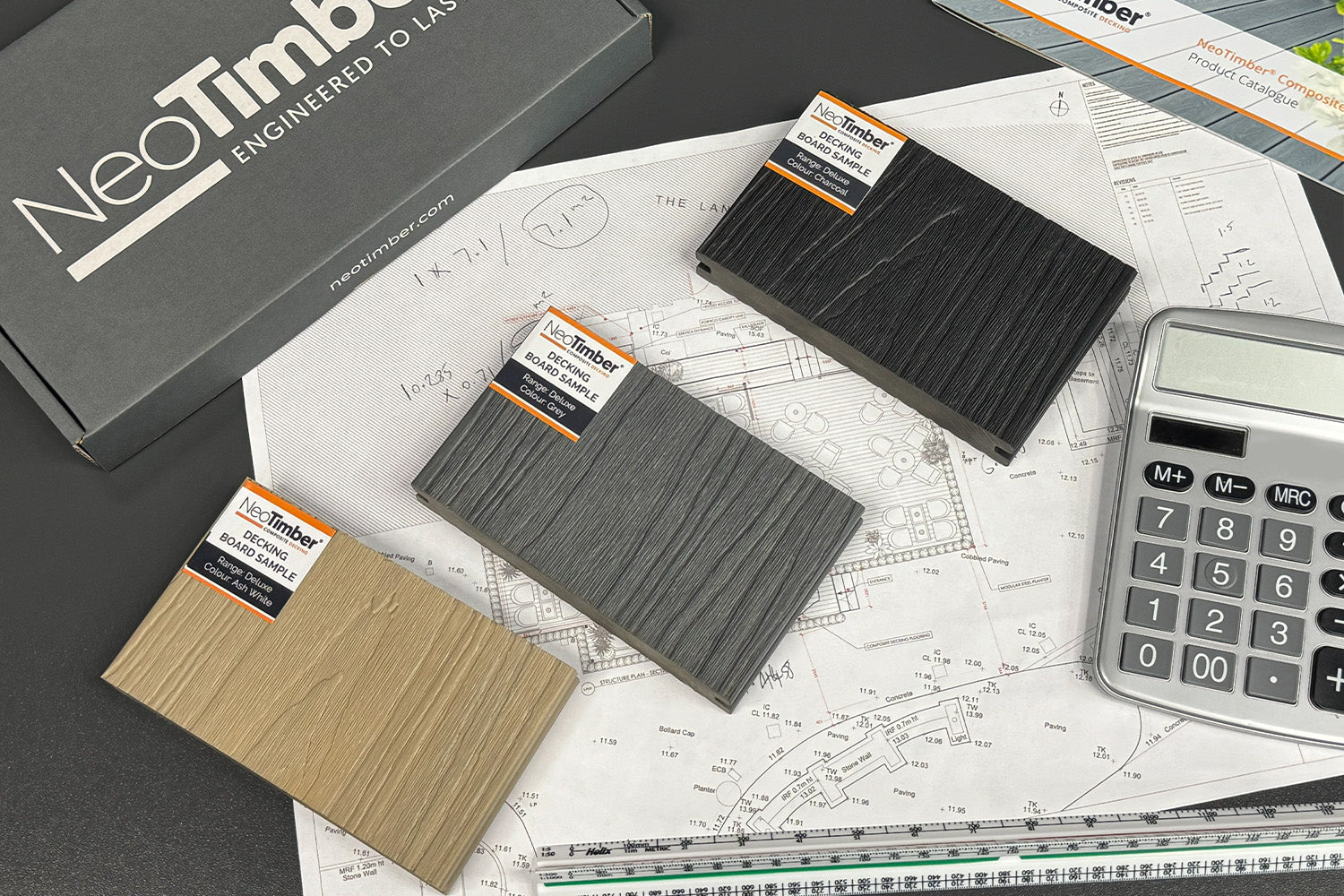
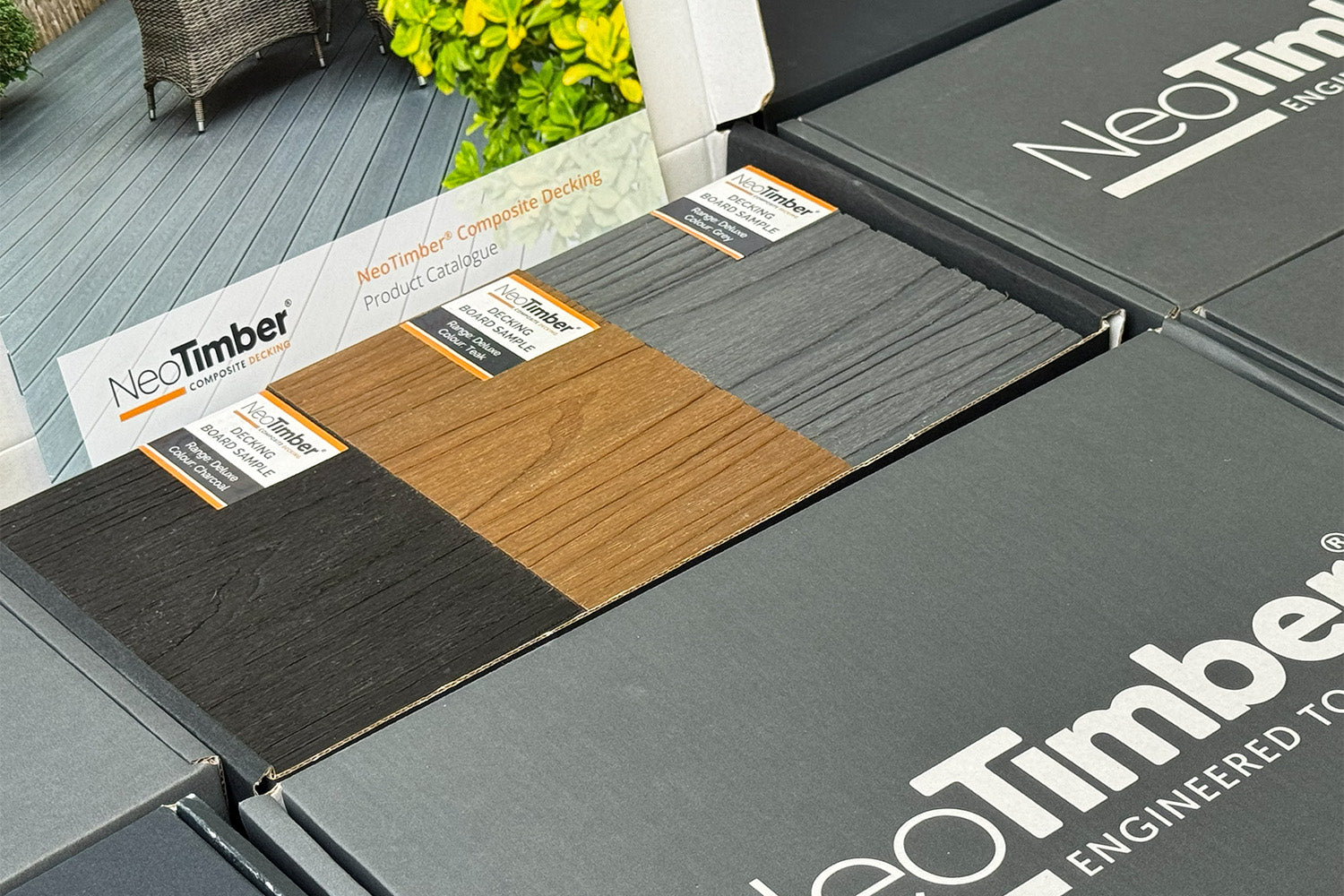
Yes. Samples allow you to compare colours, textures and finishes against other materials within the project. This can be particularly helpful when comparing composite lumber with aluminium decking. NeoTimber® free decking samples make it easier to assess the options before making a final choice.
Where can I find inspiration for my decking project?
Completed projects can provide ideas for colours, board layouts, contrasting materials and finishing details. They also show how artificial lumber and other timber alternatives can work within different surroundings. The NeoTimber® decking gallery includes residential and commercial installations across a variety of styles.