

Beach Deck Guide: Materials, Design Ideas And Coastal Care
A beach deck creates a practical outdoor space for relaxing, dining and enjoying coastal views, but it must be designed for salt, sand, moisture, wind and strong sunlight. Material selection, subframe design, fixings, drainage and maintenance all affect how well the deck performs beside the sea.
Whether you are planning a private coastal garden, holiday lodge, seafront café or public terrace, this guide explains how to choose and maintain a durable beach deck. It also explores colour schemes, layout ideas and the benefits of composite decking in demanding coastal locations.
What Is A Beach Deck?
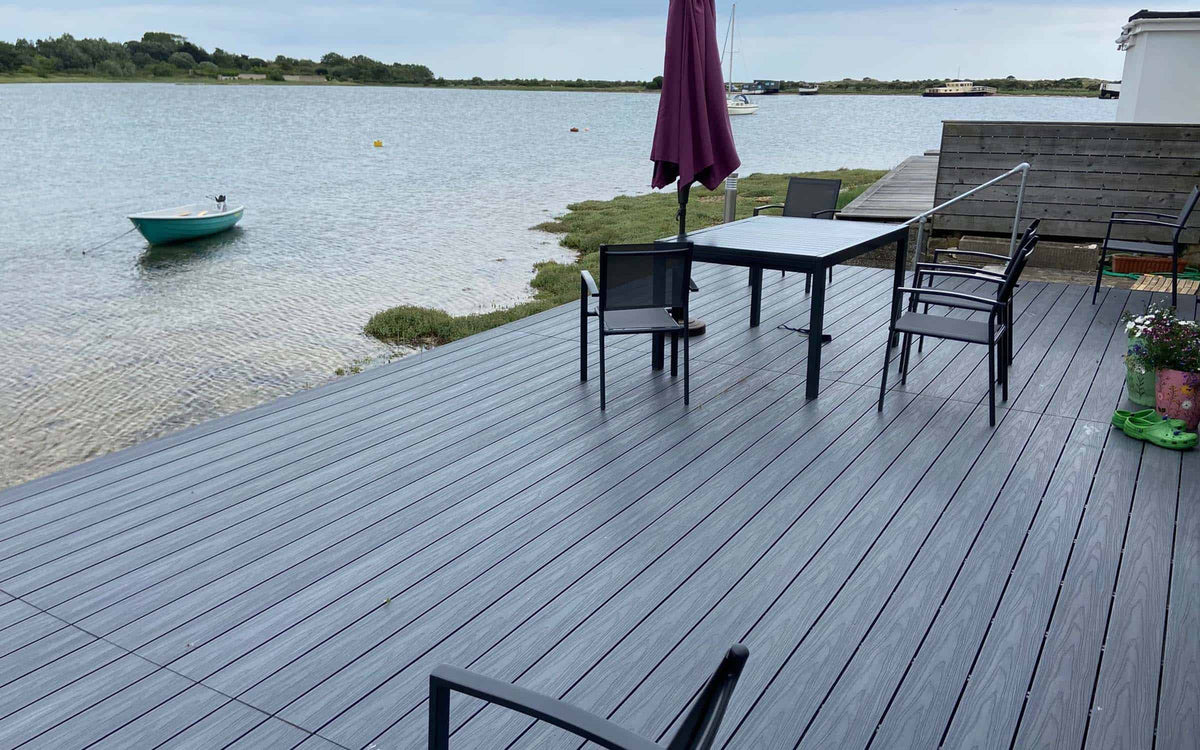
A beach deck is an outdoor platform built at or near the coast. It may extend a private home or holiday lodge, provide seating for a hospitality venue, create access across uneven ground or form a viewing terrace above the shoreline.
The term describes the location and use rather than one construction method. A deck by the beach might use composite, aluminium or timber boards over a suitable timber, recycled plastic or metal subframe. The correct combination depends on exposure, loads, height, ground conditions and local requirements.
Why Build A Beach Deck?
- Create a level area over uneven or sloping coastal ground
- Make better use of sea views and outdoor space
- Provide defined seating, dining or circulation zones
- Improve access around lodges, cafés and visitor facilities
- Reduce reliance on lawns and soft landscaping in exposed areas
- Introduce an architectural transition between a building and its surroundings

How Coastal Conditions Affect A Beach Deck
Coastal exposure can be more demanding than an inland garden. Consider each of the following during specification:
Salt-Laden Air And Sea Spray
Salt deposits can build up on boards, fixings, balustrades and furniture. They may accelerate corrosion on unsuitable metals and leave residues on surfaces. Specify fixings and metal components for the site's exposure category and rinse deposits as part of routine care.
Wind And Uplift
Open shorelines can experience strong winds and wind-driven debris. The frame, boards, trims, balustrades, shade structures, planters and furniture all need suitable restraint. Elevated and exposed decks may require project-specific wind calculations.
Sand And Abrasion
Sand carried beneath shoes or blown across the surface can act as an abrasive. Use entrance mats where practical, sweep regularly and lift rather than drag furniture to limit scratching.
Moisture And Humidity
Rain, spray and humid air can keep shaded areas damp. The beach deck should shed water efficiently and allow the void below to ventilate. Organic debris must not be allowed to block board gaps or drainage channels.
Sunlight And Temperature
Unshaded coastal spaces may receive intense direct sunlight. Review fade-resistance information, thermal movement guidance and surface temperatures. Dark finishes generally absorb more heat than lighter colours.
Best Materials For A Beach Deck
| Material | Potential Benefits | What To Check |
|---|---|---|
| Capped composite decking | Low water absorption, no routine staining, wood-effect finishes and good stain resistance | Product range, board profile, thermal gaps, wet slip data and approved fixings |
| Traditional composite decking | Lower-maintenance alternative to timber with textured surfaces and recycled content | Cleaning frequency, moisture exposure, solid or hollow profile and warranty terms |
| Aluminium decking | Dimensionally stable, corrosion-resistant, low maintenance and strong fire performance | Coating system, dissimilar-metal isolation, surface temperature and project requirements |
| Timber decking | Natural grain and the ability to sand or refinish | Species, preservative treatment, fasteners, staining, checking, splinters and ongoing care |
Why Choose Composite Decking For Coastal Gardens?
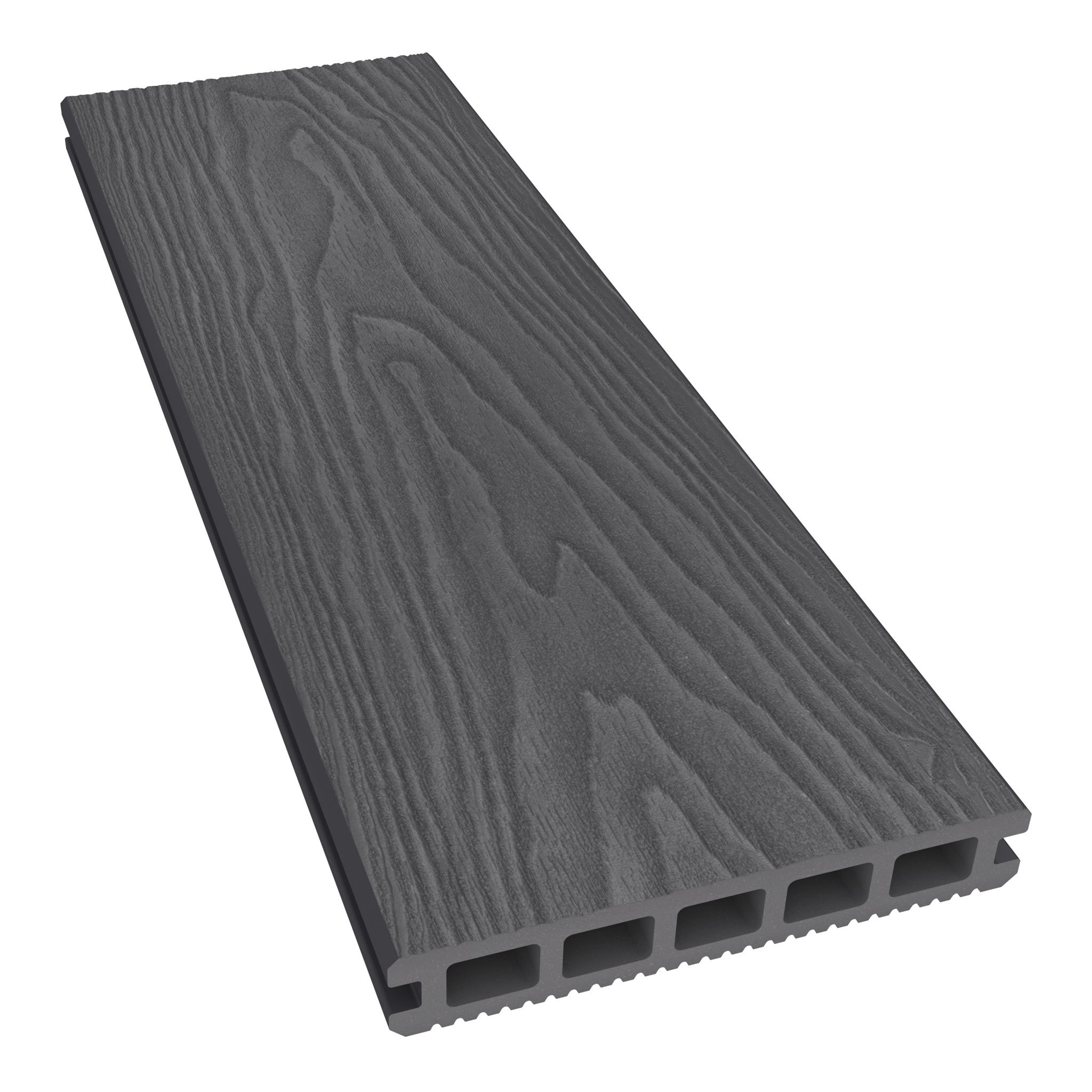
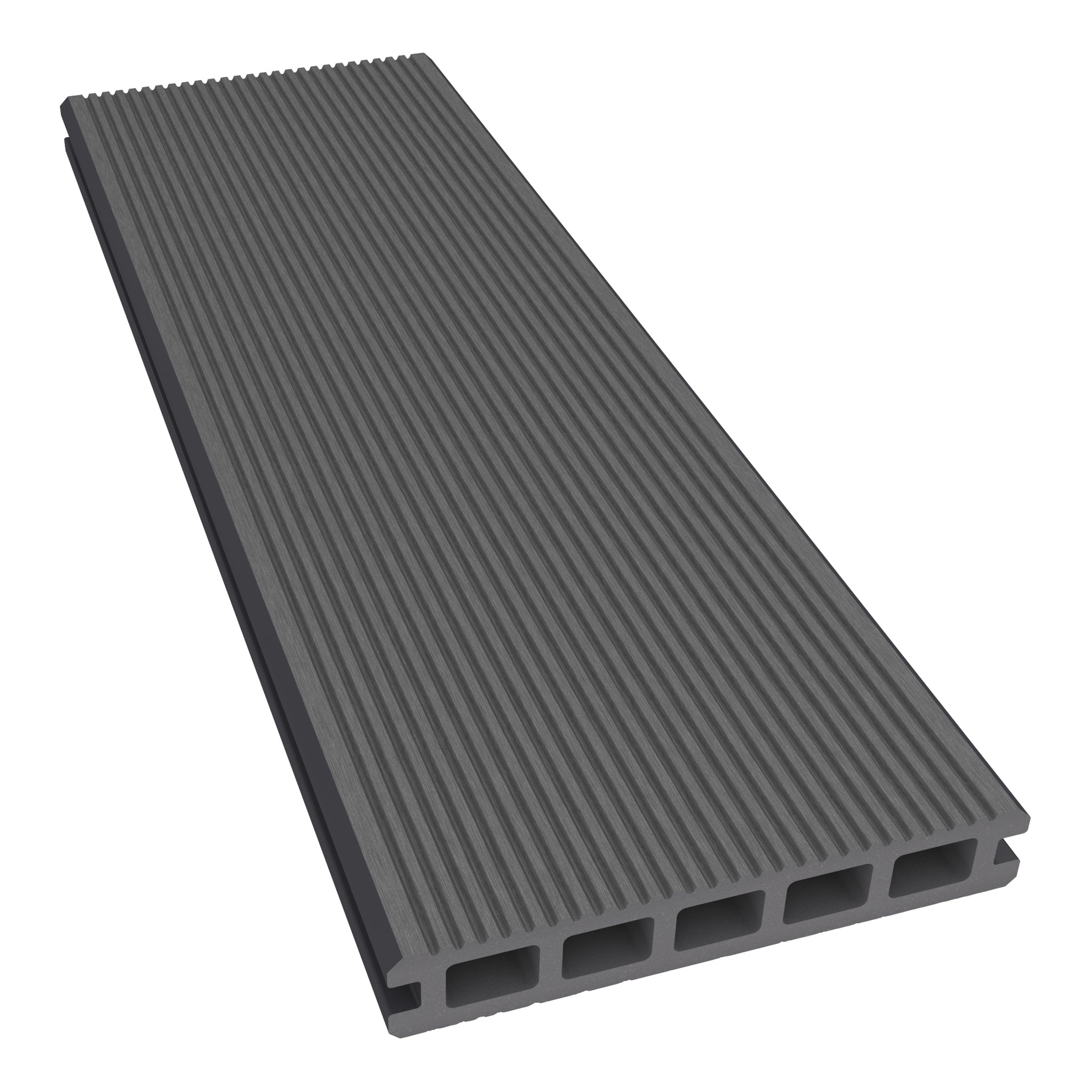
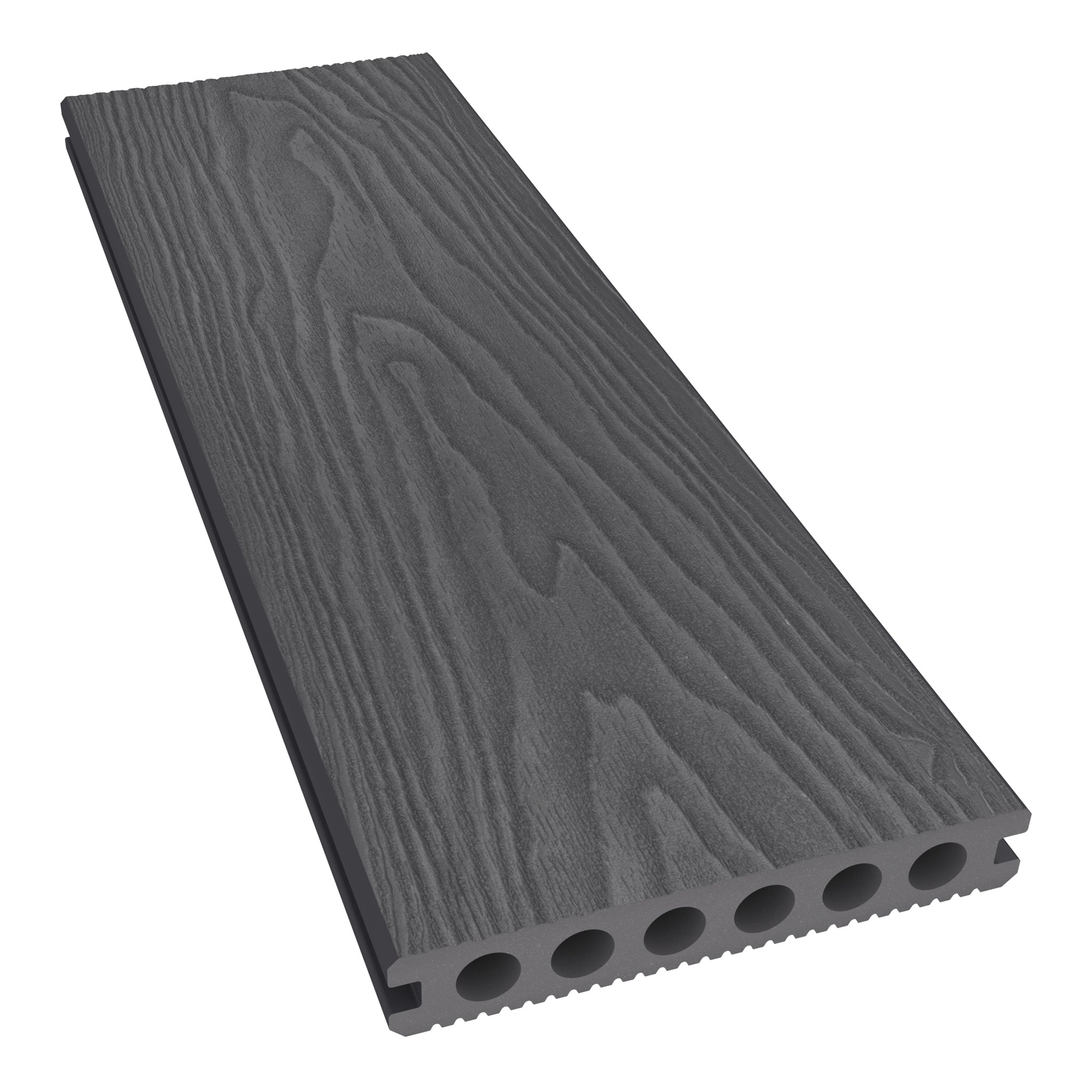
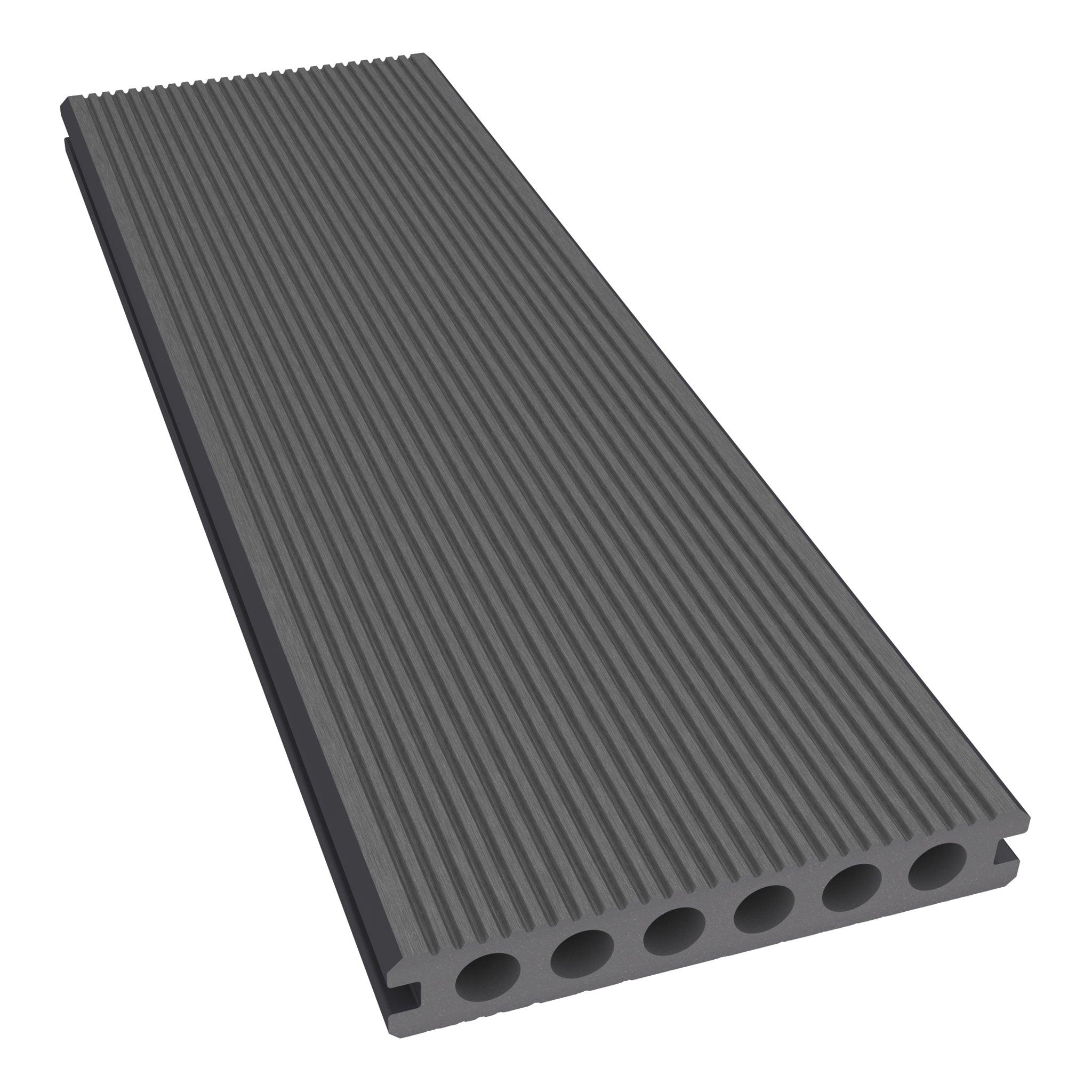
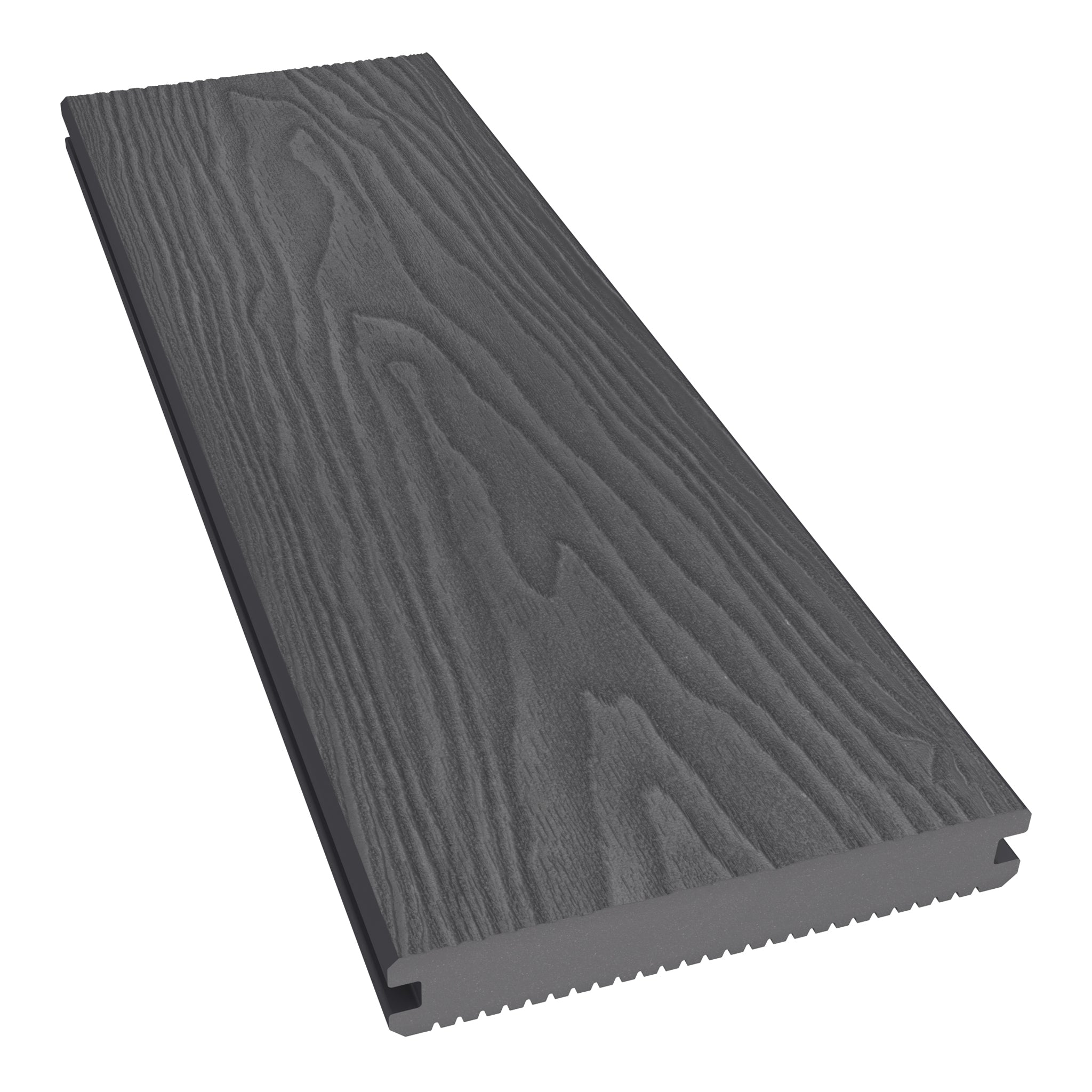
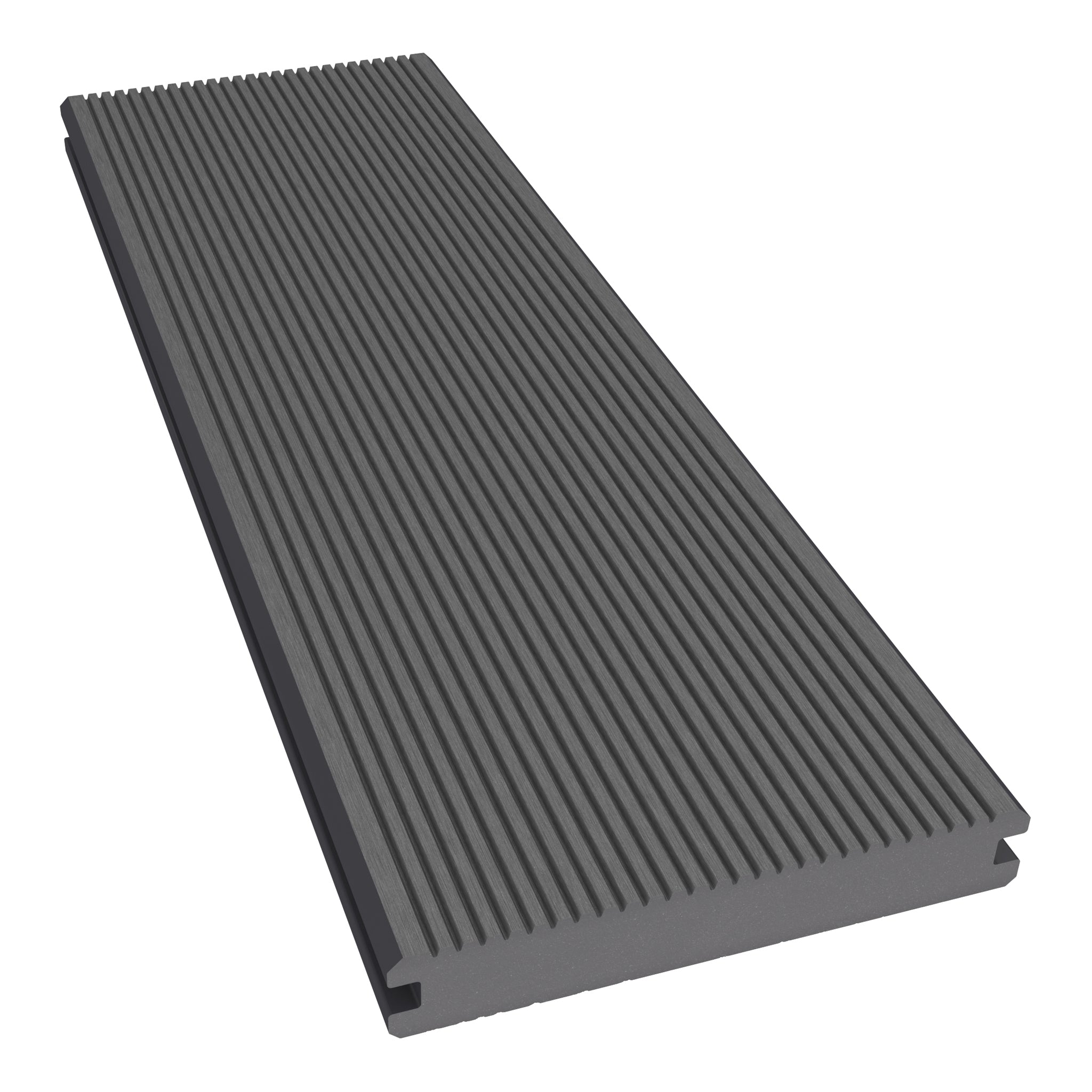
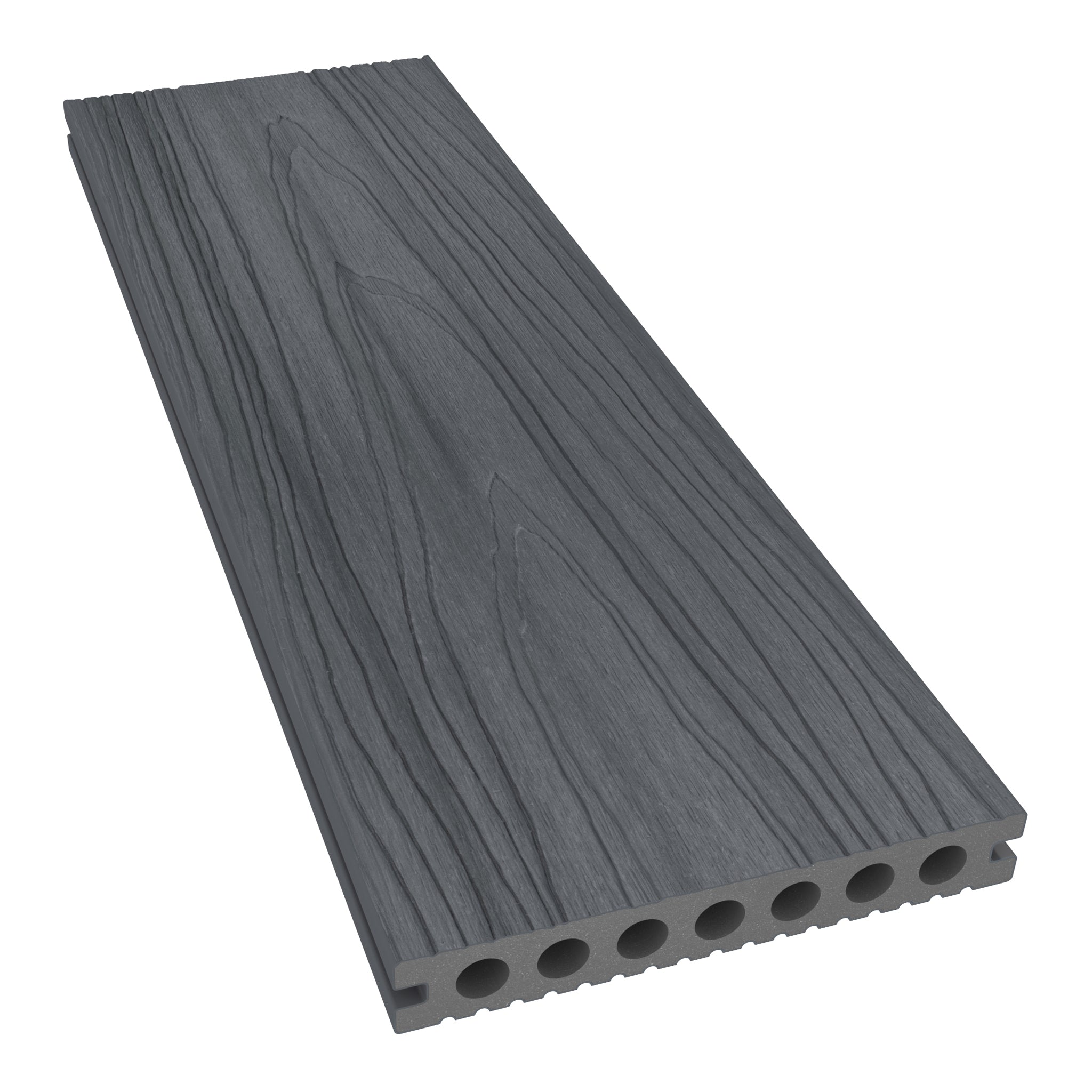
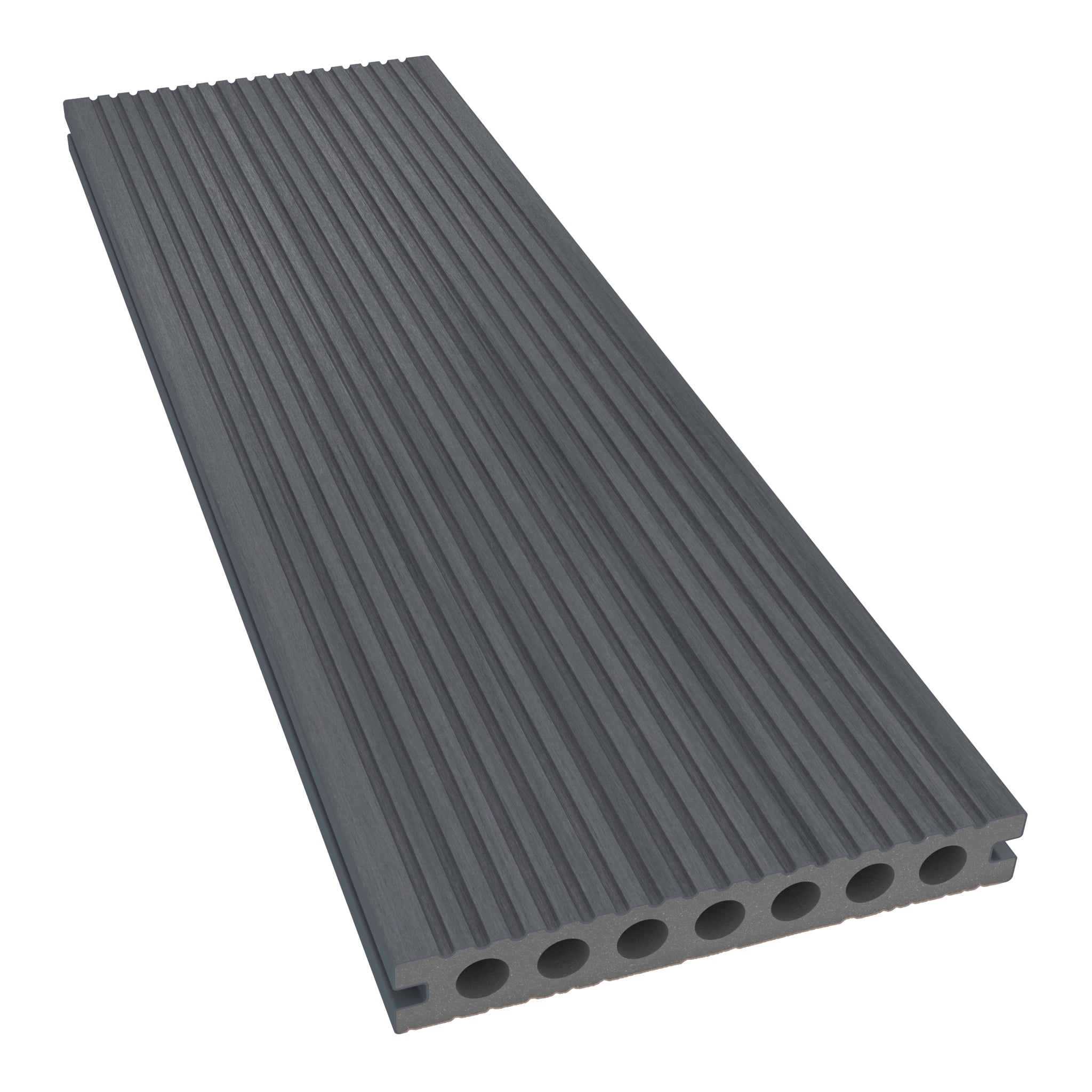
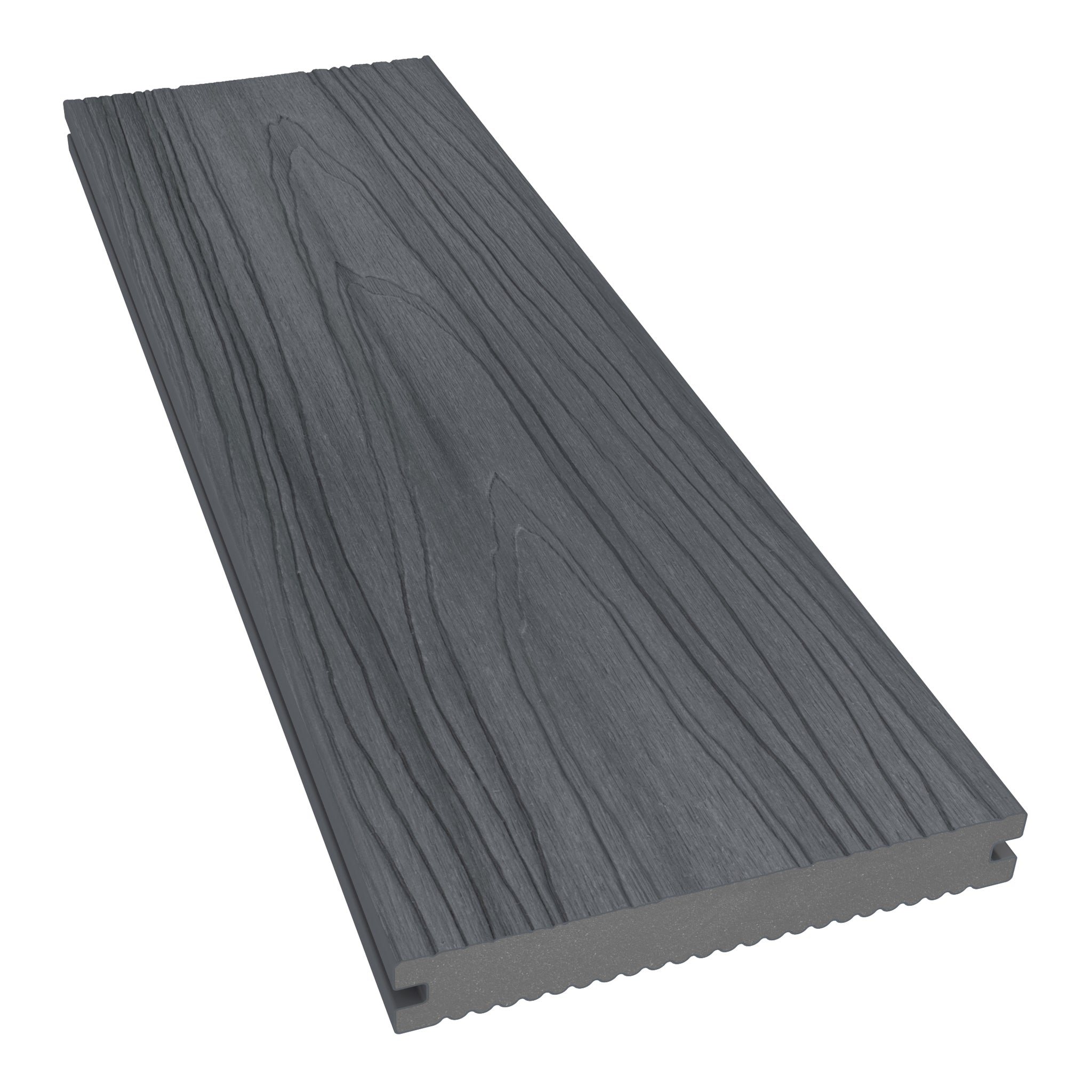
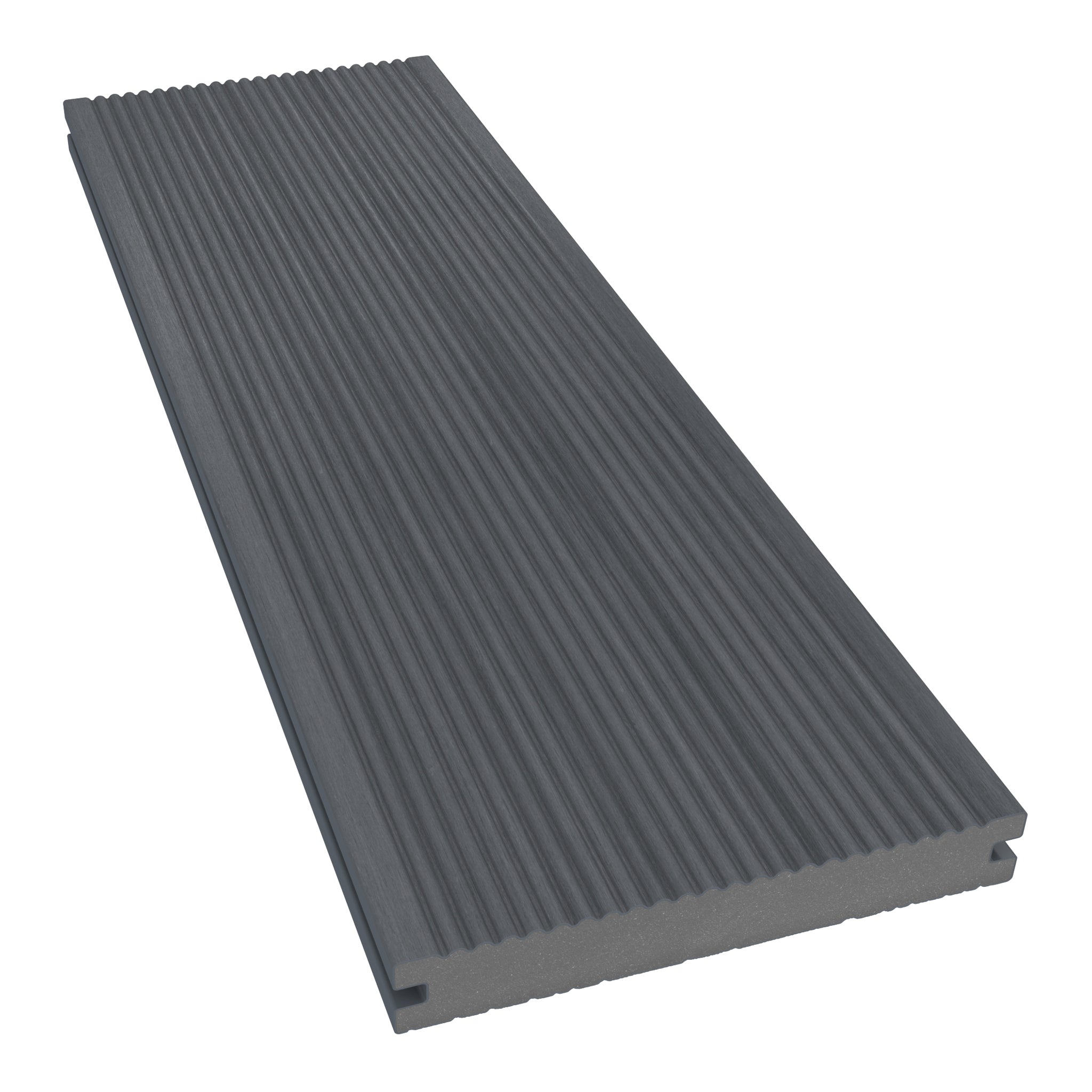
Composite decking is popular beside the sea because it will not rot or splinter like untreated timber and does not need routine sanding, staining or sealing. NeoTimber® boards combine wood fibres with recycled plastics and offer reversible textured finishes.
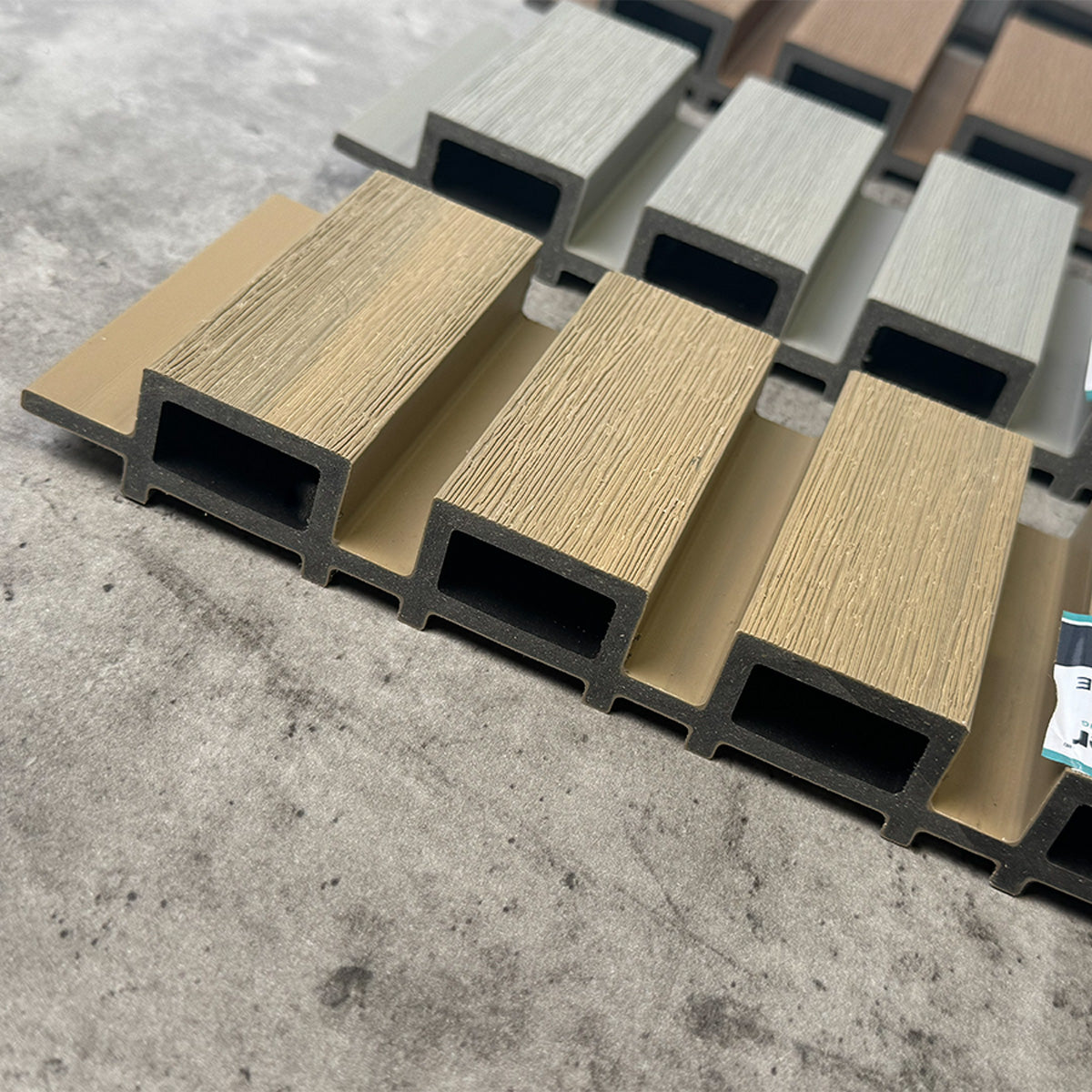
Capped boards add a protective polymer shell around the composite core, improving resistance to moisture, stains and fading. Solid boards may suit demanding, high-footfall coastal projects, while hollow products can reduce weight where the product and structural design allow. Select the profile using technical data rather than assuming one type is best for every beach deck.
When To Consider Aluminium
Aluminium can suit elevated, commercial or fire-sensitive coastal installations. A quality coated system resists corrosion and movement, but compatible fixings and isolation between dissimilar metals remain important in salty environments.
Can Timber Work Near The Sea?
Yes, if the species, treatment, frame, fixings and maintenance programme suit the exposure. Expect more frequent inspection and refinishing than with composite or aluminium. Keep timber away from standing water and replace any decayed or damaged components promptly.
What To Check Before Building A Beach Deck
- Permissions and environmental constraints: coastal sites may involve planning rules, lease restrictions, flood zones, protected habitats or shoreline-management requirements.
- Ground conditions: sand, made ground, slopes and erosion may need specialist foundation design.
- Flooding and wave exposure: establish design water levels, drainage routes and whether the structure may be exposed to debris or scour.
- Structural loading: include people, furniture, planters, balustrades, wind, snow and any commercial occupancy.
- Finished height: check thresholds, steps, guarding and access requirements.
- Fire strategy: confirm the required reaction-to-fire performance for the building and setting.
- Access and escape: keep entrances, emergency routes, gates and service points clear.
- Maintenance access: allow inspection of the frame, fixings, drainage and foundations.
Seek professional structural and planning advice for elevated decks, public access, unstable ground, flood exposure, coastal defences or sites close to the active shoreline.
Beach Deck Ideas For Coastal Homes And Venues
Frame The Sea View
Run the main board lines towards the view or use a darker picture-frame border to direct attention outward. Keep guarding details visually simple while meeting the required safety standards.
Create Dining And Lounge Zones
Use board direction, subtle colour changes or furniture placement to define spaces without adding physical barriers. Maintain clear routes between doors, tables, steps and exits.
Add Broad, Visible Steps
Wide steps can connect a beach deck with a garden, lodge or terrace. Use contrasting nosings, suitable lighting and published wet slip-resistance data. Steps near sand and water need frequent cleaning.
Use Integrated Seating
Built-in benches can make efficient use of an exposed edge, but they also add loads and may create a climbing point beside balustrades. Resolve their structure, guarding relationship and access for cleaning at design stage.
Include Wind-Tolerant Planting
Grasses and salt-tolerant plants can soften the deck and filter wind. Use stable planters, account for the weight of saturated compost and prevent containers from trapping persistent moisture against the boards.
Introduce Low-Level Lighting
Mains-powered deck lighting can improve visibility around steps and changes in level after sunset. Choose exterior-rated fittings and, where required, marine-suitable components, while keeping drivers and connections accessible for maintenance. For a simpler installation without mains wiring, consider solar-powered deck lights.
Provide Shade Without Creating A Sail
Pergolas and canopies require proper structural design on windy coastal sites. Retractable or removable shade may be more practical than a large permanent fabric surface.
Add An Outdoor Shower Or Rinse Point
A rinse point can help remove sand and salt before they reach the house or deck furniture. Direct water to an approved drain and use slip-resistant details around the wet zone.
Beach Deck Colours And Laying Patterns
Coastal palettes often take their cues from sand, weathered timber, stone and water:
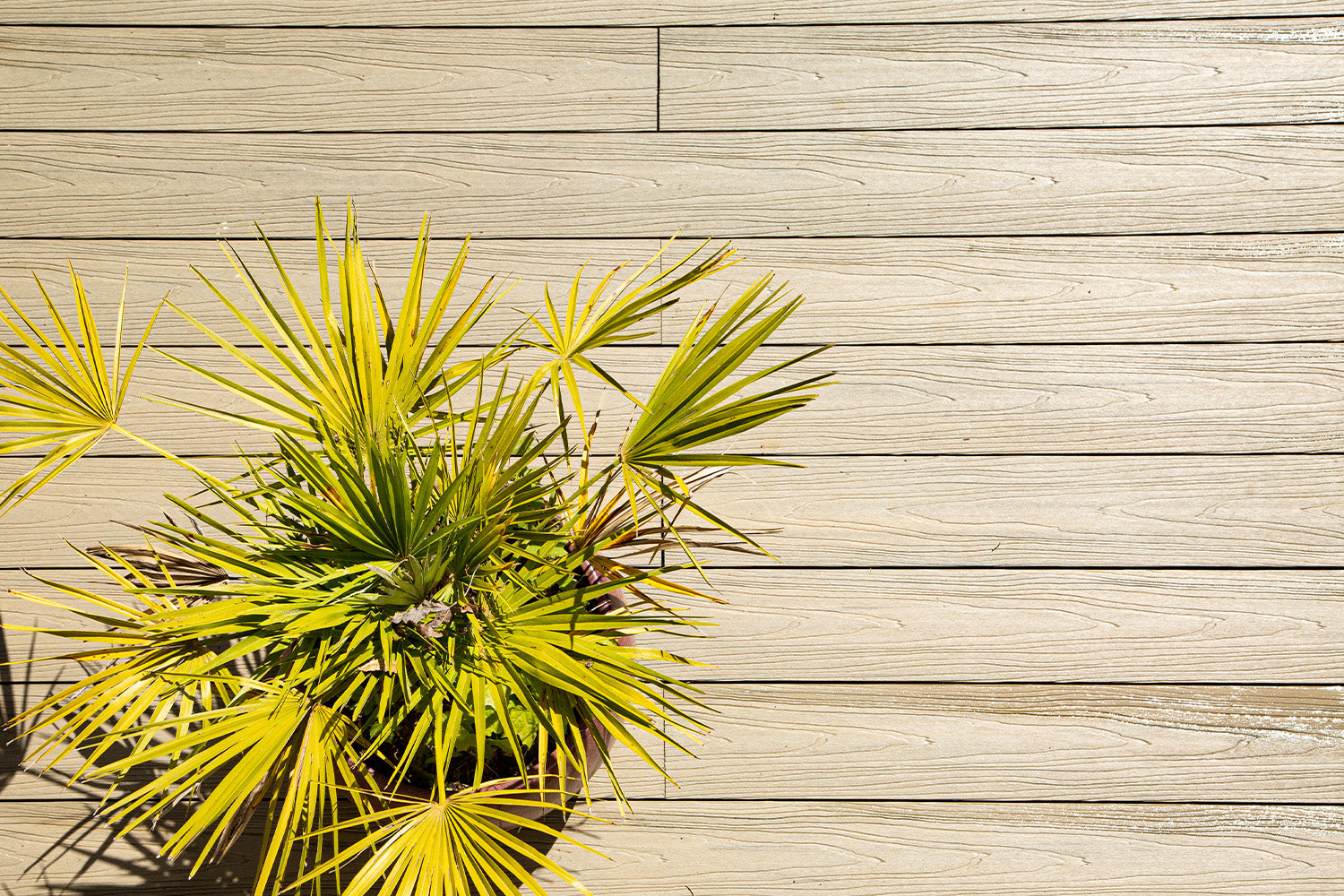
- Teak and oak: warm tones that suit lodges, traditional homes and hospitality terraces.
- Silver birch and pebble grey: pale finishes inspired by driftwood and coastal stone.
- Charcoal and anthracite: modern contrast against glass, white render and pale paving.
- Walnut and chocolate: deeper tones that create a rich frame around planting and sea views.
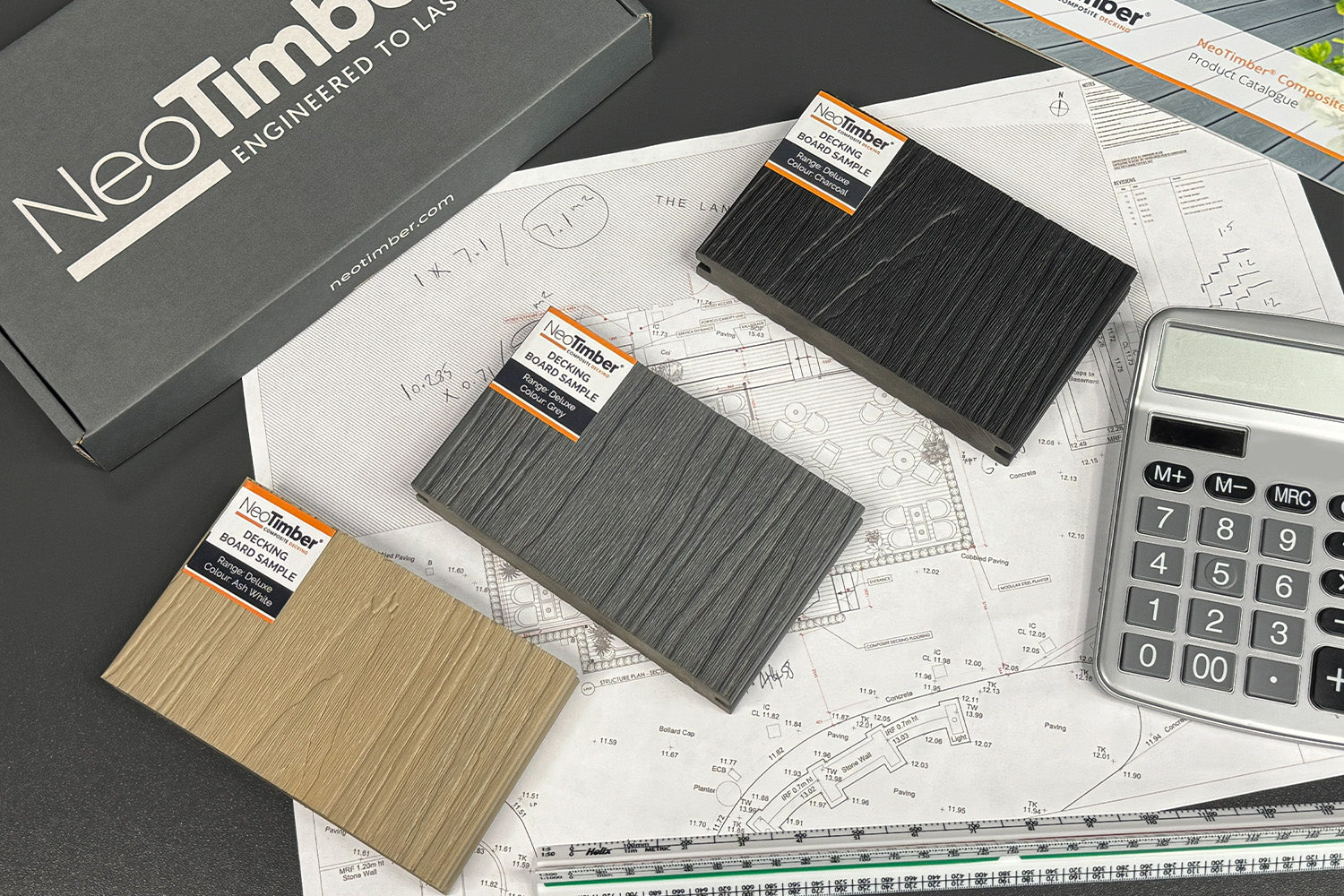
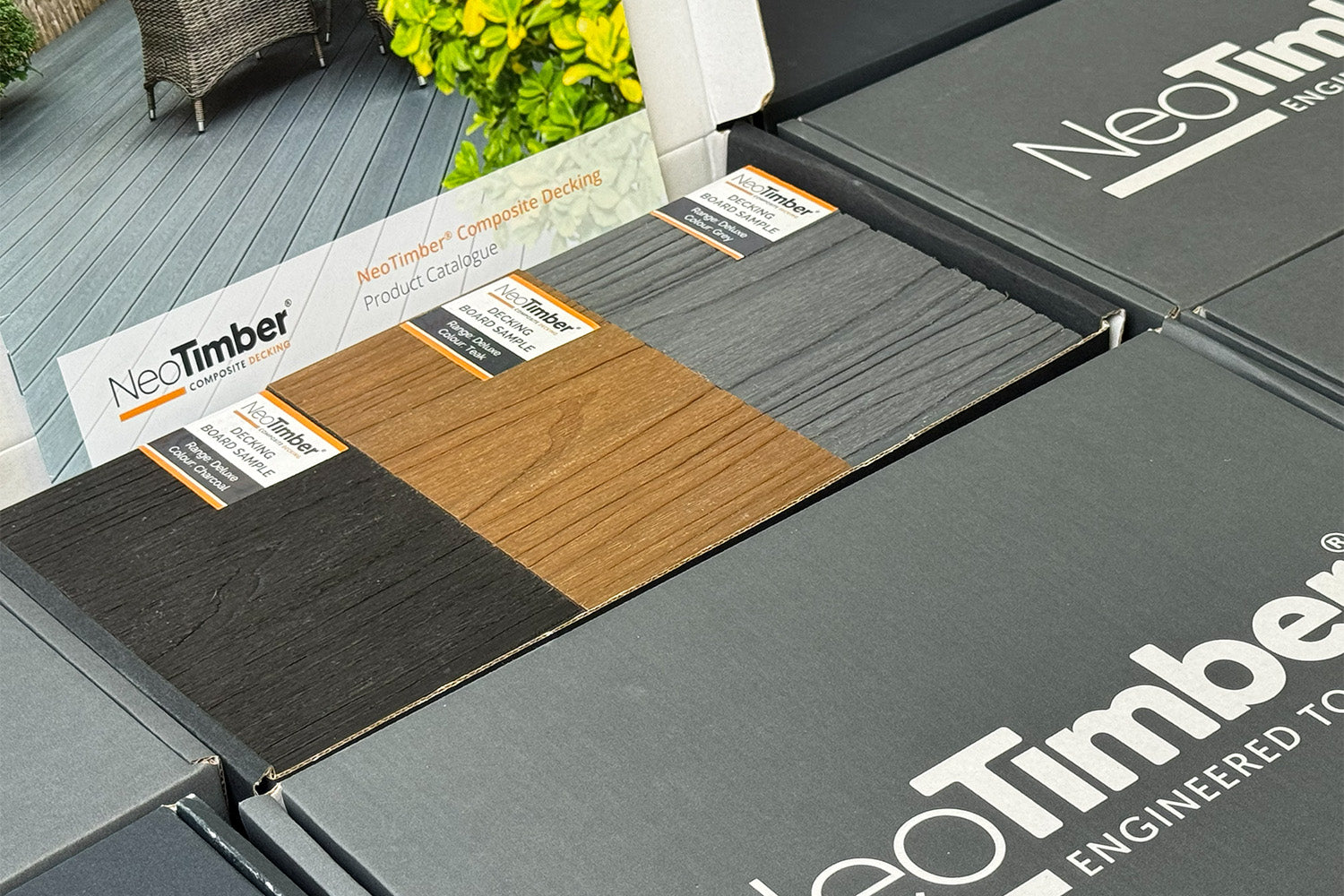
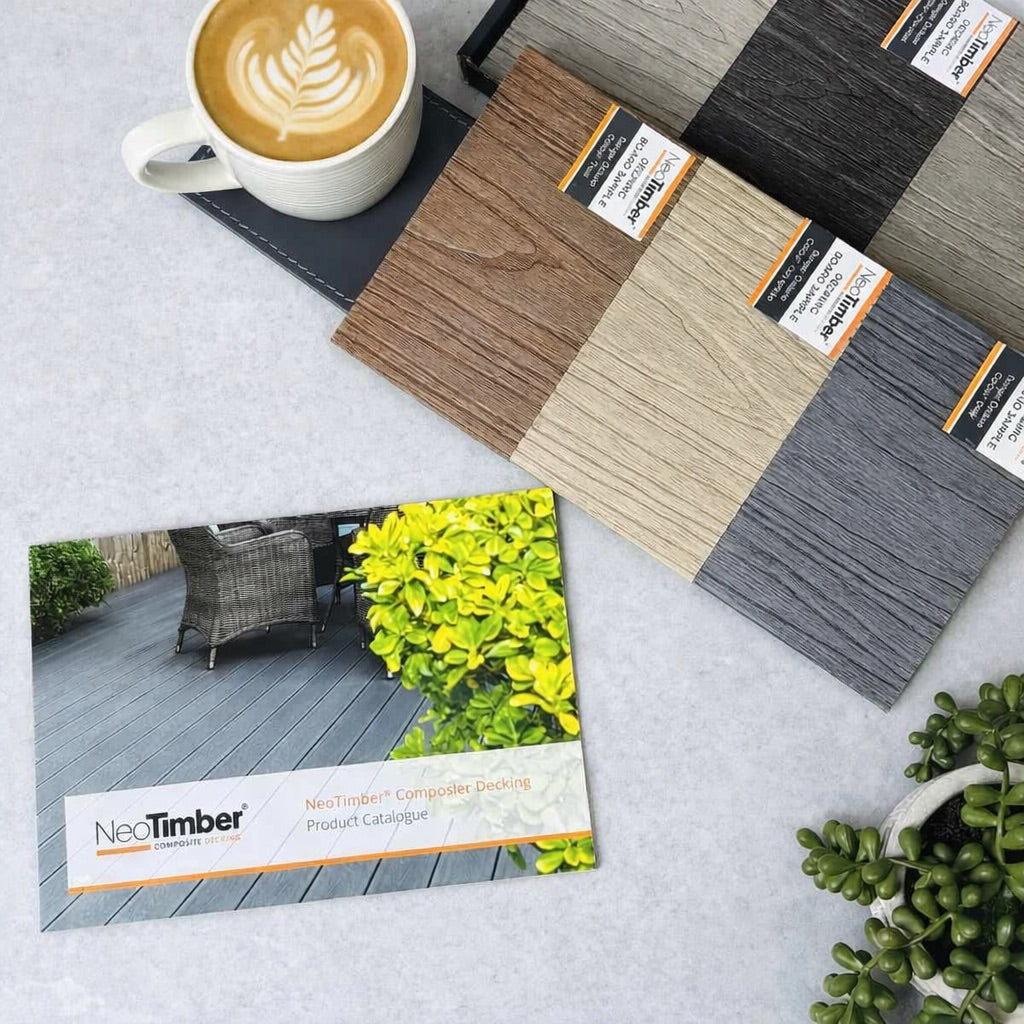
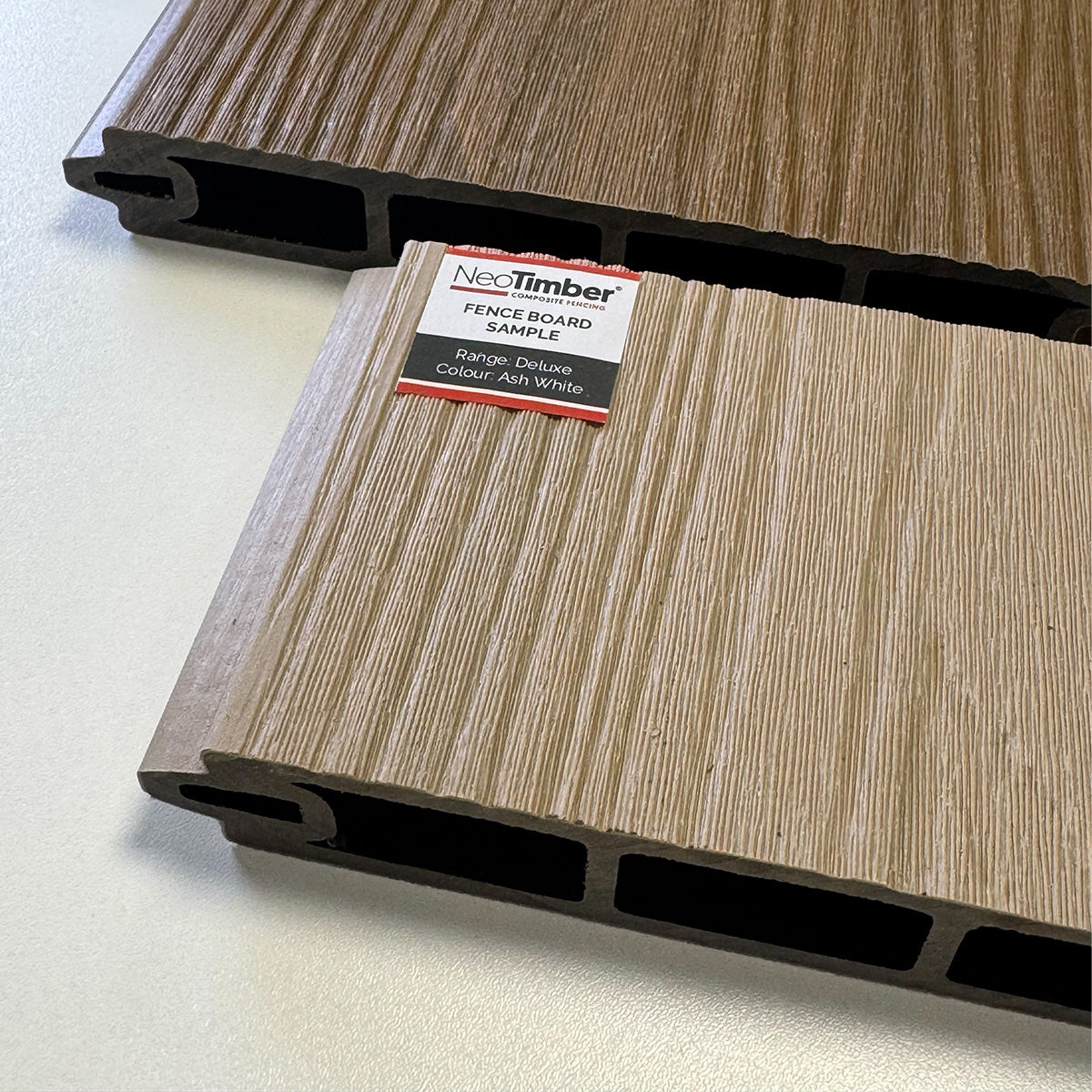
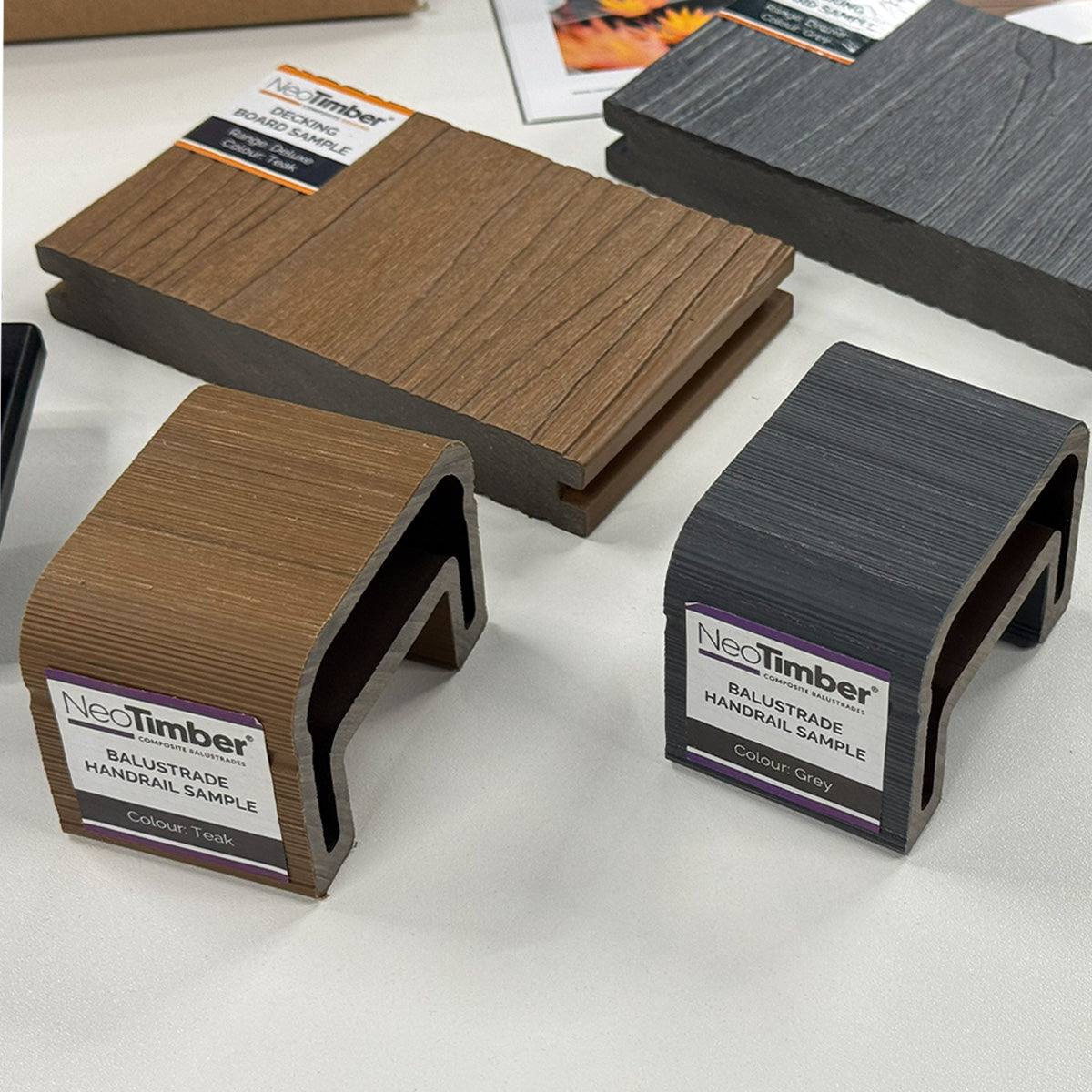
Order physical samples and view them outside. Light changes quickly by the coast, and wet boards may appear darker. Consider heat in direct sun and how easily sand, salt residue and marks will show on each finish.
Straight board runs give a calm, contemporary appearance and simplify the subframe. Diagonal, chevron and mixed-width designs can add interest but require more support, cutting and waste. Follow the board-specific joist-spacing guidance for the chosen pattern.
Beach Deck Subframes, Fixings And Drainage
Choose A Moisture-Appropriate Subframe
Recycled plastic, composite and aluminium subframe components resist rot, while treated timber can be used when correctly specified and protected. Low-profile composite joists generally require a stable solid base; raised decks need a structural post, bearer or pedestal system designed for the site.
Specify Coastal Fixings
Use compatible fasteners suitable for salt exposure. NeoTimber® supplies stainless-steel and purpose-designed clip options for its composite boards, but the correct grade and complete fixing strategy should be confirmed for the exact coastal environment.
Allow Water And Sand To Escape
Maintain the specified fall, board gaps and ventilation. Avoid frame layouts that dam water, and provide access so trapped sand can be removed from drainage paths and the sub-deck void.
Plan For Thermal Movement
Composite boards expand and contract as temperatures change. Follow current end-gap, side-gap and fixing instructions, especially on long, exposed runs. Do not force boards tightly against walls, posts or one another.
Account For Wind
Exposed boards, trims, access panels and edge details require secure fixing. Balustrades, screens and pergolas introduce additional wind loads that must transfer safely through the frame and foundations.
Slip Resistance On A Beach Deck
Sand, water, algae and spilled drinks can all affect grip. Choose a board with published wet slip-resistance test data and review the surface face and test direction. No outdoor surface is completely non-slip.
- Sweep loose sand and organic debris regularly.
- Keep board gaps and drainage channels clear.
- Clean algae using a product approved for the decking.
- Use visible nosings and suitable lighting on steps.
- Consider compatible anti-slip inserts on high-risk routes.
- Restrict access when ice or severe contamination creates a hazard.
Residential And Commercial Beach Deck Uses
Coastal Homes And Gardens
A residential beach deck can extend the living space, create a sheltered breakfast area or connect the house with a sloping garden. Keep the layout flexible and select furniture that can be secured or stored during severe weather.
Holiday Lodges And Caravan Parks
Low-maintenance decking can provide access, seating and defined outdoor space around lodges. Check site rules, steps, balustrades, accessibility and the commercial or high-use warranty terms.
Cafés, Pubs And Restaurants
A seafront terrace needs to withstand high footfall, frequent furniture movement, food and drink spills and regular cleaning. Specify stain resistance, wet grip, robust edges and accessible service routes.
Hotels And Visitor Attractions
Commercial beach deck projects require documented inspection and maintenance procedures. Emergency routes, guarding, lighting, accessibility and crowd loads should form part of the design.

Furniture And Finishing Touches
Choose furniture and accessories that can tolerate the same environment as the deck:
- Composite benches and recycled plastic seating
- Stable planters with salt-tolerant grasses
- Exterior cushions that can be stored in severe weather
- Corrosion-resistant lighting and electrical components
- Secure tables and loungers that will not become windborne
- Compatible balustrades and privacy screens
- Edge trims and fascia that allow ventilation and inspection
Do not rely on furniture or planters as guarding. Any balustrade or edge-protection system must be independently designed, fixed and maintained for its intended safety function.

How To Maintain A Beach Deck
Composite decking is low maintenance, not maintenance-free. A simple coastal care routine can preserve its appearance and keep drainage working:
- Sweep regularly. Remove sand, leaves and windblown debris before they abrade the surface or block gaps.
- Rinse salt deposits. Use fresh water periodically, particularly after storms or heavy sea spray.
- Wash with mild soap. Follow the manufacturer's care guide and use a soft brush for textured areas.
- Clean spills promptly. Food, oils and sunscreen can mark surfaces if left untreated.
- Inspect fixings and edges. Check clips, screws, trims, balustrades and furniture after severe weather.
- Keep drainage open. Clear outlets, perimeter gaps and the accessible sub-deck area.
- Avoid damaging methods. Do not use harsh chemicals, abrasive tools or unapproved pressure-washing techniques.
Timber requires additional inspection and periodic refinishing. Metal components may also need more frequent checks in severe marine exposure, even where corrosion-resistant materials have been selected.
Beach Deck FAQs
What Is The Best Decking For A Beach House?
Capped composite and aluminium are strong low-maintenance options, while suitable timber can work with more upkeep. The best choice depends on salt exposure, loads, fire requirements, appearance, subframe and budget.
Does Composite Decking Cope With Sea Air?
Composite boards do not rot or splinter like untreated timber and are designed for outdoor moisture exposure. Salt should still be rinsed away, and the subframe, clips, screws and balustrades must all be specified for coastal conditions.
What Colour Works Best For A Beach Deck?
Teak, oak, grey and weathered driftwood tones complement many coastal schemes. Lighter colours may stay more comfortable in strong sun, while mid-tone finishes can disguise sand and salt residue. Compare samples outdoors before deciding.
How Do You Stop Sand Collecting Under Decking?
Use suitable board gaps, clear drainage paths and an accessible subframe design. Sweep frequently and provide removable sections where sand may need to be cleared from outlets or enclosed areas.
Does A Beach Deck Need Special Fixings?
Coastal exposure can accelerate corrosion, so fixings should be compatible with the boards and suitable for the site's marine conditions. A designer or supplier should confirm the required grade and any isolation between different metals.
Is Composite Decking Slippery When Wet?
Textured composite decking can provide good wet grip, but performance varies by product, surface face, walking direction and contamination. Review published wet test results and keep the boards free from algae, sand and debris.
How Long Does A Composite Beach Deck Last?
Service life depends on the range, installation, exposure and care. NeoTimber® offers up to a 25-year residential warranty and 10-year commercial cover on eligible composite ranges, subject to the current terms and correct installation.
Build A Beach Deck For The Real Coastal Environment
A successful beach deck should do more than look good on a sunny day. It must account for salt, wind, sand, moisture, drainage, thermal movement and long-term access to the structure below.
Explore NeoTimber® composite decking, compare solid and hollow profiles, and order samples in coastal-inspired colours. For elevated, commercial, flood-exposed or highly exposed sites, obtain project-specific structural and planning advice before construction.