

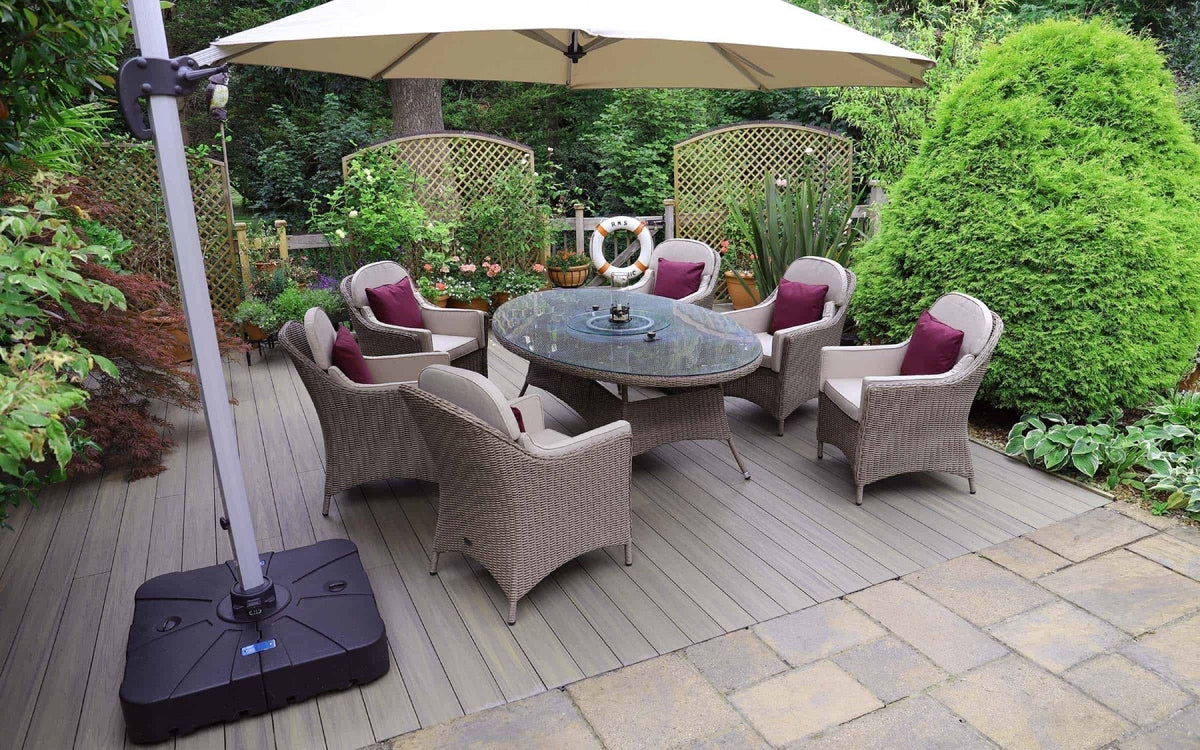
How to Choose Composite Decking That Suits Your Space
The best composite decking material is the one that matches your location, budget and expectations for appearance and upkeep. A quiet garden seating area, a busy commercial terrace and a balcony can have very different requirements, so it pays to compare more than colour and board price.
Whether you are planning garden decking, upgrading a caravan terrace or creating an outdoor dining space, this guide explains how to assess board construction, performance, maintenance and installation before you buy.

What Is Composite Decking Made From?
Composite decking typically combines wood fibres with plastic to create an alternative to traditional timber boards. Depending on the product, recycled materials form part of that mix. The result offers a choice of timber-inspired and contemporary finishes without routine sanding, staining or sealing.
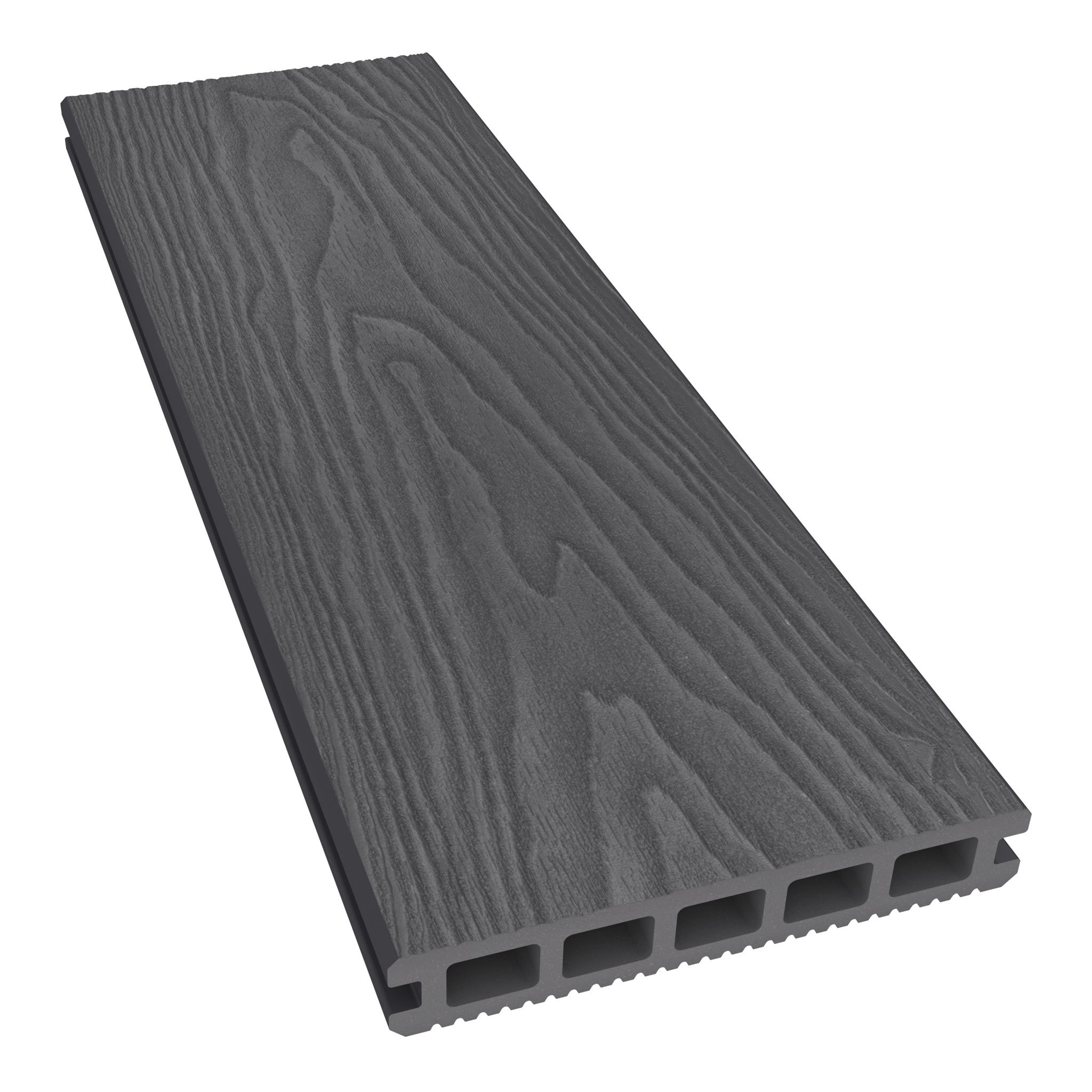
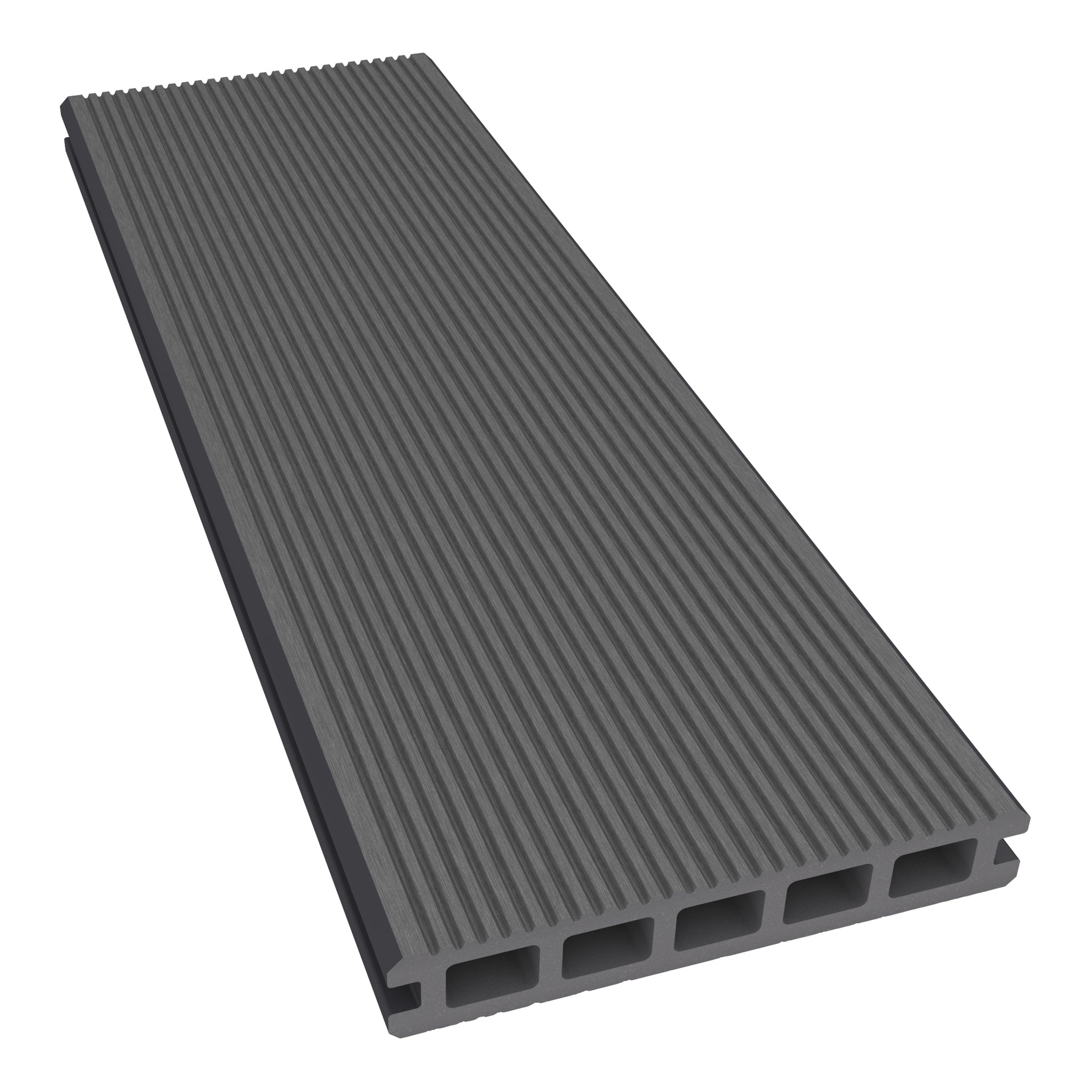
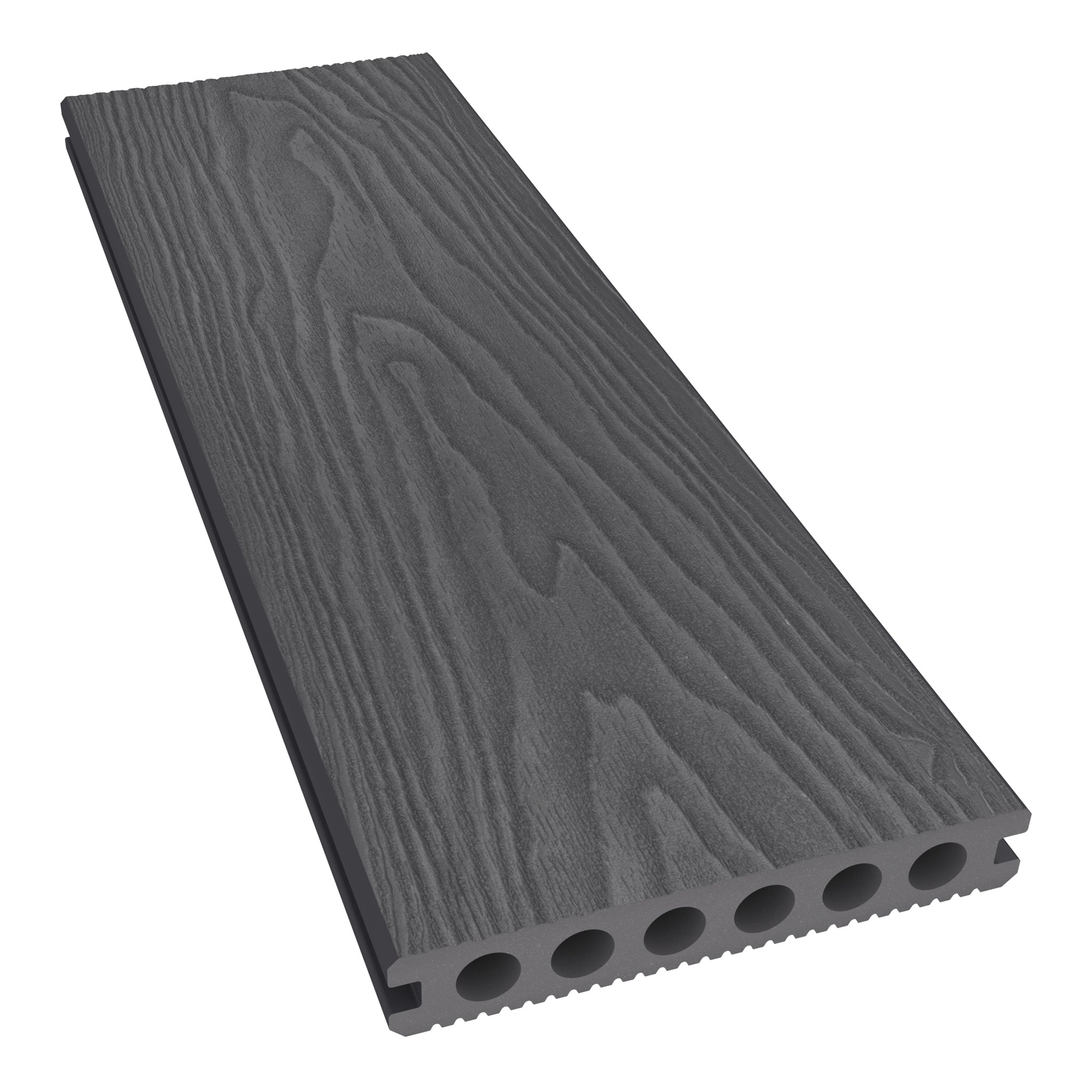
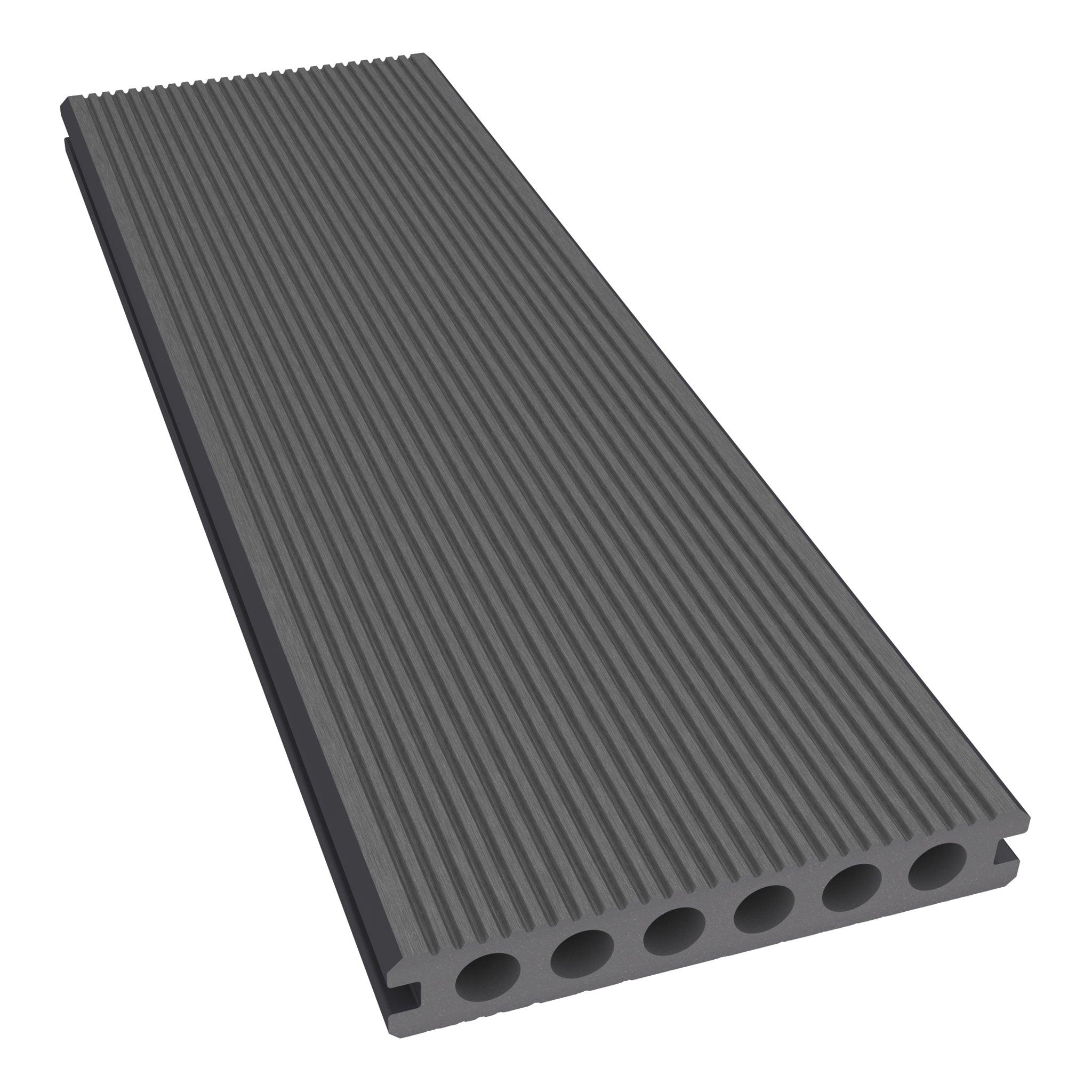
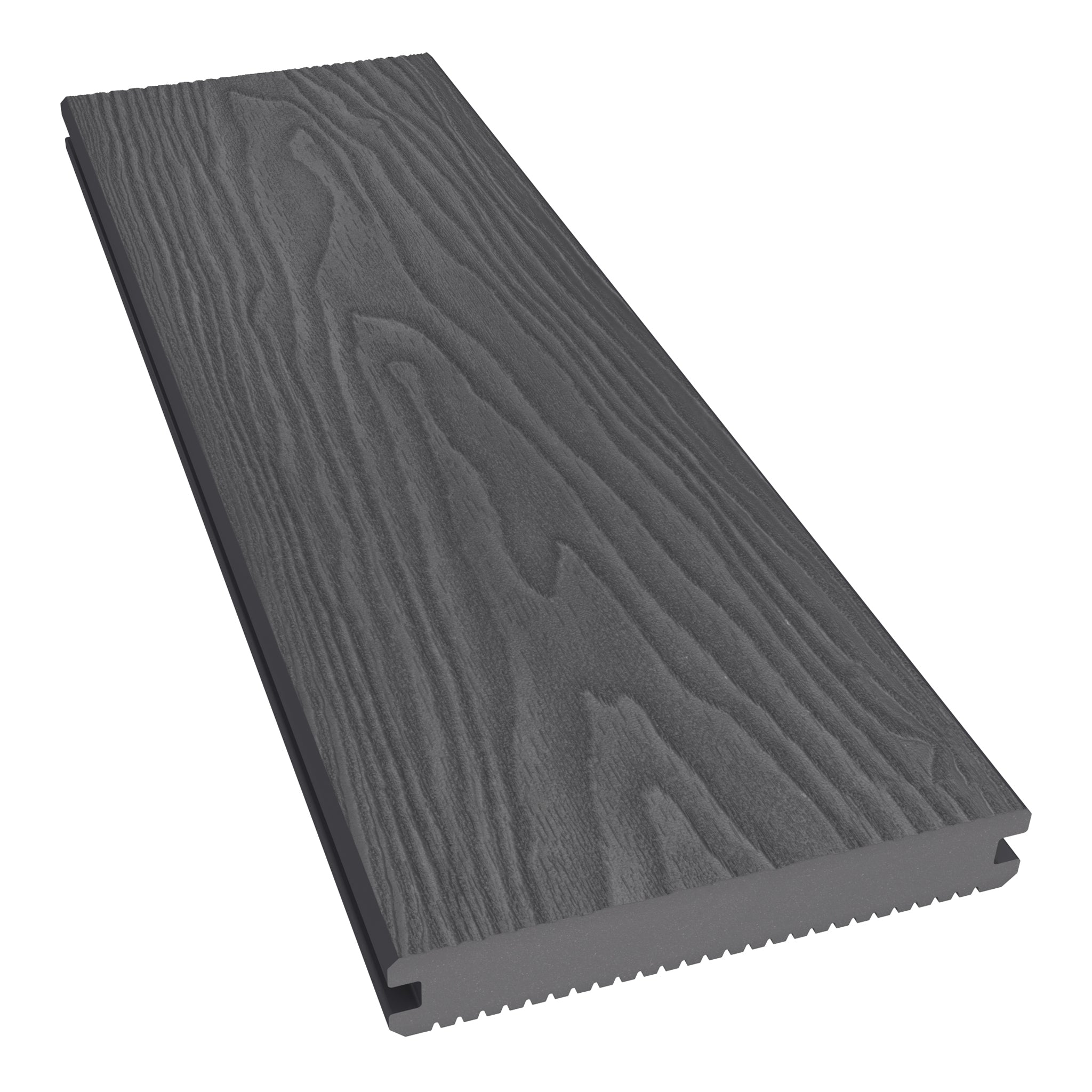
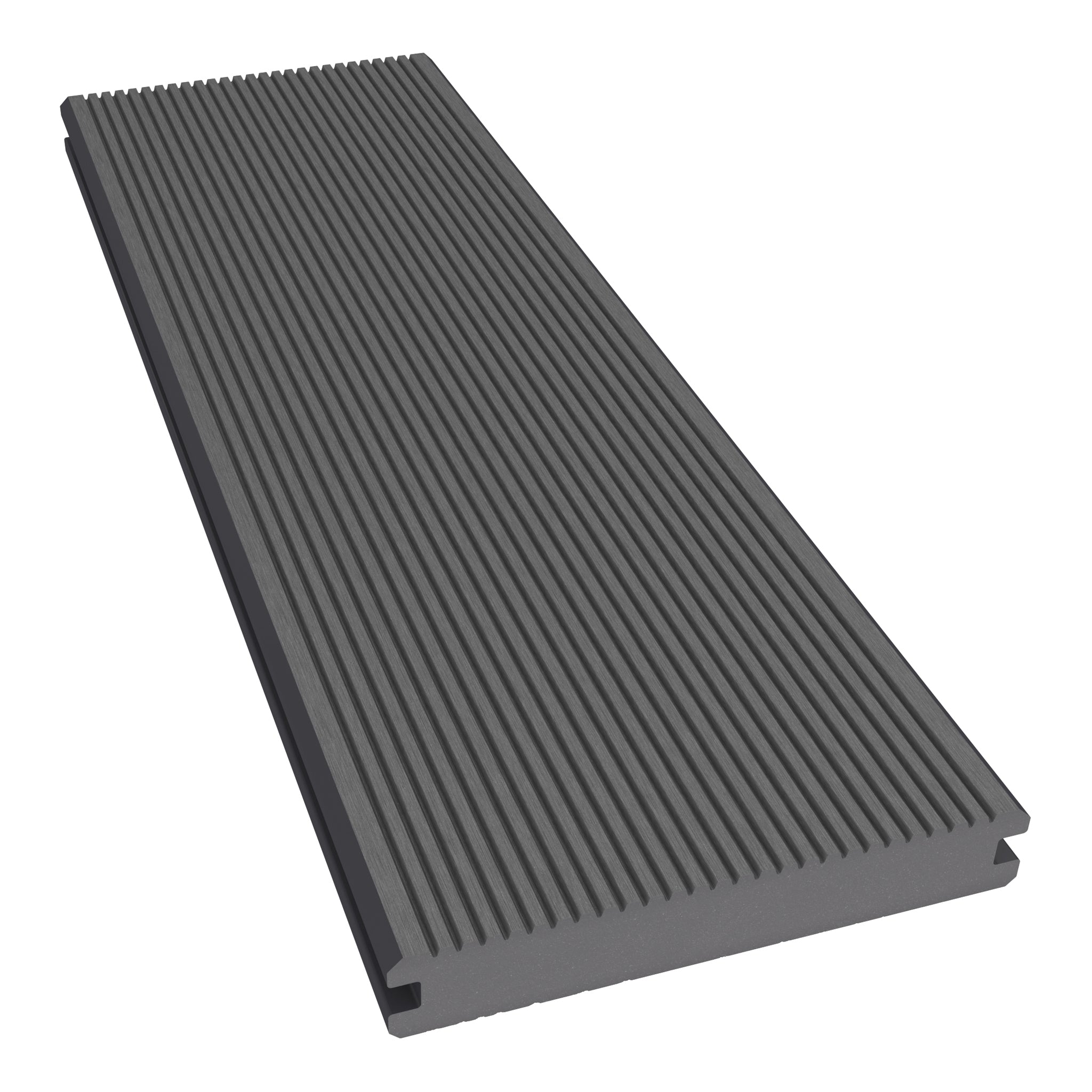
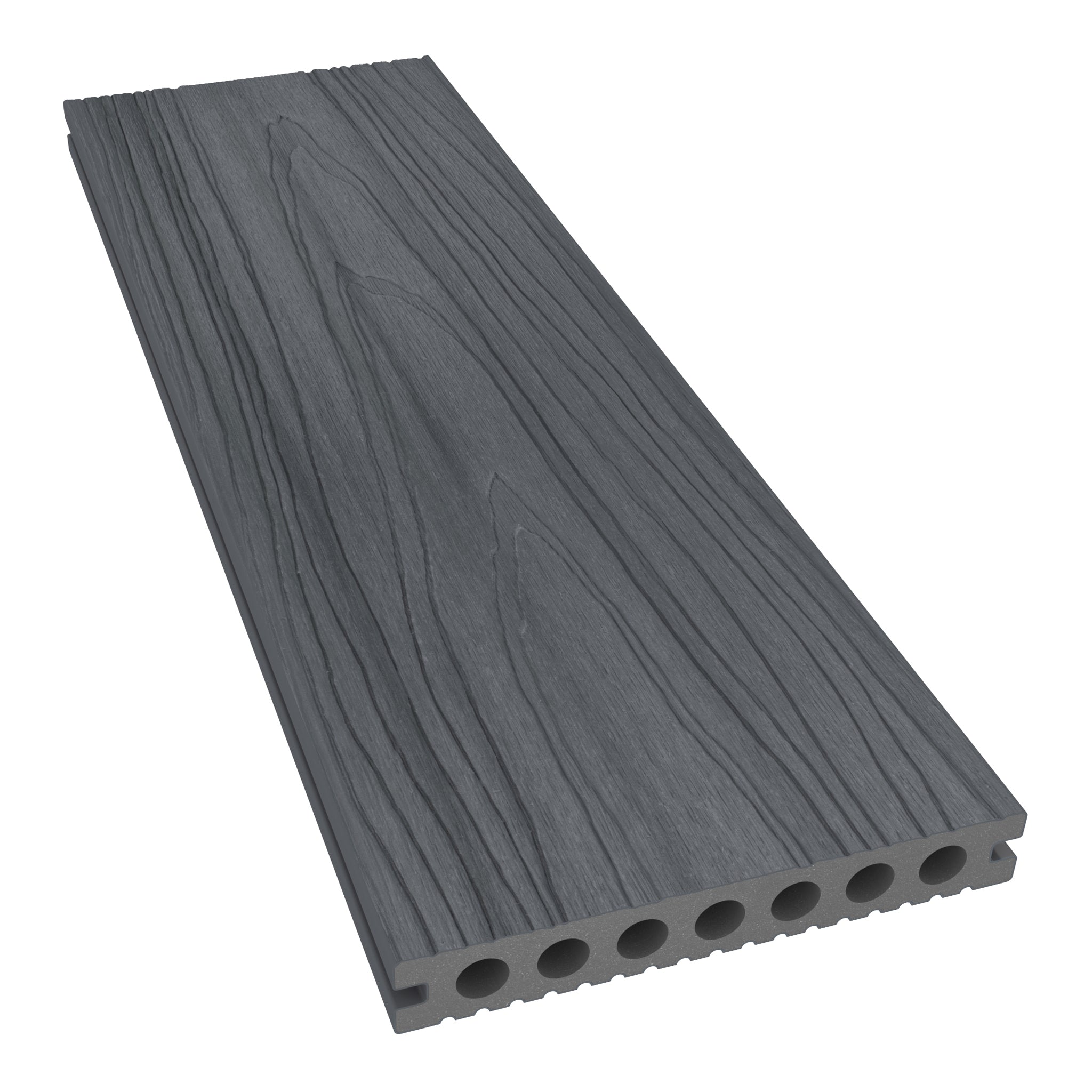
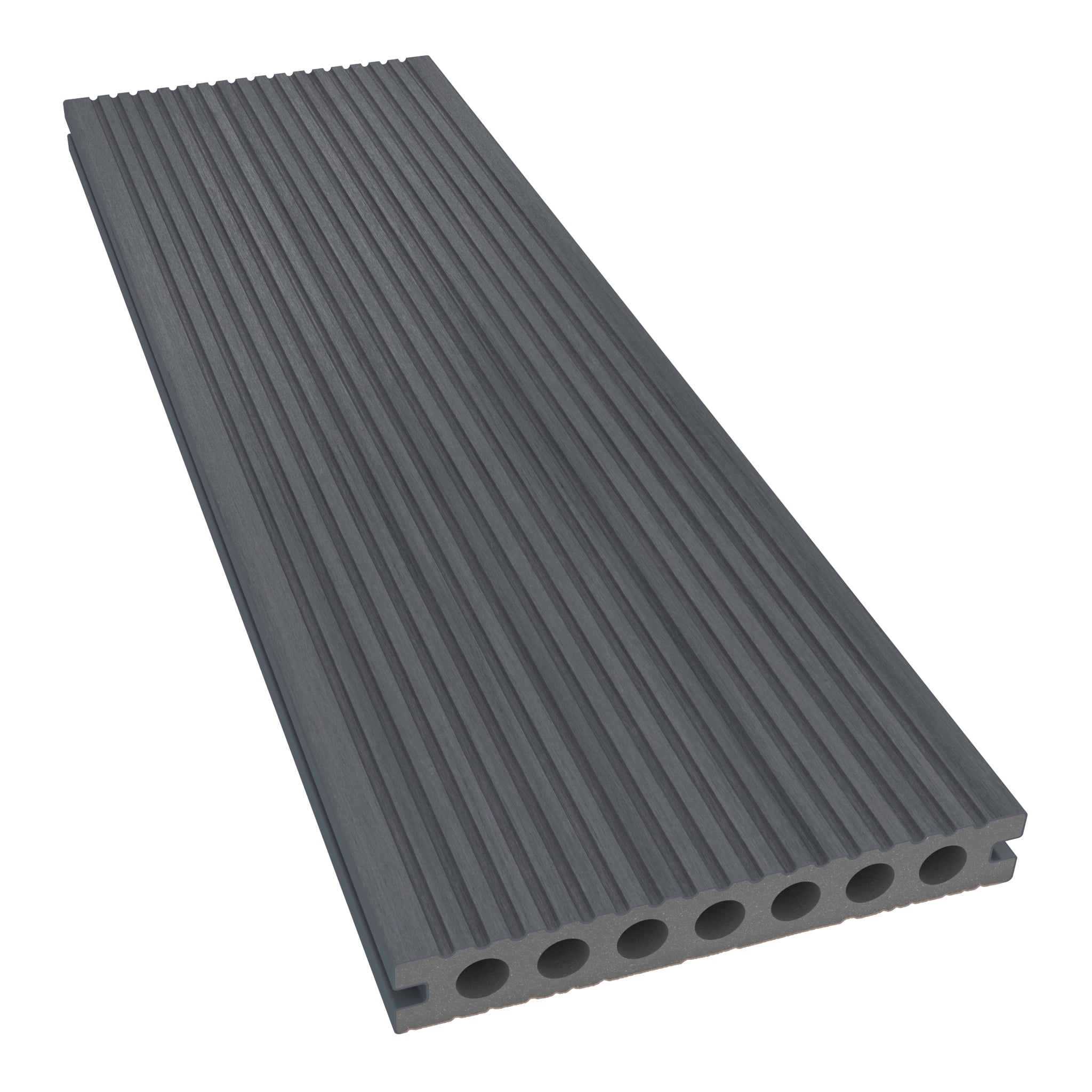
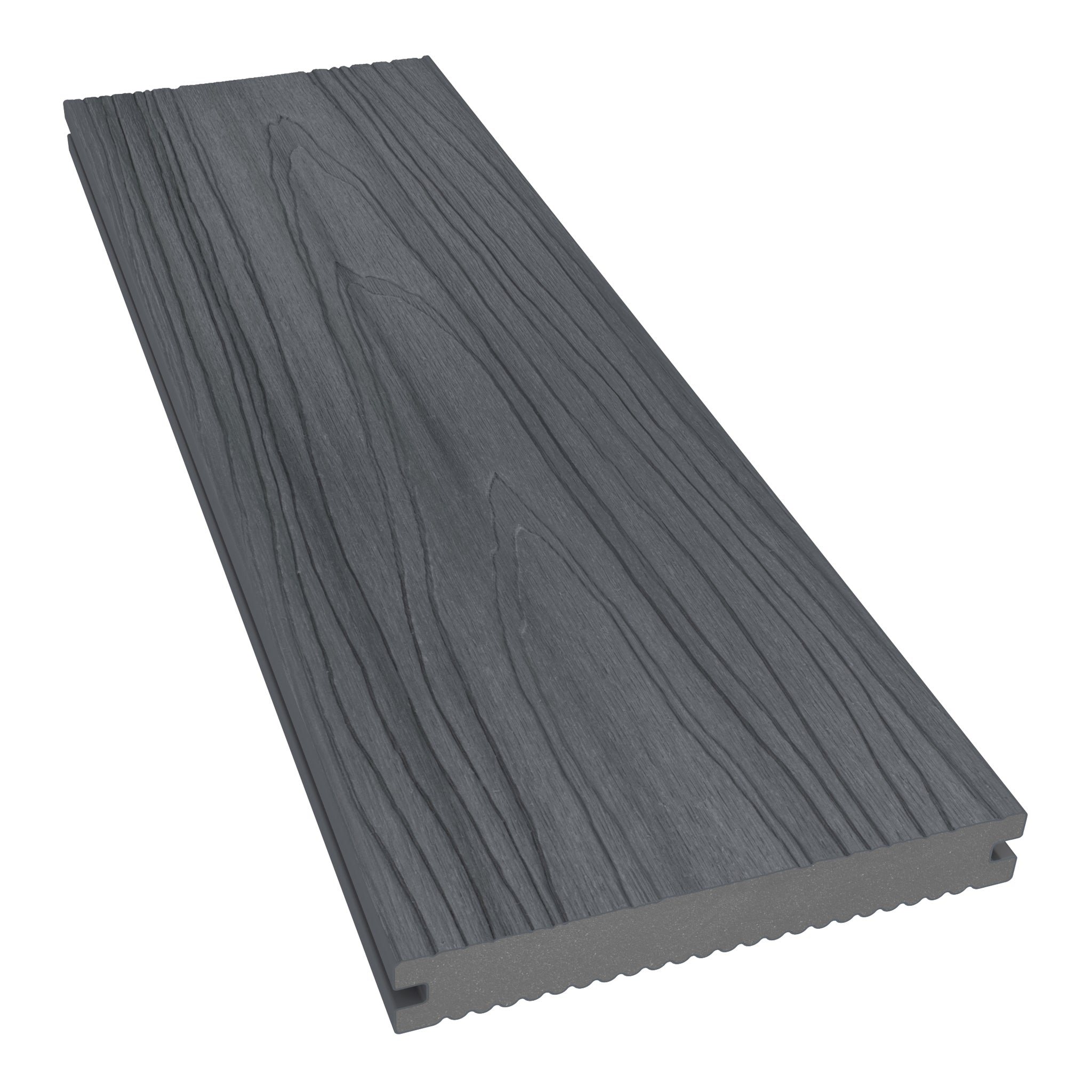
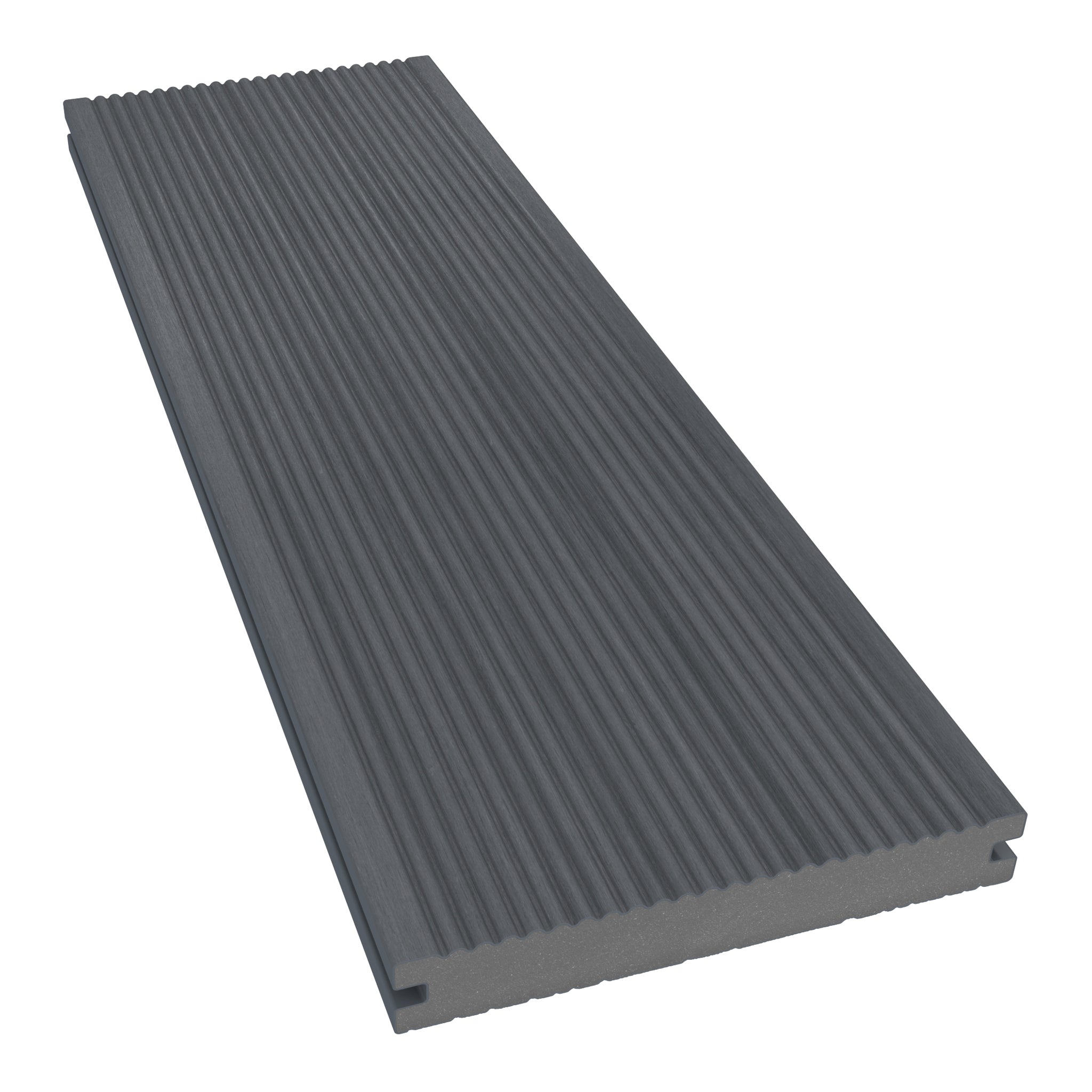
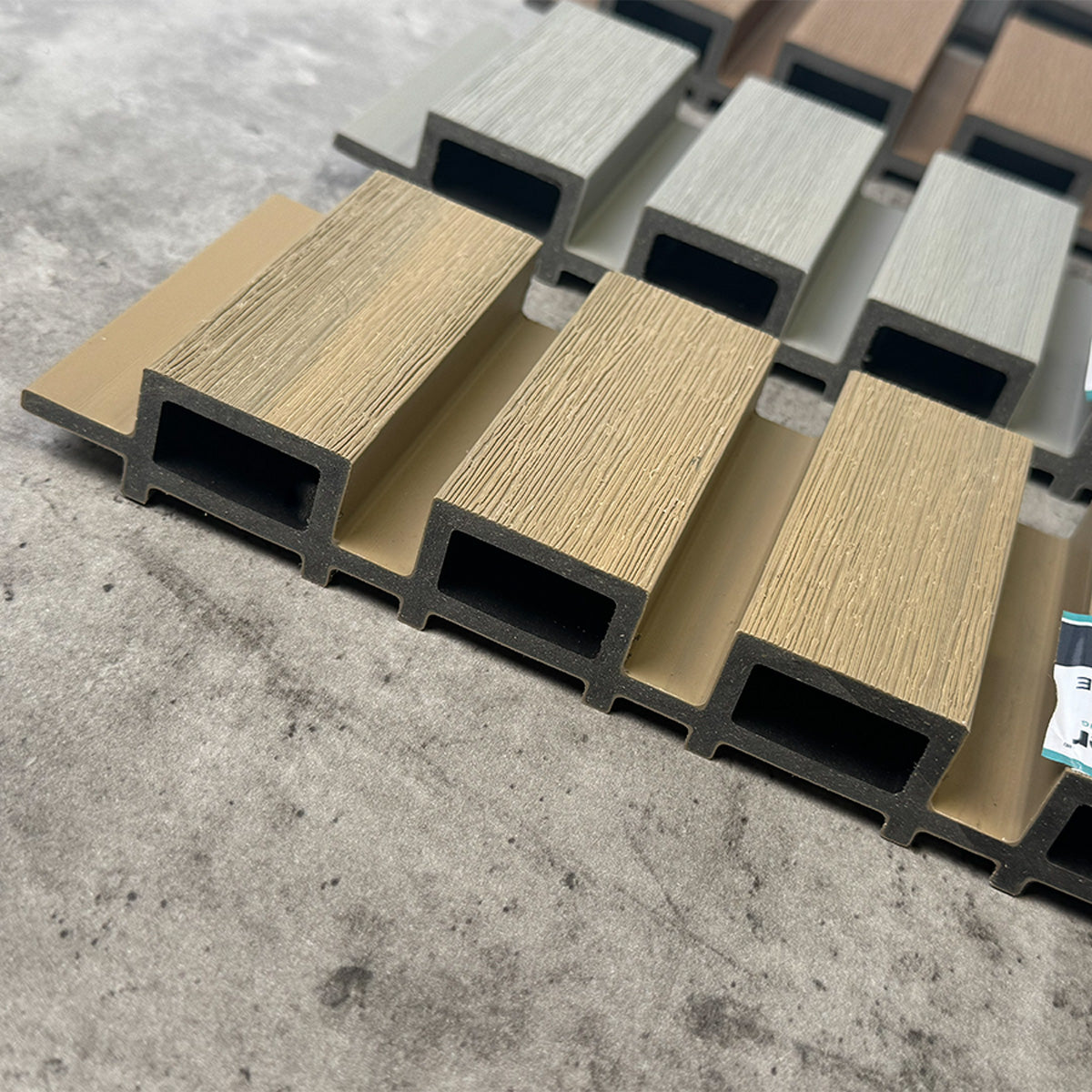
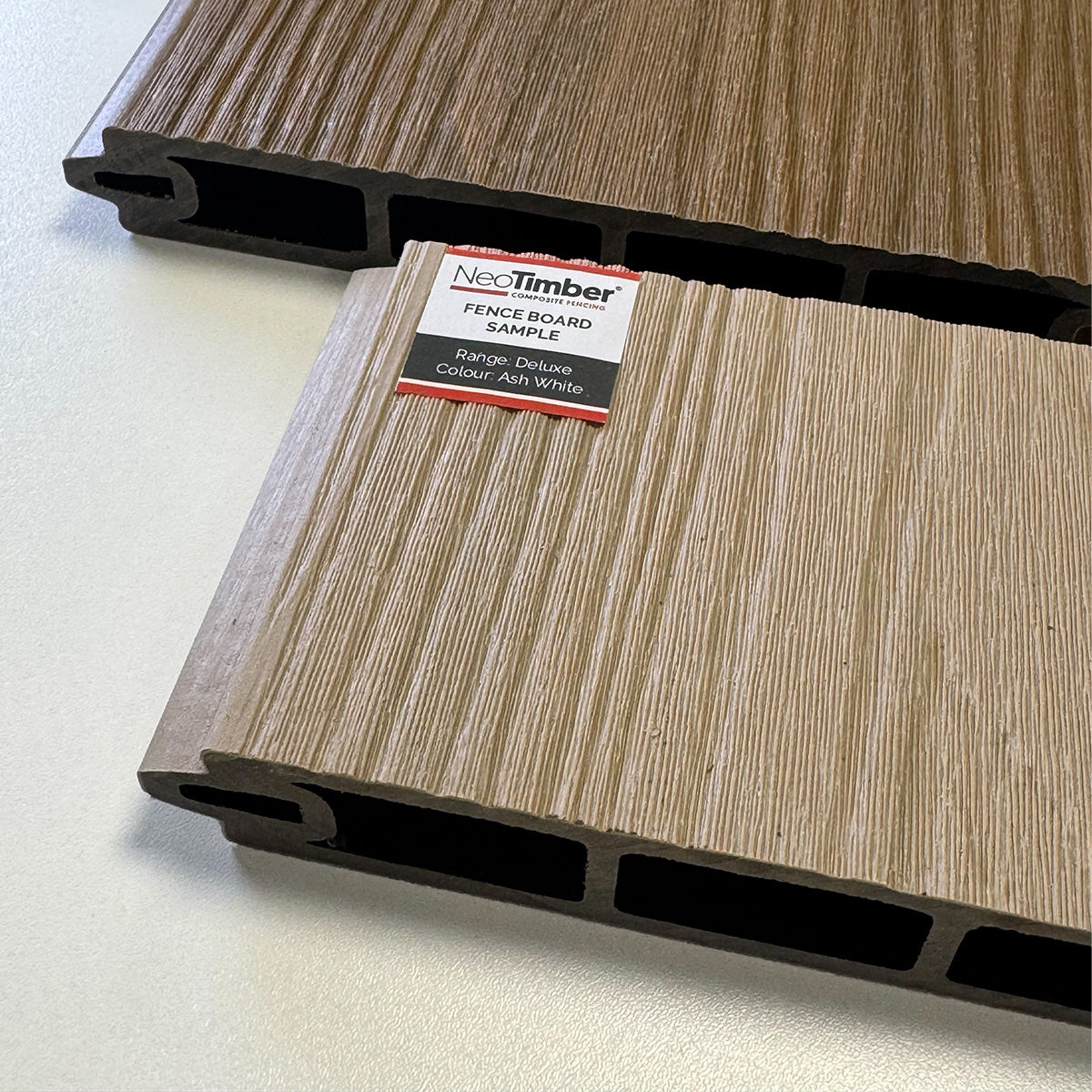
Two separate features matter when comparing boards: the profile and the surface. Hollow boards contain internal cavities, while solid composite decking has a solid cross-section. Capped boards have an additional outer layer designed to improve surface protection. A board can therefore be both capped and hollow, or capped and solid.
What Makes the Best Composite Decking for Your Project?
Start with how the deck will be used. The best composite deck balances appearance with a suitable board specification, supporting structure and care routine. Use the following checklist to compare options on the same basis.
| Consideration | What to check |
|---|---|
| Board construction | Hollow or solid profile, capped or uncapped surface, and permitted applications. |
| Surface performance | Product-specific information on staining, scratching, fading and wet slip resistance. |
| Appearance | Colour, texture, board dimensions and available matching trims. |
| Installation | Joist spacing, support requirements, expansion gaps and compatible fixings. |
| Total cost | Boards, subframe, supports, fixings, trims, delivery and labour. |
| Warranty | Length of cover, exclusions and installation and maintenance conditions. |
Durability, Grip and Colour Stability
For dining areas and busy terraces, compare the stated scratch and stain resistance of each range. Resistance does not mean immunity: furniture, grit and spills can still mark a surface, so follow the recommended care guidance.
Review the information on fading and UV resistance, especially for exposed sites. For grip, check the tested performance of the actual walking surface. Products described as anti-slip decking still need cleaning, and no surface is slip-proof in every condition.
NeoTimber® offers up to 25 years of limited residential cover and up to 10 years for commercial installations, depending on the range. Read the warranty to understand what is covered and the conditions that apply.
Low Maintenance: What Care Is Still Needed?
Composite reduces many of the treatment jobs associated with timber, but it is not maintenance-free. Our low-maintenance decking guide explains how to care for the boards without routine painting, staining or sealing.
Clear leaves and debris, clean spills promptly and wash the surface using the method recommended for your range. Dirt and organic matter can encourage surface growth if left in place. Regular cleaning helps preserve appearance and grip, even on boards designed to resist rot.

Choosing Colours, Textures and Layouts
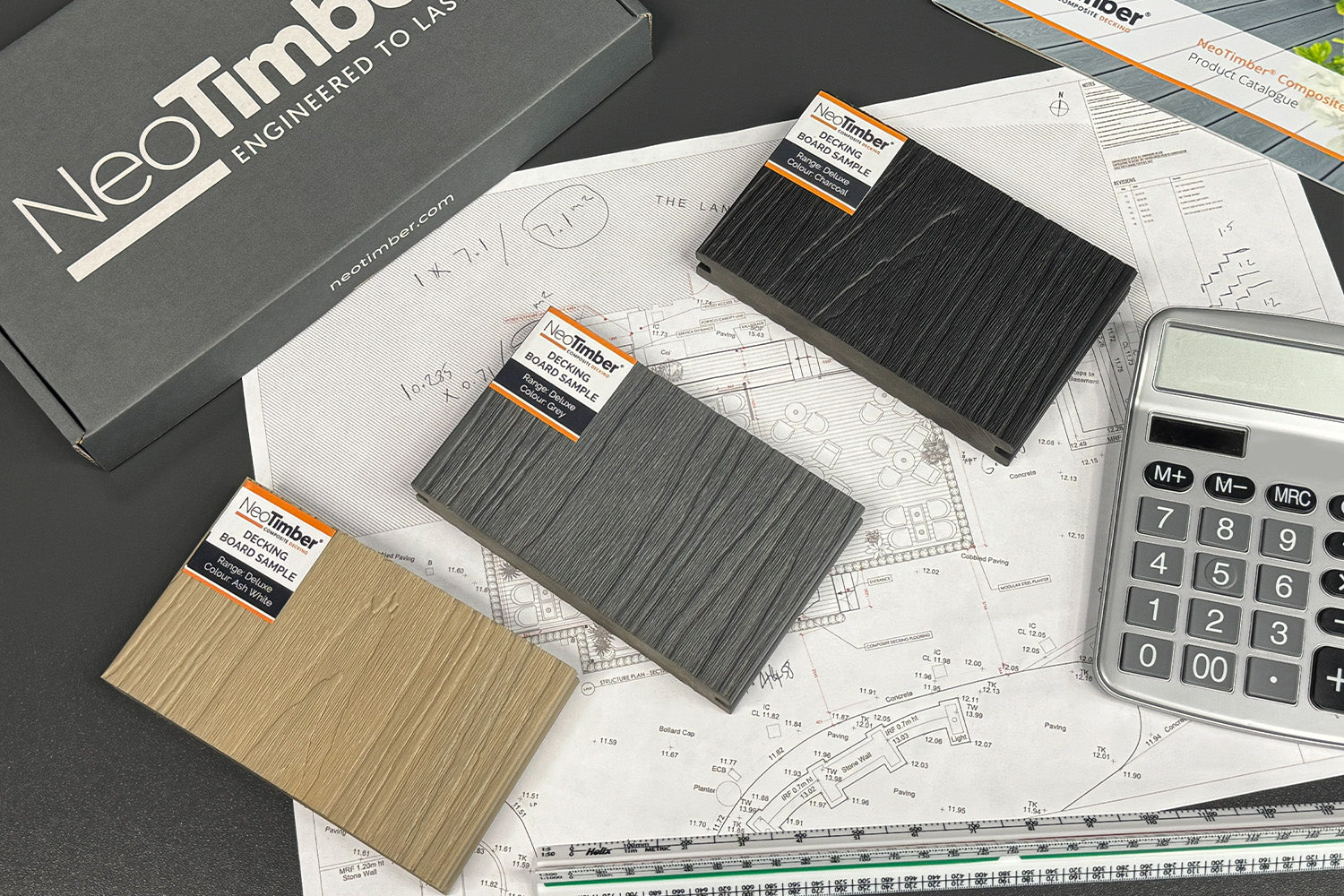
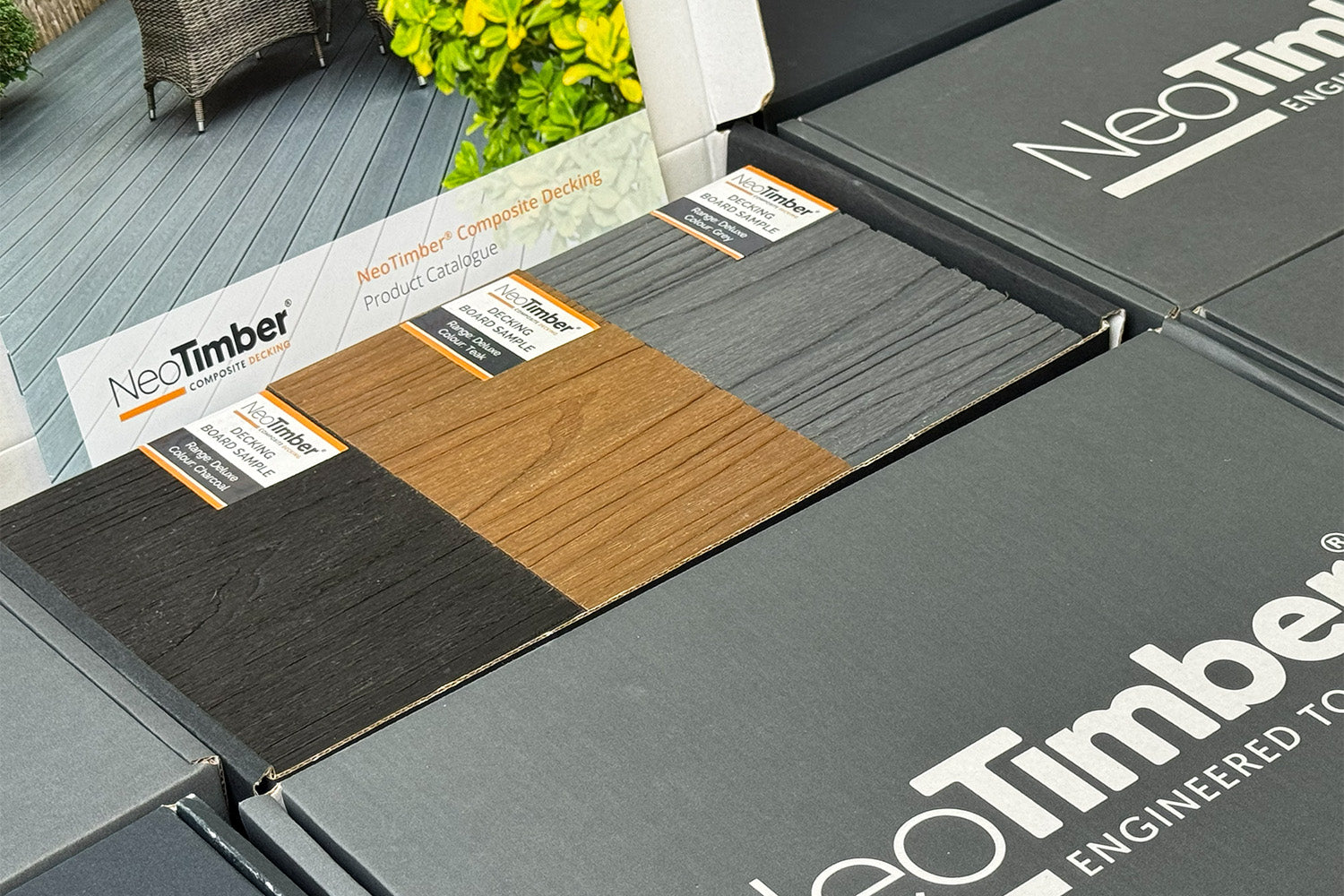
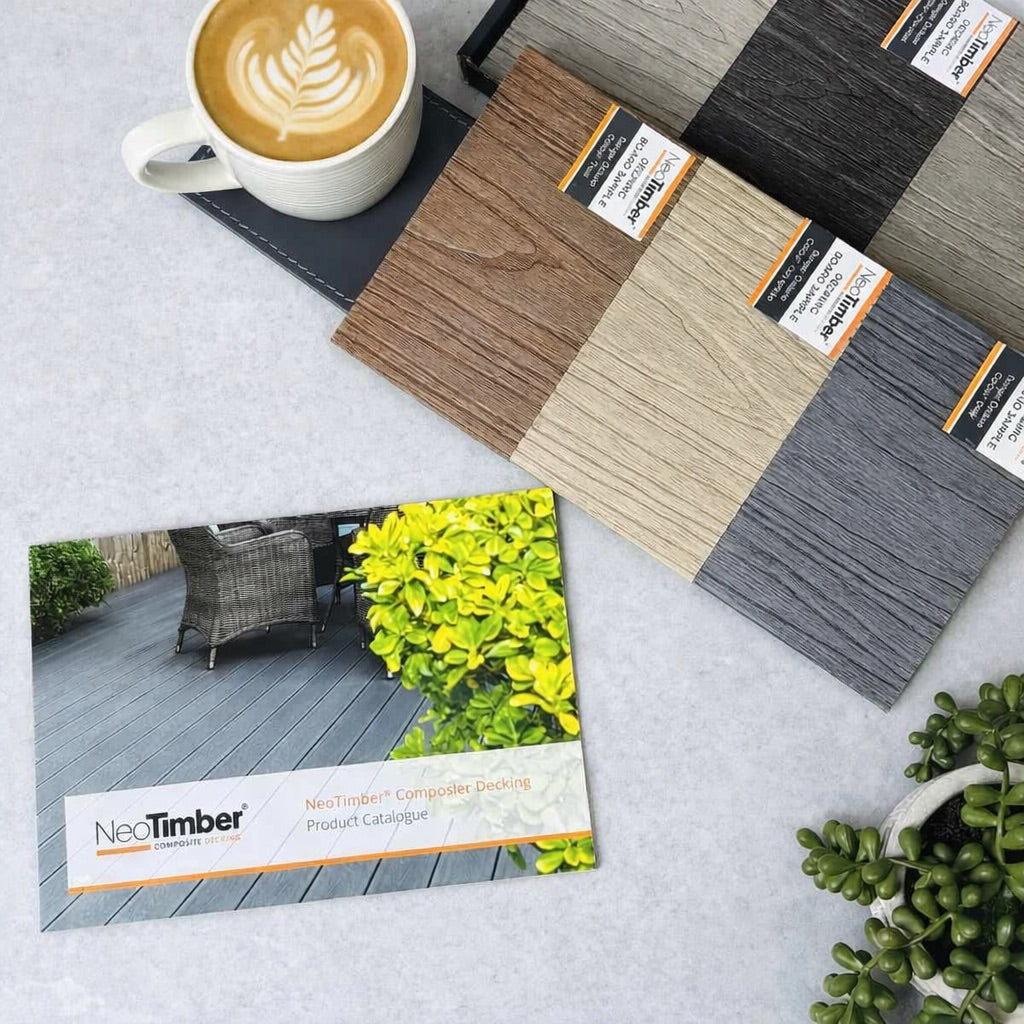
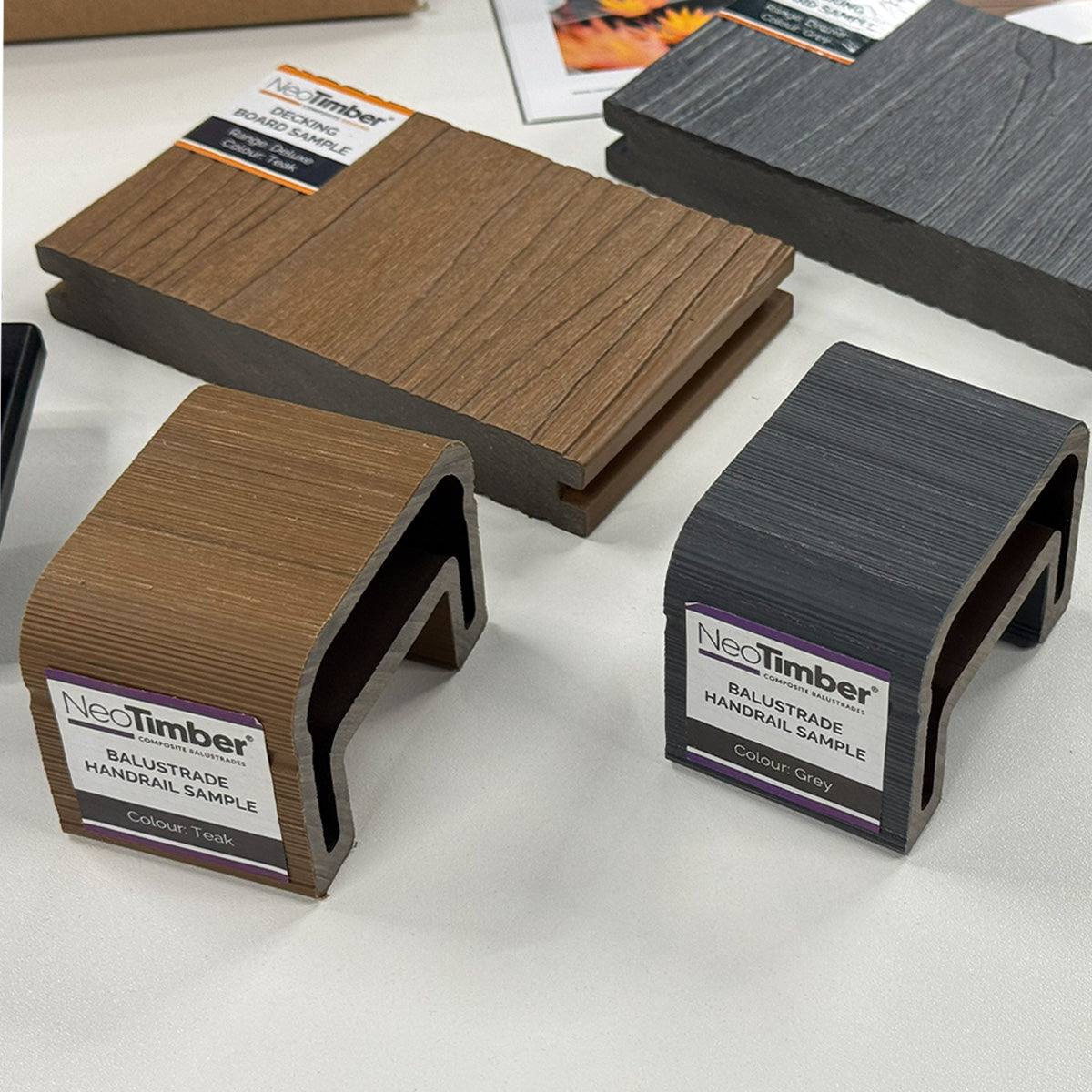
Colour helps connect the deck to the rest of your outdoor space. Grey decking can complement contemporary buildings, while antique and charcoal finishes offer warmer tones or deeper contrast. Ash white decking provides another option for a lighter palette.
Compare physical samples outdoors before deciding. Look at woodgrain and grooved finishes, and check which faces are approved for use where boards are reversible. Surface grooves and side channels for concealed fixings serve different purposes.
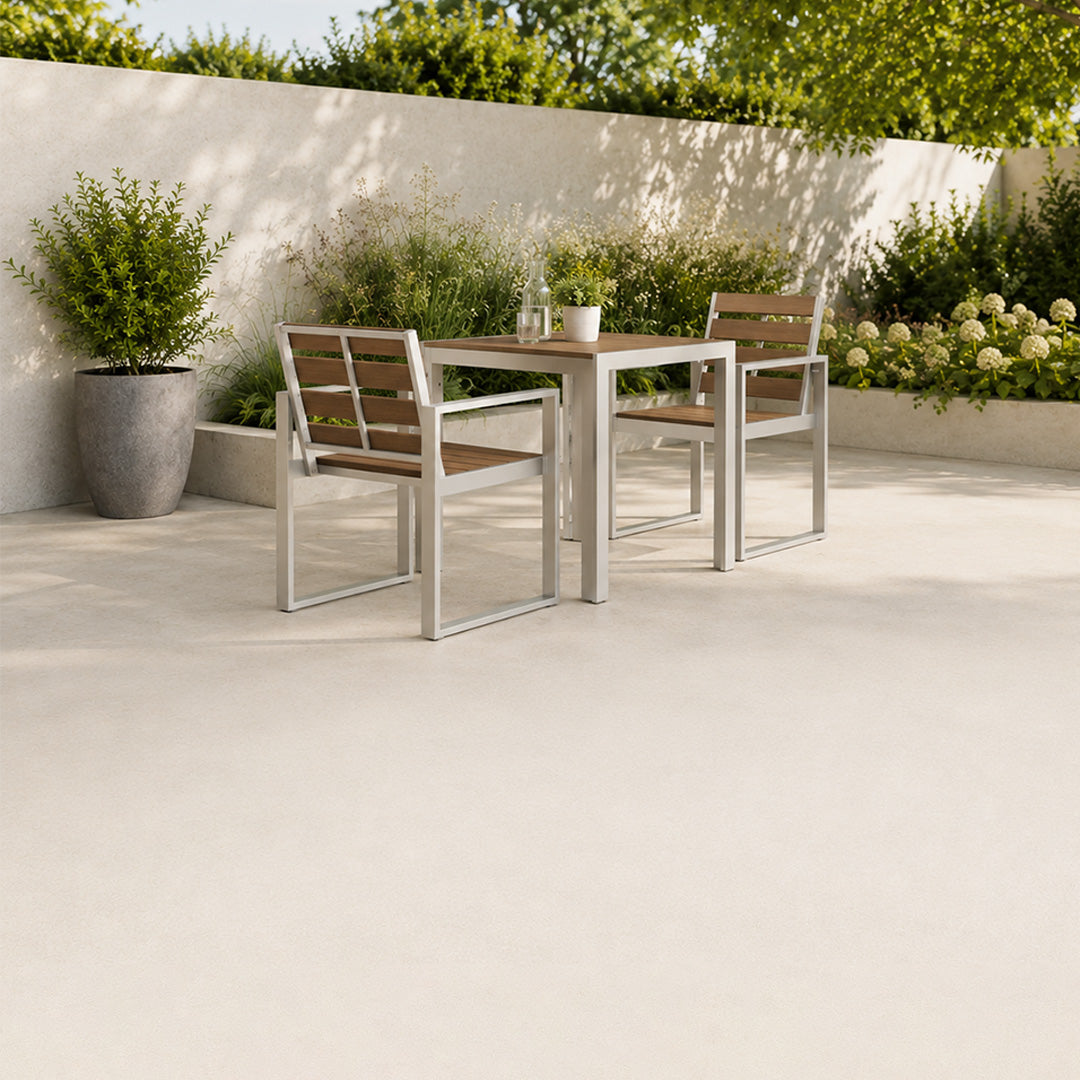
A picture-frame border can define the edge of the deck or introduce a contrasting colour. For your best deck, composite decking should work with the planting, paving and exterior finishes around it.
Comparing Environmental Claims
Recycled content is one factor to consider when comparing the best composite decking material for your priorities. Look for clear information about the wood and plastic used, sourcing, expected service life and end-of-life options.
Our eco-decking guide explores these considerations. Recycled content alone does not establish that one product has a lower overall environmental impact than another; durability, manufacturing and disposal also matter.
Budget for the Complete Deck
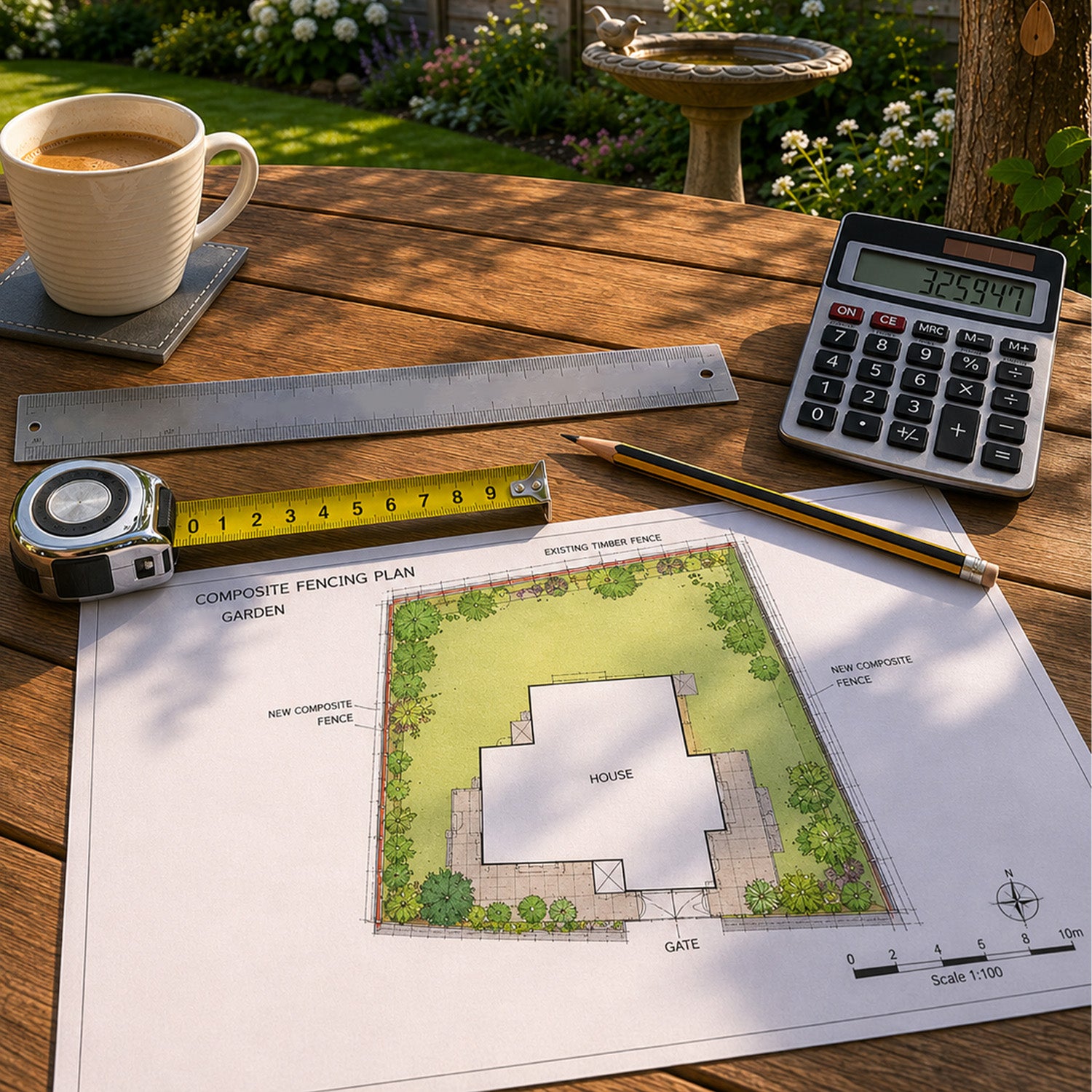
Compare the total installed cost rather than the price of one board. Board dimensions and coverage affect the quantity needed, while cutting waste, deck height and layout can change the cost of the supporting structure.
Allow for decking trim, fascia, edging and optional decking lighting, as well as delivery and labour. Lower maintenance can offer long-term value, but overall savings depend on the products compared and the care they require.
Installation: DIY or Professional Support?
Choose a system you or your installer can fit to its specification. A suitable decking subframe is essential, whether you are installing decking over a solid base or using a raised supporting structure.
Adjustable pedestals can support compatible frameworks, while composite deck tiles may suit certain existing surfaces. Check the base requirements for each system before choosing.
Use the specified decking fixings and follow the instructions for joist centres, expansion gaps, drainage and ventilation. Complex layouts, raised structures and heavy loads may need professional design and installation input.

Choosing the Best Composite Decking in the UK by Location
When comparing the best composite decking in the UK, match the range to the exposure and use of the site. Check product suitability for:
- Sunny spaces: review colour stability and consider how the surface may warm in direct sunlight.
- Wet or shaded areas: prioritise drainage, cleaning access and tested slip resistance.
- Commercial terraces: confirm permitted use, expected loading and warranty cover.
- Hot tub areas: ensure the supporting structure is designed for the filled tub and its occupants.
- Balconies: check the complete installation against the project's structural and fire requirements.
Patios, caravan terraces and garden room decking also benefit from a specification matched to their surroundings. Moisture resistance does not make a deck waterproof or remove the need for drainage.
Plan the Finishing Details Early
Include finishing features in the layout and budget from the outset:
- Compatible decking accessories for neat edges and concealed connections.
- Board patterns, picture framing and steps coordinated with the main surface.
- A suitable supporting arrangement, including guidance for decking on concrete where relevant.
- Integrated decking lighting, with access planned before the boards are fitted.
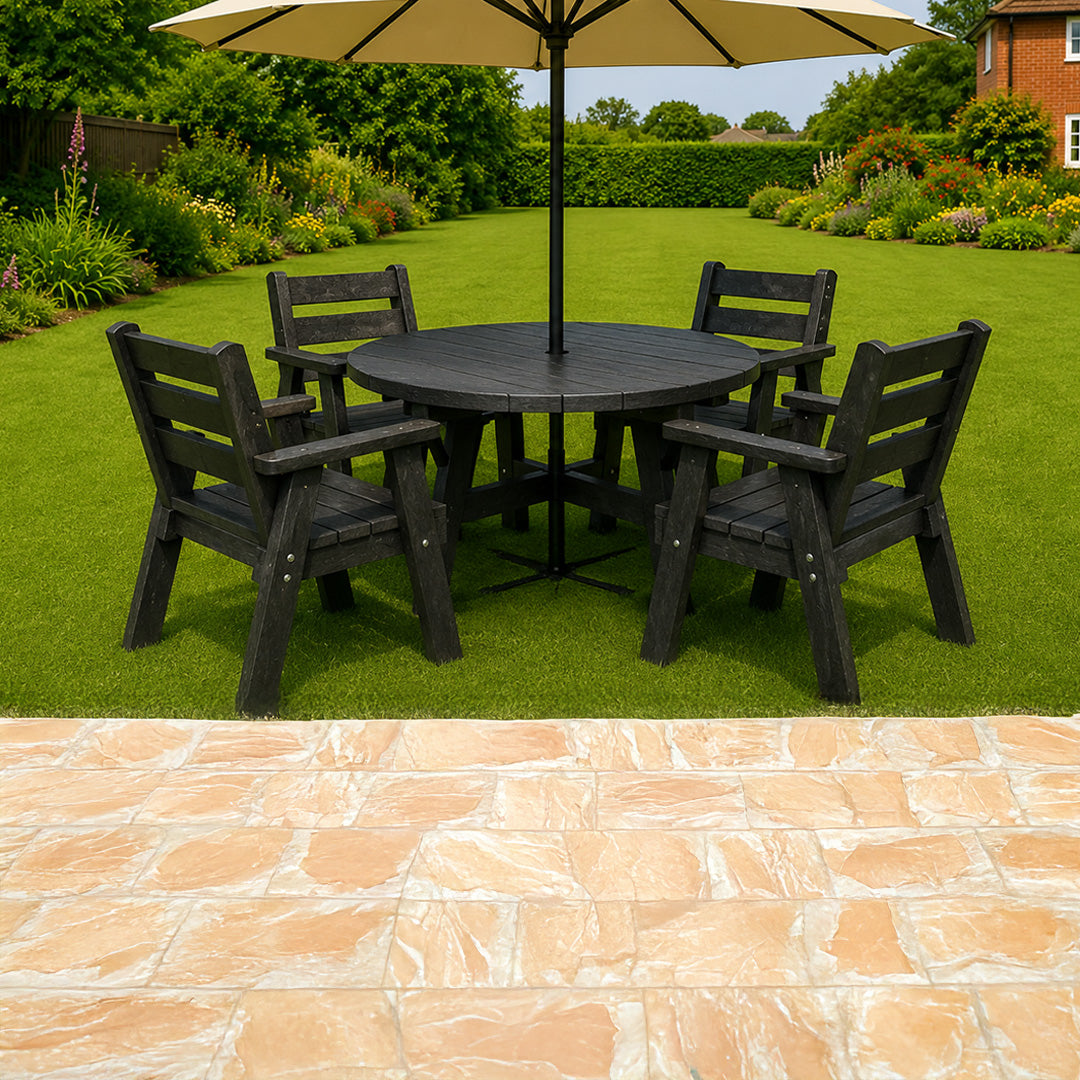
- Balustrades and furniture suited to the layout and intended use.
Where fire performance is required, review the fire-rated decking guidance and the specific product classification. Do not assume that every composite board meets the same requirements.
Find the Best Composite Decking Material for Your Priorities
Shortlist boards that meet the practical requirements first, then compare samples, total costs and warranty terms. The best composite decking should suit your space, maintenance expectations and budget as well as your preferred finish.
For more help with board types, care and installation, visit the NeoTimber® FAQs before finalising your choice.