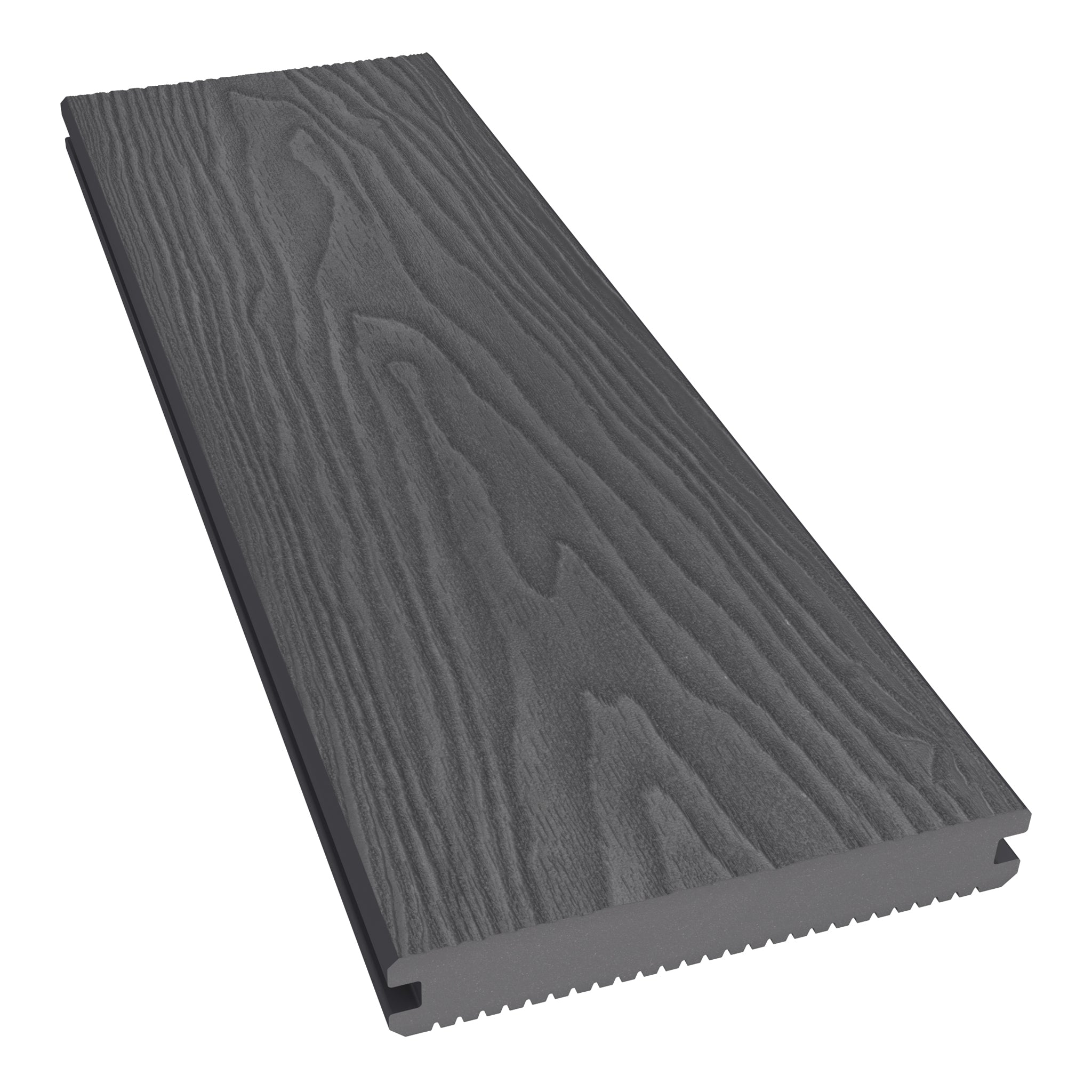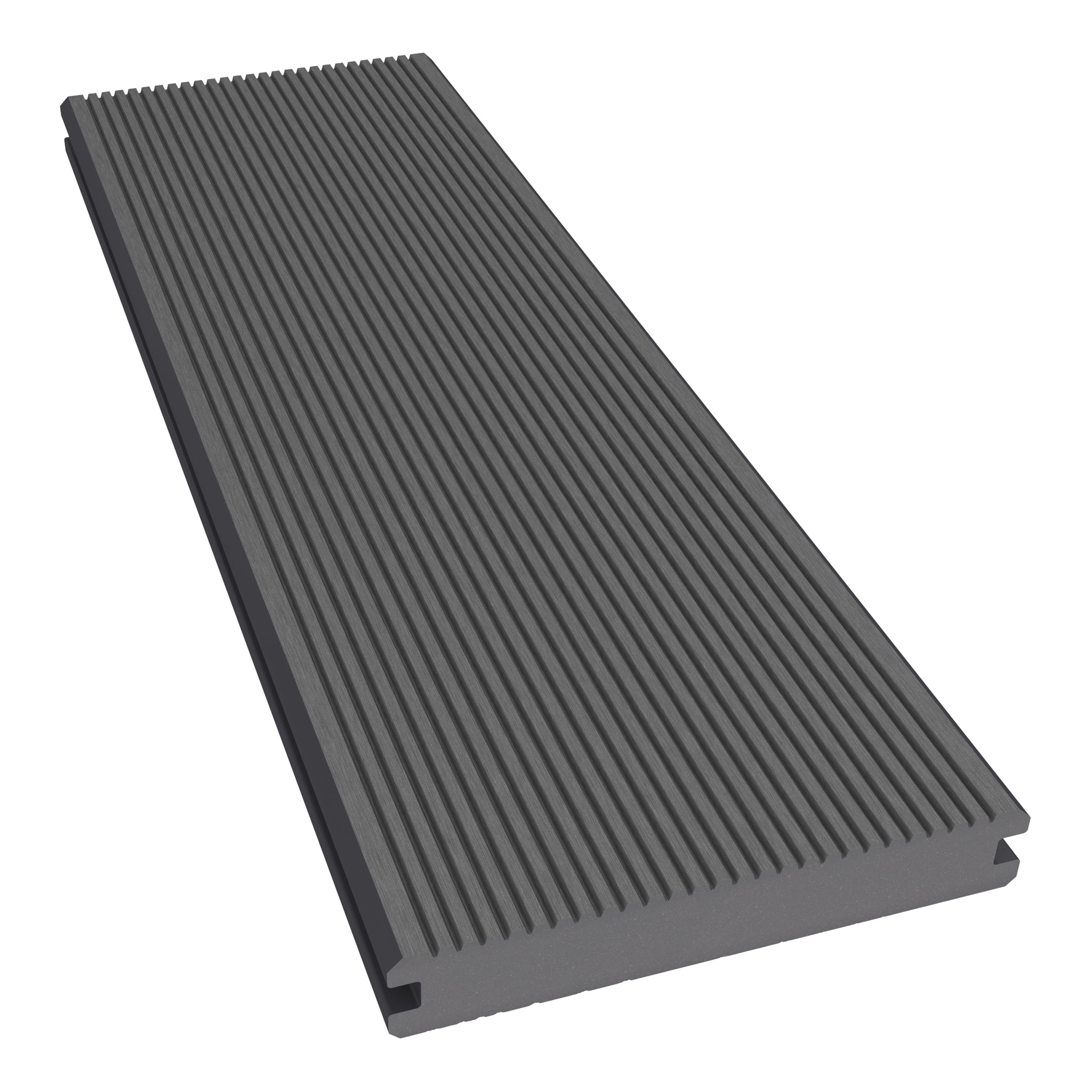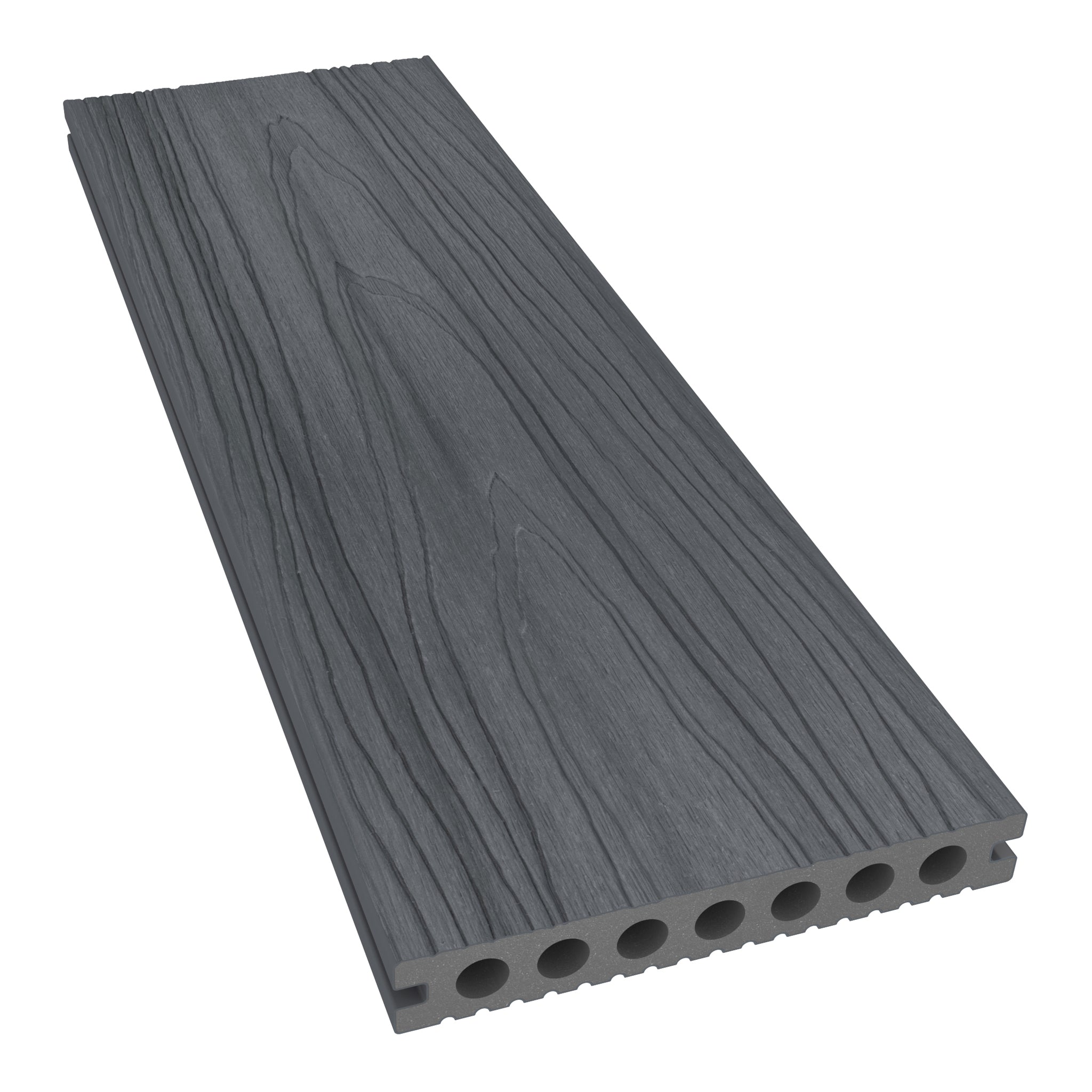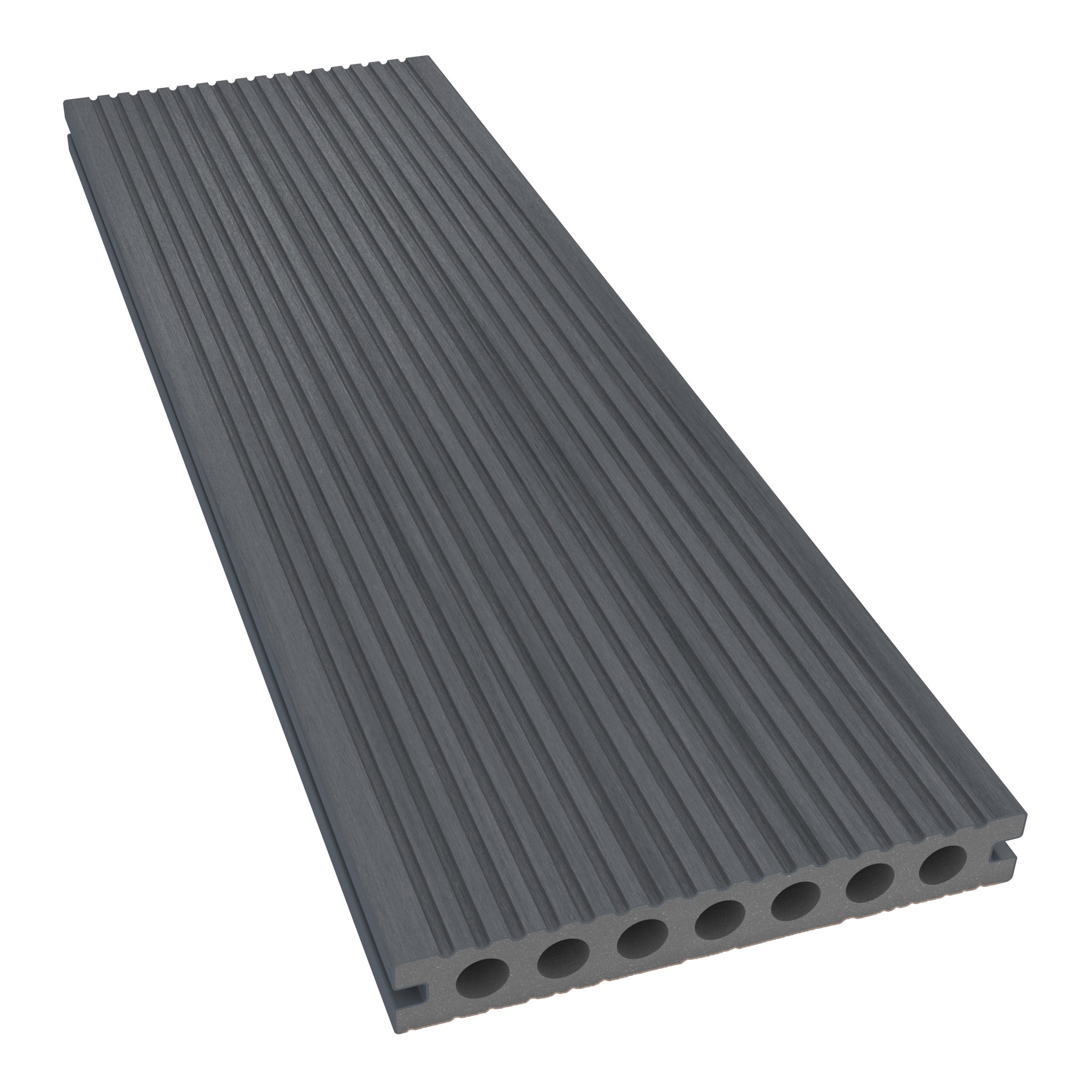
Explore Warm Timber Tones and Weathered-Look Decking Finishes
Cedar decking appeals to homeowners who enjoy natural timber character, from warmer fresh-wood tones to a weathered silver-grey appearance. If that palette is your starting point, compare genuine cedar with composite finishes inspired by similar colours.
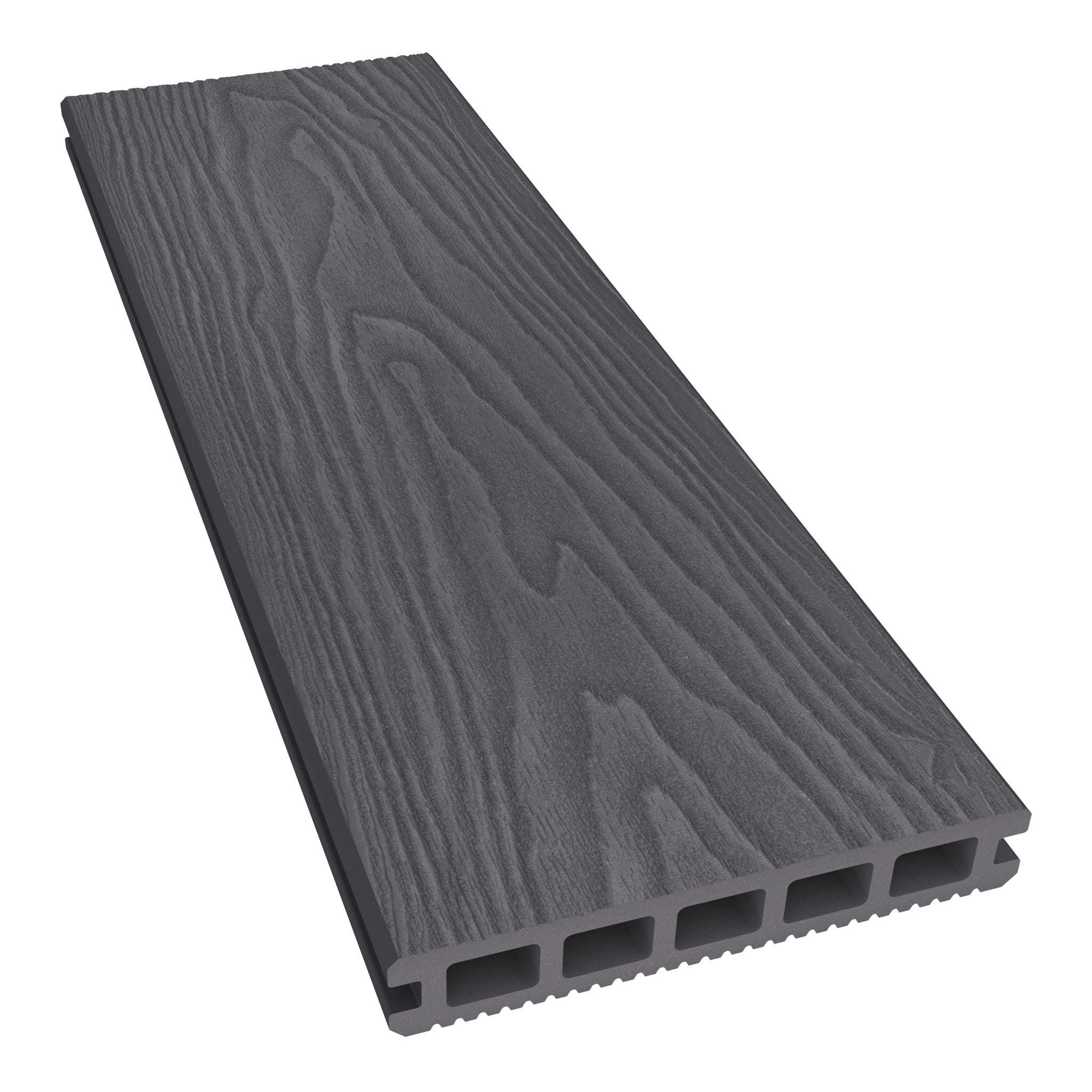
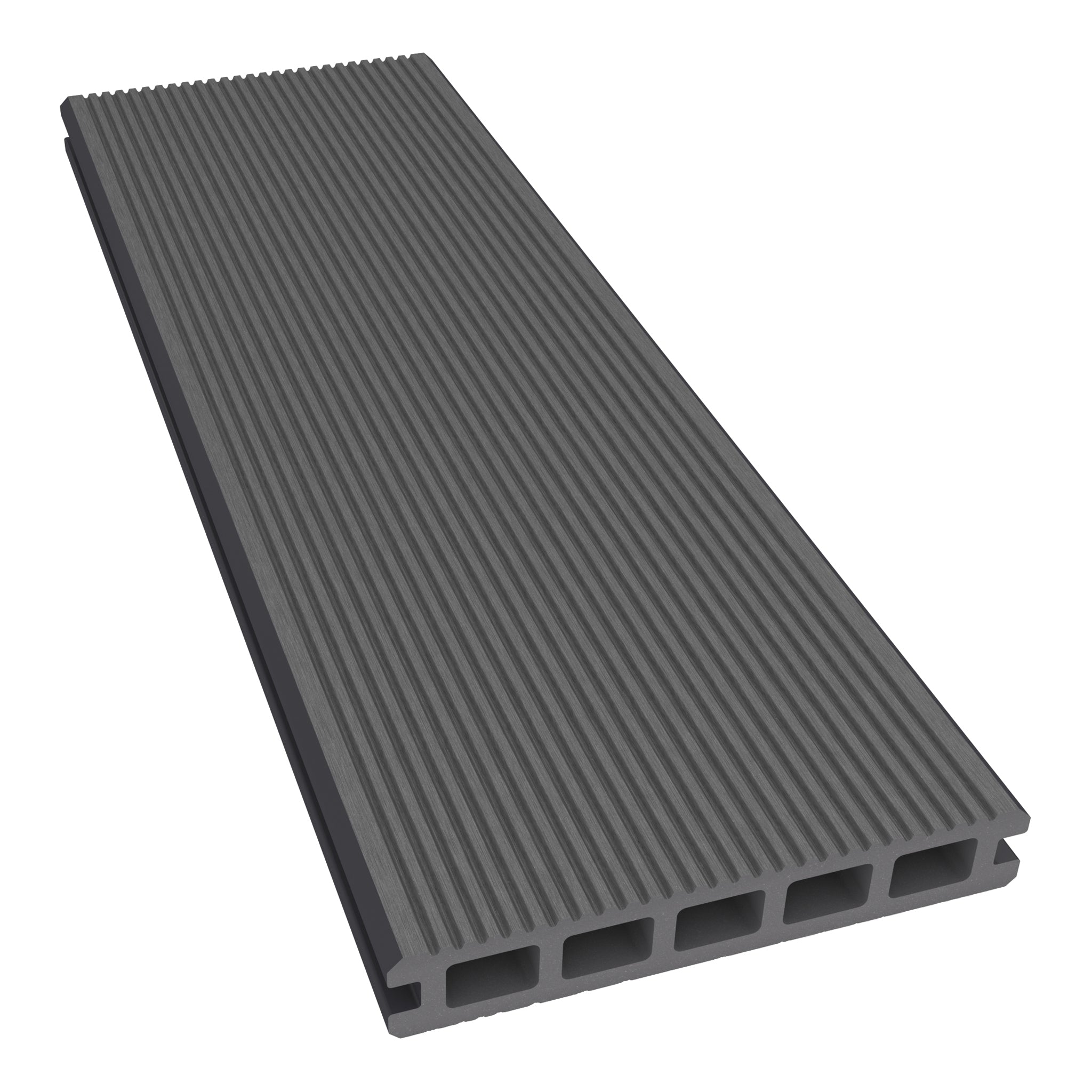
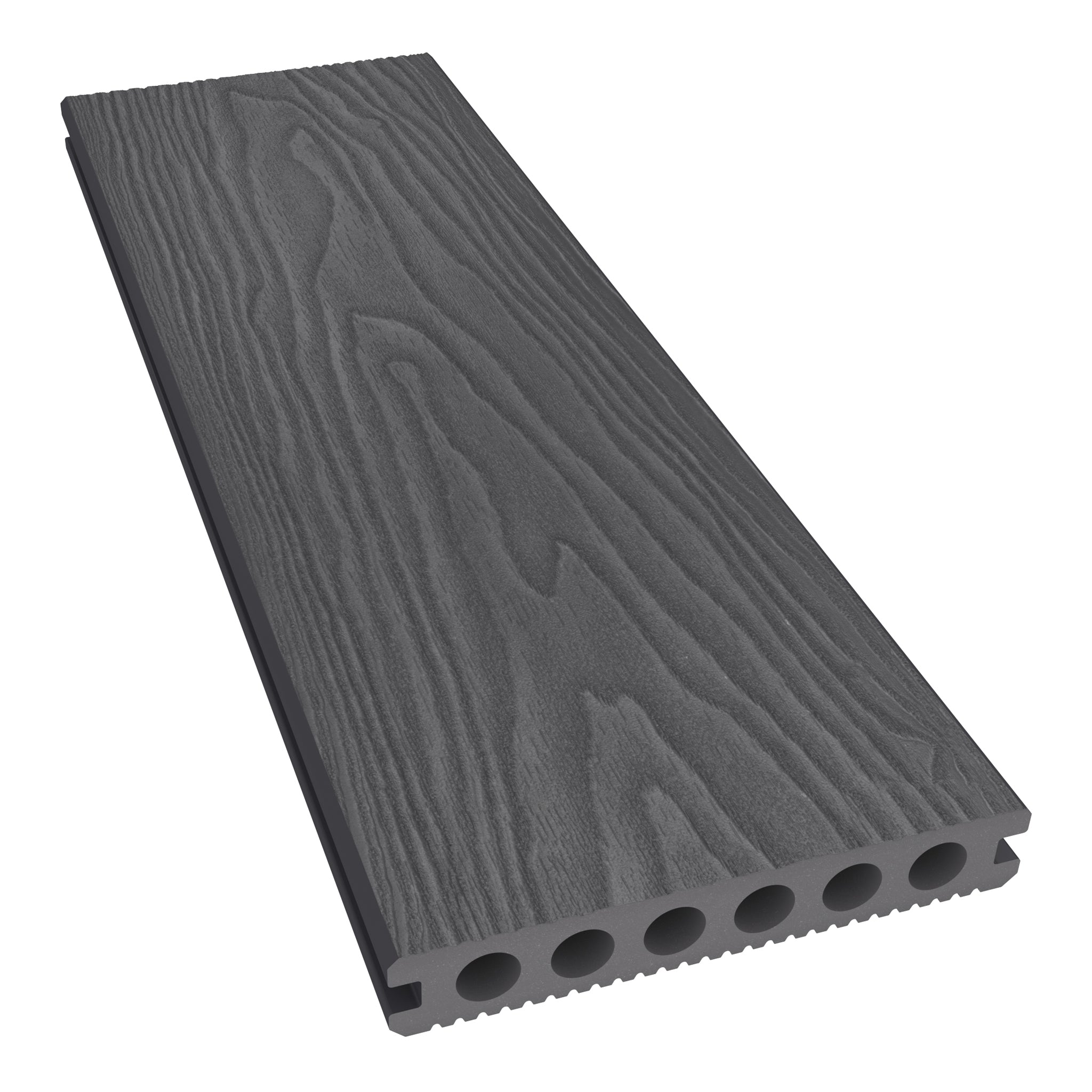
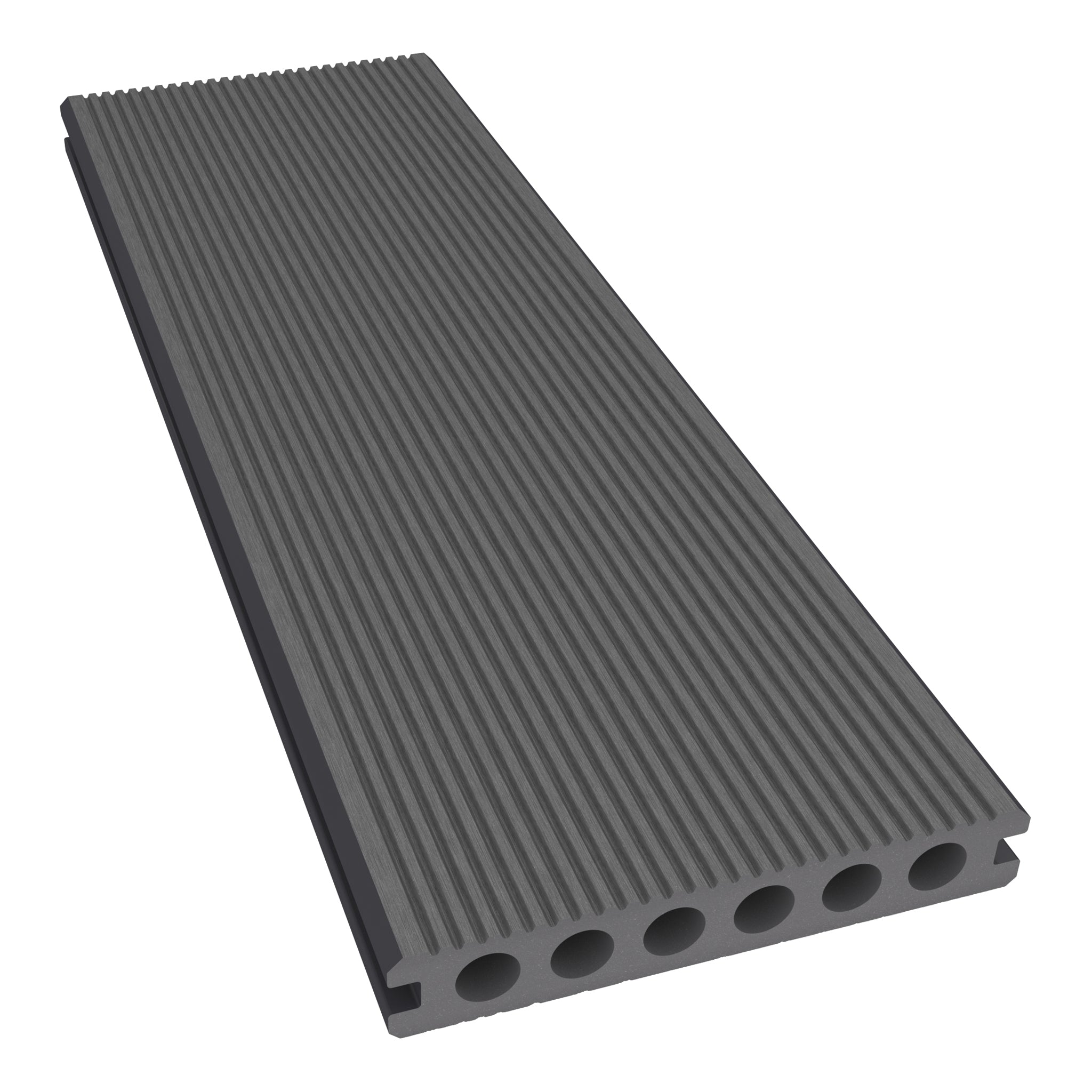
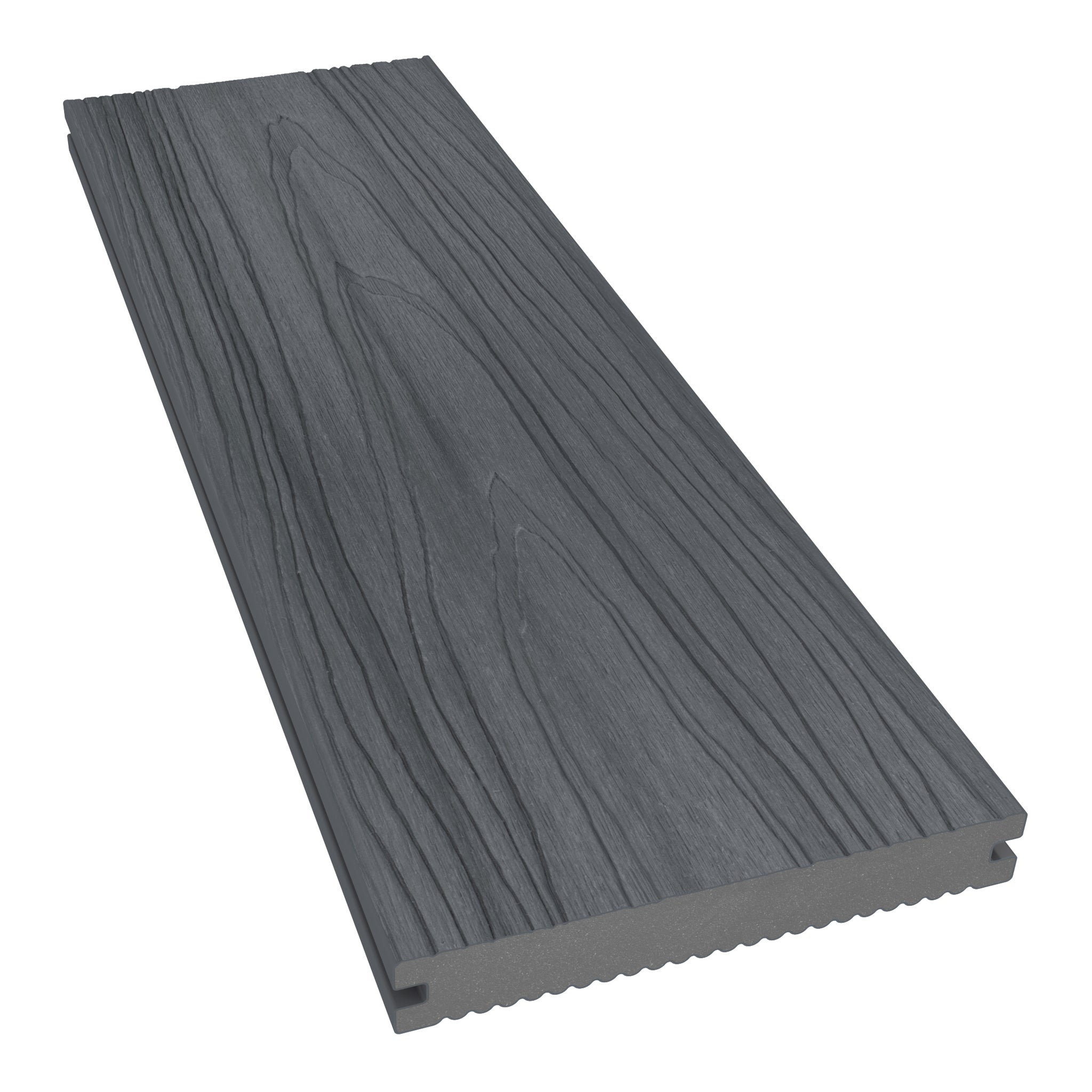
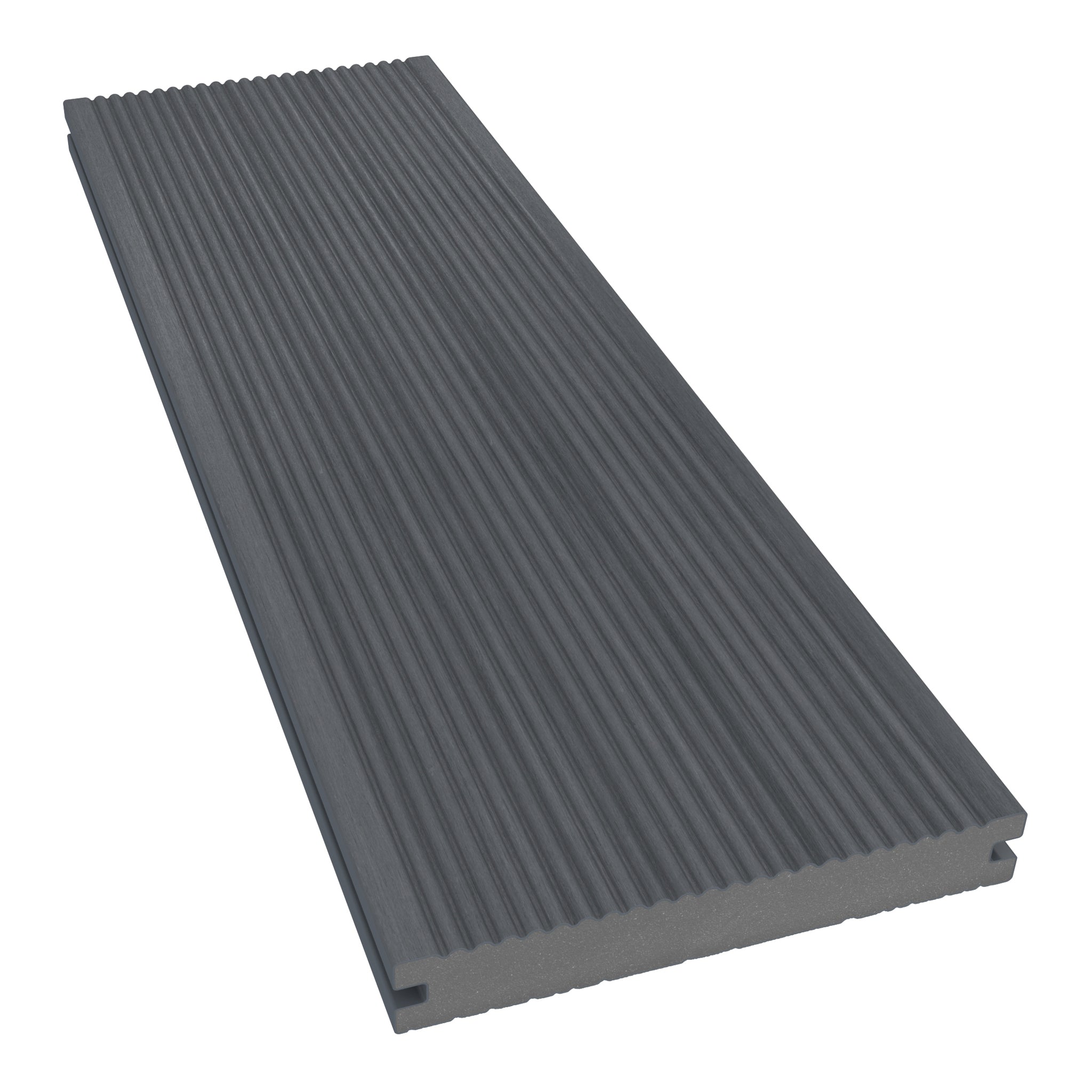
NeoTimber® offers wood-polymer composite boards in colours such as Oak, Teak, Antique and Silver Birch. These are composite finishes, not solid cedar deck boards or a guarantee of an exact match to a particular cedar sample.
This guide explores cedar wood decking, what “cedar composite decking” can mean, and the differences between boards and tiles. Visit the general decking page for an overview of NeoTimber’s options.
What Is Cedar Wood Decking?
Cedar wood decking uses natural timber rather than a manufactured wood-polymer board. When comparing quotations, ask for the species, grade, dimensions and intended finish: “cedar” alone does not provide a complete specification.
Natural timber offers individual grain and colour variation. Its appearance develops with exposure, and the desired finish influences the care routine. A deck maintained to preserve a coated colour has different requirements from one selected to weather naturally.
The Western Red Cedar Lumber Association’s finishing guidance explains the relationship between design, finish and upkeep. Use the relevant timber supplier’s instructions for the exact product.
Cedar Composite Decking: A Colour Description to Check
A search for cedar composite decking often reflects a desire for cedar-like colour with a different care routine. It does not necessarily mean the board contains cedar fibres or is sold in a colour named Cedar.
NeoTimber’s products discussed here are timber-effect composites. Compare the actual finish and specification rather than treating them as natural cedar or automatically assuming one colour recreates every stage of cedar weathering.
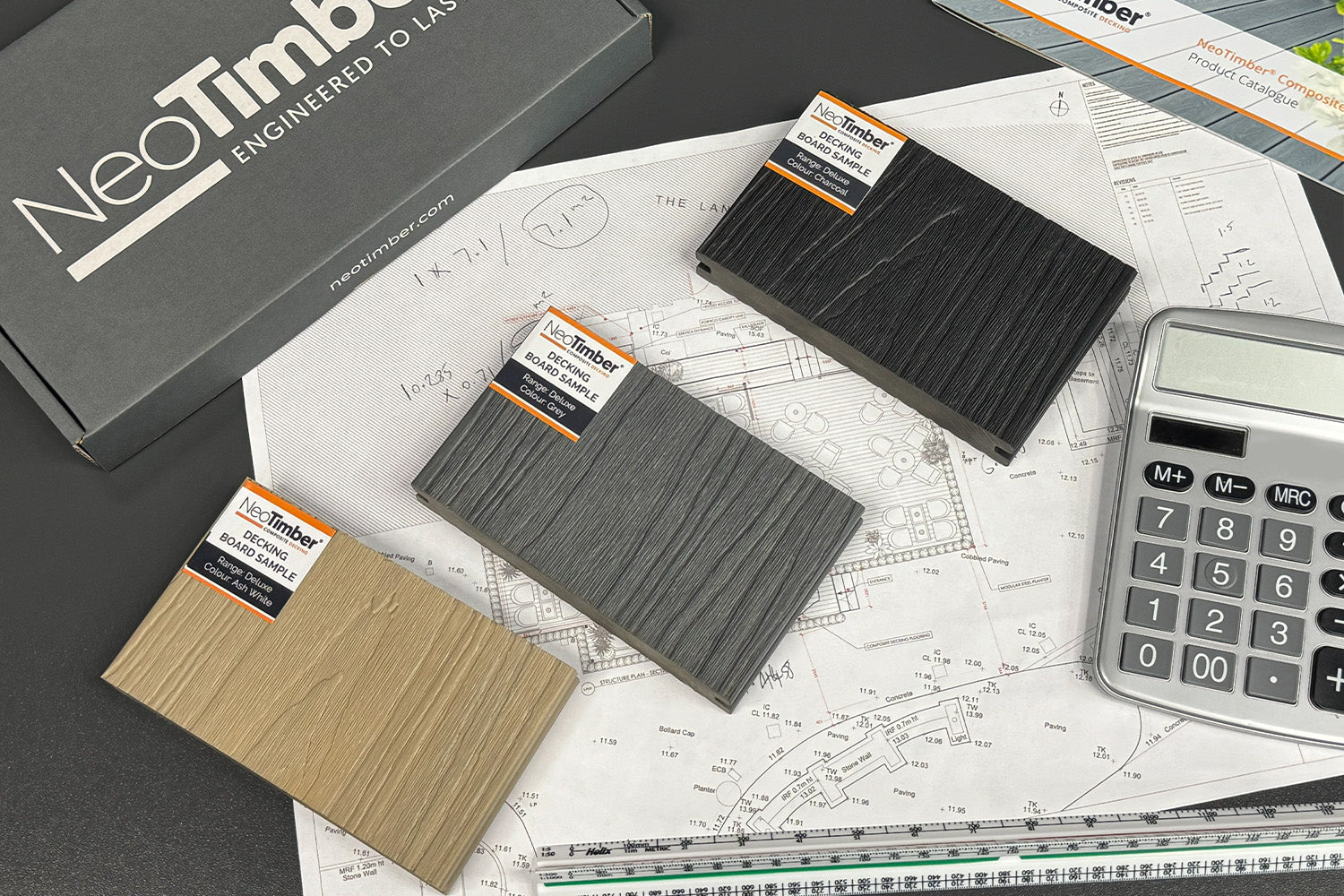
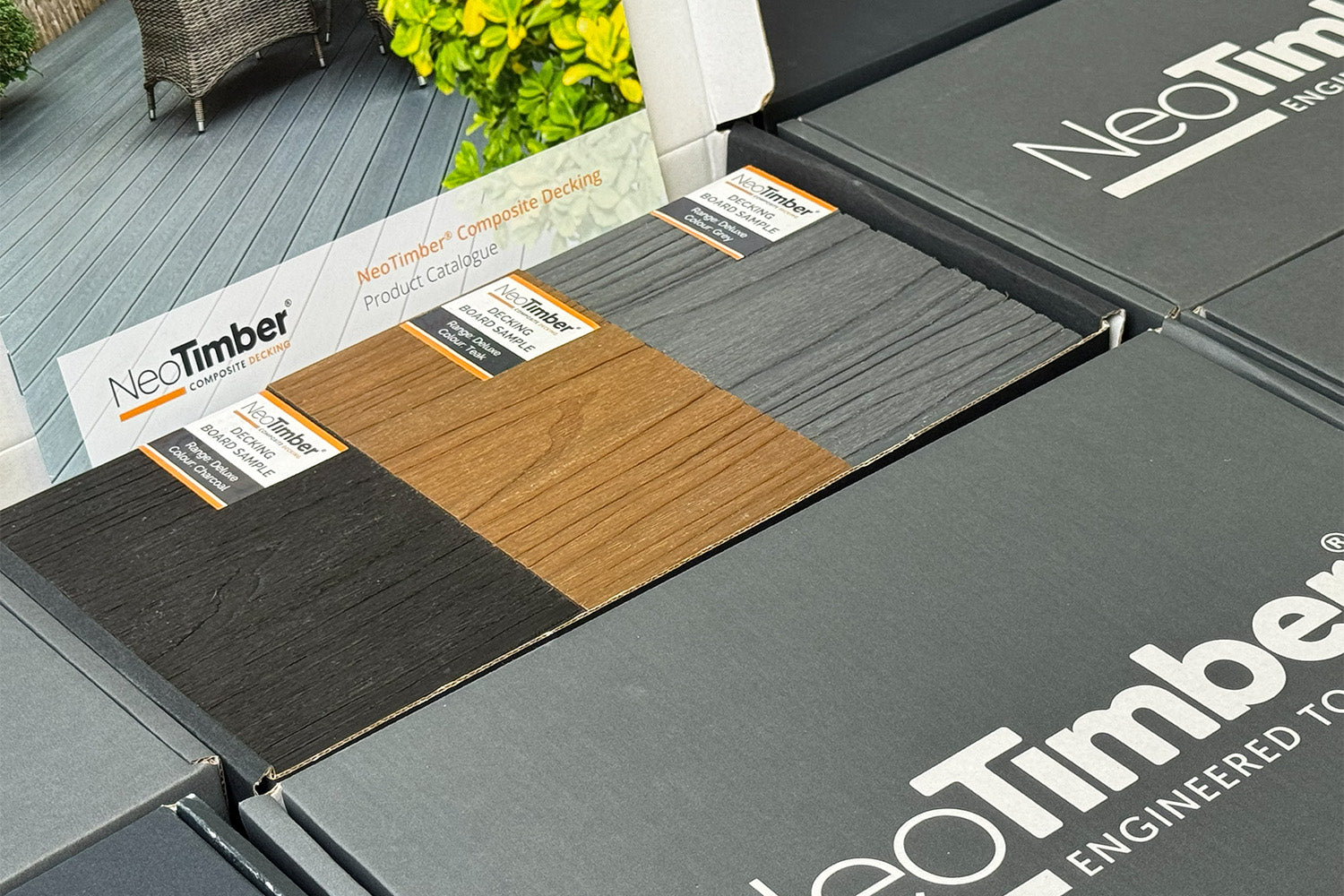
A useful decision starts with the appearance you want: warm, golden and defined, or quieter grey-beige tones. Samples help translate that preference into a shortlist.
Warm Alternatives to Fresh Cedar Tones
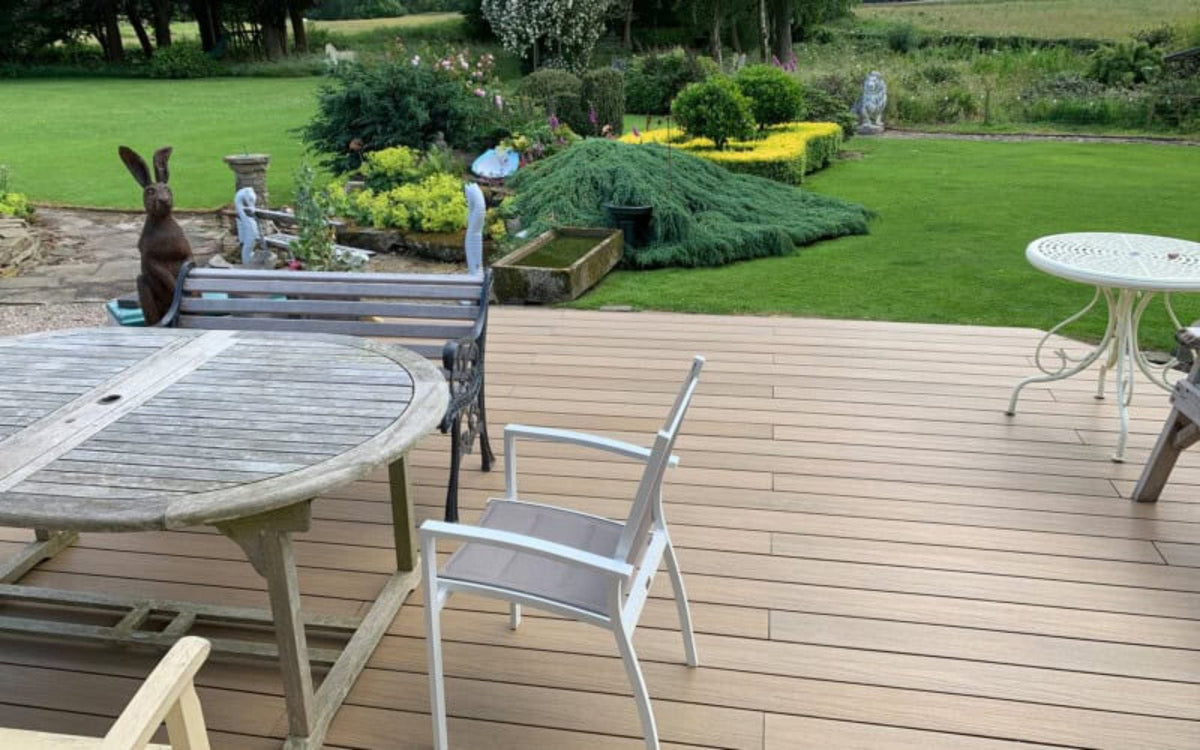
Oak and Teak composite decking offer warm palettes to consider alongside cedar. They are distinct finishes, so inspect them beside your existing materials before choosing.
Warm tones can soften dark window frames or connect a terrace with planting and garden furniture. Consider the paving, mortar and roofline as part of the composition rather than selecting the deck colour in isolation.

Alternatives to Weathered Cedar Colours
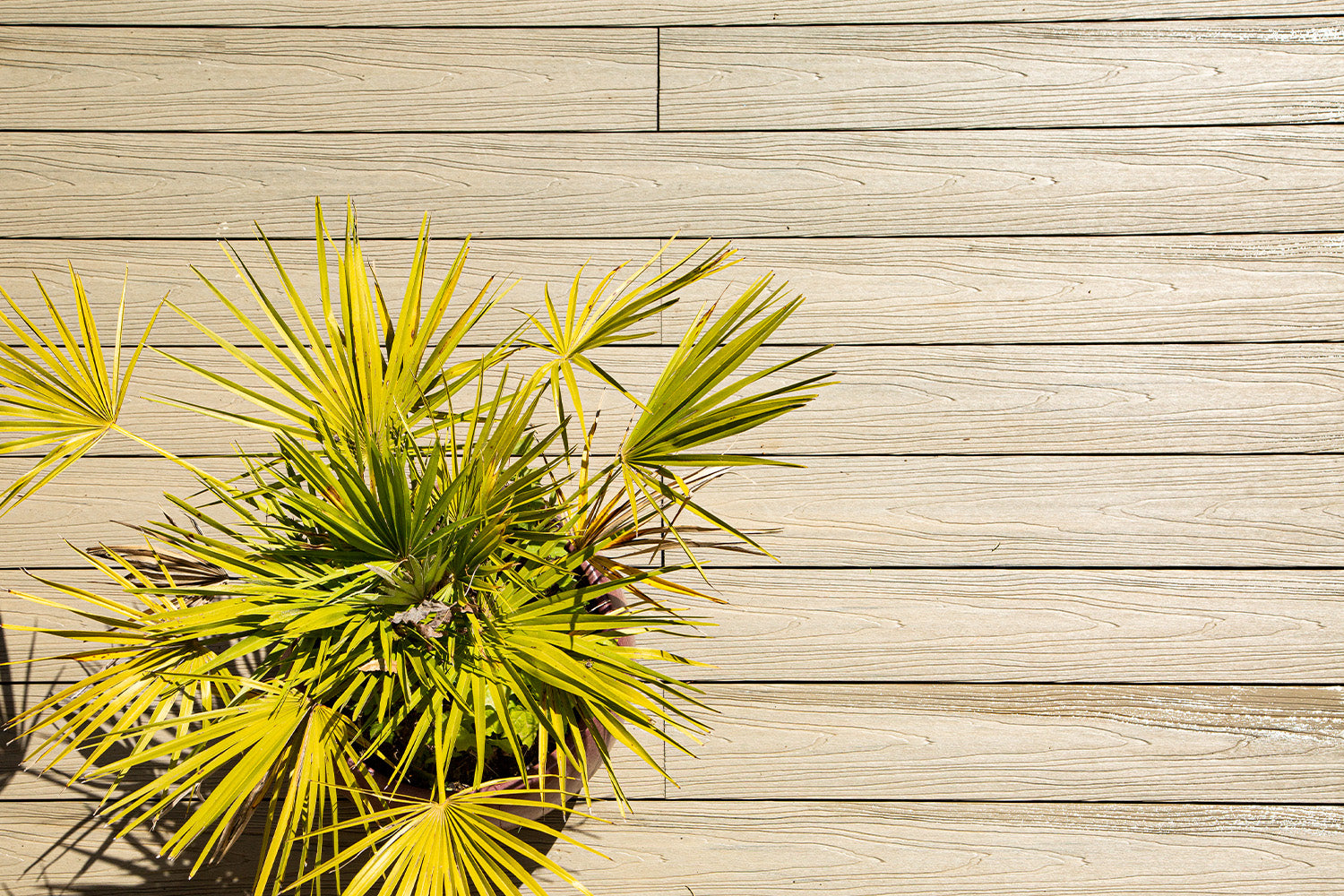
If you prefer a softer, weathered-wood palette, compare Antique and Silver Birch. These supplied composite colours offer inspiration for grey and neutral schemes without requiring timber to age into the desired appearance.
They do not guarantee an exact match to naturally weathered cedar. The grain, lighting and surrounding finishes affect the result, so use photographs for scale and samples for closer comparison.

Cedar Deck Boards or Composite Boards?
Choose by appearance, specification and ownership requirements together. Natural cedar offers timber variation; composite provides manufactured colours and textures with reduced routine decorative treatment.
NeoTimber® boards are designed to provide their finish without routine painting or staining, but cleaning and checks remain important. Capped products improve fade and stain resistance rather than guaranteeing that their colour never changes.
Compare the complete installed cost, including the supporting structure, fixings, finishing details and access. Board prices alone do not establish which option represents better value.
Cedar Deck Tiles and Cedar Decking Tiles
Cedar deck tiles usually describes modular products with a cedar timber surface. Cedar decking tiles is another common search phrase for that format. Check the actual material, base construction, dimensions and laying requirements before buying.
Tiles and boards serve different installation approaches. A modular tile designed for a firm, drained base should not be treated as a structural board capable of spanning joists.
If you want a composite tile alternative, explore NeoTimber® composite deck tiles. These are separate products from solid cedar tiles, and should not be described as a Cedar-branded range without confirmation.
For balconies or terraces, confirm the suitability of the whole build-up, including drainage, loading and any relevant building requirements. The smaller format does not remove those checks.
Choose the Layout and Finishing Details
Board direction and border details influence the finished appearance. A picture-frame border can define the perimeter, while a simpler continuous layout may better suit a compact terrace.
Plan steps, fascia and edges alongside the main surface using compatible accessories. Do not assume wider or narrower formats share identical support and fixing requirements.

Care and Installation Matter for Both Materials
For natural cedar, follow product-specific cleaning and finishing advice. Real Cedar’s care guidance highlights drainage, removal of debris and appropriate cleaning. It cautions against pressure washing cedar surfaces.
For composite, use the NeoTimber® care guides and installation resources for the selected range. Support, movement allowances, ventilation and drainage remain important.
Review the warranty terms before purchasing. A warranty period does not establish universal suitability or guarantee an unchanged appearance.
Frequently Asked Questions
Does NeoTimber® sell the composite boards described here as natural cedar?
No. Oak, Teak, Antique and Silver Birch are composite finish names, offered here as colour alternatives to consider.
Are cedar decking tiles the same as composite tiles?
No. Check the material and base construction of each product. Tile installation requirements can also differ.
Is composite always better than cedar wood decking?
No. Compare the exact products, intended finish, installation and care priorities for your project.
Find the Palette That Suits Your Outdoor Space
Cedar decking provides a useful starting point for a warm or weathered timber-inspired design. Decide whether you want the natural material or a composite alternative, then assess samples and specifications together.
Browse NeoTimber® composite decking, explore the gallery and request free samples to compare your preferred finishes.