




Find Better Decking Value by Checking the Details Before You Buy
Clearance decking boards can help reduce material costs when the available product suits your project. The useful question is not simply how much has been discounted, but whether you can buy the right specification, enough material and the compatible components needed to finish the deck.
This guide explains how to compare clearance composite decking, check a deck clearance offer and plan the complete order. A considered purchase starts with the product details and ends with a workable installation plan.
Browse the current NeoTimber® clearance collection to see the products listed. Availability varies: decking-related clearance may include edge boards and trims, rather than every main deck-board range, colour or length.
What Are Clearance Decking Boards?
Clearance is a sales category, not a technical specification. Across the market, reduced products may be discontinued lines, surplus stock or items with a stated condition or grading. Read the individual listing to understand what is being offered.
NeoTimber® describes its clearance collection as end-of-line products, including discontinued sizes and older lines being replaced by updated FSC®-certified ranges. Some listings are explicitly labelled Non-FSC® Clearance. Check that designation against any sourcing requirements for your project.
The collection states that retired lines will not be restocked once sold out. Confirm available quantities before planning a large order or relying on a later top-up.
None of these labels replaces the product specification. Check the dimensions, profile, finish, intended use and any condition notes before judging whether the saving represents good value.

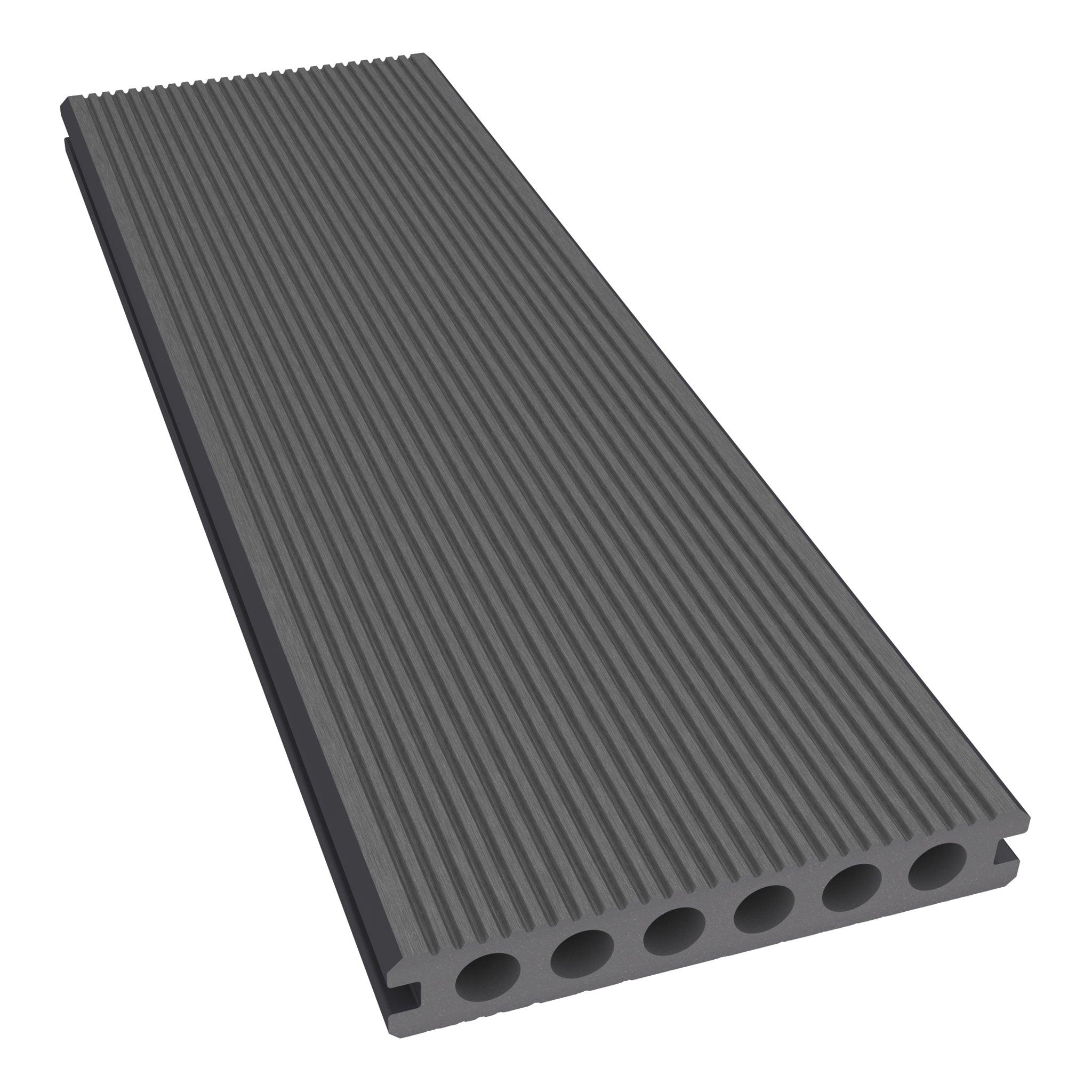
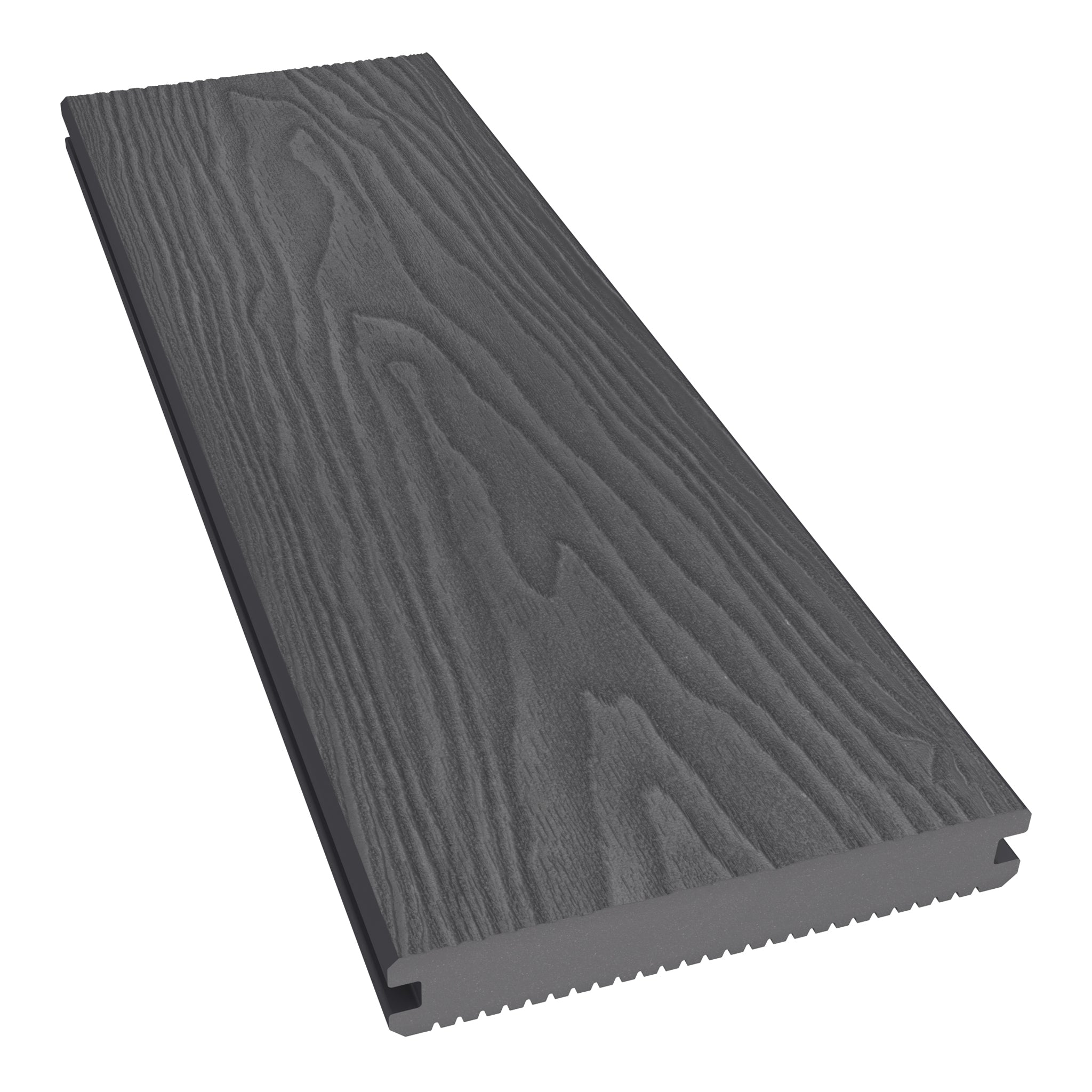
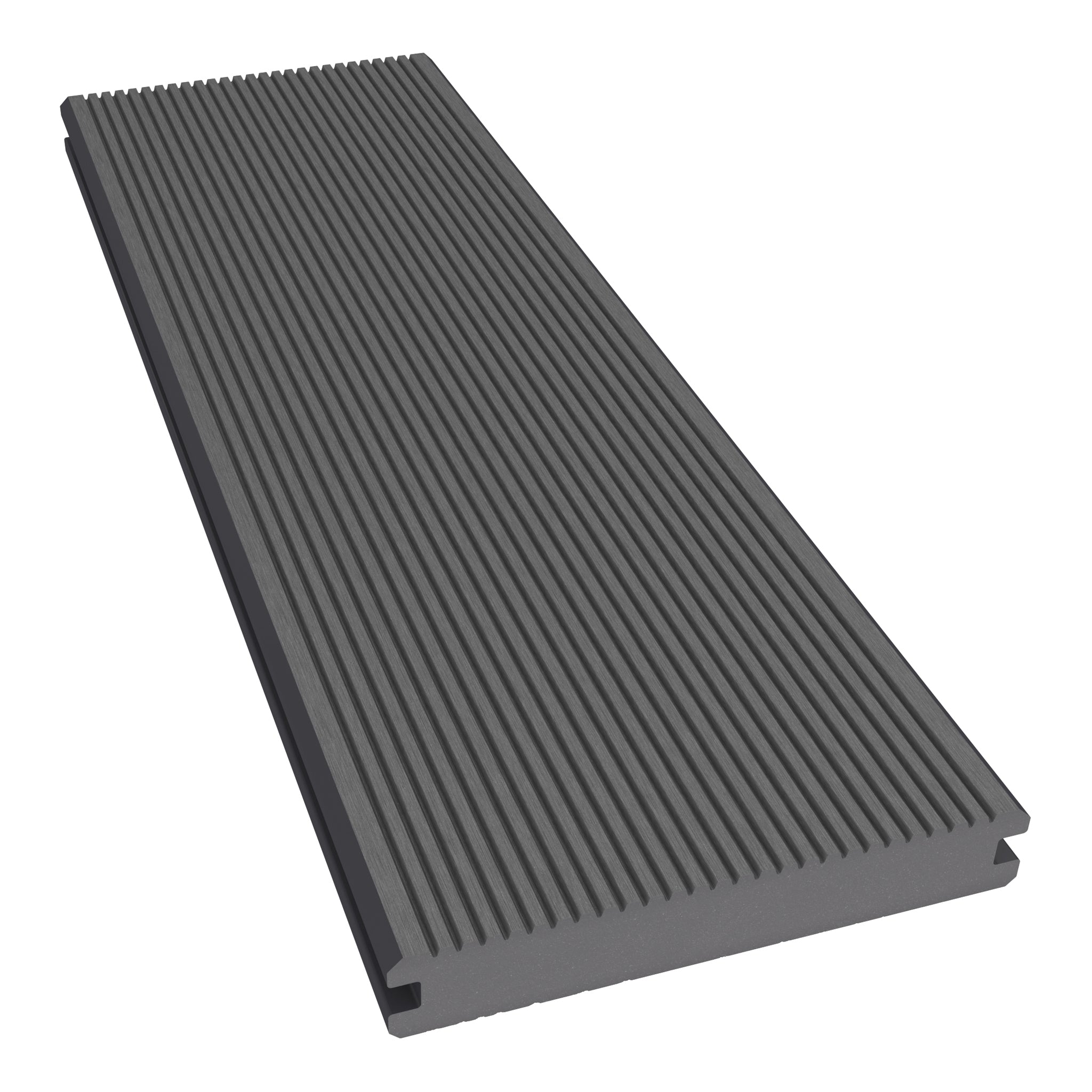
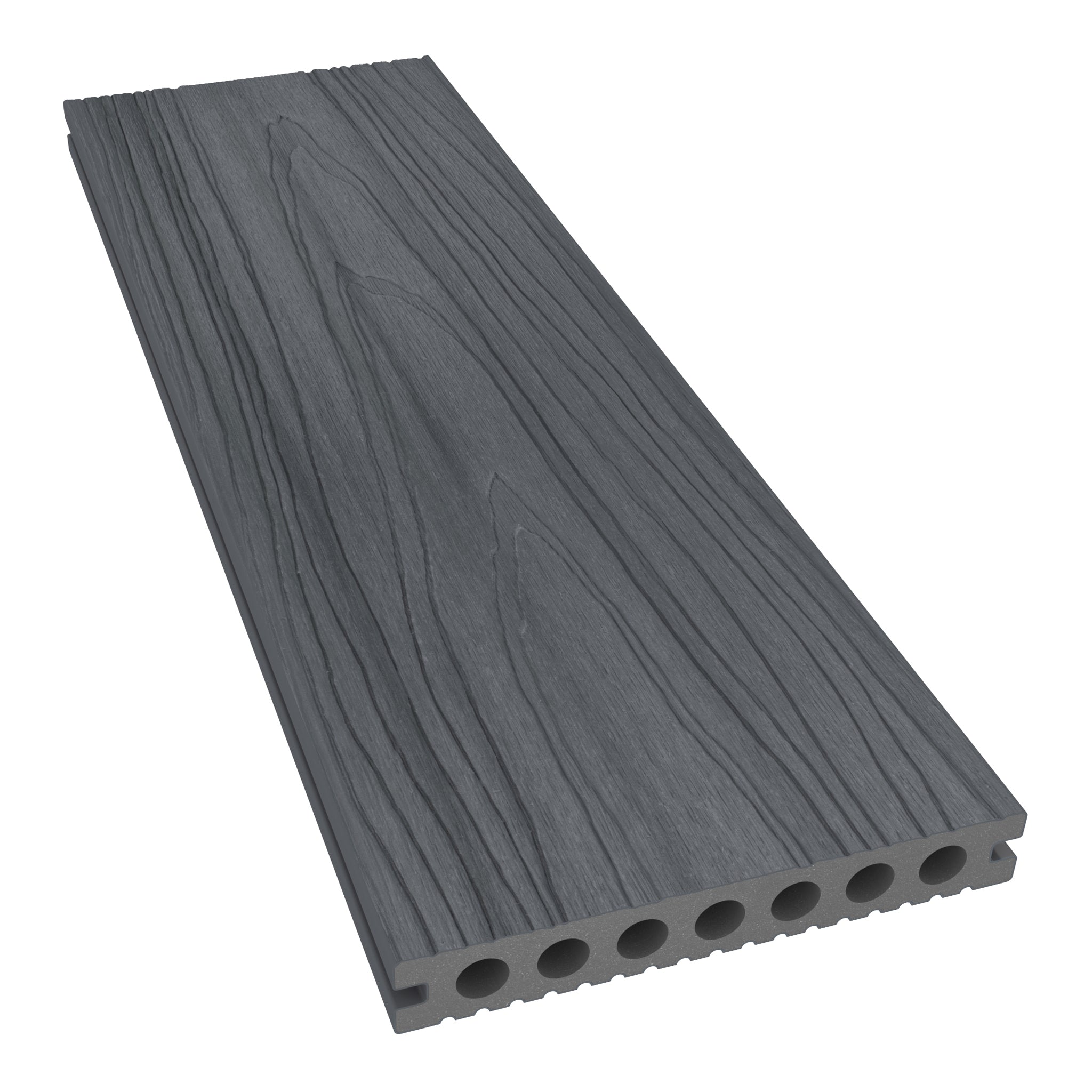
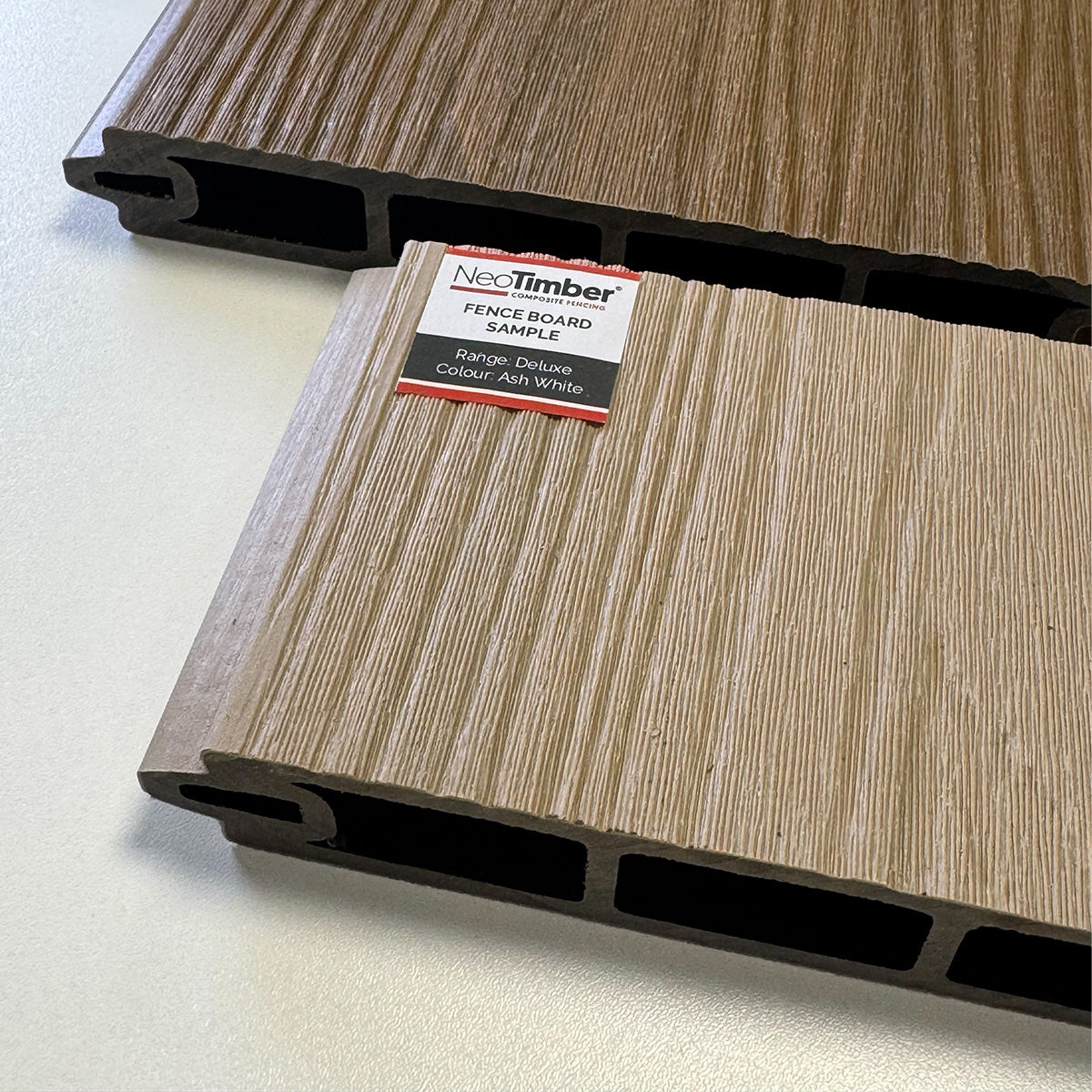
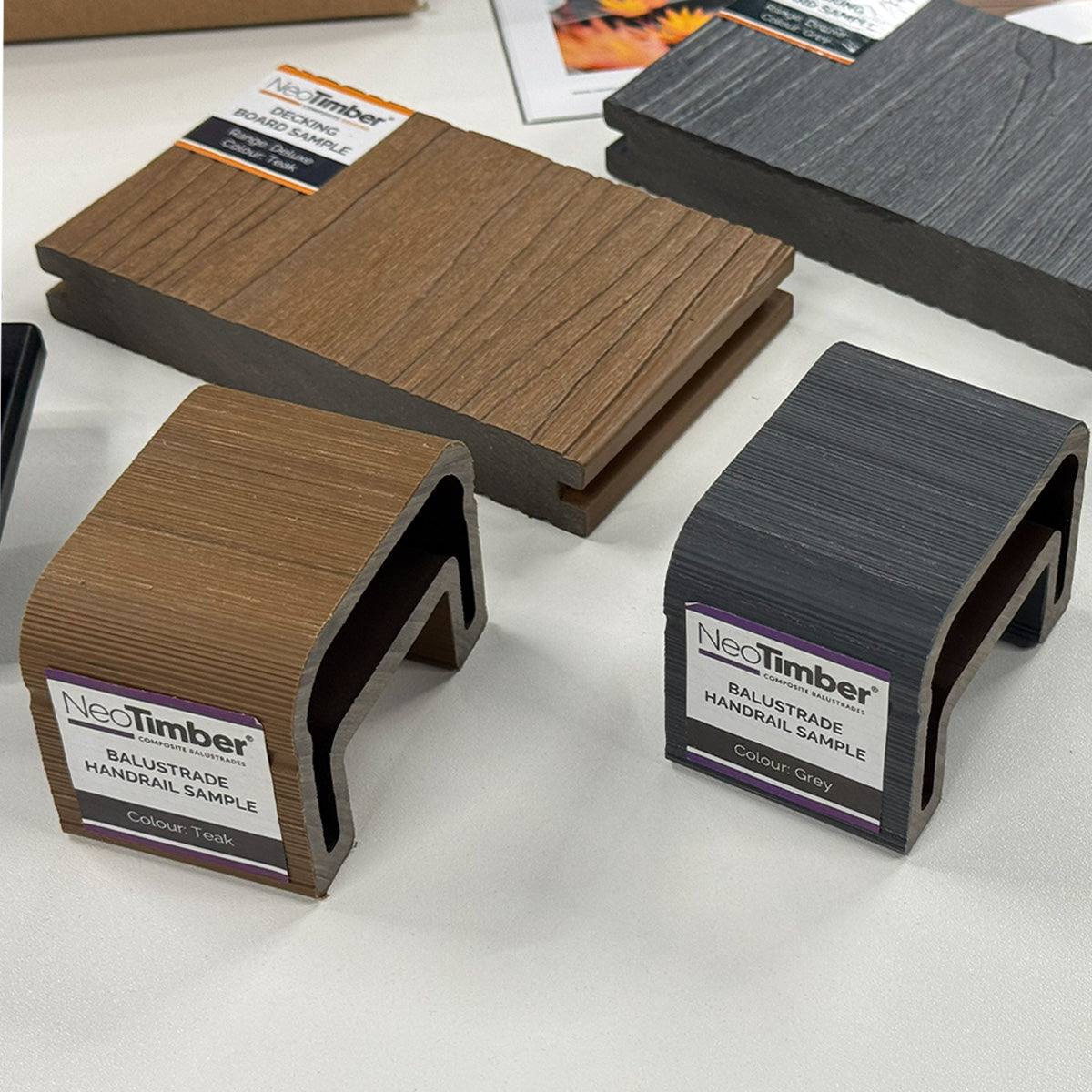
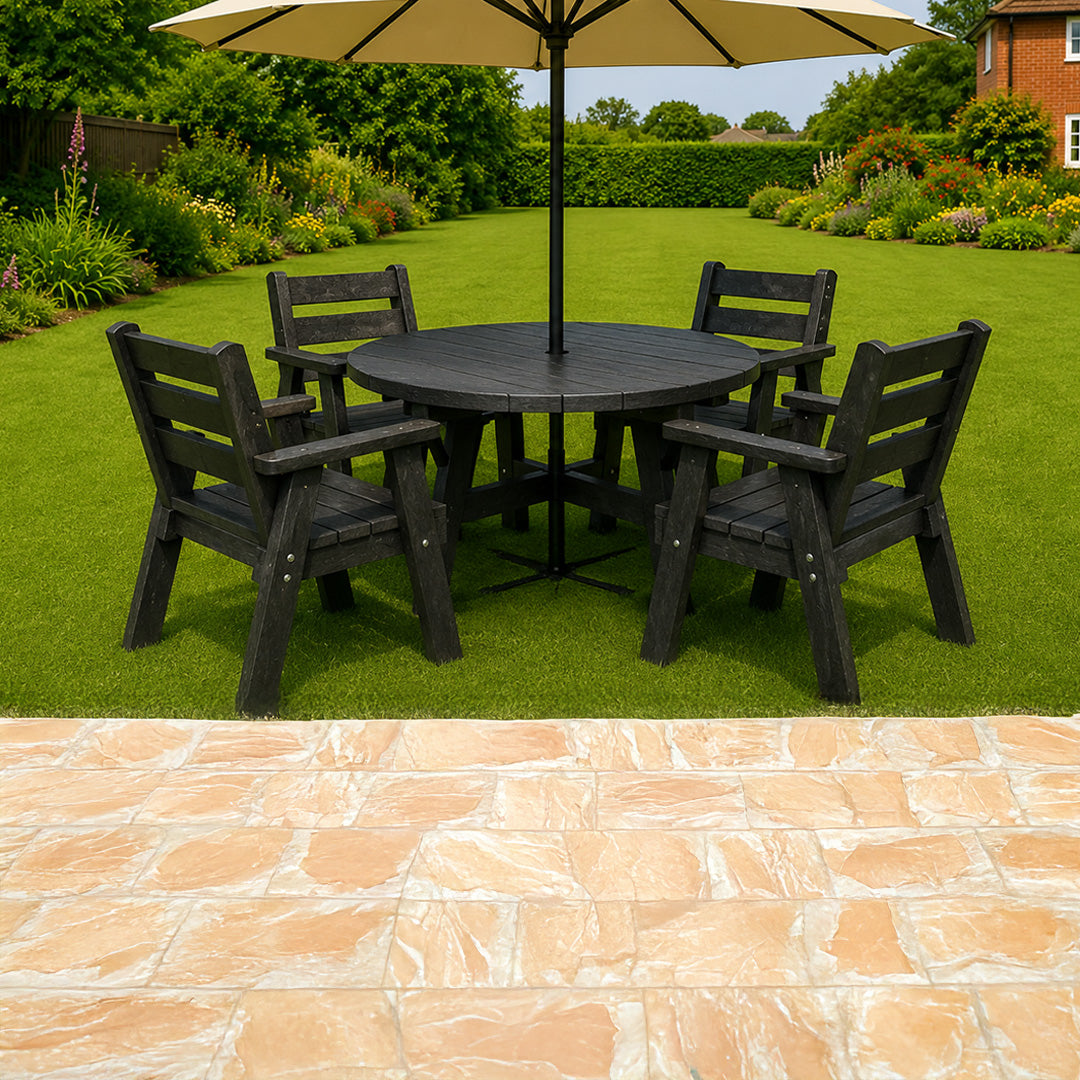
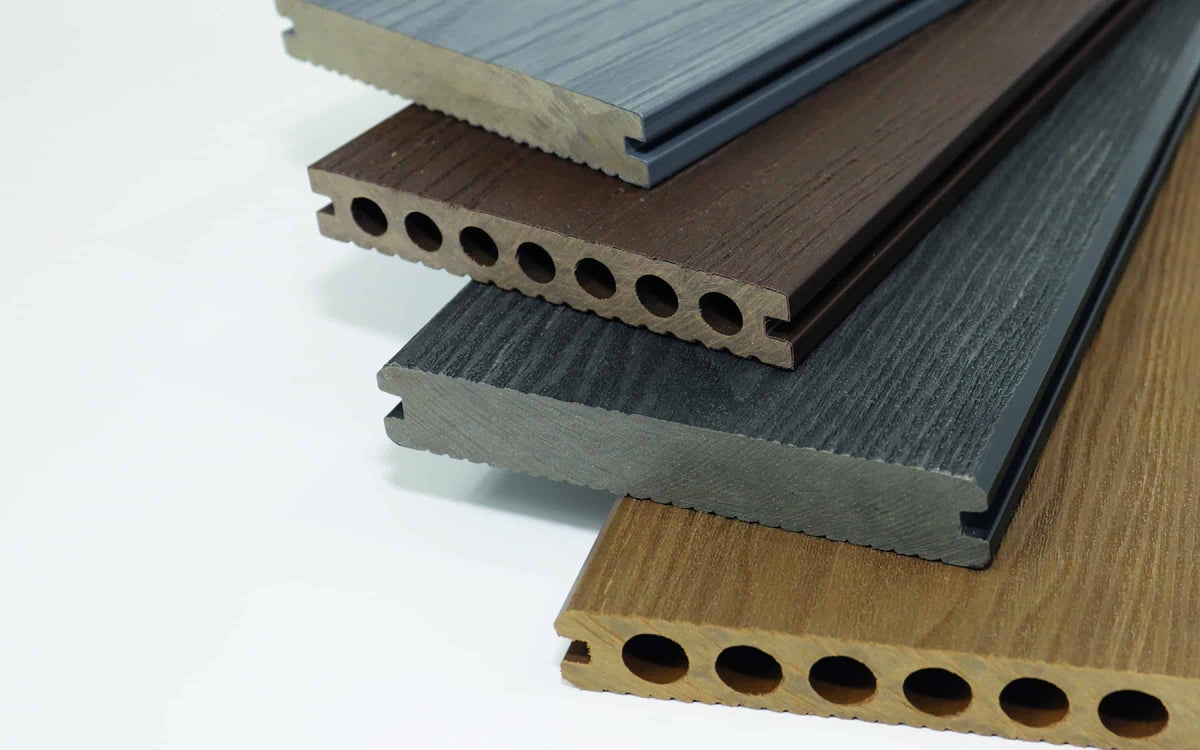
The photographs in this guide illustrate decking layouts and finishing details; they do not confirm that the pictured products are currently available in clearance.
How to Assess a Deck Clearance Offer
Compare the offer with your actual design rather than treating the discount as the starting point. These checks help turn an attractive listing into an informed buying decision.
| Check | Why it matters |
|---|---|
| Exact product type | A main deck board, edge board and fascia may perform different roles. |
| Dimensions and profile | Length, thickness and fixing detail influence the layout and compatibility. |
| Available quantity | There must be enough for the checked cutting plan and appropriate allowance. |
| Condition and clearance description | Understand the reason for the offer and any disclosed limitations. |
| Colour and finish | Similar names do not guarantee a match with existing boards or trims. |
| Compatible components | Confirm the required fixings, edging and support arrangement. |
| Warranty and returns | Read the applicable terms and any product-specific exceptions. |
| Delivered cost | Compare VAT, delivery and the remaining materials as well as the discount. |
Choose the Right Board Specification
Check Construction and Intended Use
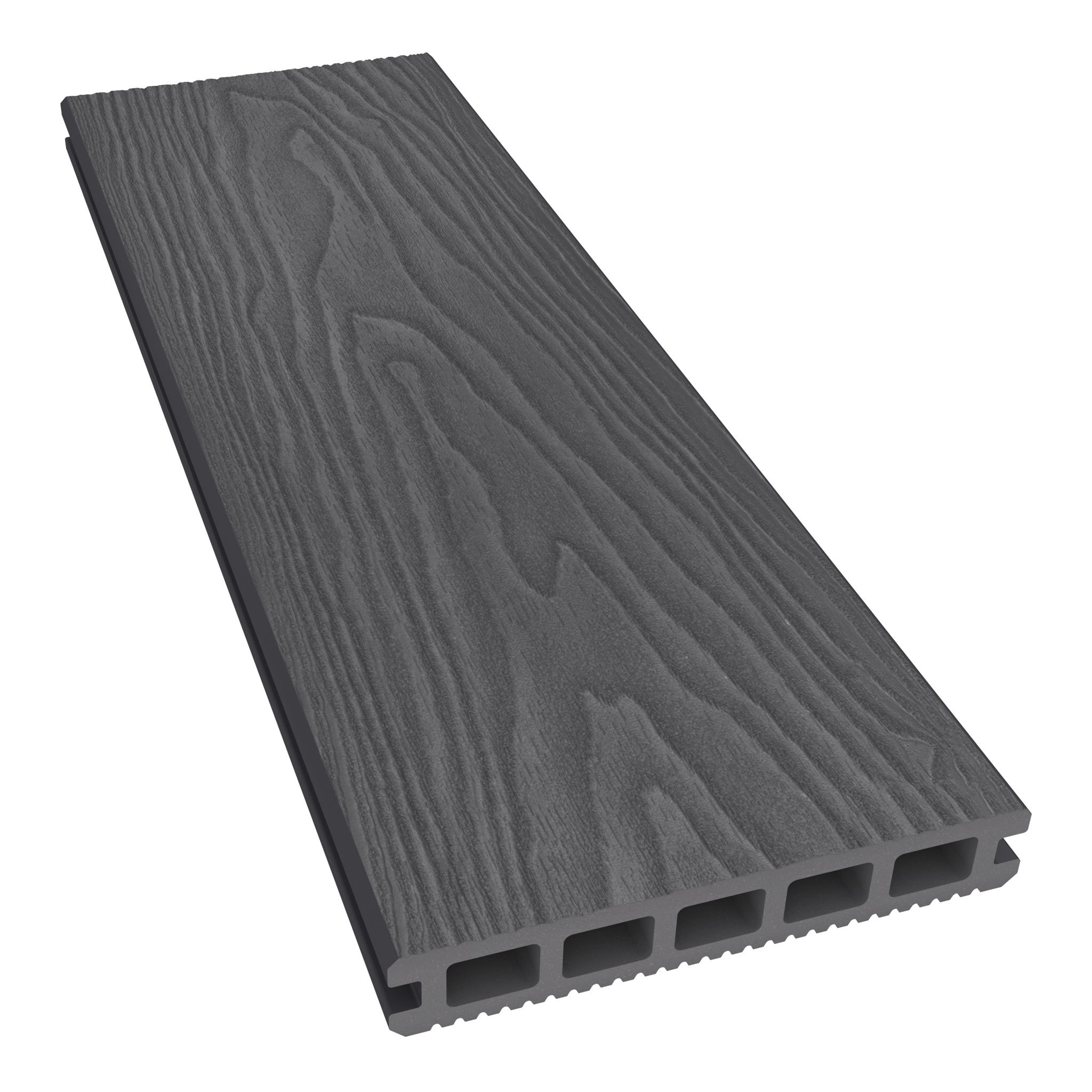
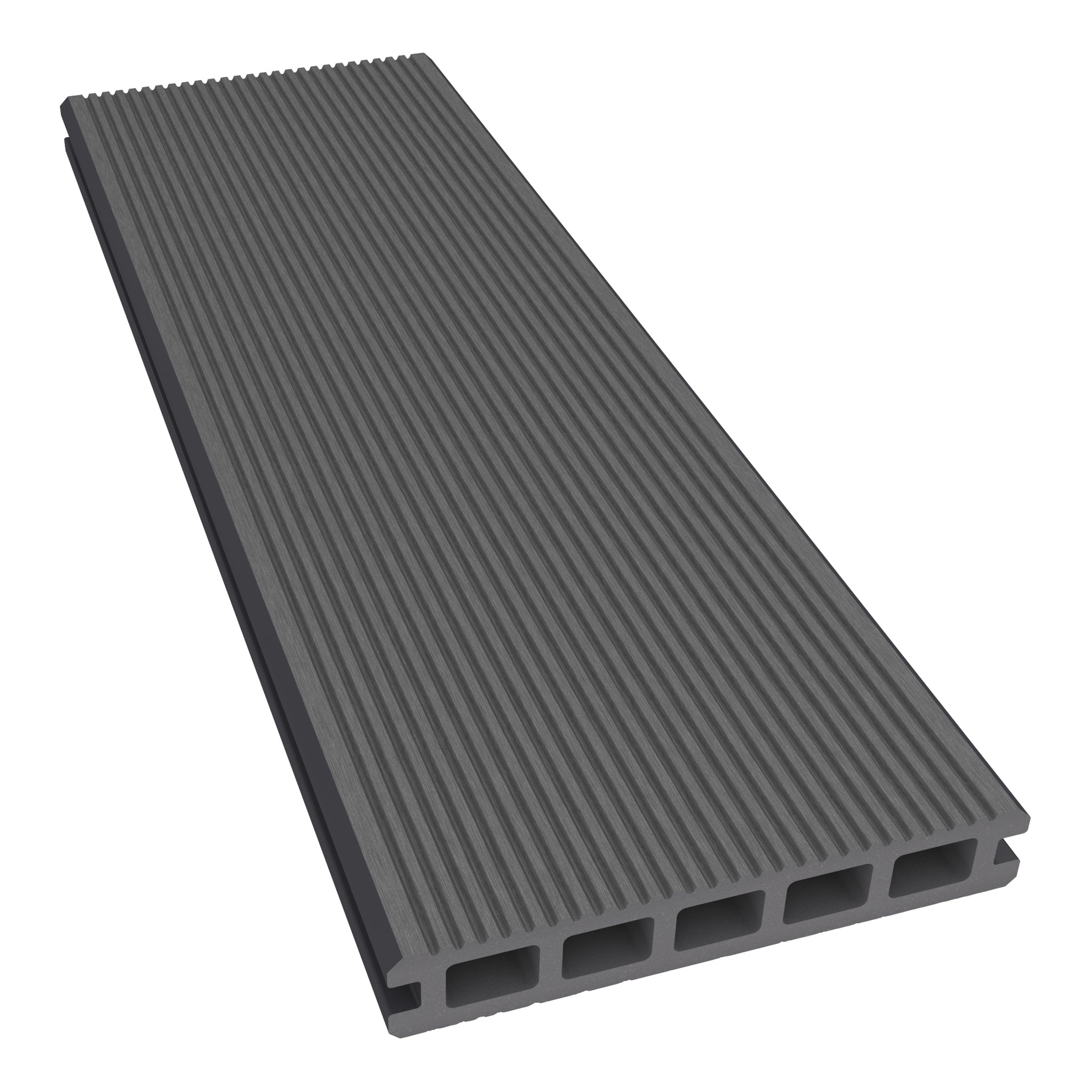
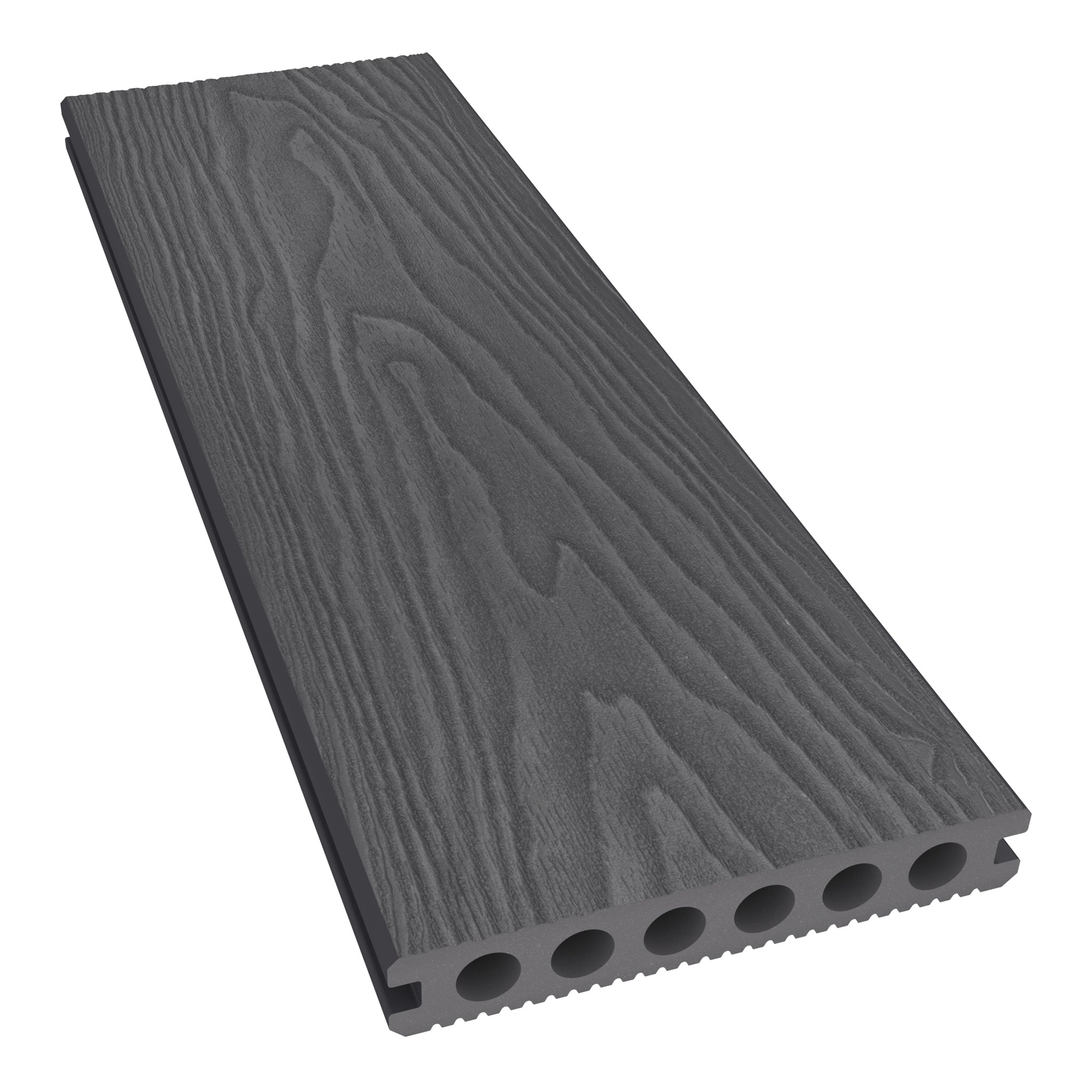
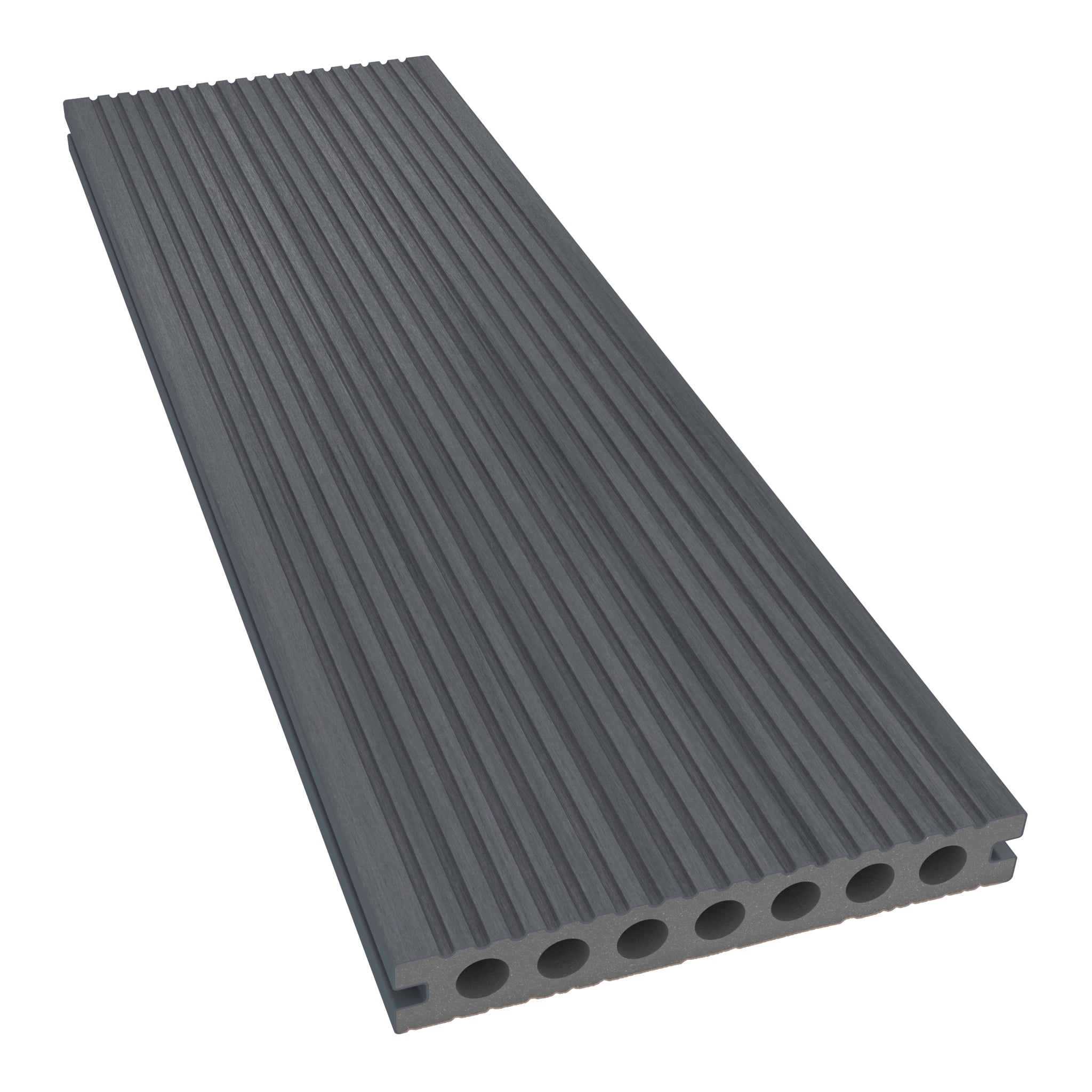
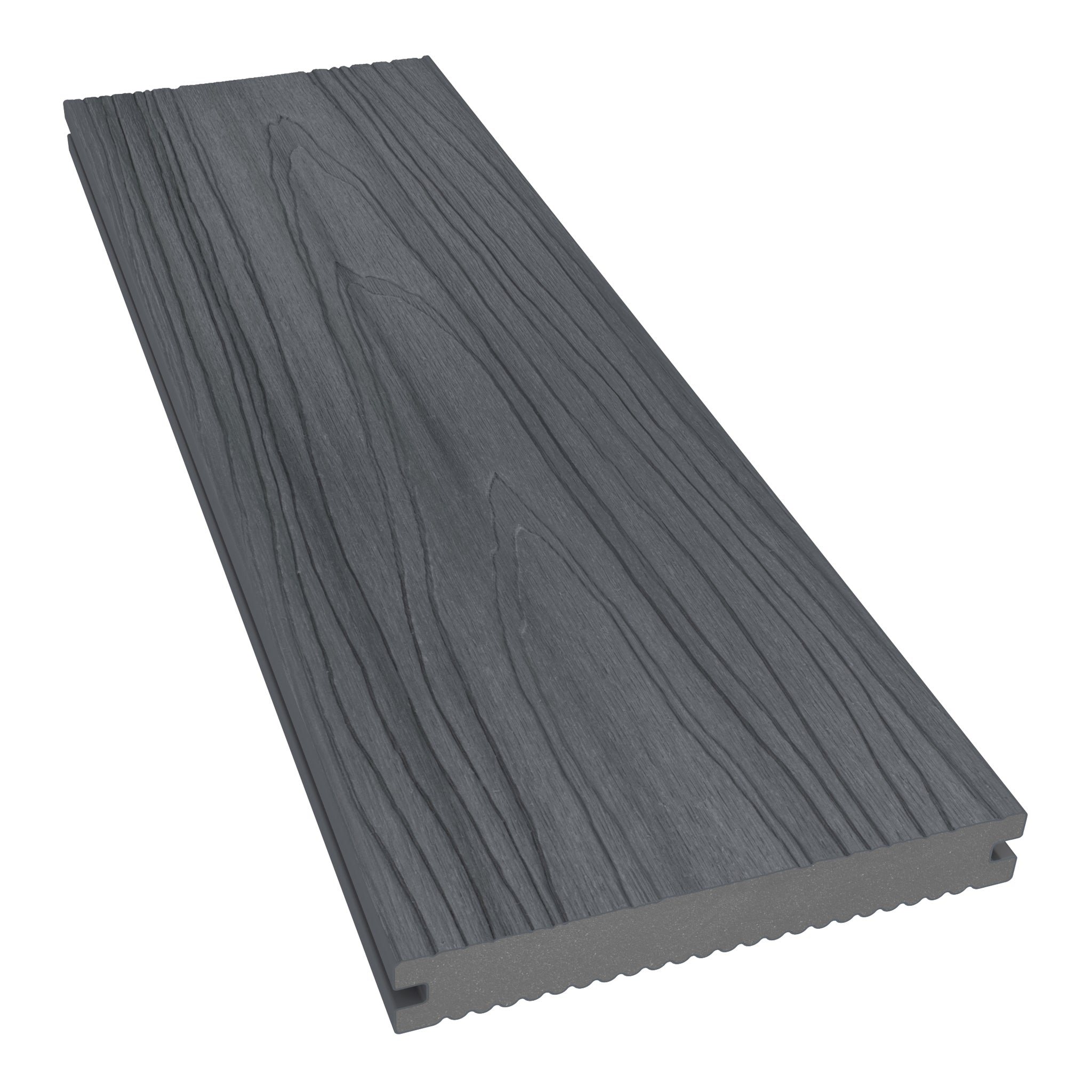
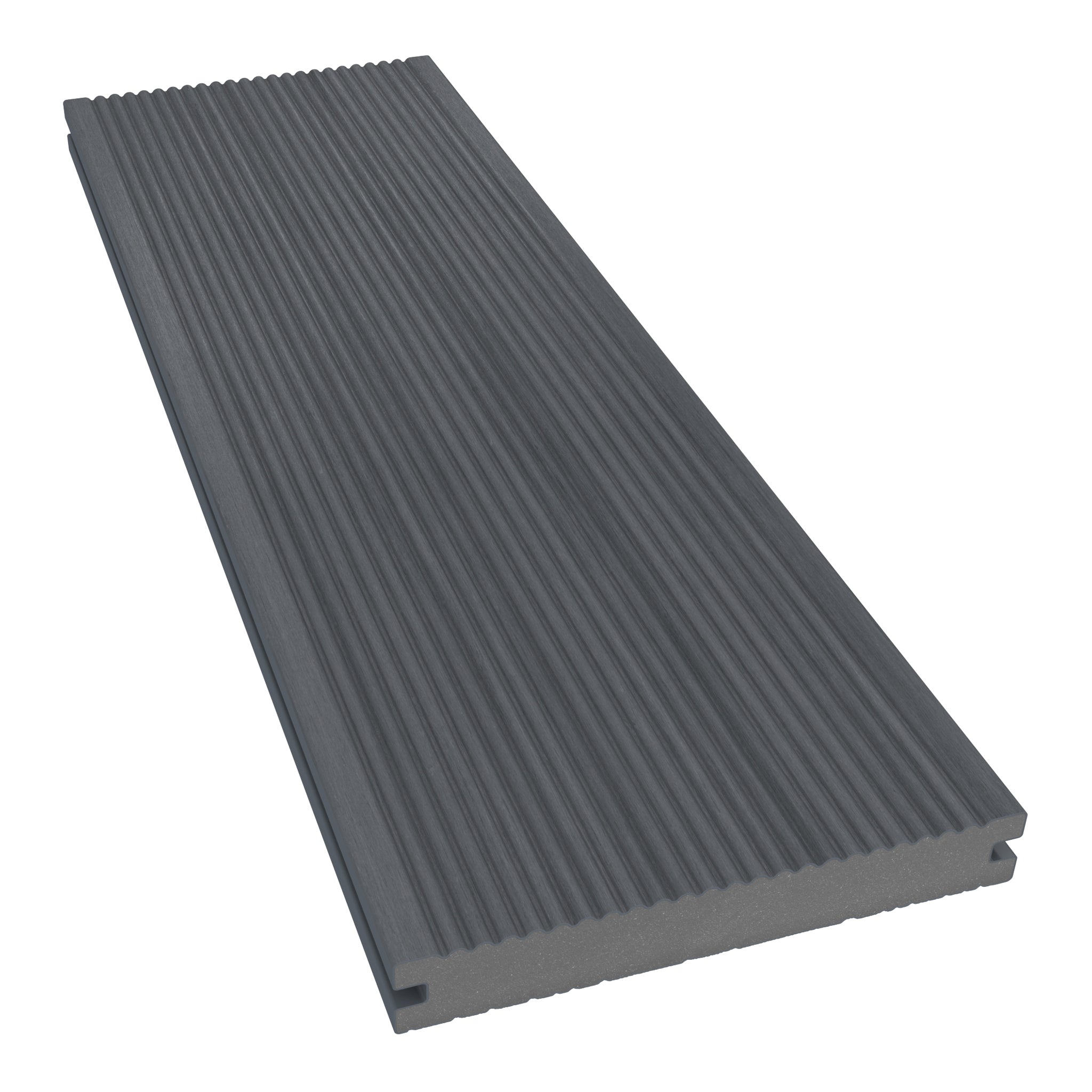
Hollow and solid boards have different constructions, but that distinction alone does not determine where a product is suitable. Review the selected range’s installation instructions and performance information for the planned use.
Likewise, capped and uncapped products can have different surface and weathering characteristics. A clearance label does not make every board fade-proof, slip-proof or maintenance-free. Choose on the basis of the documented product, not a general promise about discounted decking.
Distinguish Deck Boards from Finishing Boards
A clearance edge board may be useful for a compatible perimeter detail, while a fascia finishes the exposed side of the deck. Neither should be assumed to replace a standard surface board in every application.
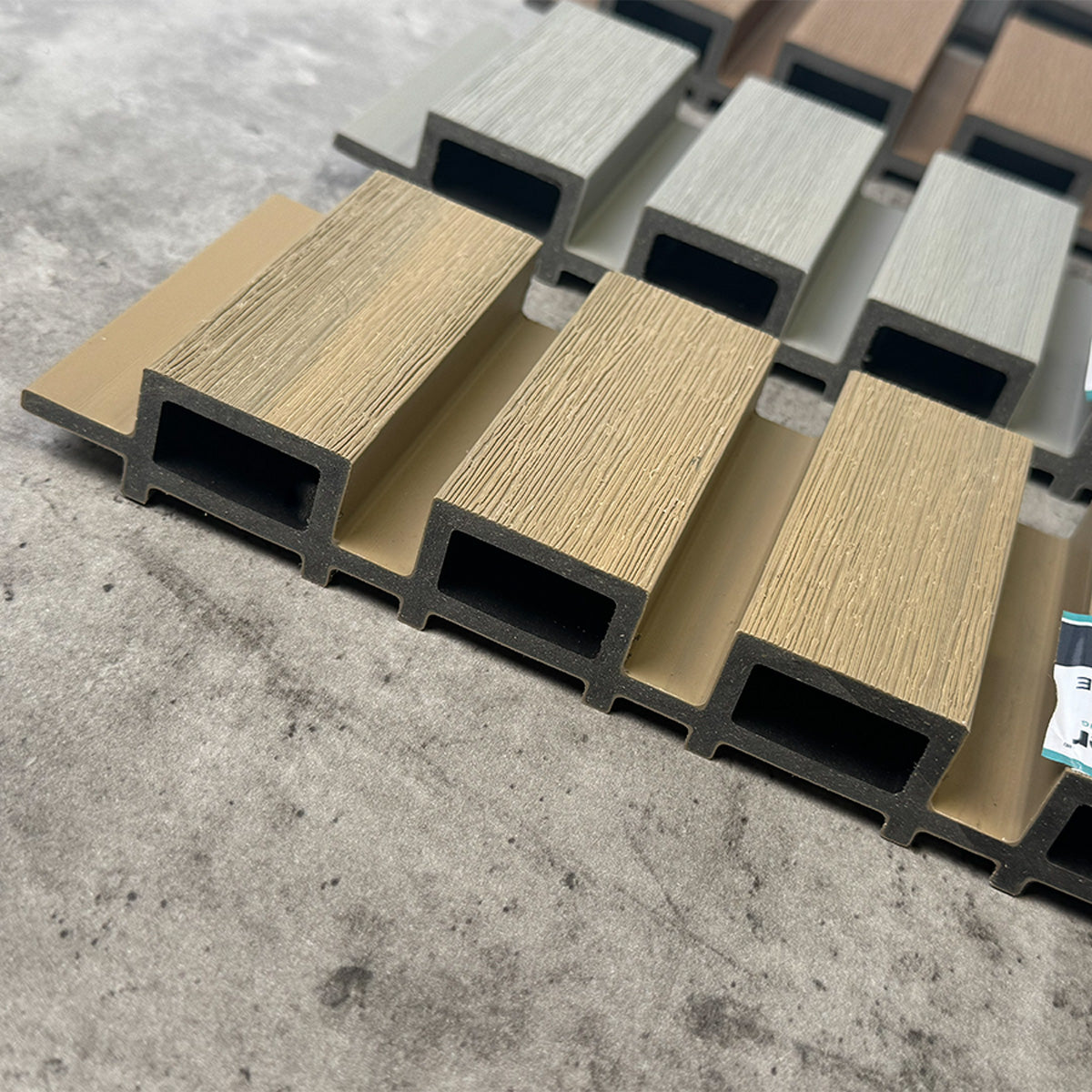
Read the listing and installation guidance to confirm the component’s role. This is particularly important when browsing a clearance collection containing decking, cladding and fencing products together.
Can Clearance Composite Decking Match Your Design?
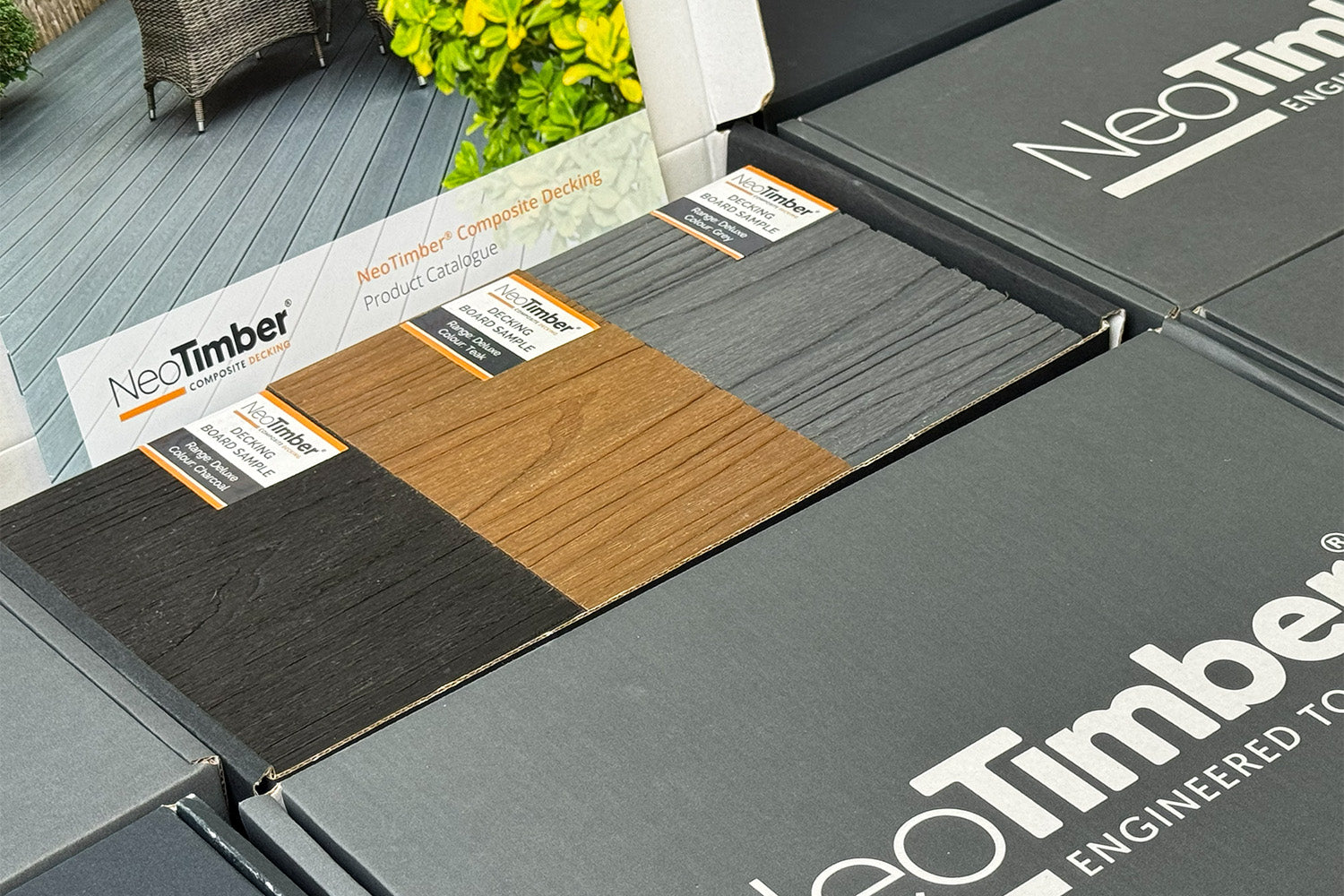
A limited colour choice can still work well if it suits the surrounding materials. Compare the finish with your paving, brickwork, window frames and furniture. A straightforward palette can make a small deck feel cohesive without relying on numerous matching accessories.
For an extension to an existing deck, check more than the colour name. The original boards may have weathered, and a newer or discontinued profile may differ in size or surface texture. Confirm the match before committing to an order intended to blend in.
You can request decking samples, but ask whether a sample represents the exact clearance product or batch. A sample from a current range is useful for comparison; it is not automatic confirmation of an older line’s appearance.

Buy Enough for the Whole Layout
Stock limits make planning especially important. Measure the deck, choose the board direction and work through the cuts before deciding how many boards to buy. The deck area alone will not reveal whether the available lengths suit each run.
Use the NeoTimber® decking calculator for an initial estimate where the selected product is represented. If the clearance dimensions or profile differ from the calculator options, ask the team to review the quantities separately.
Include the planned cutting allowance and consider whether keeping a small number of suitable spare boards makes sense for a discontinued line. Avoid buying an incomplete quantity on the assumption that identical stock will become available later.
Before ordering, confirm both the main boards and the finishing components. A saving on one part of the project is less helpful if the remaining compatible parts cannot be sourced.
Compare the Complete Cost, Not Just the Discount
A deck clearance offer should be compared on a consistent basis. Check whether prices include VAT, how much effective coverage the boards provide and what delivery will cost for your address.
Then add the other requirements: supporting frame, fixings, fascia or edging, preparation and installation. Discounted boards still need the appropriate supports, movement gaps and detailing.
A layout that uses available lengths efficiently may offer better value than one with a larger headline discount but extensive waste. Review the cutting plan and delivered total before choosing between clearance stock and the current composite decking collection.
Keep Installation and Support Requirements Intact
Reducing the purchase price does not change the installation requirements of the board. Follow the applicable decking installation guidance for the exact range, including support spacing, fixings and ventilation.
If replacing boards on an existing frame, have its condition and layout checked. Do not assume it is suitable simply because another deck surface was previously installed there.
Raised decks, balconies and areas carrying heavy loads need a suitable project specification. Clearance status does not establish structural or building suitability. Resolve those requirements before selecting the product.

Check Clearance Warranty and Returns Information
NeoTimber® states that clearance products carry the same manufacturing warranty as its standard range unless the individual listing says otherwise. Check the terms for the specific product, intended use and any stated exception rather than assuming every clearance item has identical cover.
The clearance page also directs buyers to the standard returns policy. Review the listing and applicable terms before purchasing, particularly when ordering surplus material or trying to match an older installation.
Keep the product description, order details and relevant installation information with your project records. For uncertain points, ask the team to clarify them before ordering.
Clearance Decking Boards FAQs
Does Clearance Mean the Boards Are Damaged?
Not necessarily. Clearance can reflect an end-of-line decision, but the listing should explain the offer and any condition issues. Do not assume all clearance stock is either defective or identical to current stock.
Are Full Deck-Board Ranges Always Available in Clearance?
No. The product mix changes. You may find finishing components rather than enough main boards for a complete deck, so check the current listings and quantities.
What Does Non-FSC® Clearance Mean?
NeoTimber® uses this label for older stock that is not FSC® certified. Do not transfer certification claims from a current product range to a separately labelled clearance item.
Can I Mix Clearance Boards with Full-Price Boards?
Only after checking the exact profile, dimensions, fixing requirements and appearance. Matching brand or colour names alone are not enough to confirm compatibility.
Is Clearance Composite Decking Always the Cheapest Overall Option?
No. Delivery, cutting waste, accessories and installation affect the total. Compare the complete project using suitable products and the same scope of work.
Find a Clearance Option That Fits Your Project
The strongest clearance purchase combines a worthwhile price with the right specification and enough compatible material. Check the details, confirm the quantities and keep the installation requirements at the centre of the plan.
Explore NeoTimber® clearance products, or contact the team to confirm the available options for your decking project.