

Designing Practical Outdoor Decking for Education Settings
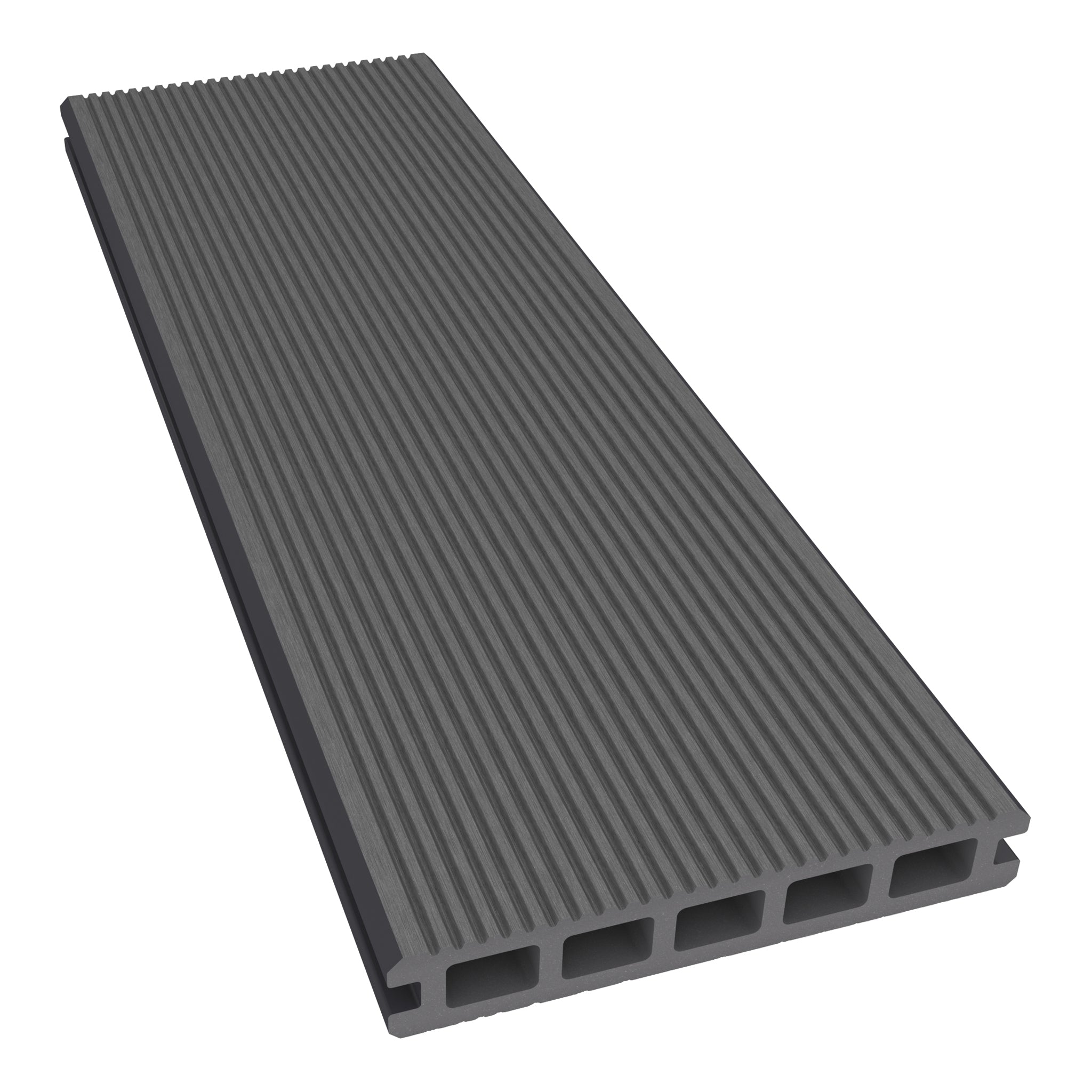
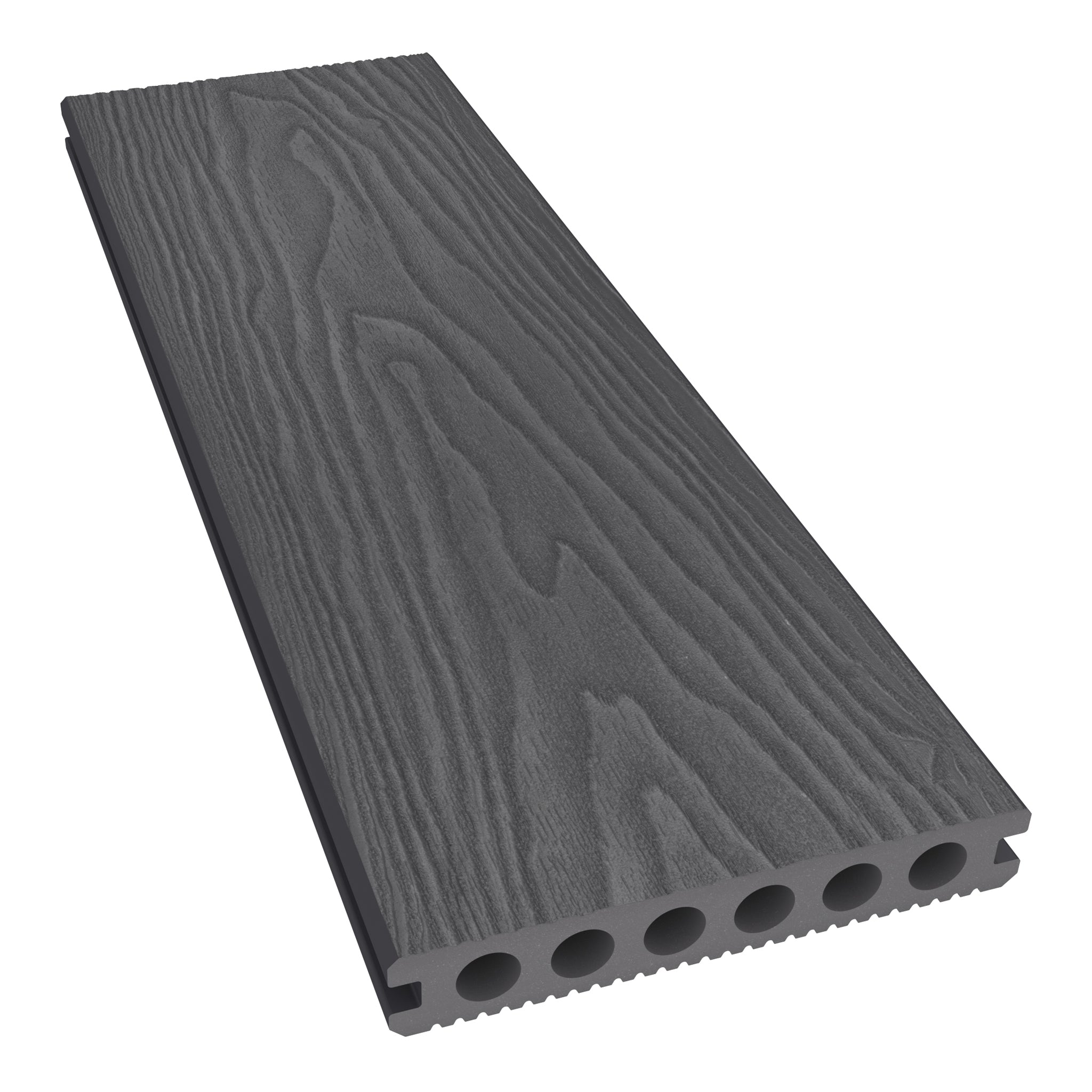
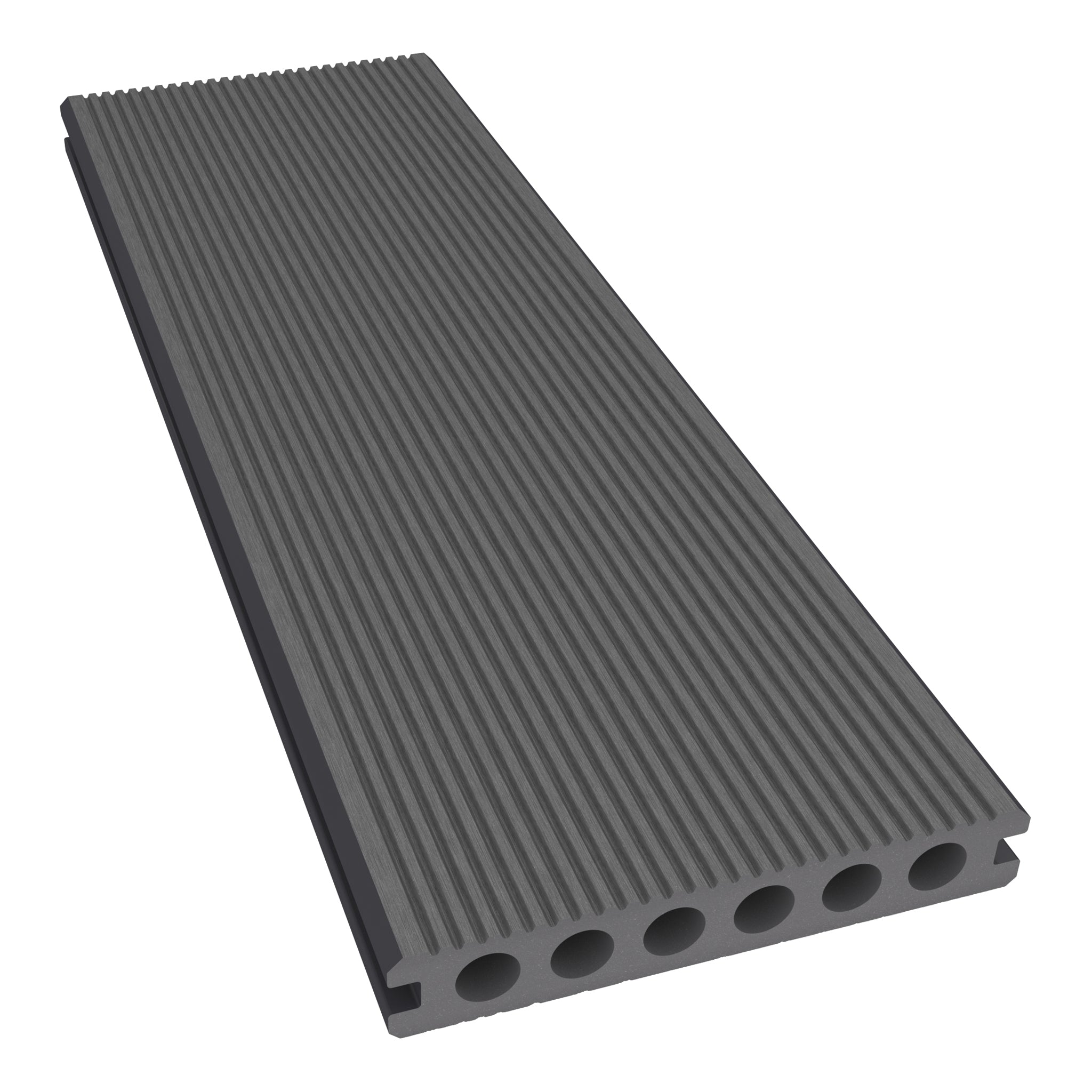
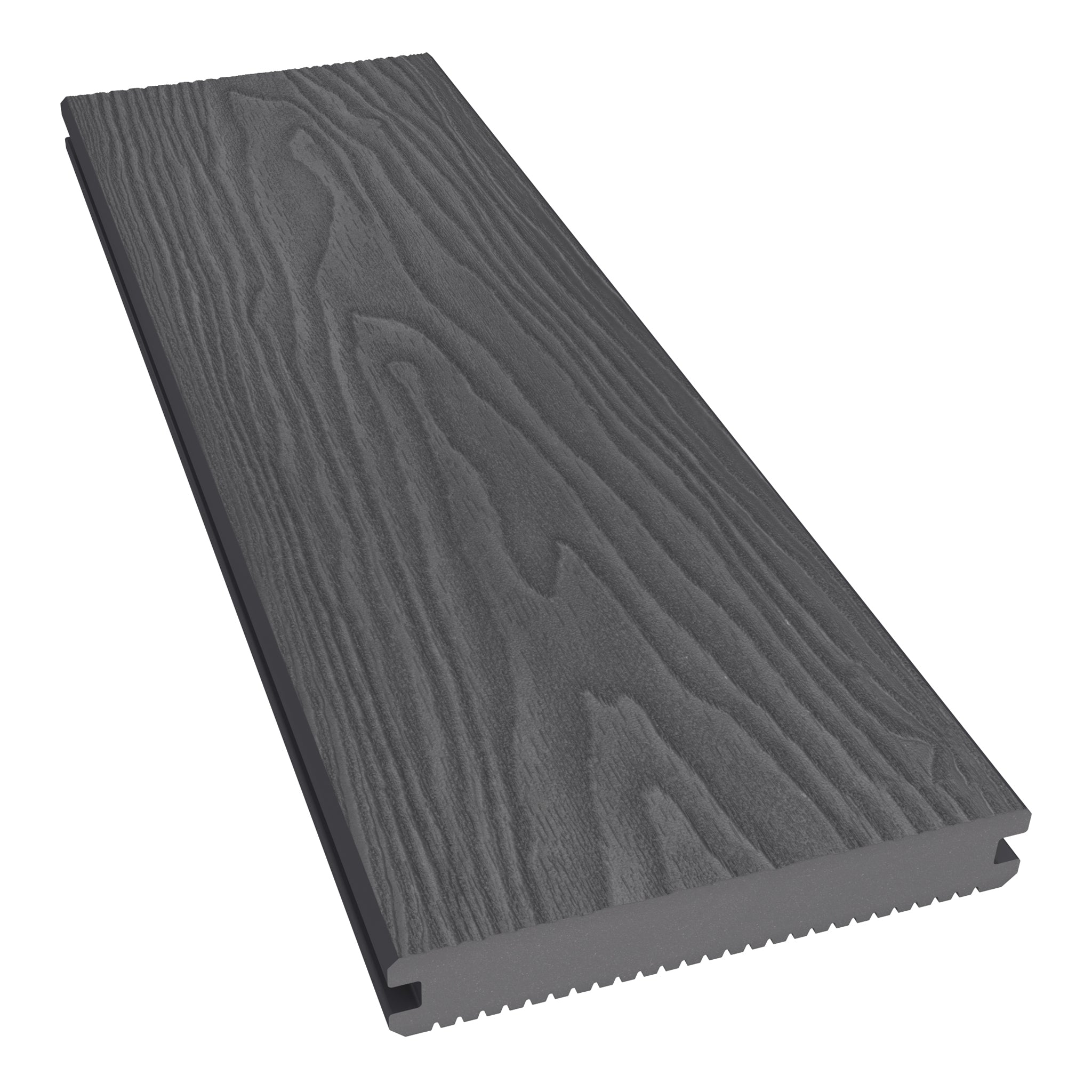
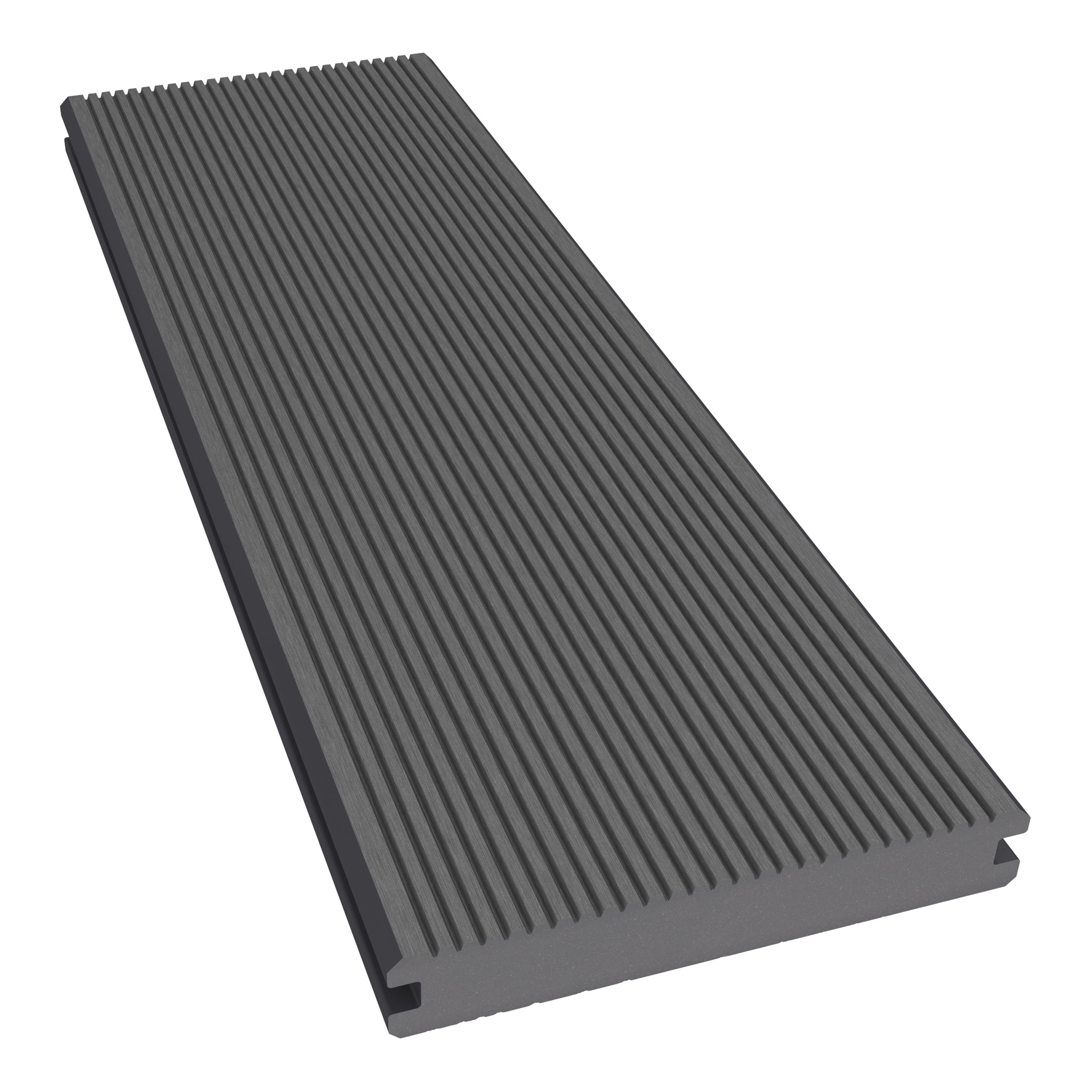
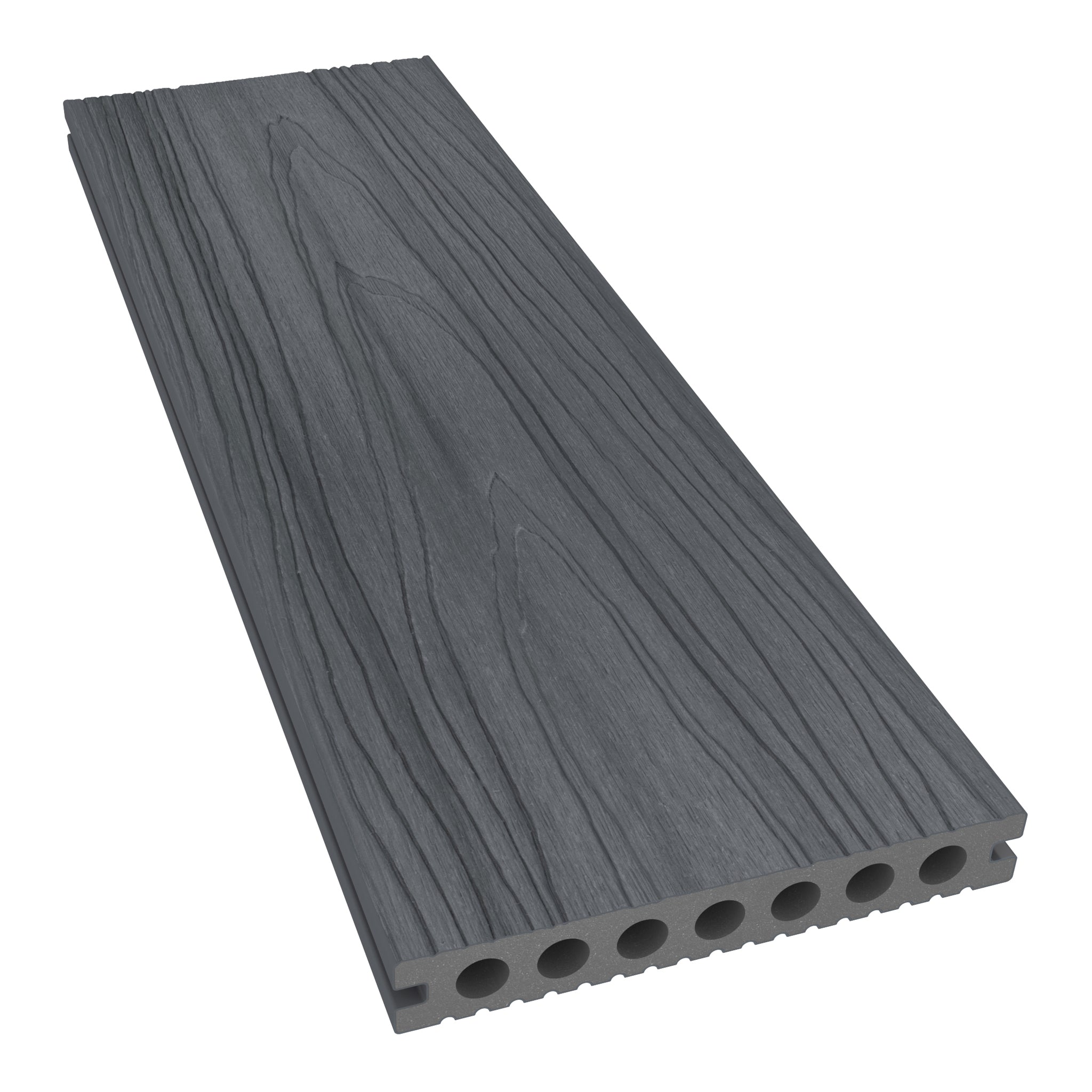
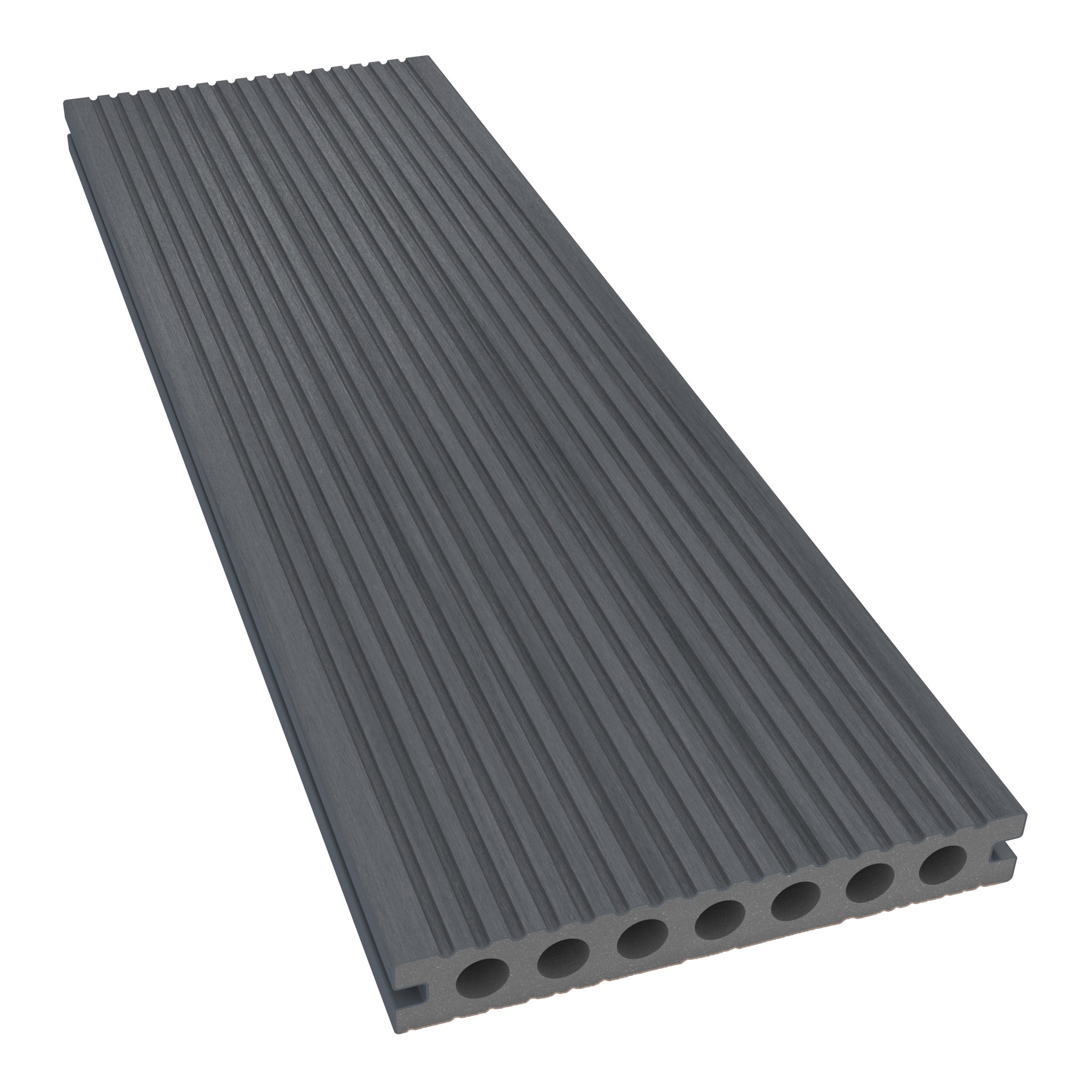
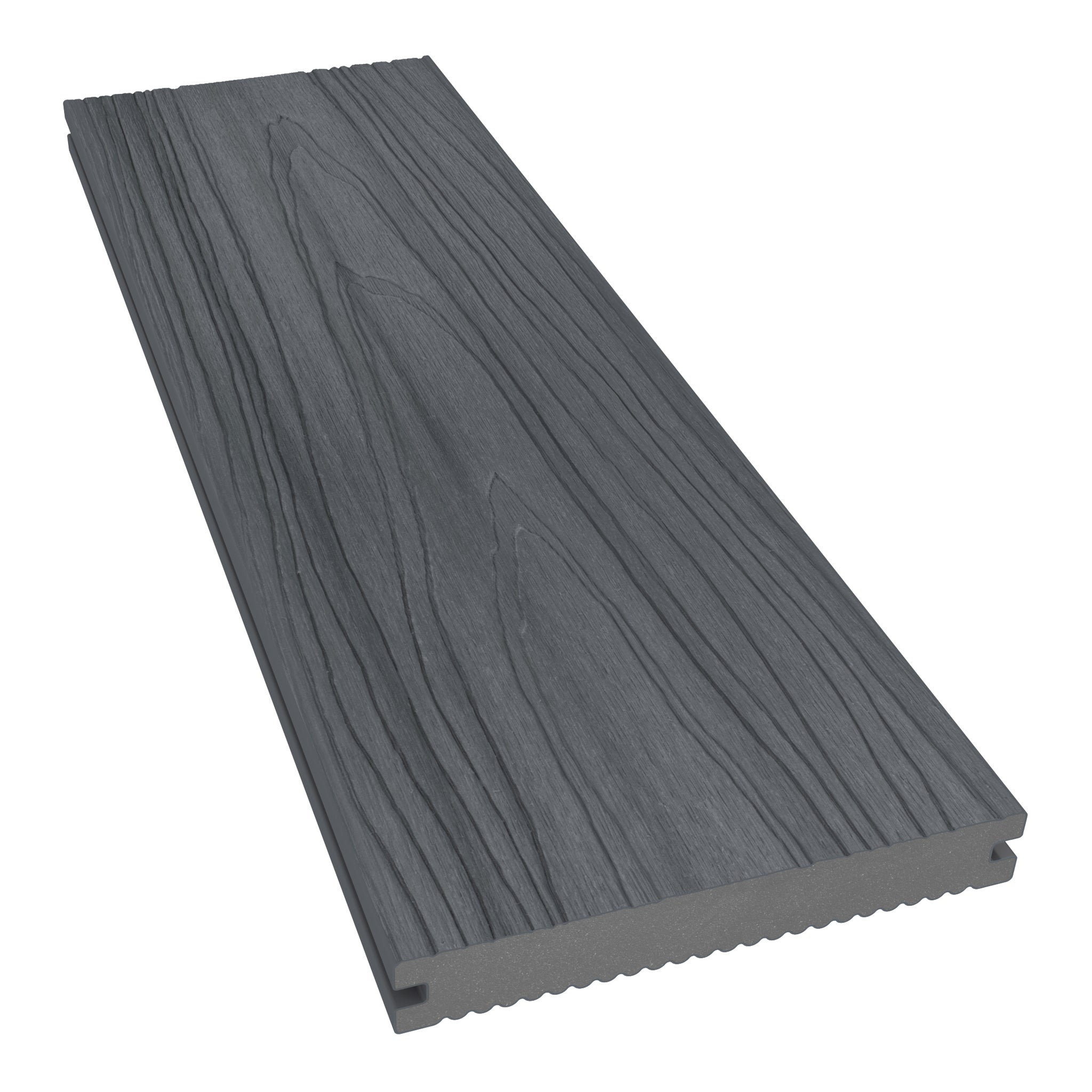
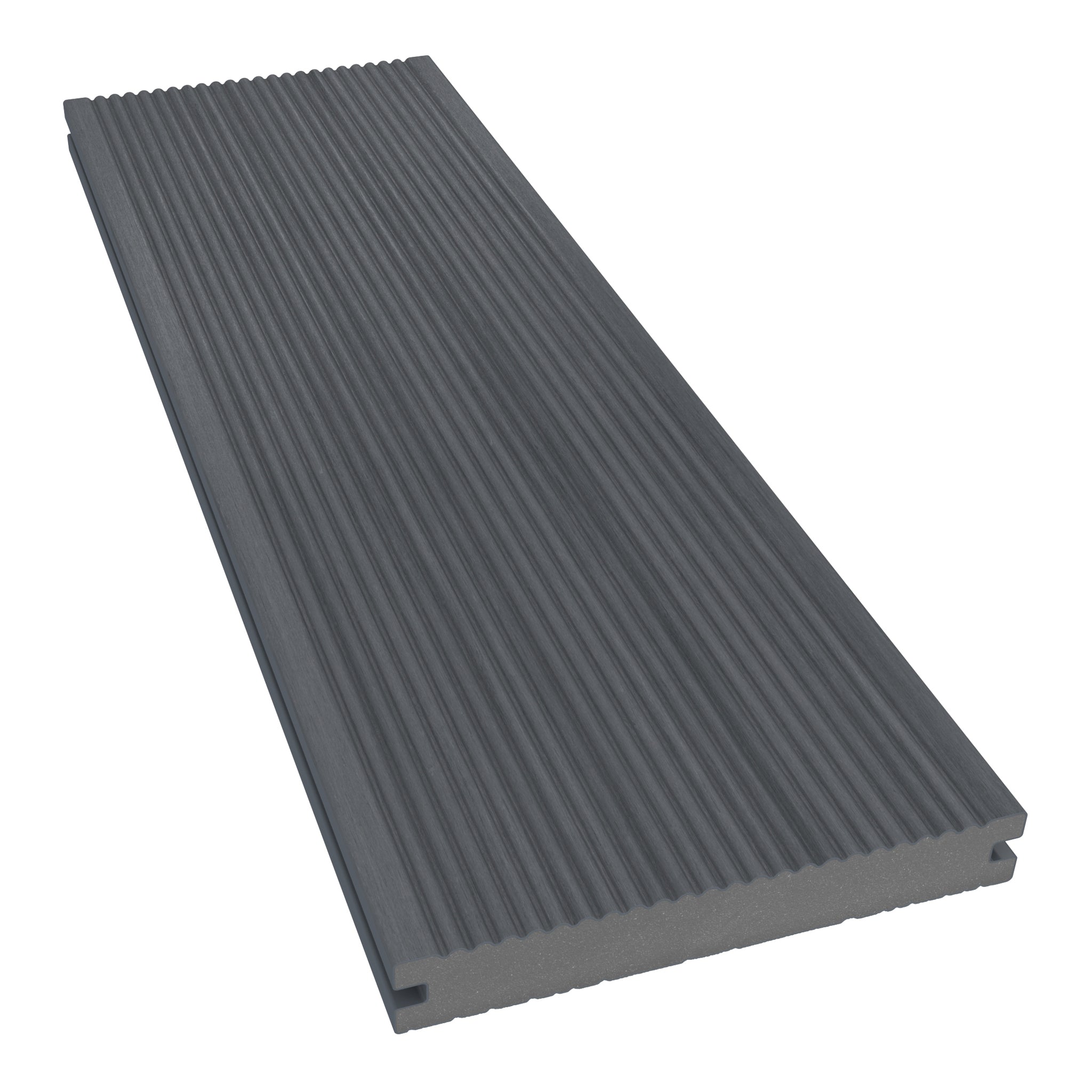
Composite decking for schools can help define an outdoor learning area, seating space or garden terrace. Its timber-inspired appearance and reduced need for routine refinishing can appeal to schools looking for a manageable outdoor surface.
However, the right specification starts with the intended activity and the people using the space. A quiet reading area, a busy circulation route and a nursery play area have different requirements. No material should be described as automatically safe or compliant for every education project.
This guide sets out the questions to address before selecting boards. Explore NeoTimber’s decking guide for an overview, or browse our composite decking alongside the available technical information.
Where Could Decking Fit into School Grounds?
Start by describing the purpose of the proposed area. This makes it easier to choose a suitable layout, compare materials and plan maintenance.
| Potential use | Questions to consider |
|---|---|
| Outdoor learning space | How will pupils sit, move and participate, and where will equipment be stored? |
| Dining or social area | How will furniture, spills and peak-time movement be managed? |
| Sensory garden seating | How will routes, planting and resting points serve different users? |
| Connecting route | Is the surface appropriate for all expected users and operating conditions? |
Similar questions apply to colleges, universities and nurseries, but suitability should be established for each project. A deck intended for seating should not automatically be treated as a playground surface or fall-protection system.
Slip Resistance: Ask for Relevant Test Information
A textured finish is not proof of suitable wet grip. Request current performance information for the exact board, walking face and conditions relevant to the site. Test direction can also matter, so avoid assuming grooves alone establish the safest orientation.
The HSE’s education guidance identifies several factors behind slips and trips, including contamination, lighting, obstructions and activity. Surface choice needs to work alongside cleaning, supervision and the wider layout.
Read our slip-resistant decking guide as a starting point for product enquiries. Composite should not be described as slip-proof, and debris, algae, rain or ice can affect any outdoor route.

Plan Access and Circulation Around Pupils and Staff
Consider the journey to and through the area, not only the deck itself. Door thresholds, steps, ramps, board joints and nearby paths can all influence how usable the space is.
Include the needs of wheelchair users, people with mobility or sensory impairments and staff moving equipment. Ask the designer to establish appropriate widths, gradients, turning spaces, guarding and handrails for the project.
Position furniture and planters so they do not narrow routes unexpectedly. Design lighting to support movement during the periods when the area will be open, and consider glare and shadows as well as brightness.
If decking is proposed beneath or beside play equipment, have the complete play-area design assessed separately. Ordinary deck boards do not establish impact-attenuating performance.

Specify Boards, Fixings and the Frame as One System
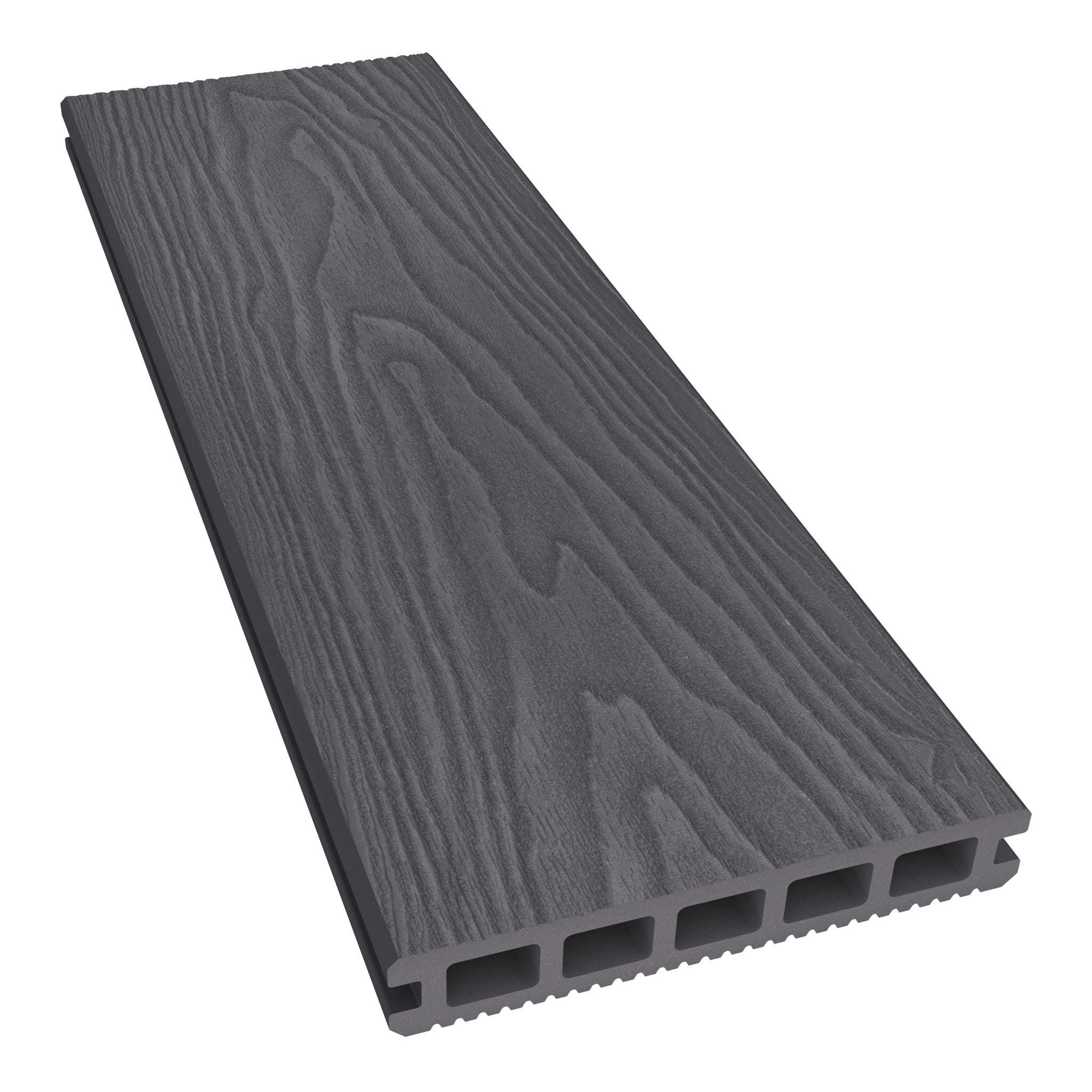
High footfall is only one part of loading. Furniture, planters, equipment and concentrated loads also need consideration. A solid profile does not by itself demonstrate that a deck can support everything placed on it.
Confirm the chosen board’s permitted application, support spacing and fixing arrangement with the supplier. Design the foundations, frame and connections around the project rather than assuming an existing structure will be suitable.
Consult the installation guidance for movement allowances, drainage, ventilation and finishing details. Composite boards respond to temperature and can become distorted if movement is restricted or support is unsuitable.
Keep the design and installation records accessible for the site team. They can be useful when inspecting defects or planning future changes.
Low Maintenance Still Needs a School Care Plan
Composite boards do not require routine painting, staining or oiling to preserve a coated timber finish. That can reduce refinishing work, but cleaning and inspection remain necessary.
Set the schedule according to use, exposure and findings rather than assuming a fixed interval suits every location. Dining areas, shaded gardens and routes beside planting may need different attention.
The Department for Education’s estate-management guidance for schools in England recommends periodic inspection of access routes, with condition issues recorded and addressed. Build the deck into the school’s existing arrangements.
- Clear leaves, litter and soil from the surface and drainage paths.
- Deal with spills using the approved cleaning method.
- Check for loose boards, fixings, damaged edges and changes in level.
- Arrange repairs and restrict access where a defect creates a hazard.
- Manage wet cleaning so it does not introduce a new risk during use.
- Plan for winter conditions and alternative routes where needed.
Follow NeoTimber’s composite decking cleaning guide and confirm the suitability of proposed equipment or cleaning products.

Fire Performance and Roof Applications Need Separate Assessment
Wood polymer composite is combustible. A reaction-to-fire classification does not make a board non-combustible or establish that it is suitable for every low-rise building.
Before specifying a balcony, roof terrace or route associated with a building, have the applicable fire and structural requirements assessed by the project’s responsible designers. Use current classification documents for the exact product and assembly.
Roof installations also require coordinated waterproofing, drainage, loading and support details. Pedestals do not automatically protect a roof membrane or guarantee a watertight construction. Review our subframe guide and obtain the relevant project-specific details before proceeding.

Budget for the Complete Education Project
Compare board prices alongside ground preparation, supports, frame materials, fixings, finishing, access arrangements and installation labour. Include the practical impact of carrying out work on an occupied site.
Confirm the selected range’s suitability for school use and read the applicable commercial warranty terms. Warranty cover is conditional and should not be presented as a guarantee that accidents or future defects cannot occur.
The decking calculator can help estimate materials, but it does not replace structural design, a suitability assessment or a contractor’s full quotation.
Composite Decking for Schools FAQs
Can any composite board be used at a school?
No. Confirm the exact product’s suitability for the intended application, use and loading before ordering.
Does composite decking prevent trips and slips?
No surface can guarantee this. Suitable product evidence, careful design, cleaning and inspection all contribute to managing risk.
Can decking be used as an outdoor classroom surface?
It may be an option where the complete design meets the project requirements. Consider access, seating, equipment, exposure and the care plan alongside board selection.
Is a school deck maintenance-free?
No. Composite reduces routine refinishing but still needs cleaning, inspection and timely repair.
Develop a Specification Around the Learning Space
Composite decking for schools should support a clear purpose and a workable maintenance routine. Define the users and activities, check the technical requirements and plan how the area will be managed after installation.
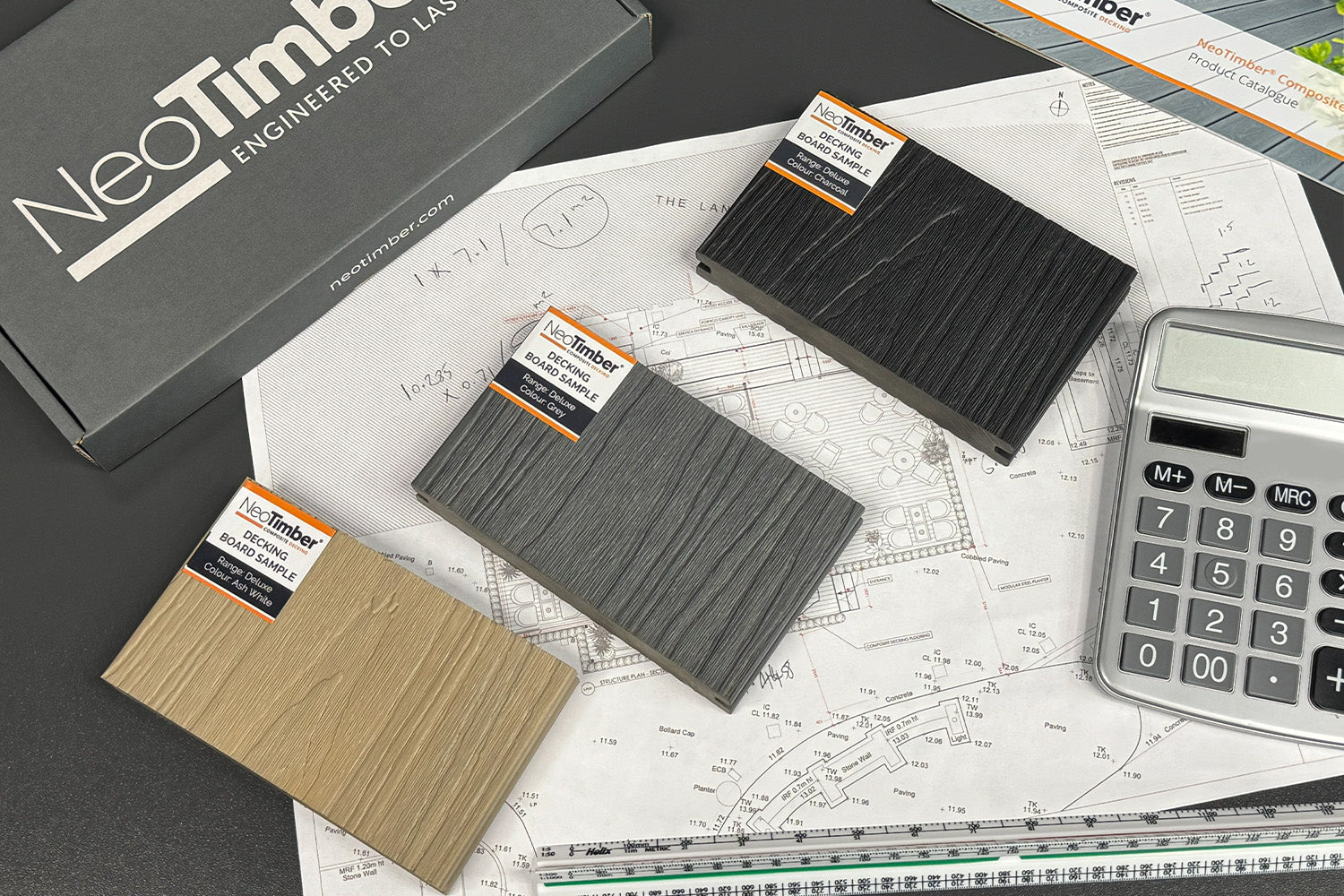
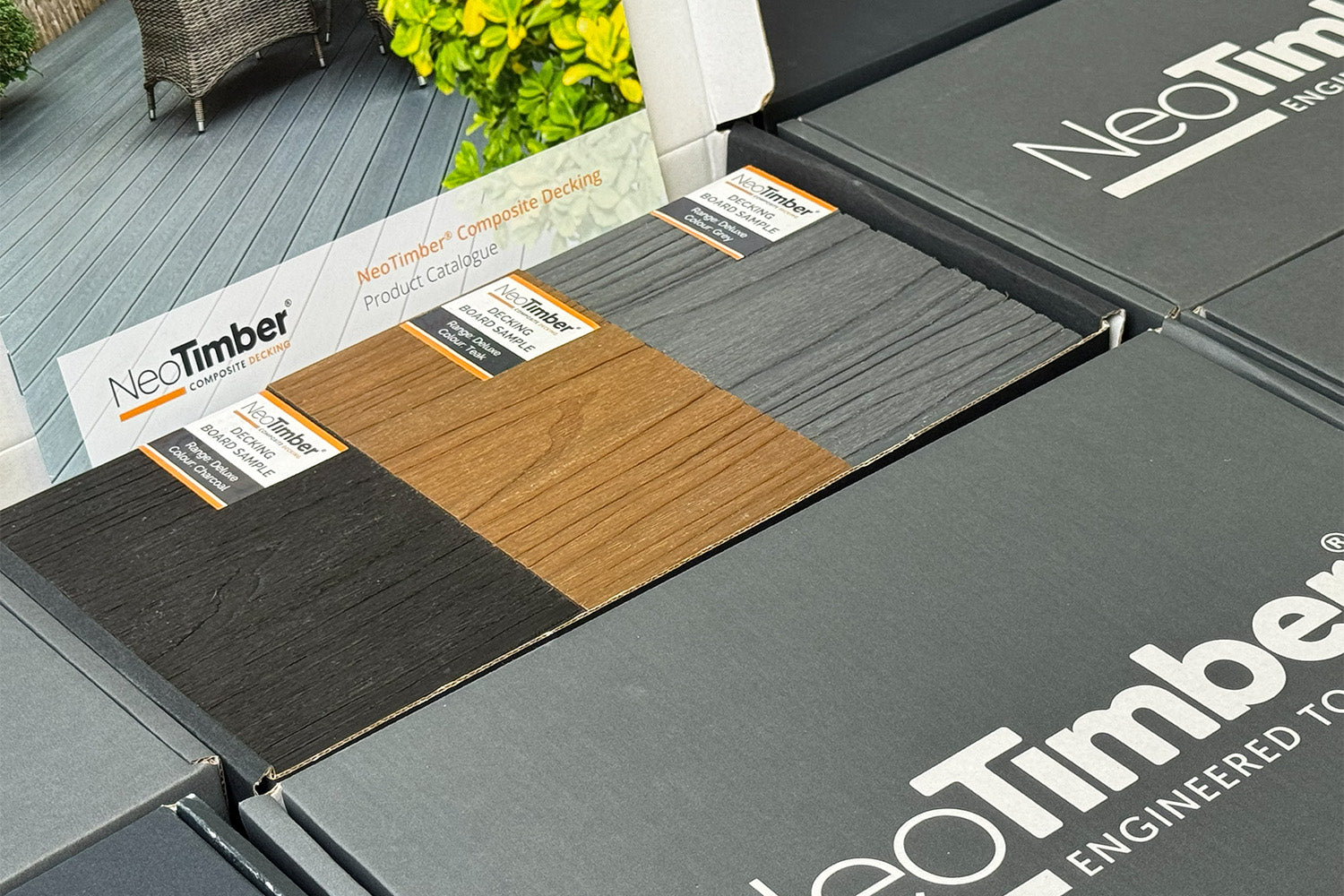
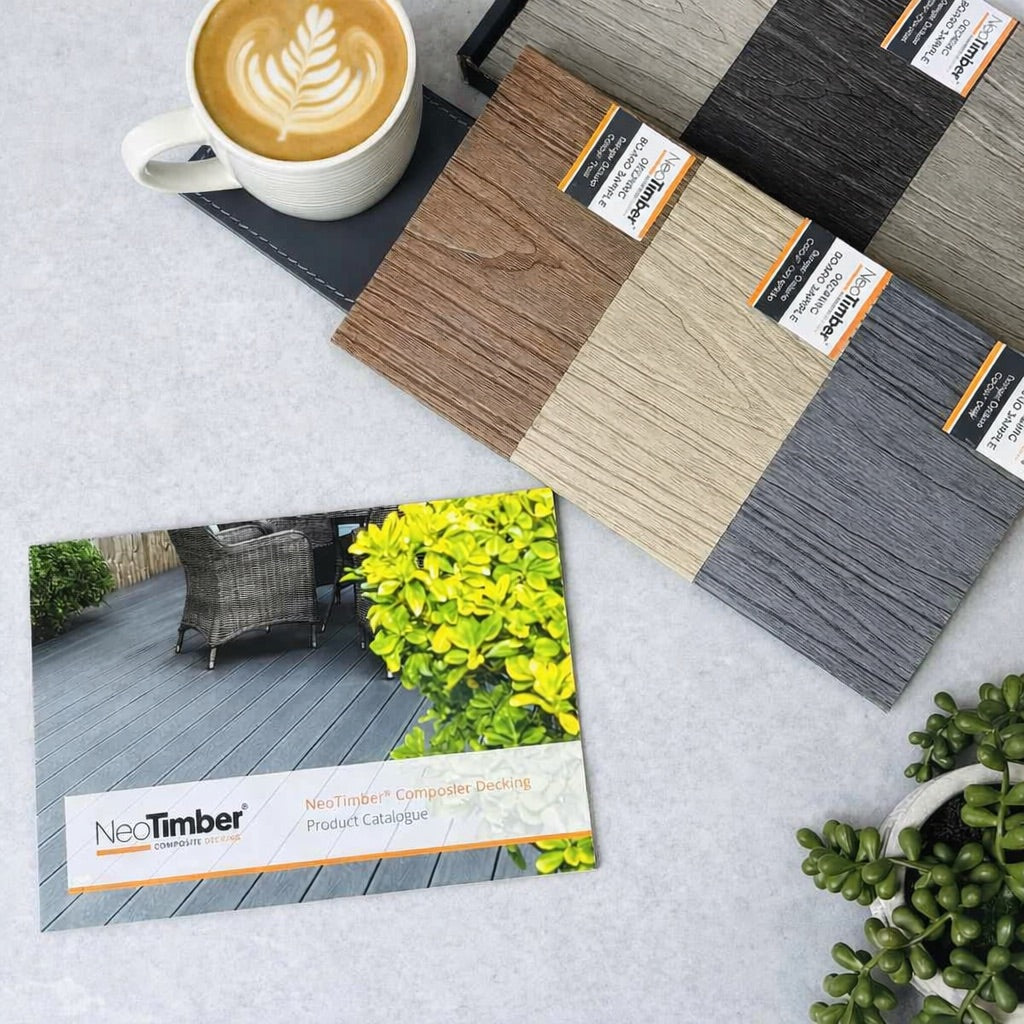
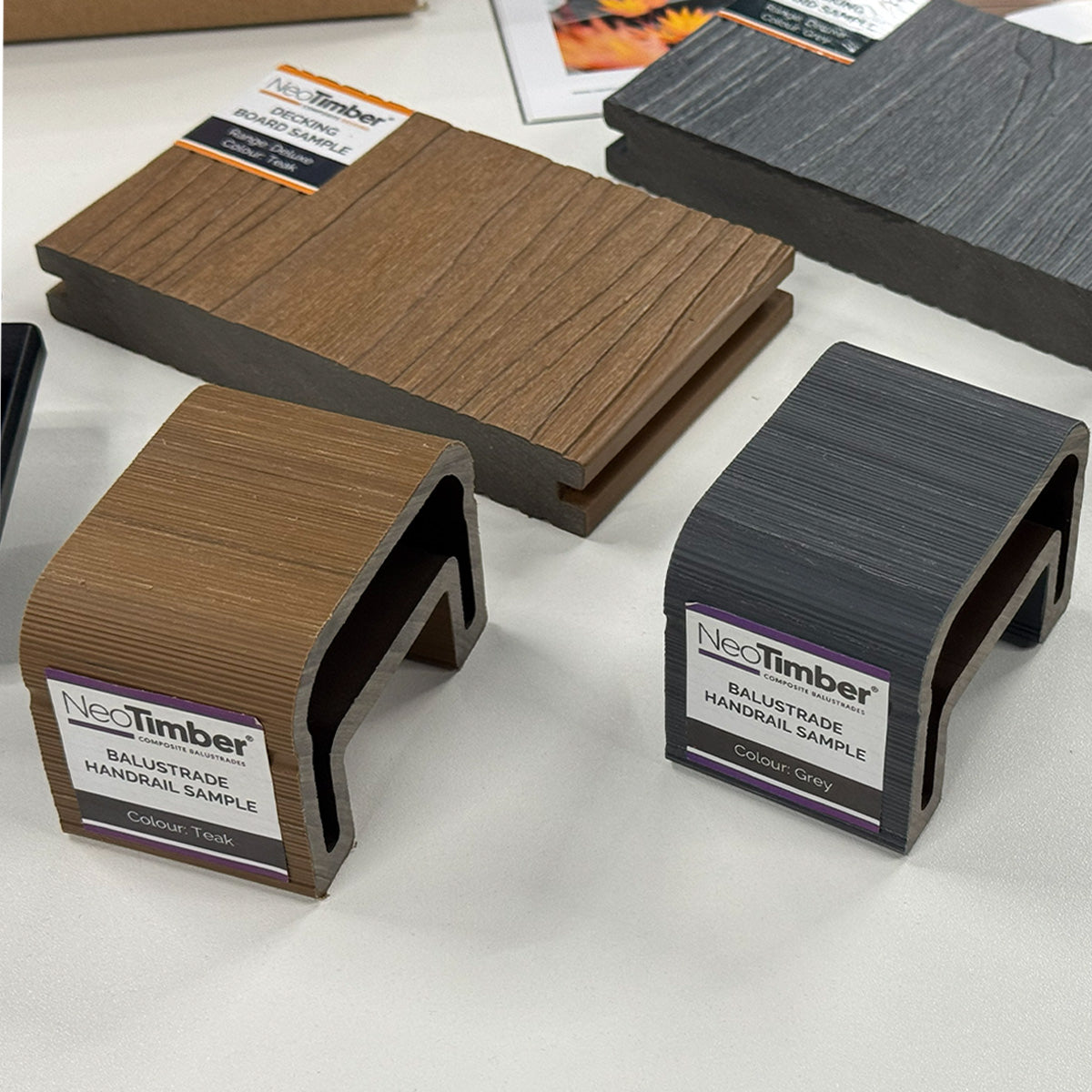
Contact NeoTimber® for product information, request samples or explore our commercial composite decking guide as part of the specification process.