








Get Your Deck and Garden Ready for More Time Outdoors
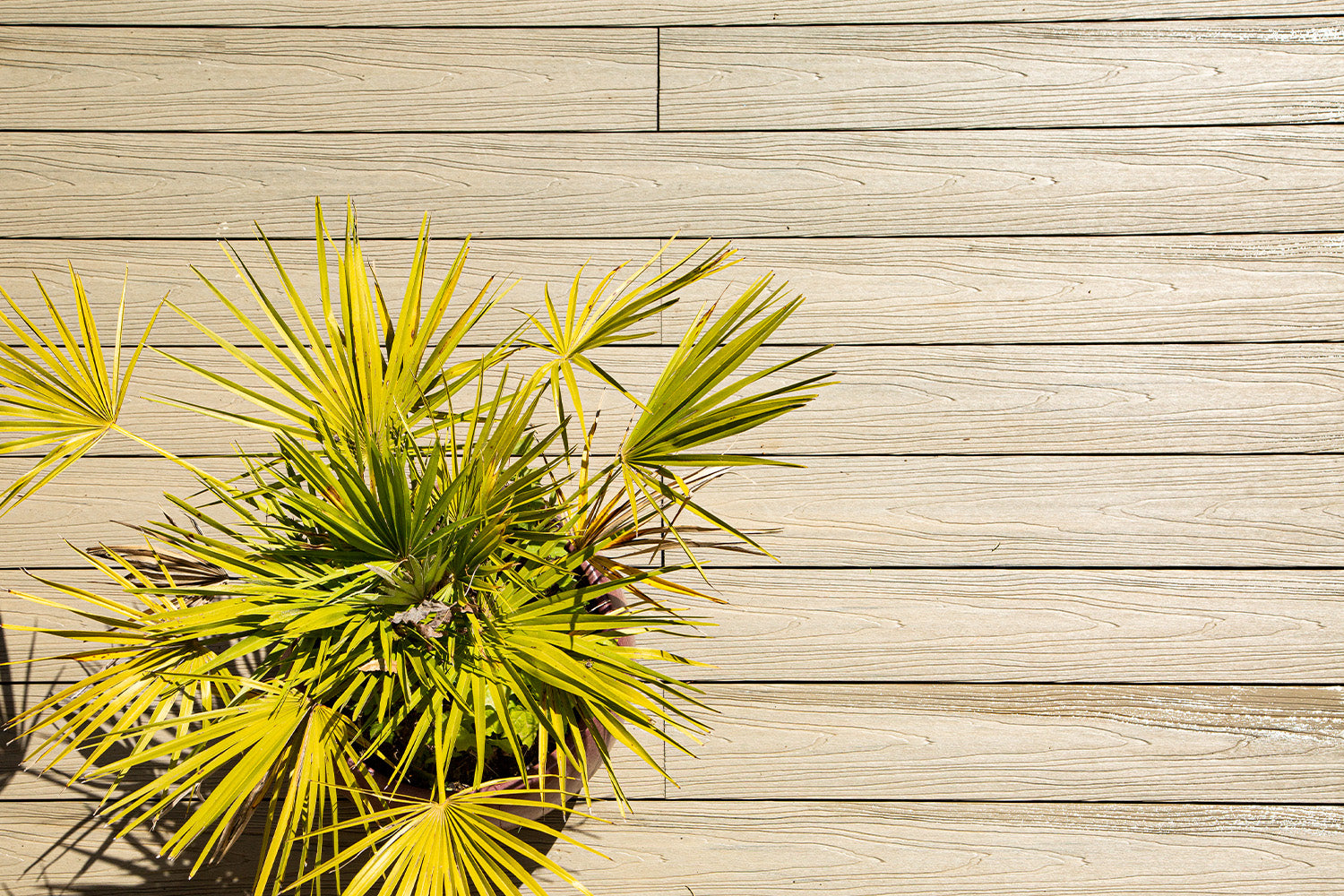
Preparing composite decking in spring starts with a gentle clean, a check of the installation and a plan for the space around it. After months of wet weather and falling leaves, these simple tasks help you see what needs attention before moving furniture back into place.
Spring does not require a complete garden makeover. Prioritise the deck surface, drainage and access, then refresh planting and seating where they will make the space more useful. This evergreen guide explains how to approach the work in a practical order.
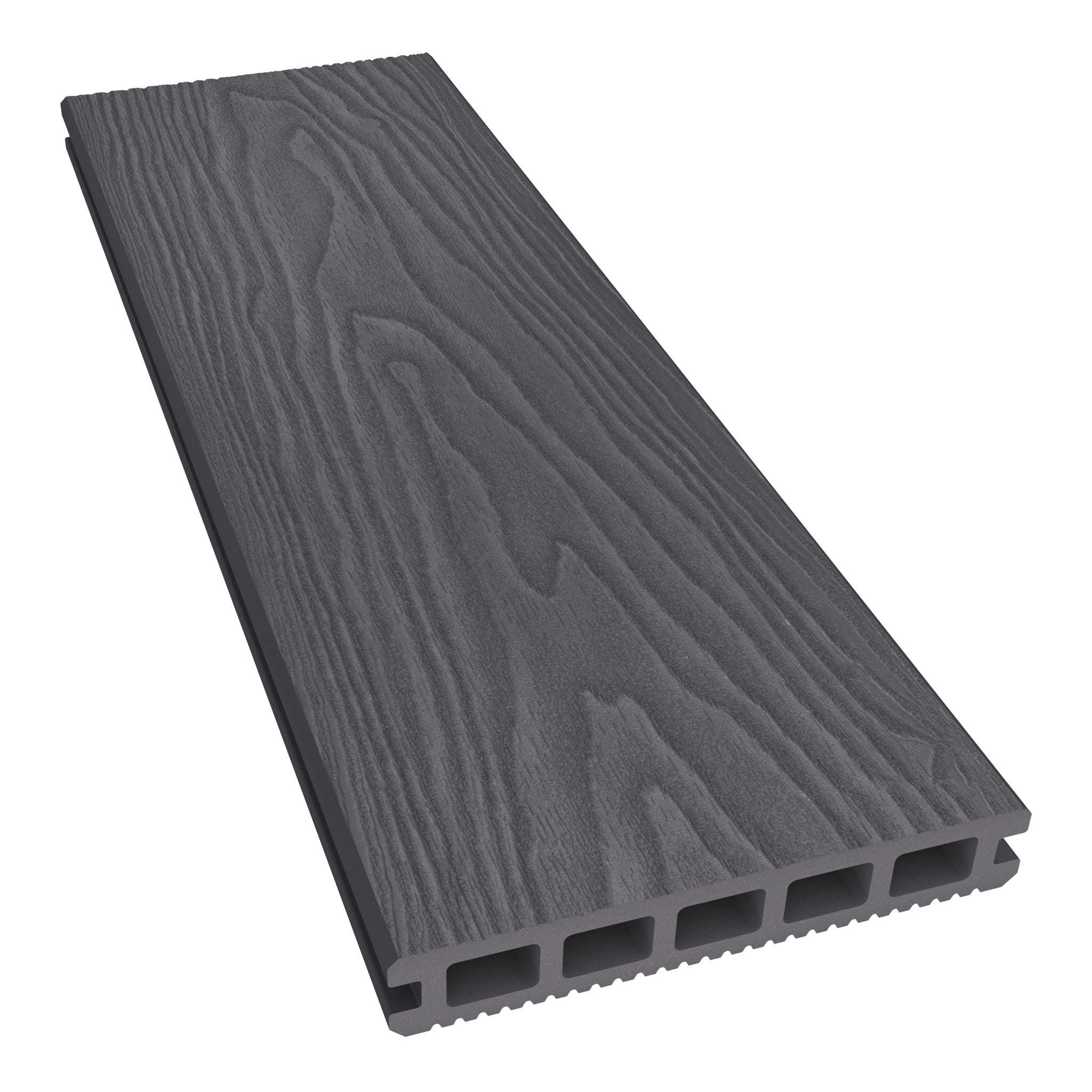
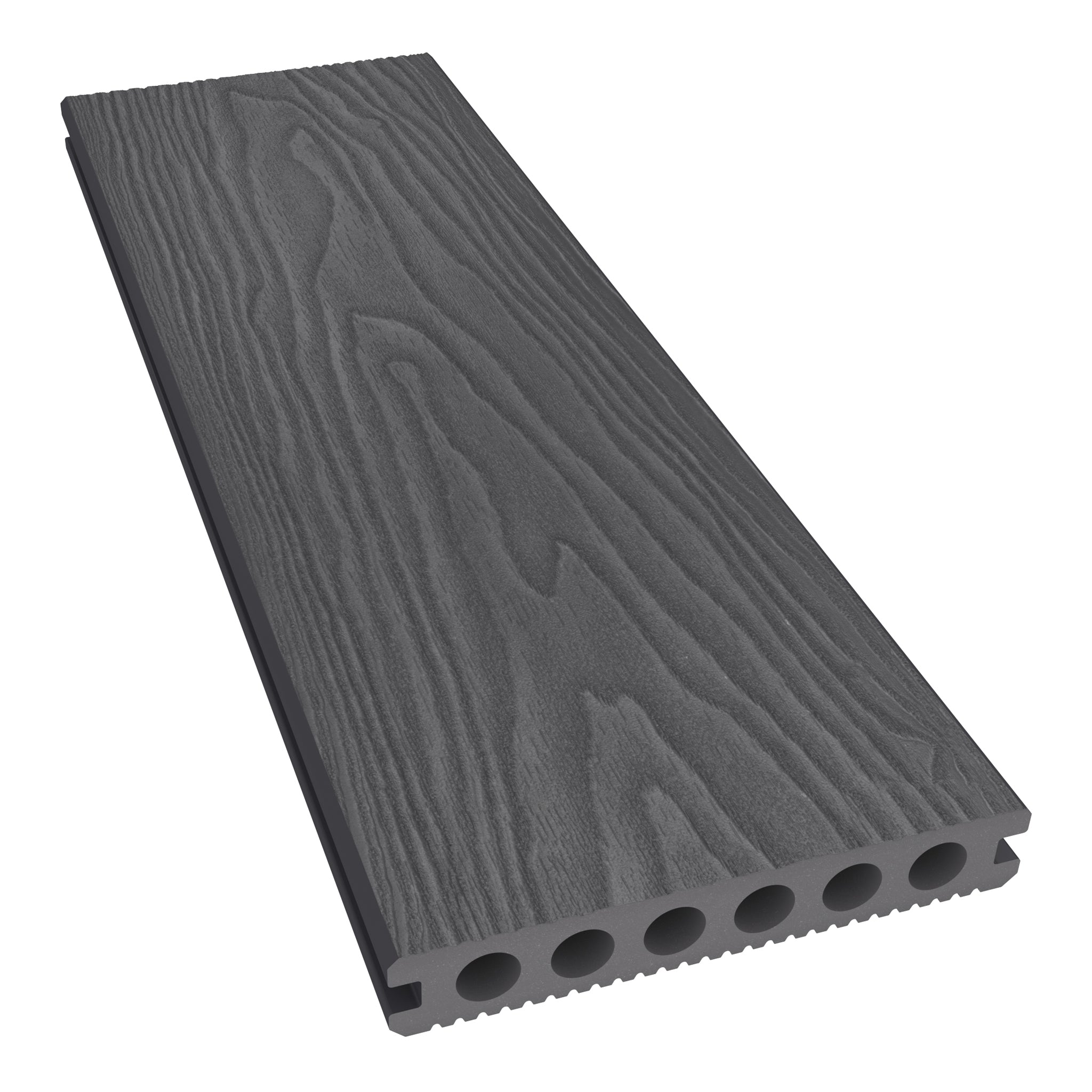
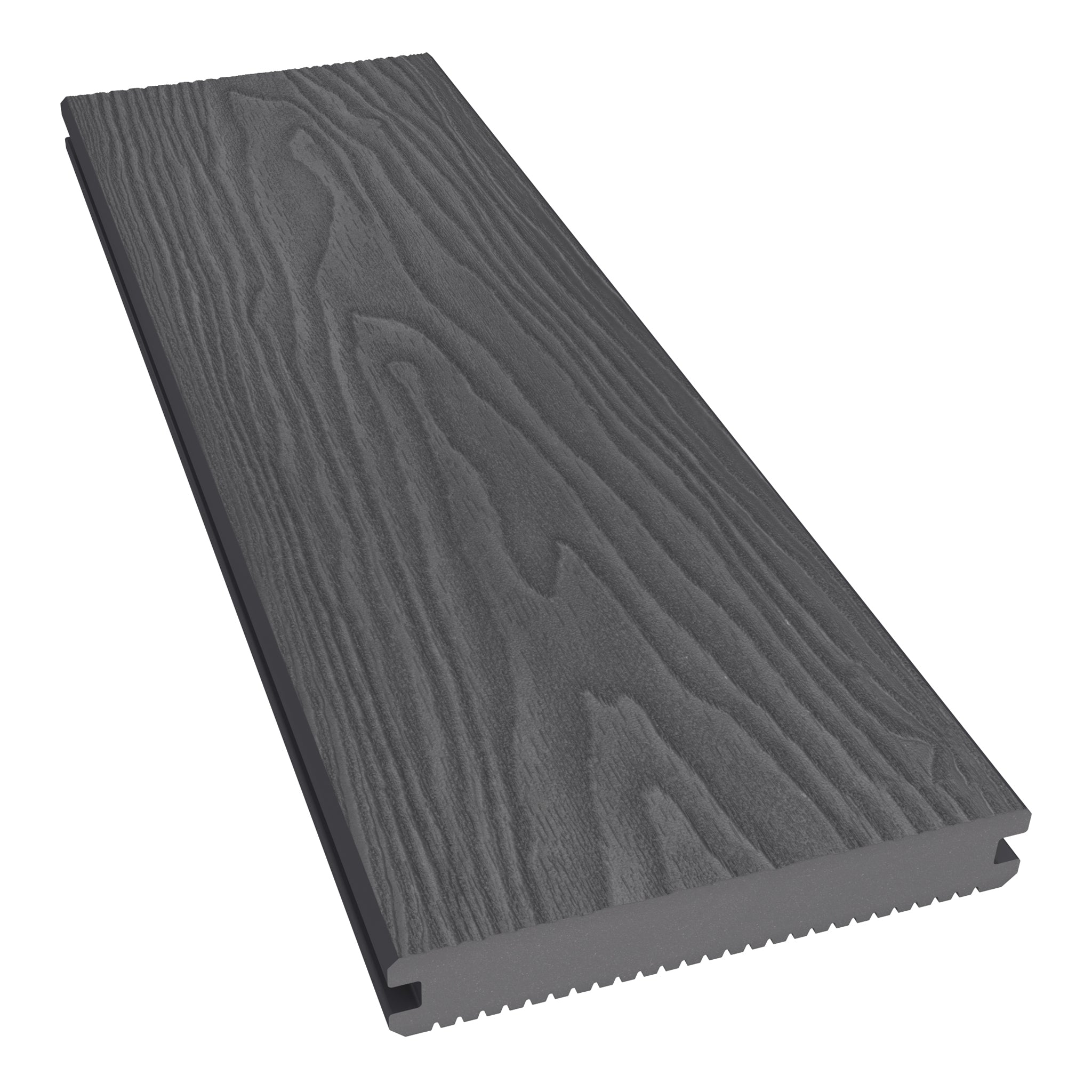
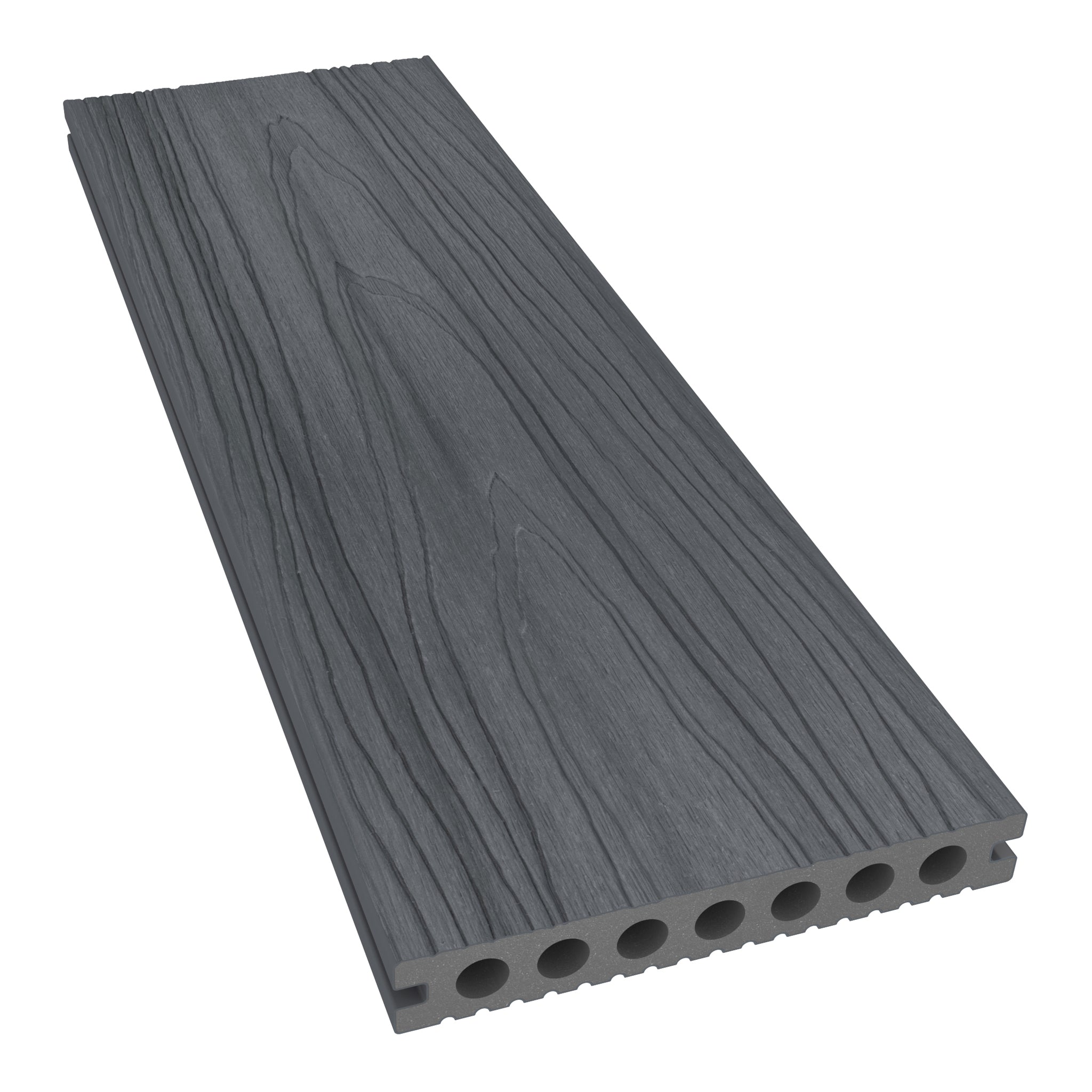
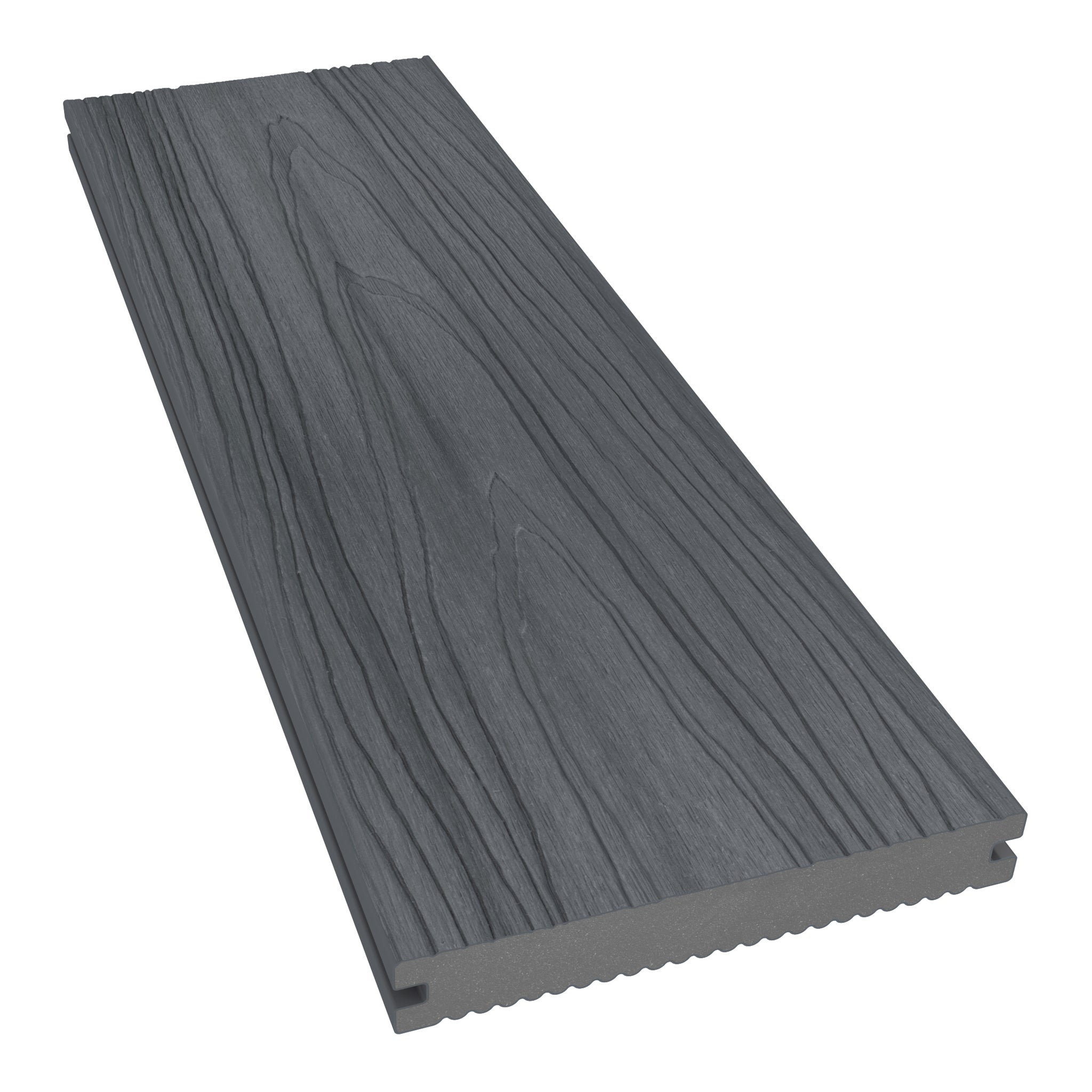
Explore our decking resources for wider advice, or browse the composite decking range if a new installation is part of your plan.
In this guide: Clear debris · Post-winter checks · Spring cleaning · Planting and lawns · Seating ideas · Deck upgrades · FAQs

Start by Removing Loose Leaves and Garden Debris
Move lightweight furniture and pots where practical, then lift leaves and loose debris using a suitable soft brush. Avoid dragging heavy items across the boards or rubbing grit into the surface.
Check accessible board gaps, drainage routes and the area around steps. Organic deposits can collect in sheltered places, so clear them before washing the deck.
Keep suitable collected leaves for leaf mould where that fits your gardening routine. There is no need to strip every planting area bare: concentrate first on hard surfaces, access and places where debris is obstructing drainage.

Inspect the Deck Before Normal Use
With the surface visible, look for damaged boards, loose components, movement and changes in level. Check steps, edge details, gates and any balustrade connections separately.
If a section feels unstable, restrict access and arrange an appropriate assessment before putting it back into use. New surface boards do not repair a deteriorating subframe or inadequate foundations.
Note where water has been collecting. Persistent pooling needs investigation rather than stronger cleaning alone. Do not seal movement gaps or obstruct clearances that form part of the installation design.
How to Clean Composite Decking in Spring
Use the care instructions for your selected board. A suitable routine generally starts with warm soapy water and a soft brush, followed by a thorough rinse. Check compatibility before using a stronger cleaner.
- Remove loose material: clear debris and grit before scrubbing.
- Check the cleaner: follow the board guidance and product label.
- Work gently: use an appropriate soft brush rather than abrasive tools.
- Rinse: remove loosened dirt and detergent with clean water.
- Review persistent marks: identify the cause and seek approved treatment advice.
Follow our composite decking cleaning guide for more detail. Pressure washing is not a universal recommendation: only use it where permitted, with the specified settings, nozzle and distance.
Composite is not immune to surface growth. Leaves, moisture and other deposits can affect both appearance and grip, so cleaning still matters even where routine painting or staining is avoided.
Refresh the Borders and Lawn Around the Deck
Once the deck is clean, look at the surrounding garden. Remove unwanted growth where appropriate and check what is dormant before deciding that a plant has failed. Choose planting tasks around the species, soil conditions and local weather.
Keep soil, mulch and dense planting from blocking required deck ventilation or drainage. Plan access to inspect the edges and supporting structure rather than concealing them completely.

For lawn repairs, assess drainage, shade and wear before reseeding or replacing patches. Follow suitable seasonal guidance and avoid treating every bare area as the same problem.

Create a Comfortable Spring Seating Area
Arrange the furniture around how you want to use the deck: a small table for morning coffee, space for outdoor dining or a quiet corner beside planting. Keep routes to doors, steps and gates clear.
Check furniture feet and move items carefully to avoid surface damage. Confirm structural capacity before adding heavy planters, equipment or other concentrated loads.
Use a restrained palette to connect the deck with the garden. Cushions, planters and a few repeated colours can refresh the space without replacing major features.

Check Fences and Other Exterior Features
Inspect nearby boundaries for damage or movement and ensure gates work correctly. If replacement is needed, compare the complete supporting arrangement as well as the visible finish.
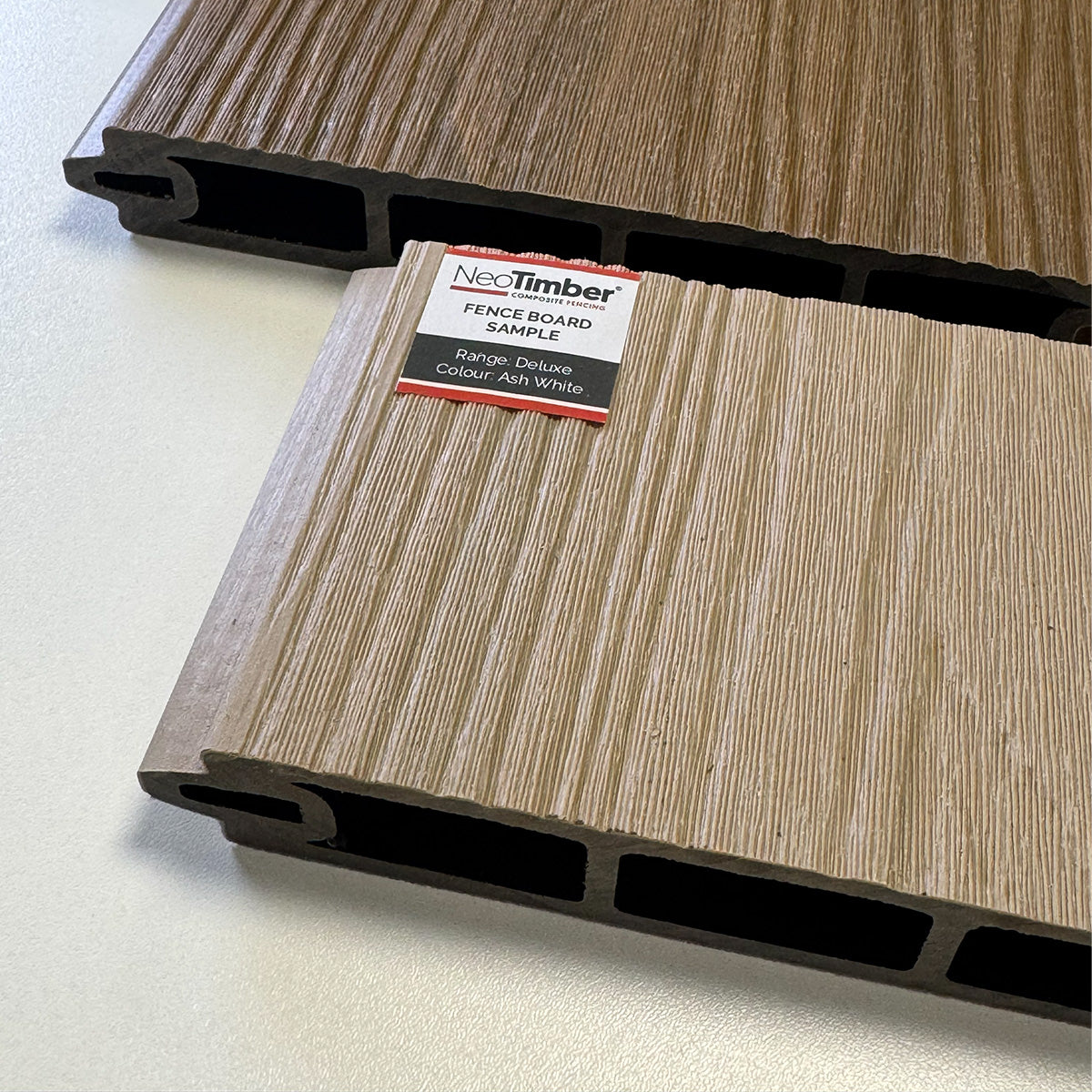
Composite fencing can coordinate with decking, while composite cladding offers a separate exterior finish. Neither should be used to conceal weak supports or unresolved structural and moisture problems.

Planning a New Deck or Replacement This Spring?
If the existing installation needs substantial work, separate the surface decision from the structural assessment. Confirm the base, subframe, drainage, finished height and any guarding before choosing boards.
Compare actual materials rather than assuming every timber deck requires replacement or every composite board suits the same application. Factory-finished composite can reduce routine decorative treatments, but still needs care.
Review the pre-installation guide, compare decking samples and plan work around suitable conditions and confirmed delivery arrangements.

A Practical Spring Decking Checklist
Tasks to complete before enjoying the deck again:
| Task | What to check |
|---|---|
| Clear | Loose leaves, grit and accessible drainage routes. |
| Inspect | Boards, steps, supports, connections and changes in level. |
| Clean | Use an approved method and rinse appropriately. |
| Arrange | Place furniture without obstructing access or drainage. |
| Plant | Choose suitable seasonal tasks and keep inspection access. |
| Maintain | Record repairs and follow up recurring water or movement issues. |
Make Small Garden Improvements With Care
Composting suitable garden material, collecting rainwater where practical and choosing planting that suits the site can all form part of a considered refresh. Keep water storage secure and avoid positioning containers where they obstruct access or drainage.
These choices complement routine maintenance. A garden that is straightforward to inspect, clean and use is often easier to enjoy as the season progresses.

Frequently Asked Questions
When should I clean composite decking in spring?
Choose suitable weather and follow the product care instructions. Clear deposits and address defects before returning the area to normal use.
Does composite decking need staining after winter?
NeoTimber’s factory-finished boards do not need routine painting or staining. Suitable cleaning and inspections remain necessary.
Can algae appear on composite boards?
Yes. Surface deposits and moisture can support growth. Follow an approved cleaning method rather than assuming the material is algae-proof.
Can I pressure wash the deck?
Only where the current care instructions permit it, using the specified equipment settings and method.
Should I replace a damaged board straight away?
Keep the area out of use where needed and establish the cause. Damage may involve the supporting structure or installation as well as the board.
How can I update the look without rebuilding?
Clean and inspect first, then review furniture, planting and accessories. Keep routes clear and avoid adding loads beyond the supporting structure’s capacity.
Start the Season With a Checked, Usable Outdoor Space
Give the deck a clean, resolve problems and choose a few practical improvements around it. Explore the NeoTimber® composite decking range or contact the team if you need product information for a spring project.