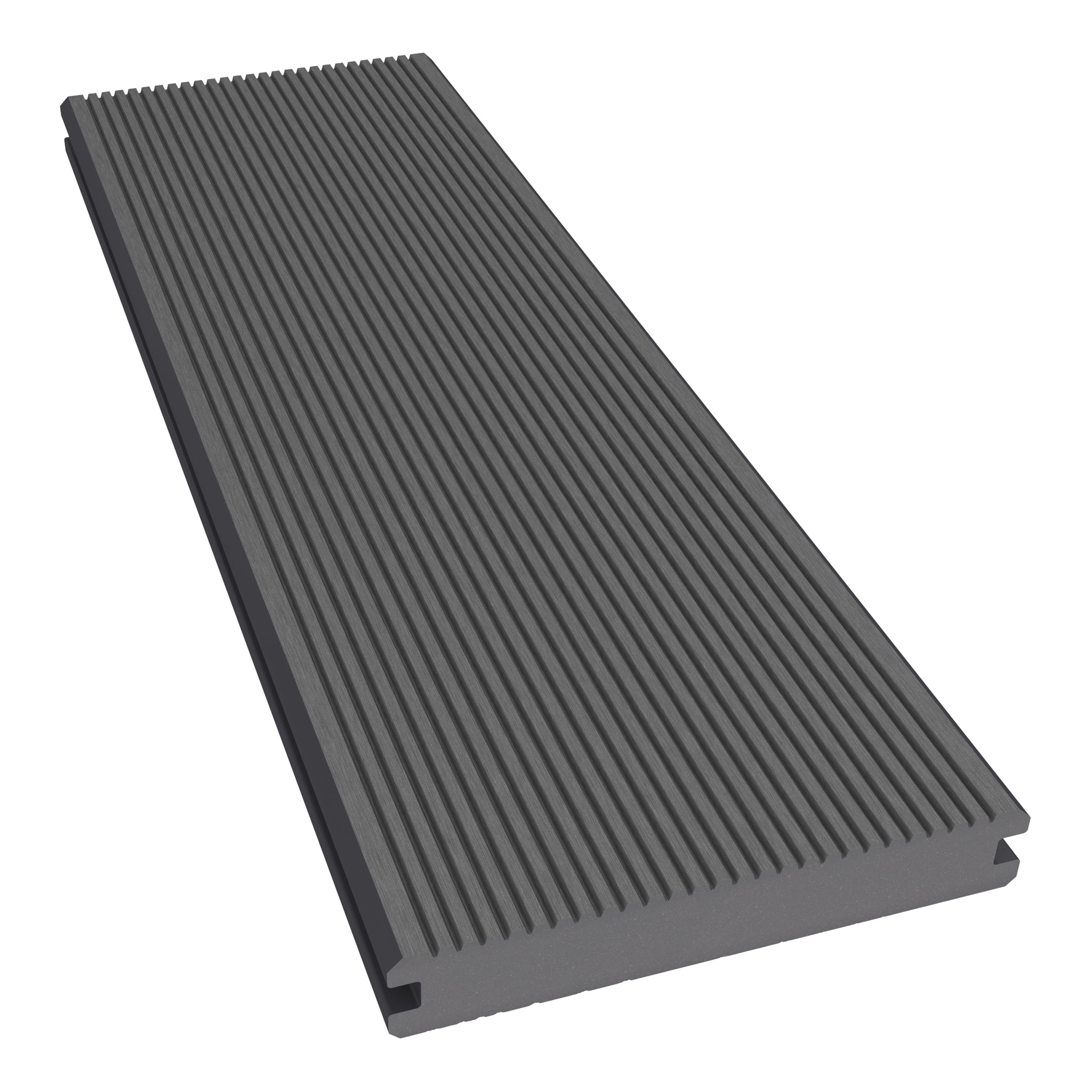
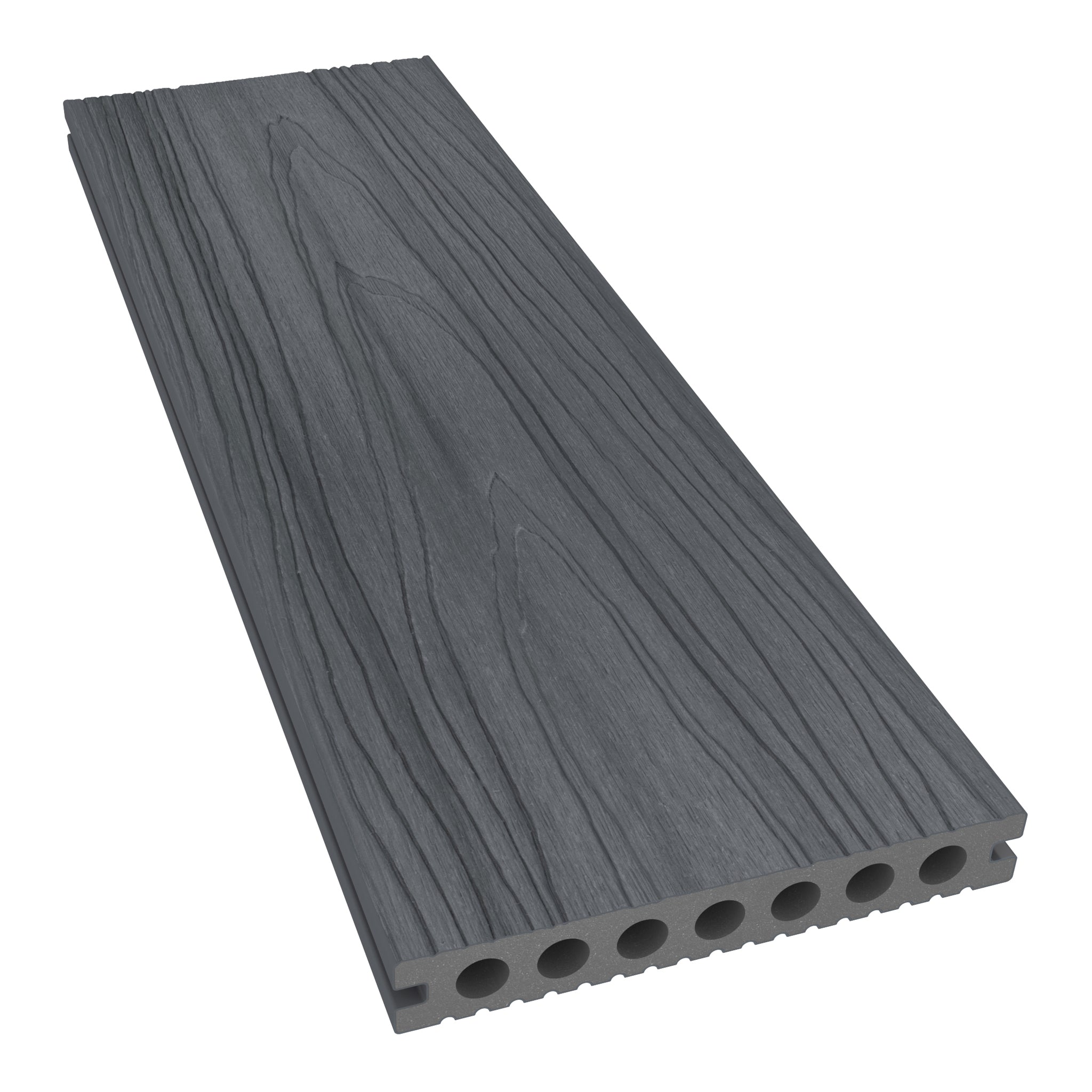
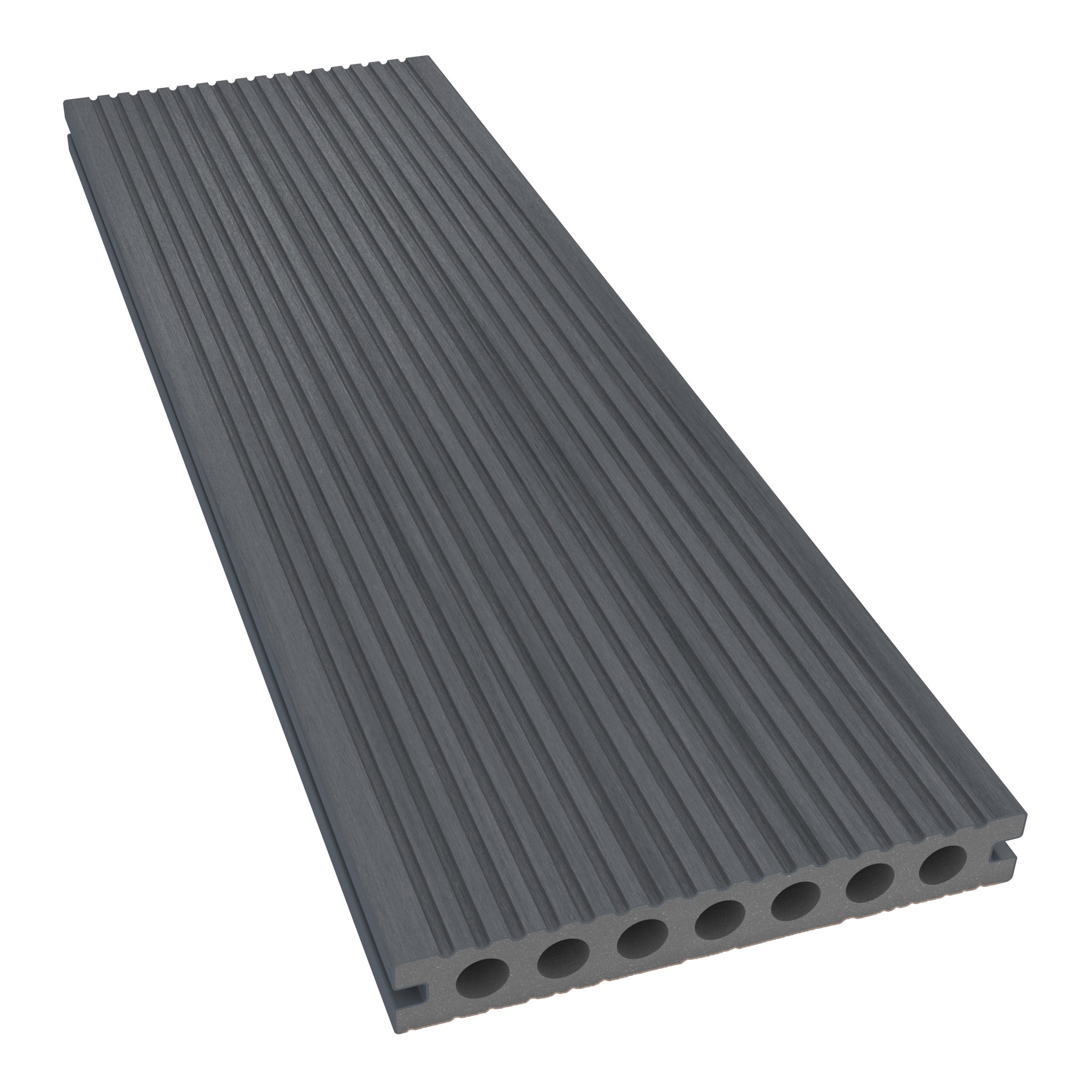
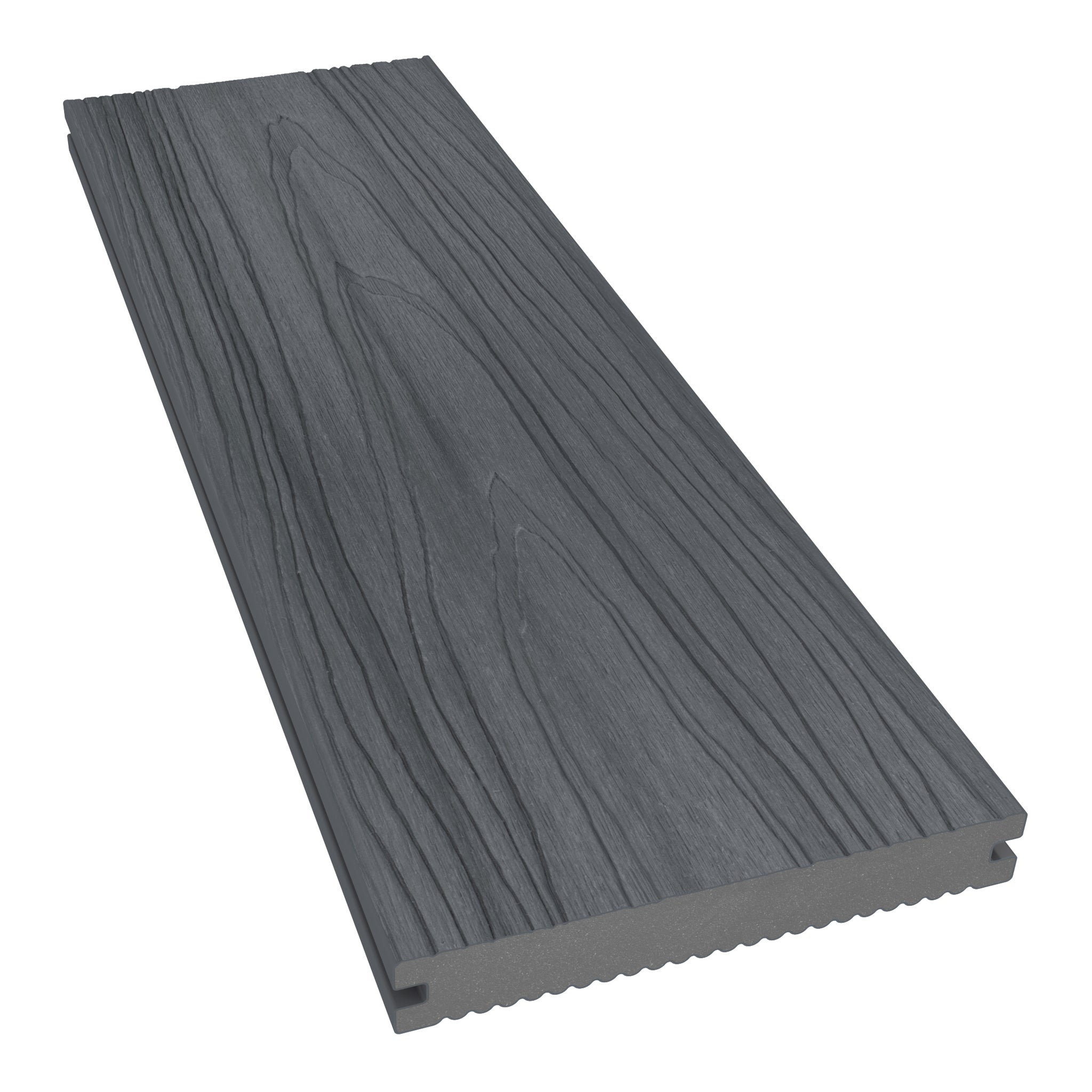
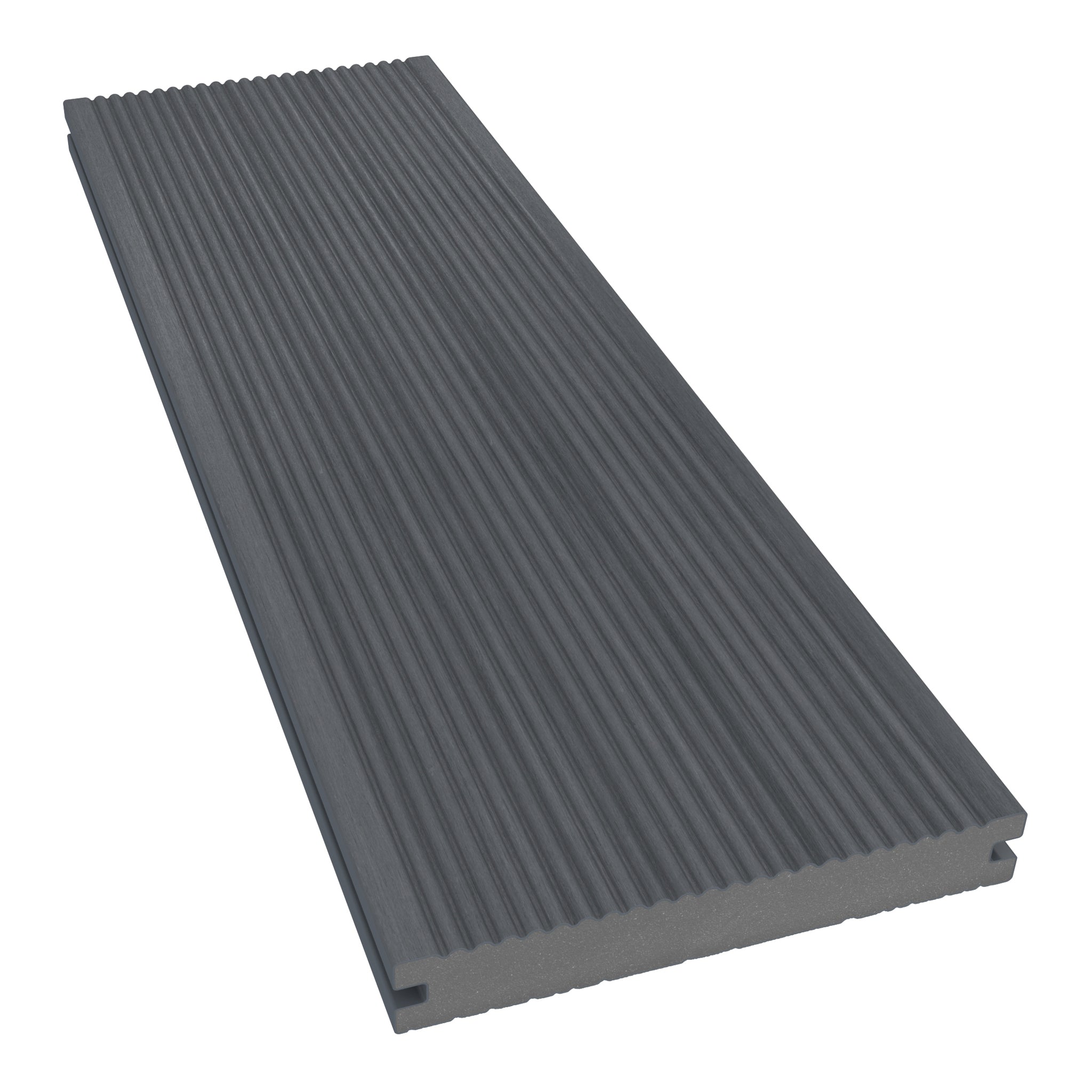
Should You Choose Decking, Paving or a Combination of Both?
Composite decking vs patio is a comparison of complete garden installations, not just two surface finishes. Your choice depends on ground levels, drainage, budget, appearance and how you want to use the space. Both can create an attractive dining or seating area when properly specified and installed.
This guide compares composite decking with paved patios, particularly outdoor porcelain, while recognising that concrete and natural stone offer different options too. Explore our decking page for a broader introduction to boards, styles and project planning.

Composite Decking vs Patio: The Main Differences
Composite decking uses boards fixed to a supporting subframe. A conventional paved patio uses paving units over a prepared base and suitable bedding system. Neither option should be chosen without considering the ground and the finished levels.
| Consideration | Composite decking | Paved patio |
|---|---|---|
| Construction | Boards over a designed subframe and supports | Paving over a prepared base and product-specific bedding system |
| Changing levels | A raised frame can create a level platform | May require excavation, fill, retaining work or terracing |
| Appearance | Linear boards with timber-inspired textures and colours | Slab, tile or block formats in porcelain, concrete or natural stone |
| Care | Cleaning and inspection; no routine timber refinishing | Cleaning and checks to units, joints and drainage |
| Budget | Include boards, frame, supports, fixings and labour | Include paving, groundwork, bedding, jointing and labour |
| Grip and comfort | Assess the specific surface, exposure and maintenance | Assess the specific paving finish, exposure and maintenance |
Which Works Better With Your Garden Levels?
Composite decking can be worth considering where a framed platform will create useful space on a changing level. The structure needs appropriate foundations, support and connections; decking is not a way to conceal unstable ground or unresolved drainage.
A patio can suit a design closely related to existing ground level. Where the garden slopes significantly, ask your landscaper to compare excavation, retaining structures and steps with the alternative of a framed deck. Compare the finished layouts as well as the construction work.
For raised designs, plan steps and any required guarding early. Explore raised composite decking and balustrades alongside the supporting structure.

Is Composite Decking Cheaper Than a Patio?
There is no reliable universal winner. The cost difference depends on the chosen boards or paving, the ground, access and the amount of construction needed. A basic ground-level patio and a complex porcelain terrace should not be treated as the same purchase.
Ask for quotations based on the same usable area and intended layout. Include VAT, preparation, materials, labour, drainage, finishing details, delivery and disposal. A low surface-only price can overlook a substantial part of either installation.
Use the composite decking calculator for an initial materials estimate, then have the structure and layout checked. Ask a paving installer for an equivalent complete quotation rather than comparing board prices with fully installed paving costs.

Installation: Both Options Need a Suitable Base
Composite Decking Installation
Deck boards require a suitable supporting frame. The installation may use a prepared solid base or appropriately designed supports, depending on the subframe system and site. Do not lay the boards directly onto turf or assume any old patio can support the proposed deck without assessment.
Follow the current composite decking installation guidance for support spacing, movement gaps and compatible fixings. A simple layout may suit an experienced DIY installer, but raised or complicated structures can need professional design and installation.
Porcelain Patio Installation
Porcelain paving does not universally require a poured concrete slab. For example, Marshalls' porcelain patio guidance describes a granular sub-base with a full mortar bed and a bonding primer. The exact build-up depends on the product, ground conditions and expected use.
Cutting, bedding, jointing and drainage need careful execution. Use the current instructions for the selected paving system rather than assuming every patio uses the same construction.

Maintenance, Slip Resistance and Everyday Comfort
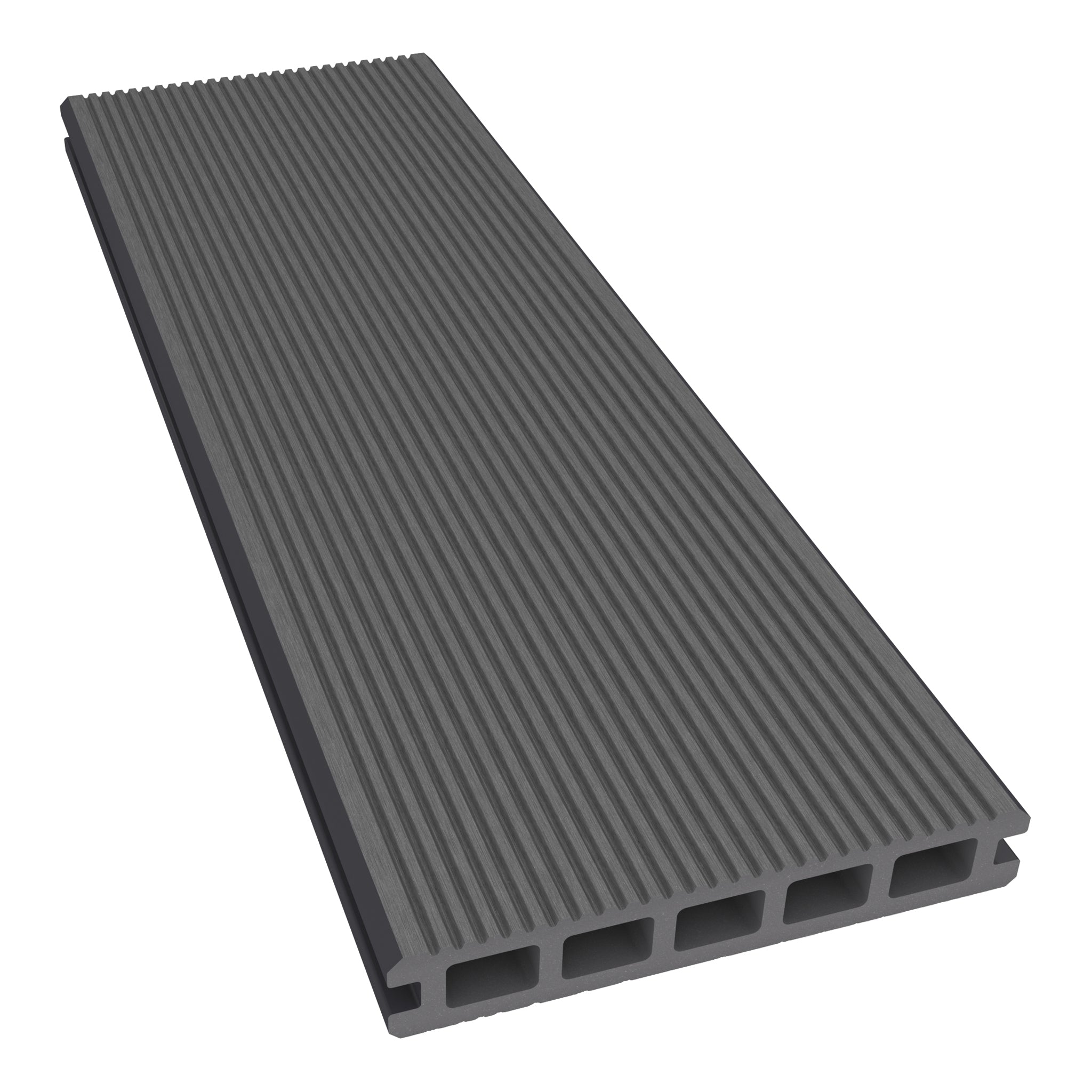
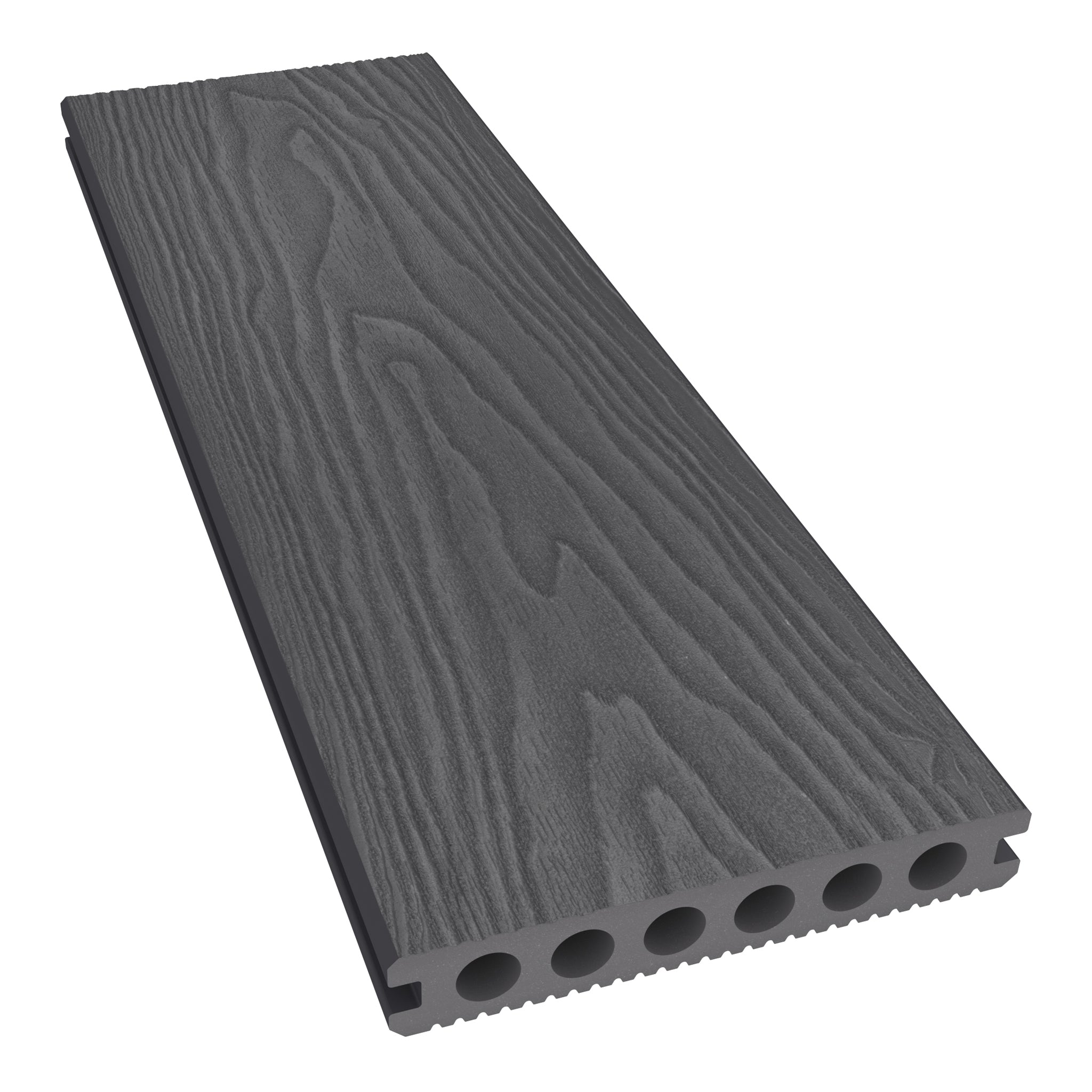
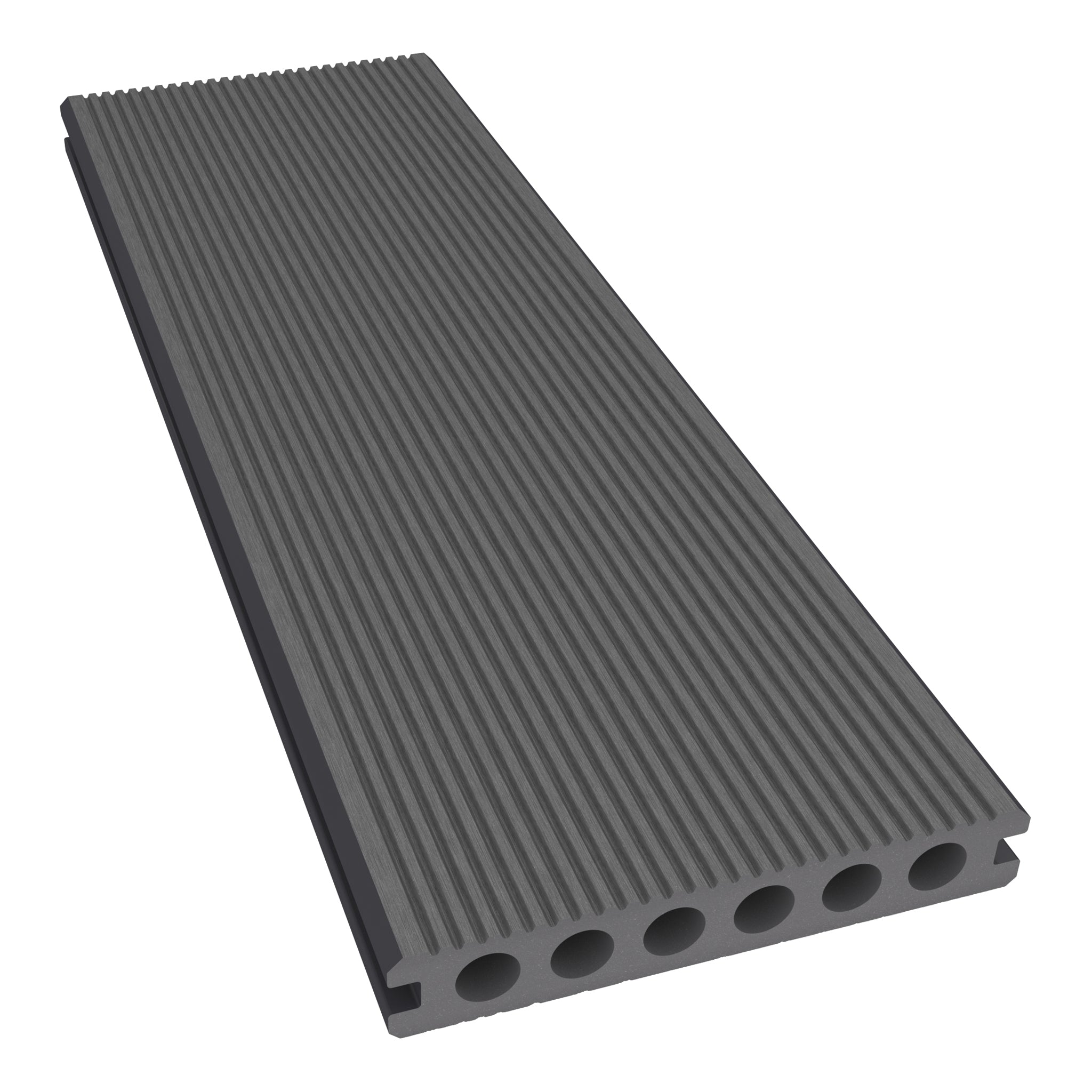
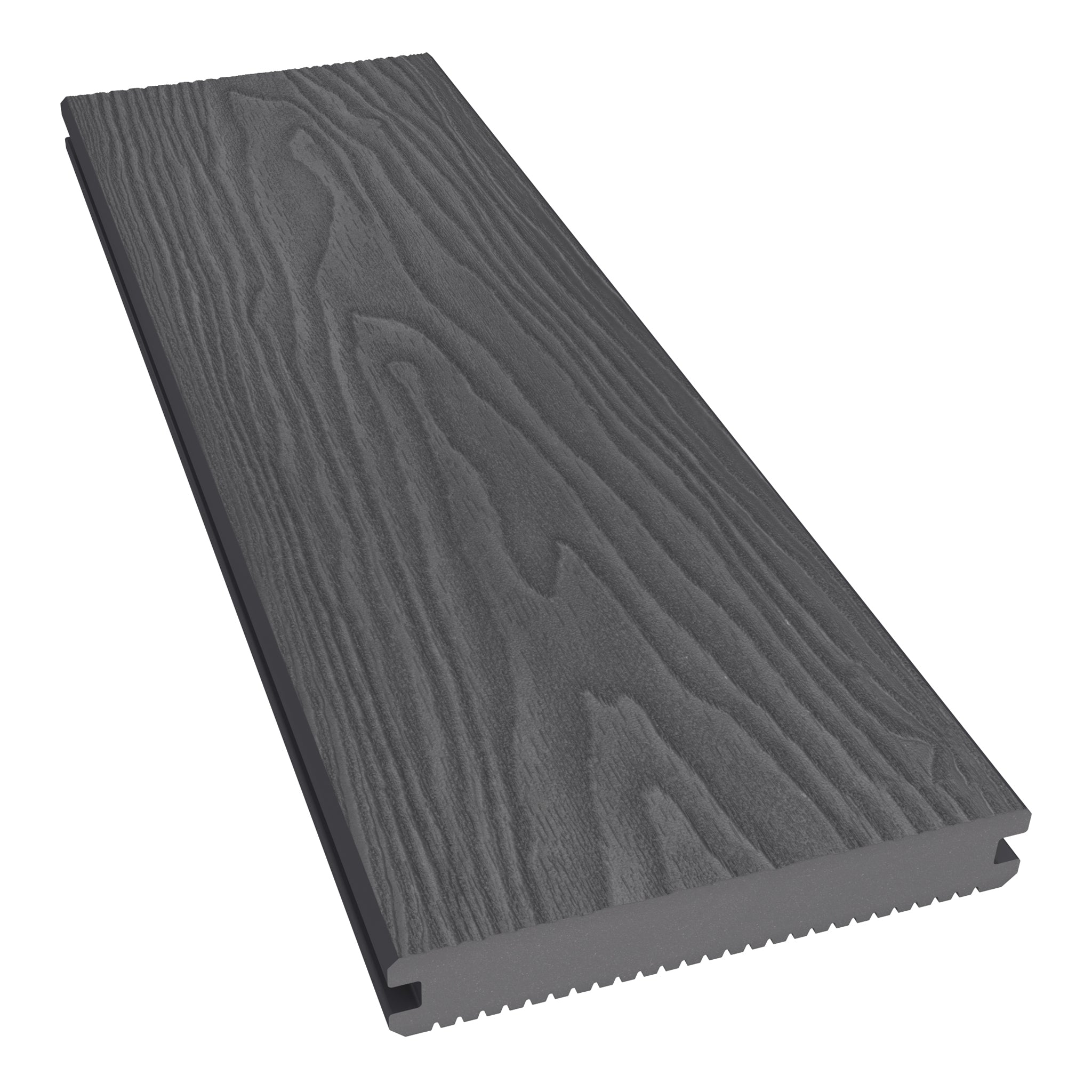
NeoTimber® composite decking does not require routine sanding, staining or oiling to maintain its finish. It still needs cleaning and inspection. Capped boards offer enhanced stain and fade resistance, but they can still be marked and should be cared for as directed.
Patios also require care. Sweep away debris and check for loose units, damaged joints and drainage problems. Different paving materials have different cleaning and treatment requirements; use the supplier's instructions. Pavingexpert's maintenance guidance explains why the supporting layers and joint condition matter as well as the visible surface.
Neither material is slip-proof. Assess product-specific performance information and the conditions on site. Outdoor porcelain should not be equated with a smooth indoor tile, and a textured composite board should not be assumed safe in every wet or icy condition.
Both surfaces can become hot in direct sunshine. Consider shade, the orientation of the garden and how the area will be used. Keep leaves, algae and ice in mind when planning access and maintenance.
Can You Combine Composite Decking and a Patio?
Yes. You can use the materials to define different areas, such as a paved route through the garden and a deck beside a seating space. The useful question is what each surface contributes to the overall layout.
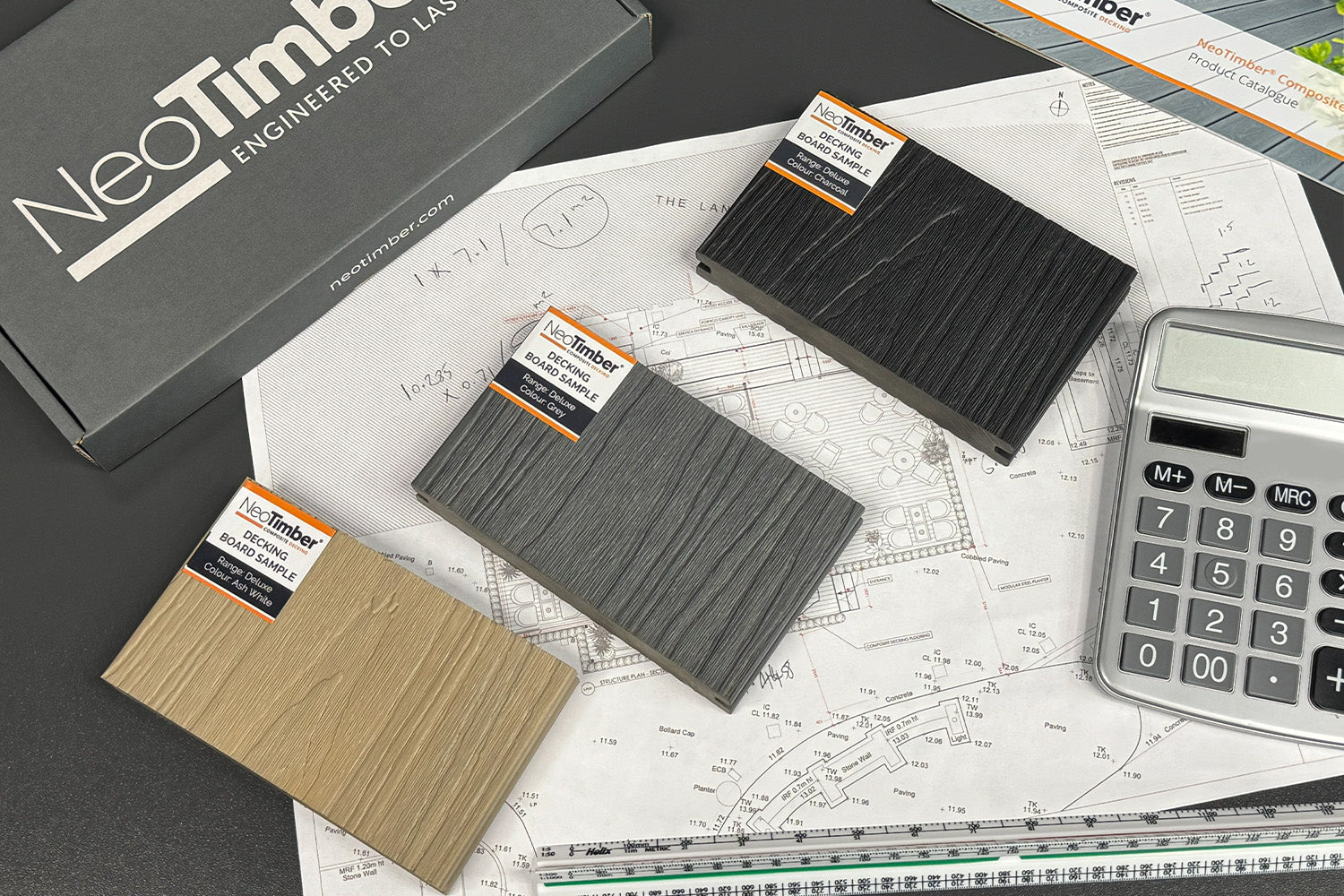
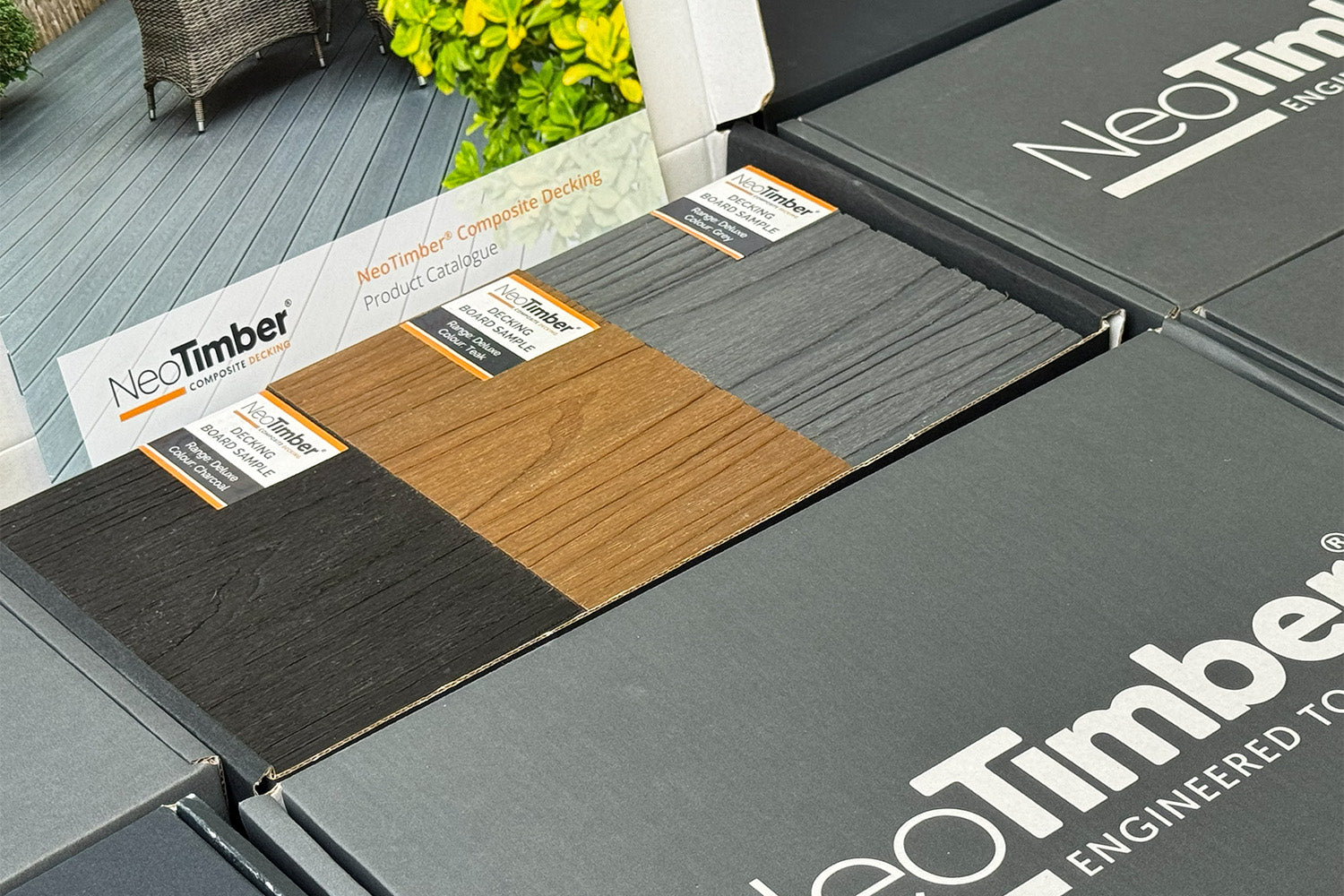
Compare samples together. Grey composite decking can create continuity with cool-toned paving, while teak composite decking offers a warmer contrast. Choose proportions that suit your garden rather than matching every surface automatically.
Detail the junction carefully: plan finished levels, drainage and movement between materials. Paving must have its own appropriate support rather than resting on ordinary deck boards. Make changes in level clear and keep routes comfortable to use.

A Shortlist Checklist Before You Decide
- Map the use: draw furniture, walking routes, doors and steps.
- Assess the ground: establish levels, stability, drainage and access.
- Compare materials: look at real samples, technical information and care instructions.
- Obtain complete quotations: compare the same area and include all supporting work.
- Plan future care: allow access for cleaning, repairs and drainage checks.
Composite Decking vs Patio FAQs
Which is better: composite decking or a patio?
Choose against the site and intended use. A framed deck may help create a platform on changing levels, while paving may suit a ground-level layout. Appearance, complete installation cost and care requirements should all inform the decision.
Is a patio always cheaper than composite decking?
No. Materials, groundwork, retaining work, access and labour can change the comparison substantially. Obtain itemised quotations for the same finished layout.
Is porcelain paving more slippery than composite decking?
You cannot judge this from the material category alone. Compare the specific outdoor products and relevant slip information. Cleaning, drainage and contamination affect both surfaces.
Which option needs less maintenance?
Both need cleaning and inspection. Composite avoids routine timber refinishing; paving may need attention to joints or individual units. The selected product and site conditions determine the practical routine.
Can composite decking go over an existing patio?
It may be possible if the patio is stable and the proposed system allows suitable support, finished height, ventilation and drainage. Assess the base first and follow the subframe manufacturer's requirements.
Can I use a barbecue on either surface?
Follow the appliance and surface manufacturer's instructions, including clearances and any suitable protective measures. Neither paving nor composite makes every barbecue or fire feature installation appropriate. Plan the cooking area before choosing the surrounding finish.
Choose the Surface That Works for Your Garden
Compare composite decking vs patio options around your actual site, not a blanket claim that one is always better. If a deck suits your plan, browse the NeoTimber® composite decking range and request free decking samples. Compare them beside your paving shortlist and discuss the complete layout with your installer.