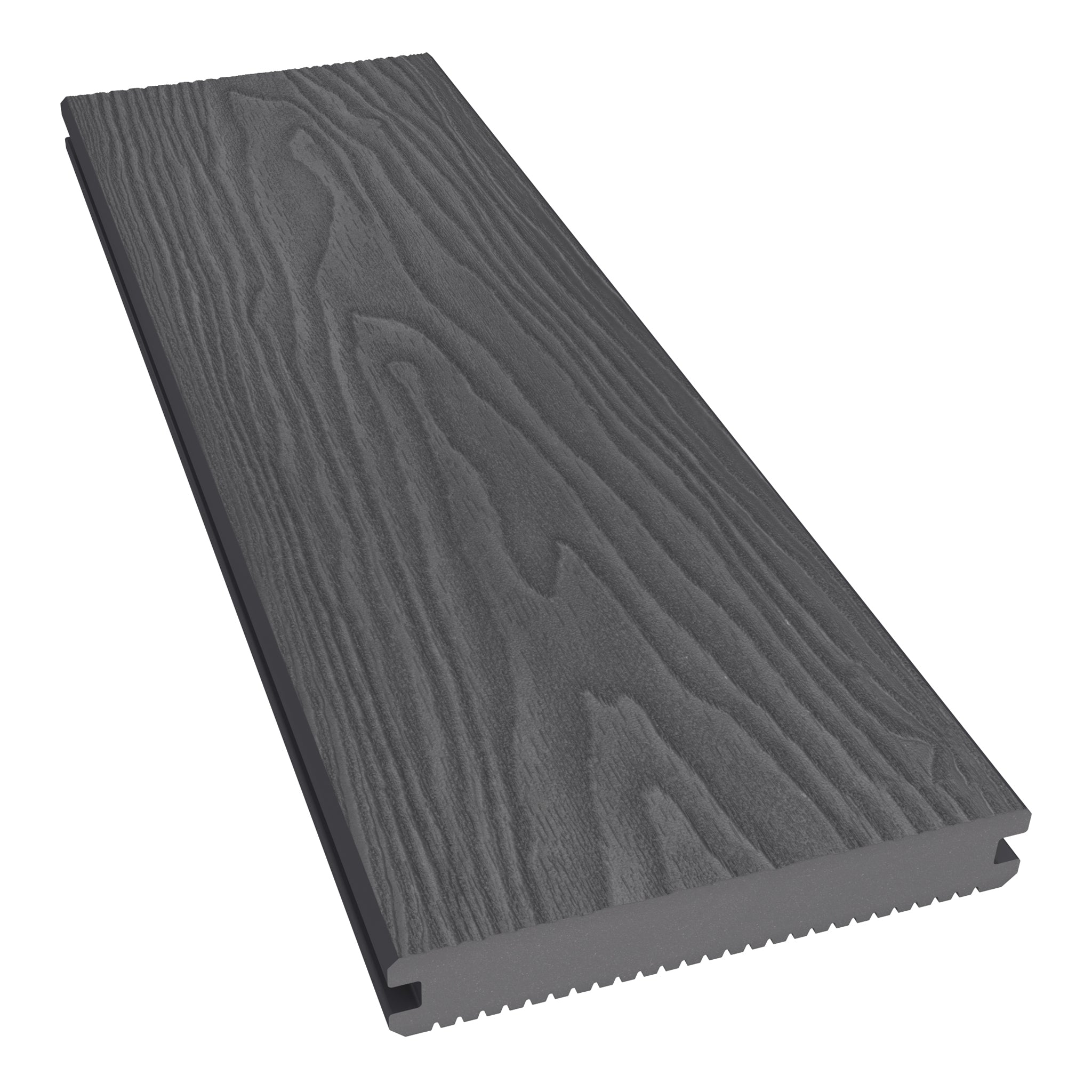
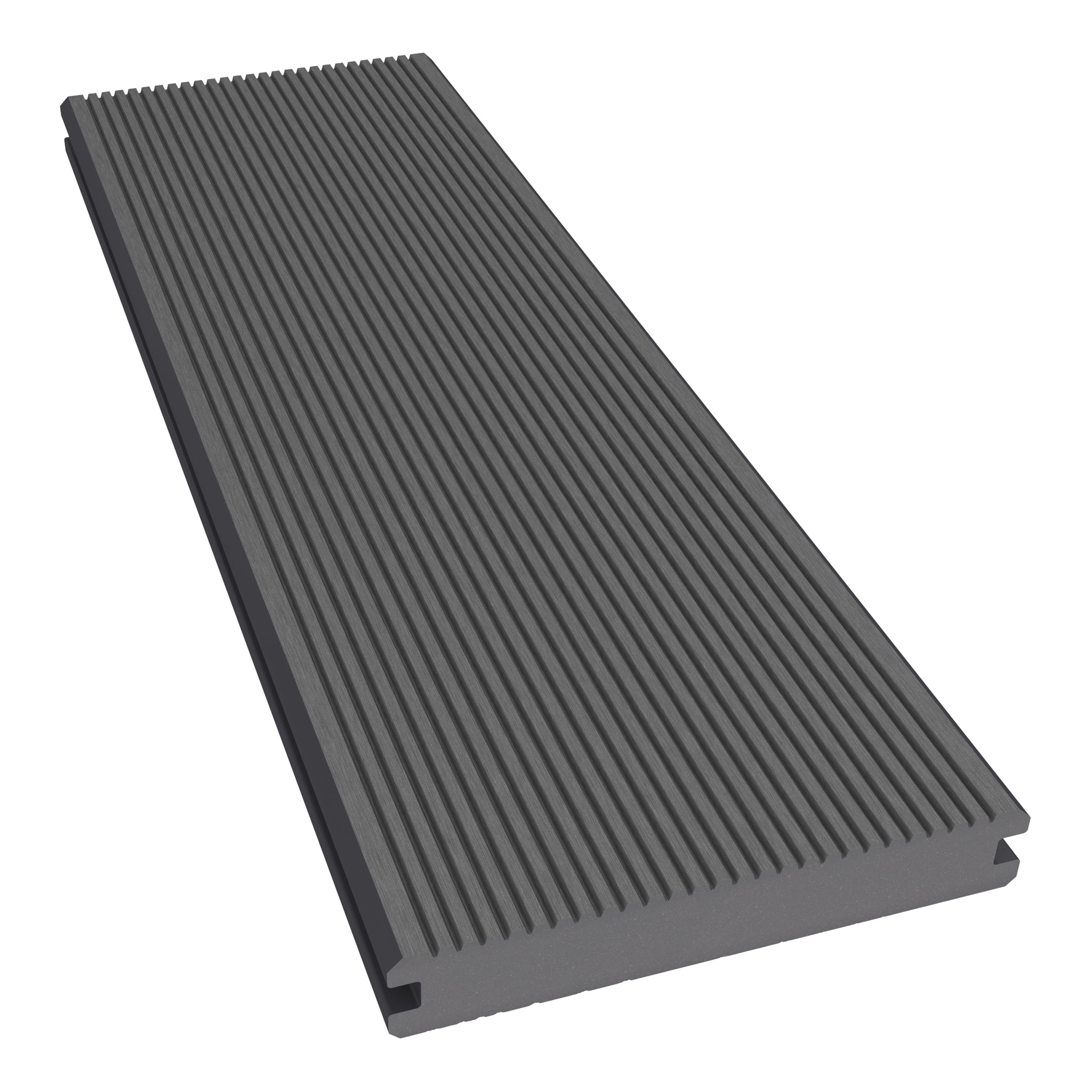
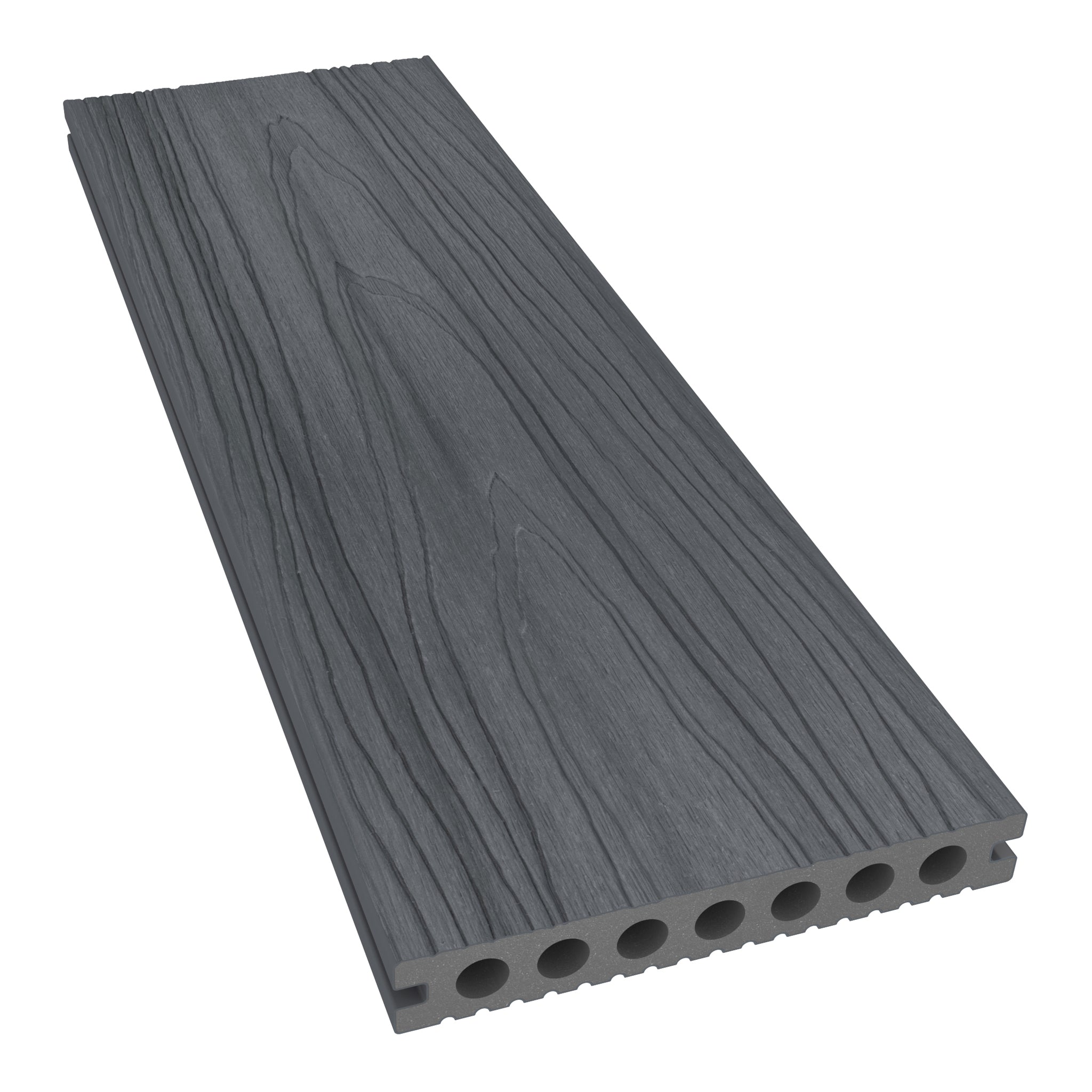
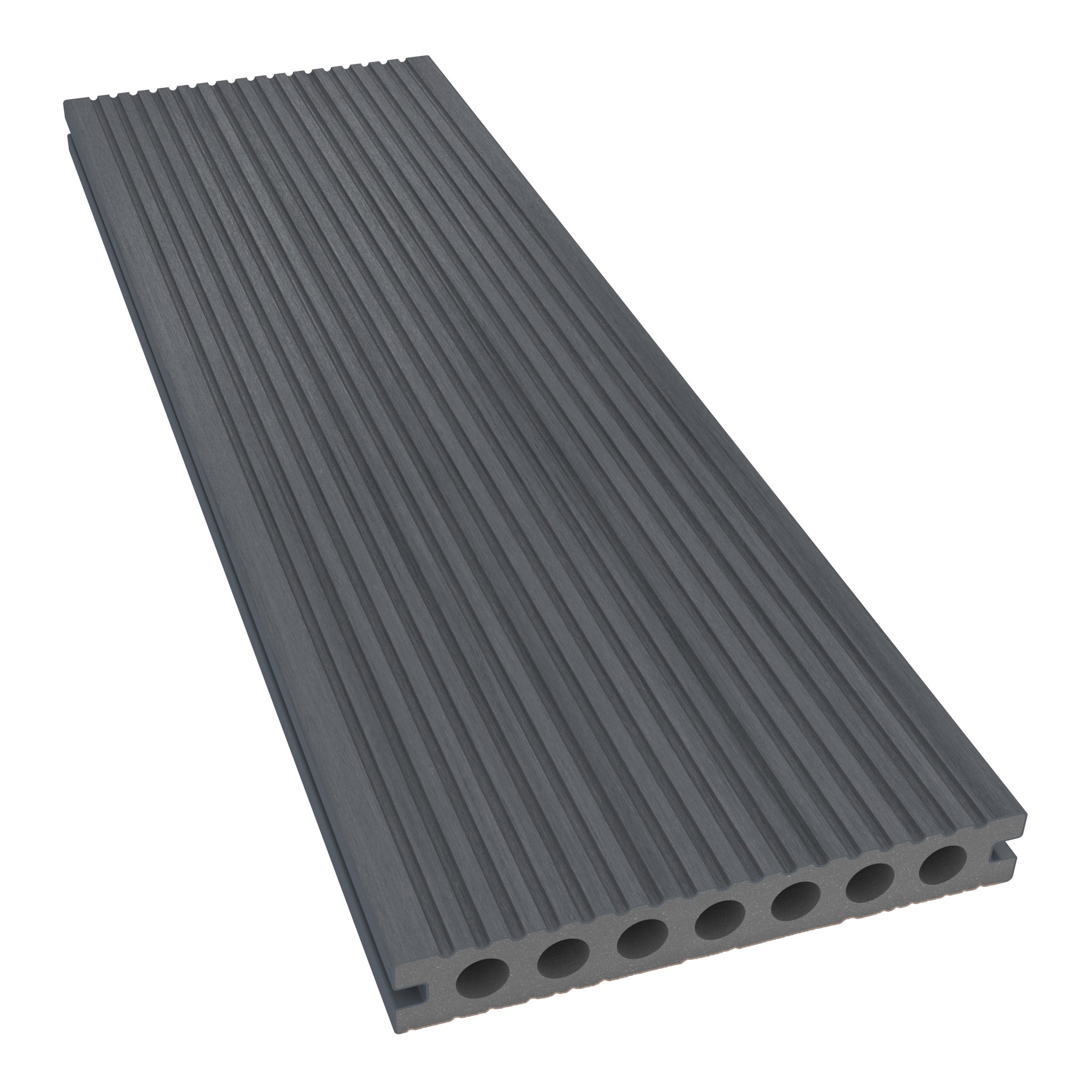
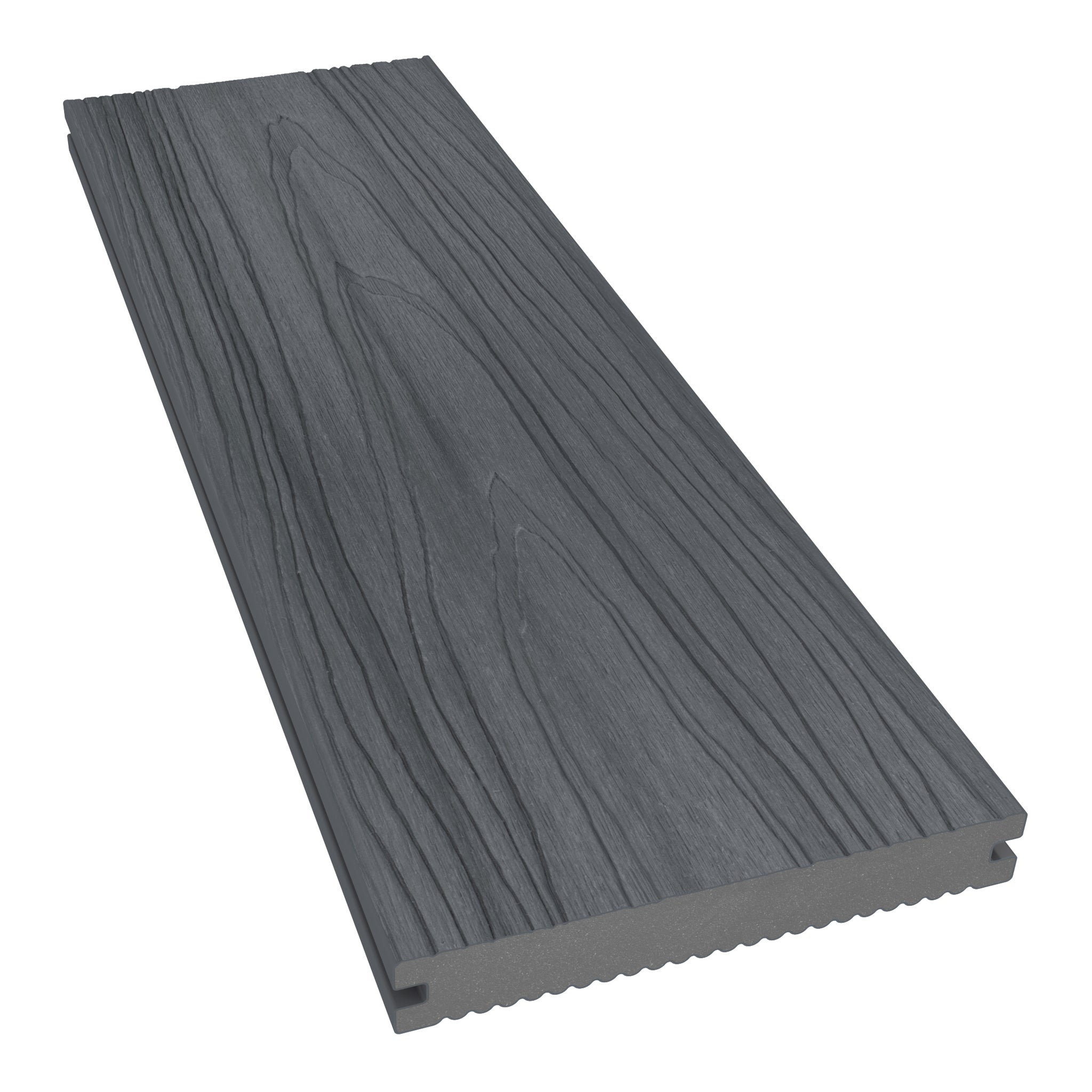
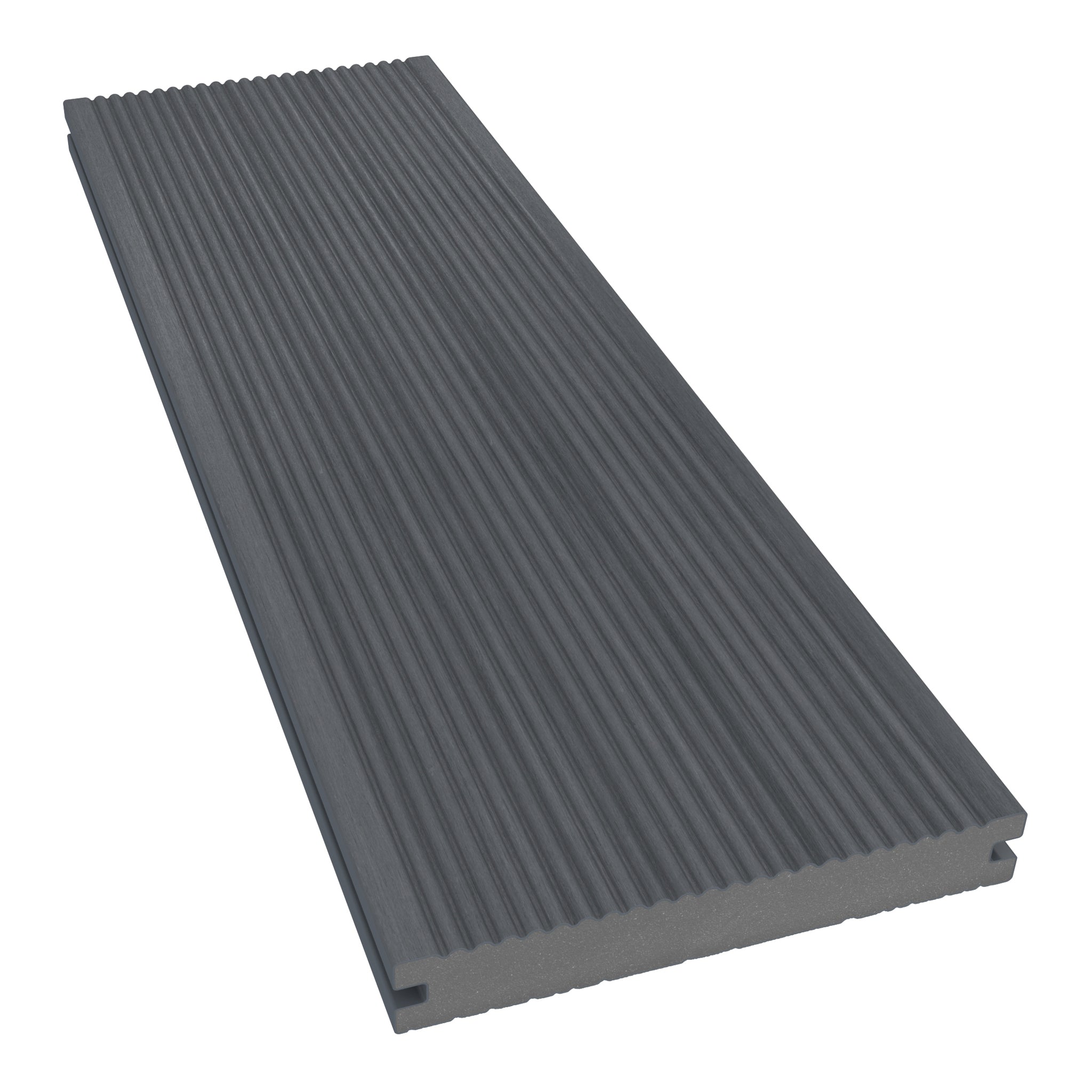
Give Your Decking Offcuts a Useful Place in the Garden
The best leftover composite decking ideas start with the pieces you already have and a project that suits their size. Offcuts can provide a coordinated finish for small garden features, helping you make more use of materials left after an installation.
Before cutting anything, set aside useful spare lengths for future repairs to the original deck. Then sort the remaining pieces by product, colour, length and condition. A few short offcuts call for a different design from several full boards.
This guide explores five practical ideas using composite boards as decorative surfaces or supported components. For information on the main products, visit NeoTimber’s decking page.
Check Your Offcuts Before Starting
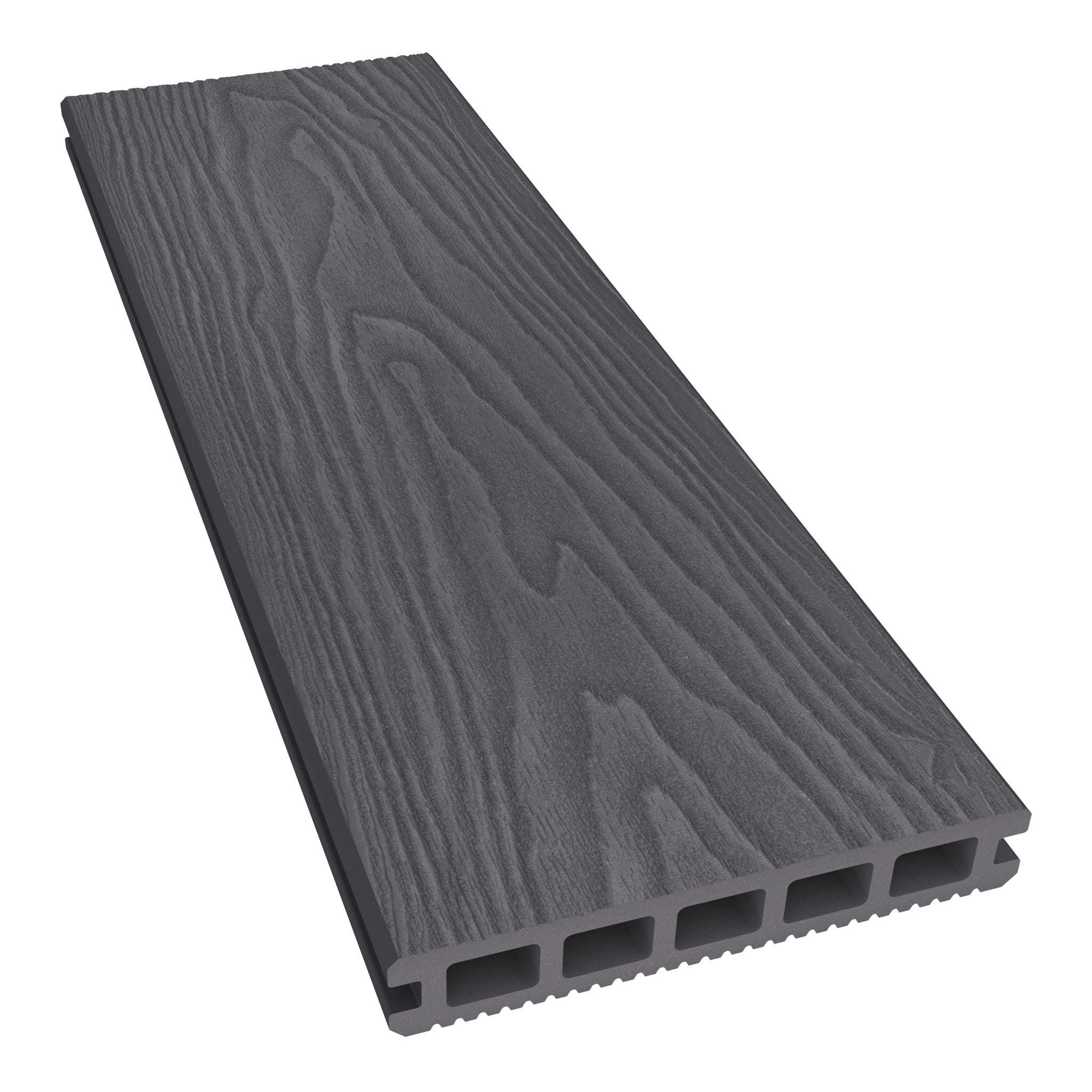
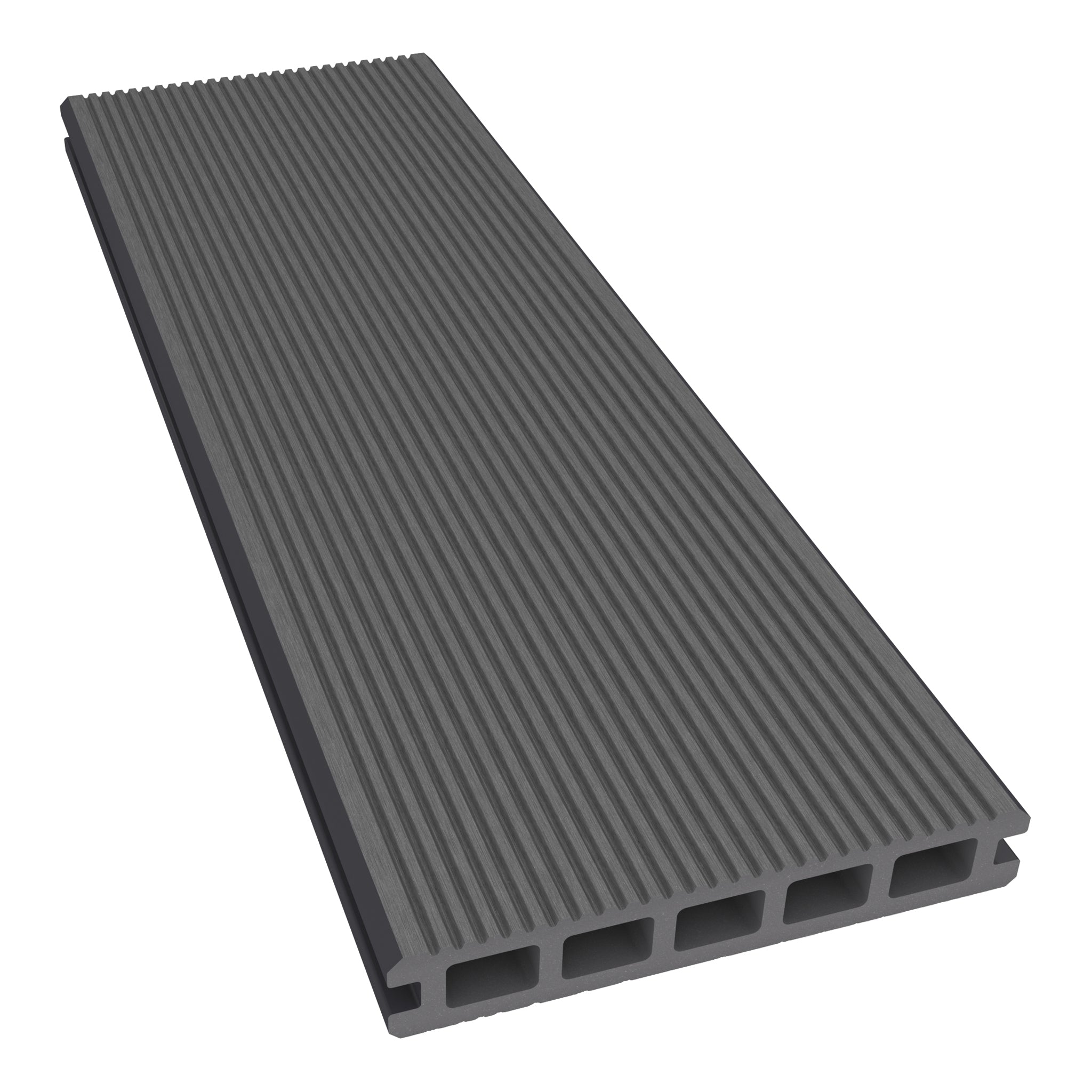
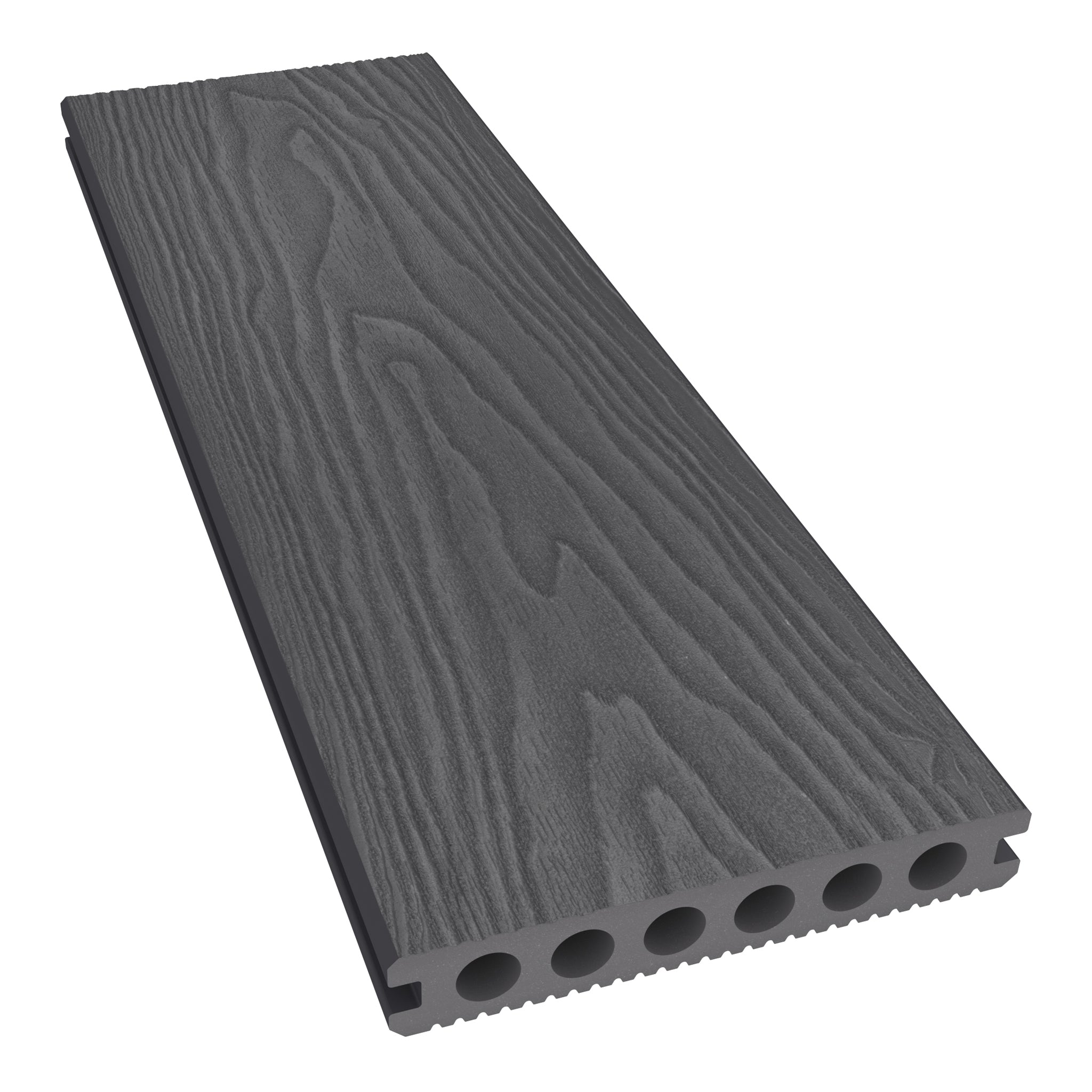
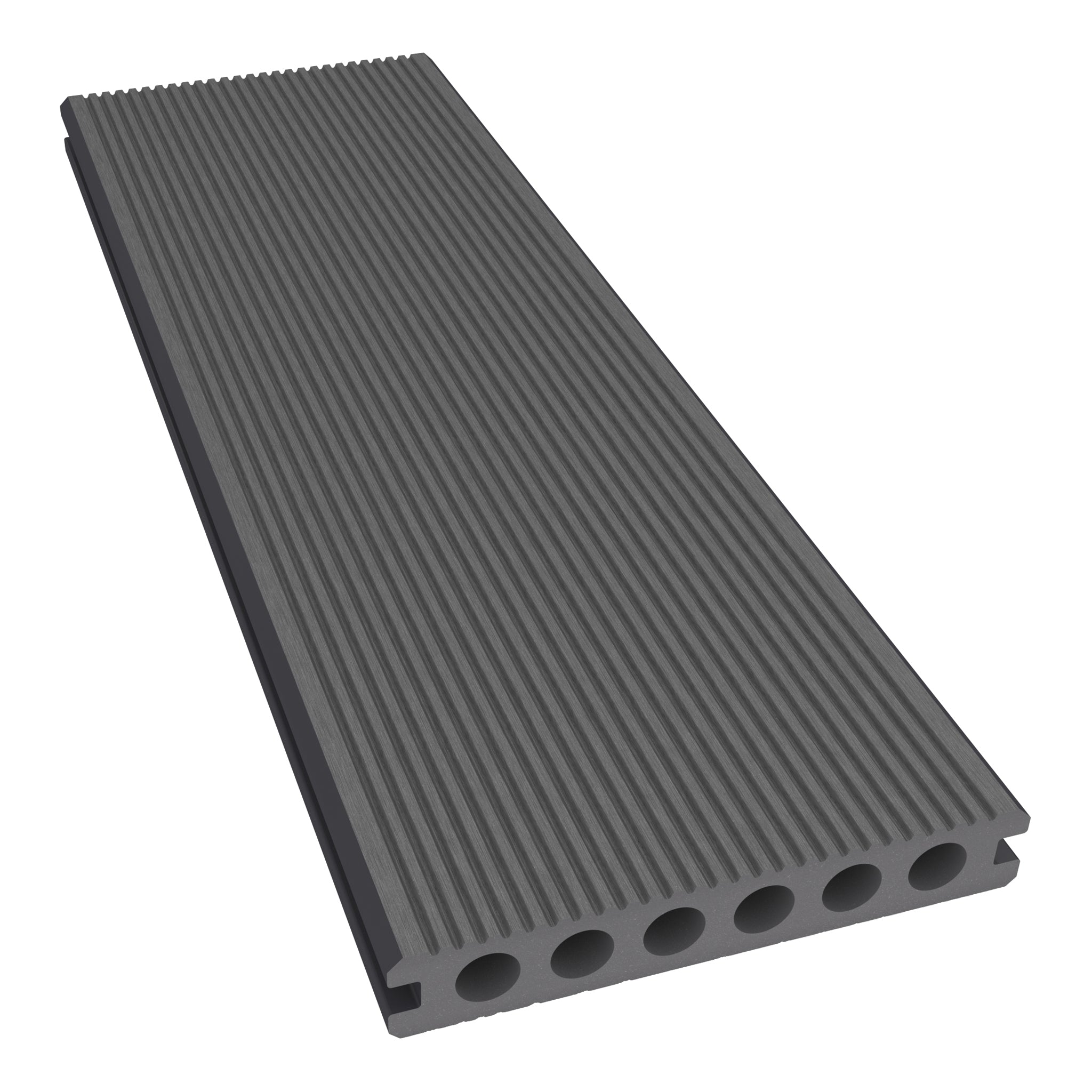
Deck boards are designed to work with specified supports and fixings. They should not be assumed suitable as unsupported shelves, posts or structural beams simply because they perform well as decking.
- Identify the exact board, including whether it is hollow or solid, capped or uncapped.
- Check for damage and remove unsuitable pieces from the project plan.
- Confirm cutting, fixing, support and movement requirements with the product supplier.
- Plan a separate frame where the feature carries weight or resists wind.
- Allow drainage and avoid details that trap water around components.
Read the installation resources for working methods, and ask the team about uses outside the normal decking application. These are design ideas, rather than tested construction plans.
1. A Decorative Planter Surround
A planter surround is a useful way to coordinate planting with your deck. Fit suitable offcuts to an independently supported enclosure around an existing planter or container.
Let the inner container hold the soil and water. Do not assume decking boards form a watertight planter or can resist the pressure of wet soil without an appropriate structure.
Plan access to the inner pot, keep drainage clear and leave the specified movement allowances. A simple rectangular surround can use repeated pieces efficiently, while trims can help finish exposed edges where compatible.

2. A Fully Supported Outdoor Display Shelf
Offcuts can provide a surface for an outdoor display shelf where the supporting structure and fixings are designed for the load. This could hold lightweight decorative items or small plant pots within the agreed capacity.
Composite boards should not be treated as timber shelf planks with an arbitrary span. Establish the support arrangement for the chosen board, and use suitable wall anchors or a stable freestanding frame.
Include the weight of pots when watered, rather than judging the load from an empty container. Keep the feature away from locations where falling objects would create a hazard.

3. A Bin-Screen Finish
A framed screen can make a bin-storage area feel more connected to the garden. Longer leftover boards may provide a decorative facing, subject to confirmation that the product and fixing arrangement suit the use.
Build the screen around a structure capable of resisting the relevant loads. Deck boards should not substitute for structural posts. For doors or moving panels, allow for board weight, suitable hinges and secure operation.
Measure the bins with lids open and leave enough room to move them in and out. Plan ventilation, access and the screen’s position relative to doors and paths.

4. A Small Garden Display Panel
Shorter pieces can be arranged into a decorative panel on a suitable backing frame. It can provide a coordinated backdrop near a seating area without needing enough boards to cover a large wall.
Sketch the pattern before cutting. Repeated short lengths can create an orderly design, while two compatible colours can define a border or feature section.
Confirm the outdoor support and fixing arrangement, and keep the panel clear of required drainage or ventilation openings. It is a decorative feature, rather than a weatherproof wall or substitute for approved exterior cladding.
5. A Removable Facing for an Existing Garden Storage Unit
If you already have a sound outdoor storage unit, suitable offcuts may provide a small decorative facing. Keep the original structure responsible for its loads and weather protection.
Check whether the added weight affects doors, lids or fixings. A removable detail can preserve access for inspection and repair, provided its attachments are appropriately designed.
Match the facing with the deck where you want continuity, or use the boards to define one selected section rather than covering the whole unit. Avoid interfering with ventilation or the unit’s existing warranty requirements.
Plan the Cuts and Finishing Details
Measure each piece and create a cut list before starting. A design based on your actual lengths can reduce unnecessary trimming and help you use more of the available material.
Follow the product’s guidance for tools, pilot holes and fixings. Hollow boards need particular attention to exposed ends and fastening positions. Use only compatible finishing components rather than assuming every trim fits every profile.
Collect cutting dust and debris, and dispose of unusable material through an appropriate route. Do not burn composite offcuts or assume they belong in household recycling.
Choose Uses That Fit the Material
A successful reuse project matches the material’s intended characteristics with a suitable supporting design. Decking’s outdoor use does not automatically make it suitable for bird nesting boxes, animal shelters or direct contact with food.
For those specialist applications, use established designs and materials confirmed as appropriate. Keep composite offcut projects focused on uses for which suitability can be established.
Check the warranty terms where you plan a different application. Reusing a board outside its intended use should not be assumed to carry the same product cover.
Keep Your New Feature Easy to Care For
Leave access for cleaning and checks. Follow the care guidance for the range, and inspect the supporting structure and fixings as well as the visible boards.
Reuse can reduce the amount of usable material discarded, but it is worth choosing a feature you actually need. Keeping spare boards for deck repairs may be more useful than building an unnecessary object solely to consume offcuts.
Frequently Asked Questions
Can leftover decking boards be used as structural supports?
Do not assume so. Deck boards are surface components and need a suitable supporting design.
Can I make a planter entirely from composite offcuts?
Use a design confirmed as suitable. An independently supported surround around an inner container avoids treating the boards as a watertight, soil-retaining structure.
Should I keep some spare boards?
Yes, where practical. Identified spare lengths can be useful for future repairs, especially if matching products later becomes difficult.
Make More of the Boards You Already Have
Leftover composite decking ideas work best when the design suits the offcuts and the components are properly supported. Start with a practical need, confirm the material’s suitability and plan the details before cutting.
For product advice, contact NeoTimber®. Explore the decking gallery for wider outdoor inspiration and share your finished project with the team.