


Design a Garden You Can Enjoy With Less Routine Work
A low maintenance garden starts with choosing the jobs you want to reduce. Perhaps mowing takes too long, containers need constant watering or the timber seating area is due another treatment. Identifying those tasks gives your redesign a useful purpose.
The best low maintenance garden ideas combine suitable plants, accessible layouts and materials with a care routine you can manage. You can keep greenery, seasonal interest and a comfortable place to sit without making every weekend a list of chores.
This guide brings together nine practical changes. Explore our general decking guidance if an outdoor living area is part of your plans.
Jump to: Realistic expectations · Outdoor living · Containers · Lawns · Mulch · Planting · Care routine · FAQs
Can You Create a Maintenance Free Garden?
A maintenance free garden is a tempting idea, but every outdoor space needs some attention. Hard surfaces collect leaves and dirt; gravel can develop weeds; furniture and artificial planting still need cleaning. The goal is to reduce the work that matters most to you.
Write down your recurring jobs and rank them by effort. Keep features you enjoy caring for, simplify others and plan access to the tasks that remain. A low maintenance outdoor space should fit your time, mobility and interests rather than follow one fixed formula.
1. Create a Comfortable Outdoor Living Area
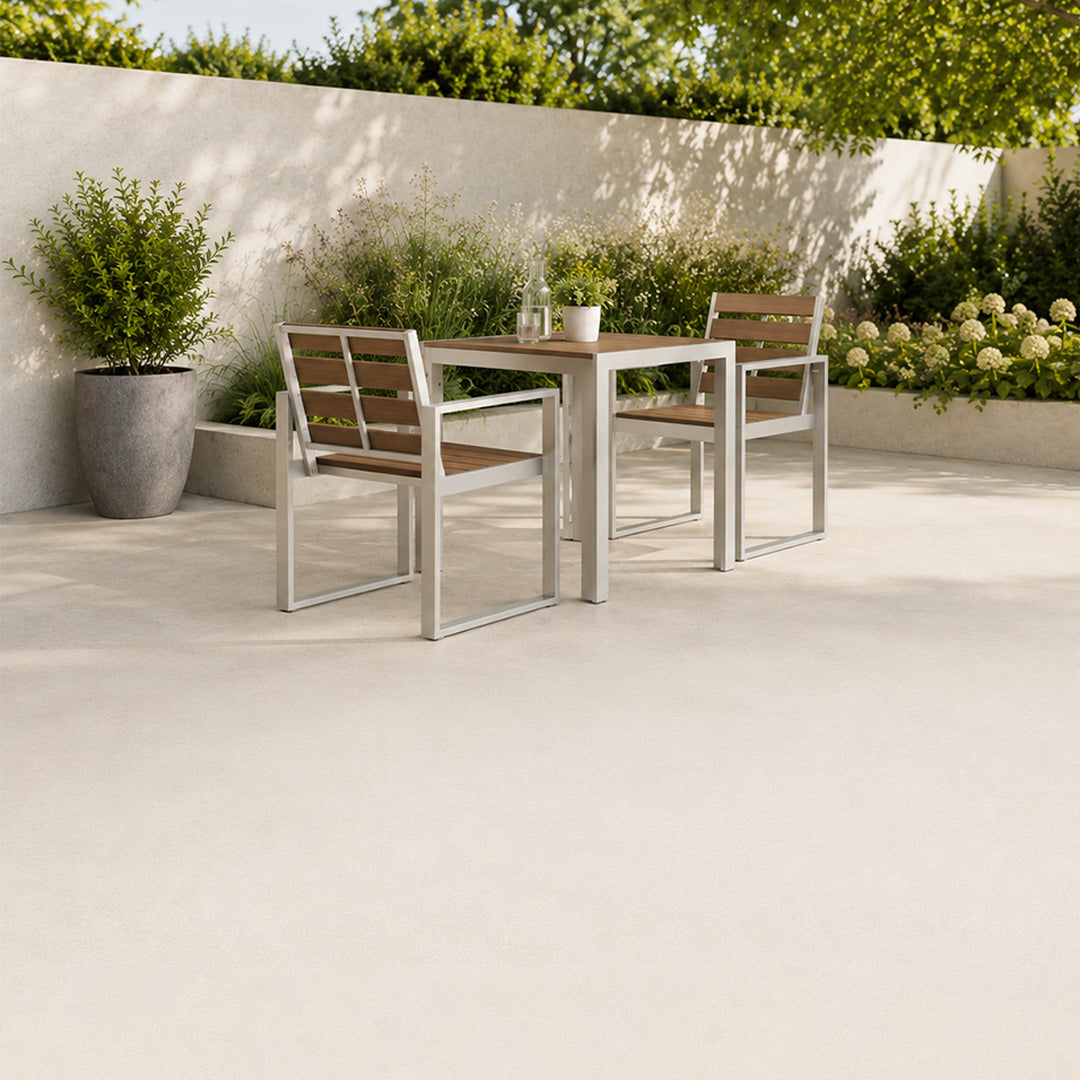
Size the seating space around your furniture and the way you use it. Leave room to move chairs and reach doors without stepping through planting. A simple shape with accessible edges is usually easier to clean than a layout full of narrow corners.
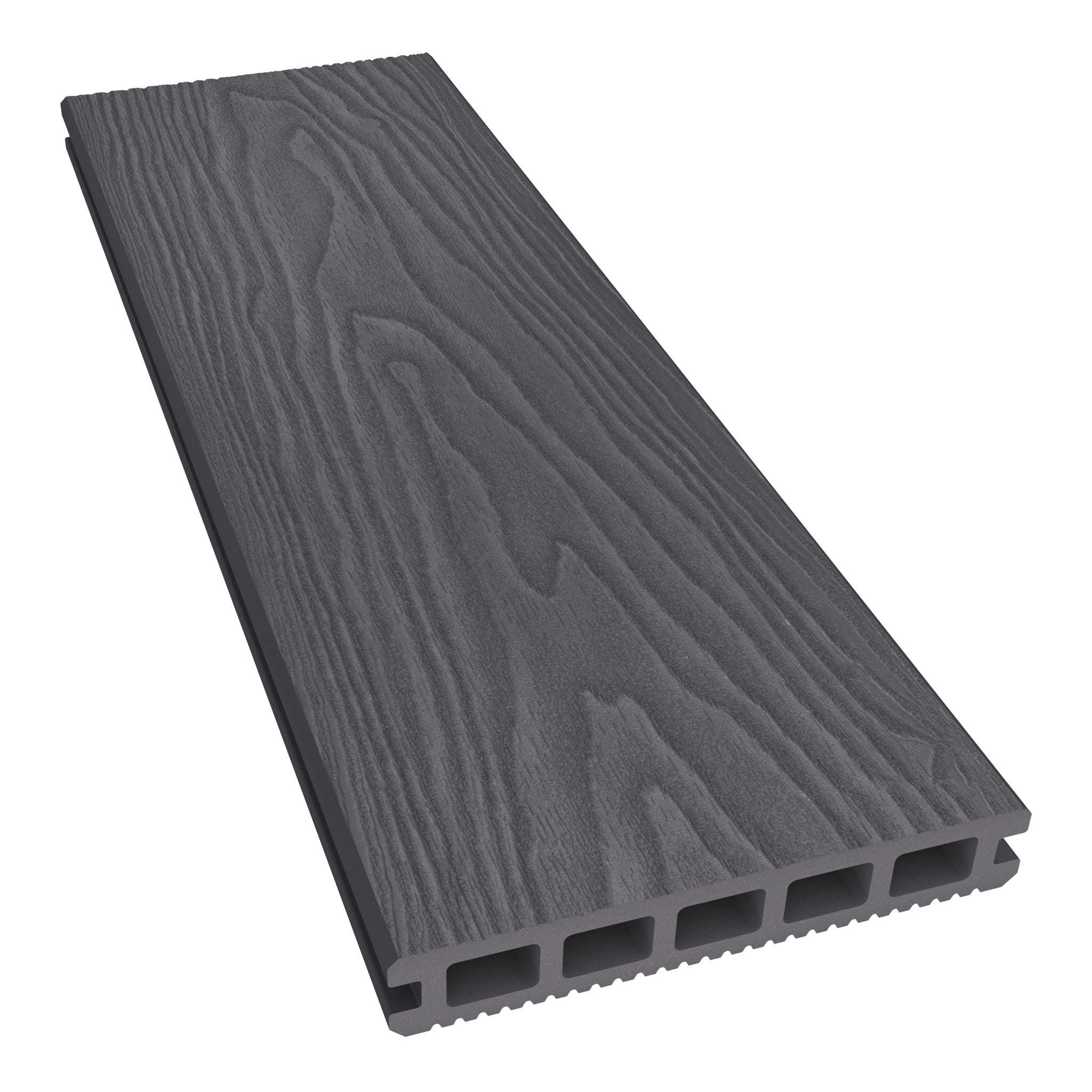
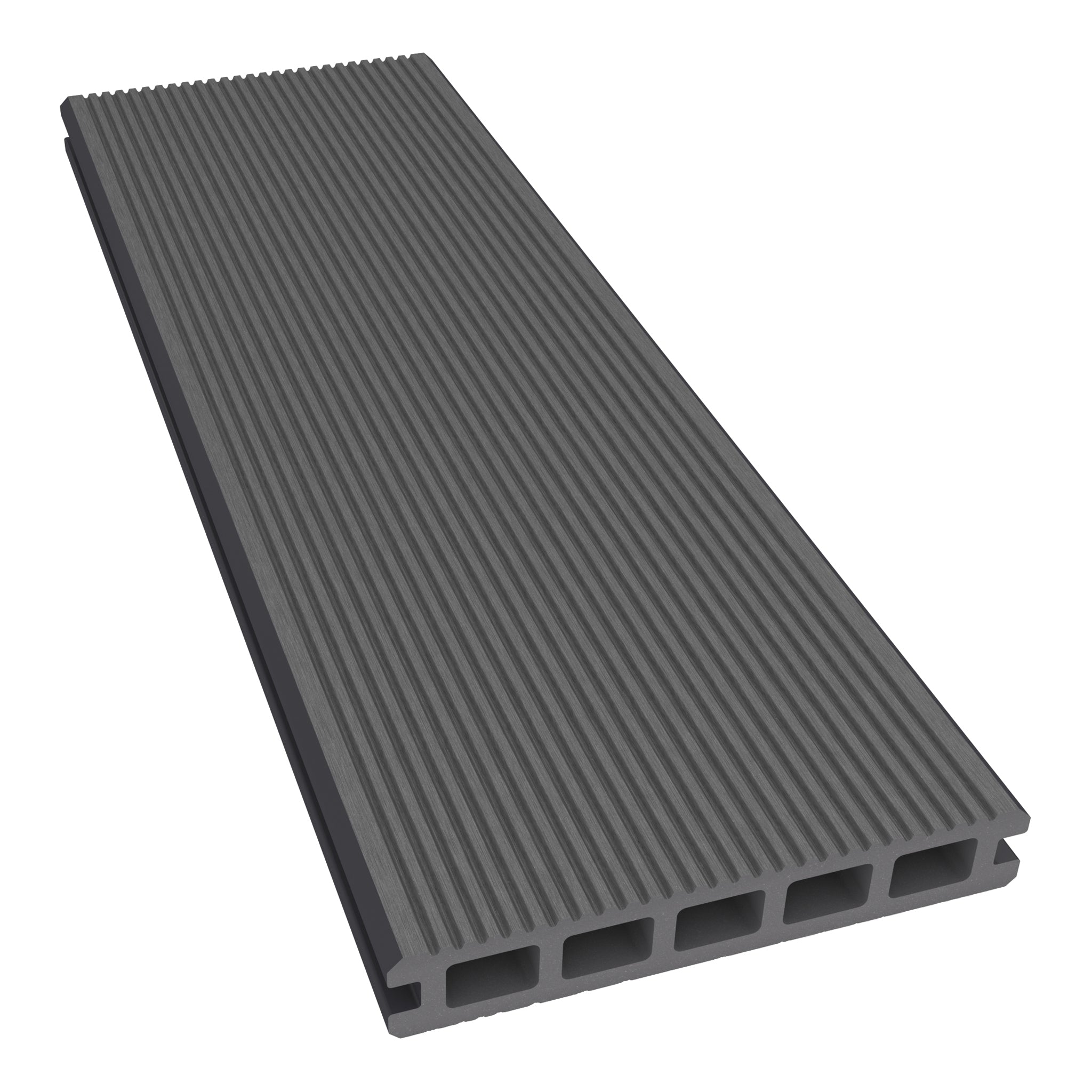
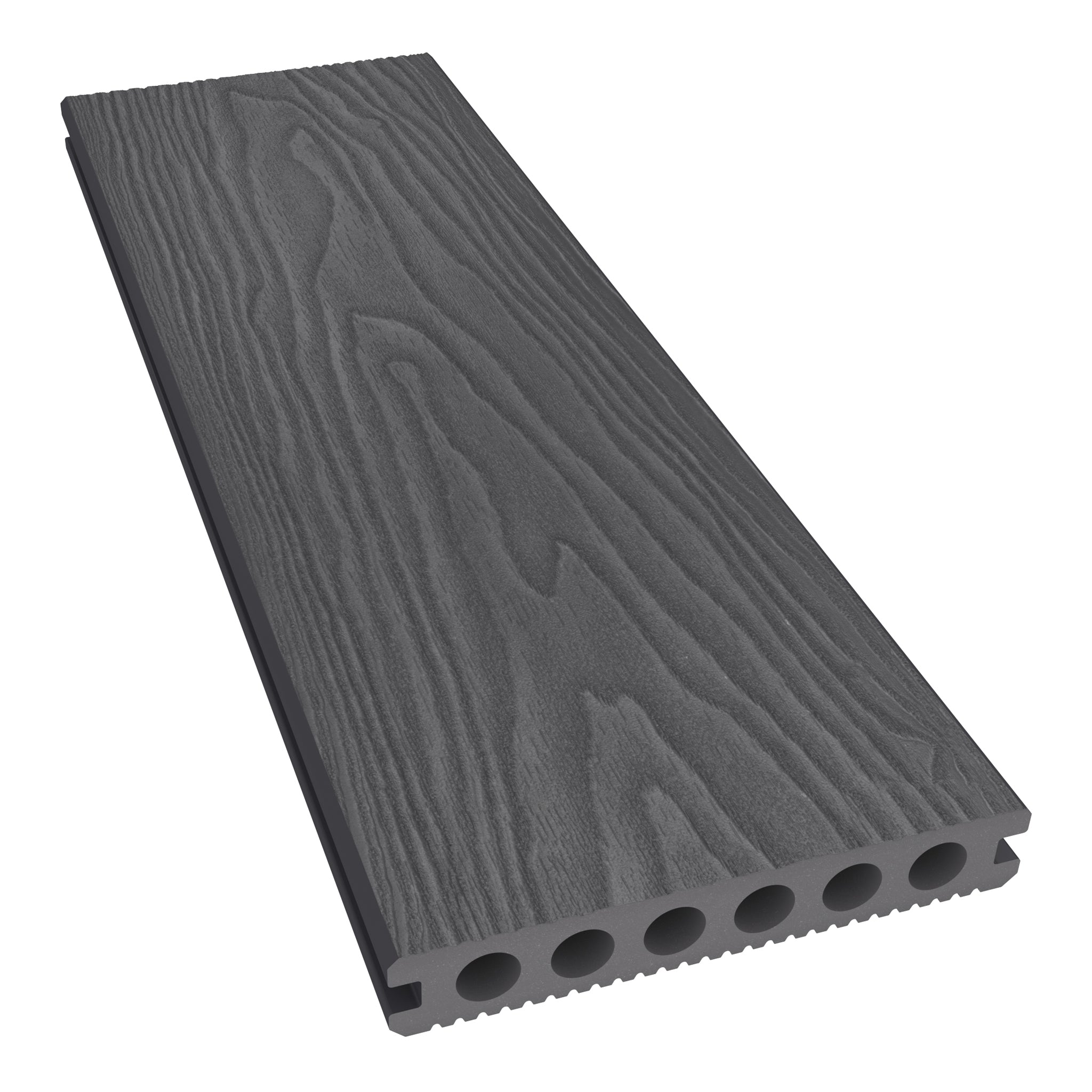
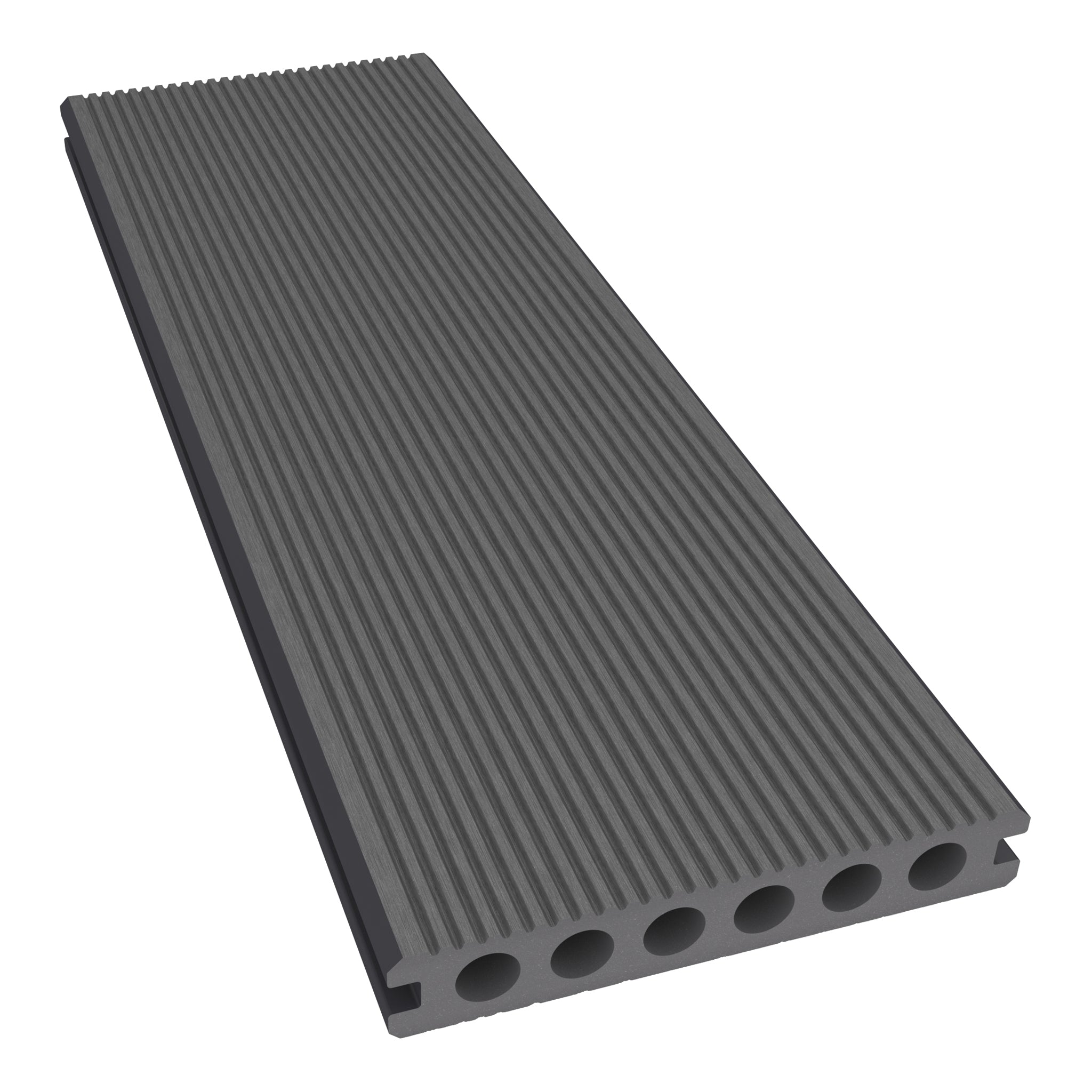
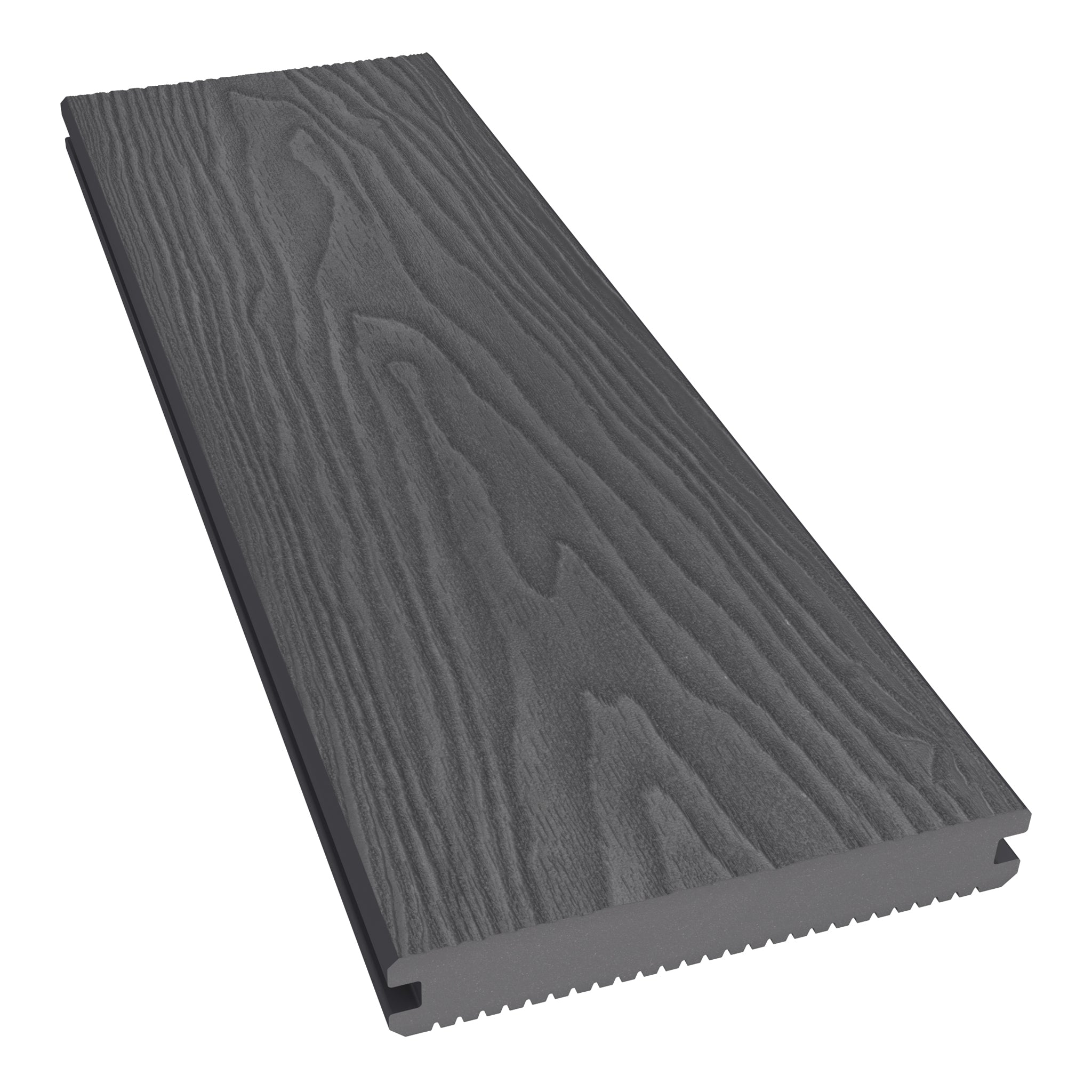
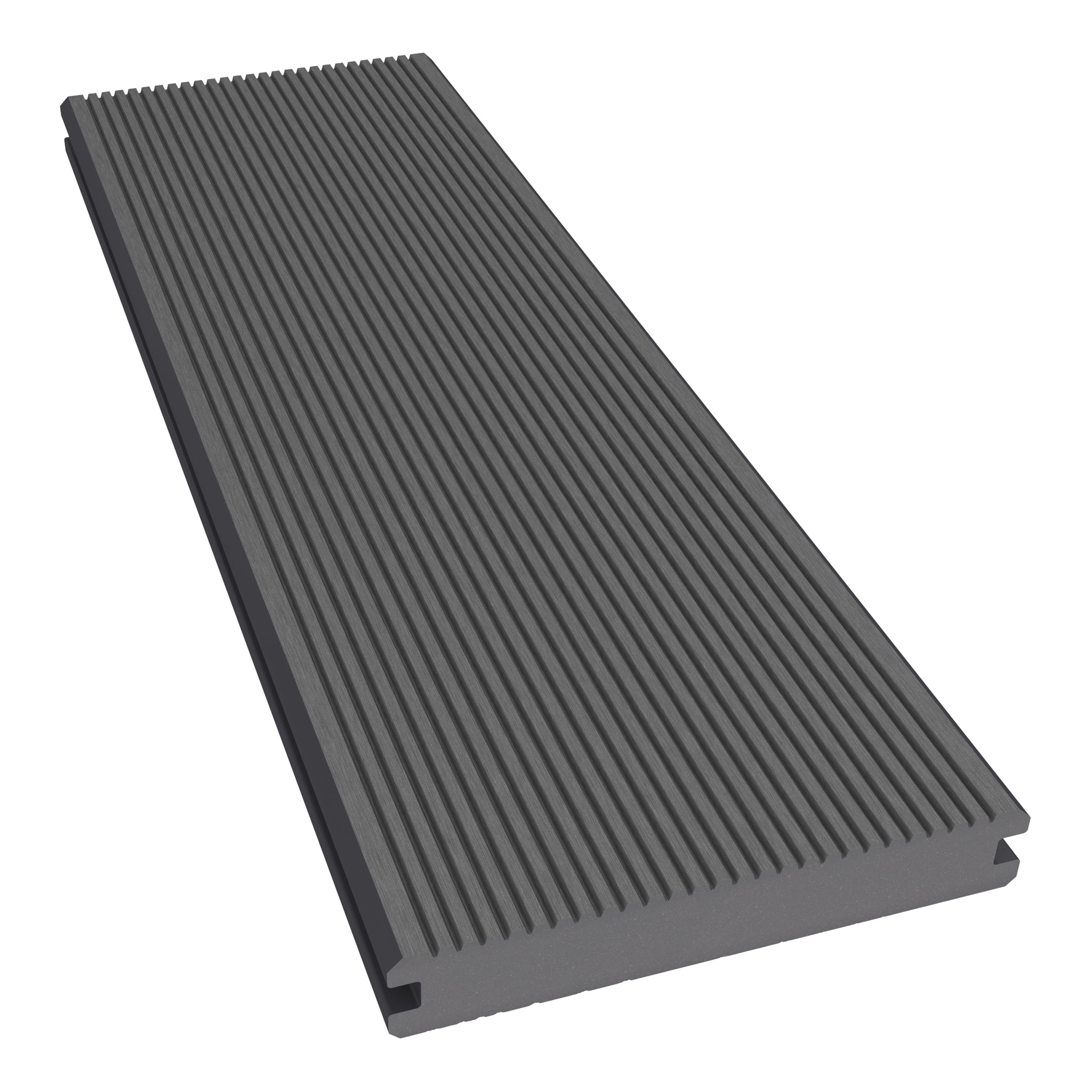
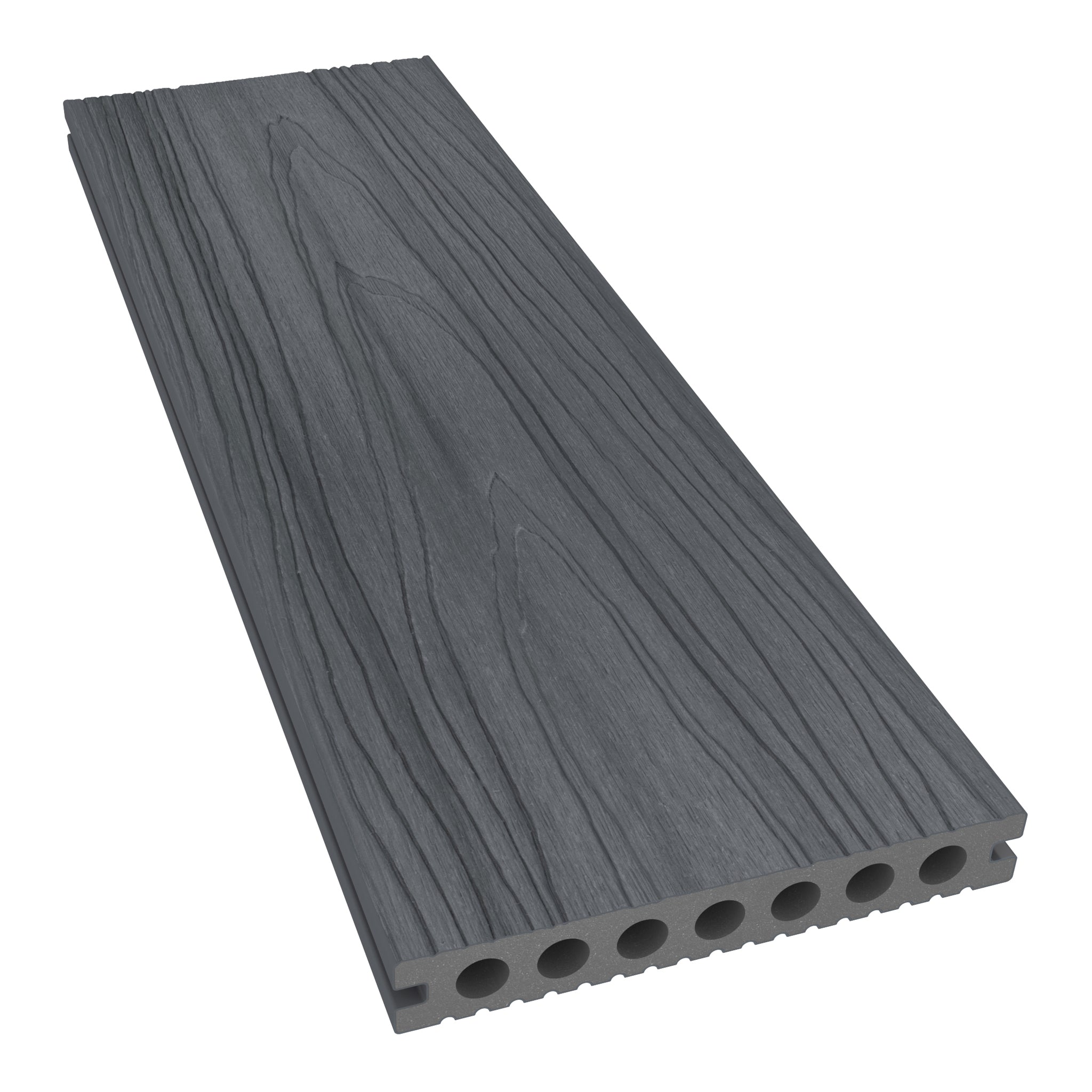
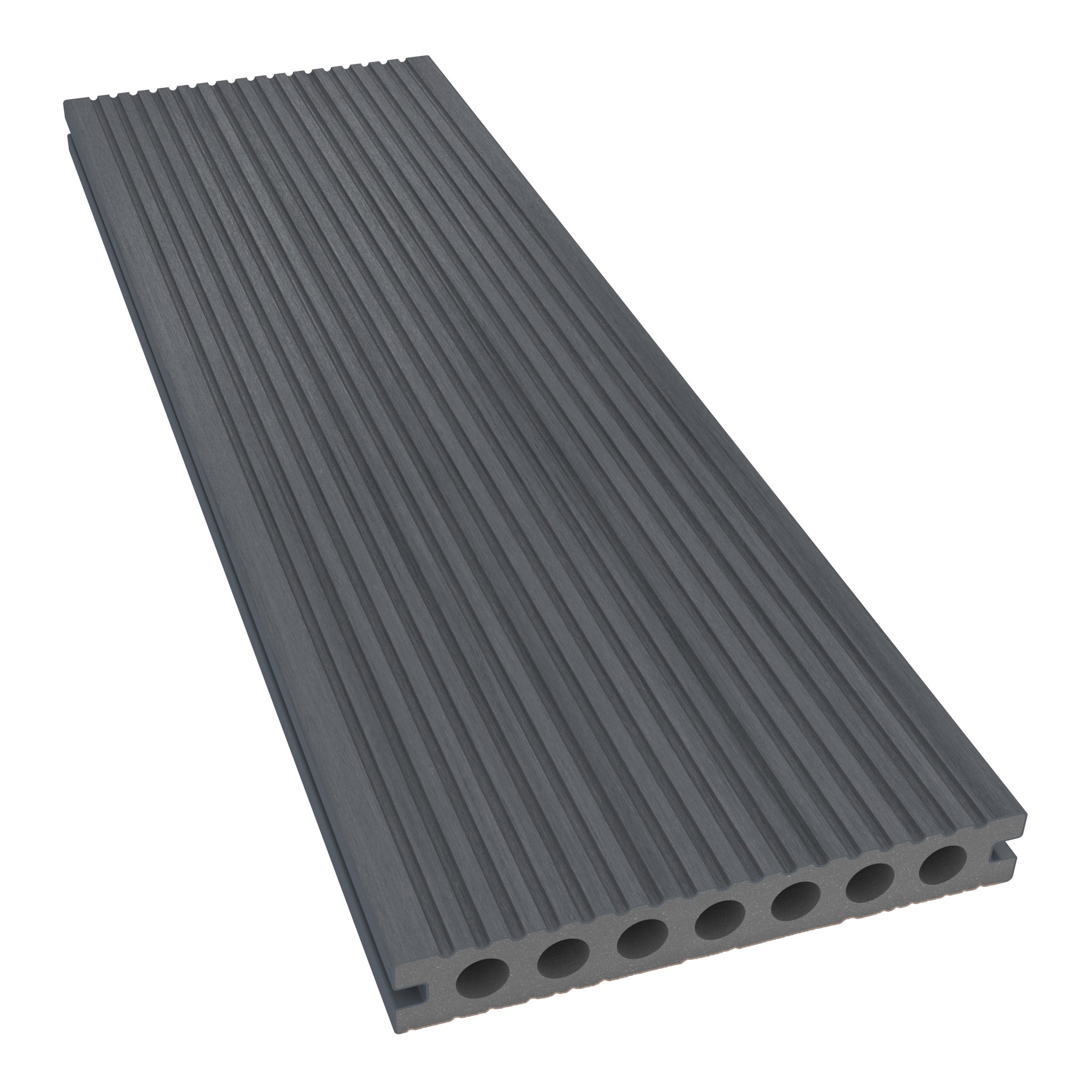
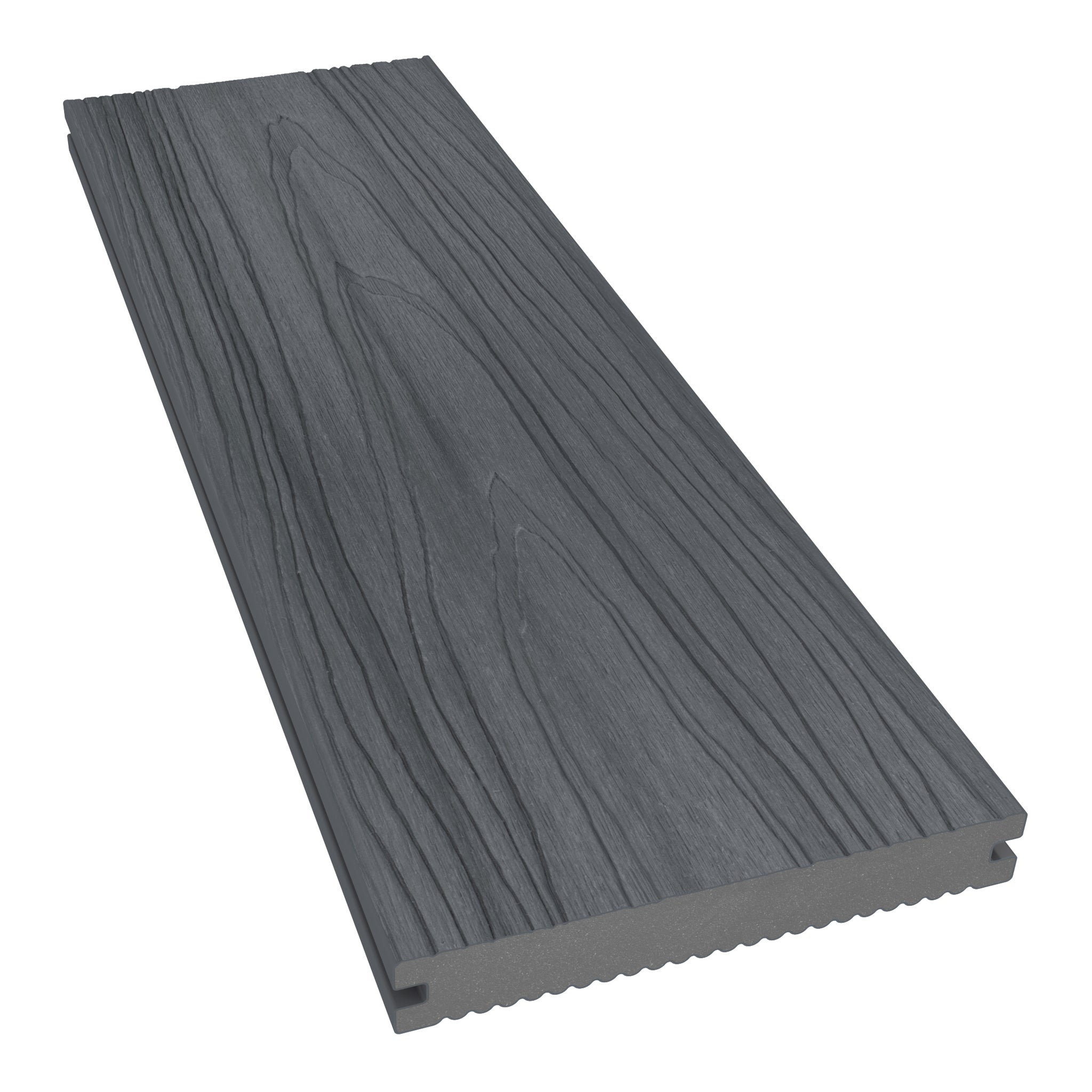
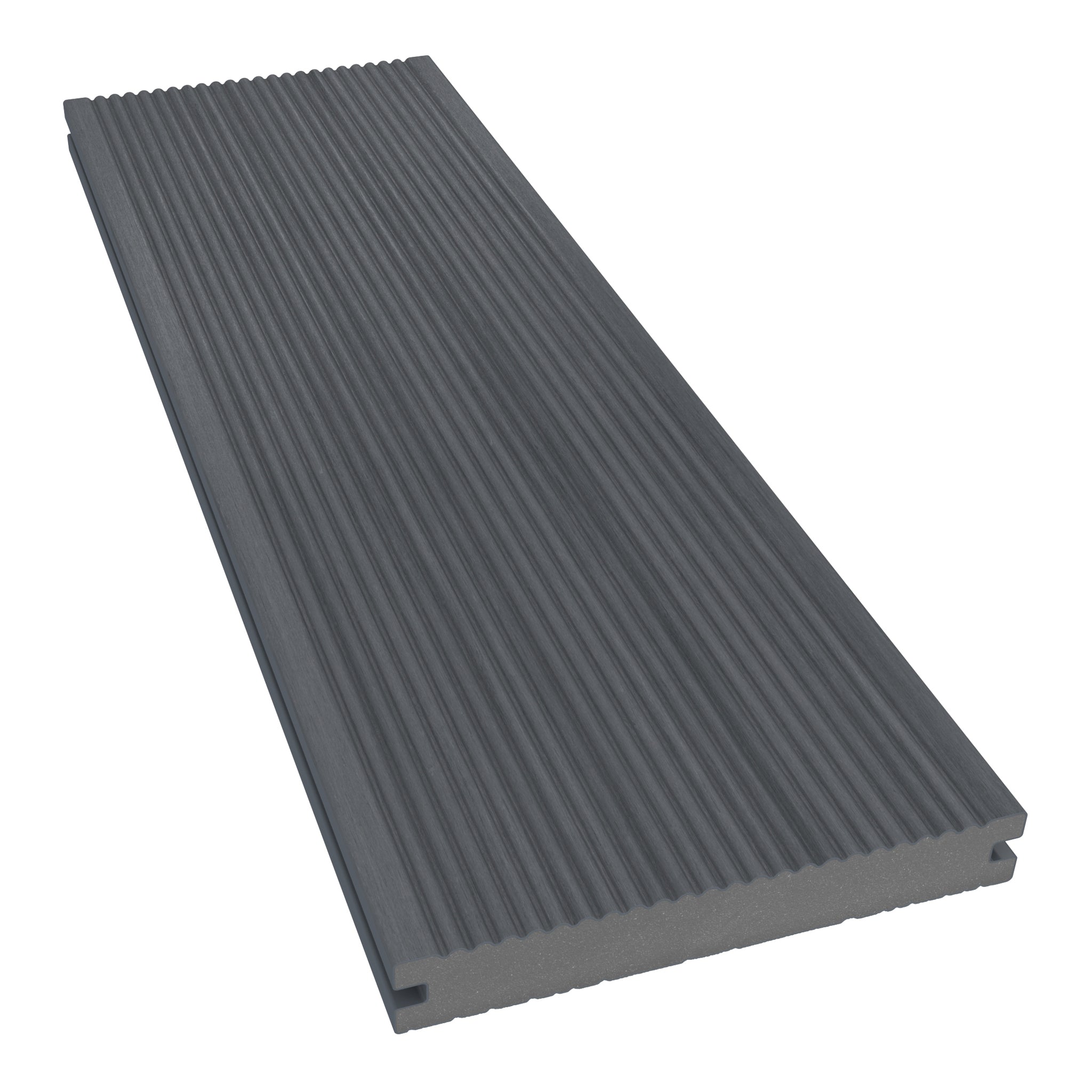
If you choose composite decking, you avoid routine staining or oiling to maintain a decorative timber finish. Cleaning and inspection remain necessary. Follow the selected board’s installation guidance for supports, movement gaps, ventilation and drainage.

2. Use Fewer, Well-Planned Containers
A small number of generous containers can simplify a display, but pots are not automatically less work than borders. They need watering, feeding and occasional repotting, and can dry out quickly in exposed locations.
Group containers with similar watering needs near a convenient water source. Check drainage and the filled weight before placing large pots on decking. Leave access beneath and around them for cleaning.

3. Improve Routes Before Adding More Features
Awkward access can turn routine tasks into hard work. Plan comfortable routes between the house, seating, storage and planting. Keep surfaces clear and choose details that suit the people using the garden.
Do not assume levelling or terracing a slope is a minor job. Retaining structures, drainage and changes in level may need professional design. Raised beds can improve reach when their height, width and access are planned for the user.

4. Simplify the Lawn You Want to Keep
Reducing lawn area is one option, but a simple shape with accessible edges may be enough. Avoid narrow strips that are awkward to mow and decide where a more relaxed cutting routine would suit the garden.
Artificial turf is not a maintenance-free replacement: it still needs cleaning and care. Consider how each option fits your use and the site rather than replacing every planted area with a manufactured surface.

5. Use Mulch to Reduce Bare Soil
Mulch can help suppress weeds and conserve soil moisture. Organic materials break down and need replenishing, so this is a way to reduce recurring work rather than eliminate it.
Clear existing weeds before applying an appropriate mulch, and keep it away from plant stems. Do not assume a weed membrane is necessary beneath every organic mulch. Follow the RHS guidance on mulching for suitable materials and application.

6. Keep Edges Clear and Manageable
A defined boundary between gravel, lawn and beds can reduce the spread of loose materials and make mowing or tidying easier. Use a simple arrangement rather than adding decorative edges that create more corners to maintain.
Choose edging suitable for the location and install it securely. Keep walking surfaces clear of raised trip points, and leave room to reach drains and maintain nearby planting. Gravel still needs debris removal and occasional weeding.

7. Choose Furniture for Its Care Requirements
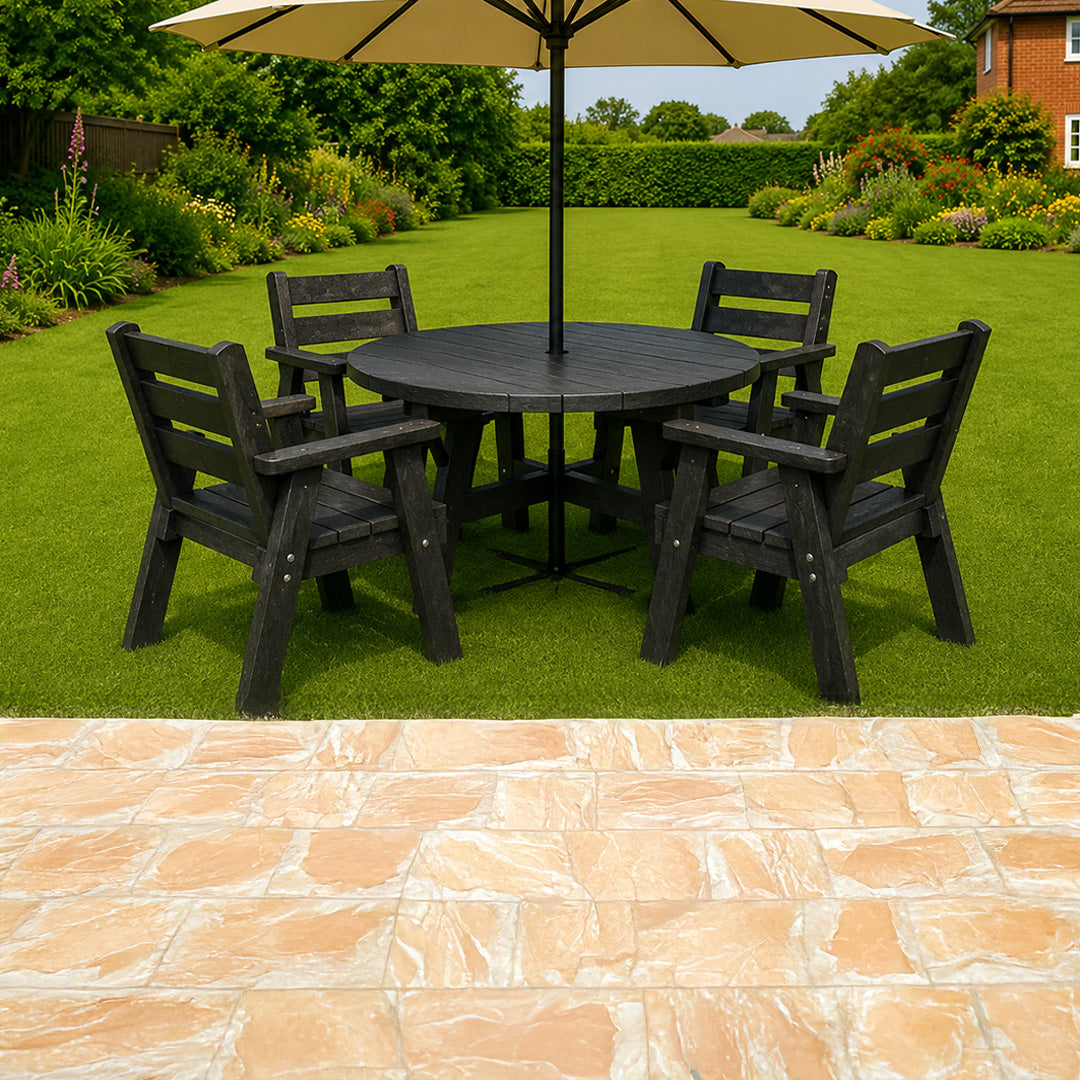
Compare outdoor furniture by the material, construction, repair options and manufacturer’s instructions. Broad claims that every timber set needs annual painting or every woven set has a short life are not a useful buying guide.
Look for manageable cushions, accessible surfaces and a place to store items when needed. Covers also need care. Lift furniture across decking rather than dragging it, and use suitable feet to protect the surface.

8. Choose Plants That Fit Their Site
Match plants to the light, soil, moisture and available space. Check mature height and spread so you are not committing to frequent pruning simply to keep a plant within its allocated position.
Repeat a manageable selection rather than collecting many plants with different care needs. Allow time for watering and establishment after planting. Use the RHS low-maintenance gardening guide to explore approaches that suit your conditions.

9. Be Selective With Decorative Features
Every feature adds something to the maintenance list. Artificial plants avoid watering but still need cleaning, secure positioning and eventual replacement; they do not offer the same living habitat as real planting.
Use decorative pieces where they serve a clear purpose. Keep the number manageable, choose outdoor-suitable materials and leave space to clean around them. A simple scheme can still have colour and character.

Plan the Care That Remains
A realistic routine helps preserve the benefit of the redesign. Make tools easy to reach, keep a route to the water supply and avoid storing heavy items where they need frequent moving.
Simple checks for an easier-care garden:
| Area | Ongoing tasks to allow for |
|---|---|
| Decking and paving | Clear debris, clean as required, inspect edges and keep drainage routes open. |
| Containers | Check moisture, feed appropriately and review root space as plants grow. |
| Beds and borders | Remove emerging weeds, replenish mulch and carry out necessary seasonal pruning. |
| Furniture and features | Clean, inspect and store or protect according to the manufacturer’s instructions. |
Use our composite decking maintenance guide if you choose boards for the seating area. Low upkeep still includes cleaning and inspection; it does not guarantee an unchanged appearance indefinitely.
Make Changes in a Practical Order
Start with access, drainage and any structural work. Then plan the main seating surface, planting and storage before buying decorative accessories. This avoids investing in features that later need moving.
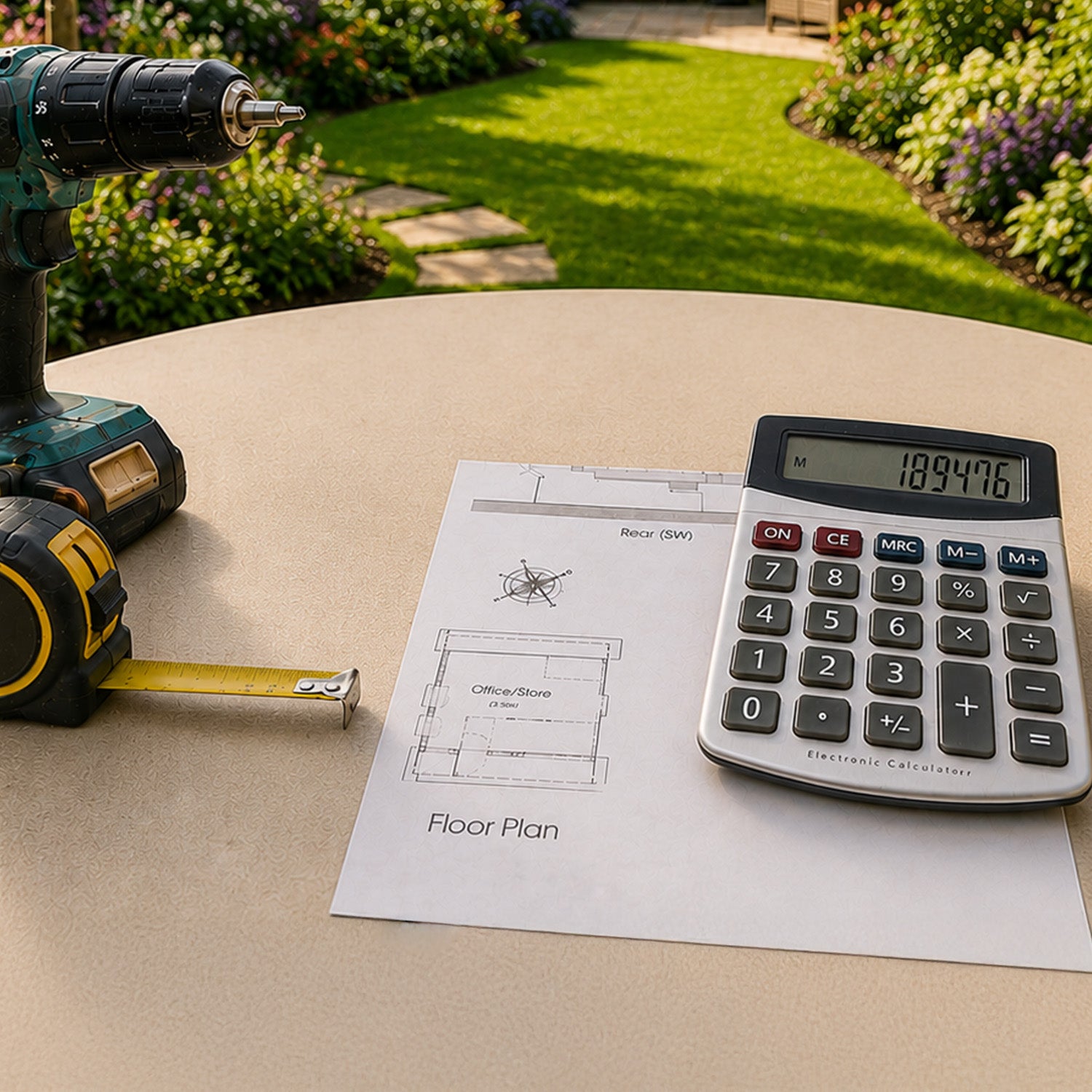
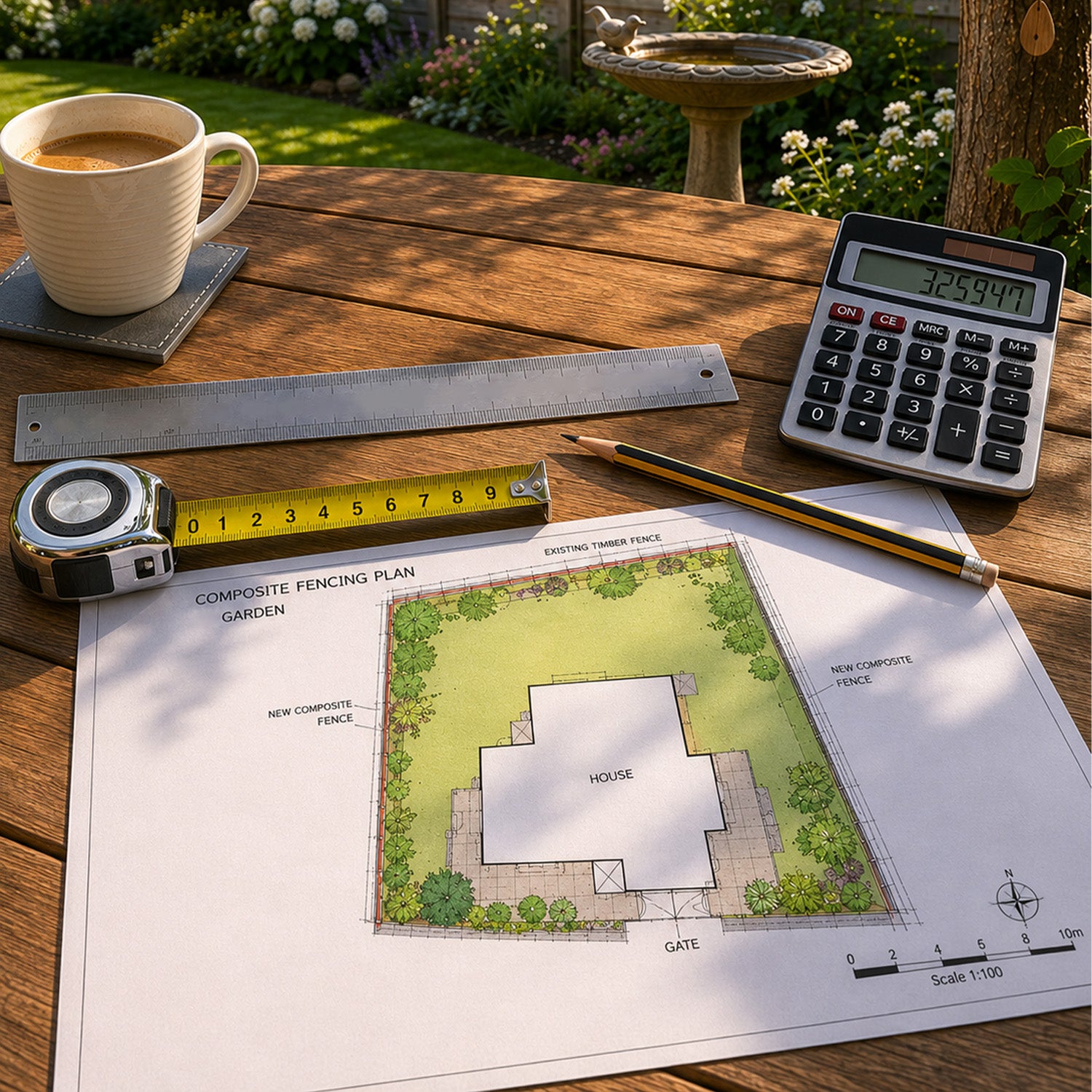
You do not have to rebuild the whole garden. Reducing a difficult lawn edge, regrouping pots or clearing a maintenance route can be useful first steps. For a new deck, our decking calculator provides a starting materials estimate; compare the complete project cost before ordering.
Low Maintenance Garden FAQs
What is the easiest way to reduce garden work?
Identify the task that takes the most effort and redesign that part first. The answer may be simpler mowing, fewer containers or improved access rather than removing all planting.
Are large pots easier than borders?
Not always. Pots can make a display easier to organise, but they still need watering, feeding and occasional repotting. Compare the actual care requirements.
Does mulch stop every weed?
No. It can suppress weeds and conserve moisture, but weeds may still appear and organic mulch needs replenishing.
Is composite decking maintenance-free?
No. NeoTimber® boards avoid routine staining or oiling to maintain a decorative timber finish, but still need cleaning, debris removal and inspection.
Do I need to remove my lawn?
No. A simpler shape, easier edges or a more relaxed mowing routine may reduce the work while retaining grass where you want it.
How can I compare decking finishes?
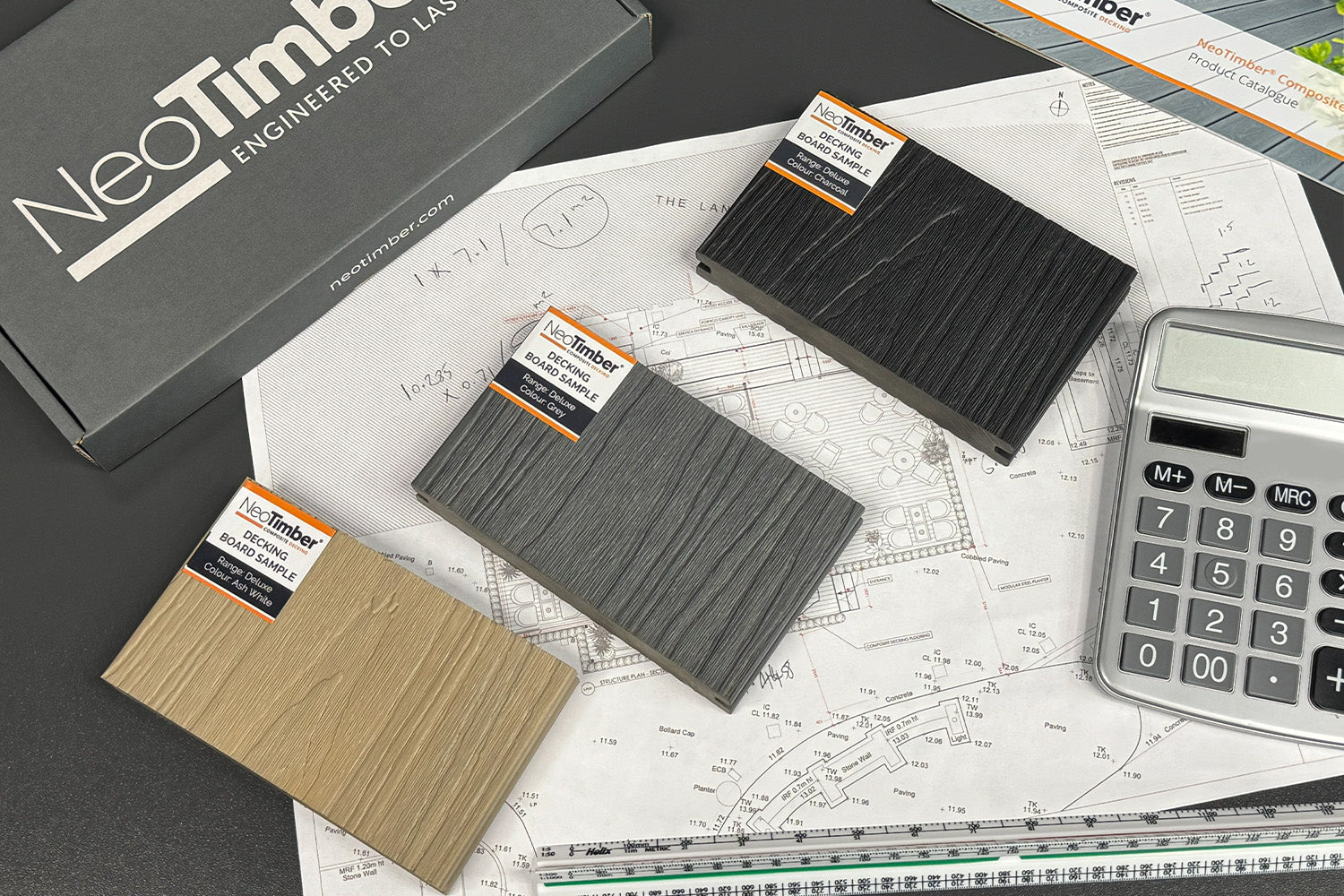
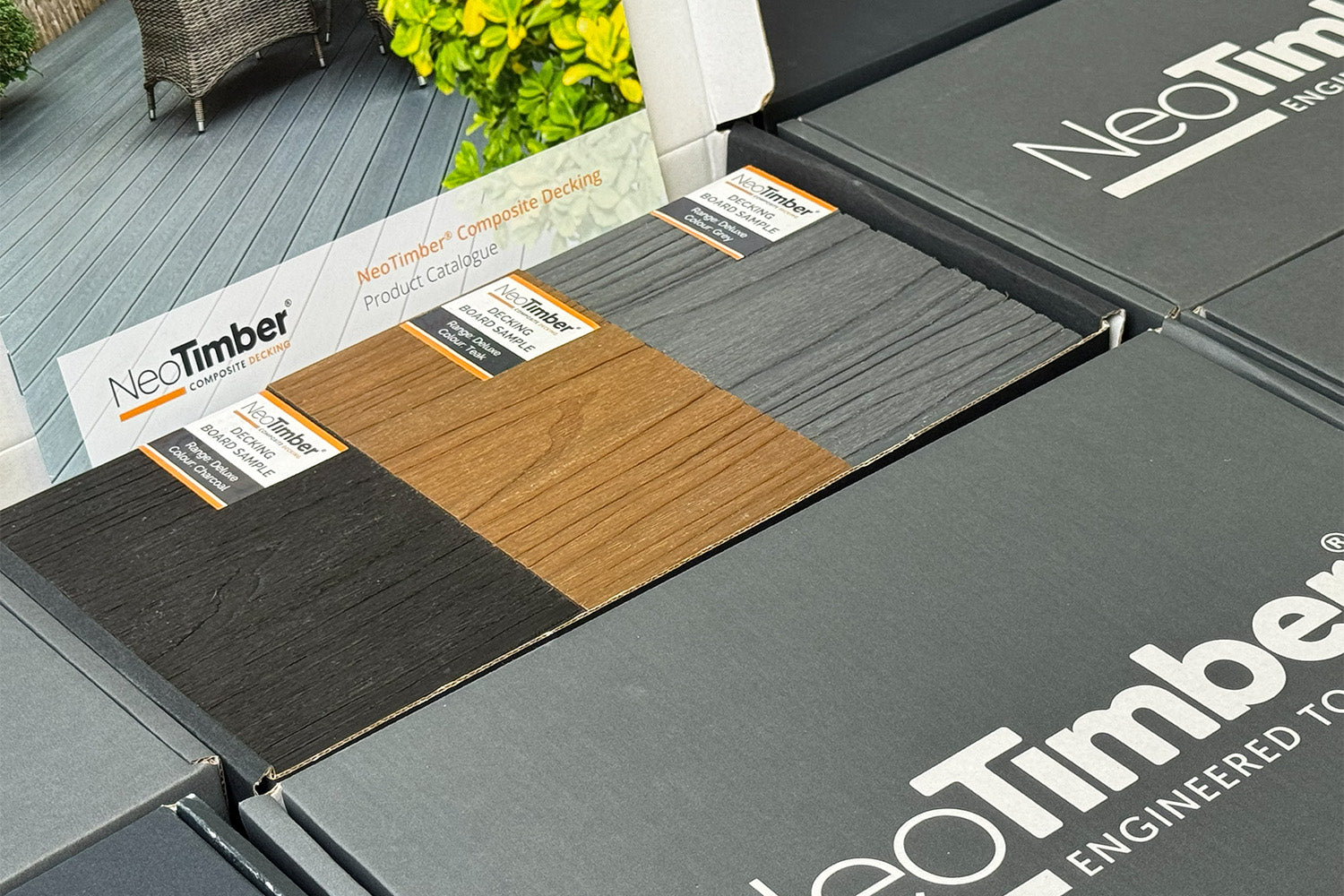
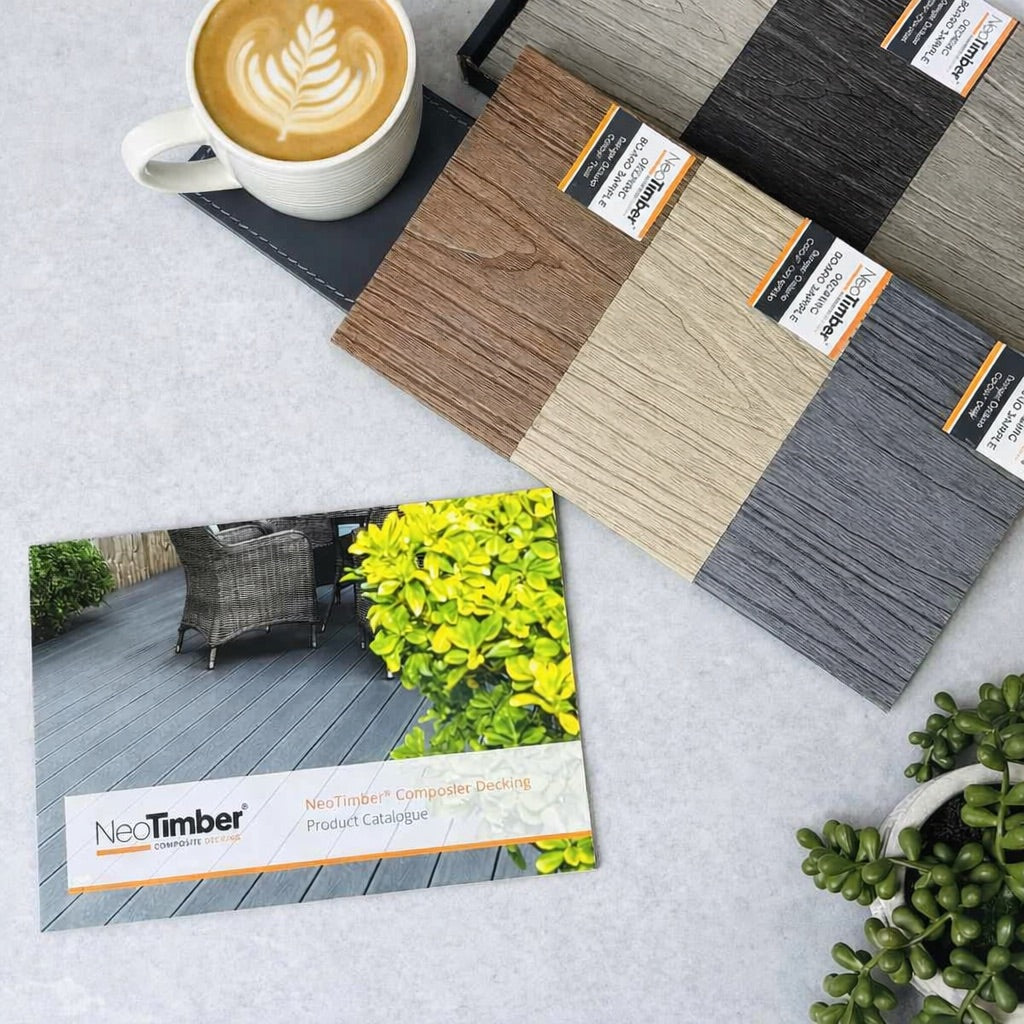
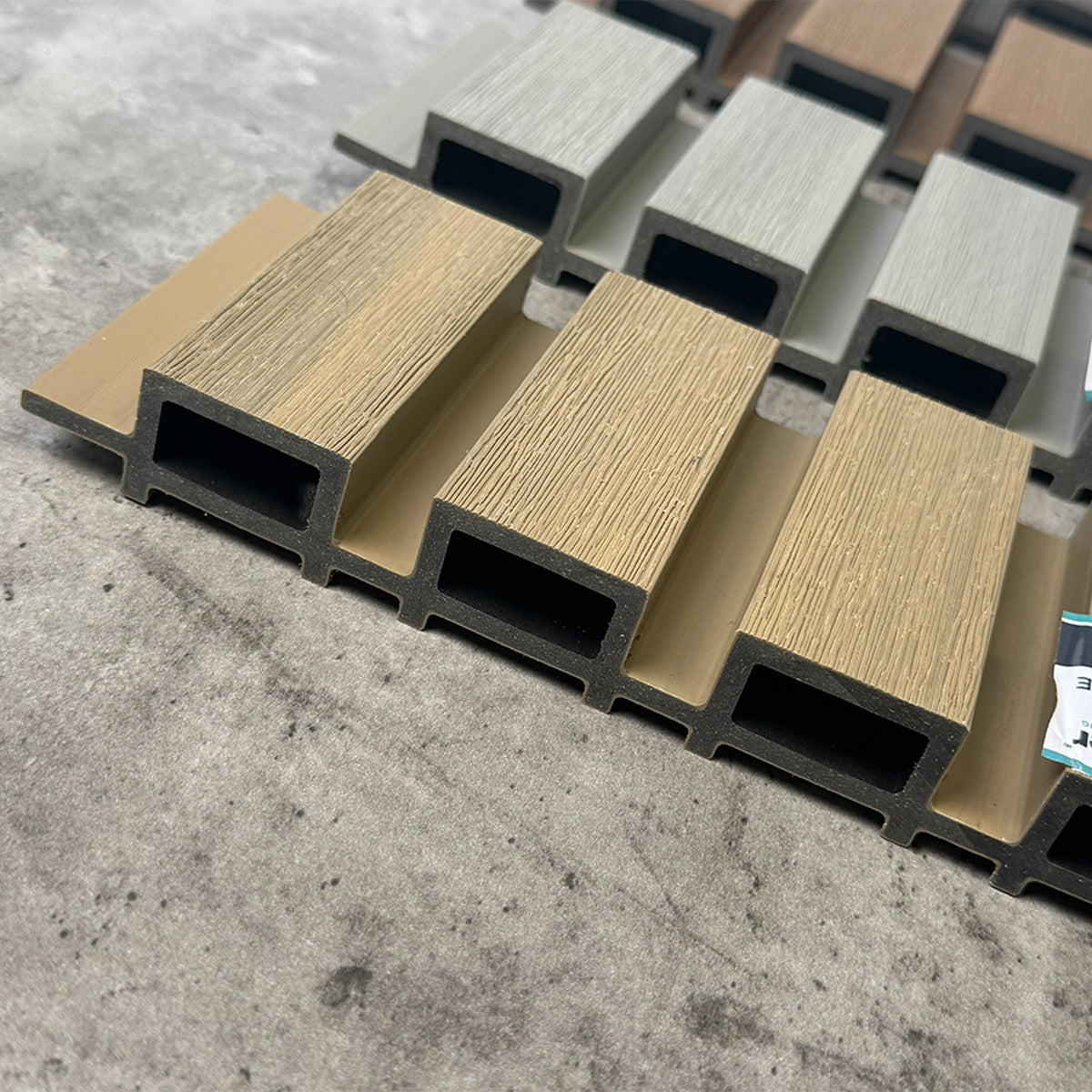
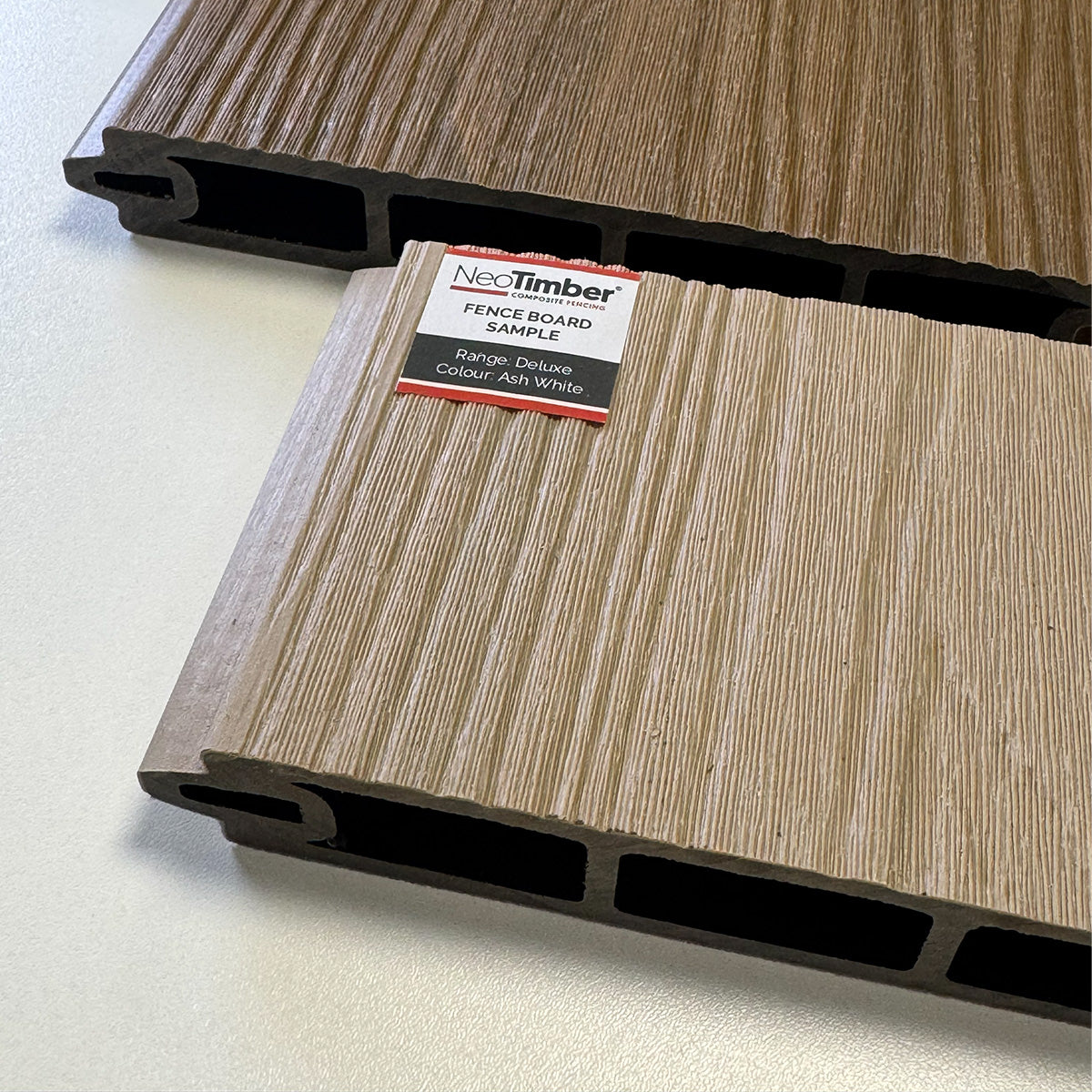
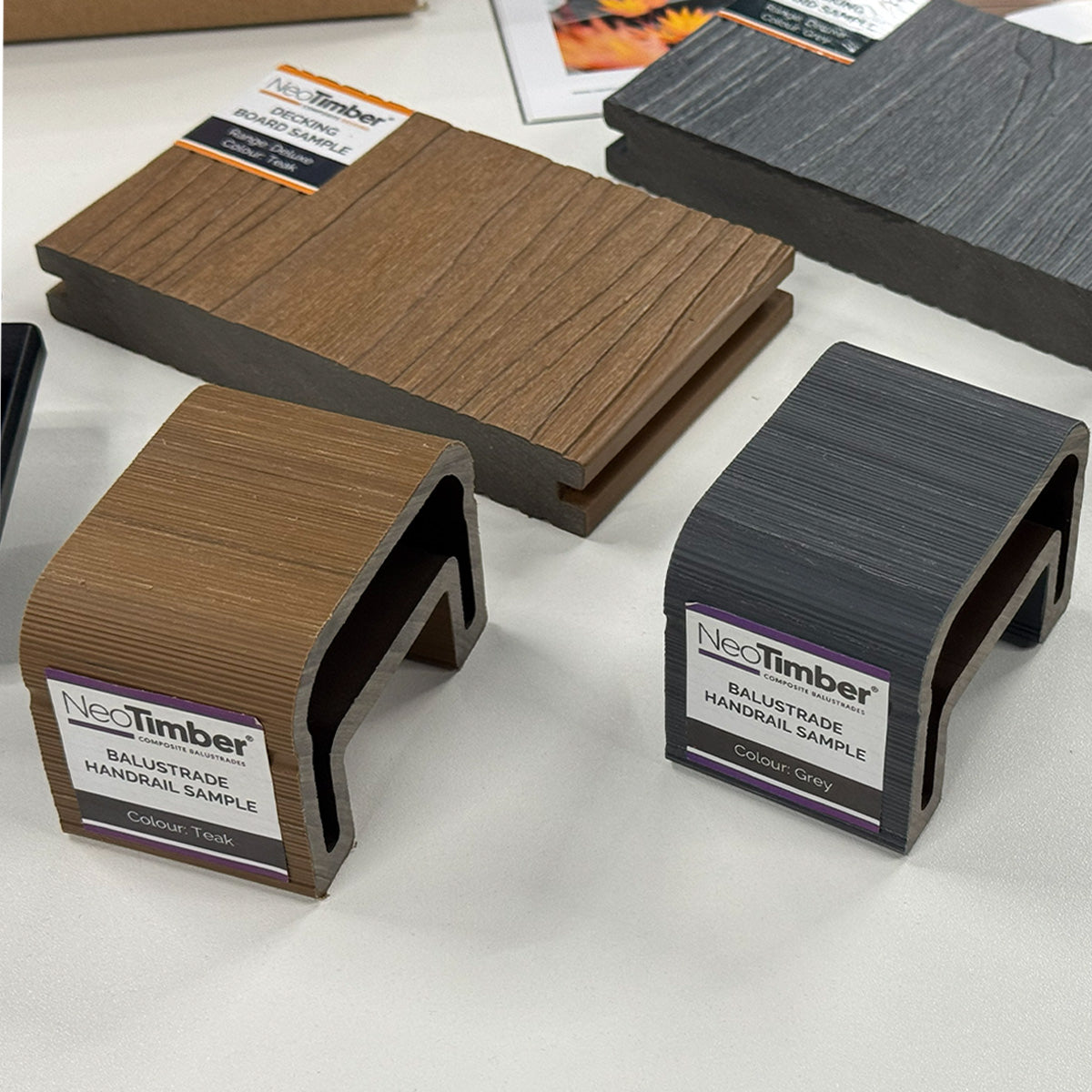
Request free composite decking samples and assess colours and textures outdoors. Check the selected range’s specification and care guidance alongside its appearance.
Build a Garden Around the Time You Want to Spend Outside
A successful low maintenance garden keeps the features you value and reduces unnecessary work around them. Start with a clear plan, make manageable changes and leave room to care for what remains. Contact the NeoTimber® team if you would like help comparing decking options for your outdoor space.