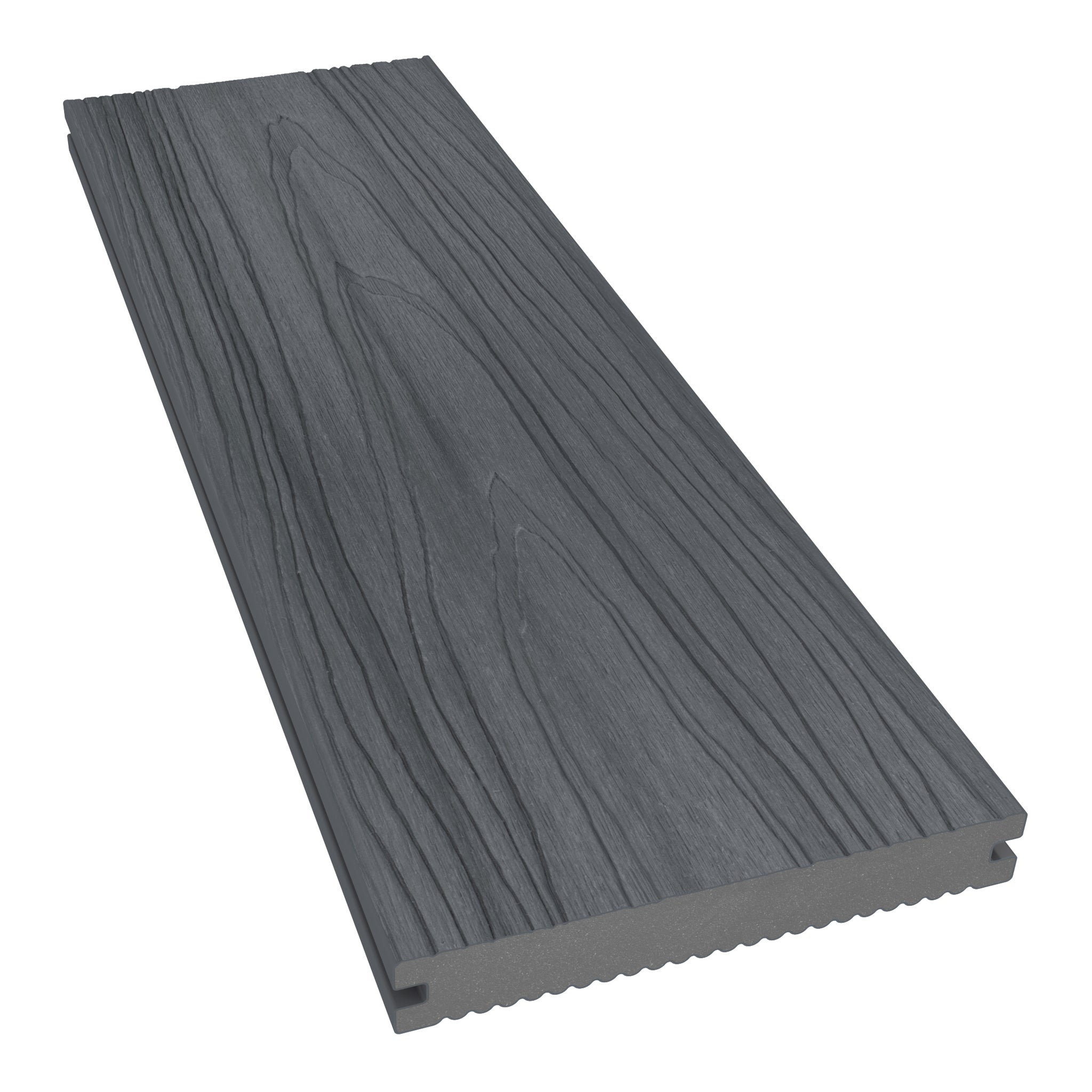
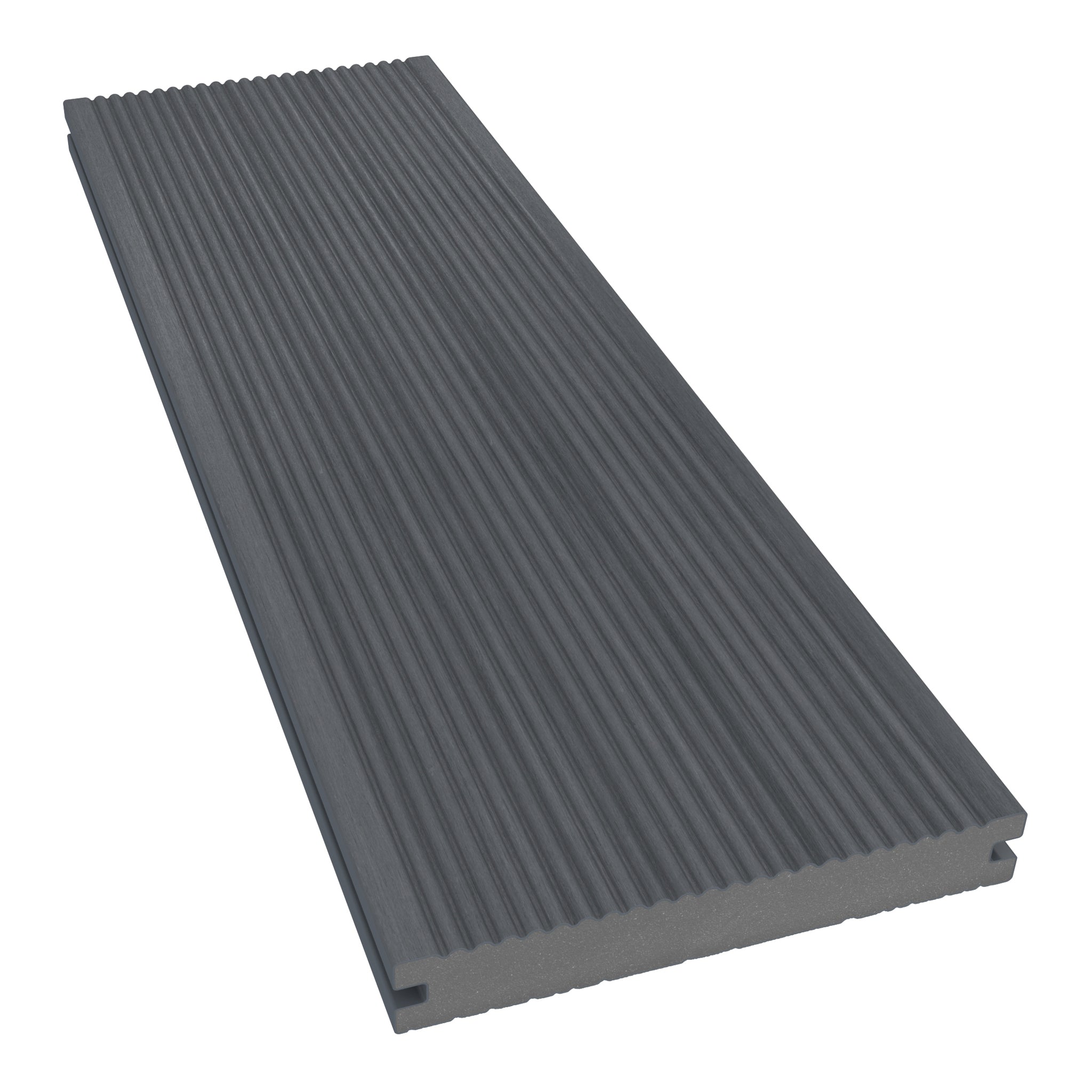
Build a Durable Outdoor Space With the Right Solid Deck Boards
Solid composite decking combines a filled board profile with a timber-inspired appearance. It is an option for homeowners and commercial buyers who want a robust outdoor surface without the routine staining or oiling needed to maintain many timber finishes.
Choosing durable decking means considering more than the amount of material inside a board. Surface protection, suitable support, correct fixings and ongoing care all contribute to the performance of the finished deck.
This guide explains what solid construction offers and how to compare NeoTimber’s Classic Solid and Deluxe Solid options. Explore our general decking guidance, or browse our composite decking collection alongside the advice below.
In this guide: Solid construction · Durability · Board comparison · Applications · Installation · Care and warranty · FAQs
What Is Solid Composite Decking?
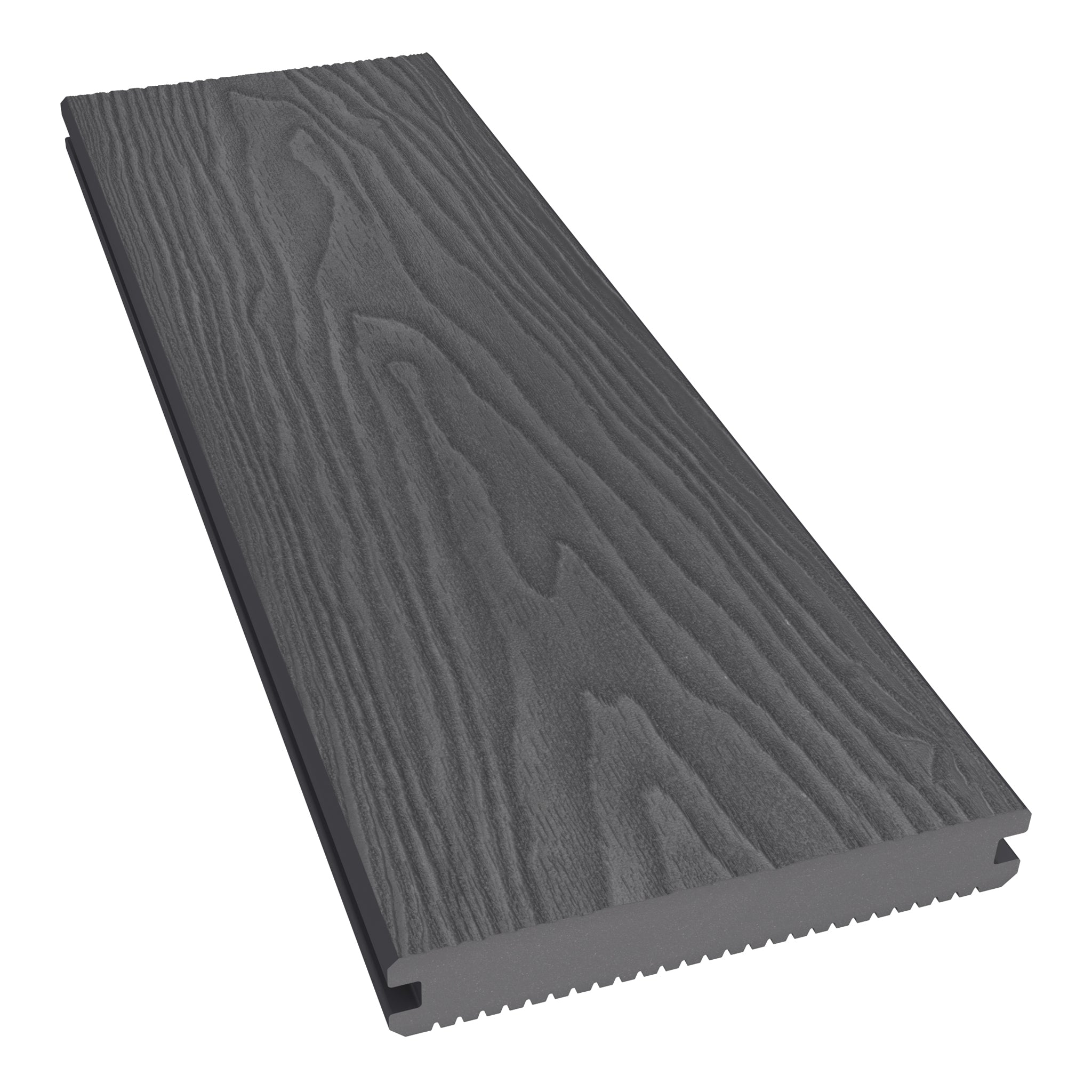
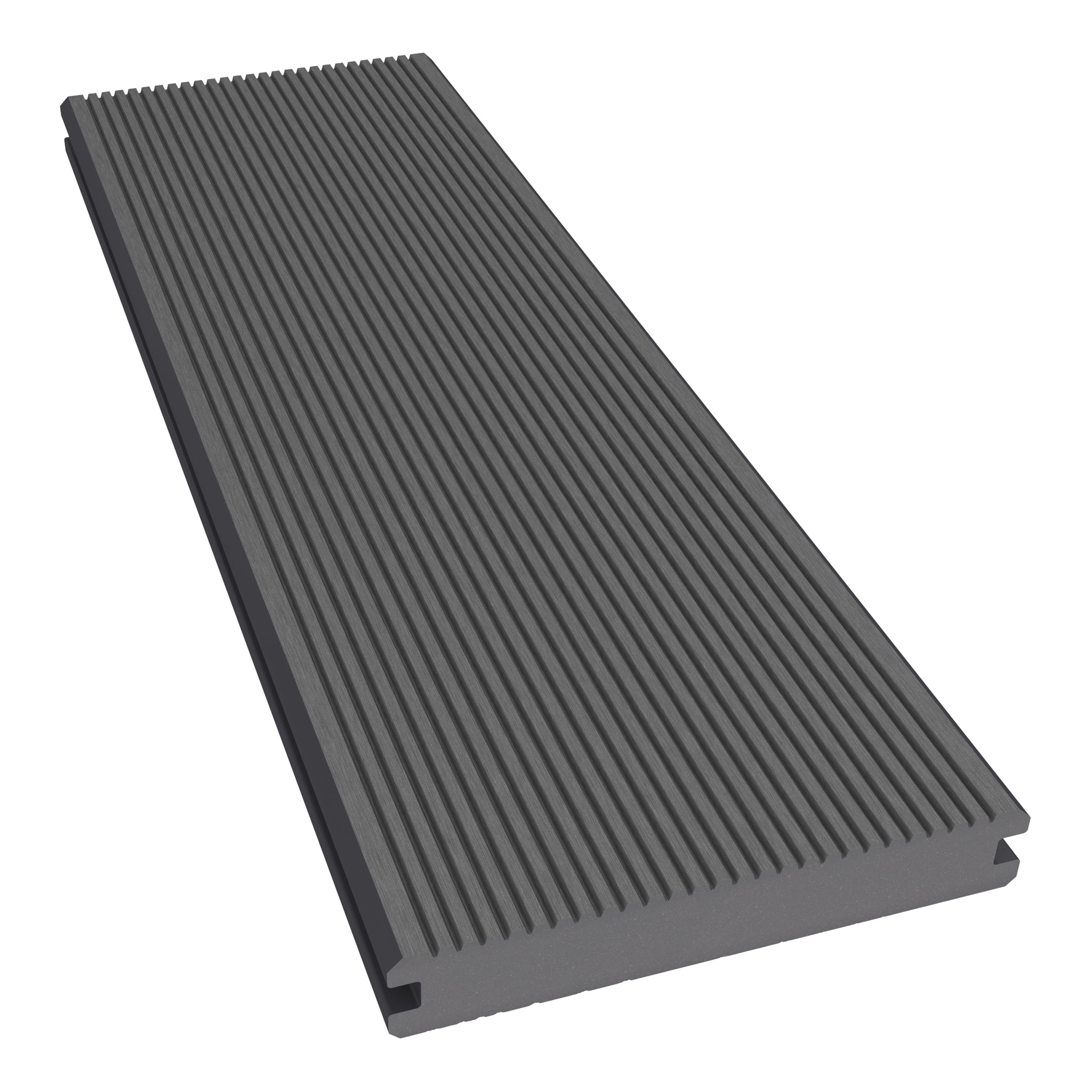
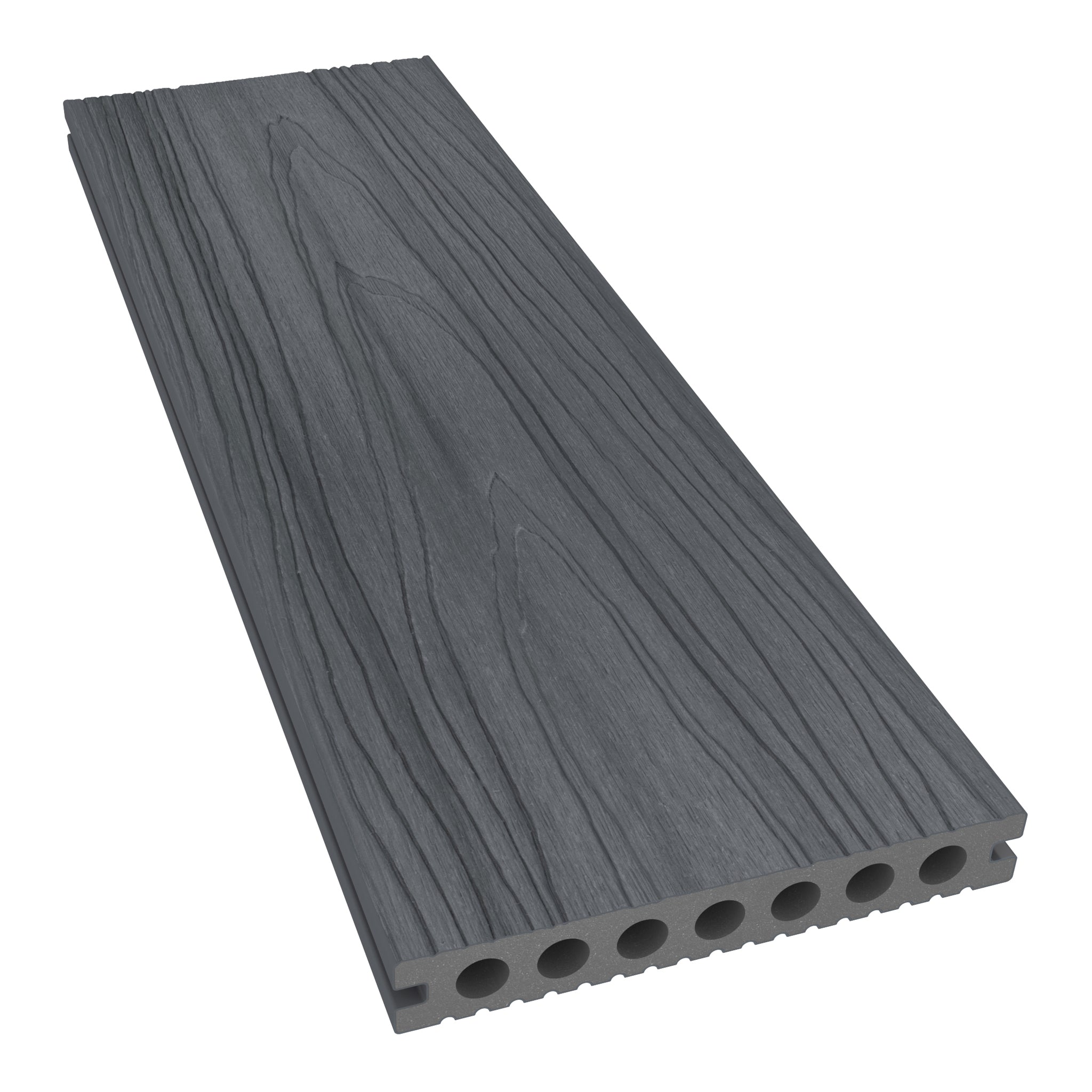
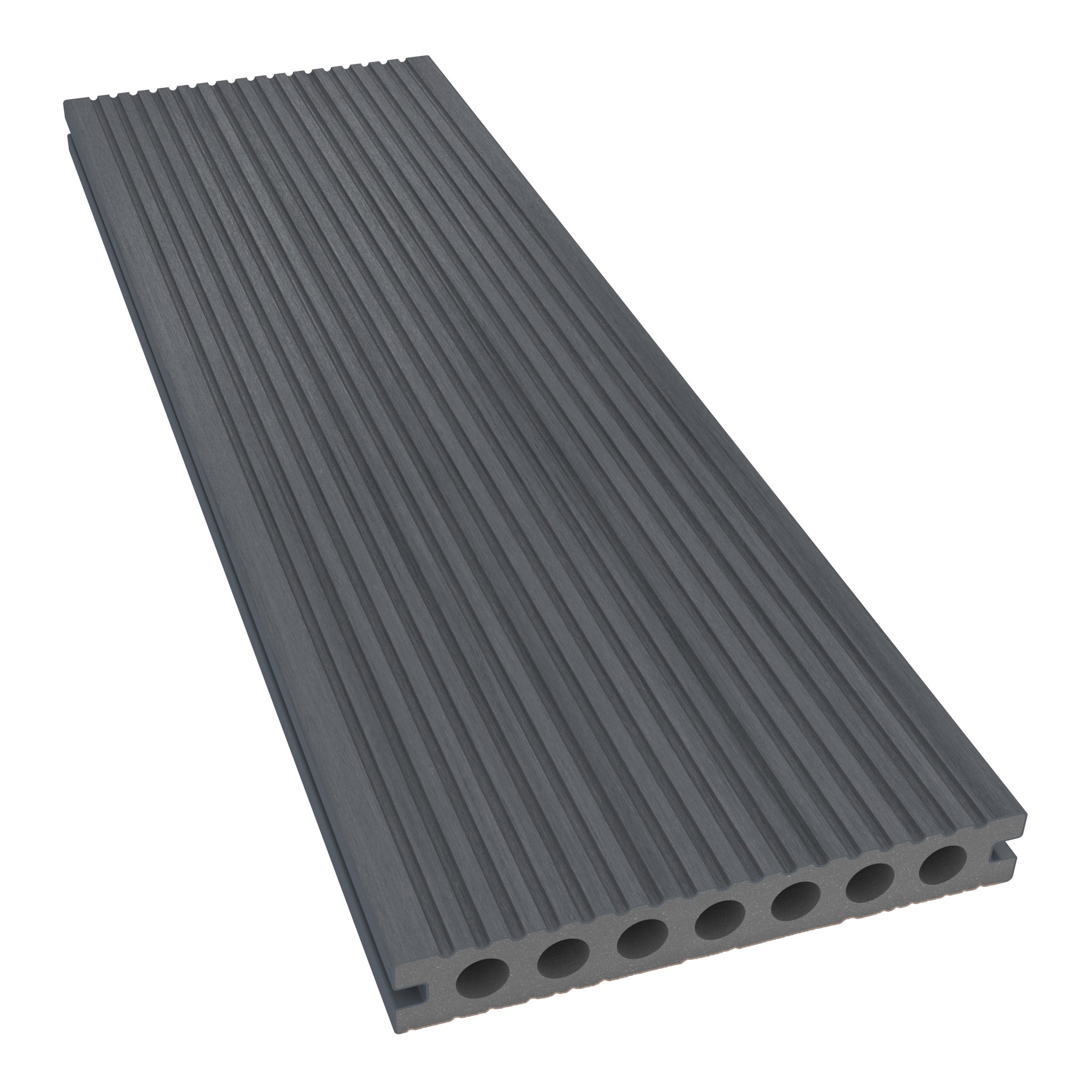
Solid describes the board’s cross-section: it has a filled core rather than the internal chambers of a hollow profile. The material combines wood fibres, polymers and additives, giving it different properties from a solid timber plank.
A solid board can still have surface grooves and fixing channels. “Solid” does not mean a completely featureless shape. It also does not mean “capped”: the core profile and the outer surface construction are separate specifications.
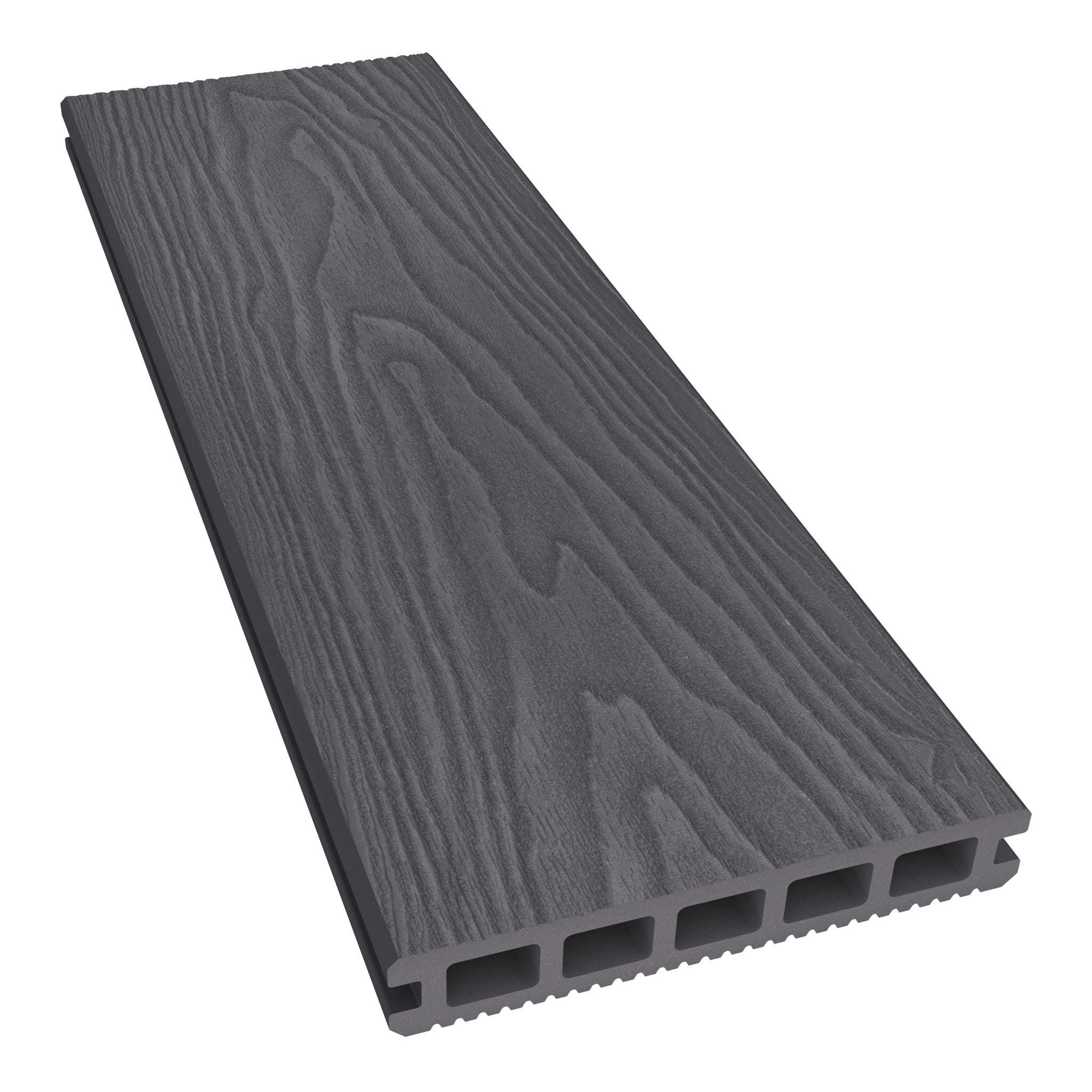
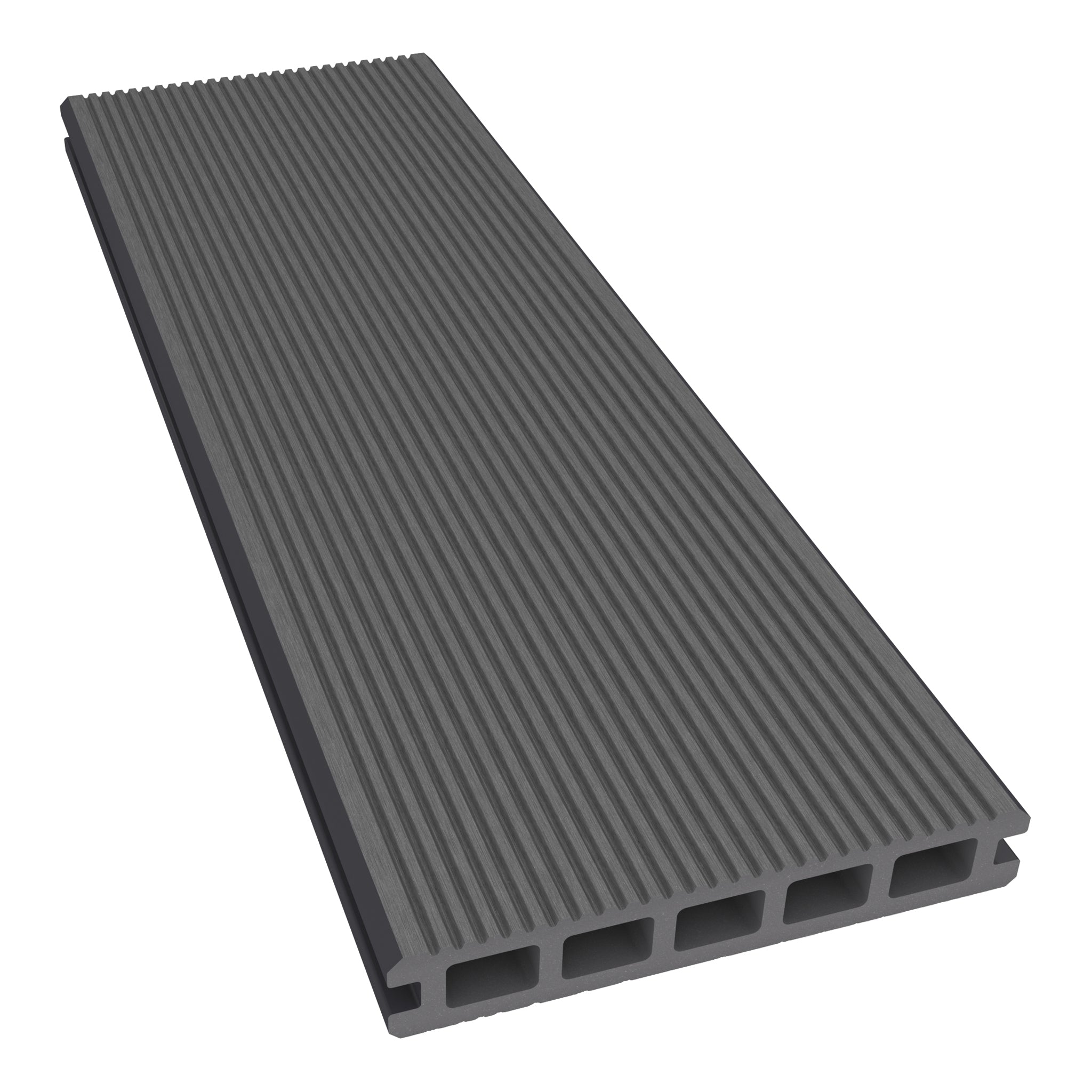
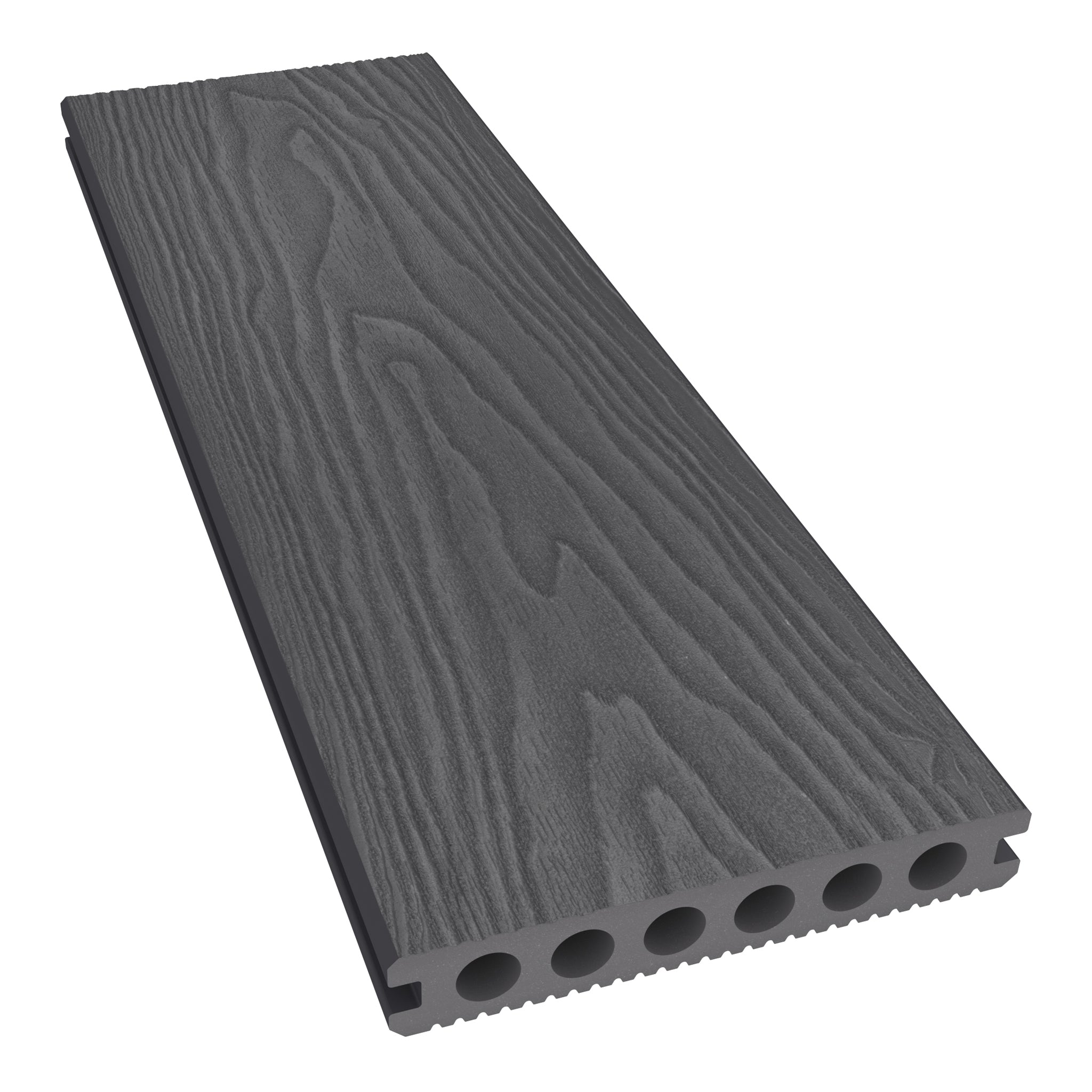
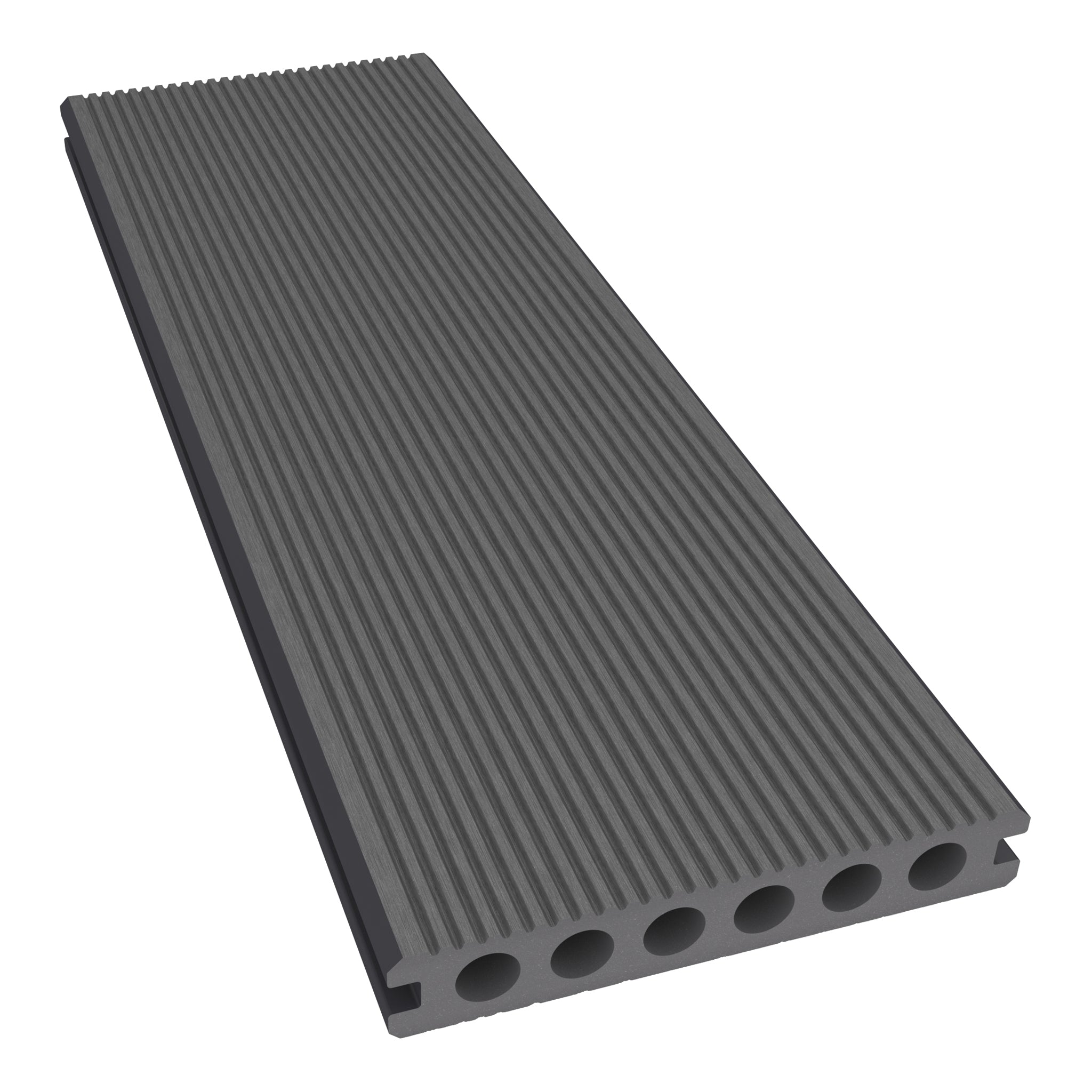
NeoTimber® offers uncapped Classic Solid boards and capped Deluxe Solid boards. Both have solid profiles, while their surface protection and finish options differ. Our hollow vs solid comparison provides more context for choosing between profiles.
What Makes Decking Durable?
Durability is the ability to keep performing in its intended conditions. For a deck, that includes the boards, frame, connections and base. A strong board cannot correct an unstable foundation or a joint without adequate support.
- Board specification: compare the profile and technical requirements for the application.
- Surface performance: consider stain resistance, weathering and everyday wear.
- Supporting structure: establish suitable joist centres, support spans and connections.
- Installation details: allow movement, ventilation and drainage as specified.
- Care: remove debris, clean appropriately and investigate defects promptly.
Density or weight alone cannot establish load capacity. Ask for relevant product information and have the complete structure assessed where loading or site conditions require it.

Classic Solid vs Deluxe Solid: Which Board Suits You?
The clearest choice is between the finish and surface protection you want, alongside each product’s installation requirements. Compare the named boards rather than assuming every product within a colour collection has the same construction.
NeoTimber® solid board options:
| Feature | Classic Solid | Deluxe Solid |
|---|---|---|
| Construction | Solid, uncapped composite. | Solid composite with a protective capped surface. |
| Dimensions | 145 × 24 × 3,600mm. | 143 × 21.5 × 3,600mm. |
| Board faces | Woodgrain and grooved finishes. | Woodgrain and grooved finishes. |
| Surface choice | An exposed composite finish with its own weathering and care requirements. | Additional surface protection designed for enhanced fade and stain resistance. |
| Decision to make | Compare the finish, specification and complete project price. | Consider whether the additional surface protection suits your intended use. |
Visit the Classic Solid product page and Deluxe Solid product page for current colours and specifications. The two boards have different dimensions, so do not assume they can be mixed within one level surface without a suitable design.
Capping can simplify the management of spills, but it does not make a board scratch-proof, stain-proof or immune to colour change. Both options still need cleaning and appropriate installation.
Gardens, Busy Seating Areas and Commercial Projects
Garden Dining and Everyday Outdoor Use
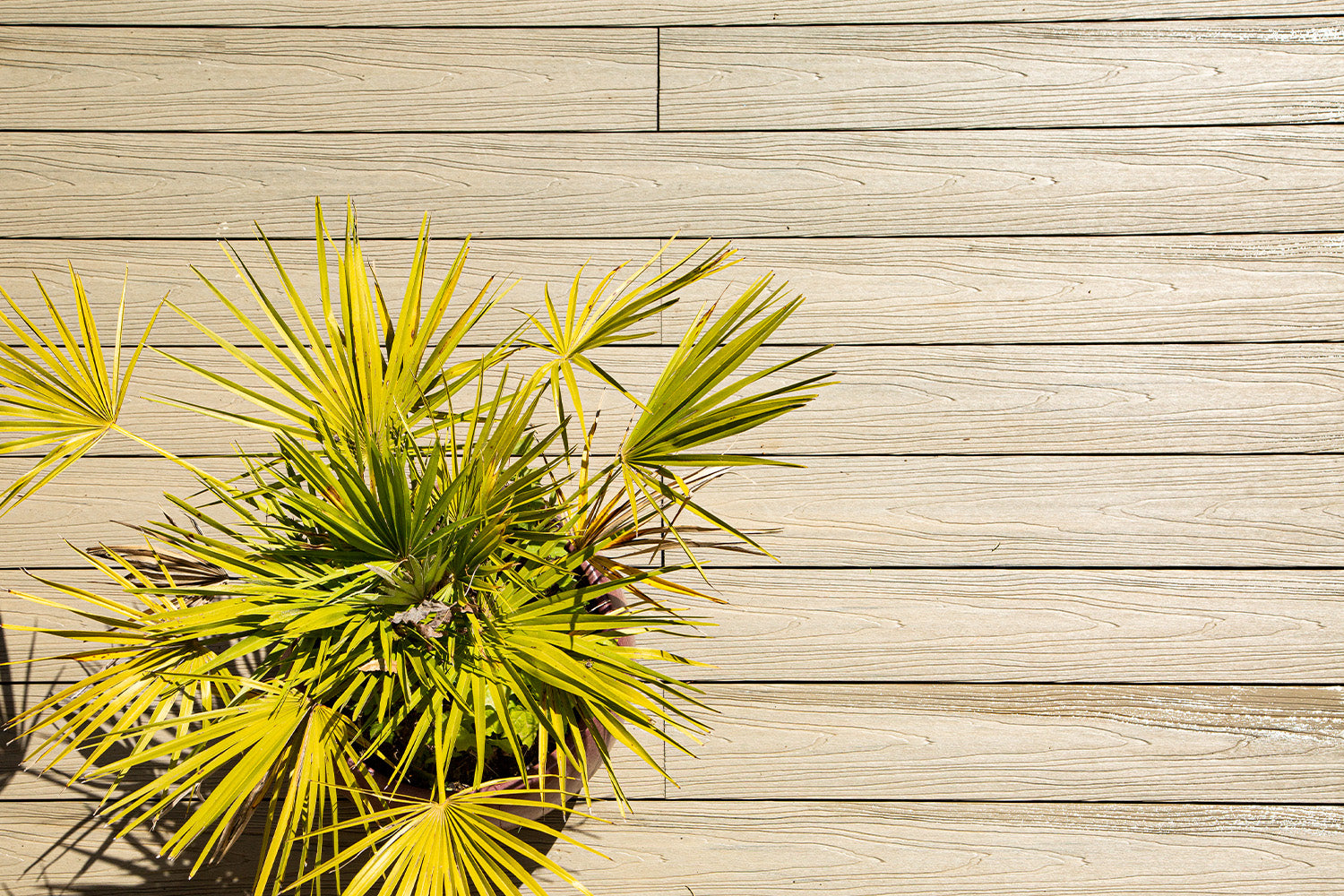
A solid profile may be part of a specification for a dining deck, seating area or garden-room entrance. Plan furniture positions and circulation routes before choosing the layout. Compare samples beside your paving and walls, and think about cleaning access as well as colour.
Commercial and Higher-Footfall Areas
For restaurants, offices and other shared spaces, assess occupancy, concentrated loads, wear, cleaning arrangements and access requirements. Discuss the application with the supplier and installer before ordering. A board suitable for one commercial terrace is not automatically suitable for every commercial setting.
Our commercial decking guide is a starting point for these decisions. Include relevant slip-resistance evidence in the specification; grooves or a woodgrain texture alone do not guarantee safe footing in wet conditions.

Heavy Features, Balconies and Roof Terraces
A filled hot tub, large planter or heavy item of equipment can impose substantial loads. Solid boards alone do not establish that the deck can support them. Assess the entire load path through the frame, connections and foundations, with specialist advice where needed.
Balconies and roof terraces also introduce structural, fire, drainage, waterproofing and wind considerations. The photographs illustrate applications and design ideas; they do not approve composite materials for every elevated project. Confirm suitability before specifying the boards.
Install the Boards as Part of a Complete System
Follow the selected range’s installation instructions for joist spacing, movement gaps, fixing positions and supported joints. Solid construction does not remove the need for those details.
Choose frame materials for their intended structural role. A low-profile composite joist designed to sit on a solid base must not be used as a beam spanning between supports. Similarly, moisture resistance does not make a component appropriate for every flood-prone site.
Map borders, steps and board joints before constructing the frame. These features may need additional supports or different fixing details. Read our decking frame guide and use compatible clips and screws for the chosen system.

Compare Value Across the Whole Installation
A board’s price is only one part of the budget. Include preparation, supports, fixings, trims, cutting allowance, delivery and labour. Compare quotations using the same dimensions, specification and finishing details.
Use our decking calculator for an initial materials estimate, then check the result against your layout. More material inside a board does not automatically mean better value for every application; focus on the features and performance you need.
Care and Warranty: Set Realistic Expectations
Routine care includes removing leaves and dirt, keeping gaps clear and washing using the range’s recommended method. Warm soapy water and a soft brush are useful for everyday cleaning, followed by thorough rinsing. Deal with spills promptly and check compatibility before using specialist treatments.
Inspect edges, fixings and changes in level periodically. Avoid dragging furniture and do not sand capped surfaces to repair marks. Our decking maintenance guide provides more advice.
Classic Solid and Deluxe Solid are listed with limited 25-year residential and 10-year commercial warranty periods, subject to the applicable conditions. Read the full warranty information for coverage and exclusions. These periods are not a guaranteed service life or a promise that the appearance will remain unchanged.
Solid Composite Decking FAQs
Is solid composite decking always stronger than hollow decking?
Compare specific boards using their technical information and intended use. Profile alone does not provide a universal ranking, and the supporting structure remains essential.
Does a solid board have surface grooves?
It can. Solid refers to the filled core, while grooves describe a surface or fixing detail. Classic Solid and Deluxe Solid offer grooved and woodgrain faces.
Is solid decking always capped?
No. Classic Solid is uncapped, while Deluxe Solid has additional surface protection. Profile and capping are separate choices.
Can it support a hot tub?
Do not decide from the board type alone. Assess the filled load and the capacity of the complete supporting structure before installation.
Does durable decking need maintenance?
Yes. Cleaning, debris removal and inspection help the deck perform as intended. Low maintenance does not mean no maintenance.
Can I compare samples before buying?
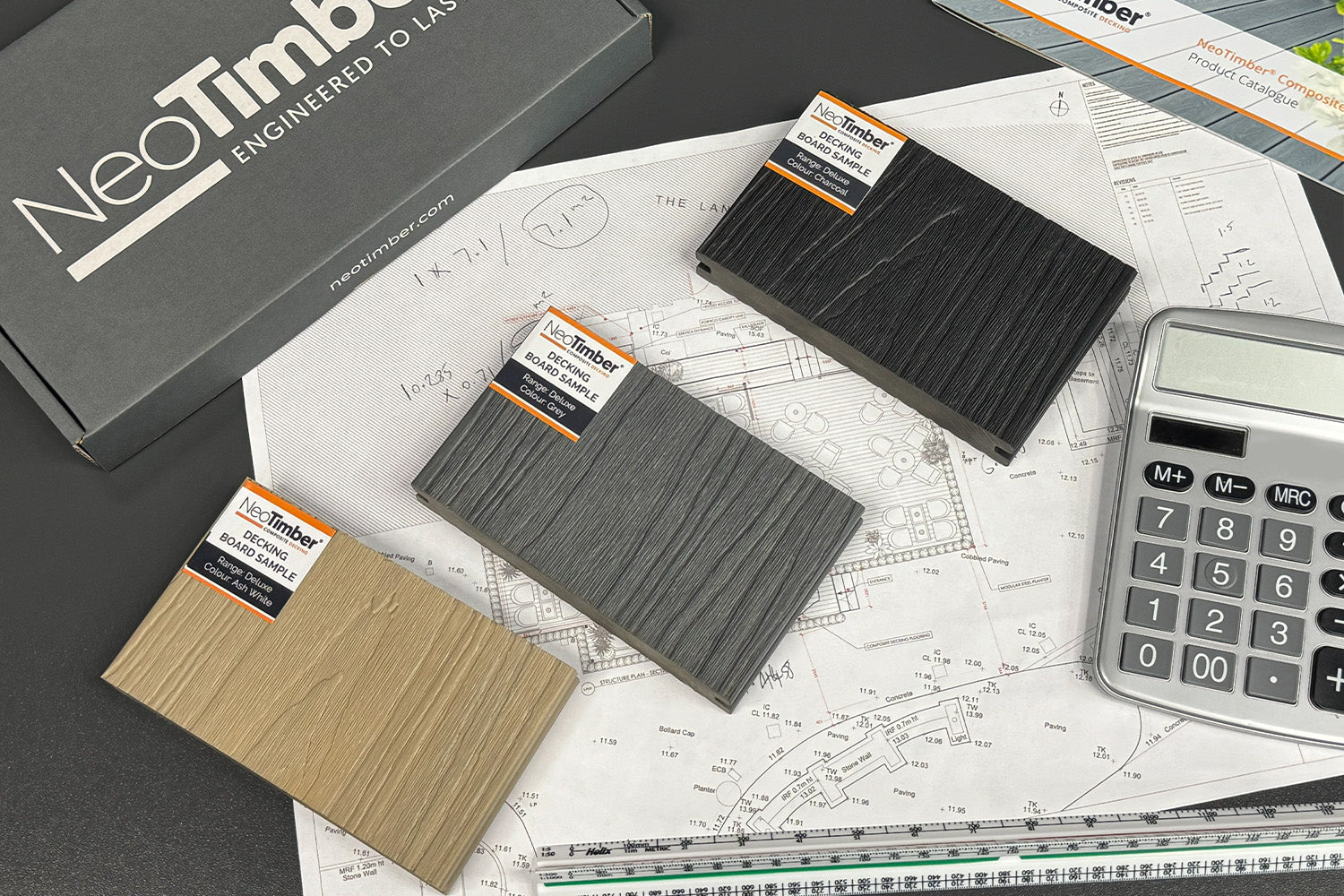
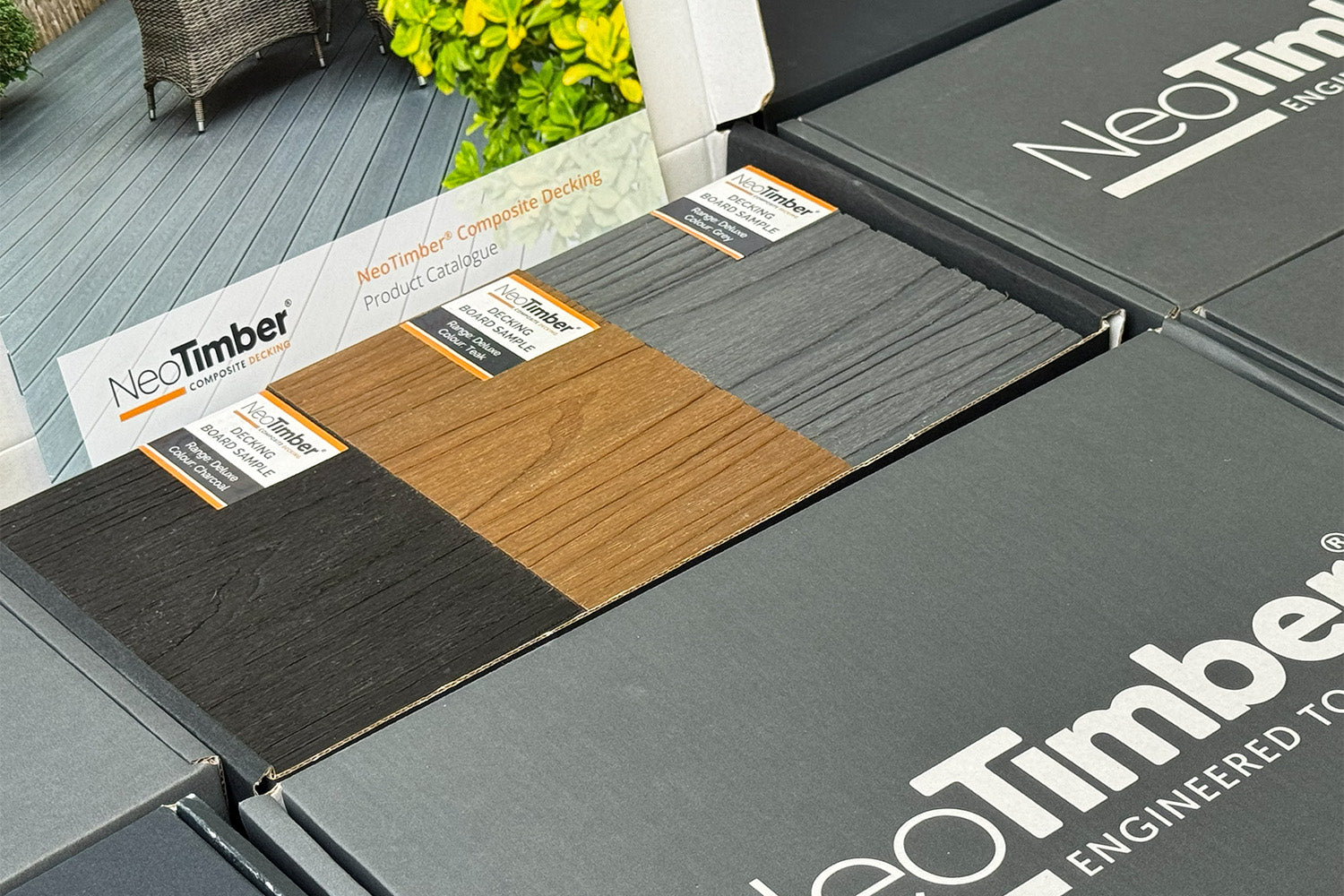
Yes. Request free composite decking samples to assess colour and texture, then review the technical requirements for your preferred board.
Choose Solid Boards With the Whole Project in Mind
The right specification connects the board you prefer with a suitable frame and a realistic care routine. Compare Classic Solid and Deluxe Solid, establish your project’s requirements and resolve structural details before ordering. Contact the NeoTimber® team for product advice, or find a decking installer for fitting support.