Decking Alternatives: Which Material Is Best For Your Garden?
A well-designed outdoor surface can turn a garden into a comfortable place to relax, dine and entertain. Traditional timber decking is only one way to achieve this. Today, homeowners can choose from paving, gravel, porcelain tiles, composite boards, aluminium and several other decking alternatives, each with different benefits, costs and maintenance requirements.
The best option will depend on your garden, budget and the way you intend to use the space. This guide compares the leading decking alternatives in the UK, including low-maintenance products that recreate the appearance of wood and completely different landscaping solutions. We will also explain when composite decking may be the most practical choice.
Why Consider Alternatives To Timber Decking?
Timber has long been associated with garden decks, but it is not the right material for every household. Wood normally requires periodic cleaning and treatment, and its appearance can change as it is exposed to moisture, sunlight and fluctuating temperatures. The amount of maintenance will depend on the timber species, finish, location and quality of installation.
Modern decking alternatives to wood can reduce some of that upkeep or provide a completely different aesthetic. Composite boards offer a familiar decked appearance, aluminium provides a clean and contemporary surface, while paving and gravel can create a patio-style garden without boards or a raised subframe.
Before choosing between these materials, consider:
- the available budget, including preparation and installation;
- whether the area needs to be raised, levelled or built over uneven ground;
- the amount of cleaning and maintenance you are prepared to undertake;
- how the surface will perform in wet, shaded or exposed conditions;
- the expected lifespan and availability of replacement components;
- drainage, ventilation and access to services beneath the area;
- the desired appearance and how it complements your home; and
- any planning, building or fire-safety requirements relevant to the project.
Decking Alternatives UK Homeowners Can Compare At A Glance
| Material | Typical appearance | Maintenance level | Particularly suited to | Points to consider |
|---|---|---|---|---|
| Grass or soil | Natural and informal | Regular garden care | Soft landscaping and low initial budgets | Mud, uneven ground and limited all-weather use |
| Timber decking | Warm, natural grain | Moderate to high | Traditional gardens and natural-material schemes | Periodic treatment and weathering |
| Stone or concrete paving | Classic patio finish | Low to moderate | Ground-level dining and entertaining areas | Ground preparation, joints and installation weight |
| Porcelain paving | Consistent and contemporary | Low | Modern patios and indoor-outdoor designs | Requires careful cutting and installation |
| Gravel | Textured and informal | Low to moderate | Paths, seating corners and drainage-conscious schemes | Movement underfoot and reduced accessibility |
| Composite decking tiles | Modular wood-effect surface | Low | Suitable solid balconies, patios and small areas | The base must be flat, stable and free-draining |
| Composite decking boards | Wood-effect boards in varied colours | Low | Raised decks and low-maintenance gardens | Correct subframe, spacing and ventilation are essential |
| Aluminium decking | Sleek and architectural | Low | Contemporary and specification-led projects | Higher initial cost and a more industrial aesthetic |
Maintenance and performance vary by product, environment and installation. Always refer to the manufacturer's technical information before making a final choice.
1. Grass & Soil: The No-Deck Option
Leaving a garden predominantly as lawn, planting and soil is the simplest alternative to building a deck. It can preserve a soft, natural appearance and may involve less initial construction than installing a hard-landscaped area.
However, a lawn is not always an effective surface for furniture or year-round entertaining. Wet weather may result in mud, uneven ground can make tables and chairs unstable, and frequently used routes may become worn. Lawns also need mowing and seasonal care, so avoiding a deck does not necessarily mean avoiding maintenance.
This approach works best when the garden is primarily intended for planting, play or informal recreation. If you want a defined outdoor living area that can be used more consistently in changeable British weather, one of the harder-wearing outdoor living surfaces below may be more practical.
2. Timber Decking: The Traditional Choice
Timber remains popular because it brings authentic grain, warmth and natural variation to a garden. It can be cut and adapted to complex layouts, and different species, profiles and finishes allow considerable design flexibility.
Its main consideration is ongoing care. Depending on the product and desired appearance, timber may require cleaning, staining, oiling or sealing. Boards can weather over time and may be vulnerable to splitting, decay or insect attack if the material, detailing, drainage or maintenance is inadequate.
Timber can still be an attractive choice for anyone who values natural materials and is comfortable with regular upkeep. For homeowners searching specifically for decking alternatives to timber, however, composite and aluminium boards reproduce the linear layout of a deck while changing its maintenance and performance profile.

3. Natural Stone & Concrete Paving
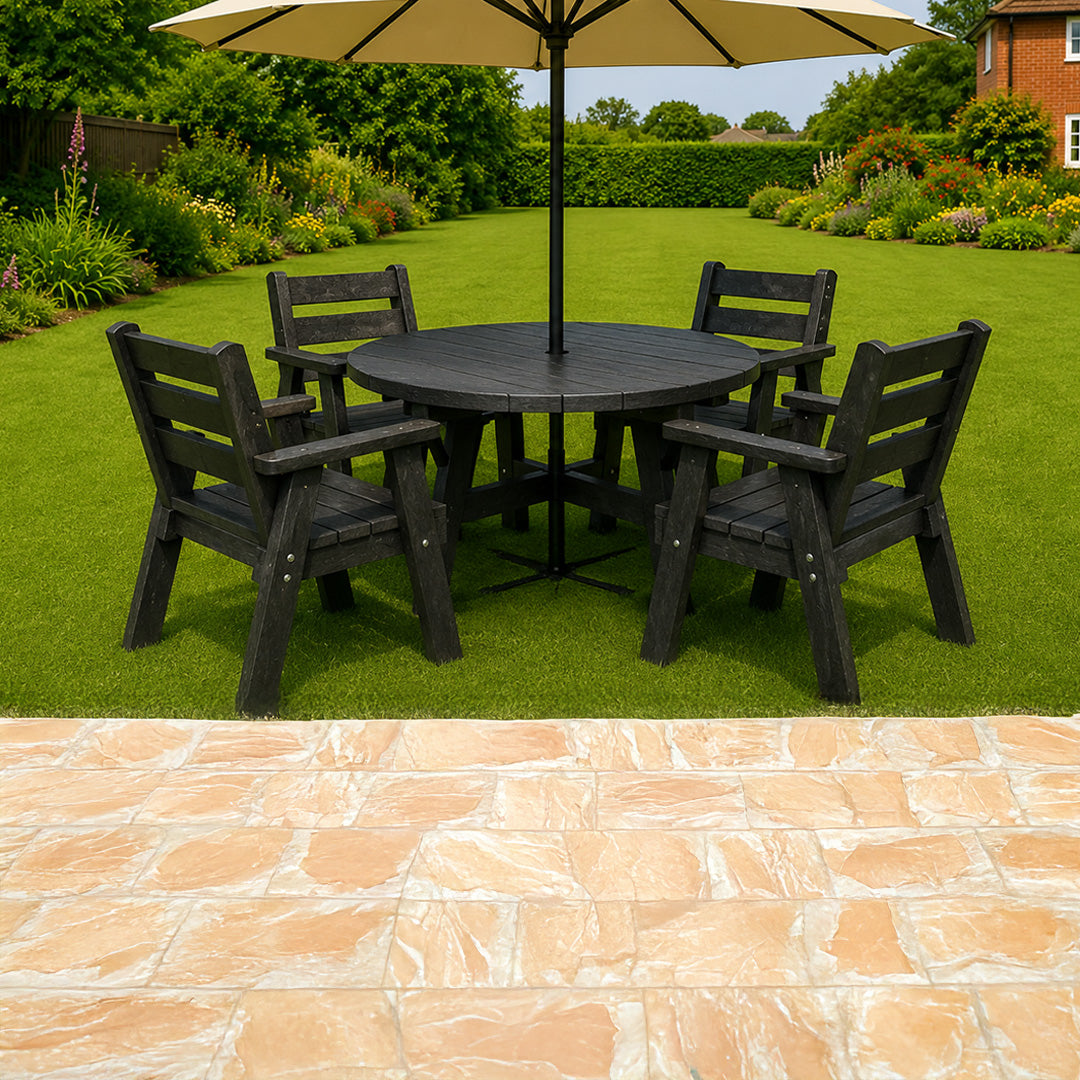
Paving is one of the most established garden decking alternatives. Natural stone introduces organic colour and texture, while concrete slabs are available in a broad range of shapes, finishes and price points. Either can create a firm surface for dining furniture, planters and outdoor kitchens.
A patio is generally most straightforward at or close to ground level. The installation needs an appropriate sub-base, falls and drainage, and laying can be labour-intensive. Joints may need occasional maintenance, while some stone types require sealing or specialist cleaning.
Paving is a strong option where a solid, substantial patio appearance is preferred over visible boards. It is less naturally suited to locations where the surface needs to span uneven ground, conceal services or create a significantly raised platform, although suitable construction solutions may still be possible with professional design.
4. Porcelain Paving For A Contemporary Patio
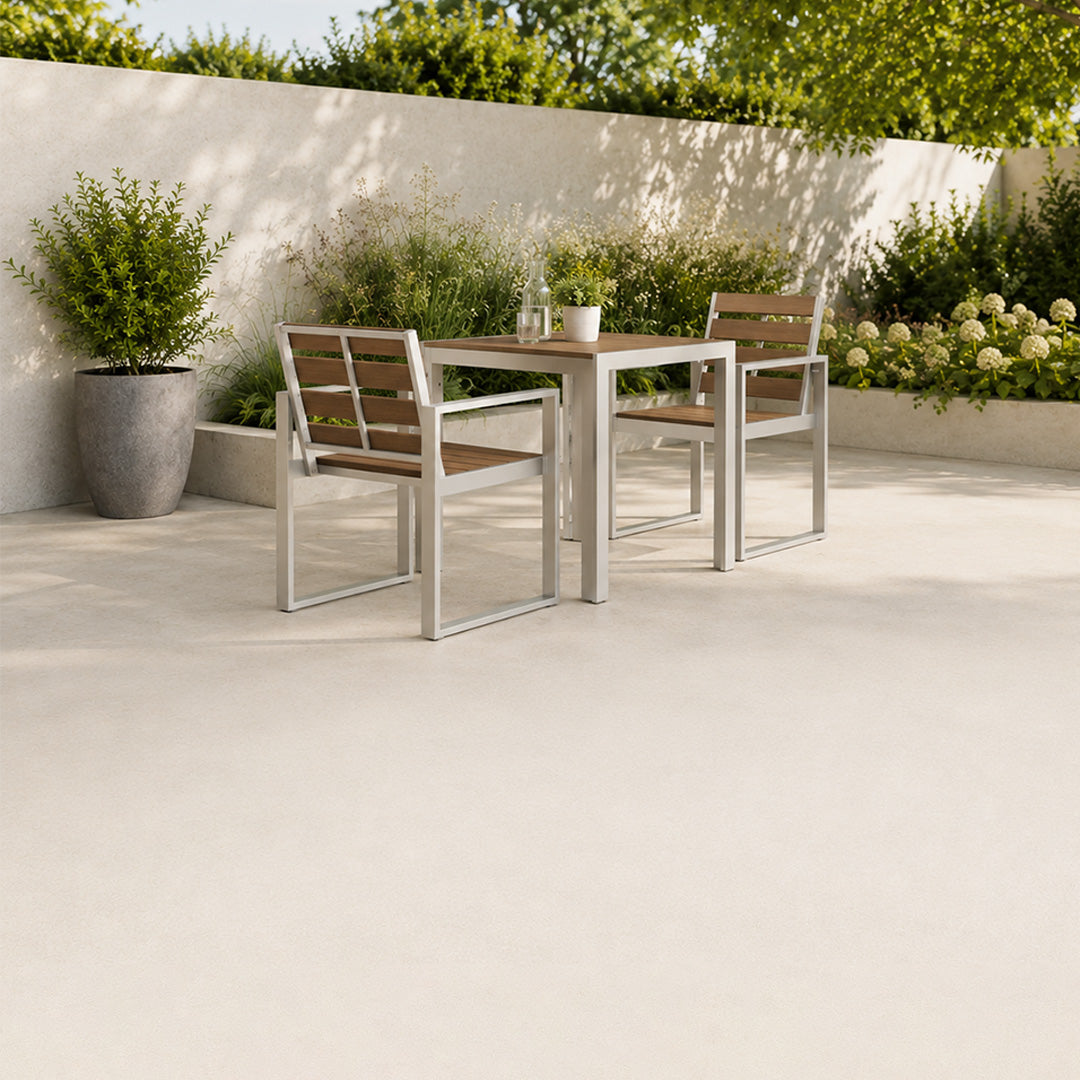
Porcelain paving offers a crisp, consistent finish and is available in stone-, concrete- and wood-inspired designs. Its low porosity can make it easier to clean than some natural materials, which is useful for dining spaces and busy family gardens.
These tiles are dense and require appropriate tools, installation products and expertise. Outdoor tiles should have a finish suitable for their location, and the supporting base must be properly prepared. Poor drainage or incorrect installation can undermine even a high-quality product.
Wood-effect porcelain is an interesting option for anyone seeking wood alternative decking materials without using a board-and-subframe system. The final appearance is closer to a tiled patio than a traditional deck, so it suits contemporary ground-level layouts particularly well.
5. Gravel & Decorative Aggregates
Gravel is flexible, relatively simple and often more affordable than a fully paved or decked area. It supports drainage when installed as part of a correctly designed build-up and can complement cottage gardens, informal seating areas and pathways.
The surface can move beneath furniture and may be less convenient for wheelchairs, pushchairs or anyone with reduced mobility. Loose material can migrate into adjacent lawns or indoor areas, although edging and a stabilisation grid may help keep it contained.
As an alternative deck surface, gravel is most successful where a relaxed appearance matters more than a perfectly level floor. It can also be combined with stepping stones, planted borders or a smaller composite platform to divide a garden into practical zones.
6. Composite Decking Tiles For Suitable Existing Surfaces
Interlocking composite decking tiles can refresh certain balconies, courtyards and compact patios without the visual weight of a full raised deck. Their modular format makes them relatively quick to position, and individual tiles may be easier to access or replace than long boards.
The existing surface must be flat, stable and capable of draining effectively. Tiles should not be used to conceal an unsuitable, damaged or poorly drained base, and they are not a substitute for a structural decking system. Check the product guidance carefully, particularly for thresholds, edges and balcony applications.
For the right project, tiles are convenient alternative decking materials that offer a wood-effect appearance with less routine treatment than timber. They are especially useful where the available build-up height is limited and the supporting surface already meets the installation requirements.

7. Composite Decking: A Low-Maintenance Wood Alternative
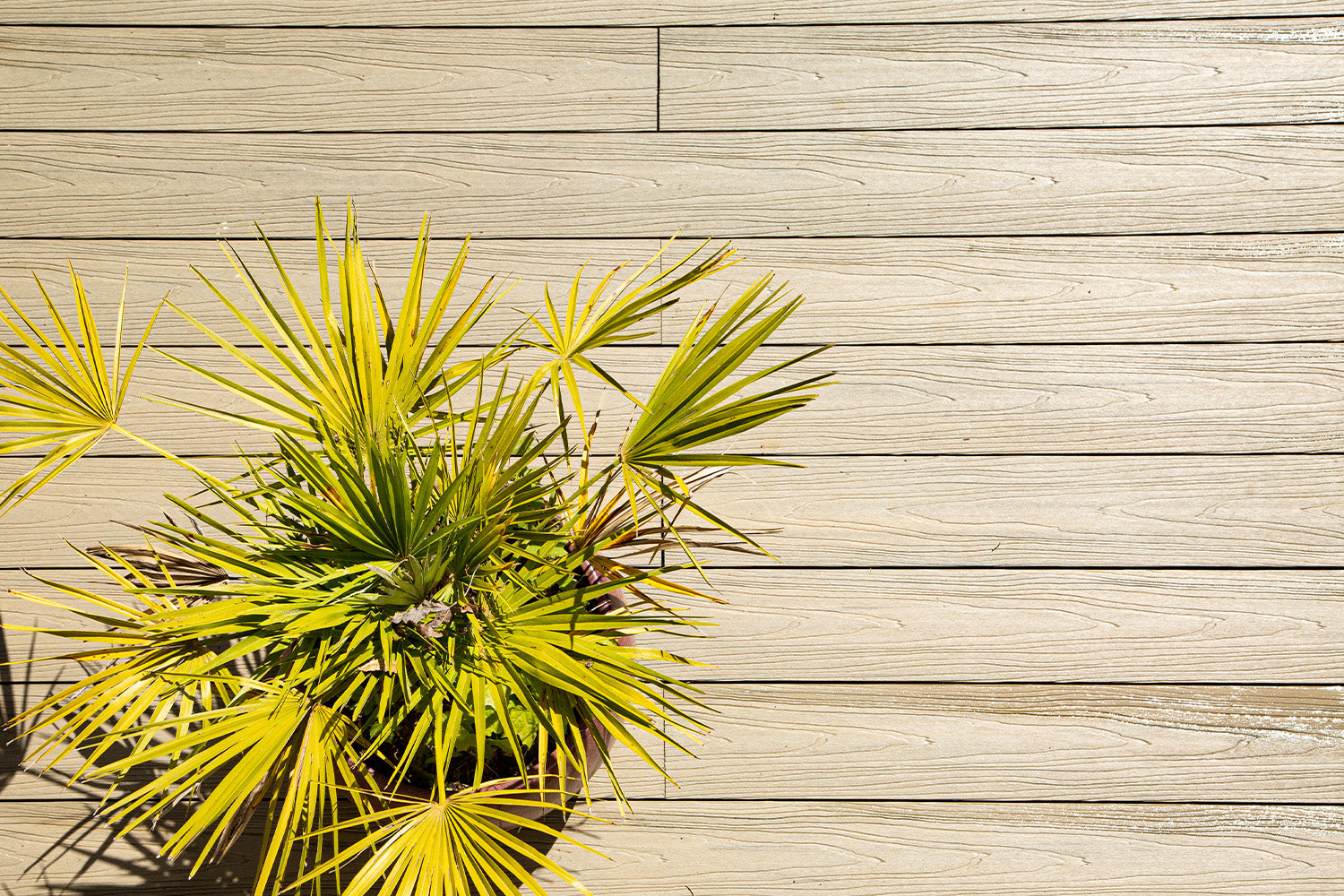
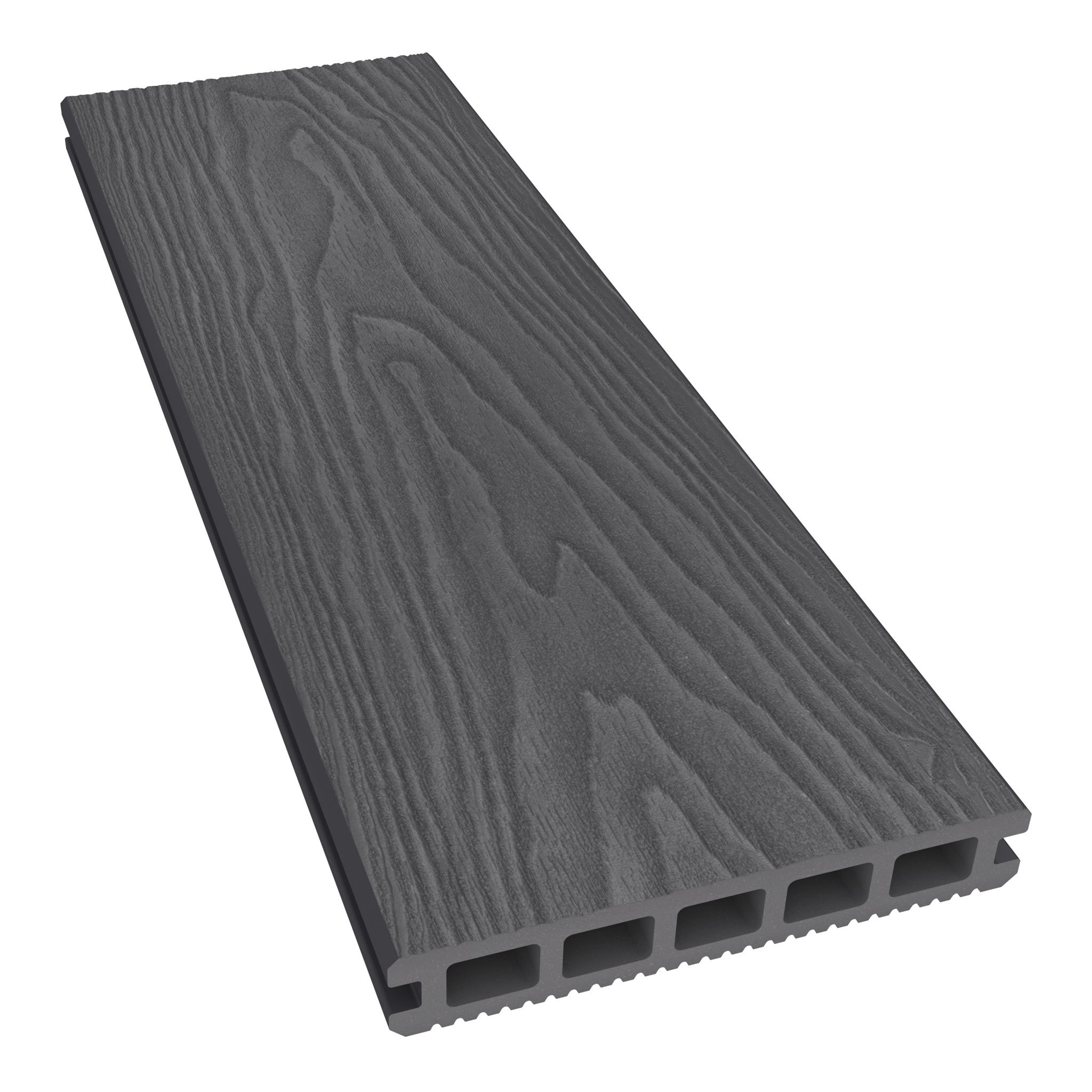
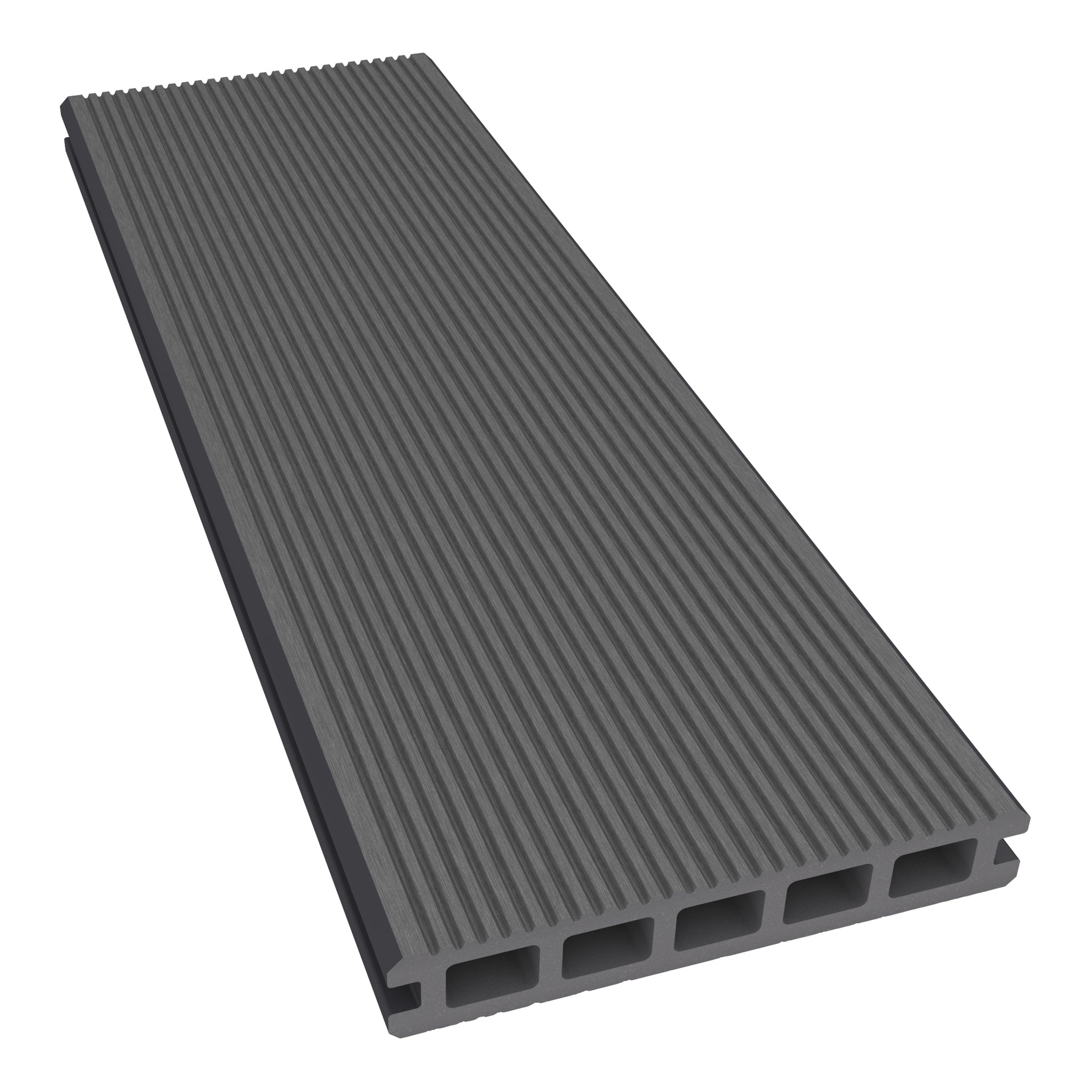
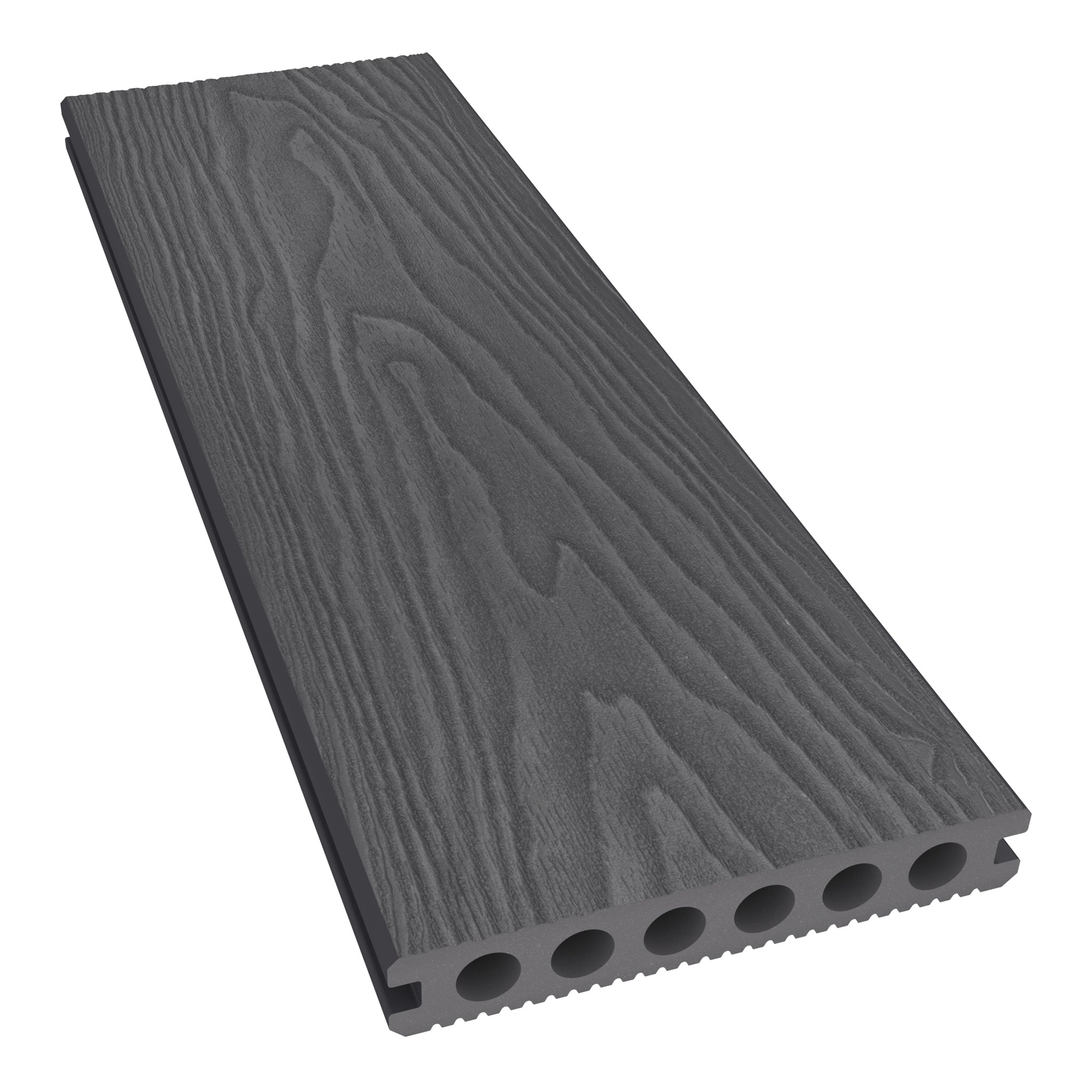
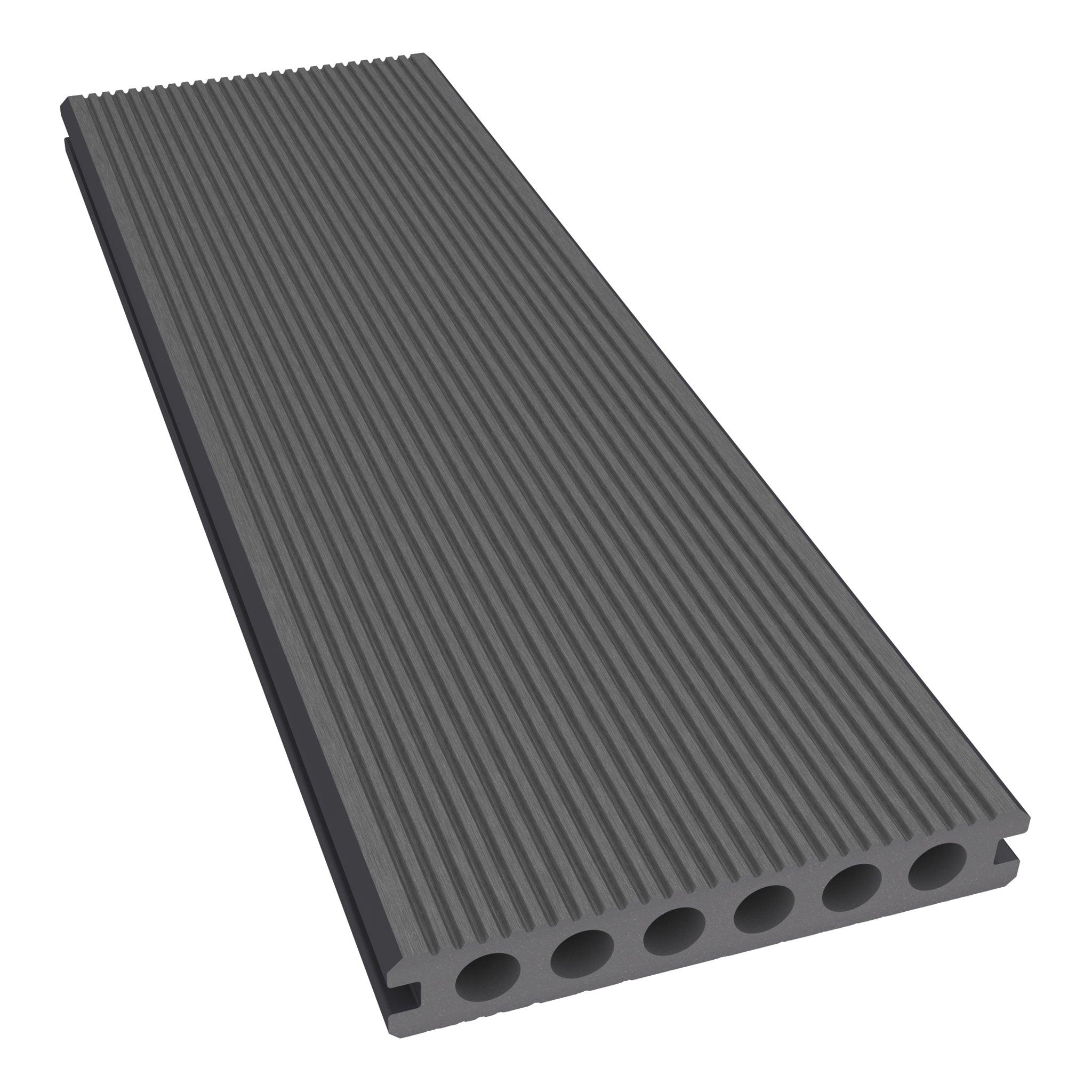
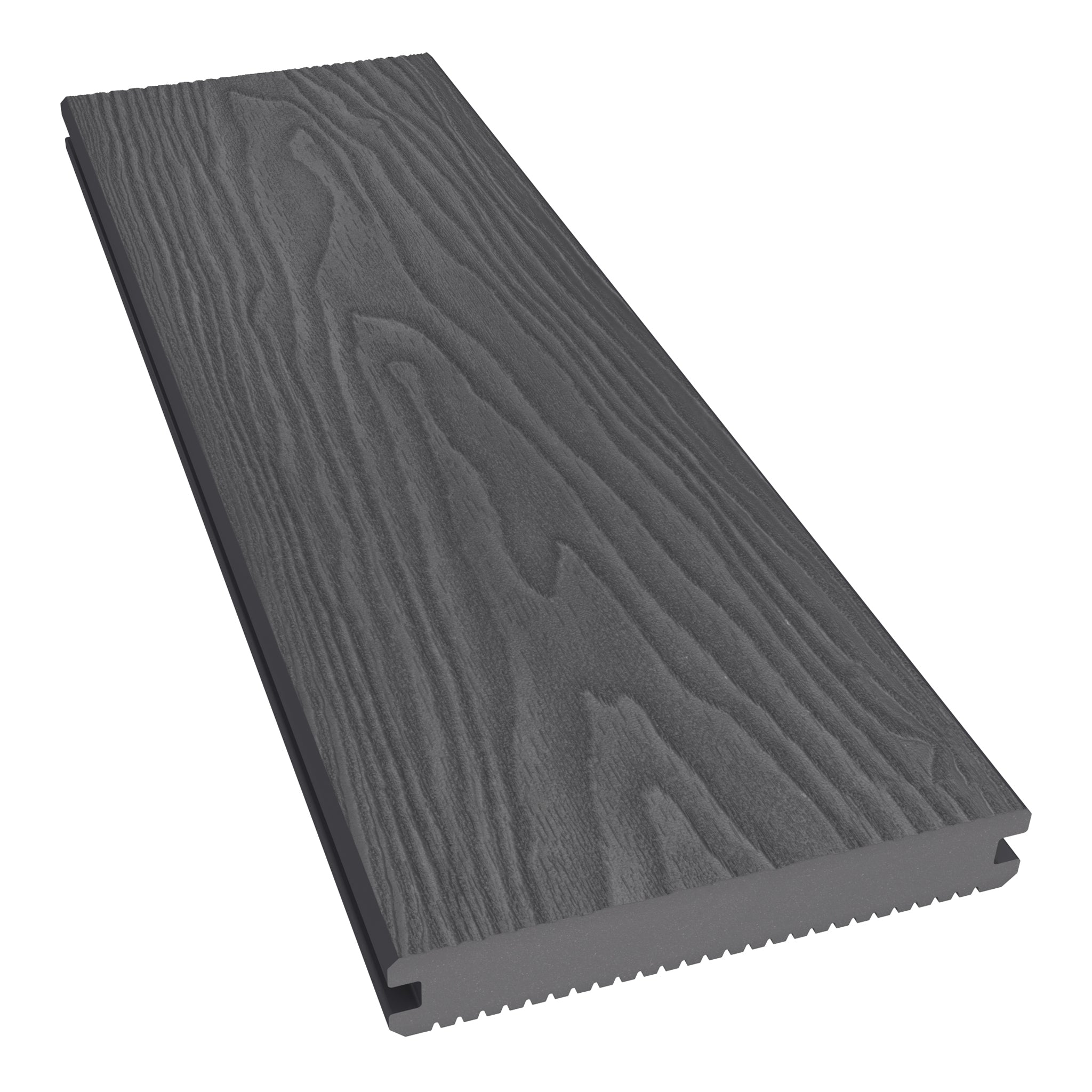
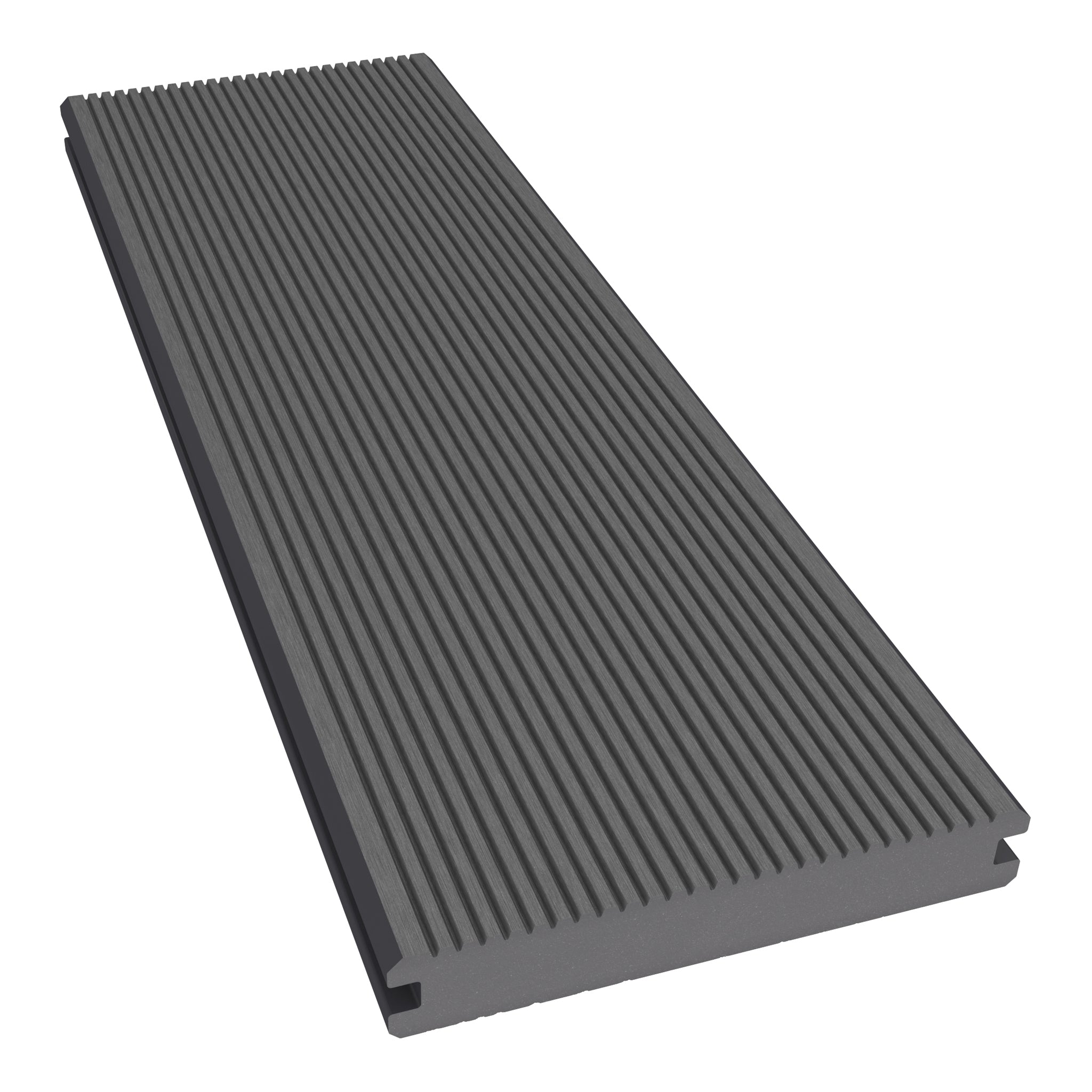
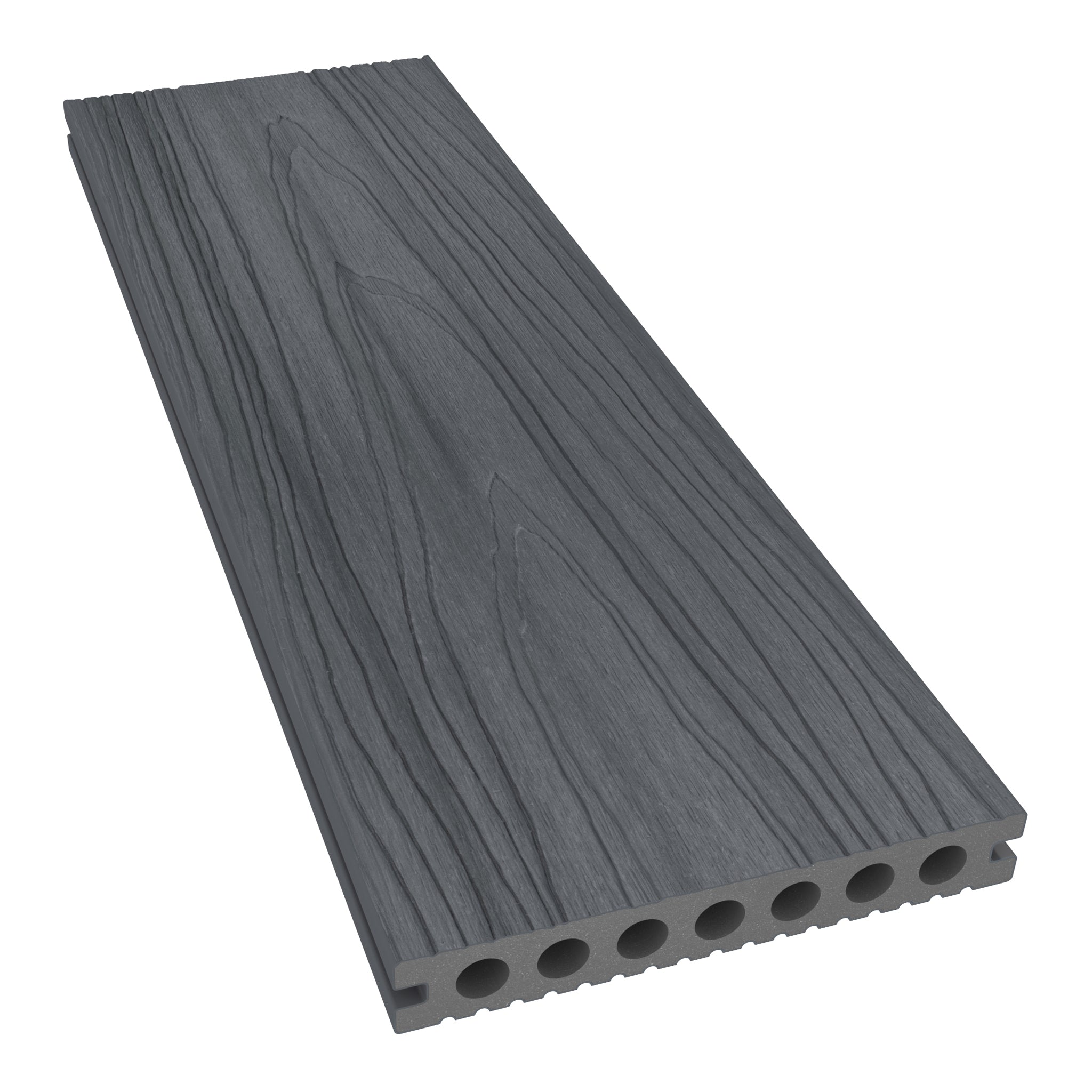
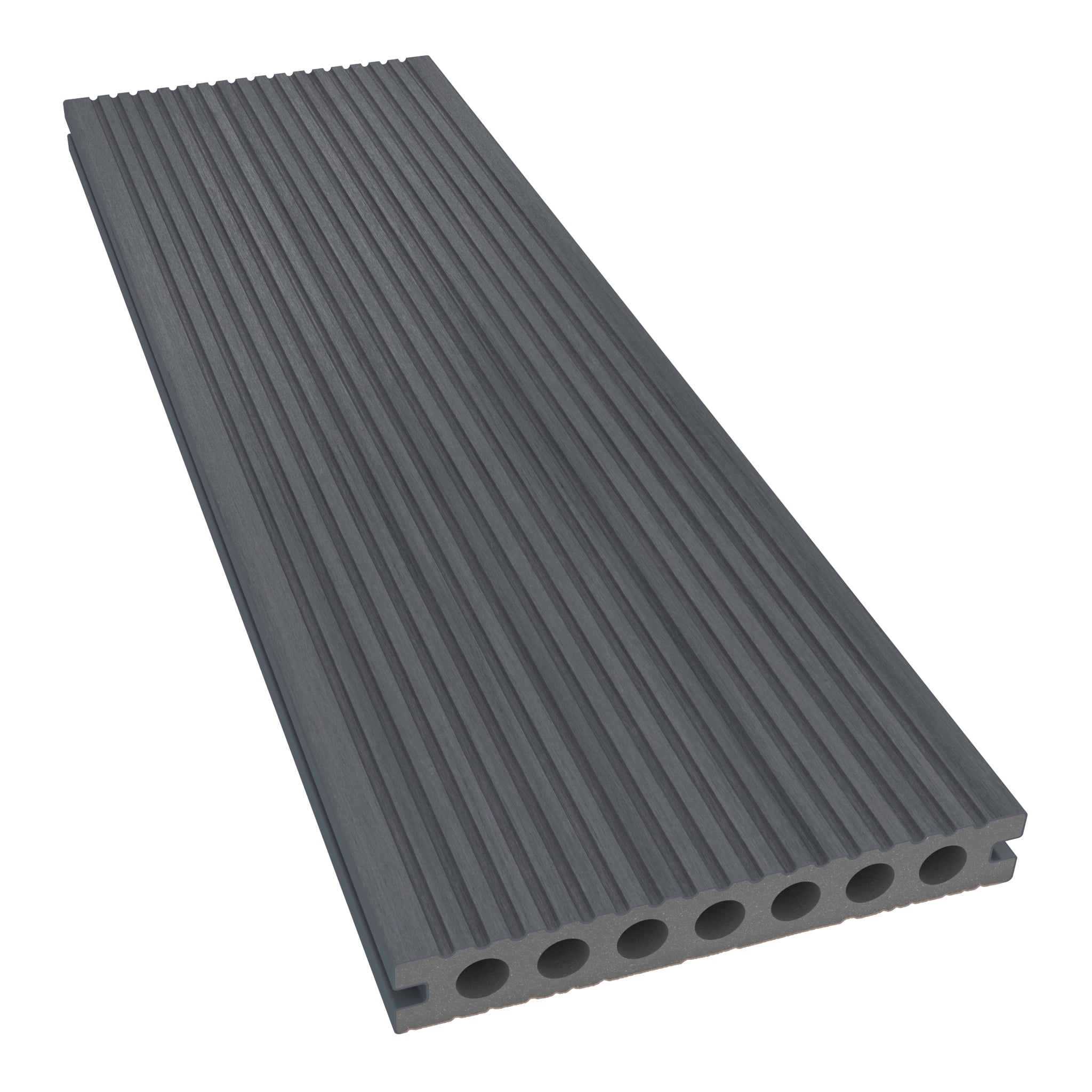
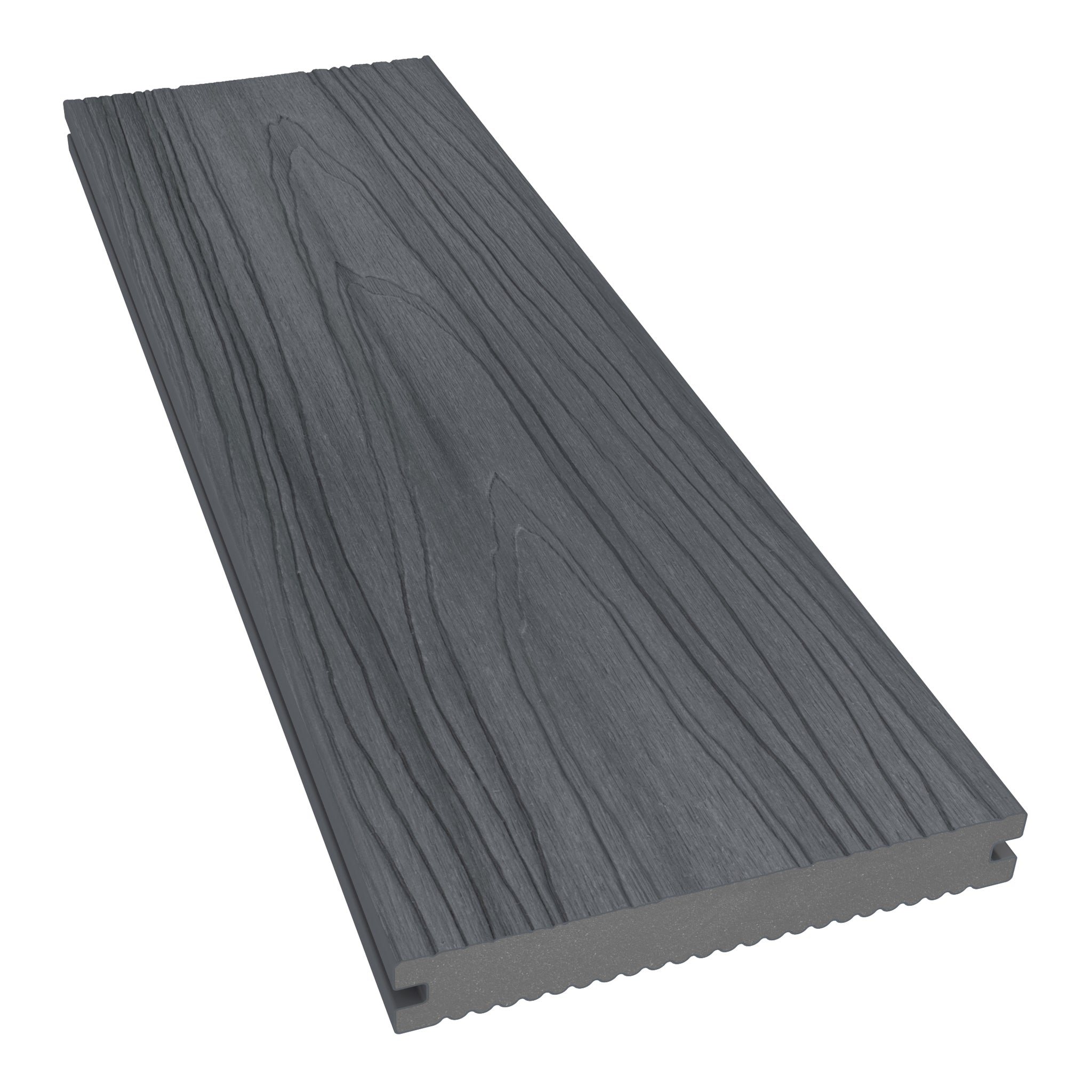
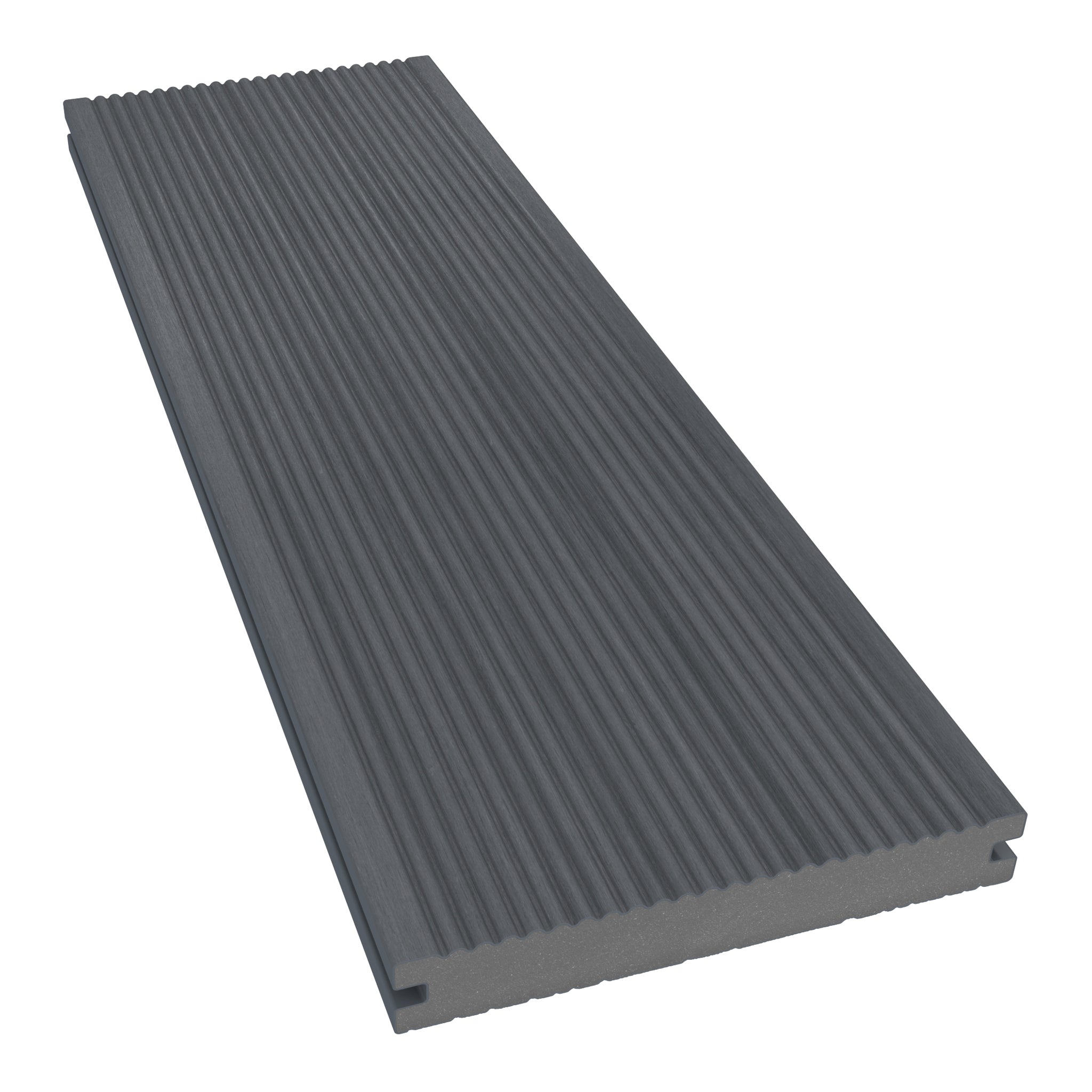
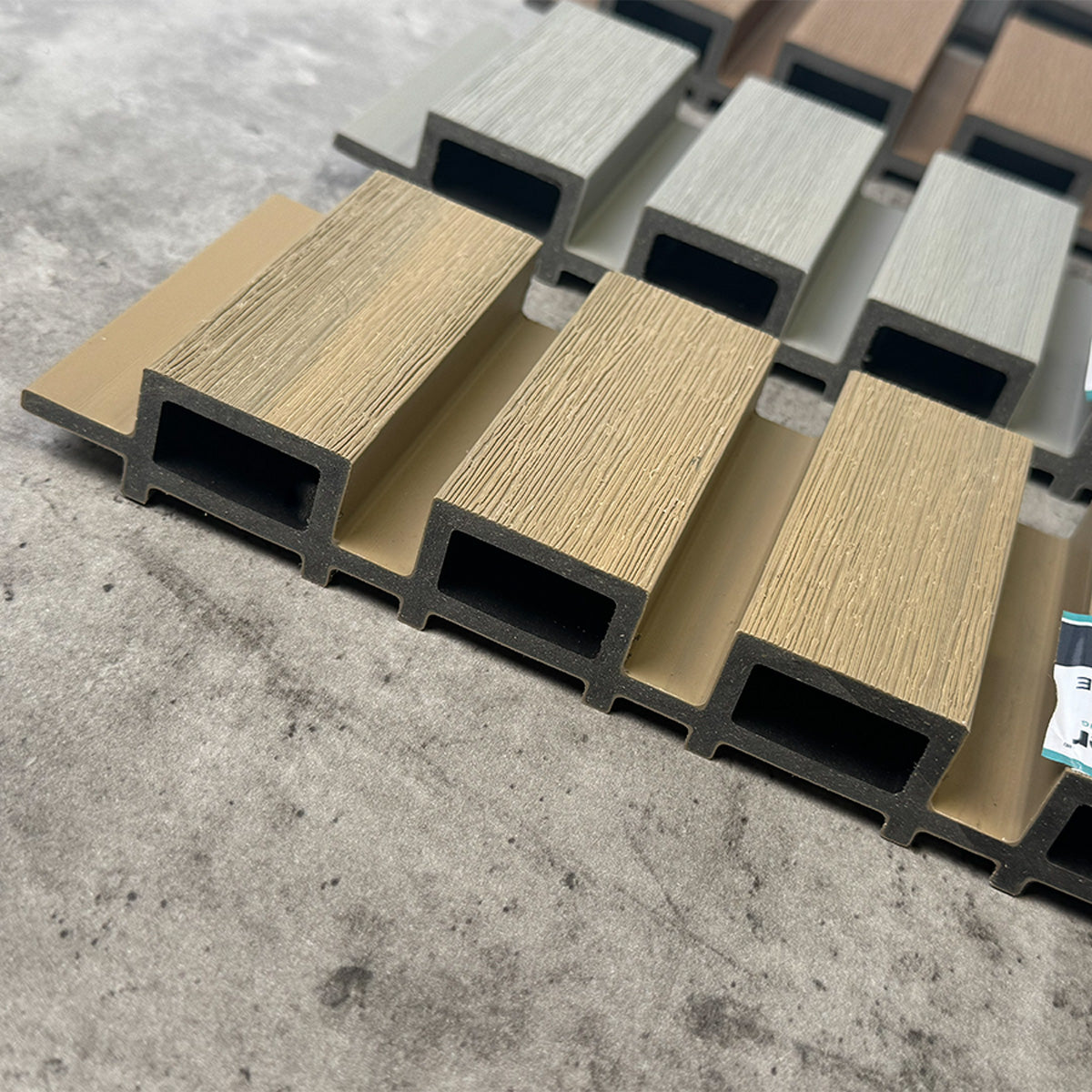
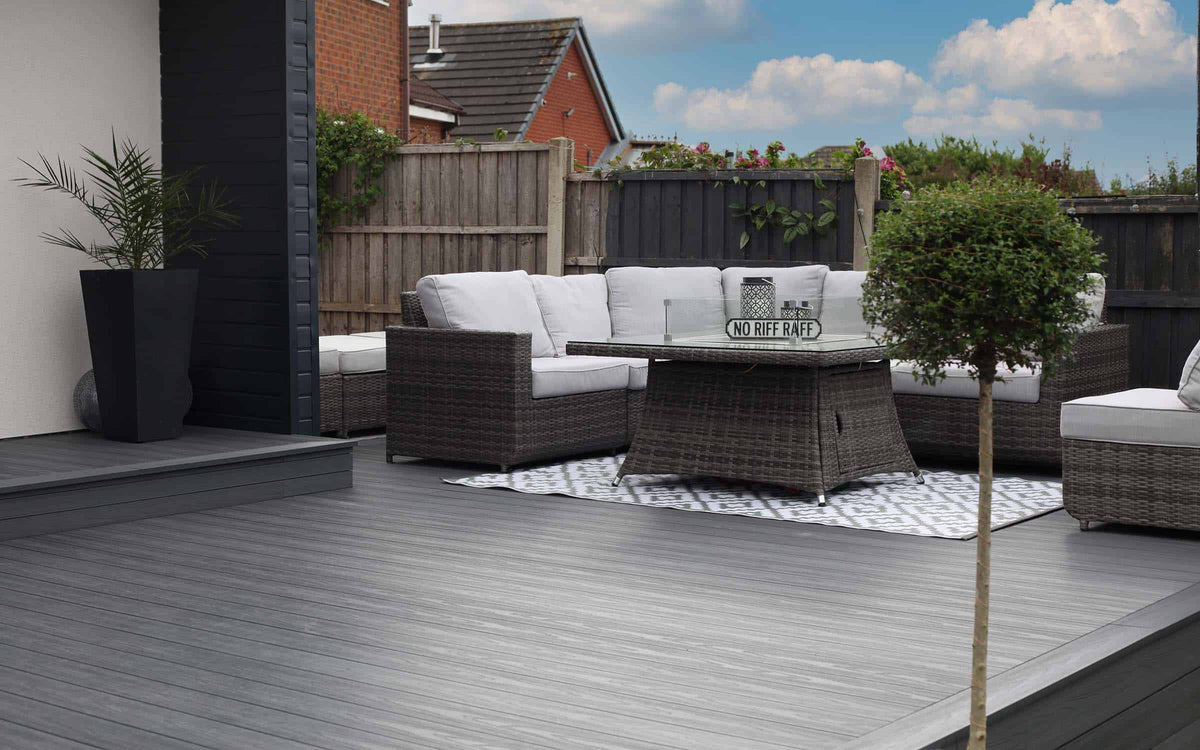
Composite decking boards combine wood fibres and polymers to create a durable outdoor surface with the visual rhythm of traditional decking. They are available in numerous colours and embossed finishes, including popular brown composite decking and grey composite decking options.
Unlike timber, composite decking does not normally require painting, staining or sealing. Quality boards are designed to resist common problems associated with untreated wood, such as splintering and decay, although they still need routine cleaning and must be installed correctly. Expansion gaps, ventilation, drainage, fixing systems and subframe design all affect the finished result.
Composite is among the most popular decking alternatives to wood because it balances a timber-inspired appearance with lower ongoing maintenance. It works particularly well for raised areas, garden seating zones, steps and layouts where a continuous board finish is important.
What Are The Alternatives To Composite Decking?
The main composite decking alternatives are timber, aluminium, paving, porcelain and gravel. Timber provides genuine natural grain; aluminium offers a distinctly engineered solution; and paving materials create a solid patio rather than a deck. The best comparison depends on whether you want the appearance and versatility of boards or simply need a practical outdoor surface.
Hollow Or Solid Composite Boards?
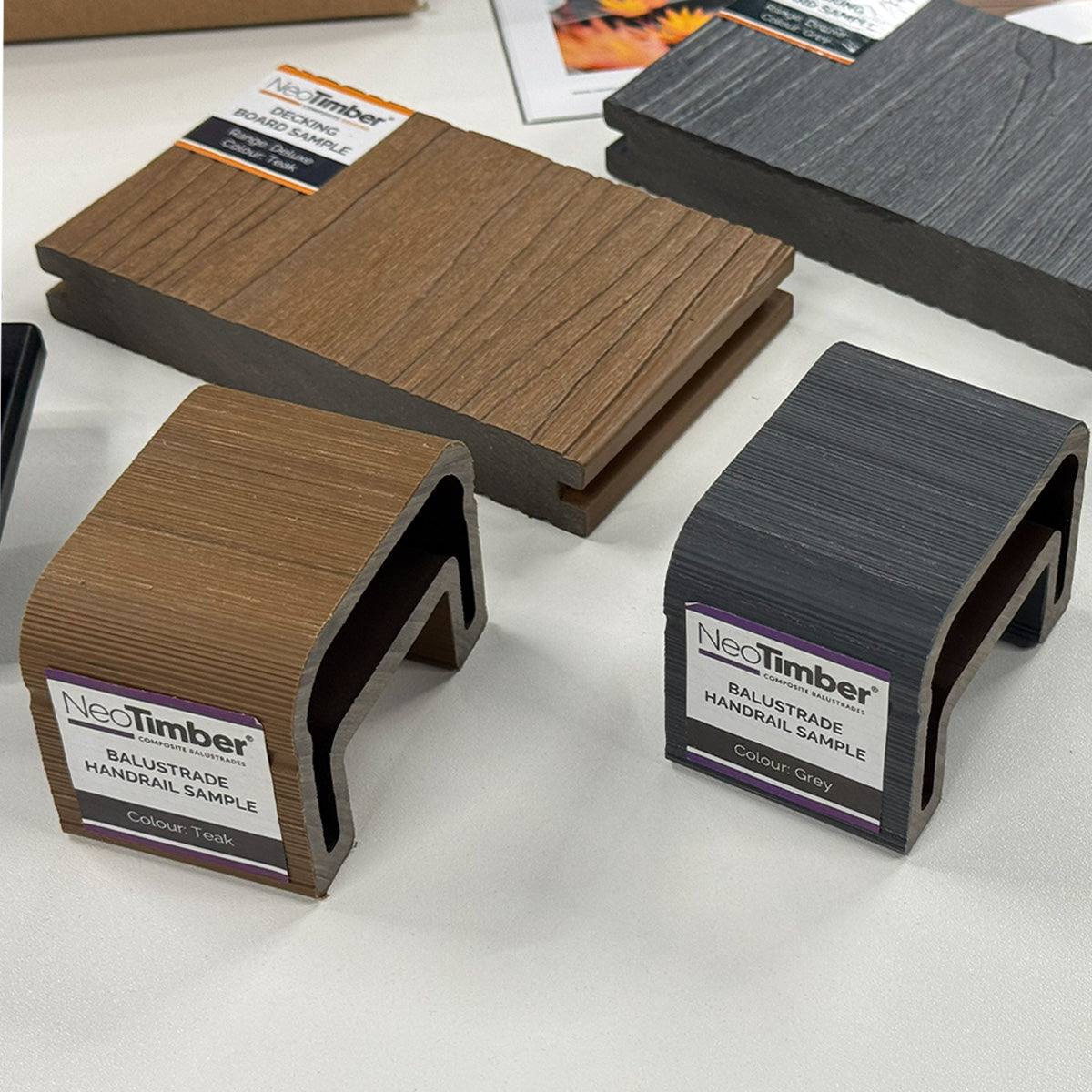
Composite products also differ from one another. Hollow boards can provide an efficient solution for many domestic garden projects, while solid or capped ranges may offer different aesthetics and performance characteristics. NeoTimber® ranges such as Deluxe Composite Decking and Classic Composite Decking demonstrate the variety available. Compare product specifications, warranties and installation requirements rather than choosing solely by appearance.

8. Aluminium Decking For Modern, Demanding Projects
Aluminium decking provides a clean, architectural finish and is naturally unaffected by rot or insect attack. Product-specific systems may also offer useful fire-performance, slip-resistance or load-bearing characteristics, making aluminium worth considering for demanding domestic or commercial applications.
Performance must always be assessed from the tested classification and technical data for the exact product and complete system. Aluminium should not automatically be assumed suitable for every balcony, roof terrace or fire-sensitive location simply because it is metal.
Its main disadvantages are typically a higher initial price and an appearance that may feel less natural than timber or composite. For contemporary designs, however, aluminium is one of the most robust alternative decking materials available and generally requires little more than appropriate routine cleaning.
Which Decking Alternative Is Best?
There is no single material that is best for every garden. The right choice follows from the site conditions and the qualities you value most.
When choosing alternative decking, decide first whether you want to retain the look and structure of a traditional deck or replace it with a patio-style surface. This distinction will quickly narrow the most suitable options.
- For authentic natural character: consider quality timber or natural stone.
- For a familiar deck with less routine treatment: consider composite boards.
- For a modern ground-level entertaining space: consider porcelain or contemporary paving.
- For an informal, drainage-conscious landscape: consider gravel with suitable edging and ground preparation.
- For a small area over a suitable existing base: consider interlocking composite tiles.
- For a precise, specification-led finish: consider an appropriate aluminium system.
When comparing decking alternatives in the UK, remember that purchase price is only part of the cost. Include ground preparation, subframes, fixings, labour, cleaning, future treatment and expected replacement cycles. A cheaper surface may require more maintenance, while a higher initial investment may offer better value over the period you expect to use it.
When Is Composite Decking The Right Choice?
Composite decking is a compelling option when you want the appearance and design flexibility of boards without the regular staining or sealing associated with many timber decks. It is particularly suitable for homeowners who value consistent colour options, concealed fixing systems and a coordinated range of trims and accessories.
It is not maintenance-free: leaves, dirt and spills should still be removed, and the deck needs periodic cleaning. Nor can the boards compensate for poor design beneath them. A correctly specified subframe, appropriate spacing and effective drainage remain essential.
For many households comparing garden decking alternatives, composite offers a useful middle ground. It retains the warm, linear appearance associated with decking while providing a practical, lower-maintenance alternative to timber.
Planning Your New Garden Surface
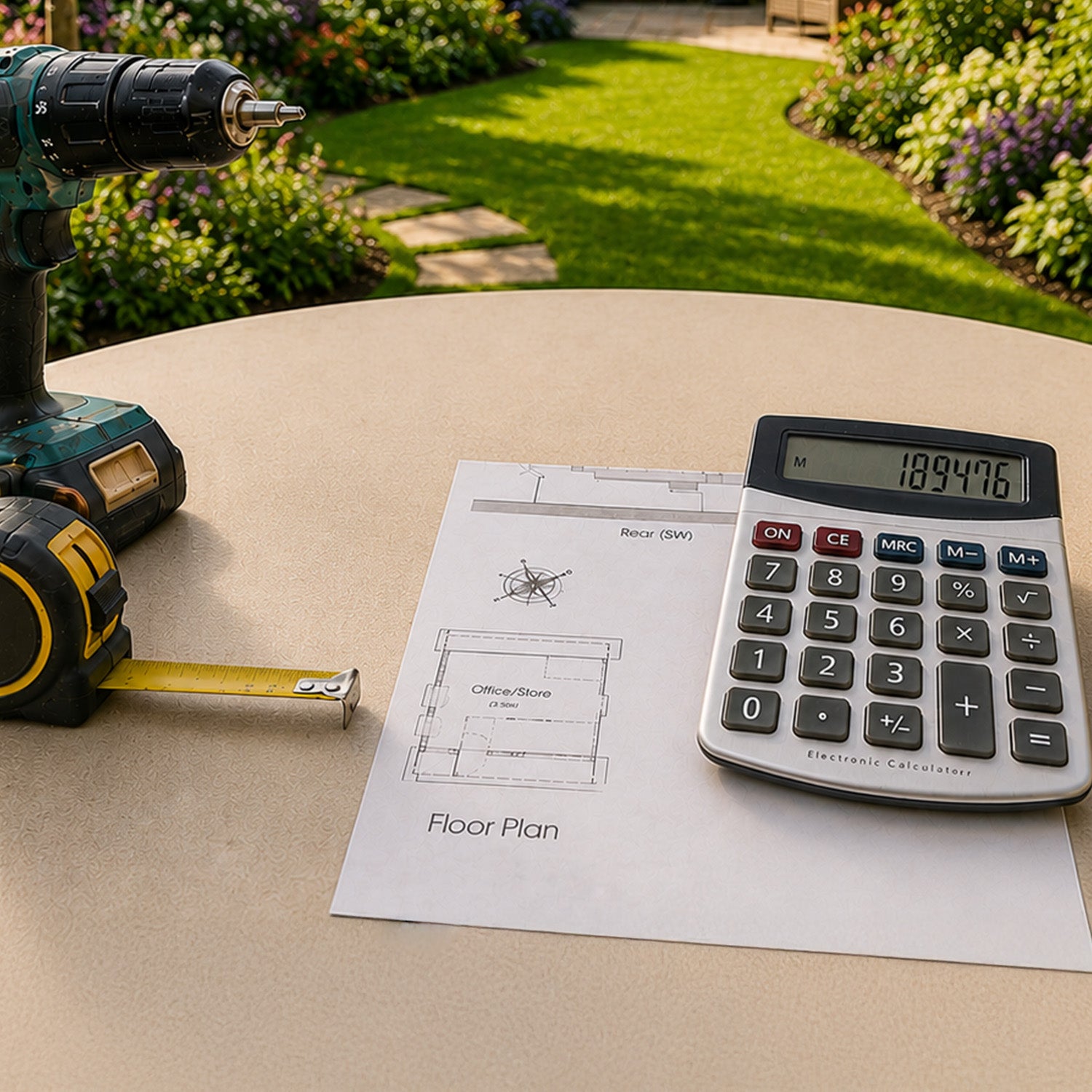
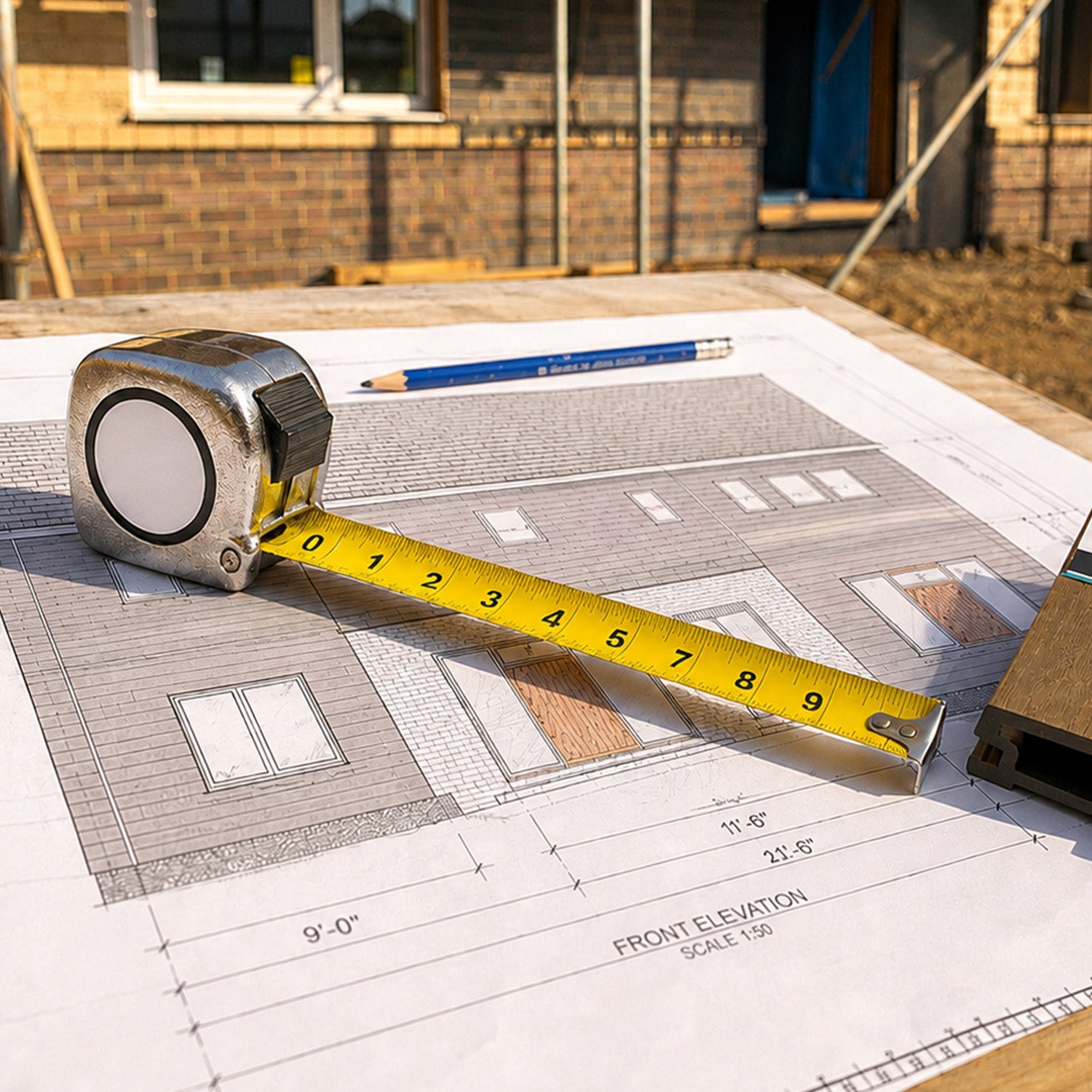
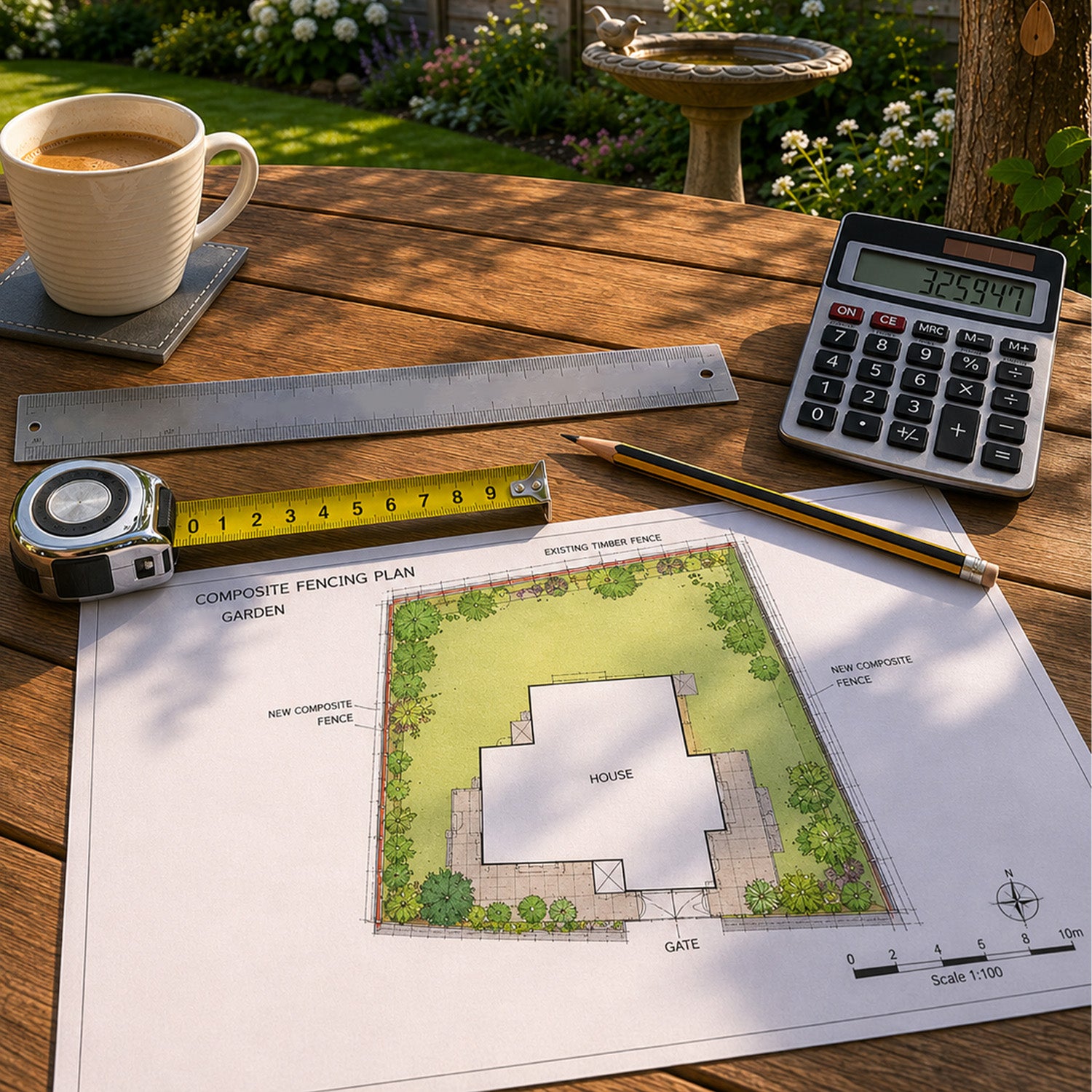
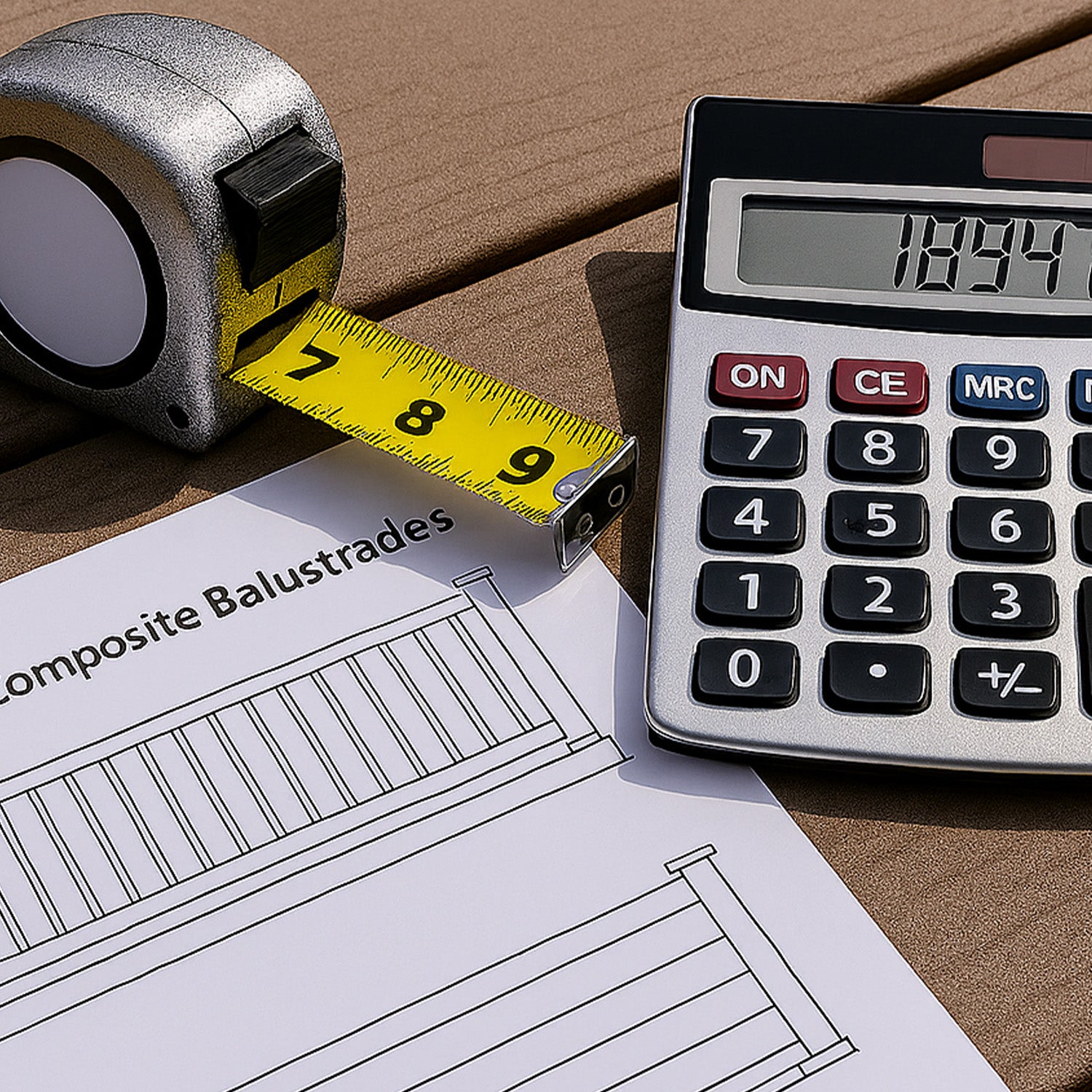
Once you have shortlisted the materials, assess the site before ordering. Measure the area carefully, identify changes in level and consider how rainwater will move through or away from the finished surface. Check door thresholds, drains, air bricks and access points, and establish whether the project needs steps, balustrades or other safety features.
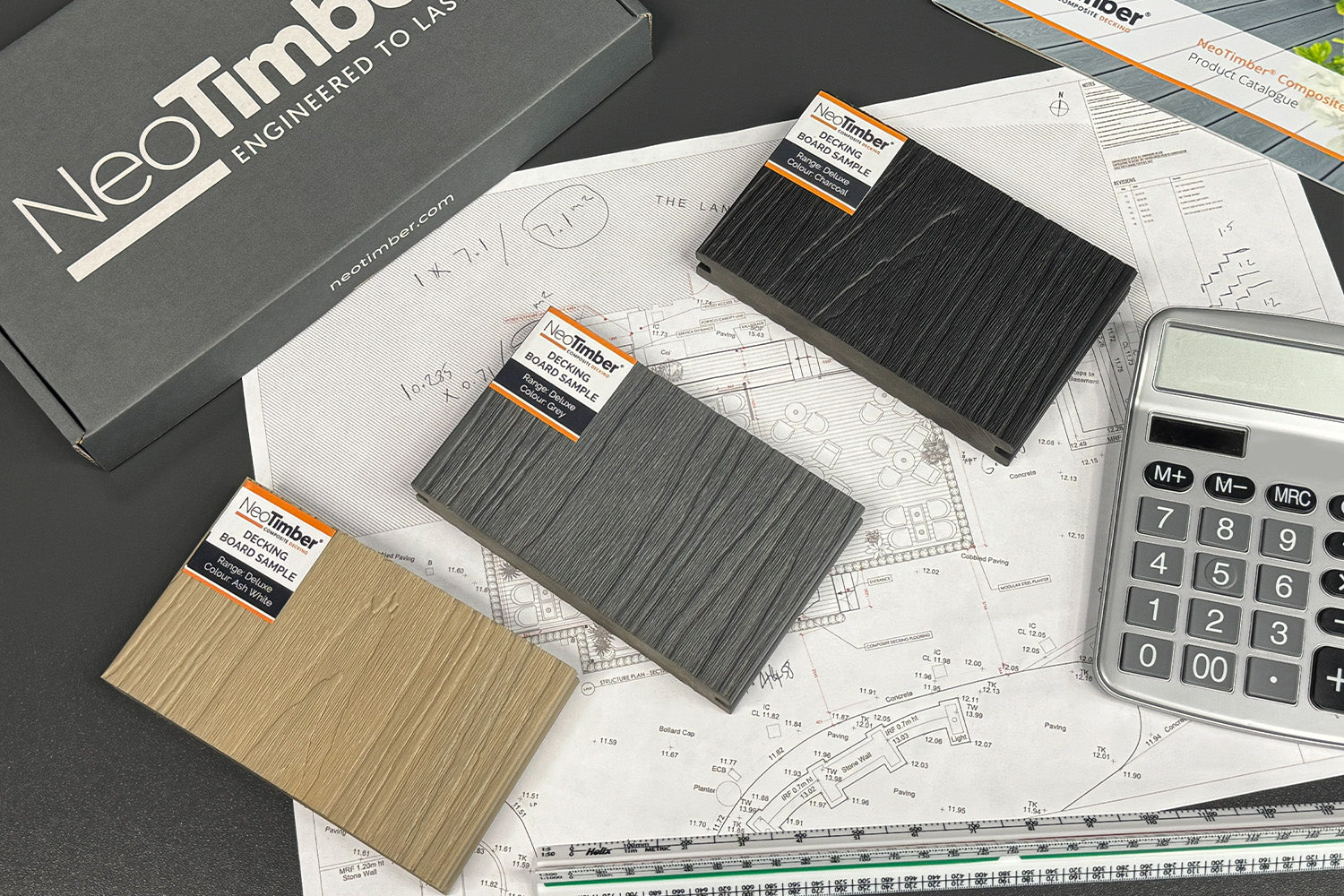
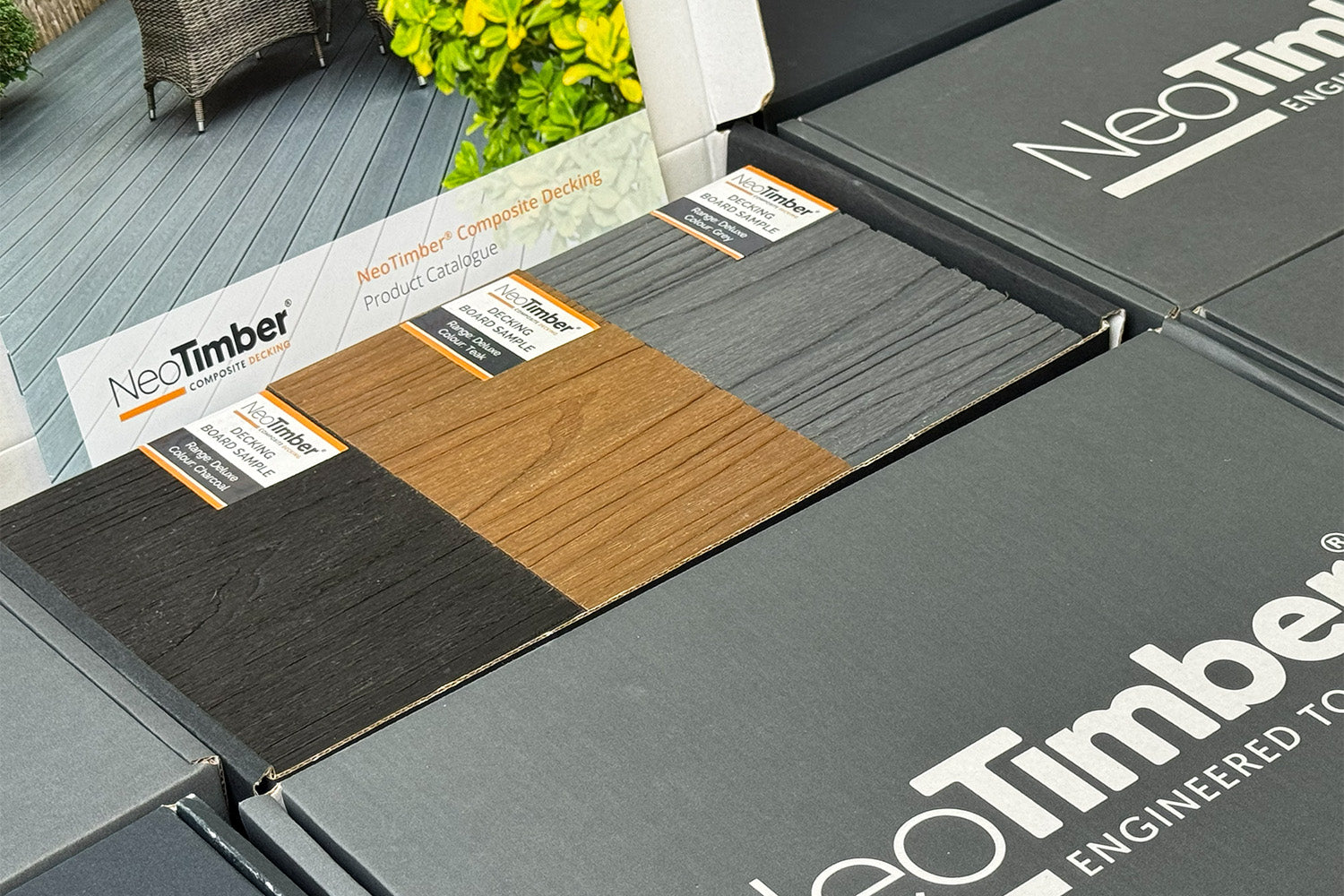
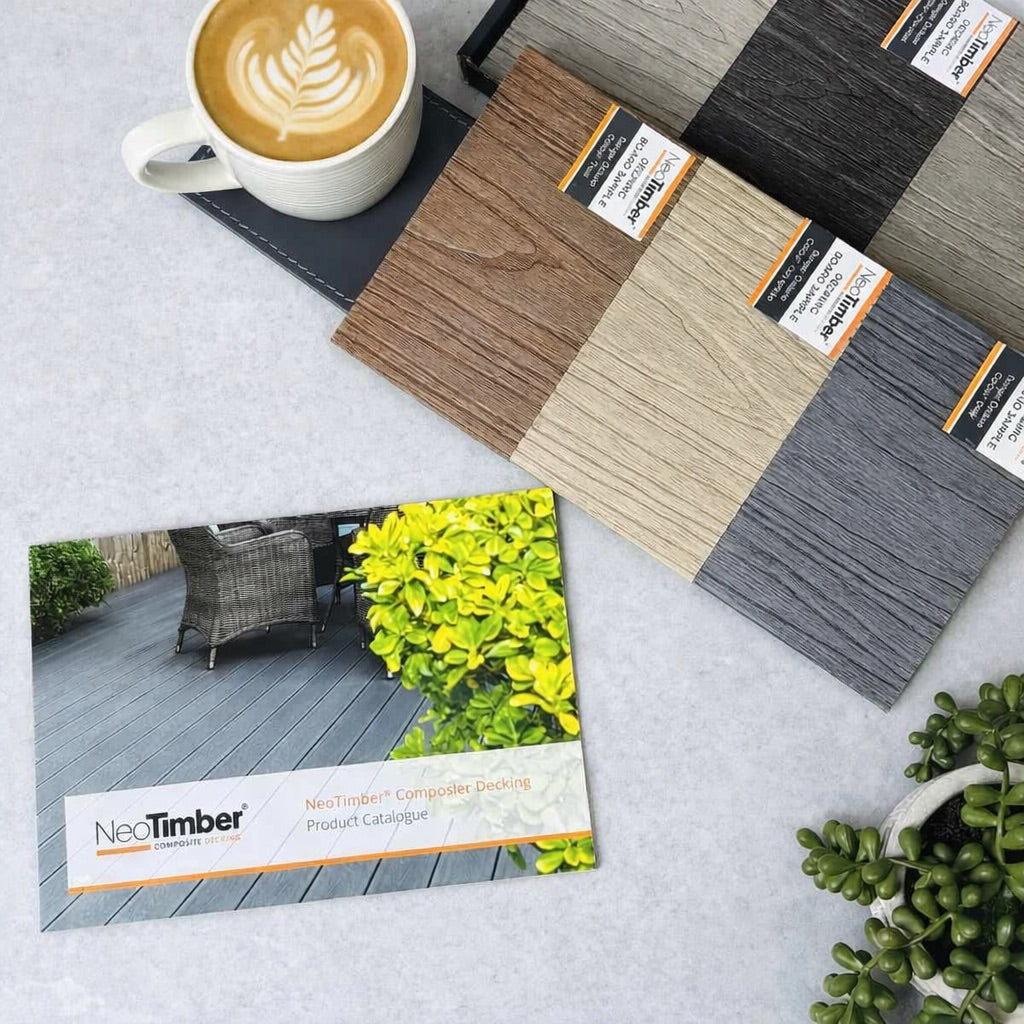
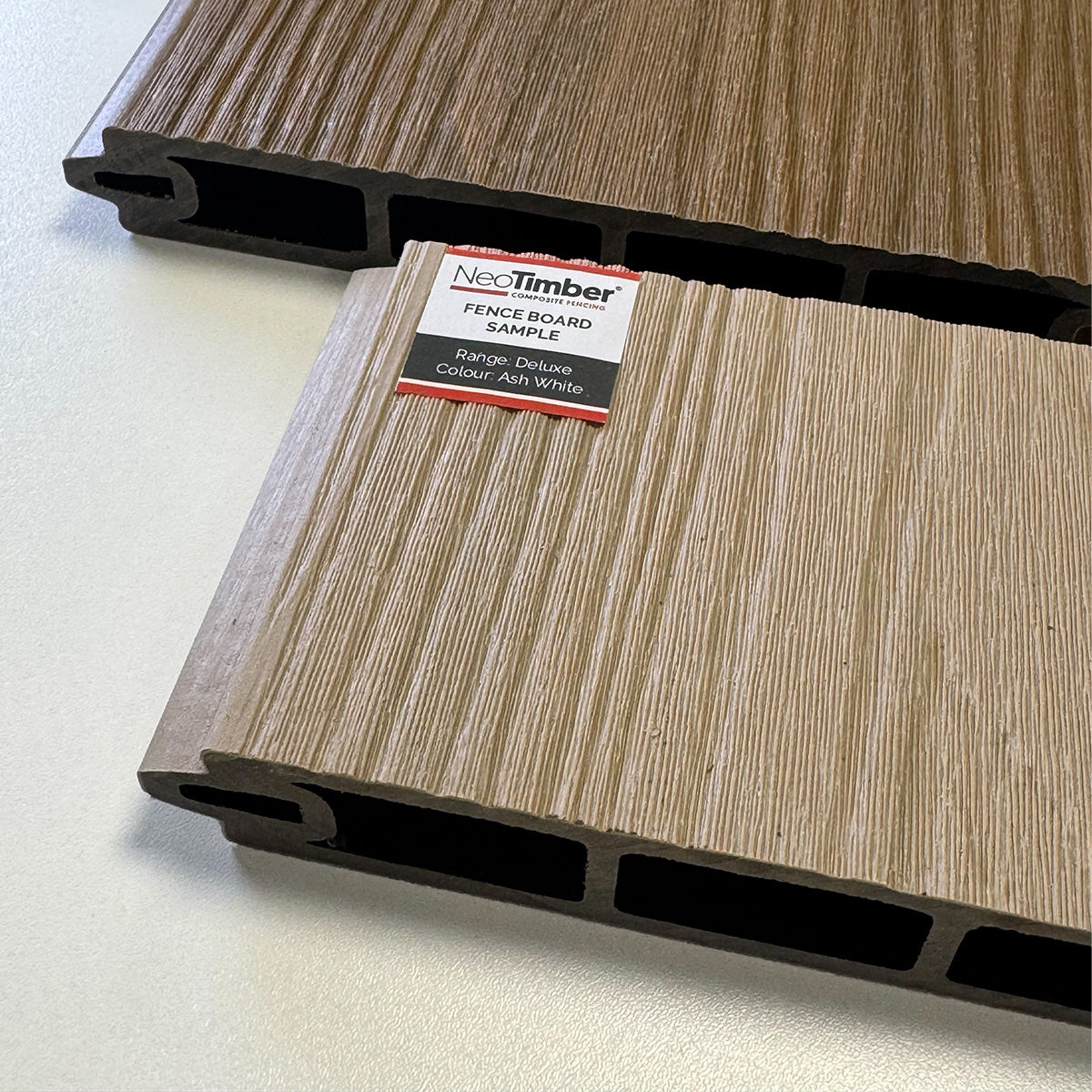
Request samples whenever possible. Colours and textures can look different outdoors than they do on a screen, and viewing materials beside the house will make comparison easier. It is also sensible to obtain complete quotations that include preparation, supporting structures, trims, waste allowances and installation rather than comparing the board or slab price alone.
For raised, structurally complex or regulated projects, use an appropriately competent designer or installer. Follow the manufacturer's current guidance for every component in the build-up.
Explore A Low-Maintenance Alternative With NeoTimber®
The ideal garden surface should suit your home, lifestyle and maintenance expectations. Paving, porcelain, gravel and aluminium all have their place, but composite boards are a strong option if you want a durable wood-effect deck without annual painting, staining or sealing.
Explore the NeoTimber® composite decking collection, compare colours and board styles, or order samples to see how this wood alternative decking material could look in your garden.
Frequently Asked Questions About Decking Alternatives
What can I use instead of decking?
Common alternatives include paving, porcelain tiles, gravel, composite decking tiles and other hard-landscaping surfaces. If you still want a raised or board-style deck, composite and aluminium are the principal alternatives to conventional timber boards.
What is the most affordable alternative to decking?
Gravel can have a relatively low material cost, while retaining an existing lawn avoids a new hard surface altogether. The final price depends on excavation, ground preparation, drainage, access and labour, so compare complete installed costs rather than headline material prices.
What is the lowest-maintenance decking material?
Composite and aluminium systems generally require less routine treatment than timber because they do not normally need annual staining or sealing. Both still require cleaning, inspection and correct installation, and maintenance guidance varies between manufacturers.
Is paving better than composite decking?
Paving can be ideal for a solid, ground-level patio, while composite decking is often better suited to raised designs, uneven sites and projects that call for a board-style appearance. Neither is universally better; the site, design and desired finish should guide the choice.
What looks like wood but is not timber decking?
Composite decking, wood-effect porcelain and some aluminium products can all provide a timber-inspired appearance. Composite boards most closely retain the format and installation style associated with a conventional wooden deck.
Are composite boards environmentally friendly?
Environmental performance depends on the product's material composition, manufacturing, lifespan, transport and end-of-life route. Some composite boards incorporate recycled content and certified wood fibre, but specific environmental claims should be checked against current manufacturer evidence.
Do I need planning permission for an alternative deck?
Some garden projects may fall within permitted development, but raised platforms, listed properties, designated areas and other circumstances can involve additional controls. Requirements vary, so check with the relevant local authority and review applicable building regulations before work begins.