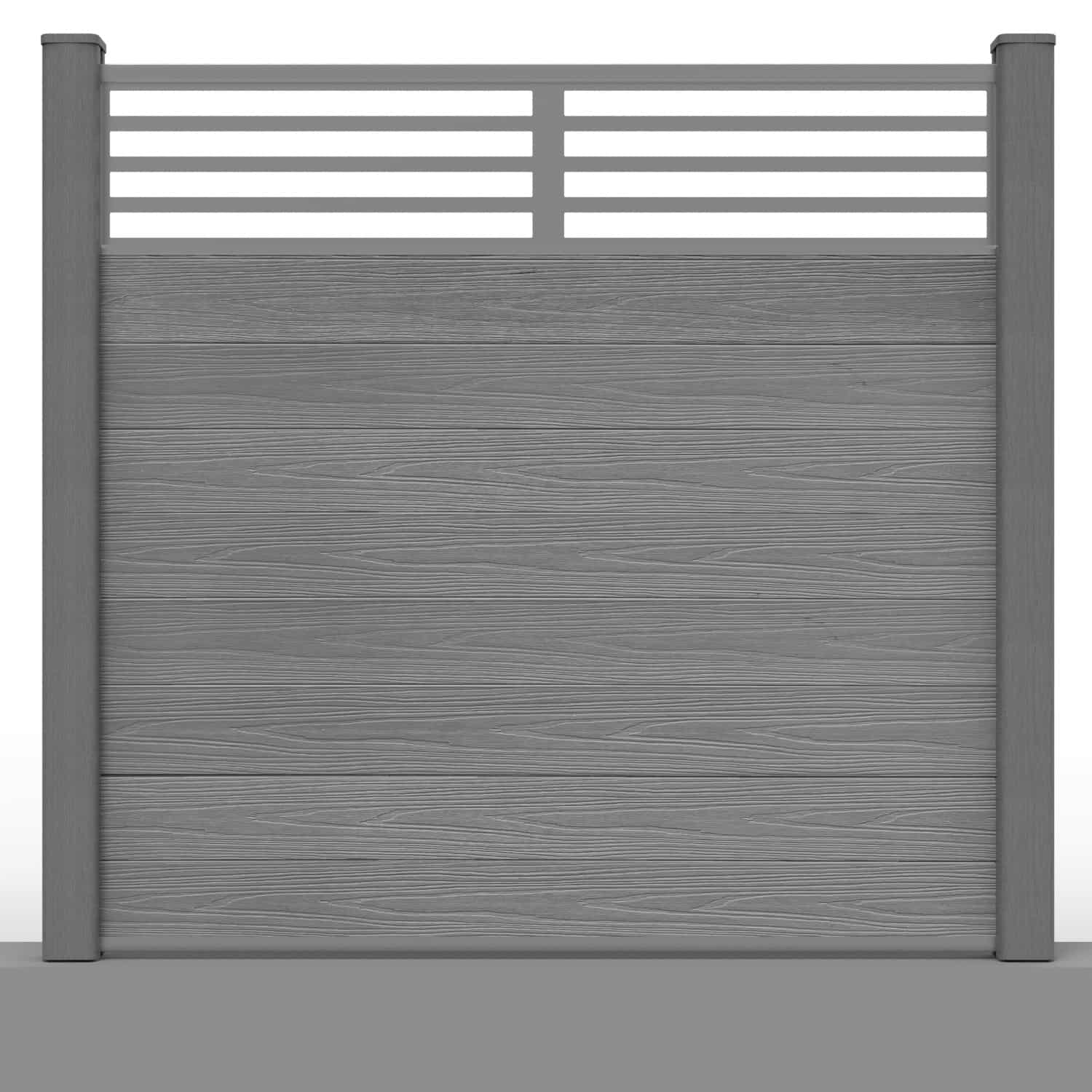
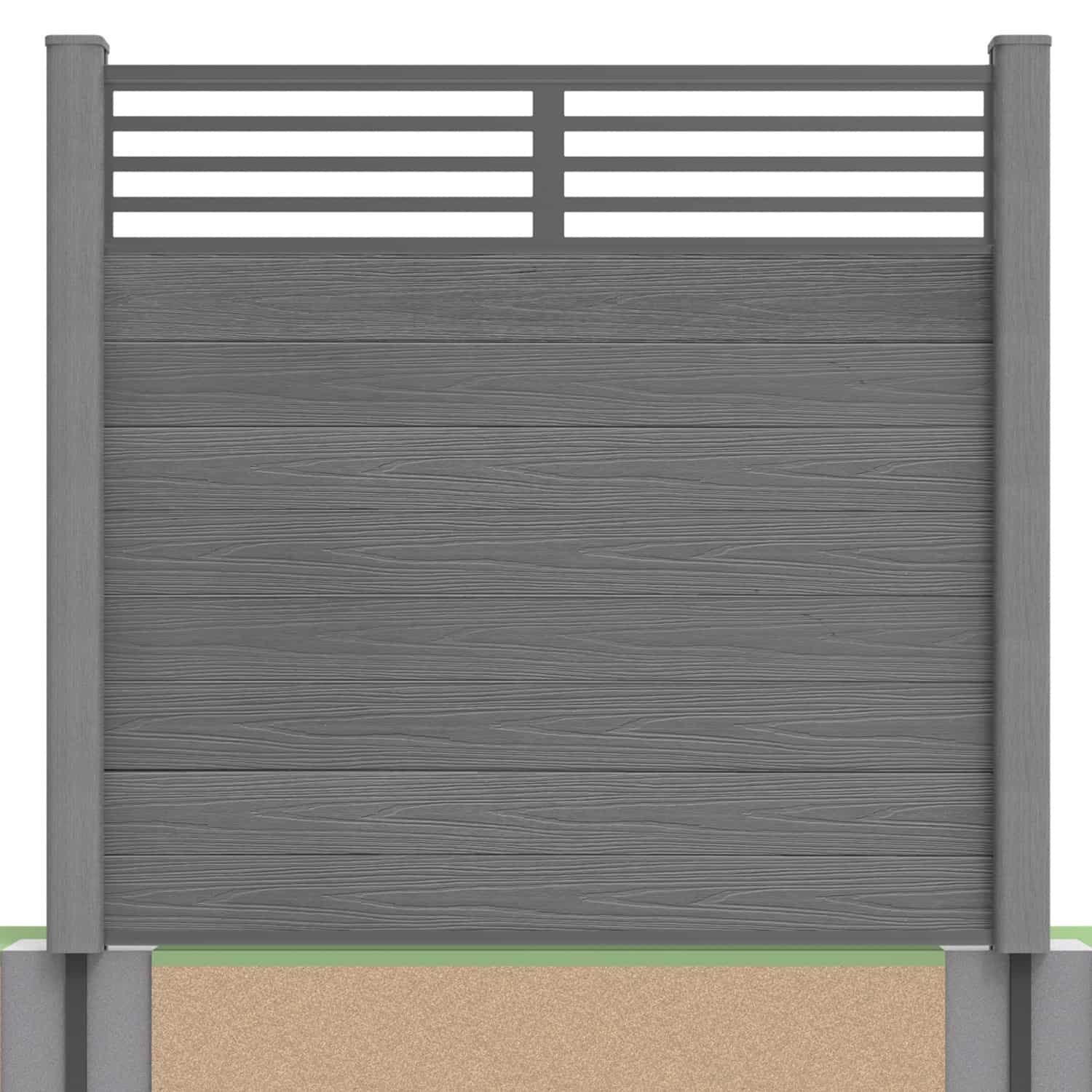
Get a Timber-Inspired Garden Boundary With Composite Fence Boards
Artificial fencing is a broad search term for manufactured boundaries, including wood-effect composite systems. If you like the appearance of timber but want a different care routine, composite boards are an option worth exploring.
The choice is about more than replacing one material with another. Consider the finished appearance, post system, ground conditions and installation cost together. A well-specified boundary needs suitable supports as well as boards you enjoy looking at.
This guide focuses on NeoTimber’s wood-inspired composite fencing. Visit our general fencing page for an overview of the range.
Jump to: Terminology · Appearance · Modular systems · Existing posts · Care · Cost · FAQs
What Is an Artificial Timber Fence?
An artificial timber fence describes a manufactured fence intended to evoke timber’s appearance. It is not a precise material specification: the term can cover different products with different construction and performance.
Artificial wood fencing made from wood–plastic composite combines wood fibres, polymers and additives. It is different from solid timber, all-plastic panels and artificial foliage screens. Check the named product rather than treating those categories as interchangeable.
NeoTimber® uses composite boards within a coordinated system of posts, supports and rails. The assembled design determines the boundary’s appearance and how its components work together.
Choosing an Artificial Wood Fence That Suits the Garden
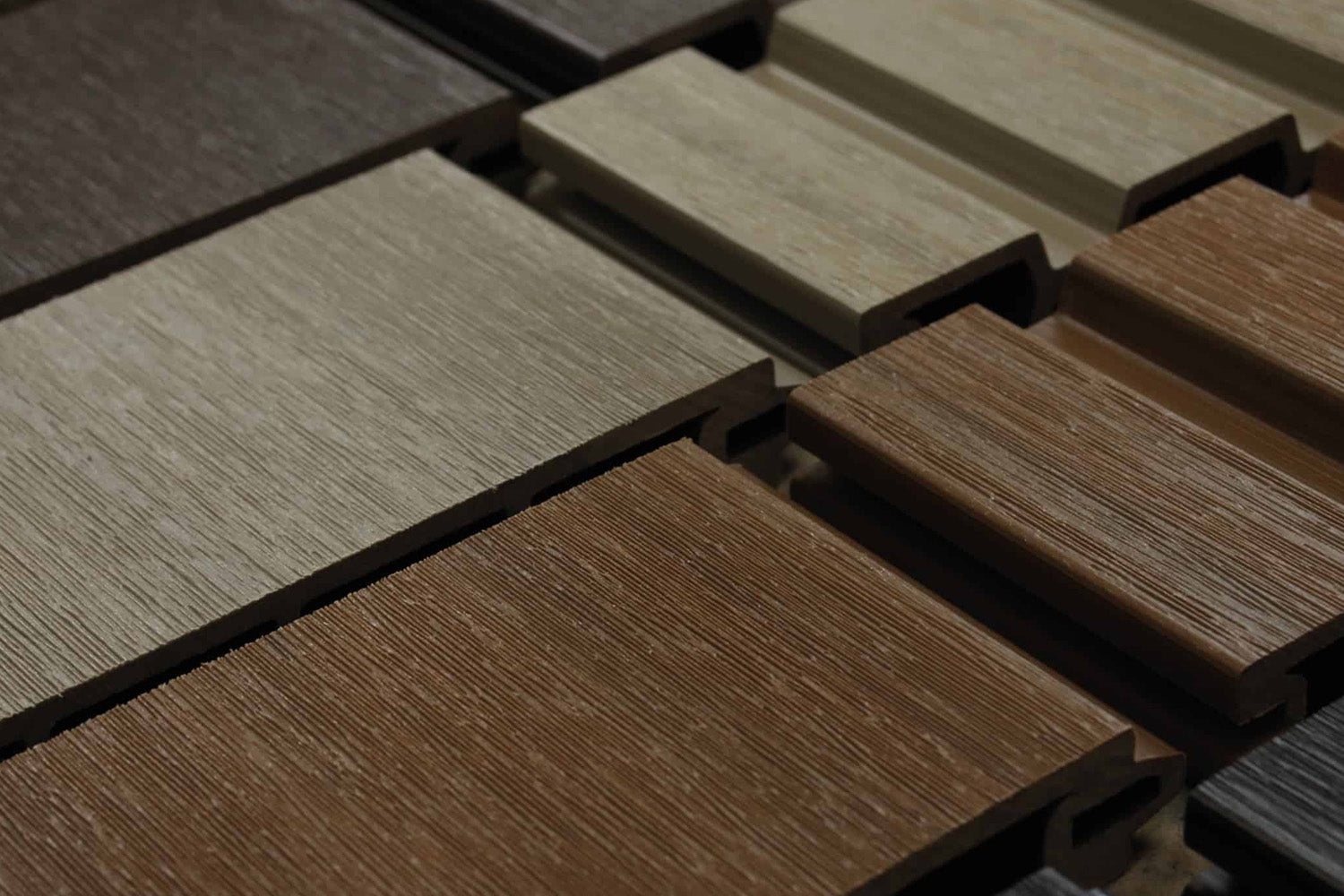
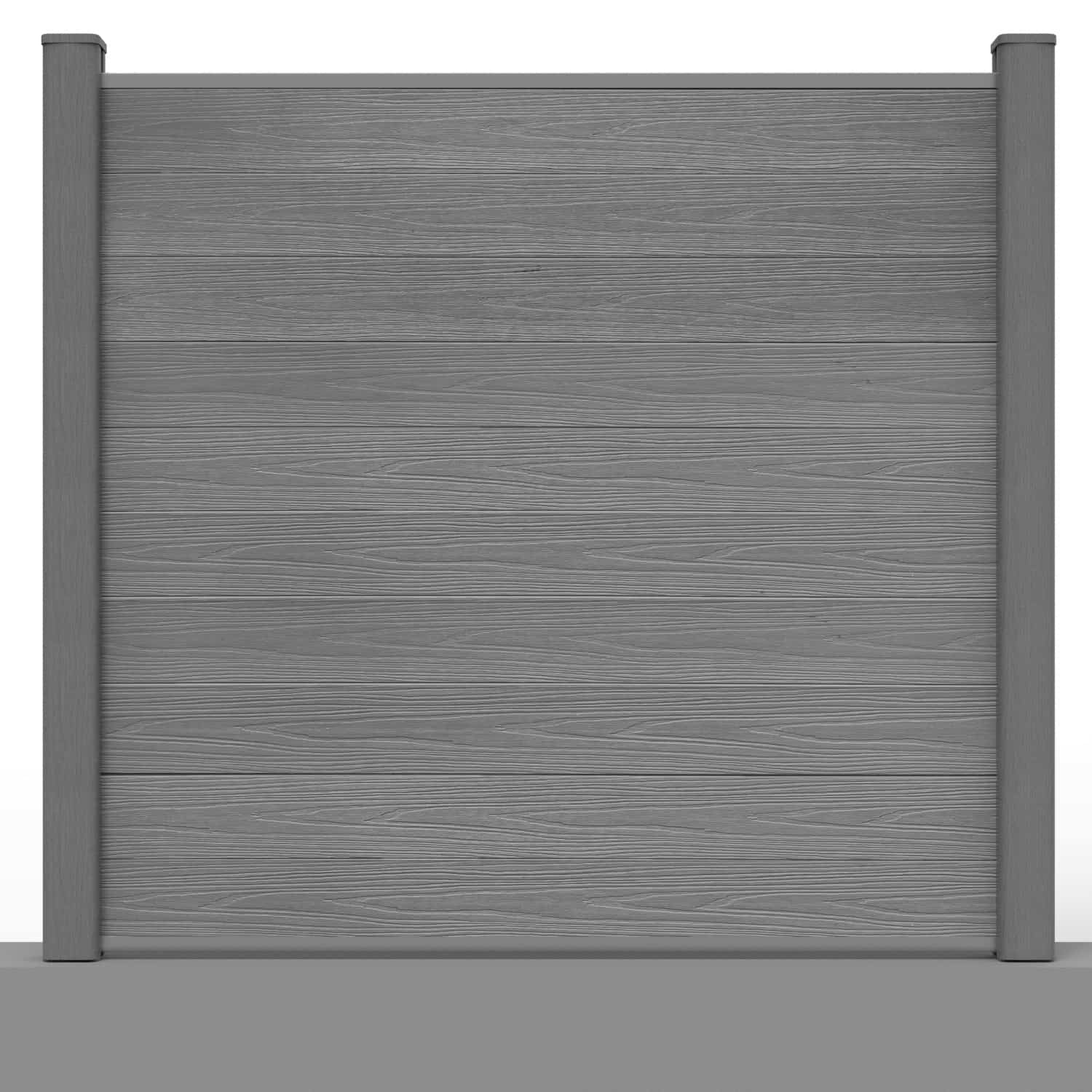
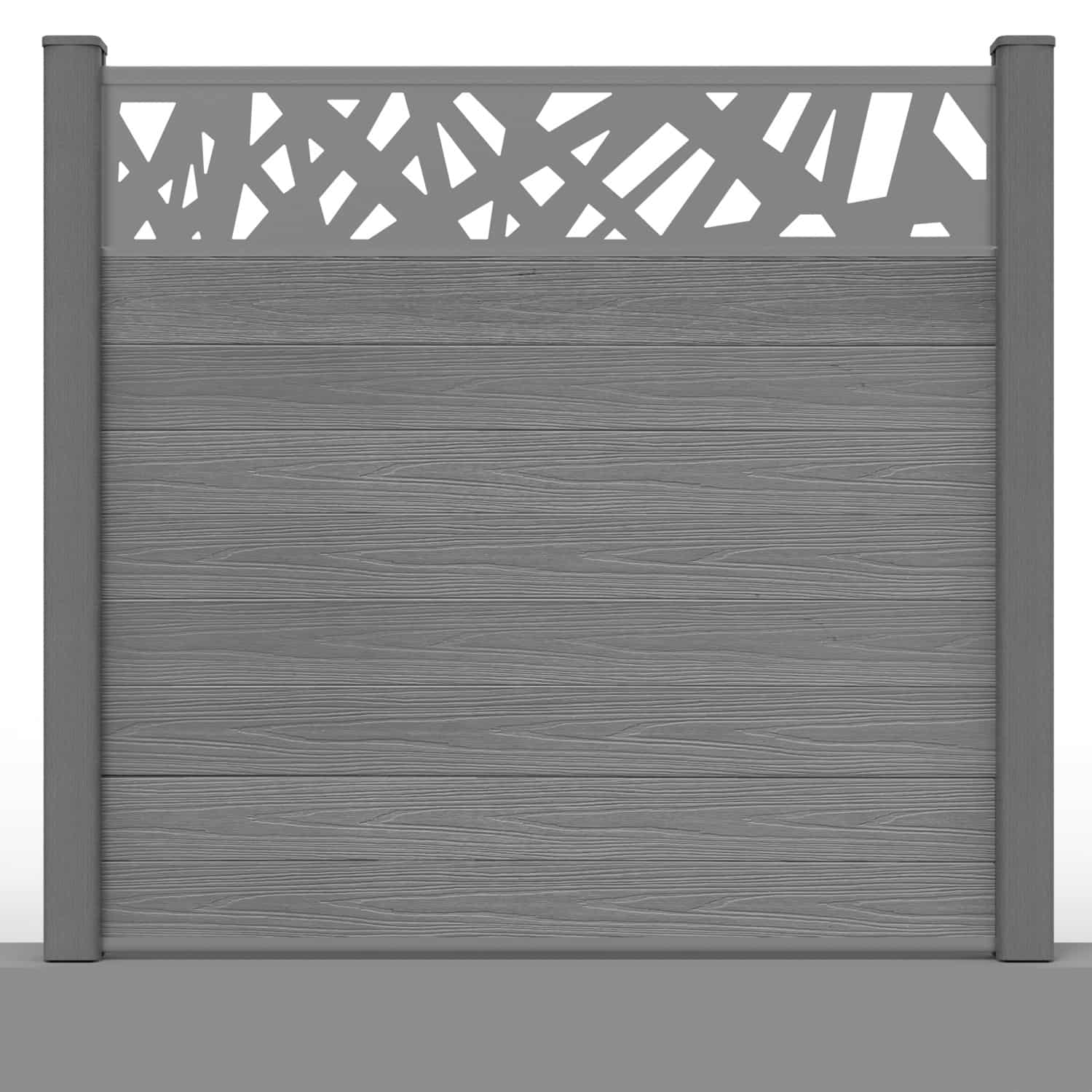
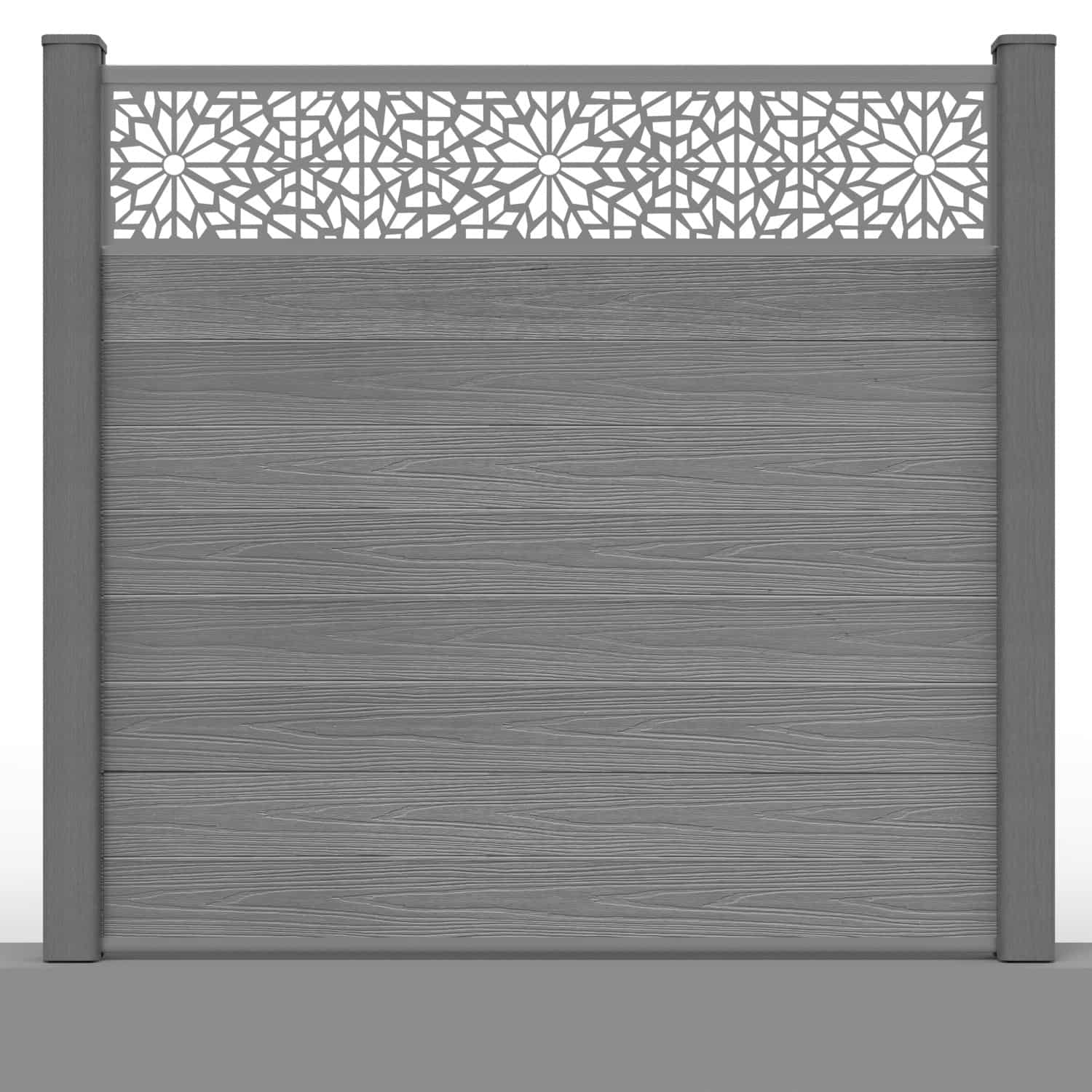
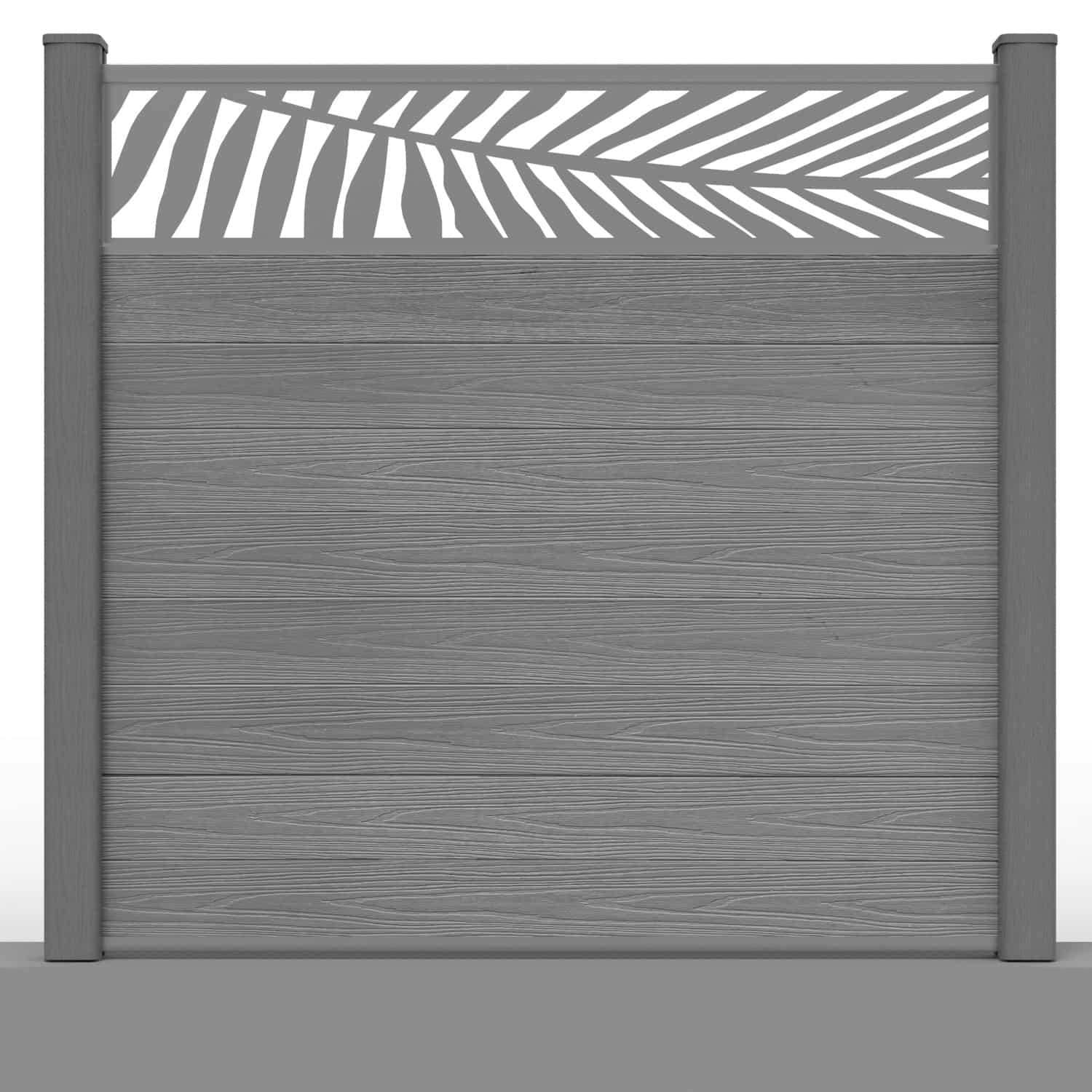
A convincing timber-inspired effect depends on colour, texture and how the full boundary relates to the space. Woodgrain and slatted-style finishes create different visual rhythms; neither is automatically the best option for every house.
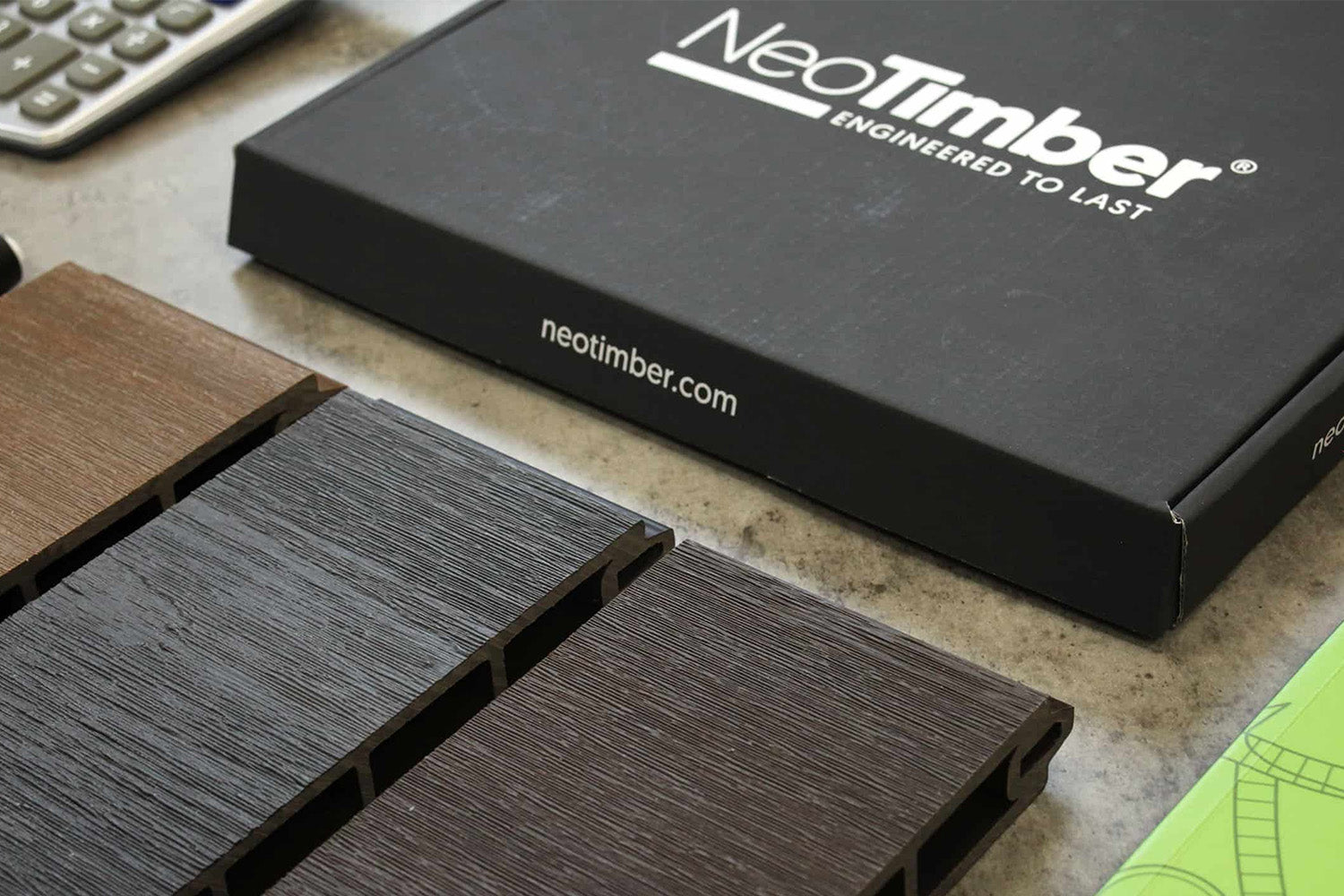
Compare the effect beside your brickwork, paving and planting. Warm browns can soften a contemporary scheme, while grey or charcoal can create a more restrained background. Check current colours in the fencing colour guide and selected product listing.
A manufactured finish will not reproduce every variation of natural timber. That can be an advantage if you prefer a coordinated appearance, but it is a matter of taste rather than evidence that other materials are visually inferior.

What Does Capping Add?
Capped composite boards have an additional protective surface designed to improve resistance to fading and staining. The cap does not make the finish immune to marks, scratches or colour change.
Consider the benefits alongside your intended use. A low-upkeep boundary can be appealing around a seating area, but cleaning and periodic checks still belong in the plan.
How a Modular Fence System Works
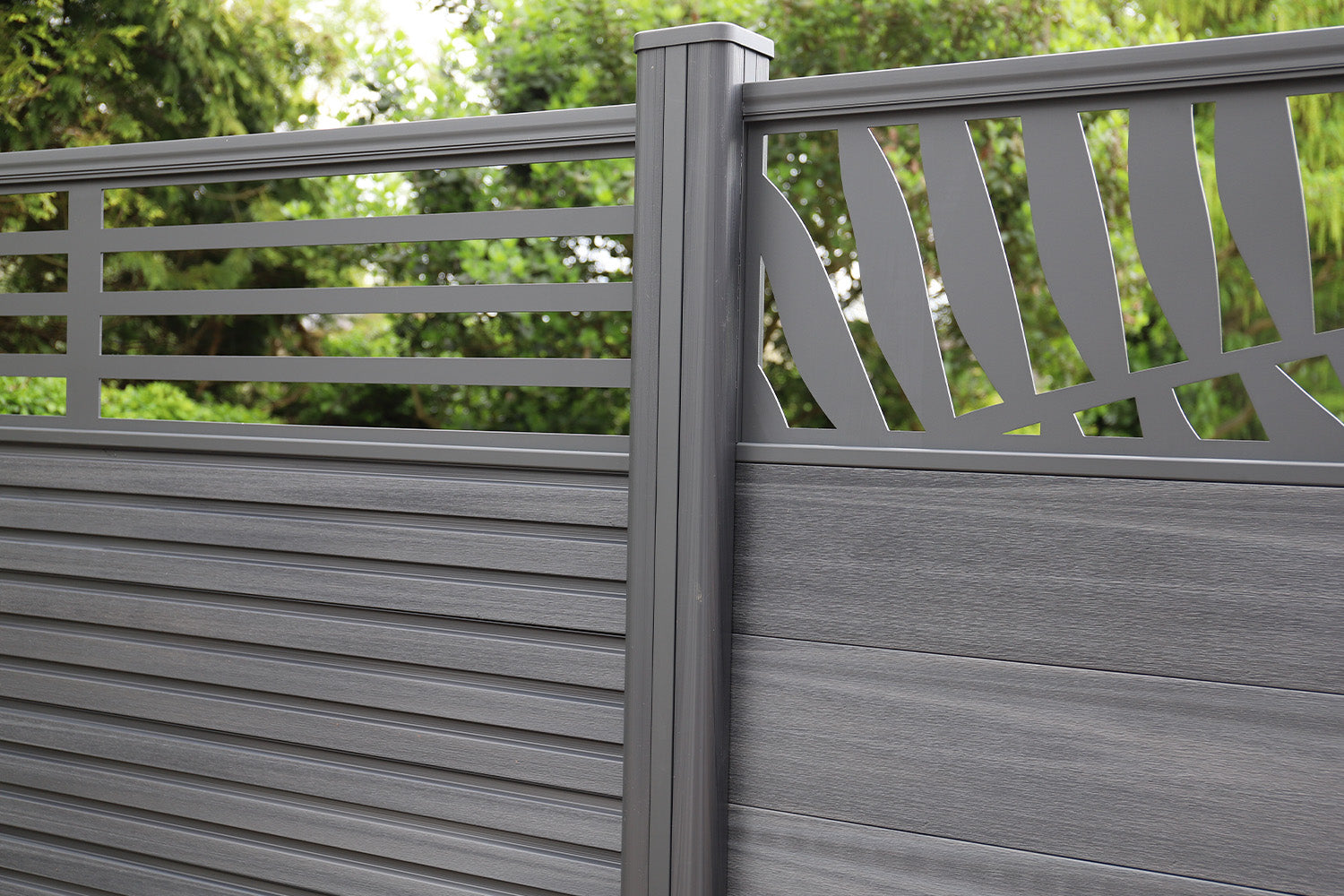
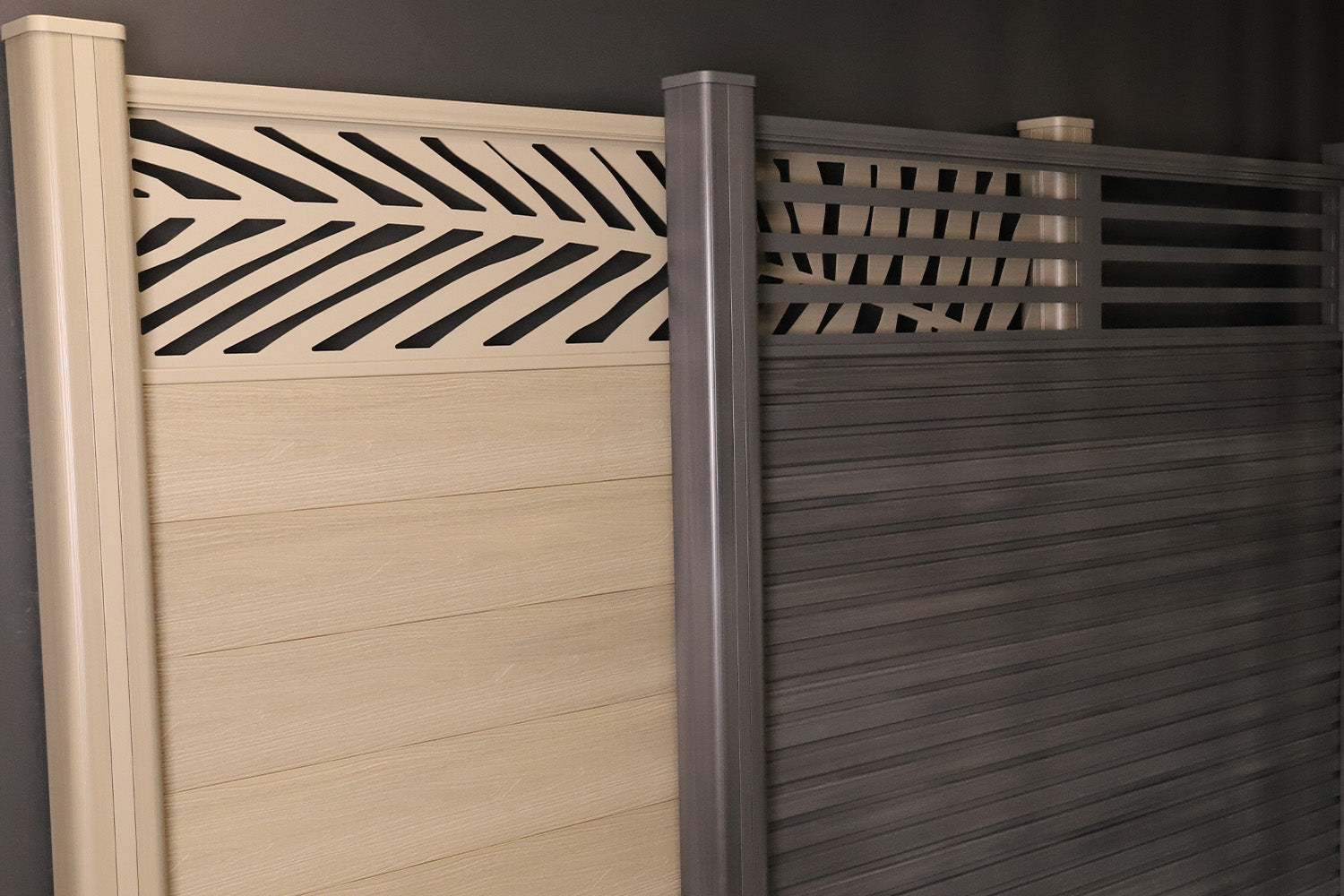
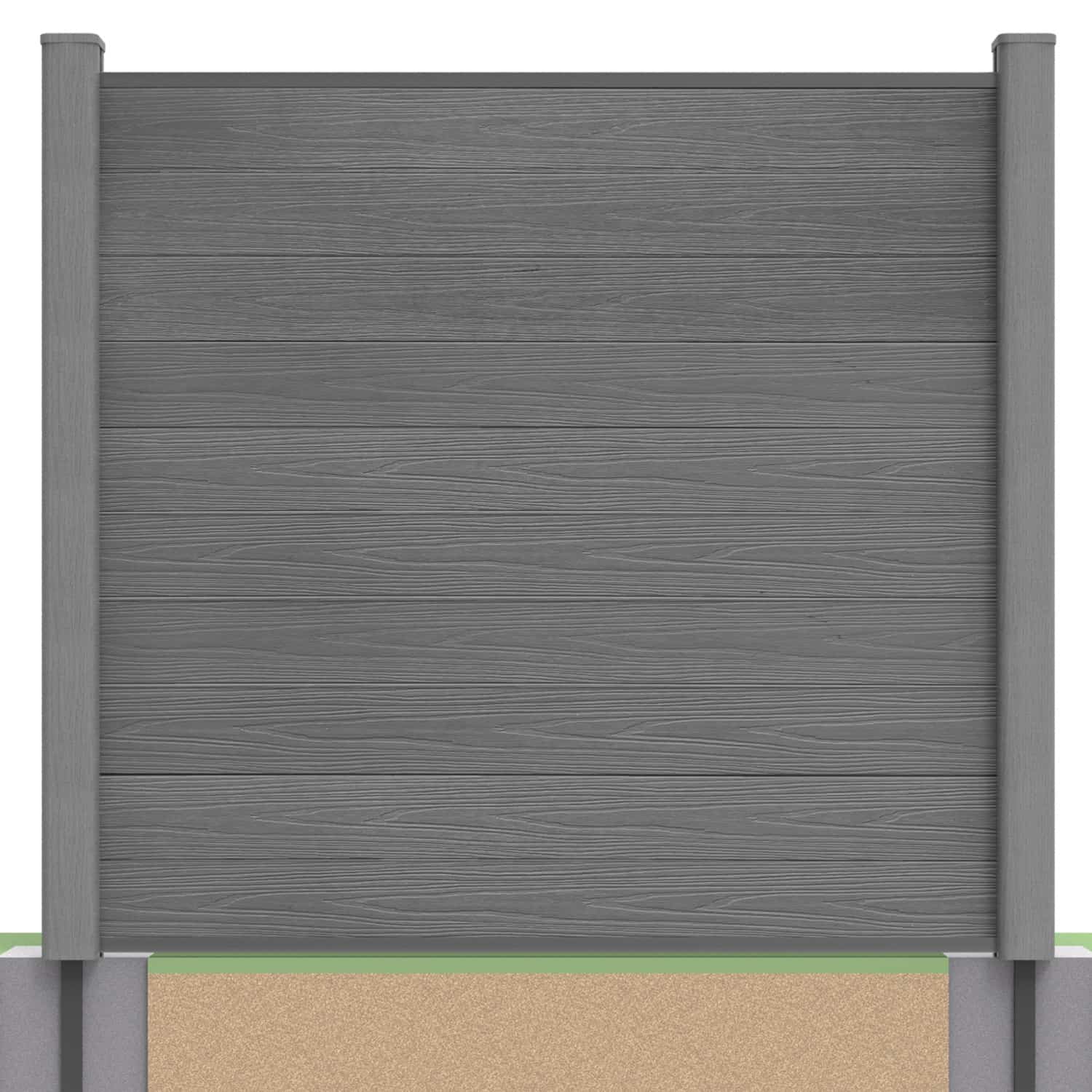
NeoTimber’s component-based approach combines individual boards with compatible posts and finishing components. This can provide flexibility within the permitted system dimensions, rather than requiring every section to arrive as one large assembled panel.
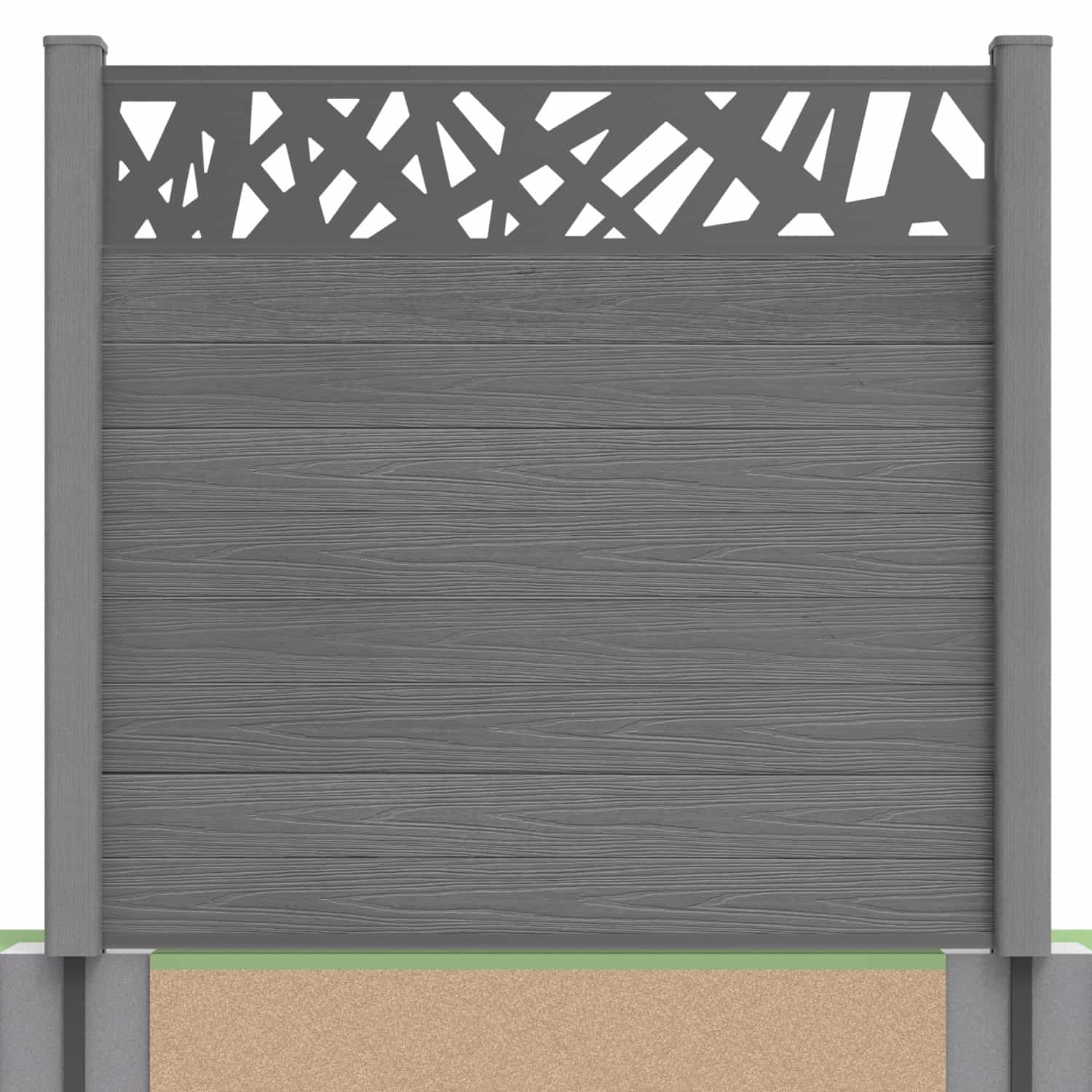
Compare the Deluxe and Slatted options, then confirm the exact set contents. Boards, posts, supports and capping rails should be specified as a complete arrangement.
Modular does not mean unrestricted customisation. Cutting, joining or changing heights must follow the product instructions. Do not assume that rails alone make every arrangement suitable for wind exposure or additional loads.

Hard-Ground and Soft-Ground Details
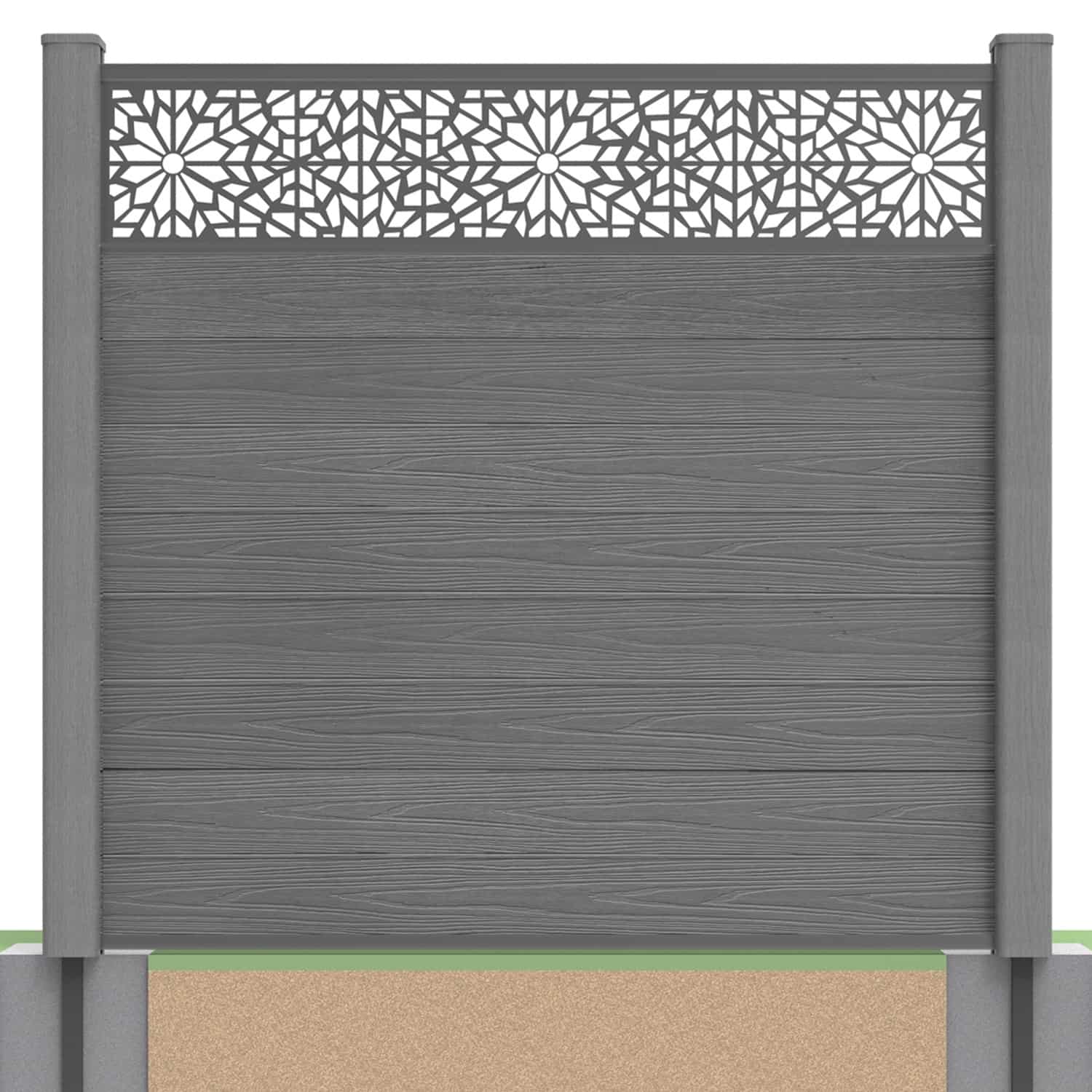
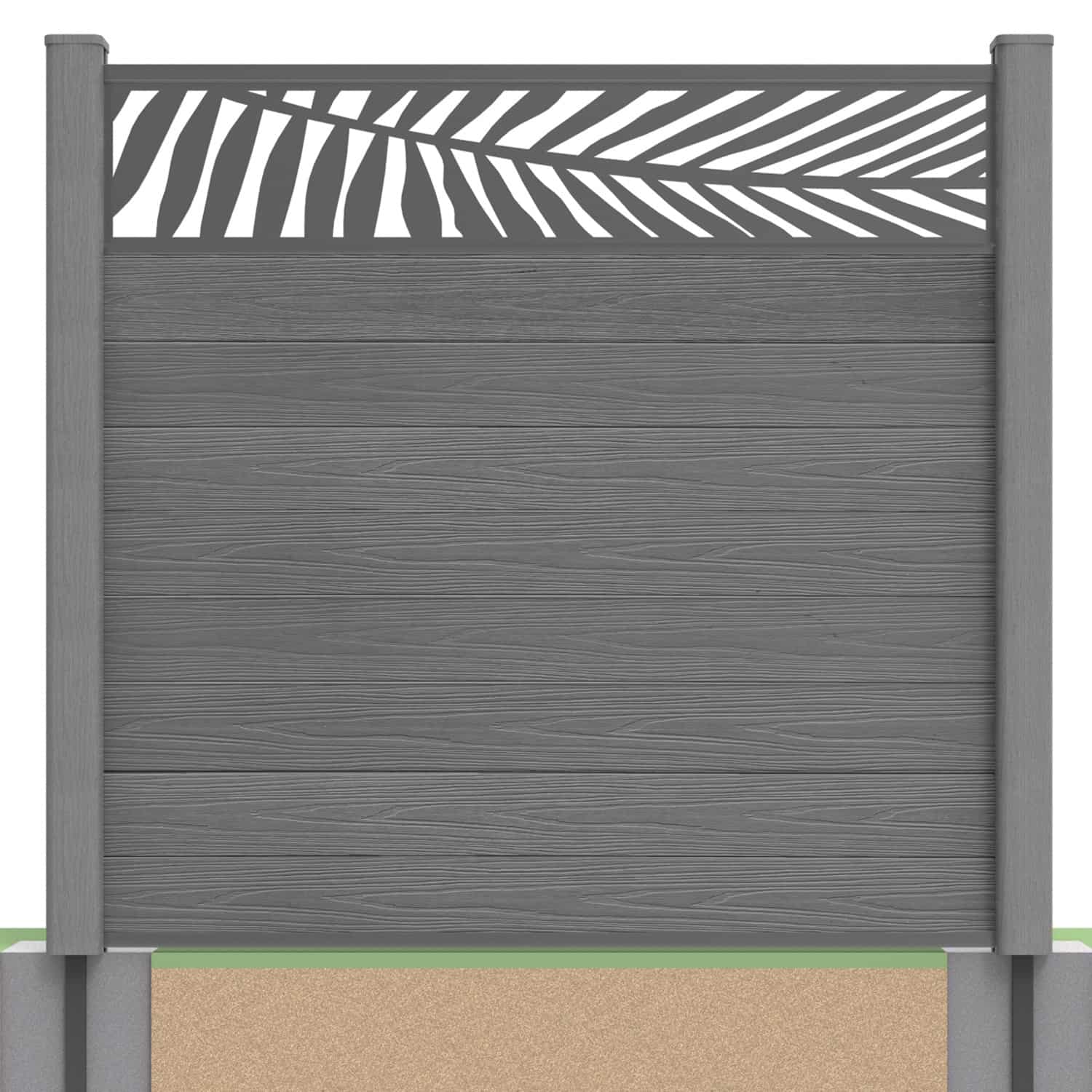
Different support options suit different installation conditions. Assess the base before selecting a hard-ground post set or soft-ground post set.
A paving slab is not automatically an adequate structural base, and a generic foundation depth does not suit every soil or fence height. Follow the installation guidance and seek competent advice where conditions or exposure are uncertain.
Can an Artificial Fence Use Existing Posts?
Potentially, if the posts, foundations and dimensions suit the replacement system. Retaining sound components may reduce removal work, but suitability needs assessment before ordering.
Compatible wooden-post inserts and concrete-post inserts can form part of relevant configurations. They do not repair deteriorated posts or prove that a foundation can carry a different boundary.
Measure the openings, inspect the supports and confirm the required fixing details. Our modular fencing guide provides more context for planning.

Artificial Timber Fencing and Ongoing Care
Artificial timber fencing appeals to many buyers because composite products avoid routine painting or staining to maintain a decorative finish. That is a useful difference from maintaining certain timber finishes, rather than a promise of no maintenance.
Clear dirt and organic deposits using the approved method. Keep planting from obstructing inspection and avoid unapproved attachments or loads. Check for damaged boards, loose components and movement after severe weather.
Do not assume composite prevents algae or mildew from appearing on a dirty surface. Likewise, capped construction does not make every stain easy to remove. Ask for advice before using strong chemicals, abrasive repairs or coatings.
Natural timber remains a legitimate alternative, with care varying by species, treatment and desired appearance. Compare complete systems and realistic ownership routines rather than assuming all timber fences fail quickly.
Compare the Whole Project Cost
Include boards, posts, supports, rails, gates, groundwork, delivery and labour. Confirm waste disposal and removal of the existing boundary in the quotation.
Any longer-term saving depends on the alternative product, exposure and care you would otherwise undertake. There is no universal payback period. Our affordable composite fencing guide helps structure the comparison.
Read the applicable fencing warranty separately. Cover is subject to terms and conditions, and a headline period is not a guarantee of an unchanged appearance or an exact service life.
Questions to Ask Before Choosing
- What material and construction does the product use?
- Does the assembled style provide the privacy I want?
- Which posts and supports suit the ground and exposure?
- Are any existing components suitable to retain?
- What cutting and installation details are permitted?
- What cleaning, inspection and repair arrangements are needed?
- What does the complete installed quotation include?
For a wider comparison with concrete, metal, walls and hedging, explore our fencing alternatives guide.
Artificial Fencing FAQs
Is artificial fencing always composite?
No. It is a broad term for manufactured products. Check whether the system uses composite boards, plastic, metal or another construction.
Does an artificial wood fence contain wood?
A wood–plastic composite board contains wood fibres alongside polymers and additives. A timber-effect all-plastic product may have a different composition.
Will a composite fence need painting?
NeoTimber® boards do not need routine painting or staining to maintain their decorative finish. Cleaning and inspection remain necessary.
Can it fit existing concrete posts?
It may, using a compatible arrangement where the posts, spacing and foundations are suitable. Confirm the detail before purchase.
Is it guaranteed to withstand all weather?
No boundary should be selected on that assumption. Height, exposure, foundations and connections need appropriate specification, and warranty terms have limits.
How can I discuss my project?
Contact the NeoTimber® team with measurements, photographs, ground details and your preferred appearance.
Choose a Wood-Effect Boundary With a Clear Specification
A well-chosen manufactured fence brings together the finish you want and the construction your site needs. Compare appearance, installation and care before ordering, then explore our composite fencing range to develop the design.