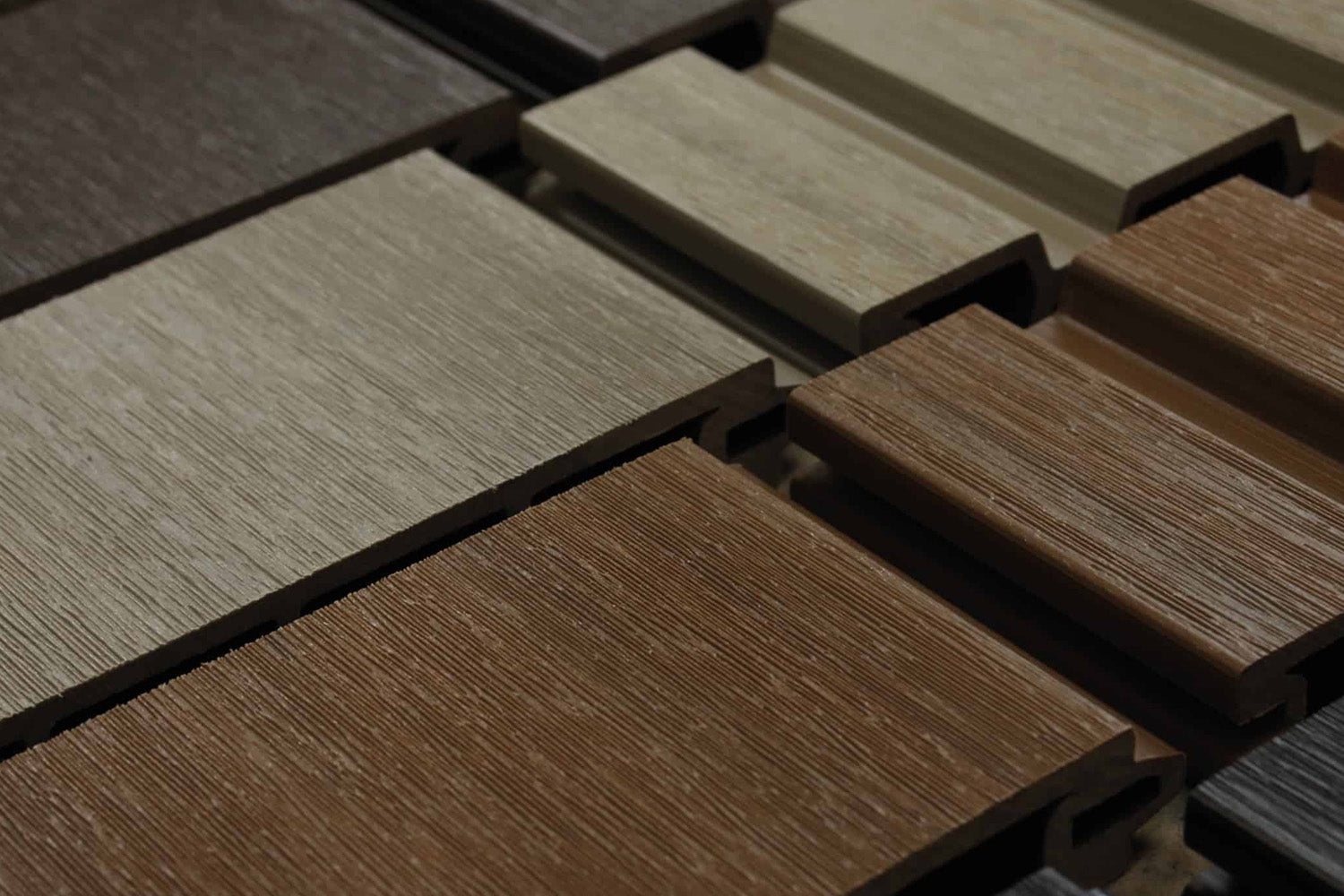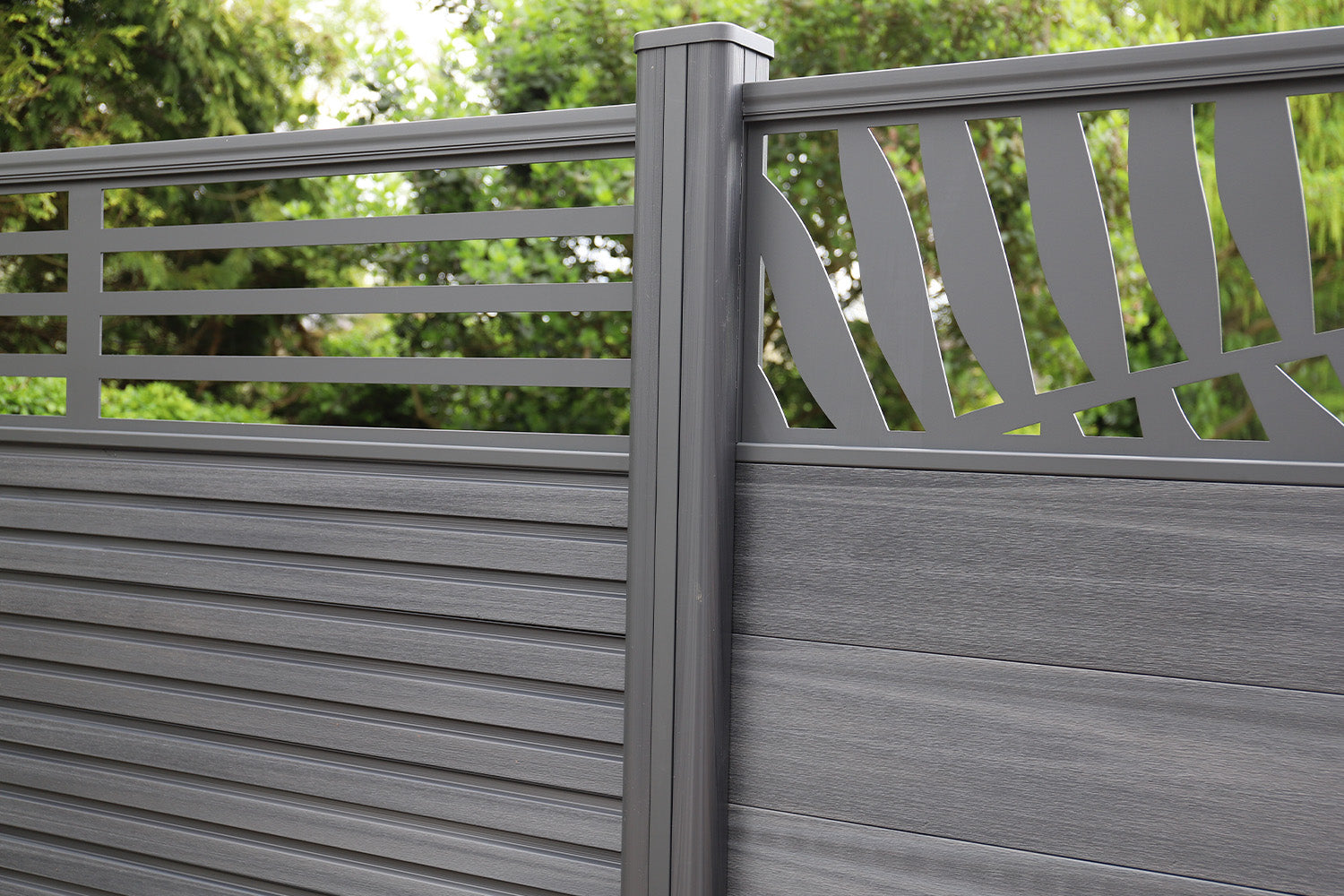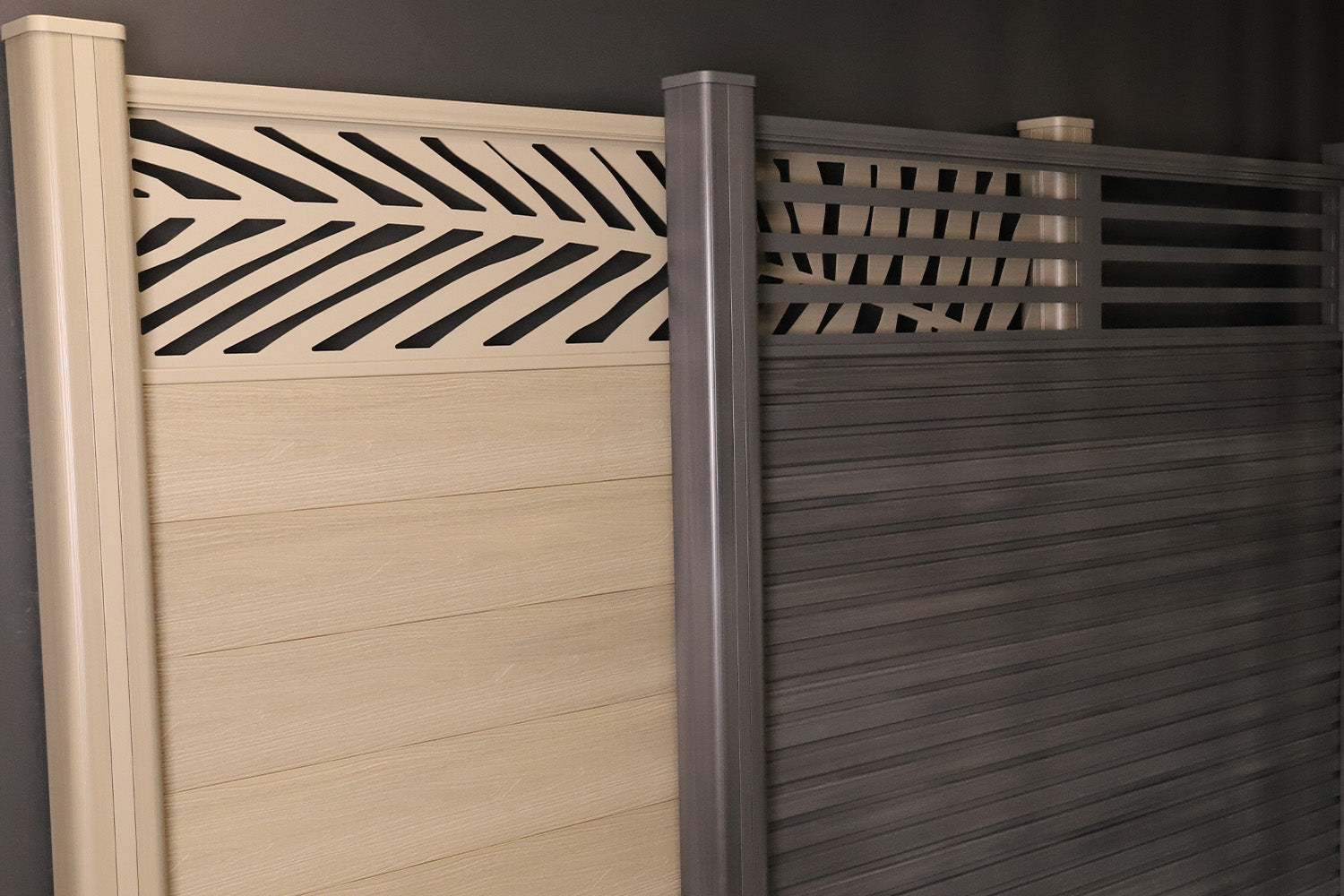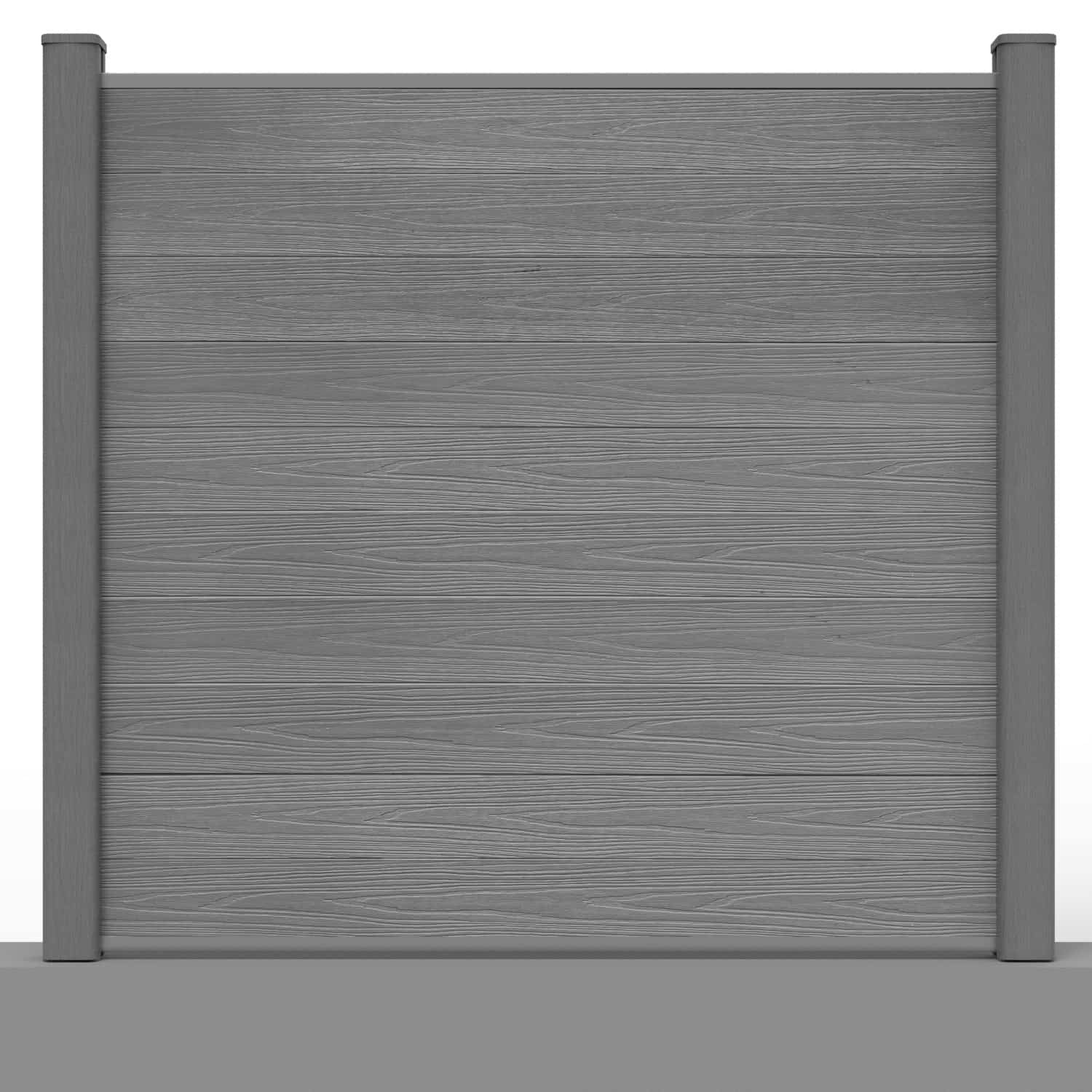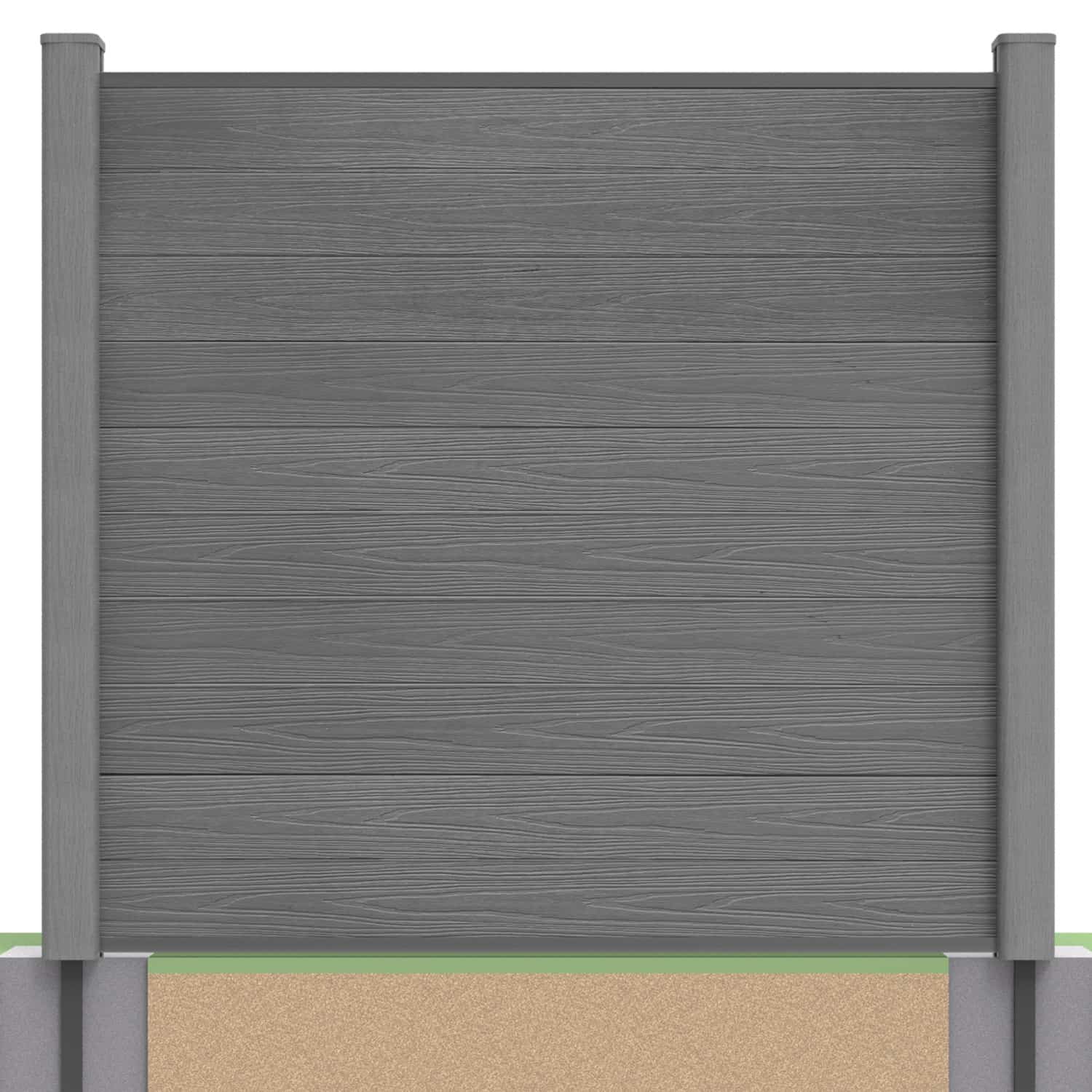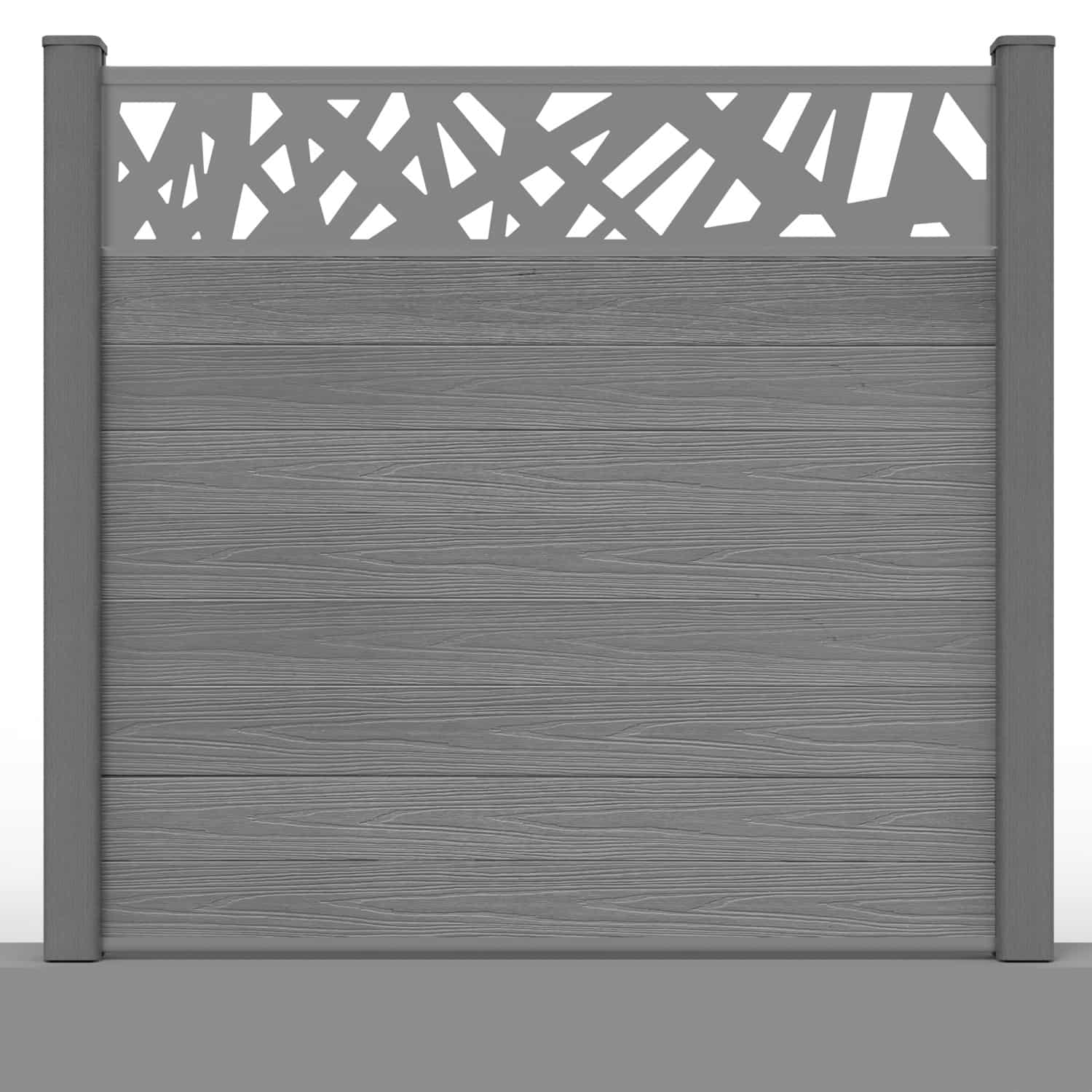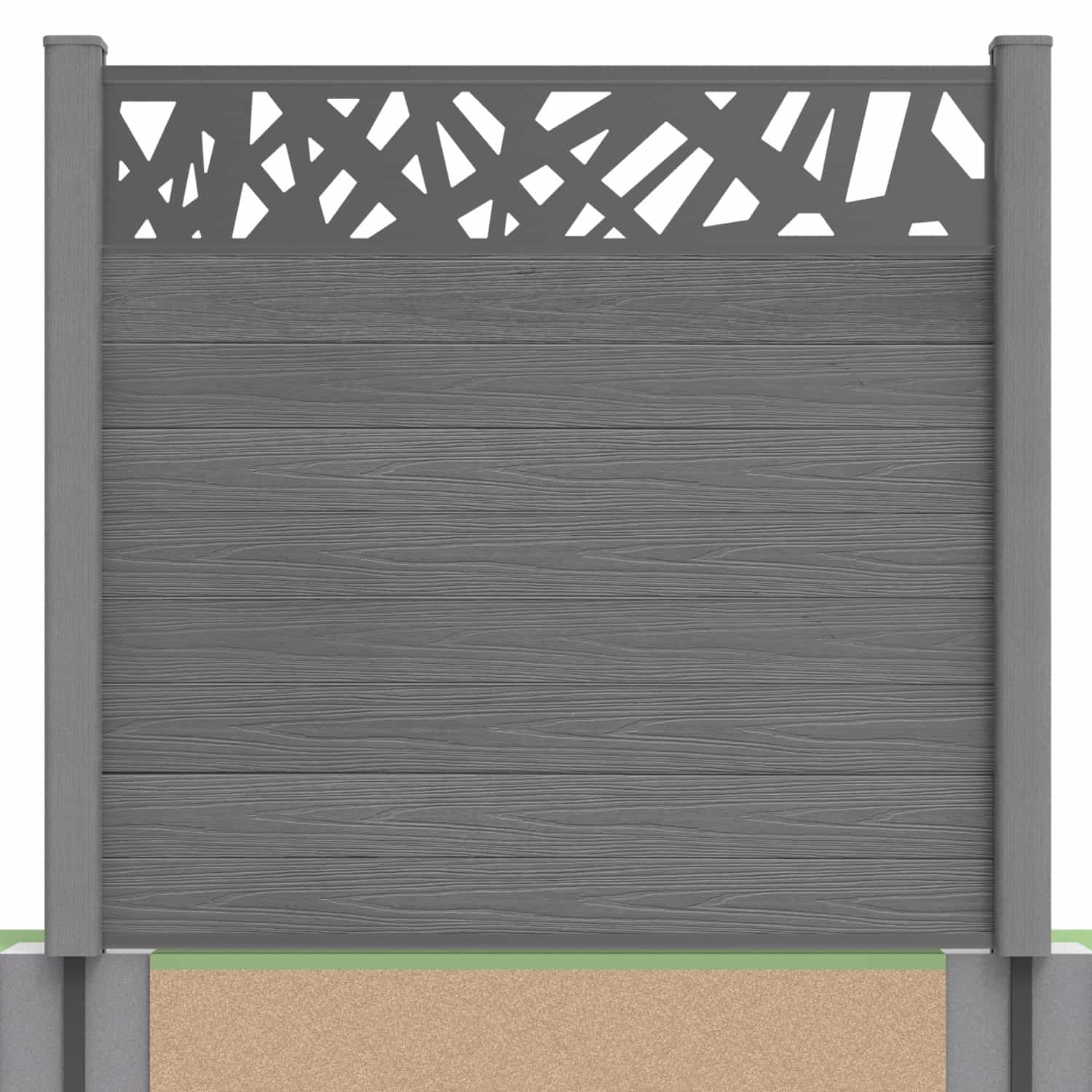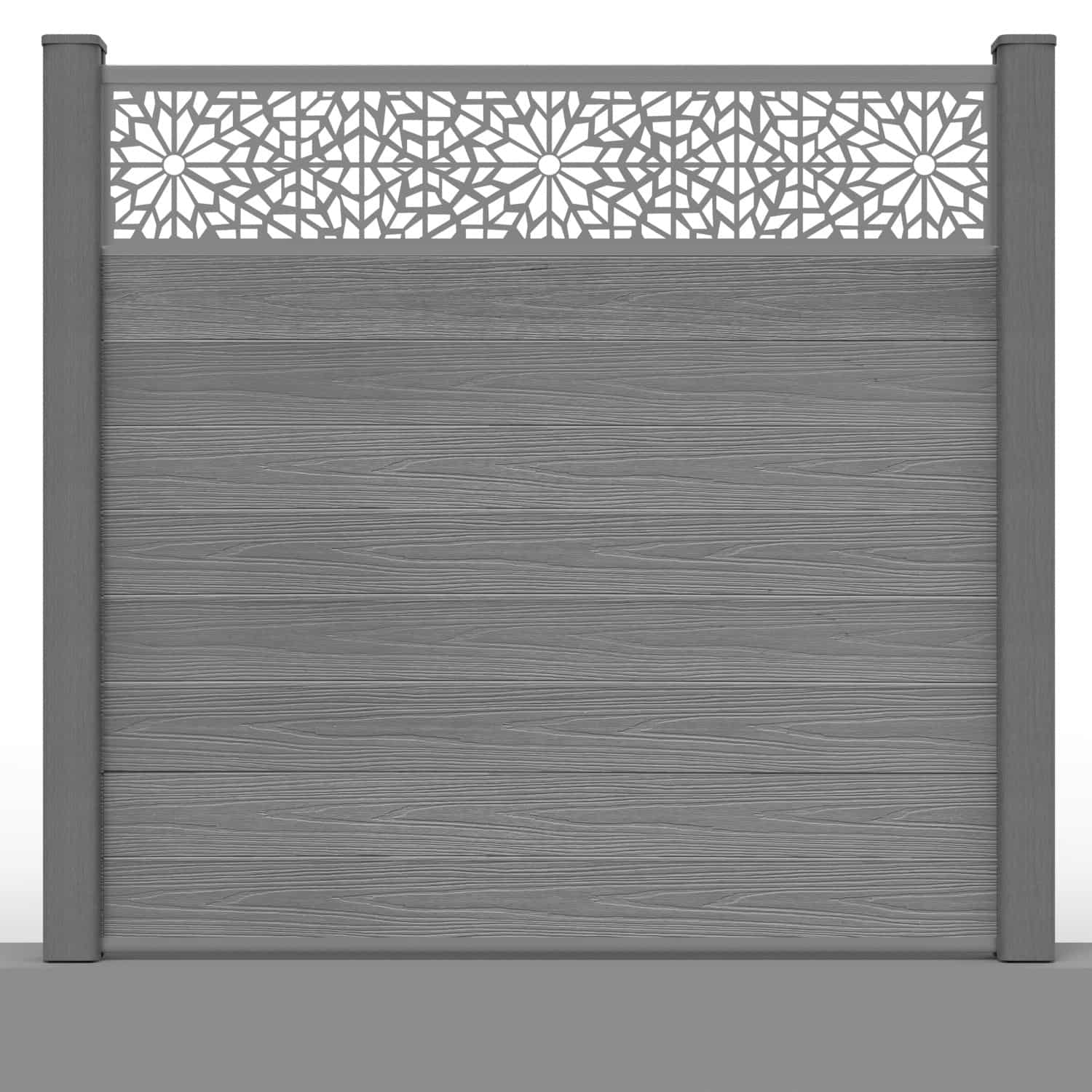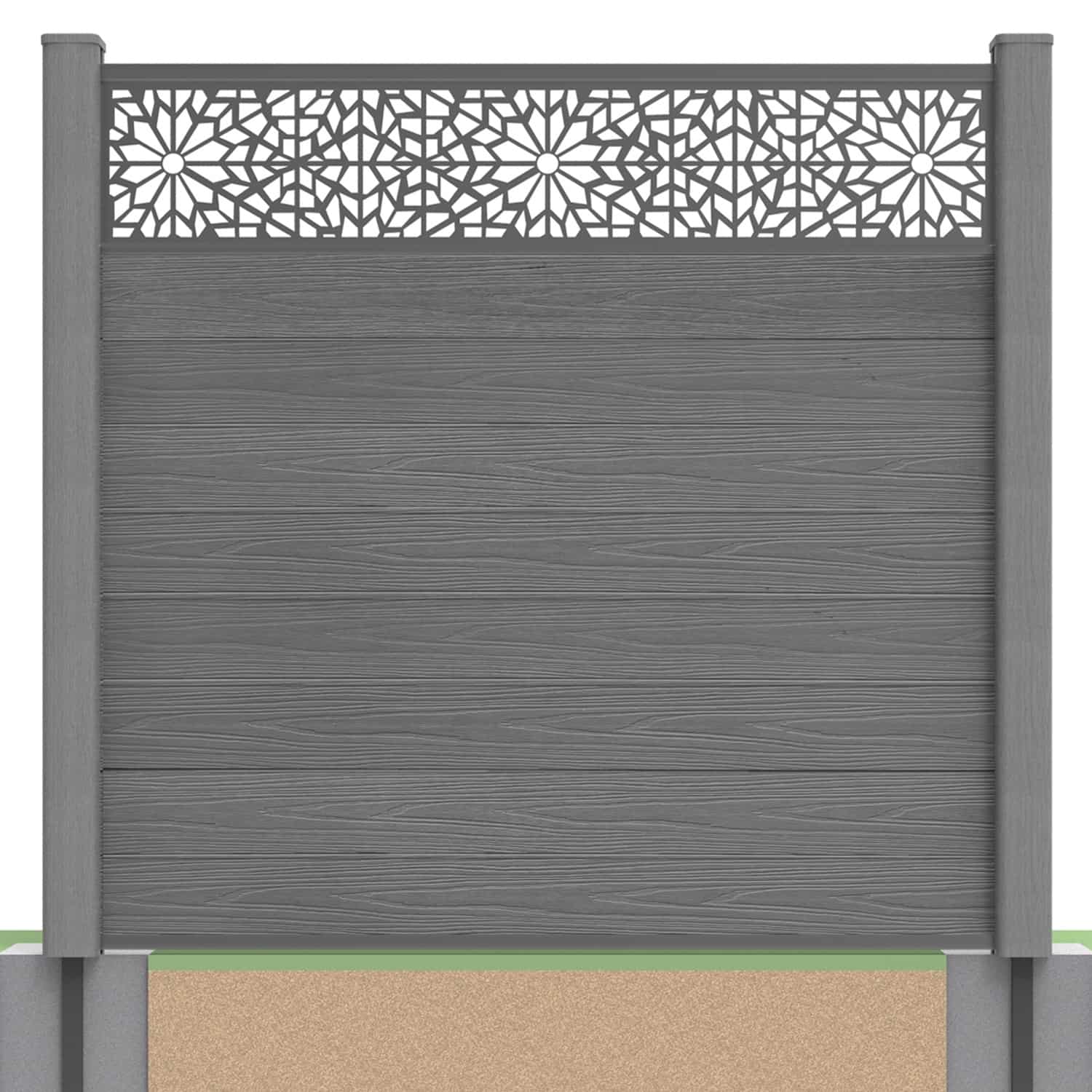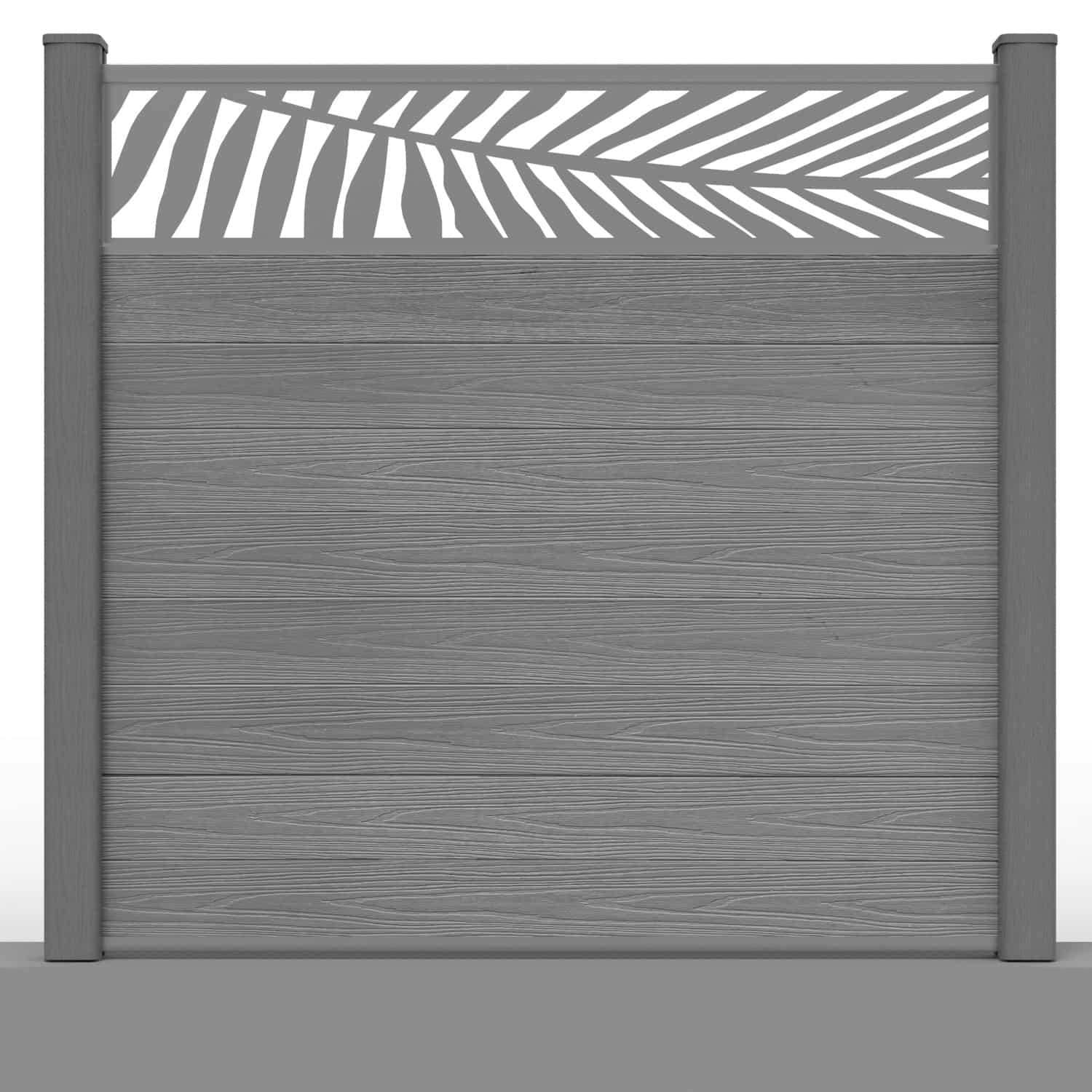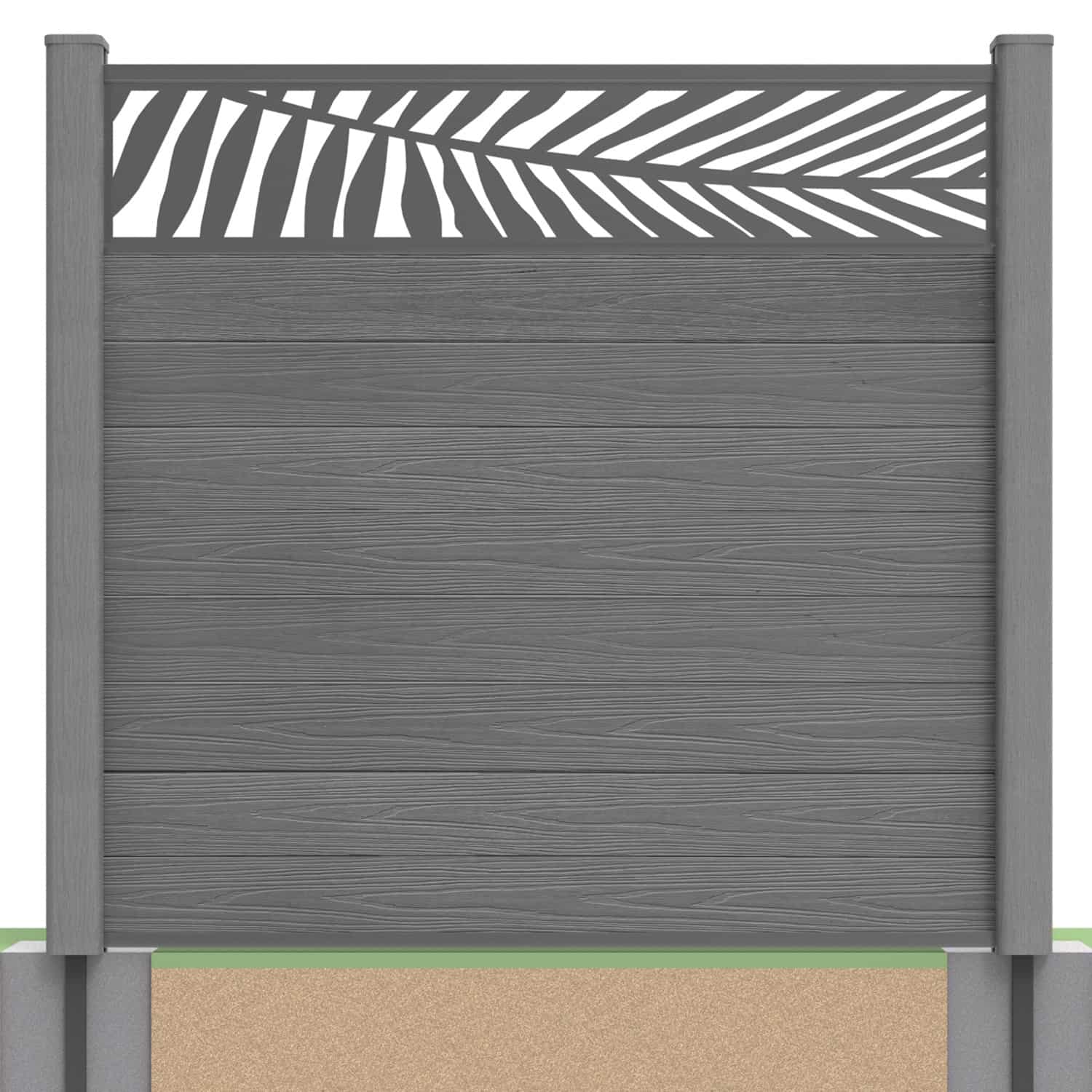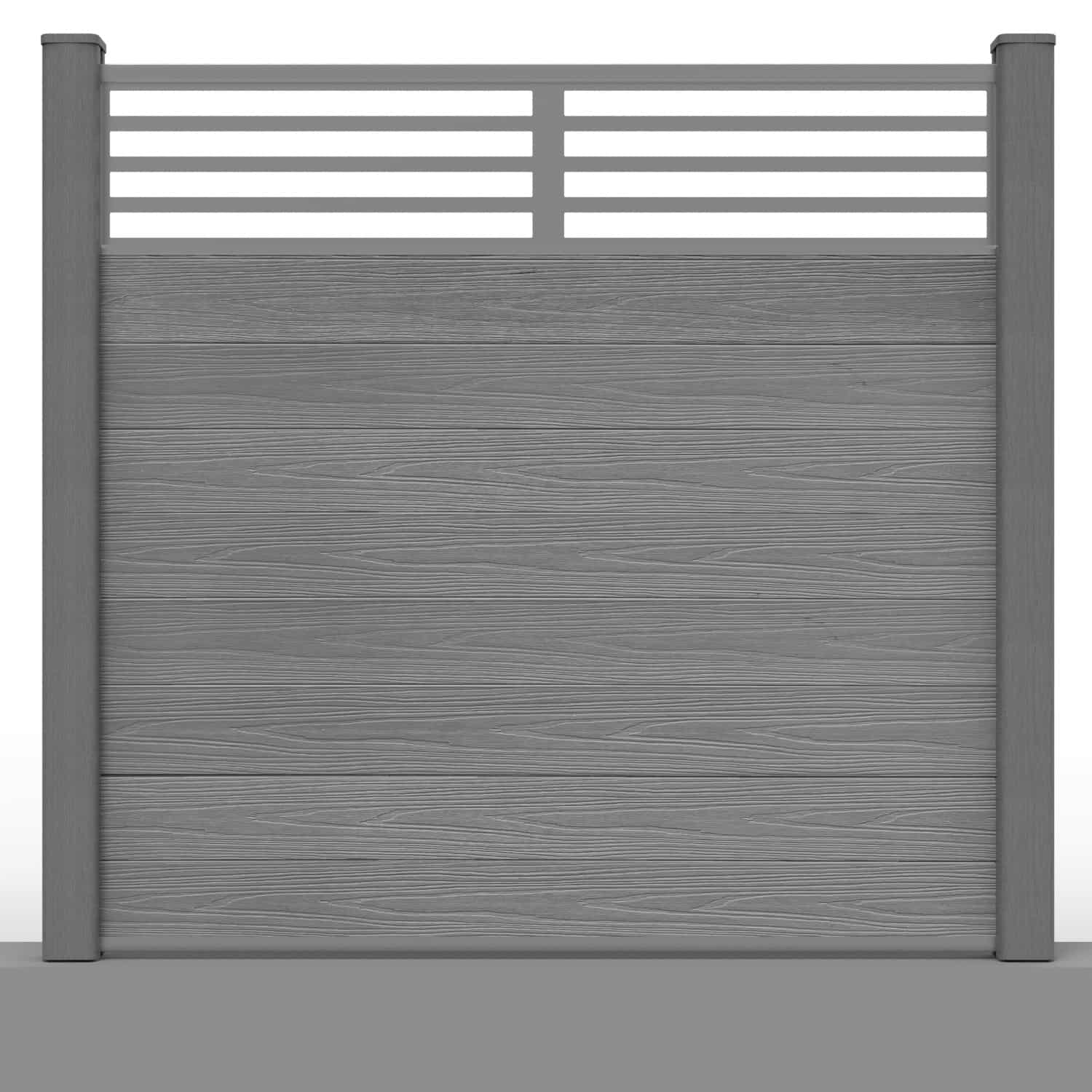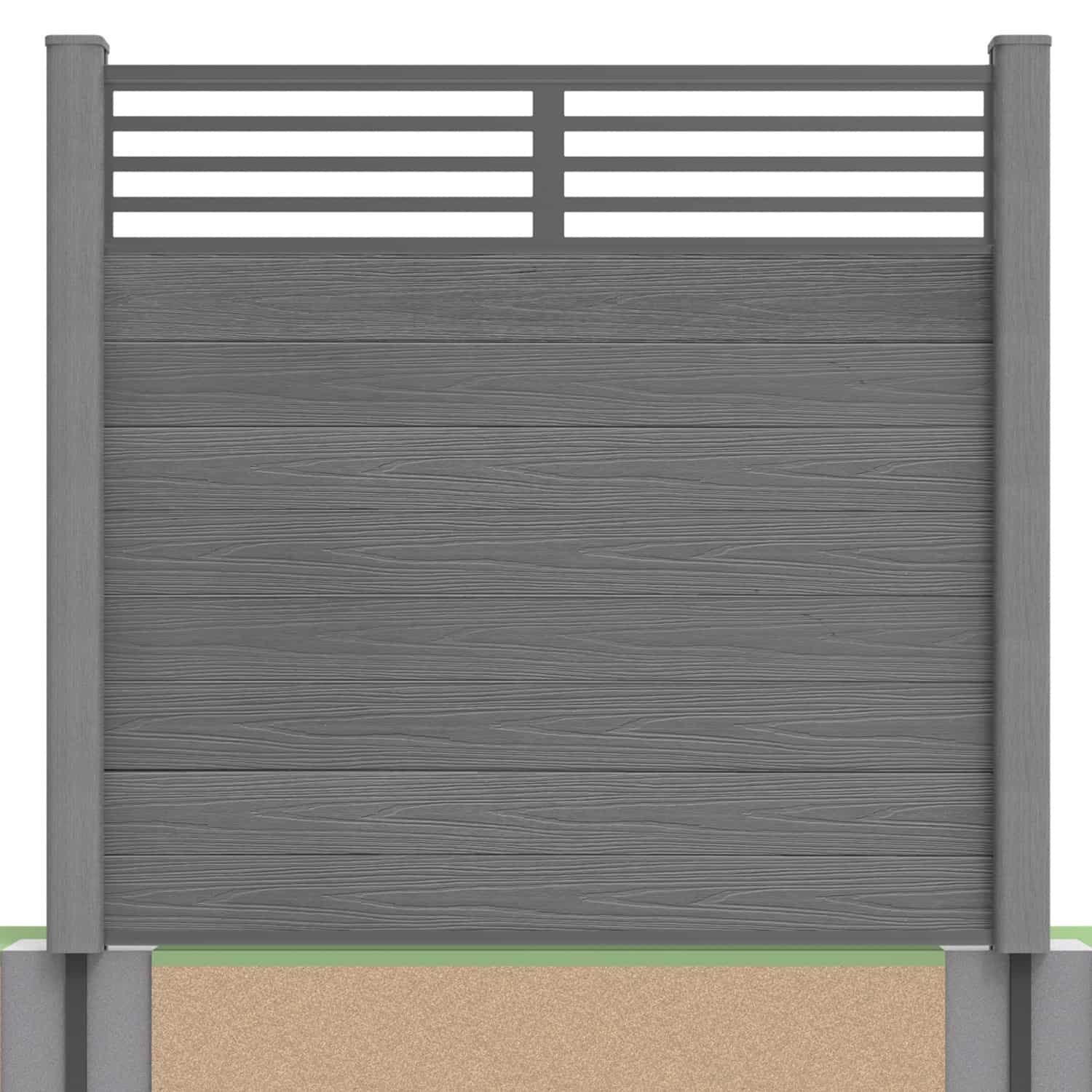

Measure and Trim Fence Boards for a Shorter Opening
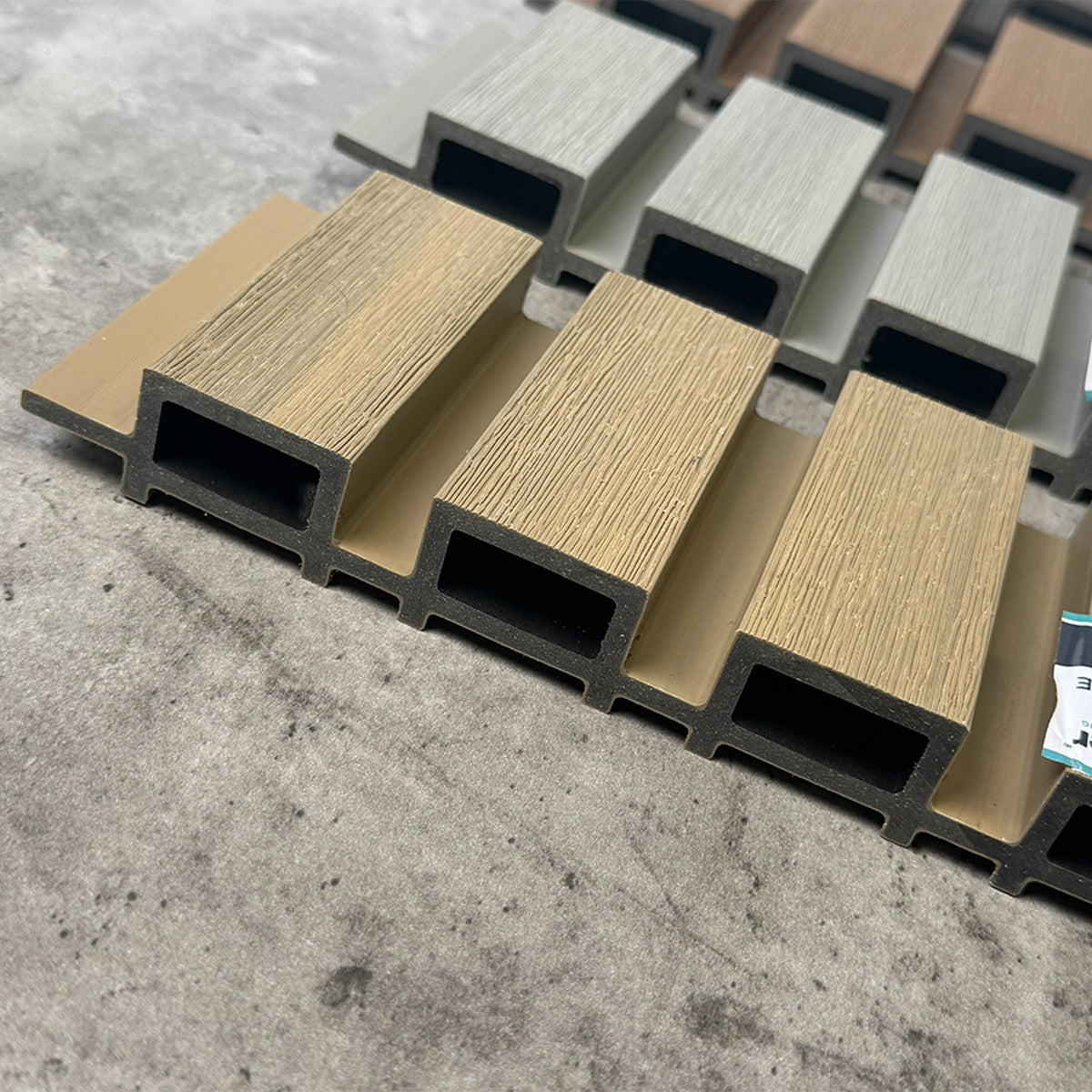
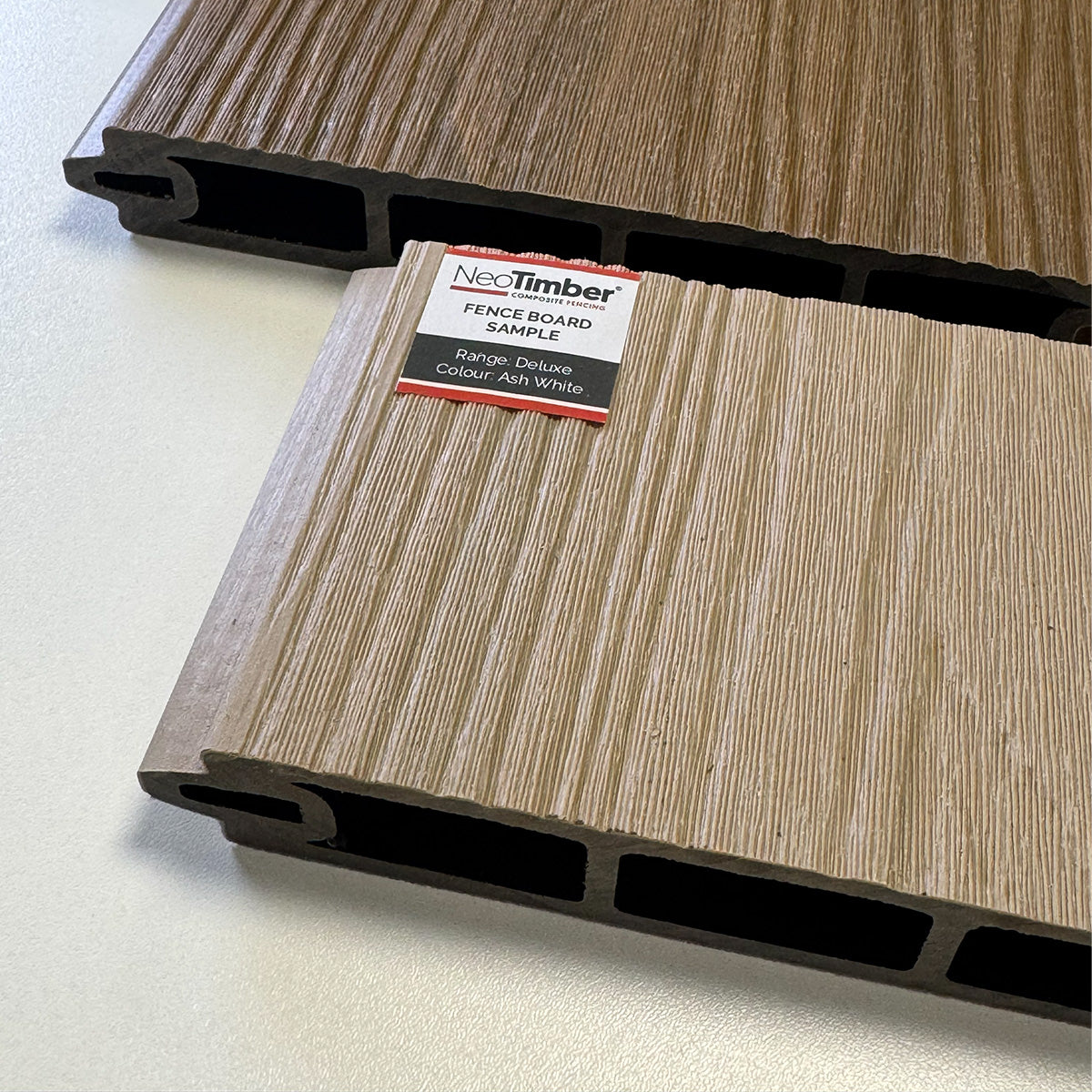
Cutting composite fence panels usually means shortening the individual boards and adapting the compatible rails before assembling the panel. NeoTimber’s component-based system allows permitted cuts to be planned piece by piece, rather than treating the whole fence bay as a single preassembled unit.
The important first step is to establish the required installed dimensions. A board cut exactly to the visible gap may not provide the correct channel engagement or movement allowance. Check the current instructions for your selected products before marking or cutting.
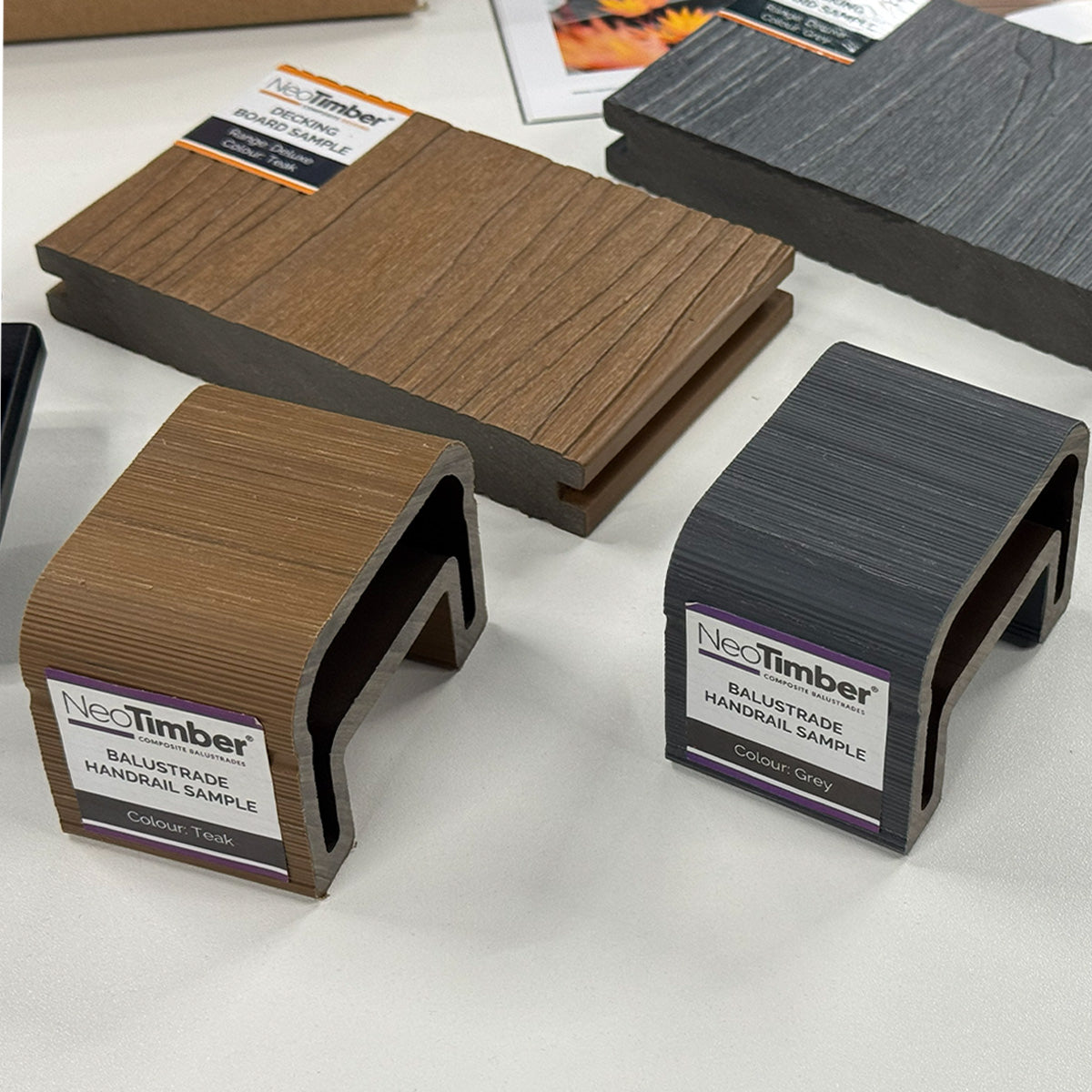
Explore our fencing guide for an introduction, or browse NeoTimber® composite fencing to compare boards and components.
In this guide: When cutting is appropriate · Measuring · Tools · Cutting steps · Metal rails · Existing posts · FAQs
When Might Boards Need Shortening?
A shorter final bay, a change in the boundary line or suitable existing posts may create an opening smaller than a standard board length. Where the product instructions permit it, shortening boards can help form the required panel.
Cutting does not make every layout suitable. It cannot remedy an excessive span, unsupported edges, damaged posts or inadequate foundations. Do not assume boards can be notched around obstacles or cut lengthways through an interlocking profile without approval.
Review the current installation guidance and confirm any non-standard detail before buying or altering components.
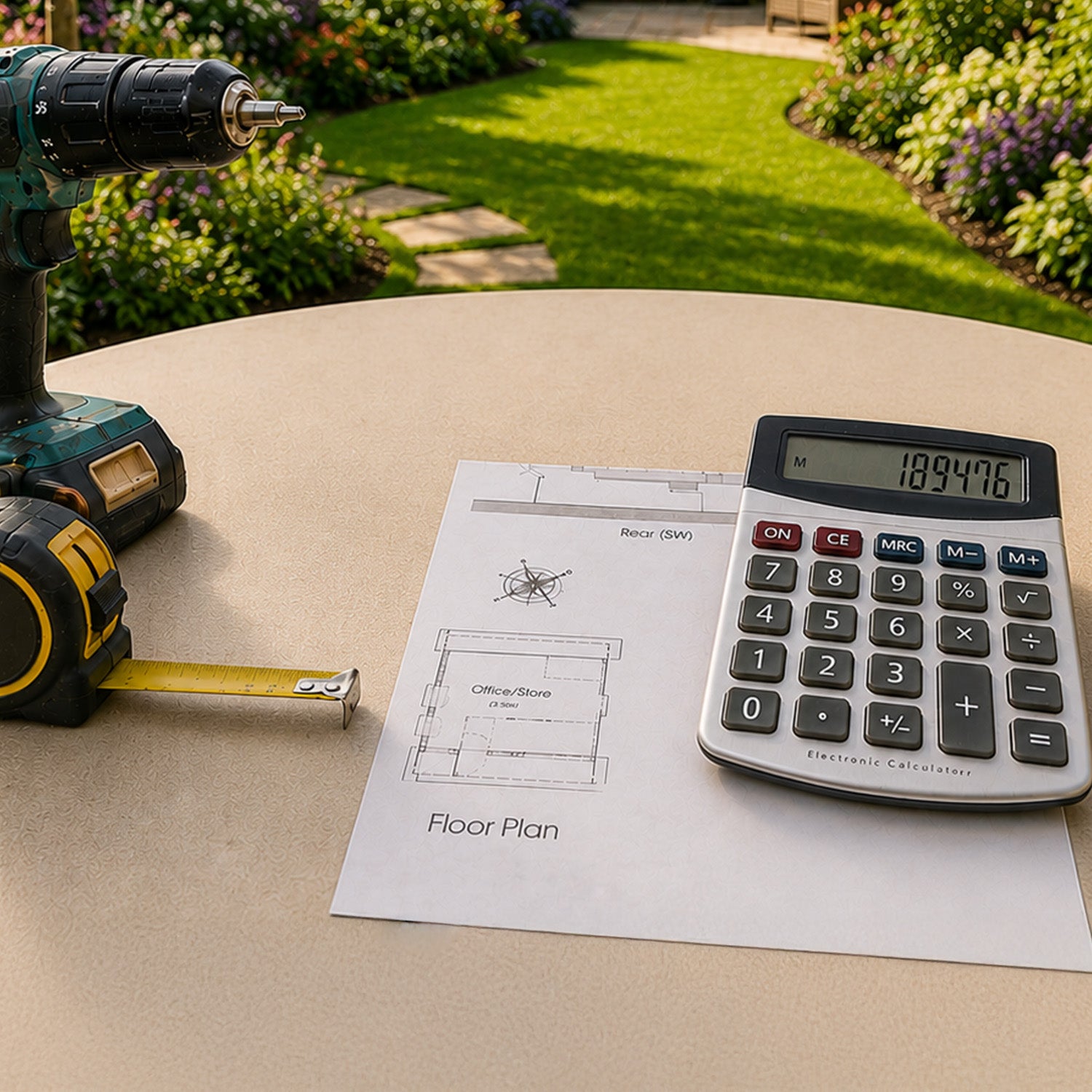
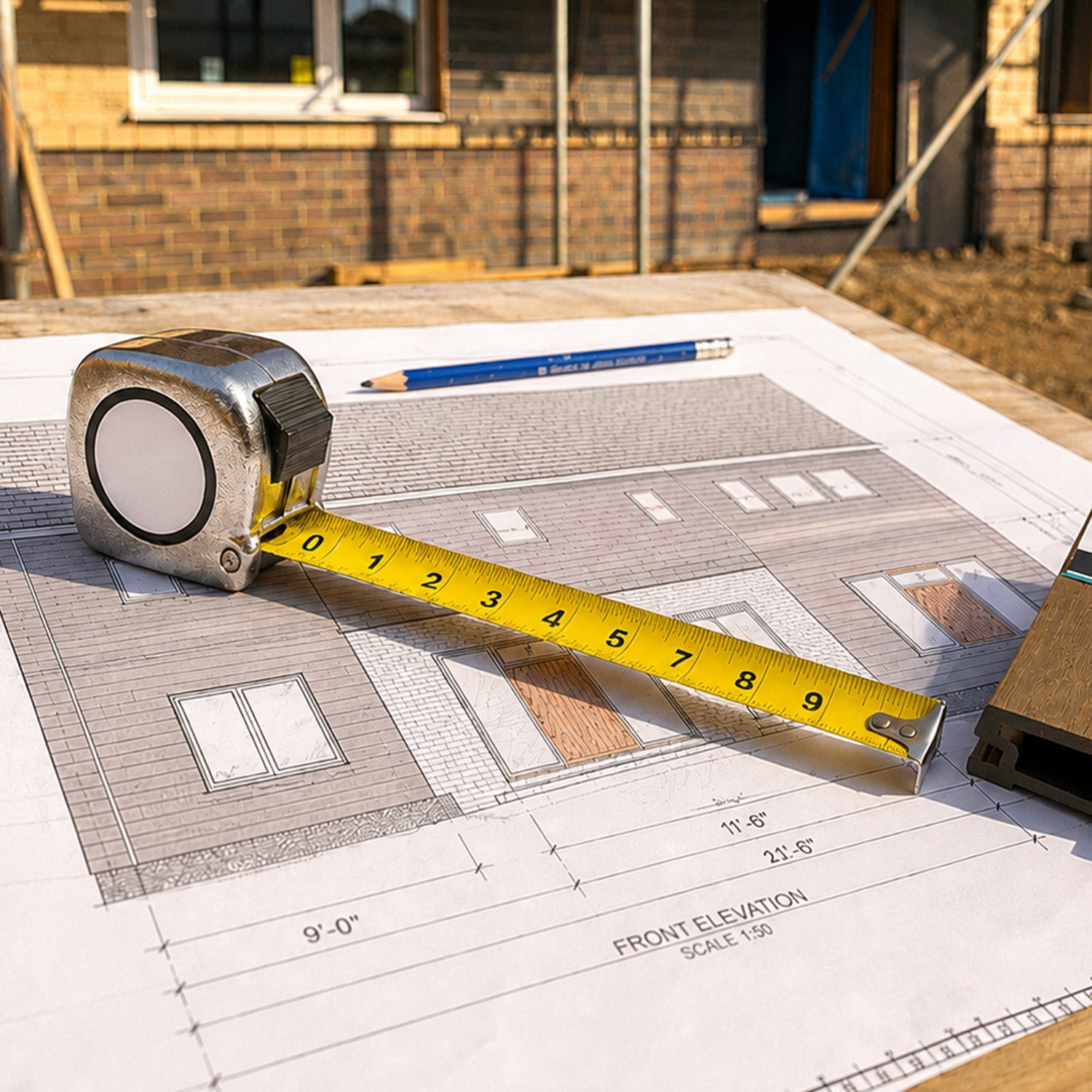
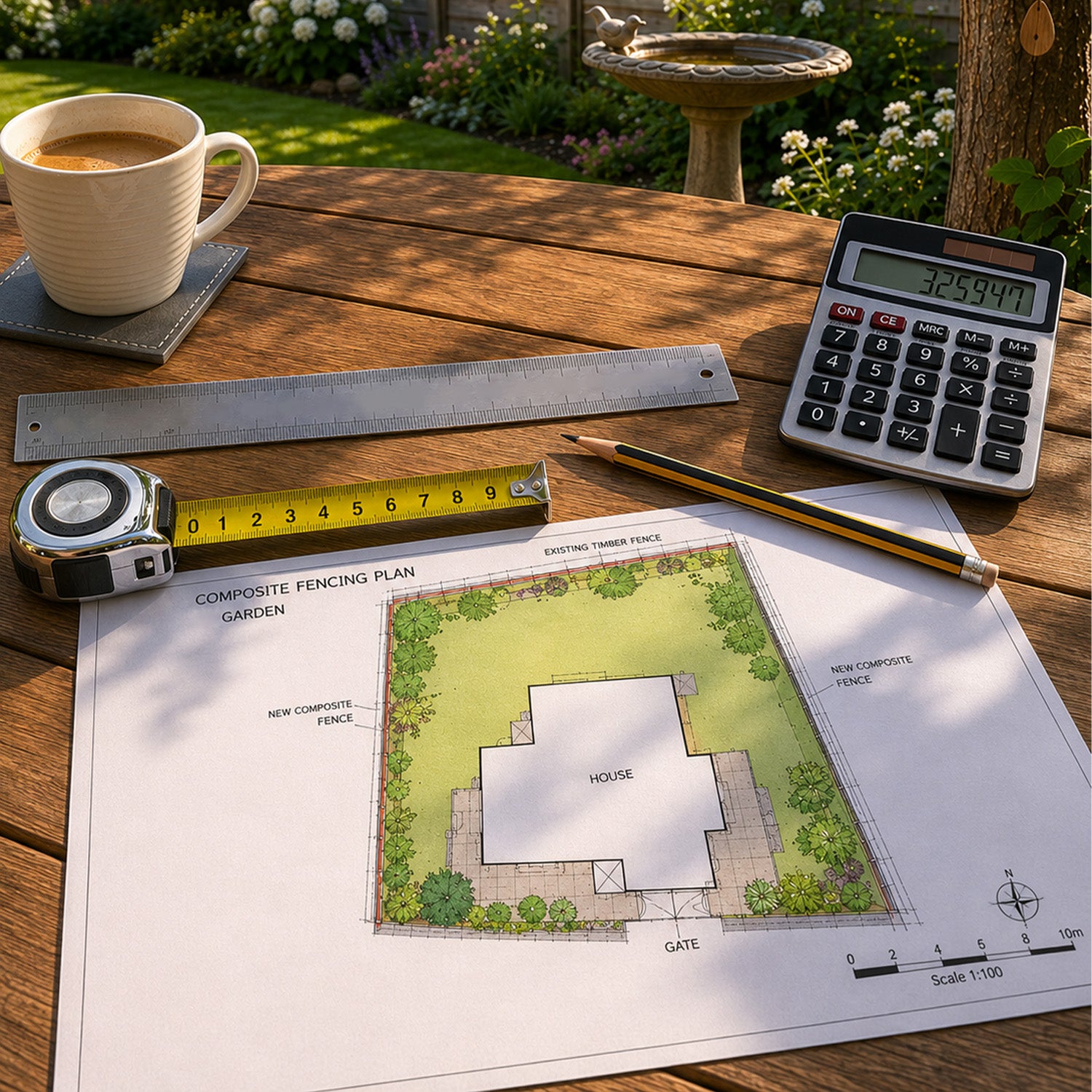
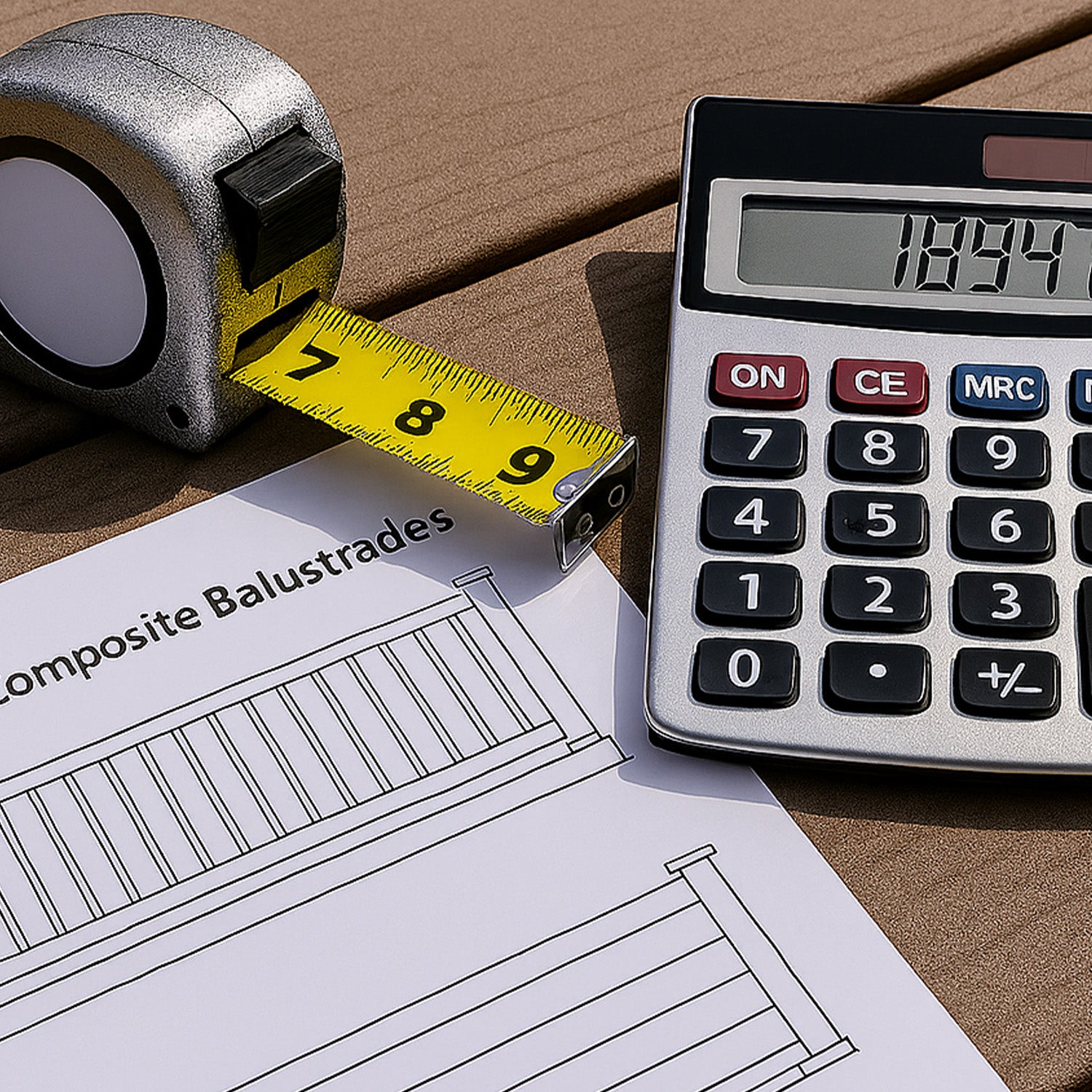
Measure the Installed Assembly First
Identify the actual posts, channels and rails that will be used. Then determine the required board length from the specified engagement and clearances, rather than taking only the visible post-to-post gap.
- Measure each bay separately; existing openings may vary.
- Check the width at more than one height to identify misalignment.
- Allow for the specified board engagement in the channels.
- Include the required movement clearances from the instructions.
- Measure rails separately; their cut length may differ from the boards.
Resolve leaning or unsuitable posts before making a set of boards to fit them. Do not force boards tightly into a channel or remove required clearances to conceal an inaccurate measurement.

Choose Tools and Blades for the Material
Composite boards can be cut with suitable woodworking equipment. A circular saw with an appropriate guide or a mitre saw may suit straight crosscuts, provided the equipment can safely accommodate the board.
Use a sharp blade approved by the tool and blade manufacturer for the composite material. Blade suitability depends on more than tooth count: check the material rating, dimensions, speed and cutting method. Trial the setup on a spare offcut before cutting the required boards.
Follow the equipment instructions for guarding, clamping and protective equipment. Use dust extraction where available and appropriate protection for eyes, hearing and dust exposure. Keep hands clear of the cutting path, and isolate the tool before changing blades or making adjustments.
A Practical Cutting Sequence
- Confirm the cut is permitted. Check the board and assembly instructions for your configuration.
- Mark the waste side. Use a square for the cut line and account for the blade kerf.
- Support the material securely. Keep the board stable and support the offcut so it does not break away or trap the blade.
- Set the guide and tool. Follow the equipment instructions and check the cutting path.
- Cut with controlled feed. Let the tool work without forcing or twisting the blade.
- Inspect and trial-fit. Check the result against the required channel engagement and clearance before repeating.
If several boards need the same length, verify the opening and first trial fit before making the remaining cuts. Do not use one measurement for every bay without checking it.

Metal Capping Rails Need Their Own Cutting Method
NeoTimber’s capping rails are aluminium. A blade or method used for the boards should not automatically be used on the rails.
Choose equipment and a blade or cutting method suitable for aluminium, following the manufacturers’ instructions. Clamp the rail securely, protect the coating and deal with sharp edges or burrs using an approved method.
Follow the specified bracket and fixing procedure after cutting. Do not hammer fittings into place, reshape rails or improvise a connection unless the instructions require that method. Structural steel supports, gate frames and decorative screens also have separate requirements and should not be treated as ordinary board offcuts.
Cutting for Existing Timber or Concrete Posts
Compatible wooden post inserts or concrete post inserts may allow a retrofit between suitable existing supports. Assess the posts, foundations, alignment and channel dimensions first.

Inserts do not repair damaged supports. Once suitability is established, measure with the actual inserts in the planned arrangement and follow the required clearances. Ask for advice if an opening is wider than permitted rather than extending the span.
Checks Before Completing the Panel
| Check | What to confirm |
|---|---|
| Board length | Correct channel engagement and movement allowance |
| Interlocking edges | Undamaged profile and correct assembly orientation |
| Rails | Separate dimensions and approved fixing arrangement |
| Supports | Suitable posts, foundations and permitted span |
| Finish | No damage from handling, clamping or inappropriate repairs |
Clean up dust and offcuts, keeping them out of drains and soil. Check local disposal requirements rather than assuming mixed-material composite can go in household plastics recycling.
Read the applicable warranty terms and retain product and installation records. Permitted cutting and unapproved modification are different things.
Fence Cutting FAQs
Can composite fence boards be cut shorter?
Where the product instructions permit it, suitable tools can shorten boards for a compatible assembly. Confirm the installed dimensions and clearances before cutting.
Should I cut to the exact visible gap?
Not automatically. Channel engagement, posts and movement allowances affect the required board length. Follow the system’s installed dimensions.
Can I use the same blade for boards and rails?
Only if the equipment and blade instructions specifically permit both materials. Aluminium rails need an appropriate cutting method of their own.
Can I cut lengthways to reduce panel height?
Do not assume this is permitted, as it may remove an interlocking edge or affect the assembly. Confirm the approved height adjustment with the supplier.
Can cutting solve an oversized opening?
No. Shortening material cannot increase the permitted span. Rework the layout or seek an approved support arrangement.
Do cut ends need painting or sealing?
Follow the specific product instructions rather than adding timber treatments or sealants by default. Ask the supplier if the cut-end requirements are unclear.
Plan the Fit Before Making the Cut
Confirm the assembly, measure carefully and use methods suited to each material. Explore NeoTimber® composite fencing components or contact our team with your opening dimensions and site details before making uncertain alterations.