

Which Alternatives to Timber Fencing Suit Your Garden?
Non wood fencing appeals to homeowners looking beyond traditional timber boards, often to reduce painting and staining or achieve a different appearance. Options include uPVC, concrete and metal, each with its own design, installation and care requirements.
Composite fencing is also frequently considered during this search, but there is an important distinction: wood-plastic composite contains wood fibres, so it is an alternative to solid timber rather than a genuinely wood-free material. If avoiding all wood content is your priority, check the complete product specification before choosing.
This guide compares the main options and explains what to consider before ordering. Explore our fencing resources for wider project advice, or browse the composite fencing range if reducing timber-style upkeep is your main goal.
In this guide: Compare materials · uPVC · Concrete · Metal · Composite · Choosing your fence · FAQs
What Do You Need From a Non Wood Fence?
Start with the problem you want to solve. A fully wood-free boundary is a different requirement from a wood-inspired surface that does not need routine staining. You may also be prioritising privacy, a particular finish or compatibility with existing posts.
Material options and questions to ask:
| Option | Wood content | Main checks before buying |
|---|---|---|
| uPVC | The PVC board material is not timber; check the full assembly. | Profile, reinforcement, finish, installation limits and care instructions. |
| Concrete | Concrete panels contain no timber; separate infill or posts may differ. | Panel weight, foundations, handling access and surface design. |
| Metal | Metal sections contain no timber; check any infill and accessories. | Privacy coverage, coating, corrosion protection and connections. |
| Wood-plastic composite | Contains a wood component. | Capped or uncapped construction, compatible components and cleaning guidance. |
Compare specific products rather than assuming all fences within a category perform alike. Board construction, posts, connections and foundations determine how the finished boundary works.
uPVC Fencing: Check the Profile and Finish
uPVC offers a manufactured alternative to timber boards. It is worth considering where you want a factory-finished surface without a timber grain that needs preserving through repeated decorative treatments.
Appearance varies by product. Compare samples and full-panel photographs rather than assuming every plastic fence has the same glossy finish. Ask about surface texture, colour options and the manufacturer’s guidance on weathering.
Check the complete assembly, including any reinforcement, posts and connections. Confirm the specified movement allowances and any restrictions on fence height or exposure. No material label alone proves that an installation will withstand the demands of your site.
Read the care instructions before buying. Cleaning, checks for damage and attention to loose connections remain relevant even where routine painting is unnecessary.

Concrete Fencing: Plan for Weight, Access and Appearance
Concrete panels provide another route to a wood-free infill. Compare the available surface designs, dimensions and post systems rather than treating concrete as a single visual style.
Handling and access are important parts of the installation plan. Confirm how the panels will be moved into position and what lifting arrangements the selected product requires. Include suitable posts and foundations in the quotation.
Do not assume concrete fencing is stormproof or soundproof. Performance depends on the complete design, including height, continuity, connections and foundations. If noise reduction is a priority, request relevant evidence for a properly specified acoustic barrier rather than relying on the material name.
Inspect existing concrete posts before reusing them. Cracking, movement or damaged channels can affect whether they are suitable for replacement infill.

Metal Fencing: Distinguish Open Boundaries From Privacy Panels
Metal systems range from open railings to sheet or patterned panels. First decide how much visual coverage you need: an open design can define a boundary while allowing views through it, whereas a privacy panel has a different purpose.
Ask about the base metal, protective finish and care required at cut edges, connections or damaged areas. A coated surface should be assessed alongside its installation and repair instructions.
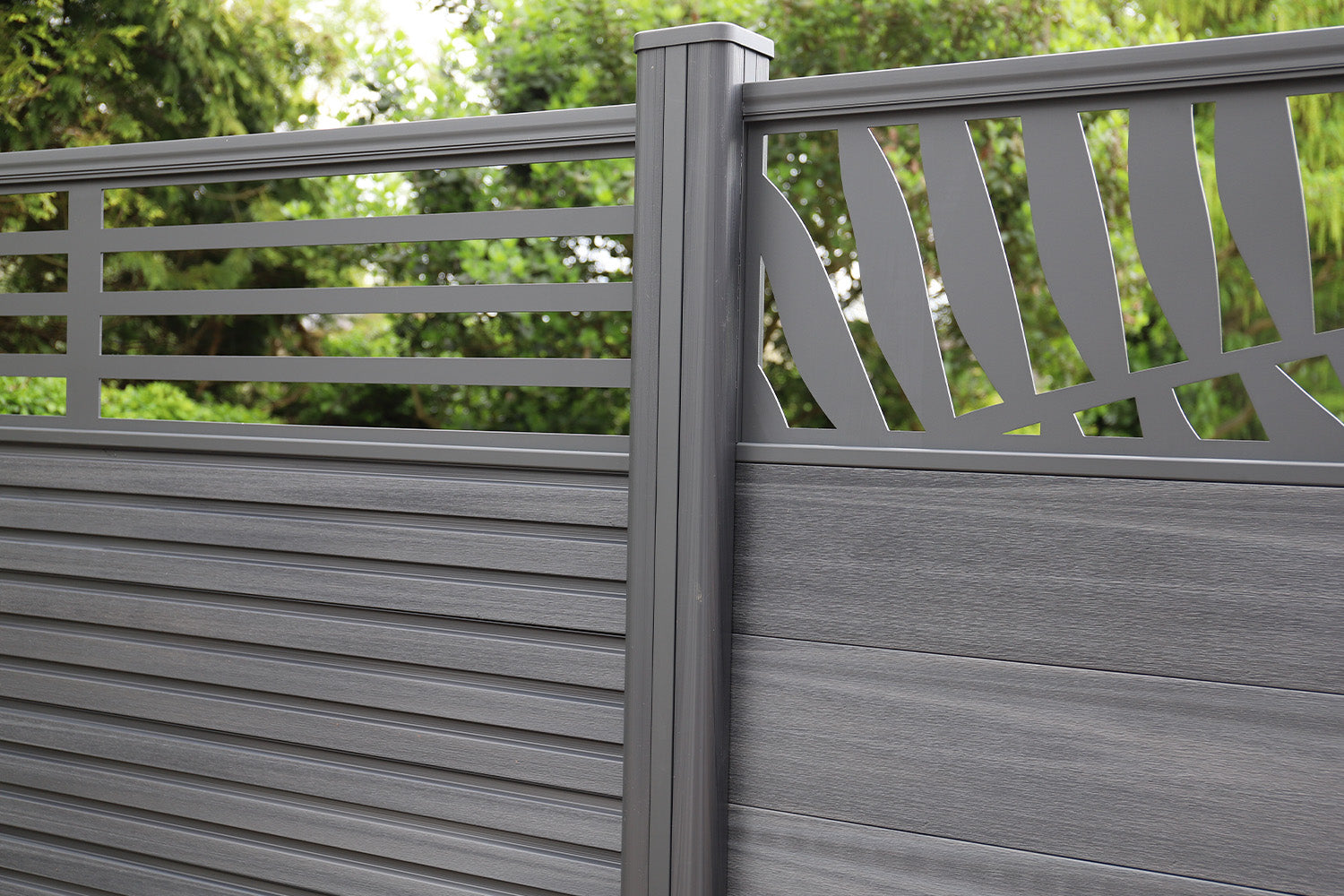
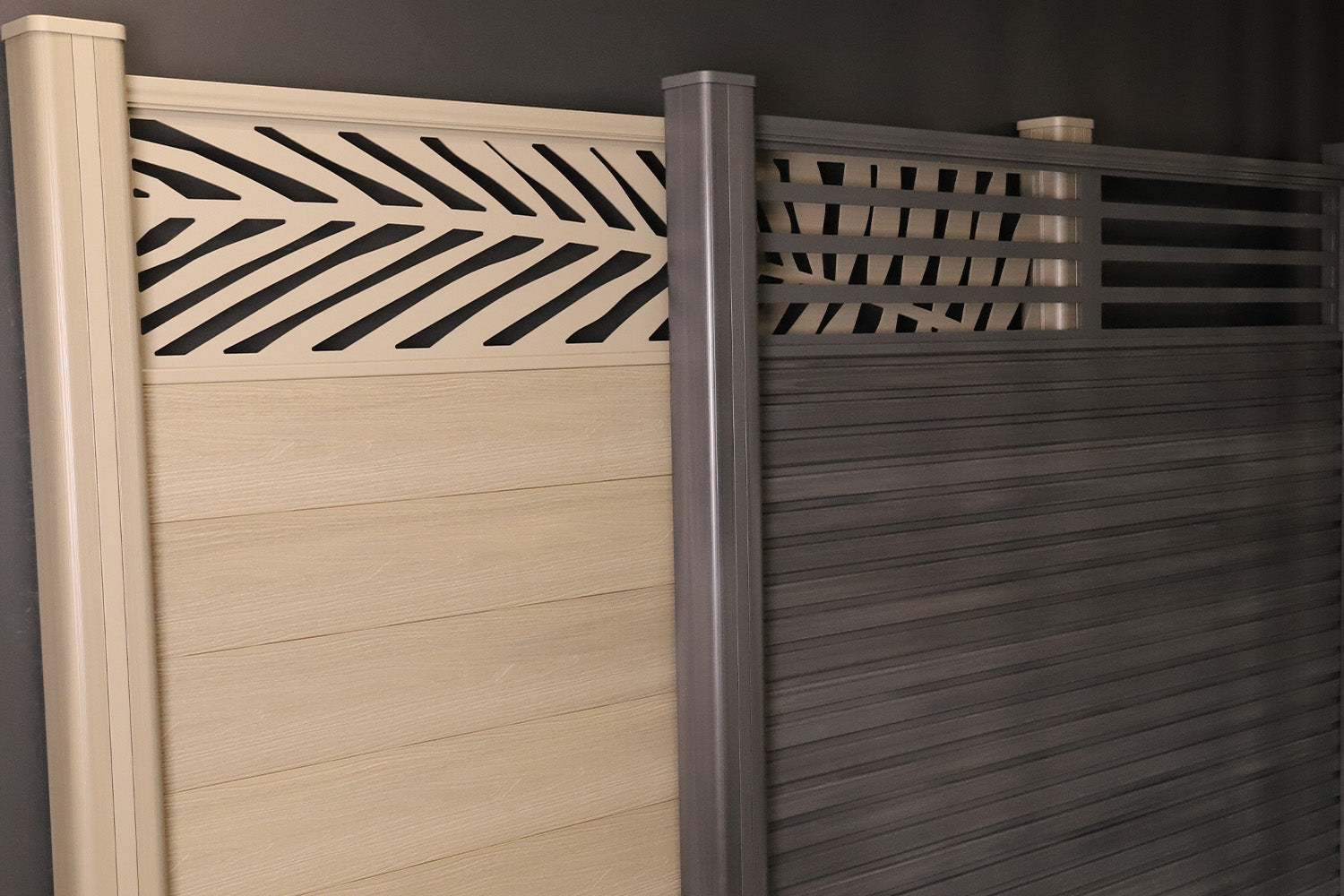
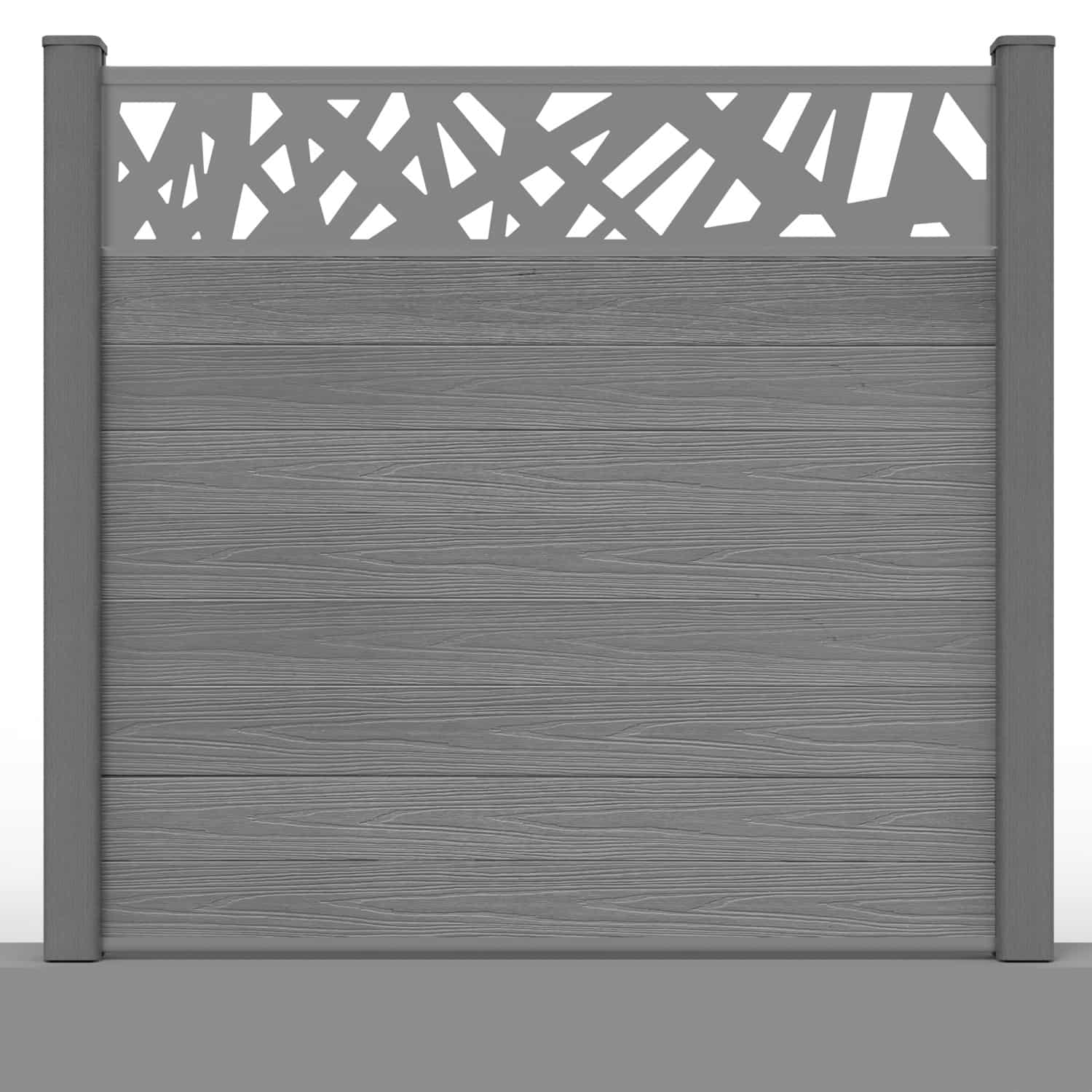
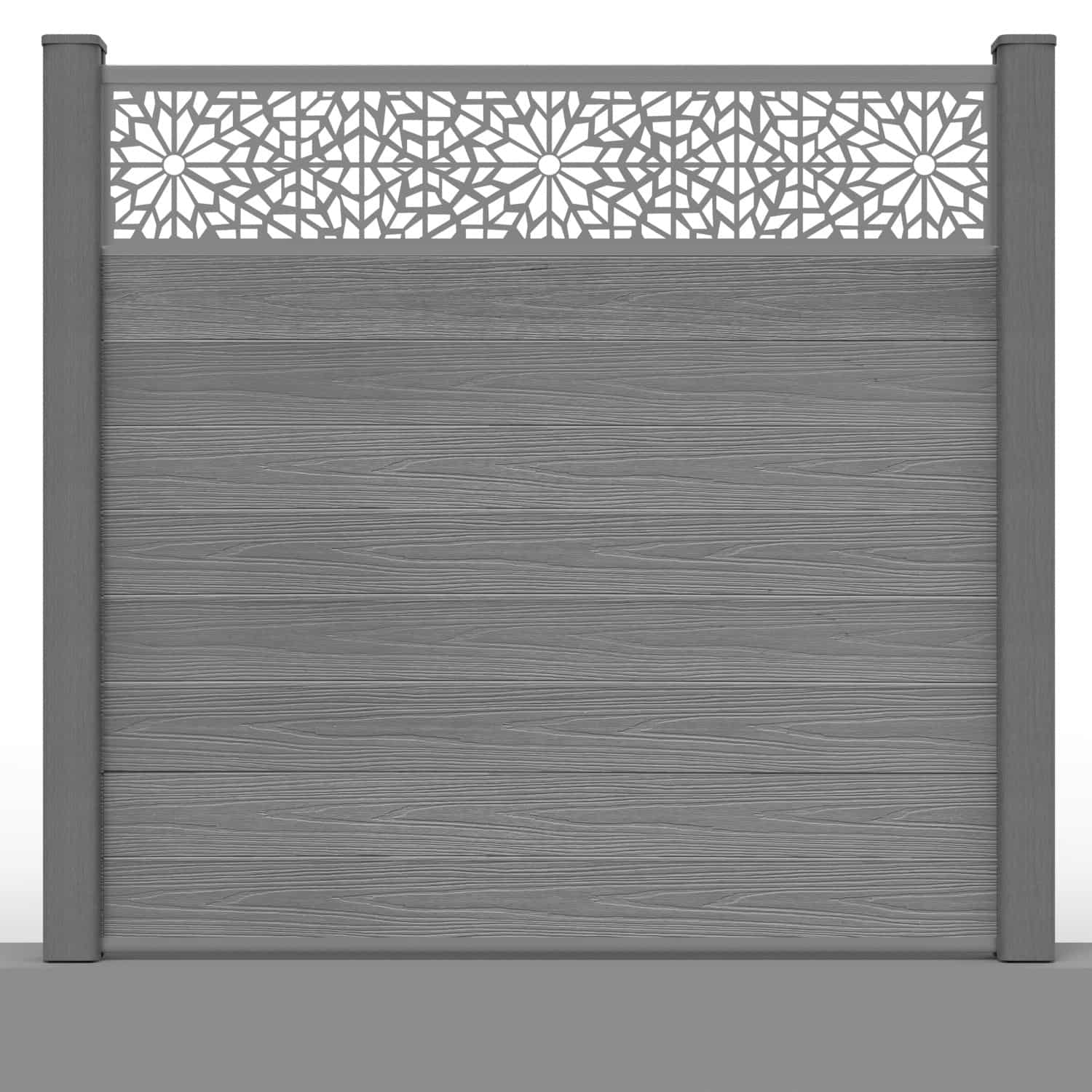
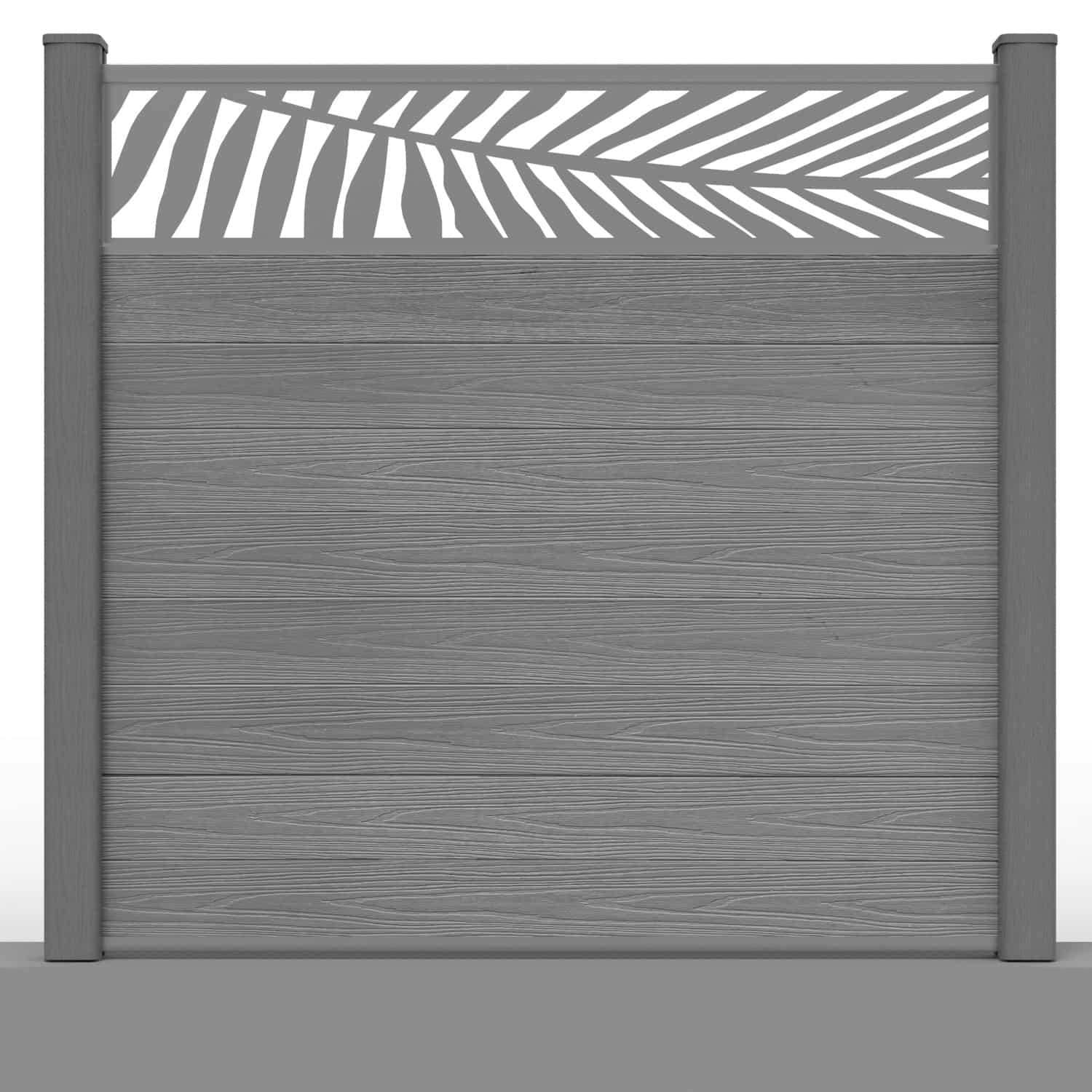
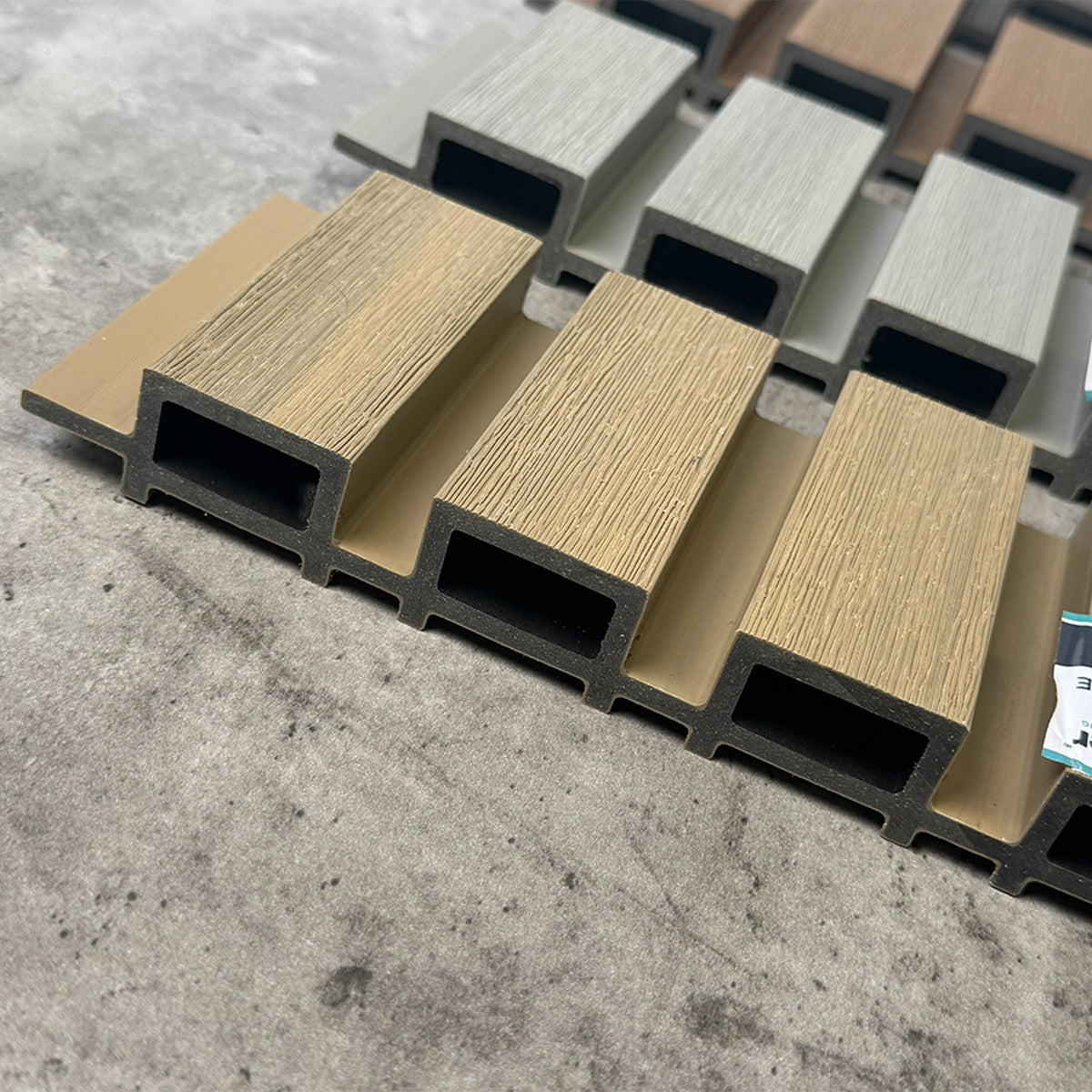
Decorative metal screens can also be used within another compatible fence system. Their openings create patterns and sightlines, so they do not provide the same visual screening as uninterrupted boards. Confirm structural suitability and permitted uses separately from appearance.
Composite Fencing: A Timber Alternative That Still Contains Wood
Composite may suit your search if the objective is a timber-inspired appearance with fewer routine surface treatments. It is not the right description for a requirement to exclude all wood-based ingredients.
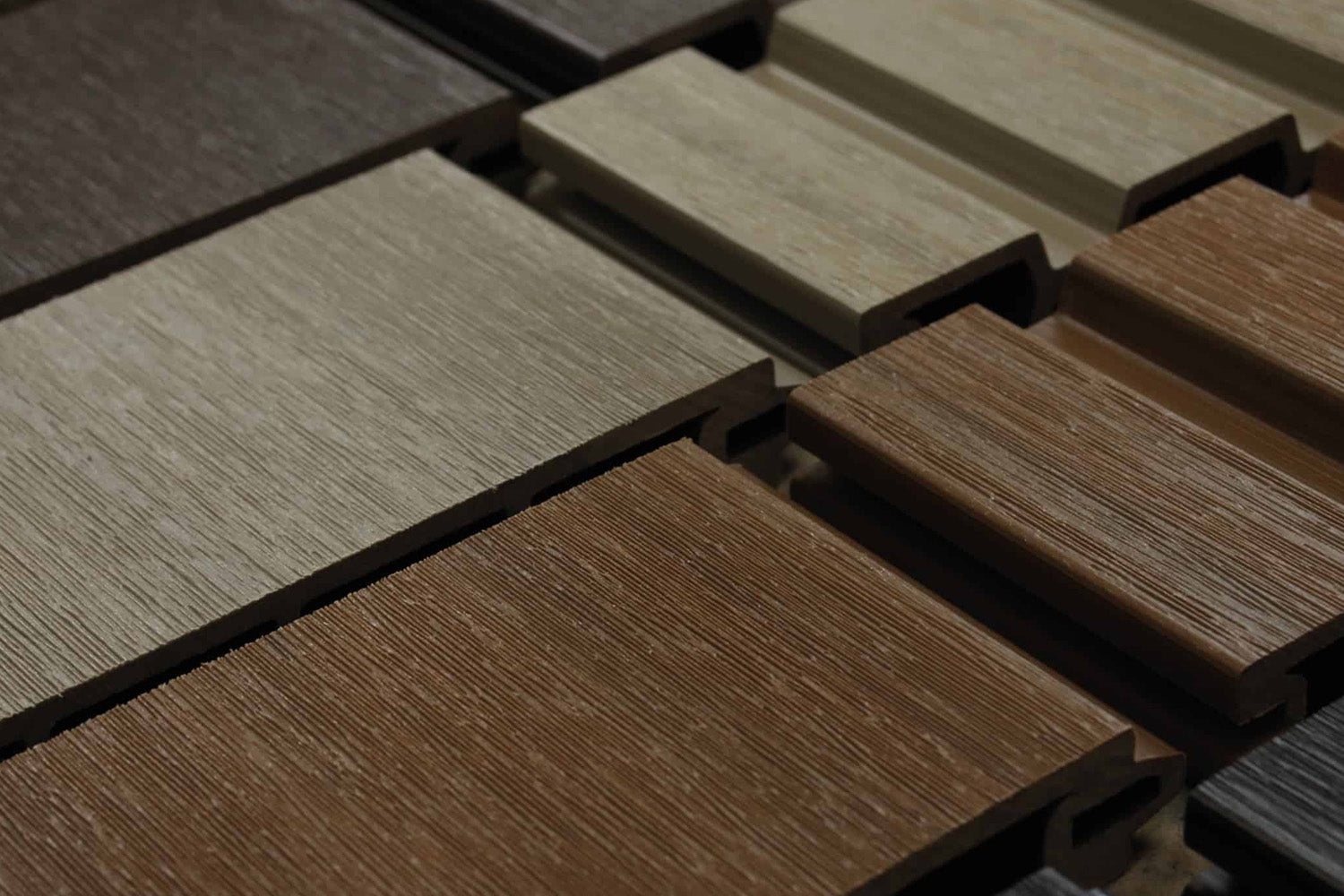
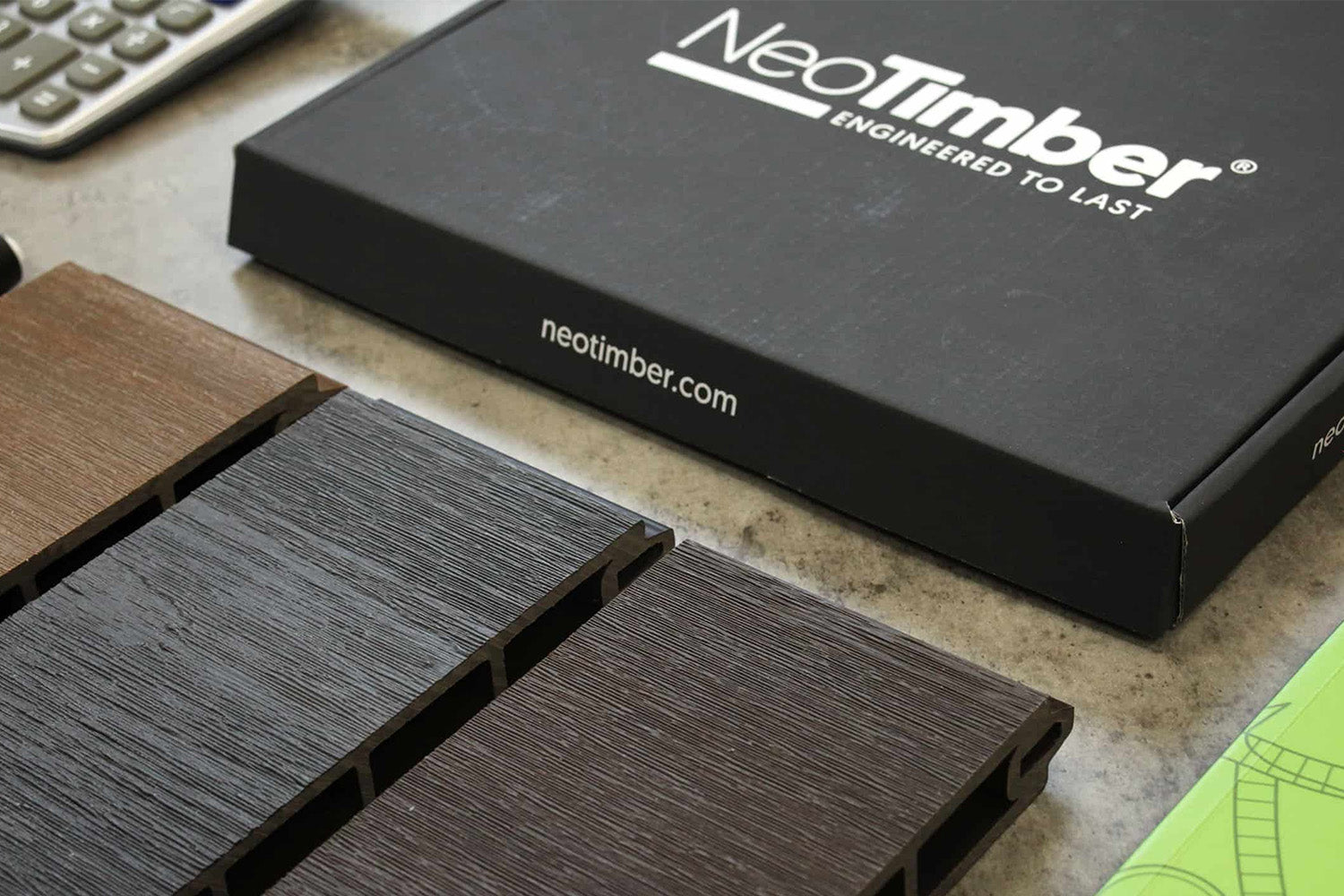
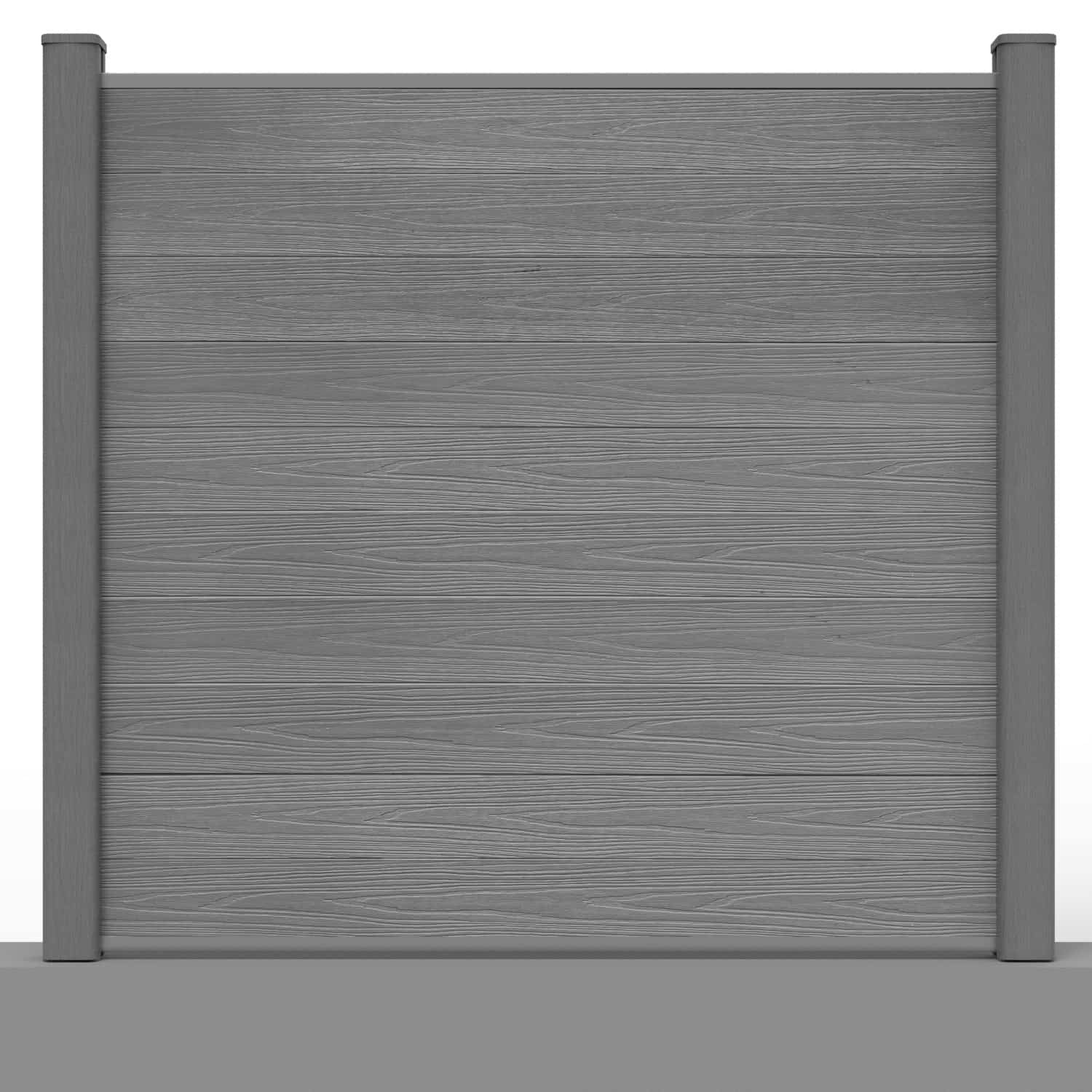
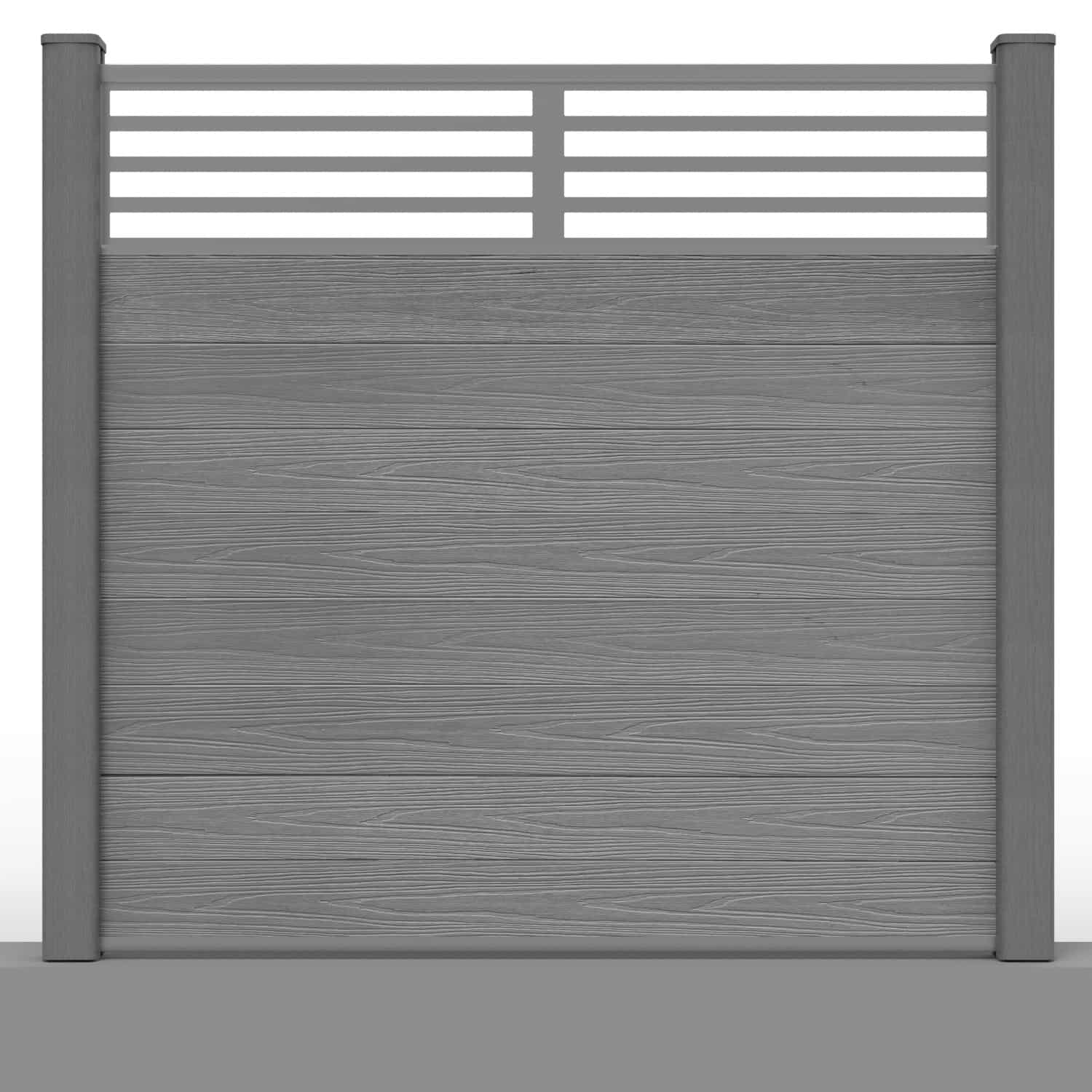
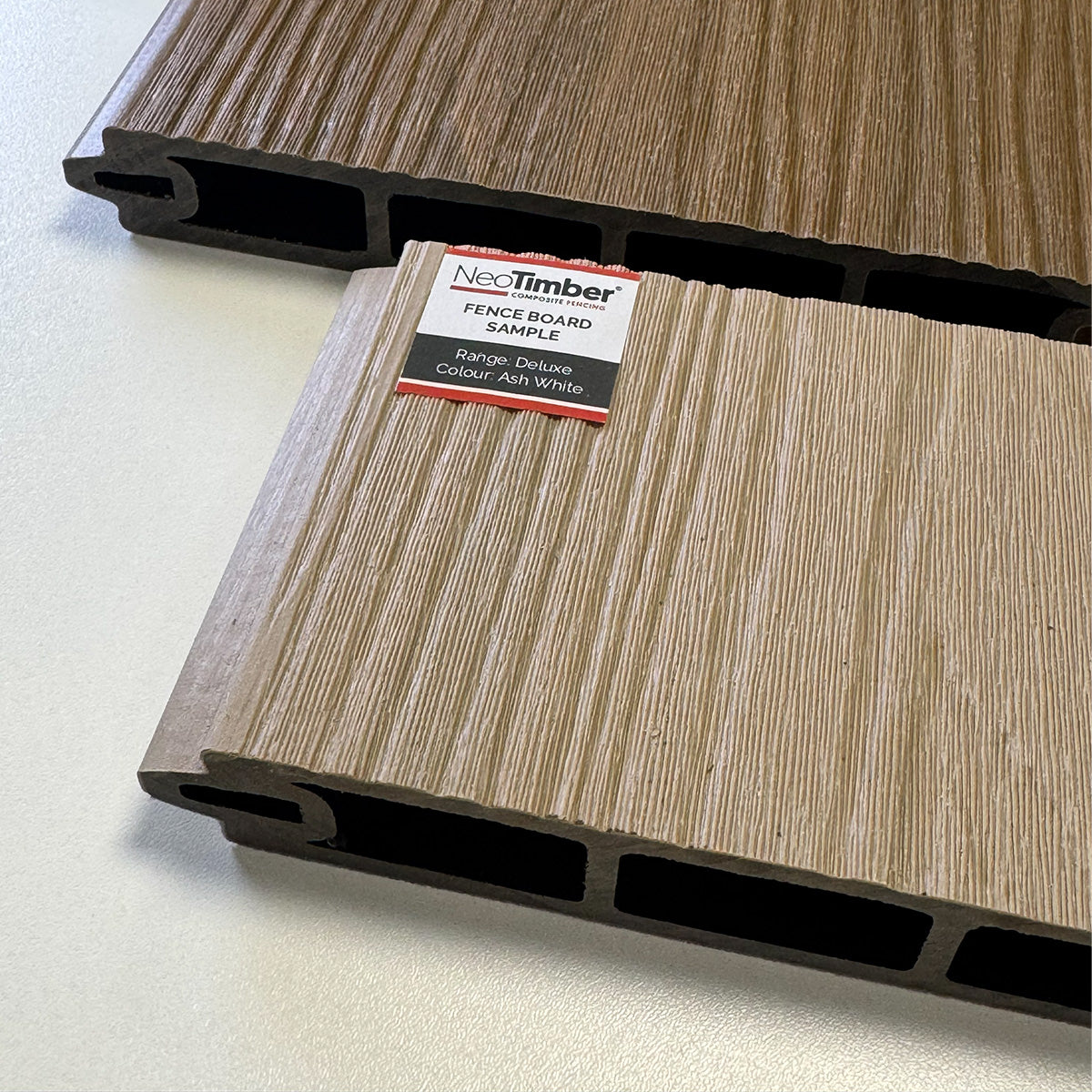
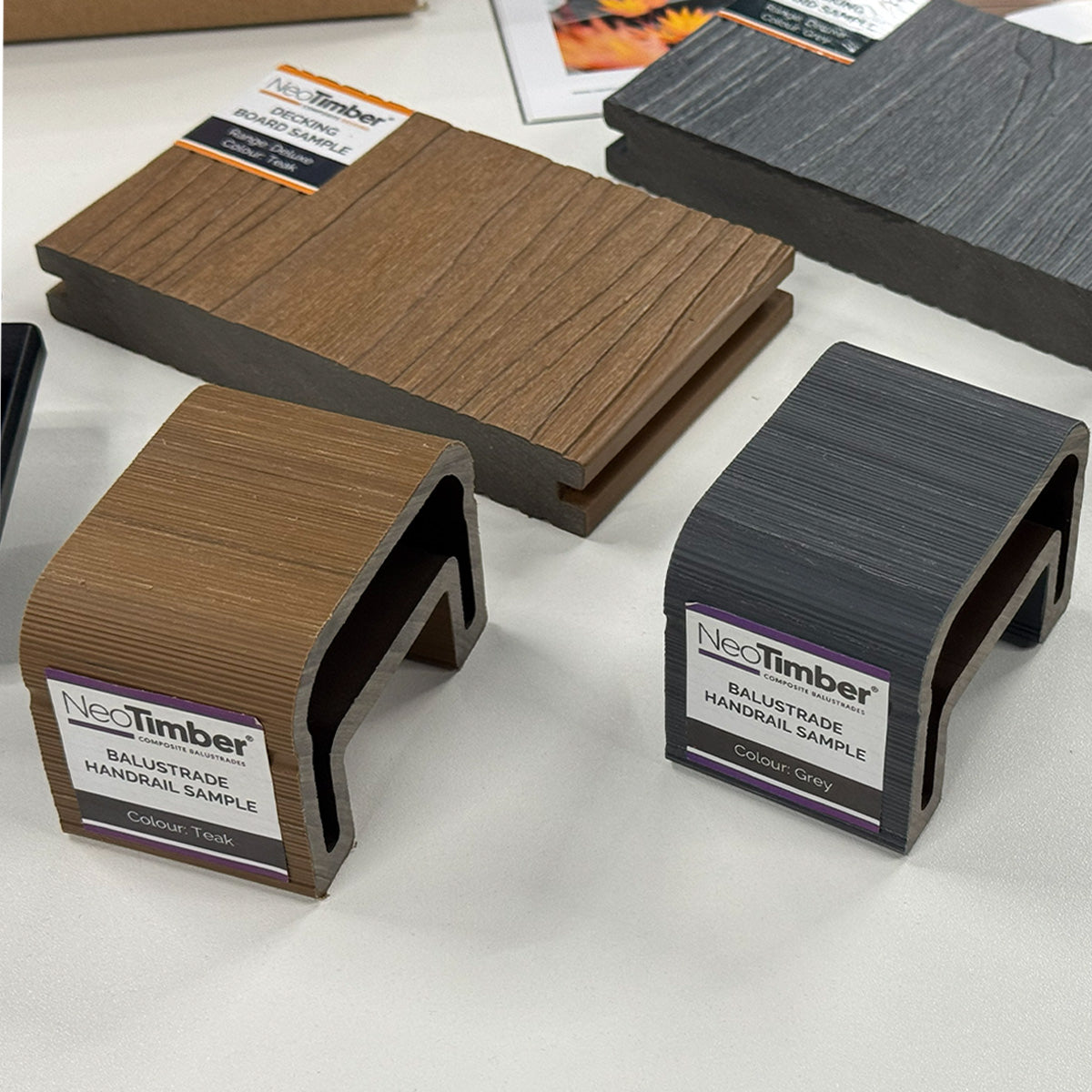
NeoTimber® Deluxe fencing contains wood fibres and plastic, with a capped surface designed to resist fading and staining. Its reversible woodgrain and brushed faces provide different finish options. The protective cap does not make the boards immune to weathering, marks or damage.
Compare capped composite construction, available fencing colours and compatible components. Occasional suitable cleaning and periodic checks are still needed; avoiding routine painting does not mean avoiding all care.
NeoTimber’s modular system includes options for new posts and compatible inserts for certain existing timber or concrete post arrangements. Reuse depends on condition, foundations, dimensions and spacing. Inserts do not repair an unsuitable supporting structure.

How to Compare Your Shortlist
Once you have narrowed the material options, assess each proposal against the same project requirements:
- Define the priority: fully wood-free construction, lower upkeep, privacy or a particular design.
- Confirm the complete specification: boards, posts, supports, fixings and any mixed-material components.
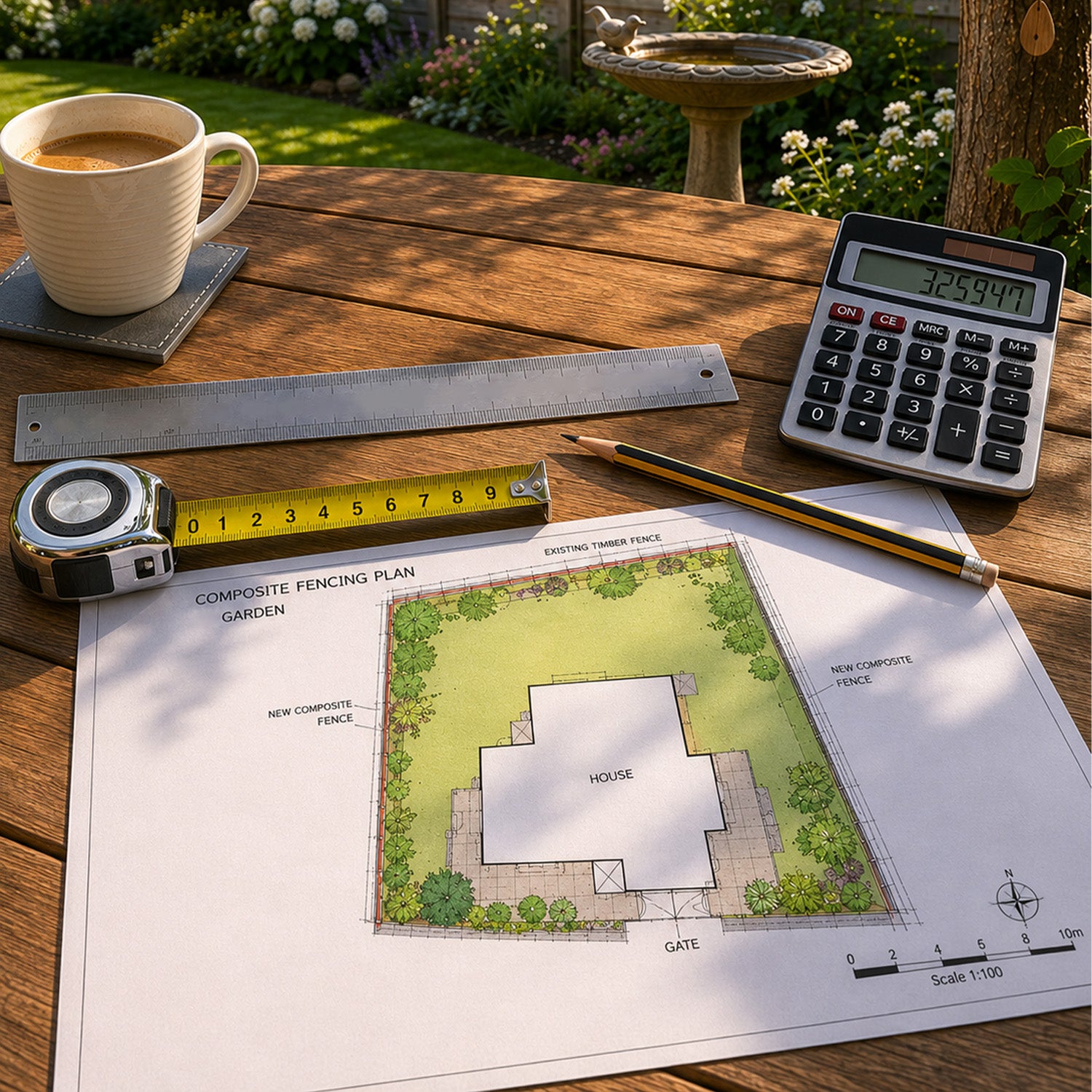
- Assess site suitability: finished height, ground conditions, exposure, changes in level and gate openings.
- Compare installed cost: include foundations, removal, disposal, delivery and labour alongside materials.
- Read the care and warranty terms: identify cleaning, coating repairs, exclusions and replacement arrangements.
- Consider sourcing and disposal: ask for documented environmental information and realistic end-of-life options.
No option is automatically the cheapest, longest-lasting or most environmentally preferable in every situation. Compare evidence for the selected product and complete installation. For composite projects, use the NeoTimber® installation resources and request advice where existing foundations or posts are uncertain.
Frequently Asked Questions
What is non wood fencing?
The term commonly refers to alternatives to traditional timber boards. If you mean a completely wood-free product, specify that clearly and check every component’s material.
Is composite fencing wood-free?
Wood–plastic composite is not wood-free. NeoTimber® composite boards contain wood fibres, so they should be considered a solid-timber alternative rather than a material with no wood content.
Which option needs the least maintenance?
Compare individual care instructions. Some factory-finished systems avoid routine painting, but still need cleaning and checks. Coatings, local conditions and the complete assembly affect upkeep.
Is a non wood fence windproof?
No material category guarantees that. Suitability depends on the specified panels, posts, foundations, connections and site exposure.
Can I keep existing concrete posts?
Possibly, where their condition, foundations, channels and spacing are compatible with the new system. Have uncertain posts assessed before ordering infill.
Can I get a wood-inspired finish without traditional timber boards?
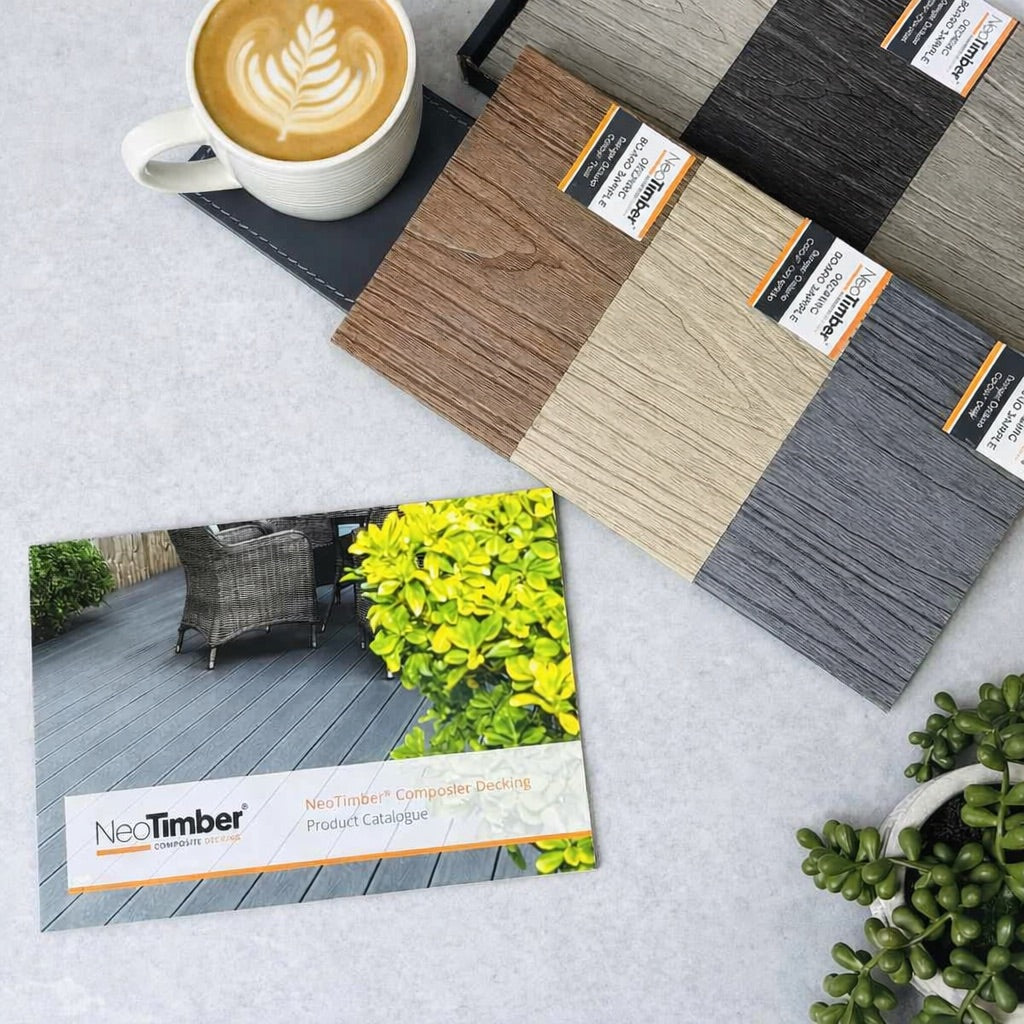
Yes, manufactured textures are available in several product categories. Composite offers wood-inspired finishes too, but contains wood fibres. Compare physical samples and confirm the specification that matters to you.
Choose the Material Around Your Actual Requirements
A clear brief makes choosing a boundary easier. If you want a genuinely wood-free system, verify its composition. If reducing timber-style surface treatments is the priority, explore the NeoTimber® composite fencing range, request samples or contact the team to discuss a suitable arrangement.