How to Clean and Care for Recycled Plastic Outdoor Furniture
Recycled plastic furniture maintenance is straightforward: remove loose dirt, wash with warm soapy water, rinse and leave to dry. Occasional cleaning keeps benches, chairs and picnic tables ready to use, without the routine painting or staining associated with many timber alternatives.
NeoTimber's recycled plastic furniture is designed for outdoor use, but low maintenance does not mean it never needs attention. This guide covers everyday cleaning, stubborn marks, pressure washing and simple ways to reduce the build-up of dirt. Always follow any care instructions supplied with your particular product.
What You Need for Routine Cleaning
Start with a few basic items before reaching for a stronger cleaner:
- A bucket of warm water and a mild, solvent-free detergent.
- A soft sponge, soft brush or lint-free cloth.
- Clean water or a garden hose for rinsing.
- A clean, lint-free cloth for wiping away excess water if needed.
A lint-free cloth is useful on textured surfaces, where loose fibres can catch. Avoid abrasive pads and wire brushes, which could mark the finish.

How to Clean Recycled Plastic Furniture Step by Step
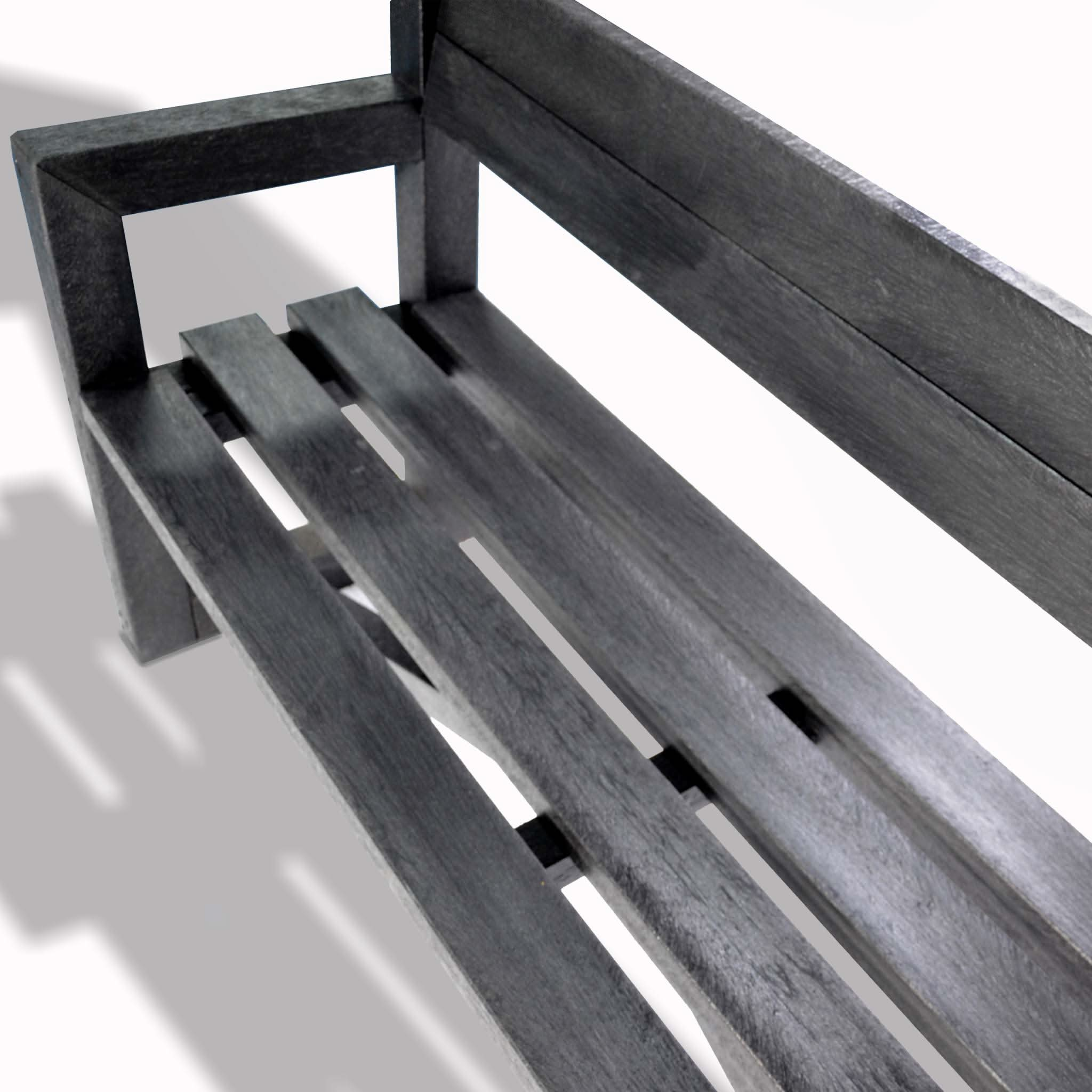
- Remove loose debris. Brush away leaves, crumbs and surface dirt before washing. Pay attention to gaps between the slats.
- Prepare warm soapy water. Use a mild detergent at the dilution recommended on its label.
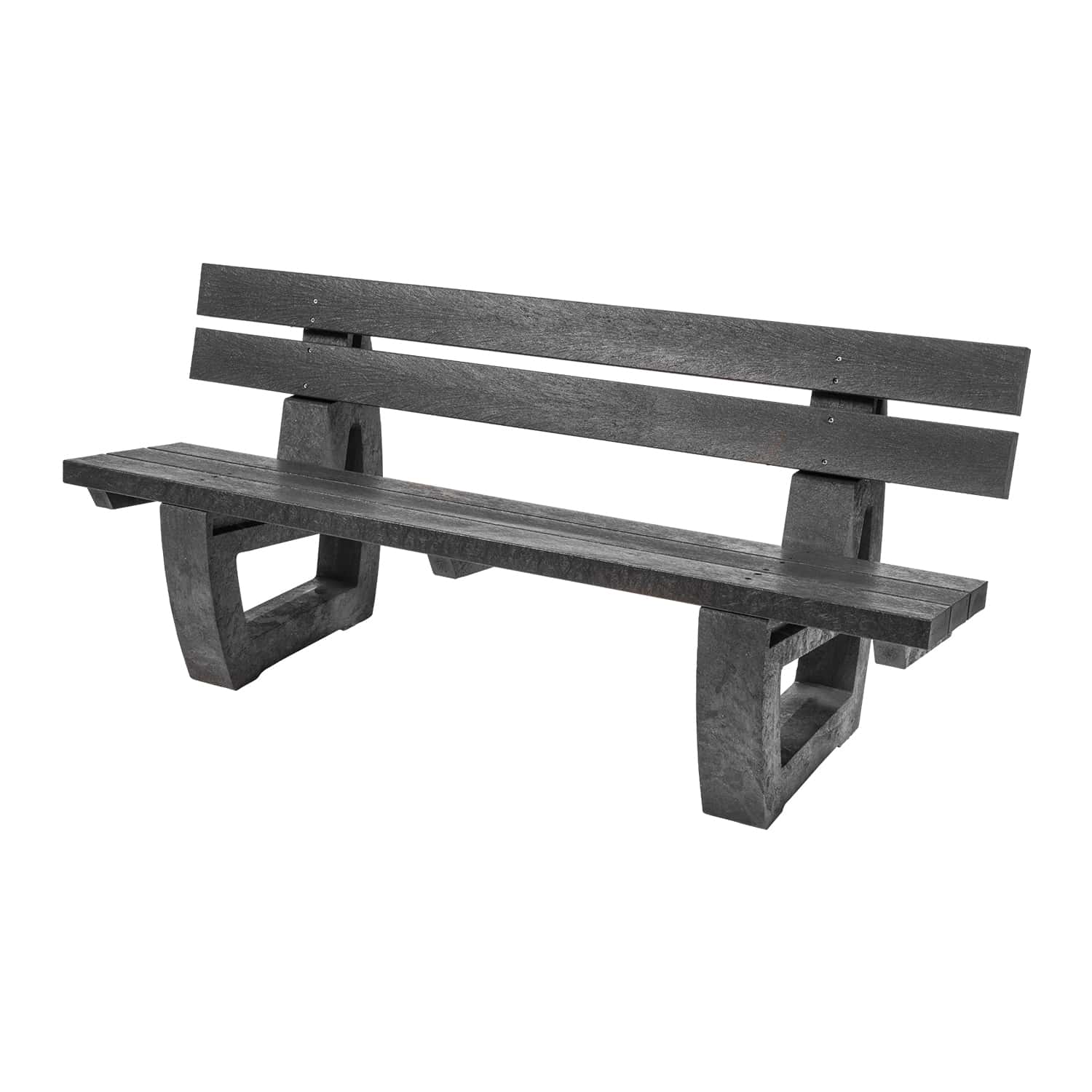
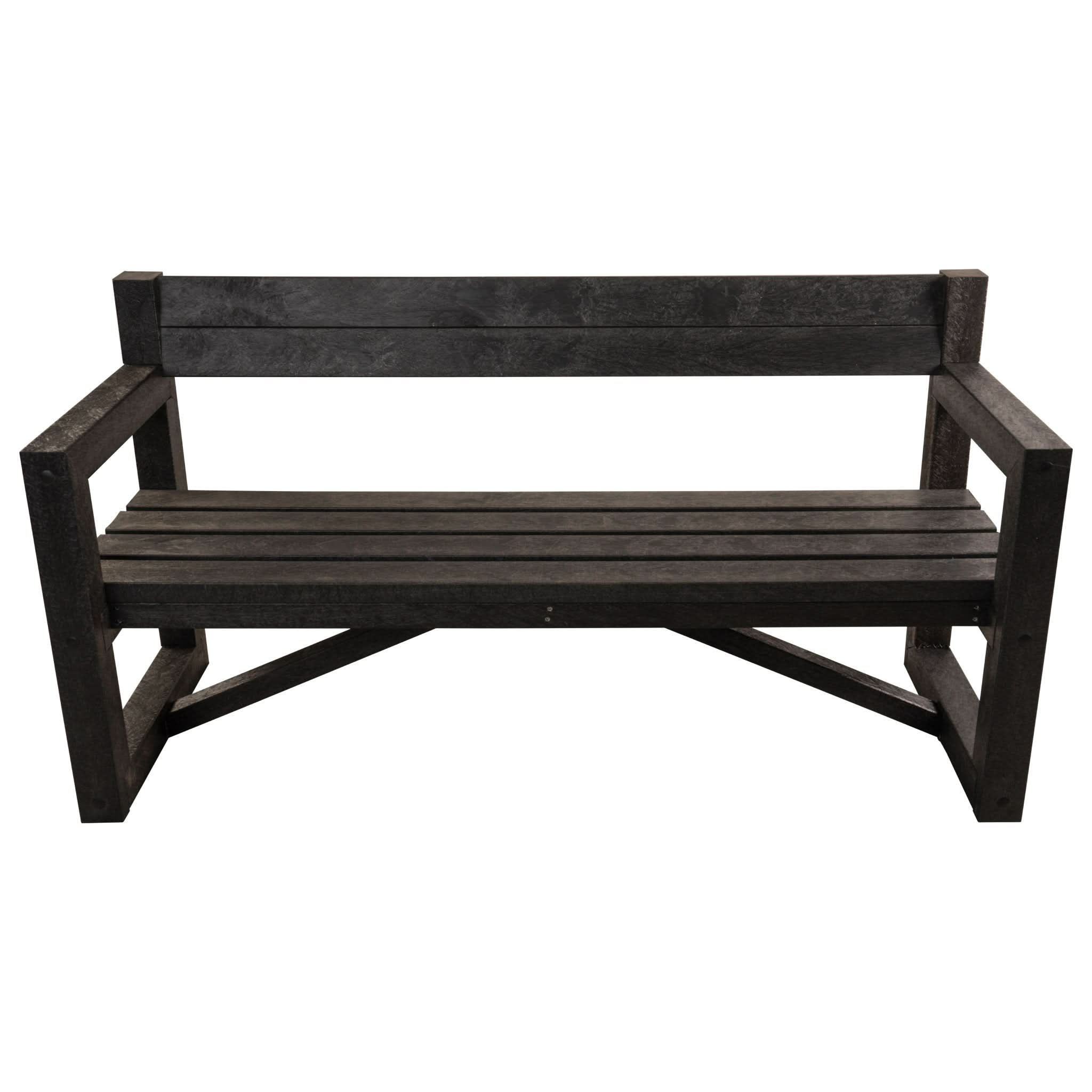
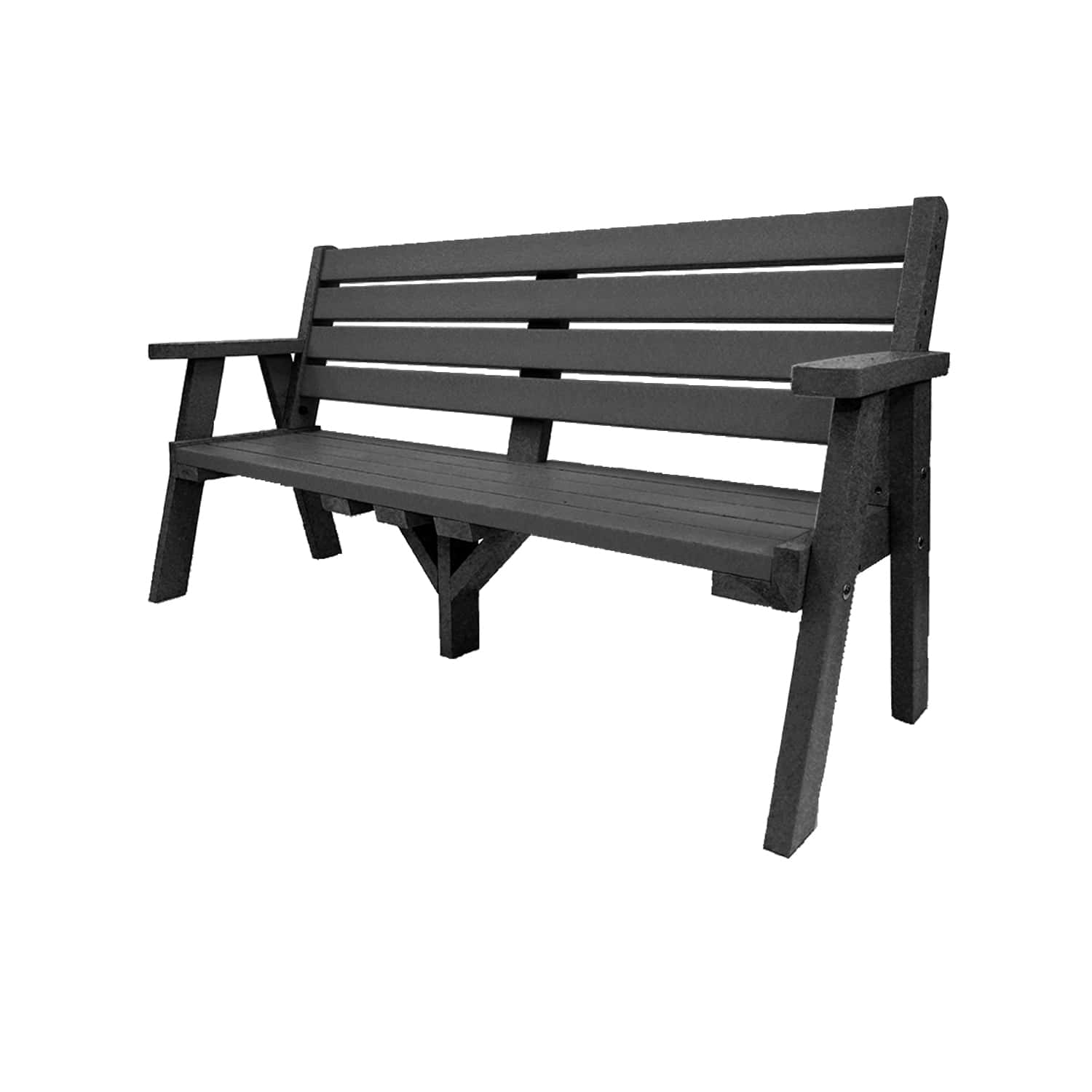
- Wipe the furniture gently. Work across the tabletop, seat, backrest and arms with a soft sponge or cloth. Use a soft brush where dirt collects in textured areas.
- Rinse thoroughly. Remove loosened dirt and soap residue with clean water or a gentle hose spray.
- Allow the surface to dry. Wipe away excess water with a clean cloth if needed, and let the furniture dry before replacing cushions or covers.
Clean whenever the furniture looks dirty, and wipe up food or drink spills promptly. A table used daily in a busy outdoor dining area may need more frequent attention than a bench in a sheltered garden.
Removing Stubborn Marks and Stains
If soapy water does not remove a mark, repeat the gentle cleaning process before trying a different product. Avoid increasing the pressure with abrasive tools, as these can damage the surface rather than lift the stain.
For persistent marks, choose a diluted, solvent-free cleaner suitable for the furniture and follow its instructions. Test it on a small, inconspicuous area first, then rinse thoroughly. Use one cleaning product at a time and do not mix cleaners.

If a mark remains, ask NeoTimber® for product-specific advice before using a stronger treatment. Do not assume that a cleaner intended for timber, metal or composite decking is suitable for recycled plastic furniture.
Can You Pressure Wash Recycled Plastic Furniture?
Hand washing or a gentle hose rinse is usually enough for routine cleaning. If you plan to use a pressure washer, check the furniture's care guidance first and use a low setting. Keep the nozzle well away from the surface and test an inconspicuous area before continuing.
A powerful jet held too close can damage the finish. Follow any pressure and nozzle-distance limits specified for your product; if you cannot confirm suitable settings, use a sponge and hose instead. Avoid directing the spray at nearby soil, which can splash mud back onto clean furniture.

Cleaning Water Marks and Surface Residue
If marks remain after rain or rinsing, begin with warm soapy water and a soft sponge. Work gently over the affected area, then rinse with clean water to remove any remaining detergent.

Wiping away excess rinse water with a lint-free cloth can help limit visible drying marks. If residue persists, follow the approach for stubborn marks above rather than scraping or sanding the plastic.
Reduce Cleaning with Sensible Storage and Covers
NeoTimber's recycled plastic furniture is designed to stay outdoors throughout the year. Moving it indoors is not normally necessary, although a sheltered position can reduce the amount of dirt and debris that settles on it.

If you use a cover, choose a breathable outdoor furniture cover that fits securely and follow its care instructions. Clean and dry the furniture before covering it, and remove accumulated leaves and debris periodically. Follow the furniture's securing guidance in exposed locations.
Recycled Plastic Furniture Maintenance FAQs
Does recycled plastic furniture need painting or staining?
No. NeoTimber's recycled plastic furniture does not require routine painting, staining or preservative treatments. Regular cleaning is the main task needed to keep its surface looking tidy.
How often should I clean outdoor plastic furniture?
Clean it when dirt builds up and deal with spills promptly. Check furniture more frequently during regular use or when leaves and debris are collecting around it. There is no single cleaning interval that suits every location.
Which cleaning products should I avoid?
Avoid solvent-based cleaners, abrasive pads and wire brushes. Start with mild soapy water, and only use other treatments if they are suitable for the product. Test a small hidden area before treating a visible surface.
Keep Outdoor Furniture Ready to Enjoy
A simple recycled plastic furniture maintenance routine helps keep seating and dining areas welcoming. Gentle washing, thorough rinsing and occasional checks for accumulated dirt are a practical starting point for both home gardens and shared outdoor spaces.
Planning another seating area? Explore NeoTimber's recycled plastic furniture range to compare benches, picnic tables and outdoor dining sets.