


Plan a Coordinated Setting for Outdoor Signs and Wayfinding
NeoTimber solutions for signage centre on creating an attractive setting around branding, directional information and entrance features. Composite cladding and other suitable outdoor finishes can provide visual context for a sign, helping it relate to the surrounding architecture.
The backdrop, sign face and supporting structure perform different jobs. Choosing an appealing finish is only one part of the design: the complete installation also needs legible graphics, appropriate connections and access for future maintenance.
This guide explains the product and planning questions to discuss before specifying a signage backdrop for a commercial, retail, leisure or public setting.
In this guide: Define the application · Visibility and finish · Supports and fixings · Outdoor conditions · Future updates · Project brief · FAQs
Define the Role of the Backdrop
Start with the message and location. A prominent entrance sign, a directory beside a building and a small directional marker have different viewing distances and installation requirements.
NeoTimber® exterior products may be relevant as surrounding finishes or feature panels, subject to suitability for the proposed configuration. Do not assume that cladding boards are structural sign supports, printable sign substrates or dedicated sign-making blanks.
Separate the parts of a signage installation:
| Element | Purpose | What to confirm |
|---|---|---|
| Backdrop or surrounding finish | Provide visual context and coordinate with the site. | Profile, colour, approved installation arrangement and clearances. |
| Sign face and graphics | Communicate the message. | Legibility, materials, illumination and the sign maker’s specification. |
| Supporting structure | Carry the sign and transfer loads. | Capacity, foundations, connections and exposure. |
| Services and access | Support lighting, inspection and replacement. | Suitable routes, weather protection and maintenance access. |
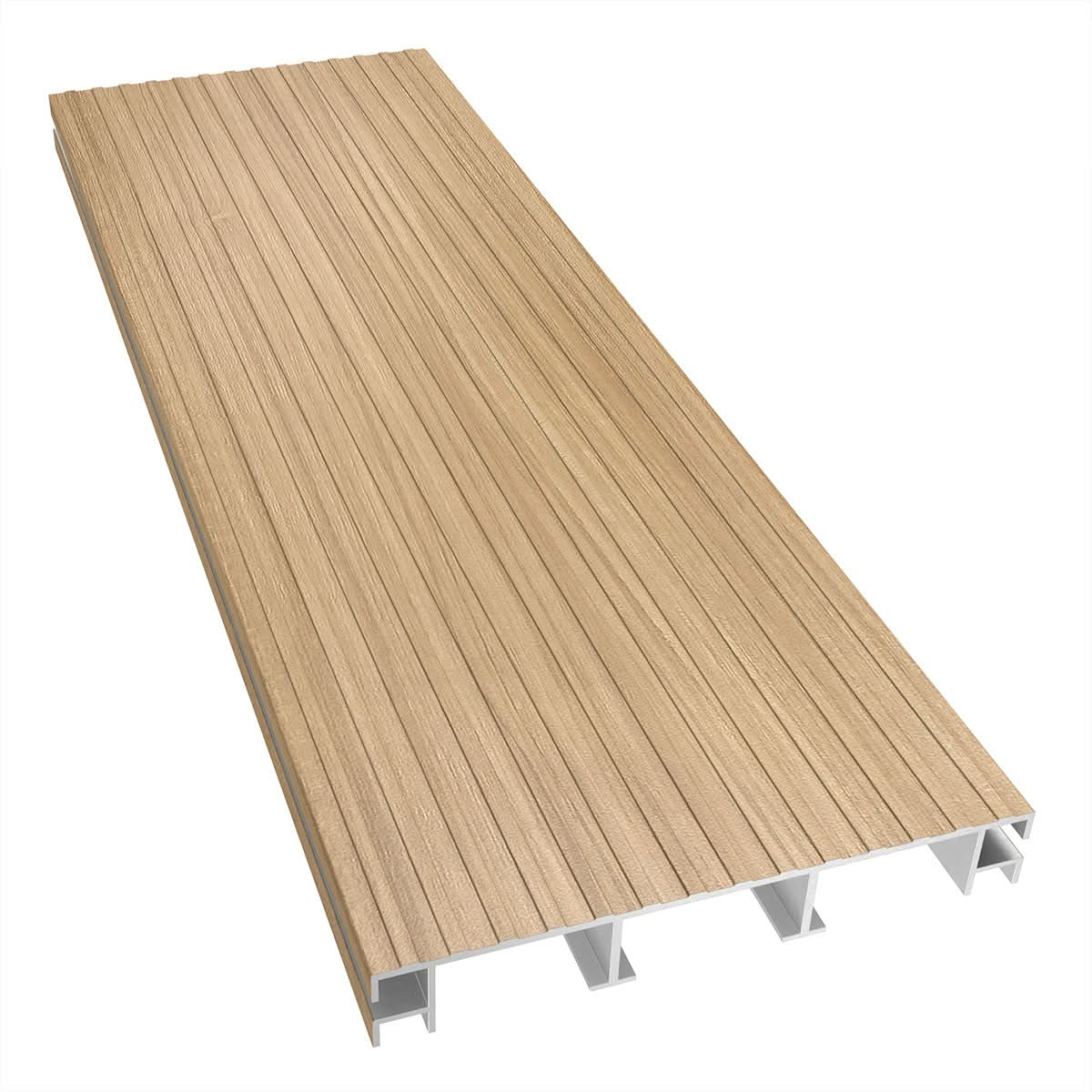
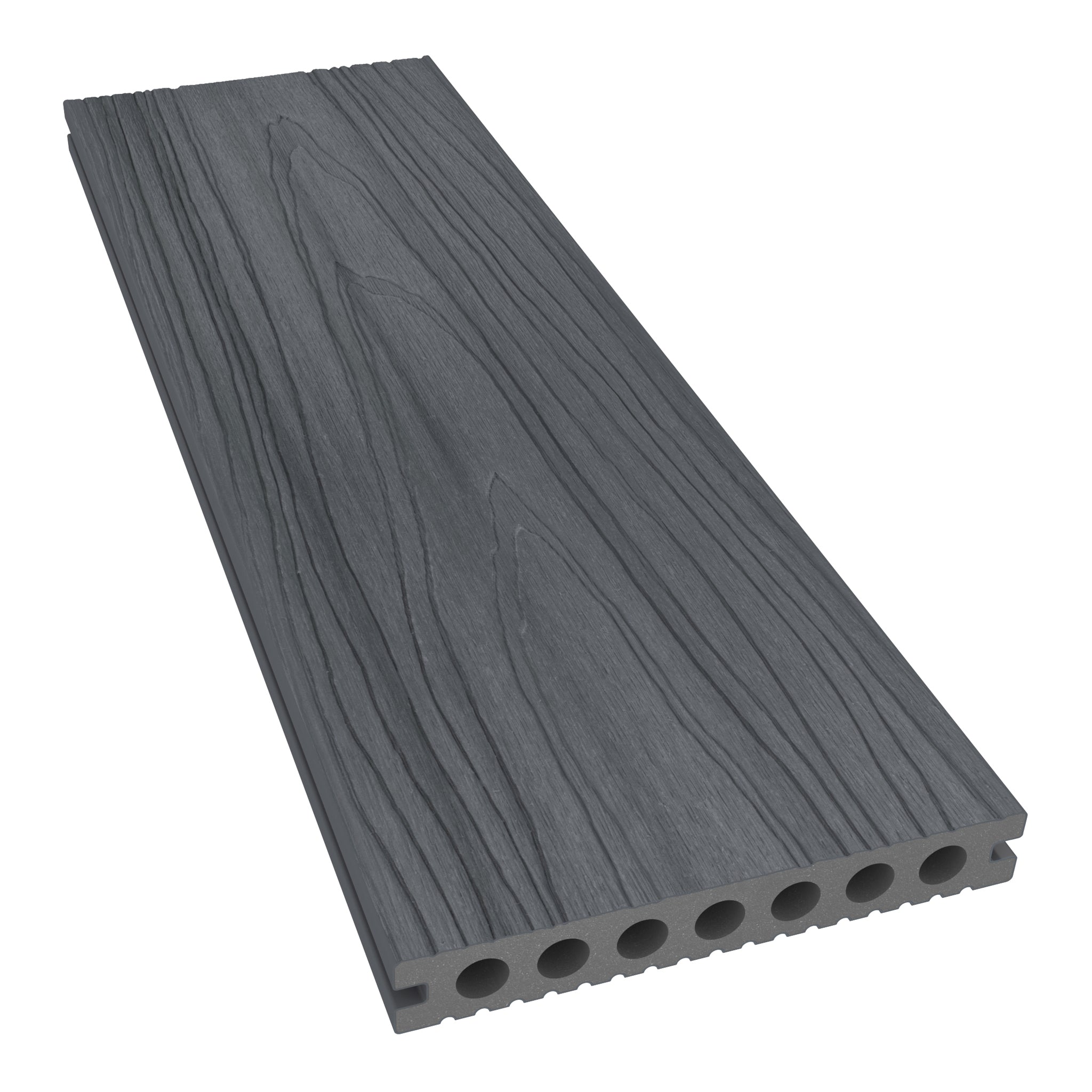
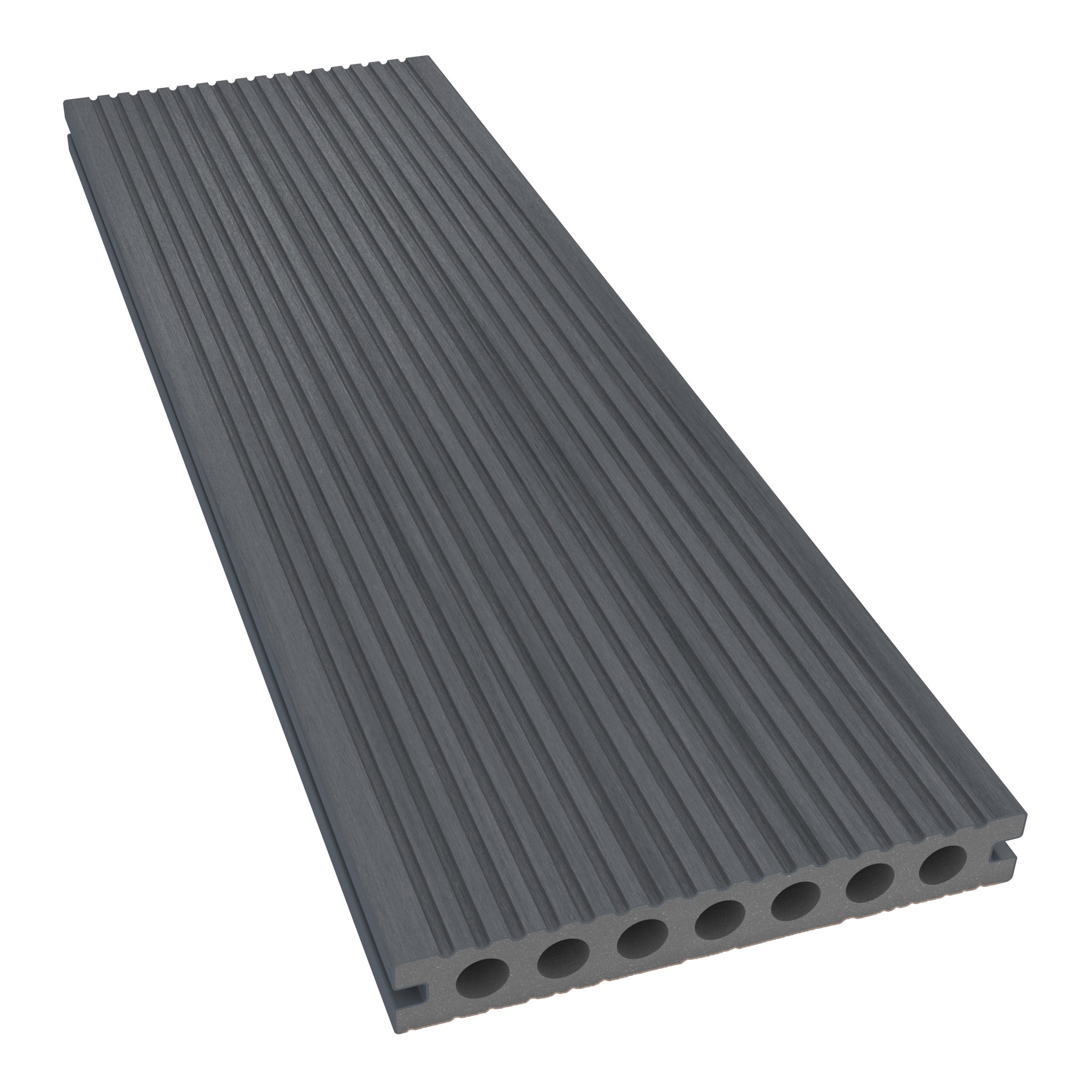
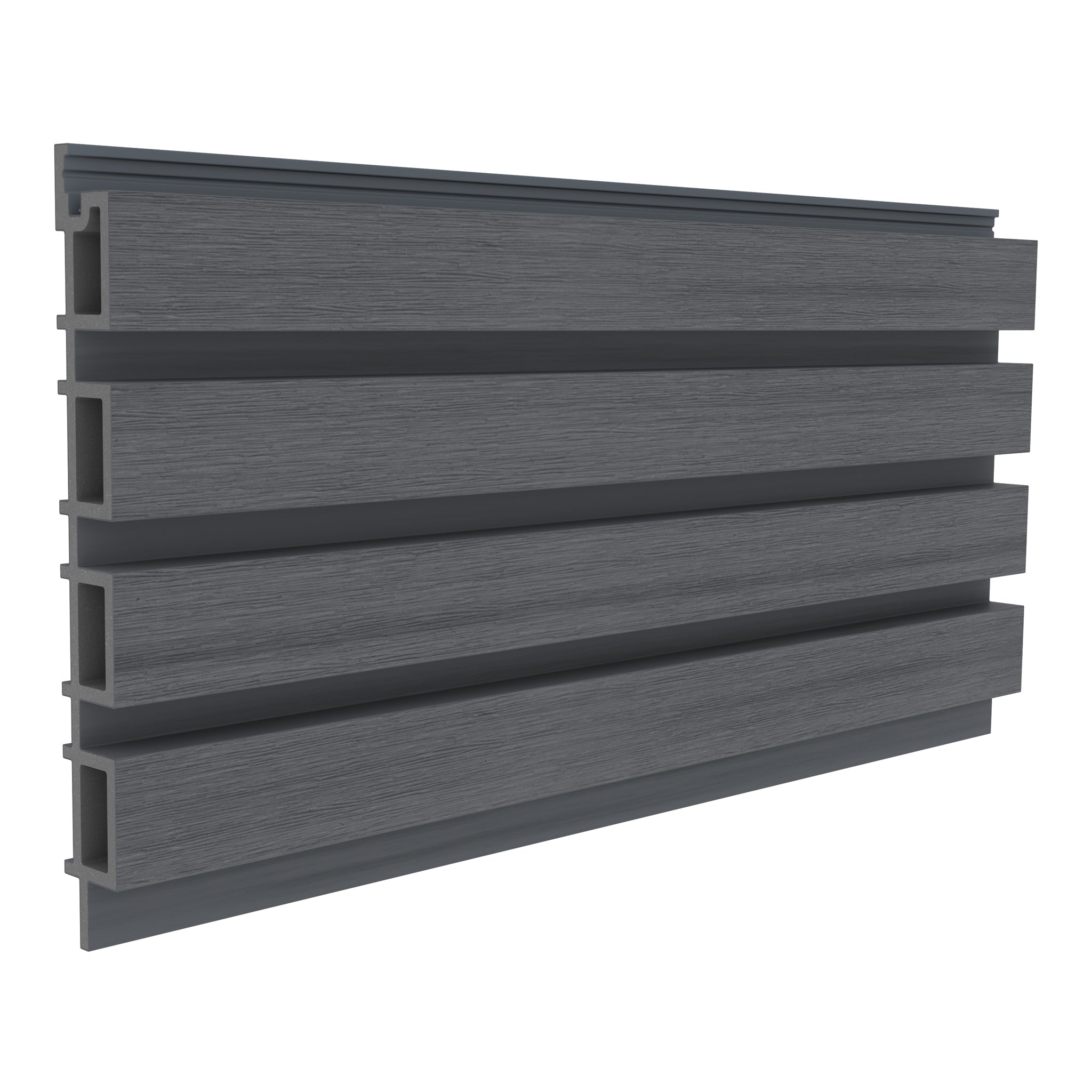
Explore our cladding resources and composite cladding range to compare potential finishes. Confirm the selected product’s intended use before adapting it to a bespoke feature.
Choose a Finish That Supports the Message
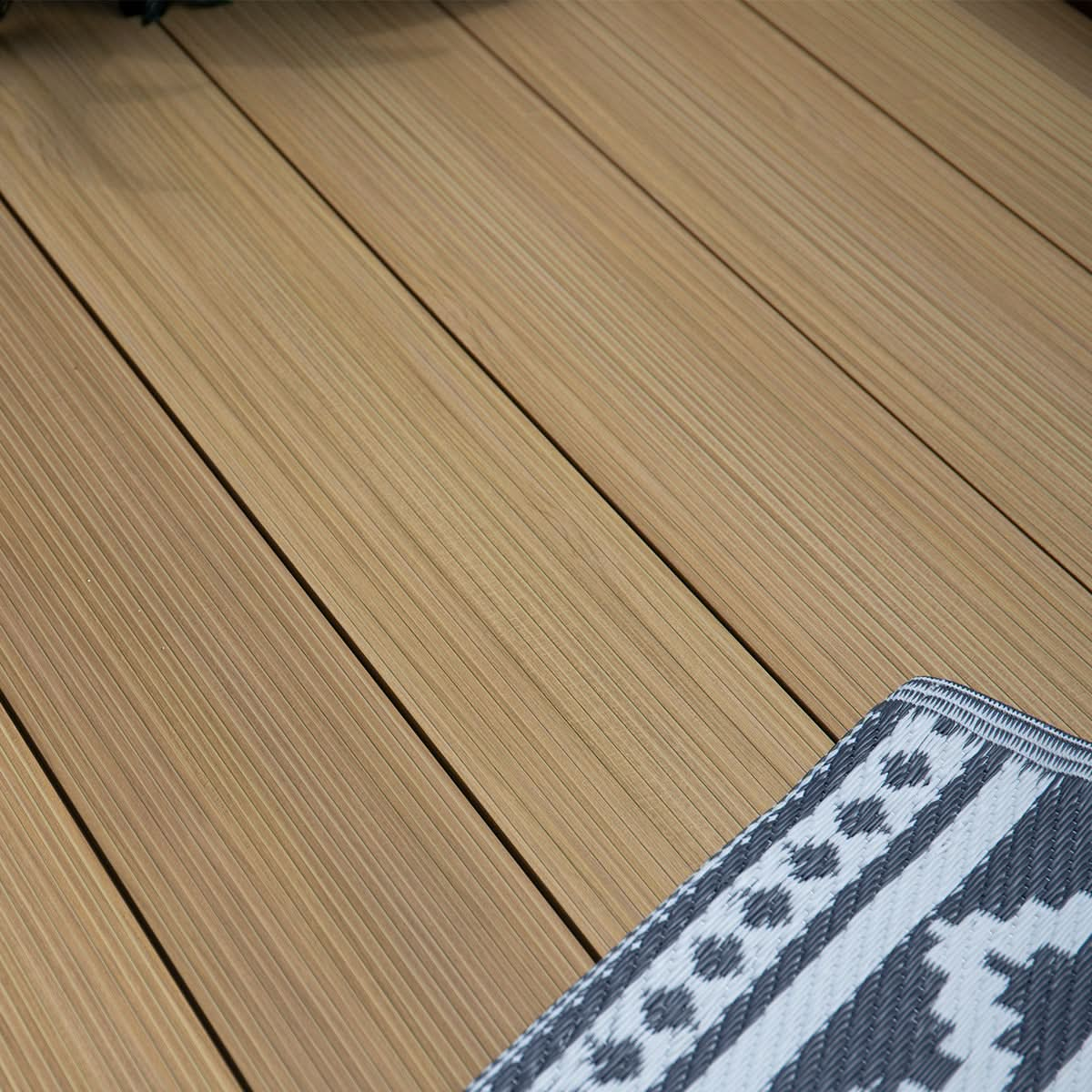
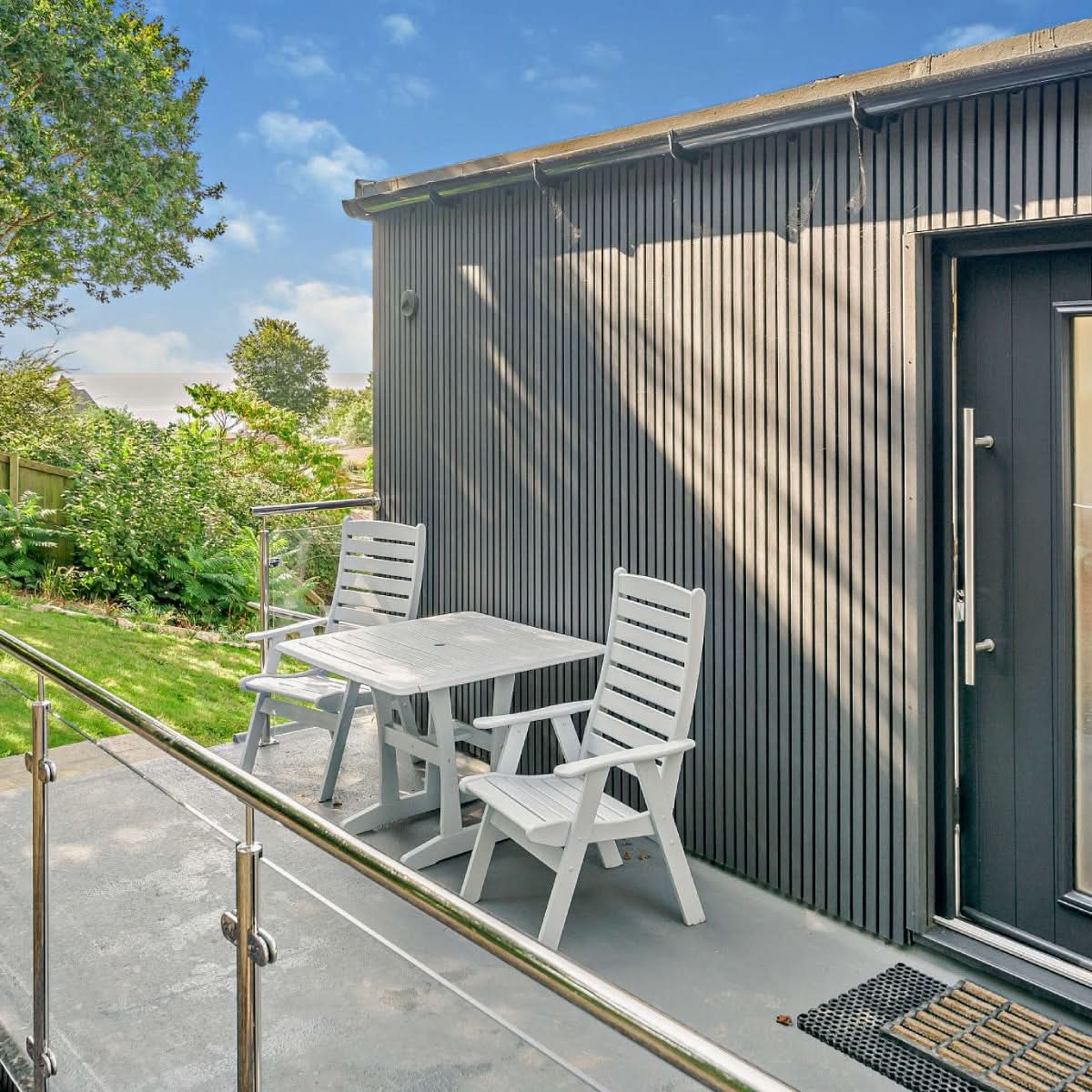
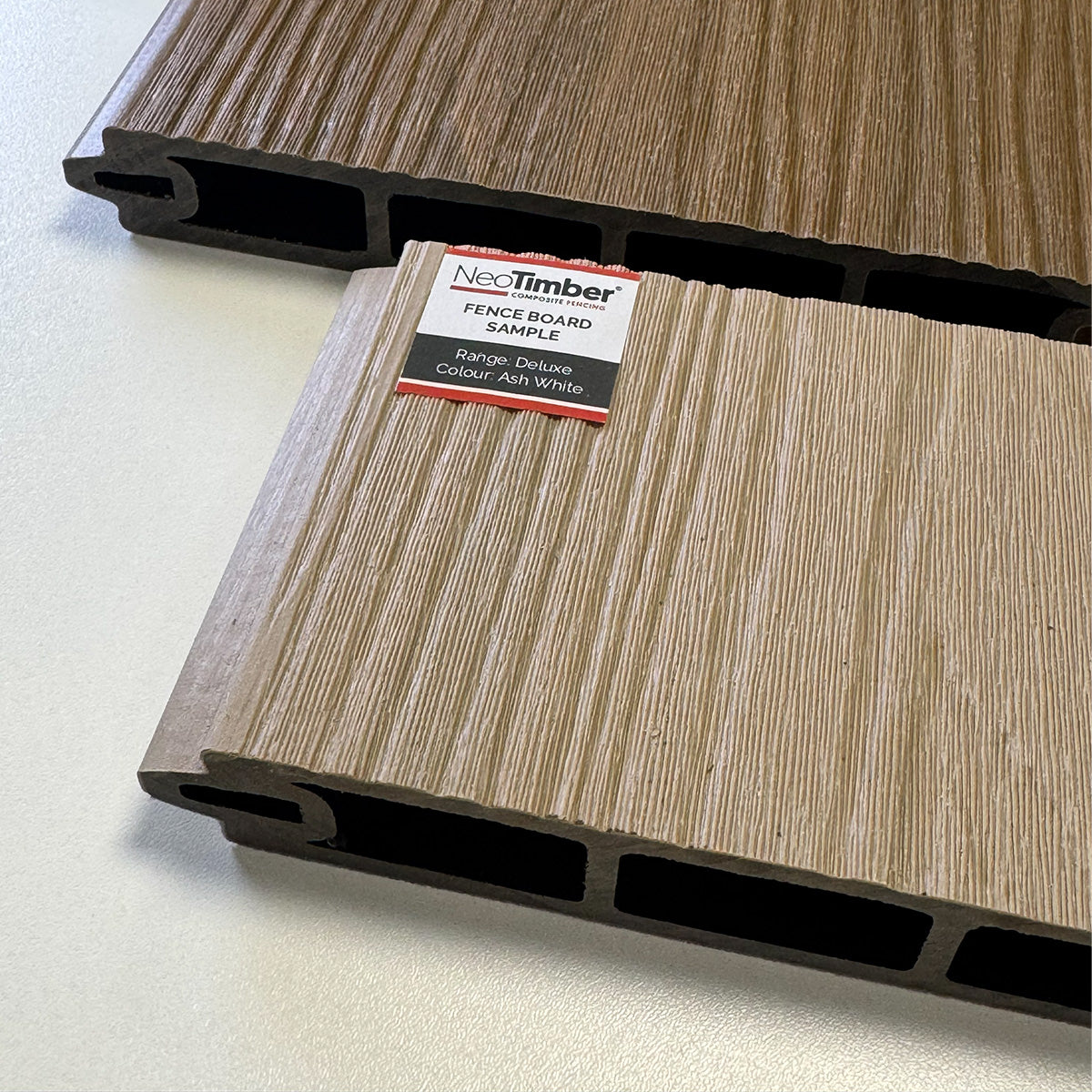
A backdrop should help the sign stand out rather than compete with it. Compare colour contrast, surface texture and the scale of the board pattern with the lettering and graphics.
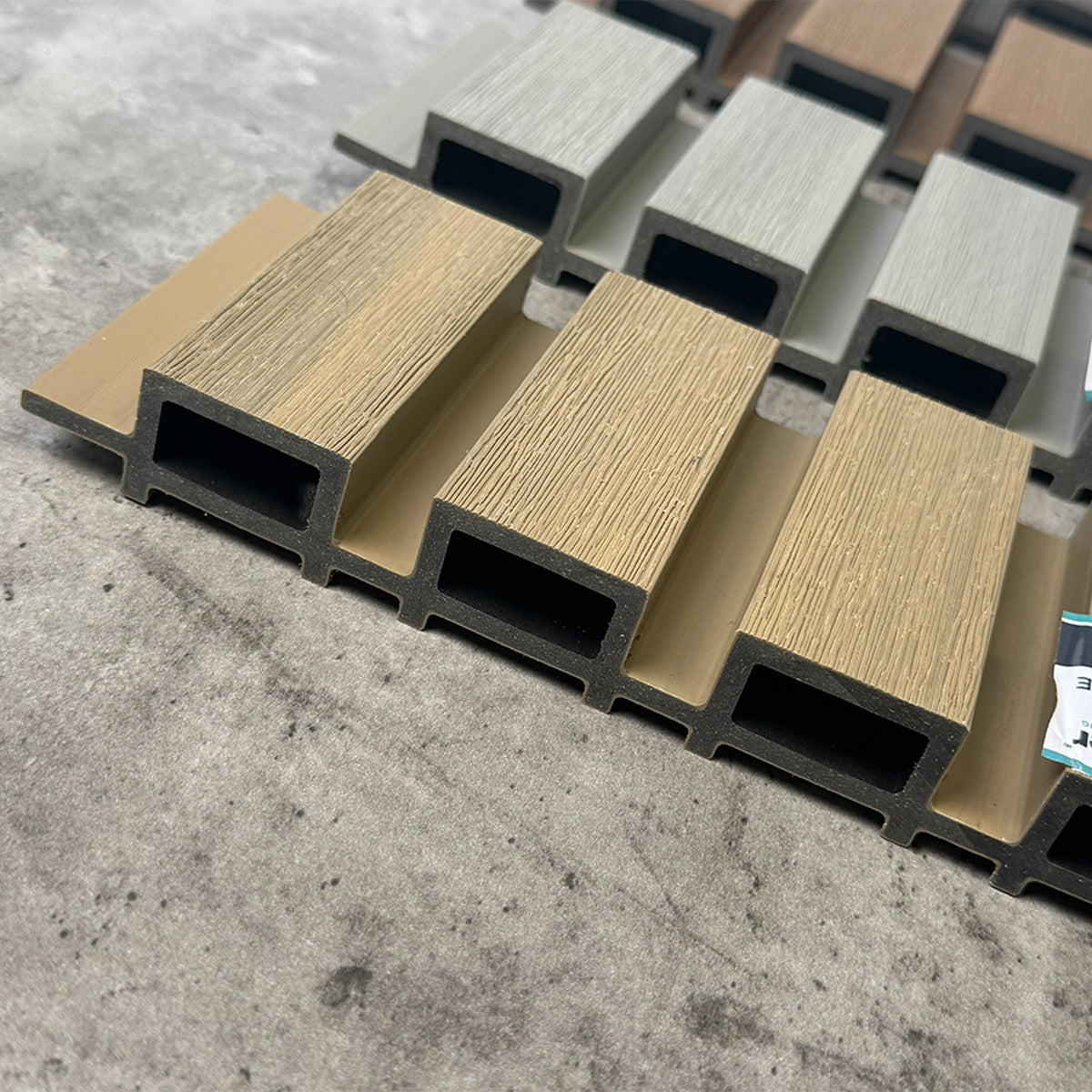
A pronounced slatted profile can create an architectural feature, while a quieter surface may better suit detailed information. Do not assume every cladding product provides a smooth surface for adhesive graphics or direct printing.
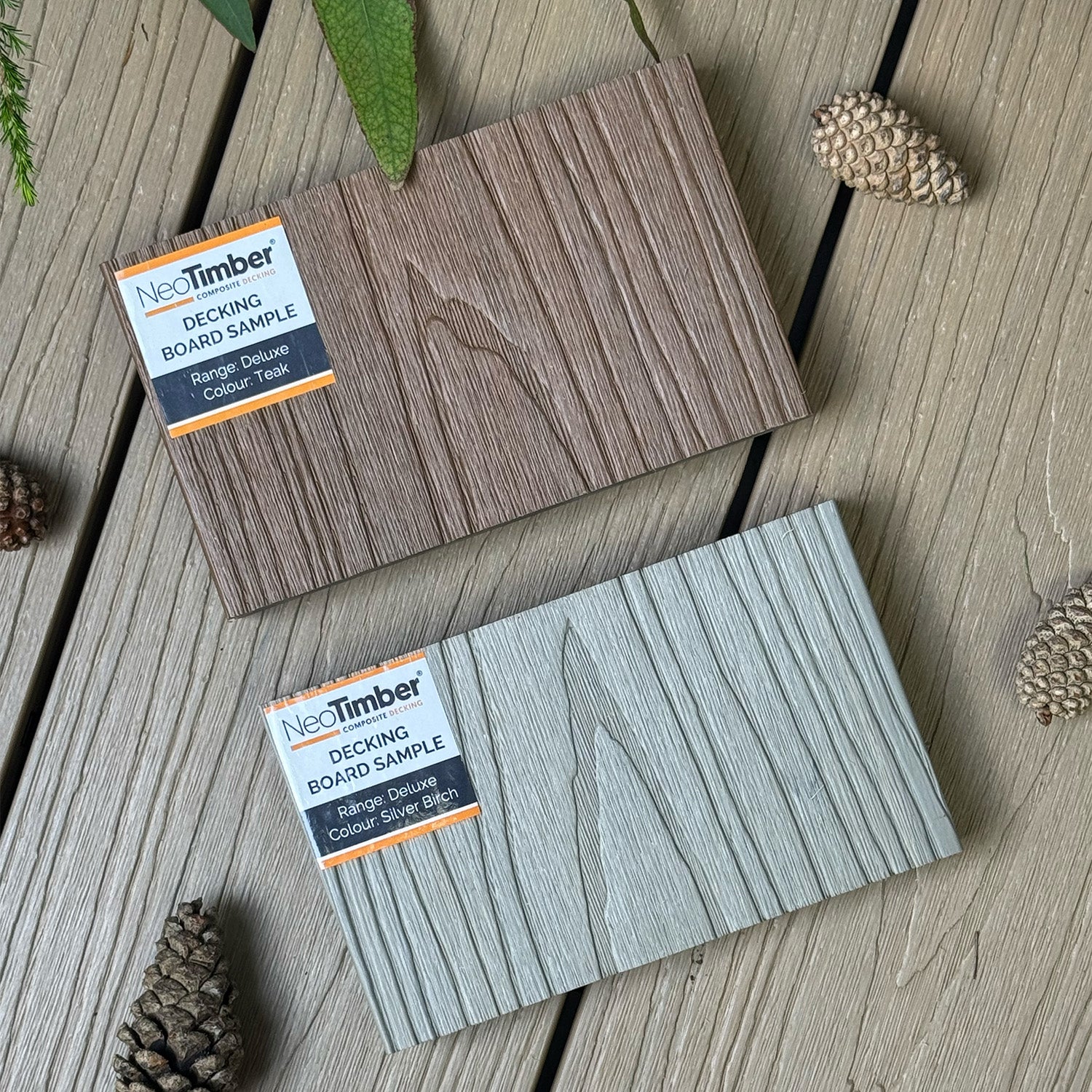
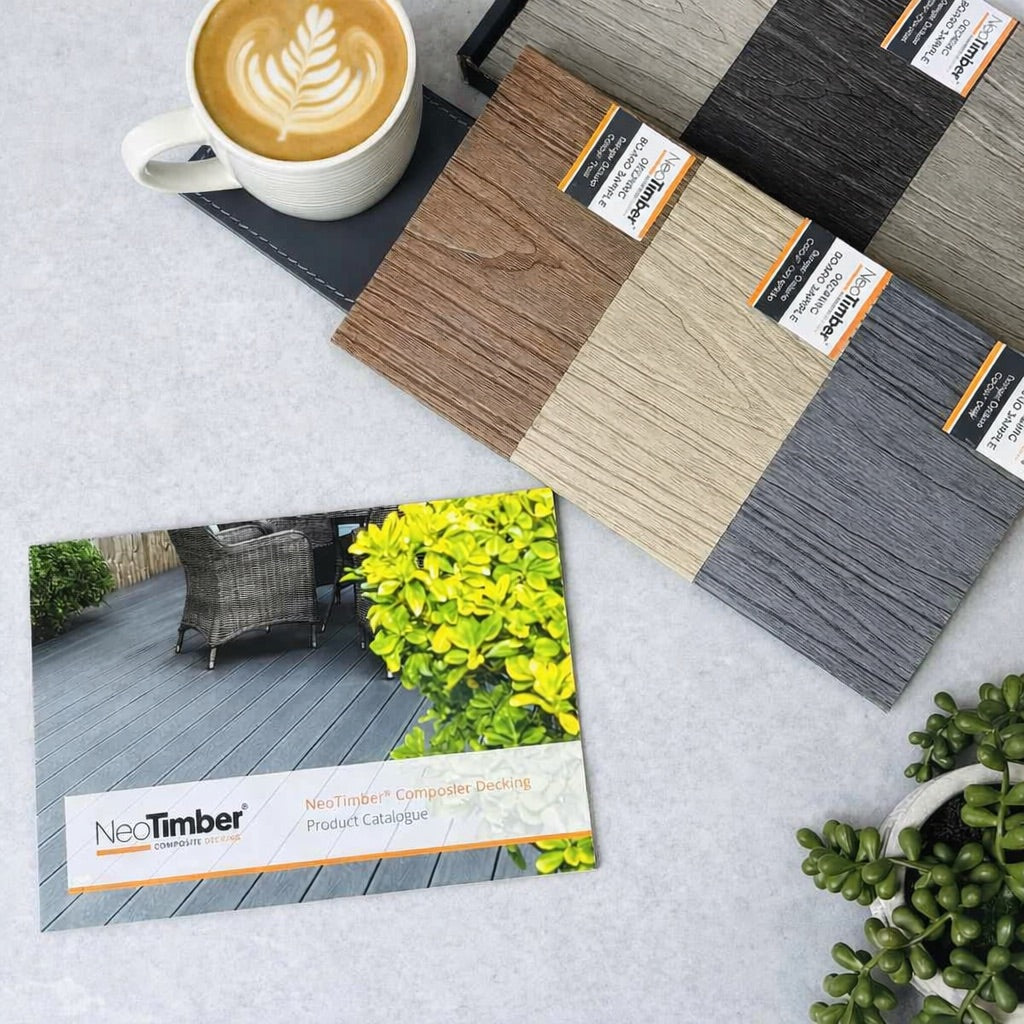
Use physical samples alongside the proposed sign materials. Check the combination at the intended viewing distance and under likely lighting conditions. Review reflections, shadows and any nearby planting that could obscure the message.
Have the sign designer confirm text size, contrast and positioning for the intended users. A coordinated colour scheme does not by itself establish accessible or effective wayfinding.

Design the Sign Support Separately From the Decorative Finish
Establish the sign’s weight, dimensions and exposure before choosing a fixing arrangement. The connection must transfer the required loads into an adequate supporting structure, not simply into the visible board face.
Do not assume composite cladding can carry a sign without additional structural support. Connections through a clad surface need a suitable detail that maintains the board’s movement allowances, weather-management arrangement and required clearances.
Ask the responsible designer or installer to coordinate fixings with the selected product instructions. Avoid fastening across movement joints or tightening connections in a way that restrains the boards improperly.
Concealed fixing methods used for cladding do not automatically provide a concealed or suitable fixing system for the sign itself. Identify both connection arrangements before installation.
Coordinate Openings and Services
If the sign is illuminated, plan cables, access panels and any penetrations with the relevant specialists. Avoid drilling or cutting after the feature is complete without reviewing the supporting structure and moisture-management details.
Keep access practical for inspection, electrical work and replacing the sign face. A neat-looking installation should not make routine maintenance unnecessarily difficult.

Specify for Outdoor Conditions and the Actual Location
Sunlight, rain, temperature changes and local exposure affect the materials and connections. Choose the exact product and supporting arrangement around those conditions.
Protective capping on selected composite products helps resist fading and staining, but does not make the finish immune to weathering, marks or damage. The sign face, graphics and any coating have their own care and replacement requirements.
Where fire performance forms part of the project brief, confirm the required evidence for the selected product and complete assembly. A generic material description is not approval for every location or building.
Slip resistance may be relevant to an adjacent walking surface, but it does not establish the suitability of a vertical signage backdrop. Keep performance requirements related to the function being specified.
Coordinate With the Surrounding Site
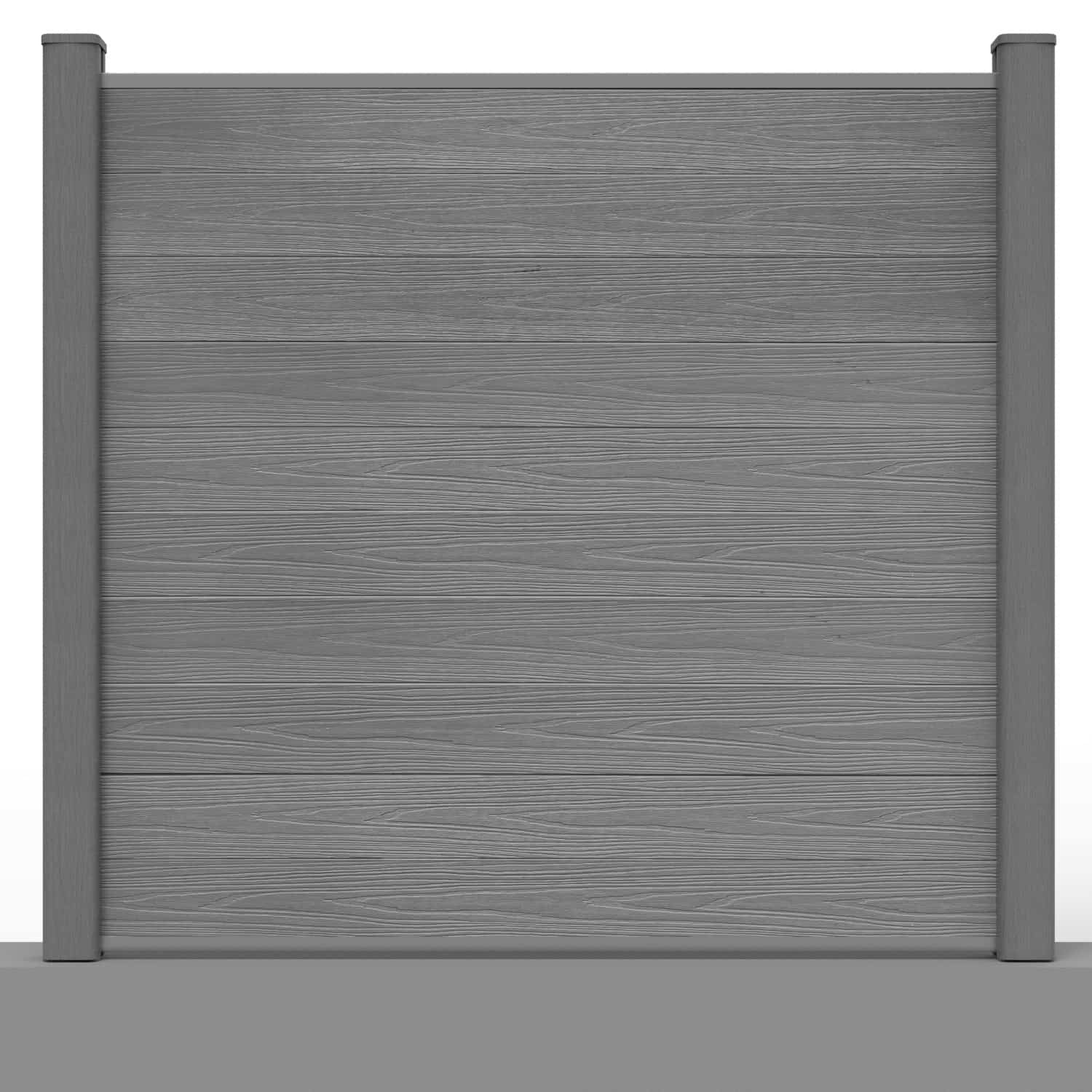
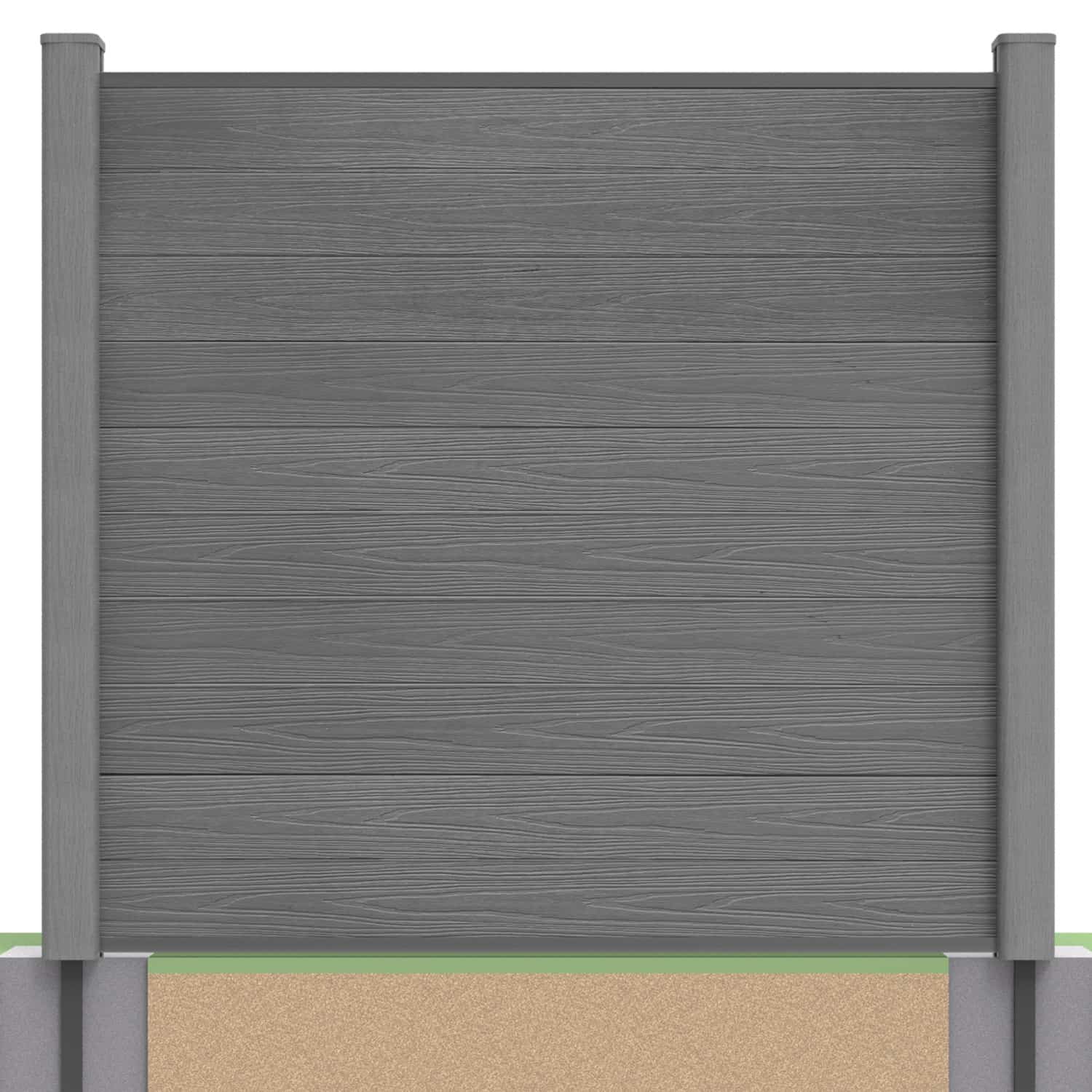
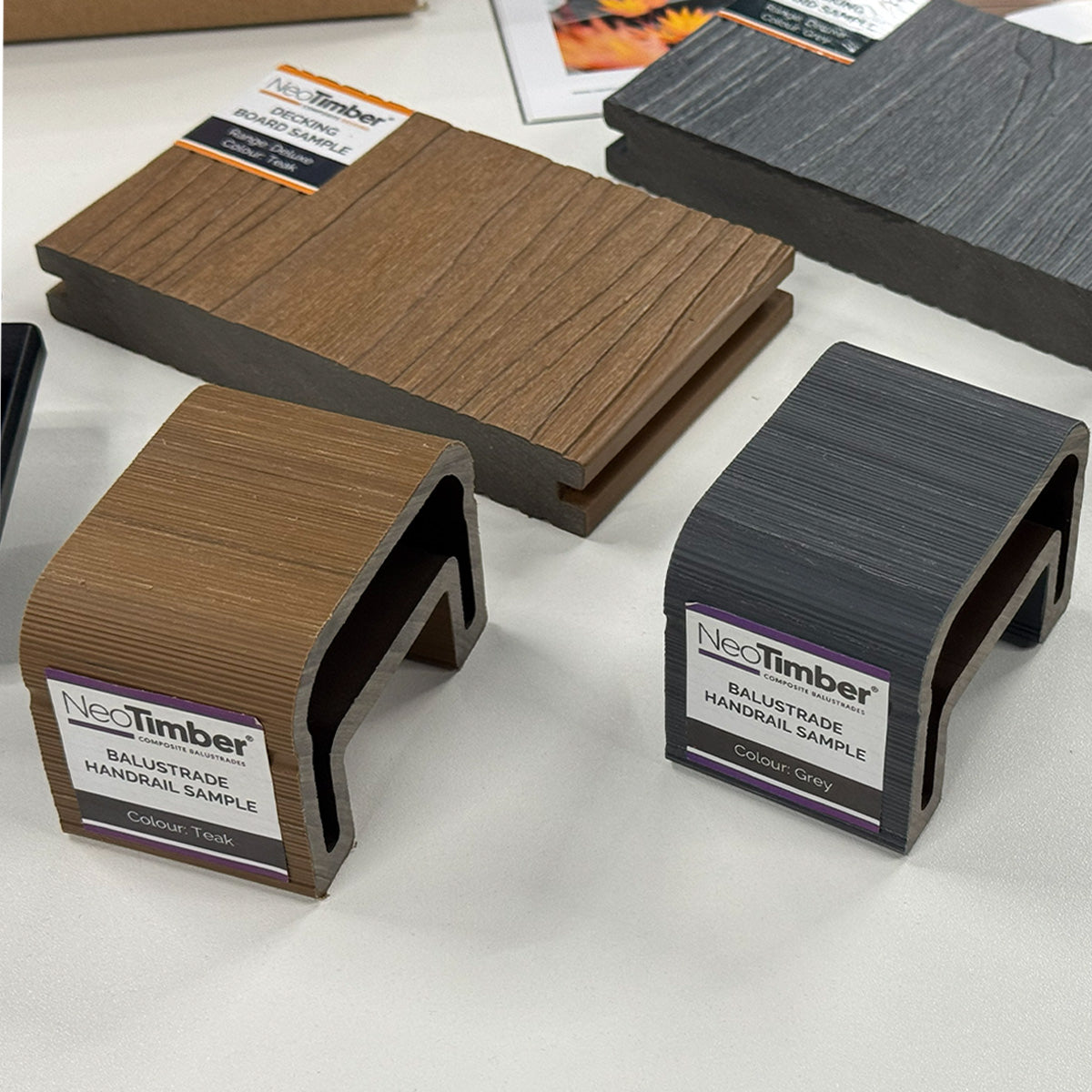
Where appropriate, related finishes can connect the signage feature with nearby decking, fencing or balustrades. Compare actual samples rather than assuming matching colour names guarantee an identical appearance.
Browse the composite decking and composite fencing collections for adjacent external works. Their structural and performance requirements remain separate from the signage feature.
Plan for Rebranding, Cleaning and Replacement
Permanent and semi-permanent features both benefit from a clear plan for future changes. Decide whether the sign face can be replaced independently of the backdrop and how the supporting connections will be accessed.
Do not assume that repeated removal and relocation are approved uses of a standard exterior system. Check the effect on fixing holes, components and warranty terms before designing for redeployment.
Keep a record of products, colours and installation details. Follow the selected materials’ care instructions and inspect connections and exposed edges periodically. Avoid unapproved adhesives, cleaners or coatings on composite surfaces.
What to Include in a Signage Project Enquiry
- Location, intended use and expected installation duration.
- Drawings showing the sign face, backdrop and supporting structure.
- Sign dimensions, weight and relevant exposure conditions.
- Required finishes, graphics, lighting and access arrangements.
- Proposed fixing details and product information needed.
- Delivery, installation and maintenance requirements.
Use the Professionals Hub to find commercial support and product resources. Review the installation guidance and current warranty terms for the selected range and proposed use. Obtain clarification for bespoke modifications rather than assuming a blanket commercial period applies.
Frequently Asked Questions
What does NeoTimber® provide for signage projects?
Exterior products may be considered for suitable backdrops and surrounding finishes. The sign face and structural support need their own specifications.
Can a sign be fixed directly to cladding boards?
Do not assume the boards provide suitable structural support. Design the connection to an adequate structure while preserving the cladding system’s required details.
Can graphics be applied directly to composite?
Confirm compatibility with both the product supplier and sign maker. Textures, coatings and adhesives vary, so a standard cladding finish should not be assumed suitable.
Can the feature be moved later?
Check the proposed dismantling and reinstallation method first. Repeated removal is not automatically an approved use of every component.
Will the finish remain unchanged outdoors?
Fade and stain resistance do not guarantee no weathering. Follow the care instructions for the backdrop, sign face and graphics.
Does one commercial warranty cover the whole sign?
Check each supplier’s terms and the proposed application. Product warranty, sign manufacture and installation responsibilities should be clarified separately.
Discuss Your Signage Backdrop With NeoTimber®
Bring the visual design and supporting details together before selecting materials. Contact the commercial team with your drawings to discuss product options and the information needed for your signage project.