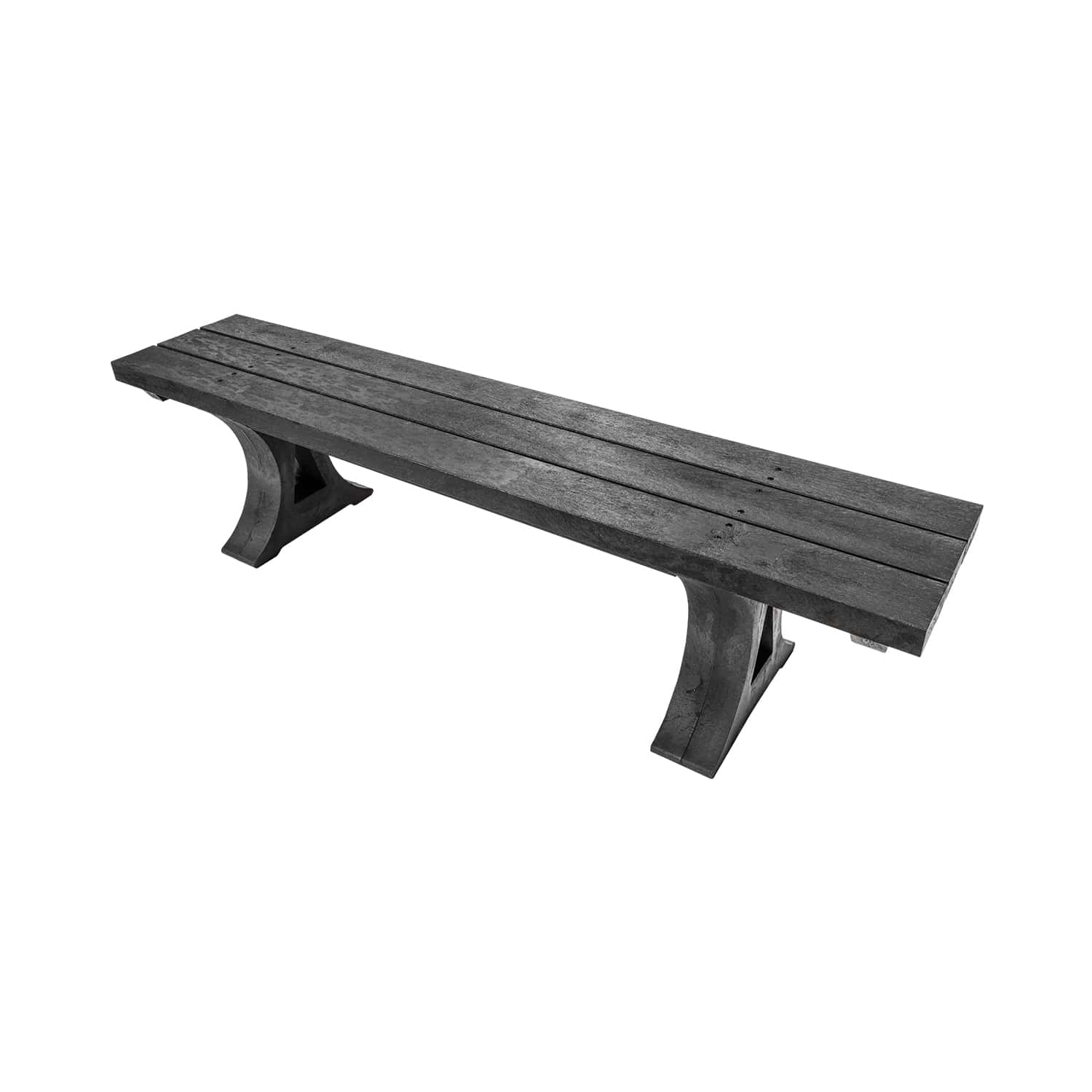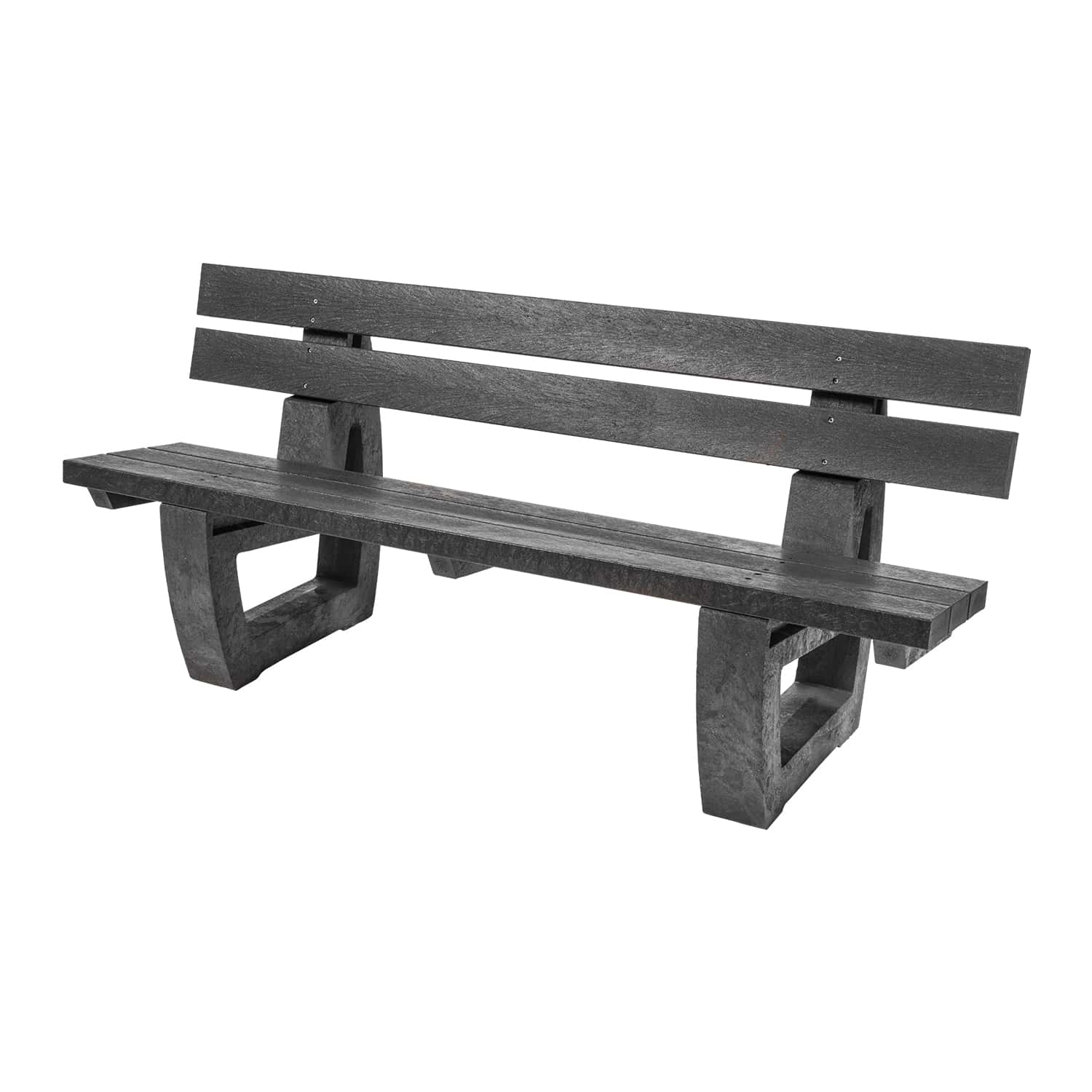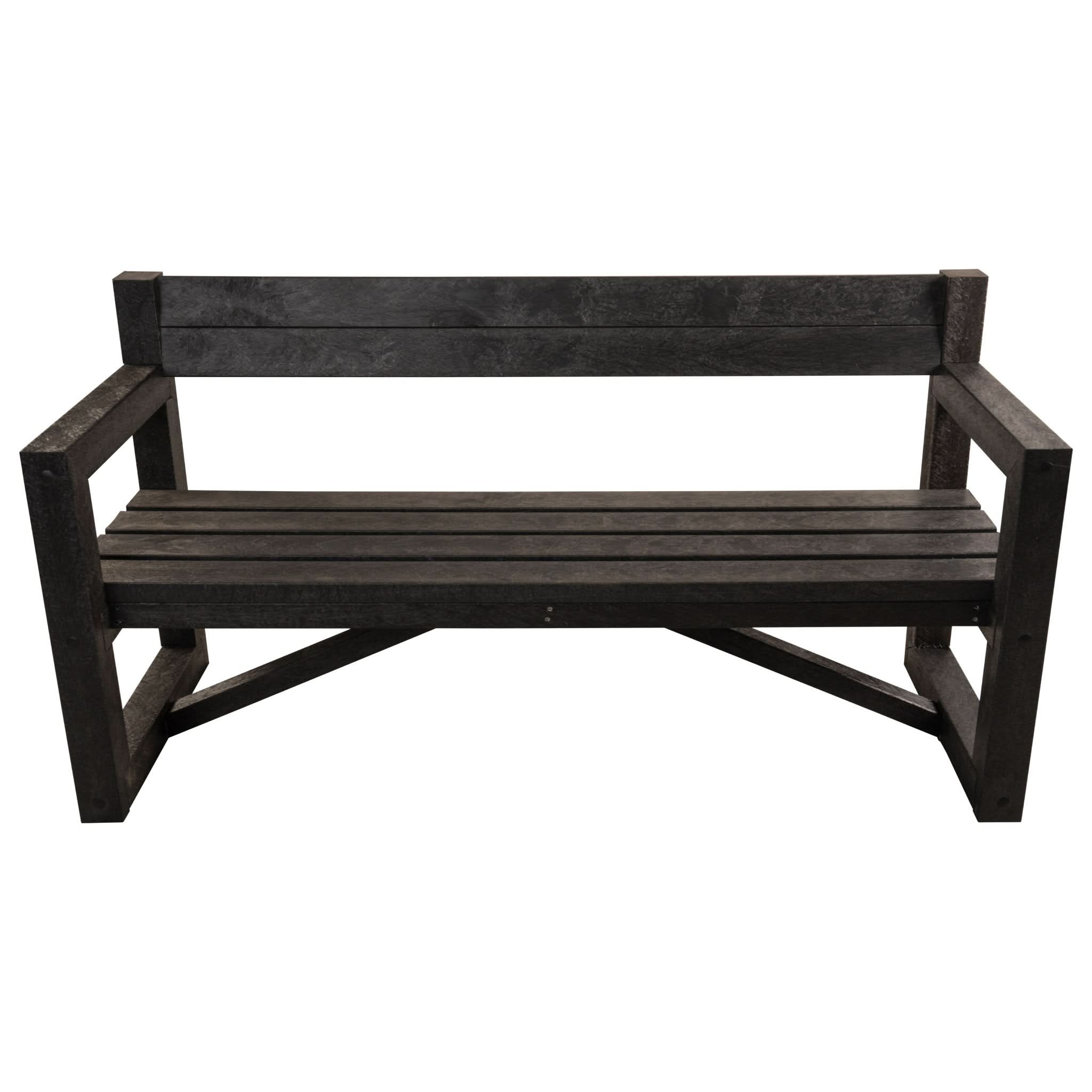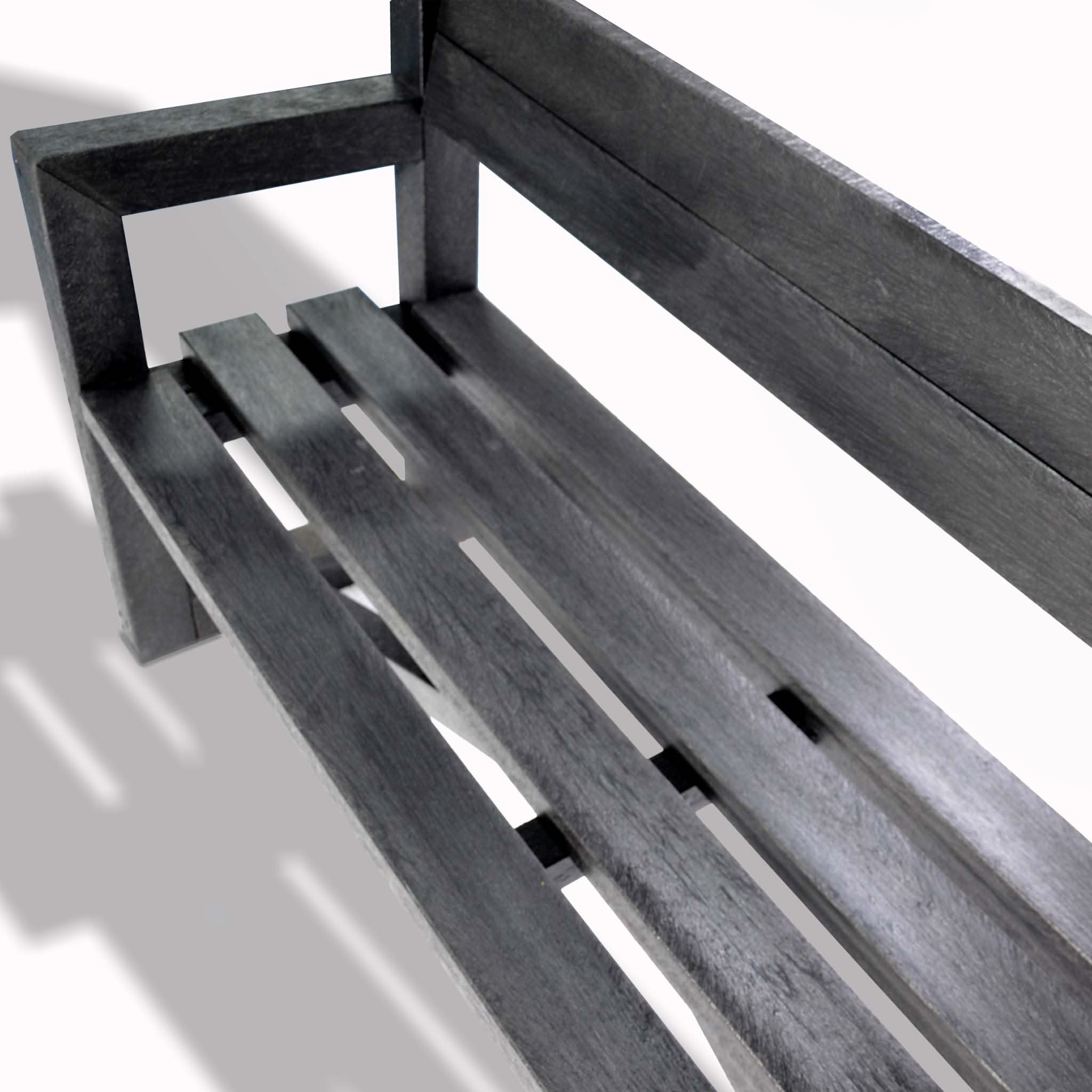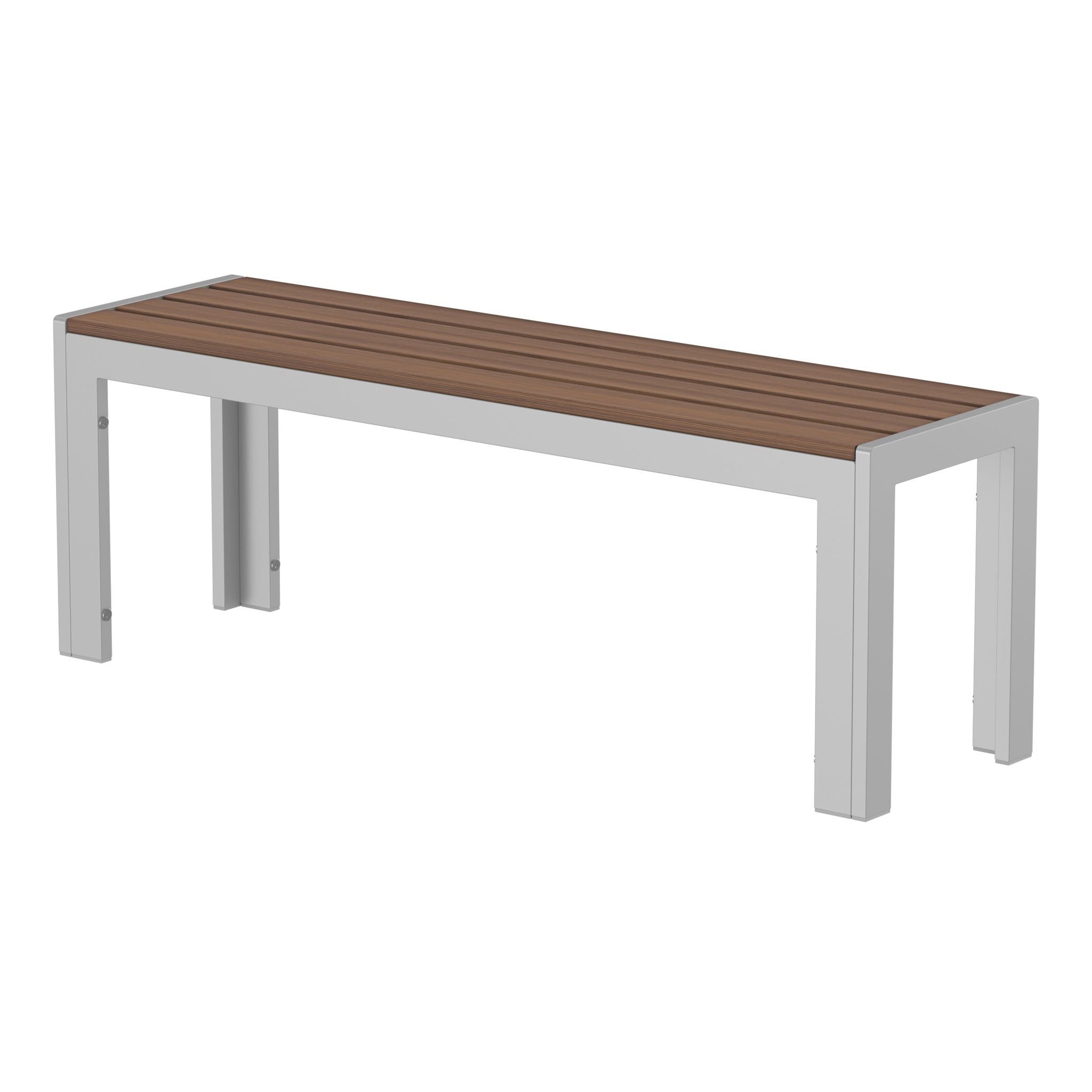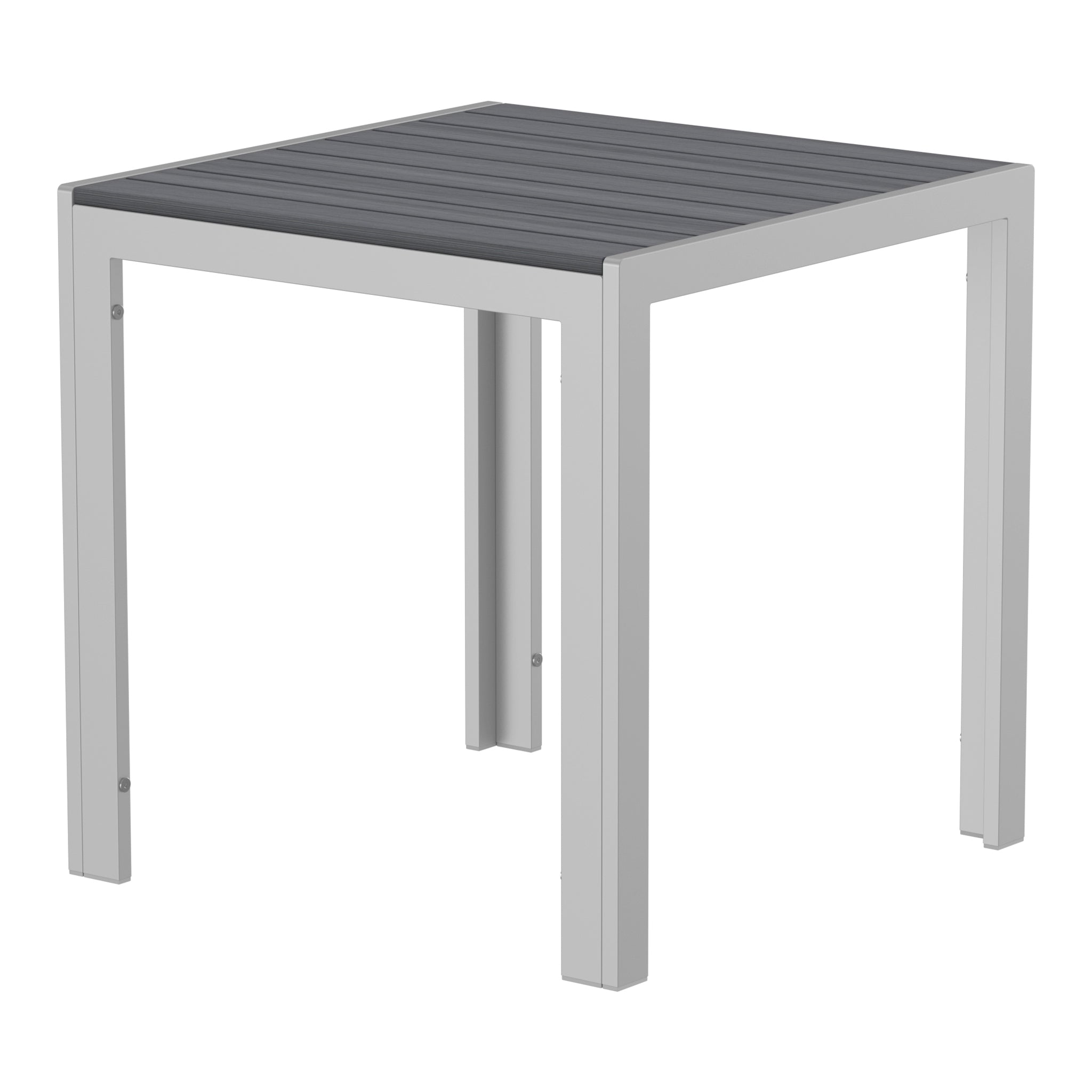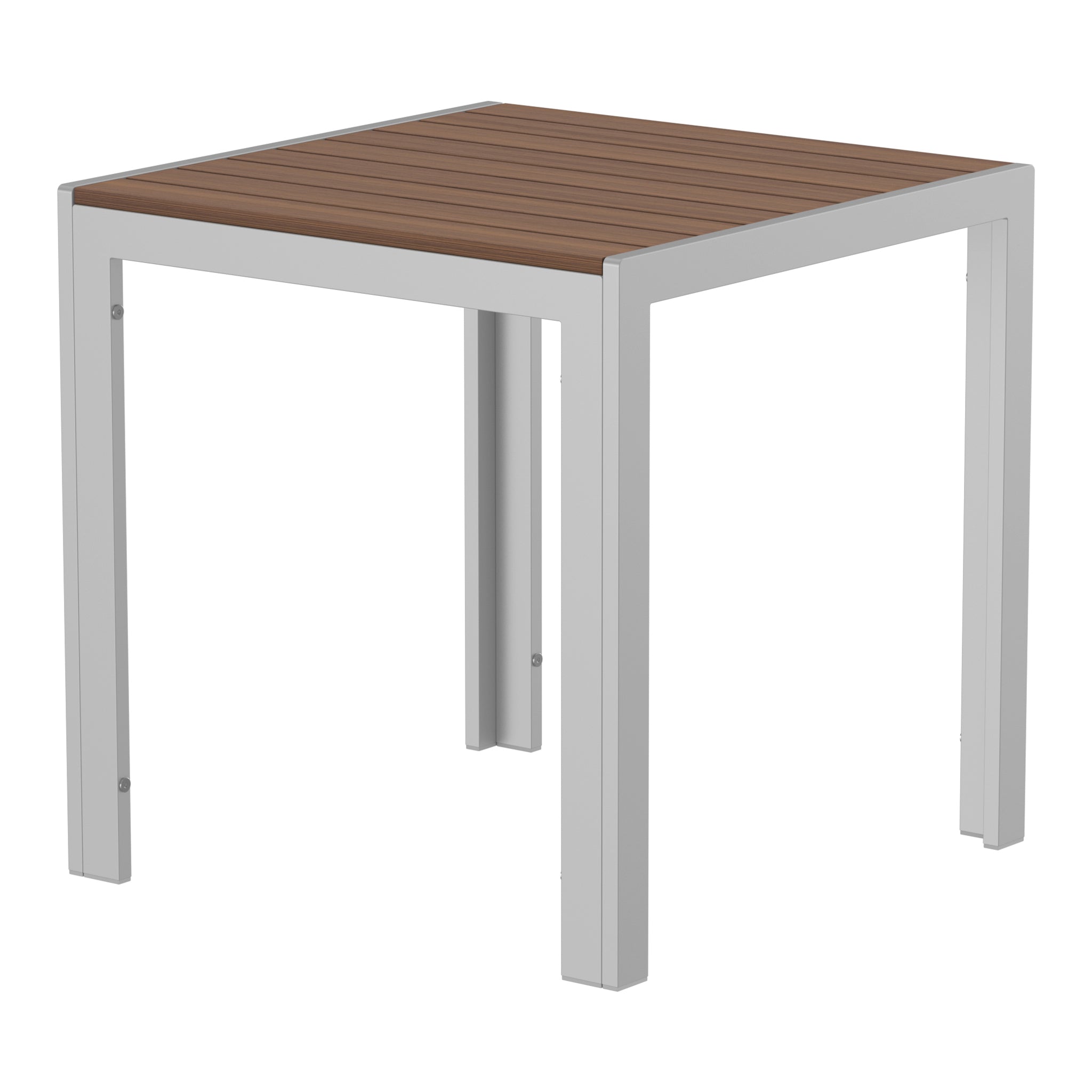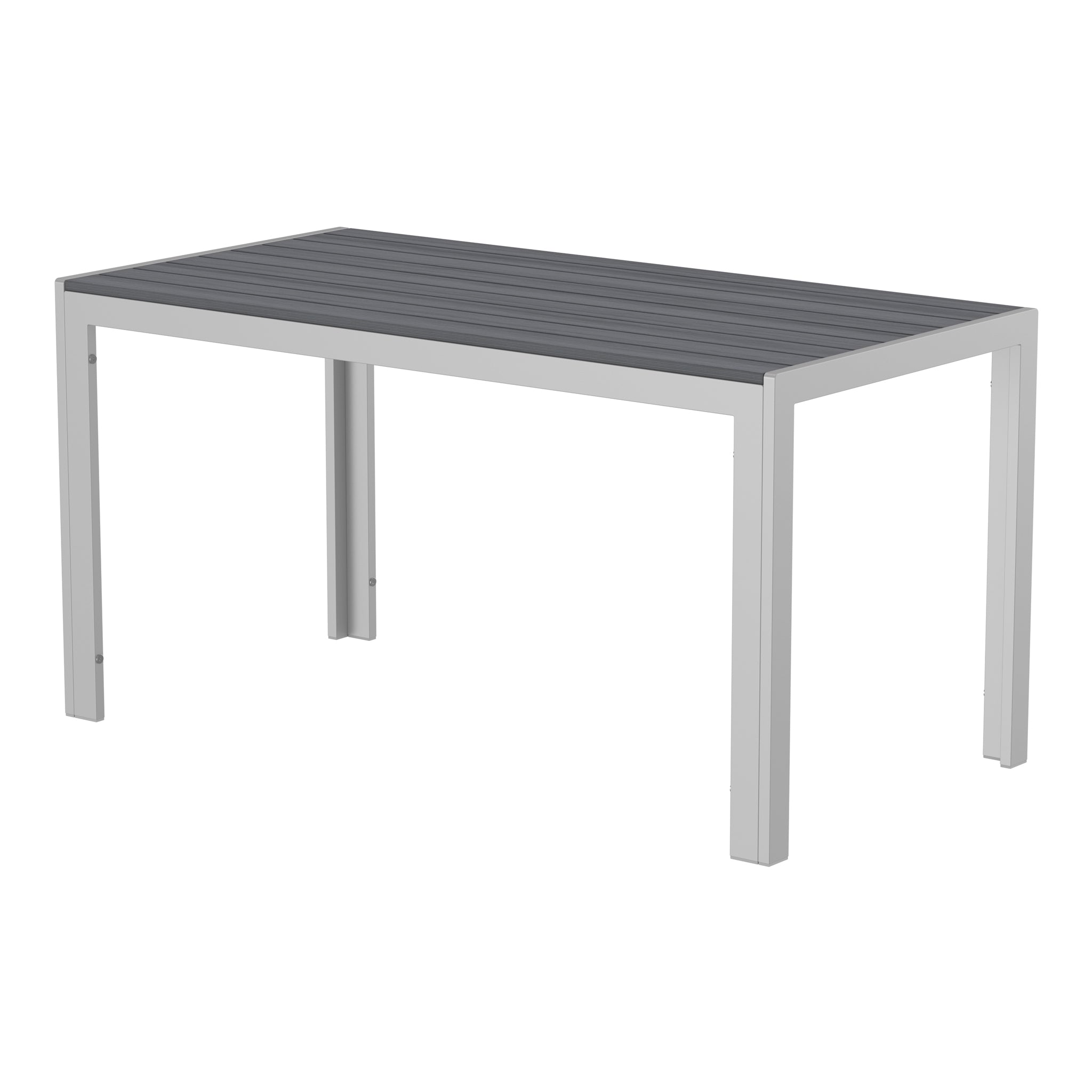


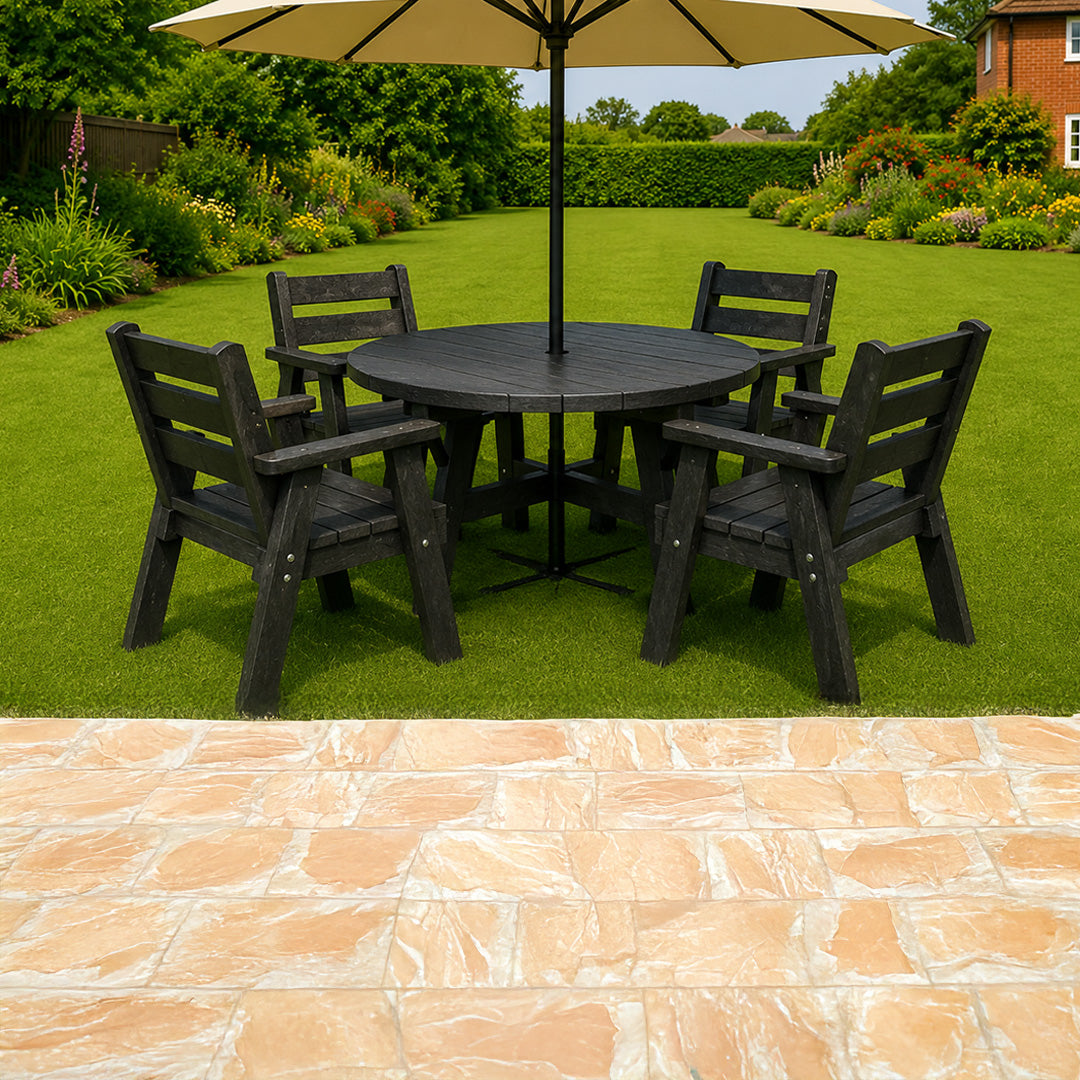

Choosing Eco Plastic Furniture for a More Sustainable Outdoor Space
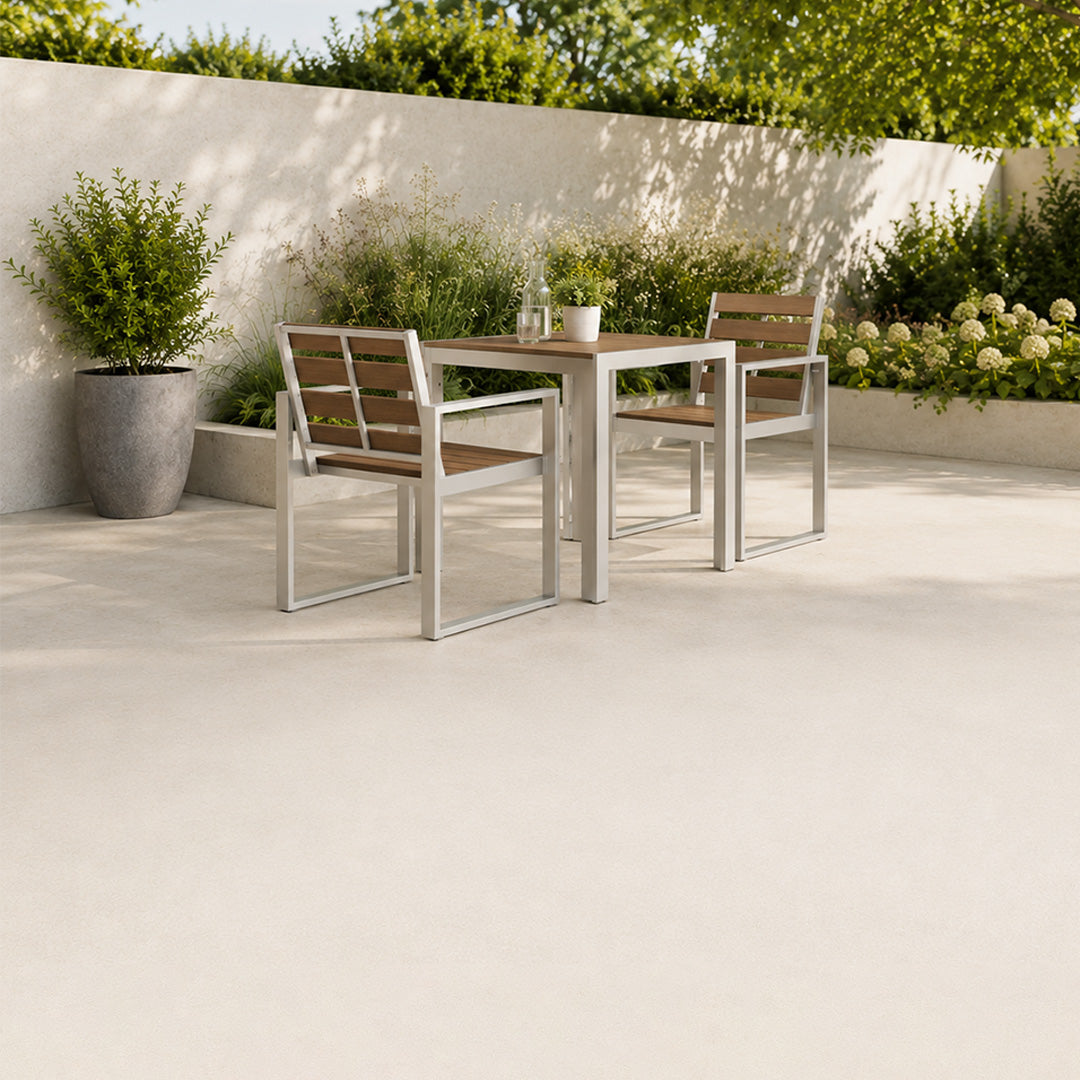
Eco plastic furniture can give recovered materials a useful new purpose in gardens, patios and shared outdoor spaces. But choosing well means looking beyond the label. Recycled content, durability, maintenance and what happens when a product reaches the end of its life all deserve attention.
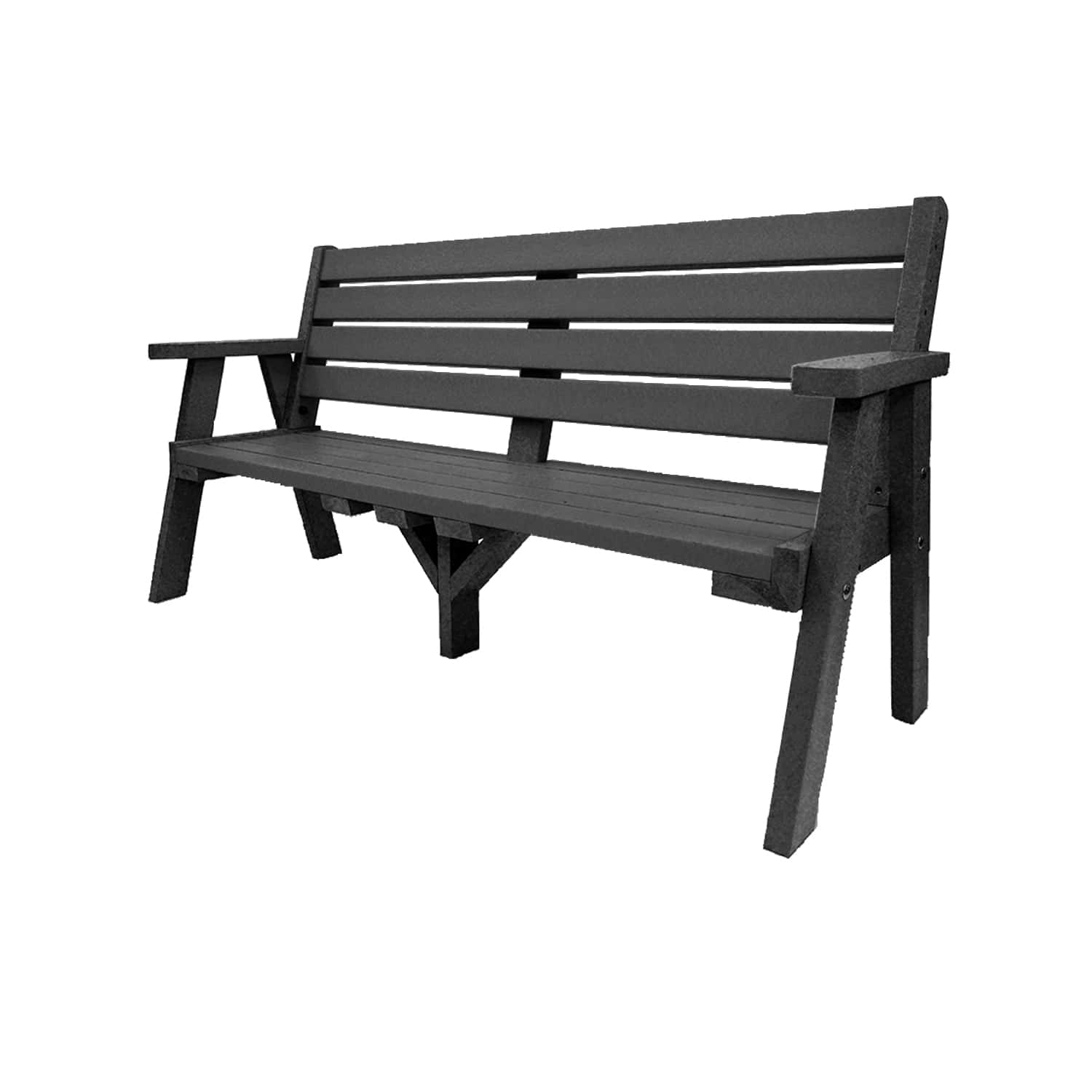
NeoTimber® offers a dedicated recycled plastic furniture collection within its wider outdoor furniture range. Here, we explain how recycled furniture works, what terms such as HDPE and ocean plastic actually mean, and how to compare options for your space.
What Is Eco Plastic Furniture?
“Eco plastic furniture” is a broad description rather than a material specification. It is often used for furniture made with recycled plastic or designed with reduced waste in mind. The useful question is what supports that description: where the material comes from, how much is recycled and how well the finished product suits its intended use.
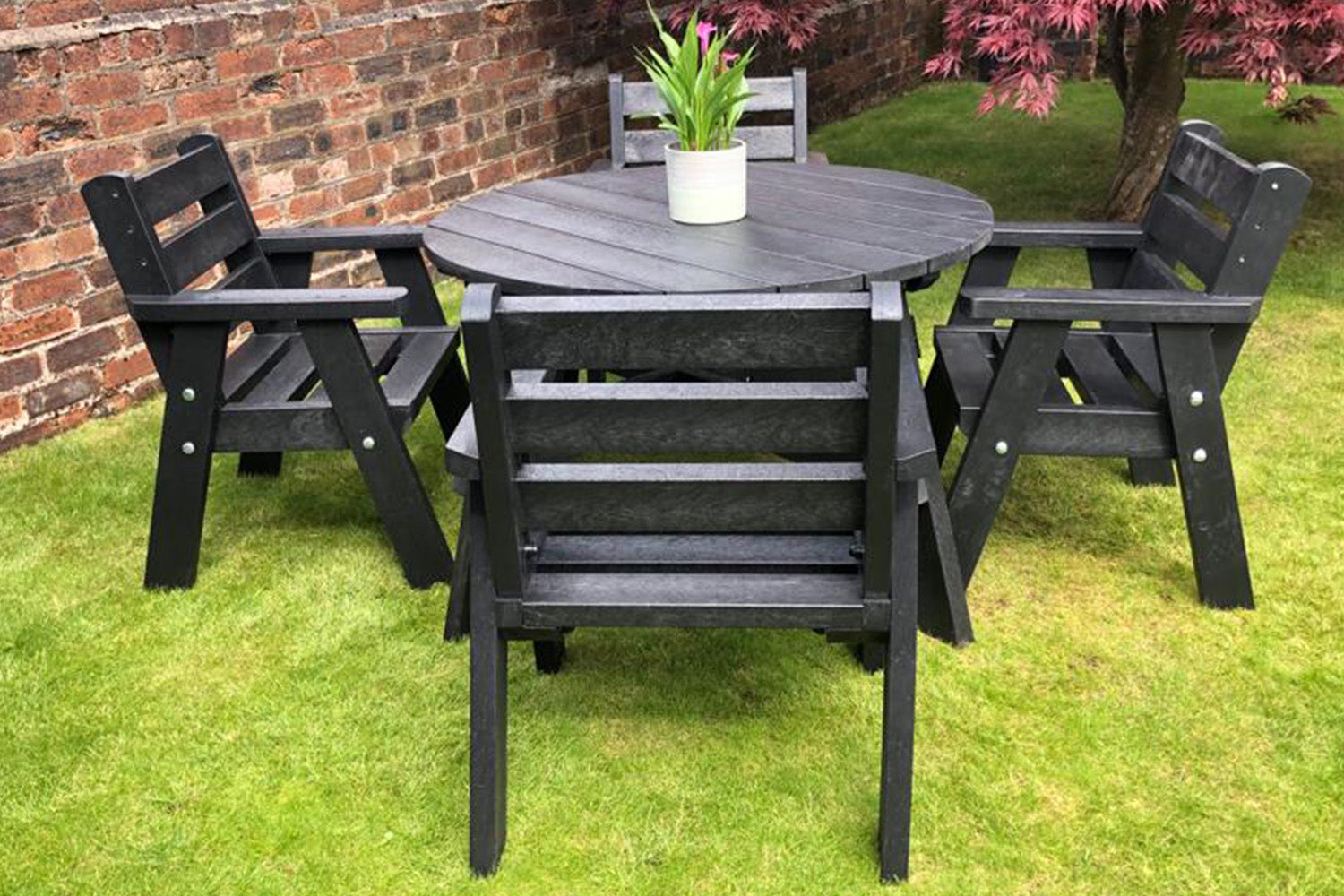
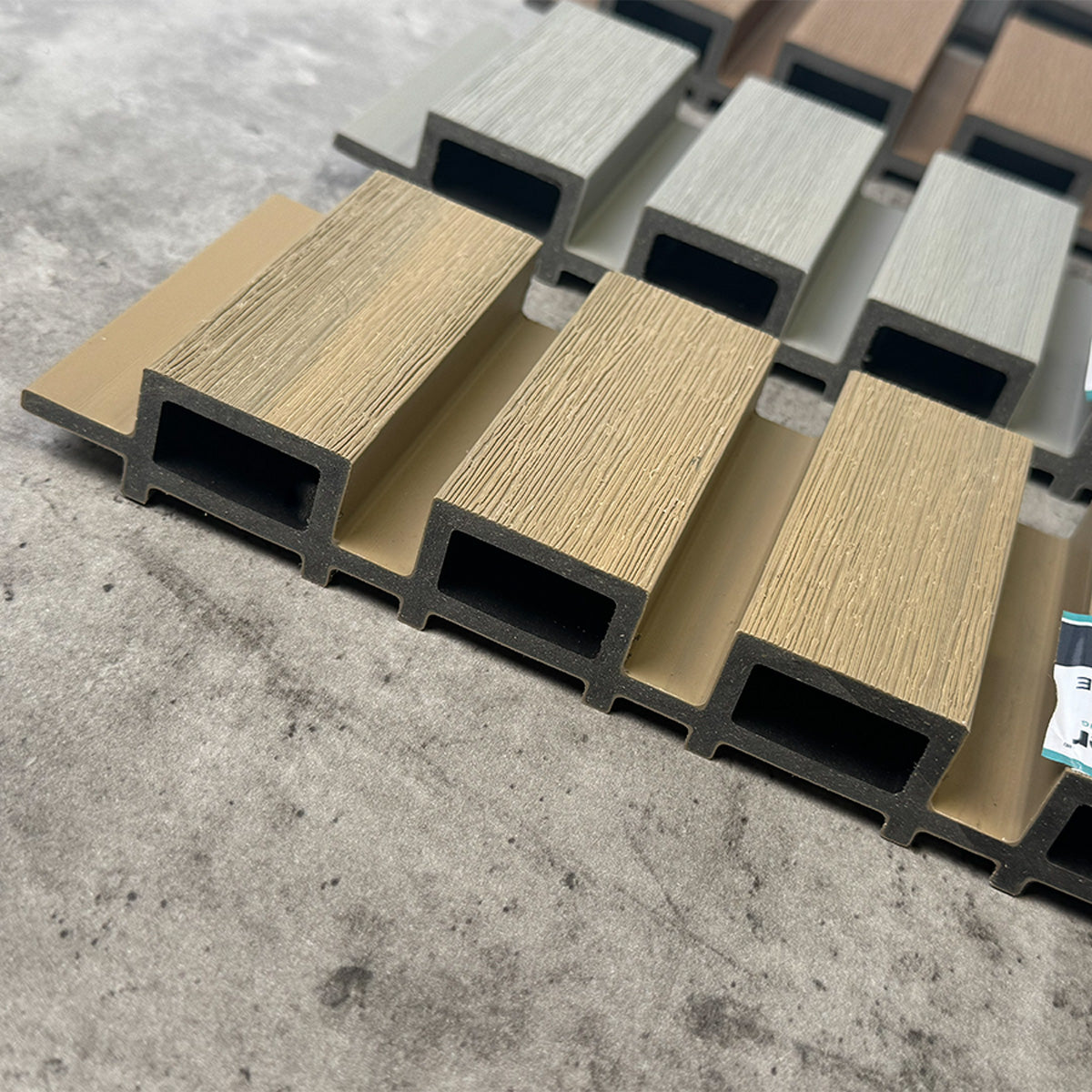
Recycled plastic furniture turns recovered material into products such as benches, tables and garden seating. The process illustrated below includes shredding, washing, melting and blending waste plastic, then forming profiles that can be used to make furniture. Quality checks take place at several stages.

HDPE, Reclaimed and Ocean Plastic Furniture: What Is the Difference?
HDPE plastic furniture: a description of the material
HDPE stands for high-density polyethylene, a plastic used in products such as milk containers and detergent bottles. HDPE plastic furniture uses this polymer to make furniture components, including solid profiles used in outdoor seating.
The name identifies the type of plastic, not its origin. HDPE can be virgin or recycled, so an HDPE label alone does not establish recycled content. Ask for the material specification and recycled-content information for the particular product you are considering. Recycled plastic furniture may also use other polymers or blends.
Reclaimed plastic furniture: a description of recovered material
Reclaimed plastic furniture generally refers to products made using plastic recovered for reuse or reprocessing. Suppliers may use “reclaimed” and “recycled” in similar ways, but it is worth checking what was recovered and how it became the finished product.
Useful details include whether the material comes from previously used consumer products or manufacturing waste, and whether the stated recycled percentage applies to the plastic components or the whole item. These questions make comparisons more meaningful than a broad environmental label.
Ocean plastic furniture: a claim about where plastic was collected
Ocean plastic furniture is marketed around the use of plastic recovered from marine environments. Ocean-bound plastic is different: it refers to waste at risk of reaching the ocean that is collected before it does so. The Ocean Bound Plastic Certification programme explains this distinction.
When comparing these products, check the collection source, traceability and proportion of recovered material. Recycled plastic is not automatically ocean plastic, and the terms should not be used interchangeably. NeoTimber’s range is described here as recycled plastic furniture; an ocean-plastic origin or a specific HDPE composition should only be claimed where the individual product documentation confirms it.
What Makes Sustainable Plastic Furniture Worth Considering?
Keeping recovered materials in use
Using recovered plastic in furniture creates another application for material that has already been produced. That is a useful starting point when looking for sustainable plastic furniture, but recycled content is only part of the decision. Choose a product that fits your space and that you intend to keep using.
Durability and straightforward care
NeoTimber’s recycled plastic furniture resists rot and does not need painting, staining or sealing. Routine cleaning with warm soapy water and a soft brush or cloth helps remove dirt. Follow the care instructions for your chosen product and inspect fixings and stability as part of normal upkeep.
These practical benefits can be particularly useful where outdoor furniture is used regularly. For more detail, explore the advantages of recycled plastic furniture.
A realistic plan for repair, reuse and recycling
Before buying, ask whether worn components can be replaced and how the furniture could be reused or recycled later. A material being technically recyclable does not guarantee that your local service accepts a complete piece of furniture.
Ask NeoTimber about any current take-back arrangements, eligibility and transport requirements for the product you choose. Confirm the terms directly rather than assuming that returning furniture includes a payment or guaranteed collection.
How Does Recycled Plastic Compare with Other Garden Furniture?
Timber, metal, wicker and plastic furniture each offer different appearances and care requirements. A fair comparison looks at the specific product, its sourcing, construction and expected use. No material name alone proves that a piece of furniture has a lower overall environmental impact.
Timber may require protective treatments depending on its species, finish and exposure. Metal furniture performance depends on the alloy, coatings and care. Recycled plastic avoids timber rot and can offer a simpler cleaning routine, but suitability and build quality still matter.

Lightweight moulded plastic chairs should not automatically be described as single-use furniture: many are intended for repeated use. When comparing them with furniture built from solid recycled plastic profiles, examine stability, strength, storage needs and the manufacturer’s guidance for the setting.

Choosing Eco Plastic Furniture for Your Garden or Project
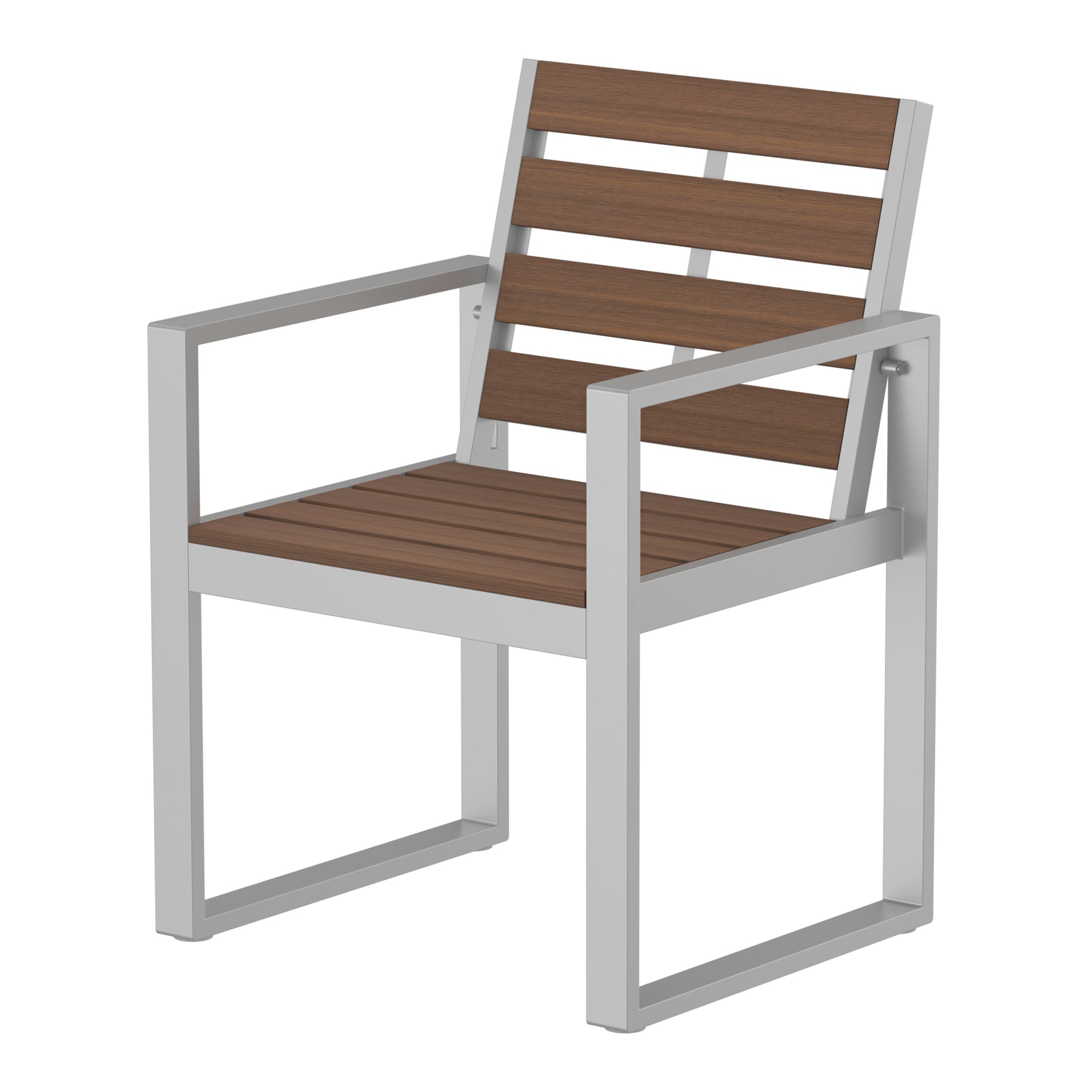
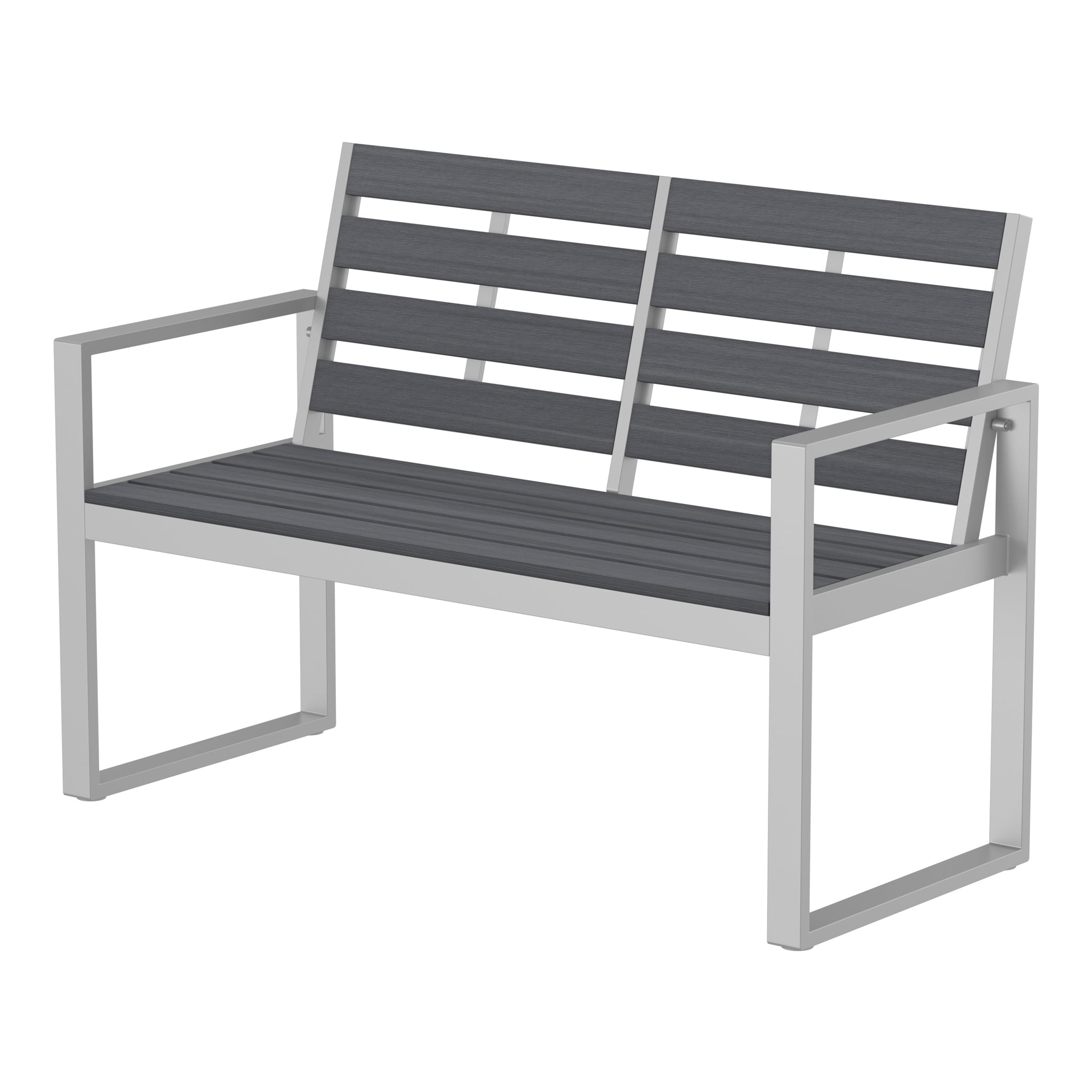
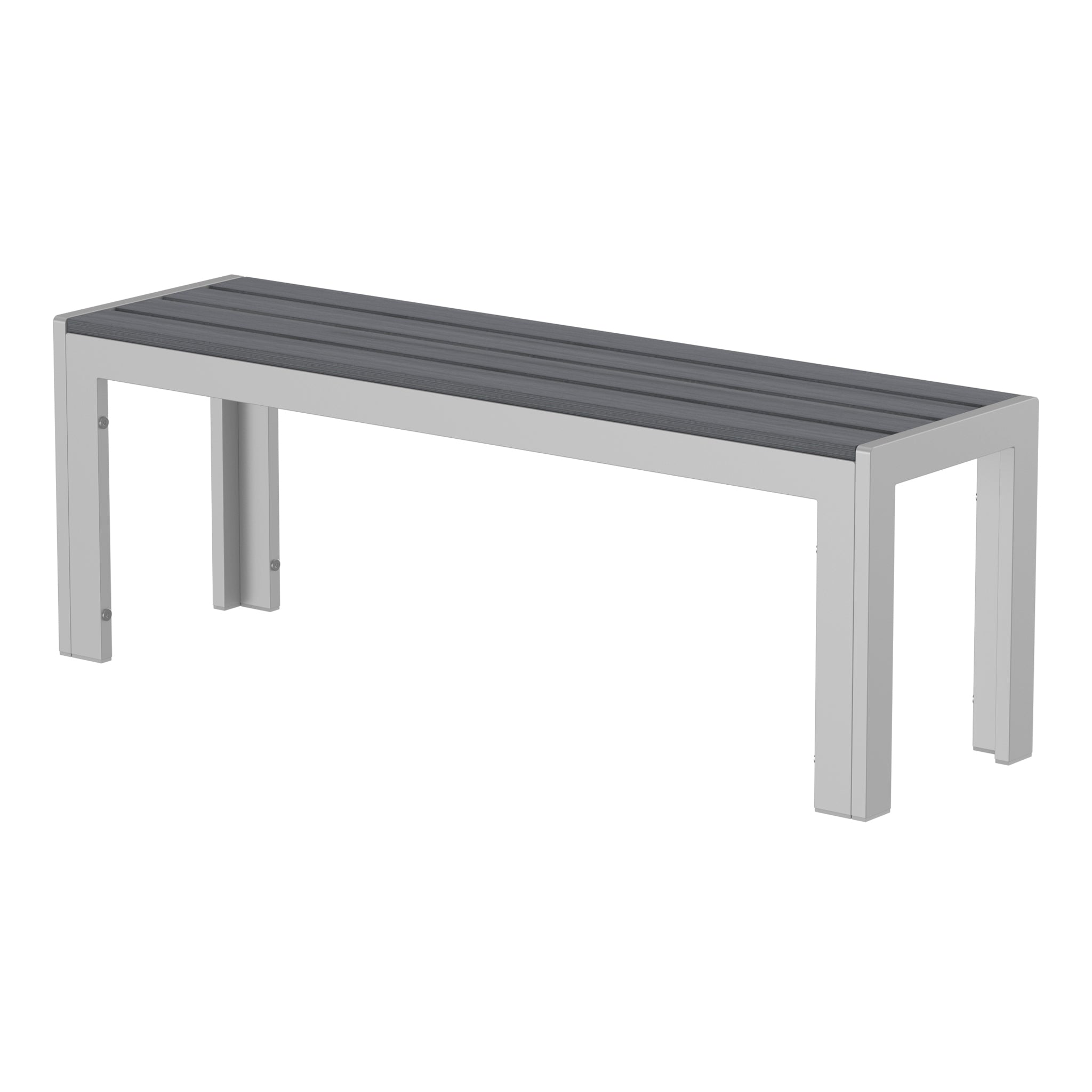
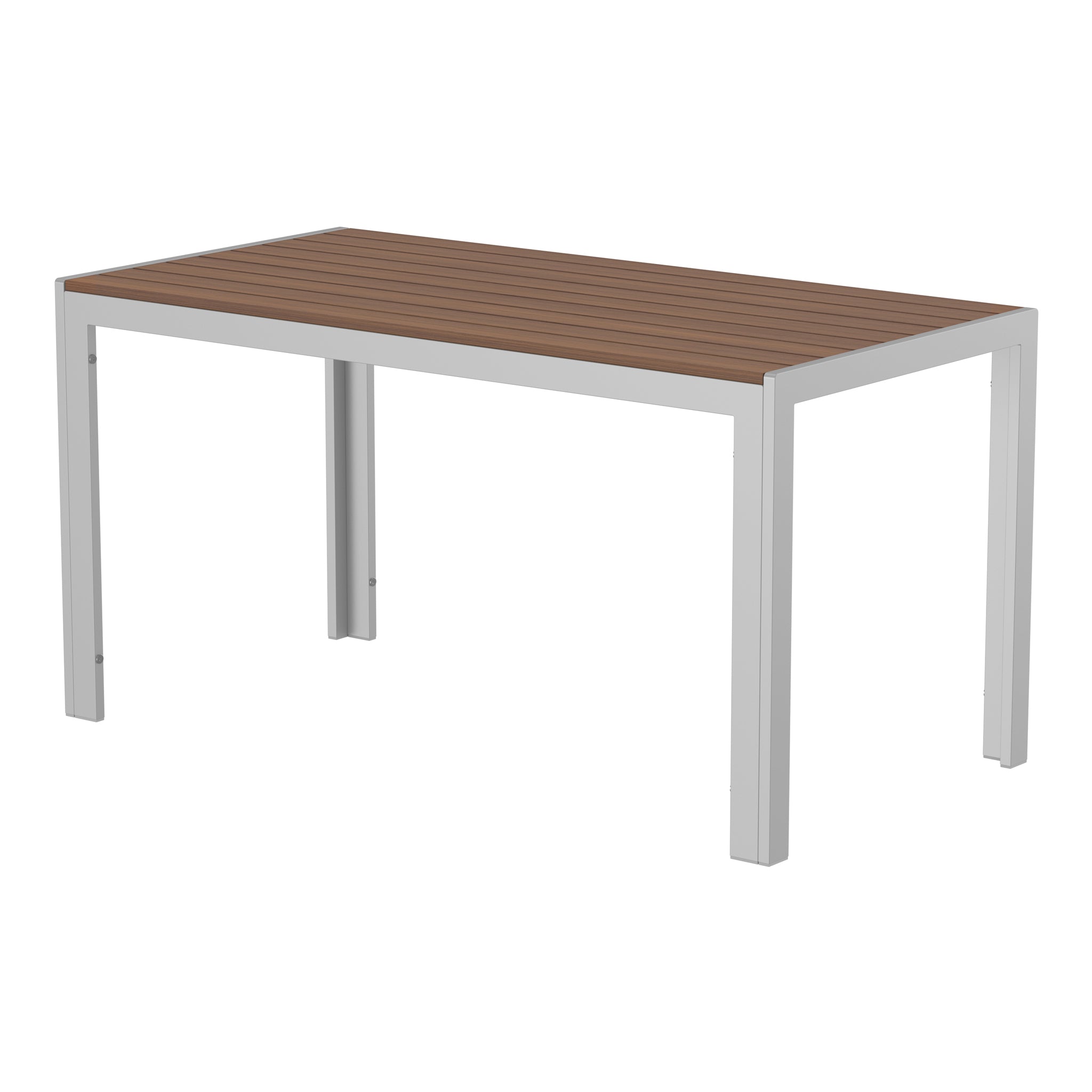
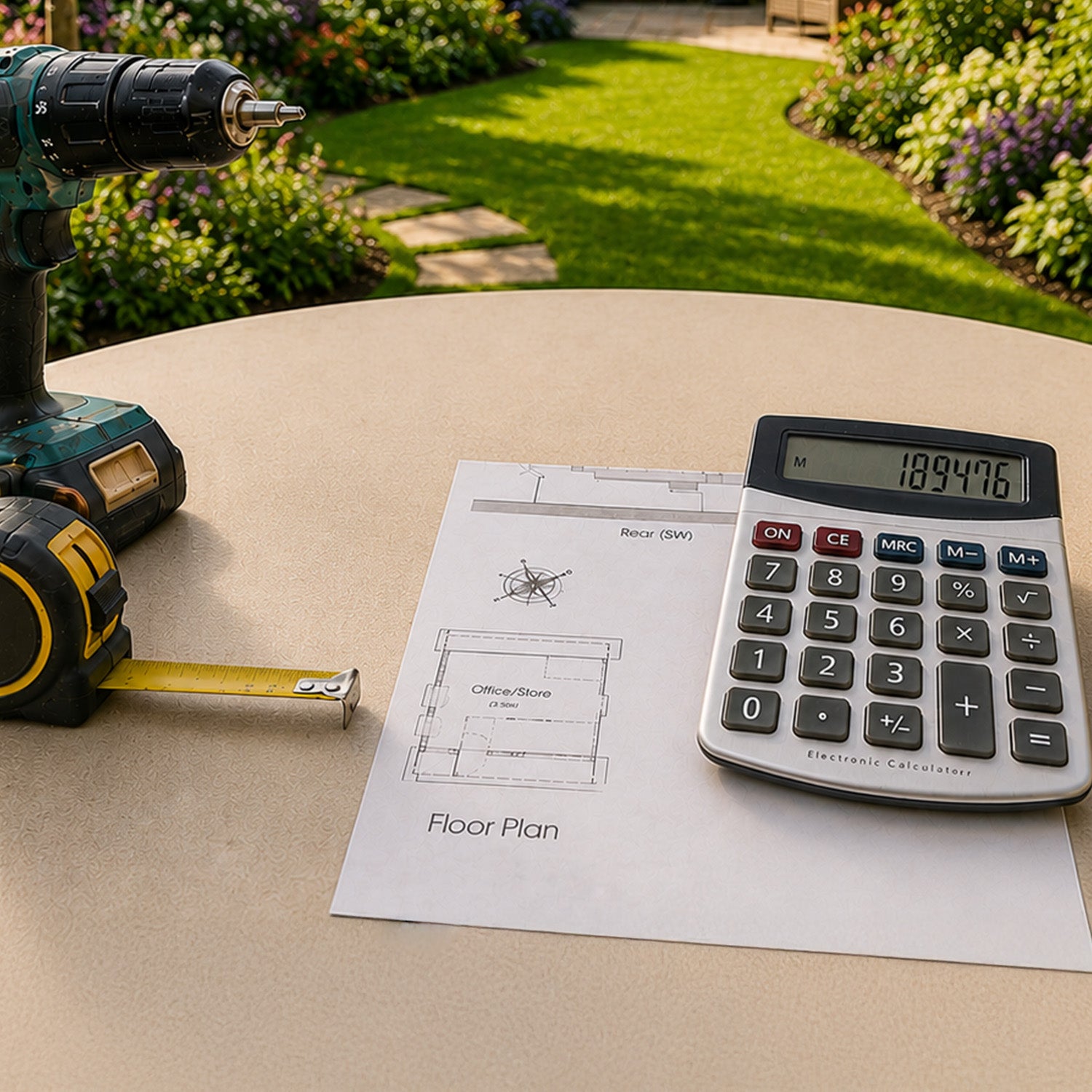
Start with how the space will be used. A quiet garden corner may need comfortable individual seating, while a workplace courtyard may need dining tables and clear access routes. Consider these points before ordering:
- Size and layout: Measure the furniture footprint and allow room to sit down, move around and clean.
- Comfort and access: Compare seat heights, backrests, armrests and accessible seating arrangements.
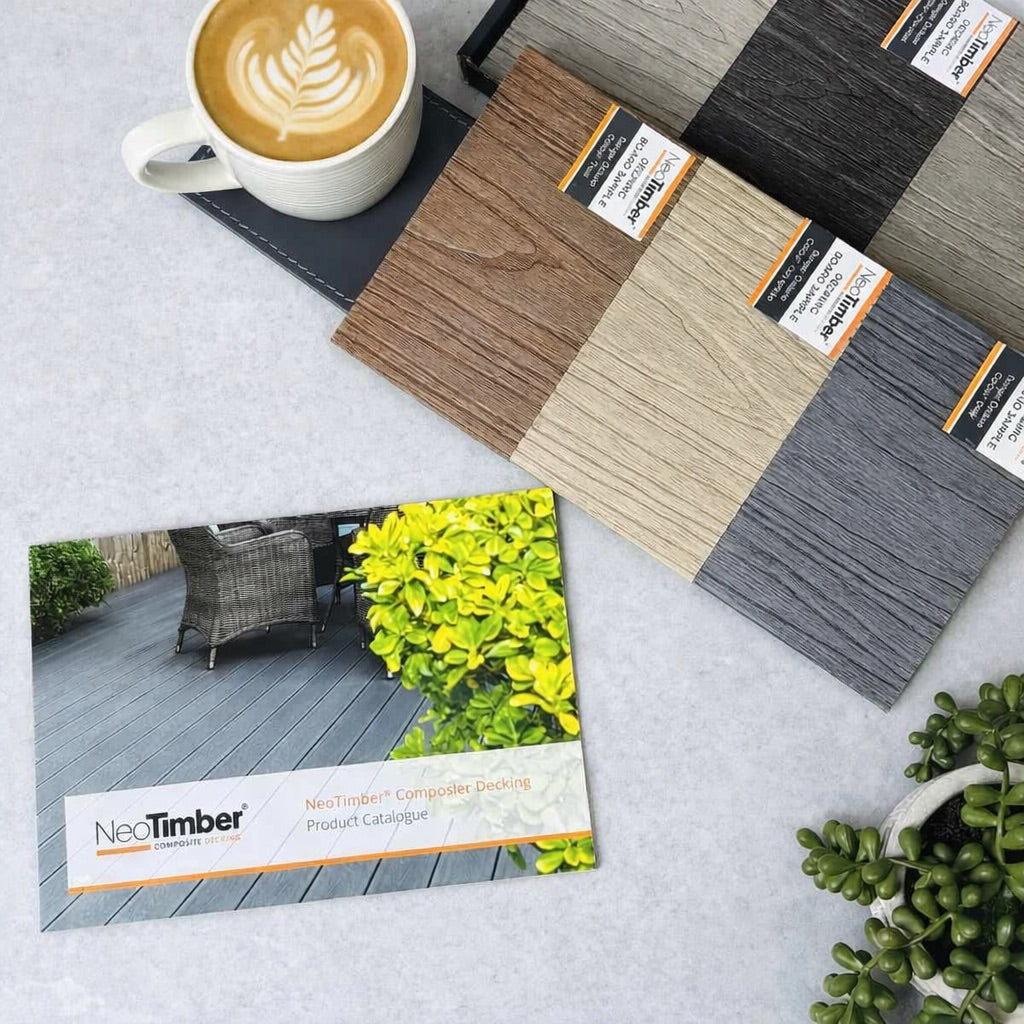
- Material information: Request the recycled content and any documentation needed to support your purchasing criteria.
- Outdoor suitability: Check assembly, positioning and securing requirements for exposed areas.
- Care and support: Review cleaning guidance, replacement-part availability and the relevant furniture warranty terms.
- Delivery: Read the delivery policy and confirm access arrangements for your order.
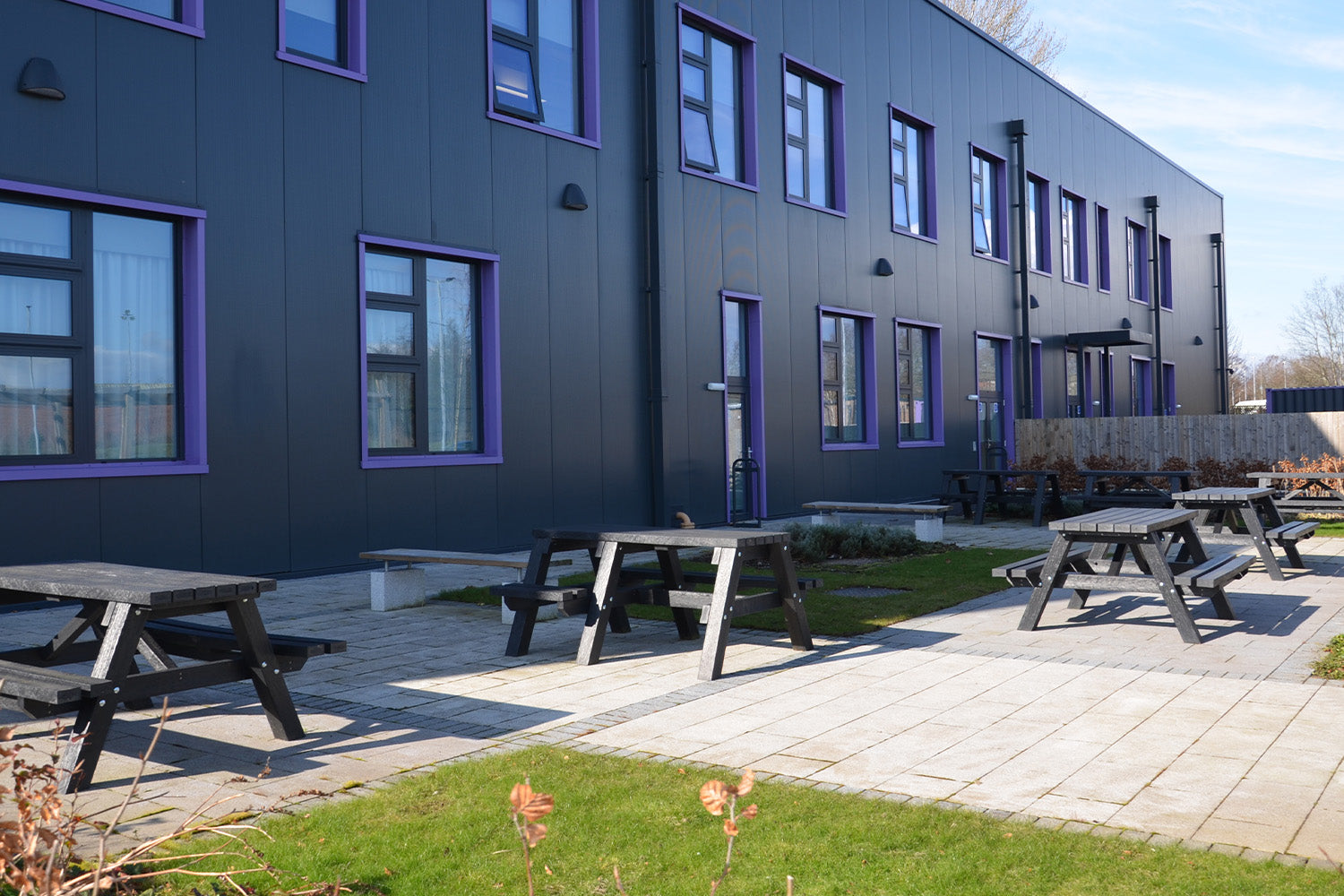
For shared spaces, explore NeoTimber’s information for education projects, commercial premises and healthcare settings. You can also browse the wider sectors we support when planning a project.

Find Recycled Plastic Furniture for Your Outdoor Space
The best choice starts with clear product information and a design you will enjoy using. Whether you are comparing reclaimed plastic furniture with timber or researching sustainable plastic furniture for a shared space, focus on material sourcing, practical performance and ongoing care.
Browse NeoTimber’s recycled plastic furniture to compare seating, tables and accessories. For more planning ideas, visit our outdoor furniture blog, or share your requirements with the NeoTimber team to discuss suitable products.