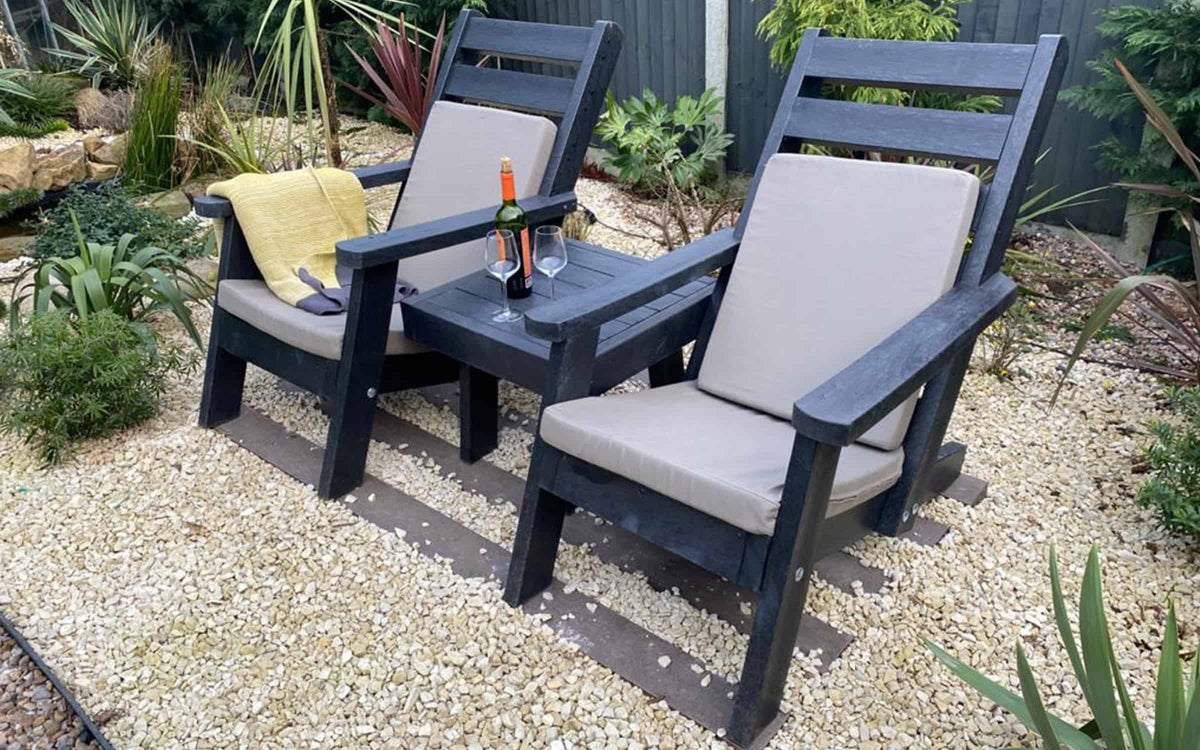
Choose Recycled Garden Chairs for Comfortable Outdoor Living
Recycled plastic chairs offer a practical way to furnish a garden, patio or outdoor dining area with less routine upkeep. Whether you want somewhere to enjoy a morning coffee or seating for meals with friends, the right chair should suit both the person using it and the space around it.
NeoTimber® offers recycled plastic armchairs as part of its Terrace Table & Chair Set, alongside benches and other dining arrangements. This guide explains the benefits of the material, how to compare recycled garden chairs and what to check before ordering.

What Makes a Recycled Chair Different?
A recycled chair uses recovered material in its construction. For recycled plastic furniture, that material is formed into components such as seat slats, backrests and supports. NeoTimber® recycled plastic furniture is made in Britain, giving recovered plastic another useful purpose.
Check the specification for the actual product you are considering. The term “recycled” alone does not identify the material or construction. NeoTimber® has separate recycled plastic and composite furniture ranges, so their care requirements and warranty terms should be reviewed individually.
Why Choose Recycled Plastic Garden Chairs?
Less Routine Surface Treatment
Recycled plastic garden chairs do not need regular painting, staining or sealing. That can make them a useful option when you want to spend less time maintaining outdoor furniture and more time using it.
They still need occasional cleaning and checks of their condition. For routine dirt, use warm soapy water and a soft cloth or brush, then rinse. Deal with spills promptly and avoid abrasive pads that could mark the surface. Low maintenance is a more accurate description than maintenance-free.
Resistance to Moisture and Rot
Recycled plastic resists moisture and will not rot or splinter under normal use. NeoTimber® recycled plastic furniture is designed for year-round outdoor use, making it worth considering for seating that stays on a patio or terrace through the seasons.
Follow the product's guidance on positioning and fixing, and assess exposure to strong winds when planning the layout. Weather resistance does not mean the furniture needs no inspection or will remain visually unchanged indefinitely.
A Useful New Life for Plastic
Choosing a product made from recovered plastic supports material reuse. The practical value comes from selecting furniture you can keep using: the right dimensions, comfortable seating and a suitable position all matter.
For more detail on the material, read our recycled plastic furniture advantages guide. When comparing environmental claims, look for product information rather than assuming every recycled chair has the same composition or end-of-life options.
Recycled Plastic Dining Chairs: Explore the Terrace Set
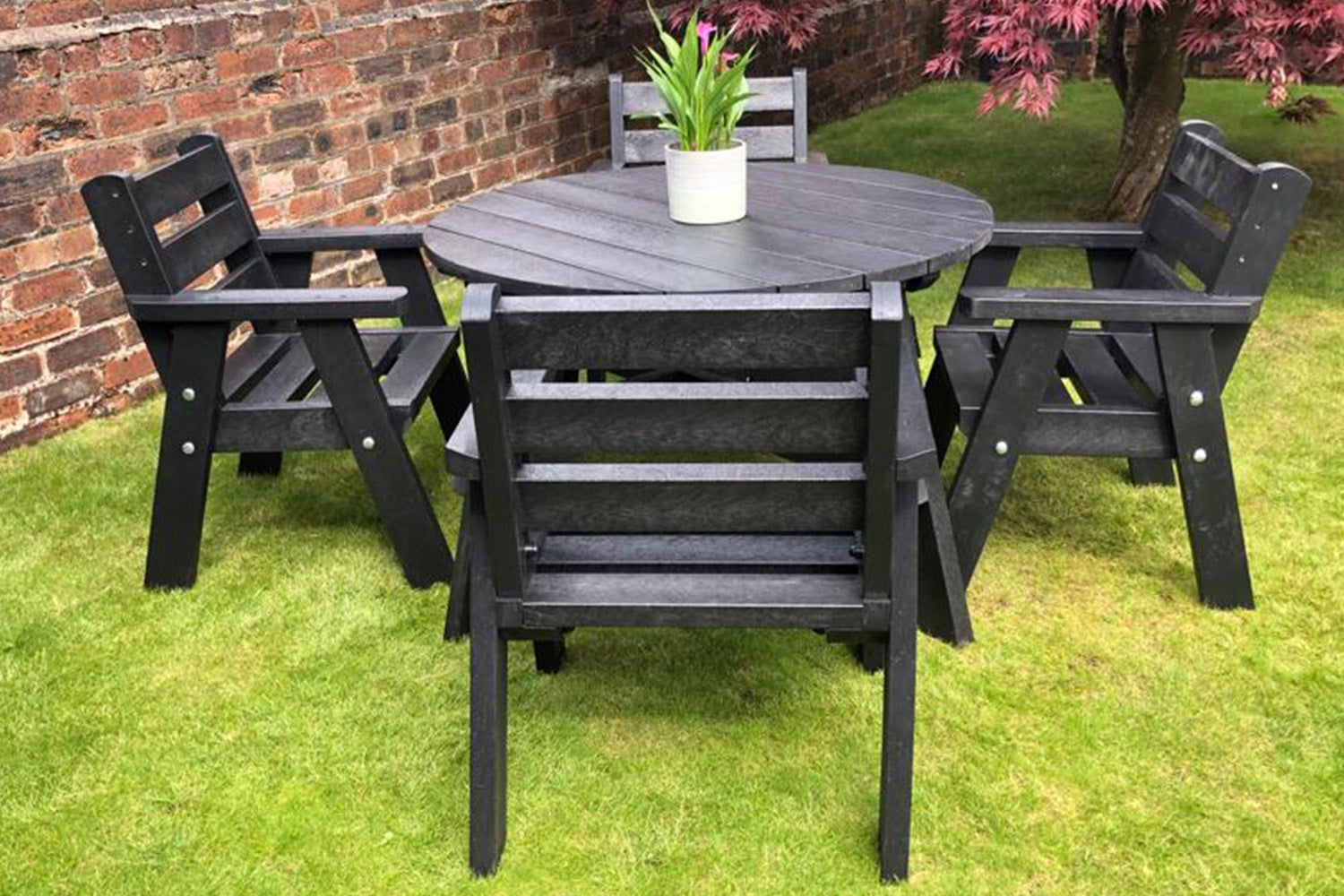
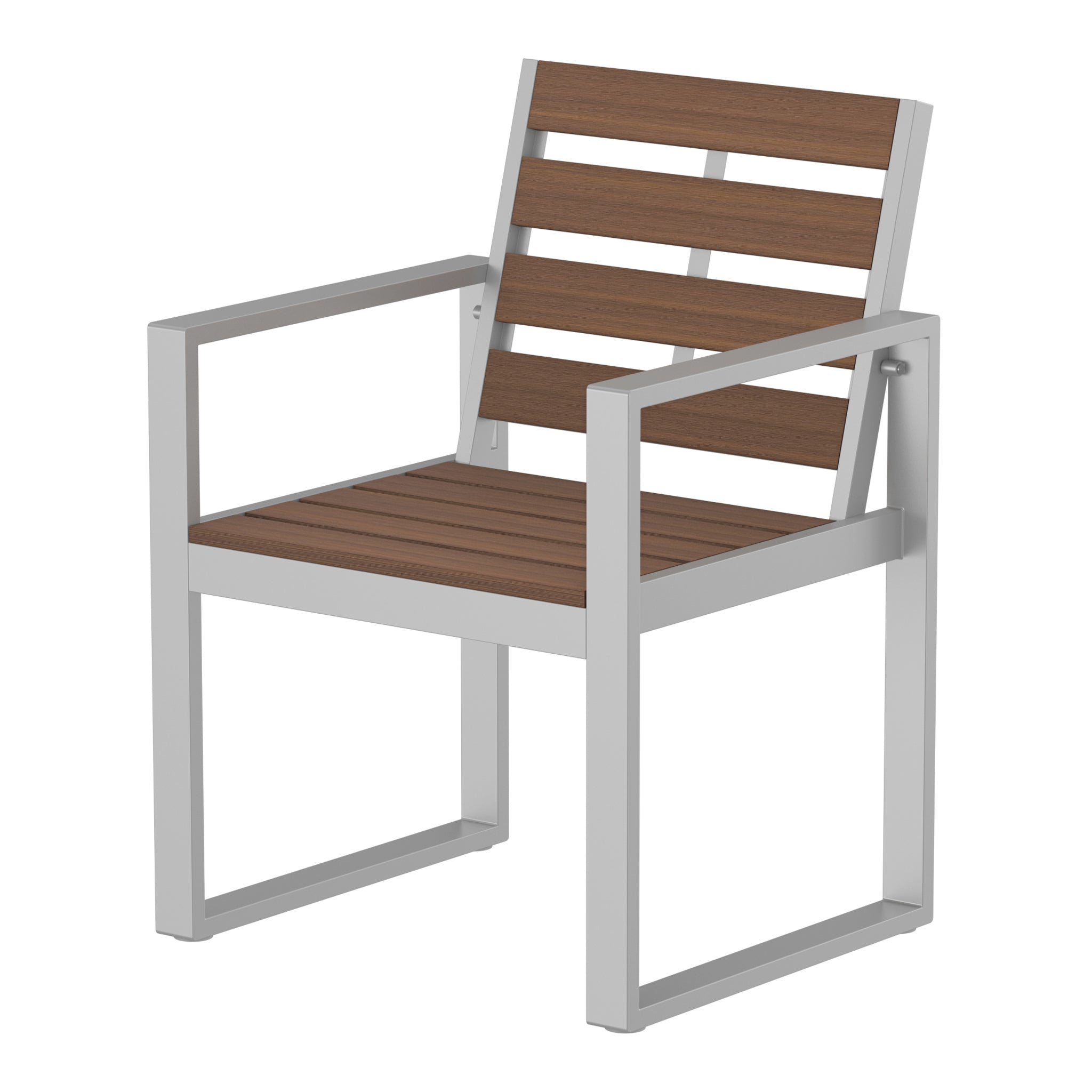
The NeoTimber® Recycled Plastic Terrace Table & Chair Set combines a dining table with coordinated armchairs. Four-, six- and eight-seater configurations are available, providing different options for outdoor meals and social seating.
The individual chairs have backrests and armrests. When comparing recycled plastic dining chairs, consider the position of the seat relative to the table and the space needed to move in and out. A coordinated set can simplify that decision, but you should still check the dimensions for your chosen configuration.
If you want a single chair or additional chairs for an existing table, ask our team about availability and compatibility before ordering. Do not assume chairs shown within a set are sold separately or will fit beneath a different tabletop.
How to Choose Recycled Garden Chairs for Your Space
Start with Comfort and Fit
Check seat height, depth, backrest shape and armrest position where those details are provided. The most suitable chair for dining may differ from one intended for relaxed sitting. If you use cushions, account for the way they change the sitting position and follow their separate care instructions.
For a dining arrangement, check legroom and whether the armrests can move beneath the table if that is important to you. Overall chair width alone does not establish a comfortable fit.
Measure Around Occupied Chairs
Mark the table and chairs on a simple plan, including room to pull chairs back. Keep routes to doors, paths and other seating clear. A layout that looks tidy with every chair pushed in can feel crowded when people are seated.
In a café or shared courtyard, also allow space for staff to carry items and clean around the furniture. Consider access for different users rather than relying only on the number of seats you can fit.
Check Weight, Delivery and Finish
Recycled plastic furniture can be substantial, so check product weight and handling requirements if you plan frequent rearrangements. Confirm delivery access, any assembly requirements and the available finish for the exact model.
Use current product information rather than assuming every item comes in both black and brown. Our resources and downloads provide supporting documentation for product selection and installation.
When a Bench May Be a Better Seating Option
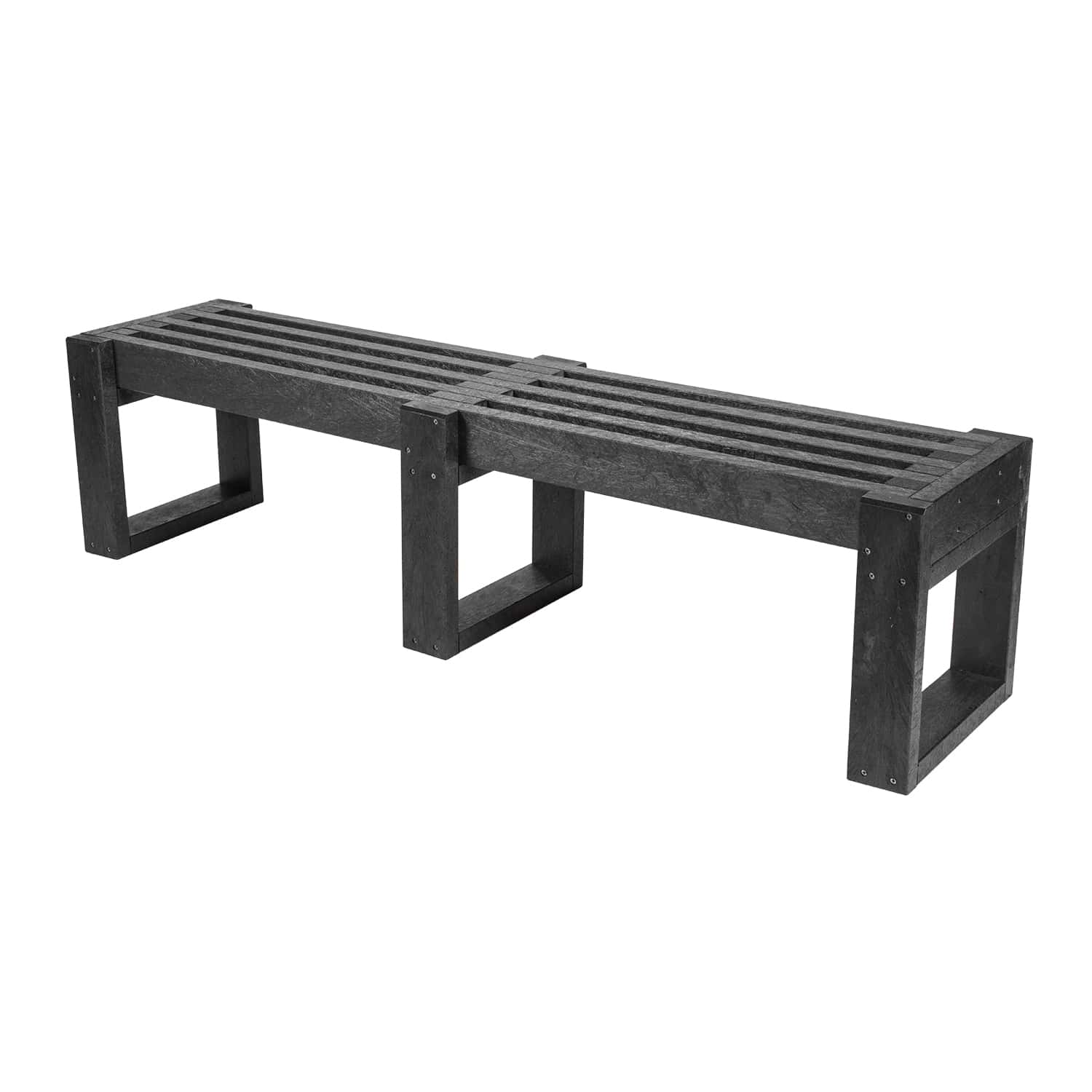
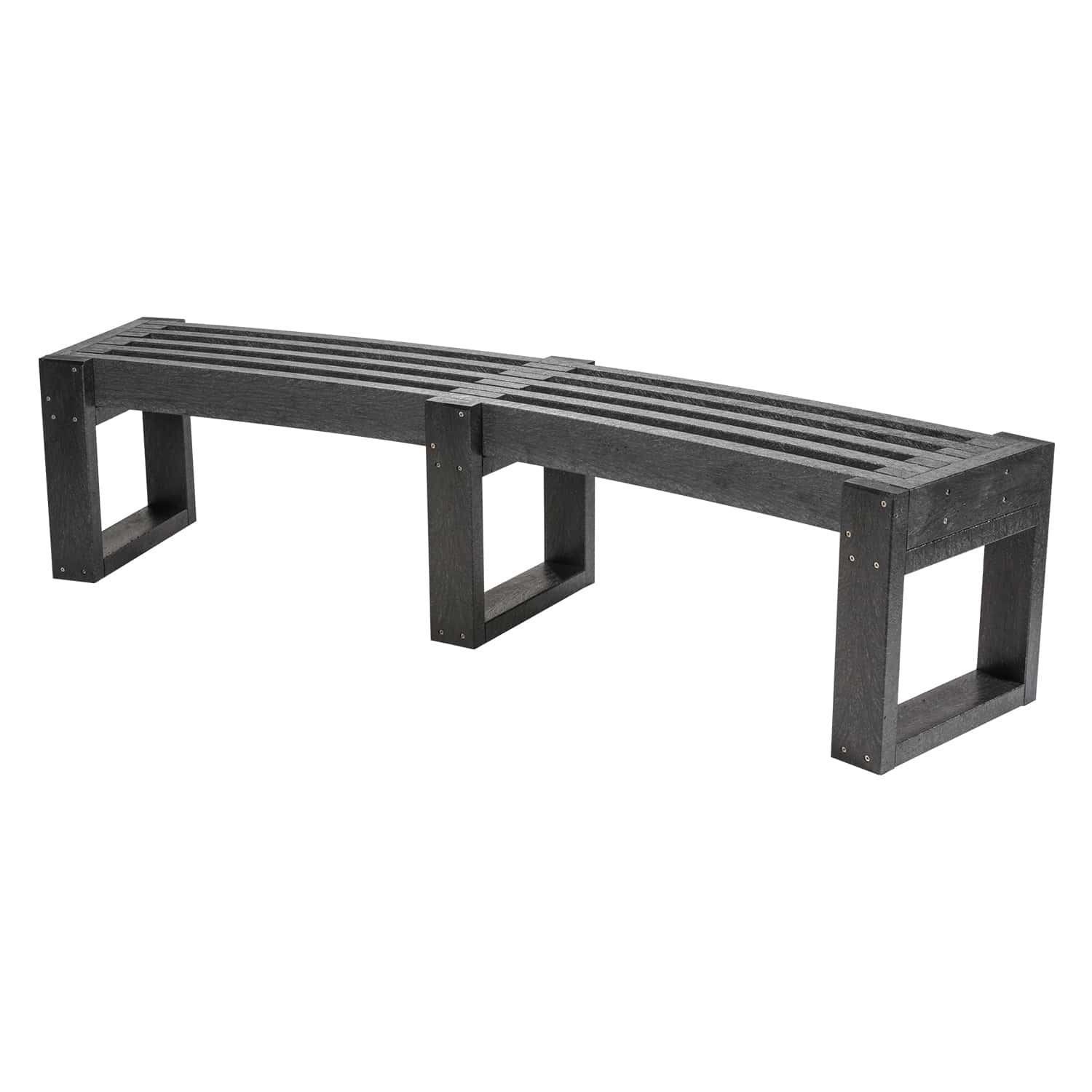
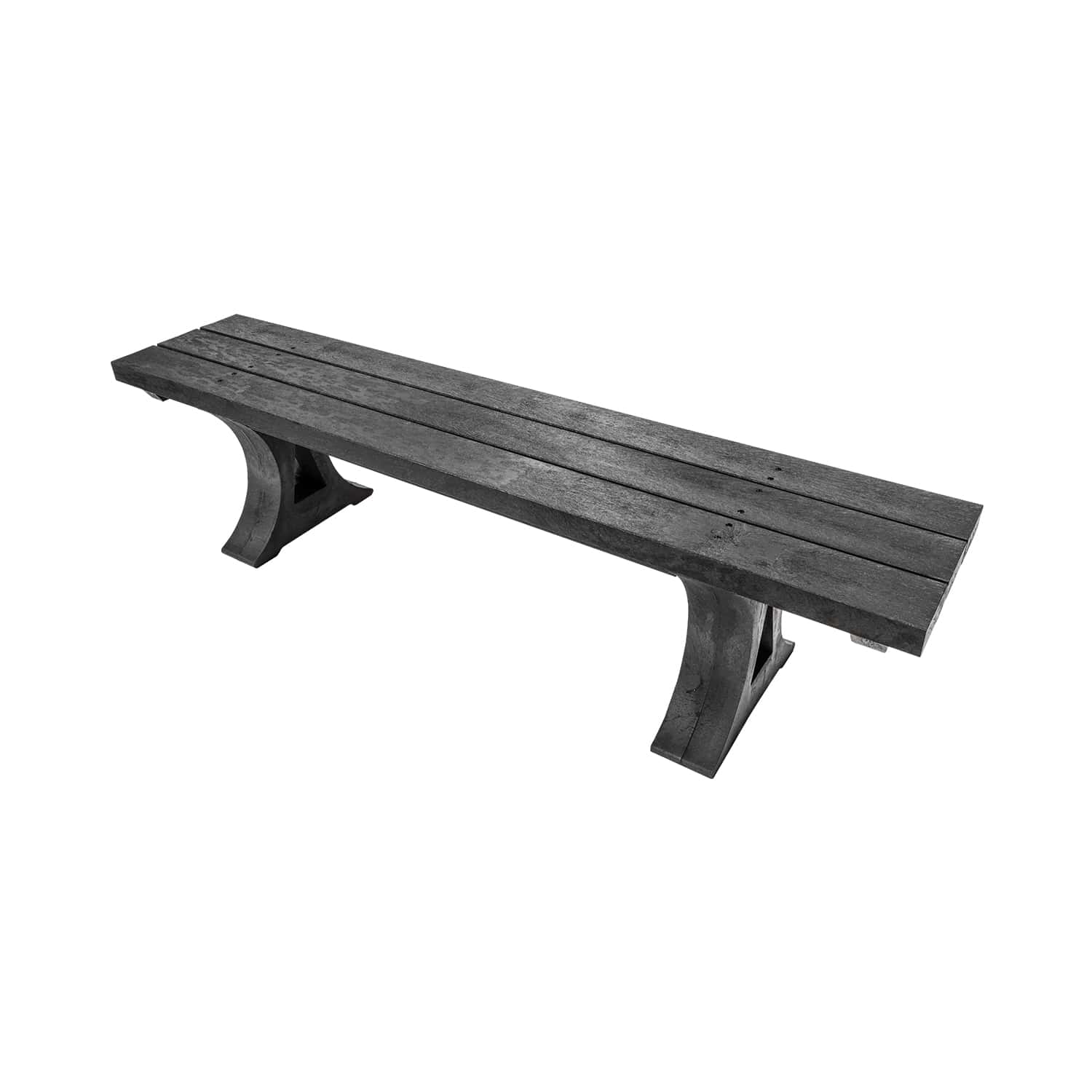
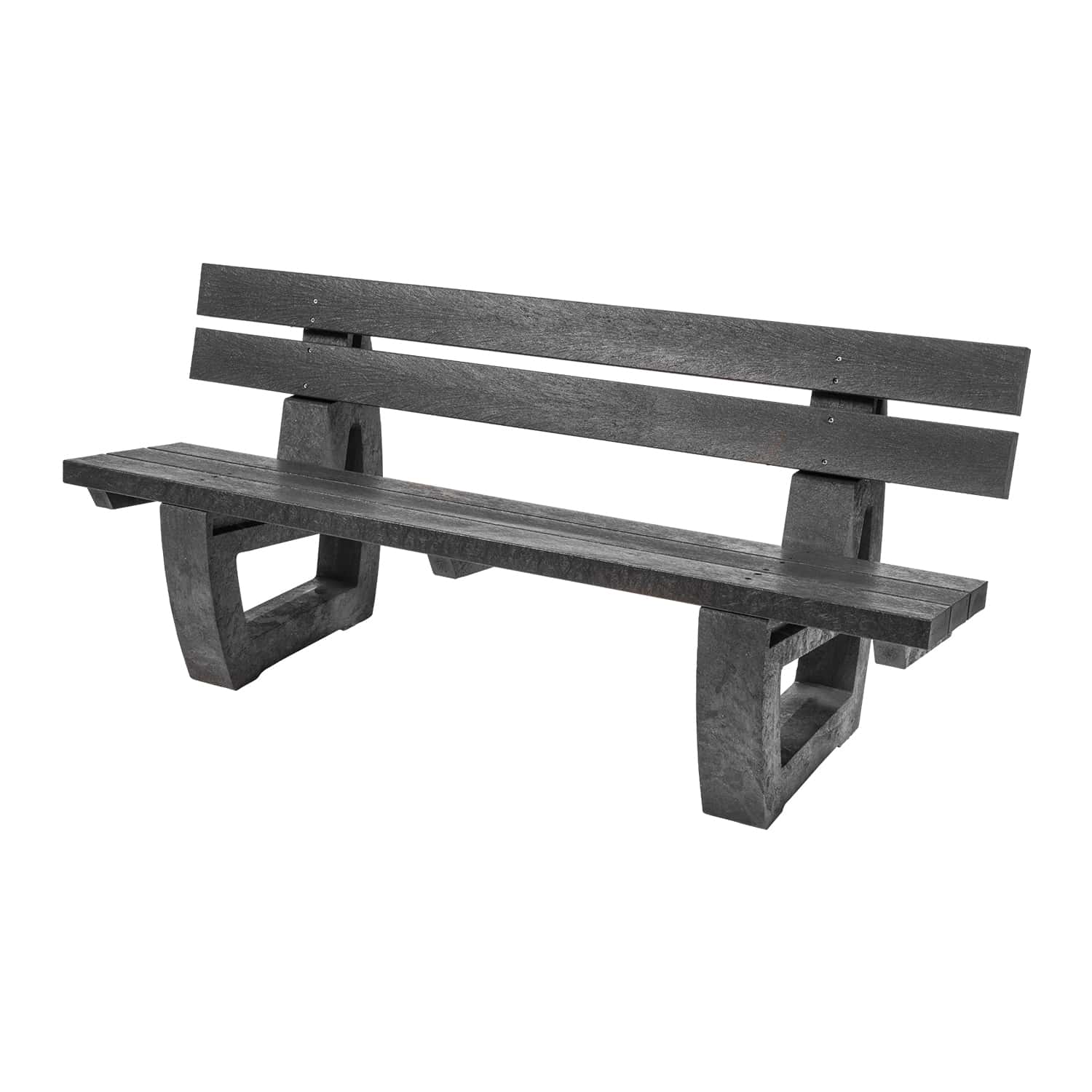
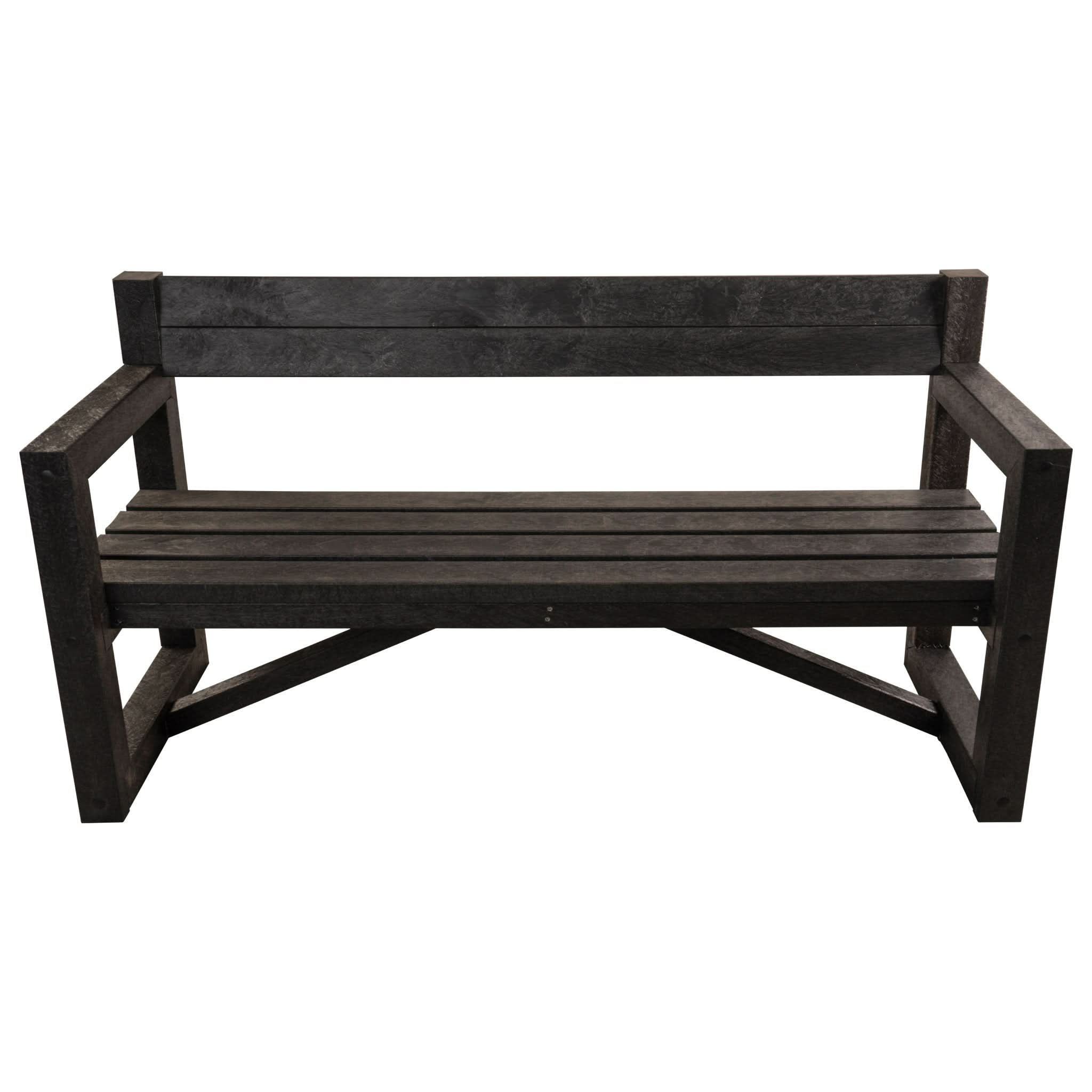
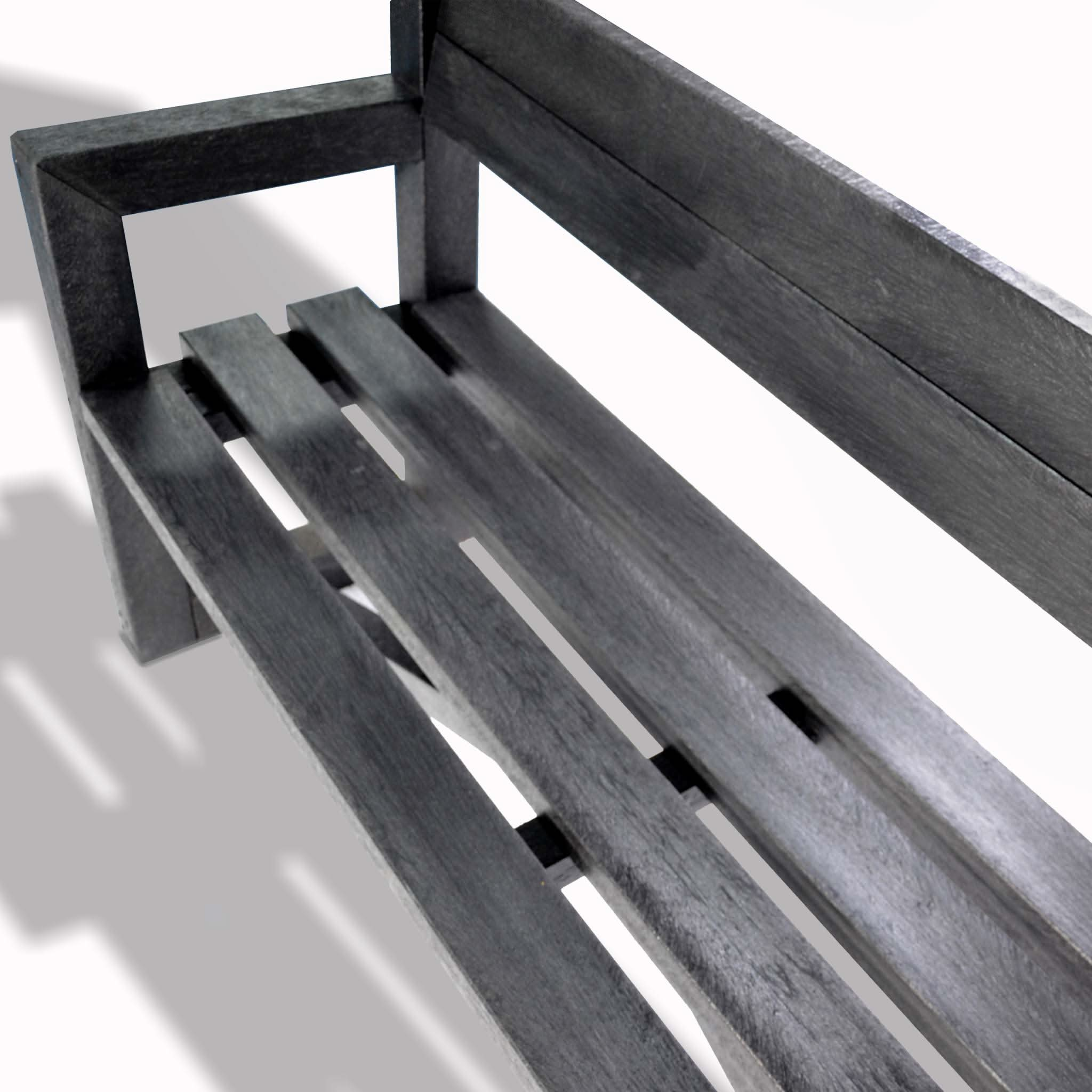
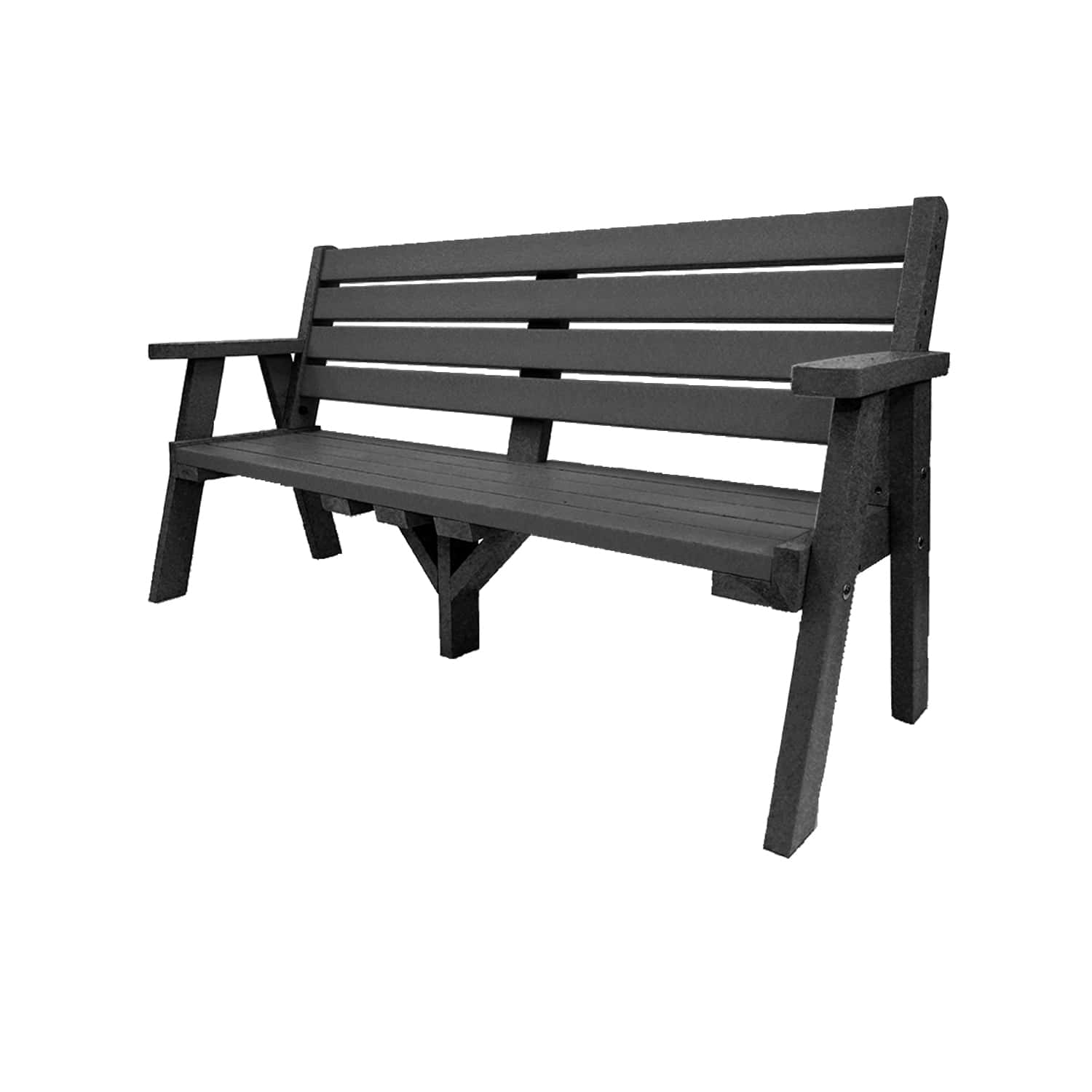
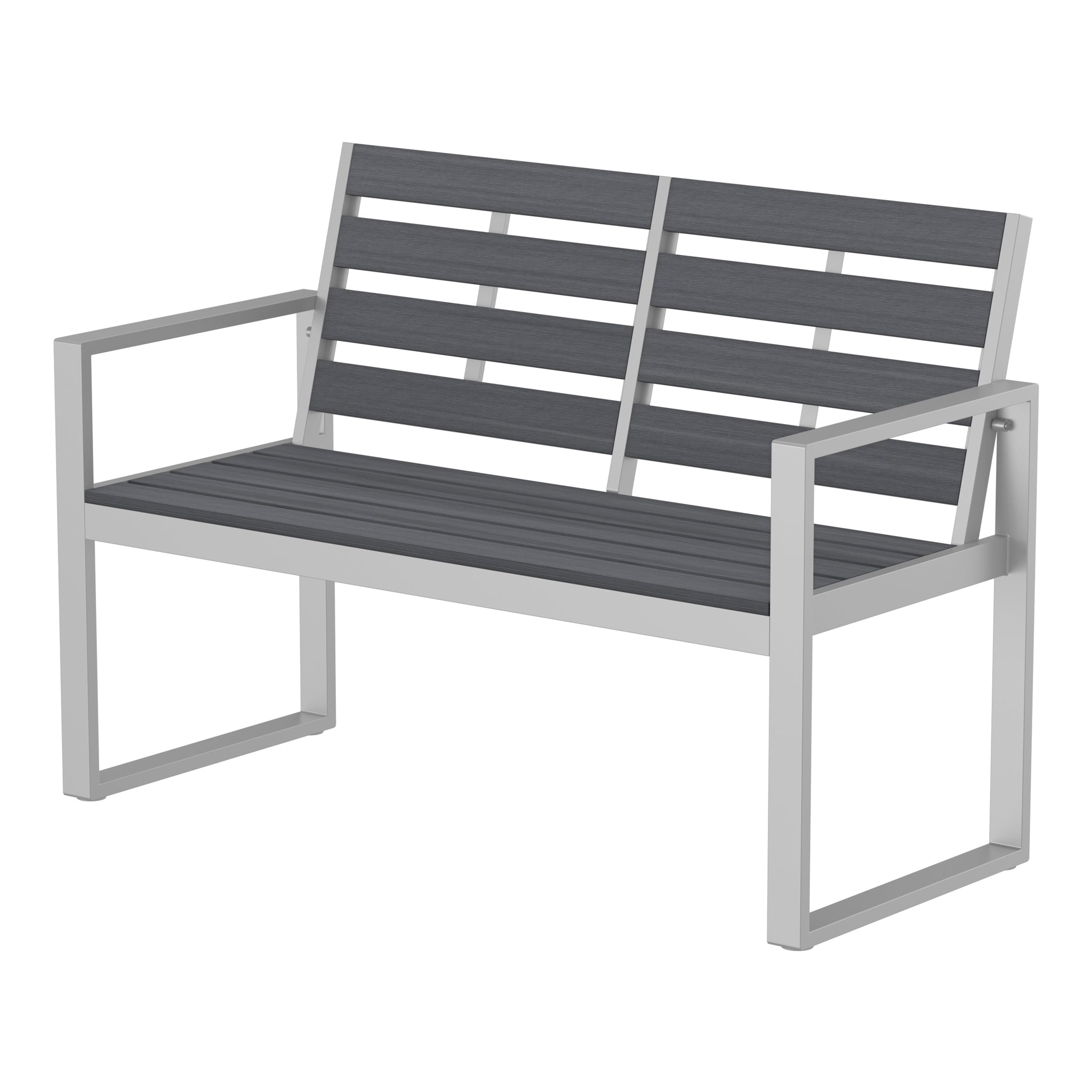
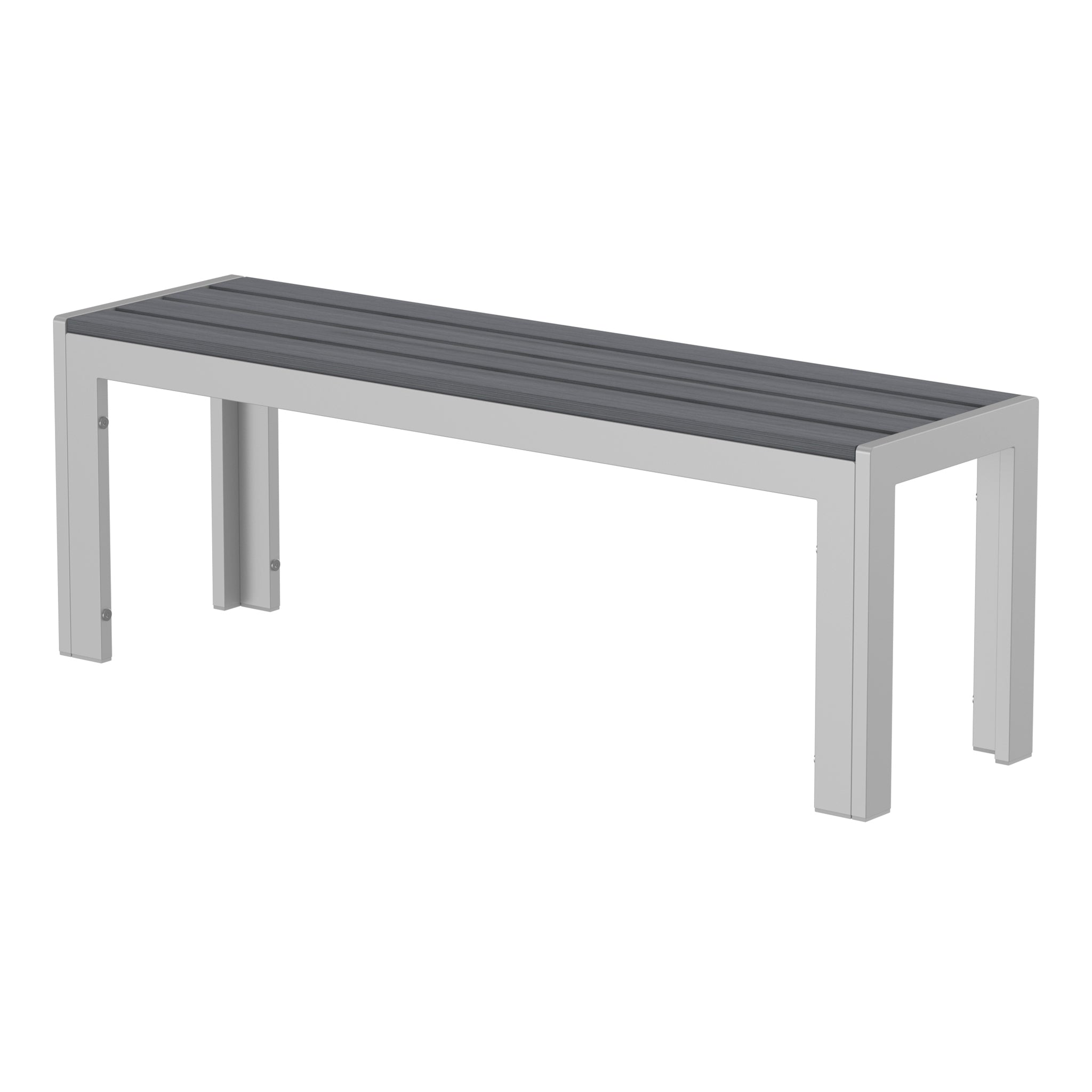
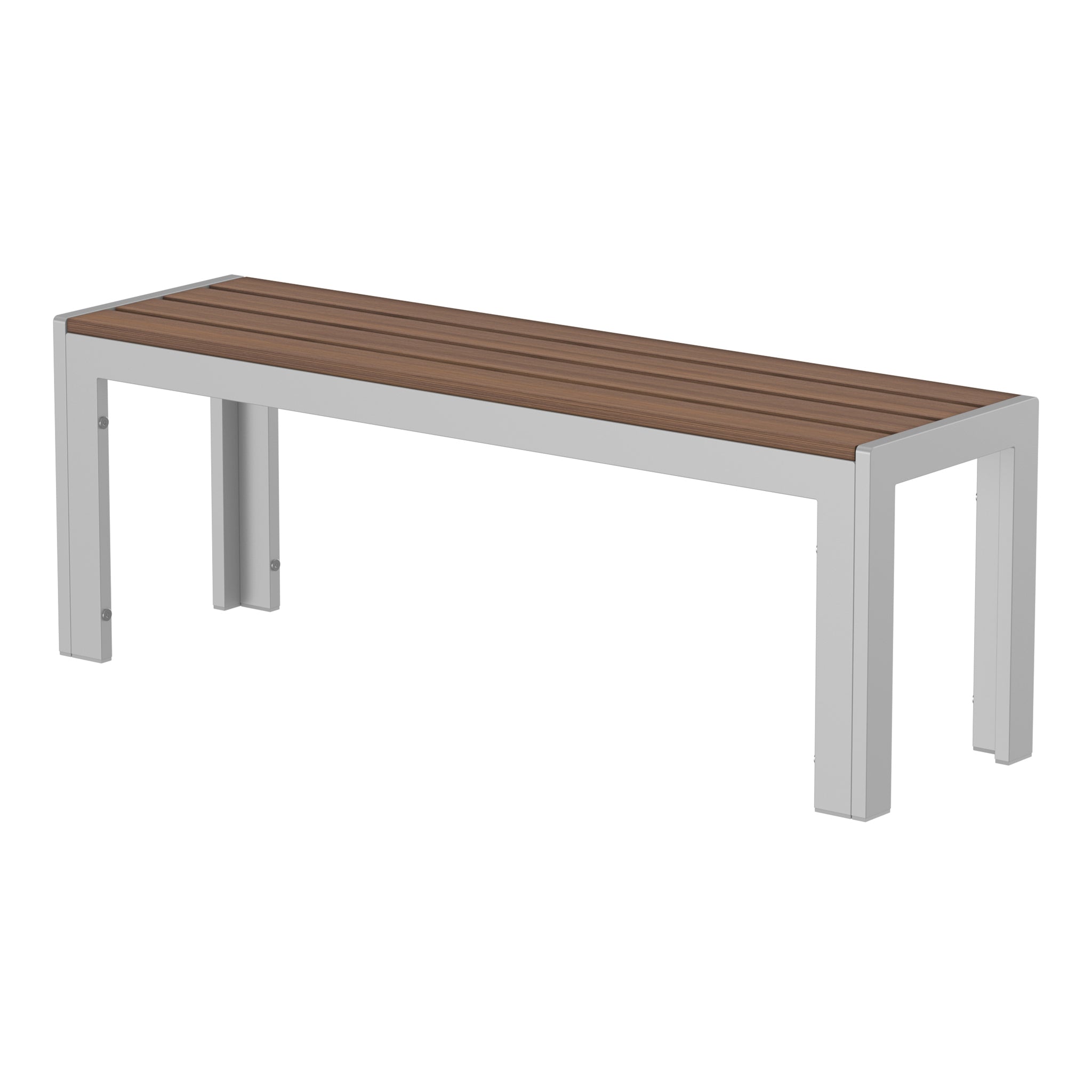
Chairs provide individual seating positions, while benches offer a shared format. A bench can suit a resting point beside a path or a seating area where a dining table is not needed. It is an alternative to a chair, rather than another type of dining chair.
For designs with backs and arms or simpler backless options, explore our recycled plastic bench guide. The image below shows the City Bench, illustrating a different seating arrangement from the individual armchair pictured earlier.

Table and Bench Sets for Shared Dining
The Space Saver Table & Bench Set offers a bench-based alternative for meals outdoors. Its benches slide beneath the table when not in use. Allow room for them in the occupied position as well as tucked away.
The set has substantial weight, so the storage arrangement should not be confused with lightweight, portable furniture. Compare it with individual chairs according to how often the layout will change and how people will access the seats.

Warranty and End-of-Life Arrangements
NeoTimber® recycled plastic furniture has a 25-year limited warranty, subject to its terms. Read the recycled plastic furniture section of our warranty information for coverage, exclusions and conditions relating to assembly, use and maintenance.
When furniture reaches the end of its useful life, ask whether it qualifies for NeoTimber's take-back scheme. Confirm current eligibility and return arrangements before making plans. A take-back route should not be assumed to include a payment or refund.
Recycled Plastic Chairs FAQs
Can Recycled Plastic Chairs Stay Outside All Year?
NeoTimber® recycled plastic furniture is designed for year-round outdoor use. Follow the specific product guidance on positioning and securing it where required. A suitable cover can help reduce surface dirt between uses.
Can I Buy One Recycled Chair?
The Terrace product is listed as a table and chair set. Contact NeoTimber® to confirm whether an individual chair or additional chairs can be supplied, and check suitability if you intend to pair them with an existing table.
Do Recycled Plastic Dining Chairs Need Painting?
No routine painting, staining or sealing is required. Occasional cleaning helps keep the surface tidy, while checks of the furniture's condition remain part of its care.
Are All Recycled Chairs Made from Plastic?
No. The description can refer to different recovered materials. Check the composition and product specification to confirm that the chair meets your requirements.
Find the Right Seating for Your Garden or Patio
Recycled plastic chairs can provide a useful combination of individual seating, outdoor durability and low routine upkeep. Choose around your table, available space and the way people will use the area.
Explore NeoTimber® recycled plastic furniture to compare seating and dining options, or contact our team for help with your project.