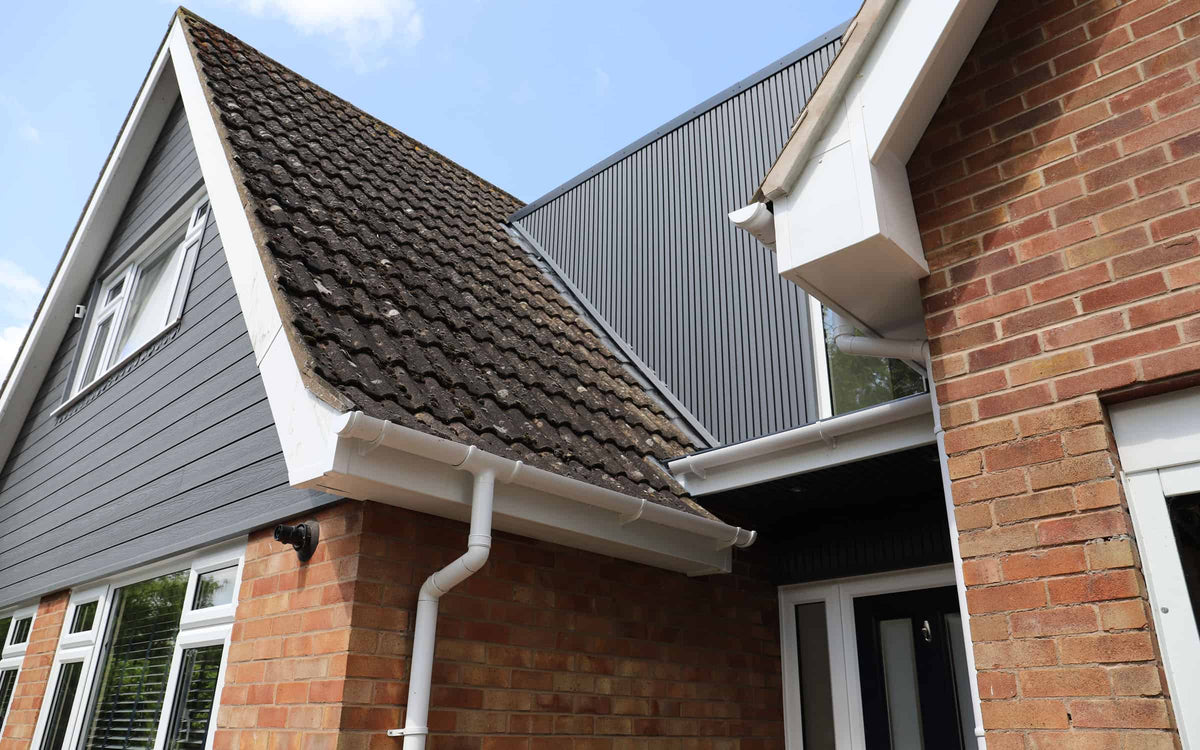
Why choose capped composite cladding for your exterior?
Capped composite cladding combines a wood-plastic composite core with a protective polymer outer layer. The cap helps improve resistance to fading, staining and moisture, while the board provides a timber-style or slatted finish. It is an option for homeowners who want an expressive exterior with less routine upkeep than a painted or stained timber surface.
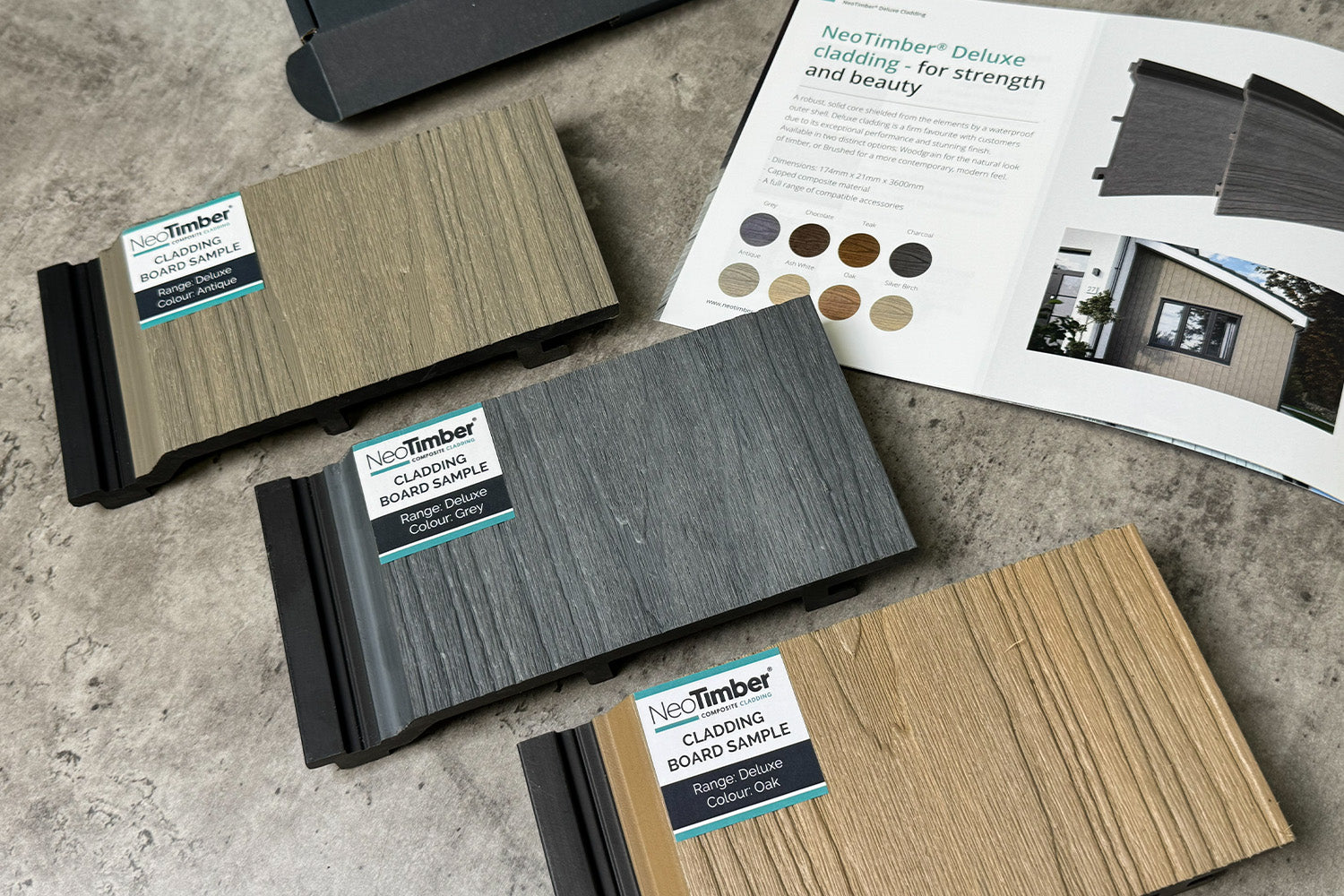
The NeoTimber® composite cladding range includes capped Deluxe and Slatted boards. Here, we explain what the cap does, how it differs from an uncapped board, and which finishes to compare for your project.
What is capped composite cladding?
The term “capped” describes the protective outer layer of the board. Beneath it is a composite core containing wood fibres and plastic. The cap adds surface protection while allowing different textures, colours and profiles to form part of the finished design.
When comparing products, separate the board’s construction from its appearance. “Capped” tells you about the surface protection; “woodgrain”, “brushed” and “slatted” describe different aspects of the look. A capped board can therefore suit more than one architectural style.
Capped versus uncapped composite cladding
An uncapped board has no separate protective polymer shell. NeoTimber® Classic is an uncapped option, while Deluxe and Slatted are capped. The choice should reflect the finish you prefer, expected weathering and the care requirements of the specific range.
| Feature | Capped boards | Uncapped boards |
|---|---|---|
| Surface | Protective polymer outer layer | No separate polymer cap |
| Colour performance | Enhanced fade resistance | Classic naturally lightens during initial weathering |
| Stain resistance | Cap helps protect against everyday staining | Prompt cleaning is especially important |
| Care | Routine cleaning is still needed | Follow the care guidance for the selected board |
The benefits of capped composite cladding
Enhanced fade resistance
The capped surface helps protect against colour fading associated with UV exposure and weathering. That makes it worth considering when colour consistency is an important part of your exterior design.
Fade-resistant does not mean that the boards are guaranteed never to change in appearance. Use the product information to understand the expected performance, and compare samples outdoors before settling on your colour. Our fade-resistant cladding guide explores this topic further.

Added protection against moisture
The polymer cap helps limit moisture interaction with the composite core. This is one of the reasons capped boards are used for exterior finishes, but it should not be interpreted as a promise that the complete wall will be waterproof.
The board is one part of the wall construction. Plan ventilation, drainage, joints and finishing details in accordance with the NeoTimber® cladding installation guidance. The cap does not replace a properly designed and installed system.
Stain resistance and straightforward care
The protective surface also helps resist everyday staining. For routine cleaning, follow the range’s care instructions; warm soapy water and a soft brush are generally recommended for NeoTimber® cladding. Address spills and marks promptly instead of allowing them to build up.
Low maintenance means a simpler care routine, rather than no care at all. Identify the cause of stubborn marks and check the recommended cleaning method before applying a specialist product.

Choose a woodgrain, brushed or slatted finish
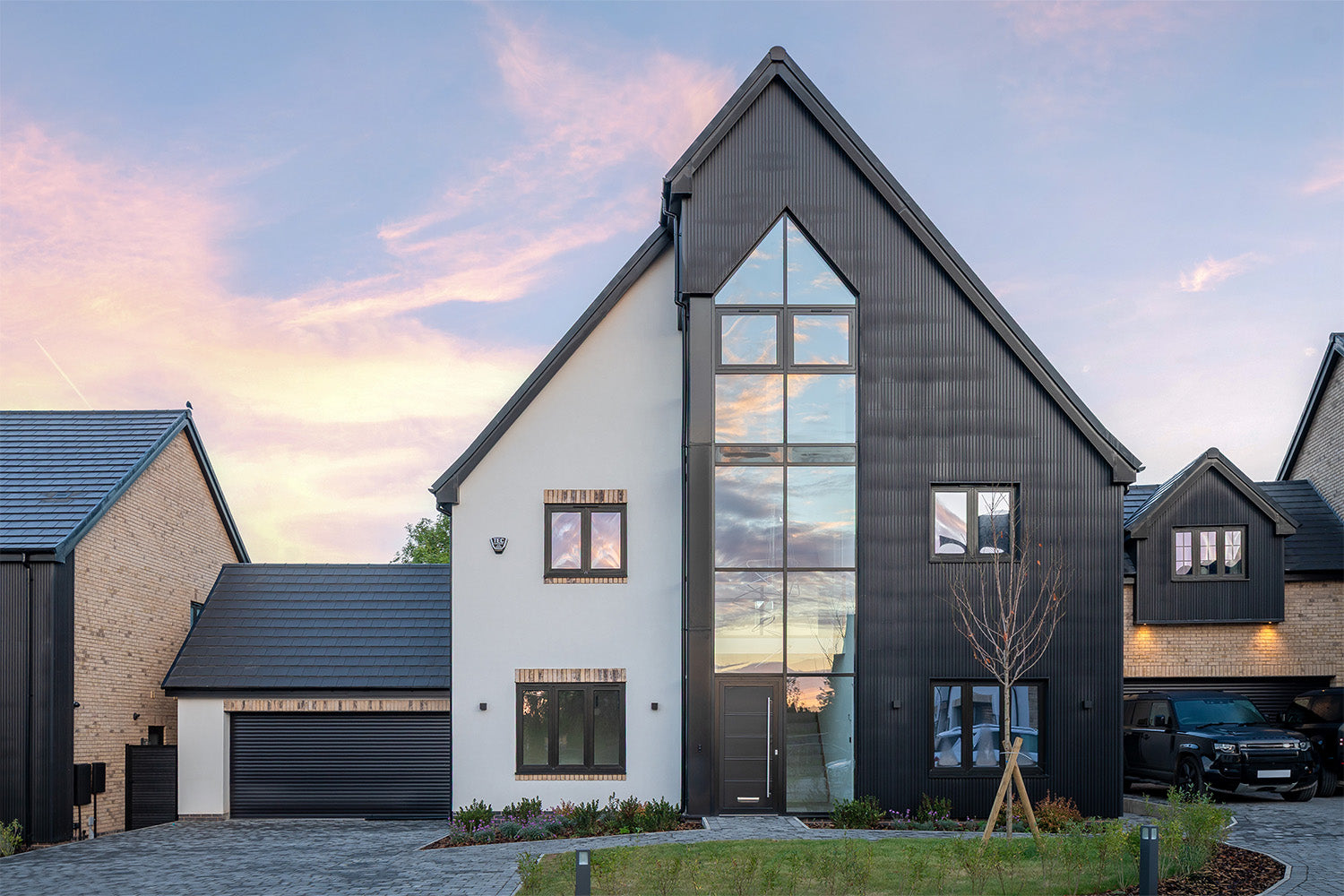
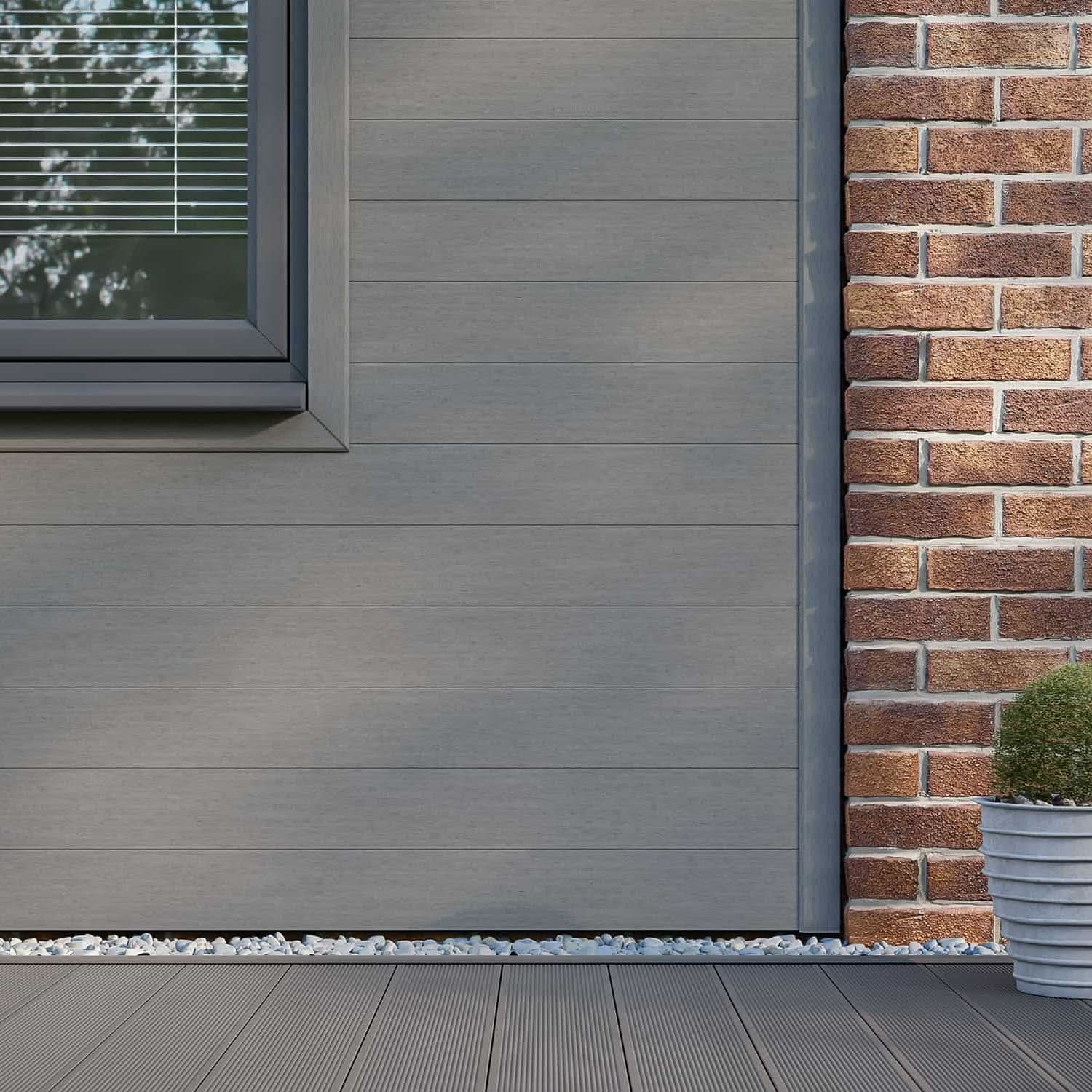
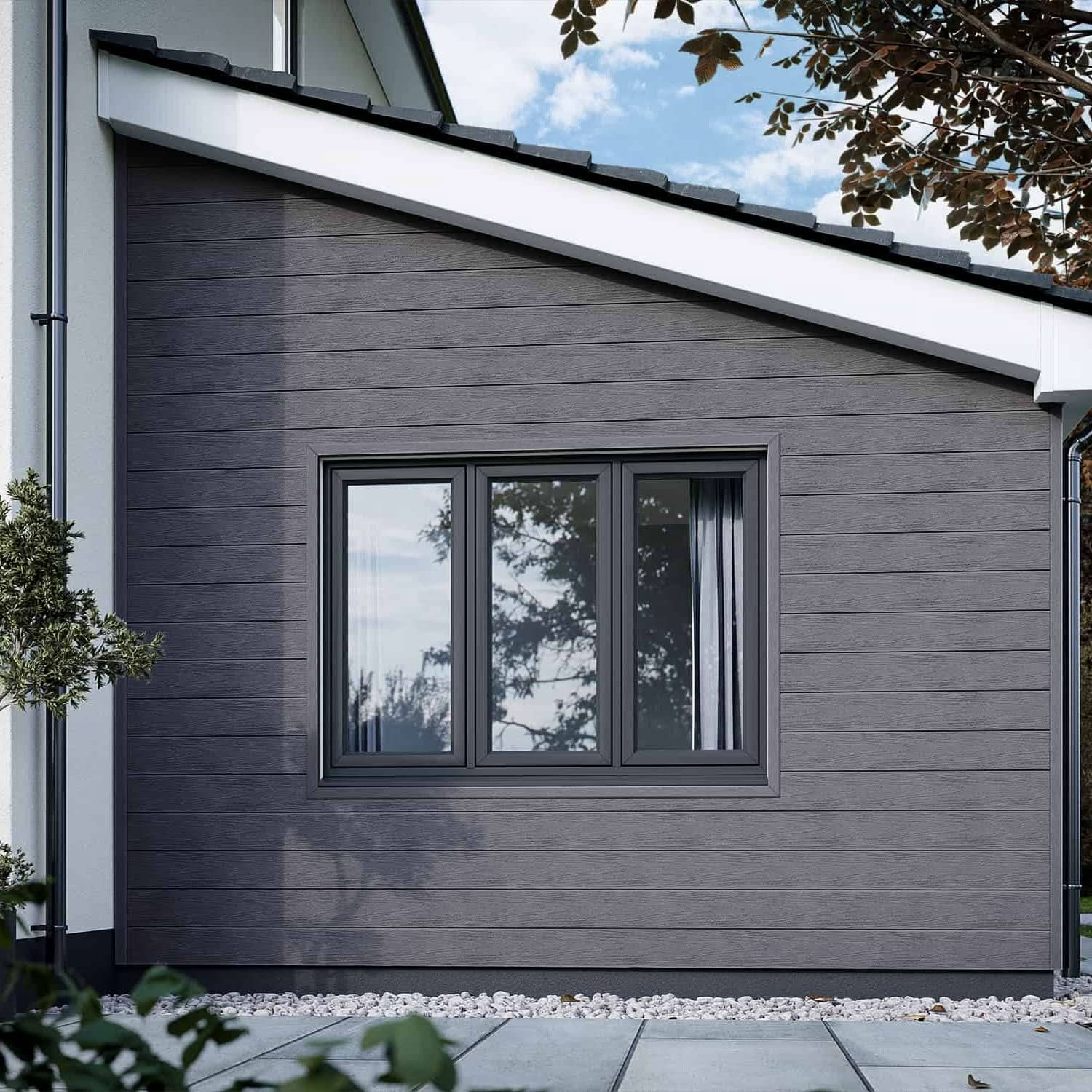
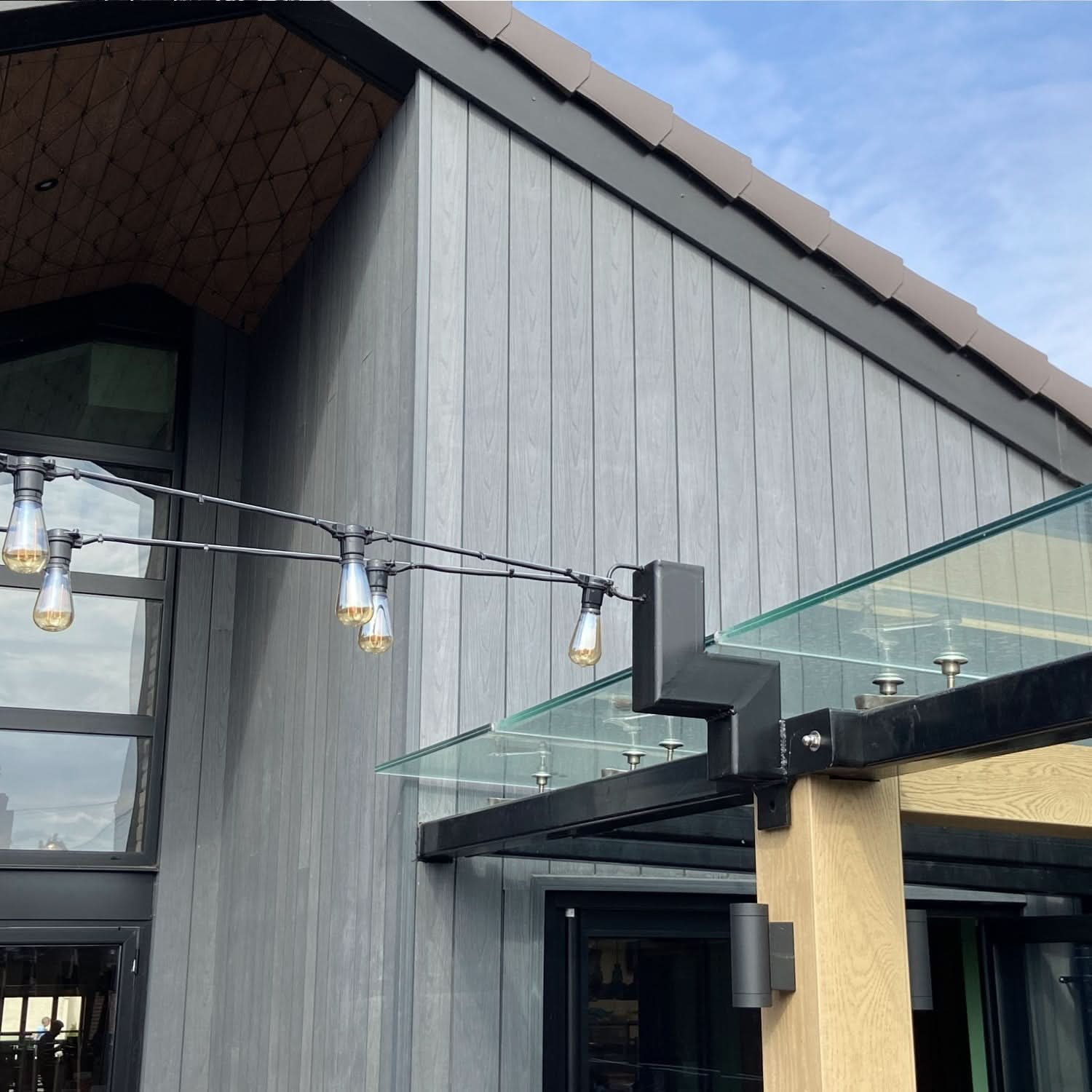
Surface protection is only part of the decision. Think about how the cladding will look across the whole wall, alongside windows, doors and existing brick or render. A sample helps you judge the texture, while a project photograph helps you understand the overall pattern.
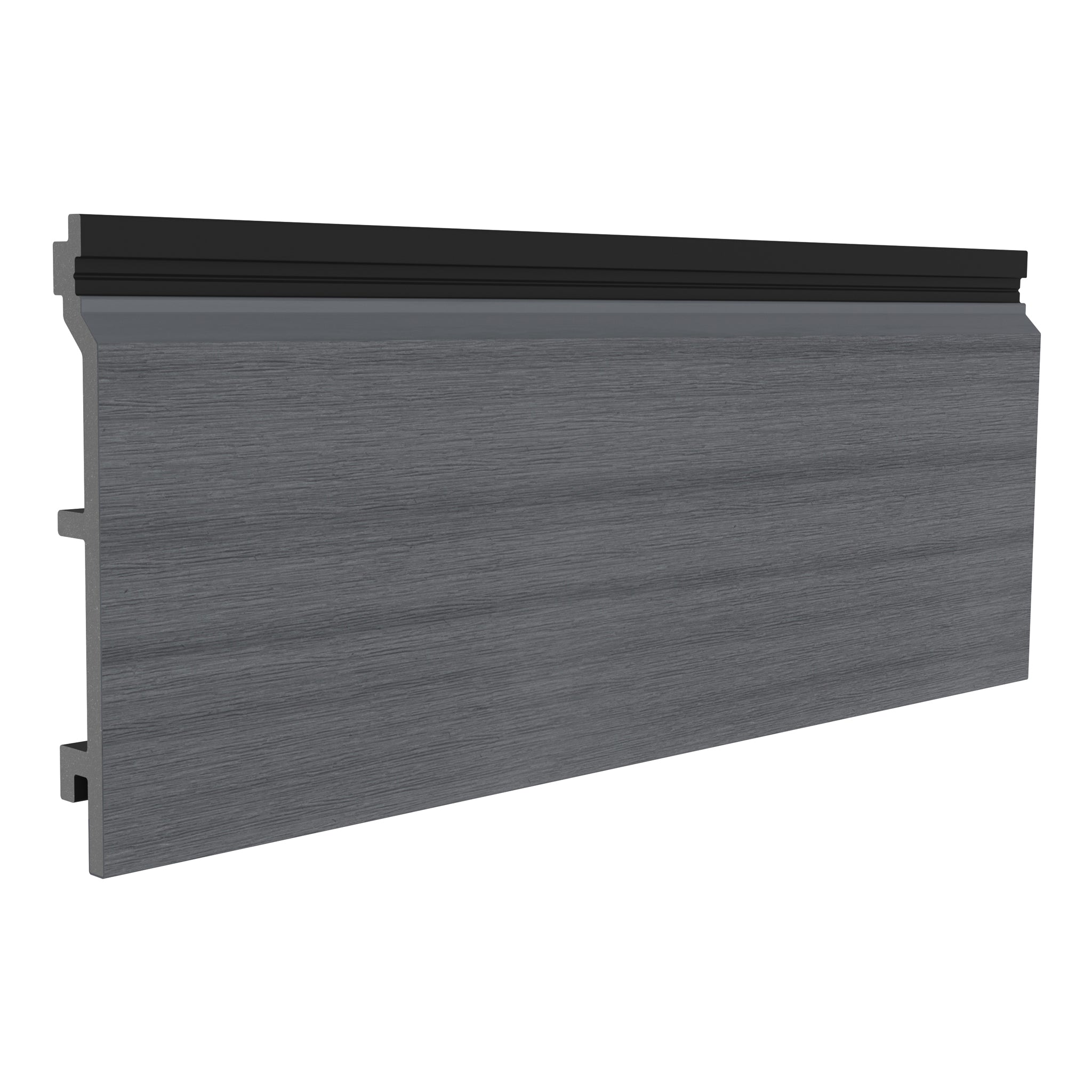
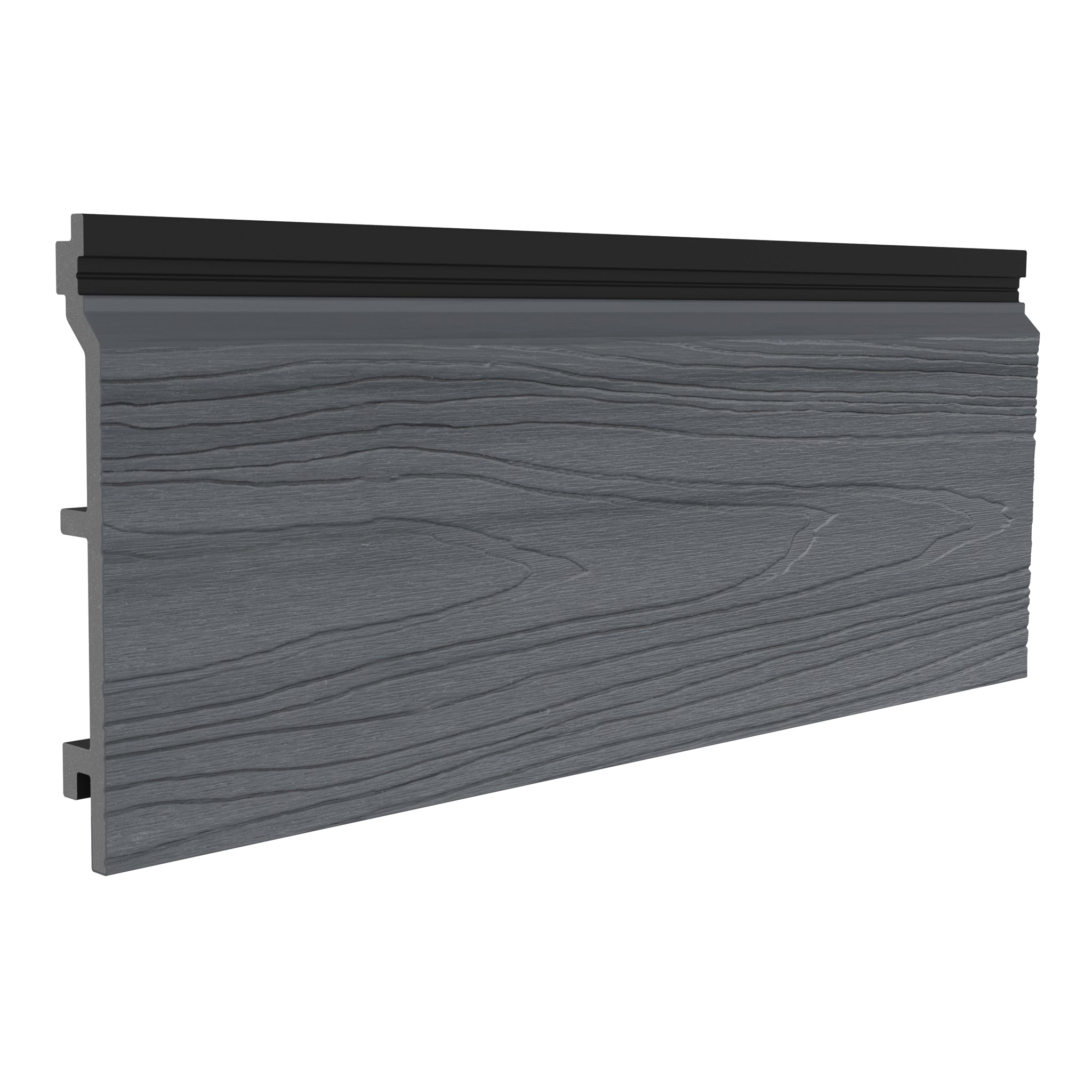
Deluxe Woodgrain: visible timber-style texture
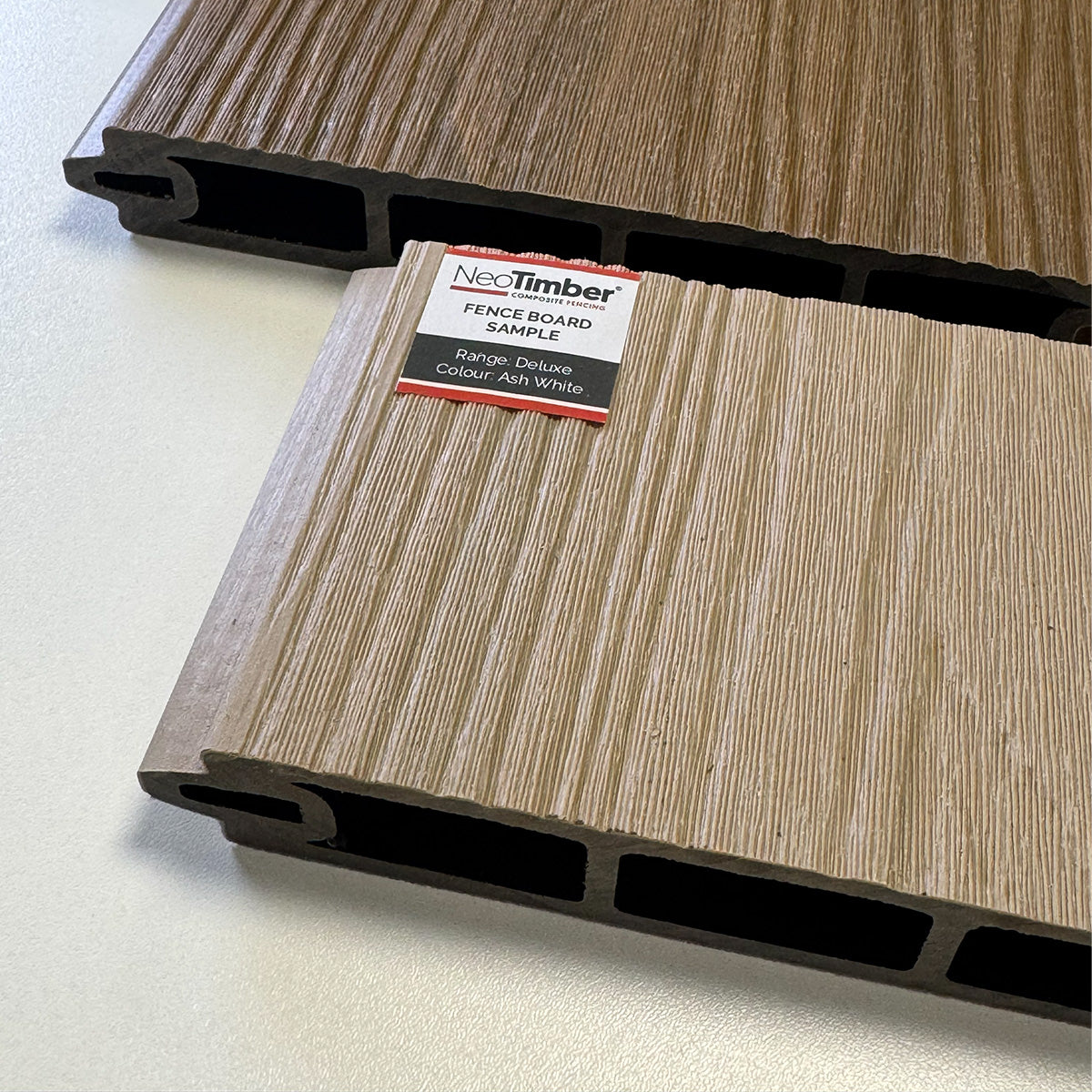
Deluxe Woodgrain composite cladding offers an embossed grain effect for projects where texture is central to the design. The pattern gives the wall more visual detail than a simpler surface finish.
Use it to introduce a wood-effect feature beside a quieter material, or compare it across a larger elevation. Look at the sample from a few steps away as well as close up: the impression of a full wall can be different from the detail you notice in your hand.

Deluxe Brushed: a subtler surface finish
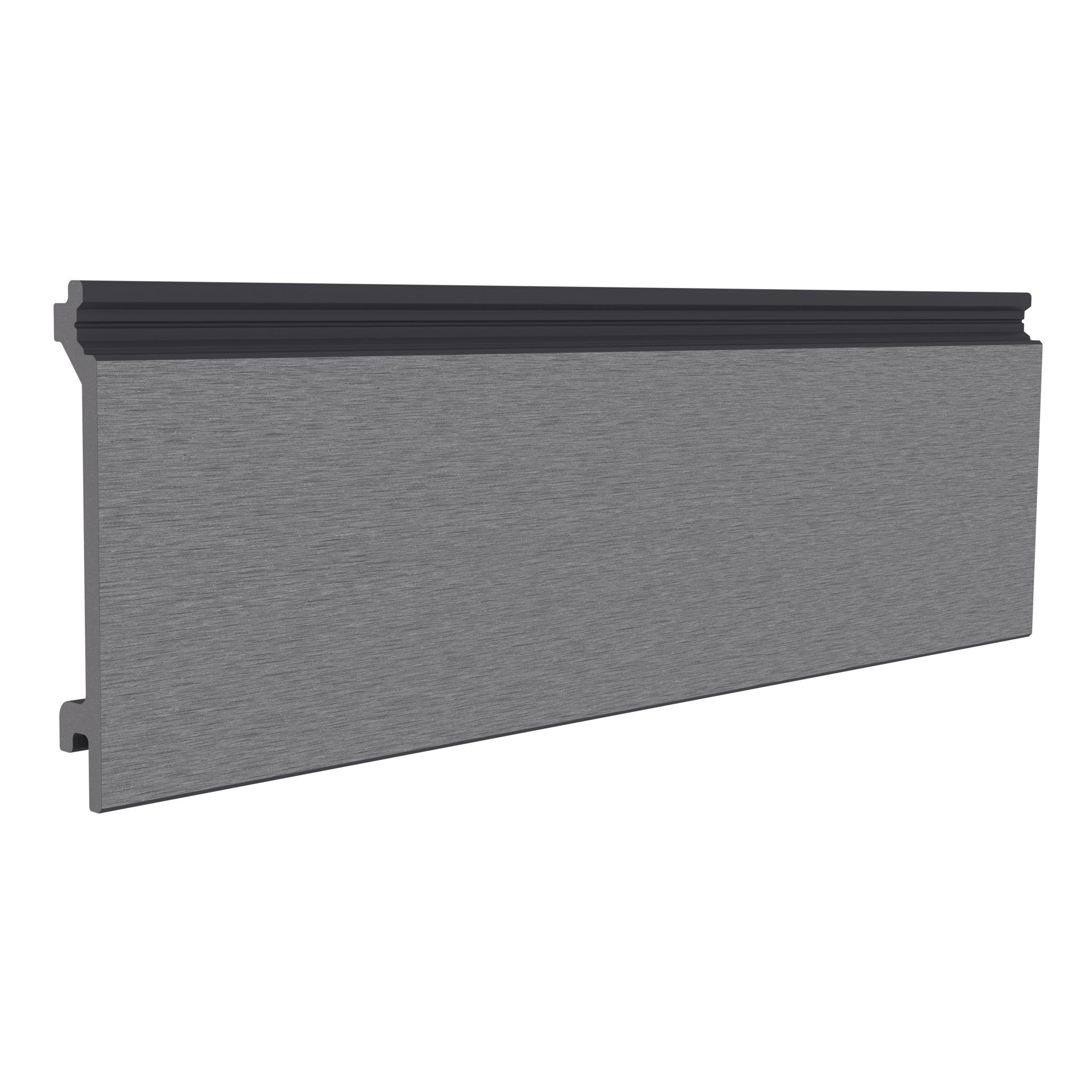
Deluxe Brushed composite cladding combines a brushed texture with two-tone colouring. Compare it with the woodgrain option if you prefer a less pronounced surface pattern while retaining tonal variation.
Consider which features should stand out. If the building already has detailed brickwork or strongly patterned paving, a subtler cladding finish may help balance the overall scheme.
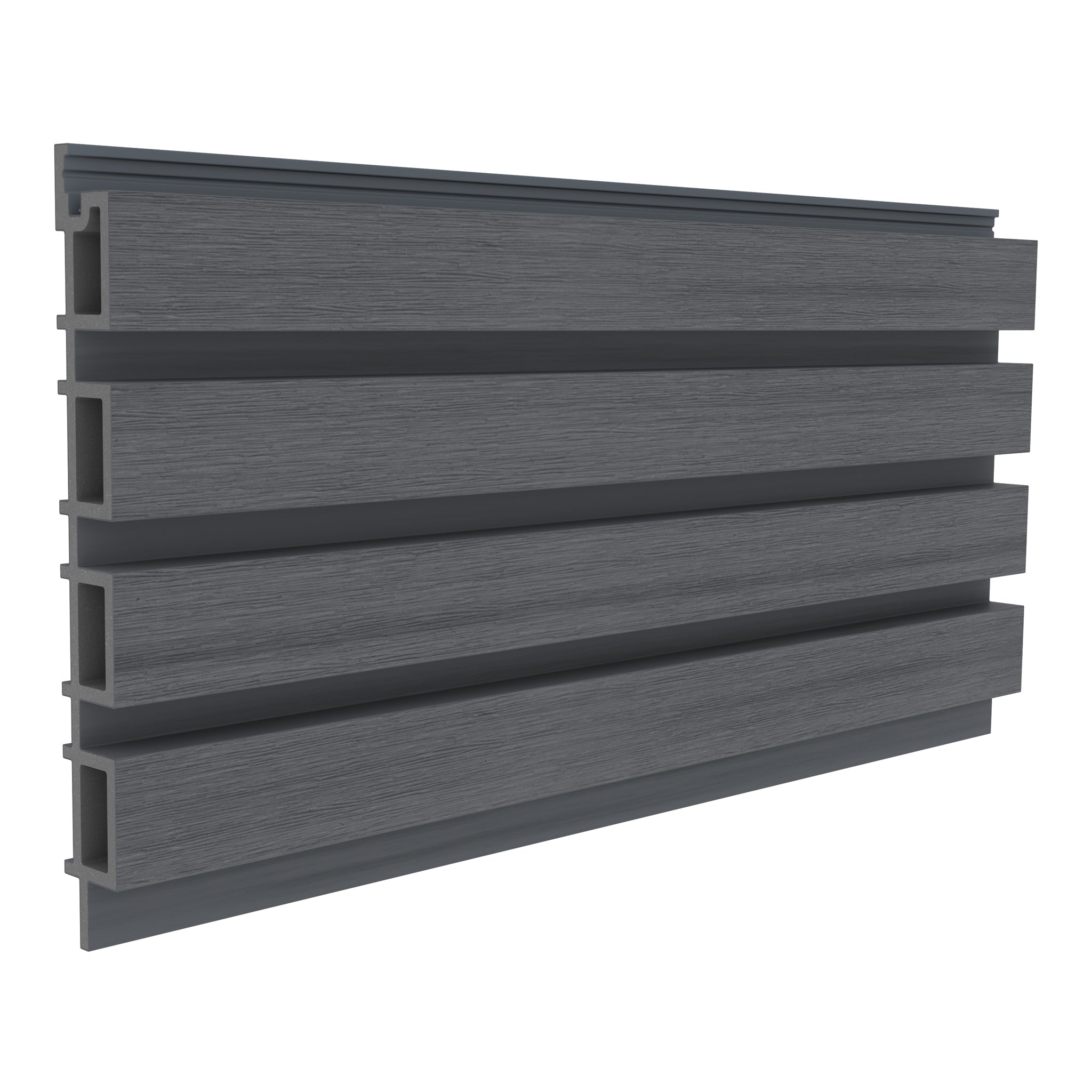
Slatted: repeating lines and shadow
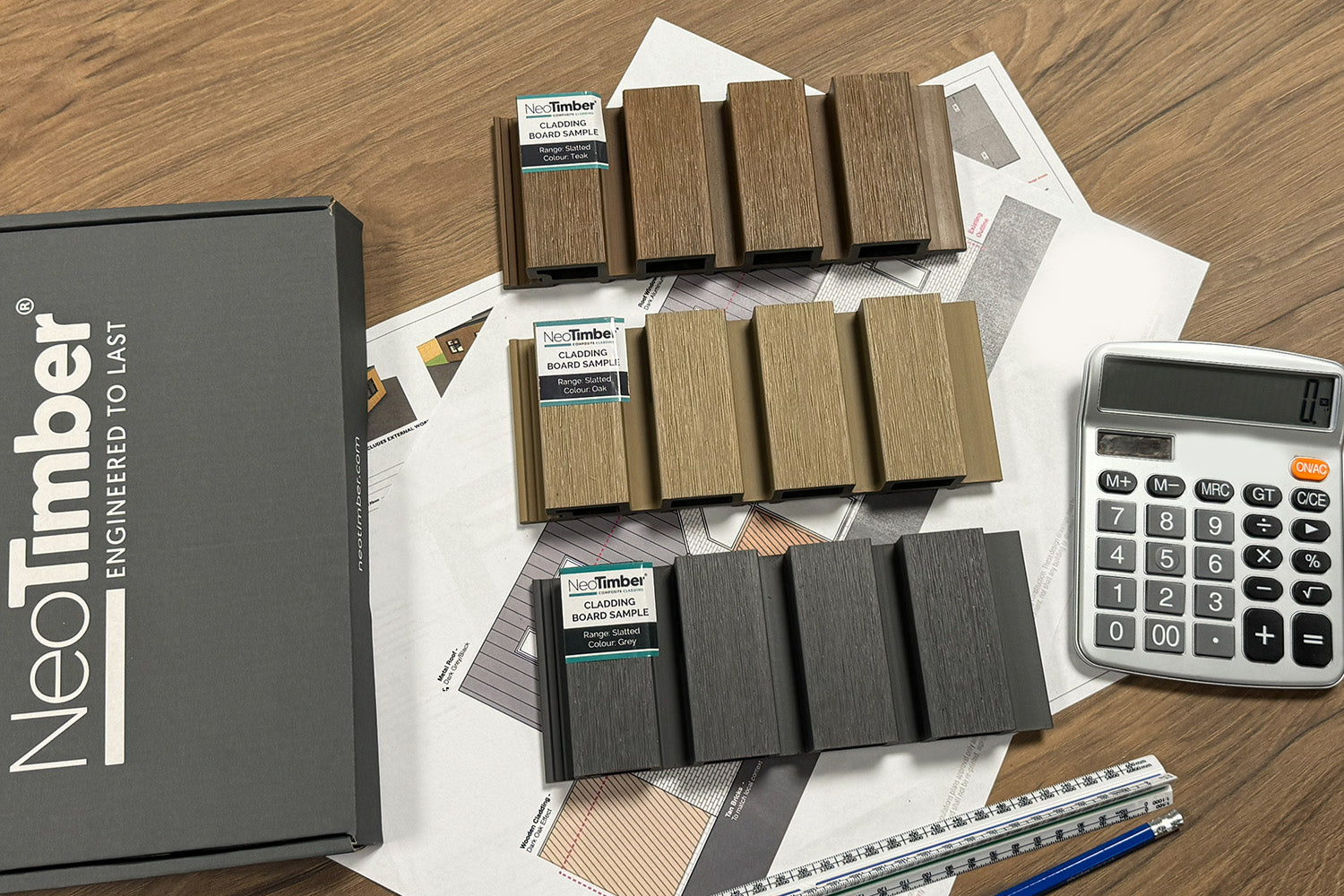
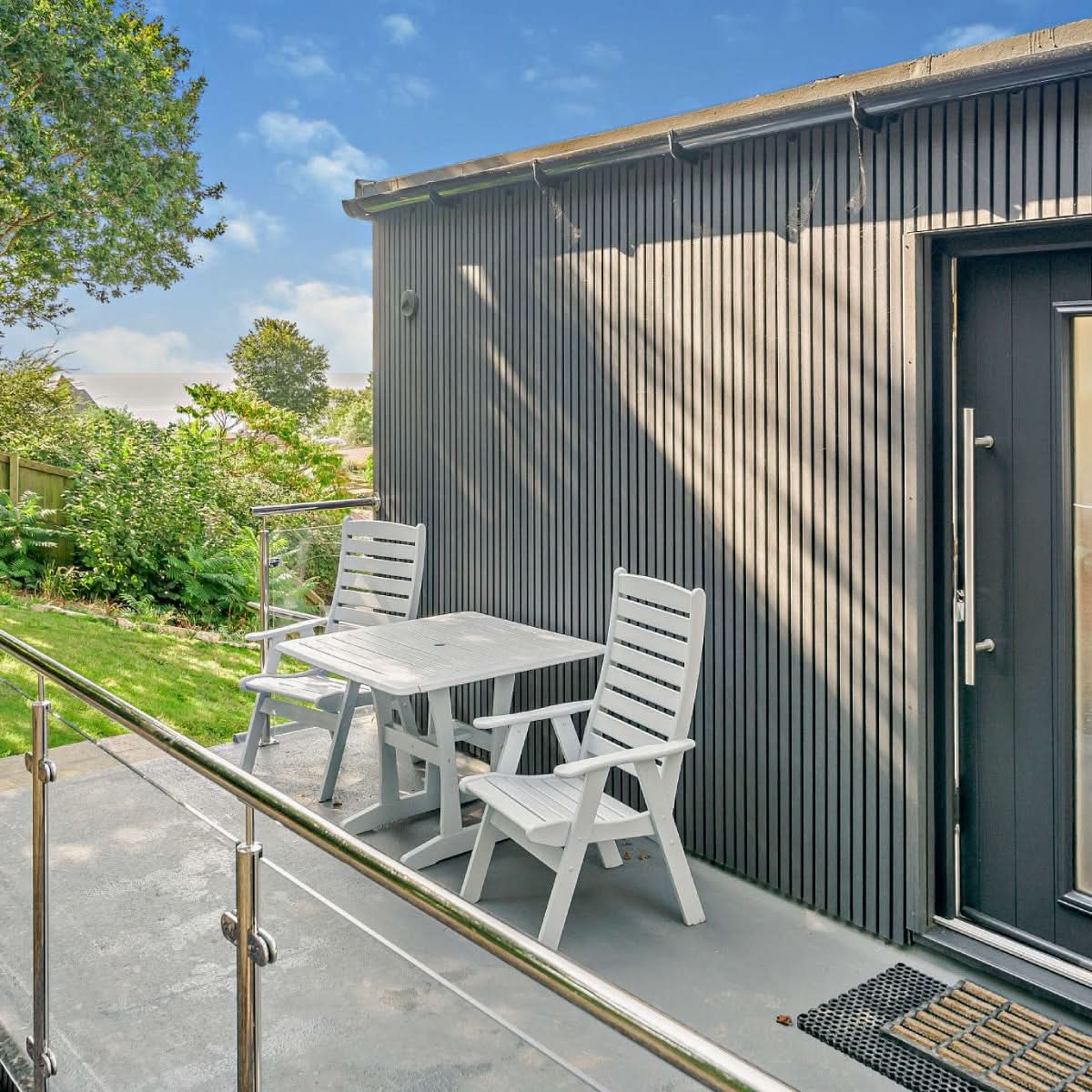
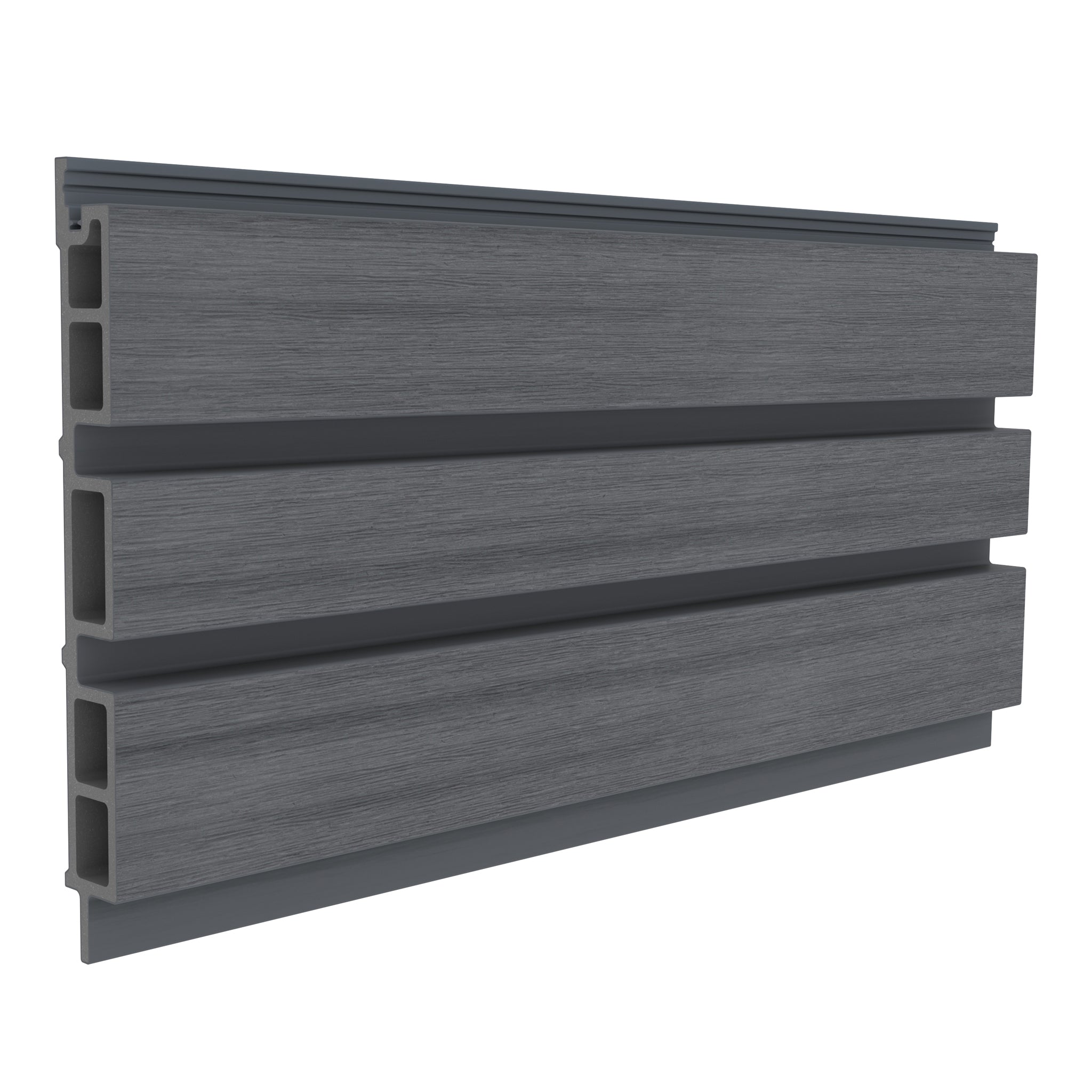
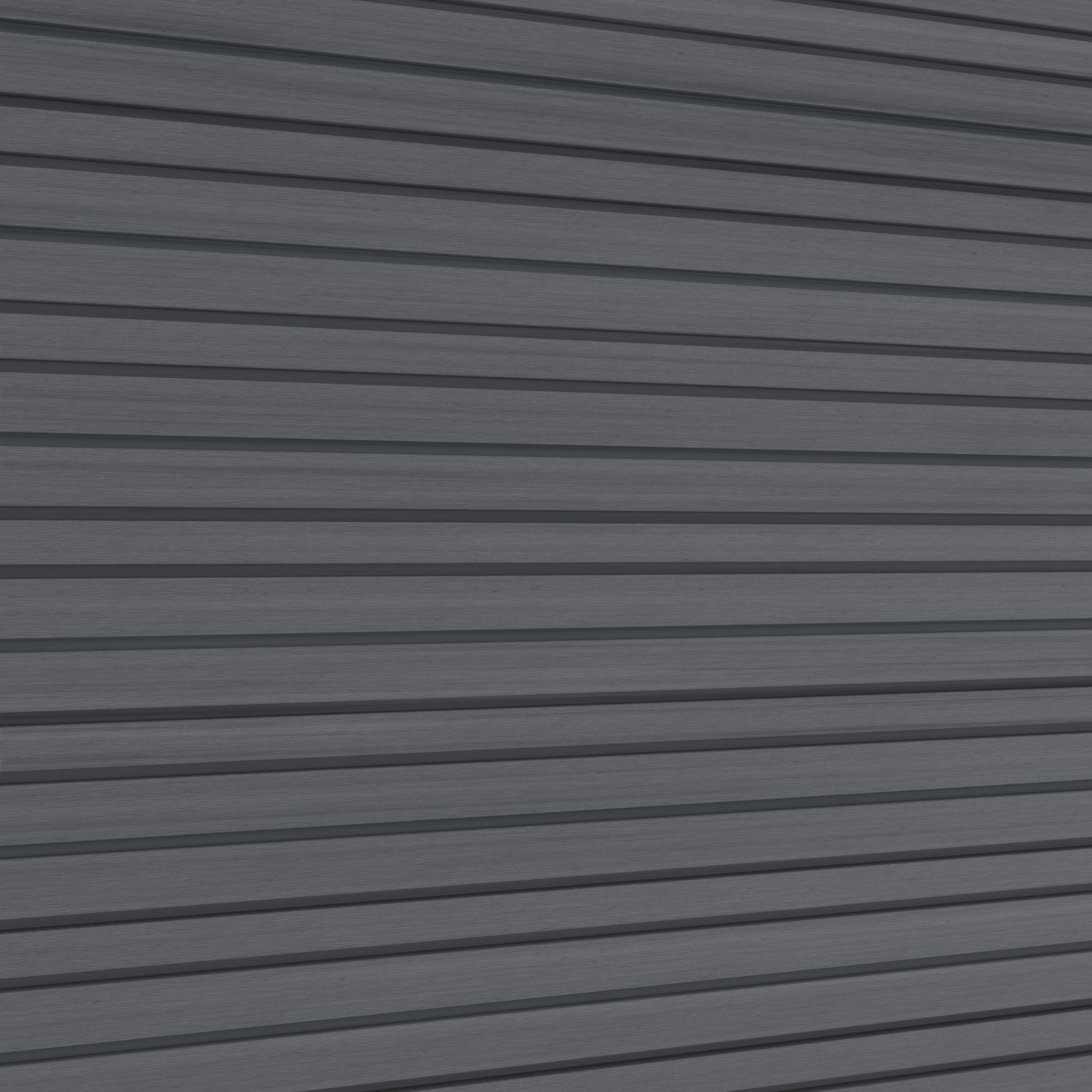
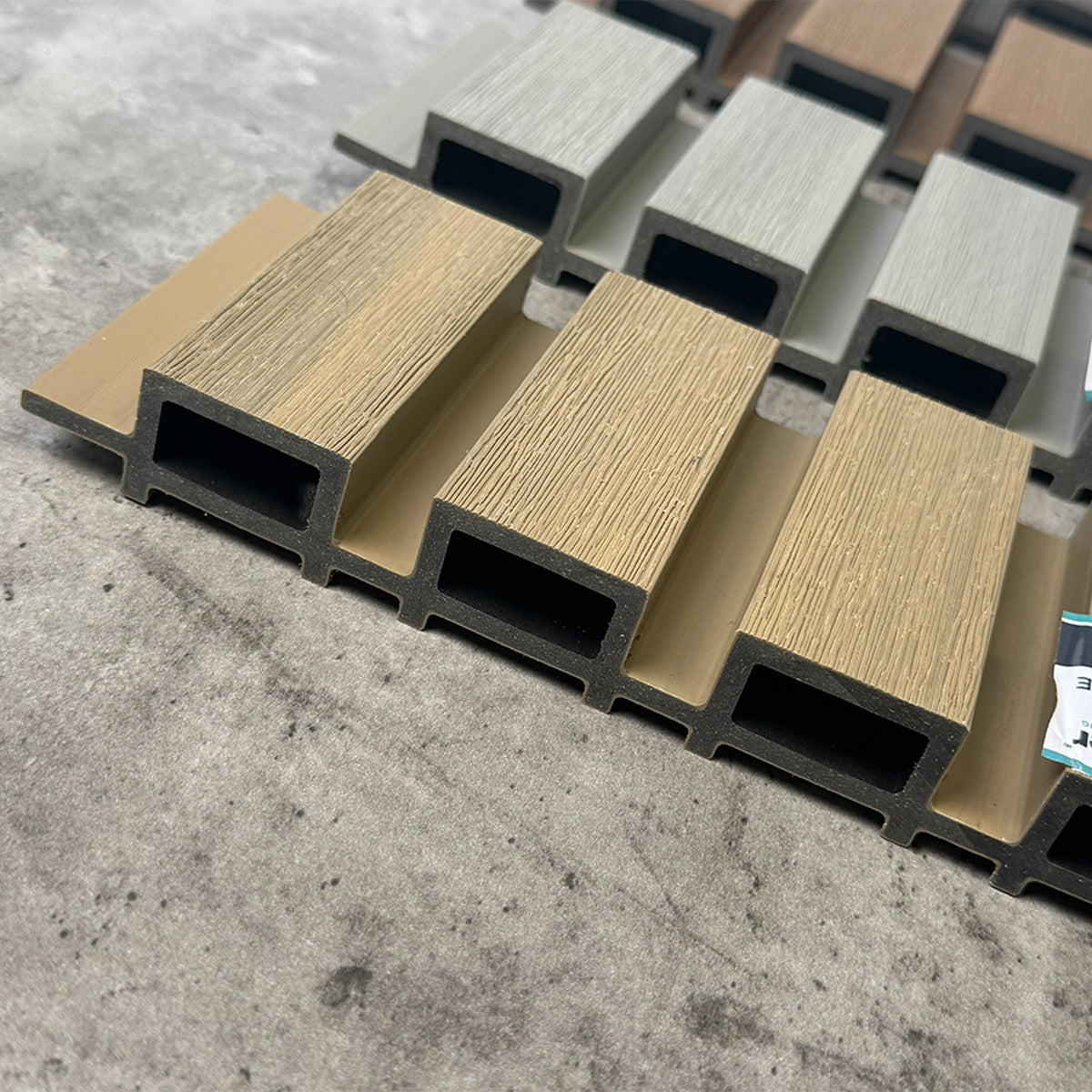
Slatted composite cladding creates a more defined pattern through its raised profile. It can give an entrance, garden studio or extension a distinctive feature, whether used across an elevation or within a smaller section.
NeoTimber® Slatted boards support horizontal and vertical installation when fitted to the relevant guidance. Choose the direction early so that board runs and finishing details can be planned around corners and openings. For a different rhythm, compare the regular slatted profile with Board & Batten Slatted composite cladding.

Eight colours to shape your exterior design
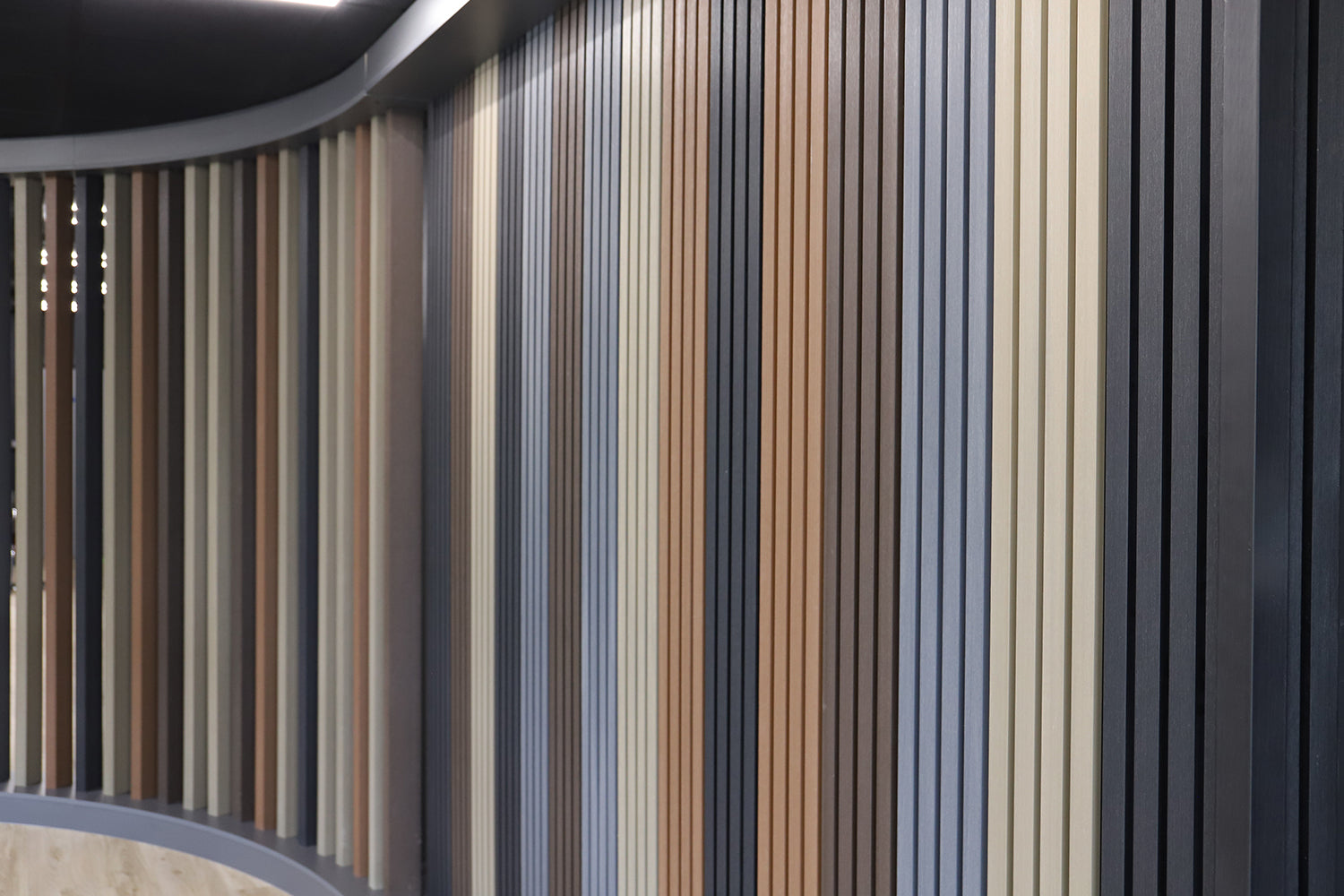
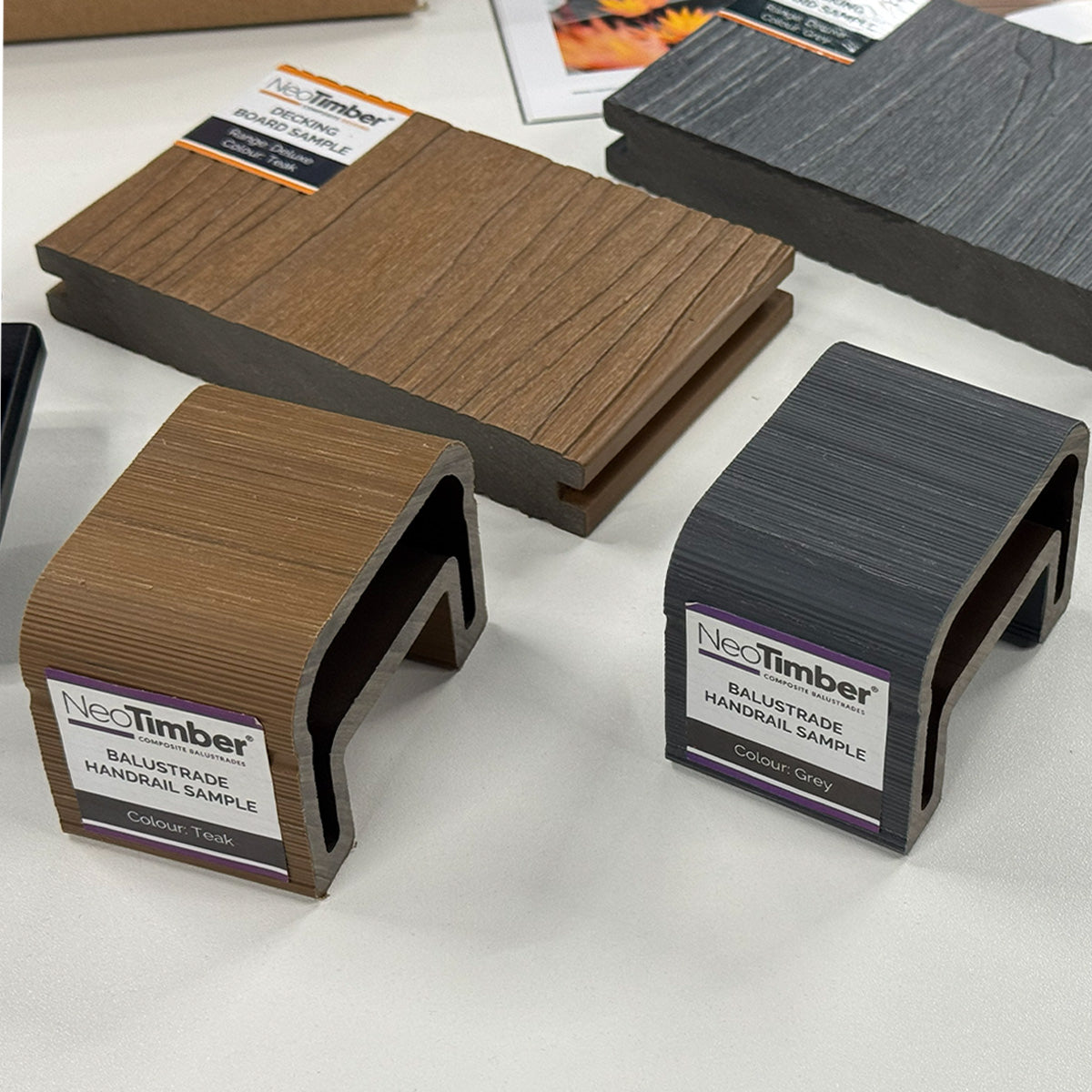
The NeoTimber® Deluxe and Slatted ranges offer eight colours: Grey, Teak, Chocolate, Charcoal, Antique, Ash White, Oak and Silver Birch. Start with the permanent features of your property when narrowing down the options.
- For a warm palette: compare Teak, Oak and Chocolate beside brickwork, planting and paving.
- For a dark feature: consider Charcoal alongside window frames or lighter render.
- For a softer neutral scheme: compare Grey, Antique, Ash White and Silver Birch in the light your wall receives.
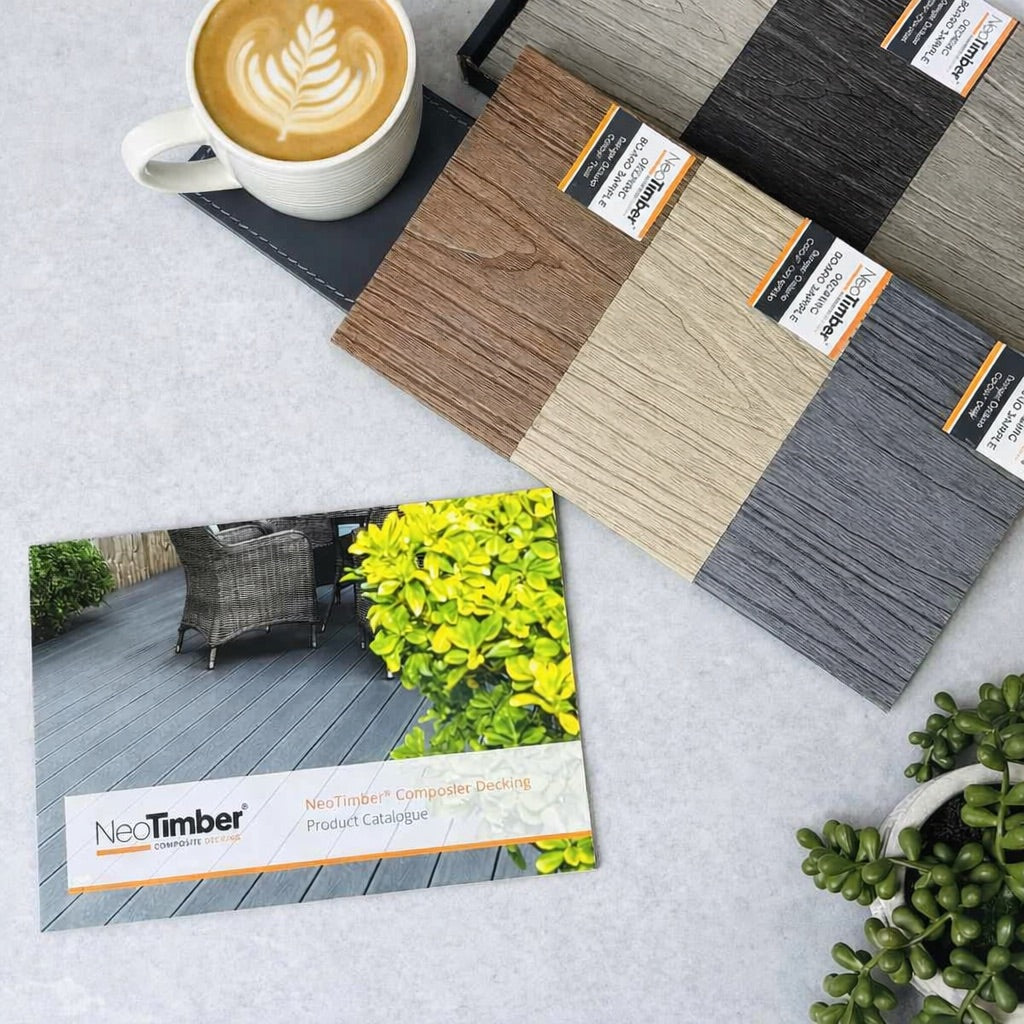
The composite cladding colour guide can help you create a shortlist. Then view physical samples outside, in both sunlight and shade, rather than relying solely on a screen.

What to check before ordering capped cladding
Once you have chosen a finish, check the complete specification for your wall. The profile and colour need to work with the installation details as well as the design.
- Confirm suitability: check that the selected product and wall design meet the requirements of your project.
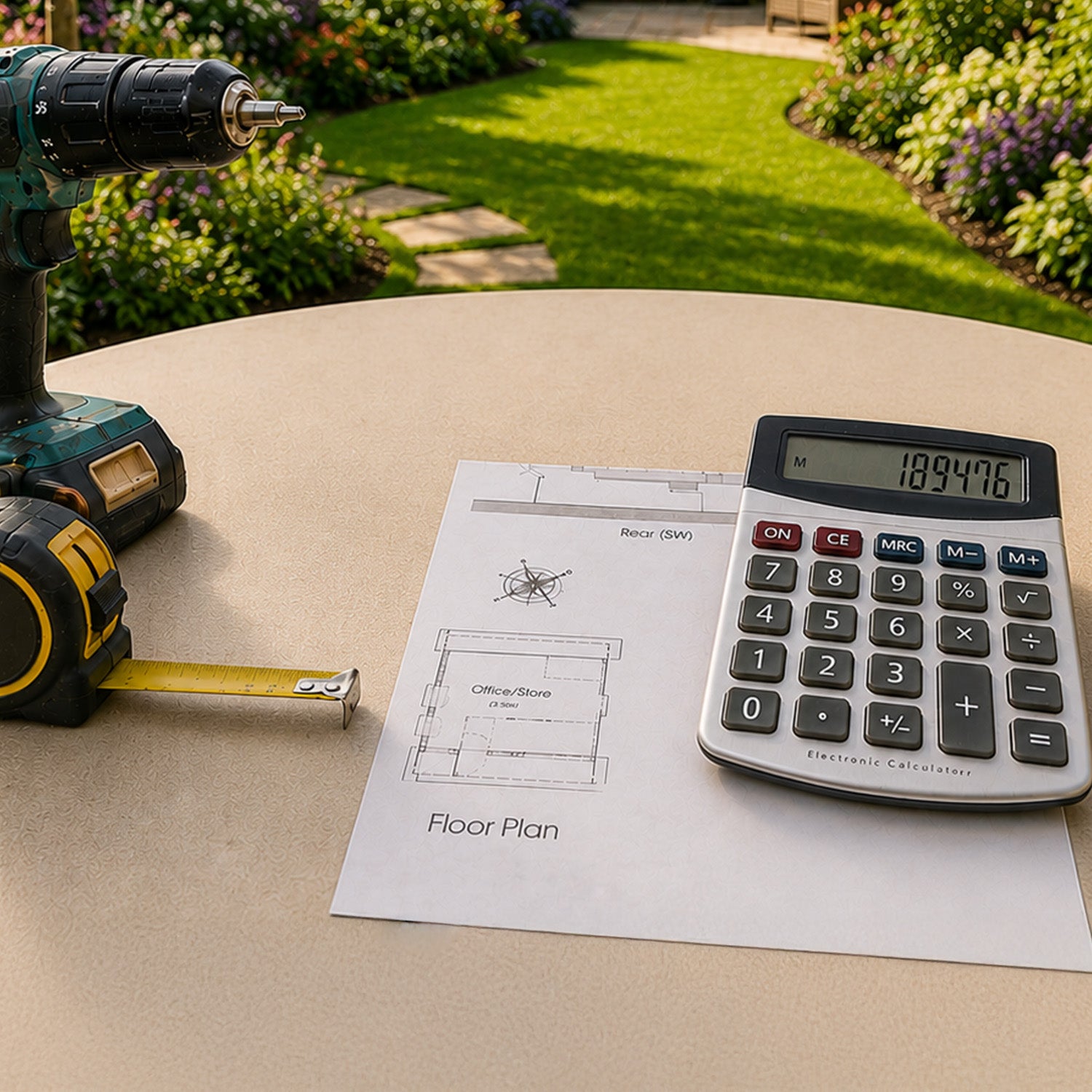
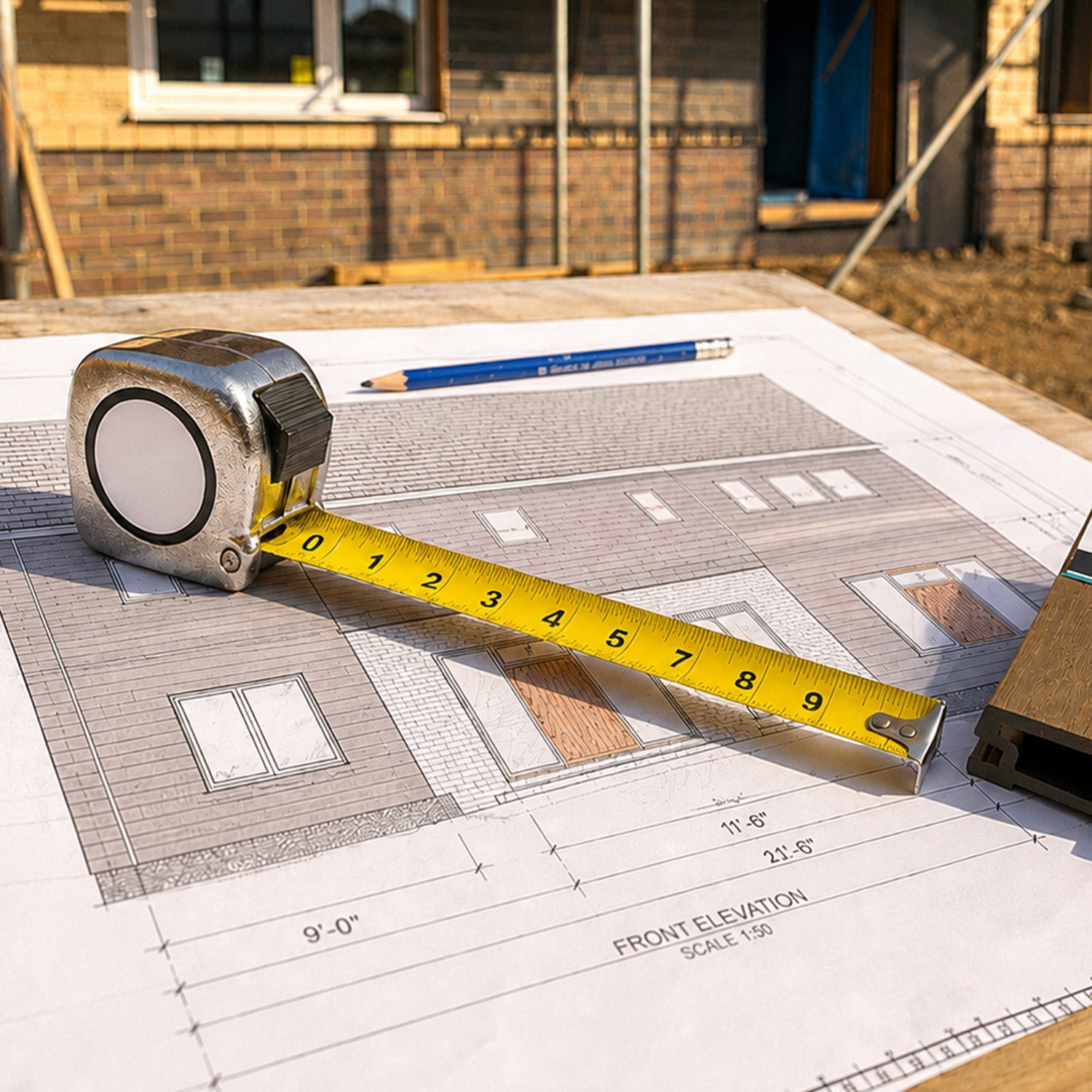
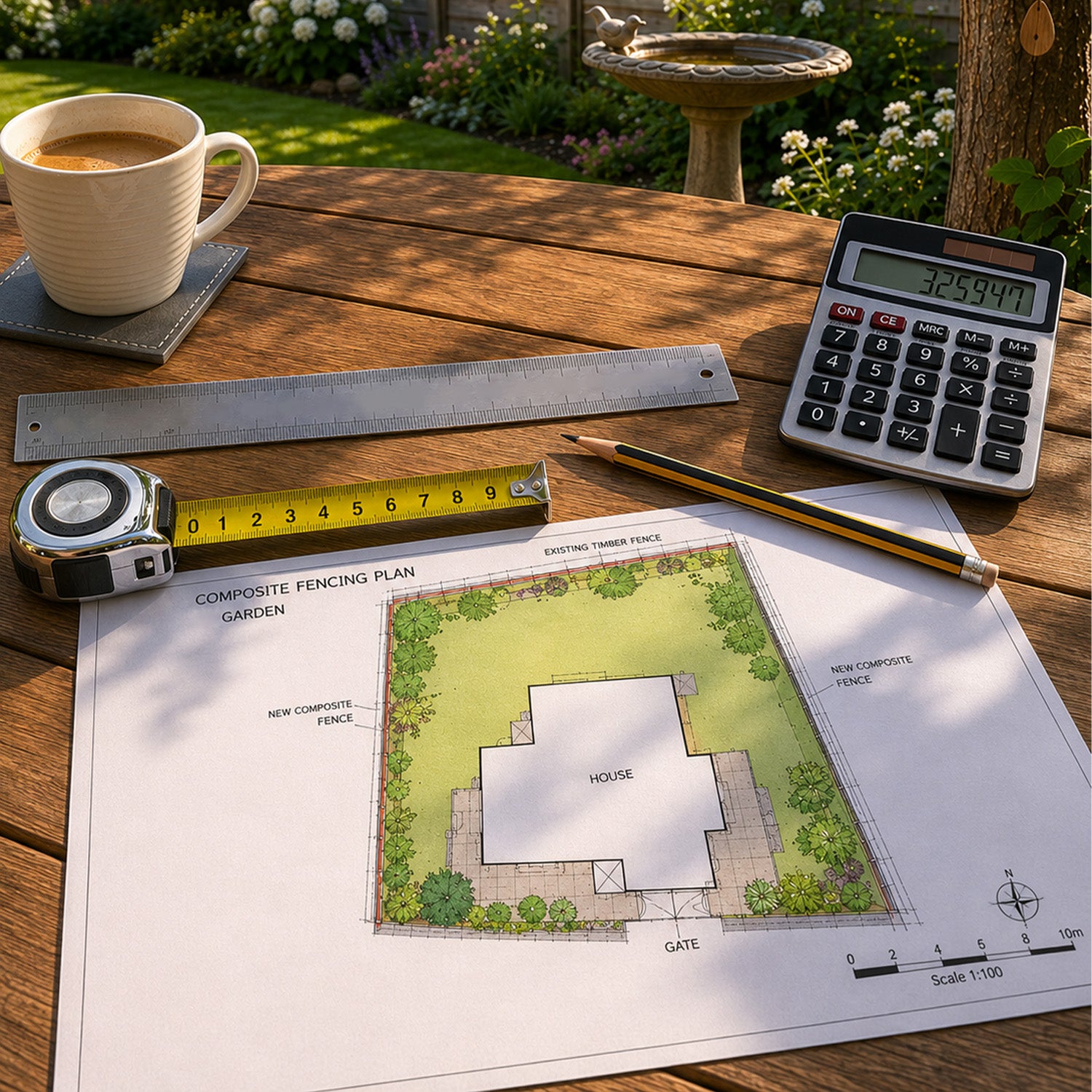
- Plan the layout: measure each elevation and decide the board direction before calculating quantities.
- Include accessories: identify compatible fixings, supporting framework, corners and end trims.
- Review the documents: read the installation, care and warranty information before purchasing.
Do not assume that a cladding board can serve as a freestanding fence panel or structural component. Confirm any proposed alternative application with the supplier before specifying it.
FAQs about capped composite cladding
Is capped composite cladding waterproof?
Its protective cap helps resist moisture, but that does not make the installed wall automatically waterproof. The surrounding construction and installation details still need to manage water correctly.
Does capped composite cladding fade?
Capped boards offer enhanced fade resistance. That is different from an absolute guarantee of no colour change, so check the performance information and warranty terms for the range you choose.
Can capped composite cladding be painted?
NeoTimber® does not recommend painting or staining its composite cladding. Select the desired colour before installation and follow the recommended care routine to maintain the finish.
Is capped cladding better than uncapped cladding?
Capped cladding offers added surface protection, especially against fading and staining. Whether it is the better choice for your project also depends on the appearance you want and your budget. Compare physical samples and current product details before deciding.
Does it need regular sealing?
NeoTimber® capped cladding is designed to provide its finished surface without a routine sealing programme. Check the care instructions before applying any additional coating or treatment.
Find the right capped finish for your project
Capped composite cladding brings together surface protection and a choice of expressive finishes. Start with the pattern and colour that suit your property, then check the installation requirements and complete component list.
Request free NeoTimber® composite cladding samples to compare the finishes, or explore the full cladding collection to shortlist your preferred boards.