Choose Composite Cladding That Suits Your Colour and Weathering Expectations
Fade resistant cladding helps you maintain the appearance of your exterior, while weather resistant cladding is designed to cope with outdoor exposure. If you want a timber-inspired finish with less routine painting or staining, composite cladding offers an alternative worth exploring.
The key is choosing the right type for the look you want over time. NeoTimber’s capped Deluxe and Slatted ranges prioritise colour retention, while the uncapped Classic range is designed to develop a lighter, weathered tone during its initial exposure outdoors. Understanding that difference helps you compare products with realistic expectations.
What Is Fade Resistant Cladding?
Fade resistant cladding is designed to reduce colour change caused by exposure to sunlight. Resistance describes a performance benefit; it should not be treated as a promise that every board will remain visually identical in every environment.
When choosing a finish, consider how the exterior will look after installation as well as on delivery. Ask whether the range is designed to retain its original tone or undergo initial weathering, and check the product information and warranty terms for your chosen boards.
Colour Retention or a Naturally Weathered Look?
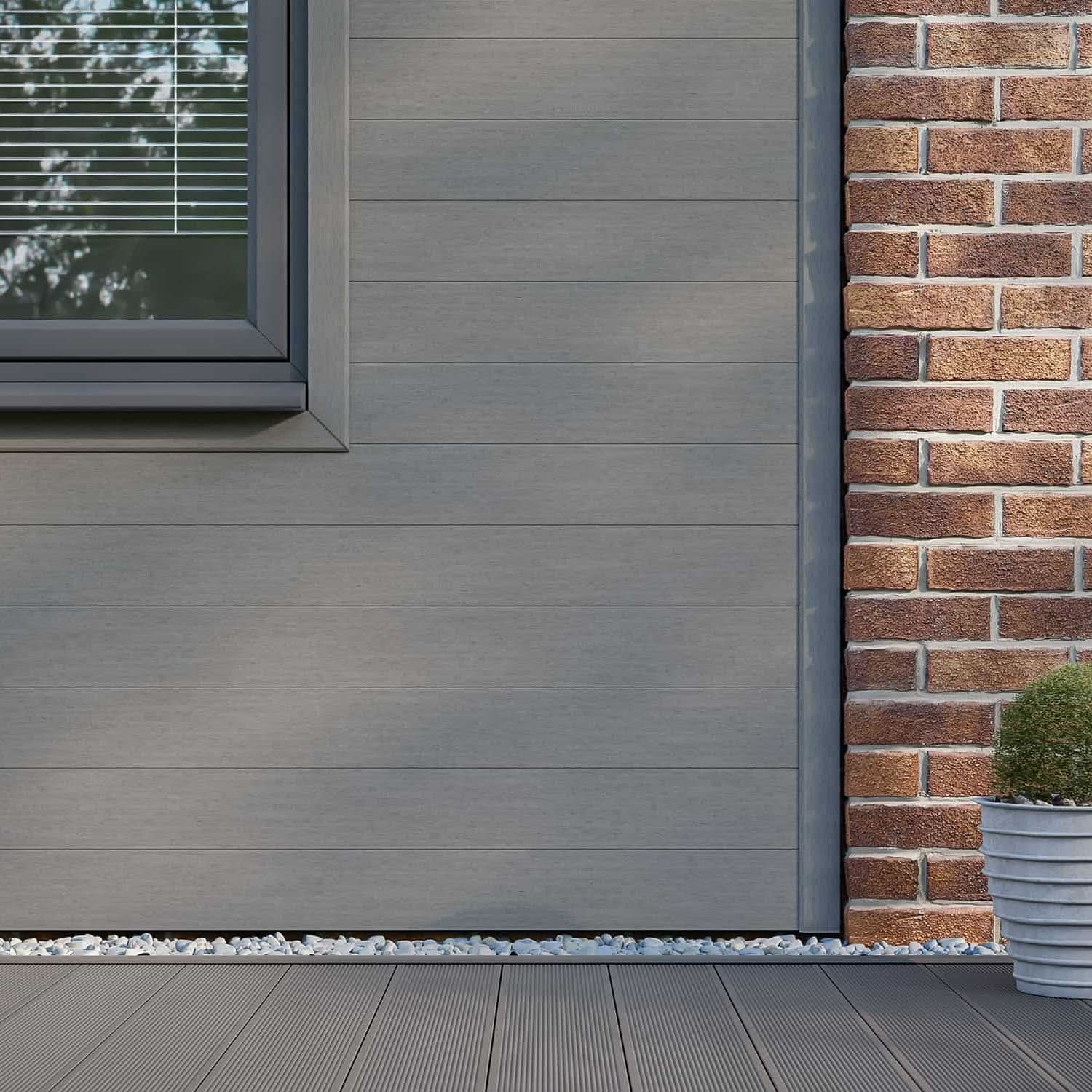
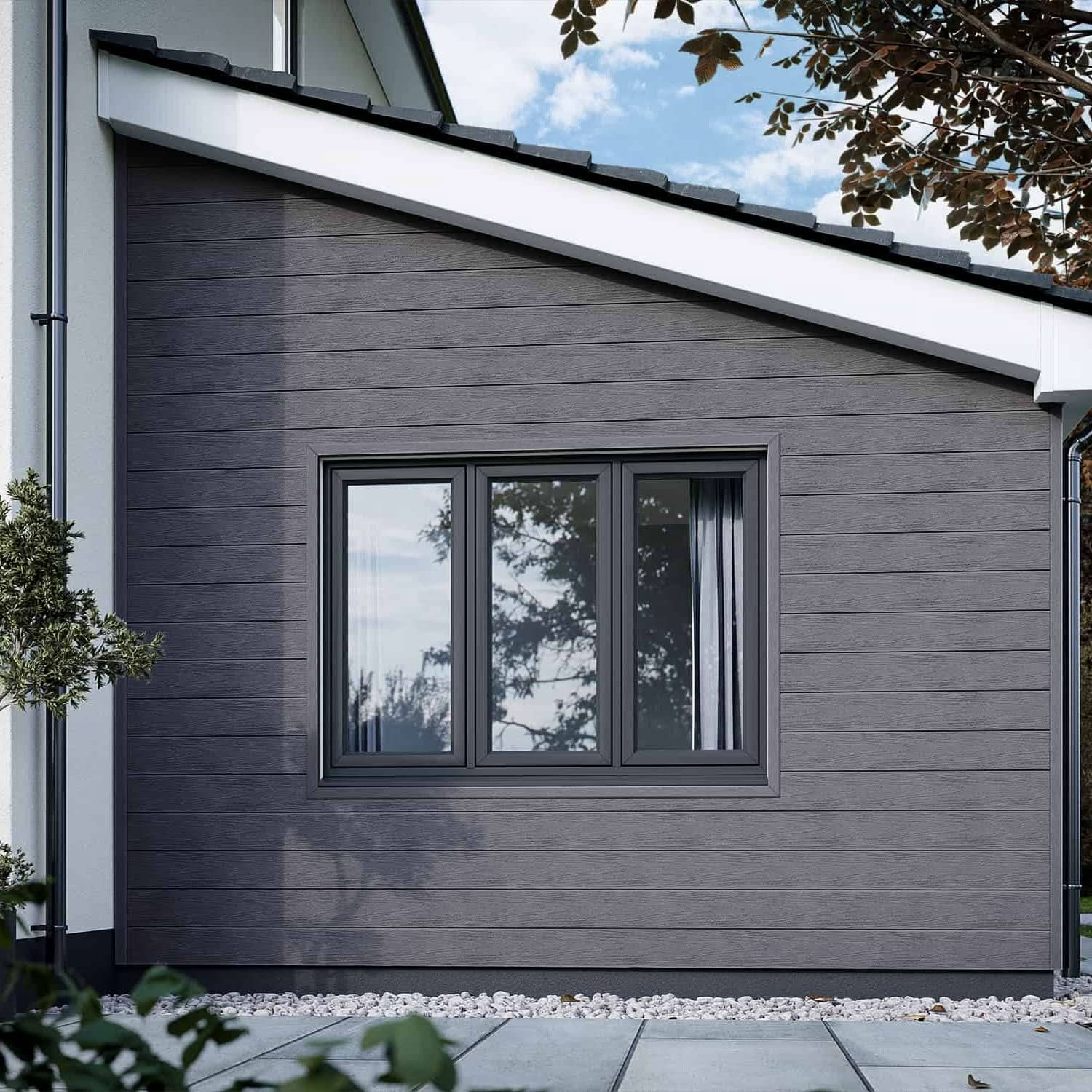
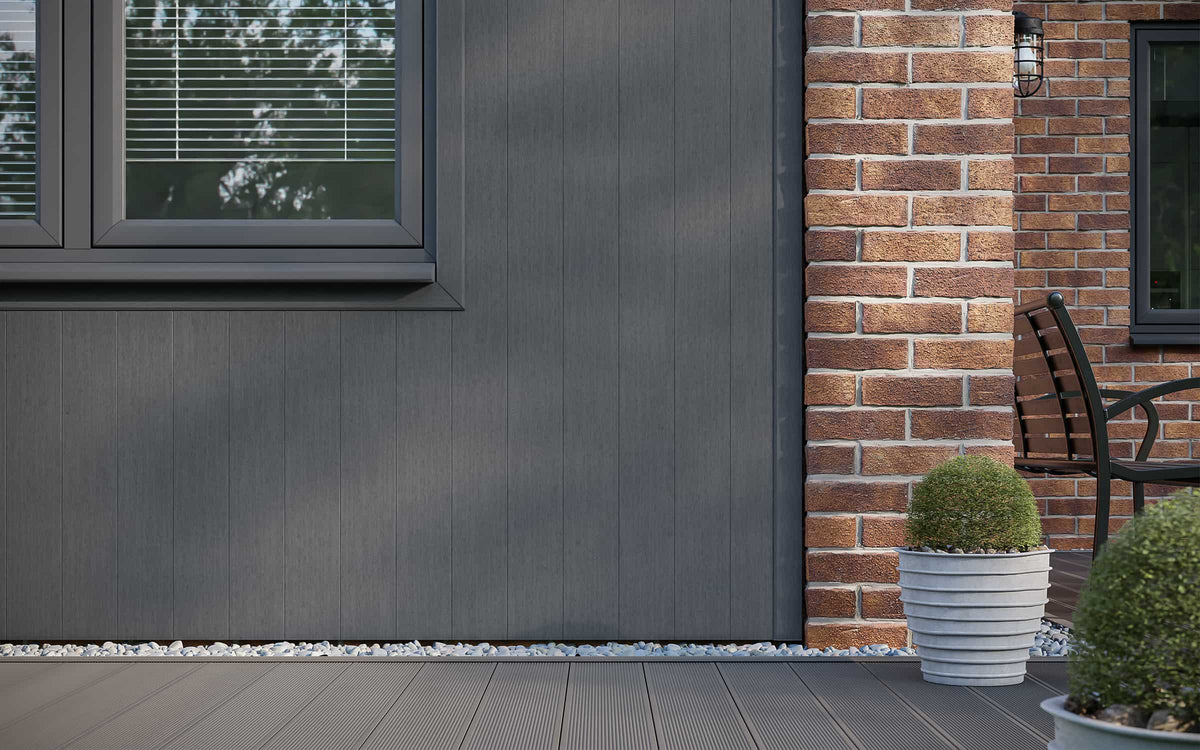
Some homeowners want a consistent colour to coordinate with window frames, paving or decking. Others prefer a softer tone that develops outdoors. Neither preference is inherently better: the important thing is matching the product's expected behaviour to your design.
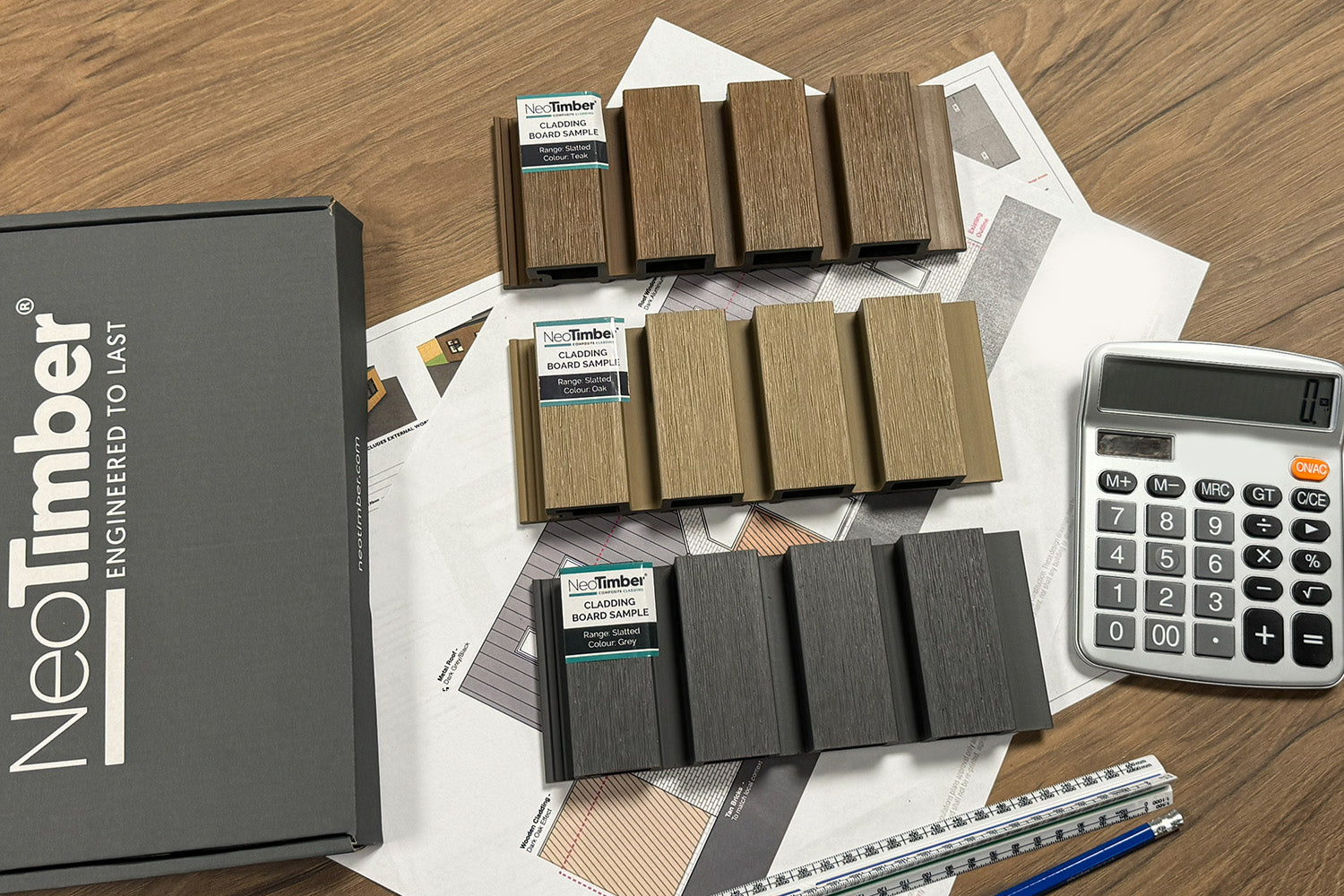
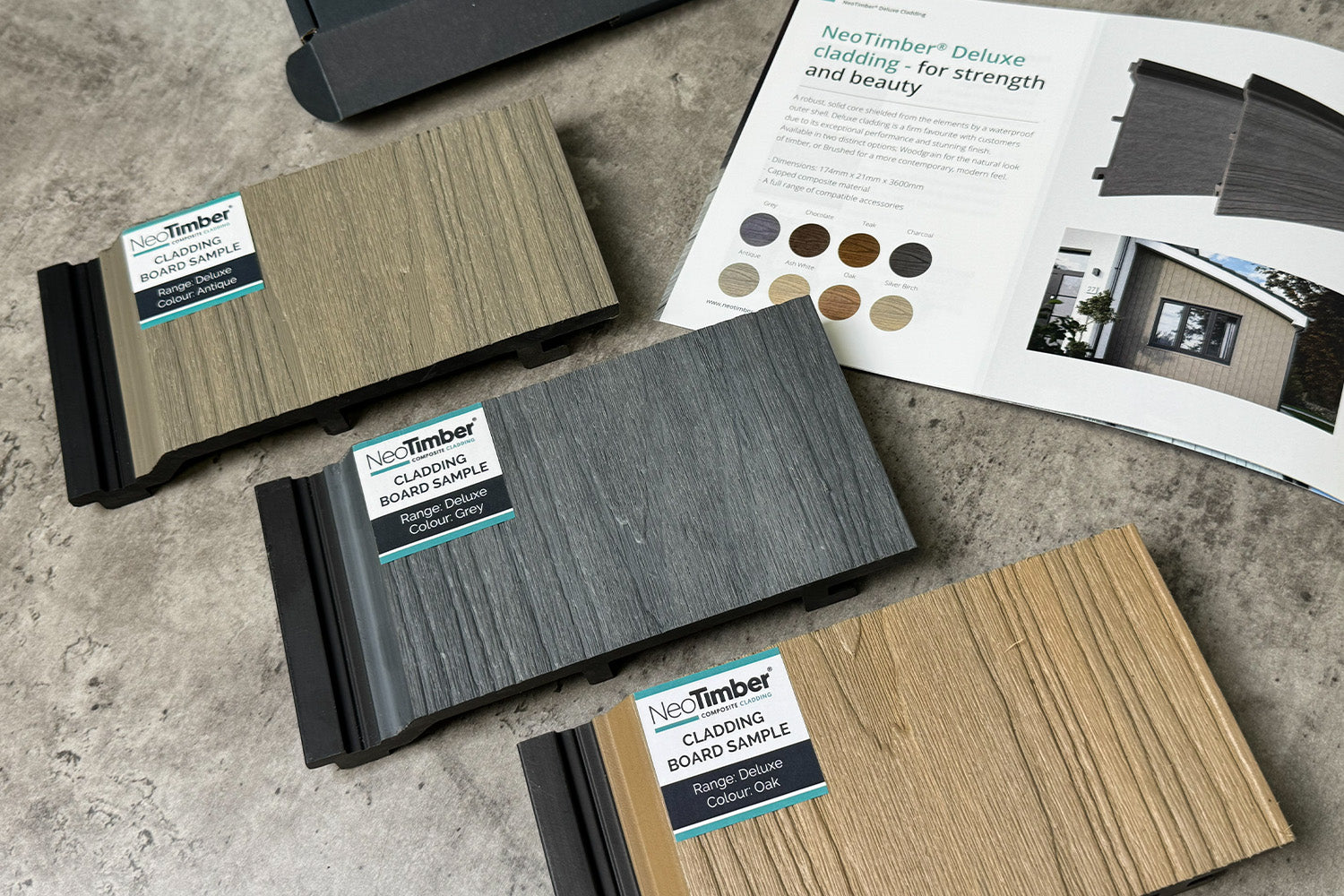
View samples outside beside the surrounding materials. Compare them in different light and ask about the expected appearance after weathering, especially if you are considering an uncapped board.
What Is Weather Resistant Cladding?
Weather resistant cladding is intended for exposure to outdoor conditions, including rain, sunlight and changes in temperature. Its performance depends on the board construction, the supporting system and the quality of installation.
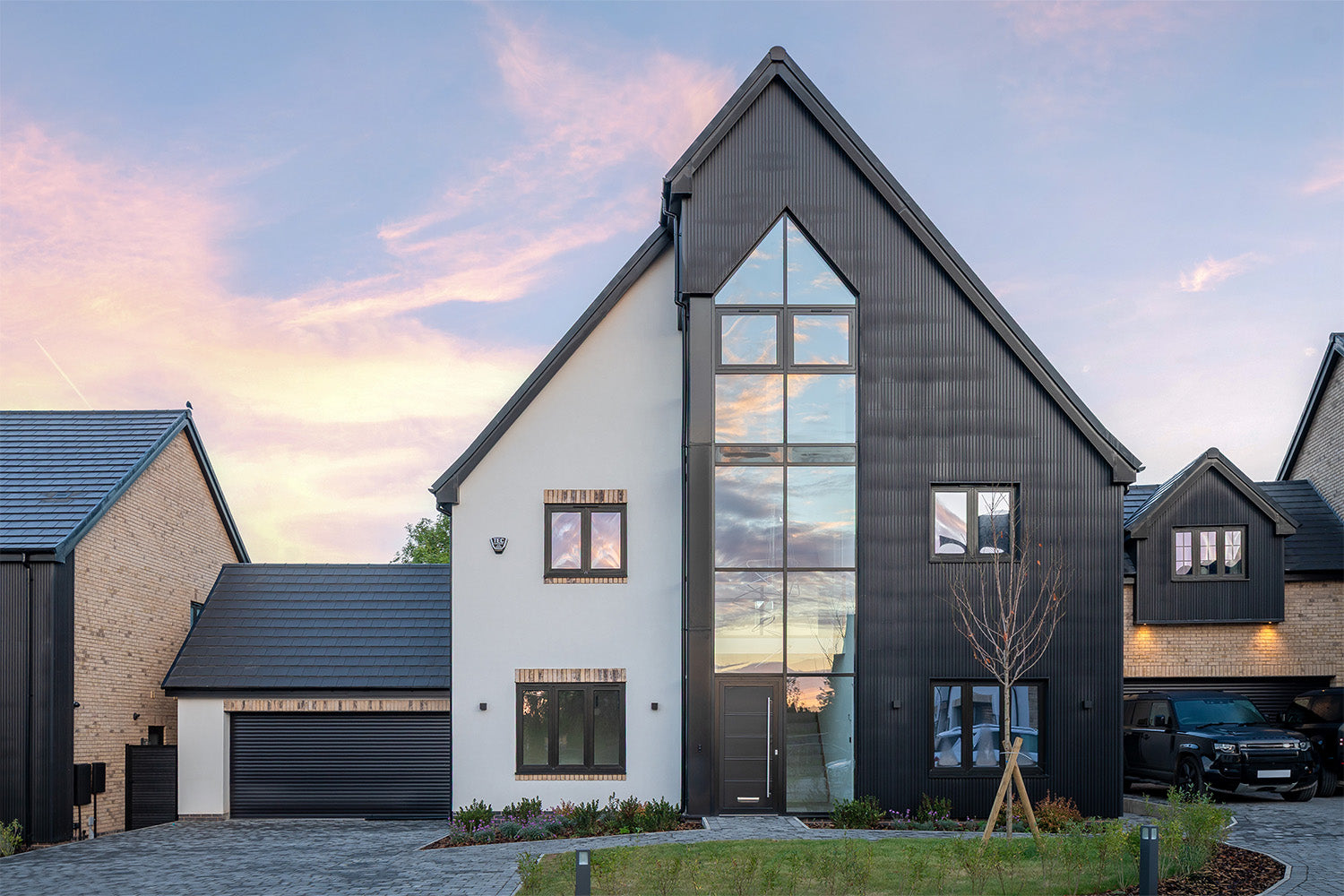
For a building exterior, distinguish the durability of the board from the weather protection of the complete wall. Cladding alone does not guarantee a watertight building. Openings, joints, roof details and the wall construction all need to be considered as part of the project.
Before ordering, review the installation requirements and confirm that the selected range is appropriate for your proposed application. A carefully planned finish should look good and work with the details of the building.
Capped Composite Cladding for Improved Colour Retention
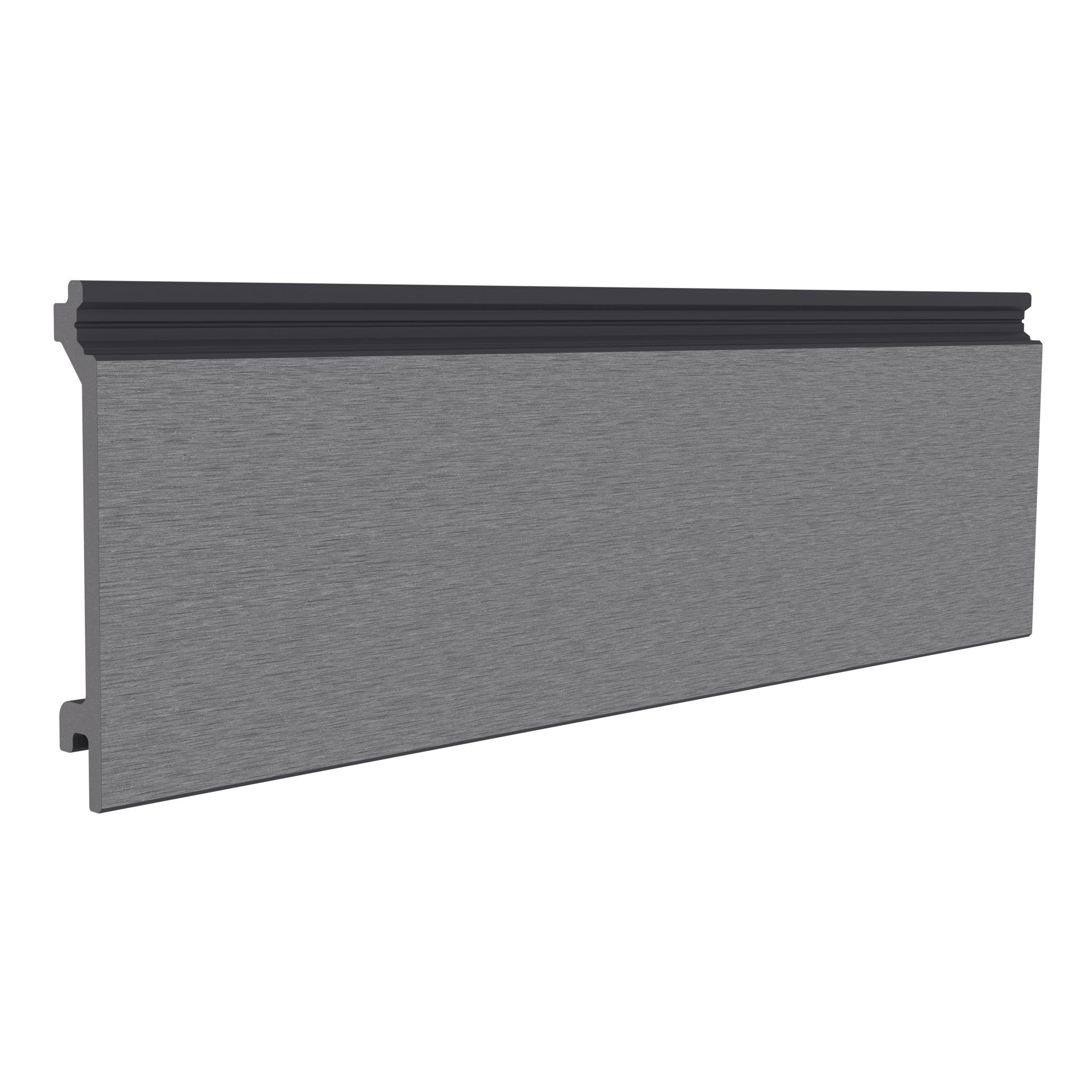
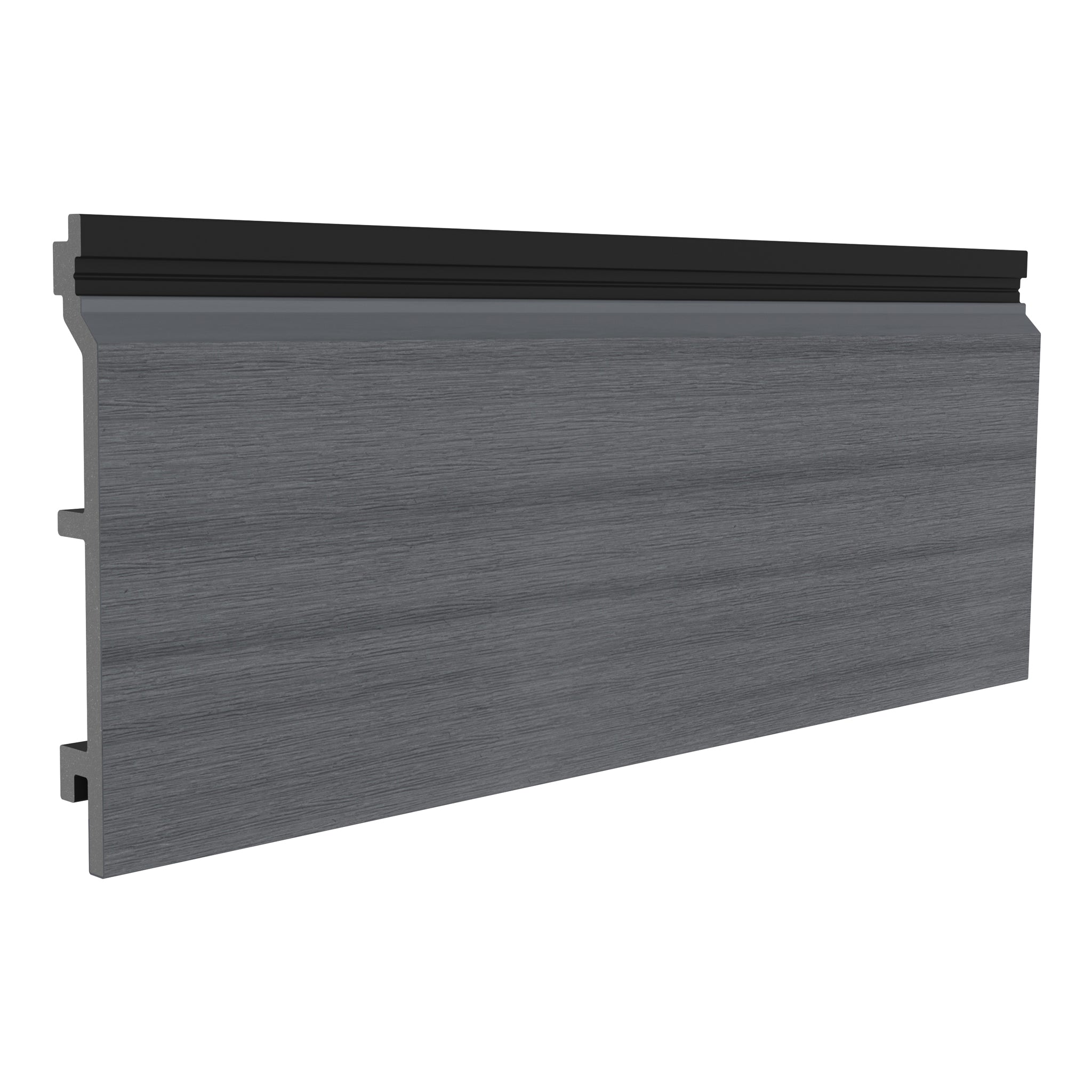
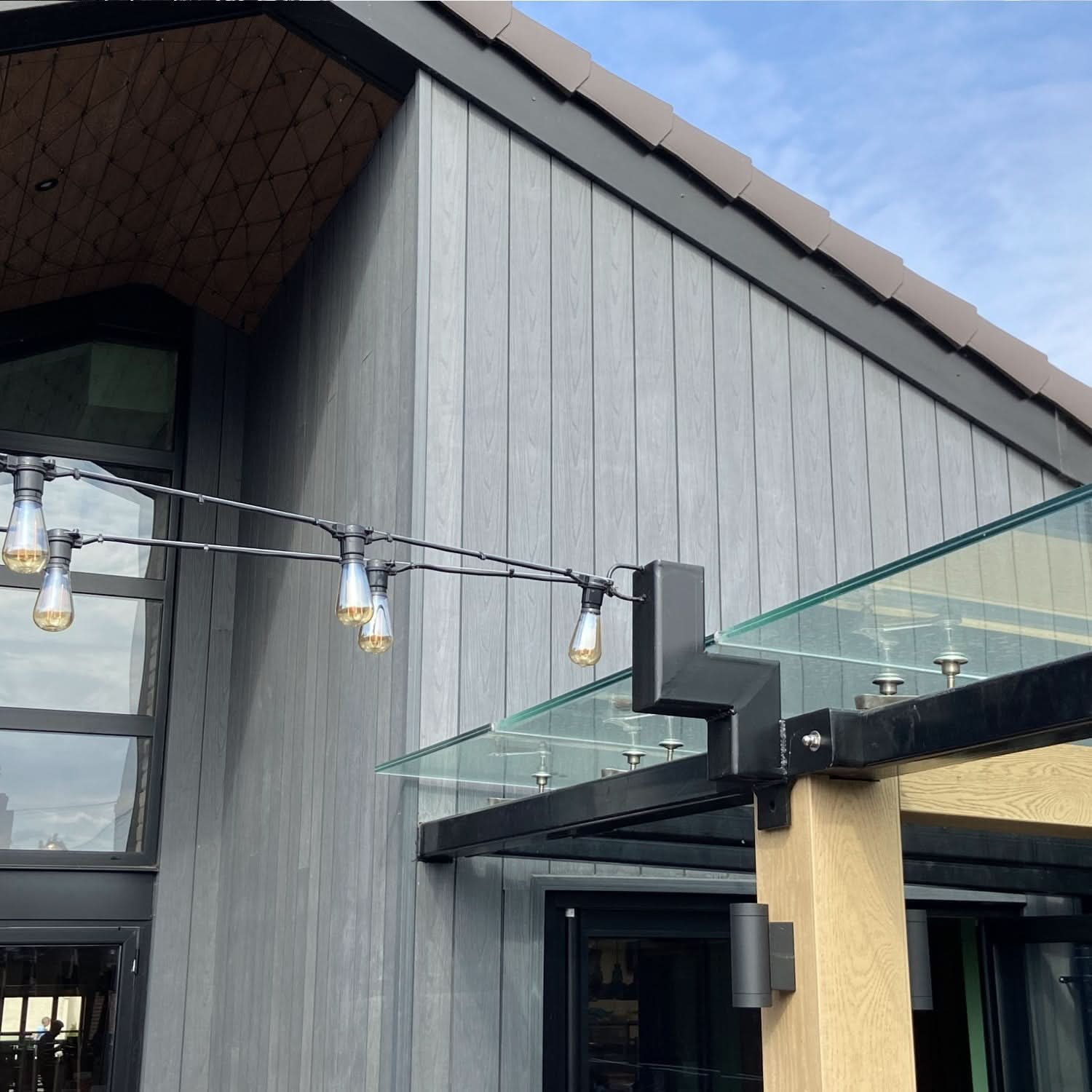
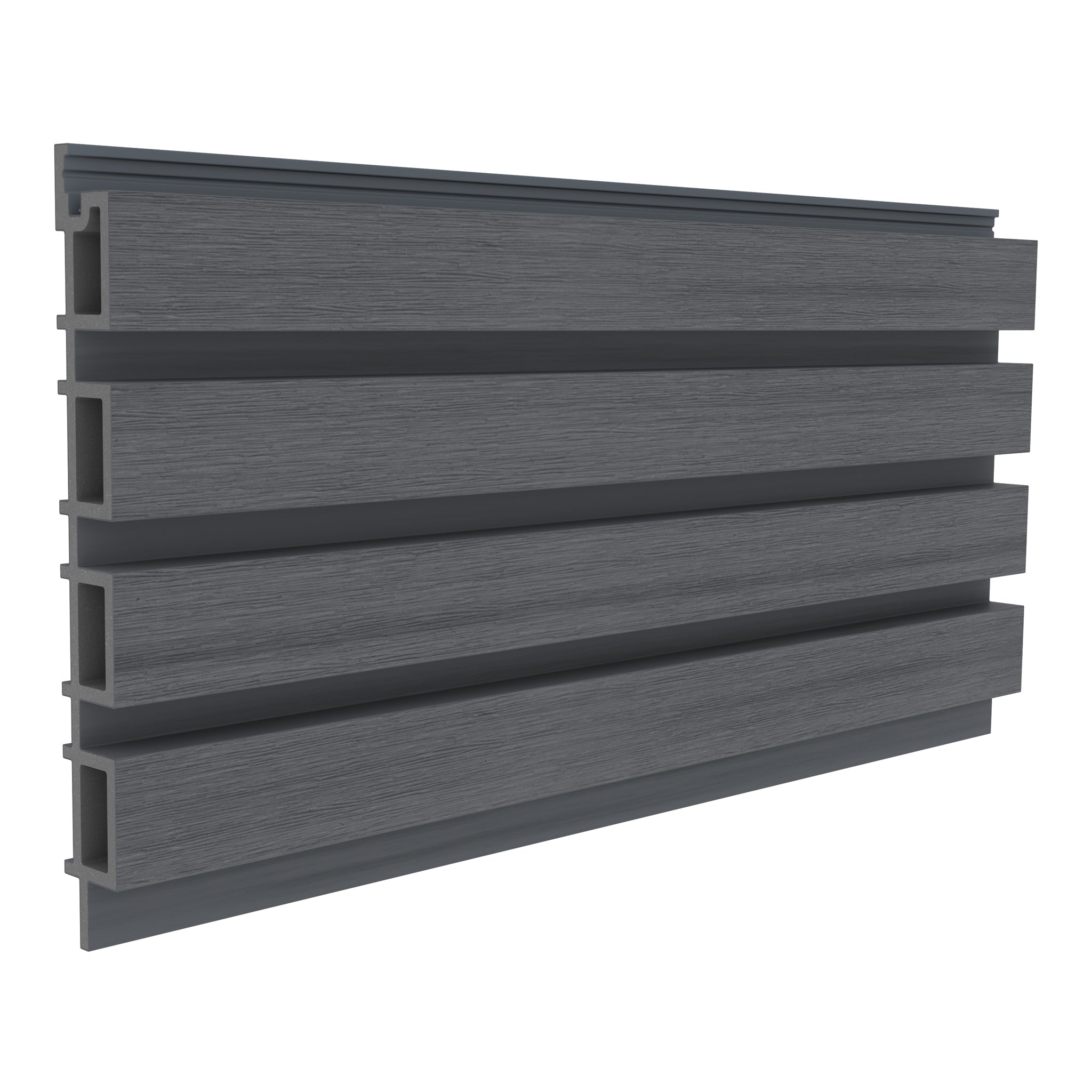
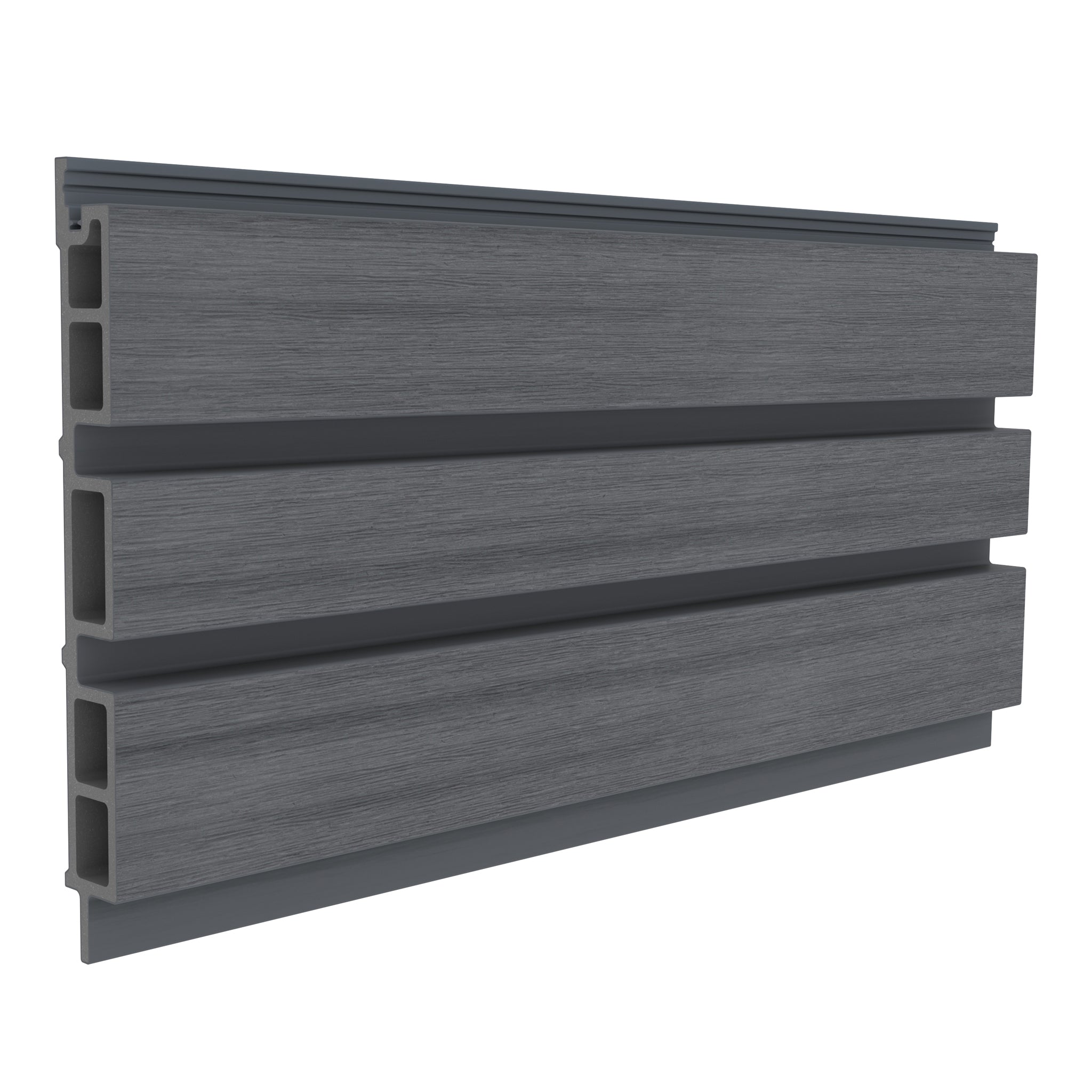
NeoTimber’s capped composite cladding combines a composite core with a protective polymer outer layer. The Deluxe and Slatted ranges use this capped construction to improve resistance to fading and moisture exposure.
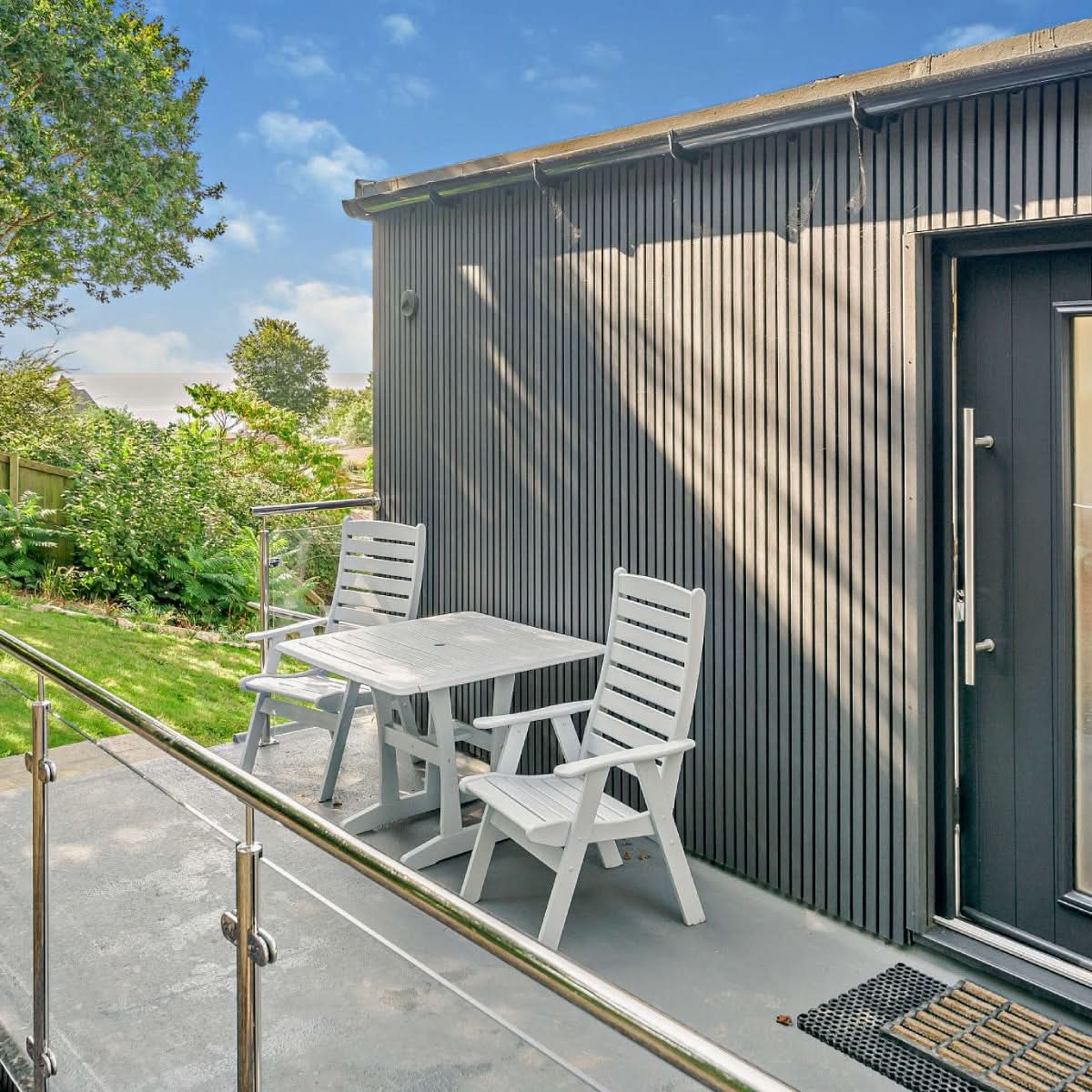
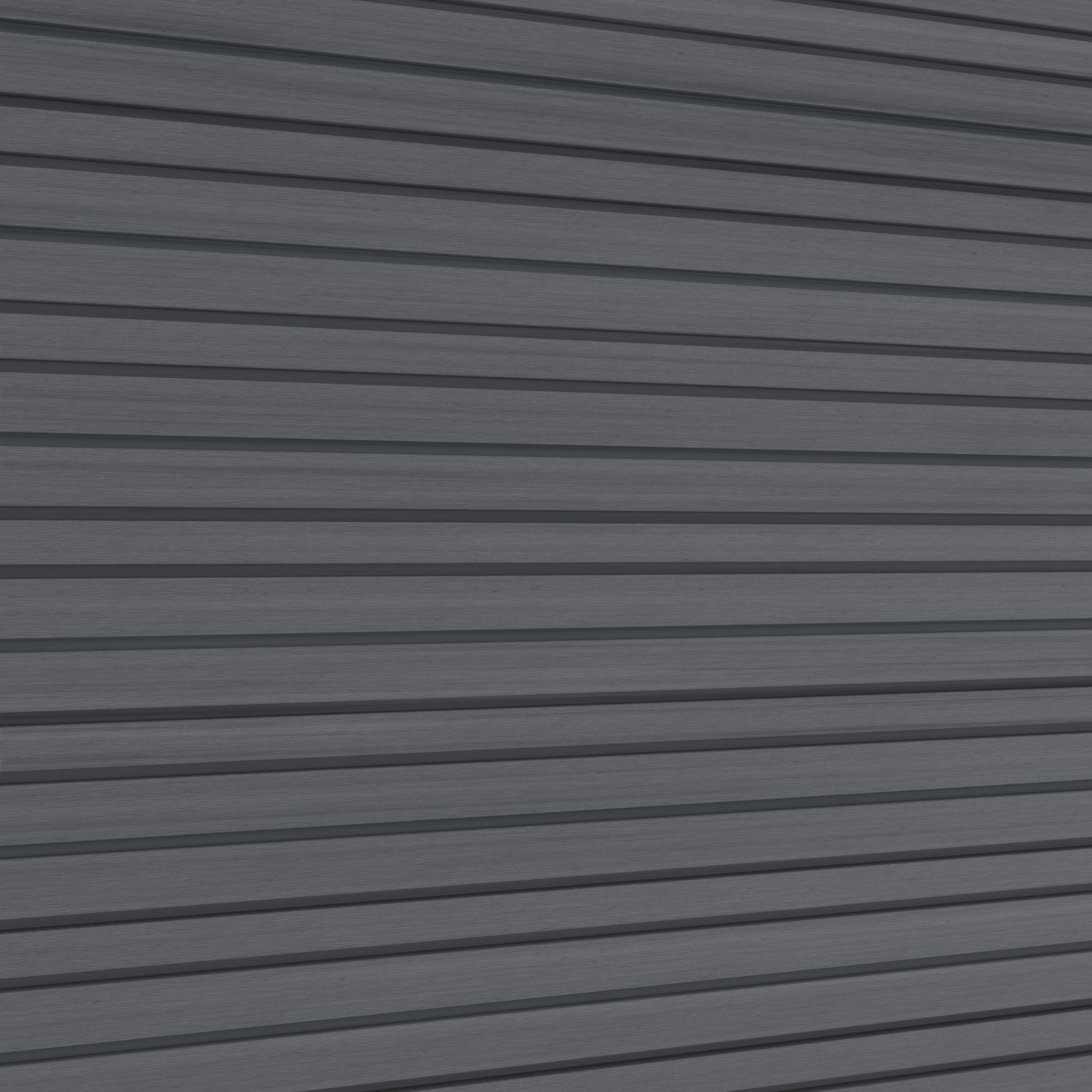
If colour retention is a priority, start by comparing these two ranges. Deluxe offers an option for those considering a board-led finish, while Slatted introduces a more pronounced linear texture. Check the available profiles and colours before choosing.
- Colour-focused design: consider capped boards when coordinating your exterior with existing features.
- Protective surface: the outer layer helps shield the composite core from outdoor exposure.
- Reduced decorating: composite offers an alternative to the periodic painting or staining associated with many timber finishes.
Browse Deluxe composite cladding and Slatted composite cladding to compare the finish that best suits your project.

Classic Composite Cladding: Designed to Weather Naturally
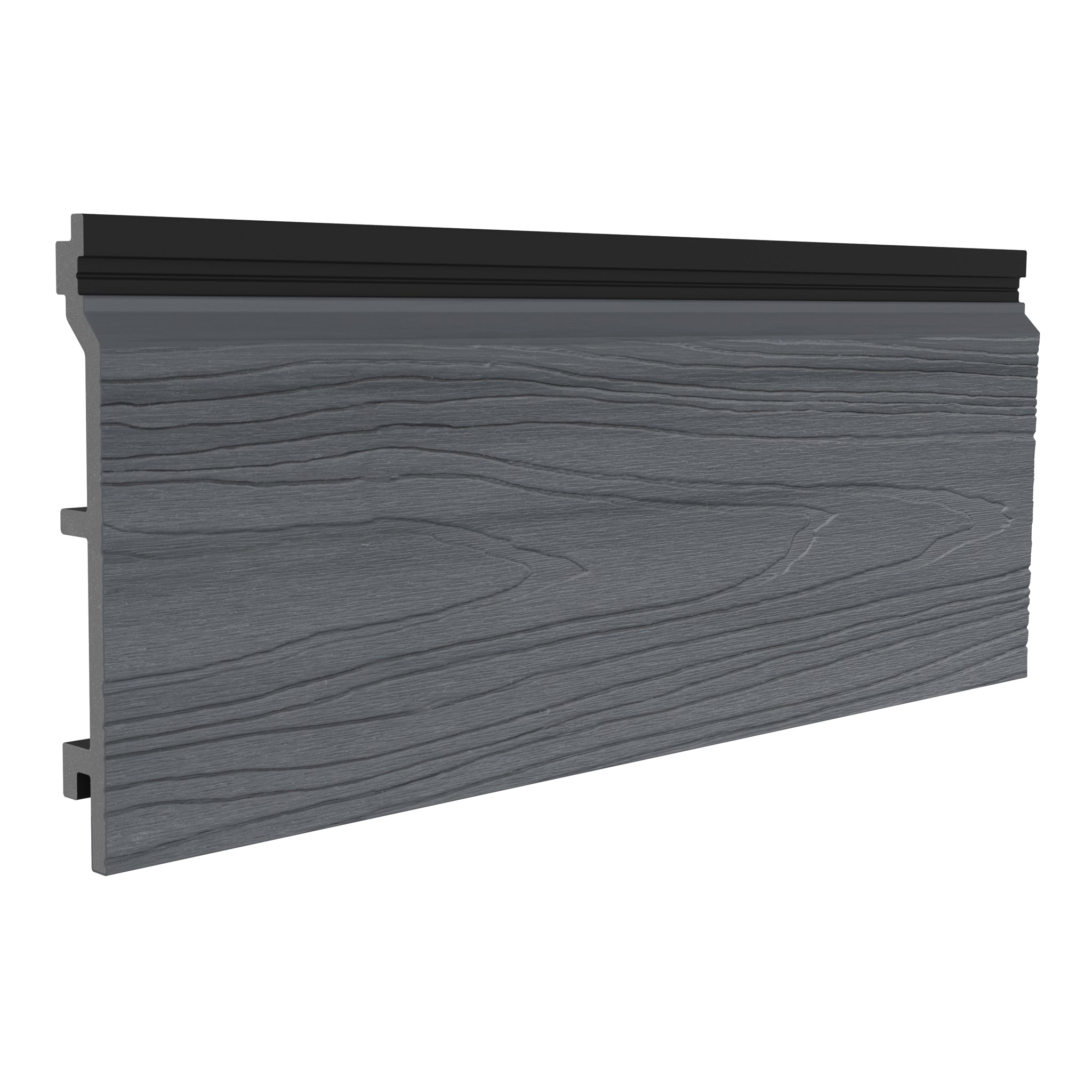
NeoTimber’s Classic composite cladding is uncapped. Unlike the capped ranges, it is designed to lighten towards a weathered colour tone during its initial exposure to the elements.
This means the colour of a newly delivered Classic board may differ from its later appearance. If you prefer a softer, more weathered finish, that change may suit your design. If retaining the original colour is your priority, compare the capped alternatives before deciding.
The original product guidance describes initial weathering over approximately three to six months. Treat that as an indicative period rather than a fixed deadline: exposure and site conditions affect the process. Confirm the current guidance for your chosen product when ordering.

Compare Capped and Uncapped Composite Cladding
| Consideration | Classic | Deluxe and Slatted |
|---|---|---|
| Construction | Uncapped composite | Capped composite with a protective outer layer |
| Colour behaviour | Designed to develop a lighter weathered tone initially | Designed for improved colour retention |
| Design preference | A naturally weathered appearance | A finish selected with colour consistency in mind |
| Before buying | Ask about the expected weathered tone | Compare profiles, colours and product terms |
For either type, assess the complete project rather than relying on one feature. Consider appearance, installation requirements, care and suitability alongside the price of the boards.
Composite Cladding Compared With Timber
Timber can be an attractive exterior material, and some people value its natural colour changes. Where a specific painted or stained finish is required, ongoing upkeep should be included in the choice.
Composite can suit projects where reducing routine exterior decorating is a priority. Capped boards are particularly worth considering when you want a timber-inspired appearance with improved colour retention. Compare the expected finish and care requirements using NeoTimber’s composite cladding versus wood guide.
A useful purchasing question is not simply “Which material looks best today?” Ask how you want it to look in the future and what upkeep you are willing to undertake.
Installation and Care Still Matter
Choosing weather resistant cladding is one part of a successful exterior. Plan the supporting framework, drainage, ventilation and finishing details in line with the chosen system. Follow the NeoTimber® composite cladding installation guidance for the requirements that apply to your boards.
Low maintenance still involves care. Follow the relevant cleaning instructions, remove accumulated dirt as needed and check the surrounding building details. Use the manufacturer's advice before applying treatments or coatings.
Frequently Asked Questions
Does Fade Resistant Cladding Never Change Colour?
Fade resistance should not be read as a guarantee of zero colour change in every setting. Check the expected behaviour and product terms for the range you choose.
Which NeoTimber® Ranges Should I Compare for Colour Retention?
Start with the capped Deluxe and Slatted ranges. Classic is an uncapped alternative designed to develop a weathered tone.
Is Weather Resistant Cladding the Same as a Waterproof Wall?
No. Board performance and the weather protection of the complete wall are different considerations. Correct construction and detailing remain important.
Does Classic Cladding Need to Be Replaced When It Lightens?
Initial lightening is part of its intended weathering behaviour. If a change appears unusual or you suspect damage, ask NeoTimber® for product-specific advice.
How Should I Choose a Colour?
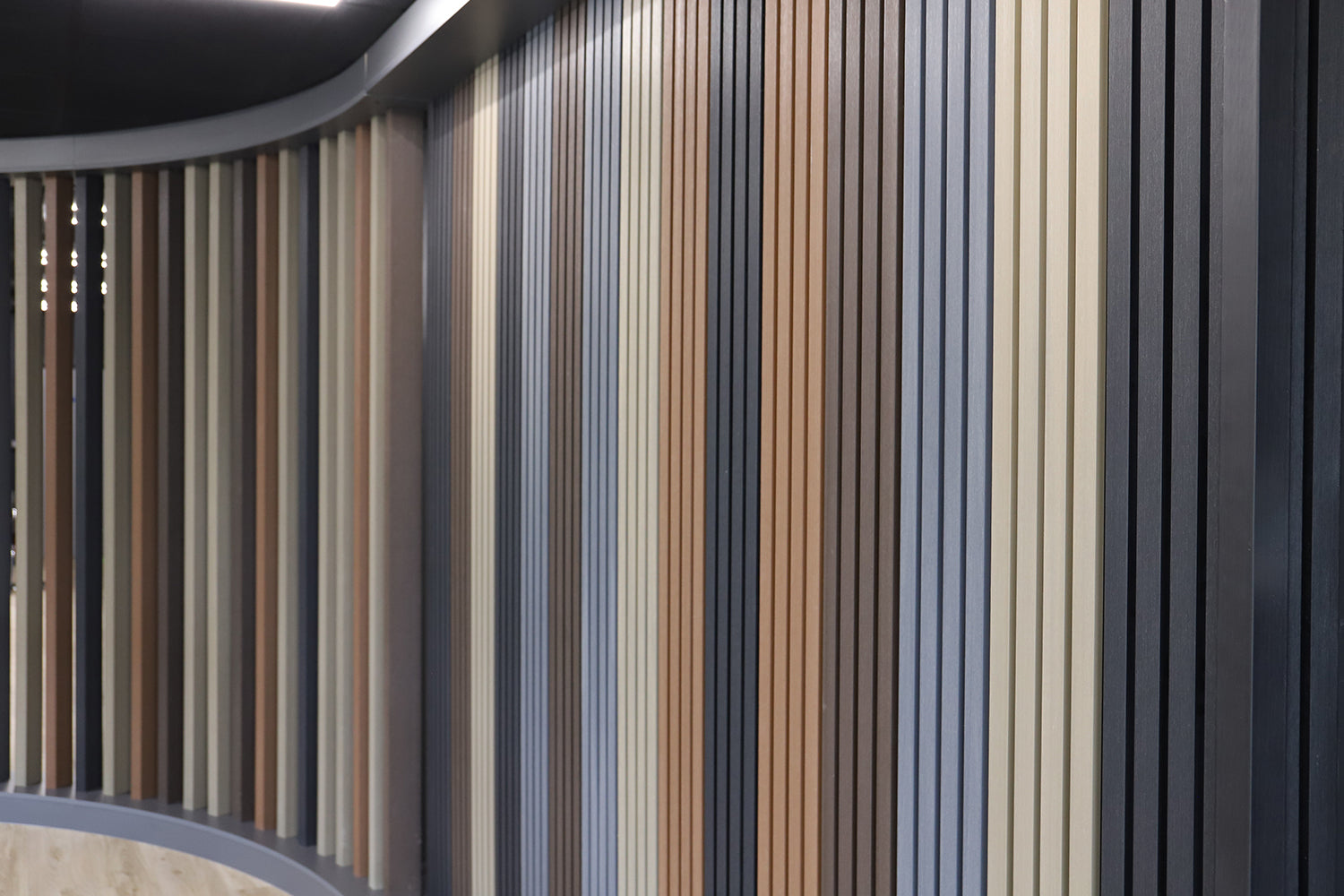
Compare samples outdoors with your paving, planting and window frames. Ask about the expected weathered appearance as well as the colour on delivery.
Find the Right Finish for Your Exterior
For fade resistant cladding with improved colour retention, compare NeoTimber’s capped options. For a finish designed to develop a softer weathered tone, explore Classic. Match those preferences with the installation and care requirements of your project.
Browse the NeoTimber® composite cladding collection, then order free samples to compare colour and texture at home. Choosing with the expected long-term appearance in mind helps you create an exterior you will enjoy beyond installation day.