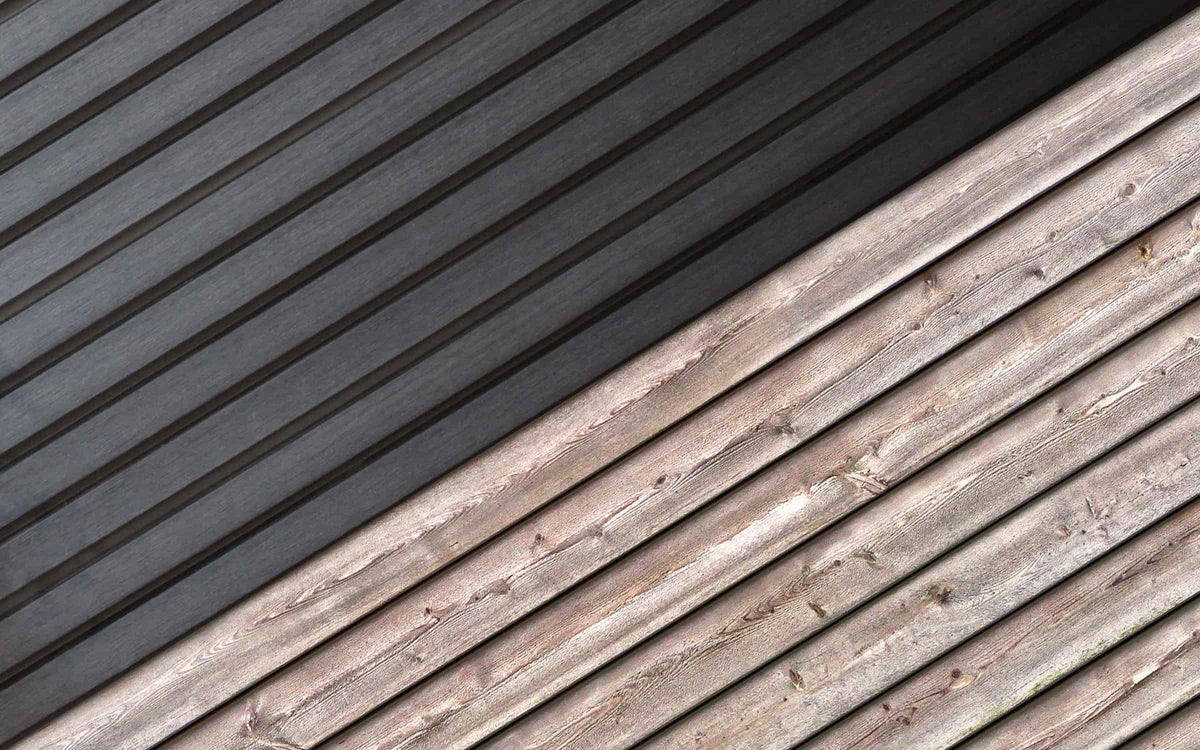
Wood or Composite? A Considered Guide to Choosing Your Exterior Cladding
The advantages of composite cladding include reduced routine decorating, a choice of finished colours and profiles, and capped options designed for improved colour retention. Those benefits can make composite an appealing choice for an exterior, but they do not mean it is the best material for every building.
A useful composite cladding vs wood comparison starts with the particular products, the setting and your expectations. Do you want a naturally weathered surface or a finish that stays closer to its original colour? How much upkeep are you willing to undertake? What requirements must the proposed wall meet?
This guide explores the benefits of composite cladding in depth, explains how to assess quality composite cladding and offers a practical framework for choosing wood or composite cladding. It also sets out our view of what responsible material advice should provide: clear information about benefits, limits and the evidence needed for a decision.
Explore the guide
Composite Cladding vs Wood: Start With the Material
NeoTimber® composite cladding combines wood fibres with plastic polymers. It provides a manufactured board with a finished colour and surface. Timber cladding uses solid wood, with performance and appearance influenced by the species, treatment, finish and construction details.
Neither category describes one universal product. Comparing a particular capped composite board with a specified timber system is more useful than treating every composite or timber board as identical.
| Consideration | Composite cladding | Timber cladding |
|---|---|---|
| Appearance | Manufactured colours, textures and profiles | Natural grain, species variation and finish choices |
| Routine decorating | NeoTimber® boards do not need routine painting or staining | Depends on the timber and the desired finish |
| Colour over time | Varies between capped and uncapped products | Depends on exposure, species and coatings |
| Care | Cleaning and range-specific upkeep | Cleaning and maintenance appropriate to the chosen timber system |
| Movement | Allow for dimensional changes using product instructions | Allow for material movement using the selected system's guidance |
| Fire performance | Request evidence for the exact product and proposed use | Request evidence for the exact product and proposed use |
| Costs | Compare the complete installation and expected care | Compare the complete installation and expected care |
Start with your project brief, then compare products that can meet it. A striking finish is valuable, but it should be developed within the building's requirements.
Five Practical Advantages of Composite Cladding
1. Less Routine Painting and Staining
One of the most useful benefits of composite cladding is the ability to choose a finished appearance without planning a recurring painting or staining routine. For owners who prefer to spend less time decorating their exterior, that can be a meaningful advantage.
It is particularly worth considering where maintaining a coated timber finish would involve difficult access or repeated labour costs. Ask how the proposed wall will be cleaned and inspected, because low maintenance still requires a practical care plan.
Do not assume all timber needs the same level of decorating. Some suitable timber systems are intended to weather without a decorative coating, while coated systems need care appropriate to the finish. The Timber Decking and Cladding Association's finishes guidance explains relevant considerations.

2. A Choice of Finished Colours and Profiles
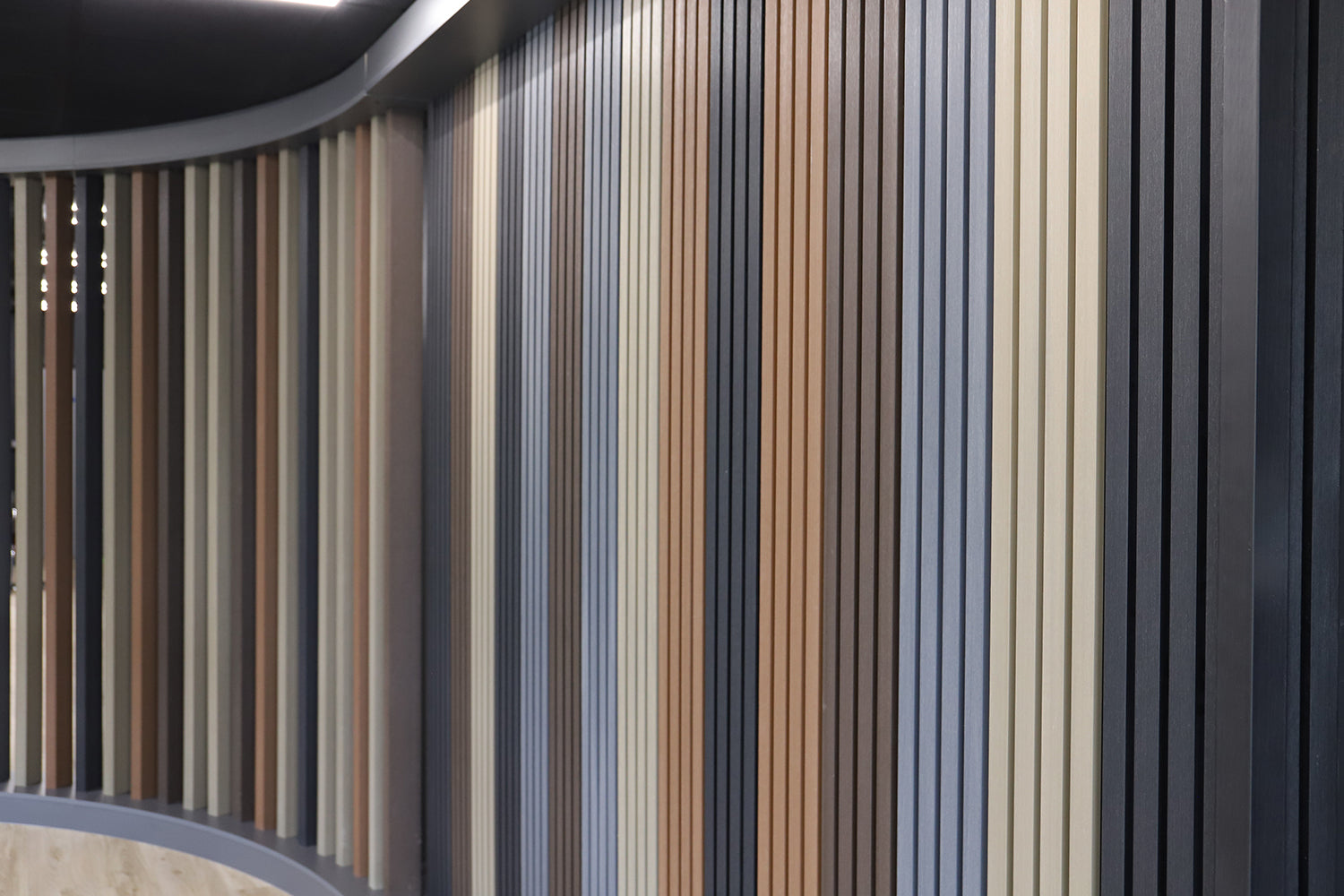
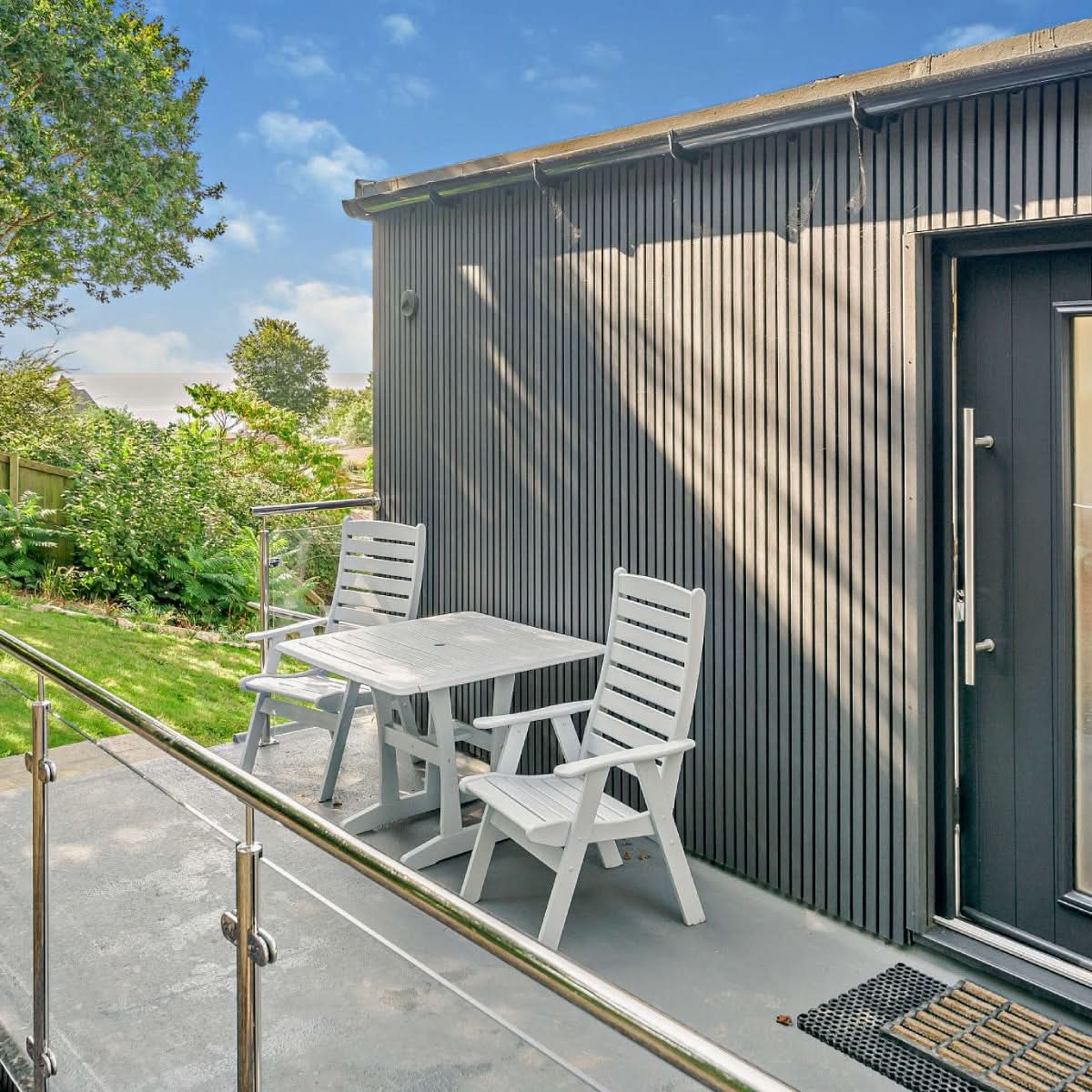
Composite boards offer a way to select colour and texture together. You can compare timber-inspired tones, neutral shades and different face profiles before committing to the installation.
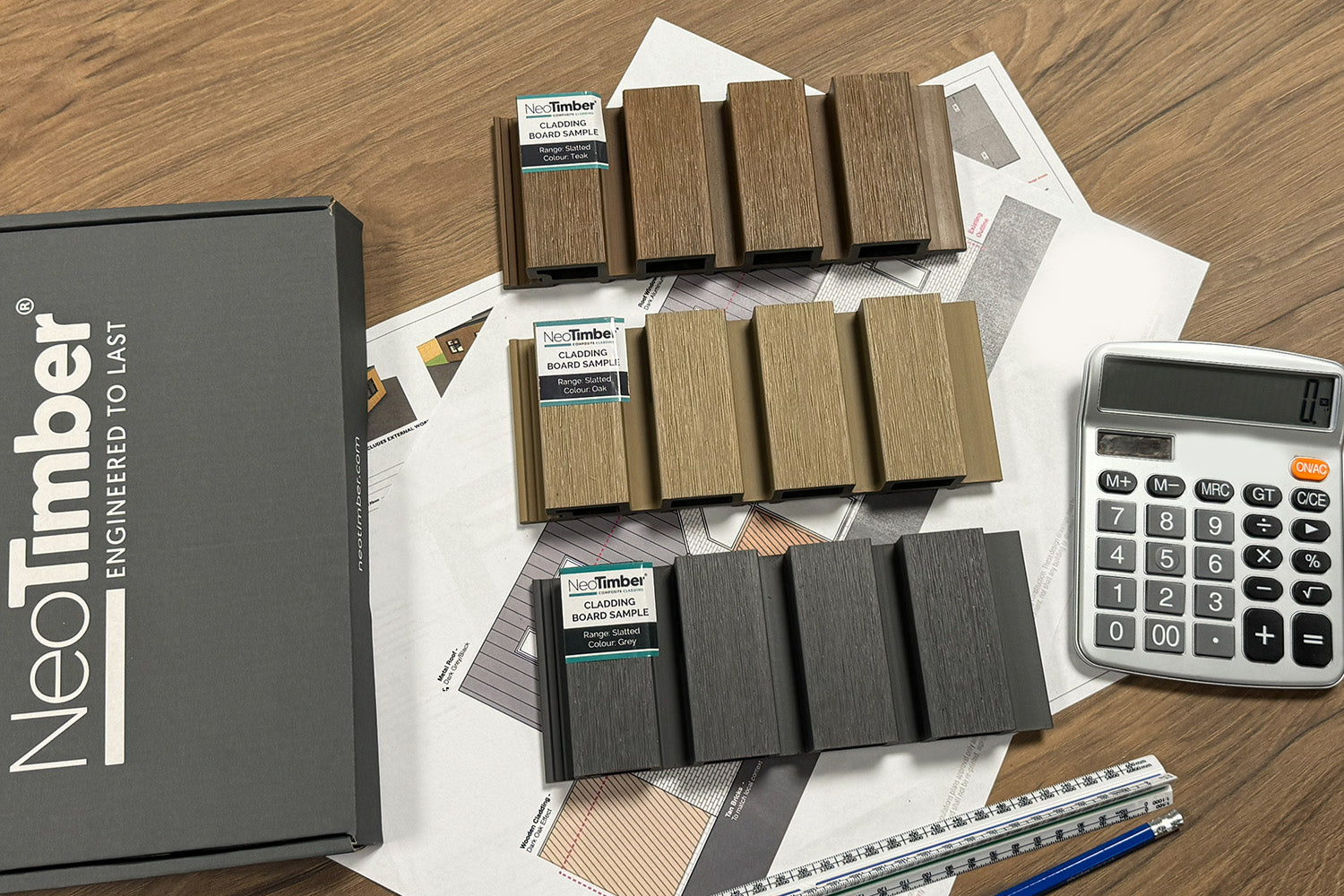
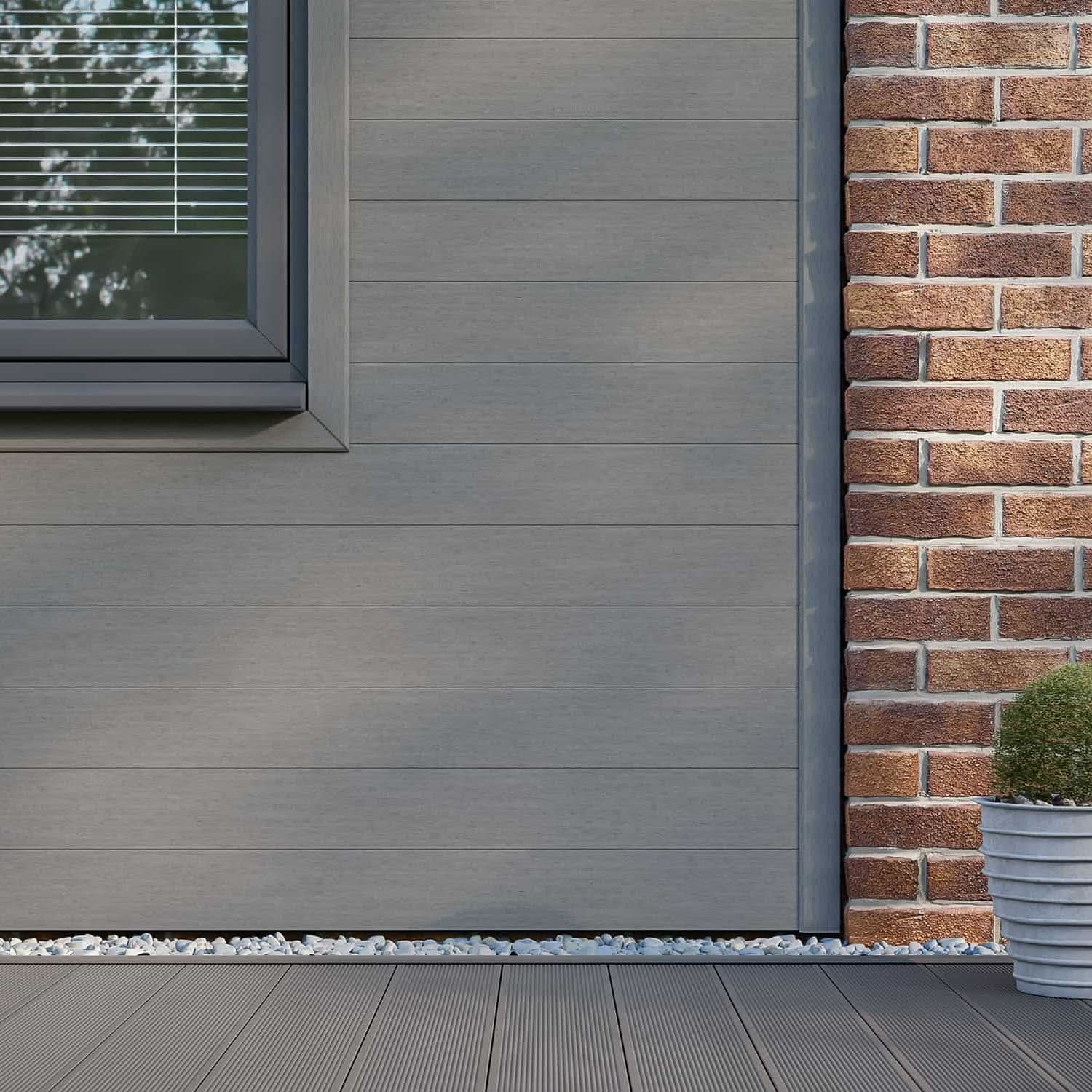
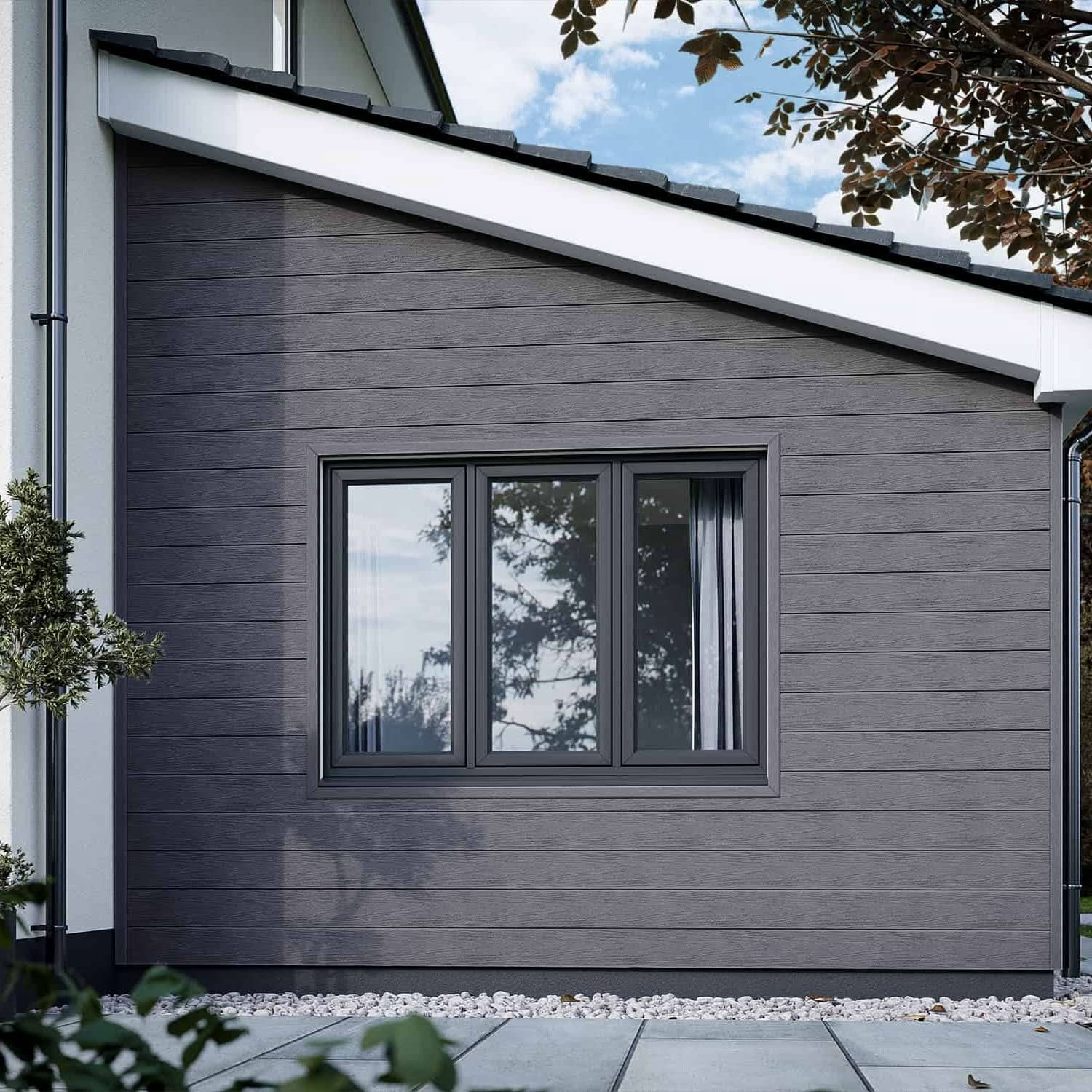
This is useful when coordinating cladding with doors, window frames, paving or an existing extension. Instead of selecting a board and then developing a separate coating scheme, you can assess a finished sample beside the surrounding materials.
Check the available options in the NeoTimber® composite cladding range. Availability varies by product, so use current listings rather than assuming every profile comes in the same colours.
3. Capped Options for Improved Colour Retention
If retaining a colour closer to its original tone is important, capped composite boards are worth comparing. Their protective surface is designed to improve fade resistance.
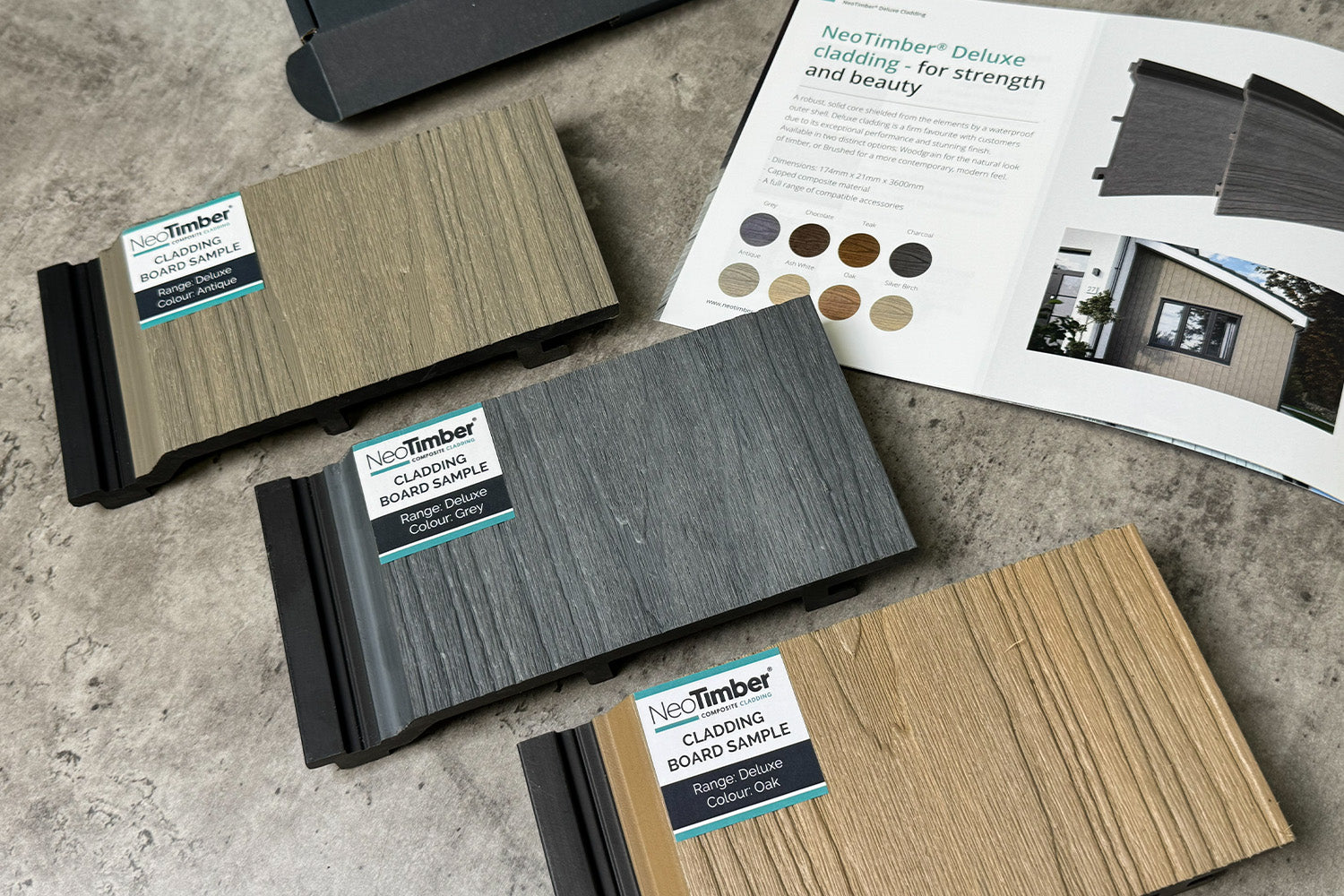
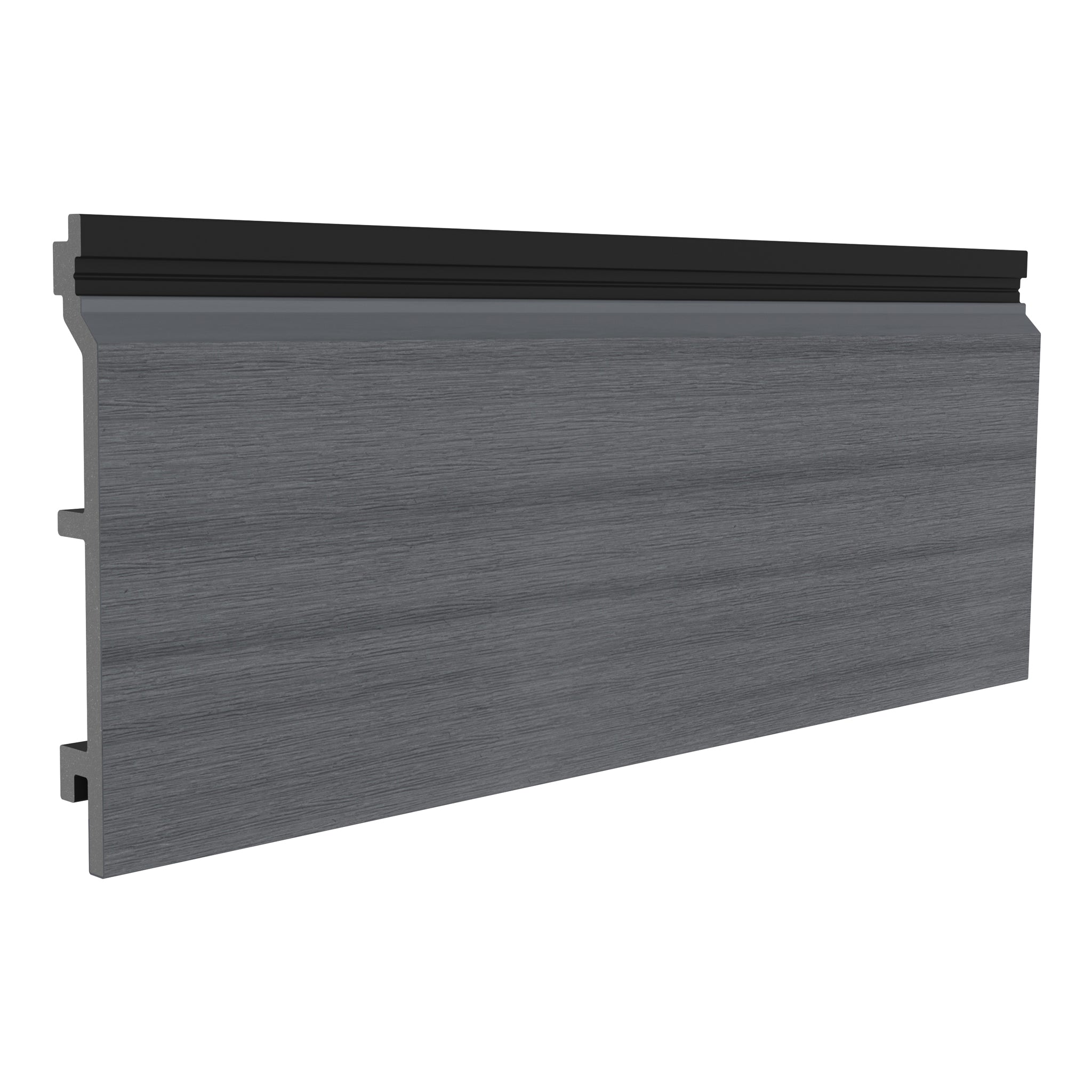
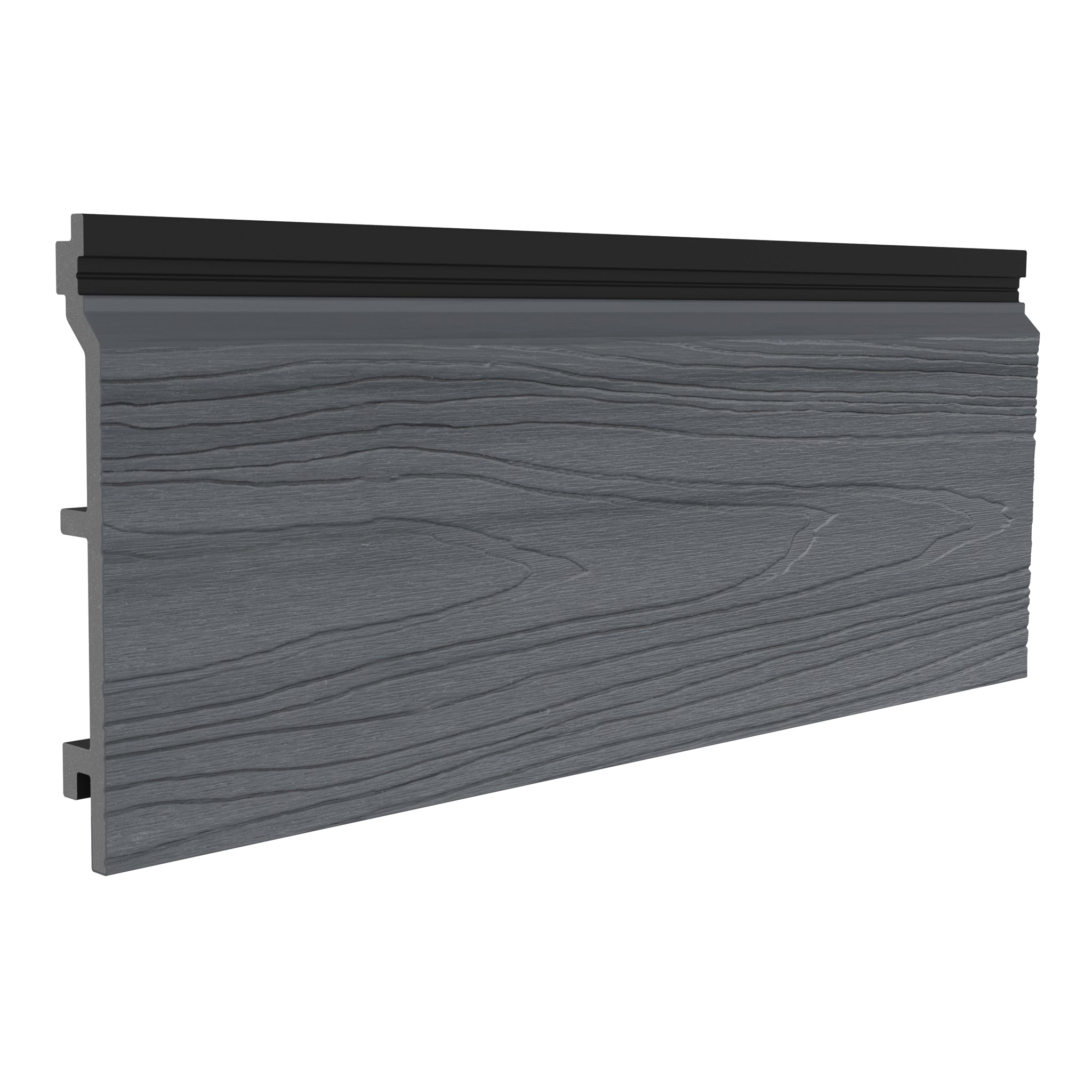
NeoTimber’s Deluxe Woodgrain board combines a capped surface with an embossed timber-inspired texture. Review the selected range's information for the expected colour behaviour and product terms.
Fade resistance should not be treated as a guarantee of zero visual change in every setting. Compare the intended appearance over time, not only the colour on delivery.

4. A Defined Board-Fitting System
A documented installation sequence can help organise the project. NeoTimber’s system uses starter components, board fixings and compatible finishing profiles, with instructions for preparation and fitting.
That gives homeowners and installers a process to review before ordering. It does not guarantee that every wall is straightforward or that composite always has a lower labour cost than another material.
Use the installation resources to understand the selected system, then develop the details for openings, corners and the final run of boards.

5. Practical Performance Information to Support Selection
Product information, care guidance and warranty documents can help you assess a composite system as a complete proposition. Request the documents relevant to the exact range and application.
The advantage is the ability to make a clearer comparison when that information is available. It is not evidence that every composite board will outlast every timber board or that a warranty removes the need for proper installation.
Keep the specification and product documents with the project records. They provide a useful reference for fitting, maintenance and future enquiries.

Capped or Uncapped: Which Composite Range Suits You?
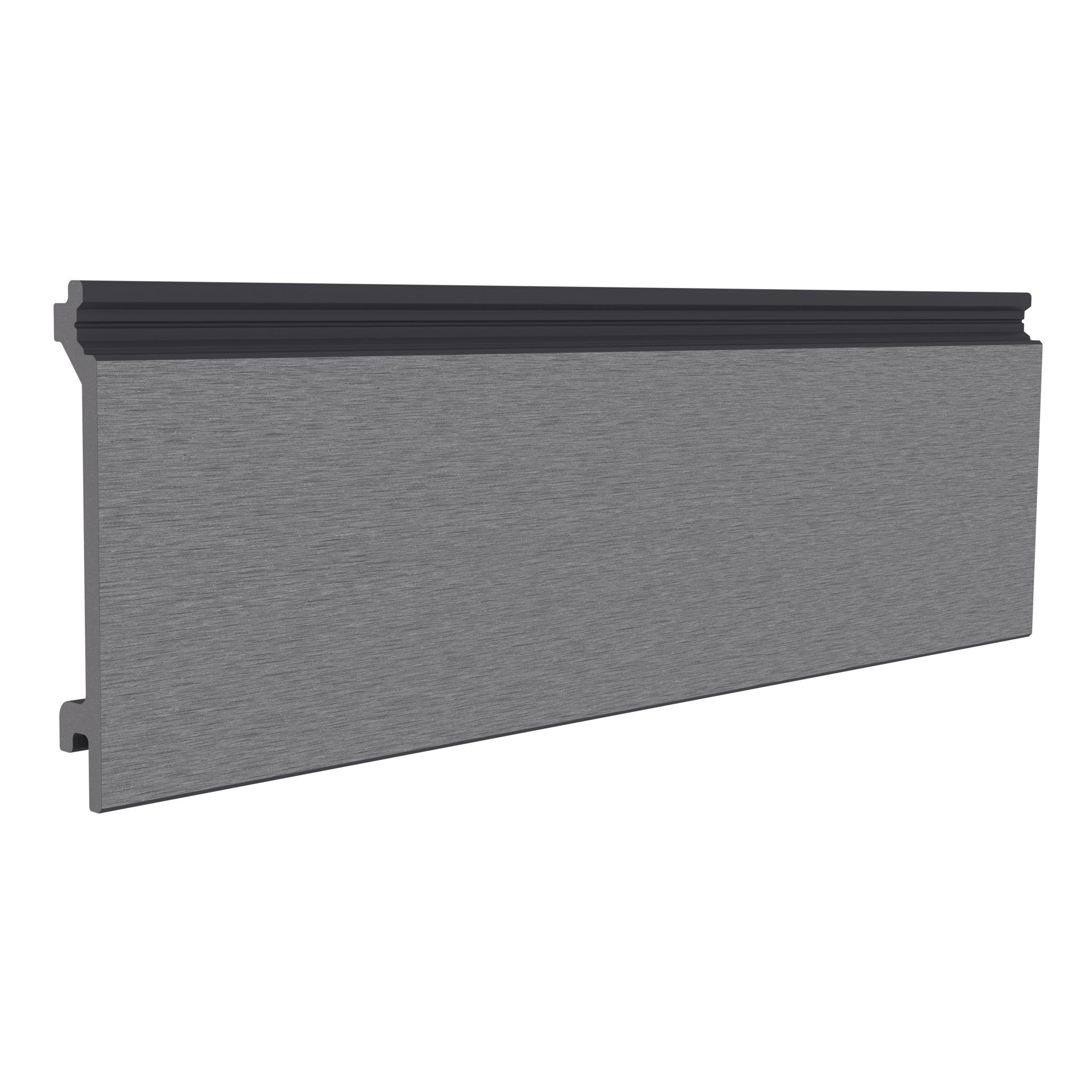
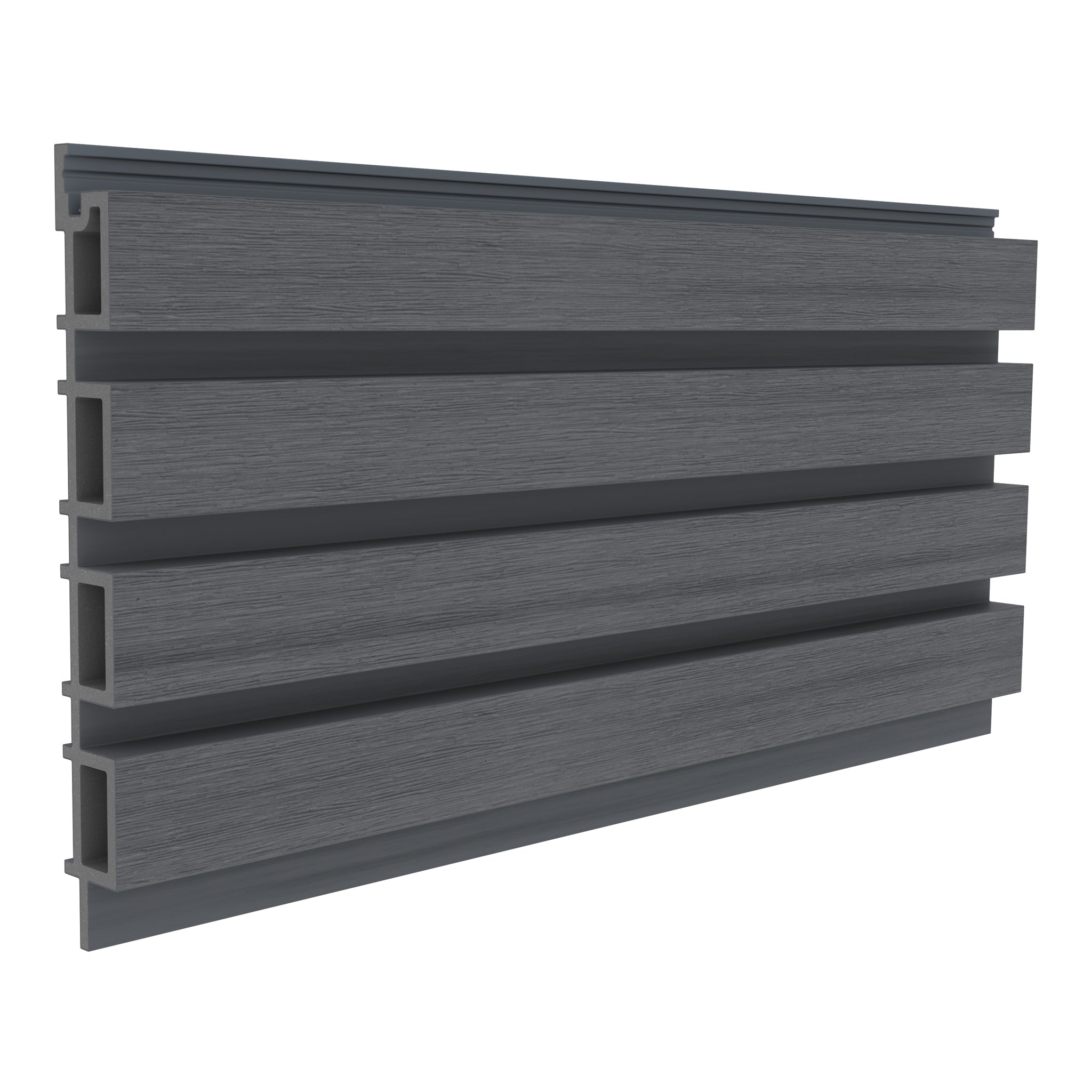
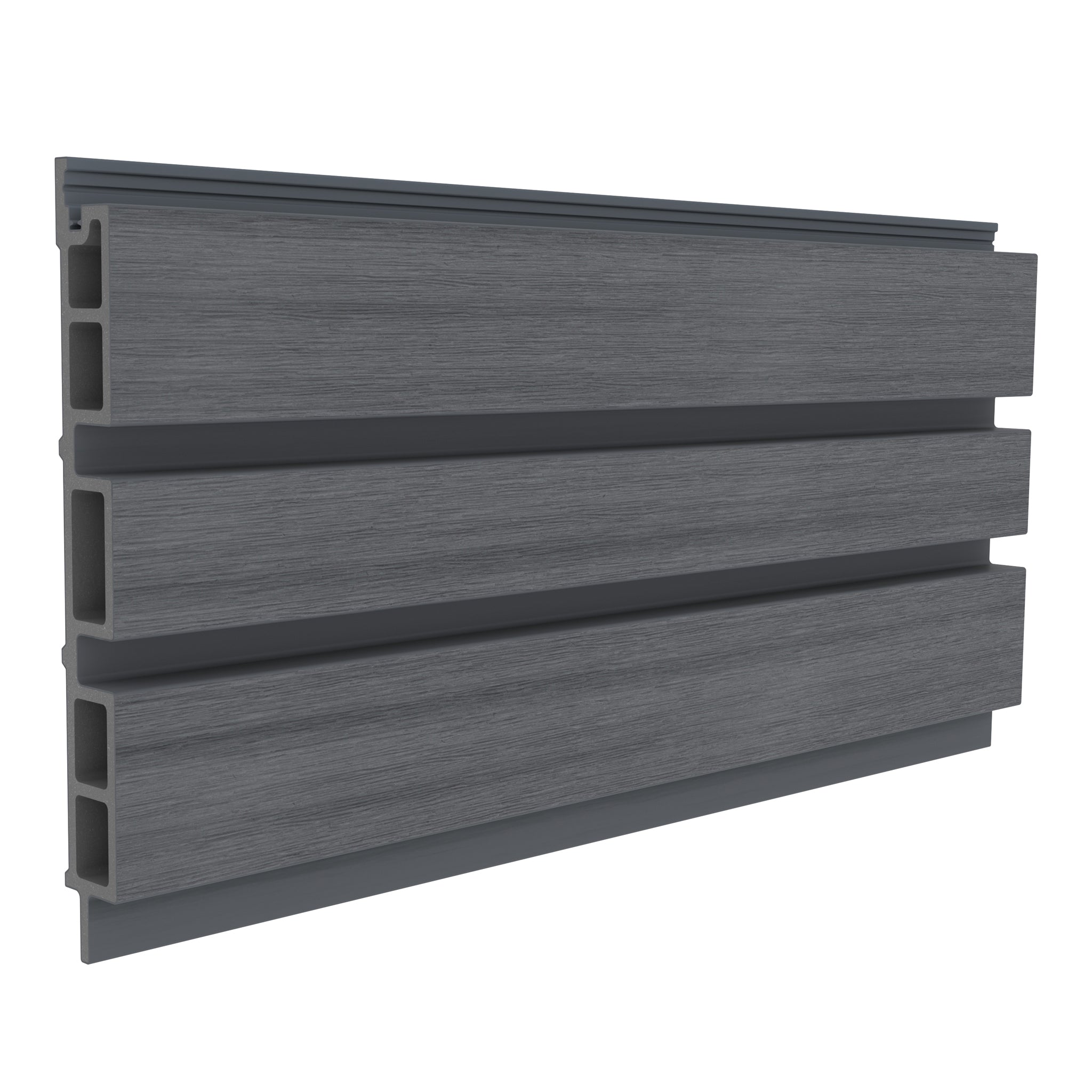
The benefits of composite cladding depend partly on the board construction. NeoTimber’s Classic range is uncapped, while Deluxe and Slatted boards have a protective polymer outer layer.
Classic: Designed to Develop a Weathered Tone
Classic composite cladding provides a sanded surface and is intended to lighten during its initial exposure outdoors. If you like a softer weathered appearance, ask about the expected tone before choosing.
Include that change in your design comparison. A fresh sample should not be the only reference when the product is designed to weather after fitting.
Deluxe and Slatted: Protective Capped Surfaces
The capped ranges prioritise improved resistance to fading and moisture exposure. Compare the available surfaces and the more defined lines of a slatted profile.
Choose the profile, colour and orientation together. The same shade can make a different impression across a broad board face than across a strongly shaped surface.
What Are the Trade-Offs?
Composite remains a manufactured finish rather than solid timber. Some owners prefer its consistency and care requirements; others want natural grain variation and the appearance of weathering wood.
The factory-finished nature of the product is also a reason to choose carefully. Do not assume you can later change the colour with paint or stain. Ask the supplier what treatments are permitted and how a future alteration would be handled.
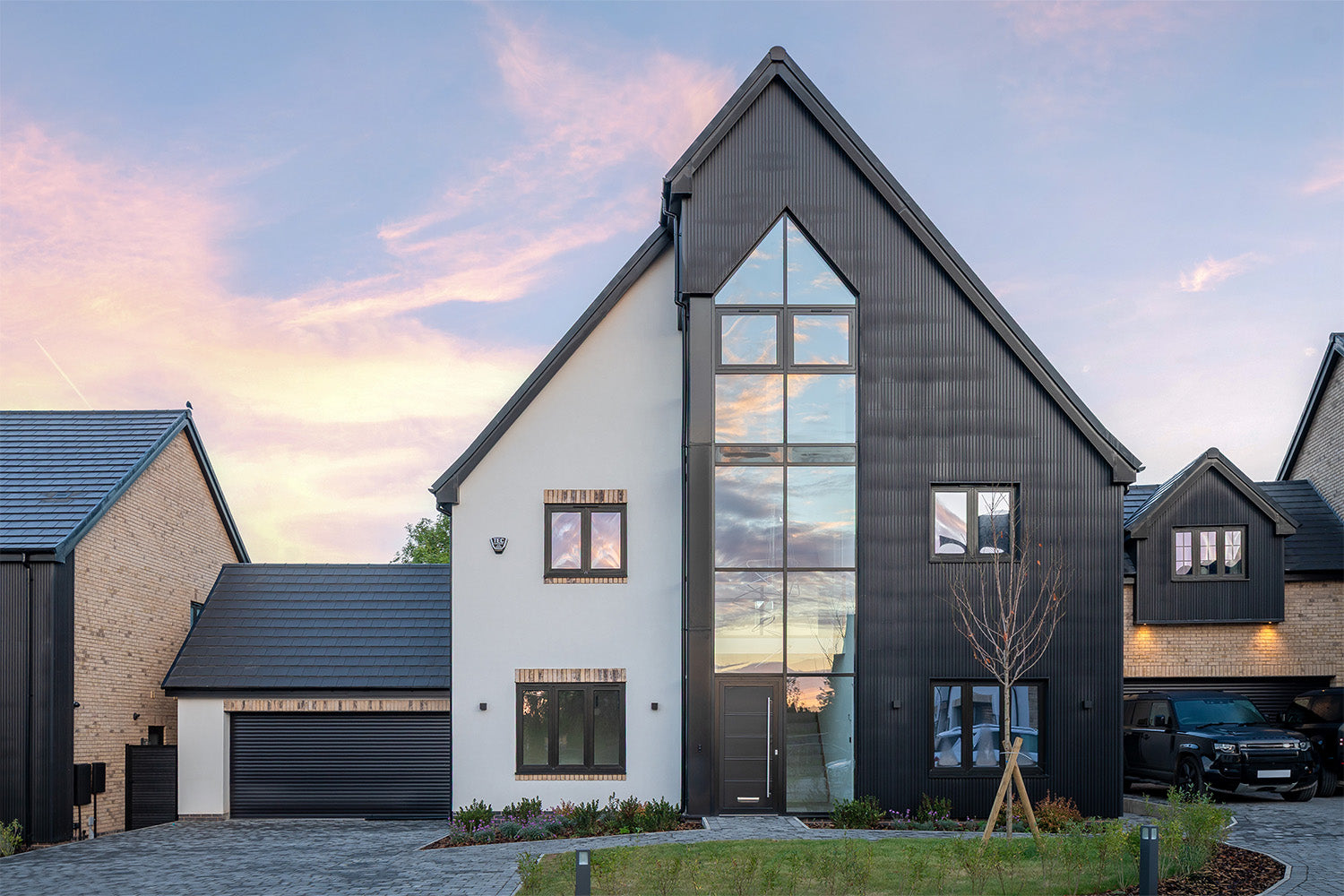
View samples and installed photographs together. A small sample helps with colour and texture, while a completed wall helps with scale and the rhythm of joints.
What Does Quality Composite Cladding Look Like in Practice?
Quality composite cladding should be assessed through more than an attractive photograph or a confident product description. Look for a clear relationship between the board, its documentation and the construction proposed.
Identifiable Product Information
Record the exact range, profile, dimensions and finish. Ask for the information that applies to that product, rather than accepting a general brochure as a complete specification.
If a replacement board or accessory is offered, check the change before accepting it. Similar colour names do not establish identical construction, compatibility or performance.
Clear Installation Details
Review the framework, board-fixing and finishing instructions. Check that they address the orientation and junctions intended for your building.
A useful guide makes the starting detail, movement allowances and opening details understandable. Where a condition is not covered, ask who will resolve it before work begins.
Honest Care and Appearance Guidance
Ask what cleaning is needed, what weathering is expected and what should prompt a support enquiry. Good advice explains normal characteristics as well as care requirements.
Review NeoTimber’s maintenance guide and check that the care routine suits your access arrangements and preferences.
Relevant Fire-Performance Evidence
NeoTimber® publishes C-s1,d0 for Classic and D-s1,d0 for Deluxe and Slatted. These are reaction-to-fire classifications for combustible products; they do not establish non-combustibility or a timed fire-resistance period.
Request the current classification evidence and have suitability reviewed for the proposed building. A general “low-rise” description is not enough to approve every application. See the cladding fire-rating guide for terminology and further questions to ask.
For England, the Approved Document B collection is the official starting point for the relevant guidance. Use the applicable jurisdiction and provisions for the project.

A Warranty With Readable Limits
NeoTimber’s published cladding information describes 25 years of structural cover for residential installations and 10 years for commercial, public or high-traffic applications, subject to its terms.
Coverage depends on correct installation, use and maintenance. Cosmetic changes, weathering and colour variation are among the stated exclusions. Read the relevant document on the warranty page.
A warranty period is not a guaranteed service life or a promise that the boards will need replacing when it ends. Use it as one part of the product assessment.
Compare Complete Costs, Not Just Board Prices
In a composite cladding vs wood decision, a price per board is only the beginning. Ask for comparable quotations covering the same wall area and finishing scope.
Include the following items in the comparison:
- Assessment, preparation and repairs to the existing structure.
- Boards and the appropriate allowance for cuts and waste.
- Framework, wall attachments and board fixings.
- Trims and details around openings and corners.
- Access equipment, labour and delivery.
- Any design or approval work required.
- Expected cleaning and, where relevant, coating maintenance.
Neither material is automatically the lowest-cost option across every project. The size, layout, access and selected products influence the result.
Make Your Maintenance Assumptions Visible
If reduced decorating is a major reason for choosing composite, write down what you are comparing it with. A painted timber finish and an appropriate naturally weathering timber finish may involve different upkeep.
Use realistic assumptions about access and labour. Avoid presenting speculative future savings as guaranteed, especially when the alternatives have not been specified to the same level of detail.
Separate Personal Benefit From Resale Value
A finish you enjoy and a care routine you prefer can offer worthwhile value during ownership. A higher resale price is a different question.
Do not assume that the cladding will pay for itself when you sell. If resale is the main objective, seek property-specific advice before committing to the expenditure. Read our guide to composite cladding and home value for questions to consider.
Ask Better Questions About Sourcing and Environmental Claims
Material sourcing is worth investigating, but a broad claim that one category is always more sustainable than another is not a useful specification.
NeoTimber® describes the use of recycled plastics and certified wood content in its composite products. Check the relevant product information and sourcing information for the range being considered.
Recycled content and wood certification answer particular questions. They do not, by themselves, establish a complete environmental comparison with a specified timber system.
Request Evidence That Answers Your Objective
If environmental performance is a priority, define what you want to assess. That may include sourcing, transport, maintenance inputs, anticipated service conditions or the options available at end of use.
Ask both suppliers for information addressing the same questions. Do not compare a documented claim from one product with an assumption about the other.
Plan for Repairs and Future Changes
Ask how individual boards can be replaced and what records should be retained. Check the options for disposal or recovery locally rather than assuming a particular route will be available.
Designing and documenting the installation thoughtfully can make later decisions easier. That practical planning belongs alongside the sourcing discussion.
Thought Leadership: The Best Comparison Respects Both Materials
Our view is that trustworthy advice should explain why a product suits a particular owner and building. It should not need to describe timber as inevitably short-lived or composite as immune to every outdoor challenge.
The advantages of composite cladding are persuasive when they are specific. Reduced routine decorating, finished colour choices and a clear fitting system can be meaningful benefits without claiming superiority in every situation.
Start With the Owner's Expectations
Ask what the owner wants the facade to look like several years after installation. Some want a naturally weathered surface. Others want stronger colour consistency or a manufactured linear profile.
Then discuss upkeep honestly. A lower-decorating option may be particularly useful to someone who does not want to maintain a coating. A person who values natural timber and accepts its care requirements may choose differently.
Make Limits Part of the Recommendation
Explain colour behaviour, permitted applications and maintenance near the product benefits. Customers should not need to discover an important qualification after they have already ordered.
We recommend a purchasing process that makes questions easy to raise. Clear documents and a useful response to an uncertainty are more valuable than another promise of complete peace of mind.
Recognise the Value of Preparation
Good installation begins with assessing the wall, setting out the layout and coordinating the details. Those tasks remain important whichever material is selected.
A clean finished surface does not show whether every hidden detail was correct. Agree review points before the boards are fitted and retain a record of changes. That supports the long-term care of the property.
Accept That the Right Recommendation May Be Another System
Where a proposed product cannot meet a requirement, explain the mismatch and help the project team compare alternatives. Choosing a suitable material is a better outcome than defending an unsuitable one because it matches the original aesthetic.
This is what responsible product advice should achieve: a clear decision that connects the owner's preferences with the building's needs.
Wood or Composite Cladding: A Practical Decision Framework
Use these steps to move from a general preference to a considered specification.
- Define the appearance: choose between natural variation, weathered character and manufactured colour or profile options.
- Set your care expectations: decide what cleaning, coating or access work you are prepared to undertake.
- Establish technical requirements: have the proposed building and application reviewed before choosing the product.
- Compare exact systems: identify the timber specification and composite range, including finishes.
- Review the evidence: check product information, installation instructions and warranty terms.
- Compare complete quotes: include preparation, framework, accessories, labour and access.
- Assess samples outdoors: view them beside the materials already on the property.
- Record the final choice: retain the specification and clarify any substitutions before fitting.
The purpose is to make the reasons for the choice visible. If a recommendation relies on a vague claim such as “better quality”, ask what measurable or documented feature supports it.
Frequently Asked Questions
What Are the Main Advantages of Composite Cladding?
Reduced routine painting or staining, finished colour and profile choices, and capped options for improved colour retention are practical benefits. Assess the specific product and application.
Is Composite Cladding Better Than Wood?
It depends on your priorities. Composite may suit a lower-decorating preference, while timber offers natural material character. Compare suitable products rather than categories alone.
Is Composite Cladding Maintenance-Free?
No. Cleaning and care remain necessary, even where routine painting or staining is not required.
How Do I Identify Quality Composite Cladding?
Look for identifiable specifications, relevant evidence, clear fitting details, accessible care guidance and understandable warranty terms.
Does Composite Cladding Fade?
Colour behaviour varies. Classic develops an initial weathered tone, while capped ranges prioritise improved colour retention.
Is Composite Cladding Always Cheaper?
No. Compare complete project costs and realistic care assumptions for the exact alternatives.
Does a 25-Year Warranty Guarantee the Appearance?
No. Read the scope and exclusions. A structural warranty is not a promise of an unchanged finish.
Can I Use Composite on Any Low-Rise Building?
Do not assume so. Product suitability depends on the building, application and applicable requirements.
Can Composite Cladding Replace Damaged Timber?
It may be an option where the structure and selected system are suitable. Establish why the old boards failed and resolve underlying issues first.
Choose a Finish With Clear Expectations
The benefits of composite cladding are most useful when they match the way you want to use and care for your home. Compare the expected appearance, technical suitability and complete cost before deciding.
Browse the NeoTimber® composite cladding range, order free samples or contact the team for product-specific information. A well-informed wood or composite cladding choice starts with a clear brief and ends with a suitable, carefully planned installation.