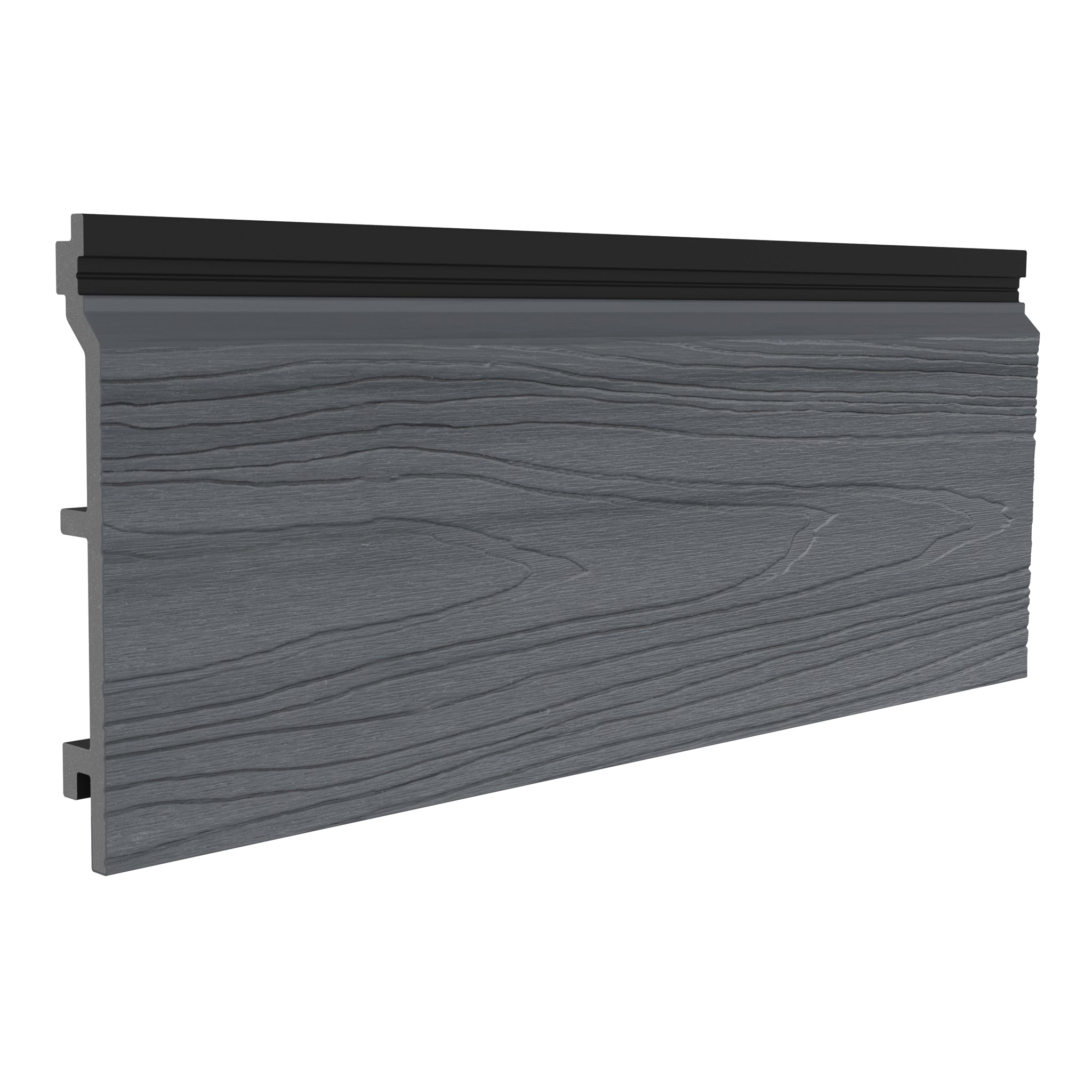
Choose an Exterior Finish That Balances Appearance With Practical Care
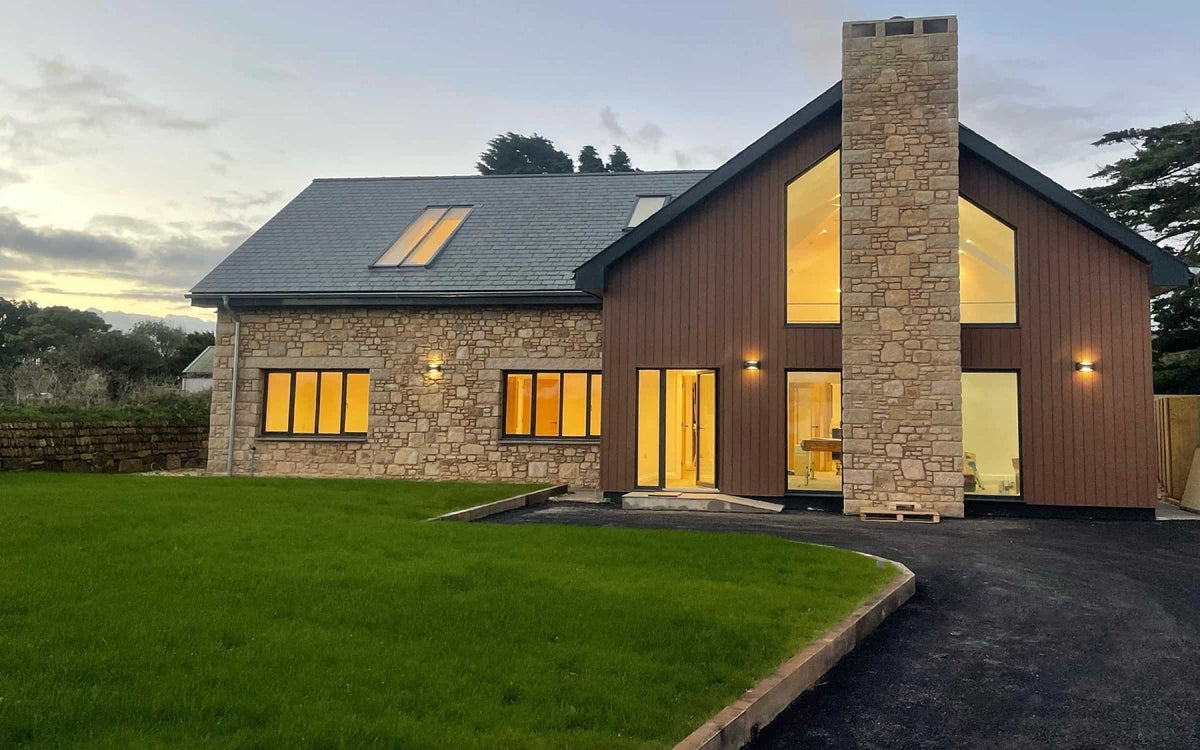
Home cladding can introduce warmth, texture or contrast to a property. The right choice depends on the building, the appearance you want and the way the complete installation will be maintained.
Timber and composite offer different routes to a timber-inspired exterior. Rather than assuming one always outperforms the other, compare the exact products, supporting system and care requirements. This guide helps you assess home cladding options before committing to a finish.

Start With Your Property’s Existing Materials
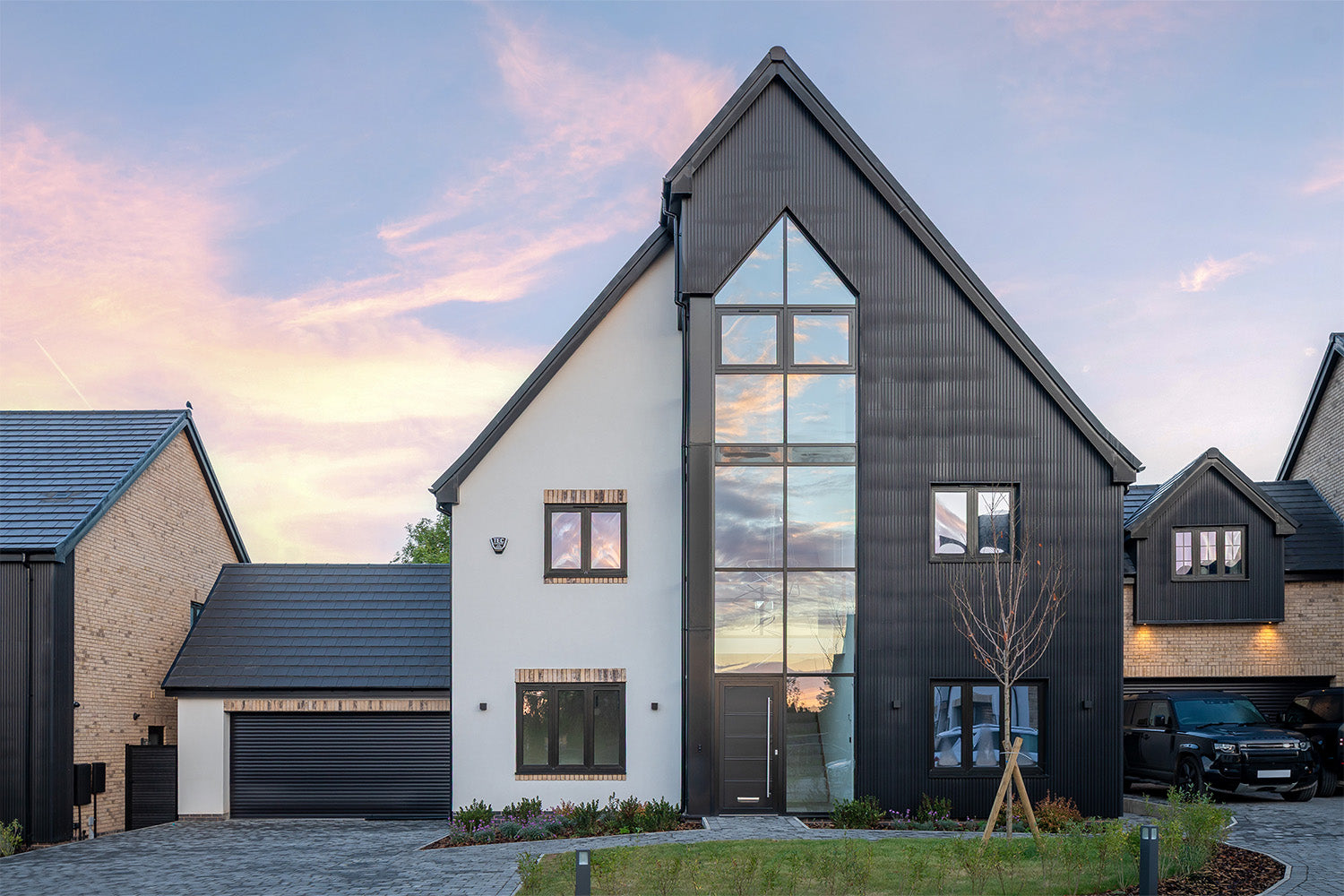
Look at the roof, frames, brickwork, render and paving together. Decide whether the new surface should coordinate with these finishes or provide a contrasting feature.
You do not have to cover every elevation. An entrance, gable or extension can become a focal point while the original materials remain part of the design.
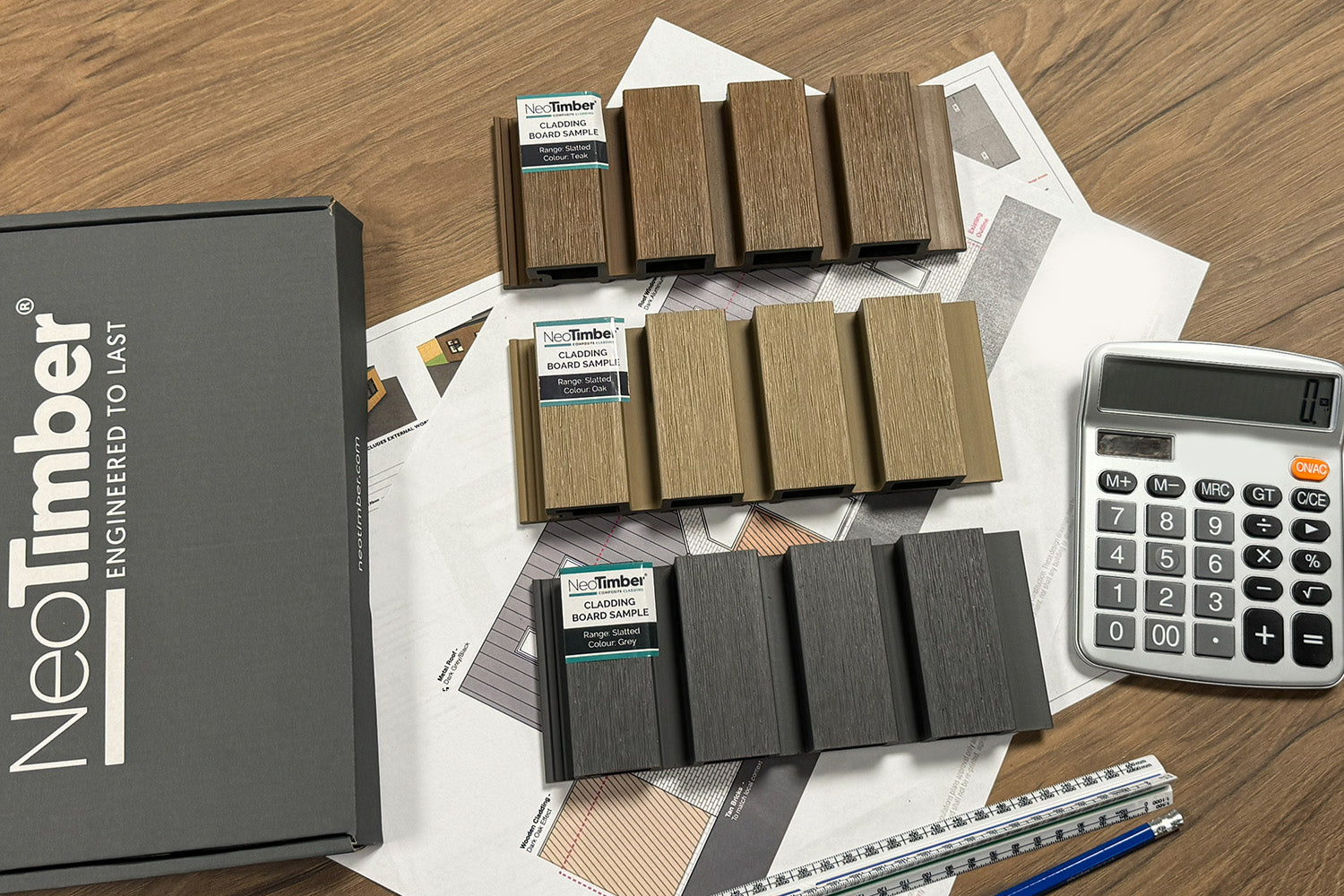
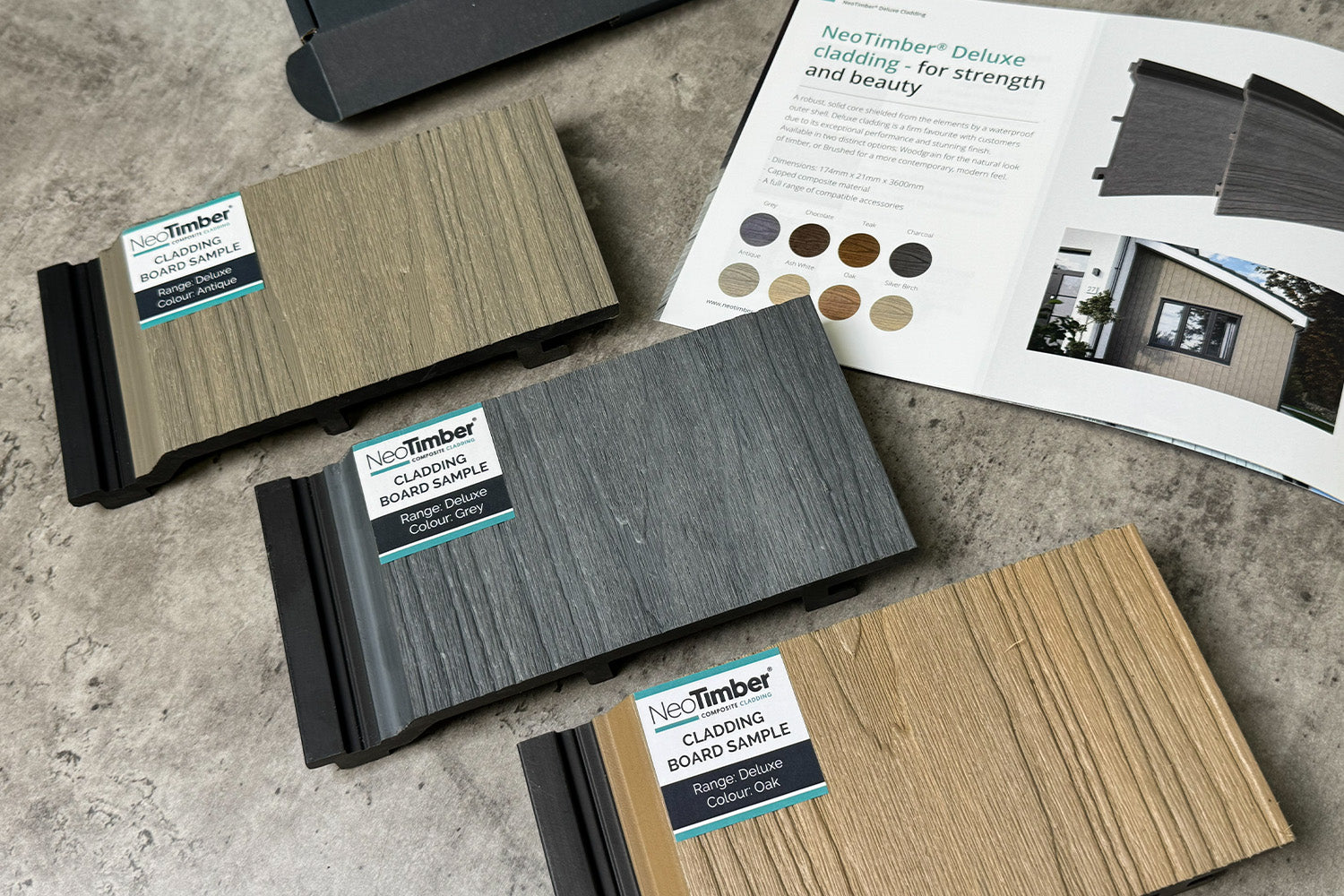
Compare samples outdoors against the actual property. Review both the close-up texture and the repeated profile across larger areas.
Timber and Composite: Compare Specific Products
Timber brings natural grain and variation. Its appearance and care depend on species, treatment, exposure and whether you intend it to weather or retain a coated finish.
Composite boards combine wood and polymer in a manufactured profile. Their formulation, surface construction and installation requirements vary, so the material label alone does not establish suitability.
Questions for comparing external home cladding:
| Consideration | Timber | Composite |
|---|---|---|
| Appearance | Species, grain and natural variation | Manufactured colours, textures and profiles |
| Weathering | Check the intended natural or coated finish | Check capped or uncapped surface and expected colour change |
| Care | Review cleaning and any coating schedule | Review cleaning and inspection requirements |
| Installation | Species- and system-specific fixings and support | Product-specific supports, movement and fixing details |
| Performance | Obtain evidence for the selected product | Obtain evidence for the selected product |
Other materials, including fibre cement and metal, may also be relevant. Shortlist systems against the building’s requirements rather than choosing on colour alone.
Choose Colour and Profile Together
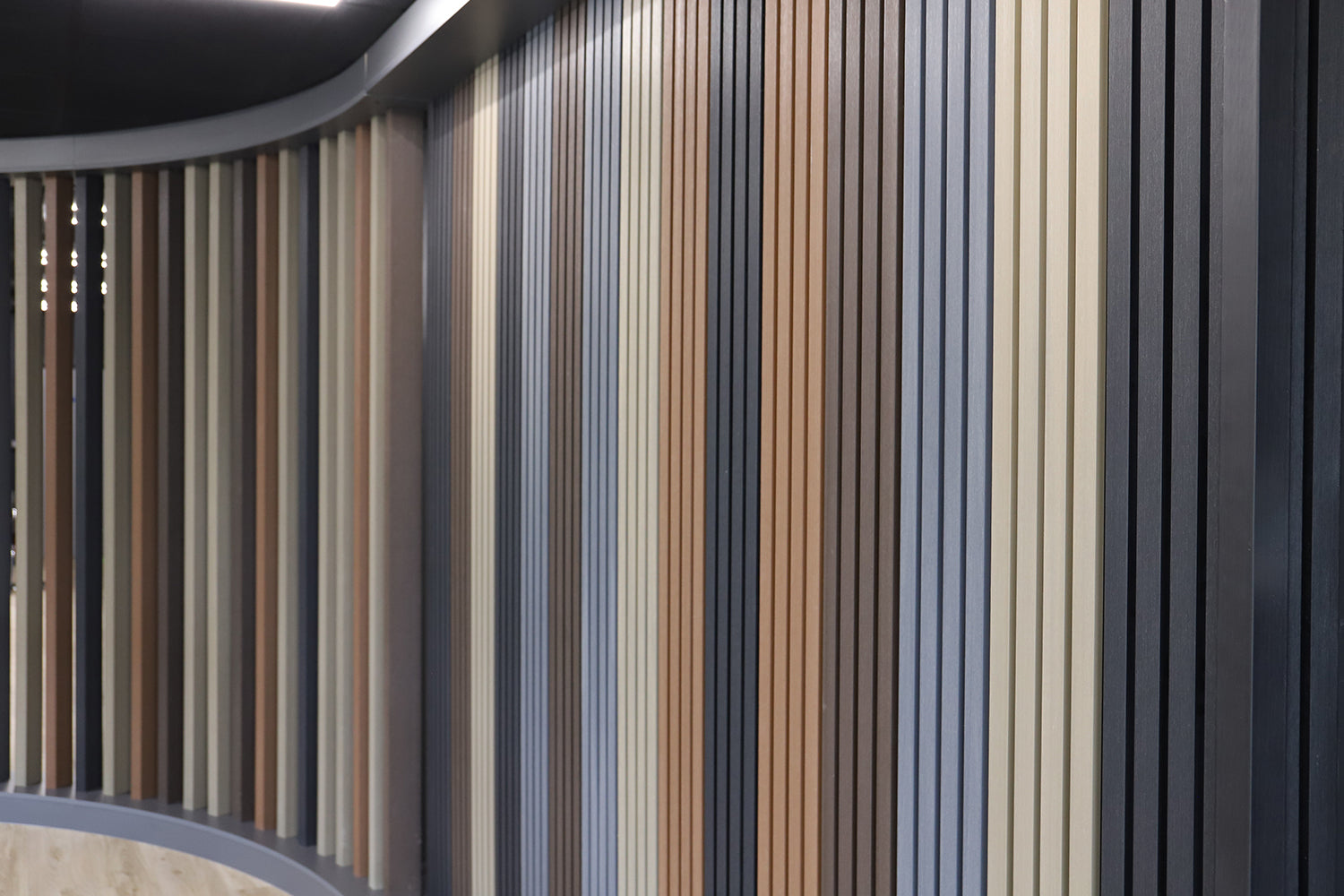
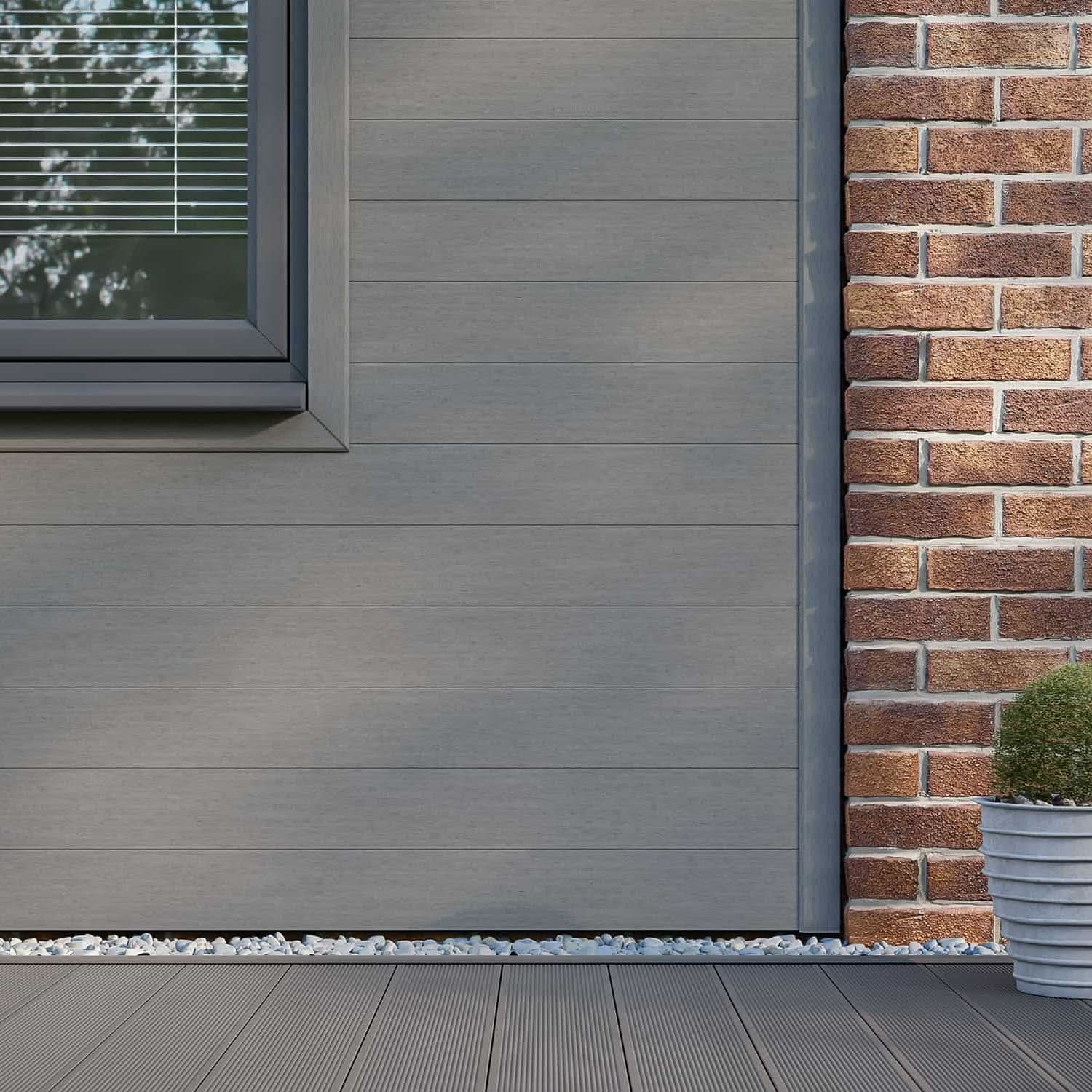
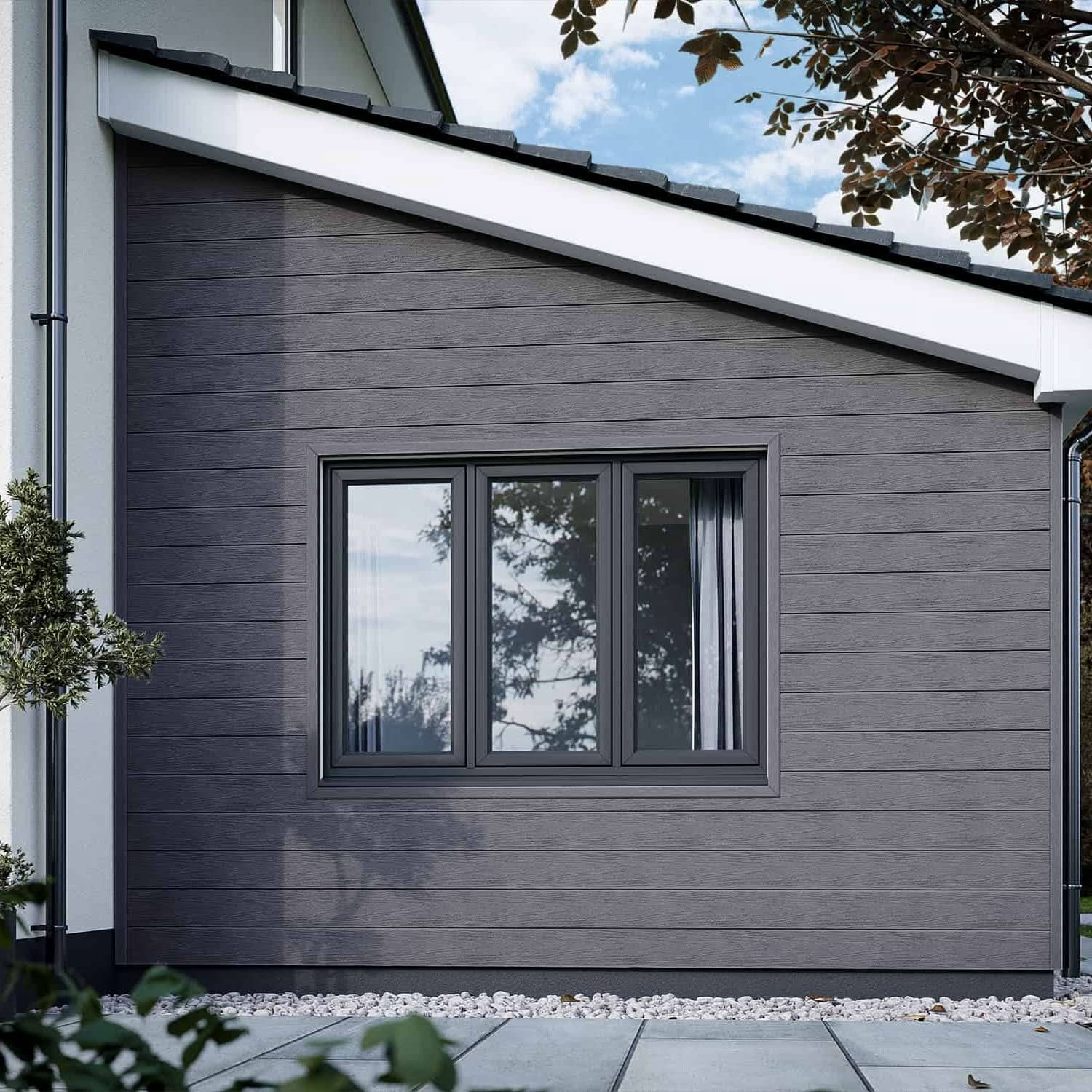
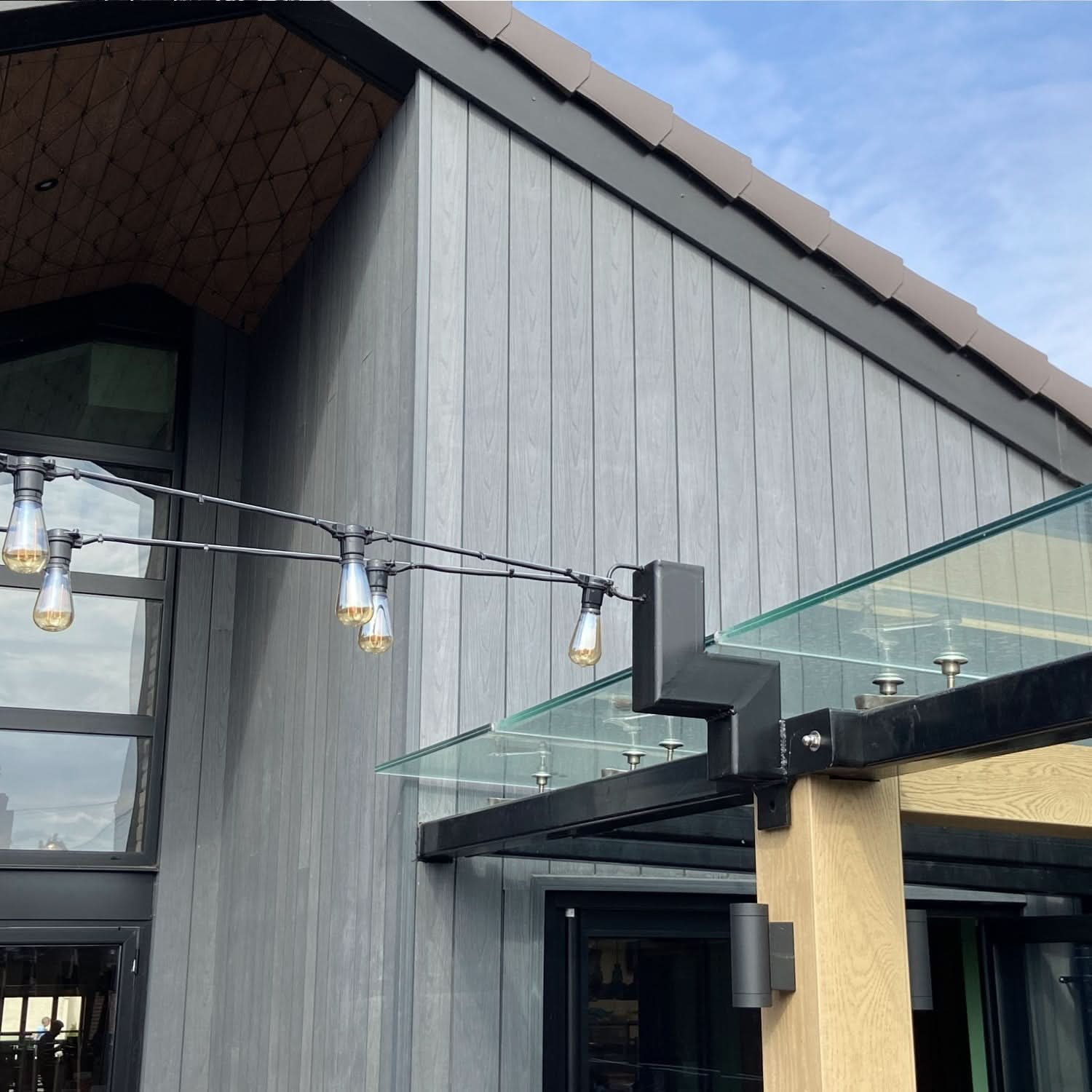
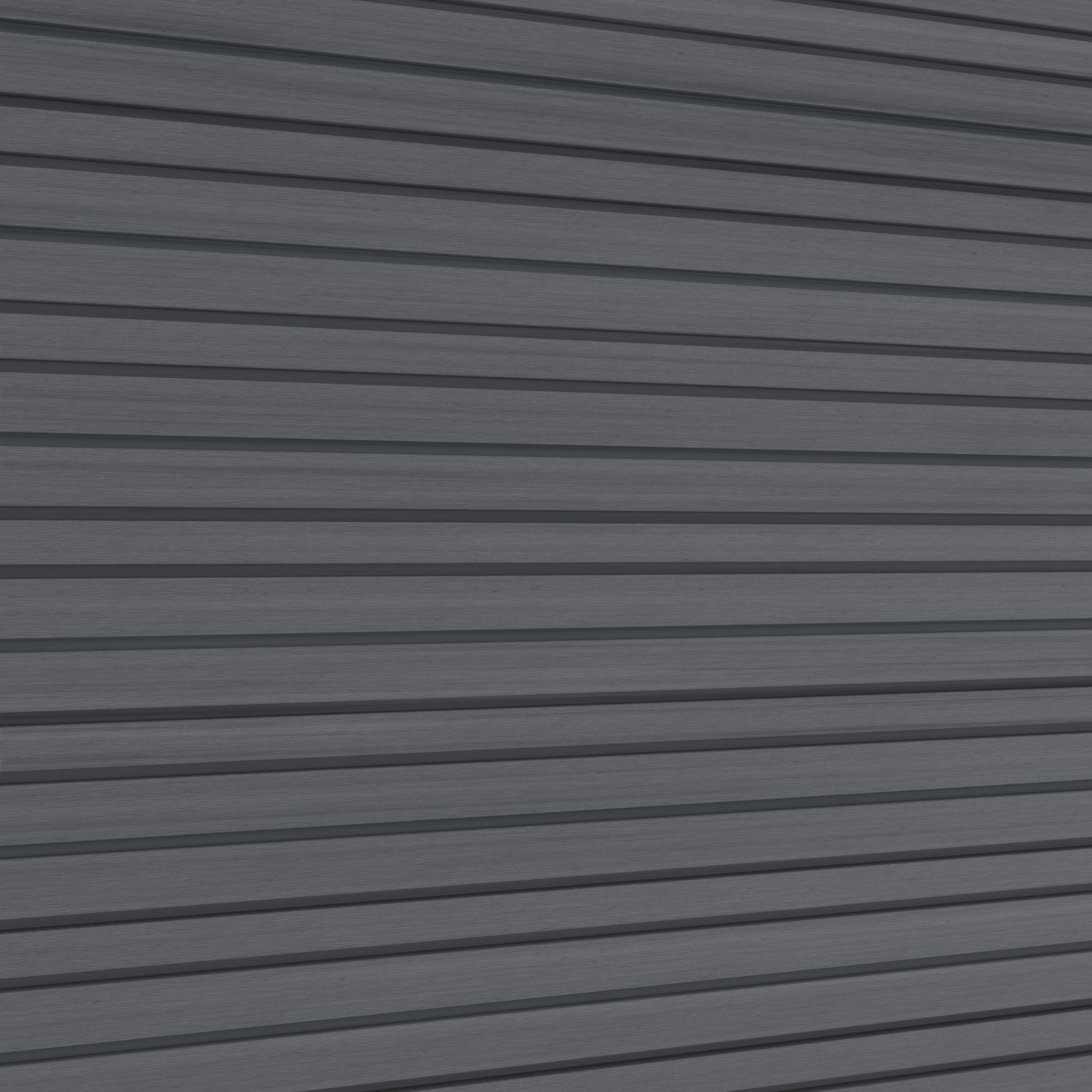
A timber-inspired colour can soften a contemporary elevation, while Grey or Charcoal may emphasise a contrast with lighter render. Pale finishes offer another relationship with darker frames.
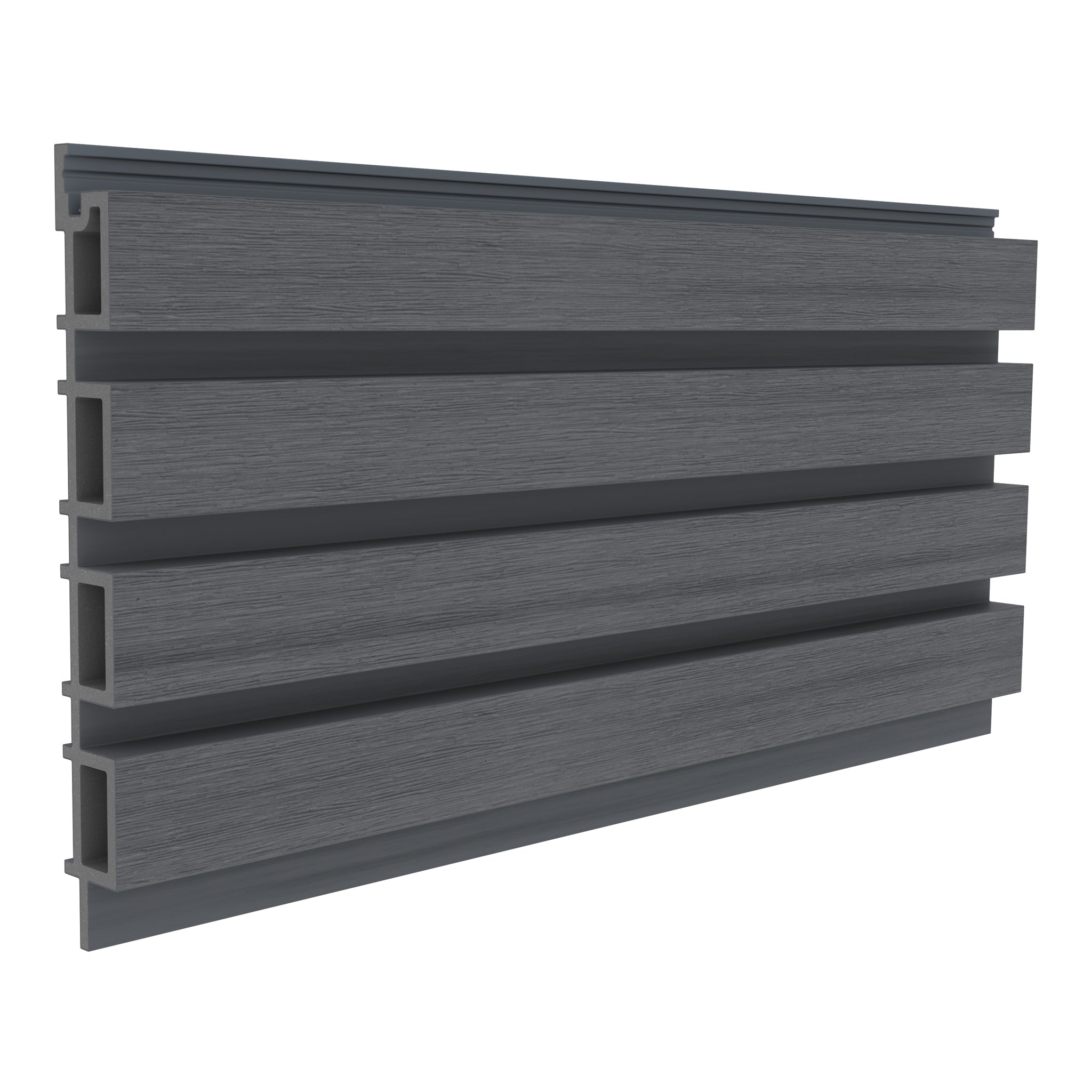
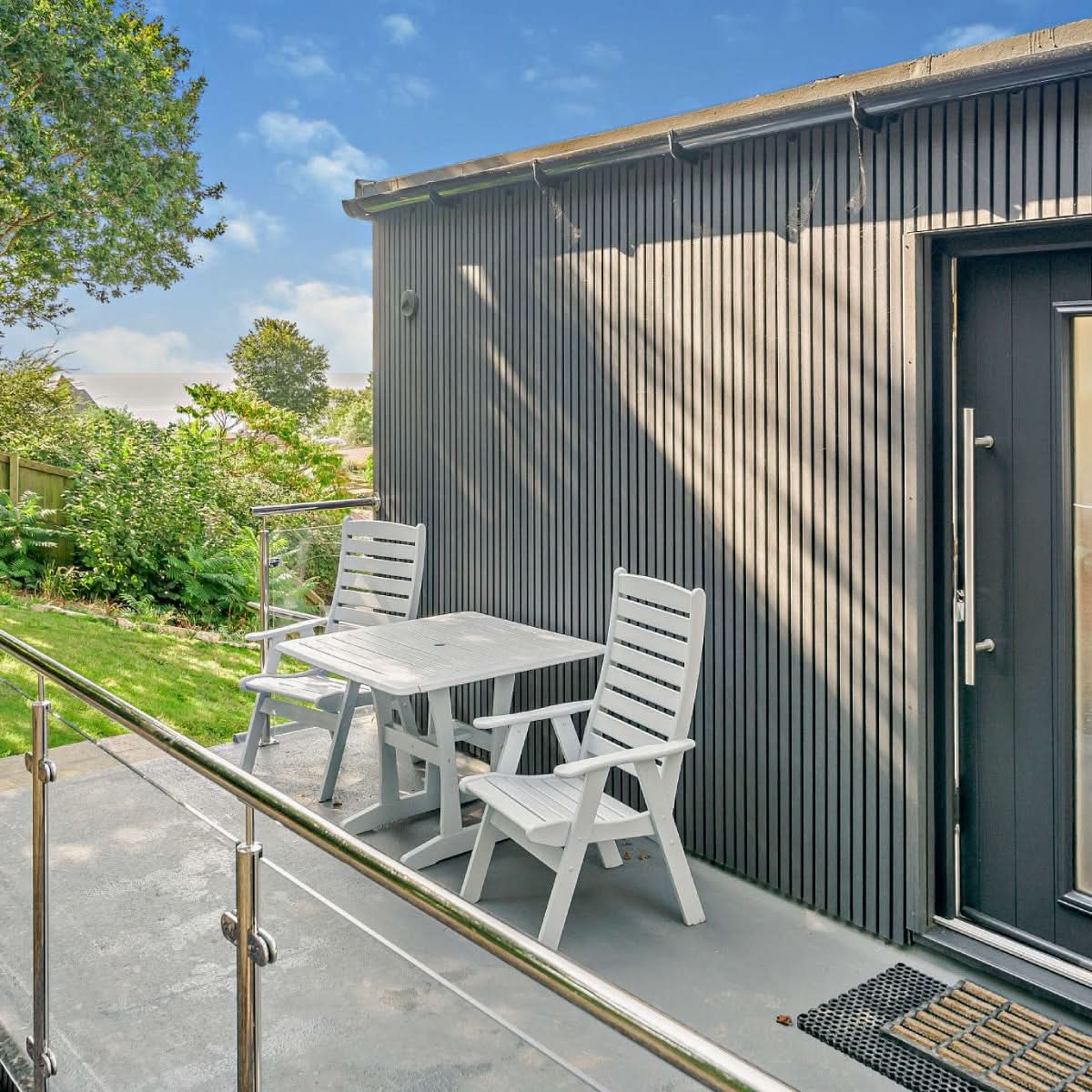
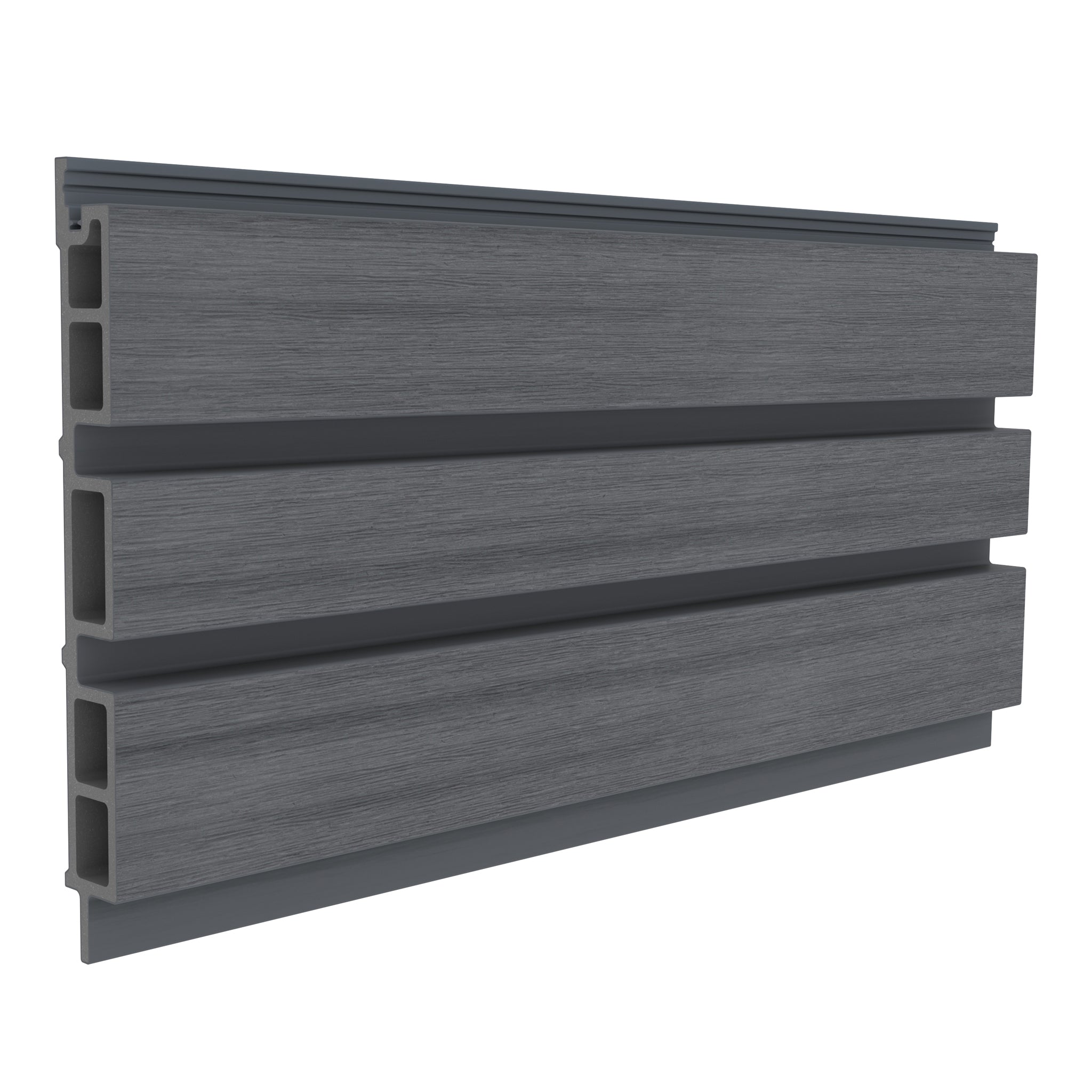
Profile changes the effect too. Slatted detail introduces repeated lines and shadow; a quieter brushed or woodgrain surface can complement more detailed masonry.
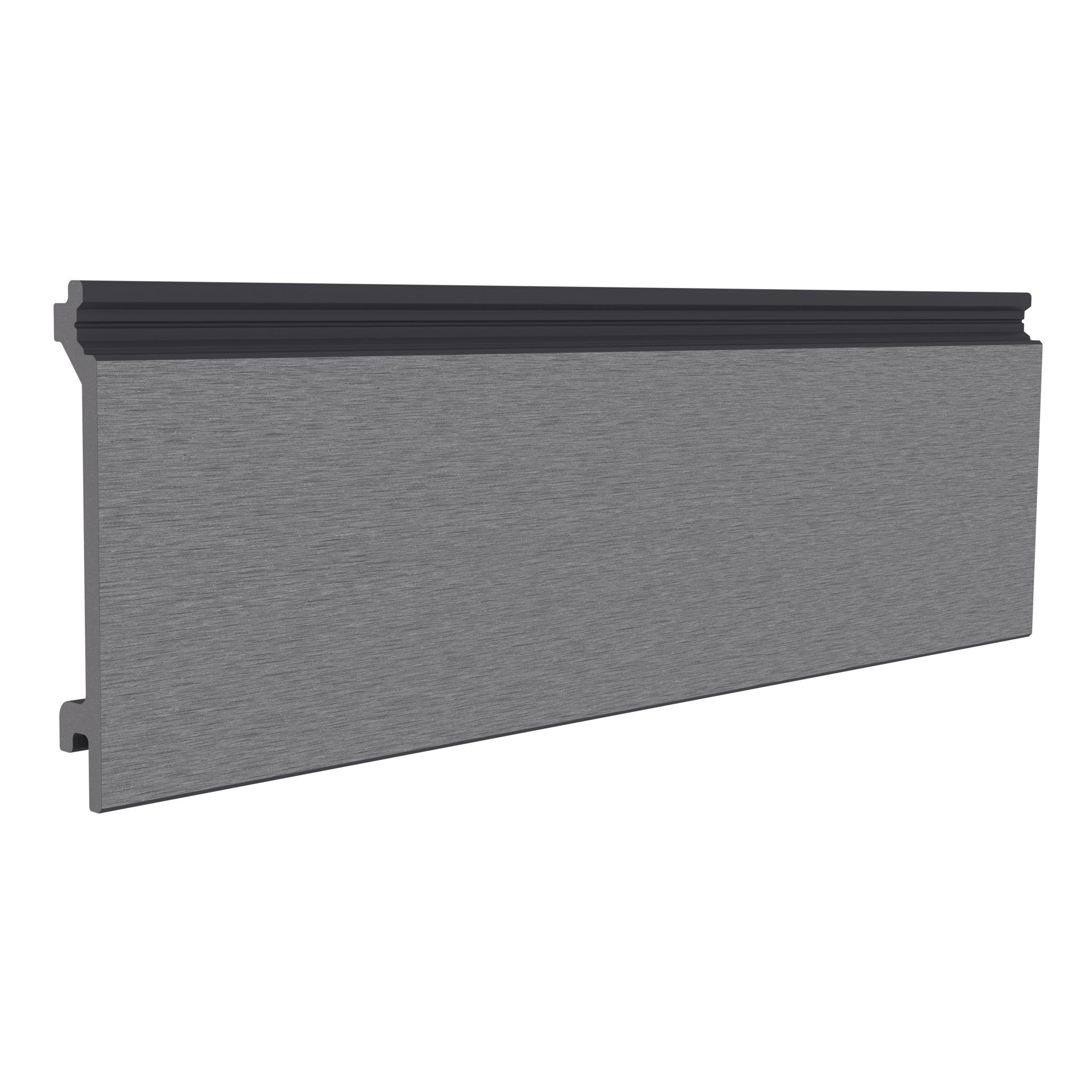
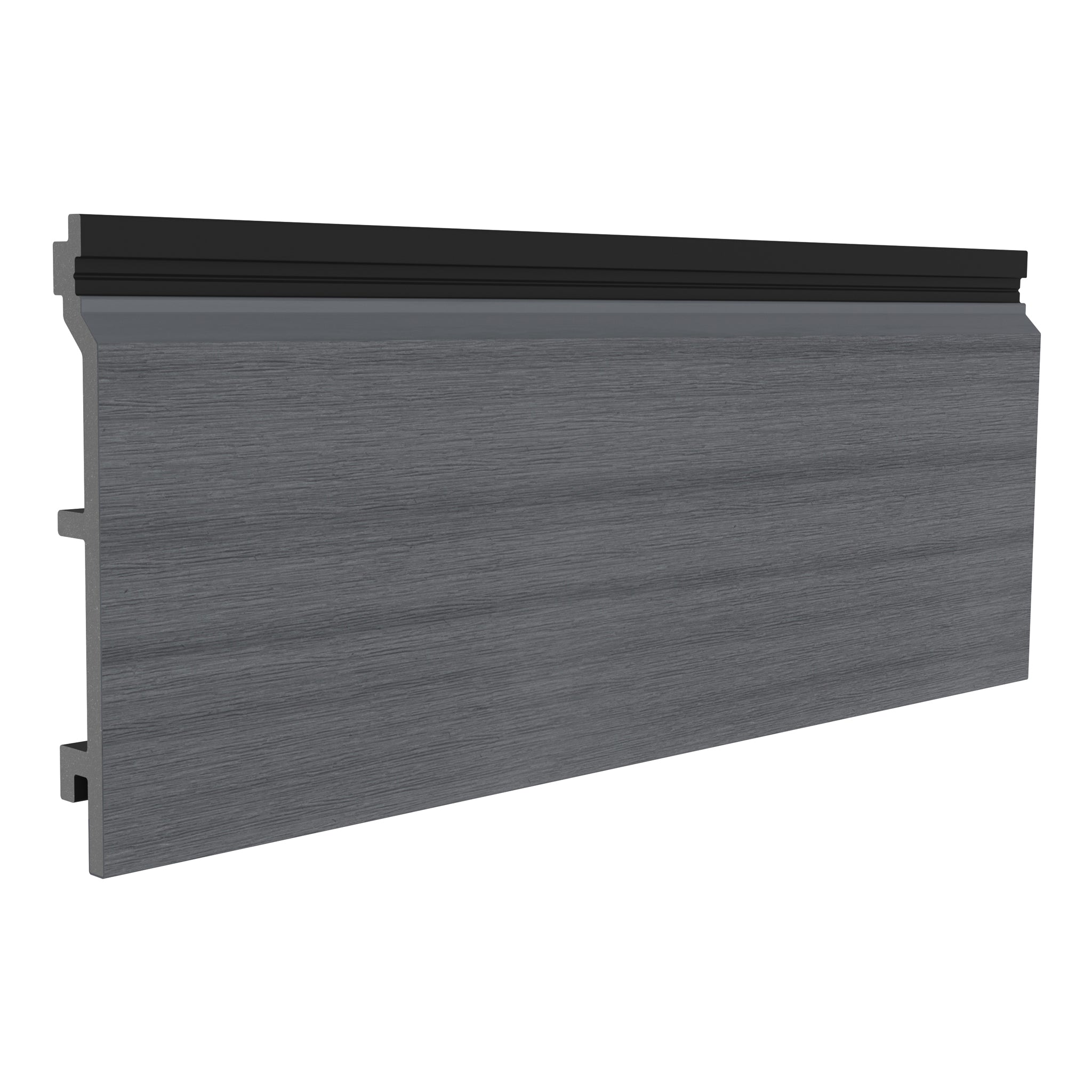
Browse the composite cladding collection for current options. Colour names such as Oak and Teak describe finishes rather than solid hardwood construction.

Understand Weather Resistance and Colour Change
External surfaces remain exposed to rain, sunlight and temperature changes. Confirm the selected system’s movement allowances and detailing for the actual location.
Capped composite surfaces are designed to improve resistance to fading and staining. That is not a promise of unchanged colour or immunity to marks. Traditional uncapped boards may develop a weathered tone, so compare initial and expected appearance.
No decorative board alone makes a wall waterproof. Moisture management depends on the complete construction and its junctions.
Assess Fire Performance Separately From Style
Do not assume composite is automatically safer than timber because a product has a fire classification. Compare the exact evidence and its scope against the requirements for the building.
Reaction to fire, non-combustibility and timed fire resistance describe different properties. The complete wall may include supports, insulation, membranes and other components that need coordinated assessment.
Review the cladding fire-performance guide and obtain current documentation for the proposed product and arrangement.
Compare the Installed Cost
A board price is only one part of the budget. Include supporting components, trims, fixings, preparation, access equipment, labour and disposal of existing materials where needed.
Long-term costs depend on cleaning, any coatings, access and repairs. Composite should not be presented as guaranteed to cost less over its life without a like-for-like assessment.
Prepare a measured layout and compare quotations covering the same scope. The material calculators can support initial quantities, but openings, cuts and edge details still need checking.
Review Environmental Claims With Evidence
Responsible sourcing and recycled content can inform a purchase, but neither establishes that a material is always the lowest-impact choice.
Check documented material content, certification, transport and end-of-life arrangements. Do not assume wood fibres are recycled merely because a composite product contains recycled plastic.
Coordinate the House and Garden
Cladding can relate to composite decking, fencing and furniture without matching every surface exactly. Repeat a tone or texture selectively to connect different parts of the outdoor space.
For a garden wall or feature structure, confirm the substrate and intended use separately. Cladding does not repair an unstable wall or provide retaining strength by itself.

Plan the Complete Installation and Care Routine
Assess the wall before covering it. Resolve supports, ventilation, drainage, movement and details around doors, windows and adjoining materials.
Orientation must follow the selected system’s guidance. A board approved for one arrangement should not automatically be rotated or fixed differently.
Use the installation resources, follow the care guidance and review current warranty terms. Product cover does not guarantee a service life or replace routine inspection.
Frequently Asked Questions
Which home cladding is best?
The appropriate choice depends on the building, intended appearance and documented product suitability.
Is composite maintenance-free?
No. It can reduce decorative treatment, but cleaning and inspection remain necessary.
Can cladding improve insulation?
Not automatically. Thermal performance depends on the complete wall and any designed insulation work.
Will composite always cost less than timber?
No. Compare installed costs and realistic care requirements for the specific products.
Can I cover an old wall directly?
Assess its condition and follow the selected system’s support and ventilation requirements first.
How can I compare finishes?
Request samples and view them against the materials at your property.
Choose a Finish Around the Building’s Needs
Start with the suitable system, then refine the colour, texture and placement. Visit our cladding resources or contact the team for product information.