


Design a Dark Deck That Brings Your Garden Into Focus
Black decking can give an outdoor space a clear identity. It creates a deep backdrop for planting, provides contrast with pale furniture and can connect a seating area with dark doors or fencing. The effect can be bold or understated, depending on the materials around it.
A successful scheme is about balance. Rather than making every element dark, choose where you want contrast and where a softer texture would help. This guide explores ways to style black decking and the practical details to consider before choosing your boards.
Explore NeoTimber® decking for an overview of the available options, or browse our composite decking collection to compare manufactured finishes.
What Do We Mean by Black Decking?
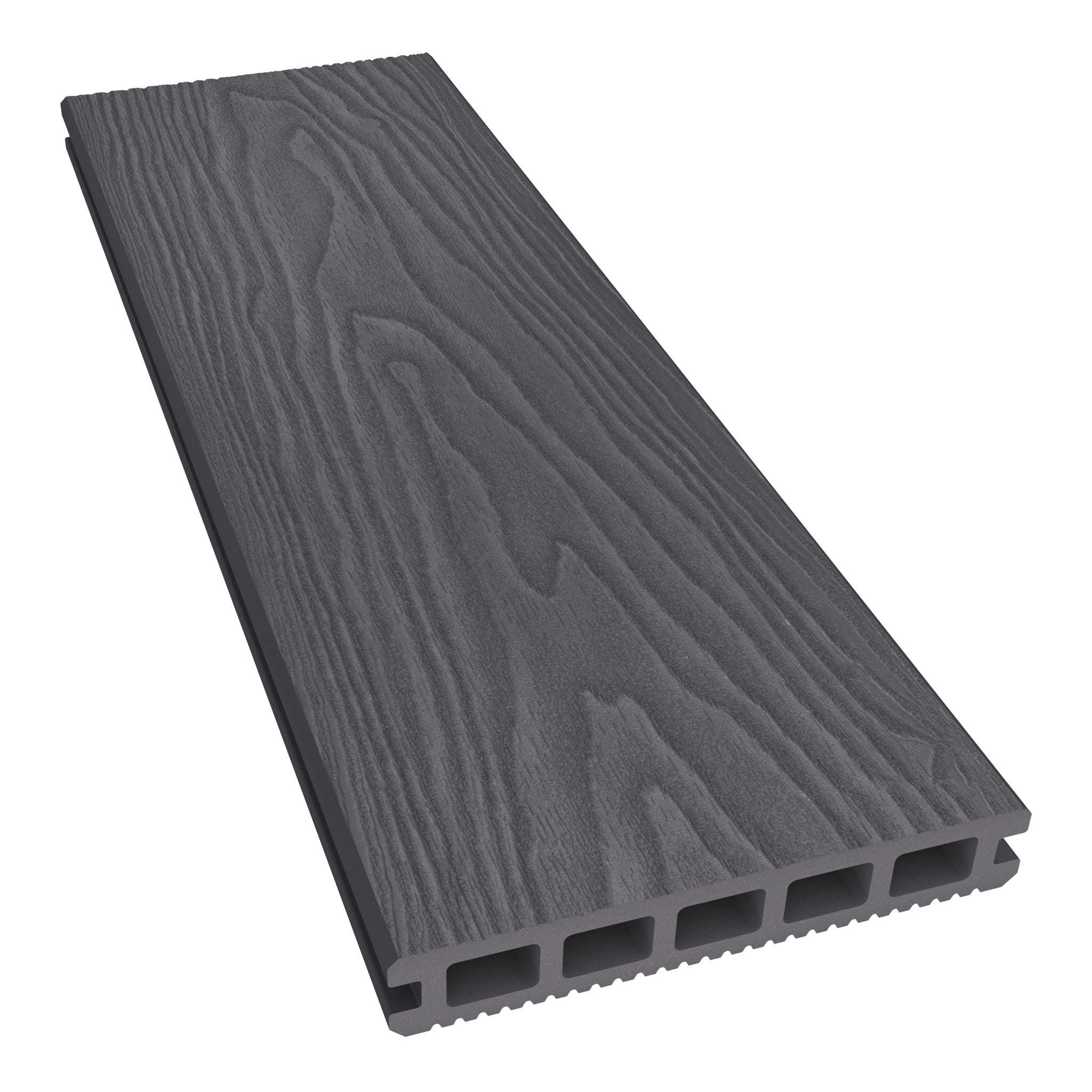
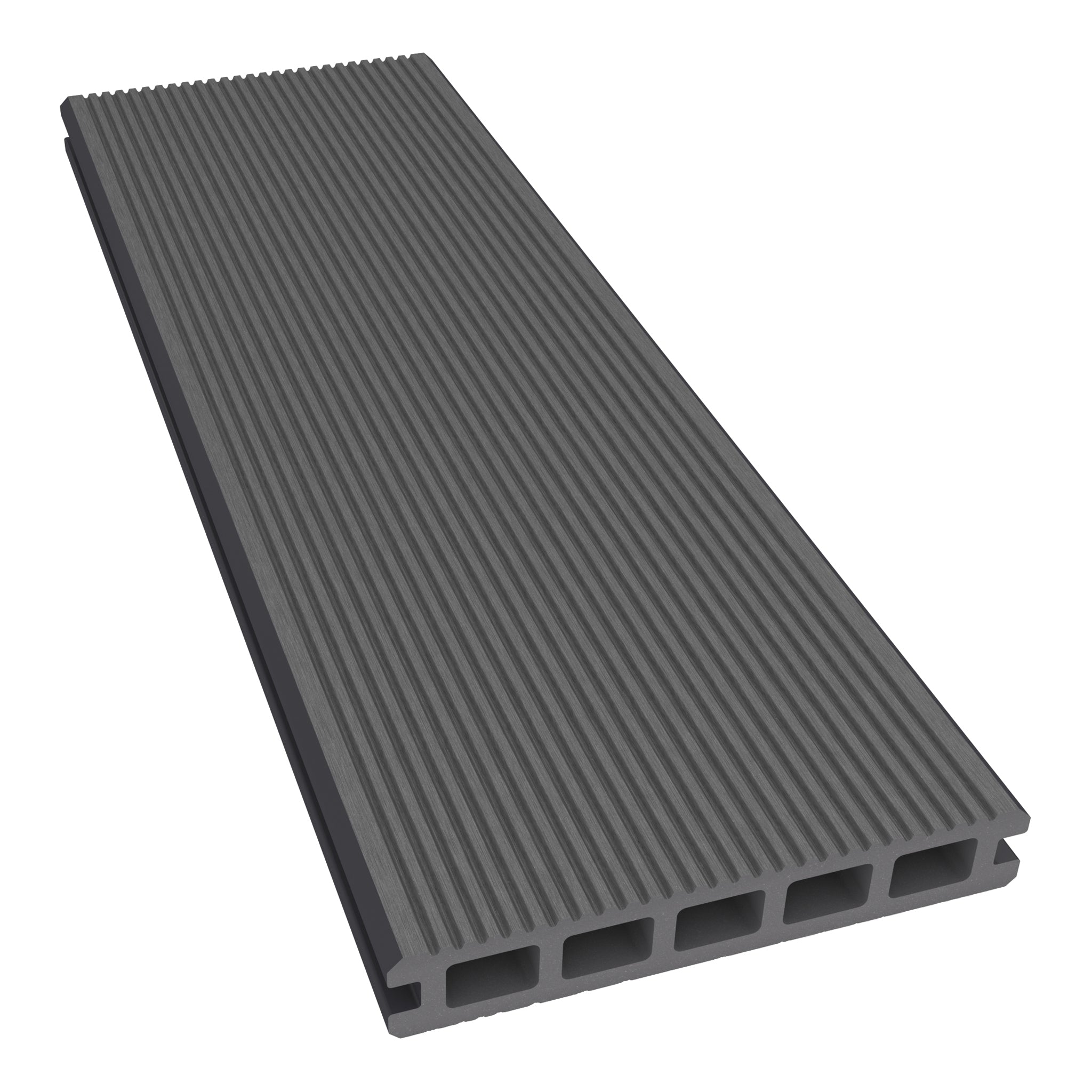
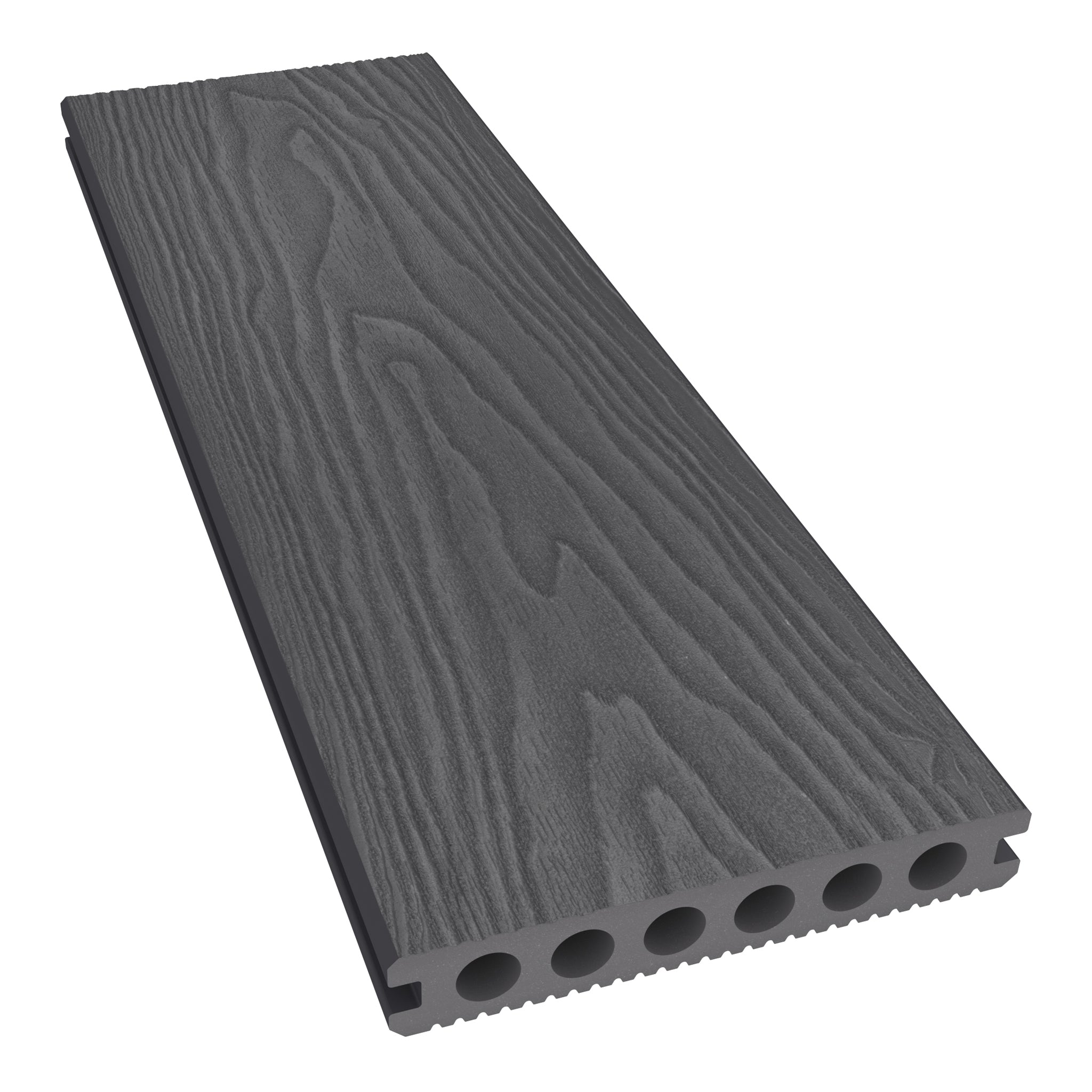
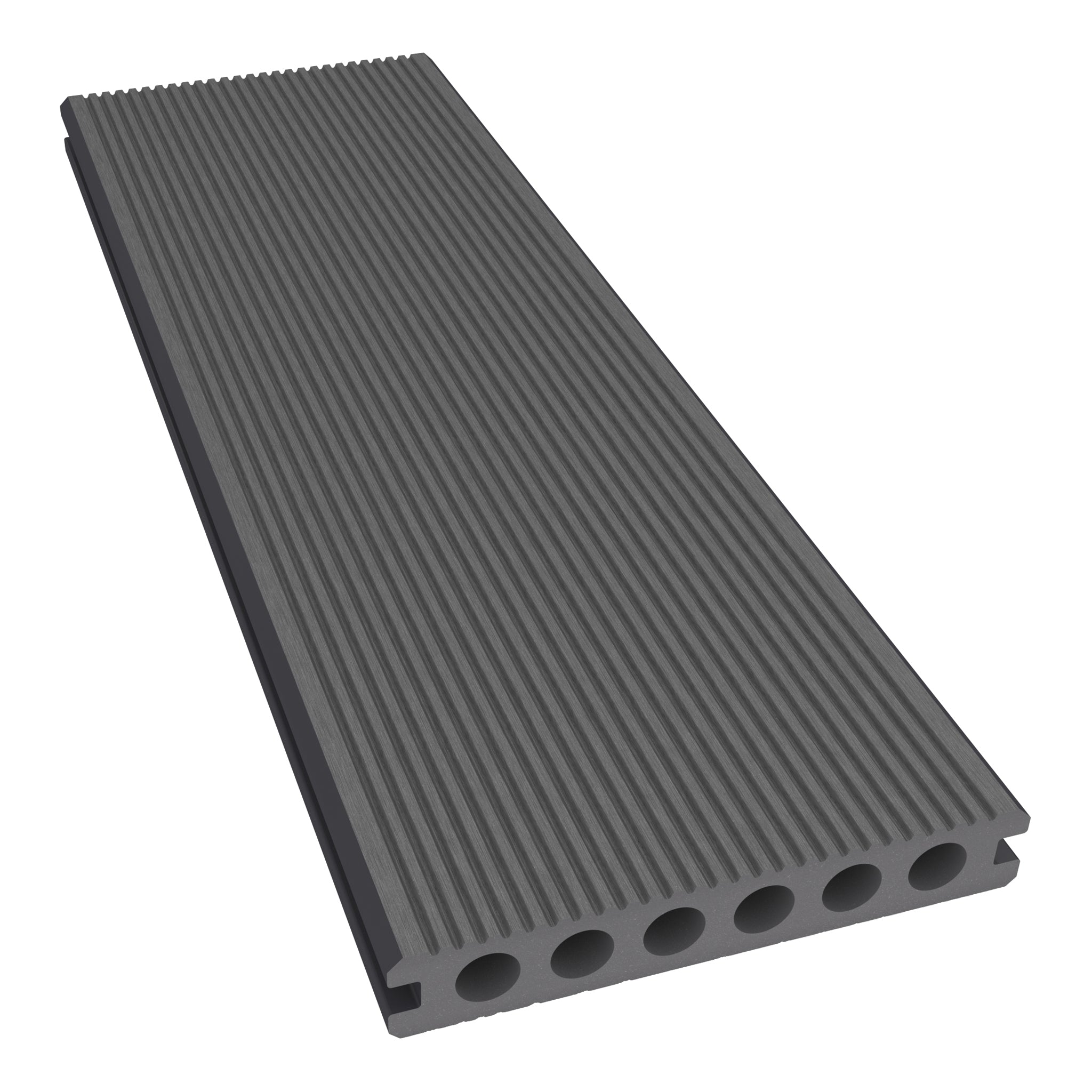
Black decking describes an appearance rather than a single material. A dark-painted timber deck and a manufactured Charcoal board can create different effects and need different care. Compare both the colour and the underlying product before deciding.
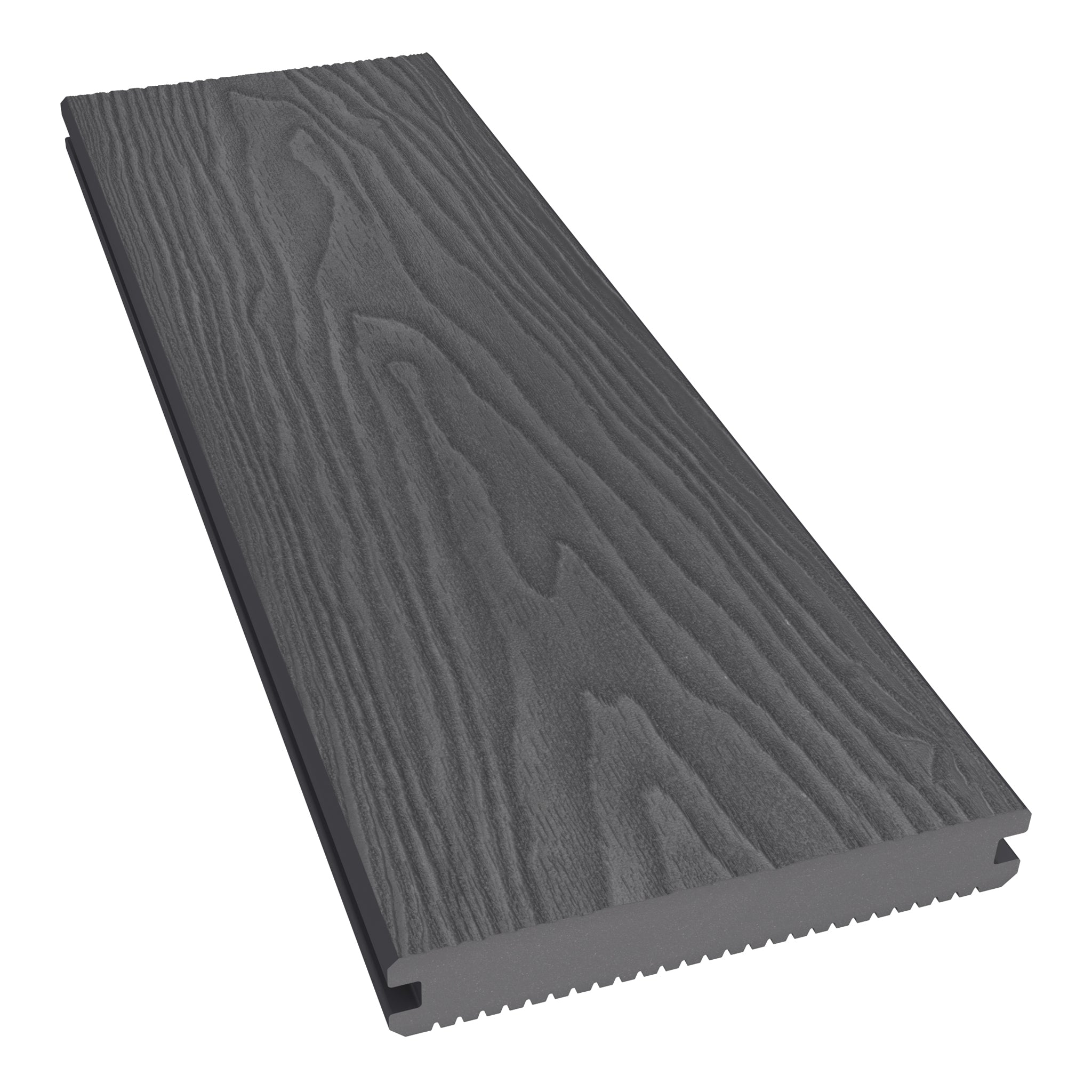
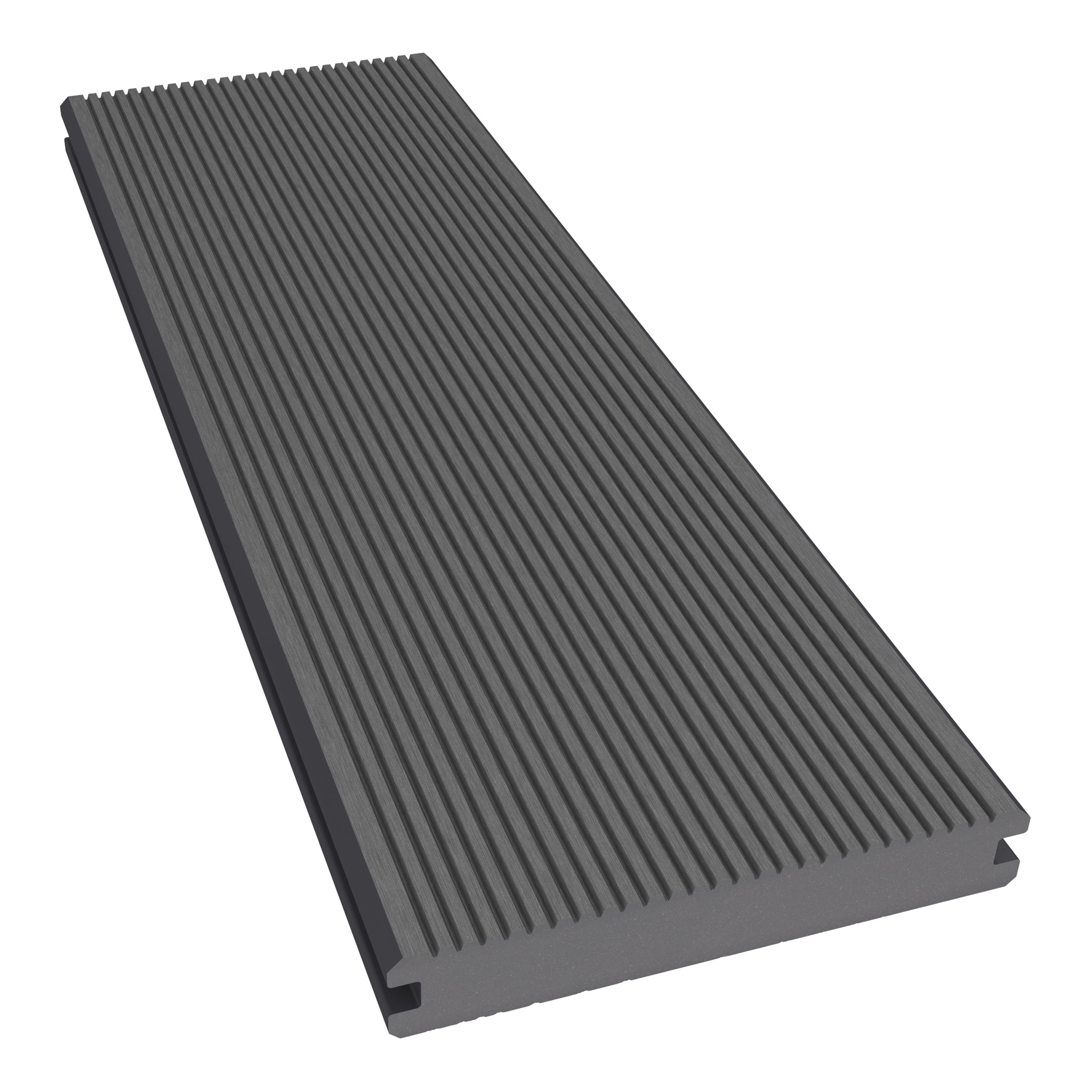
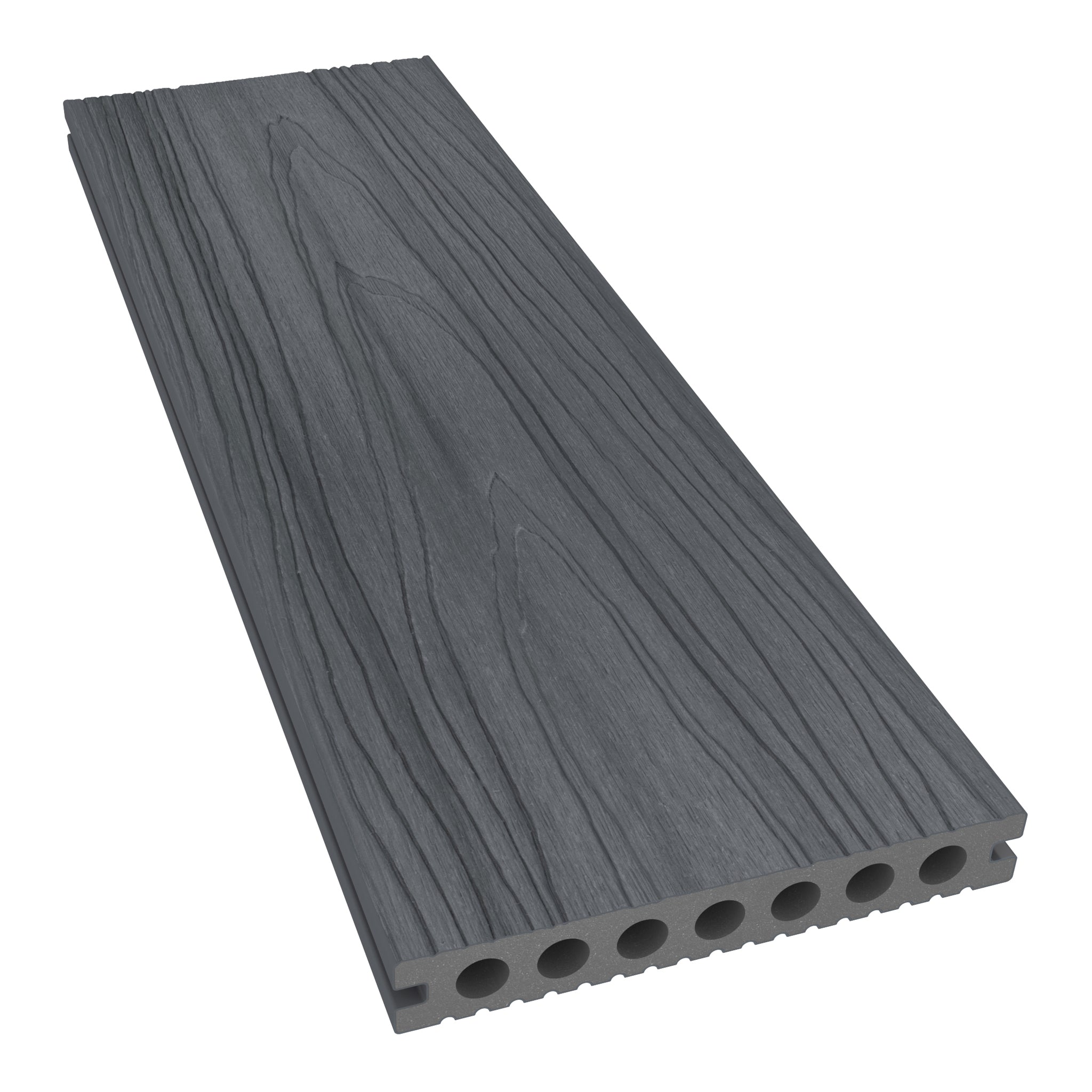
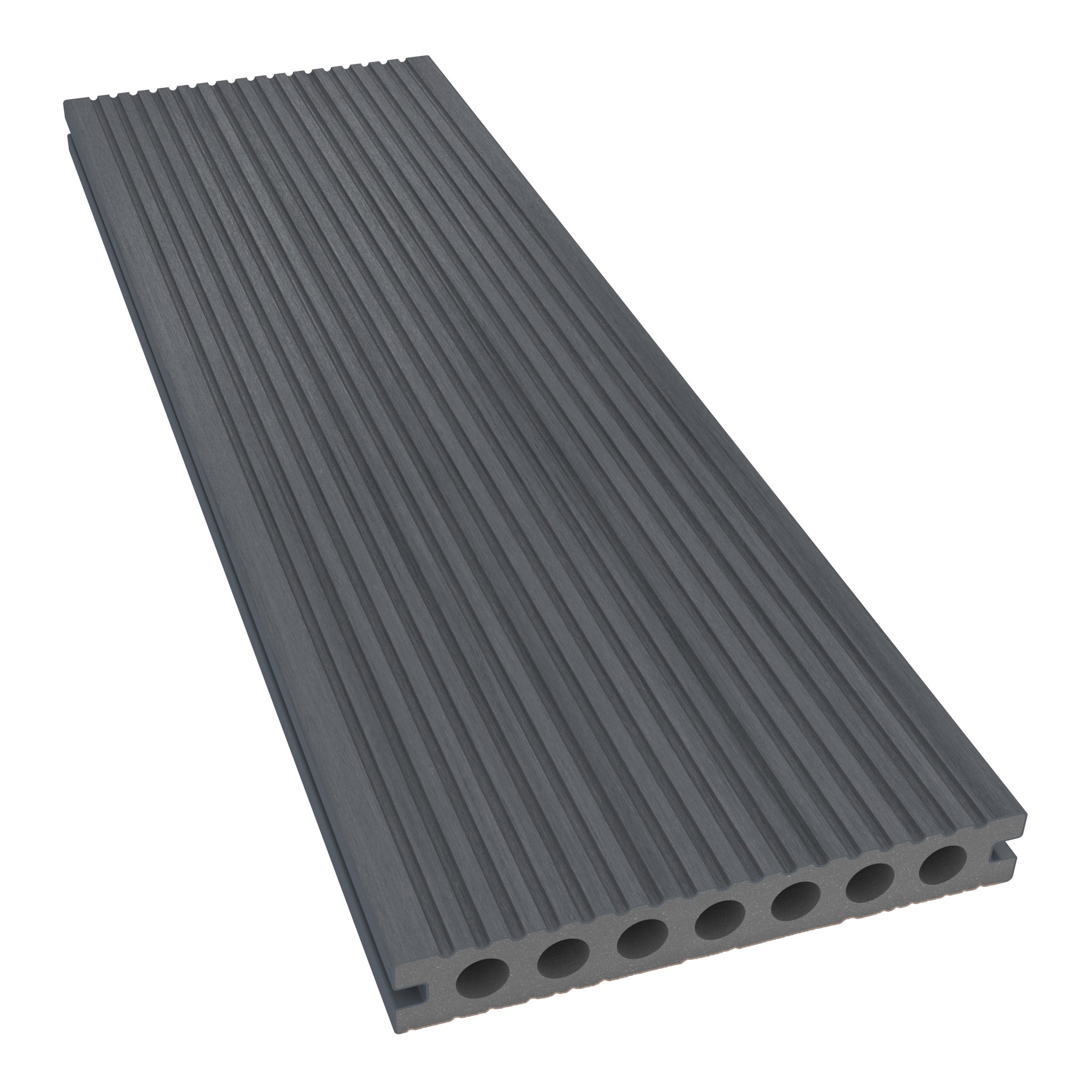
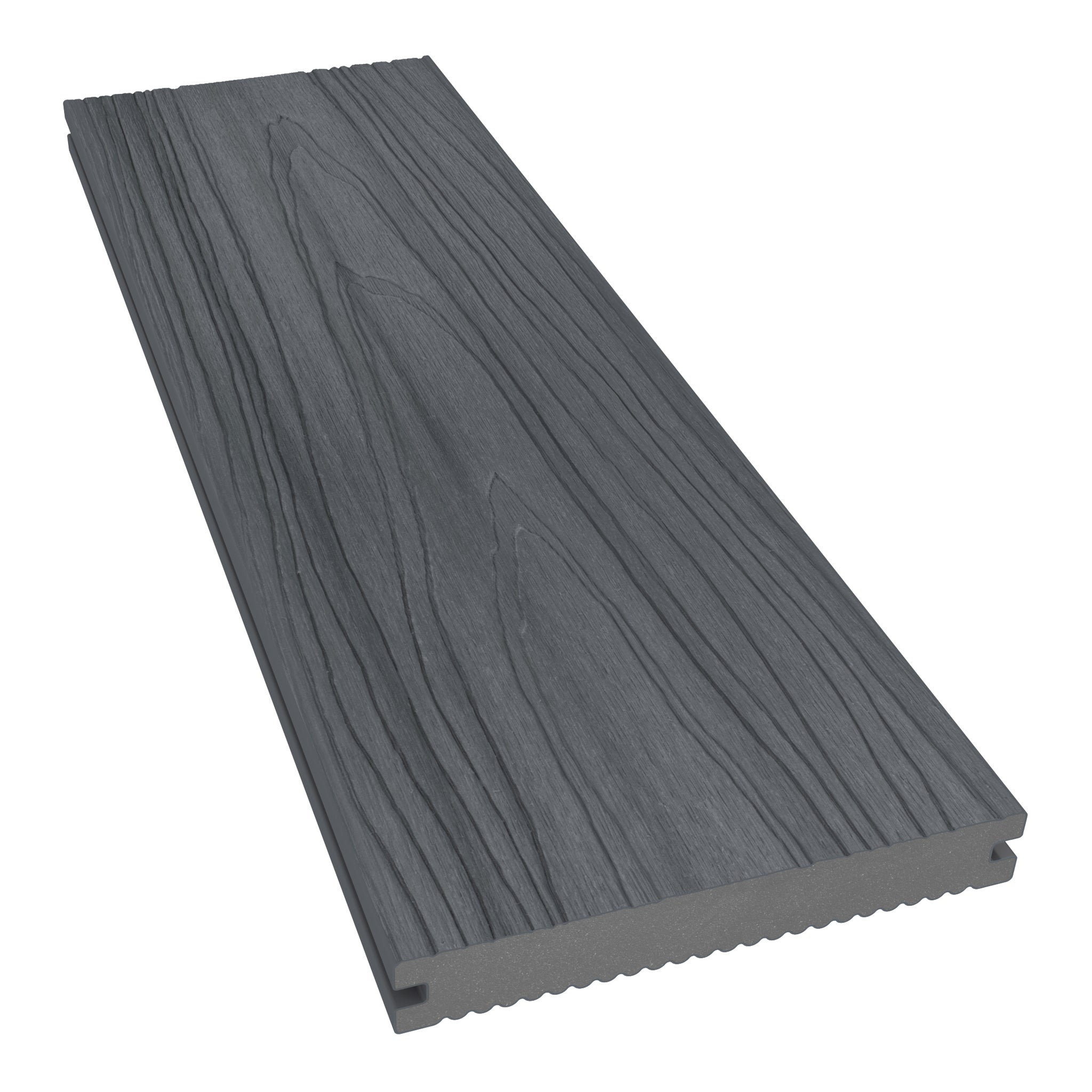
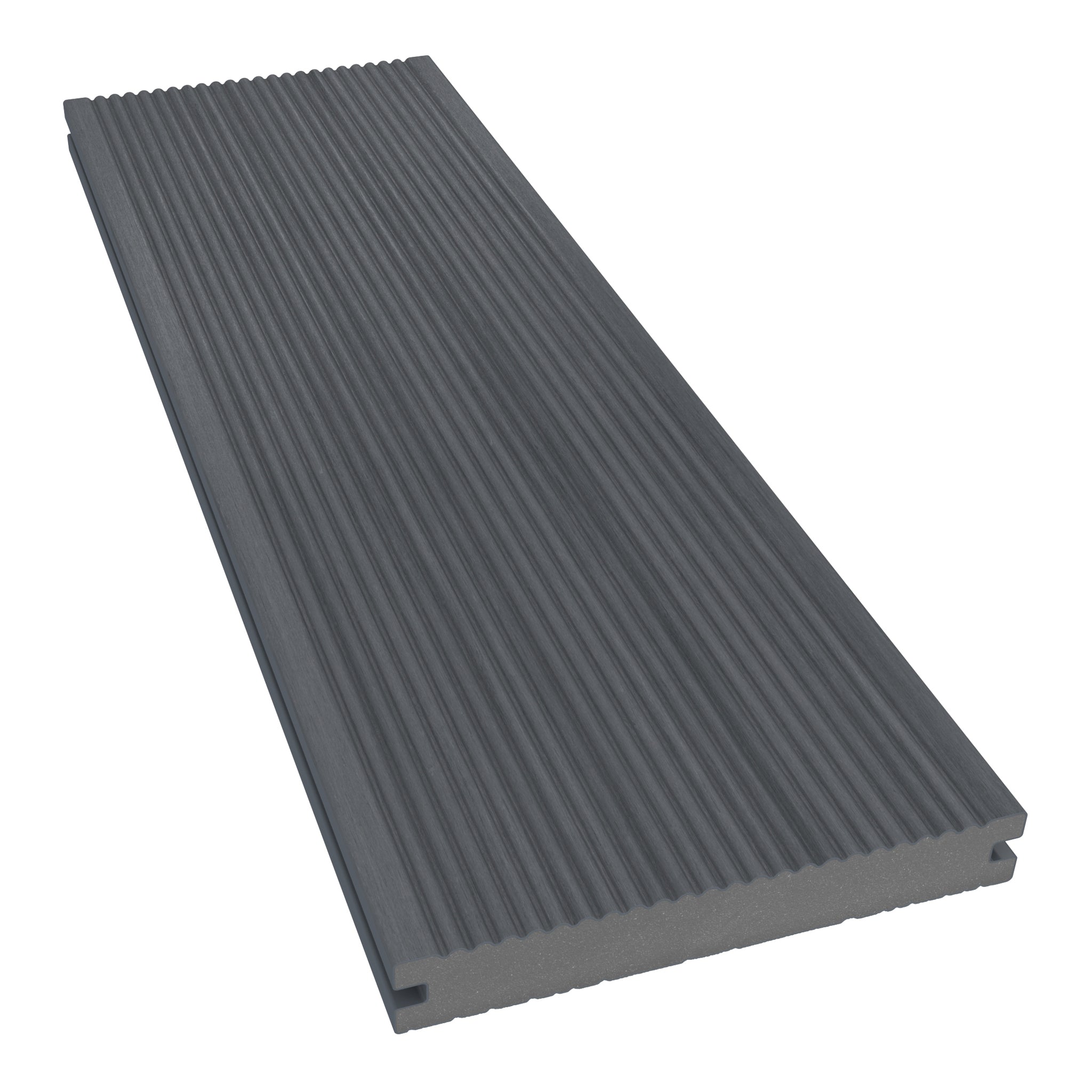
NeoTimber's Charcoal shade is the option to explore for a black-inspired composite surface. It has a deep, dark character, but should not be assumed to match a flat painted black exactly. Board texture, range and lighting all influence its appearance.
For product-specific colour inspiration and the Charcoal gallery, visit our black composite decking guide. Here, the focus is on how a dark floor can work within the wider garden design.
Start With the View From Your Home
Look at the planned deck from the room that opens onto it. Which materials will sit in the same view: brickwork, render, window frames, paving or fencing? Repeating a dark detail can connect the deck with those features without making the entire scheme monochrome.
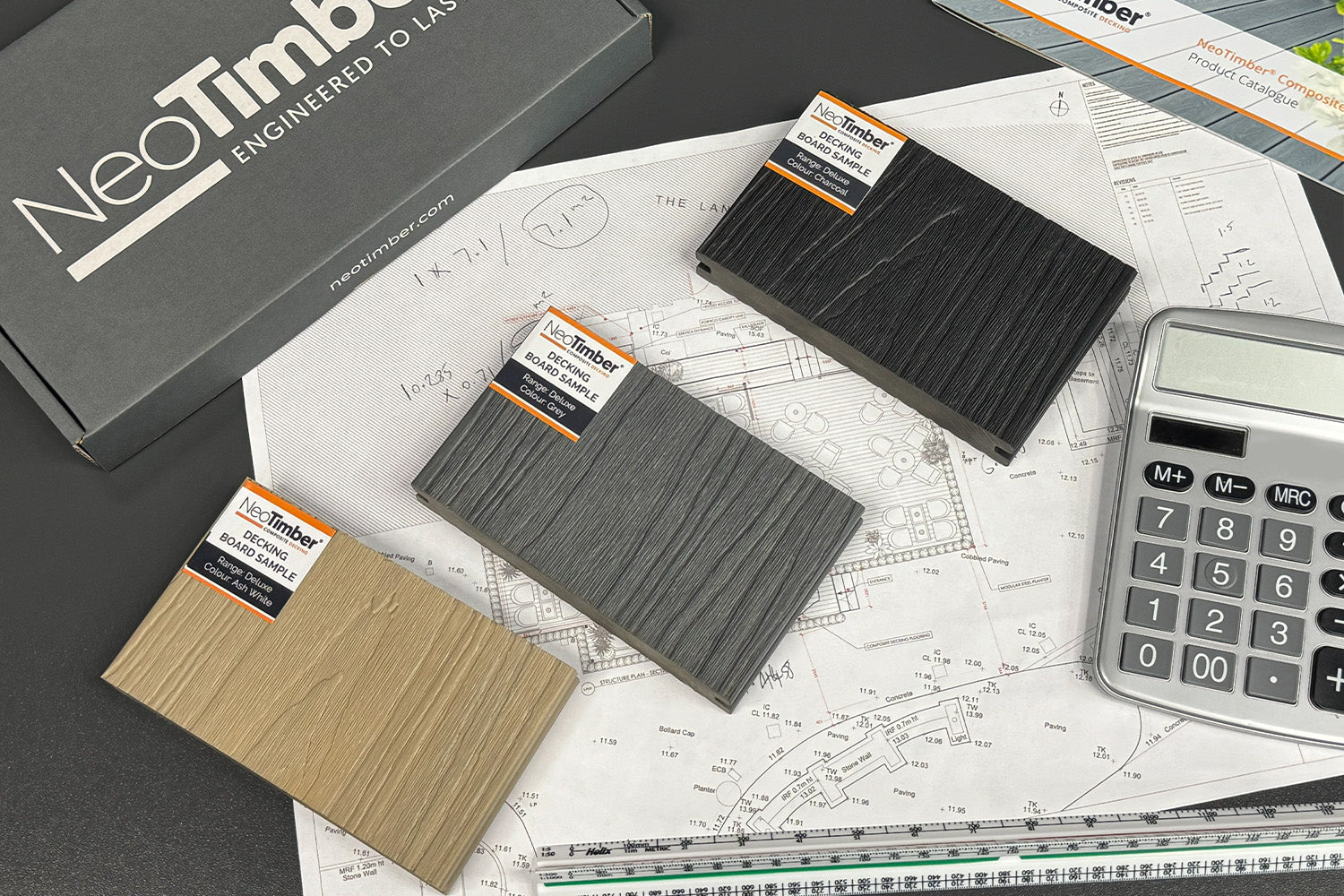
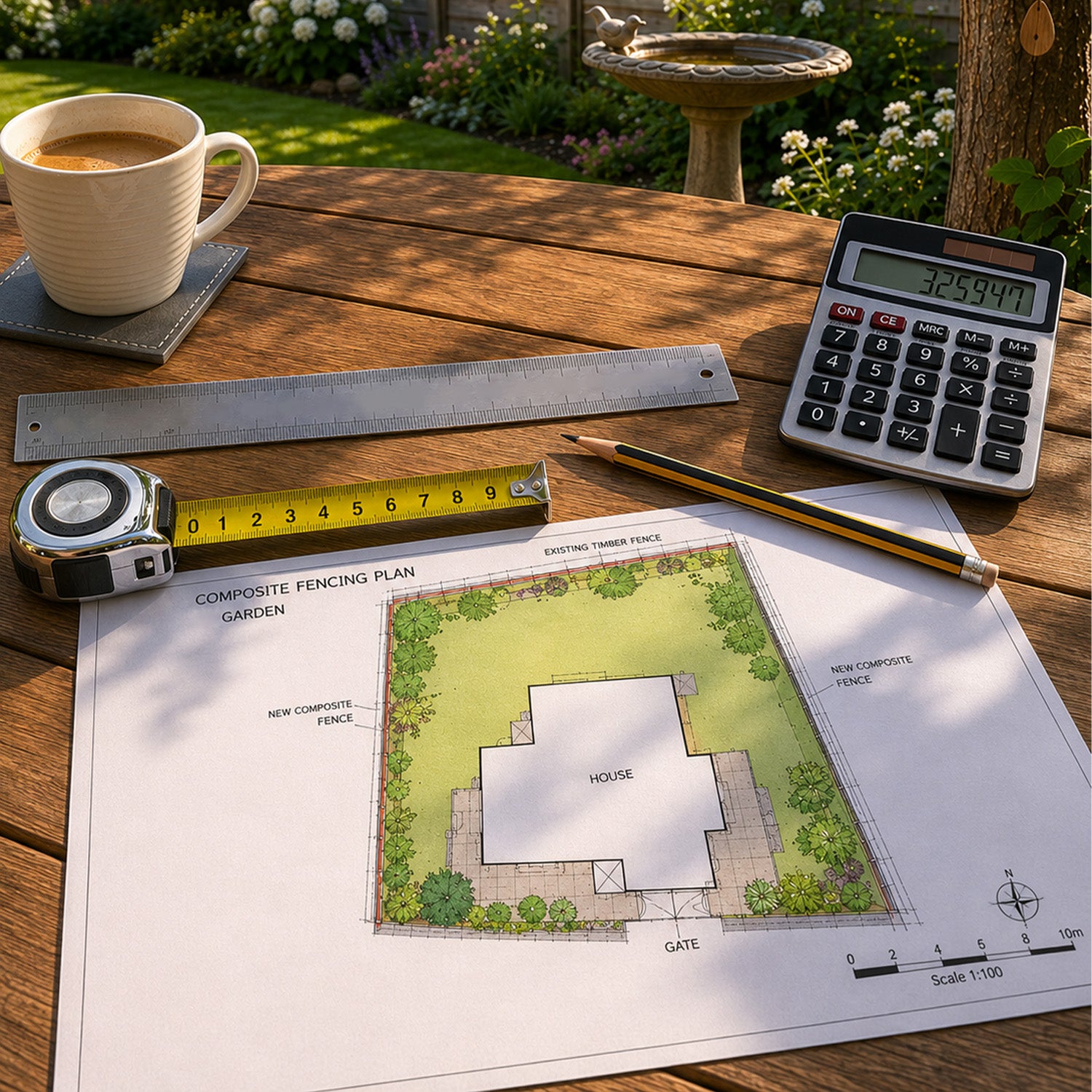
Sketch the footprint and add the furniture you expect to use. Leave room to move around chairs and keep routes to doors and paths clear. A restrained layout often allows the colour and surrounding planting to have more impact.
Black Decking With Less Routine Refinishing
Maintaining a painted timber colour can involve cleaning, preparation and recoating according to the timber and coating requirements. Composite offers a different route: its manufactured finish generally avoids routine sanding, staining and sealing.
That is a reduction in refinishing work, rather than an absence of care. Boards still need cleaning, drainage and inspection. Our low-maintenance decking advice explains what ongoing ownership involves.
If a dark finish is central to your design, compare product information about colour behaviour. Protective capping improves fade and stain resistance, but does not guarantee that the appearance will never change.

Use Furniture to Set the Mood
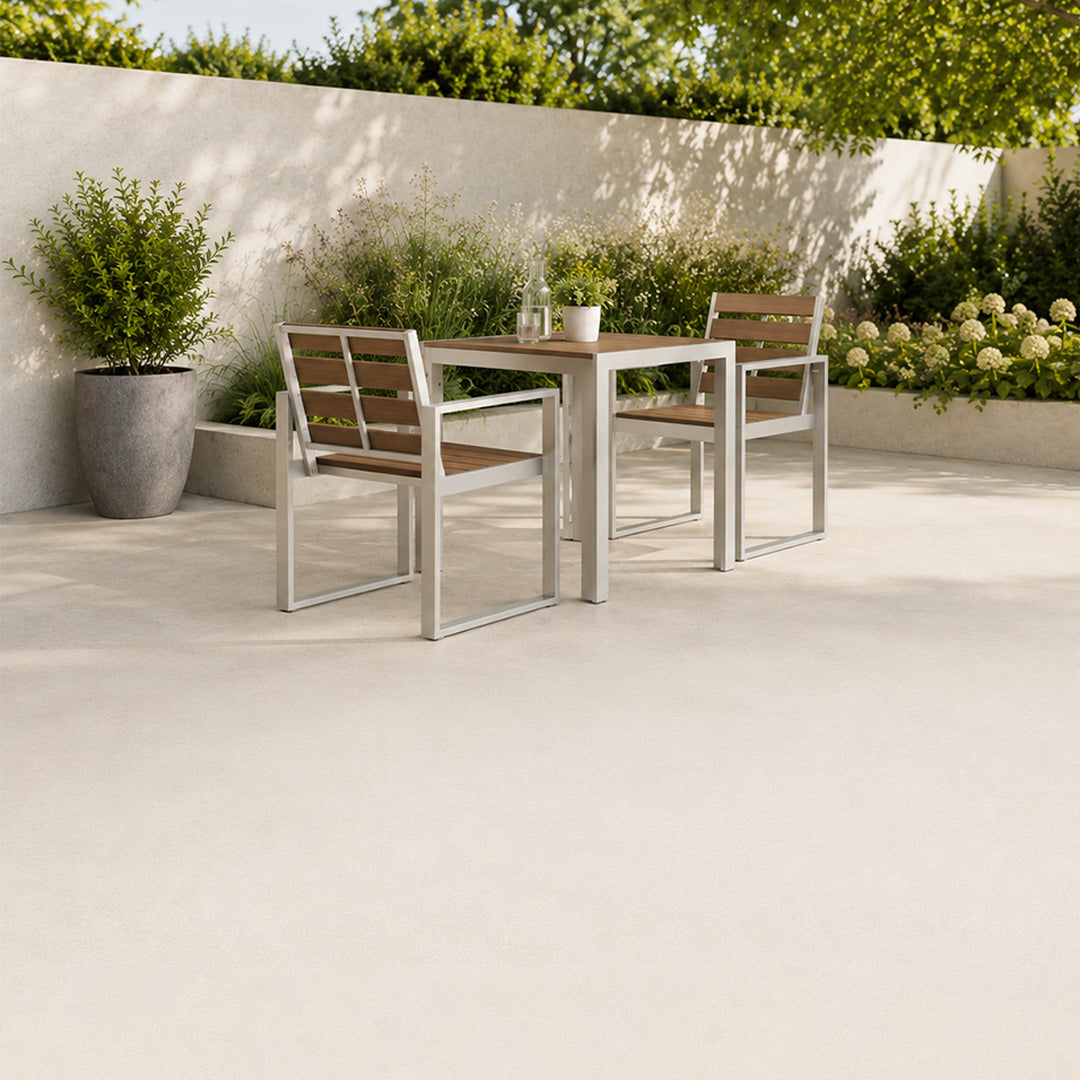
Pale seating and neutral cushions create a clear contrast with black decking. Woven textures or warm furniture finishes can make the same surface feel softer and more relaxed. Choose one direction to begin with, then add small accents.
For stronger colour, try repeated details in cushions, pots or table accessories. A limited palette is easier to coordinate than several competing shades, and these smaller pieces can be changed without altering the deck.
Scale matters as much as style. Oversized furniture can overwhelm a compact garden deck, while too many small pieces can make it feel cluttered. Plan the arrangement around comfort and access for cleaning.

Let Planting Stand Out Against the Dark Surface
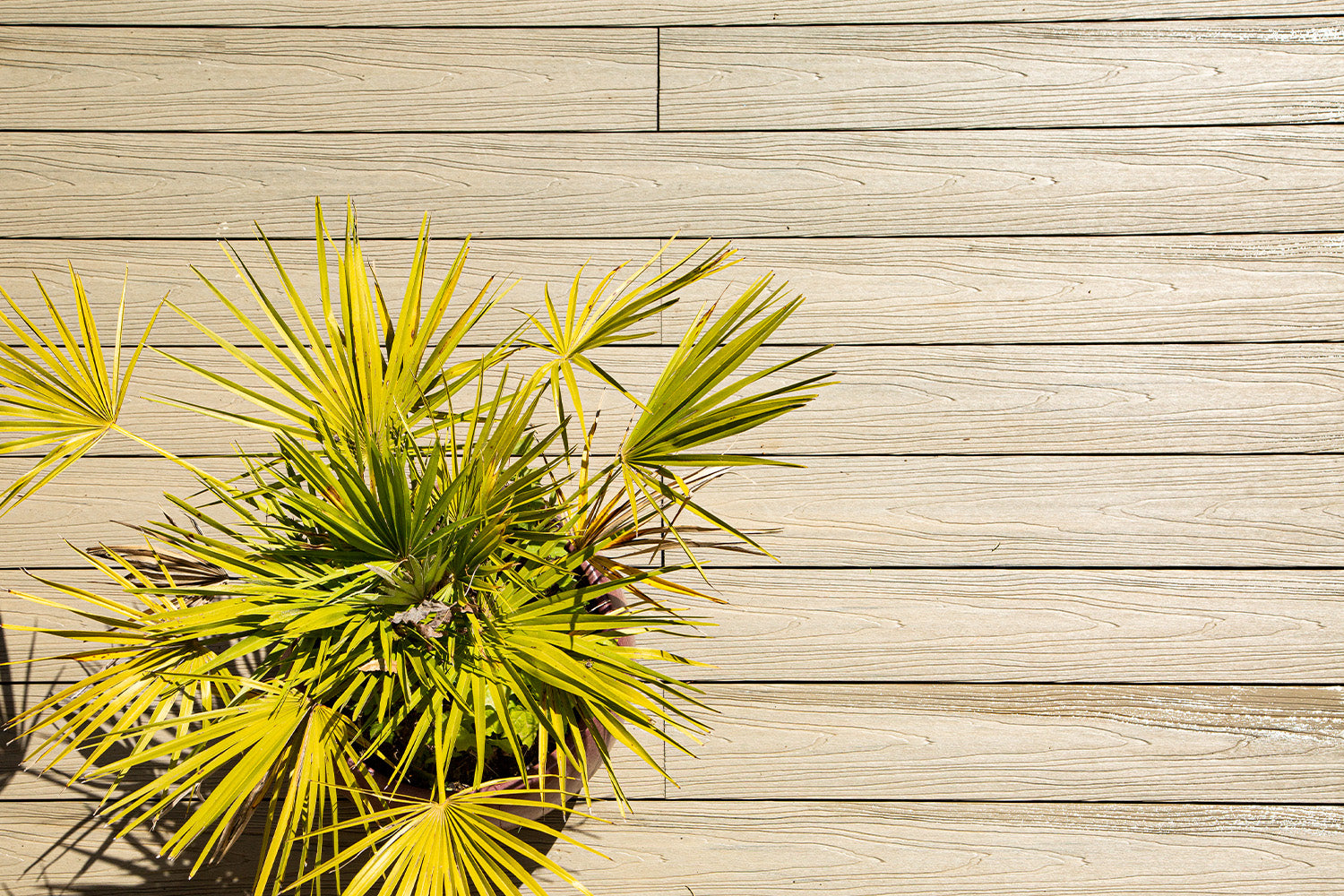
Black decking can bring leaf shapes and foliage colours into focus. A few well-placed containers may be enough to soften the perimeter, especially where the garden already has substantial planting beyond the deck.
Combine different leaf sizes and textures rather than relying only on flowers. Green foliage, burgundy tones and seasonal colour can each create a different relationship with the dark background. Select plants for the site's sunlight, wind and winter conditions rather than appearance alone.
Keep containers clear of drainage routes and allow access beneath or around them where needed. Heavy planters should be considered within the structural design, particularly on raised decks. Avoid dragging pots across the board surface when rearranging the display.

Bring Definition to Borders and Evening Spaces
A contrasting edge can help give a dark deck a deliberate outline. Alternatively, a single-colour surface can keep the scheme calm while furniture and planting provide contrast. Choose the approach that suits the size and shape of the area.
Plan lighting around the doorway, seating and any changes of level. Gentle illumination can make the space more inviting, while clear routes and visible edges support everyday use. Explore our decking accessories guide when coordinating those details.
Borders, steps and fittings affect the supporting structure. Resolve them before construction rather than treating them as decorative additions after the frame is finished.
Check the Practical Side of a Dark Deck
Sunlight and Comfort
Deck boards can become warm in direct sunlight, and darker surfaces may feel hotter under comparable conditions. Consider how the sun moves across the site and whether shade would improve the area during the hours you plan to use it. No colour guarantees a cool surface.
Visible Dirt and Routine Cleaning
Dust, pollen and pale marks can show against a dark finish. Sweep away debris and follow the selected board's care instructions. Prompt attention to spills and organic growth is more manageable than allowing contamination to build up.
Drainage and Footing
No decking is slip-proof. Water, algae and fallen leaves can affect walking conditions. Follow the installation guidance for support, drainage, ventilation and movement gaps, and keep the surface accessible for cleaning.
Choose the Board Specification Alongside the Colour
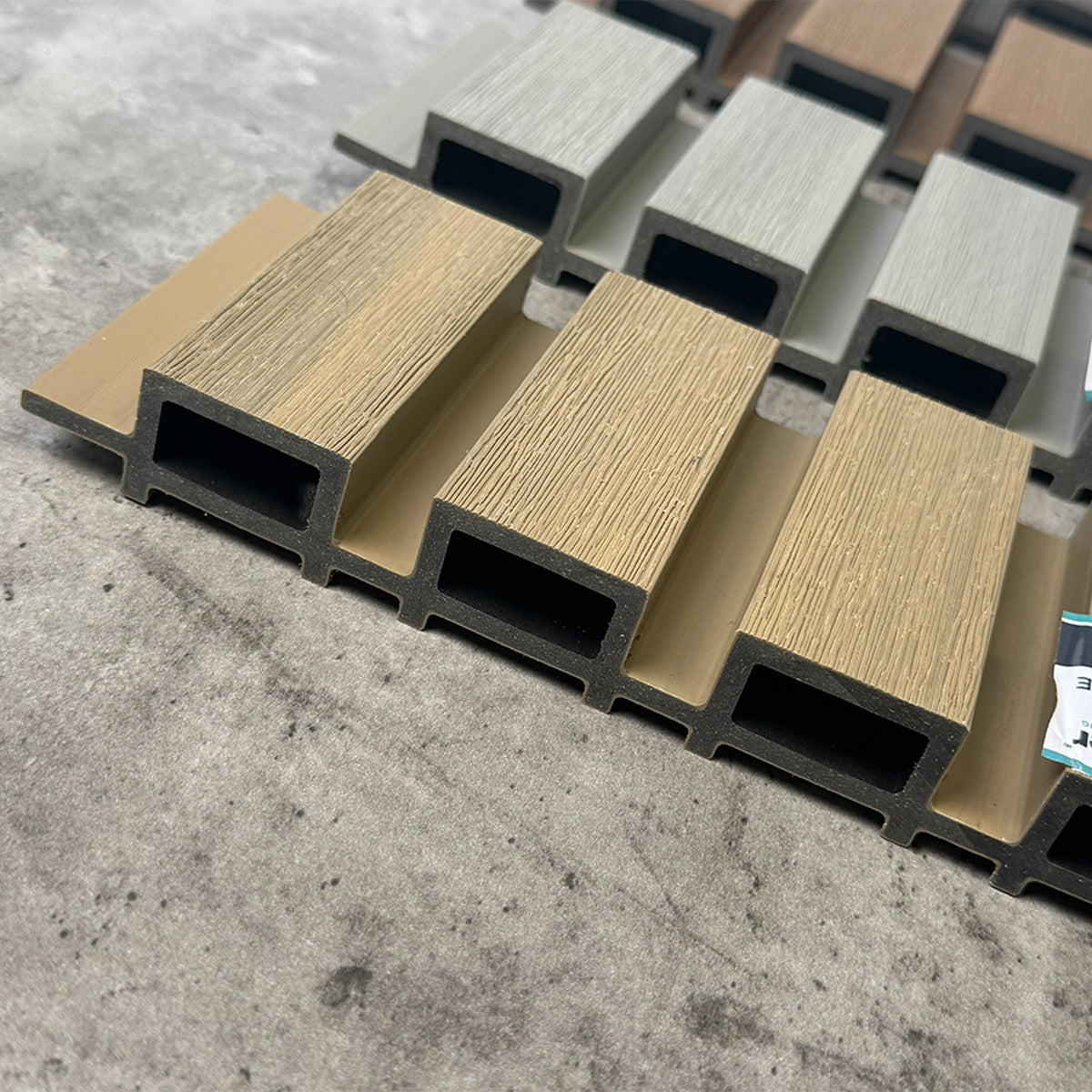
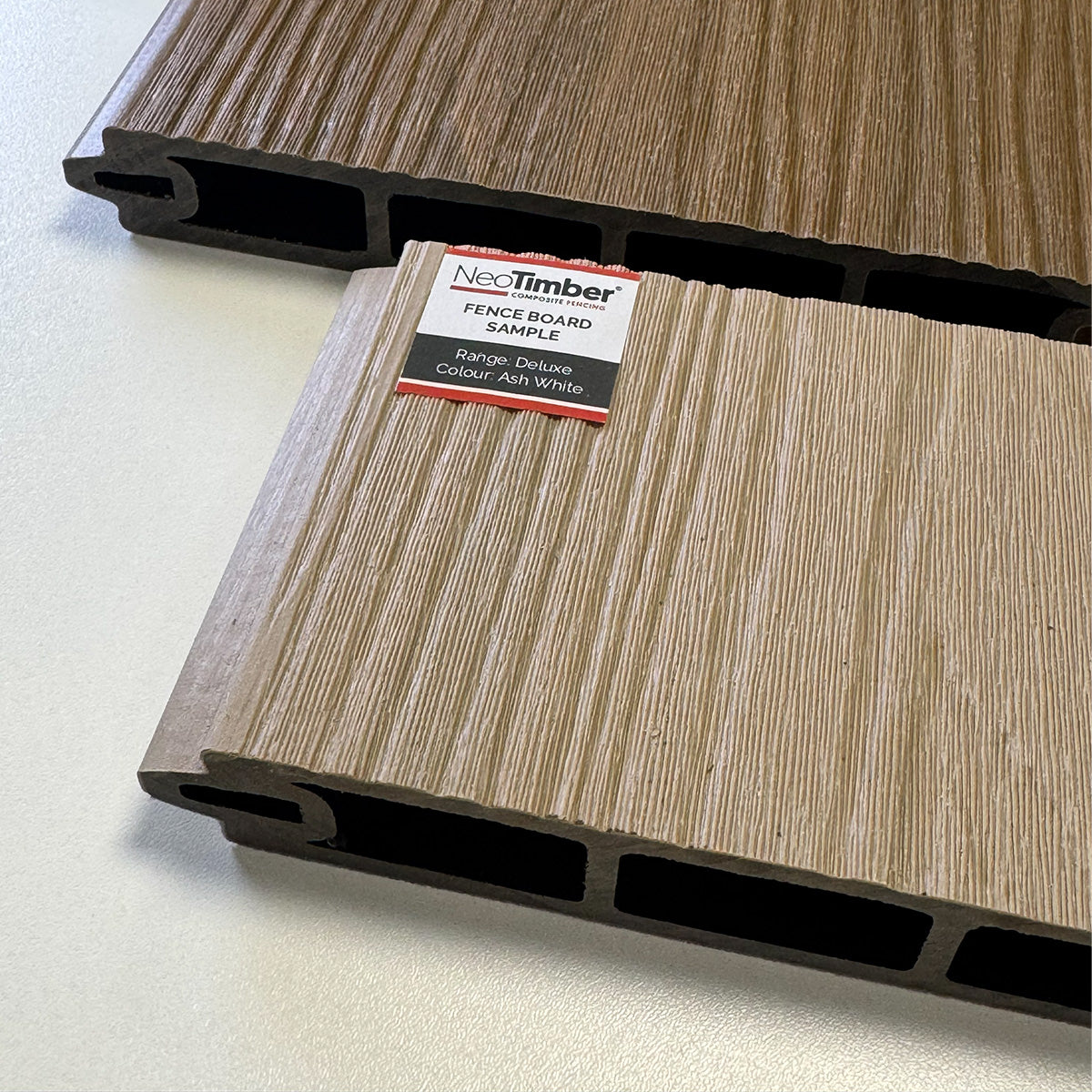
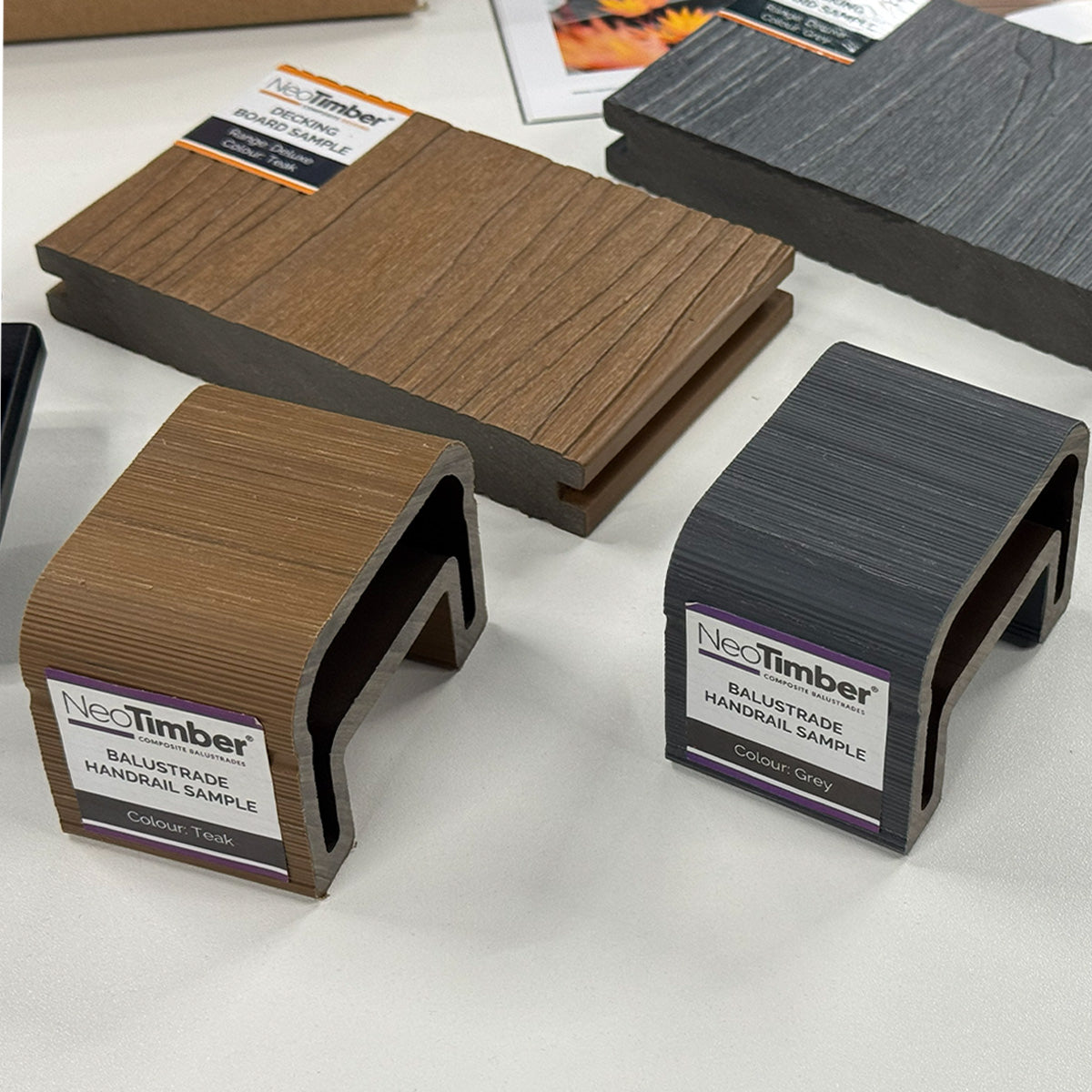
Charcoal is available within NeoTimber's Classic and Deluxe selections. Compare the exact board's core profile, surface construction and intended application. Hollow and solid cores are separate choices from capped and uncapped finishes.
Review the composite decking product information before buying, and assess the complete installation cost rather than the board price alone. For elevated or specialist projects, confirm structural and fire requirements before specifying the material.
Black Decking FAQs
Will black decking suit a small garden?
It can, particularly where the surrounding walls, furniture and planting provide balance. Keep the layout clear and compare samples in the actual light before deciding.
What furniture colours go with black decking?
Pale neutrals offer contrast, warm textures soften the effect and small bright accents add colour. Repeating a few finishes can help the overall scheme feel connected.
Does black composite decking need painting?
It is supplied with a manufactured finish and generally does not need routine painting. Follow the product's care guidance rather than applying an unapproved coating.
Find the Right Dark Finish for Your Garden
Black decking works best when the floor, furniture and planting are planned together. Use contrast deliberately, leave space to move comfortably and consider how the area will feel in changing light.
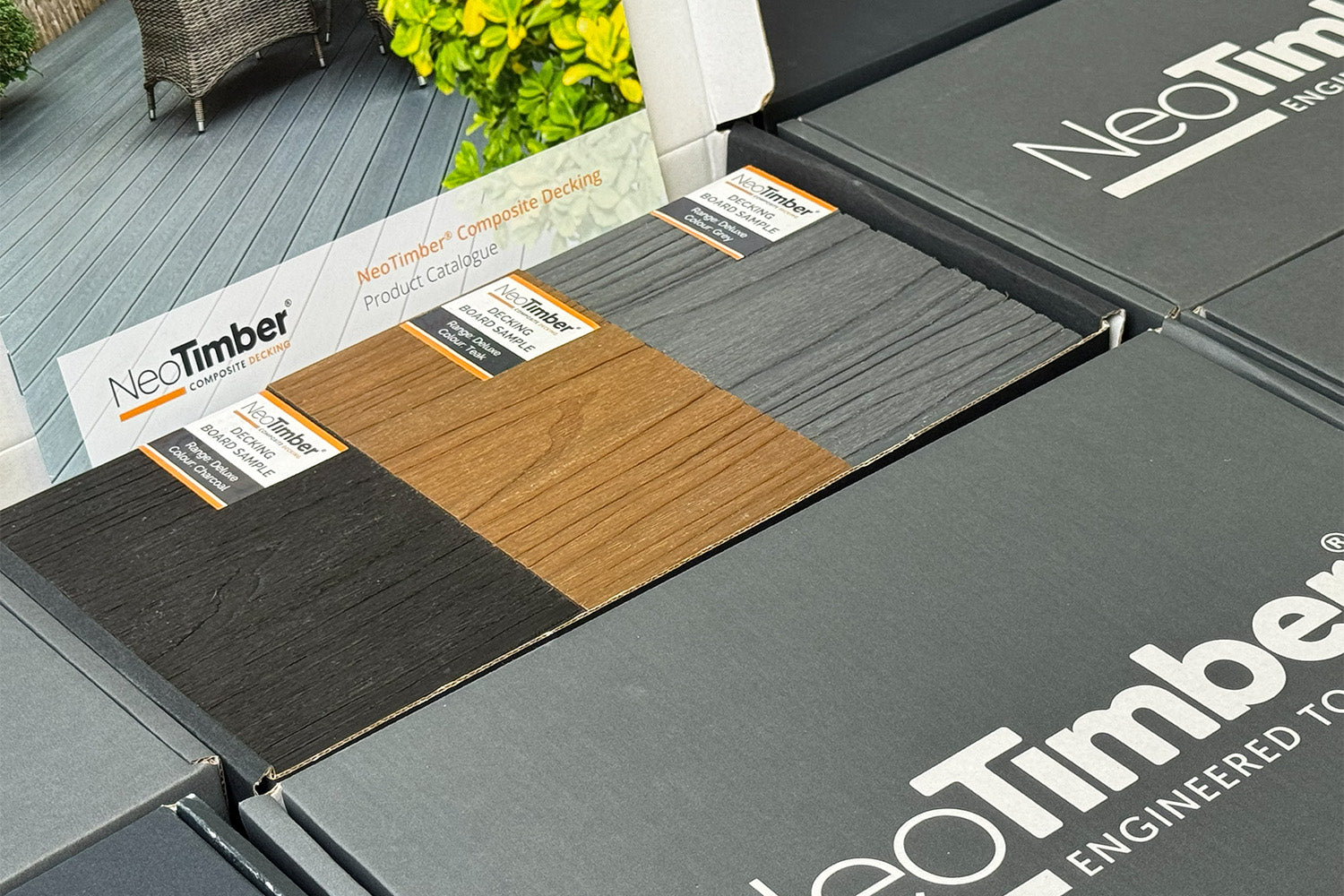
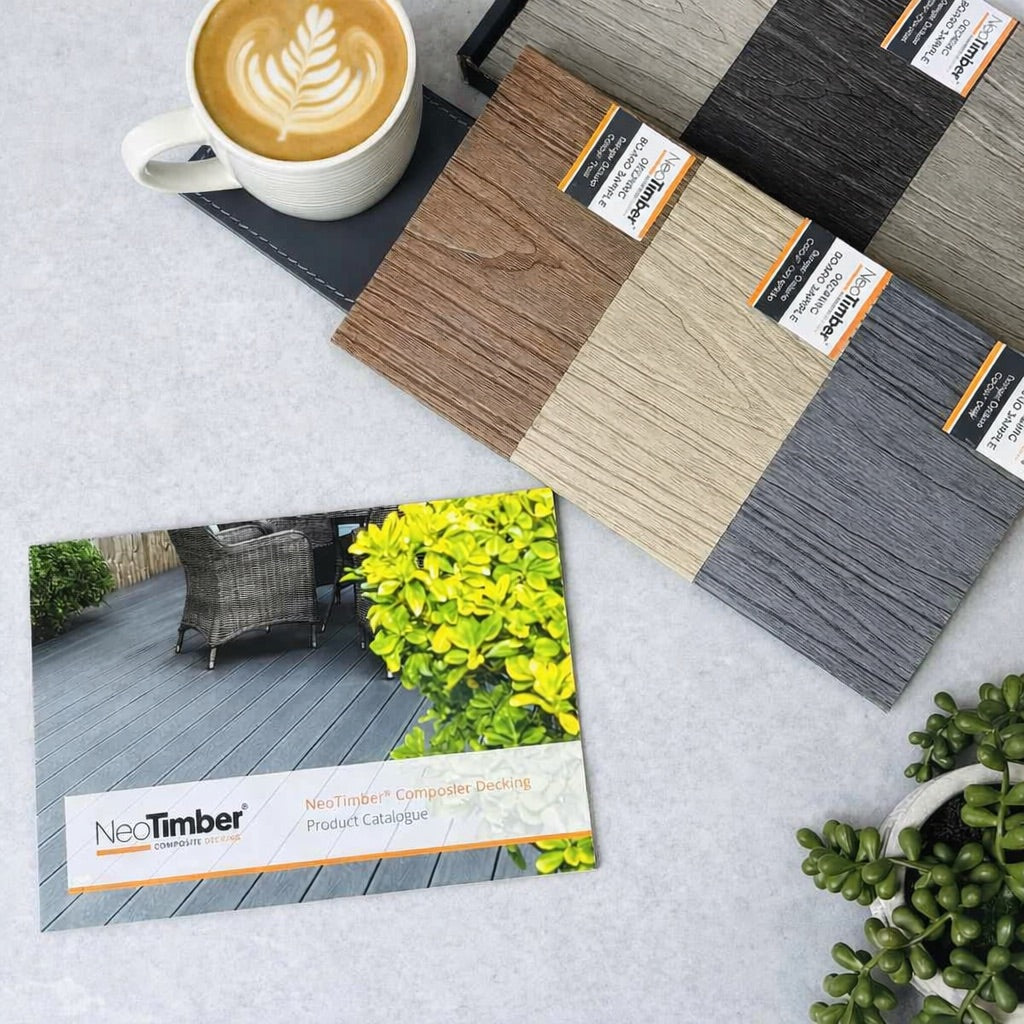
Explore our decking options, compare composite decking and request free decking samples. Visit the Charcoal colour guide and gallery for further inspiration, or contact our team for product advice.