Simple Habits to Care for Your Composite Deck Throughout the Year
Composite decking maintenance is about keeping the surface clean, drainage clear and the complete installation in suitable condition. Composite boards avoid routine painting, staining and oiling, but they still benefit from regular attention.
A manageable routine combines periodic washing with prompt spill treatment and inspection. The right method depends on the board range, its surface construction and the conditions around the deck.
This guide covers ongoing care rather than a single deep clean. For a detailed washing sequence, visit our composite decking cleaning guide. Explore our decking guide or browse the composite decking range for product information.
Your Composite Decking Maintenance Routine
| Task | When to consider it | What to check |
|---|---|---|
| Remove debris | As leaves, soil or litter accumulate | Surface, board gaps and drainage routes |
| Routine wash | Around every 3–6 months, adjusted to conditions | Approved detergent, brush and rinsing method |
| Treat spills | Promptly after they occur | Stain type and board-specific cleaning advice |
| Inspect the installation | Periodically and after severe weather | Boards, fixings, trims, steps and supporting details |
| Winter preparation | Before and during freezing conditions | Debris removal and compatible snow or ice treatment |
Use the schedule as a starting point. A shaded deck beneath trees or a busy dining area may need more frequent attention than an open, lightly used surface.
Routine Cleaning: Start with a Gentle Method
Clear loose debris, then wash with warm soapy water and a soft-bristled brush. Work along the boards and rinse away loosened dirt so it does not collect in the gaps.
Move suitable furniture carefully to reach concealed areas. Lift rather than drag it, and inspect the feet for grit or damaged protectors before returning it to the deck.
Avoid using aggressive tools or strong chemicals simply to speed up cleaning. Check the instructions for the board and cleaning product, especially where the stain or contamination is unfamiliar.

Can You Pressure Wash Composite Decking?
NeoTimber’s published cleaning guidance permits a fan attachment at no more than 3,100 PSI and no closer than 250mm from the surface. These are limits, not targets: start with the gentlest suitable approach and confirm the current instructions for your exact product.
Keep the spray moving along the boards and test discreetly first. Do not use concentrated jets or assume that guidance for another decking brand applies. Stop if the surface shows damage.
Oil, Grease and Other Spot Stains
Deal with spills promptly rather than treating a stated cleaning window as permission to leave them. Lift away excess material without spreading it, then use the approved cleaning method.
If routine washing does not resolve the mark, ask for advice on a cleaner compatible with the board. Follow its dilution, dwell-time and rinsing instructions and test in an inconspicuous area.
Do not mix cleaning chemicals. Keep cleaning products and runoff away from areas where they could harm planting or affect people and pets, following the product instructions.

Capped and Uncapped Boards Need Different Treatment
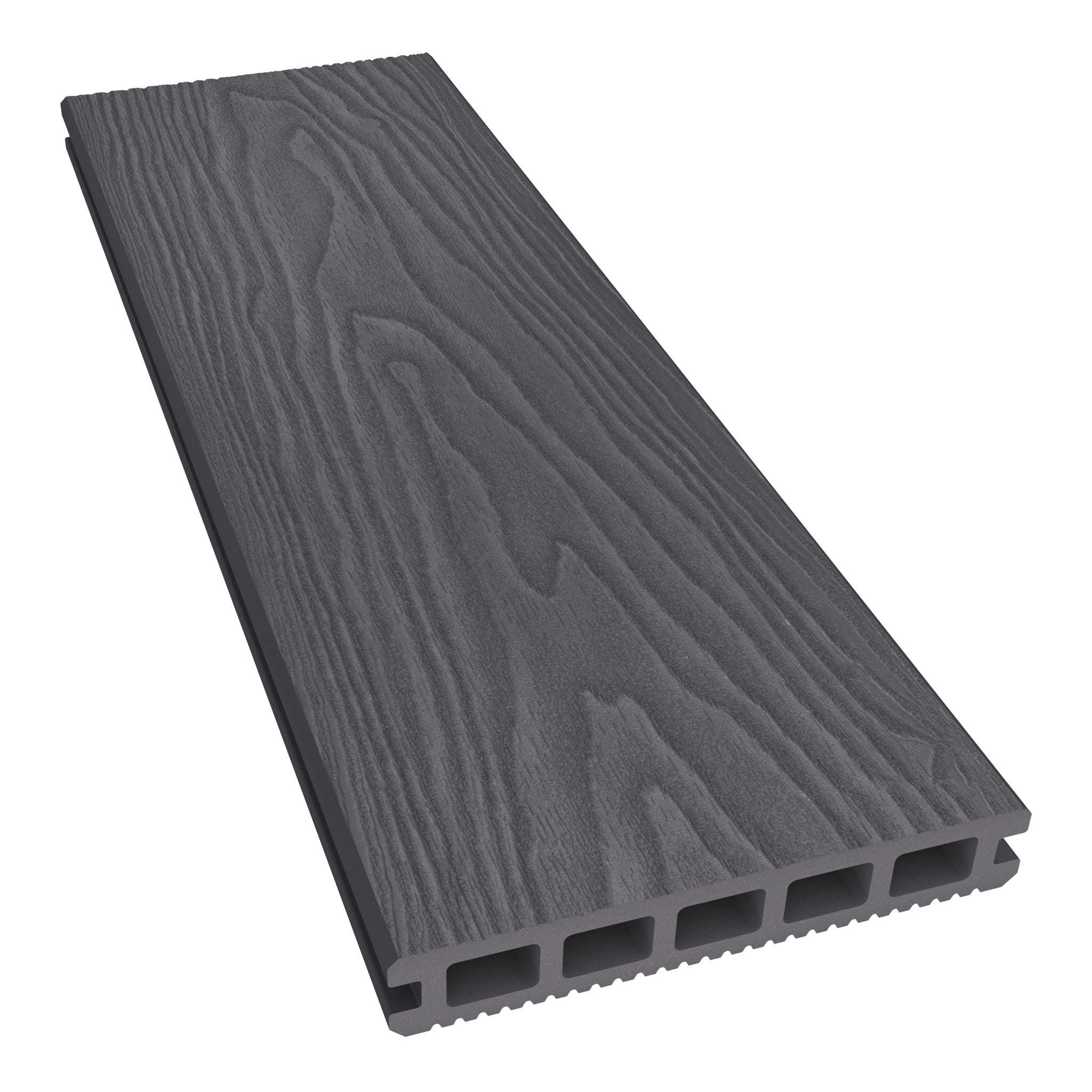
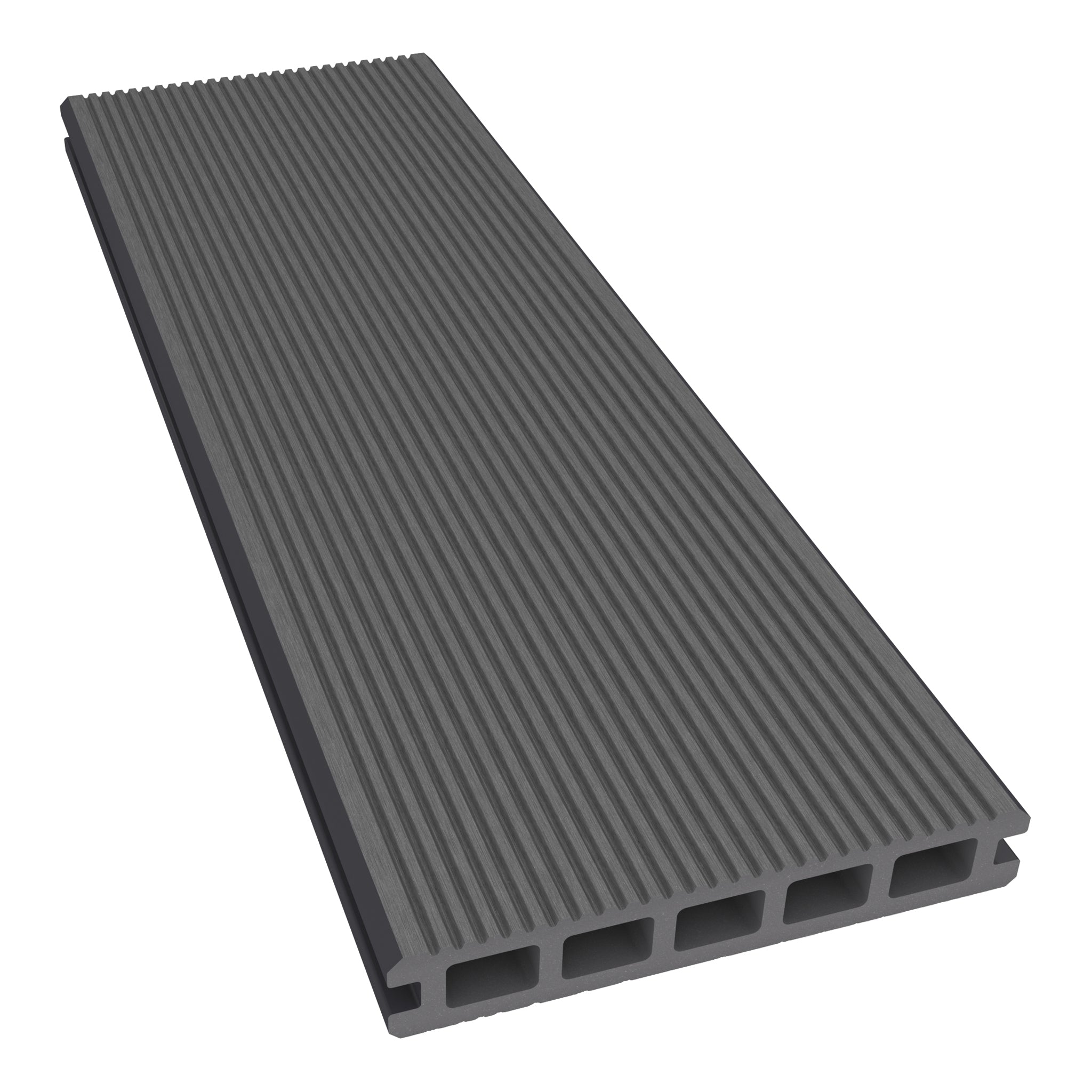
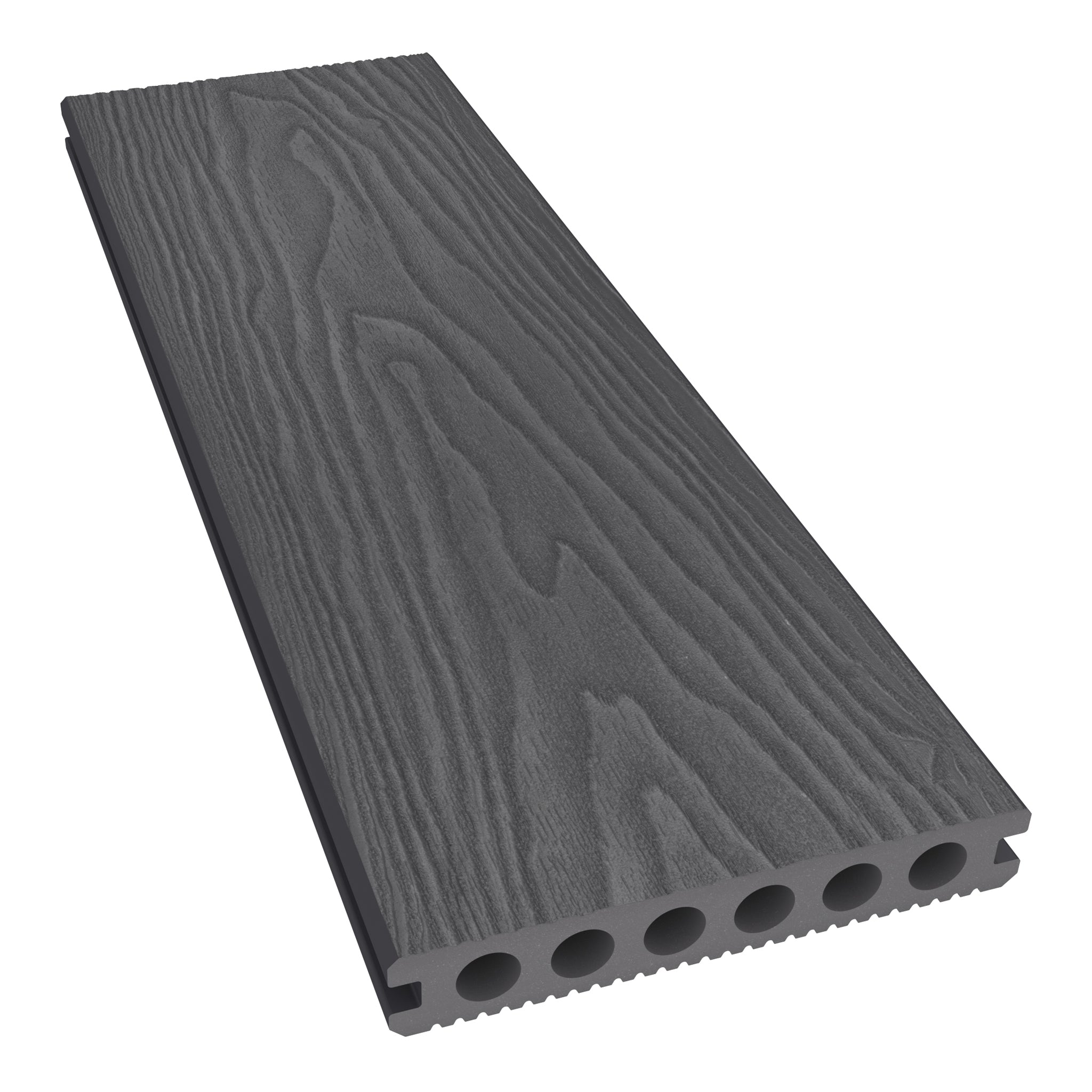
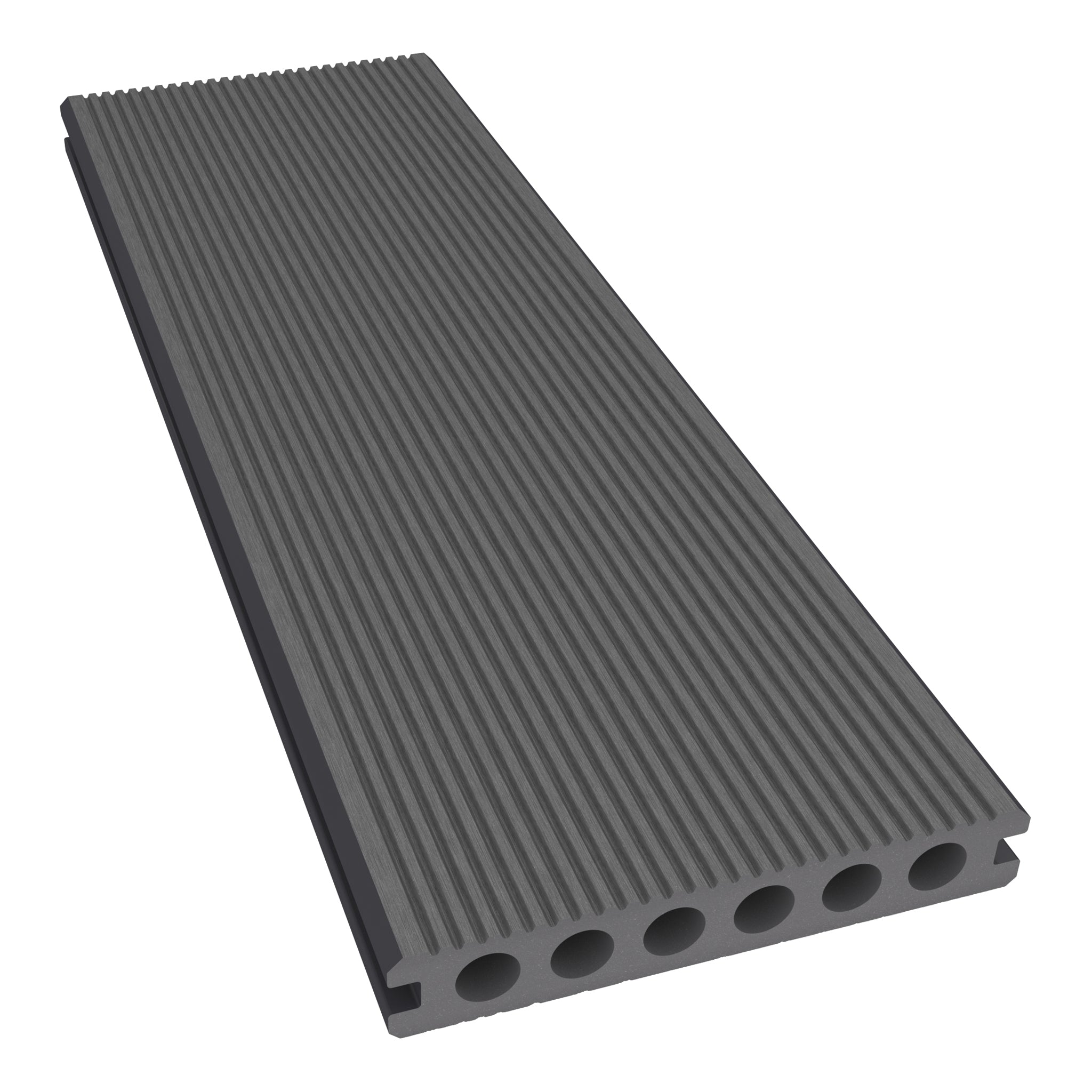
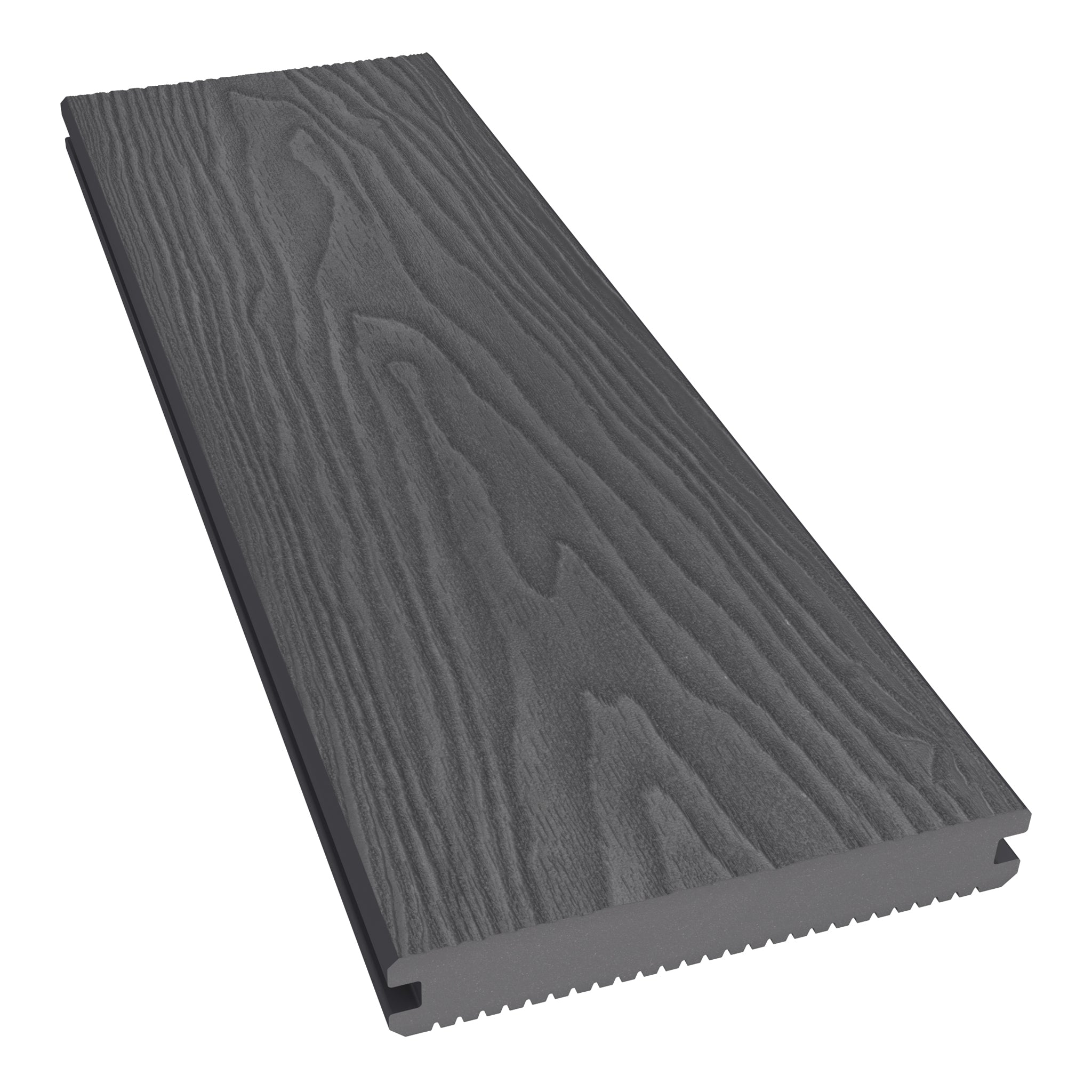
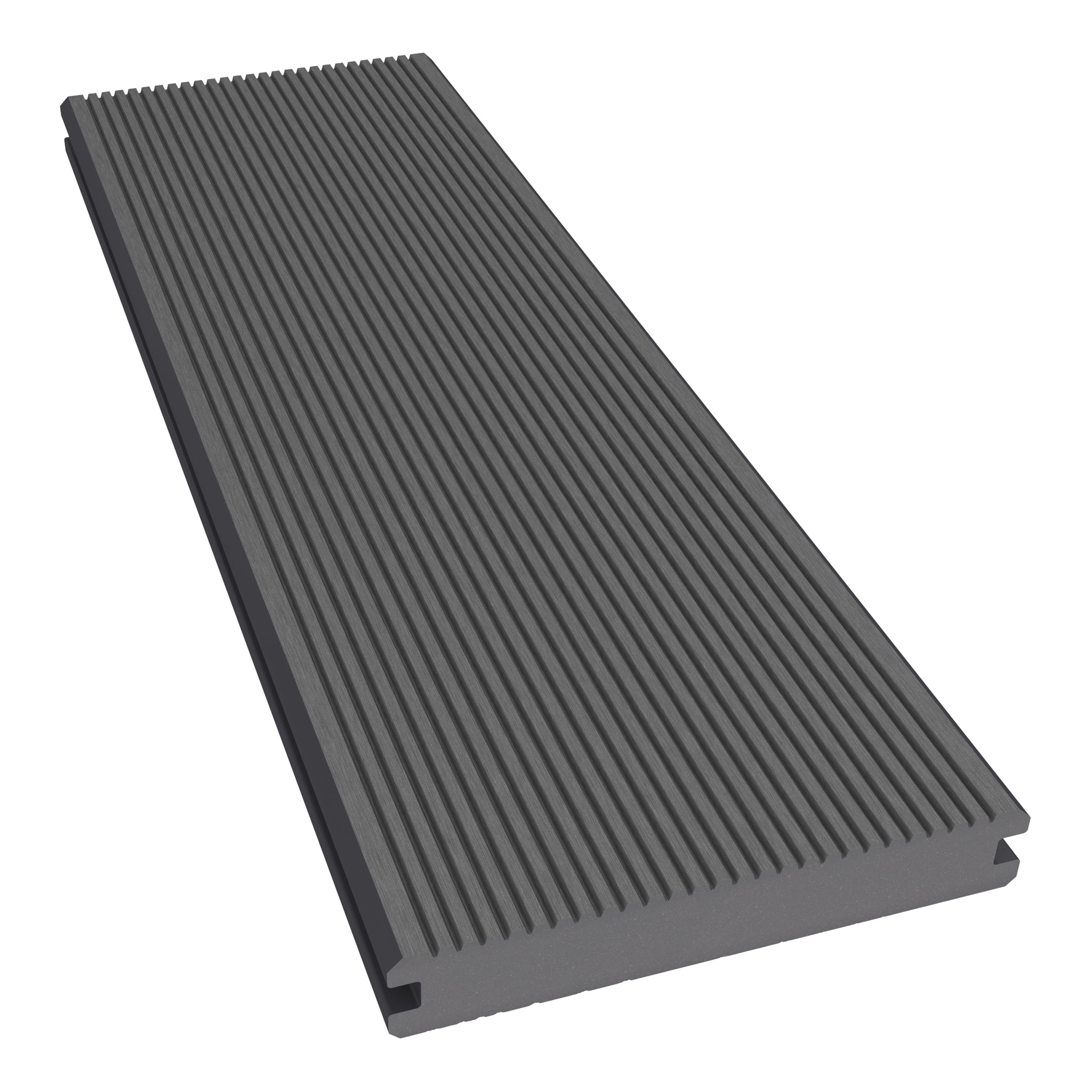
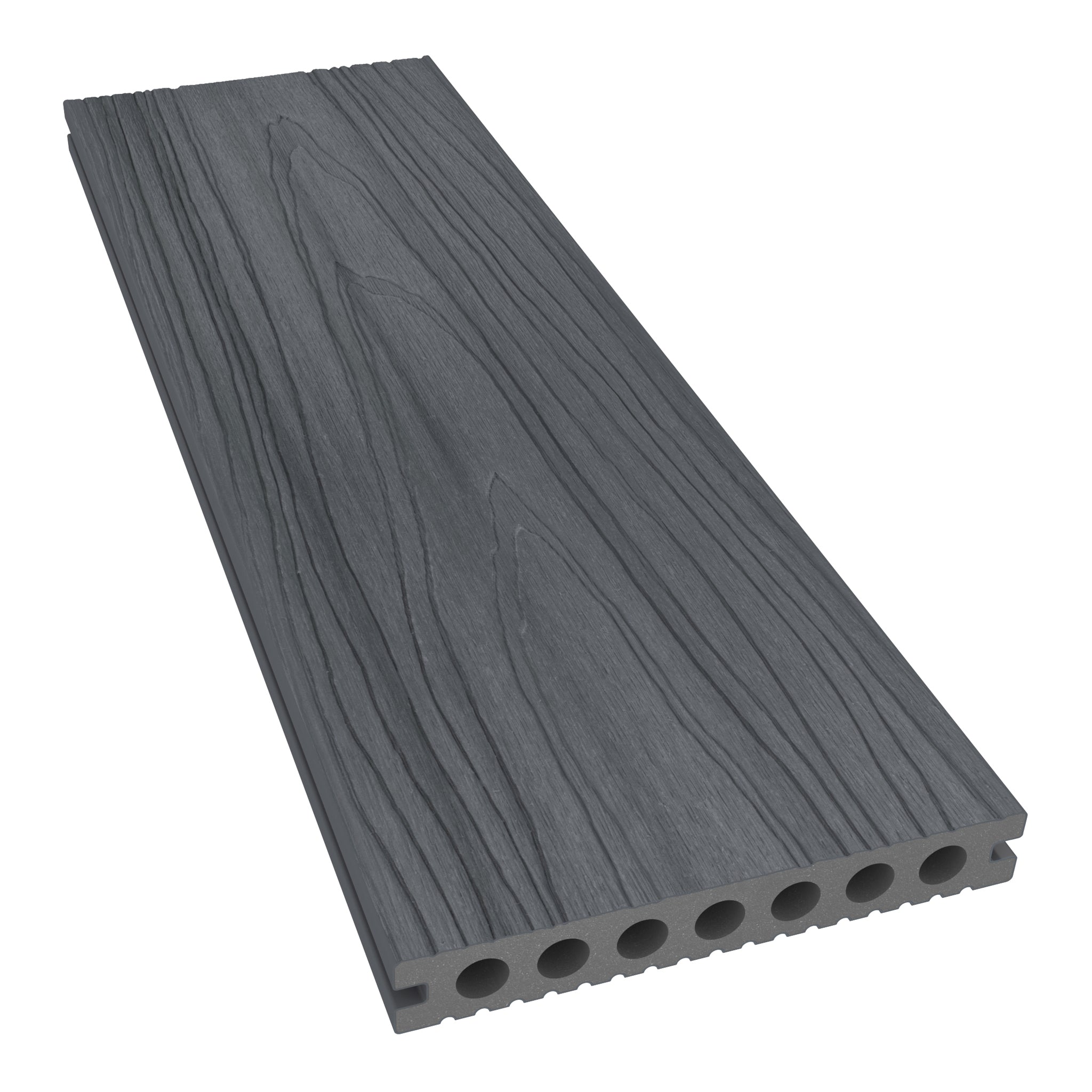
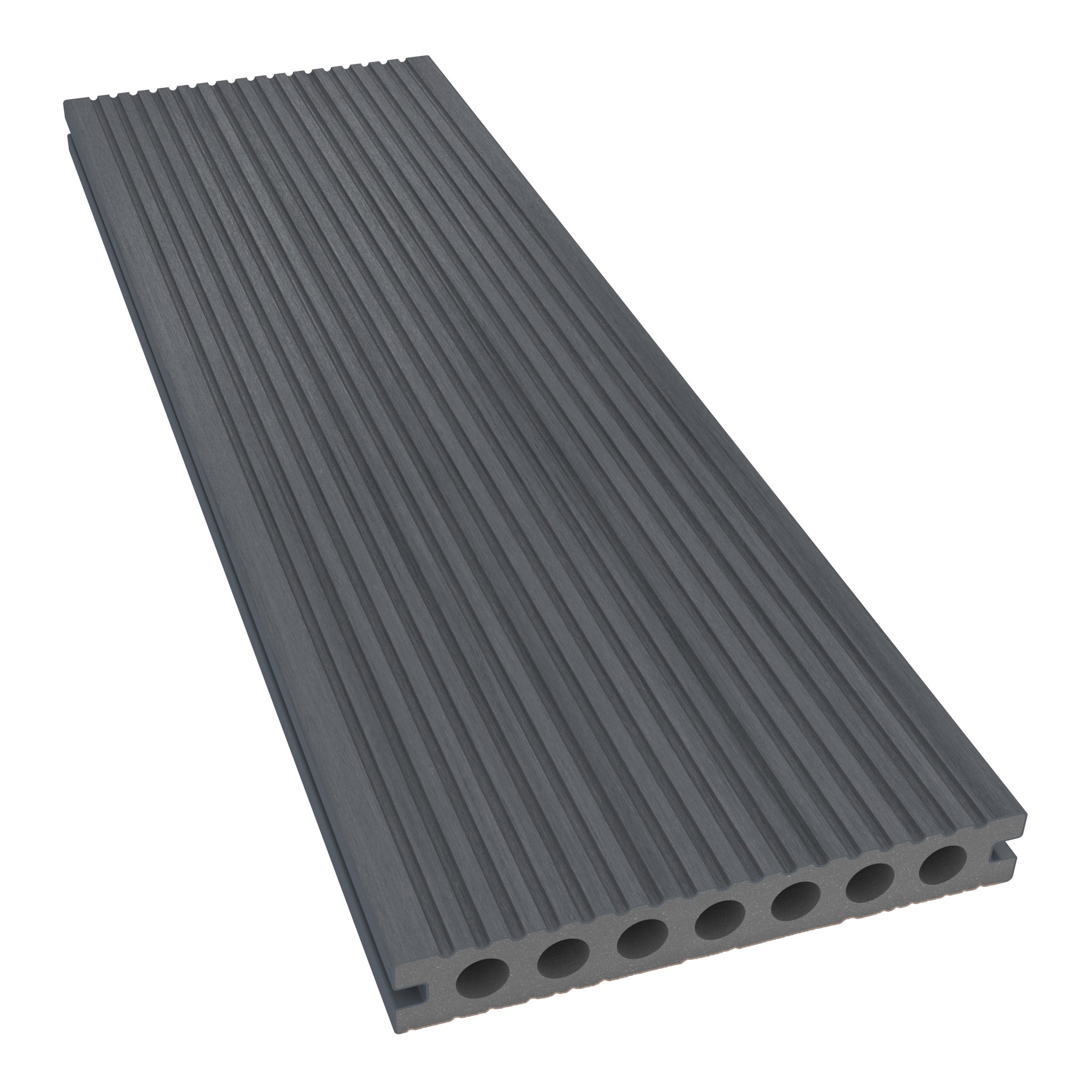
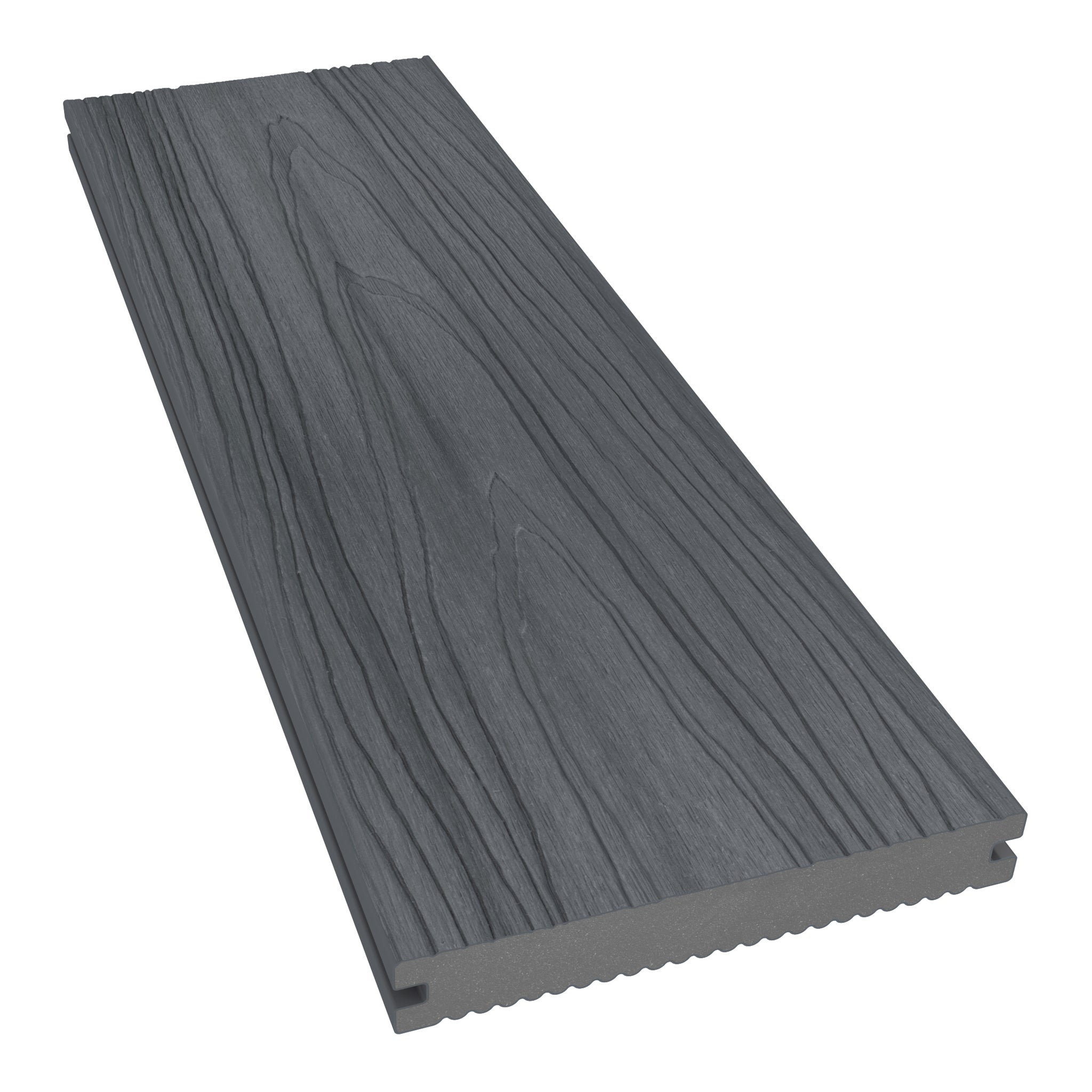
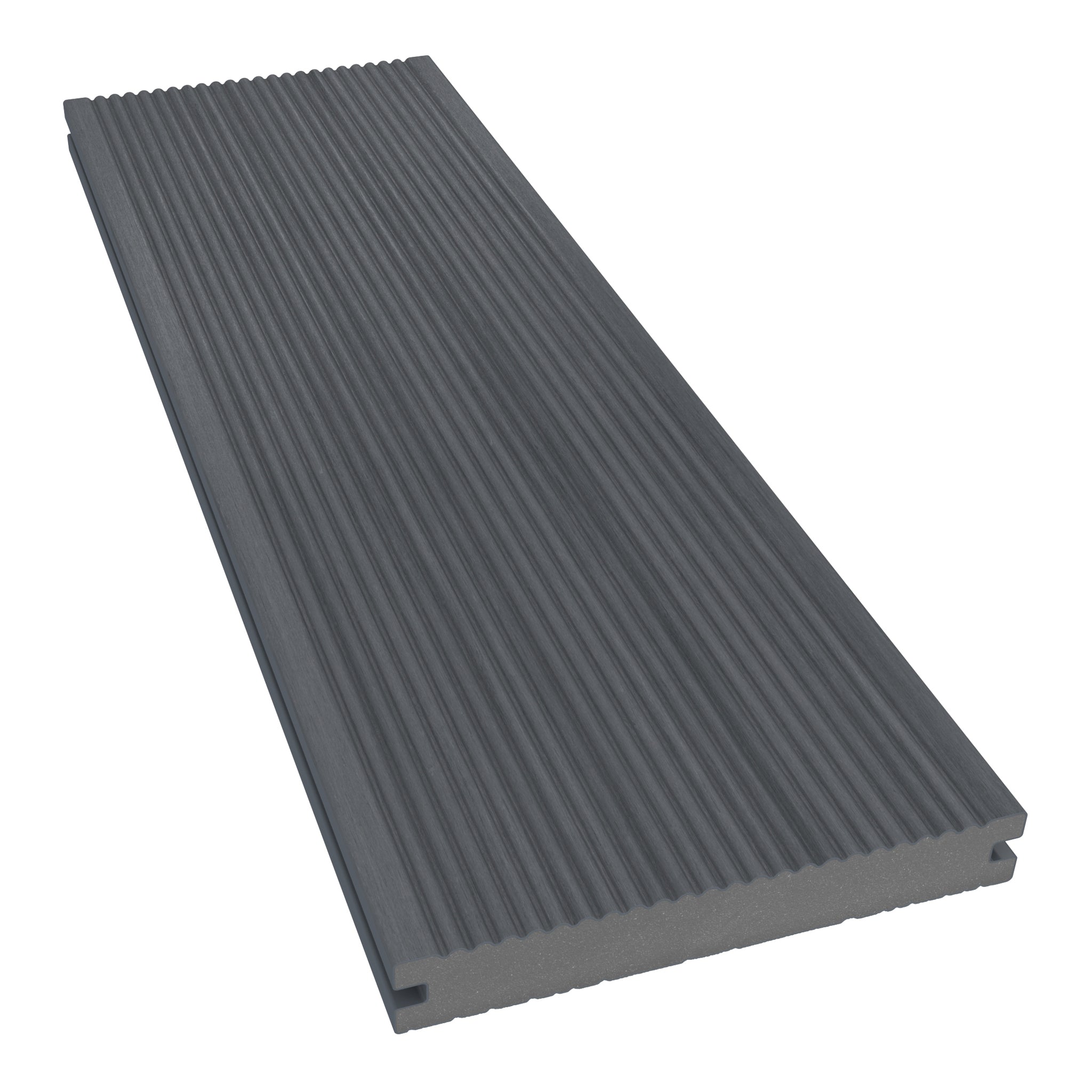
Identify the product before attempting a surface repair. NeoTimber’s current Classic boards are uncapped, while Deluxe boards have a protective surface cap. Older product names may appear in previous care documents, so use your purchase records to confirm the range.
Do not sand capped composite decking. Sanding can damage the protective layer and alter its appearance. For an uncapped board, seek product-specific confirmation before sanding or using an abrasive repair method; do not assume a repaired patch will immediately match the surrounding surface.
Water Marks and Early Weathering
Light marks or streaks can have different causes, including surface deposits or early weathering. Do not assume every pale mark is the same issue or that a stronger cleaner will improve it.
Start with the approved routine clean and record any persistent change with photographs. If marks remain, contact NeoTimber® with the range, installation date and details of products already used.
Traditional uncapped boards and capped boards can weather differently. Resistance to staining does not mean complete immunity to deposits, spills or colour change.

Snow and Ice: Protect the Surface and Manage Access
Remove loose debris before winter weather arrives, and check the board’s current advice before choosing an ice treatment. Compatibility matters for the deck, nearby metal components, plants and the intended use.
Avoid sharp metal tools or ice chippers that could gouge the boards. Where a plastic snow shovel is permitted, use it carefully without scraping aggressively across the finish.
Do not assume a salt-free label alone establishes suitability. Confirm the selected de-icer with the decking supplier and follow its application and removal instructions. Do not use hot water to melt ice where it could refreeze.
If the surface is unsafe to use, restrict access or use an alternative route. A textured deck is not guaranteed safe in freezing conditions.

Mould, Mildew and Algae on the Surface
Organic debris and persistent damp can support surface growth on outdoor materials. Composite should not be treated as immune to mould, mildew or algae simply because it contains plastic.
Remove accumulated leaves and dirt, keep drainage routes open and use the approved cleaning process. If growth returns quickly, review the surrounding conditions rather than repeatedly applying harsher treatments.
Clean around pots and furniture where moisture can remain trapped. Avoid covering the surface with incompatible mats or backing materials, and ask the supplier before using a specialist treatment.

Maintenance Includes More Than Cleaning Boards
Inspect visible fixings, edges, steps and guarding for changes. Look for loose components, unusual board movement, damage or unevenness. Check accessible supports where practical without dismantling or entering an unsafe structure.
A new gap or distortion may involve temperature movement, fixings or the supporting frame. Do not force boards flat or add screws before understanding the cause. Keep photographs and installation records if you need technical support.
Address defects promptly and restrict use where necessary. Cleaning cannot restore structural strength or correct a failing support.
Keep Care Records and Check the Warranty
Retain the board details, installation information and relevant warranty terms. Record significant cleaning treatments and any repairs.
Warranty cover is conditional and varies by product and application. Routine weathering, staining and wear should not automatically be assumed to indicate a covered defect.
Composite Decking Maintenance FAQs
Does composite decking need sealing or oiling?
Routine sealing, staining and oiling are not required for NeoTimber® composite boards. Do not apply timber treatments without explicit product approval.
How often should I clean the deck?
Use a periodic wash as a starting point, then adjust to exposure and use. Remove debris and deal with spills between washes.
Can I sand out a scratch?
Do not sand capped boards. Confirm the permitted repair method for any uncapped product before using abrasives.
Is a pressure washer necessary?
No. A soft brush and approved soapy-water clean are often sufficient. Use pressure washing only within the board’s permitted instructions.
Make Deck Care a Manageable Habit
Effective composite decking maintenance relies on gentle cleaning, prompt attention to spills and regular checks of the whole installation. Knowing the range and its care requirements helps avoid unnecessary treatments.
Visit our technical resources or contact NeoTimber® if you are uncertain about a stain, cleaning product or surface change.