Get to Know Uncapped Composite Boards and Their Timber-Inspired Finish
Traditional composite decking offers a wood-inspired outdoor surface without the routine staining or oiling needed to maintain many timber finishes. Its uncapped construction, textured faces and choice of profiles make it worth considering when planning a practical garden deck.
You may also see the terms composite timber decking and composite wood decking. These describe the wider wood–plastic composite category rather than three separate materials. The important distinction is the specification of the board: whether it is capped or uncapped, hollow or solid, and suitable for your intended use.
This guide explains what traditional boards offer and how to compare them. Explore our general decking guidance or browse our composite decking collection alongside the advice below.
In this guide: What traditional means · Texture and finishes · Board profiles · Capped comparison · Installation · Care · FAQs
What Is Traditional Composite Decking?
In this guide, “traditional” means uncapped composite boards. The wood–plastic composite forms the board’s exposed surface, without the additional protective outer layer found on capped products.
The material combines wood fibres, polymers and additives. It is different from solid timber and from an all-plastic board. Our WPC decking guide explains the material category in more detail.
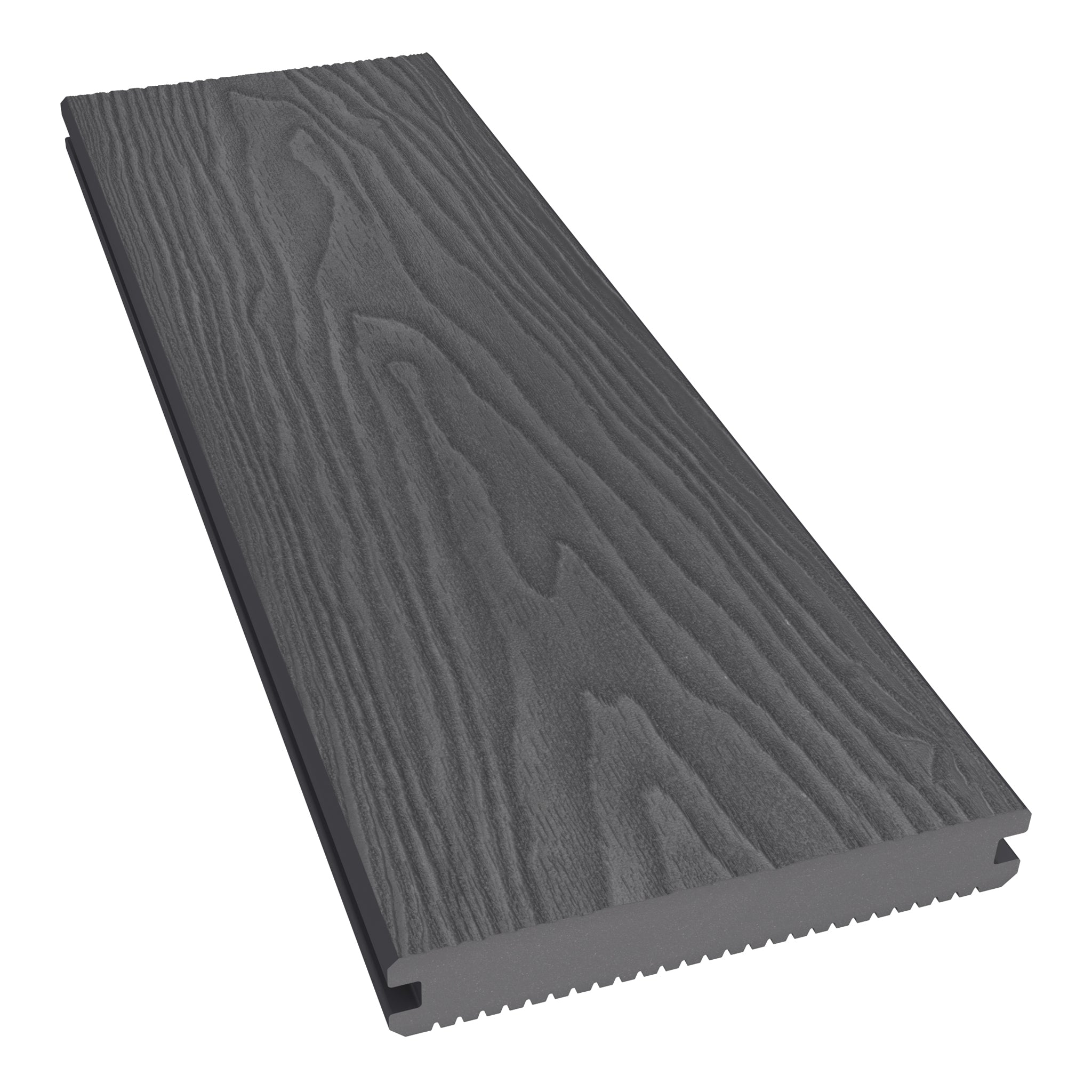
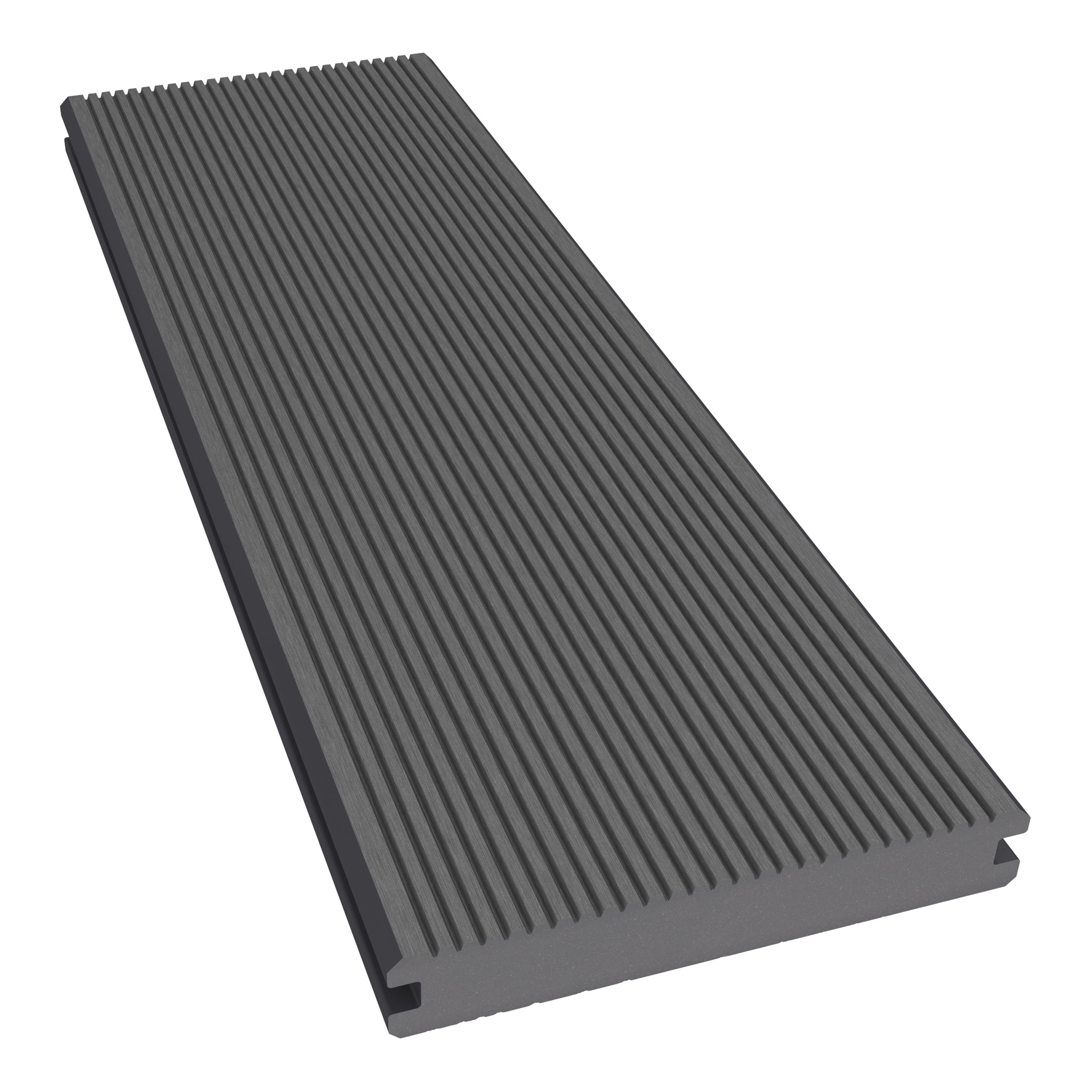
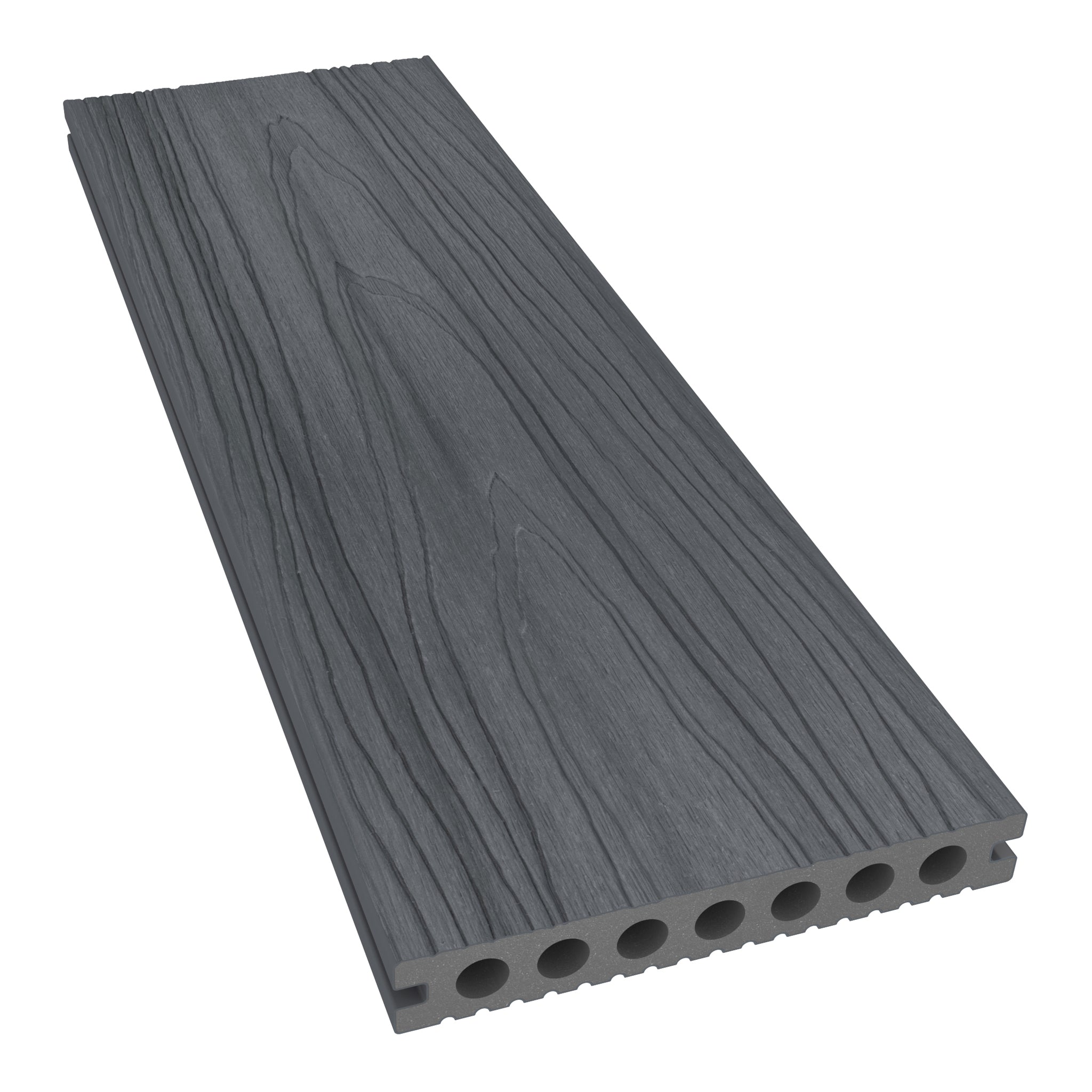
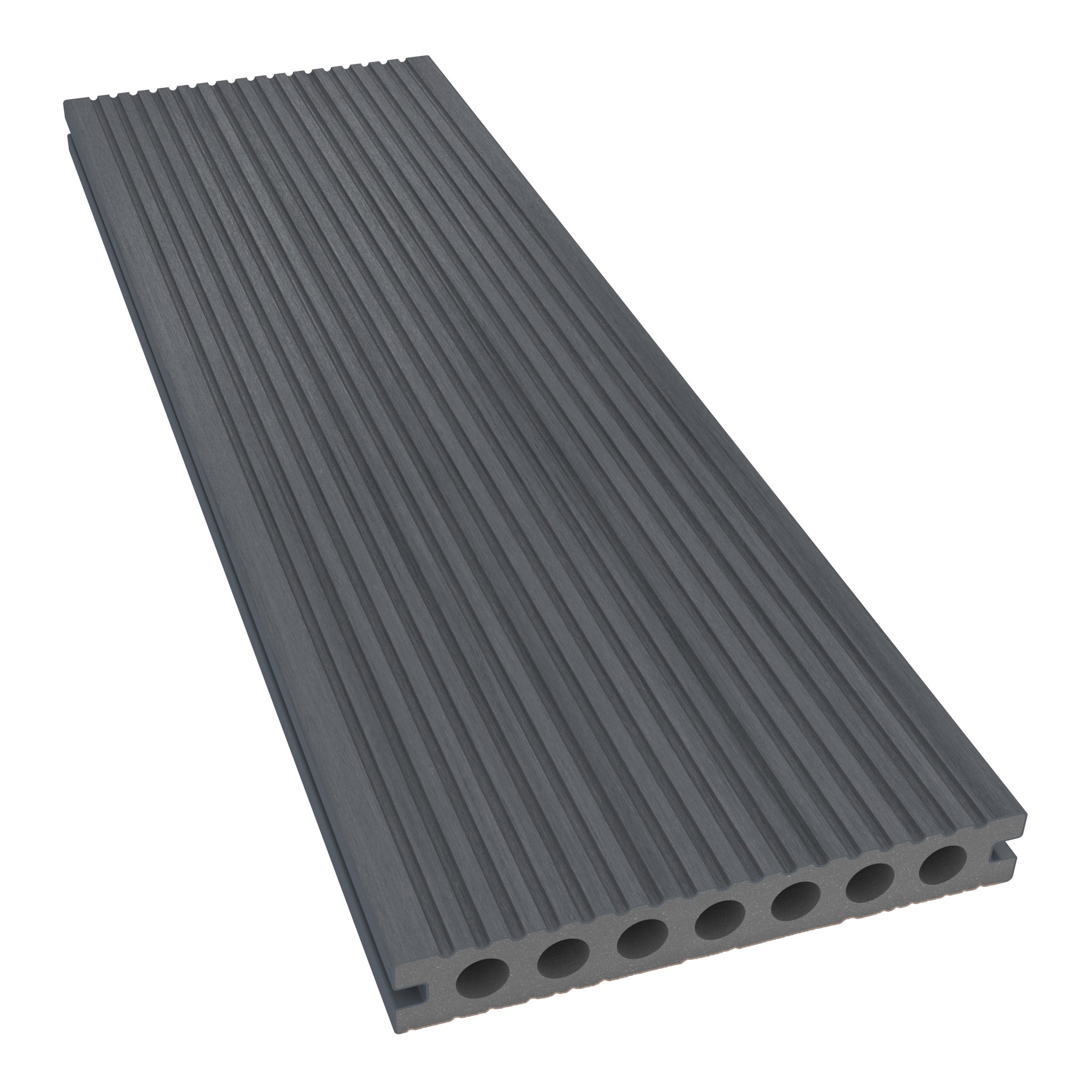
NeoTimber’s Classic Lite, Classic Hollow and Classic Solid boards provide options within the traditional range. Check each product’s current specification rather than assuming that every profile has identical requirements or coverage.
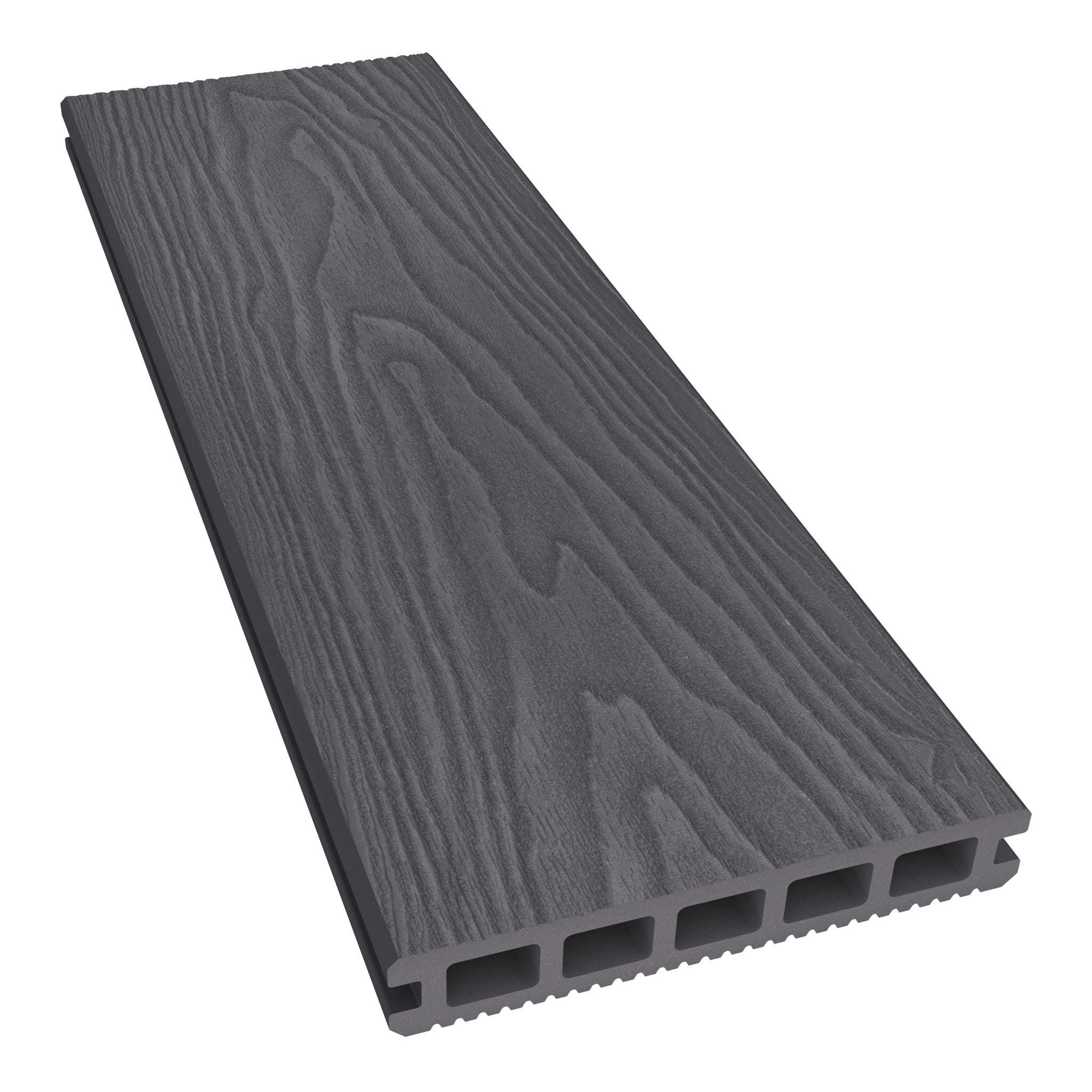
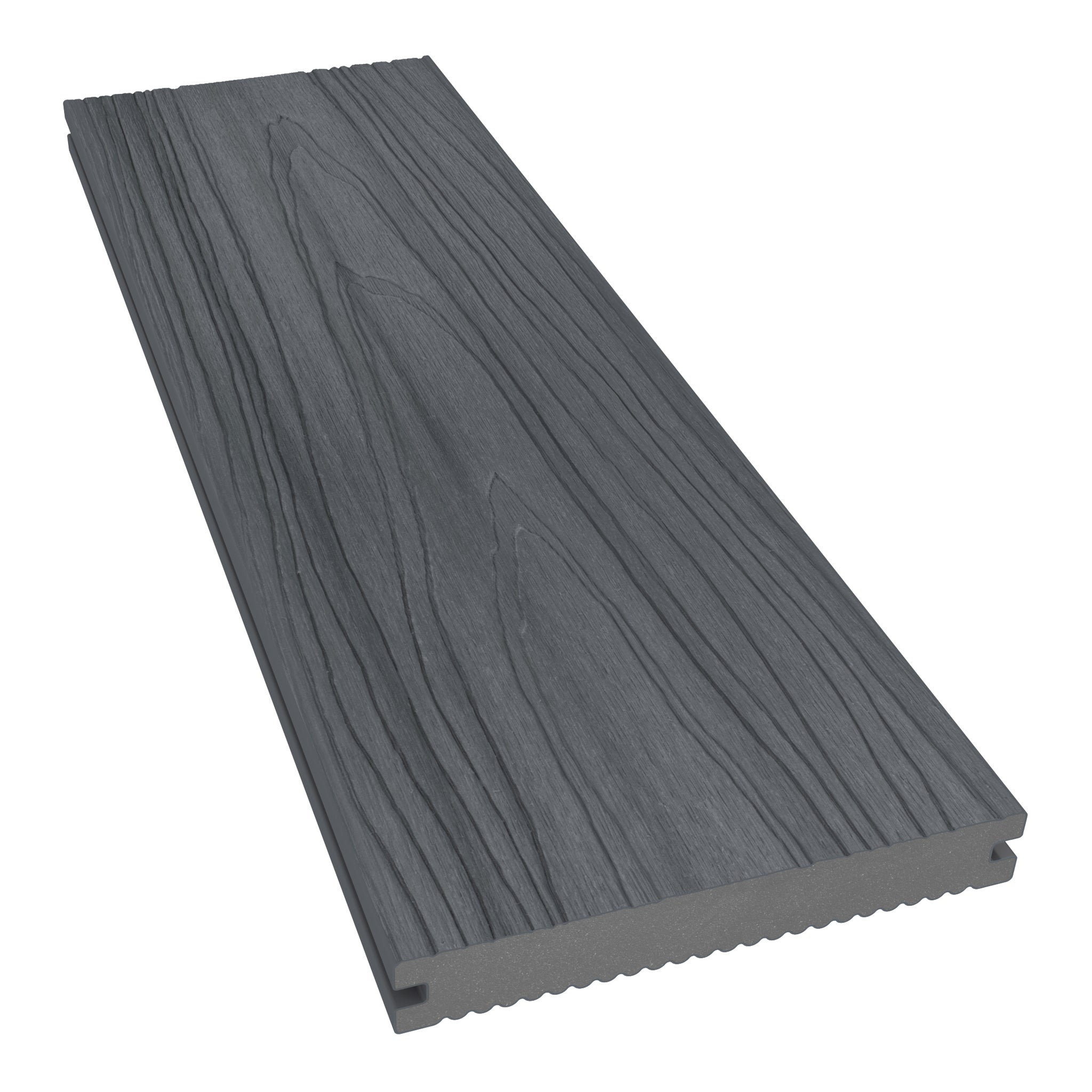
Woodgrain Texture and a Choice of Board Faces
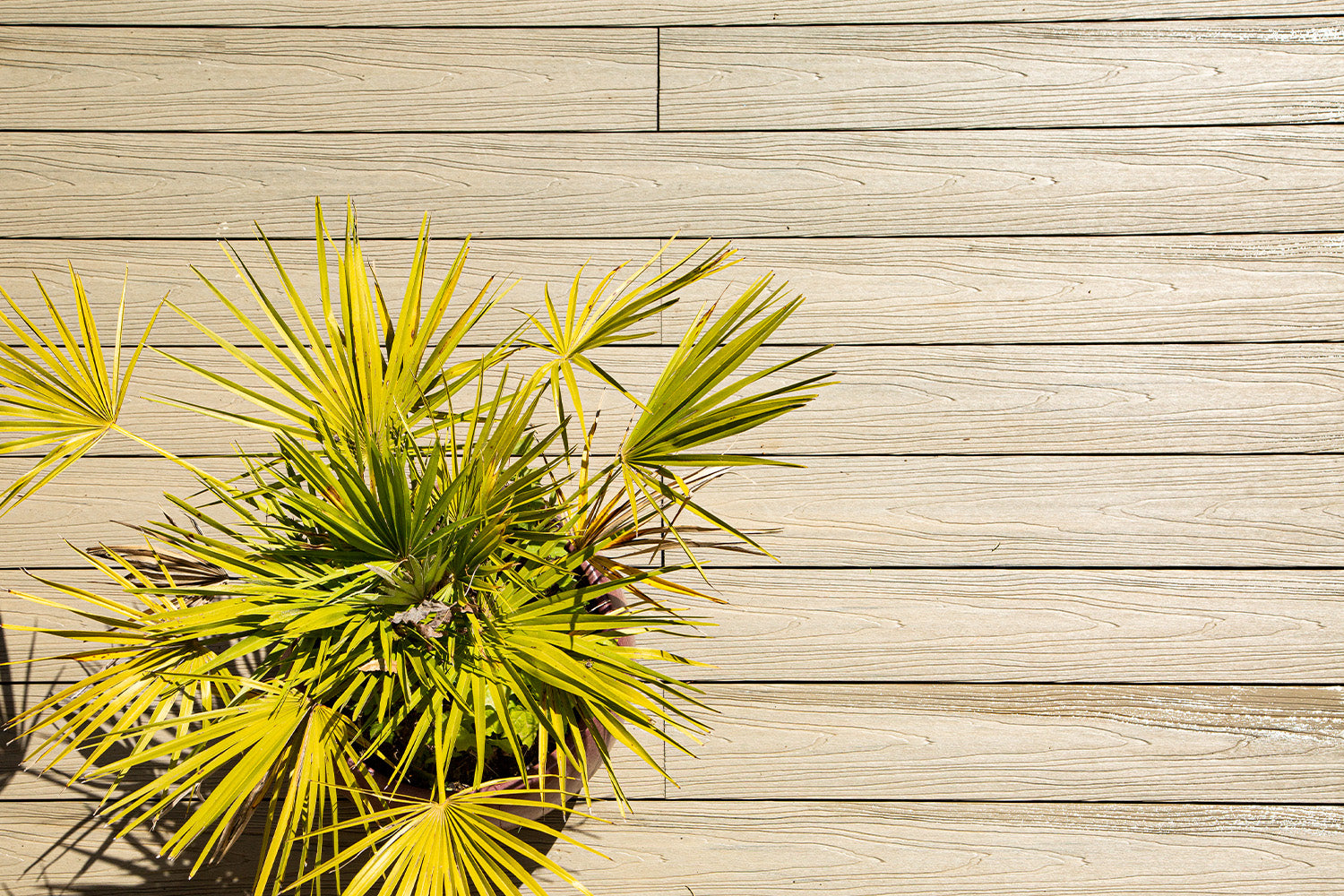
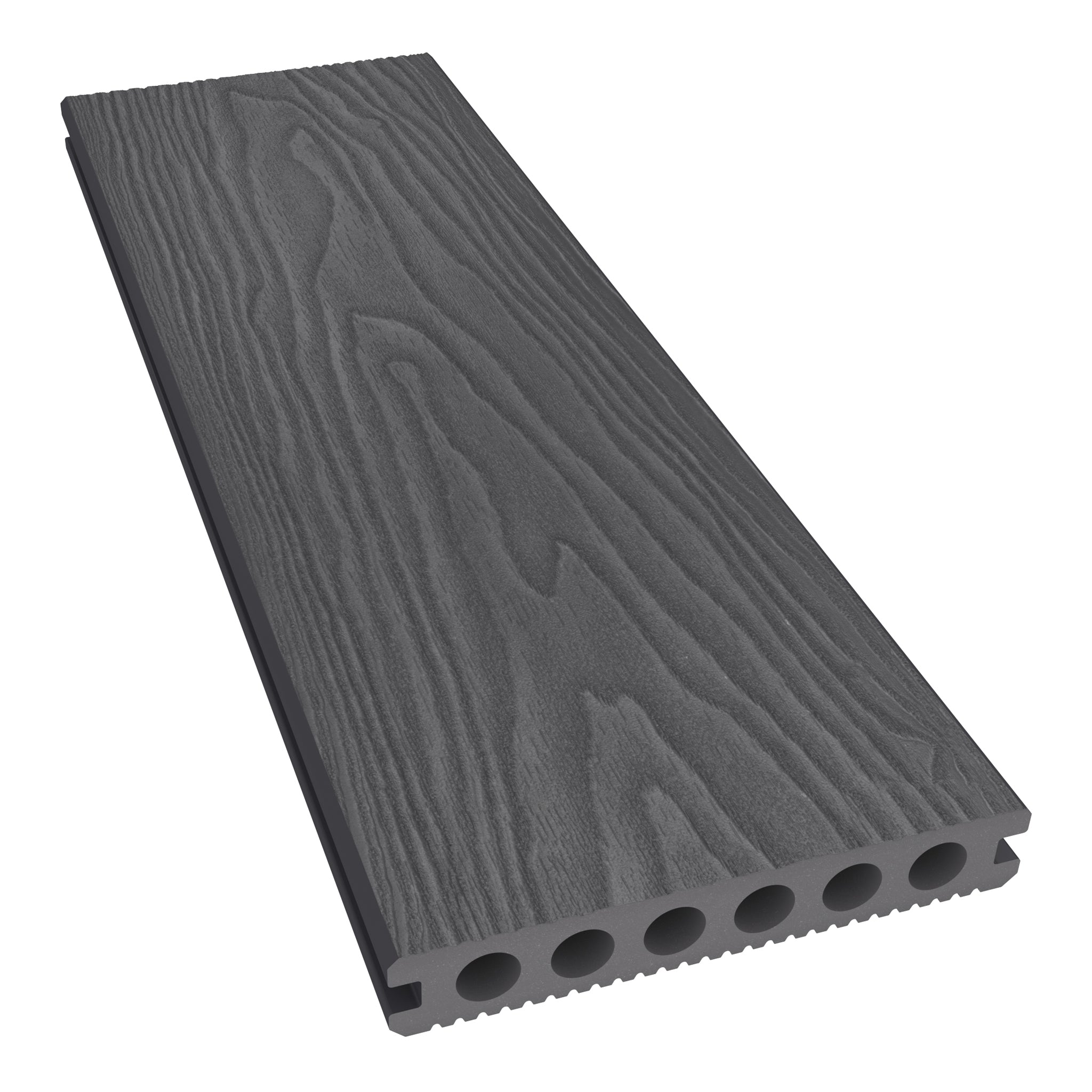
A textured woodgrain face creates a familiar timber-inspired appearance. It adds visual depth without making the board a substitute for natural wood in every respect. Composite products have manufactured patterns and colour variation; timber has its own grain and natural irregularities.
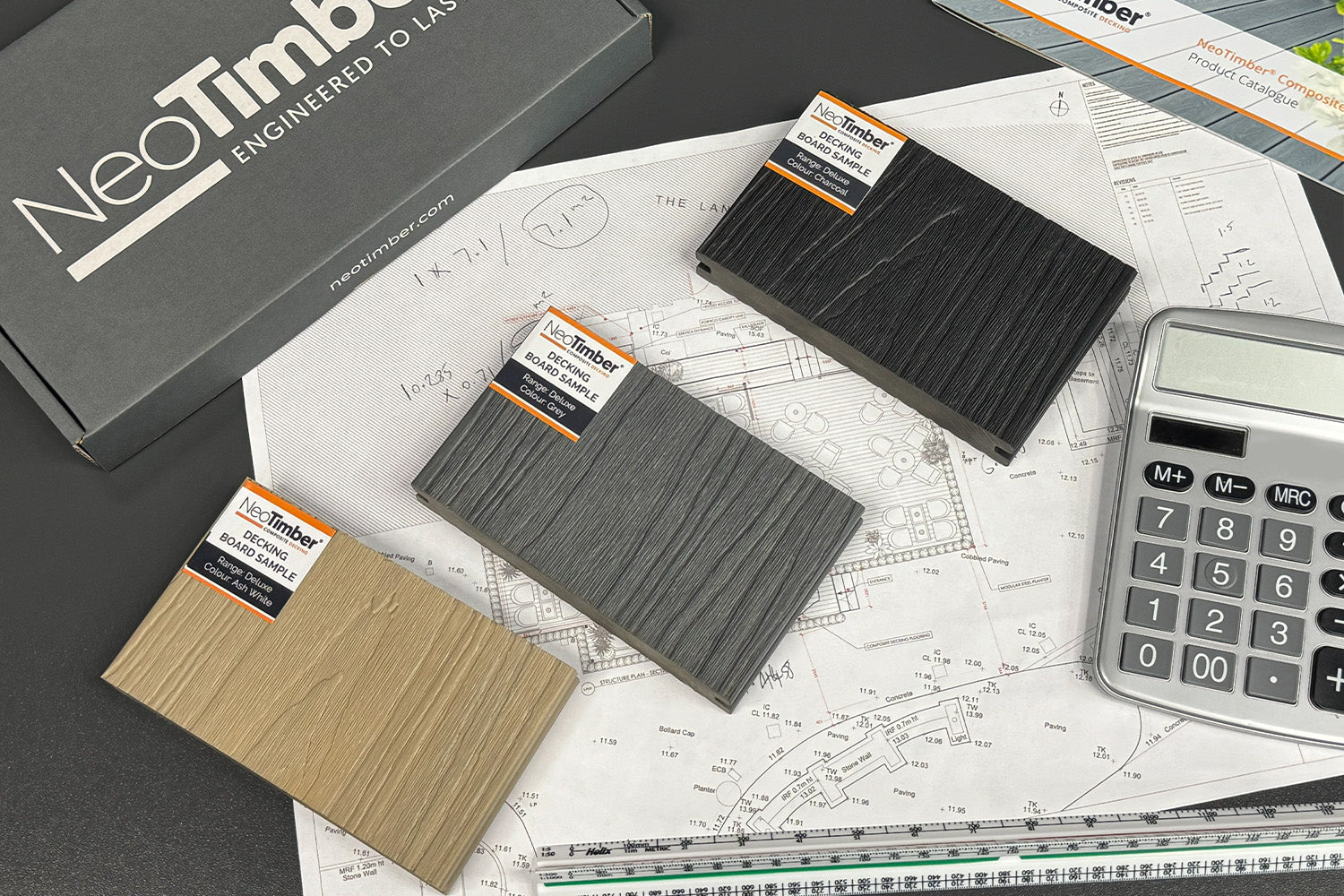
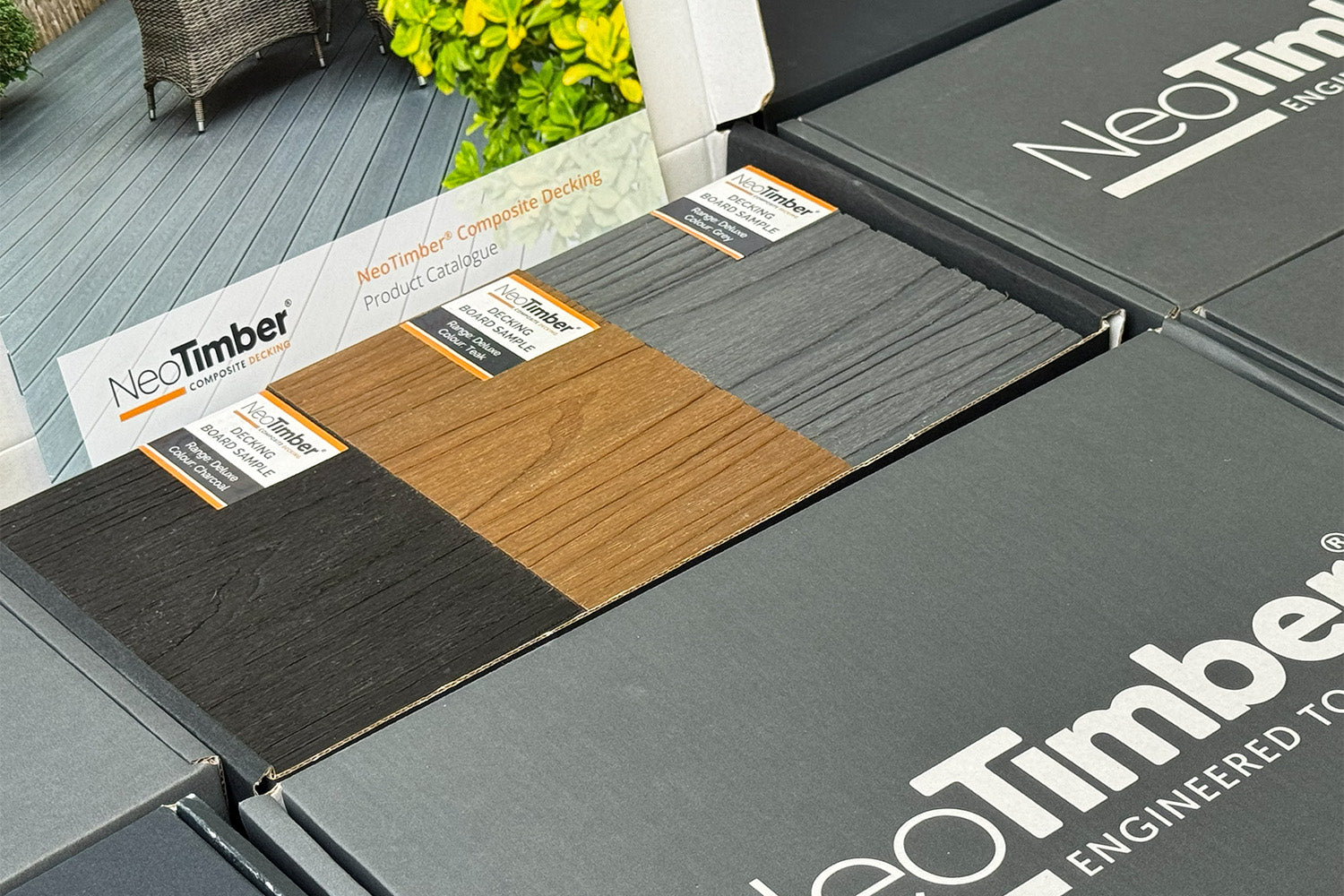
Compare a physical sample with your paving, brickwork and furniture. Photographs help with inspiration, but daylight and surrounding colours affect how a shade appears. An embossed finish is an aesthetic feature, not a promise that the surface will never wear or change colour.

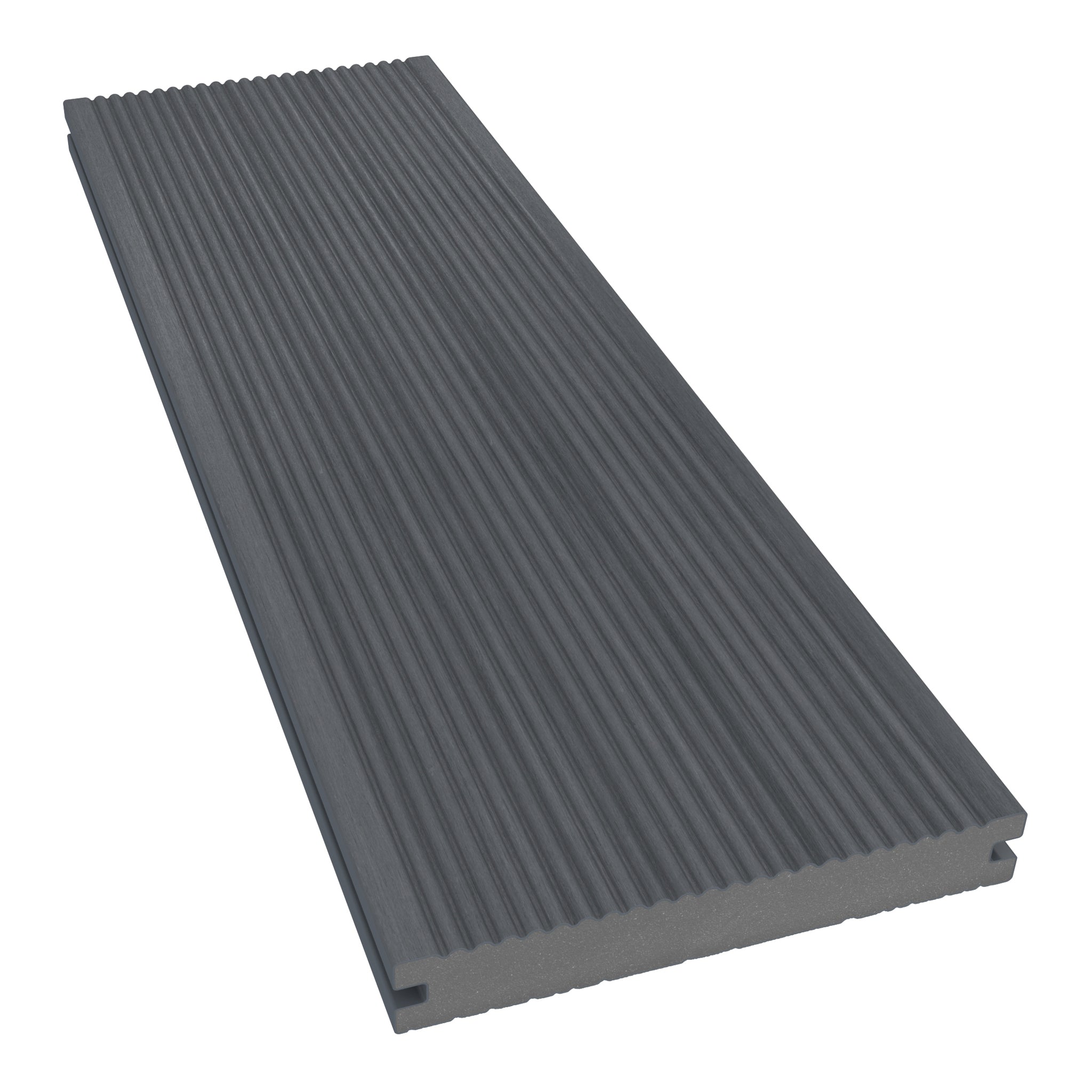
Grooved or Woodgrain?
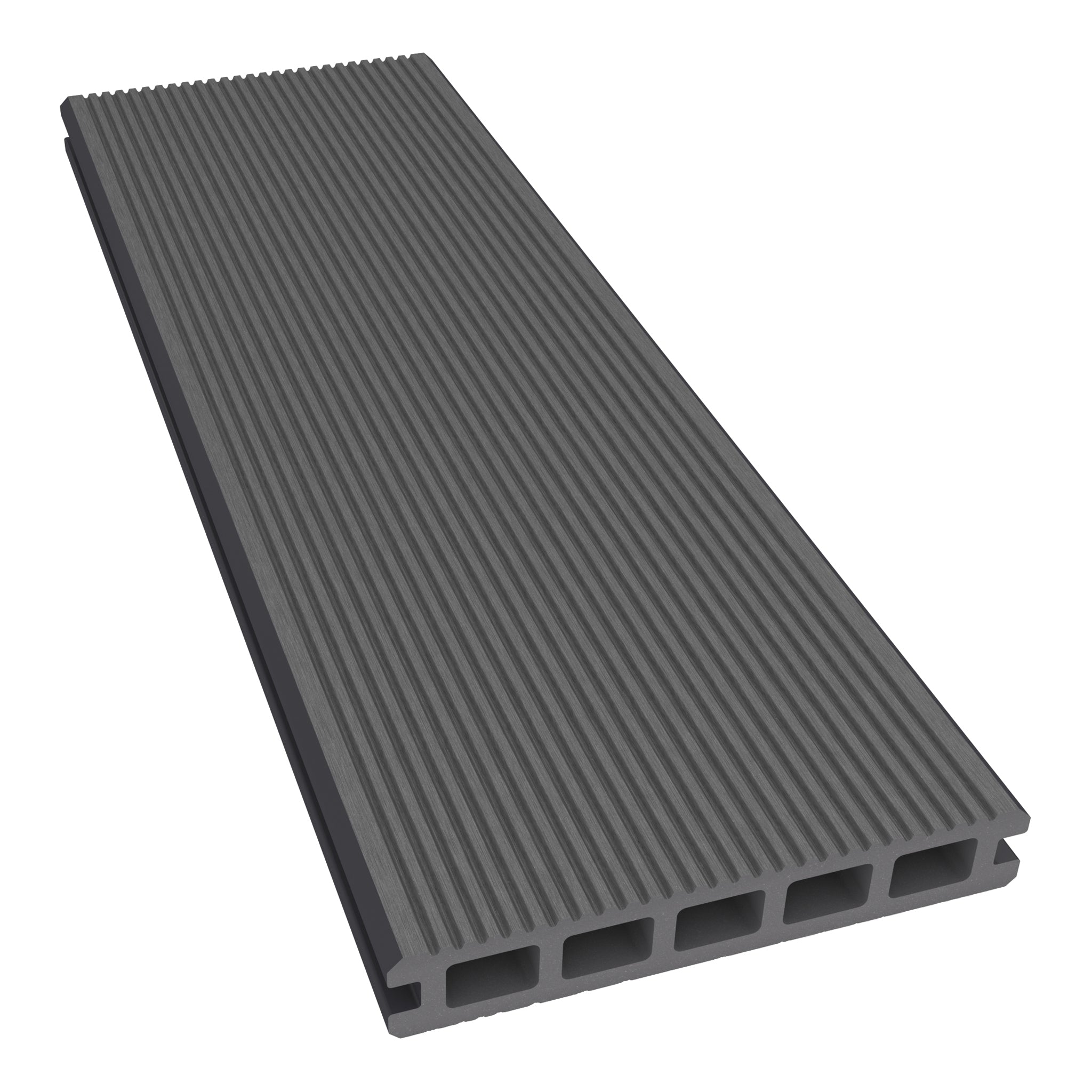
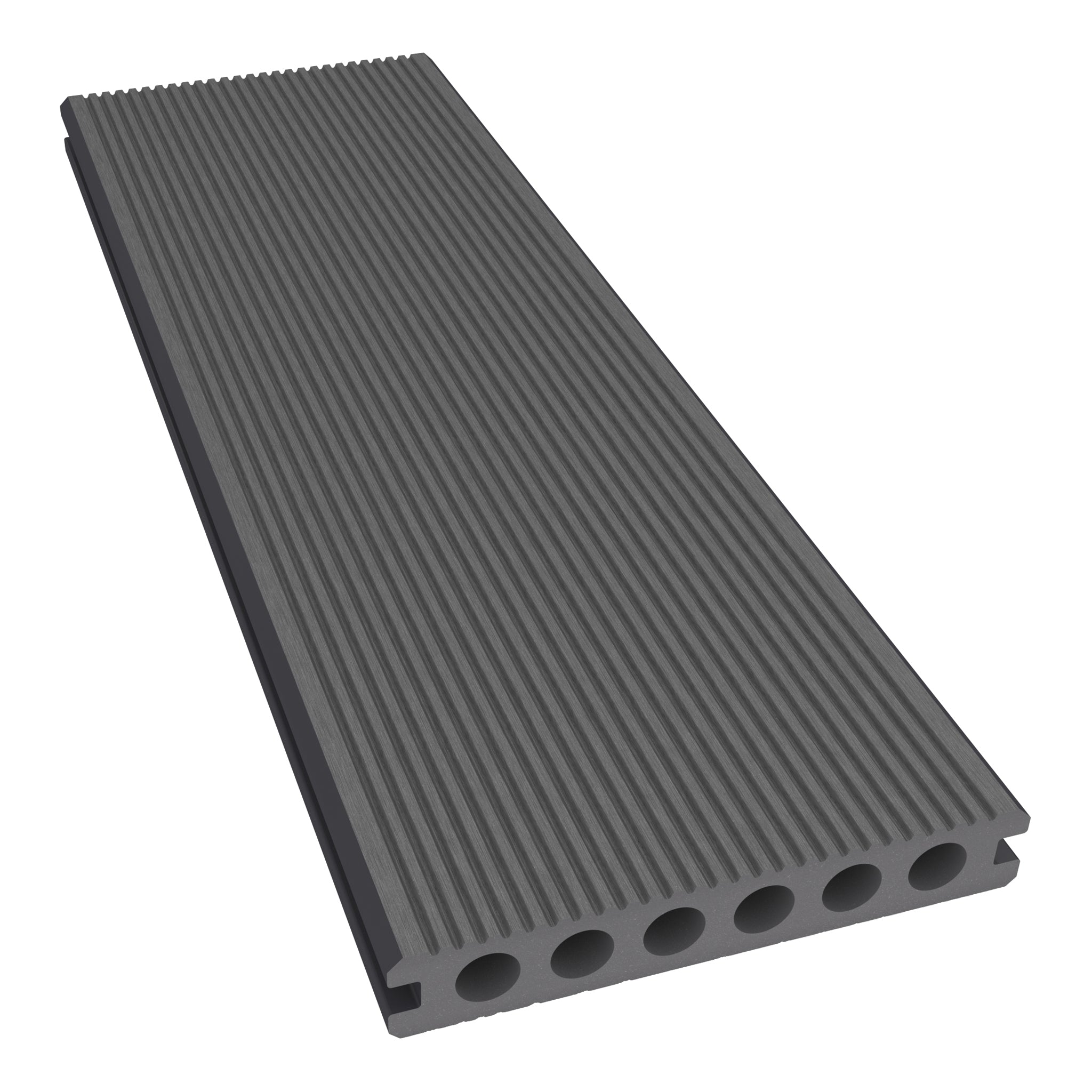
Classic Hollow and Classic Solid offer grooved and woodgrain faces, allowing you to choose a finish that suits the design. Decide the intended face and layout before installation so that borders, joints and accessories can be planned together.
Grooves create a linear appearance, while woodgrain provides a different texture. Neither the pattern nor its depth proves that a face is safer in every condition. Check relevant slip-resistance information for the product and intended environment, then maintain the surface appropriately.
Read our reversible board guide for more on choosing a face. Reversibility provides a choice at installation; turning over an existing deck later is not automatically a straightforward refurbishment method.

Choosing Between Hollow and Solid Profiles
Profile and surface protection are separate decisions. An uncapped board can be hollow or solid, just as capped products can use different profiles.
Hollow construction can reduce board weight, which may be useful when handling materials. Solid profiles have a different cross-section and specification. Suitability depends on the particular product, its support arrangement and the intended application.
Do not use “solid” as shorthand for approval to support a hot tub or a substantial planter. Those loads need to be considered through the complete structure, including joists, connections and foundations. Our hollow and solid decking comparison explores this choice further.

Traditional vs Capped Composite Wood Decking
The main difference is the surface construction. A cap provides additional protection, while an uncapped board exposes the composite material itself. Compare what this means for your garden rather than treating one option as universally best.
Key differences to consider when choosing a board:
| Feature | Traditional uncapped boards | Capped boards |
|---|---|---|
| Surface | Exposed wood–plastic composite. | Composite core with an additional protective outer layer. |
| Weathering | Expect appearance changes according to the product and exposure. | Designed for enhanced fade resistance; not a promise of zero change. |
| Spills | Prompt cleaning matters; residues can mark the exposed surface. | Extra stain resistance can simplify cleaning, but spills still need attention. |
| Routine care | Cleaning and inspection remain necessary. | Cleaning and inspection remain necessary. |
| Buying decision | Compare the finish, price and care expectations. | Weigh the additional surface protection against the project cost. |
For a dining area where spills are likely, investigate the extra protection of capped composite decking. For another project, you may prefer the appearance and price of a traditional board. Compare full specifications and samples before deciding.
Cutting and Installing Composite Timber Decking
Composite boards can be cut using suitable woodworking equipment, but a clean result depends on the blade, support and cutting technique. Support the material securely, practise on an offcut and follow the tool manufacturer’s safety instructions. Cutting is not guaranteed to be chip-free simply because a board is uncapped.
Our cutting composite decking guide explains useful tools and preparation. Use appropriate eye, hearing and dust protection, and arrange help for awkward lengths.

Installation also needs a suitable frame, drainage, ventilation and movement allowances. Follow the chosen range’s installation instructions for support spacing, board-end gaps and fixings. Do not copy timber details or another composite system without checking compatibility.
What Care Do Traditional Boards Need?
Routine cleaning helps remove dirt, leaves and residues before they accumulate. Use the recommended method for your range; warm soapy water, a soft brush and thorough rinsing are useful for everyday care. Deal with food and drink spills promptly.
Uncapped boards can weather and change colour. Assess this expected appearance alongside the supplied sample and product information. Avoid treating claims about stain resistance, fade resistance and moisture resistance as interchangeable.
Organic deposits and algae can still develop on dirty or persistently damp surfaces. No board is guaranteed non-slip. Clear debris, keep drainage routes open and inspect the deck periodically.
For stubborn marks, ask for product-specific advice before using chemicals or abrasive methods. Do not assume that sanding will create an invisible repair. Follow our decking maintenance guidance and review the applicable warranty terms separately.
Traditional Composite Decking FAQs
Is traditional composite decking the same as timber?
No. It combines wood fibres with polymers and additives. It offers a timber-inspired finish but has different installation and care requirements from solid wood.
Do composite timber decking and composite wood decking mean the same thing?
They are commonly used for the wider wood–plastic composite category. Neither term, by itself, tells you whether a board is capped, uncapped, hollow or solid.
Does an uncapped board need staining or oiling?
NeoTimber® traditional boards do not need routine staining or oiling to maintain a decorative finish. Regular cleaning and inspection are still required.
Will the colour change outdoors?
Weathering and colour changes can occur. Check the selected range’s information and choose with those expectations in mind.
Are grooves always more slip-resistant?
Not automatically. Use product-specific evidence relevant to the conditions, rather than judging grip from appearance alone. Cleaning and contamination also affect footing.
How can I compare traditional and capped boards?
Request free composite decking samples, compare texture and colour outdoors, and review each product’s specification and care instructions.
Choose the Construction That Suits Your Project
Traditional composite decking is worth considering when you want a timber-inspired finish with a simpler routine than maintaining a stained or oiled timber surface. Balance appearance, weathering expectations and care with the needs of your project. Contact the NeoTimber® team for help comparing the available options.