Understand the Materials and Choices Behind a Composite Deck
WPC decking stands for wood plastic composite decking: a manufactured material combining wood fibres, plastic polymers and additives. It offers a timber-inspired surface with different maintenance requirements from natural wood. The right choice depends on the board construction, finish and installation requirements, rather than the material name alone.
Whether you are planning a garden seating area or comparing boards for a larger project, this guide explains what goes into a WPC deck and how to assess the options. Explore NeoTimber’s decking page for an overview, or browse our composite decking range.
In this guide: Materials explained · Common names · Board construction · Colours and texture · Installation · Sourcing and care · Buying checklist · FAQs
What Is Wood Plastic Composite Decking Made Of?
A wood plastic composite deck board combines materials with different roles. Wood fibres contribute to the composite body, polymers bind the blend, and additives help achieve the intended processing and performance characteristics.
The proportions vary between products and manufacturers. As a specific example, NeoTimber’s Classic Hollow specification lists 60% wood powder, 30% HDPE and 10% additives. This is a product-specific composition, not a definition that every WPC deck board must follow.
Material percentages alone do not establish performance. The board profile, formulation, surface construction and supporting arrangement also matter. Compare the finished product’s documentation rather than assuming a higher wood or plastic percentage automatically means a better board.
WPC, Wood Plastic Decking and Composite: What Is the Difference?
Several names describe similar products. Understanding the terms helps you compare like with like.
- WPC decking: the abbreviation for wood plastic composite decking.
- Wood plastic decking: a shorter description of the same material category.
- Wood plastic deck: usually a description of the completed deck surface made using WPC boards.
- Composite decking: a broader commercial term; check the actual material specification.
A wood plastic composite deck is different from a system made entirely from plastic lumber or from aluminium. Likewise, a recycled plastic structural joist is not necessarily a WPC product simply because it supports composite boards.
Compare WPC Deck Board Construction
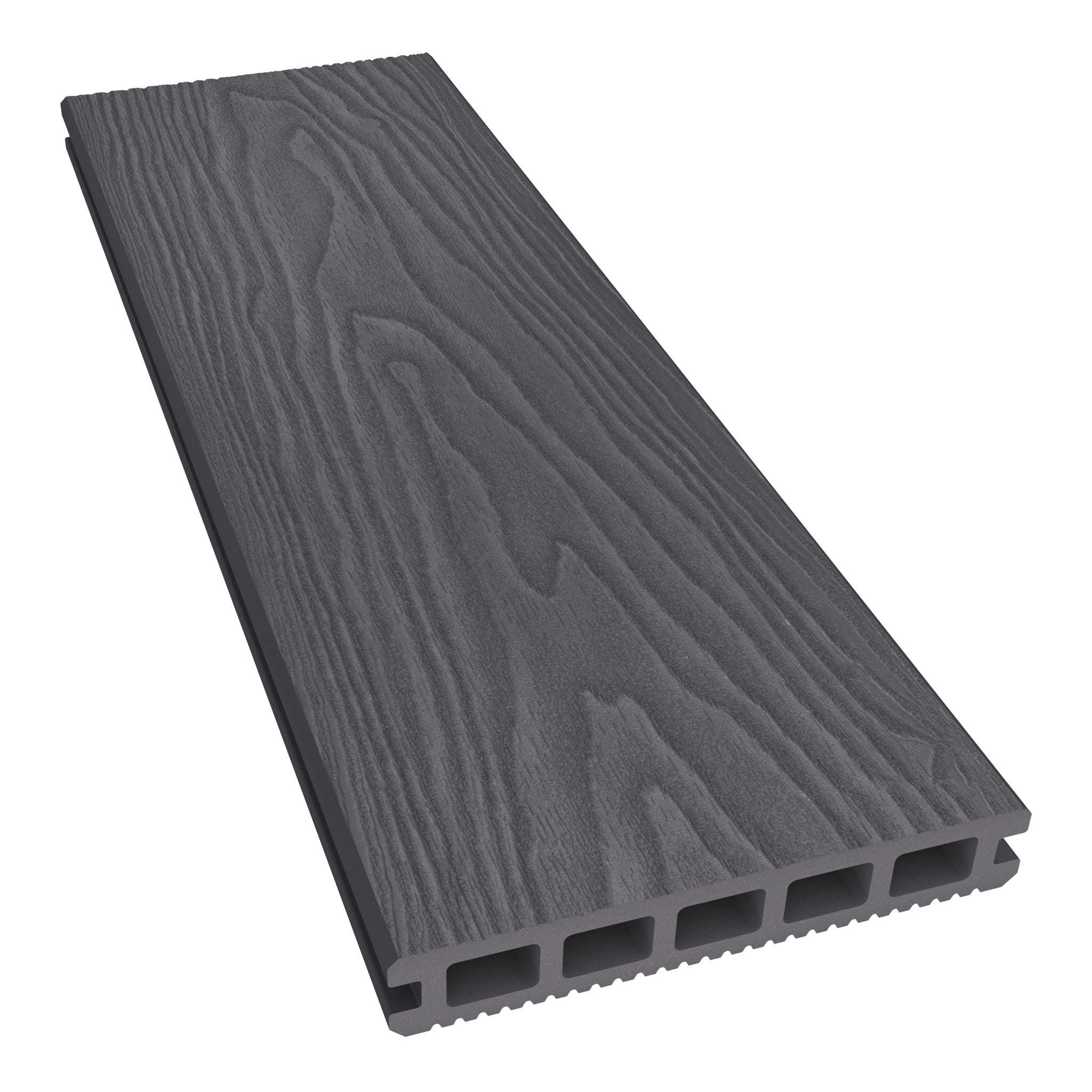
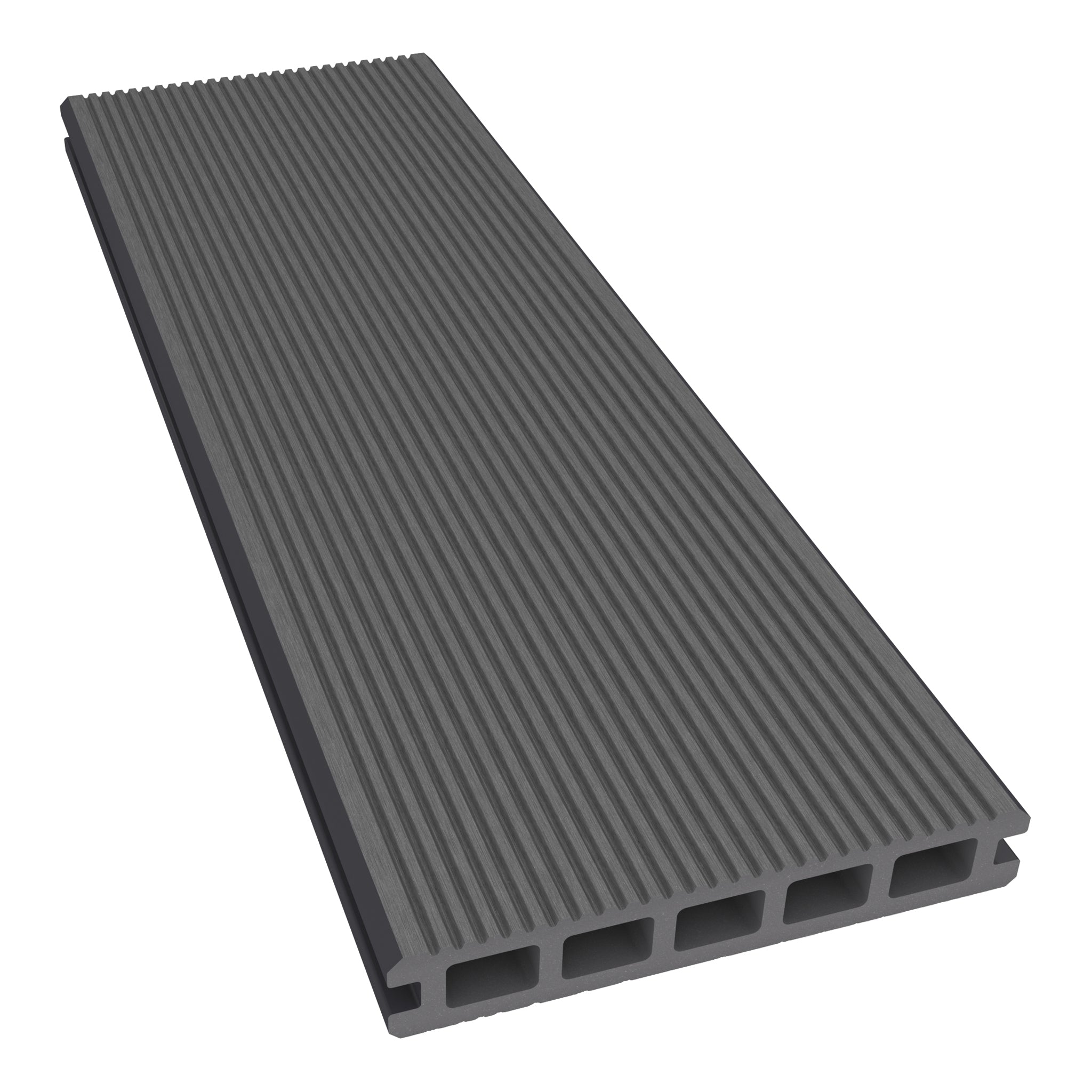
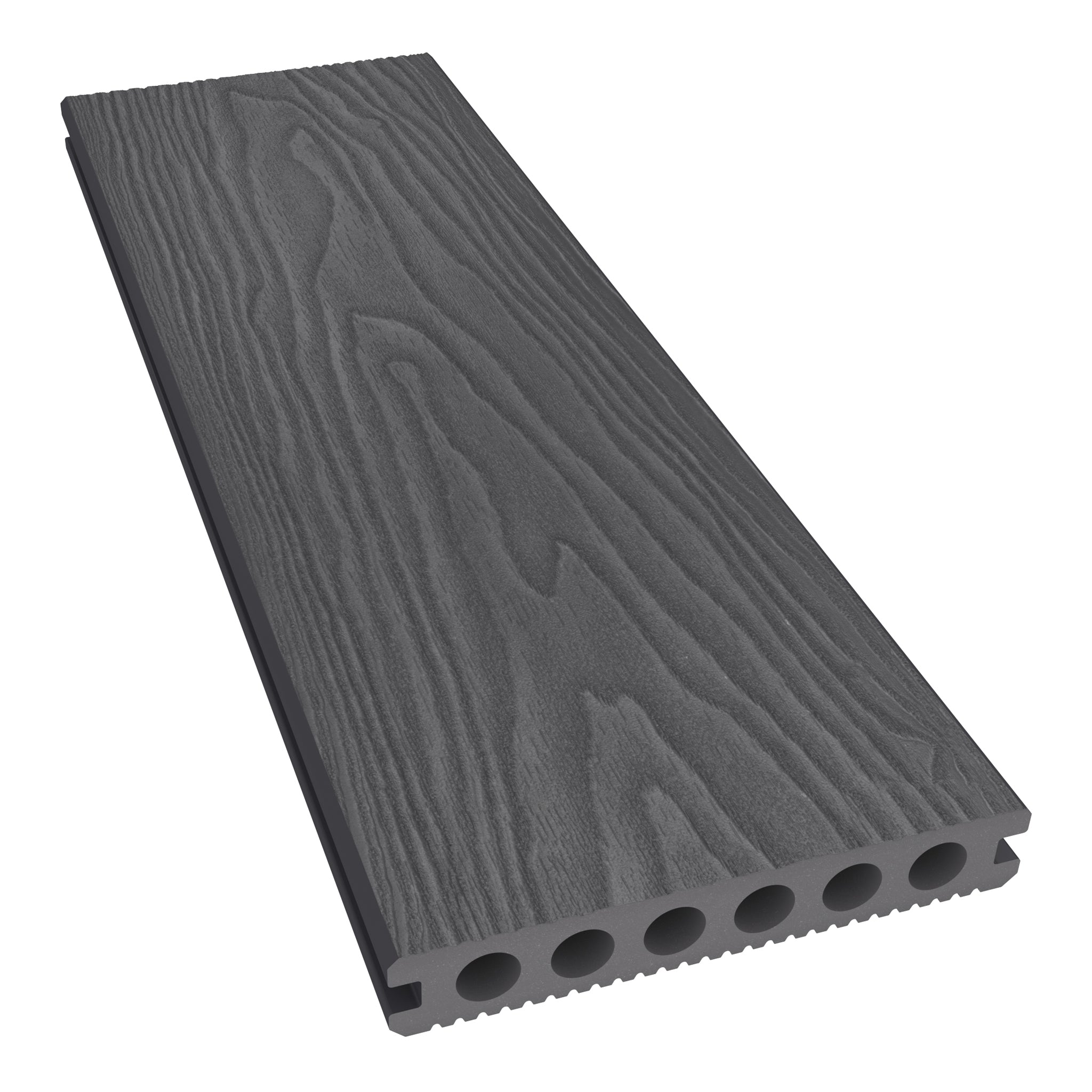
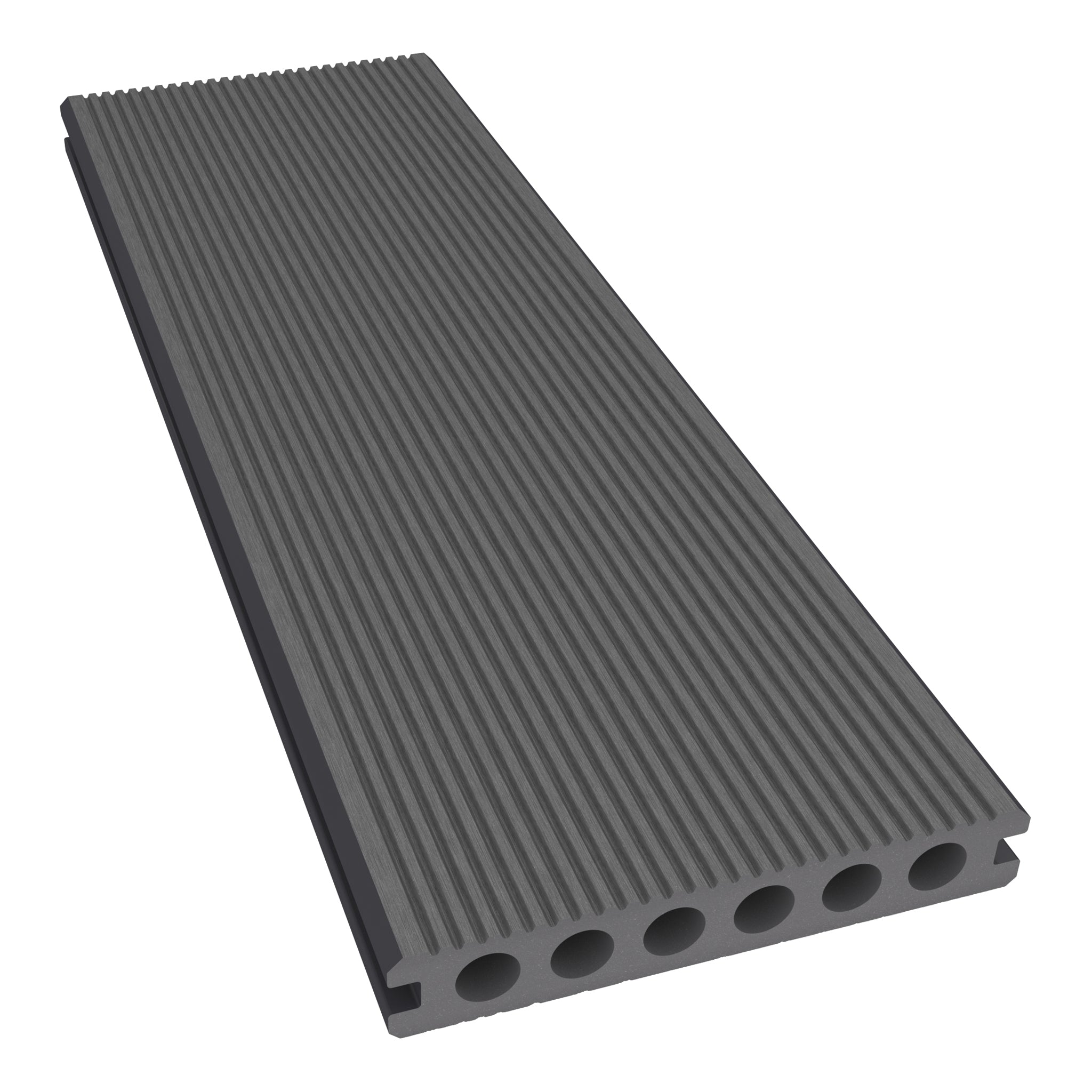
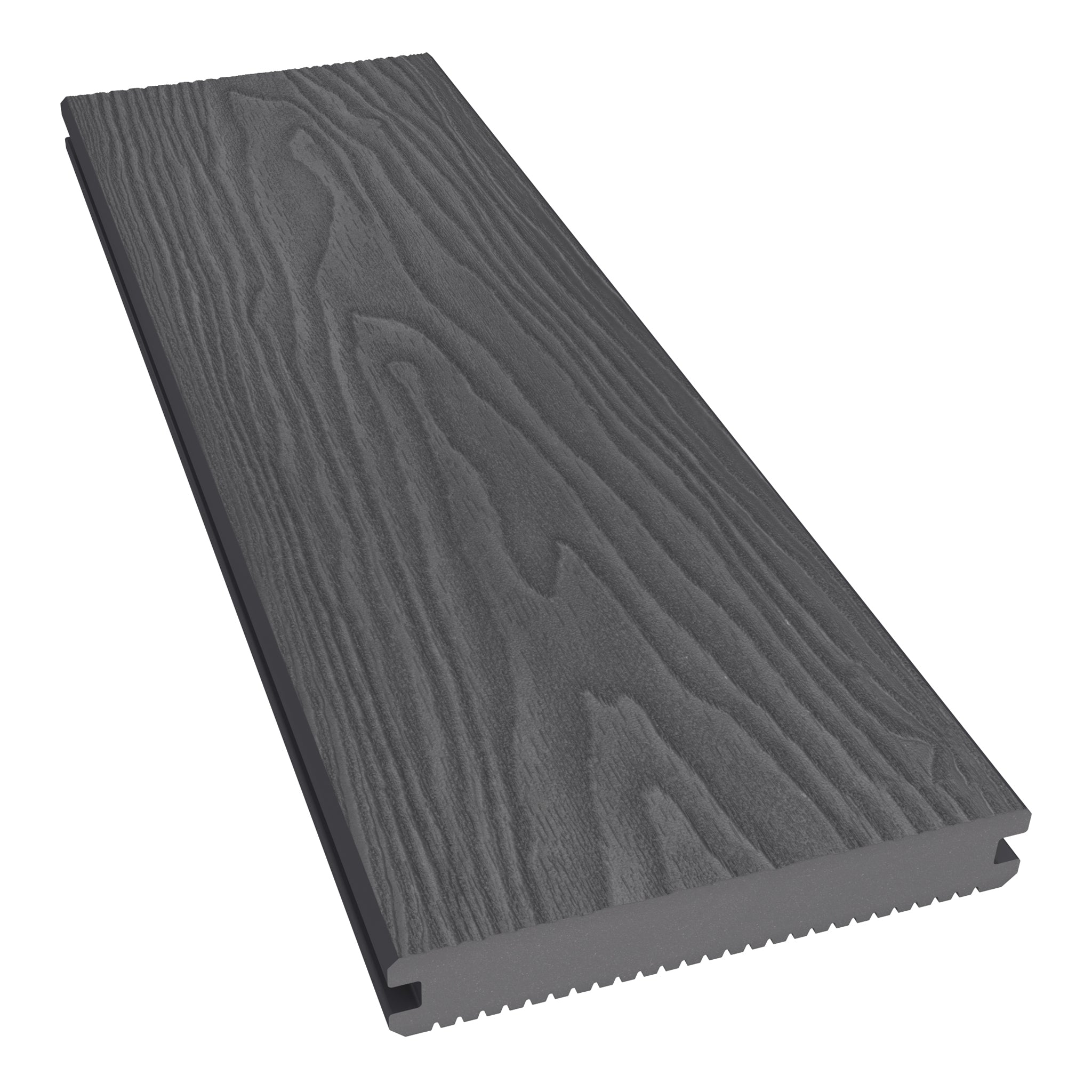
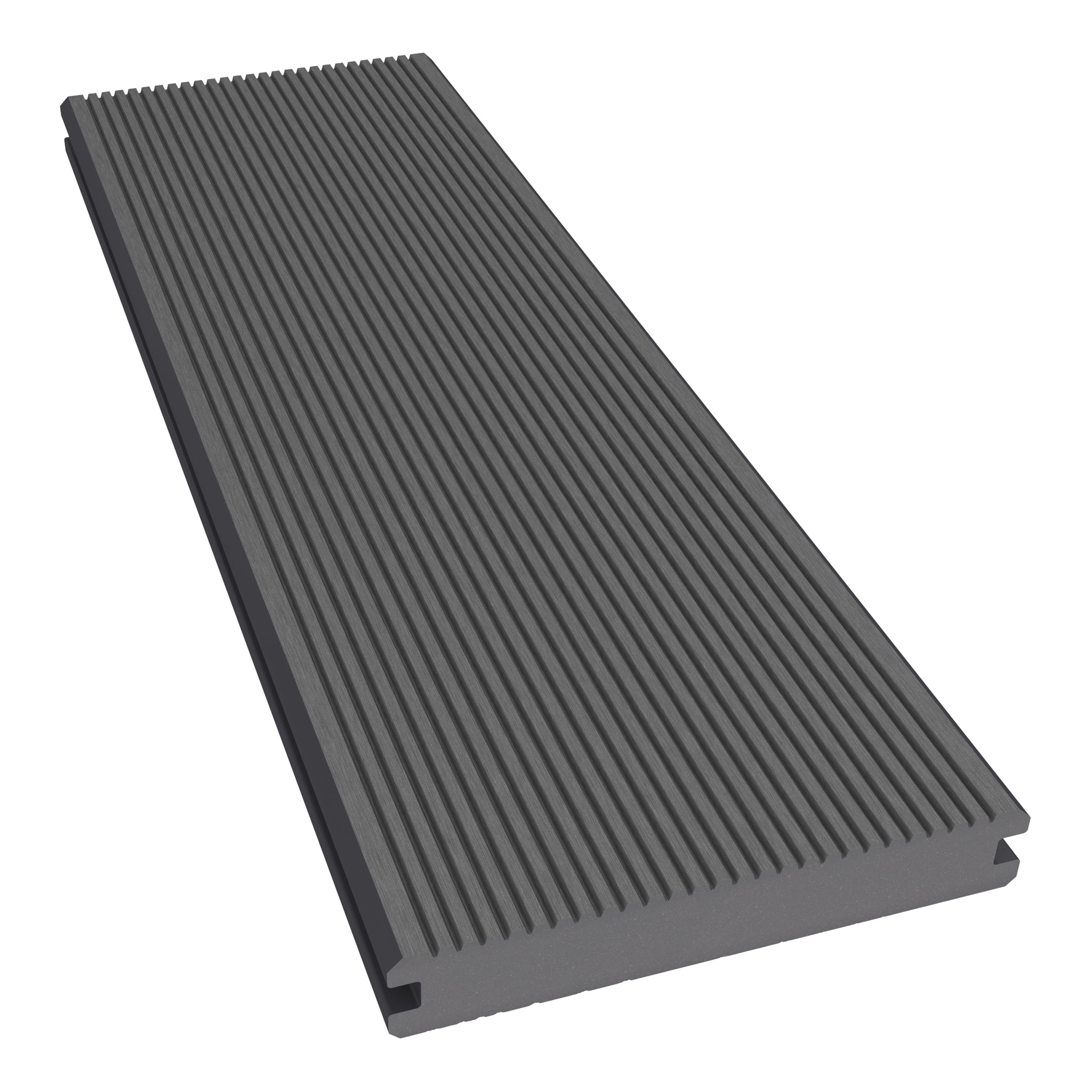
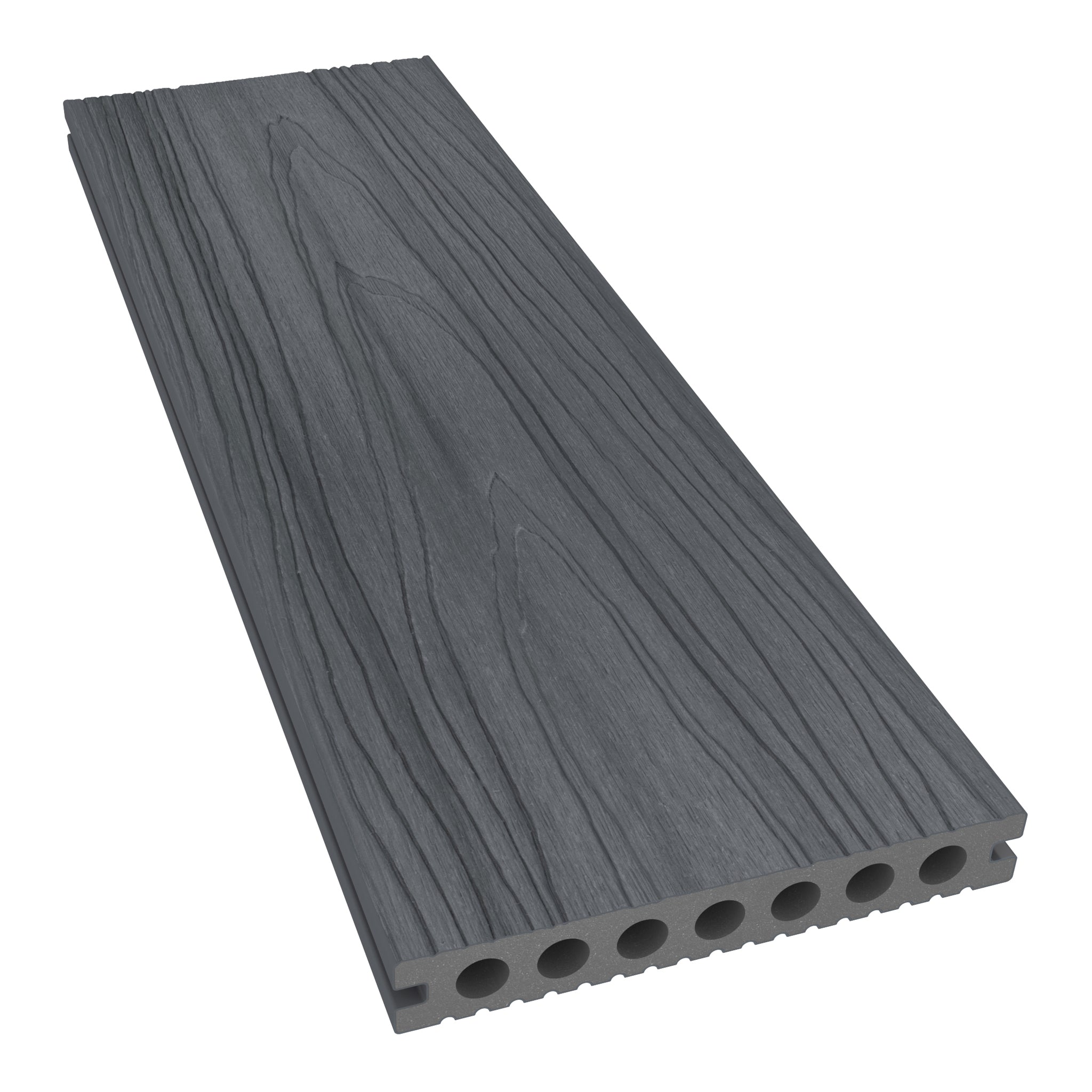
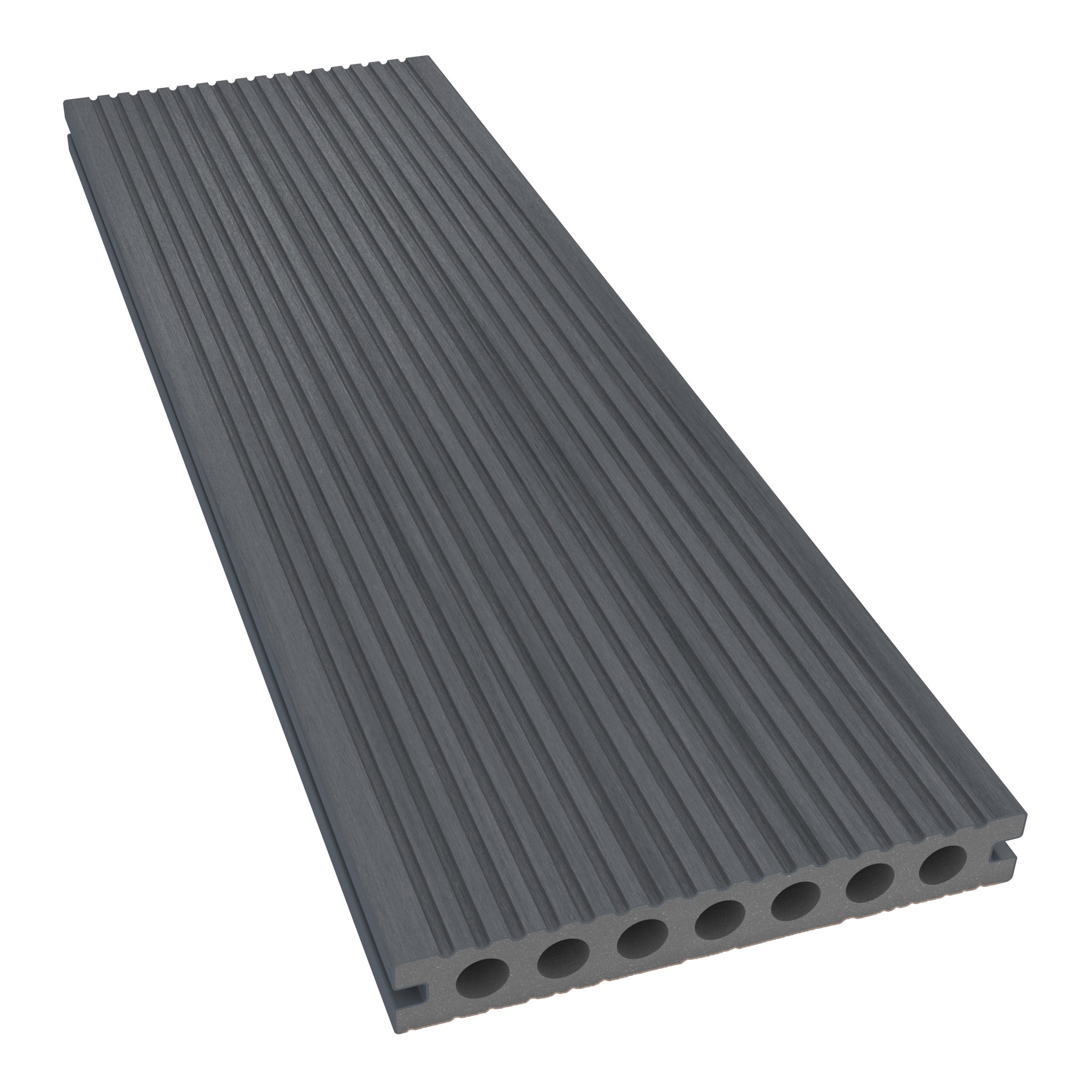
Two separate choices are often confused: the surface can be capped or uncapped, and the core can be hollow or solid. A hollow board can be capped, and a solid board can be uncapped.
Understand the main WPC board choices:
| Feature | What it describes | What to compare |
|---|---|---|
| Uncapped | A composite surface without a separate protective cap. | Weathering, stain care and available finishes. |
| Capped | A protective outer layer over the composite core. | Cap coverage, care instructions and product-specific resistance claims. |
| Hollow core | Voids within the board profile. | Weight, permitted support centres and intended use. |
| Solid core | A profile without those internal hollow channels. | Weight, support requirements and relevant performance data. |
Traditional uncapped WPC decking
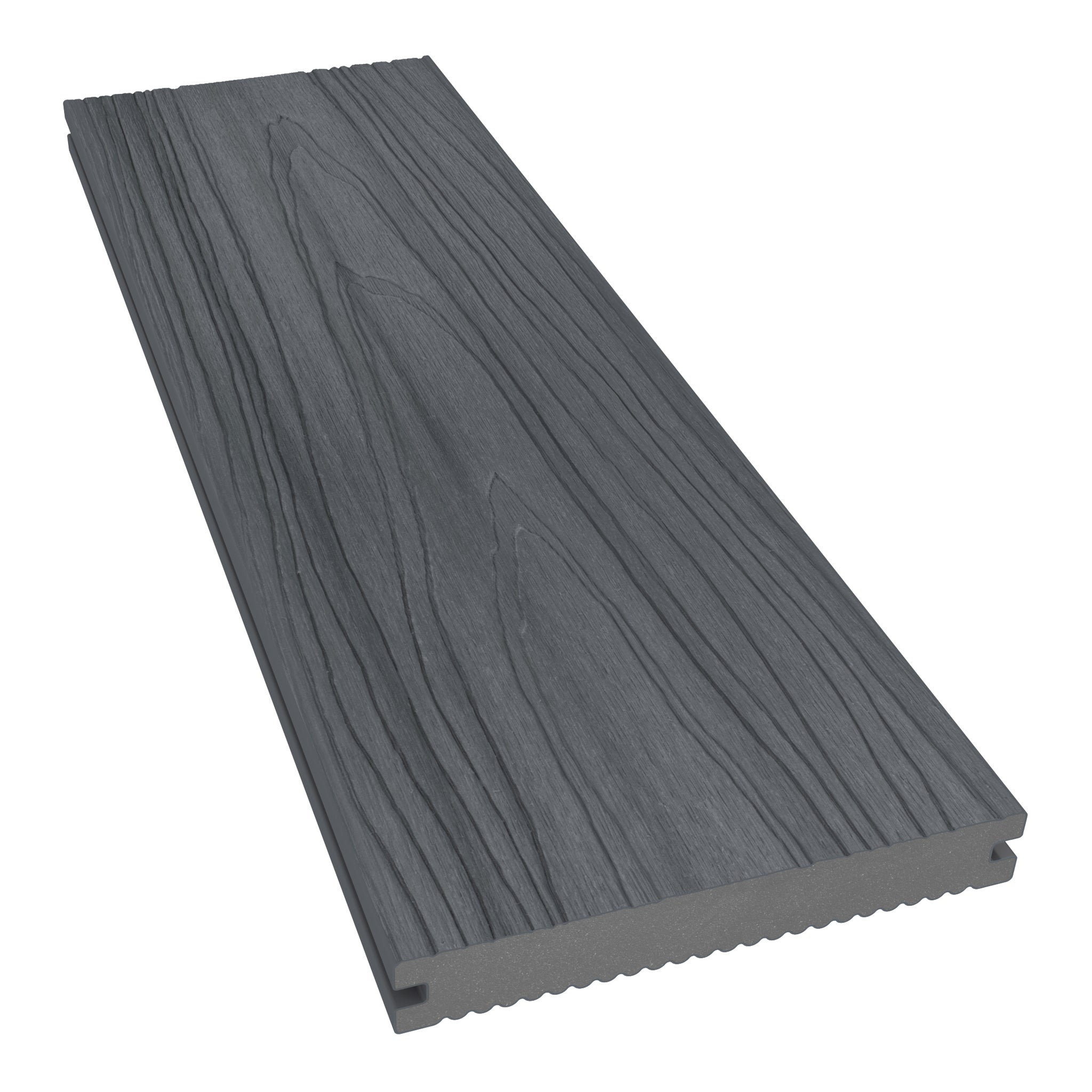
Traditional boards expose the composite surface itself. NeoTimber’s uncapped composite options offer timber-inspired textures and require care appropriate to that surface. Check expected weathering and cleaning requirements before choosing.

Capped wood plastic composite decking
A capped board adds a protective surface layer. NeoTimber’s Deluxe products are designed to provide enhanced fade and stain resistance alongside a timber-inspired finish. Check the cap coverage and specification for the exact profile.
Capping does not remove the need for cleaning, correct installation or suitable loading. It also does not make the complete deck waterproof or guarantee that its appearance will never change.

Choose the Look of Your WPC Deck
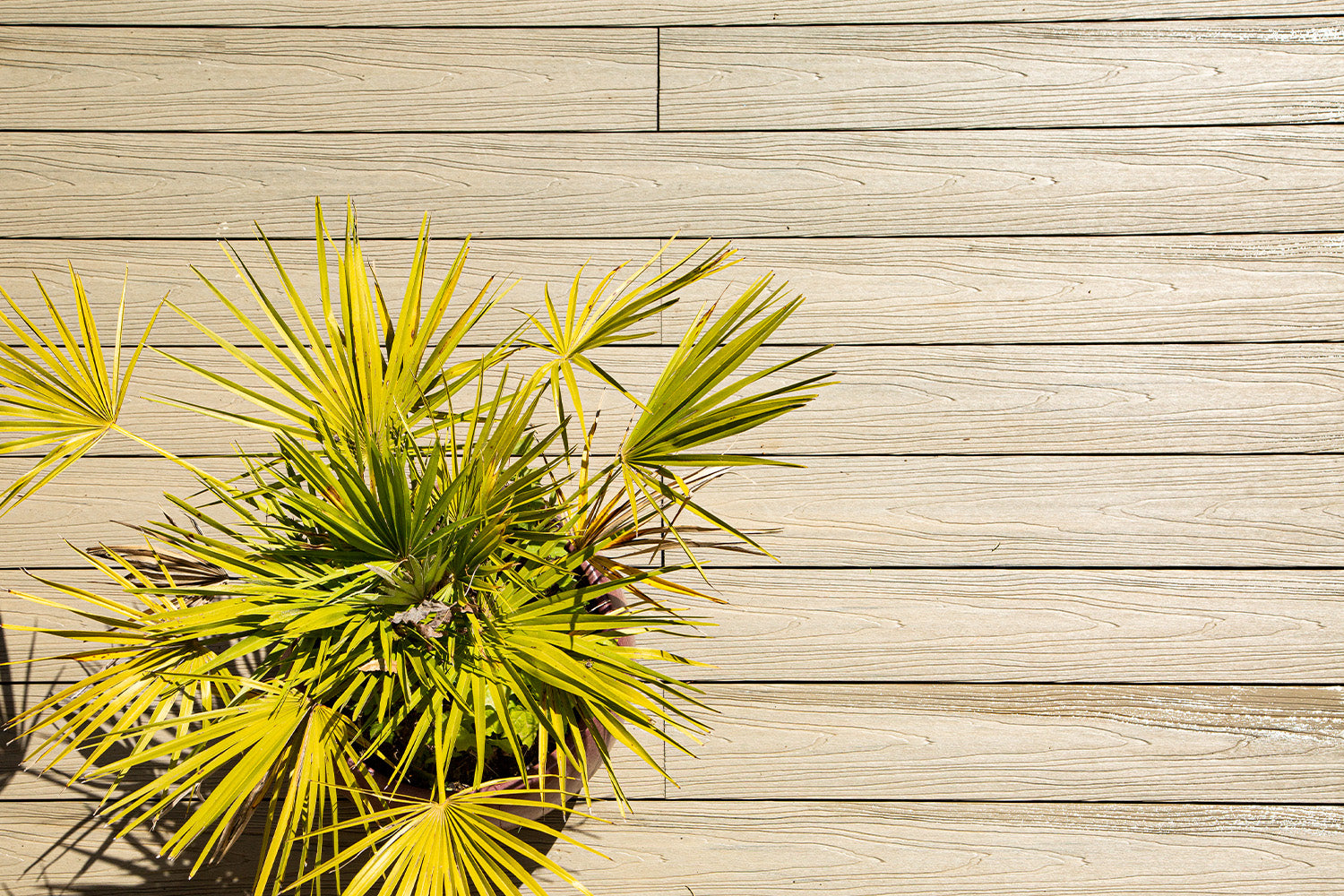
Colour and texture influence how the surface fits into its surroundings. Warm timber tones, darker neutrals and lighter finishes can all work with woodgrain patterns. Compare the boards beside existing paving, brickwork and furniture.
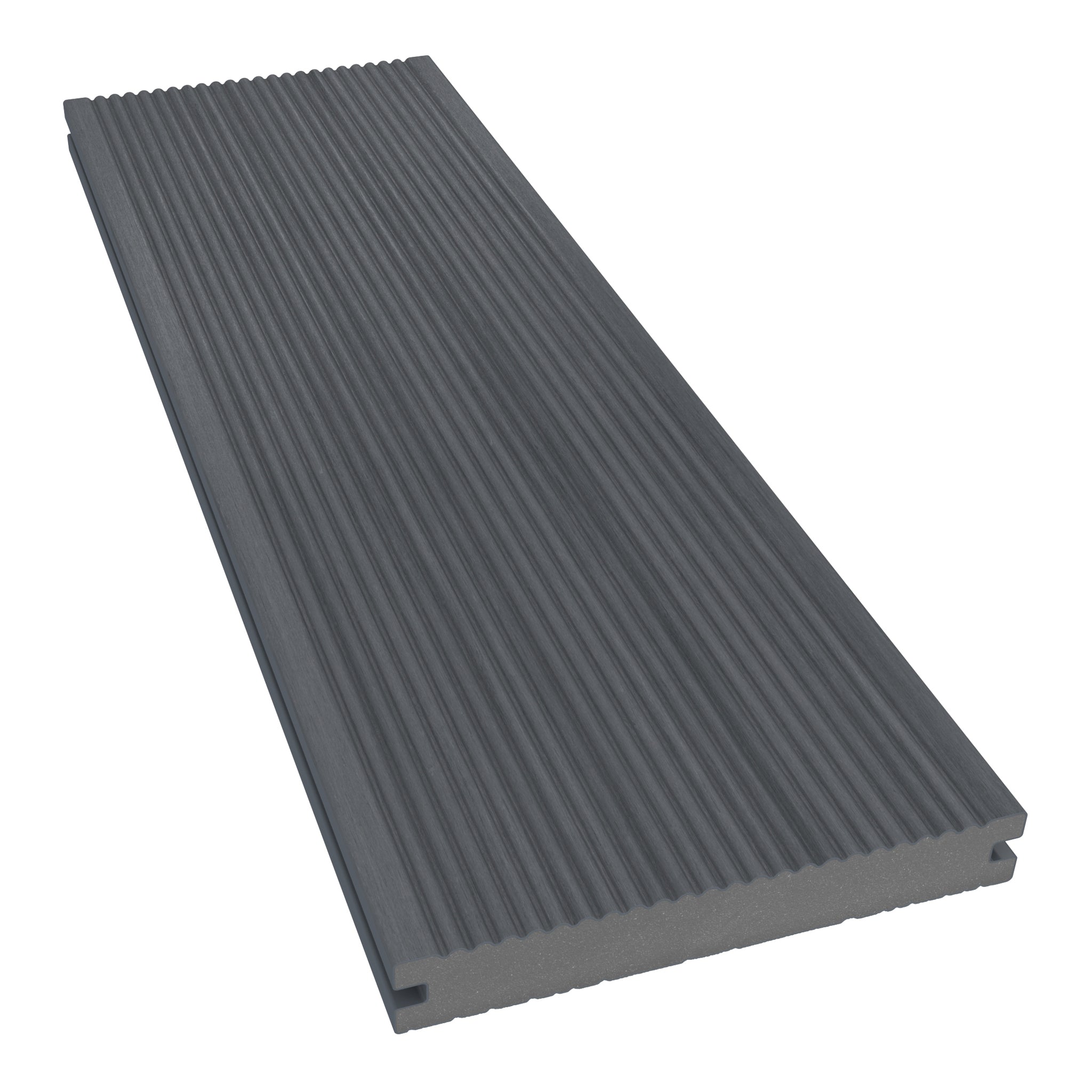
Some products offer reversible grooved and woodgrain faces. Check which surfaces are intended for use on your chosen board rather than assuming every profile is reversible. Surface texture alone does not establish wet slip performance.
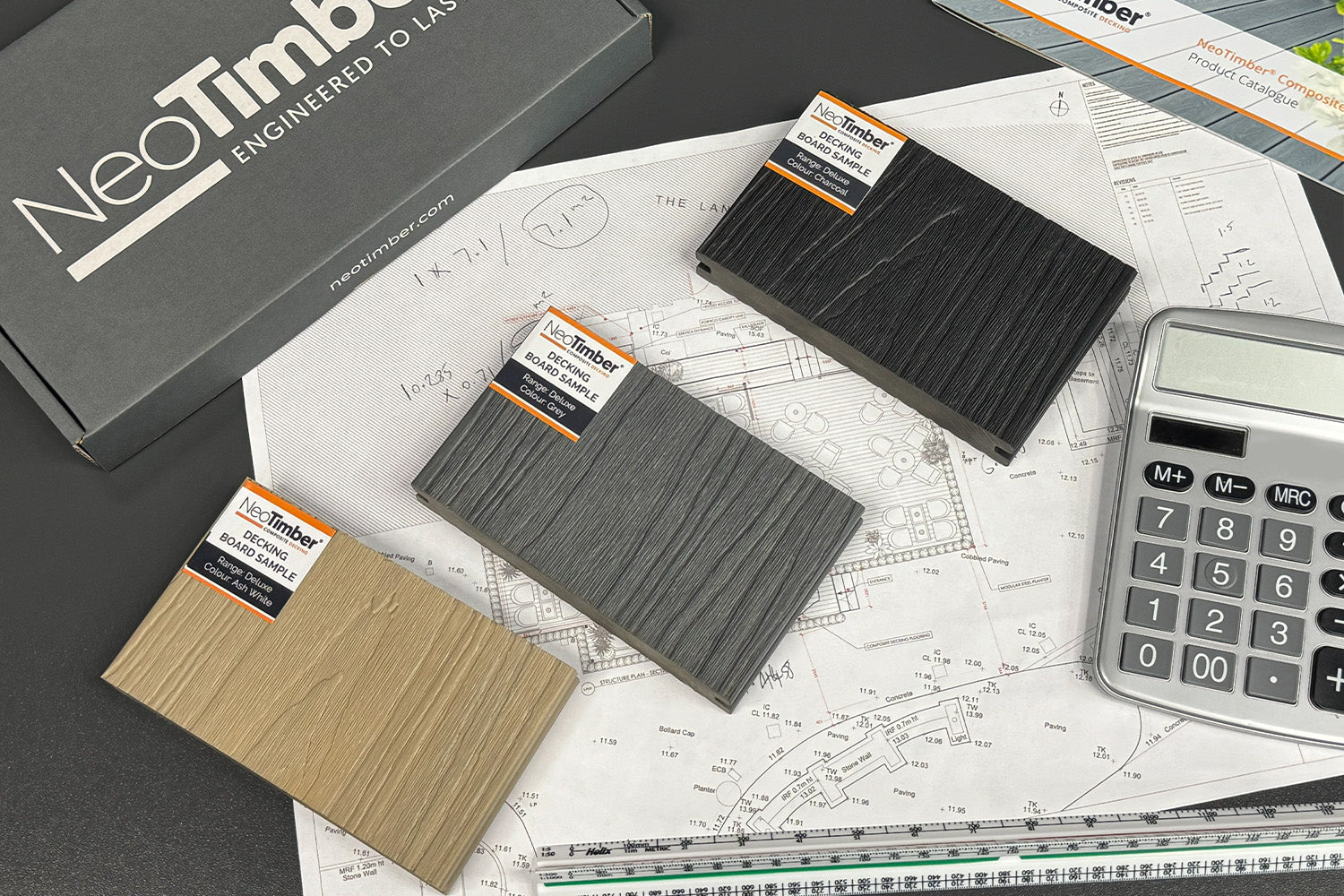
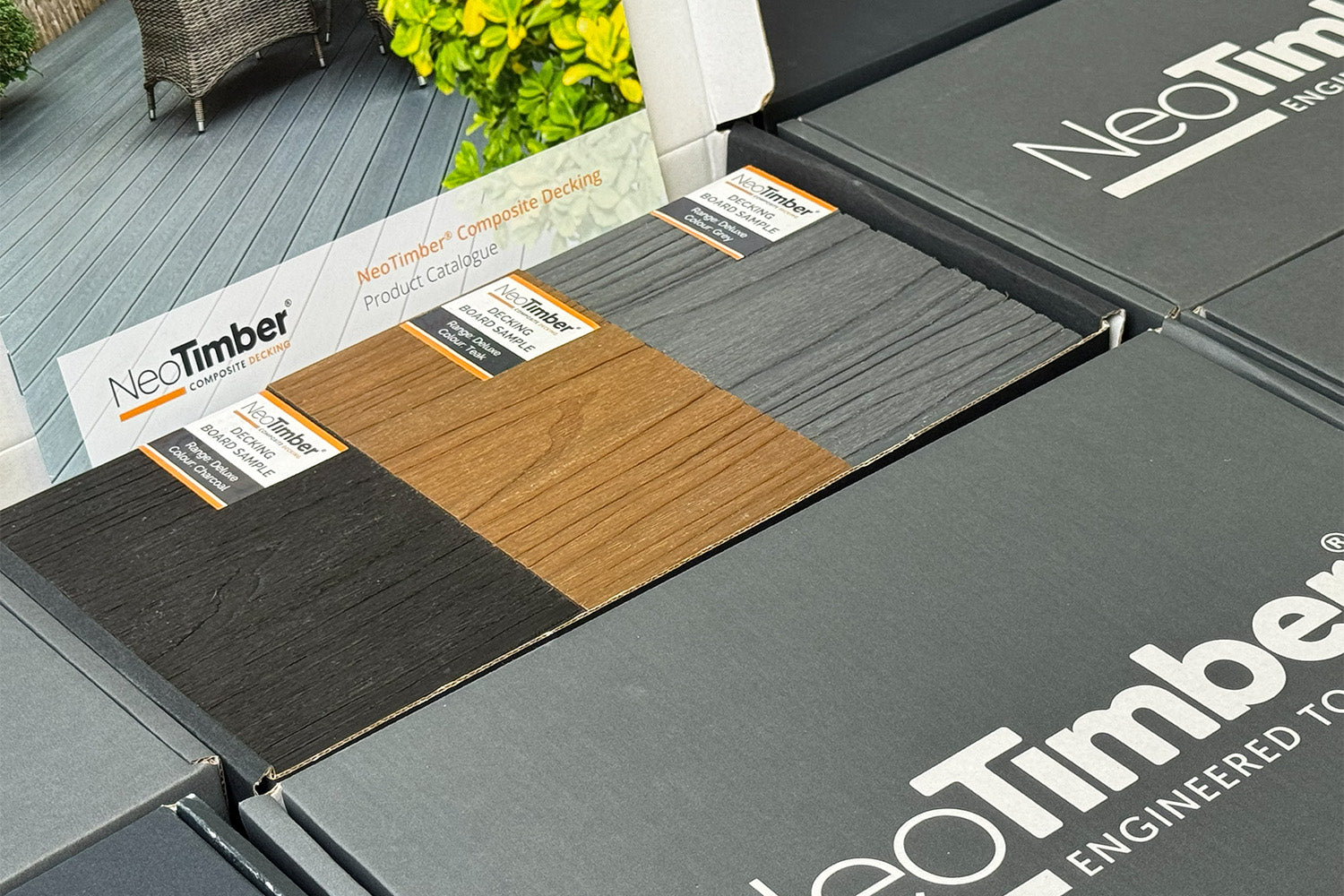
Explore our wood effect composite decking guide and decking colour options. Samples help compare appearance outdoors, while technical documents help assess performance.
A WPC Deck Needs a Suitable Supporting System
Deck boards form the walking surface; the frame, foundations and connections support the completed structure. Choose these components together and follow the installation guidance for the exact board and layout.
- Confirm joist centres, end support and permitted overhangs.
- Use compatible fixing clips, screws and finishing components.
- Allow the specified movement gaps and boundary clearances.
- Provide drainage, ventilation and access for inspection.
- Assess substantial loads and specialist applications separately.
NeoTimber® supplies subframe components, including recycled plastic joists, posts and adjustable supports. These are not universal like-for-like substitutes for timber: each has its own support, span and fixing requirements. Low-profile composite joists intended for a solid base cannot simply be used as spanning structural beams.
For balconies, roof terraces and commercial projects, confirm the relevant structural and fire requirements. The term WPC does not establish approval for a particular building.
Consider Material Sourcing and Ongoing Care
NeoTimber® uses responsibly sourced wood fibres and recycled plastics in its composite products. Review the FSC® information for the wood component and the specification of the board you intend to buy.
Recycled content is one part of an environmental assessment. Installation waste, transport, service life and end-of-life options also matter. Do not assume wood plastic decking can be placed in ordinary household recycling because some ingredients were recycled.
Follow the maintenance guidance for cleaning and spill care. WPC boards do not require routine timber staining or oiling, but leaves, dirt and surface growth still need attention. Read the applicable warranty terms; cover varies by range and use.
Your WPC Decking Buying Checklist
- Identify the exact board range, dimensions and core profile.
- Compare capped and uncapped surface characteristics.
- Check relevant test information and intended applications.
- Plan the complete supporting structure and fixing system.
- Review samples, care requirements and warranty conditions.
- Budget for boards, structure, accessories, delivery and installation.
Request free composite decking samples or contact NeoTimber® with your project details. You can also call 01530 382 180 to discuss your shortlist.
Frequently Asked Questions
What does WPC decking stand for?
Wood plastic composite decking: boards made from a blend of wood fibres, plastic polymers and additives.
Is a wood plastic composite deck the same as a plastic deck?
Not necessarily. WPC contains wood as well as plastic. An all-plastic product has a different composition and needs its own specification review.
Is every WPC deck board capped?
No. Capped and uncapped products are available. Check the surface construction of the exact board.
Can hollow WPC boards have a protective cap?
Yes. Core profile and surface capping are separate characteristics. Compare both when choosing.
Does wood plastic decking need maintenance?
Yes. It needs cleaning and inspection, although routine staining or oiling is not required for NeoTimber® composite boards.
How do I choose a suitable wood plastic composite deck board?
Match the intended use, performance information, support requirements and finish to your project. Assess the whole system rather than choosing by material name alone.