Bring Timber-Inspired Texture to Your Garden With Composite Boards
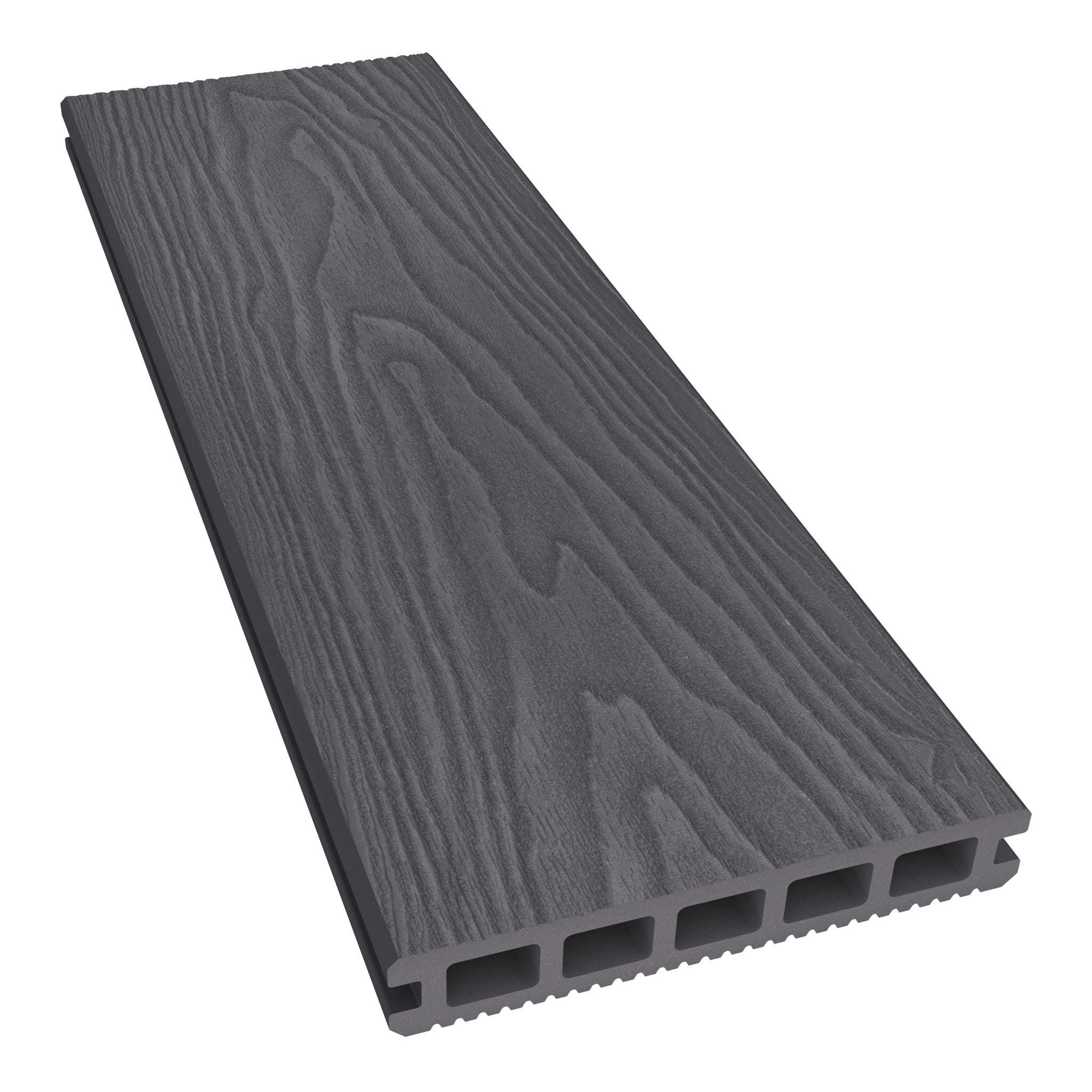
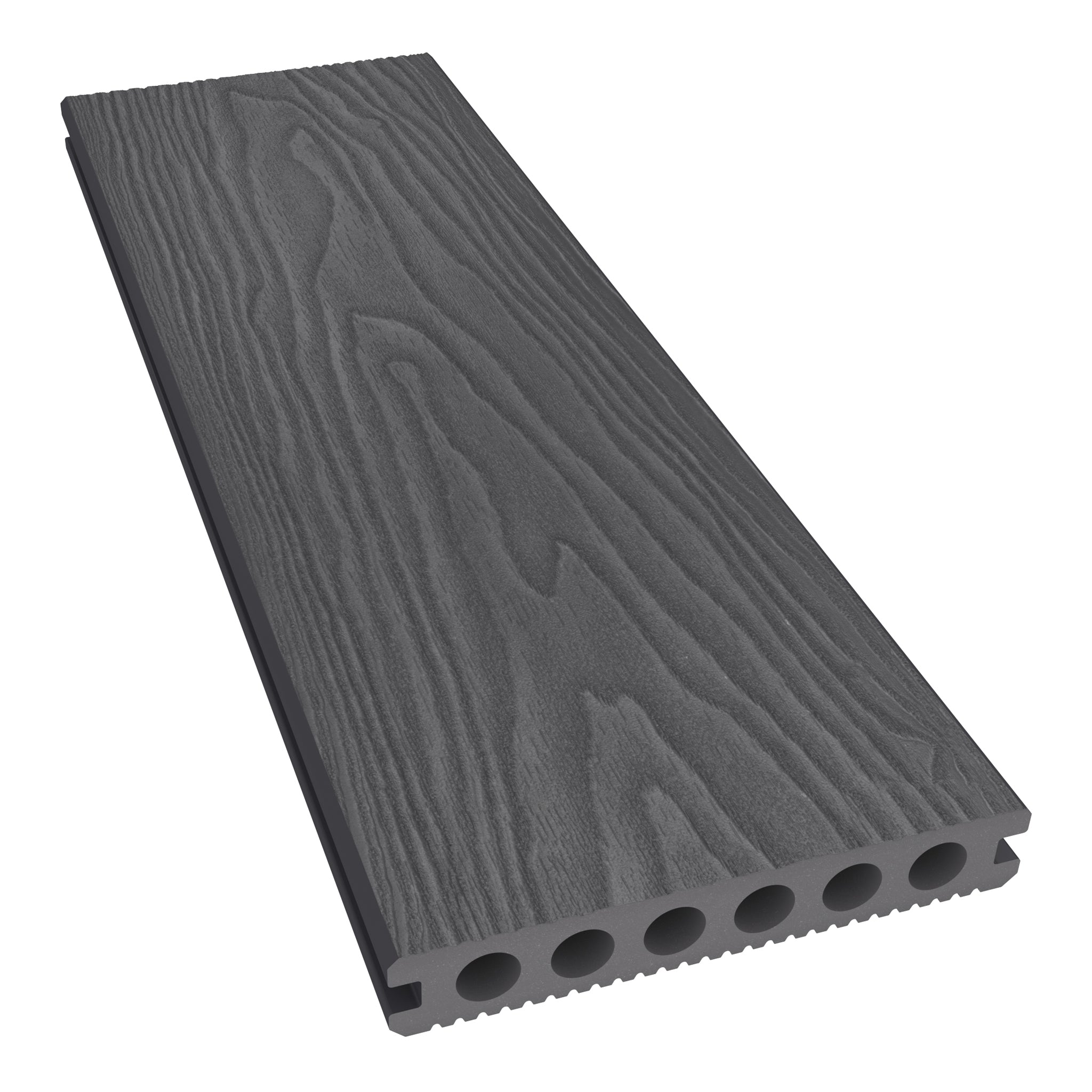
Wood effect composite decking combines a timber-inspired appearance with a different approach to outdoor upkeep. Embossed grain, varied tones and coordinated finishing components can help create a welcoming garden surface without the regular staining or oiling associated with many timber finishes.
If you are comparing wood grain composite decking, look beyond the colour in a photograph. The texture, board profile, weathering characteristics and care requirements all help determine which product suits your project.
Explore NeoTimber’s decking options for an overview, or browse the composite decking range alongside this guide.
In this guide: What wood effect means · Embossed grain · Compare finishes · Choose colours · Design ideas · Installation and care · FAQs
What Is Wood Effect Composite Decking?
Wood effect describes the appearance of the board. The material itself is a composite of wood fibres, polymers and other ingredients, rather than a solid timber plank. Its surface is designed to suggest the grain and character of wood.
Wood grain composite decking is another way of describing that timber-inspired surface, with particular emphasis on the grain texture. The two phrases do not necessarily identify separate product categories.
Colour names such as Oak and Teak describe the visual finish. They should not be taken to mean that the board is made from that hardwood species. Compare samples and specifications to understand both the appearance and construction.
Why an Embossed Wood Grain Finish Matters
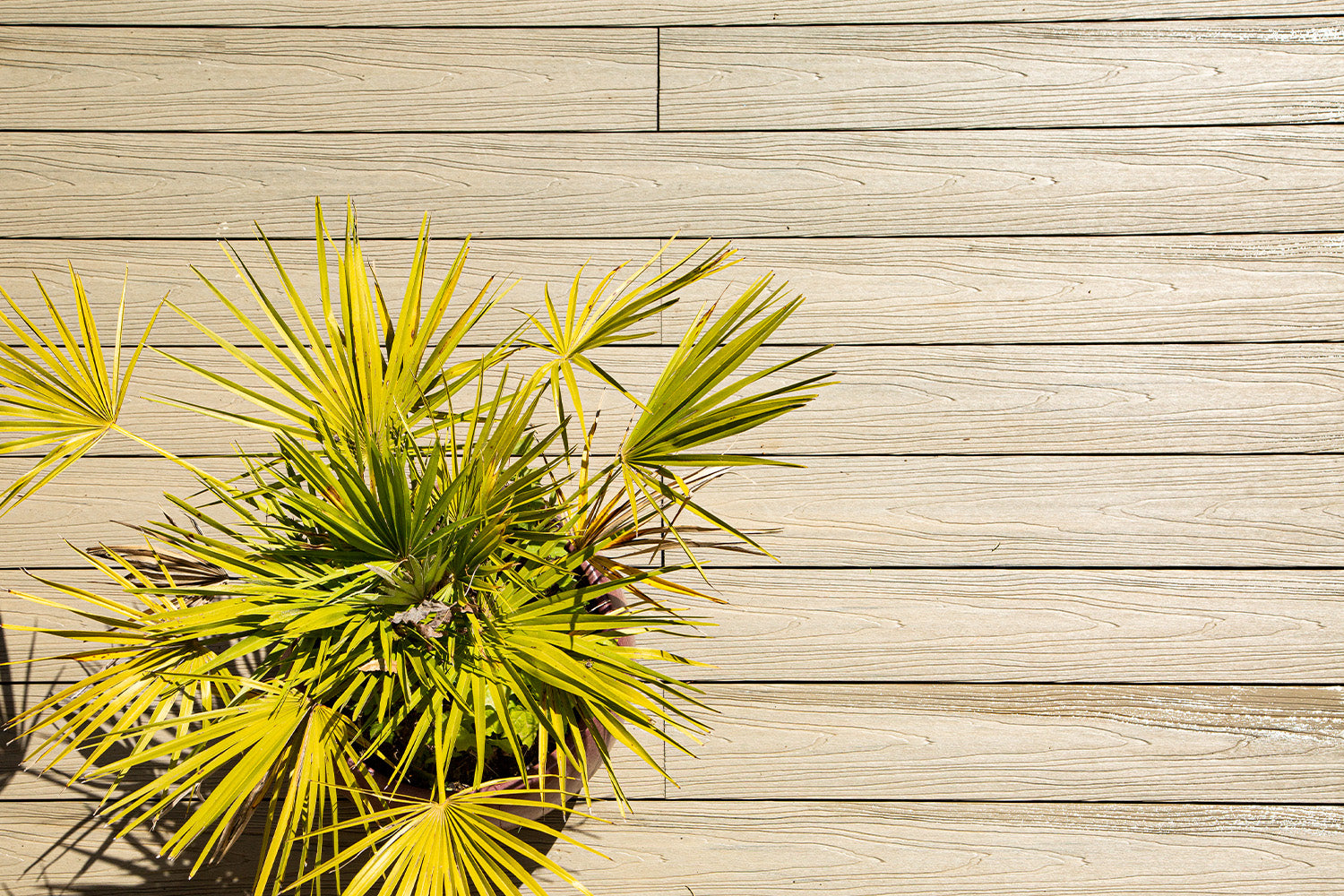
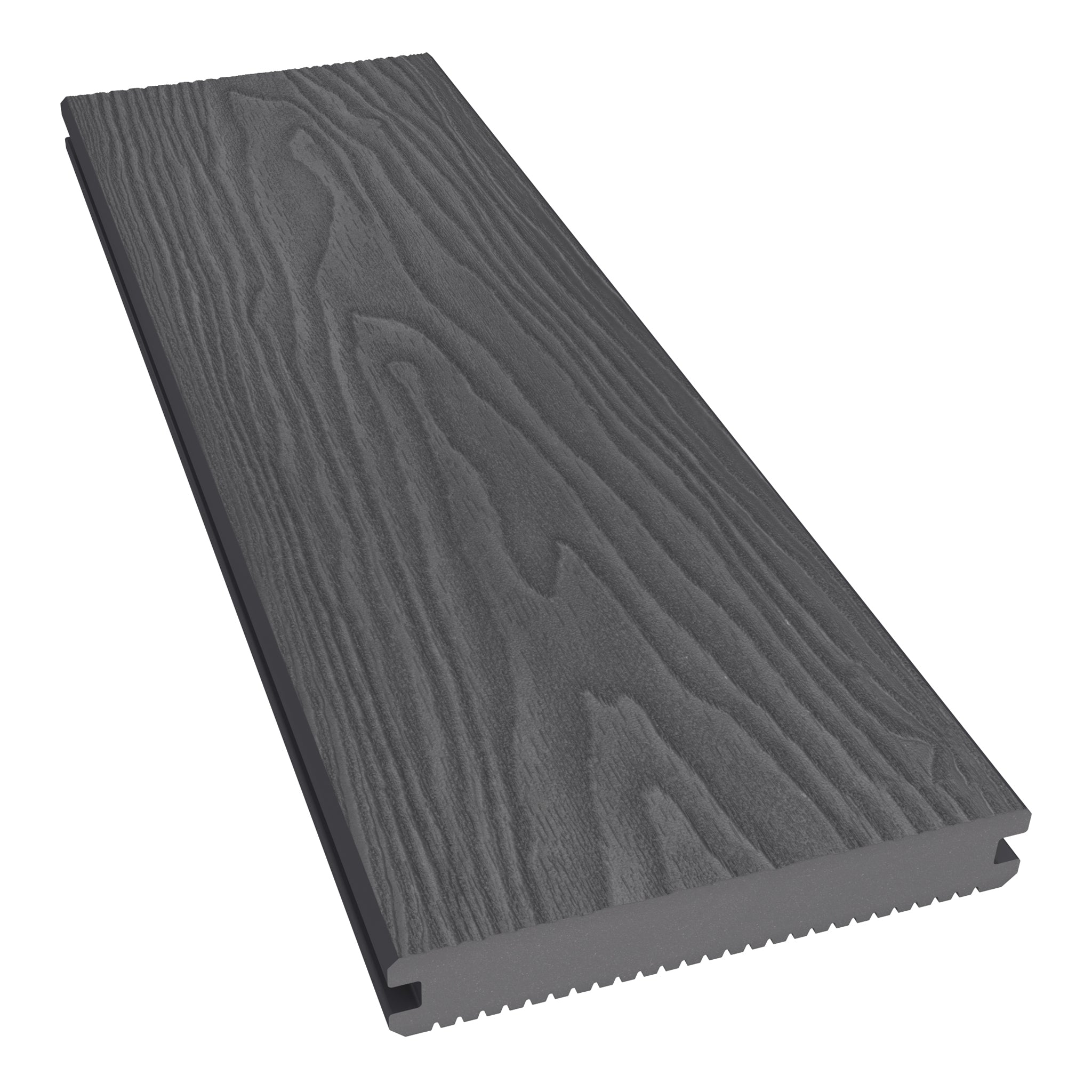
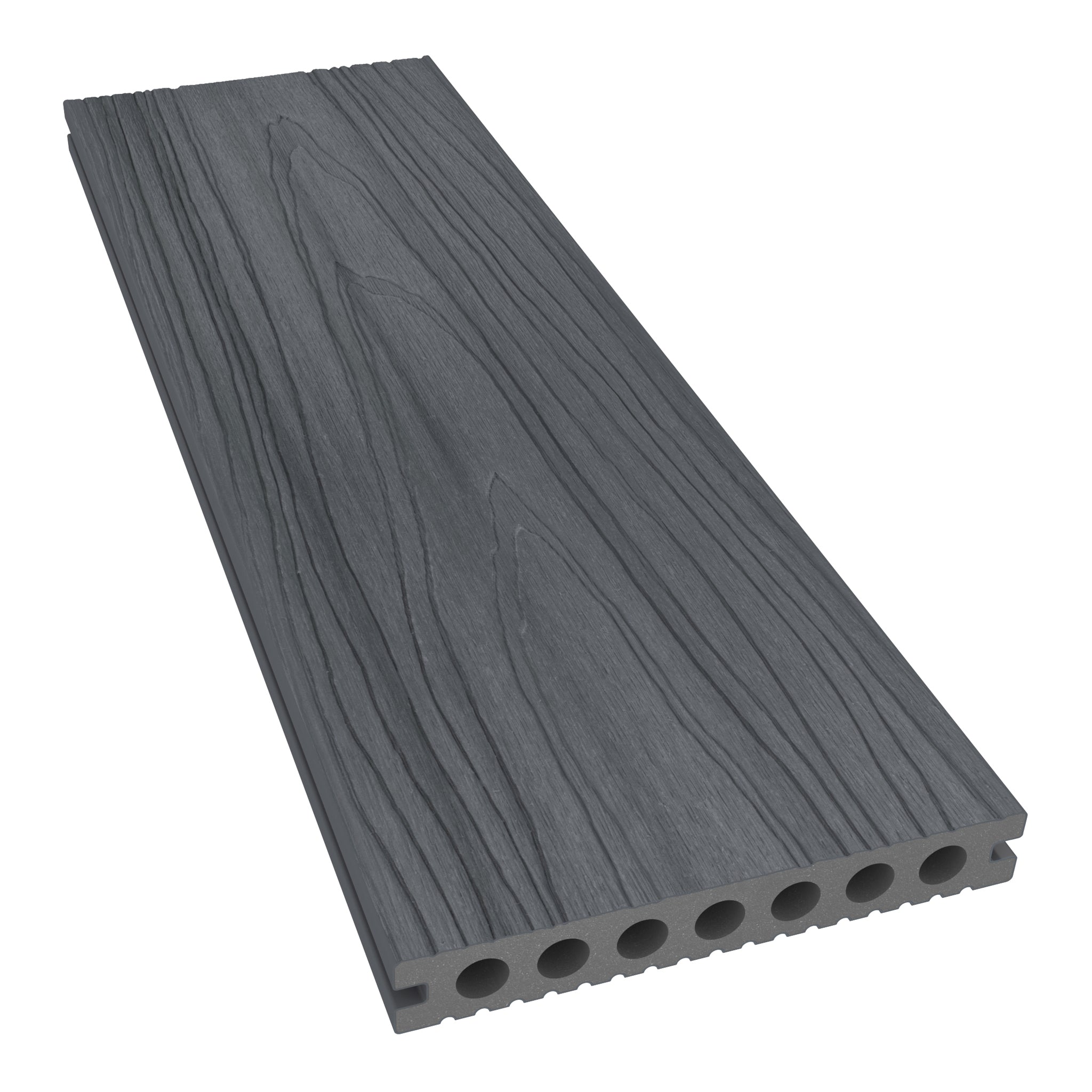
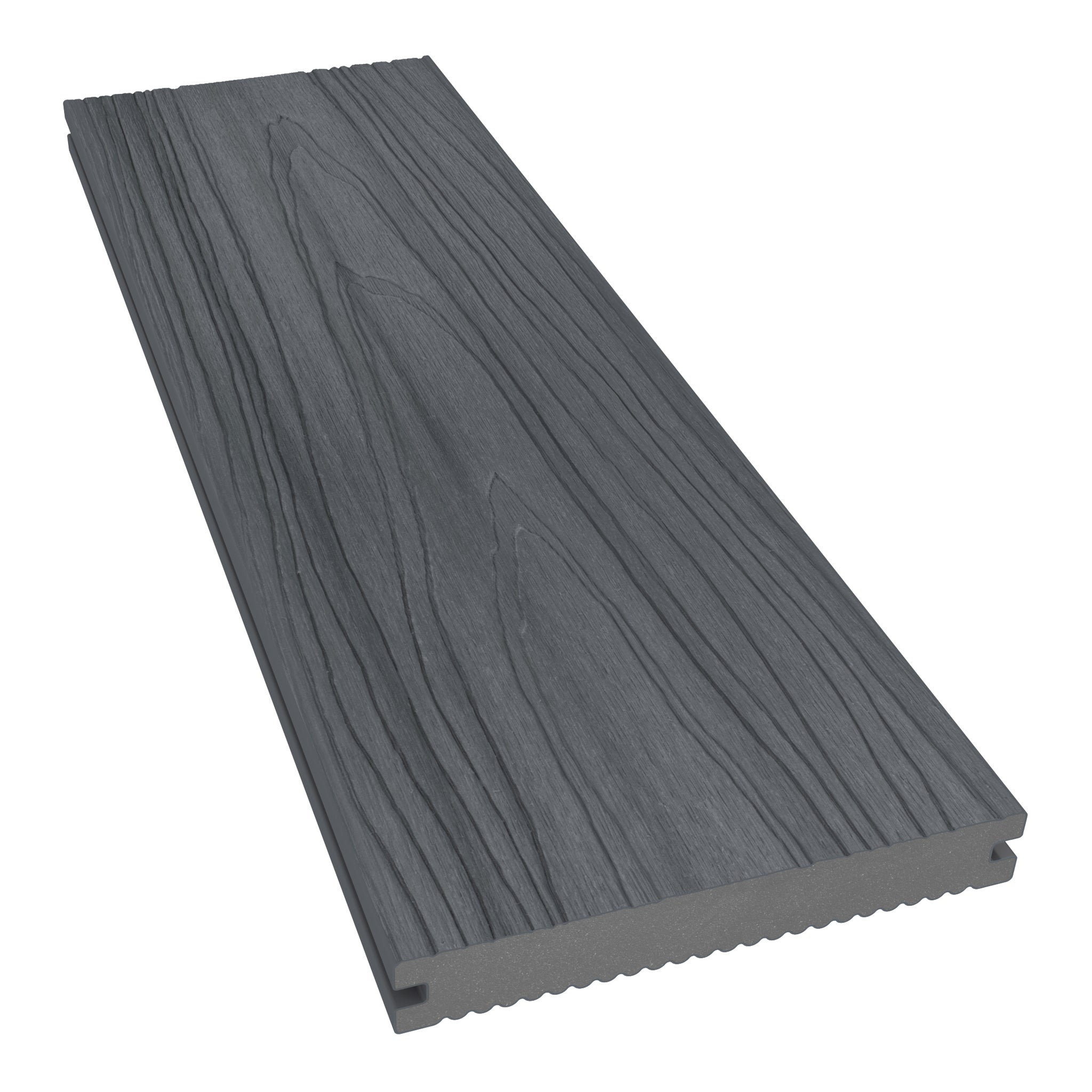
Embossing creates physical texture in the board surface. This gives light and shadow something to work across, helping the grain remain visually interesting as the viewing angle changes.
When comparing samples, look at the depth of the grain, the scale of the pattern and how it sits beside your paving, brickwork and furniture. A pronounced texture can become a feature; a subtler grain can provide a quieter backdrop.
A grain pattern can repeat across manufactured boards. Review larger installation photographs as well as close-ups so you understand the overall effect. Avoid judging authenticity from a single cropped image.
Embossing alone does not establish durability, slip performance or fade resistance. Those qualities depend on the specific product and its care. Nor should every competing board be assumed to use a printed finish: manufacturing methods vary.

Compare Uncapped and Capped Wood Grain Composite Decking
Start with the construction and care characteristics of the board, then refine the appearance. NeoTimber® offers traditional uncapped products and capped Deluxe options, with product-specific finishes to compare.
What to compare when choosing a woodgrain finish:
| Detail | Uncapped composite | Capped composite |
|---|---|---|
| Surface construction | Composite surface without a separate protective cap. | Protective outer layer over the composite core. |
| Visual considerations | Check the grain, texture and expected weathering of the exact range. | Compare the grain and tonal variation of the chosen finish. |
| Care considerations | Follow range-specific cleaning and stain guidance. | Clean as directed and preserve the protective cap; do not sand it. |
Traditional composite finishes
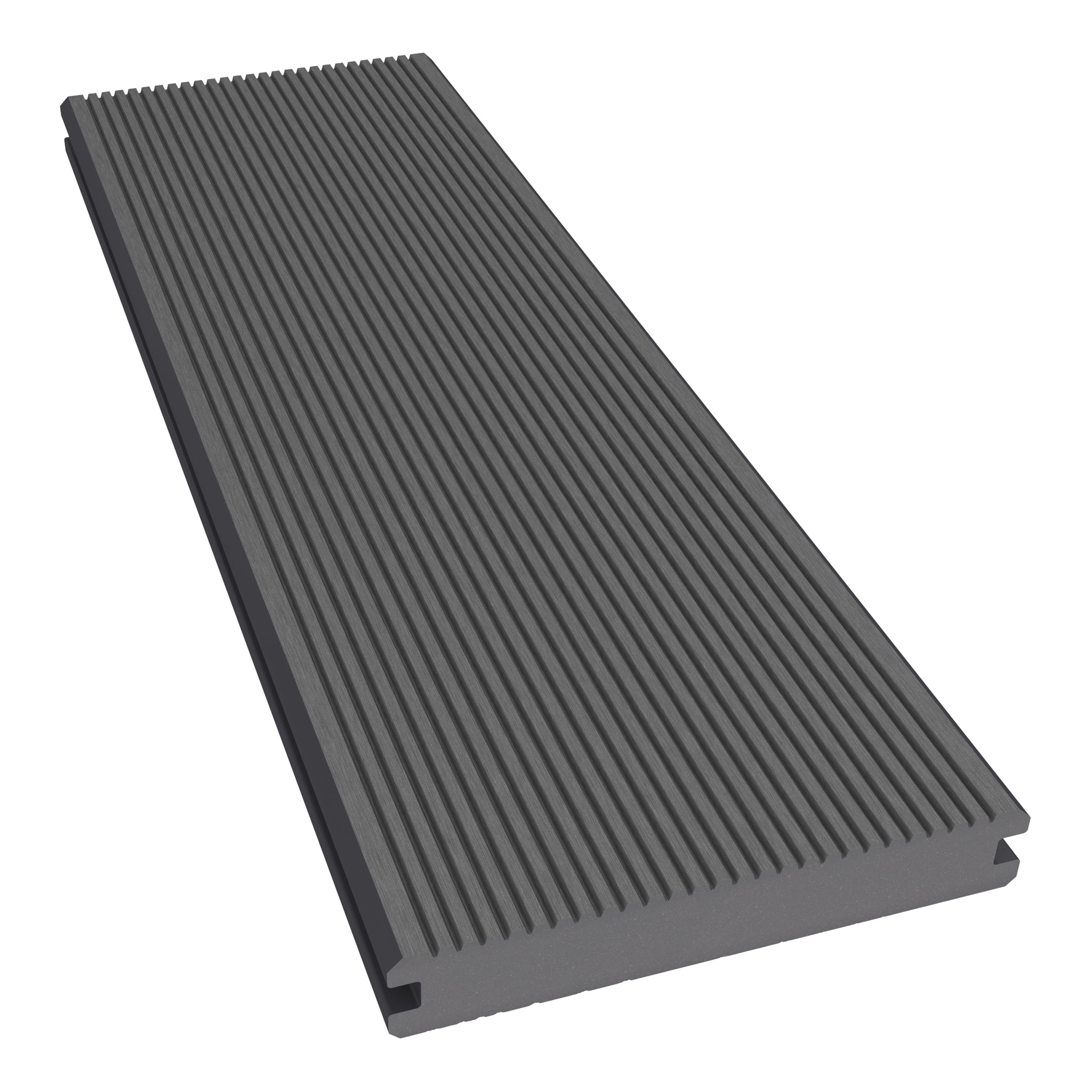
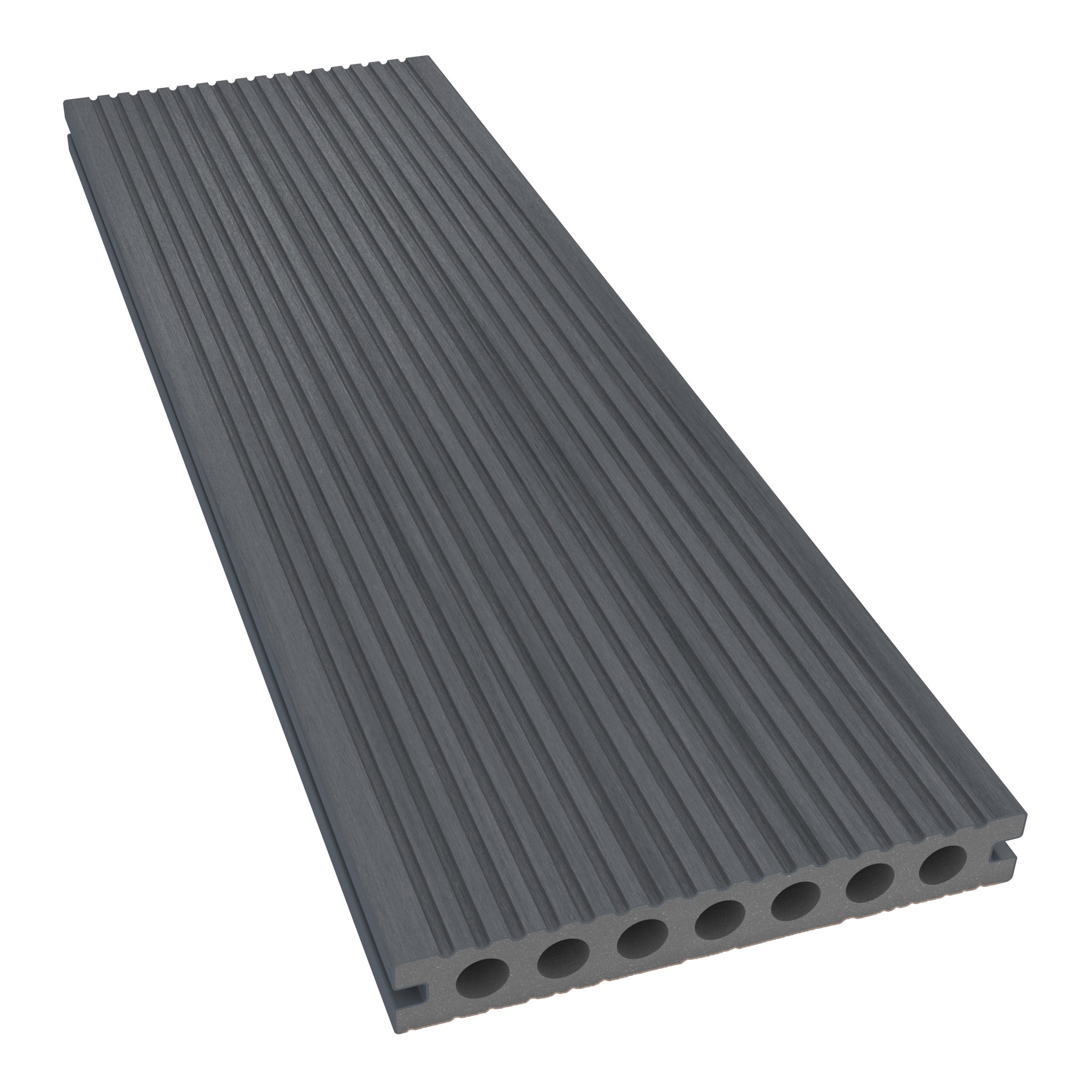
Compare the current Classic Hollow and Classic Solid options for the look you want. Check the expected colour weathering rather than assuming an uncapped board will stay exactly as it appeared on delivery.
Capped Deluxe finishes
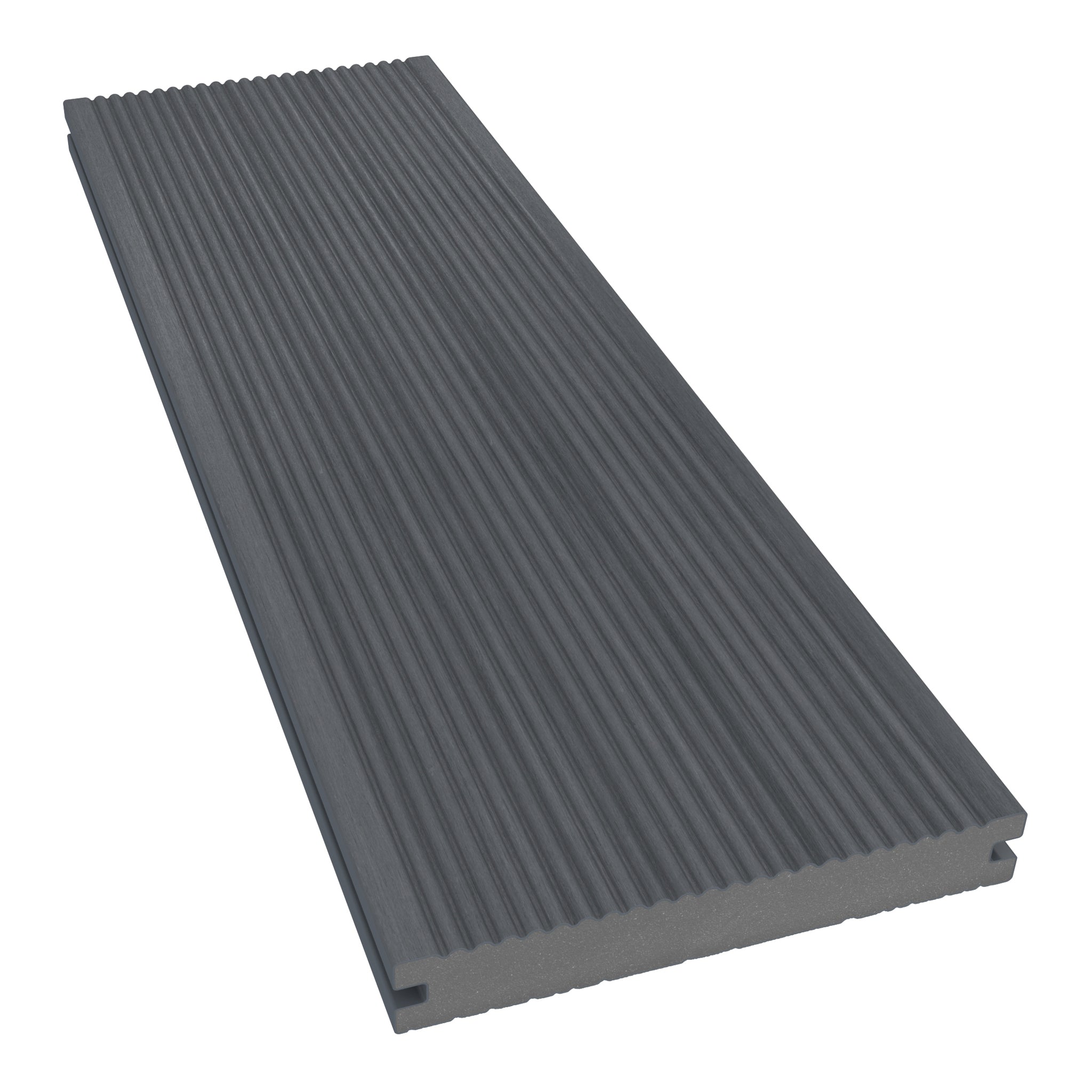
Deluxe Solid boards offer a dual-tone appearance and reversible woodgrain and grooved faces. The protective cap is designed to improve fade and stain resistance, while the tonal variation adds visual depth.
Explore capped composite decking for more background. A cap is not a guarantee against every mark, scratch or colour change, and the chosen core profile still needs to suit the installation.
Choose a Colour That Works With Your Garden
Timber-inspired texture is not limited to brown boards. It can also soften the appearance of greys, charcoal tones and lighter neutrals.
- Oak and Teak: explore warm tones alongside brick, cream finishes and planting.
- Chocolate: consider a deeper brown where you want a richer backdrop.
- Grey and Charcoal: compare neutral or darker finishes with contemporary paving and furniture.
- Antique, Ash White and Silver Birch: explore lighter or weathered-look options within the Deluxe palette.
Check colour availability for the exact profile, and view the composite decking colour guide for inspiration. Your house, existing landscaping and preferred furniture are more useful reference points than a short-lived colour trend.

Design Ideas for Wood Effect Decking
Keep the main surface simple
Long, straightforward board runs let the grain and tonal variation provide the detail. Plan board ends and joints before building the frame so the finished layout feels deliberate.
Use a coordinated border
A picture-frame border can define the perimeter in the same colour or a contrasting tone. It needs suitable support and compatible edge details rather than simply a change in board direction.
Balance grain with planting and furniture
Plain pots and simple furniture can give a textured surface room to stand out. Alternatively, use foliage and soft furnishings to build a more layered outdoor setting. Our decking design ideas offer more ways to coordinate the space.
Keep Appearance and Performance in Perspective
Choose the surface you like, then check that the complete product suits its intended use. A woodgrain finish does not establish load capacity or suitability for a balcony, commercial terrace or heavy feature.
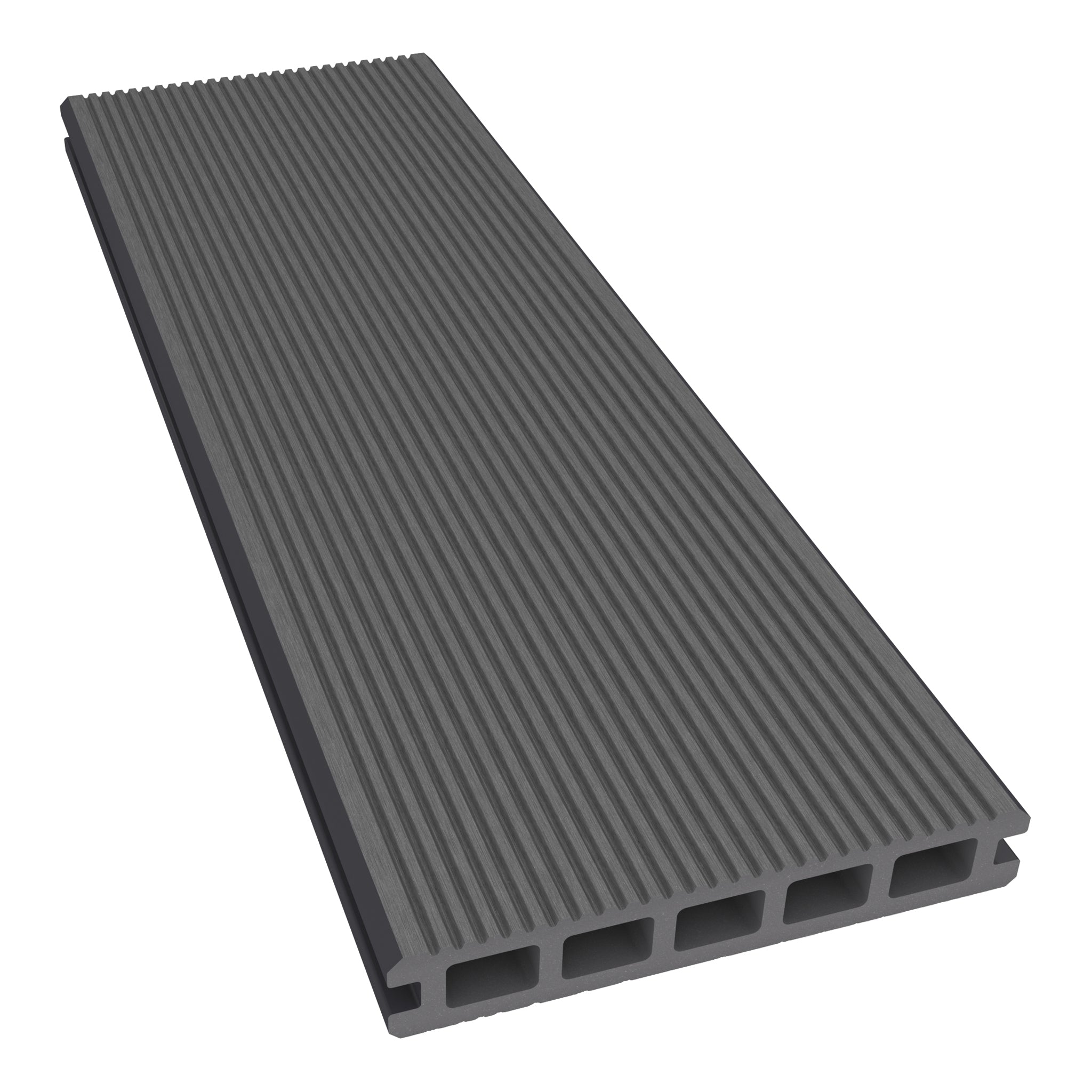
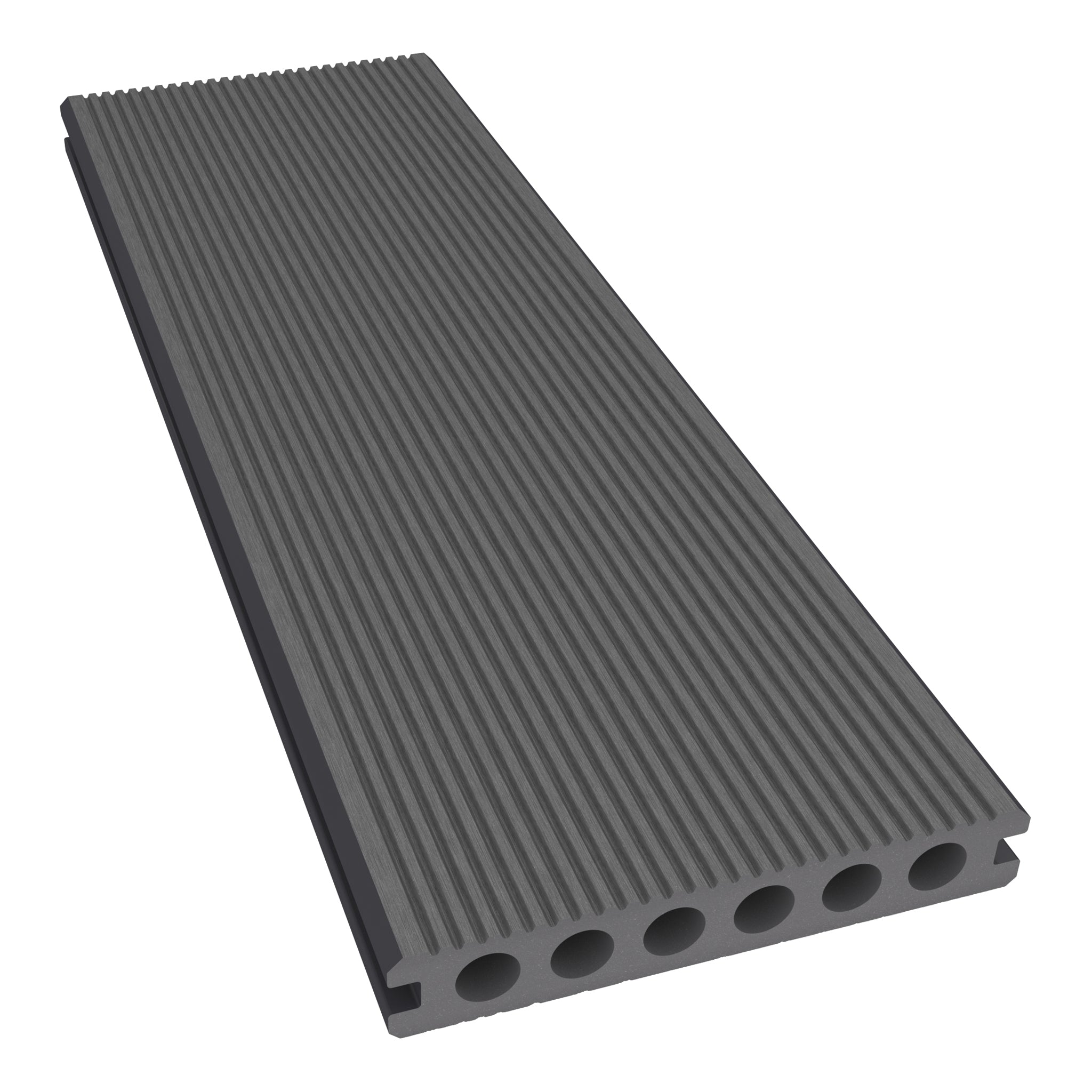
Follow the installation guidance for support centres, compatible fixings, drainage and movement gaps. Do not assume all boards are reversible, and do not assume that grooves automatically provide better wet grip than a woodgrain face. Review relevant test information and keep either surface clean.
Use the recommended maintenance routine to remove debris and attend to spills. Low maintenance means less routine treatment, not an absence of cleaning. Check the warranty for the exact range and application rather than treating its term as a promise of unchanged appearance.
See the Finish Before You Choose
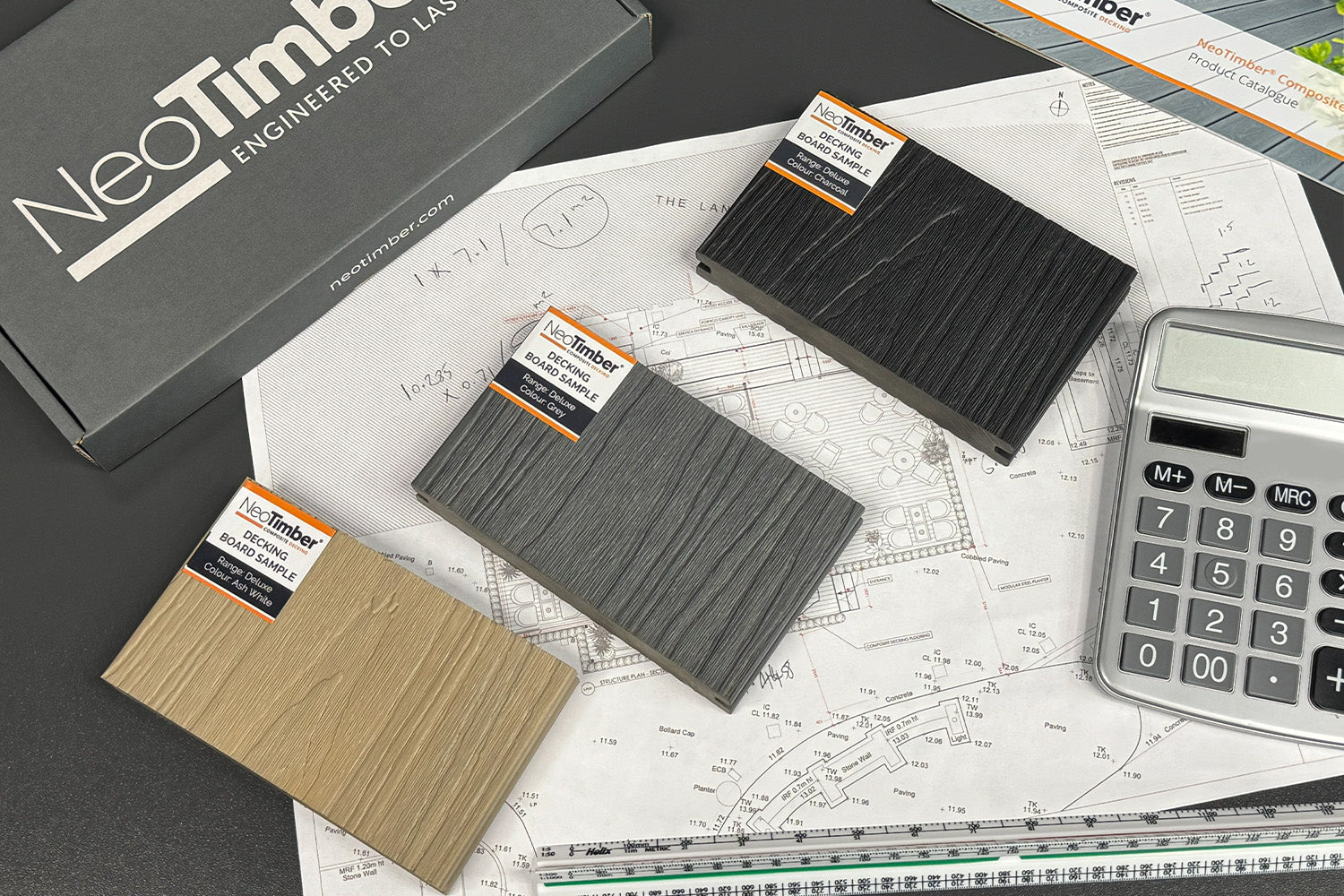
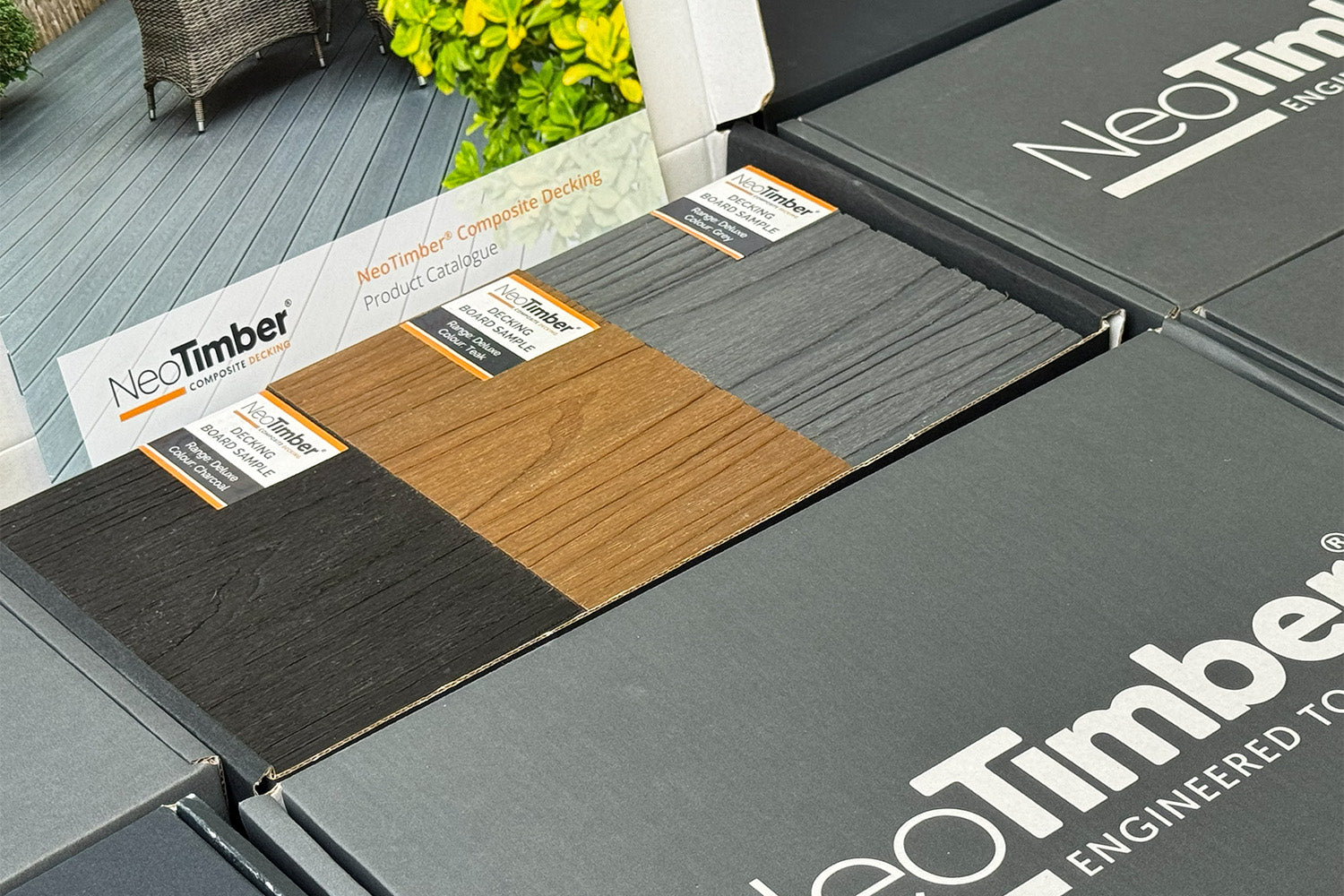
Order composite decking samples and view them outdoors in different light beside the materials you intend to keep. Use them to compare grain, tone and texture, then check photographs of larger installations.
For help matching your preferred wood effect composite decking to a suitable board profile, contact NeoTimber® with your layout and intended use.
Frequently Asked Questions
Is wood effect composite decking made from solid wood?
No. It combines wood fibres and polymers in a manufactured board with a timber-inspired appearance.
Is wood grain composite decking different from wood effect decking?
The phrases commonly overlap. Wood grain emphasises the textured grain pattern, while wood effect describes the wider timber-inspired appearance.
Does Oak composite decking contain oak timber?
The colour name describes the finish rather than establishing the wood species used. Check the product specification for material details.
Can I choose between a woodgrain and grooved side?
Some products, including Deluxe Solid, are reversible. Confirm the permitted surfaces and installation method for the exact board.
Will the woodgrain finish stay exactly the same?
Outdoor exposure and use can affect appearance. Compare the product’s weathering and care guidance; fade resistance is not a guarantee of no colour change.
Does wood effect composite decking need staining?
NeoTimber® composite boards do not require routine staining or oiling to preserve the intended finish. Follow the cleaning guidance and seek advice before applying coatings.