

Choose Decking for the Way You Want to Use Your Outdoor Space
Composite deck boards offer a manufactured alternative to timber for outdoor flooring. Their appeal includes timber-inspired surfaces, a choice of colours and reduced routine surface treatment. But a successful deck needs more than an attractive board: its layout, supporting structure, installation and care all contribute to the result.
If you are comparing the best composite deck boards or browsing composite deck boards for sale, start with your project requirements. The right composite deck board for a compact garden seating area may not be the right specification for a raised terrace or a commercial installation.
This guide explores 25 practical reasons to consider composite, then explains how to compare construction, costs and product information. The aim is a well-specified outdoor space that suits your priorities, rather than a purchase based on a headline claim alone.
What Is a Composite Deck Board?
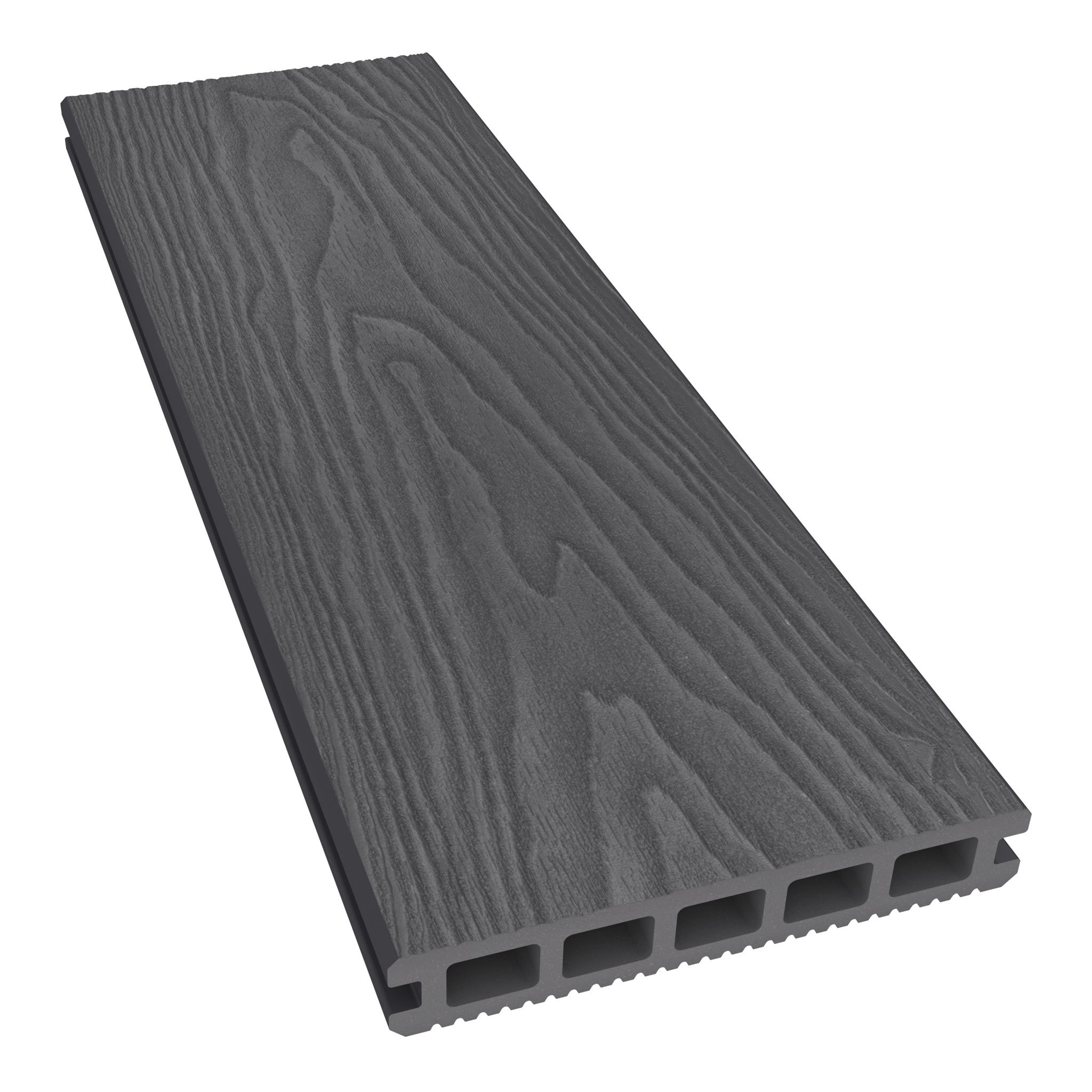
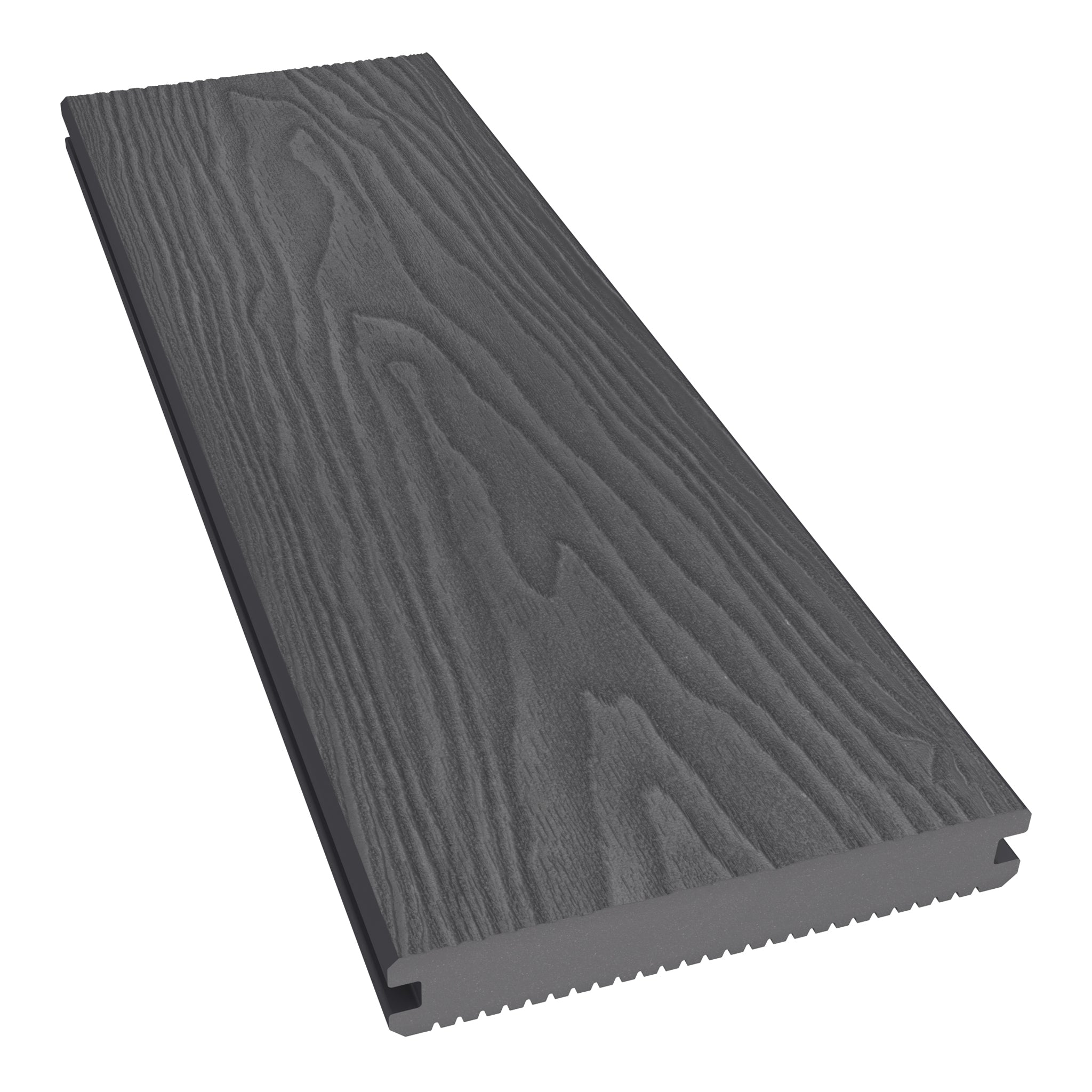
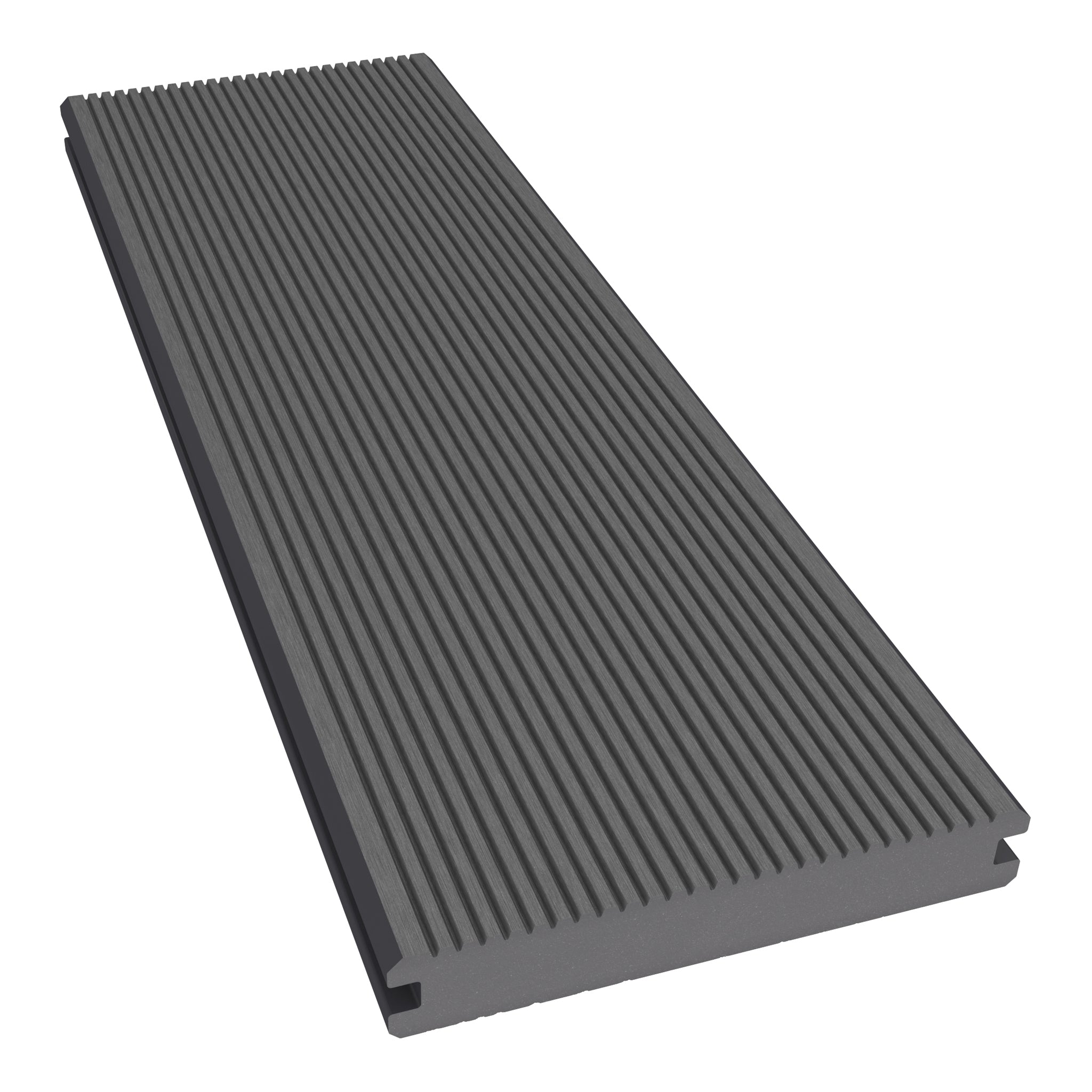
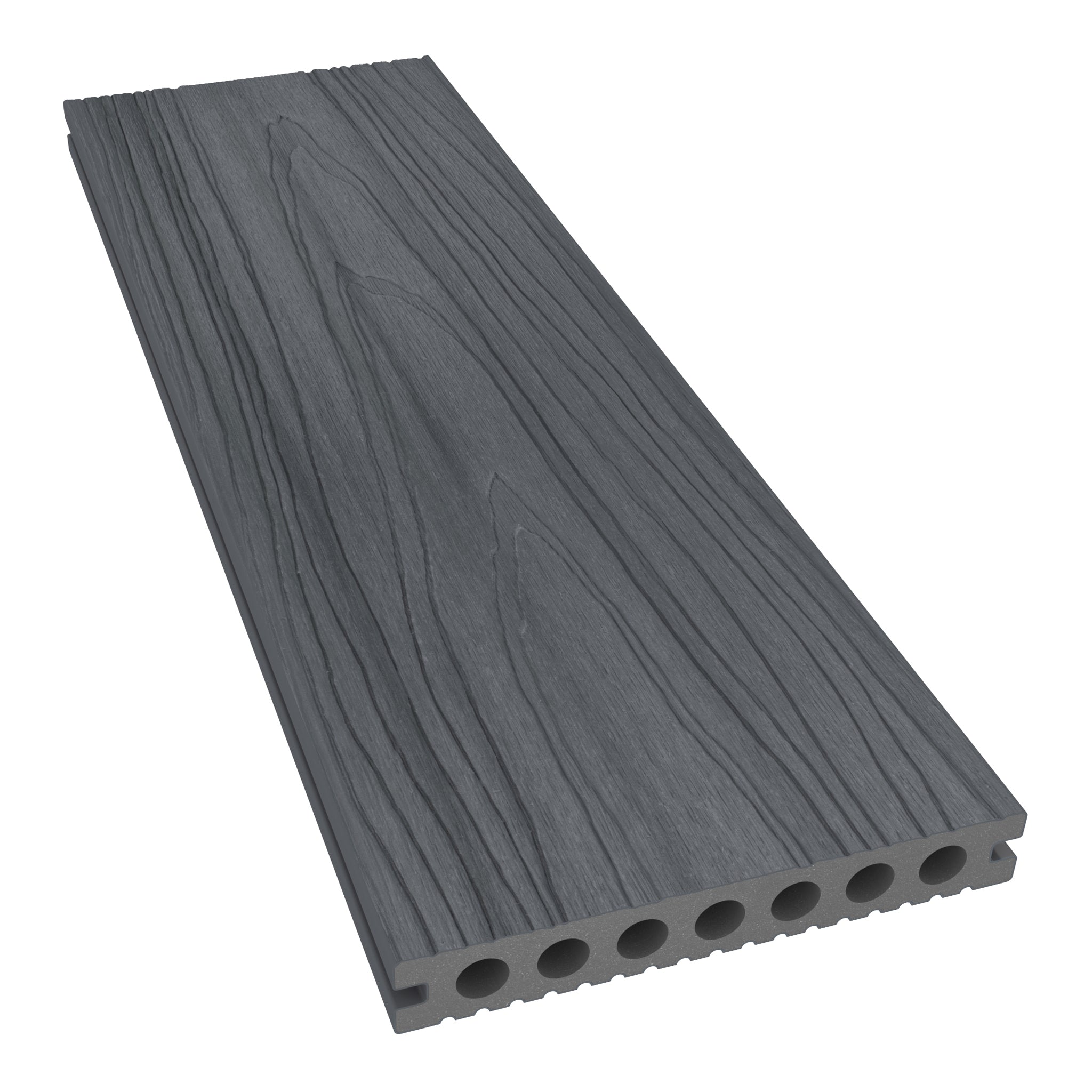
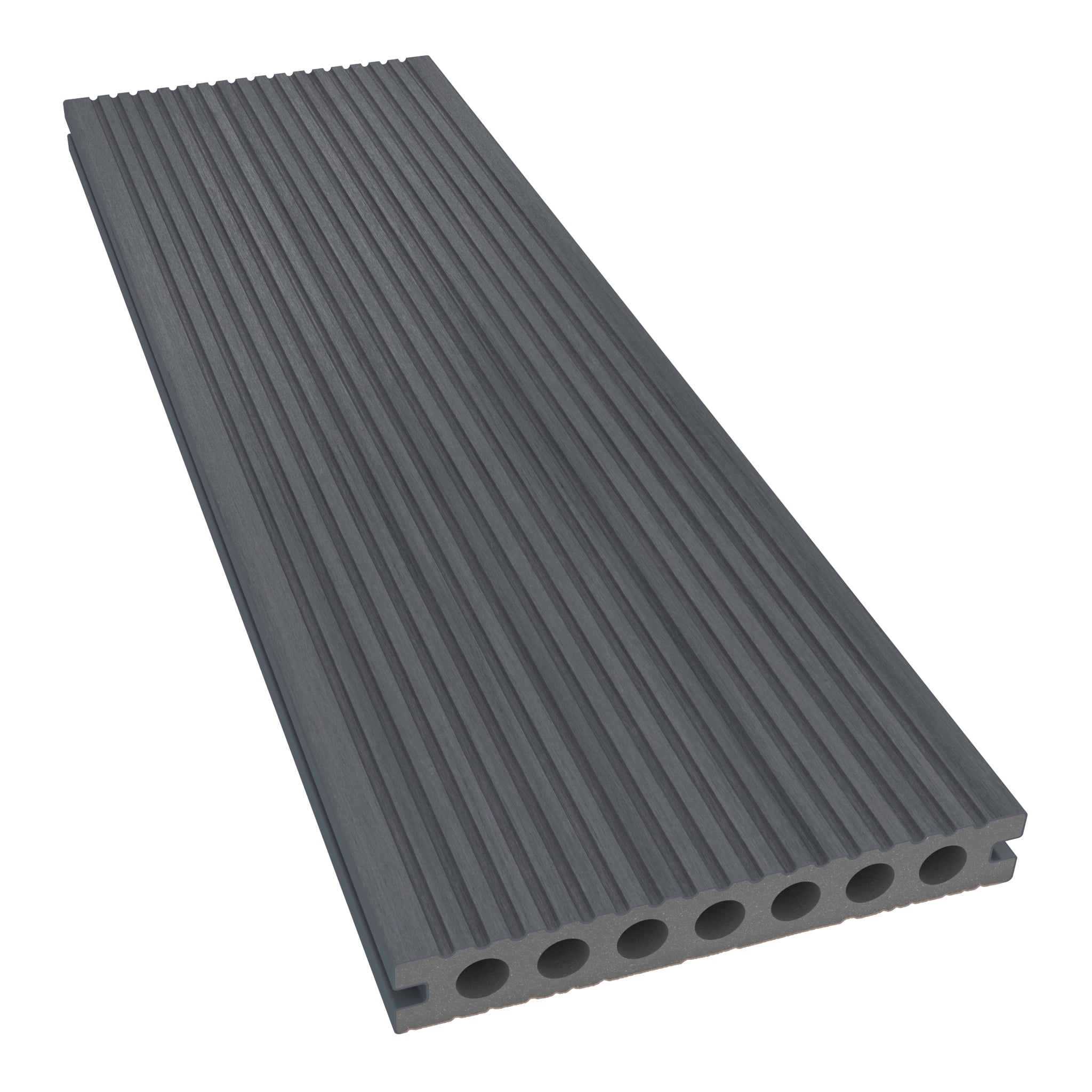
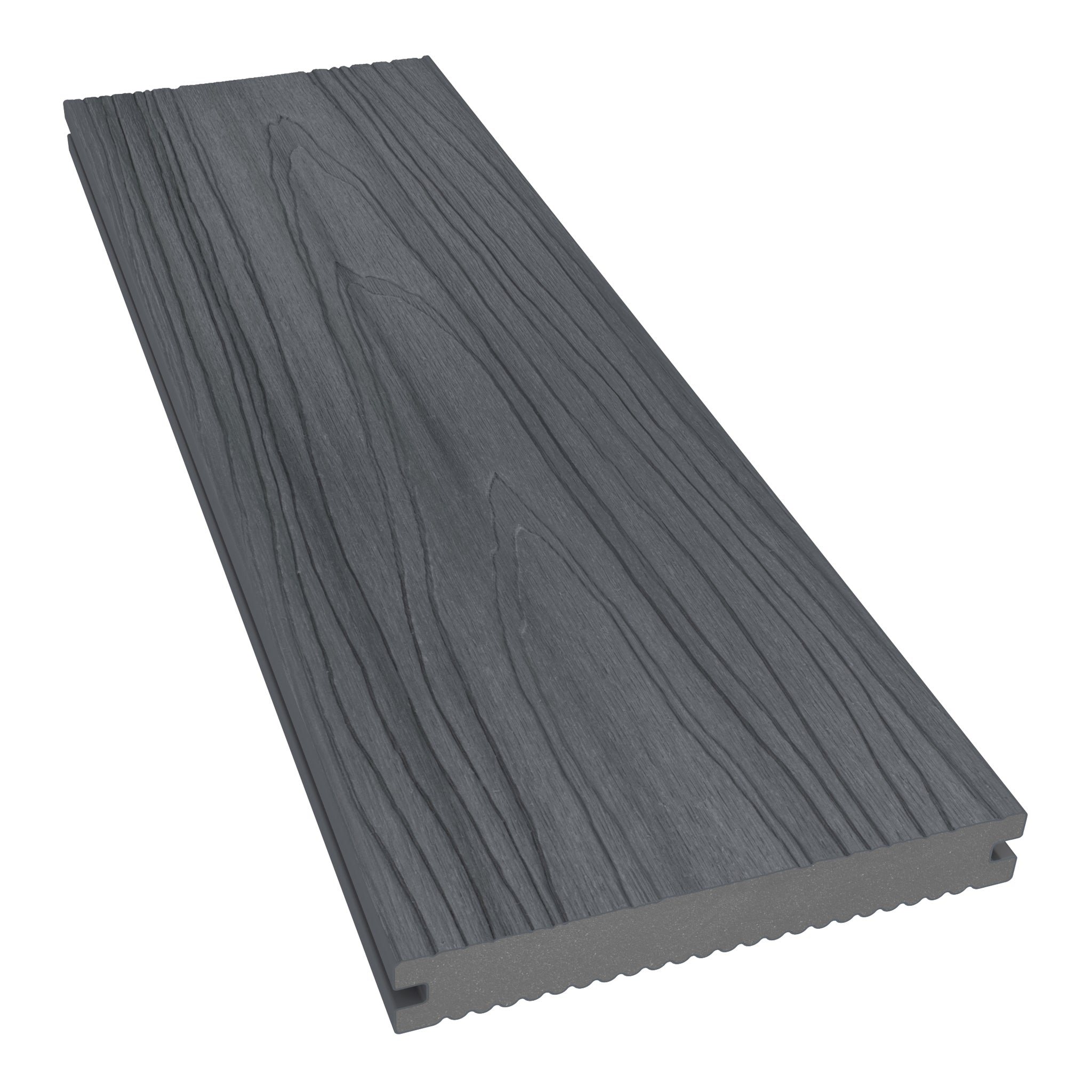
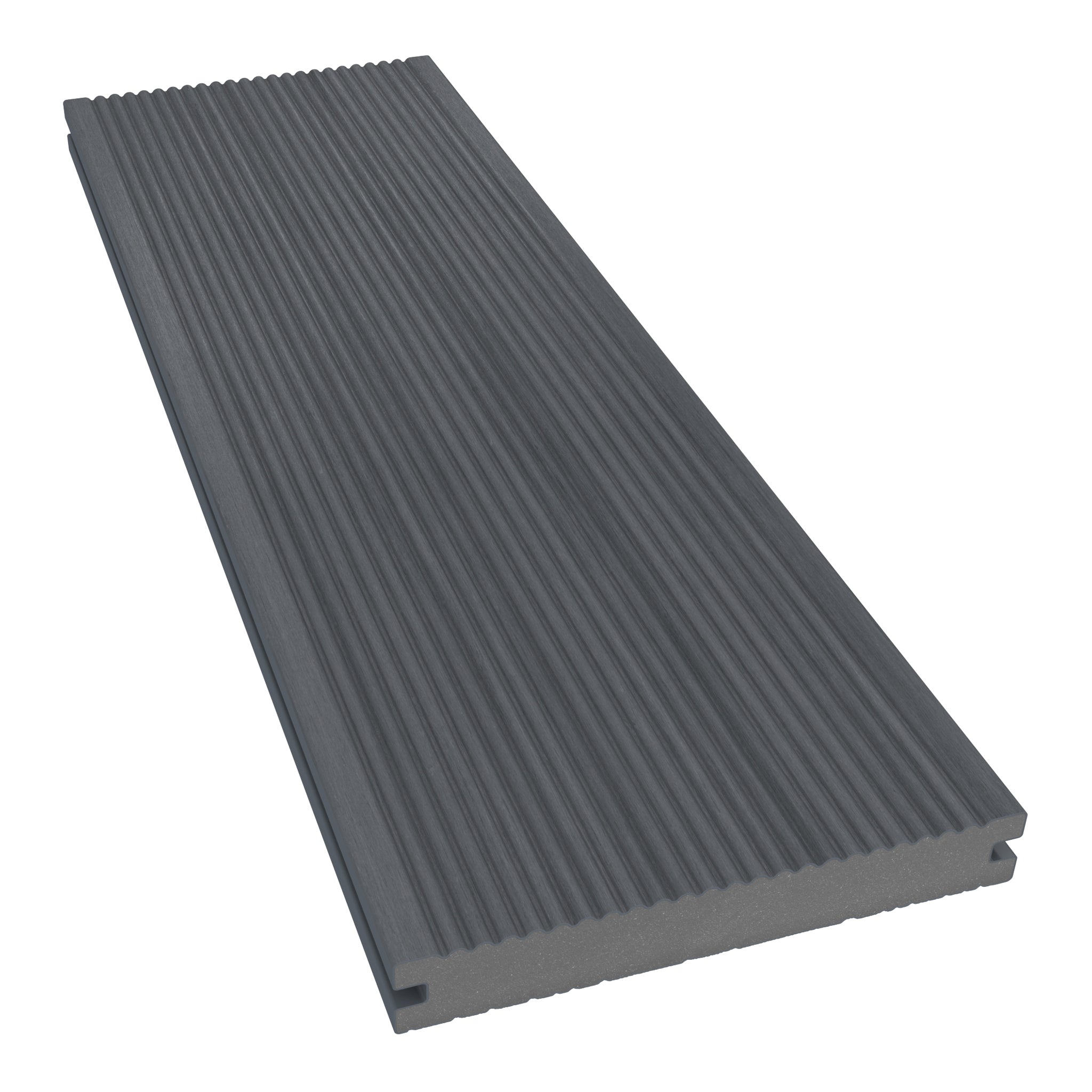
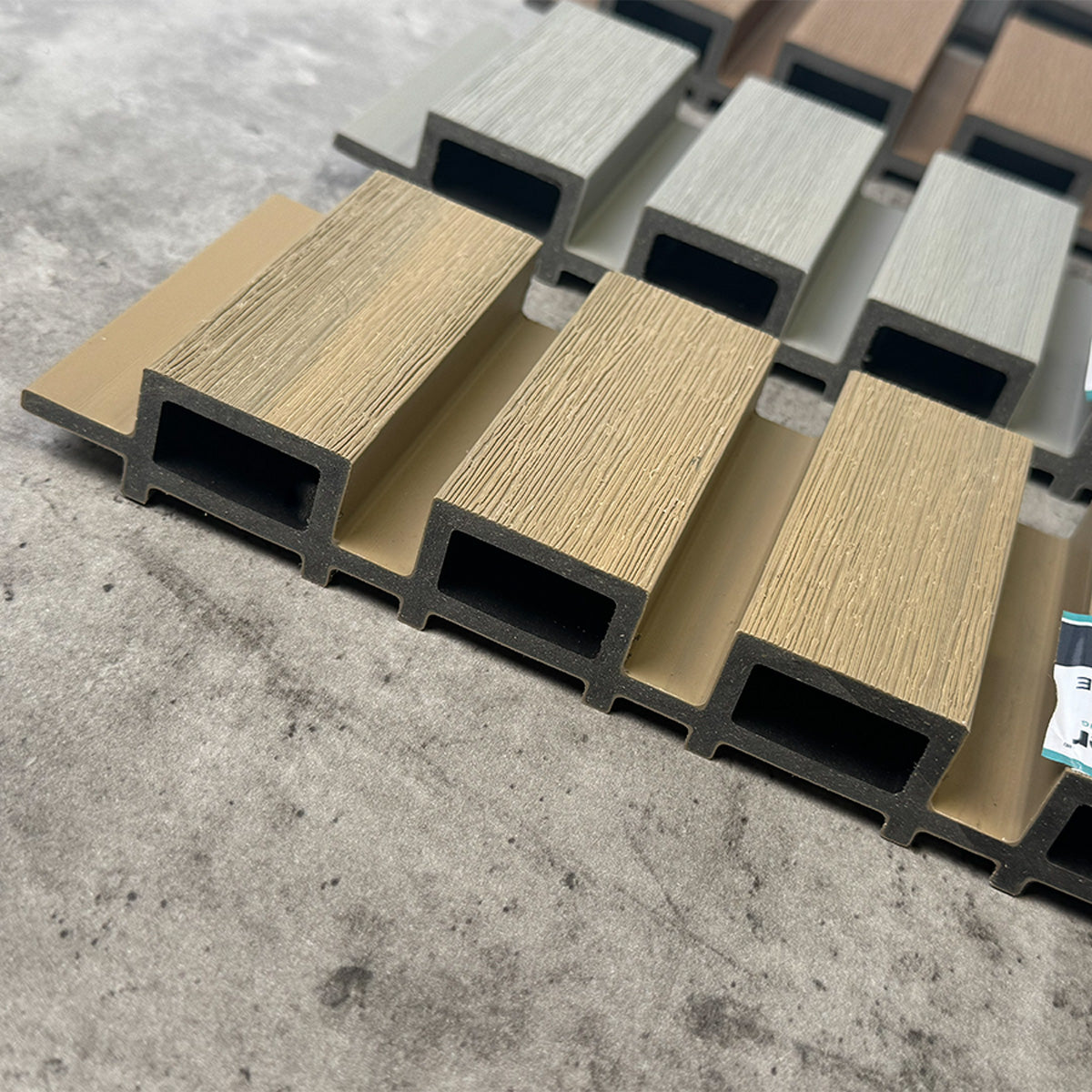
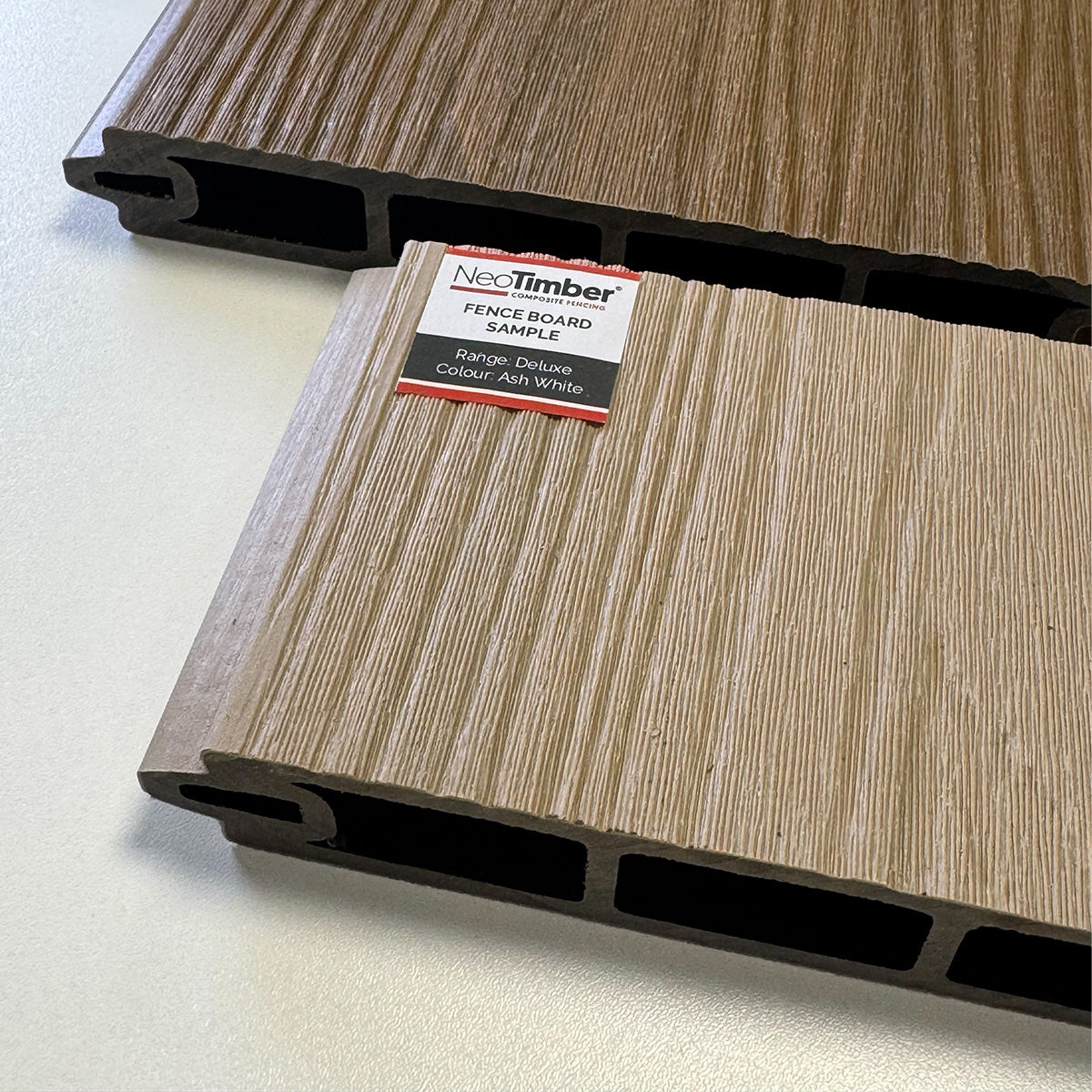
A composite deck board is a manufactured flooring component. NeoTimber’s wood-polymer composite products combine wood fibres, polymers and additives. Different ranges offer different profiles, surface constructions and finishes.
The boards form the walking surface of the deck, supported by an appropriate framework. They should not be treated as structural beams or assumed to span arbitrary distances. The selected product’s instructions establish the relevant support and fixing requirements.
Explore the NeoTimber® composite decking collection to compare current products. Always identify the actual board specification rather than assuming every product described as composite has the same performance.
25 Reasons to Consider Composite Deck Boards
1. Reduced Routine Surface Treatment
NeoTimber® composite decking does not require routine sanding, staining, sealing or painting. That can reduce the work involved in maintaining the intended finish. Cleaning and inspection remain necessary, so low maintenance is a more useful expectation than maintenance-free.
2. A Timber-Inspired Appearance
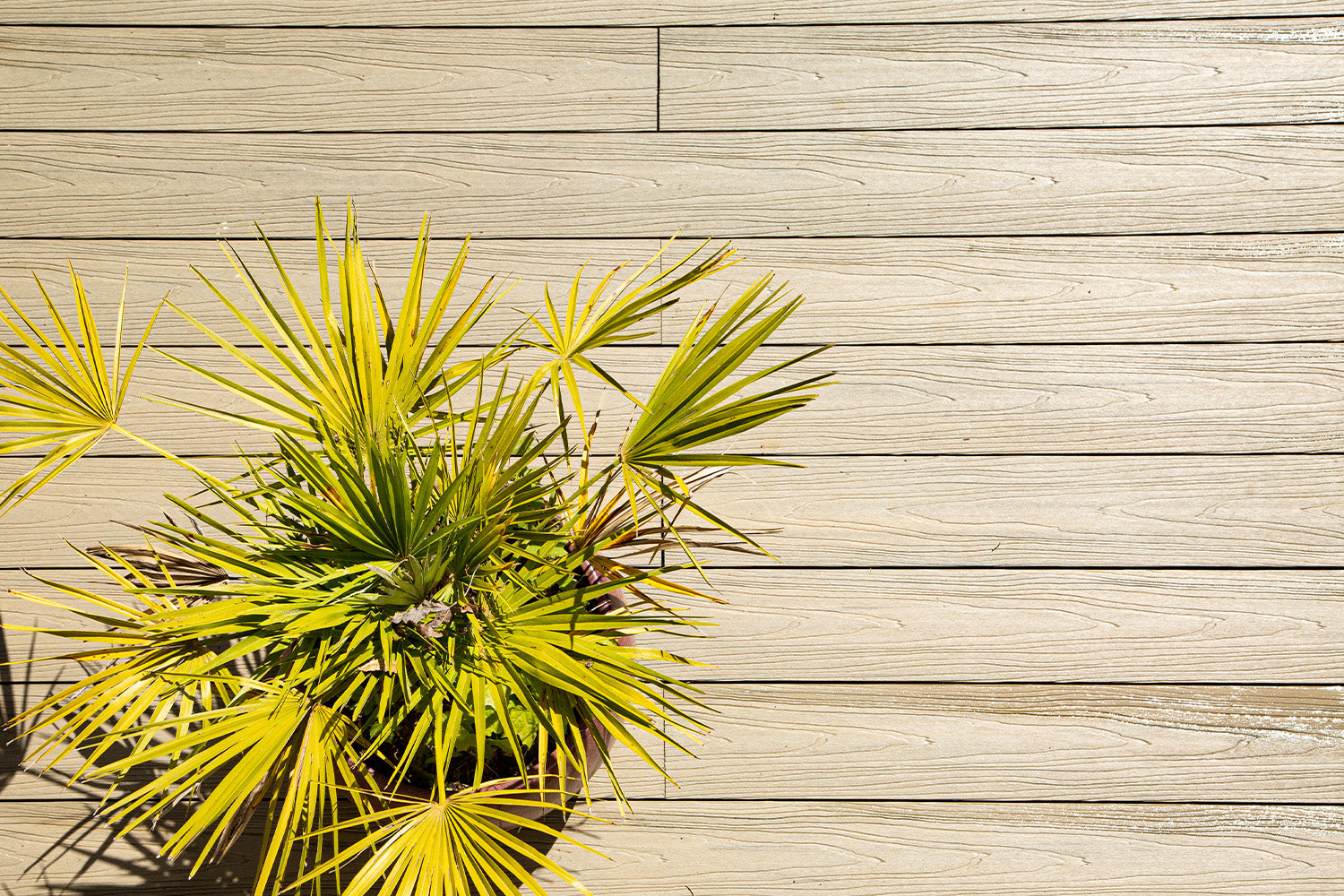
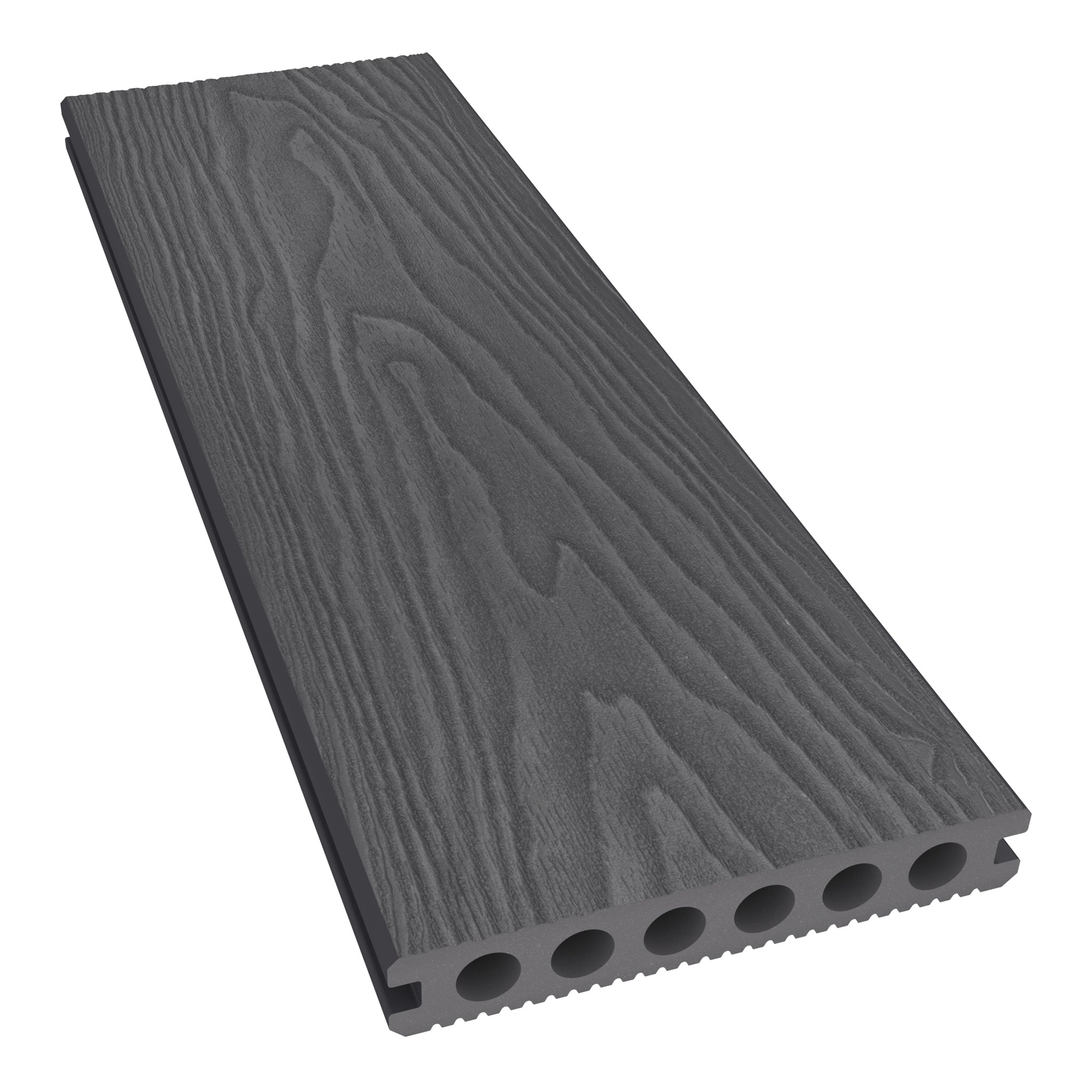
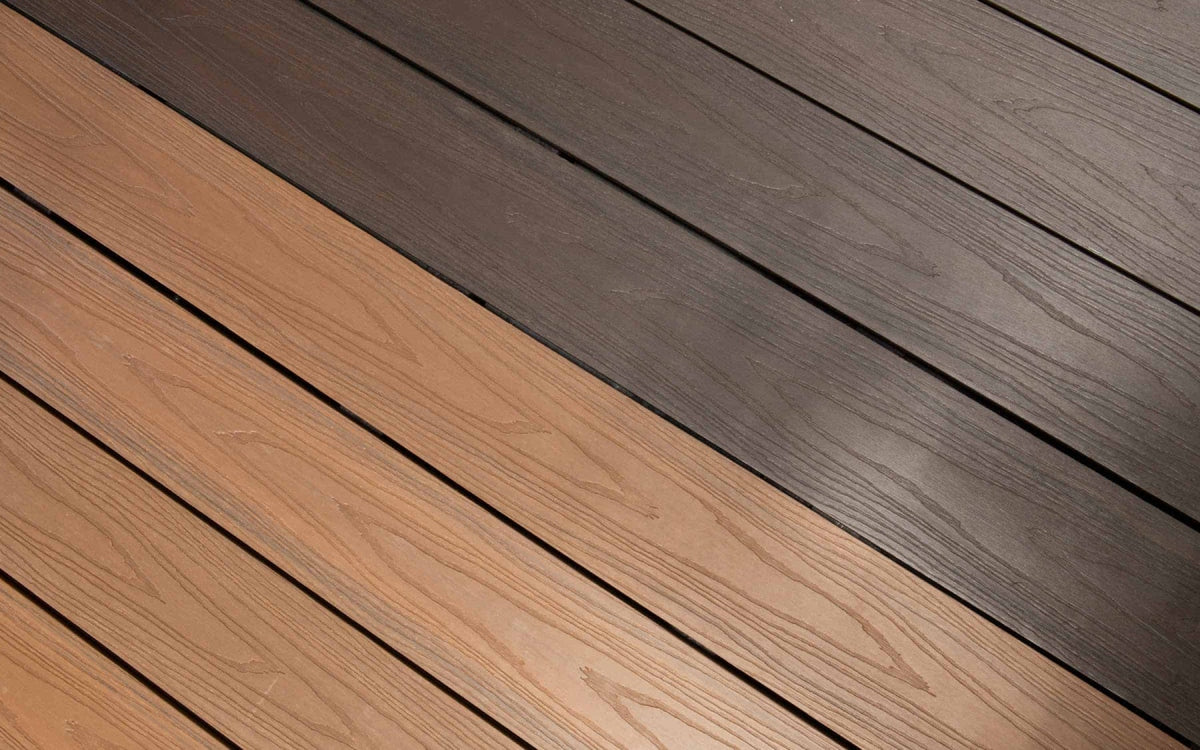
Woodgrain and timber-inspired colours can introduce familiar texture to an outdoor space. Manufactured boards still have a different character from naturally varied timber. Compare samples to decide which appearance you prefer.
3. A Choice of Colours
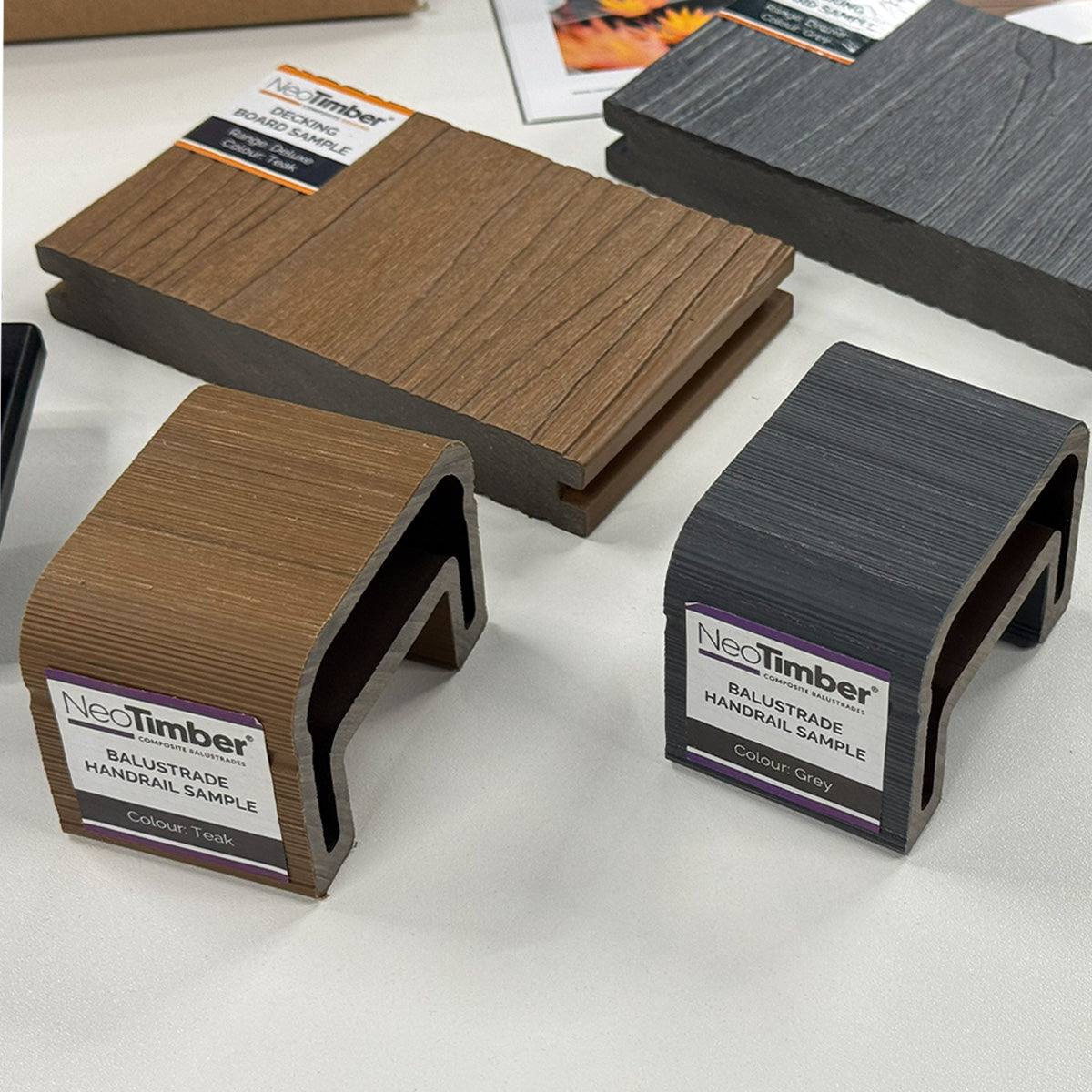
The available palette lets you compare warm wood-inspired shades with quieter or darker options. Check availability for the selected range rather than assuming every colour is supplied in every profile. Assess samples beside the property’s existing materials.
4. Different Surface Finishes
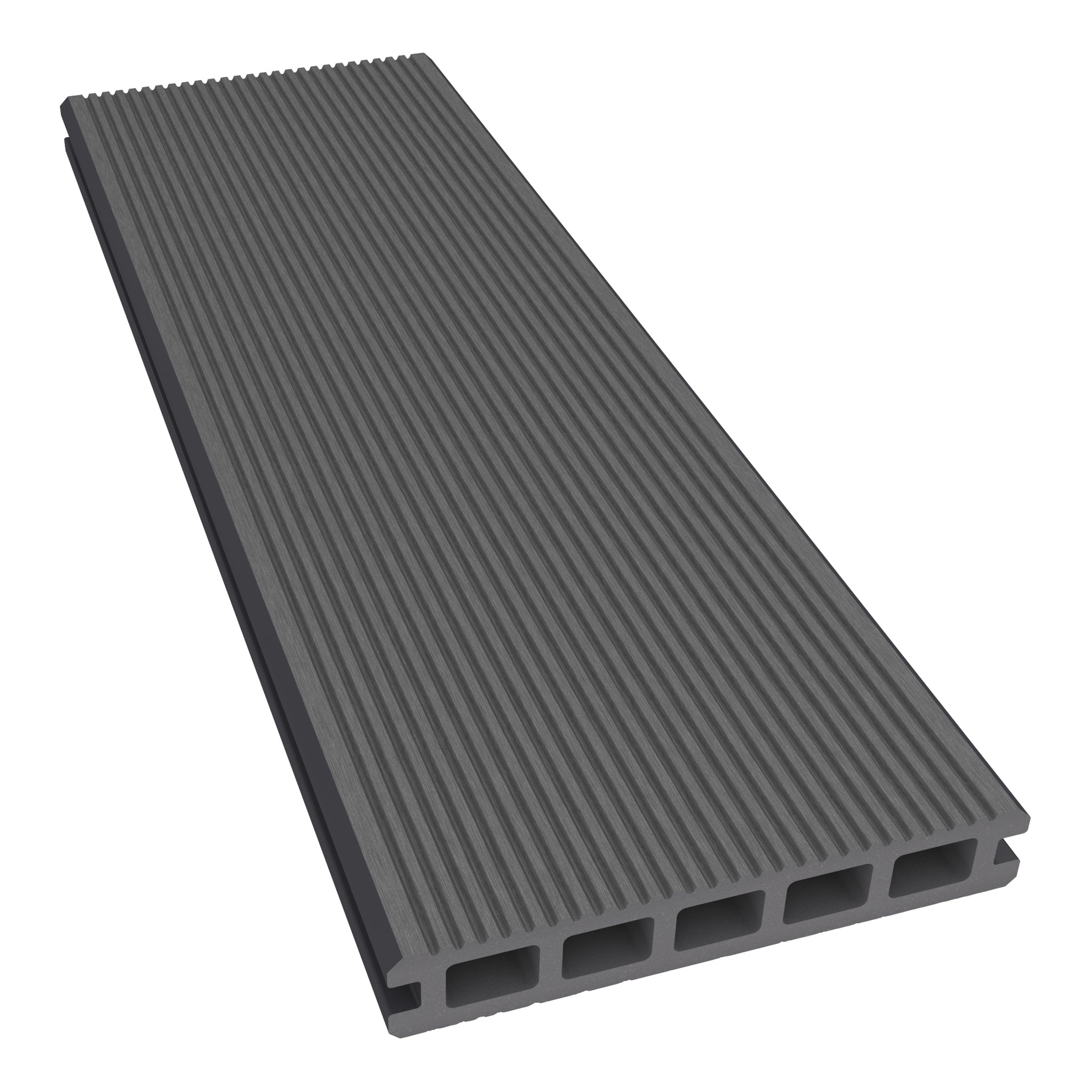
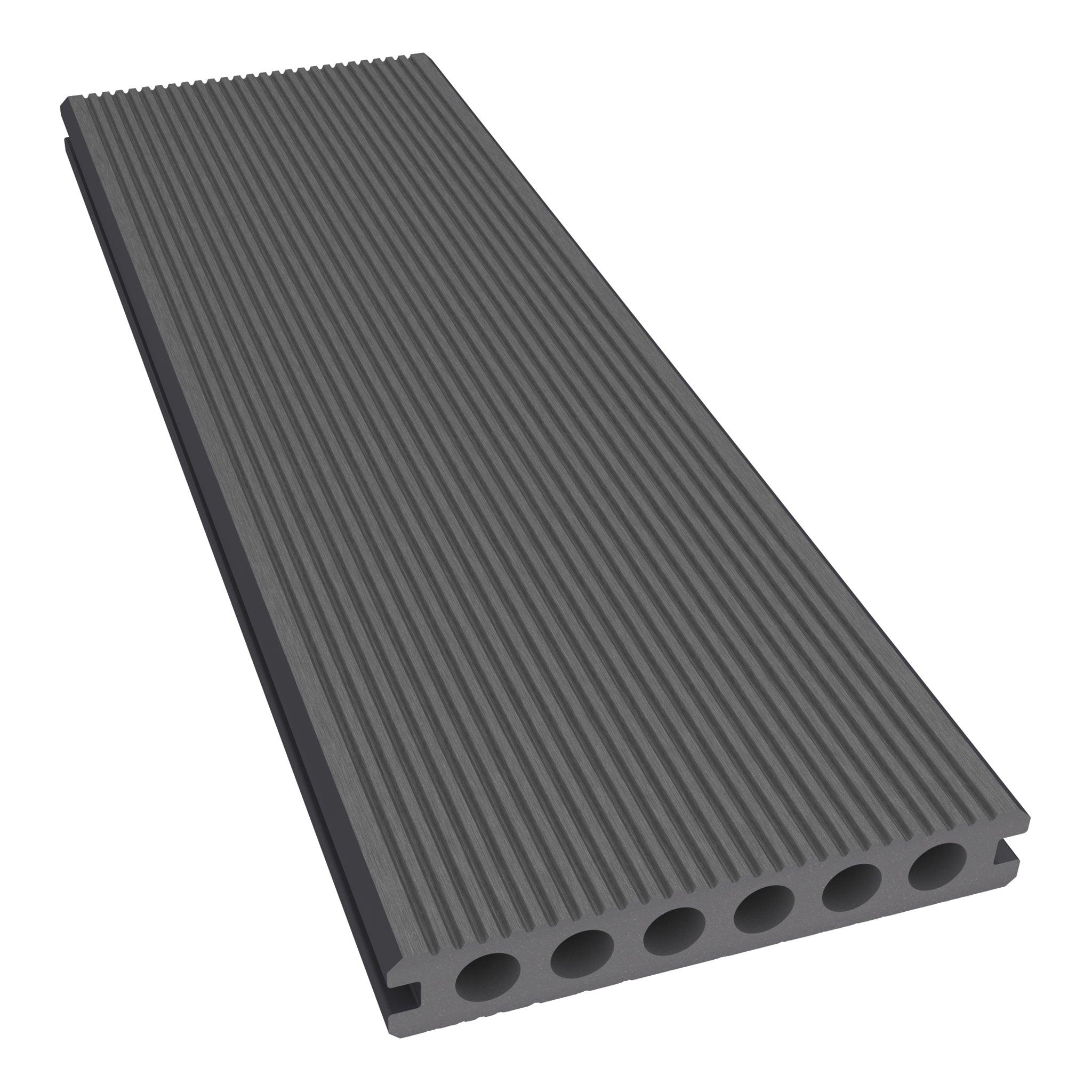
Surface texture can influence the visual character of the deck. Compare the actual finish close up, then look at completed installations to judge how it repeats across a larger area. The surface is part of the product specification, not just a colour choice.
5. Capped Options for Added Surface Protection
Capped boards have an additional protective surface layer. NeoTimber’s Deluxe options are designed to improve fade and stain resistance. Improved resistance does not guarantee that the boards will never change colour or become marked.
6. Solid and Hollow Profiles to Compare
Different cross-sections give you options when specifying the deck. Compare the product’s intended use, support requirements and weight rather than treating solid as universally better or hollow as automatically unsuitable. The chosen board must fit the project.
7. Less Dependence on Periodic Recoating
Where retaining a coated timber appearance would require repeated work, composite may offer a different maintenance commitment. Compare the actual timber product and finish rather than assuming all wood needs an identical treatment schedule.
8. A Factory-Produced Finish
A supplied finish helps you plan the palette before fitting. It can also simplify the decision compared with choosing a separate coating system. Samples and product images remain useful because manufactured finishes can include tonal variation.
9. Compatible Fixing Systems
Appropriate clip and fixing systems can help achieve a clean installation. Use the components specified for the board rather than assuming every hidden clip is interchangeable. Correct fixing is part of performance as well as appearance.
10. Opportunities for Picture Framing
A border can define the deck’s perimeter or separate design areas. Plan the additional supports and cuts before ordering. Our picture-framing guide provides design context.
11. Finishing Components for Edges
Compatible edge boards, fascia and trims can help resolve the visible perimeter. These components have different roles and should not be treated as interchangeable. Plan them alongside the main boards rather than adding them at the end.
12. Layout Flexibility
Board direction and joint arrangement can change the appearance of a space. Compare a straightforward layout with a more detailed pattern, then confirm the framework needed to support it. Visual choices can affect both quantities and installation work.
13. Options for Compact Gardens
A small deck can define a seating area without covering the entire garden. Consider door access, furniture placement and circulation before choosing the footprint. A focused layout may be more useful than the largest area you can fit.
14. Options for Larger Outdoor Zones
In a larger garden, decking can help organise dining and seating areas. Keep the layout coherent with the house and landscaping. Board joints and repeated textures become more visible across broad surfaces, so plan them carefully.
15. Coordination With Other Exterior Materials
Composite colours can be compared with paving, render, fencing and furniture. They do not need to match exactly to work together. Use actual samples to establish a deliberate relationship between materials.
16. Potential for Integrated Lighting
Lighting can support the use and atmosphere of a deck. Coordinate positions, wiring and access with the installer before fitting the boards. Explore our deck lighting ideas to plan the visual effect.

17. A Defined Outdoor Living Area
A change in surface can distinguish a seating area from paving or lawn. Think about how people will move between those surfaces. The transition needs to work practically as well as visually.
18. Board Widths to Suit Different Designs
Where different widths are available, compare their proportions and effective coverage. Wider or narrower boards can create different rhythms, but neither is automatically better. Check the specific product and the cutting plan.
19. Product Documentation for Comparison
Specifications, installation instructions and care information help you compare products on evidence. A useful supplier should make the chosen board’s details accessible. Keep those documents with your project records.
20. Sourcing Information to Review
NeoTimber® identifies recycled plastics and FSC® certified wood within its decking information. These details can support a sourcing comparison, but they do not establish a complete environmental ranking against every alternative. Review the exact product information.
21. A Care Routine You Can Plan
Knowing the recommended cleaning method helps you plan access and storage around the finished deck. A surface that is easy to reach is easier to inspect and maintain. Follow the relevant guide rather than relying on a generic cleaning tip.
22. Finishes That Can Be Assessed Before Purchase
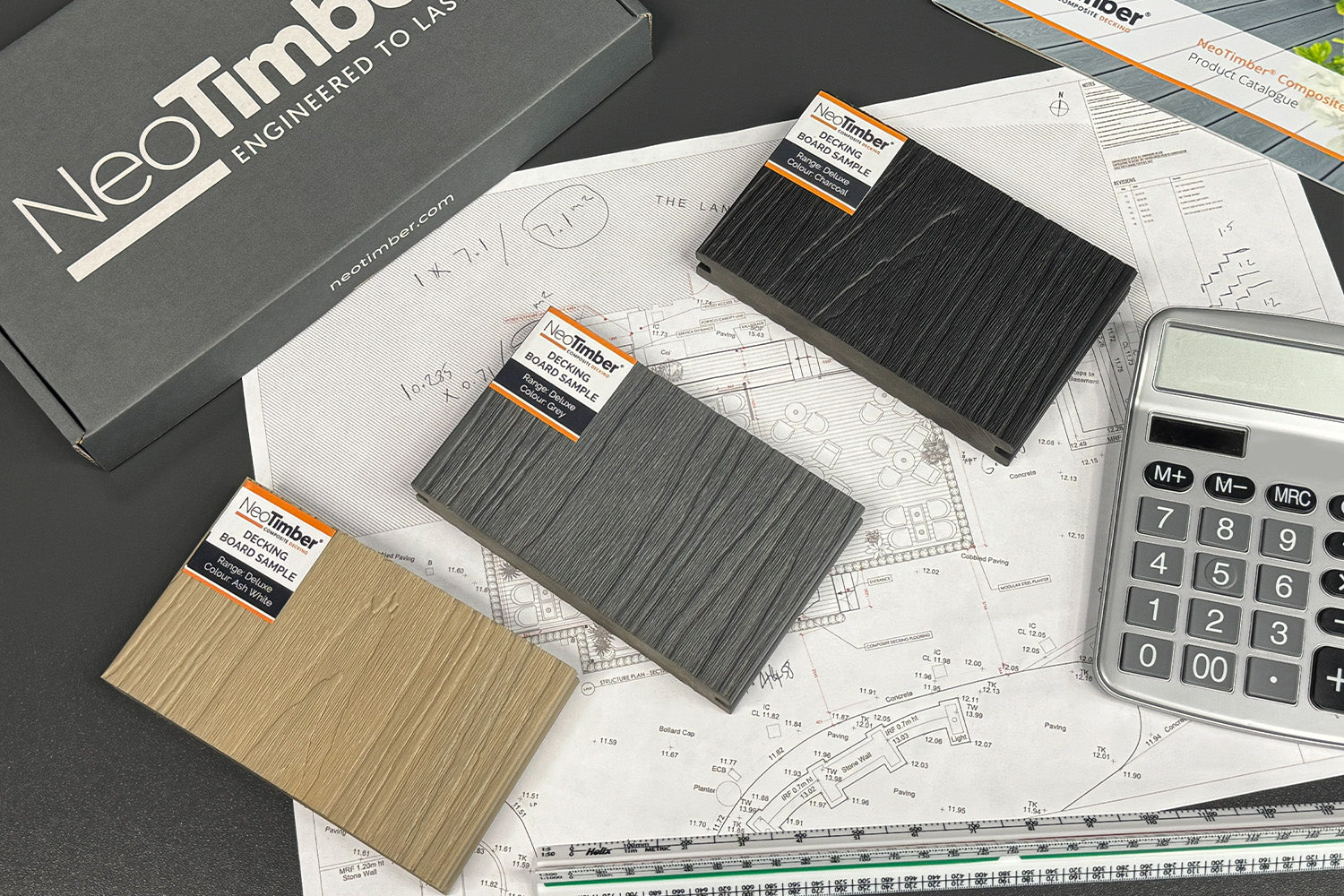
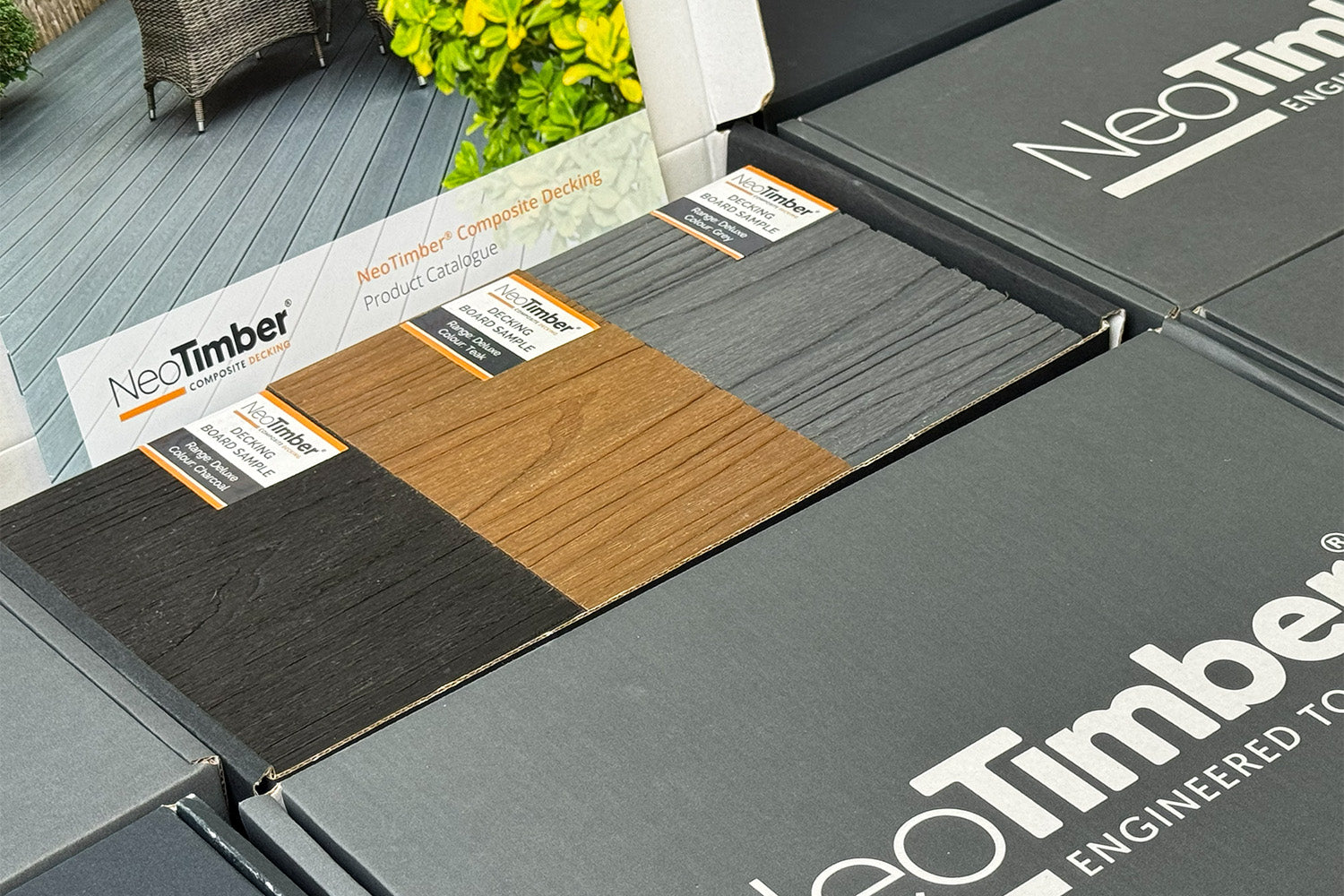
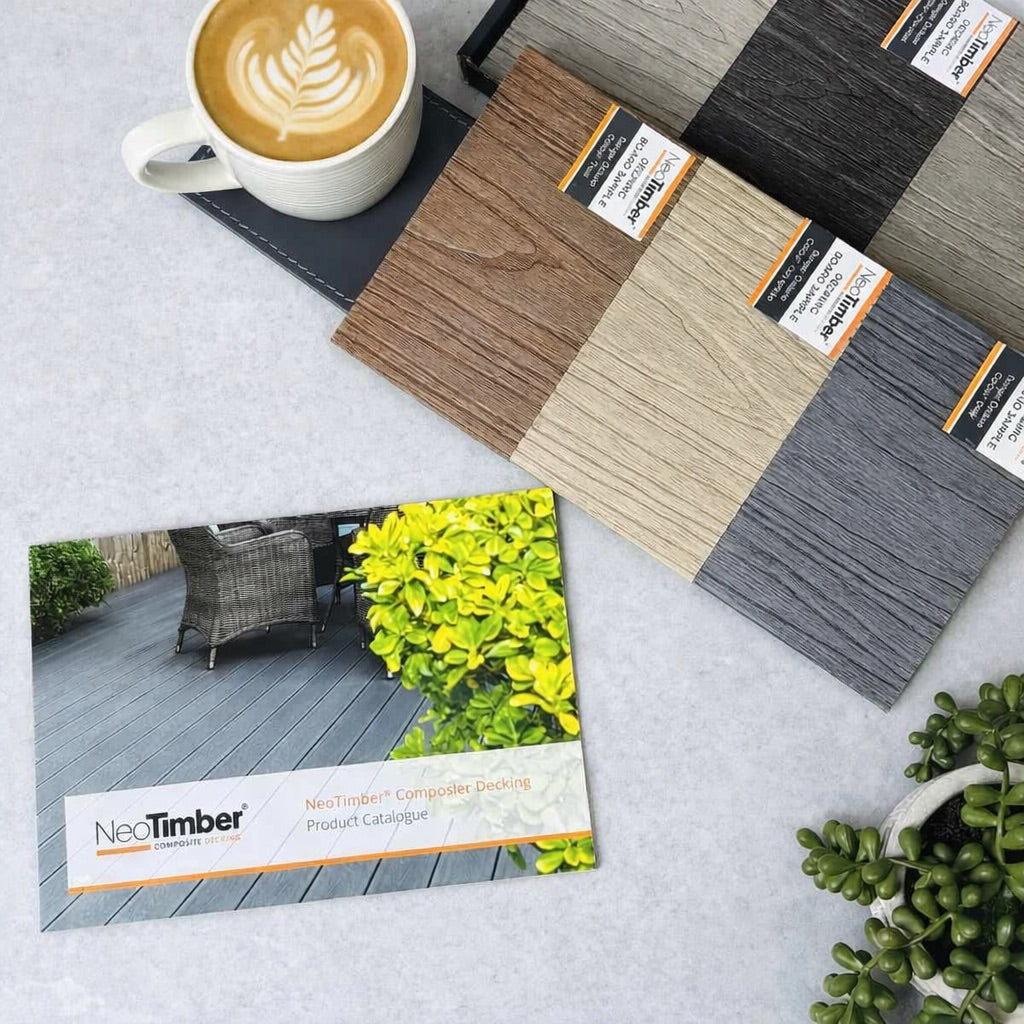
Physical samples let you compare colour and texture in your garden’s light. They are more useful than a screen alone for the final decision. Completed project images provide another view of scale and repetition.
23. Potential for Carefully Detailed Steps
Deck boards can form part of a suitably designed step arrangement. The supporting construction, edges and dimensions need to be resolved. Do not assume the boards alone establish a safe or compliant stair design.
24. A Basis for Comparing Lifetime Care Costs
Reduced routine coating work can be relevant when comparing ongoing costs. Include cleaning, access and any repairs as well as initial installation. Savings depend on the products, exposure and care routine being compared.
25. A Complete System Rather Than a Colour Purchase
Boards, framework, fixings and finishing details can be specified together. That approach helps connect the design with the construction. A well-chosen surface achieves more when the whole deck has been planned to support it.
How to Choose the Best Composite Deck Boards for Your Project
The best composite deck boards are the ones that meet your project requirements with clear documentation and manageable care. A universal “best” label overlooks differences in use, exposure, layout and budget.
Start with the setting. Is the deck ground-level or raised? Will it be used privately or commercially? Are there fixed loads, unusual access requirements or a waterproofed surface below? These questions affect the supporting design and the products you should consider.
Then compare board construction and finish. Review the surface information, dimensions, installation requirements and warranty terms. Ask for clarification where a headline benefit does not explain the relevant conditions.
| Decision | What to compare |
|---|---|
| Appearance | Actual colour samples, texture, profile and completed installations |
| Construction | Capped or uncapped surface, solid or hollow cross-section, intended use |
| Installation | Supports, compatible fixings, movement gaps and perimeter details |
| Care | Cleaning guidance, weathering information and relevant restrictions |
| Cost | Boards, framework, accessories, labour, access and cutting waste |
| Warranty | Coverage, eligibility, conditions and exclusions |
Solid, Hollow, Capped and Uncapped: Different Questions
Solid and hollow describe the board’s cross-section. Capped and uncapped describe its surface construction. These are separate comparisons, so one label should not be used as a substitute for the other.
For example, you can explore the Classic Solid composite deck board and the Deluxe Hollow composite deck board as different specifications. Review their current documentation rather than assuming the range name alone establishes suitability.
A solid profile still requires the specified supports. A hollow board can also require product-specific detailing at edges and cuts. The correct selection follows the design requirements and instructions, not an assumption that one shape is best in every setting.
Composite Deck Boards for Sale: Compare More Than the Discount
When browsing composite deck boards for sale, establish what the listed price buys. Check the board length, width, range, colour and whether the price includes VAT. A lower price per board can be misleading if dimensions or coverage differ.
Compare the total installed project cost. Supports, clips, screws, fascia, edge components, labour and delivery can materially change the budget. An irregular layout or detailed border may require additional cutting and support work.
Confirm availability for the complete design, including matching finishing components. A discounted main board is less useful if the necessary accessories are unavailable or the selected quantities do not fit the layout.
Browse the current composite decking collection for products and pricing, then request a quotation based on a clear layout and specification. Record the exact products so different proposals can be compared fairly.
Plan the Deck Before Calculating Board Quantities
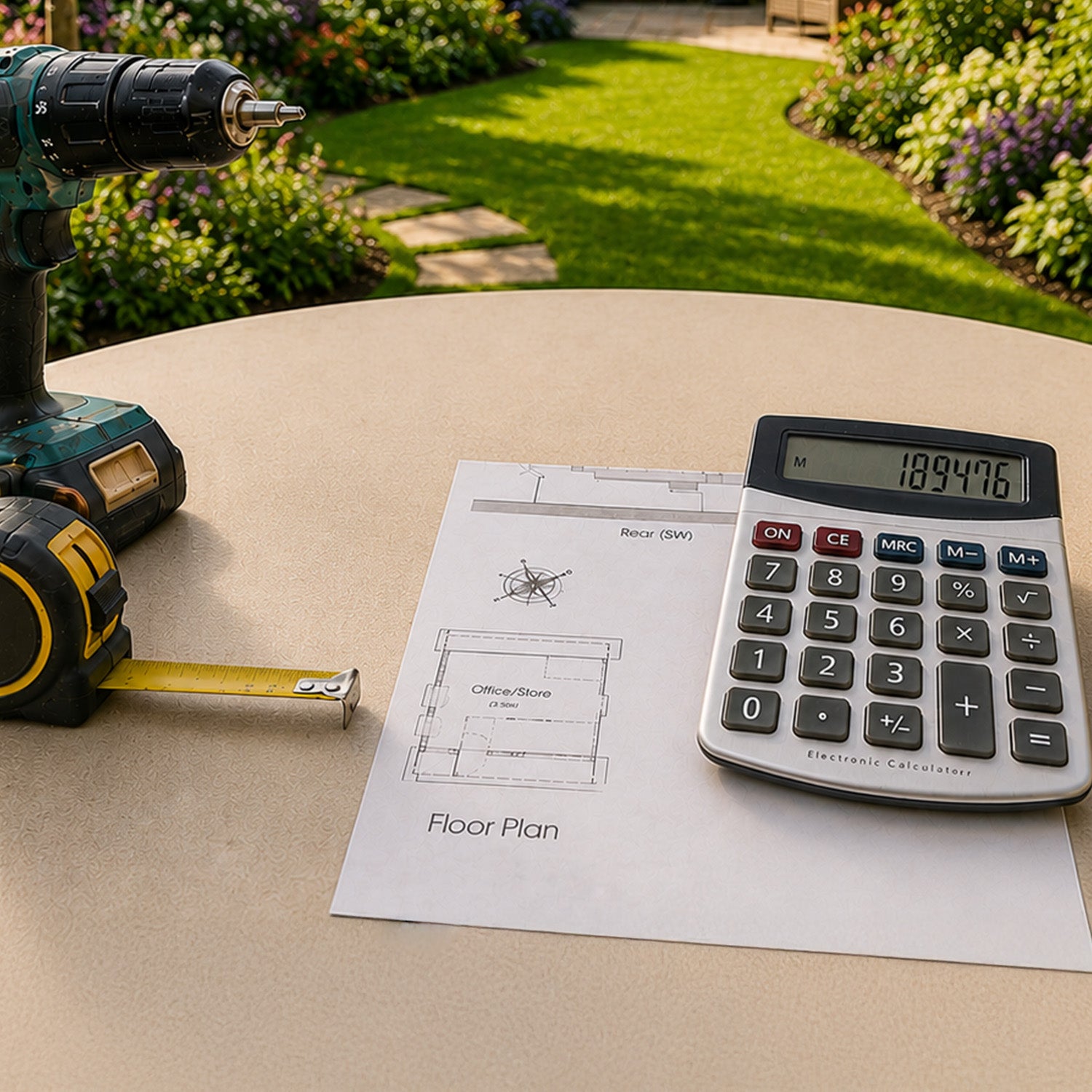
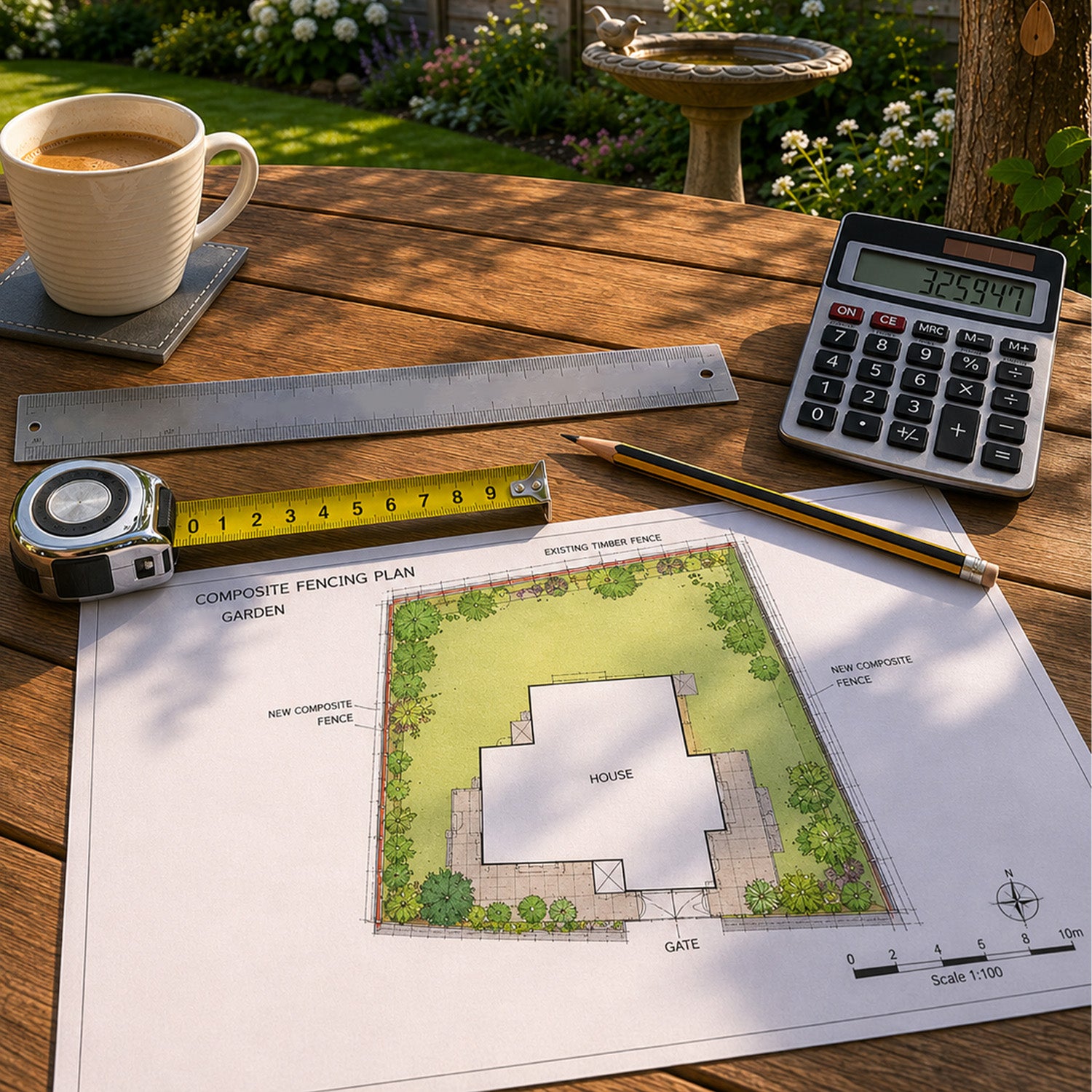
Begin with a measured drawing showing the deck boundary, openings, steps and fixed features. Decide the direction of the boards and the positions of joints. Consider where furniture will sit and how people will move through the space.
Calculate using the chosen board’s dimensions and installed spacing, then allow for the cutting layout. An area-only estimate can miss offcuts and additional boards required by borders. Round the order according to the actual products supplied.
Plan the framework alongside the visible layout. Board ends, borders and direction changes may need additional support. Resolve those details before fitting rather than adapting the frame after the surface has been selected.
The Framework Determines How the Deck Performs
The walking surface relies on a suitable supporting structure. A premium board cannot compensate for weak supports, poor drainage or incorrect fixings. Assess the site and establish the framework arrangement for the loads and conditions.
Explore the decking subframe collection for components, but do not assume every joist or support product is interchangeable. Some arrangements require continuous support; others have different structural capacities. Follow the relevant specification.
Composite boards expand and contract with temperature changes. Use the prescribed gaps and fixing method for the selected product. Do not transfer dimensions from an unrelated board or use tightening force to remove necessary movement allowances.
For raised decks, steps, balconies or terraces, confirm the supporting design and relevant requirements with an appropriate project professional. The board selection is one part of that assessment.
Slip Resistance, Heat and Everyday Use
The original appeal of composite should not be expressed through promises such as “no slipping” or “temperature stable.” Outdoor conditions change. Wet leaves, algae, ice, dirt and other contamination can affect walking surfaces, while sunlight can warm them.
Where grip is a key requirement, request test information for the actual product and relevant conditions. Texture alone is not a complete measure of slip resistance. Preserve drainage and use the recommended cleaning routine.
Consider the use of the deck in sunny weather, including shade and footwear preferences. A small colour sample is not a full thermal assessment. Choose the design with realistic expectations rather than a promise of year-round barefoot comfort.
Furniture feet, dragged items and dropped objects can also mark surfaces. Resistance does not mean scratch-proof or damage-proof. Follow the product’s guidance and assess practical ways to protect the finish.
Fire Performance and Specialist Applications
A product described as fire rated should not automatically be called fire-safe or suitable for any public space. A classification needs to be understood alongside the building, application and complete construction.
For balconies, roof terraces, commercial premises or other specialist projects, confirm applicable requirements before ordering. Ask the designer or installer to establish the suitable specification rather than relying on a general decking benefits list.
The same approach applies to fixed features such as seating or planters. A deck board is not automatically suitable as an unsupported structural component. Establish the supporting design and product application first.
Composite Deck Boards and Environmental Evidence
Material sourcing is relevant, but a recycled-content statement is not a complete environmental assessment. Review the information for the exact product rather than applying a percentage from another board or brand.
Consider manufacturing, transport, maintenance, expected service life and removal together. Ask whether an appropriate recovery route exists at the end of use; a material containing polymers should not automatically be described as locally recyclable.
Careful design can also reduce avoidable waste. Resolve board lengths, joints and borders before ordering, and plan cuts rather than treating offcuts as an afterthought. These practical decisions belong alongside material selection.
Composite Versus Timber: A Useful Comparison
Timber offers natural variation and different possibilities for refinishing. Composite offers a manufactured finish with reduced routine treatment. Neither should be judged through a universal lifespan figure without regard to the actual product, exposure and installation.
Compare the appearance you want to maintain. Some timber users value a renewed coating; others accept natural weathering. Composite users should also read weathering information instead of expecting every board to retain its supplied colour exactly.
Costs over time depend on care, access and repairs. A fair comparison uses the complete installed scope and the ongoing requirements of each option. It should not assume that composite is always cheaper overall or that timber always needs replacement sooner.
Looking After Composite Deck Boards
Follow the decking care resources for the selected range. Remove loose debris and use the recommended cleaning method. Check guidance before applying chemicals or using pressure-washing equipment.
Cleaning frequency depends on exposure. Nearby planting, traffic and airborne deposits can affect the surface differently. Inspect the deck periodically and keep the required drainage and ventilation paths clear.
Distinguish removable dirt from changes in the finish. Stronger cleaning is not automatically the right response to every visible difference. Seek product-specific advice where the recommended routine does not address a concern.
Read the warranty terms for coverage, eligibility and exclusions. A headline duration is not a promise of unchanged colour, freedom from marks or suitability for every installation.

A Composite Deck Board Buying Checklist
- Purpose: define the use, location and footprint of the deck.
- Product: identify the exact range, profile, finish and colour.
- Evidence: review current specifications, installation and care information.
- Structure: agree supports, fixings, drainage and movement details.
- Layout: plan board direction, joints, borders and finishing components.
- Budget: compare the complete installed scope and delivery.
- Records: retain the product details and relevant warranty information.
This checklist helps turn a search for the best composite deck boards into a project-specific decision. It also makes the discussion with a supplier or installer more concrete.
Composite Deck Boards FAQs
What Are the Best Composite Deck Boards?
The best choice meets the intended use, appearance and care requirements with suitable documentation. Compare construction, installation needs and total cost rather than relying on a universal ranking.
Do Composite Deck Boards Need Painting?
NeoTimber® composite decking does not require routine painting, staining or sealing. Follow the cleaning and care instructions for the chosen range.
Are Solid Boards Always Better Than Hollow Boards?
No. Compare the actual specification, intended application and support requirements. Cross-section alone does not establish the best product for every deck.
Can Composite Deck Boards Fade or Become Scratched?
Resistance varies with the product, and an outdoor finish can still change or become marked. Read the relevant weathering and care information; avoid treating resistance as immunity.
Are Composite Deck Boards Waterproof?
Moisture resistance does not make an entire deck a waterproof construction. Appropriate drainage, supporting design and any required waterproofing remain separate considerations.
How Should I Compare Composite Deck Boards for Sale?
Check dimensions, range, finish and price basis, then compare the full project cost including supports, fixings, trims, labour, delivery and waste.
Can I Replace Timber Boards Without Changing the Frame?
Do not assume the existing structure is suitable. Assess its condition, spacing and fixing arrangement against the chosen composite product’s requirements before fitting replacement boards.
Find the Right Boards for Your Outdoor Space
Choose composite deck boards by connecting appearance, construction and everyday use. A well-planned deck brings those decisions together before installation begins.
Order free NeoTimber® decking samples to compare finishes at home, explore the decking gallery for layout inspiration, or browse composite deck boards for sale to review current products and accessories.