Choose Your Boards, Plan the Layout and Build a Complete Budget
A composite decking board gives you a manufactured, wood-inspired surface for outdoor living. Choosing one involves more than finding a colour you like: dimensions, core construction, surface protection and installation requirements all influence the finished deck.
This guide explains how to compare composite decking board prices, plan around 3.6m lengths and approach joining composite decking boards. It also covers ways to see samples and find fitting support when researching suppliers.
Explore NeoTimber® decking for an overview, or browse composite decking alongside your project measurements.

What Is a Composite Decking Board?
Wood-plastic composite boards combine wood fibres, plastic and additives in an engineered profile. They generally avoid the routine sanding, staining and sealing associated with maintaining a particular timber finish, but still require cleaning and appropriate installation.
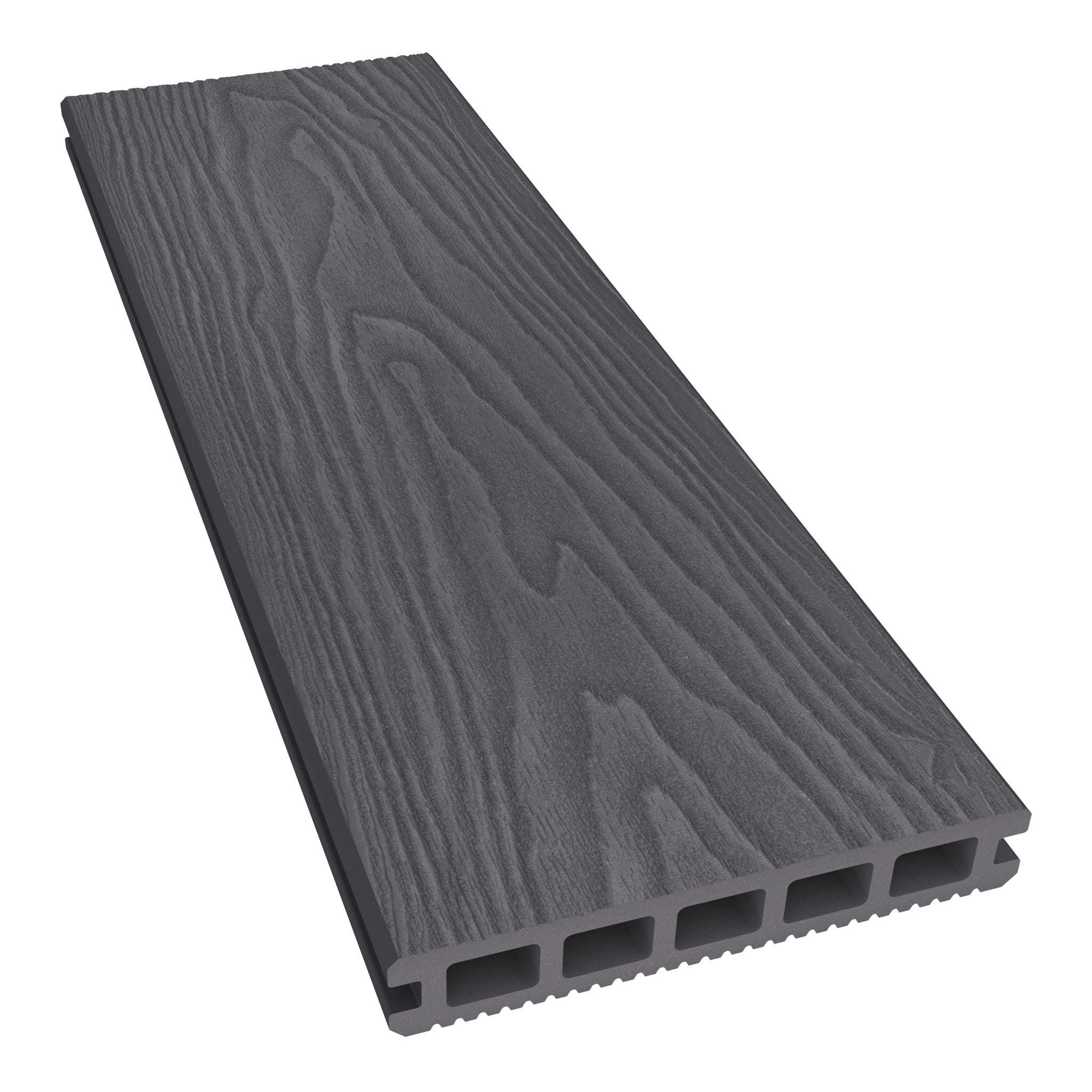
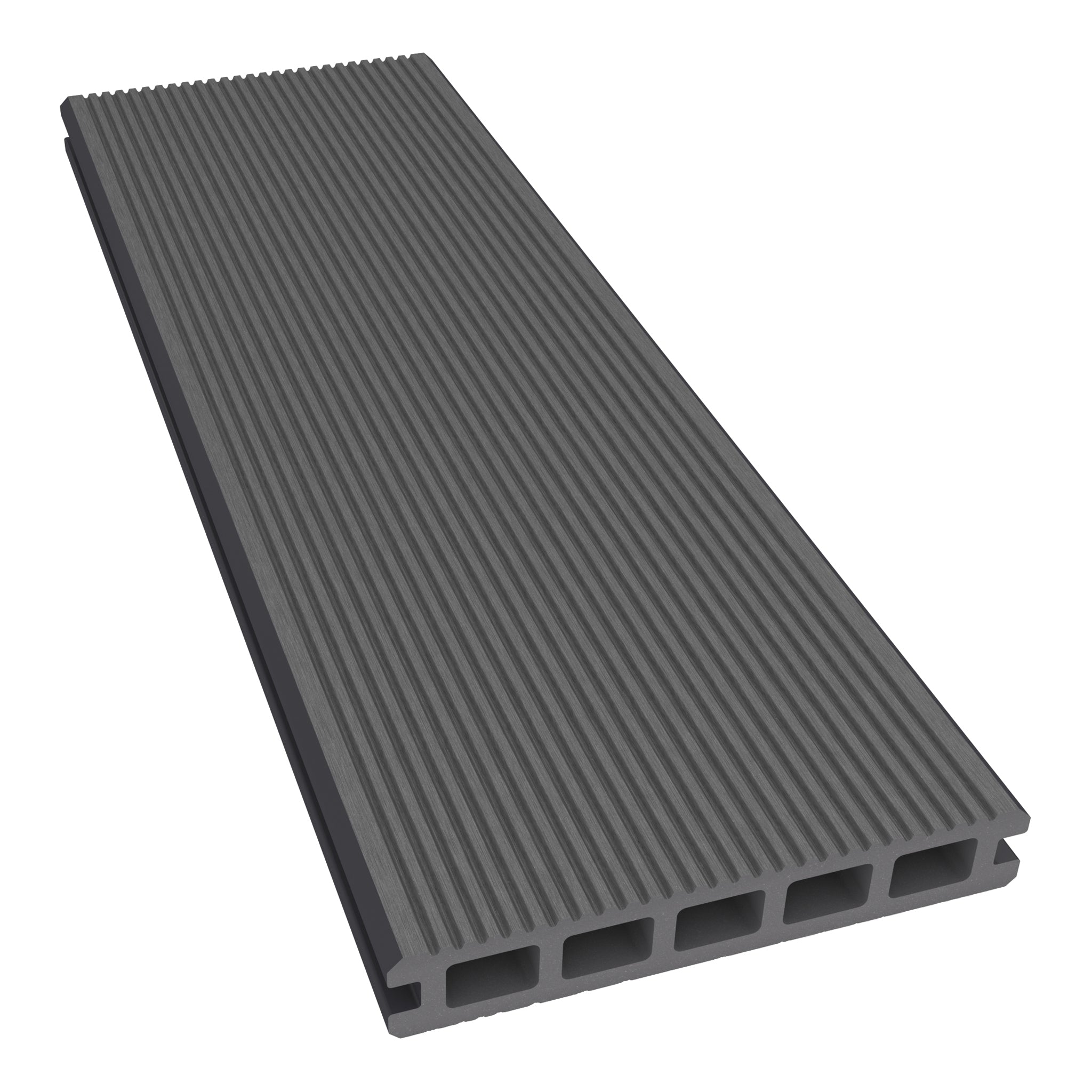
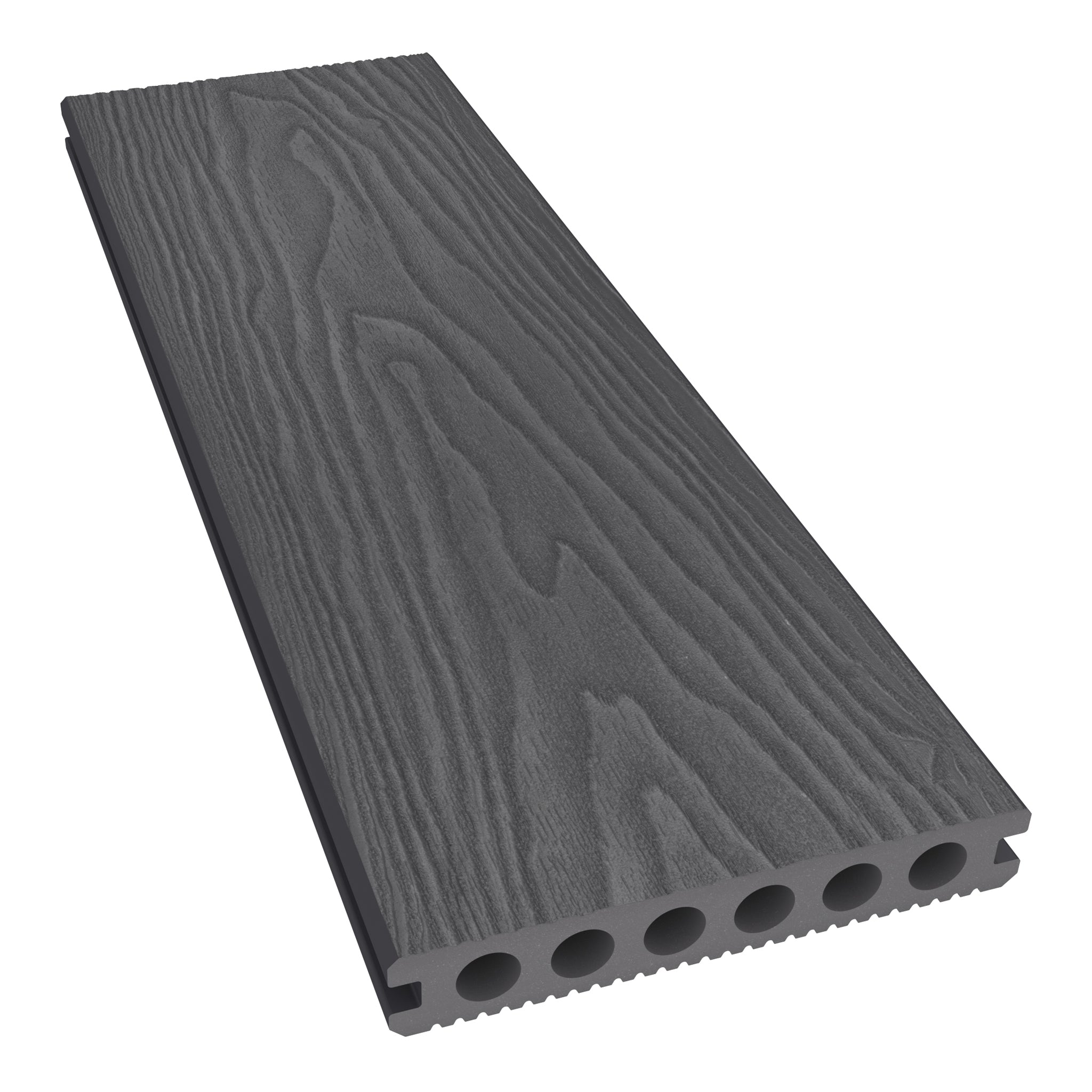
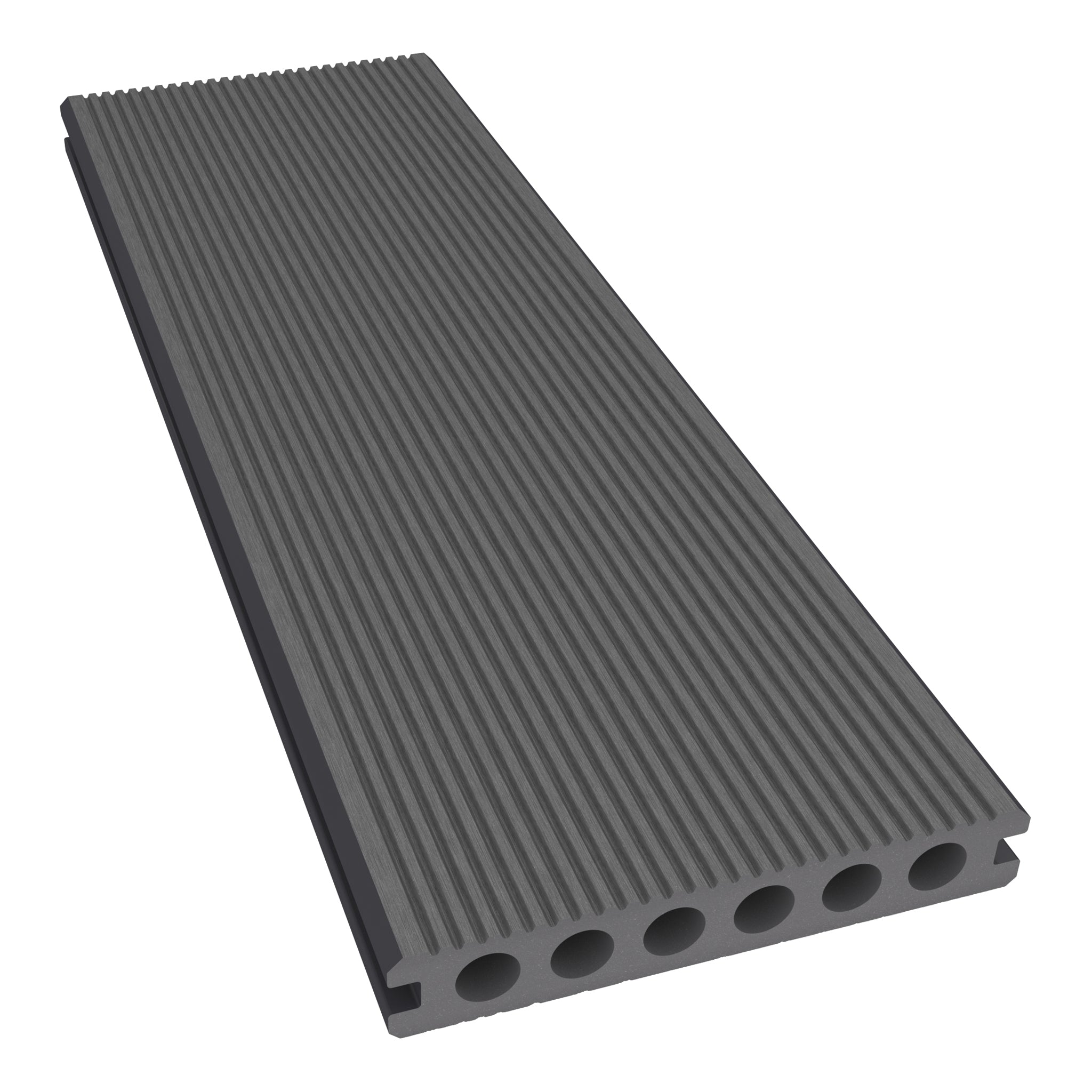
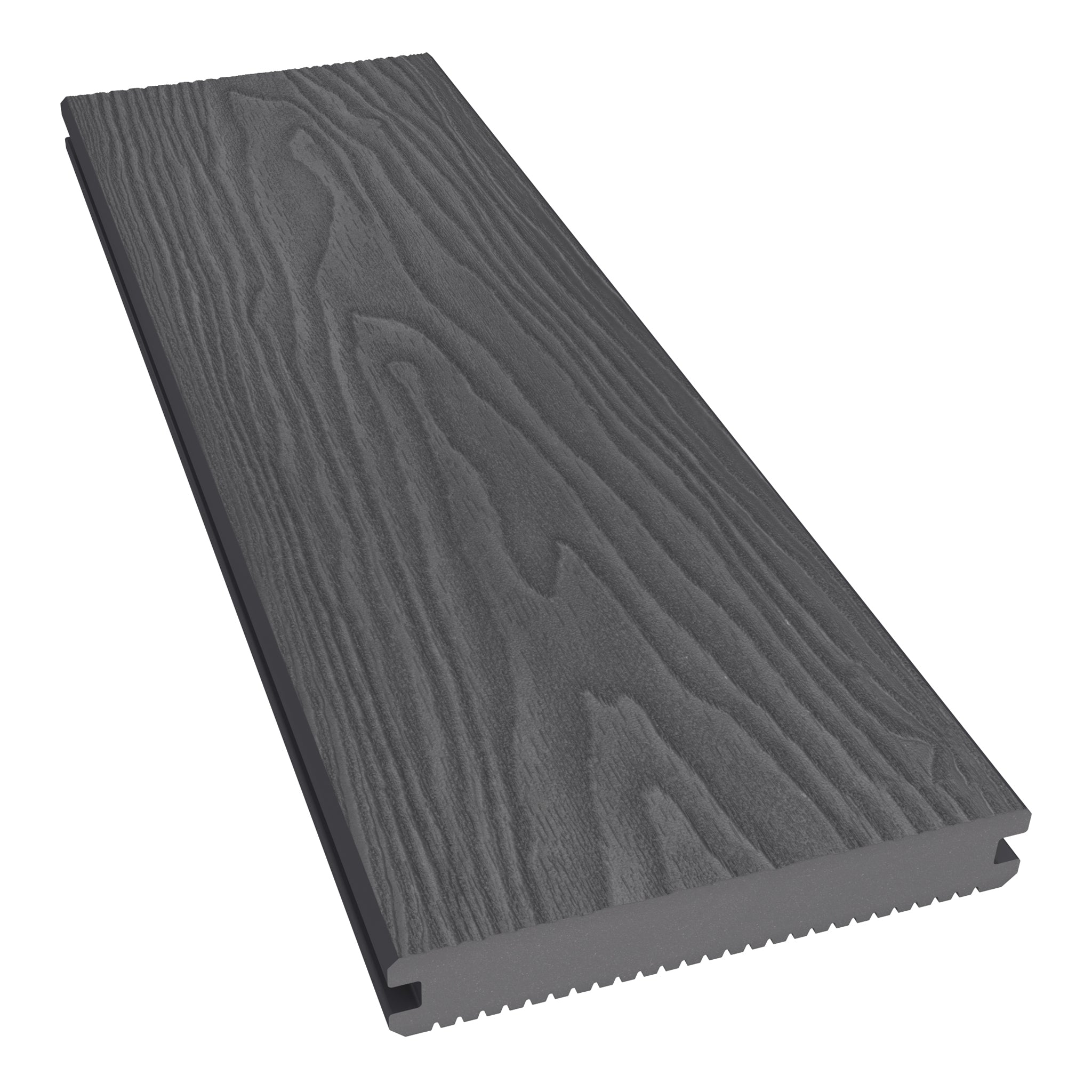
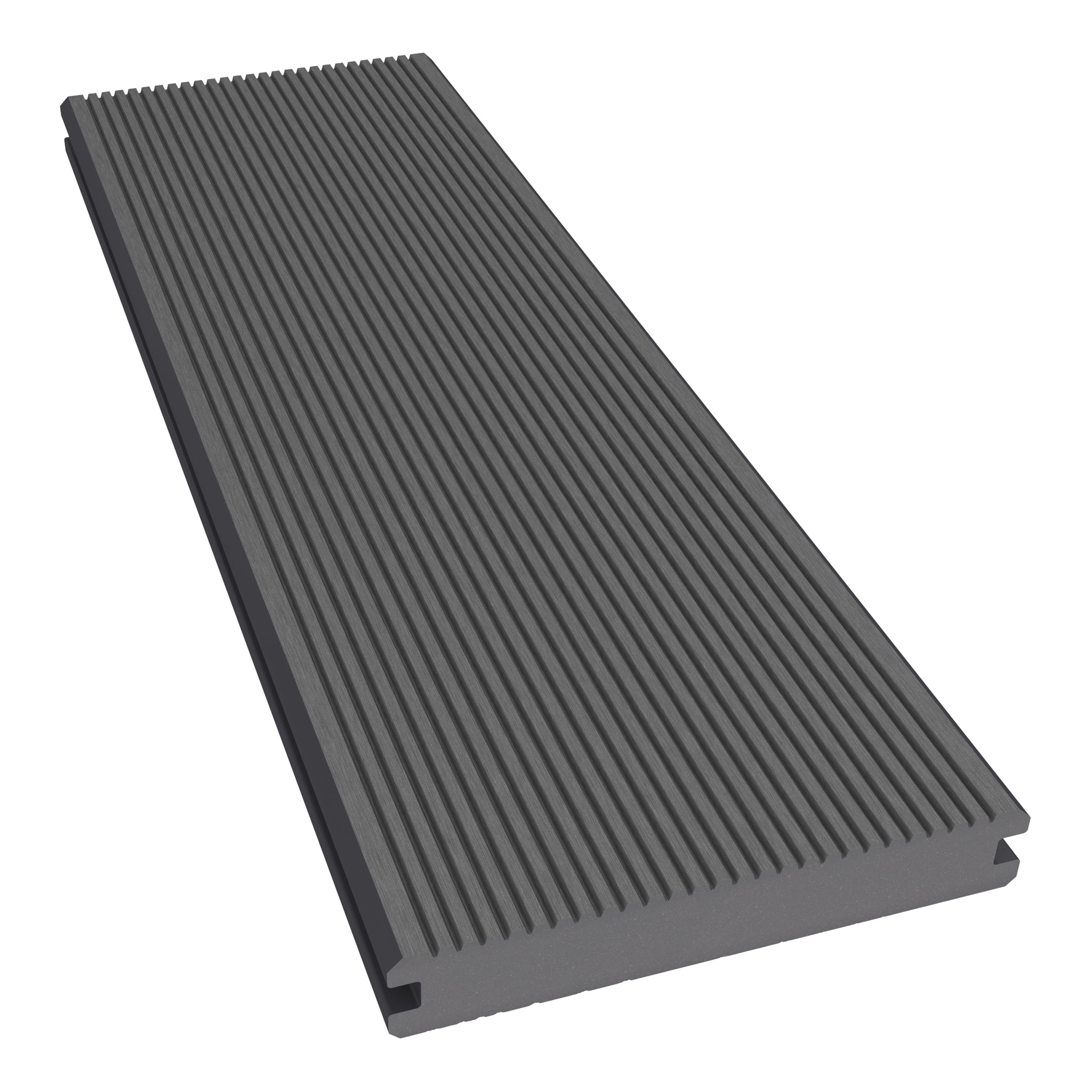
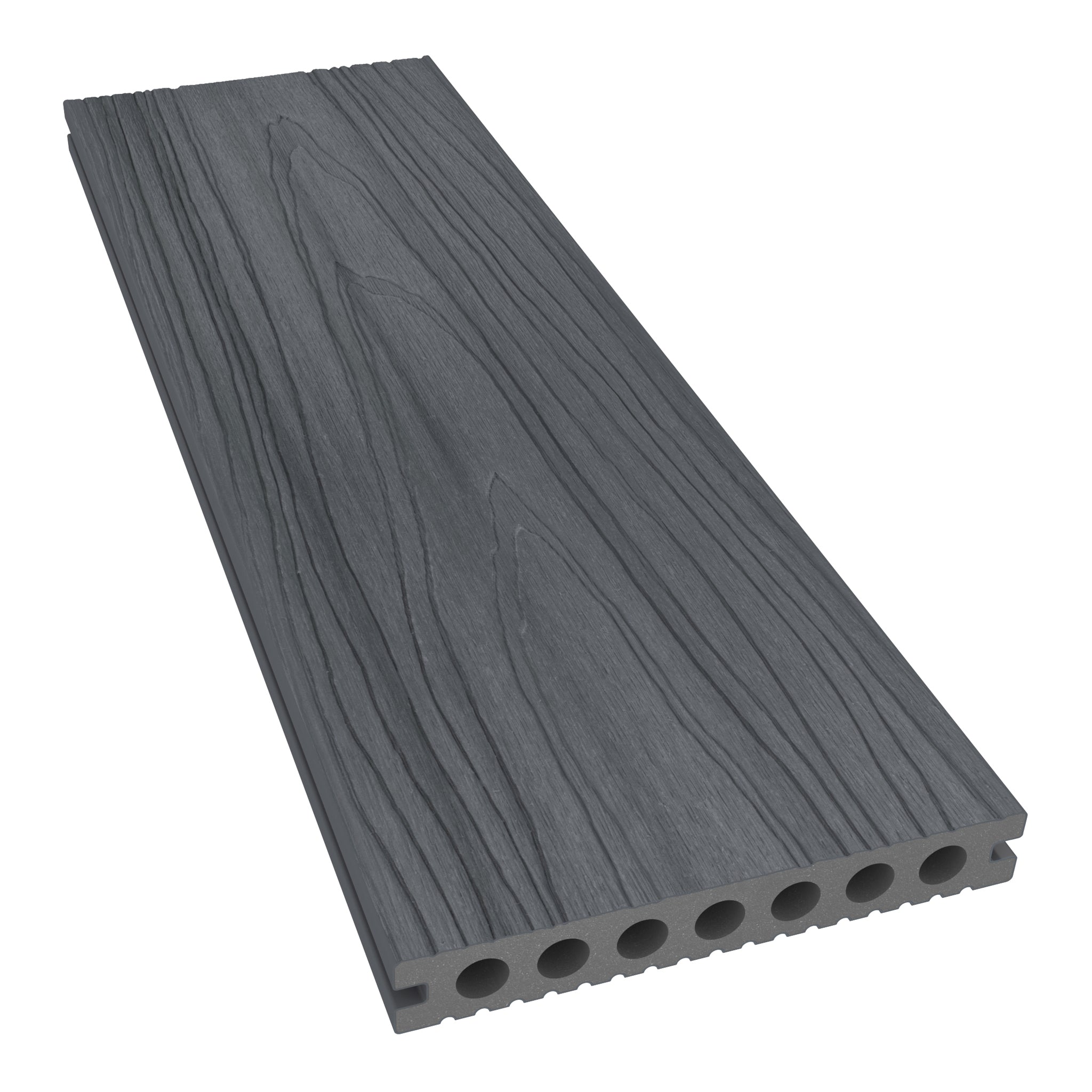
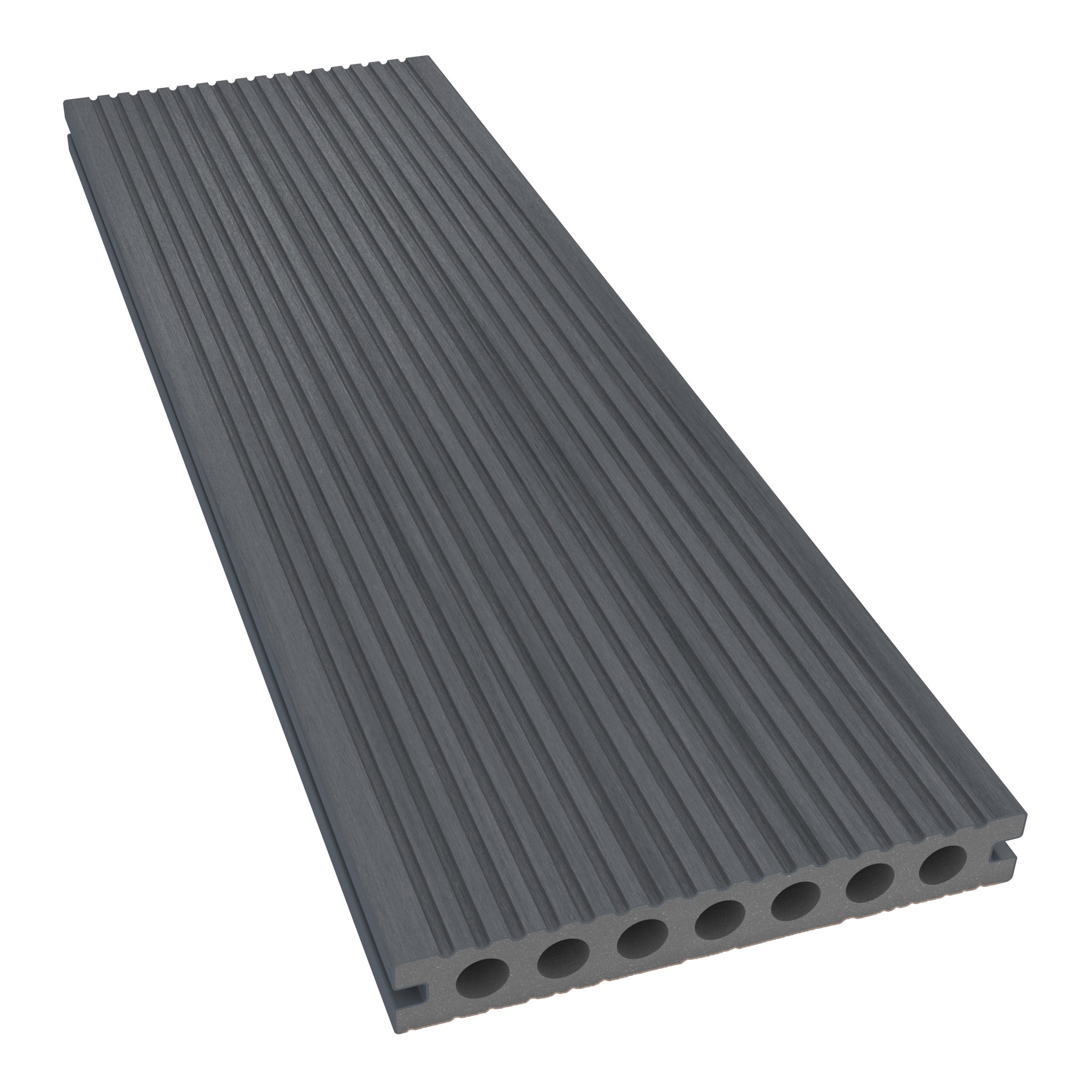
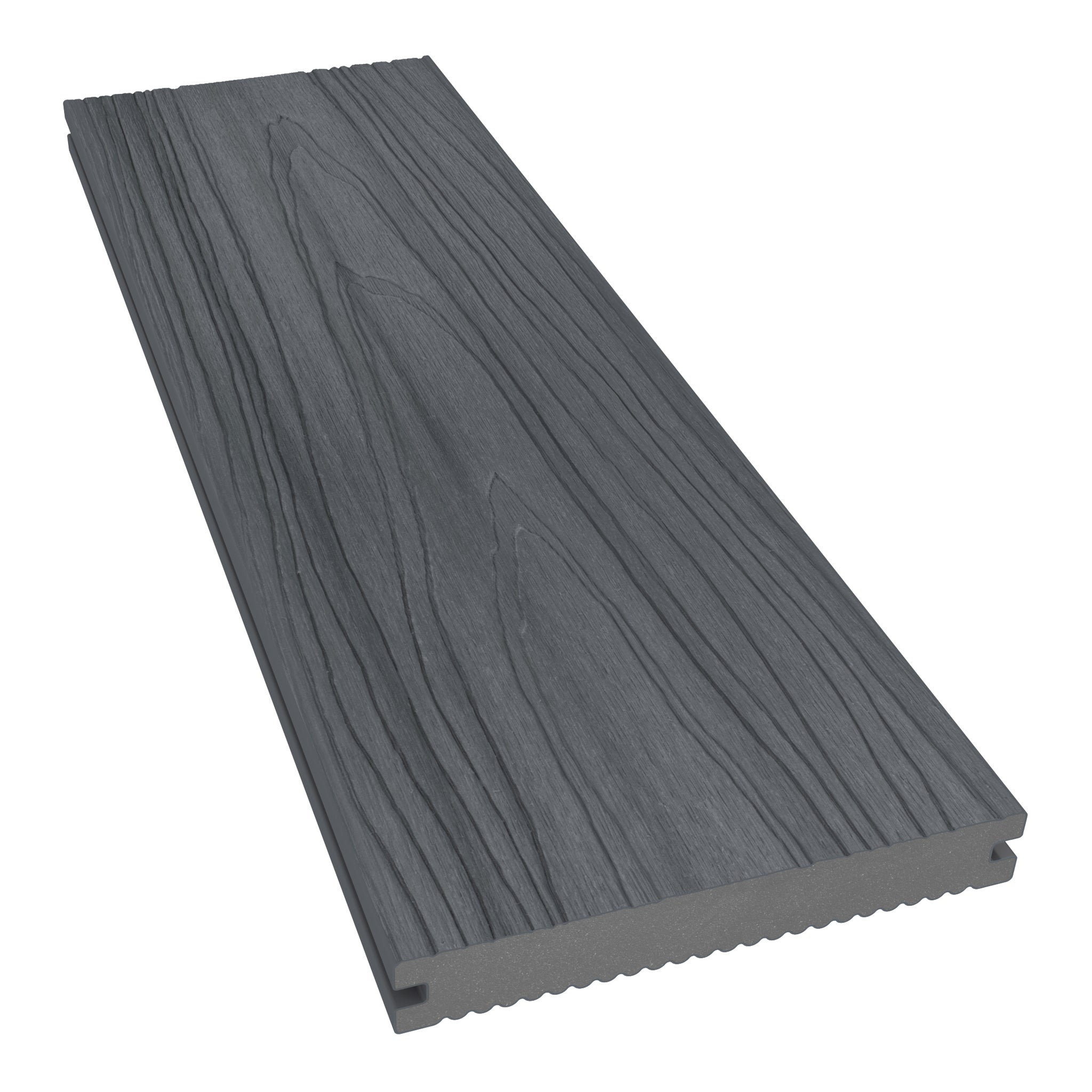
Products vary. Hollow and solid describe the core; capped and uncapped describe the surface. A hollow board can also have protective capping, so compare those features separately.
Within NeoTimber's current collection, Classic and Deluxe provide different choices. Capped Deluxe products are designed for enhanced stain and fade resistance. This does not make them scratch-proof, stain-proof or immune to colour change.
Composite Decking Boards UK: Compare the Specification
When comparing composite decking boards UK suppliers offer, identify the exact product rather than relying on a general range description. Check its dimensions, intended application, support spacing and compatible fixing system.
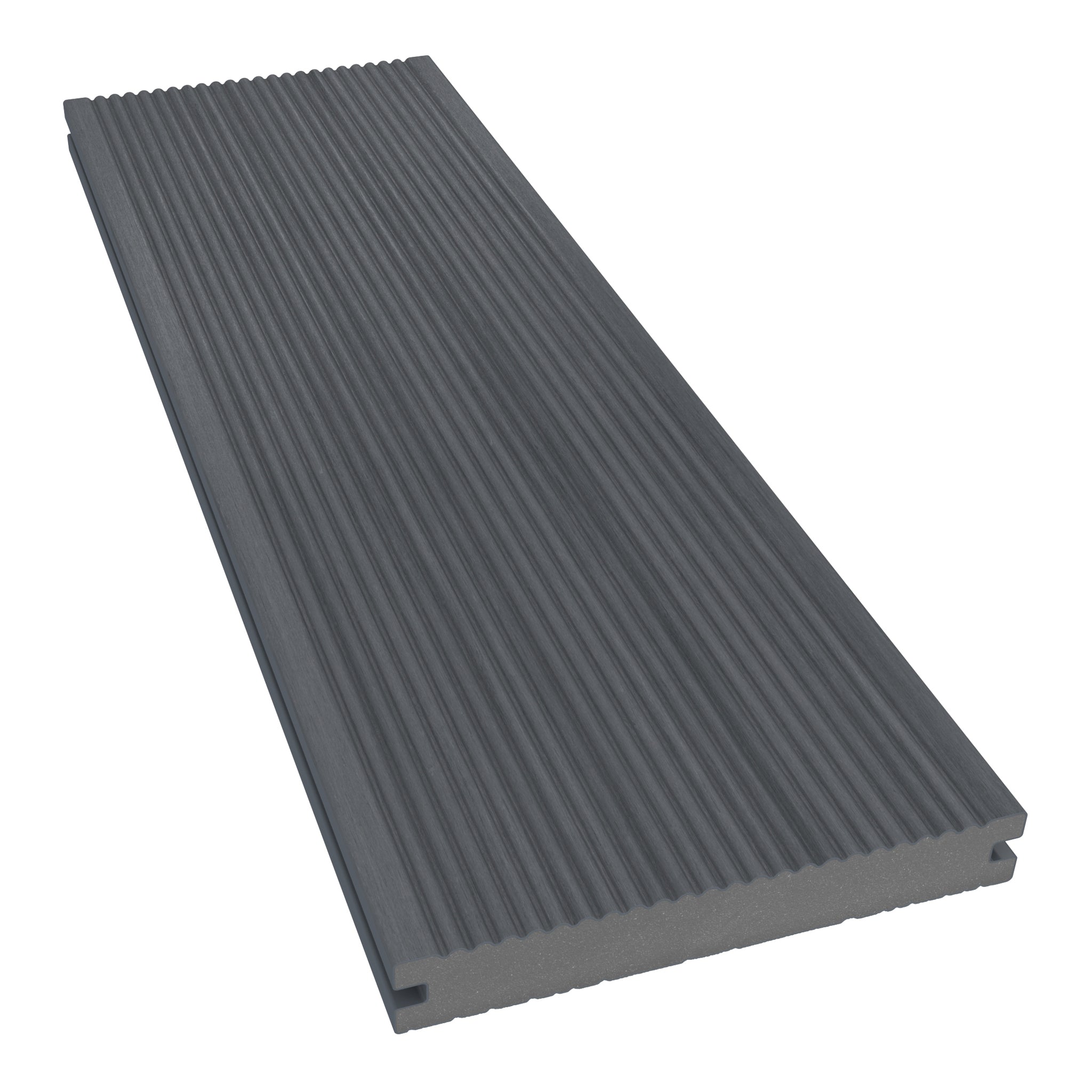
For example, the Classic Hollow board is listed at 145mm wide, 24mm thick and 3,600mm long, with a round hollow core and reversible grooved and woodgrain finishes. Other products may differ in width, thickness and fitting requirements.
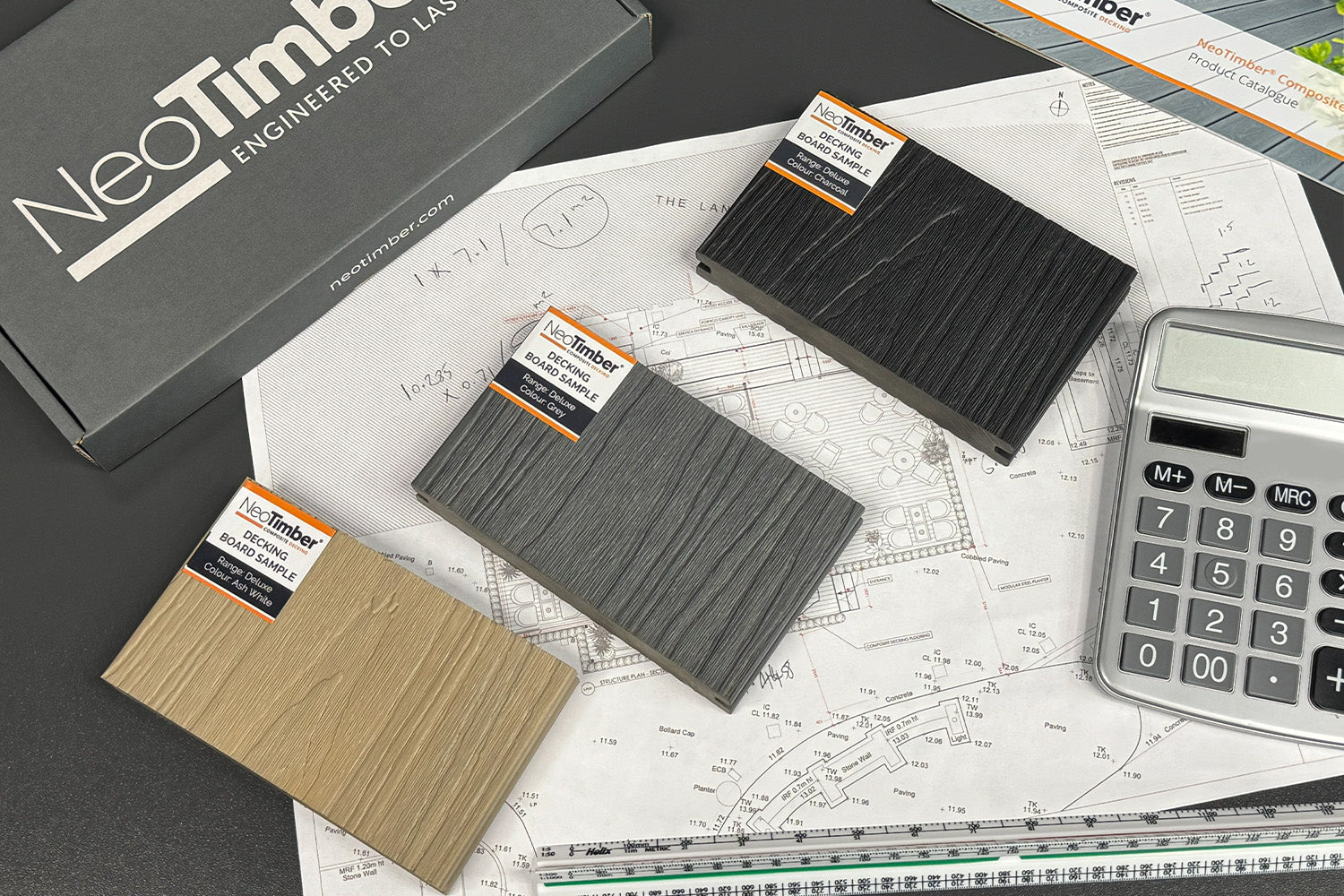
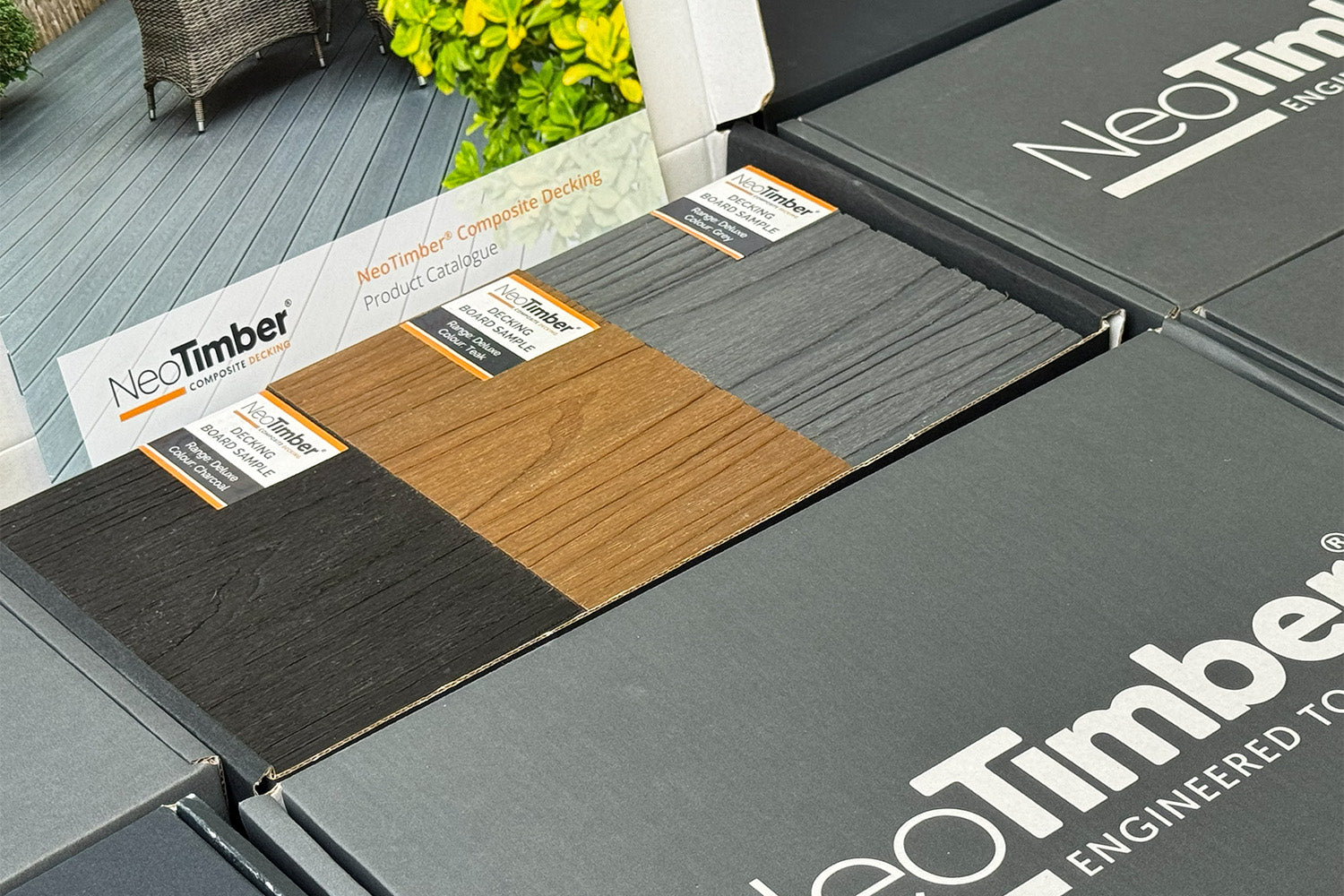
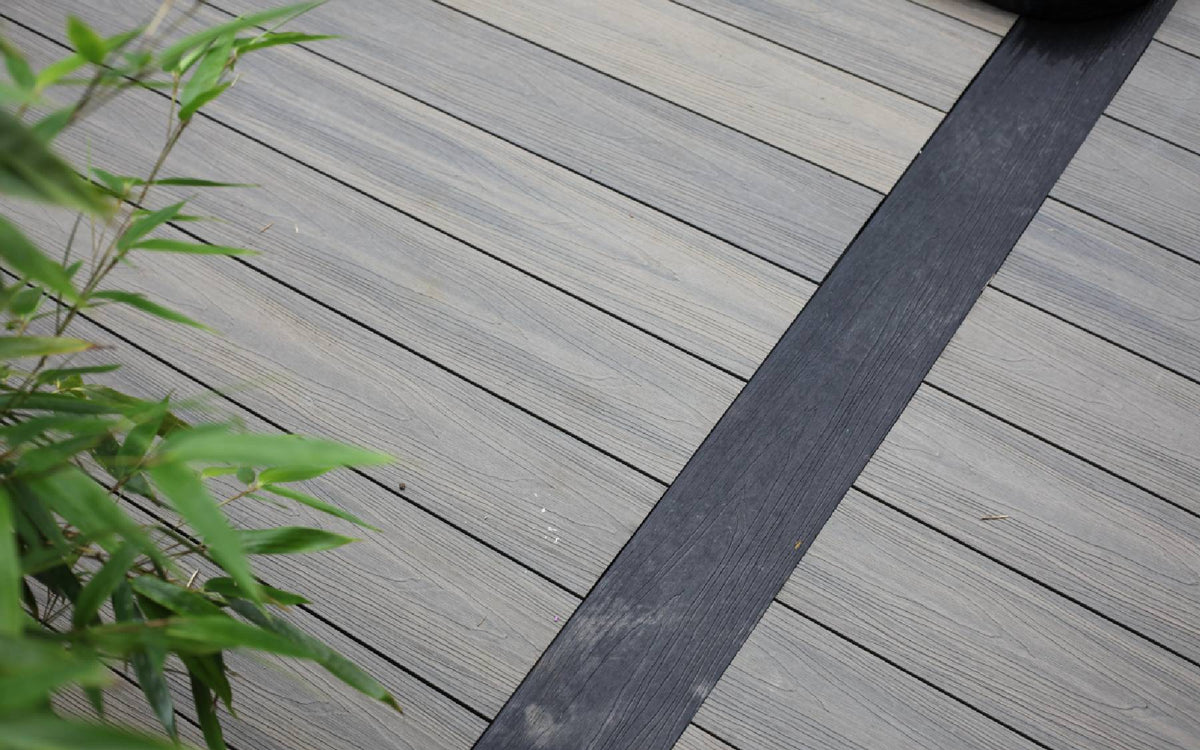
Compare physical samples against the garden's paving, brickwork and furniture. Our Grey colour guide and other colour resources can help you explore the appearance before ordering.
How to Compare Composite Decking Board Prices
A price per board does not establish the cost per square metre or the complete project total. Boards with different dimensions provide different coverage, while the chosen gaps and layout influence quantities.
Use current prices from the composite decking listings and check whether VAT is included. Then calculate the full order rather than comparing individual lengths in isolation.
What belongs in a complete decking budget?
| Cost area | Details to include |
|---|---|
| Surface boards | Coverage, cutting plan and any border boards |
| Frame and supports | Joists, foundations, posts or other specified supports |
| Fixings and finishes | Clips, screws, fascia, trims and step details |
| Project services | Preparation, fitting, delivery and waste removal |
Our decking calculator can provide an initial estimate. Review its output against the actual layout, particularly where borders, steps or changes of direction are involved.
Planning With 3.6m Composite Decking Boards
Start by drawing the deck and comparing possible board directions. With 3.6m composite decking boards, some runs may fit within one length while others require intermediate joints. The most economical direction depends on the shape, available lengths and cut plan.
A 3.6m board is not designed to span 3.6m unsupported. Joists are still needed at the spacing specified for the product and layout. Support at board ends and joints must also be included.
For a 3m by 4m rectangle, boards across the shorter dimension may avoid intermediate joints in the main runs, subject to the final edge detail and movement gaps. Running along the longer dimension creates a different joint arrangement. Compare both before deciding.
Plan where offcuts can be reused appropriately, but do not sacrifice support or clearances to use up material. The finished layout and structural detail take priority.
Joining Composite Decking Boards: Plan the Detail Before Fitting
Joining composite decking boards usually means arranging the ends of successive boards along a longer run. The gap, support and fixing arrangement are product-specific. Follow the selected board's instructions rather than pushing the ends tightly together.
Provide the Required Support at Each End
Locate joints deliberately on the frame plan. Each board end needs the prescribed support and fixing arrangement. Check whether the detail requires additional or separate joists and clips; do not assume a single joist and shared fixing will suit every system.
Allow for Temperature Movement
Composite changes dimension with temperature. End gaps may depend on the product, board length and installation conditions. Use the current specified allowance rather than treating a side-gap clip dimension as the correct end clearance.
Keep Joints Consistent and Accessible
Decide whether the design uses aligned joints, a staggered pattern or a dividing board. Each option changes the cutting and support plan. Keep the required drainage and ventilation paths clear, and check alignment before fixing subsequent rows.
Use the installation resources for the exact detail. If the guidance does not clearly resolve your proposed joint, ask our team before cutting or fastening.
Composite Decking Boards Near Me: Seeing Products and Finding Help
A search for “composite decking boards near me” may mean you want samples, a showroom, collection or an installer. Identify which service you need rather than choosing by distance alone.
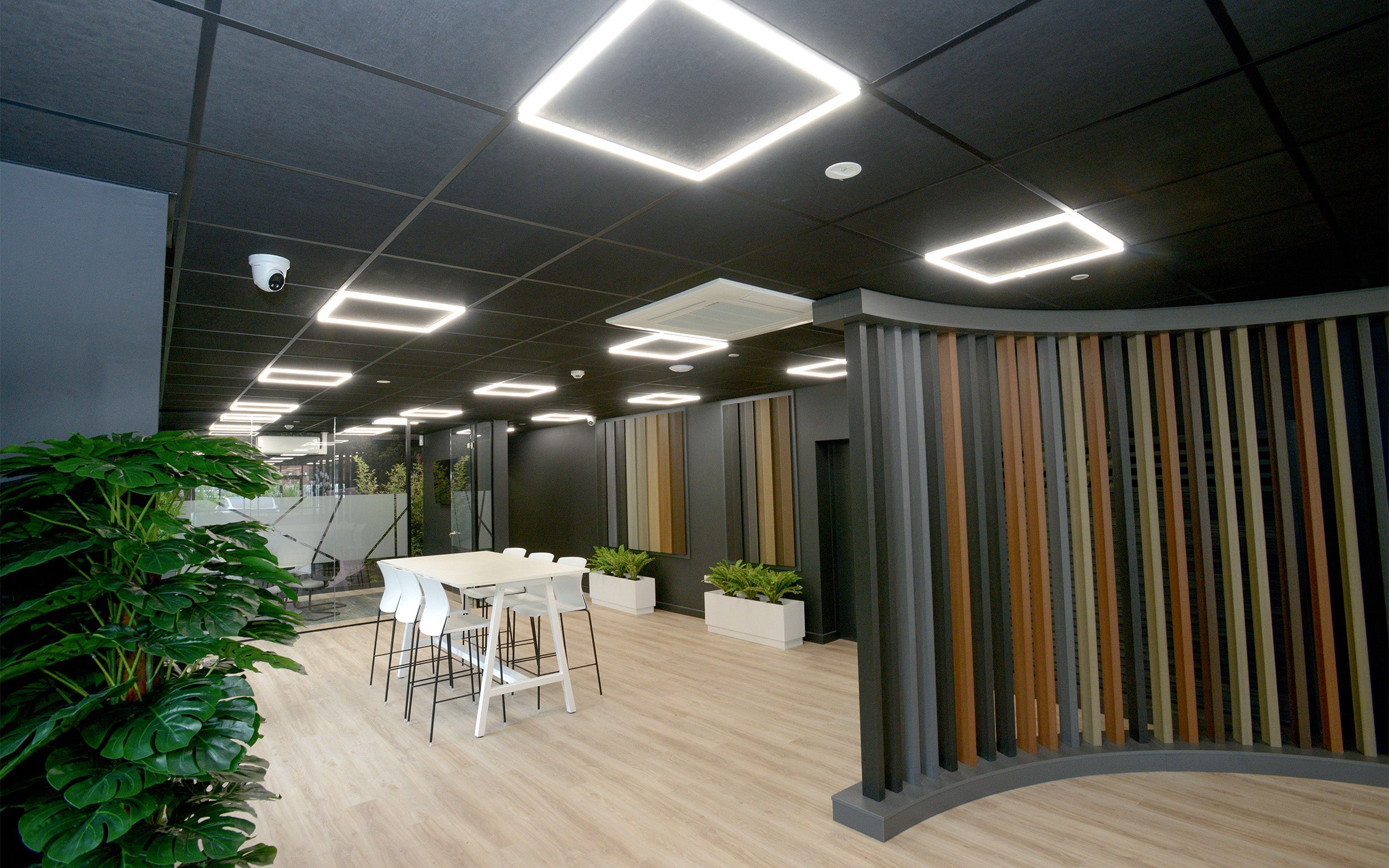
Request free decking samples to compare at home, or book a Coalville showroom appointment to see products in person. Check the current visiting arrangements before travelling.
If you need fitting support, use our installer enquiry service to check options for your location. Agree the quote, scope and timetable directly with the installer, and confirm material delivery arrangements before scheduling the work.

Choose Boards for the Actual Application
A private garden, commercial terrace and wet-use setting may place different demands on a deck. Confirm suitability for the exact product and complete installation.
For balconies, establish structural, fire, waterproofing and drainage requirements first. Composite is not automatically appropriate for every elevated application. Pool surrounds also need confirmation of wet-use performance and relevant cleaning requirements.
No board is slip-proof. Water, debris and organic growth can affect footing. Anti-slip strips are available for compatible specified solid boards, but are not a universal accessory or a substitute for cleaning and drainage.

Review Care, Material Claims and Warranty
Follow the maintenance guidance for the chosen board. Sweep debris away, clean spills promptly and check before using specialist cleaners or a pressure washer.
When considering materials and sustainability, distinguish recycled content from responsible wood sourcing. A board is not automatically household-recyclable because it contains recycled plastic.
Read the product-specific warranty, including permitted use and exclusions. Cover varies by product; one headline warranty should not be applied to every board.
Composite Decking Board FAQs
How do I compare board prices fairly?
Compare coverage and the complete specification, including frame, fixings, finishes and delivery. A lower price per board does not necessarily mean a lower installed cost.
Can I cut 3.6m boards to fit?
Yes, following the specified cutting method. Plan support, joints and movement gaps before cutting.
Should board ends touch when joining?
Do not assume so. Follow the selected product's end-gap and fixing instructions for the installation conditions.
Turn Your Board Choice Into a Complete Plan
Choose the composite decking board that meets your priorities, then confirm the quantities, joining detail and supporting structure. Clear preparation helps the order reflect the deck you actually intend to build.
Explore NeoTimber® decking, compare composite decking or contact our team with your layout and product shortlist.