


What Role Do Deck Beams Play In A Deck?
Deck beams are often associated with the supporting structure beneath raised decks. At NeoTimber®, the decking boards are fixed directly onto joists, which form the framework beneath the surface. Depending on the project, those joists may sit on a solid base, pedestals or a raised supporting system.
Building a strong subframe starts with the conditions beneath the deck. Ground type, finished height and expected loads all influence the structure required. Getting these fundamentals right provides a stable foundation and helps determine the most suitable decking subframe for the installation. Let’s take a closer look at how the right subframe choices can help build a stronger deck from the ground up.

What Is The Difference Between Deck Beams And Joists?
The terms deck beams and joists are sometimes used loosely, but they are not always interchangeable. For NeoTimber® decking, the key component is the joist. This is where the decking boards are fixed and where the correct spacing becomes important.
Understanding that distinction makes it easier to plan the right structure and select suitable decking joists. Rather than looking for a separate NeoTimber® deck beam, the focus should be on the joist system required for the installation.
Why Does The Right Subframe Matter?
A strong deck starts well before the first board is fitted. The subframe carries the finished surface and everything placed on it. Choosing the right structure from the outset helps create a stable base designed around the location and intended use.
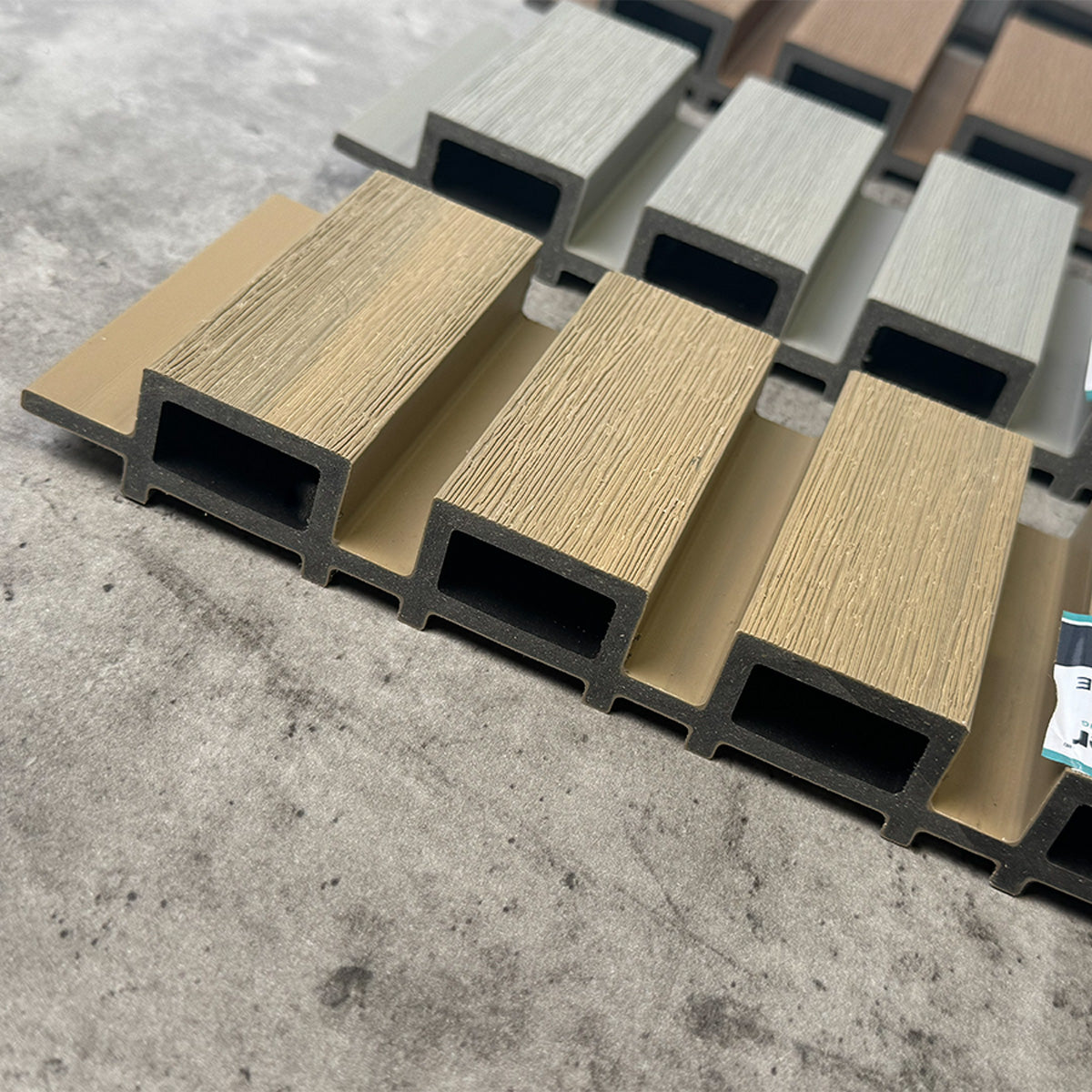
NeoTimber® offers different decking subframe options for these requirements. Composite joists provide a low-maintenance alternative to timber over a suitable solid base. Recycled plastic and aluminium systems offer further choices where the structure or site calls for a different approach.
Can Composite Deck Beams Provide Long-Term Support?
Long-term strength is about more than carrying weight on installation day. Moisture, changing weather and ongoing exposure can all affect the structure beneath a deck. Composite deck beams are searched for as an alternative to timber where reduced maintenance and resistance to deterioration are priorities.
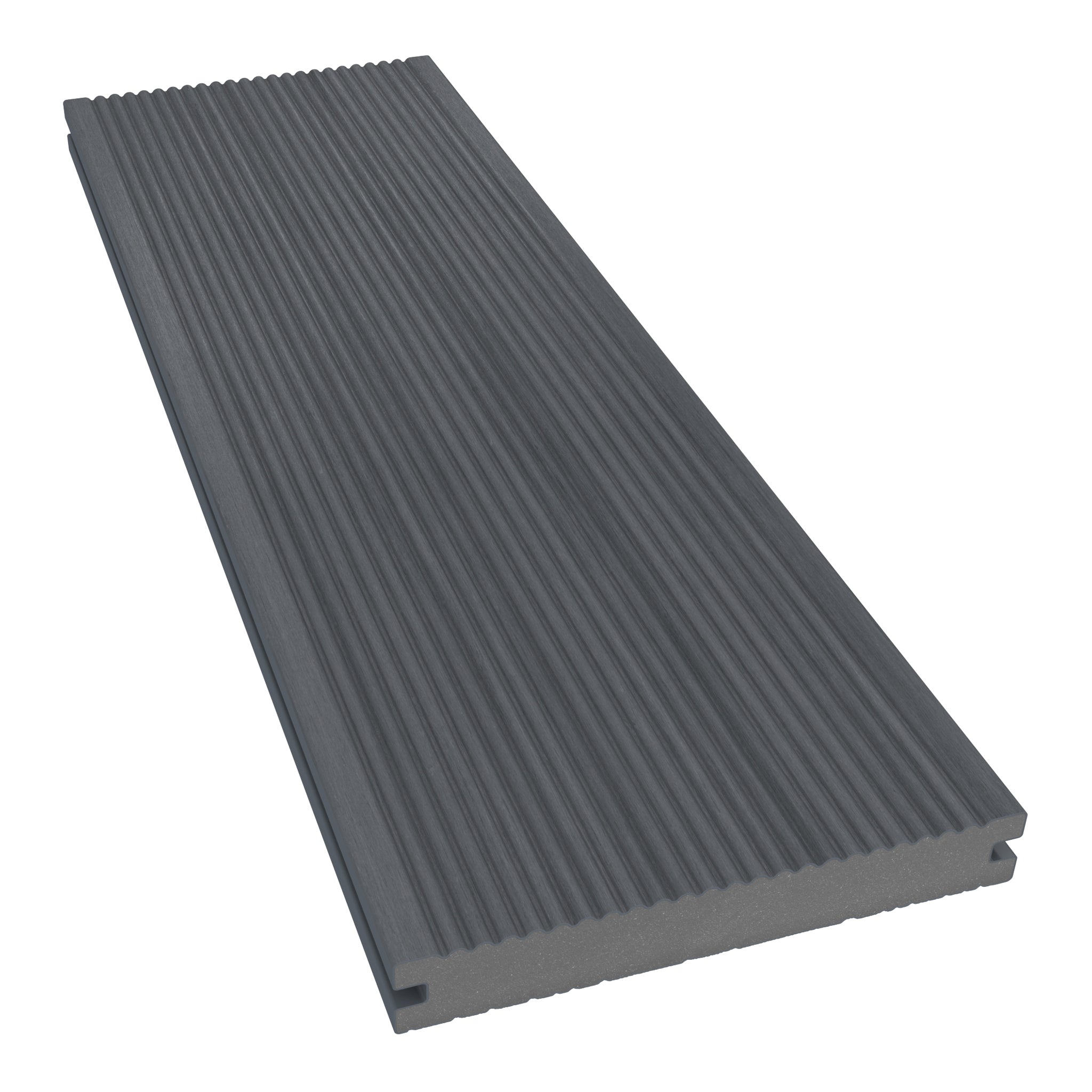
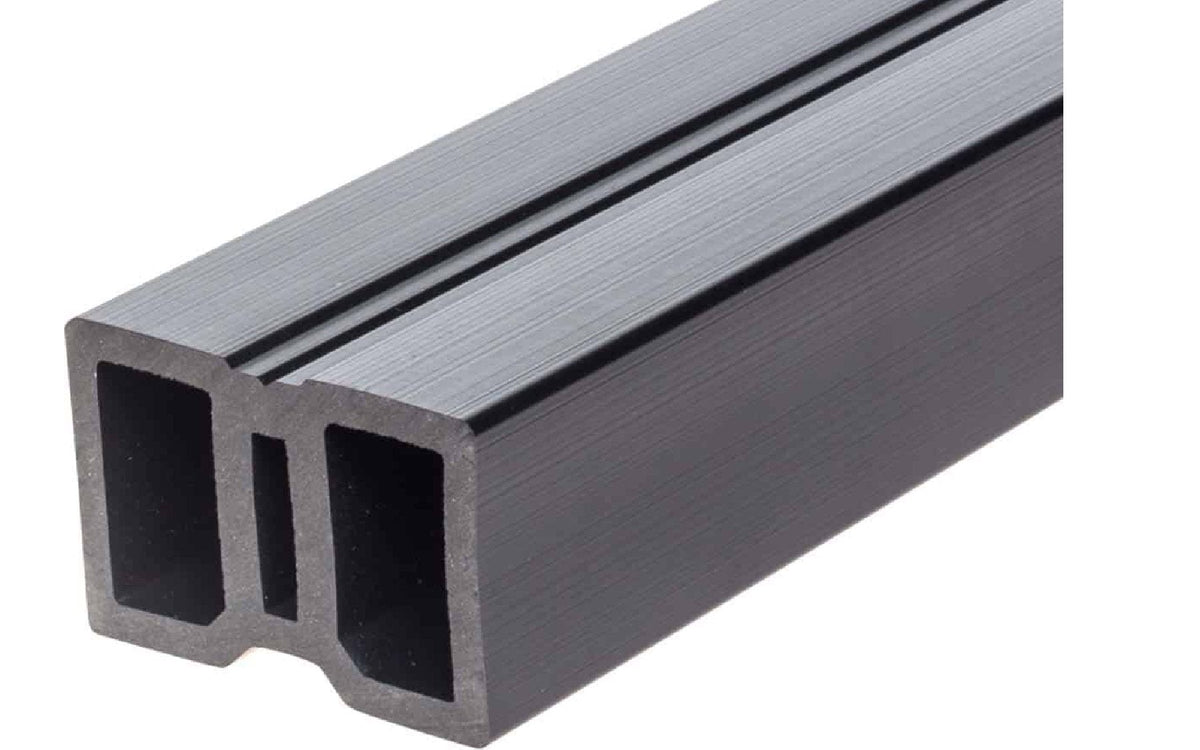
NeoTimber® composite decking joists combine recycled plastic with responsibly sourced wood fibres. They resist moisture and rot without routine staining or protective treatment. This helps create a supporting structure that requires considerably less ongoing attention than traditional timber.
How Do The Parts Of A Deck Subframe Work Together?
Looking beyond deck beams alone, a strong deck relies on the complete supporting structure working together. Joists provide the framework directly beneath the decking boards. Depending on the installation, posts or pedestals can provide additional support beneath the joist network.
| Part Of The Structure | What It Does | Why It Matters |
|---|---|---|
| Joists | Form the supporting network directly beneath the decking boards. | Provide regular support and fixing points across the deck. |
| Posts | Provide vertical support where required in certain raised recycled plastic subframes. | Support the framework where additional height is required. |
| Pedestals | Support compatible joist systems above a suitable base. | Allow precise height adjustment and help create a level structure. |
| Decking boards | Form the finished surface and are fixed directly to the joists. | Transfer everyday loads into the supporting structure below. |
The important point is how these elements work together. A well-planned decking base frame provides a stable foundation for the finished deck.

Which Type Of Decking Joist Should You Choose?
Once the role of deck beams and the wider subframe is understood, material choice becomes important. NeoTimber® offers composite, recycled plastic and aluminium joists. Each suits different project requirements.
- Composite joists provide a low-maintenance alternative to timber for installation over a suitable solid base.
- Recycled plastic joists resist water absorption and suit ground-level or raised subframes, including damp and uneven sites.
- Aluminium joists combine strength with lightweight handling and corrosion resistance. They are also non-combustible, with an A2fl-s1 fire rating.
Choosing between these types of decking joists starts with the site itself. Ground conditions, deck height and intended use will help determine the most suitable approach.
How Can You Build A Stronger Deck From The Ground Up?
Strength starts with planning the structure around the finished deck. Joist spacing must suit the boards being installed. Supporting points also need to be positioned correctly. Larger or more demanding projects may require a different approach to smaller garden decks.
The supporting material matters too. Traditional deck support beams and timber frameworks can require ongoing protection from outdoor exposure. Composite, recycled plastic and aluminium provide alternatives with much lower maintenance requirements. Good deck subframe installation brings these decisions together before the first board is fitted.

Does Installation Affect The Strength Of A Deck?
Yes. Even strong materials need to be installed correctly. Accurate spacing and secure fixing help create an even supporting network beneath the boards. The subframe must also provide suitable drainage and ventilation around the finished deck.
NeoTimber® provides detailed decking installation guidance covering the requirements for different subframe materials. Following the correct specification is particularly important when working with composite deck beams or joists. It ensures the supporting structure is built for the boards and the conditions around it.
How Much Weight Can A Deck Subframe Support?
Strength requirements change considerably between projects. A private garden deck has different demands from commercial decking in a busy restaurant or public space. Furniture, planters, hot tubs and regular footfall can all increase the loads placed on the structure.
This makes load requirements an important consideration when selecting joists and planning deck support beams. NeoTimber® aluminium joists offer high load-bearing strength while remaining lightweight. For larger or commercial projects, the subframe should always be specified around the expected loading and intended use.
Summary
Building a stronger deck starts with the structure beneath the boards. While deck beams are commonly associated with structural support, NeoTimber® systems use joists as the foundation for the decking surface. The right choice depends on the site, deck height and expected loads.
Whether you call them composite deck beams or joists, composite, recycled plastic and aluminium options are available for different projects. Correct spacing and installation are just as important as material choice. Together, these decisions help create a strong, stable and lower-maintenance subframe.
Explore the decking subframe range to find the right solution for your project. You can also use our installation guides for further support. NeoTimber® decking ranges are backed by a 25-year residential and 10-year commercial warranty.
Deck Beams FAQs
How far apart should decking joists be?
NeoTimber® decking joists are typically spaced between 250mm and 350mm apart, measured from the centre of each joist. Some installations require closer spacing, including boards laid diagonally at 250mm centres. Correct spacing provides adequate support beneath the boards and helps maintain the product warranty. Our laying composite decking guidance explains the main subframe requirements before installation begins.
Do decking boards need extra support where they join?
Yes. Where two decking boards meet at their ends, NeoTimber® requires a double joist beneath the butt joint. This provides sufficient support and allows both board ends to be fixed correctly. It should be planned when laying out deck beams and the wider subframe. Our installing composite joists guide covers double joisting and other important subframe details.
Can adjustable pedestals be used beneath decking joists?
Yes. Adjustable pedestals can support compatible joists above a suitable base while providing precise control over the finished height. In one NeoTimber® balcony decking case study, pedestals and recycled plastic joists created a raised subframe without fixing through the asphalt roof membrane.
How much ventilation is needed beneath a decking subframe?
NeoTimber® recommends at least 35mm of clear space between the base and the underside of the decking boards. This allows air to circulate beneath the deck and helps moisture escape. A drainage slope of around 1% also helps water run away. These details should be considered when planning deck support beams and joists. You can also explore planning a decking project for more advice on preparing the area before installation.