

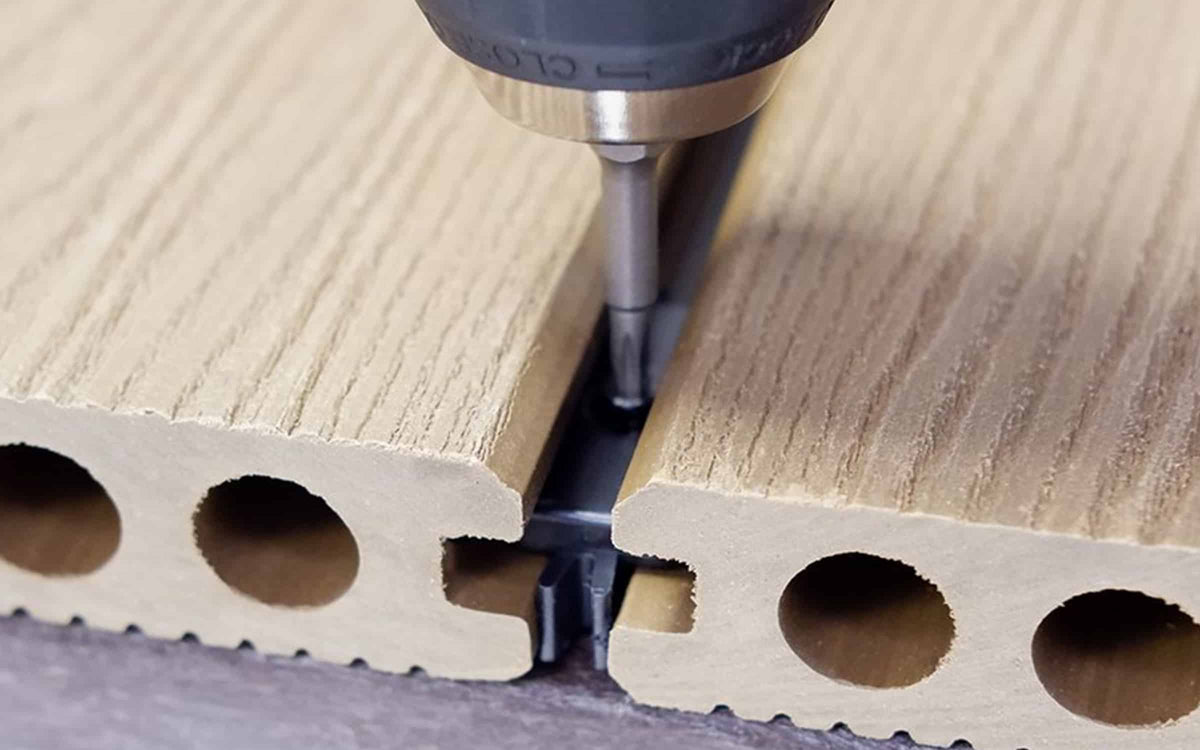
Choose Compatible Fixings for a Consistent Deck Surface
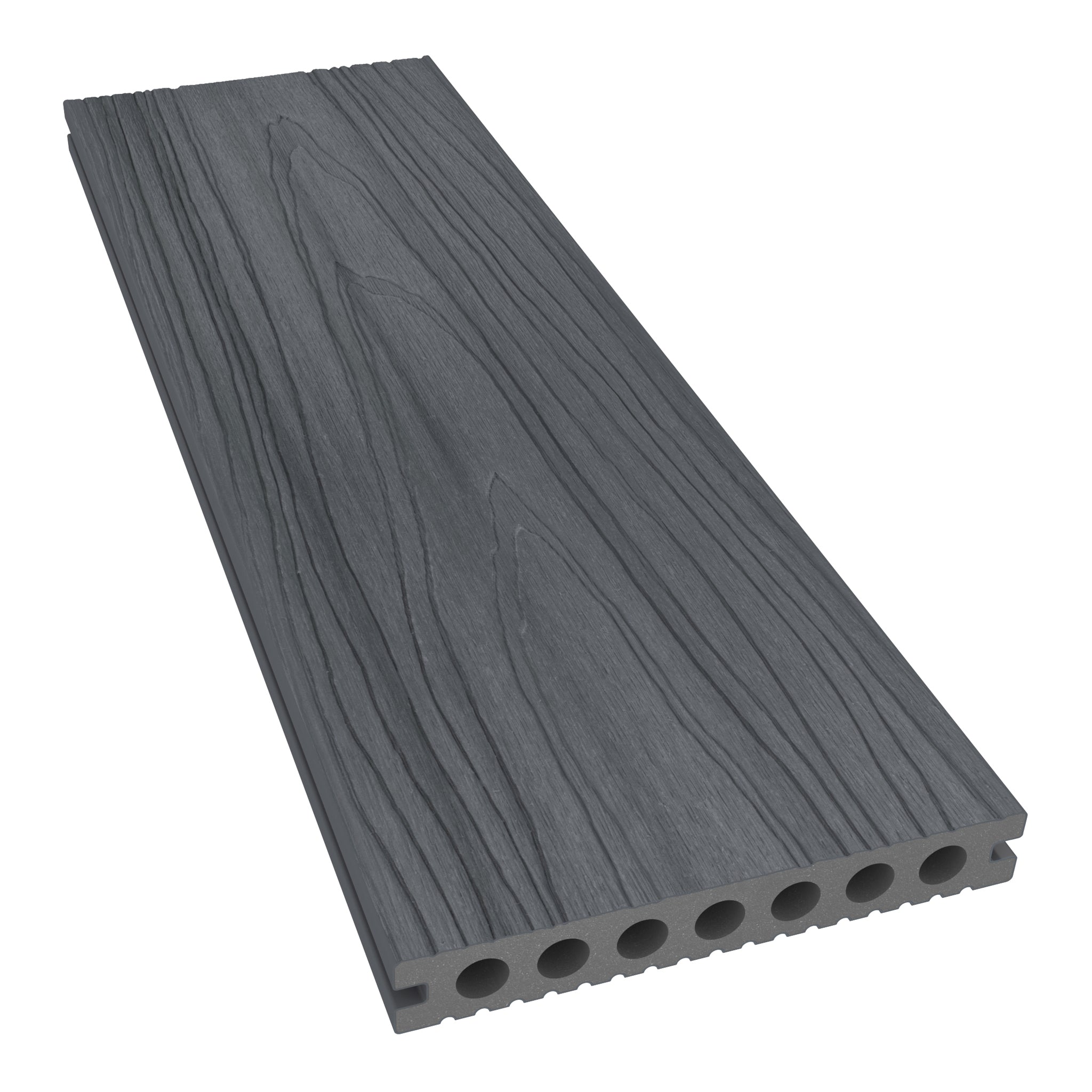
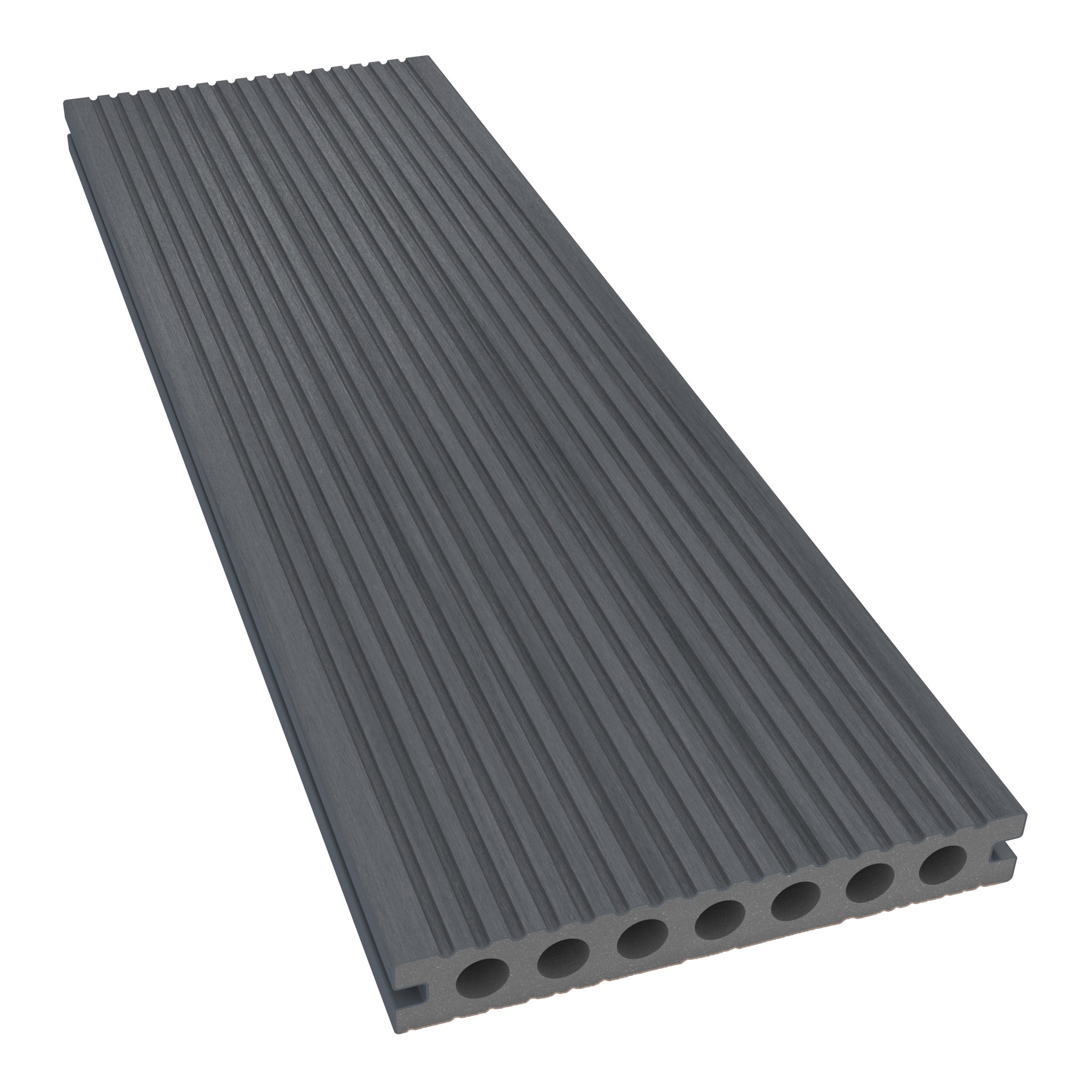
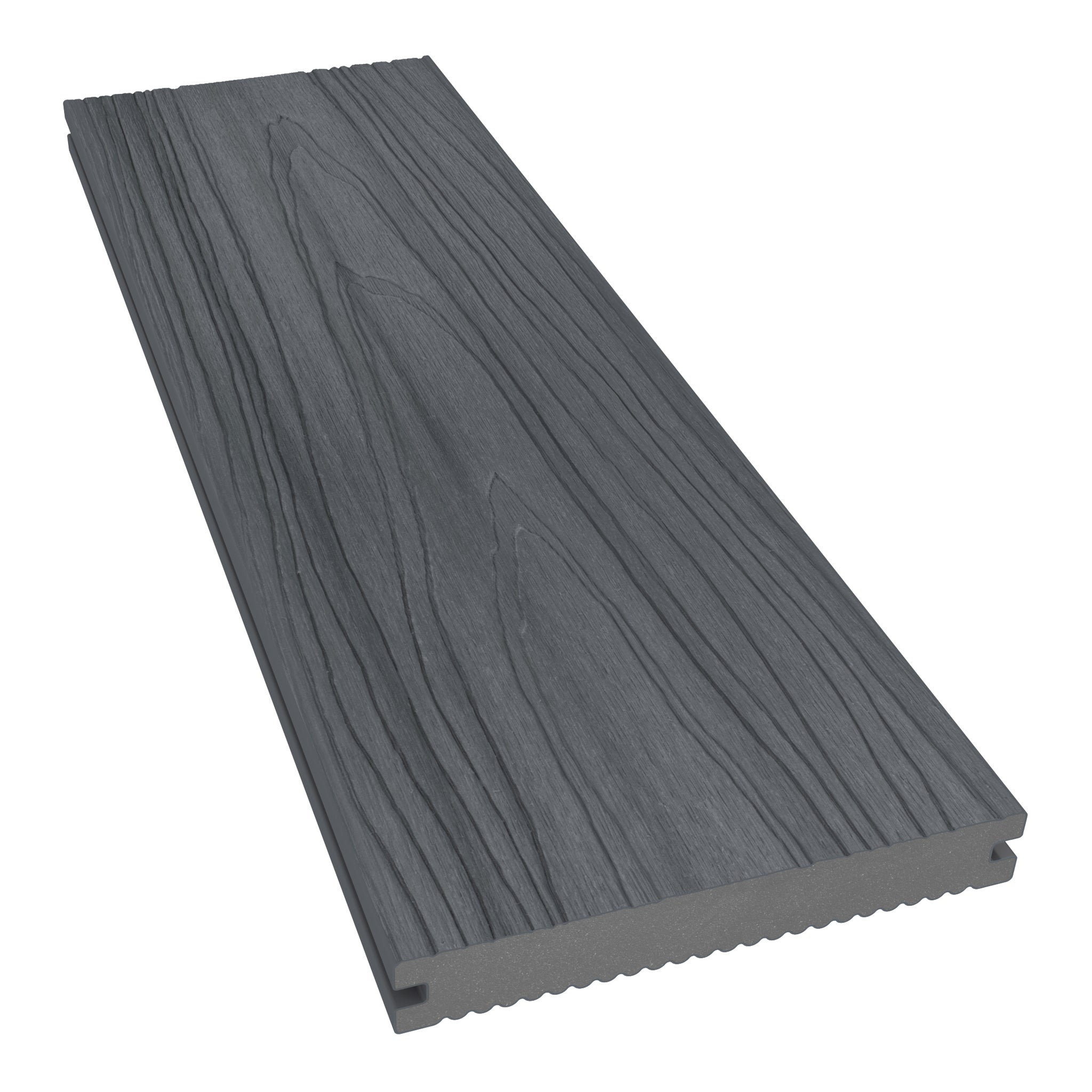
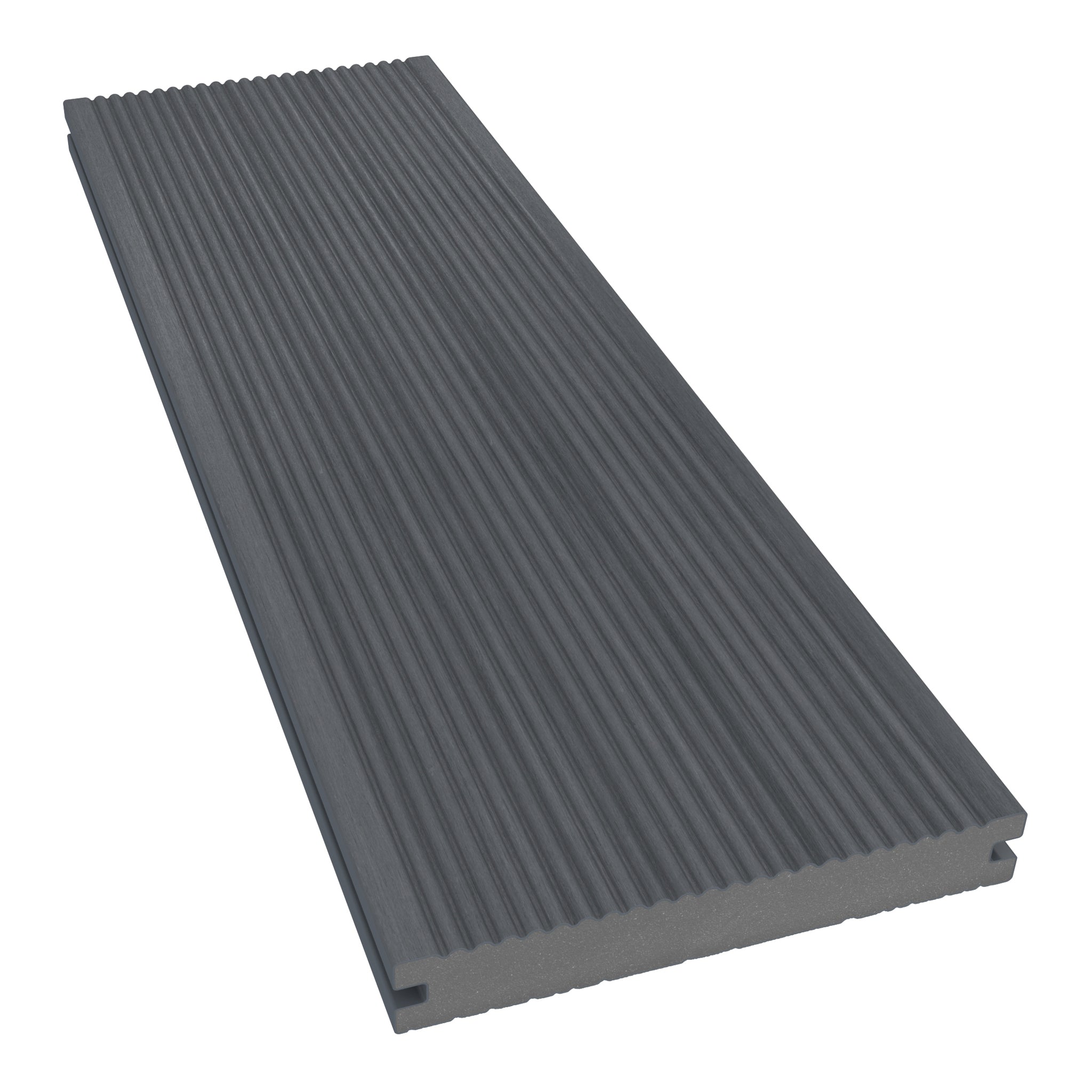
Decking clips secure compatible grooved boards to the supporting frame and help establish consistent side-to-side spacing. They are part of a complete fixing system, working with the board profile, screws and supporting material.
Whether you are comparing composite decking clips, starter components or plastic decking clips, compatibility matters more than appearance. A clip that looks similar to another product is not necessarily interchangeable.
This guide explains the main types of deck board clips and how to plan an order for NeoTimber’s system. Visit the general decking page to explore the wider collection.
What Do Composite Decking Clips Do?
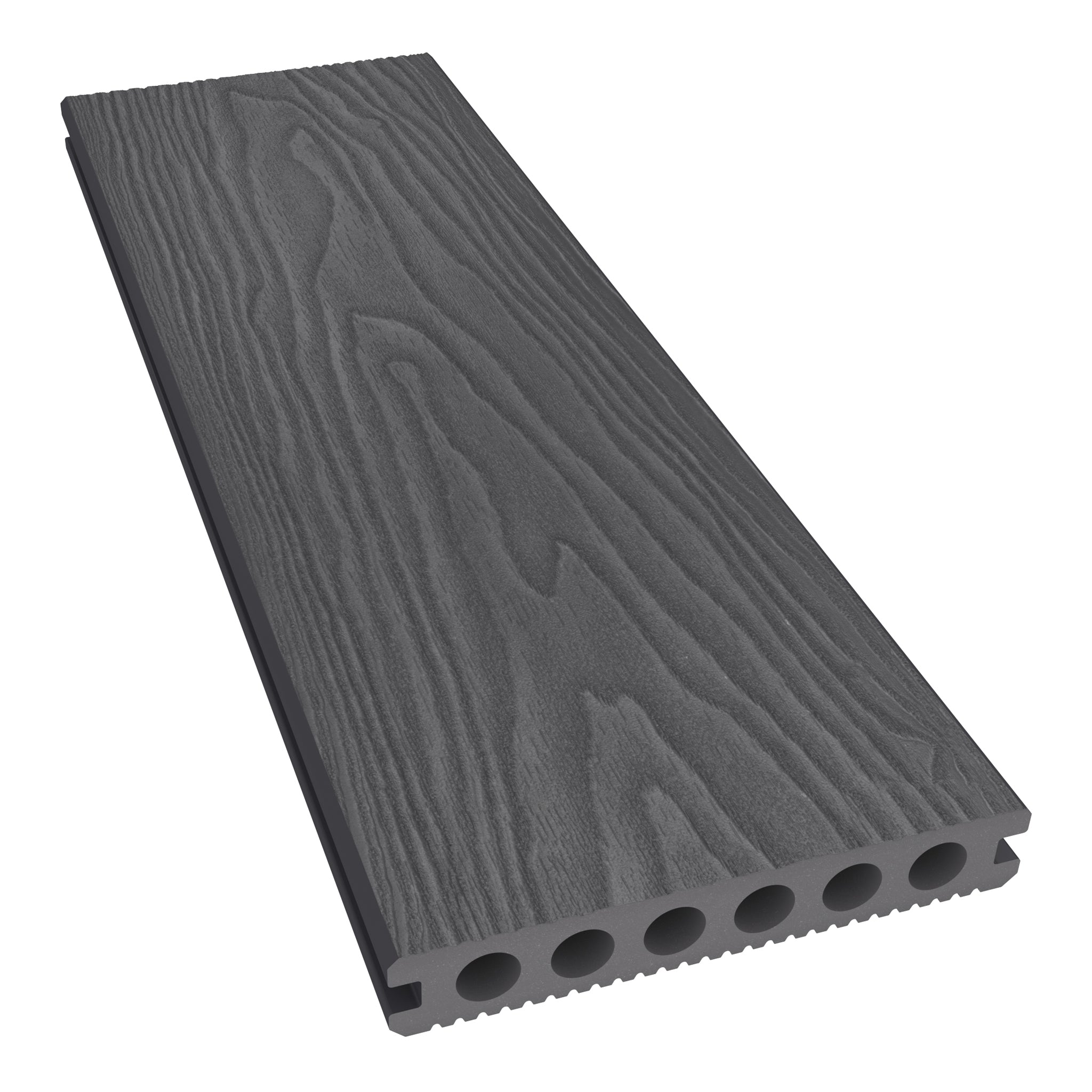
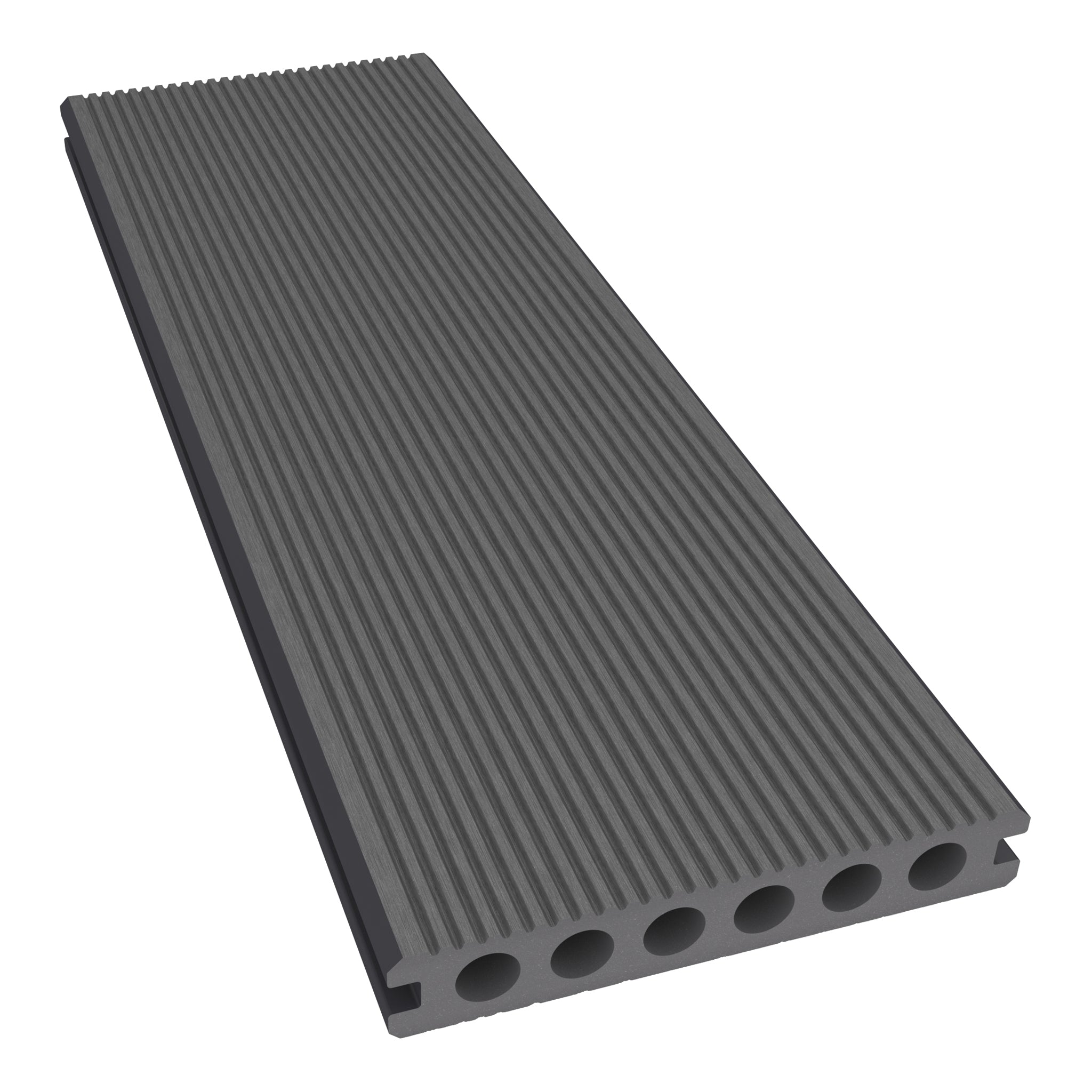
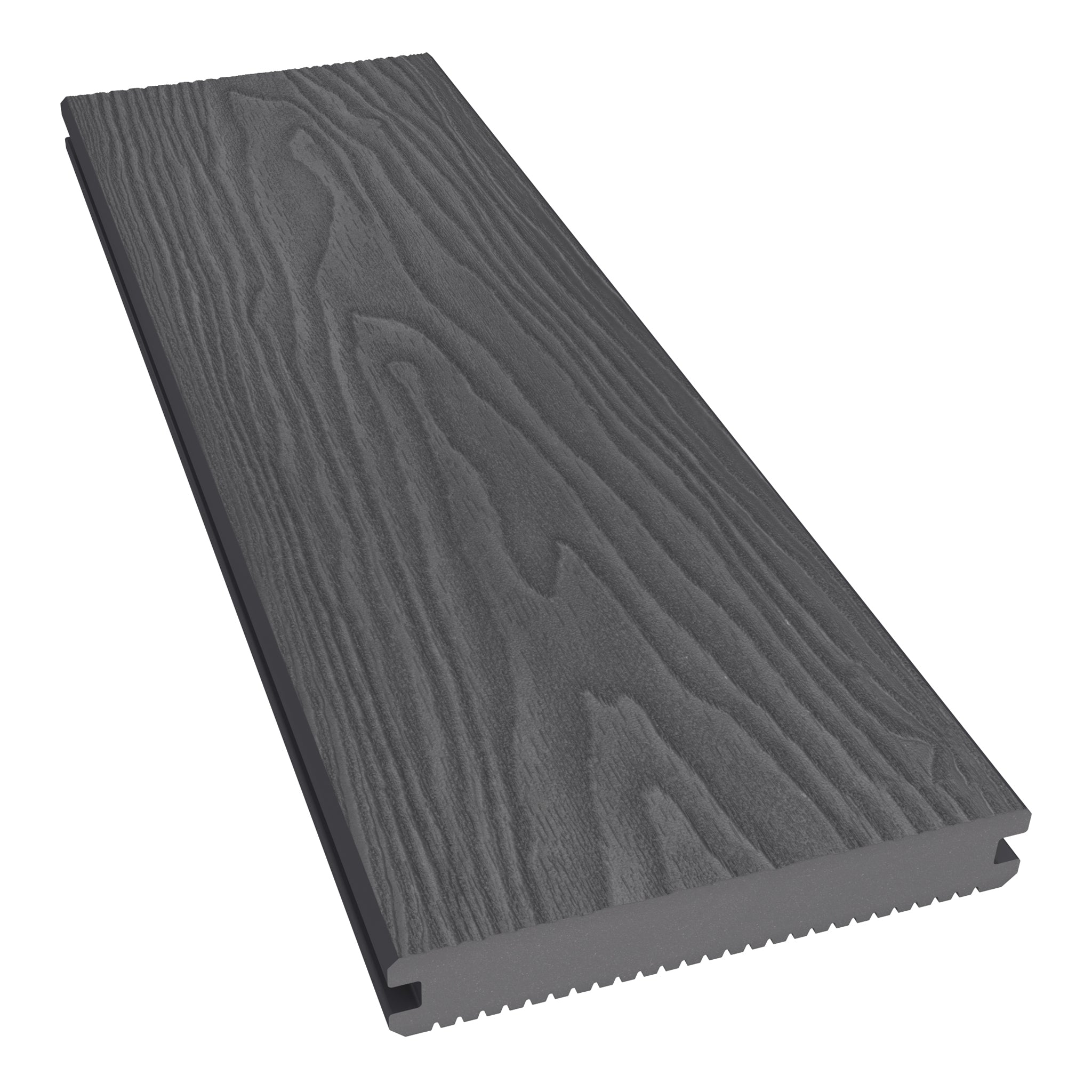
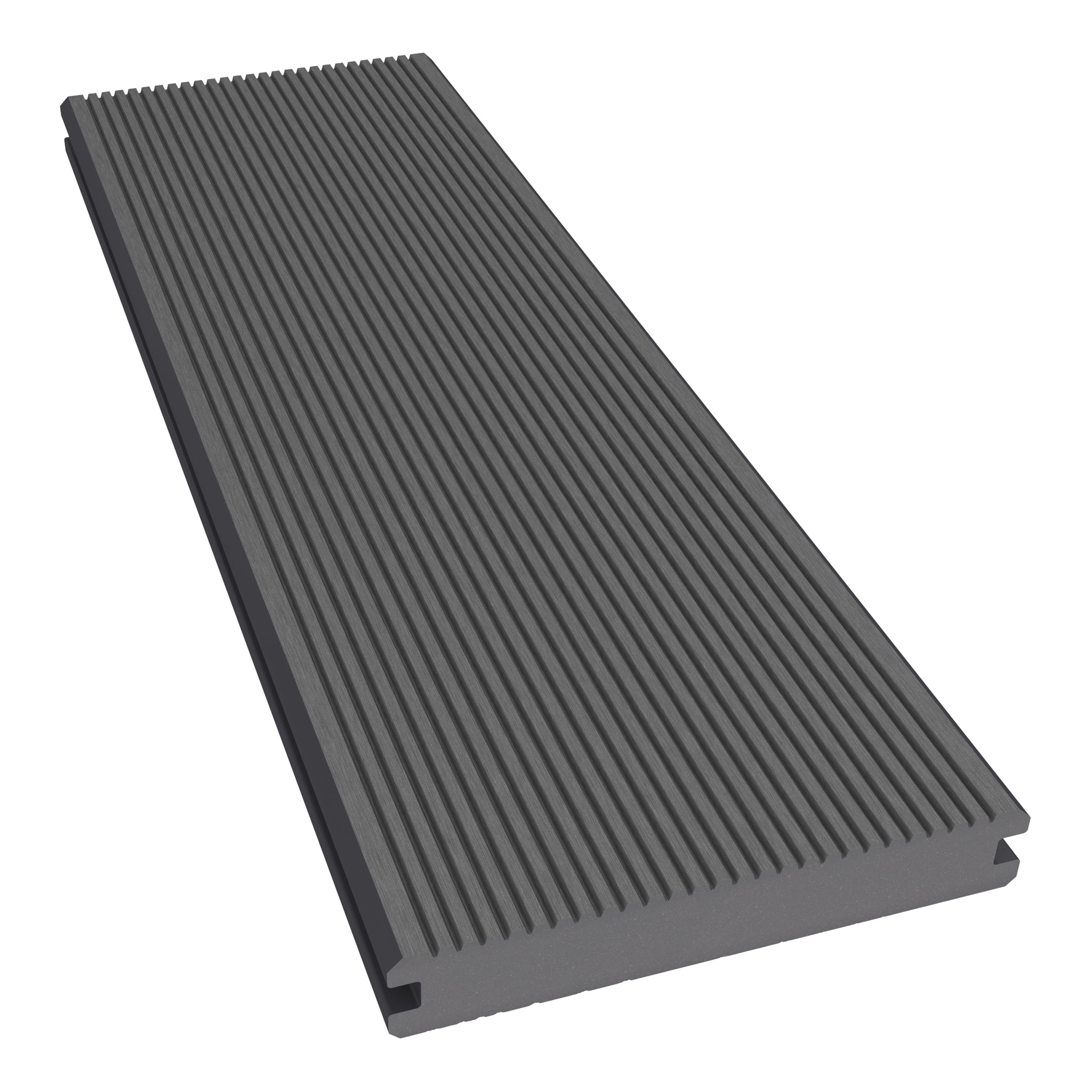
Hidden clips engage with a board’s groove and connect it to the frame using a specified screw. The main surface can then have a more discreet finish than a fully face-fixed layout.
Clips also establish the designed side gap. That does not mean every required movement allowance is automatically handled: board ends, perimeter junctions and the supporting frame need their own details.
The correct system depends on the product. Deck clips for composite decking are not universal components for aluminium boards, deck tiles or every timber profile.

Decking Starter Clips: Secure the First Row
NeoTimber® composite decking starter clips are designed for the first run of compatible boards and edge boards. They establish a secure starting position before intermediate clips are fitted.
Plan that first row against the whole layout, including the final board width and edge detail. Small alignment errors can become more noticeable as rows progress.
Follow the instructions for starter-clip positions and the specified screws. Estimate quantities from the actual fixing schedule rather than assuming one pack is sufficient for every deck.
Composite Decking T Clips: What Does the Term Mean?
Composite decking T clips is a common description for intermediate hidden fasteners that engage adjacent grooved boards. However, clip shapes and fitting sequences vary between brands.
If you search for T clips for decking, compare the specified board groove, clip dimensions, gap and fixing method. Do not assume the term identifies one universal product.
NeoTimber® uses the FastClip name for its intermediate systems. Choose the approved component for the selected boards and supporting material, rather than substituting a generic T-shaped fastener.
Metal or Plastic Decking Clips?
NeoTimber® offers two main composite FastClip options. The choice affects the designed gap and installation method, so review both before ordering. NeoTimber® composite decking fixing clips at a glance:
| Component | Purpose | Key check |
|---|---|---|
| Starter Clip | Secures the first run of compatible boards. | Starting position, fixing schedule and screw compatibility. |
| 3 mm Metal FastClip | Intermediate fixing with a designed 3 mm side gap. | Approved board and subframe arrangement. |
| 6 mm Plastic FastClip | Intermediate fixing with a designed 6 mm side gap. | Range-specific fitting sequence and compatible screw. |
Review the 3 mm Metal FastClip and 6 mm Plastic FastClip product information. Neither material name alone determines suitability for every environment or frame.
Clip Spacing and Board Support Are Different
The side gap between boards is not the same as the spacing between joists. Joist centres determine where the boards are supported; clips are installed at the specified fixing positions on those supports.
Plan board-end joints before fitting the frame. They may require additional support and separate fixings for each end according to the product instructions.
A consistent side gap helps the system work as designed, but clips do not independently guarantee drainage, ventilation or a slip-proof surface. Those outcomes depend on the complete installation and ongoing care.

Decking Clips and Screws Work Together
Clips are usually secured with screws, so the two should not be presented as competing systems in every situation. Concealed clips suit the approved grooved-board detail, while some perimeter or finishing locations may require face fixing.
Use the specified fixing method for final boards, borders and trims. A visible screw installed correctly is not automatically a poor finish, and an improvised hidden connection is not automatically better.
Check the screw’s compatibility with the supporting material. Fixings for timber, composite or metal frames should not be assumed interchangeable.
Plan Your Composite Decking Fixing Clips
Before buying, prepare a schedule based on the selected board, layout and support arrangement.
- Confirm the exact board profile and compatible clip system.
- Count starter positions and intermediate fixing points.
- Include additional support and fixings at board-end joints where required.
- Identify final-board and perimeter fixing details.
- Check screws, pack quantities and accessories against the complete order.
Use the fixings guide and installation resources together. Ask for advice if the board or frame differs from the illustrated system.
Fitting Deck Board Clips Correctly
Start with a suitable, aligned frame. Position the first row accurately, then follow the clip-specific sequence as subsequent boards are installed.
Check engagement and alignment as you progress. Do not overtighten fixings, force a board into an incorrectly placed clip or omit components to reduce the order cost.
Keep swarf and debris away from the finished surface. Before handover, inspect the clips, perimeter fixings, gaps and edge details while the work remains accessible.

Common Fixing Mistakes to Avoid
- Choosing a generic clip without checking groove compatibility.
- Confusing the side gap with board-end expansion allowances.
- Using an unsuitable screw for the supporting frame.
- Leaving joints or edges without the prescribed support.
- Assuming clips repair a weak or uneven subframe.
If boards move unexpectedly or a fixing becomes loose, identify the cause with the installer or supplier. Do not assume every noise comes from the clip or add an improvised screw without checking.
Warranty and Future Care
Read the warranty terms before substituting components. Installation requirements and product compatibility can be relevant to coverage.
Keep records of the boards, clips, screws and supporting arrangement. During routine deck care, inspect accessible edges and report visible movement or damage.
Frequently Asked Questions
Are all composite decking clips interchangeable?
No. Check the board groove, gap, frame and screw requirements for the exact system.
Can starter clips replace intermediate T clips?
They perform different roles. Use each component in the positions specified by the board manufacturer.
Do plastic decking clips mean the boards are all-plastic?
No. The clip material and board construction are separate matters.
Can decking clips be used with interlocking tiles?
Do not assume so. Tiles have their own fixing or connection system and installation requirements.
Choose the Fixings as Part of the Complete Deck
Decking clips help produce a consistent finish when they are compatible with the board and installed on suitable supports. Plan them alongside the frame and perimeter details, rather than treating them as an afterthought.
Explore NeoTimber® composite decking or contact the team to confirm the components for your project.