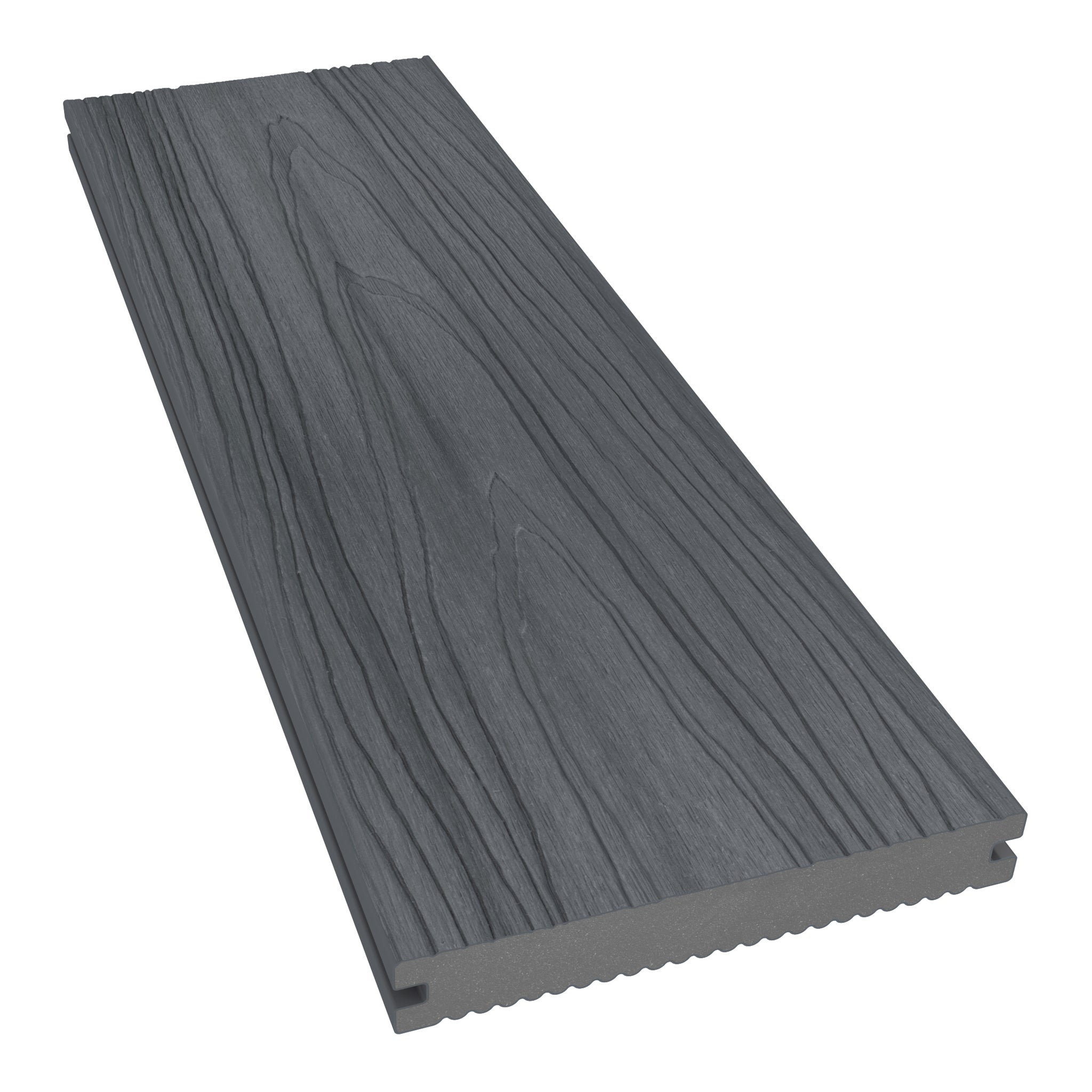
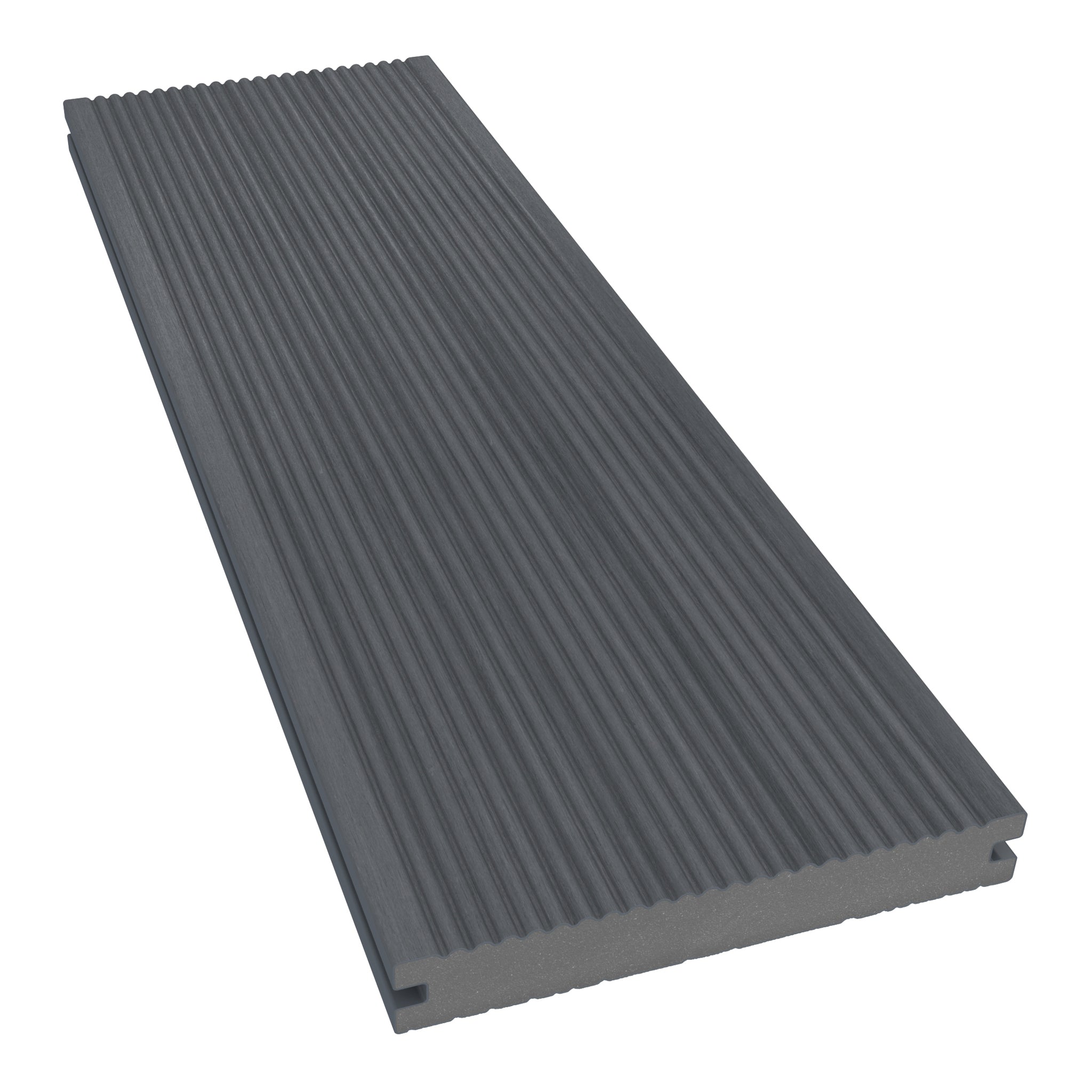
Clear Puddles and Improve Drainage on Your Composite Deck
Wondering how to fix standing water on composite decking? Start by removing leaves and dirt from the board gaps, cleaning the surface gently and checking where water can drain. If puddles return in the same place, ask your installer to check the deck’s fall, board support and drainage beneath the frame. Mopping removes the water temporarily; resolving its cause provides the lasting improvement.
Some droplets after rain are normal, especially on a shaded surface. A persistent puddle deserves closer attention. This guide explains how to investigate the problem on existing composite decking and what to consider when planning new decking.
In this guide: Identify the cause · Clear surface water · Check board gaps · Check the fall · Inspect drainage beneath · Prevent recurring puddles · FAQs
Identify Why Water Is Collecting
Look at the deck after rainfall, when it is safe to do so. Photograph the affected area and note whether the water sits on individual boards, across several boards or beneath the structure. This helps distinguish a cleaning issue from an installation or ground-drainage problem.
Common standing-water symptoms and the next check:
| What you notice | Possible cause | What to check |
|---|---|---|
| Water beside leaf-filled joints | Blocked drainage gaps | Remove loose debris and gently clean the joints. |
| A puddle returns in one location | A local low point, board deflection or support movement | Have the installer check levels, fixings and support. |
| Water collects beneath furniture or a mat | Restricted drainage and drying | Move removable items and inspect the surface underneath. |
| Water remains beneath the deck | Blocked outlets, poor base drainage or saturated ground | Check accessible drainage routes and arrange an assessment if needed. |
Shade can slow drying without indicating a defect. However, loose boards, unusual movement or a change in level require inspection. Restrict access to an unstable area rather than continuing to use it while investigating.
Remove Standing Water Without Damaging the Surface
Use a mop, absorbent sponge or soft-bristled brush to remove surplus water. Work gently and dispose of collected water through a suitable drainage route. Avoid directing it towards the house, neighbouring land or an already waterlogged area.
Clear fallen leaves and other loose debris before washing. Follow NeoTimber’s guide to cleaning composite decking and the care instructions for your boards. Cleaning can remove dirt that obstructs drainage, but it cannot correct a sagging board or a poorly draining base.
Avoid wire brushes, abrasive scraping and unapproved chemicals. Do not drill drainage holes through the boards or cut channels into their surface: these alterations can damage the product and affect warranty cover.

Check That the Board Gaps Are Clear
The joints between boards provide routes for water to leave the surface. Leaves, soil and garden debris can obstruct them, particularly near planting beds and beneath furniture.
Remove accessible debris gently without forcing tools against the board edges or hidden clips. If the boards appear tightly pressed together, ask the installer to check them against the correct installation requirements. Do not force gaps open or remove fixings as a quick drainage fix.
NeoTimber’s 3mm metal fixing clips and 6mm plastic fixing clips establish different side-to-side spacing. These dimensions are not interchangeable with the expansion gaps required at board ends or beside walls. Use the specified compatible fixing system and follow the composite decking installation guidance.
Check the Deck’s Fall and Board Support
If the same puddle returns after cleaning, the surface may have a low point. Possible causes include incorrect initial levels, settlement or insufficient support. An installer can check the frame and board installation to identify which applies.
A slight fall can encourage run-off. NeoTimber’s installation advice describes a 1% fall away from the house: 10mm over each metre, or 40mm across four metres. This is a gradient of 1:100, not an angle of one degree. Confirm the requirements for your particular boards and site before making changes.
Correcting levels may require work to the supporting structure. Do not raise individual boards with improvised packers or alter supports without checking their stability, fixing requirements and permitted spans. The aim is a supported surface with a clear drainage route.

Investigate Water Beneath the Deck
Water passing between boards still needs somewhere to go. From accessible inspection points, check for leaves blocking drains, soil against the frame or landscaping that traps run-off. Keep ventilation openings clear. Do not crawl beneath an unsafe structure or lift boards unless you can do so safely using the correct method.
On a concrete base, the base itself must drain appropriately. On natural ground, recurring pooling may require ground-drainage work. For balconies and roof terraces, preserve designed falls, outlets and waterproofing; involve the responsible specialist before changing supports or drainage. Never drill into a slab or waterproof membrane to create an outlet without approval.
Will joist tape or a different frame material solve the problem?
Decking joist tape can help protect the tops of sound timber joists when installed correctly. It does not repair decayed timber or remove standing water.
Decking subframe materials also have different support requirements. Low-profile composite joists intended for a solid base cannot simply replace spanning structural joists. Choosing a moisture-resistant material does not resolve flooding or poor drainage; assess those conditions before selecting a replacement frame.

Prevent Standing Water From Returning
- Remove leaves regularly, especially around board joints and deck edges.
- Keep accessible drains, inspection points and ventilation openings clear.
- Check beneath removable mats, planters and furniture for trapped moisture.
- Follow the recommended cleaning routine for your board range.
- Investigate recurring puddles and changes in level promptly.
- For new installations, plan both surface drainage and drainage beneath the deck.
For a persistent problem, send NeoTimber® or your installer photographs, the board range, installation details and the location of the pooling. These details make it easier to identify the appropriate next step.
Frequently Asked Questions
What is the best way to fix standing water on composite decking?
Start with clear board gaps and gentle cleaning. If water returns in the same spot, have the deck levels, support and underlying drainage checked. The correct fix depends on the cause.
Is water beading the same as standing water?
No. Small droplets on a wet surface differ from a persistent puddle. Watch where water collects and how the area dries after rain to help identify a recurring issue.
Can standing water make composite decking slippery?
Wet surfaces, algae and debris can create a slip risk. Remove accumulated water carefully, keep the surface clean and take extra care in wet or icy conditions.
Should I drill holes in my decking to improve drainage?
No. Check the specified gaps and drainage design instead. Drilling the boards can damage them, and drilling the underlying structure can compromise waterproofing or other building elements.
Will pressure washing fix a drainage problem?
Cleaning may remove surface dirt, but it will not correct poor levels, settlement or blocked drainage beneath the deck. Use pressure washing only where the board manufacturer permits it and within its limits.
Do I need to replace the whole deck?
Not necessarily. Clearing debris may be sufficient, while other cases require local repairs or drainage work. Have the cause and the condition of the boards and frame assessed before deciding.