Choose an Easier-Care Deck and Know What to Do When Spills Happen
Stain resistant composite decking can make outdoor dining and everyday garden life easier to manage. Food, drinks and fallen leaves are part of using an outdoor space, so it makes sense to consider how your chosen boards will respond before buying.
The key distinction is between resistance and immunity. A protective surface can help reduce staining and simplify cleaning, but spills still need attention. The right care method also matters: an aggressive attempt to remove a mark can cause more lasting damage than the original spill.
This guide explains capped and uncapped construction, a practical first response to spills and what to check when choosing boards. Explore our general decking guidance or browse our composite decking collection to compare options.
In this guide: What stain resistance means · Capped vs uncapped boards · Dealing with spills · Common marks · Prevention · Choosing boards · FAQs
What Does Stain Resistance Actually Mean?
Stain resistance describes how well a surface resists discolouration from substances it encounters. It does not mean that every contaminant will wipe away completely, regardless of temperature, contact time or cleaning method.
Oil, pigments and organic residues behave differently. A fresh drink spill may be easier to deal with than grease left beneath furniture for several days. Surface texture and board construction also affect how dirt collects and how it should be removed.
When comparing products, ask about the selected range’s care instructions and the limits of any performance claims. A demonstration with one substance is not proof that a board resists every possible stain.
Capped and Uncapped Composite Boards: The Difference
Capped Boards Have an Additional Protective Surface
Capped composite decking has a protective layer around the composite core. This helps improve resistance to staining and can make routine cleaning more straightforward.
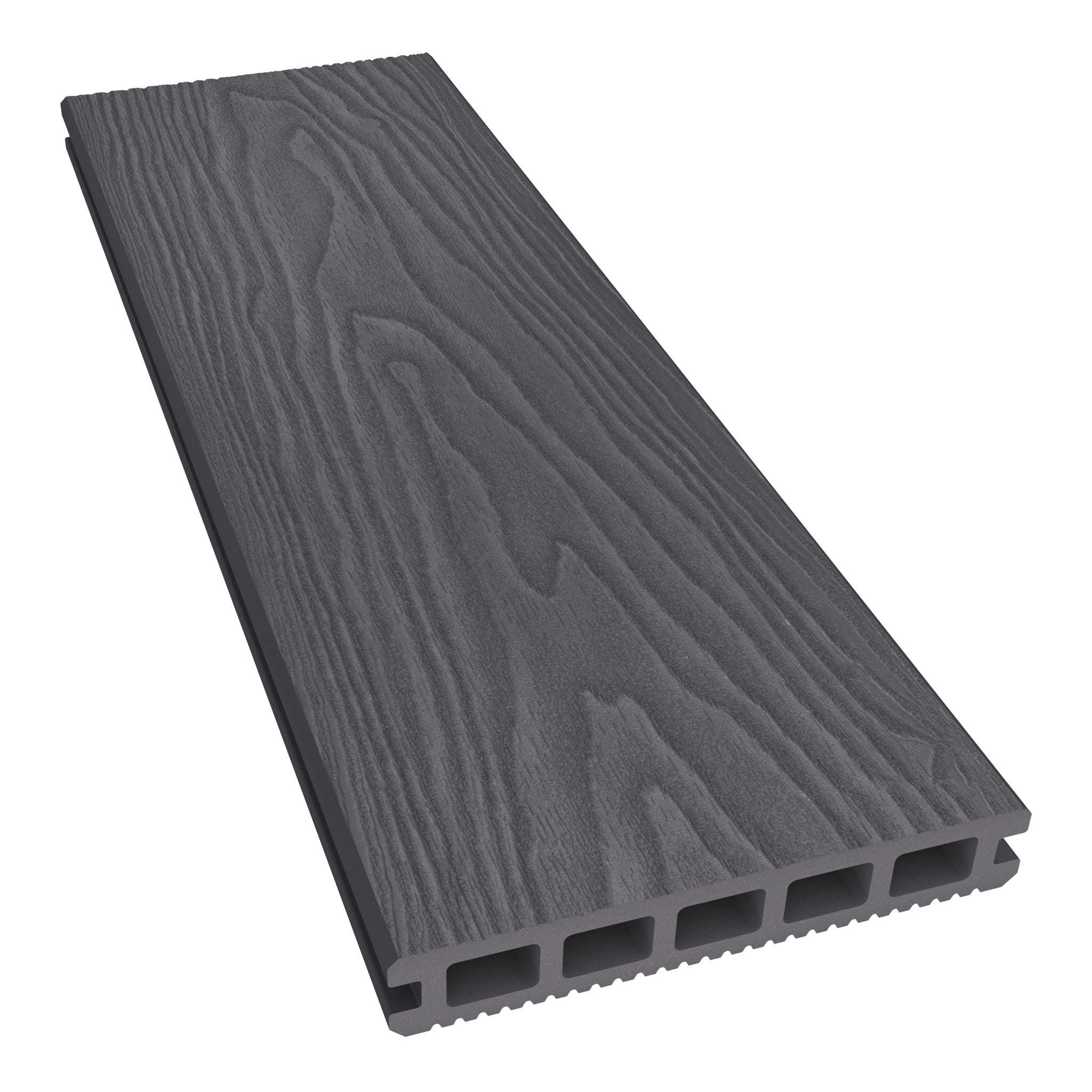
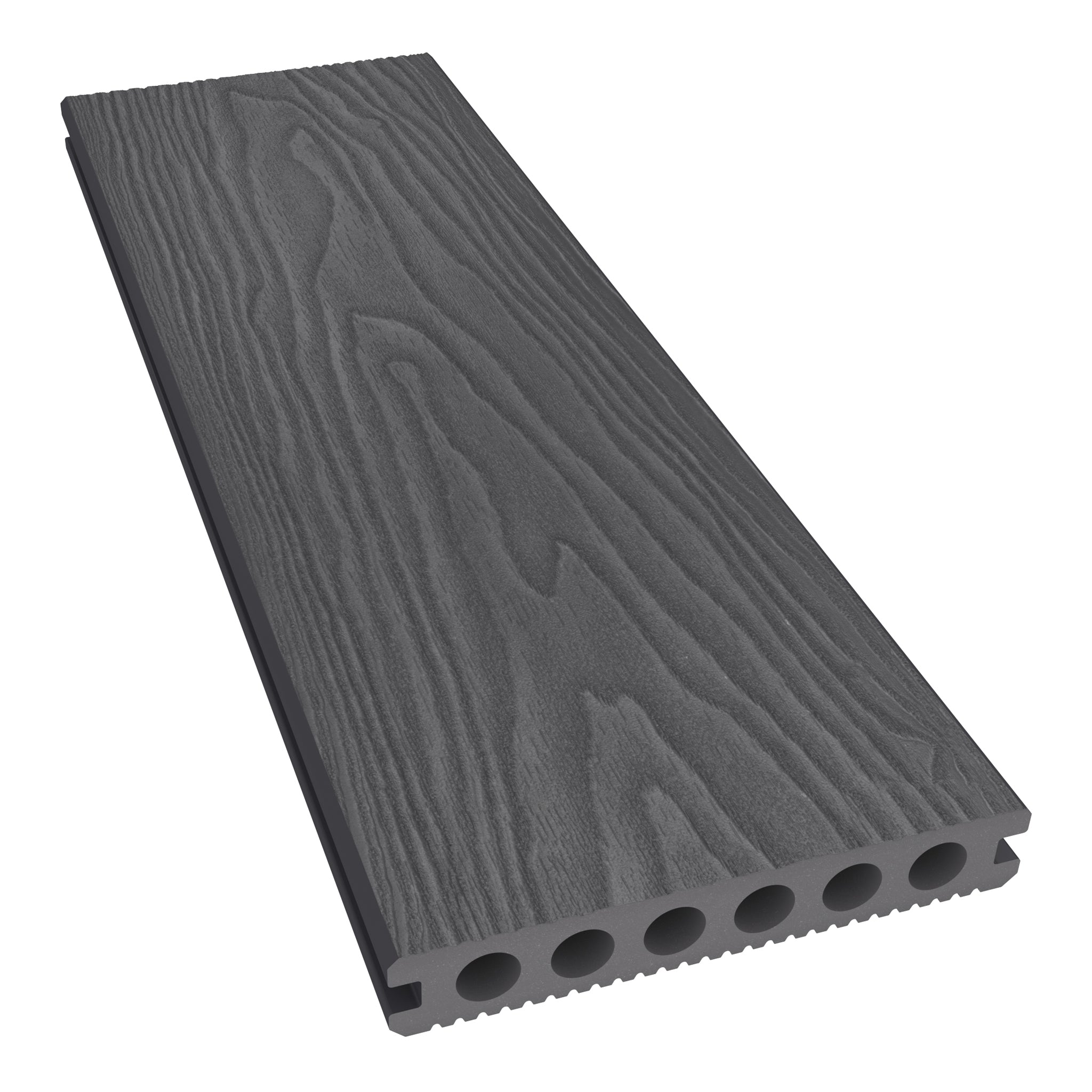
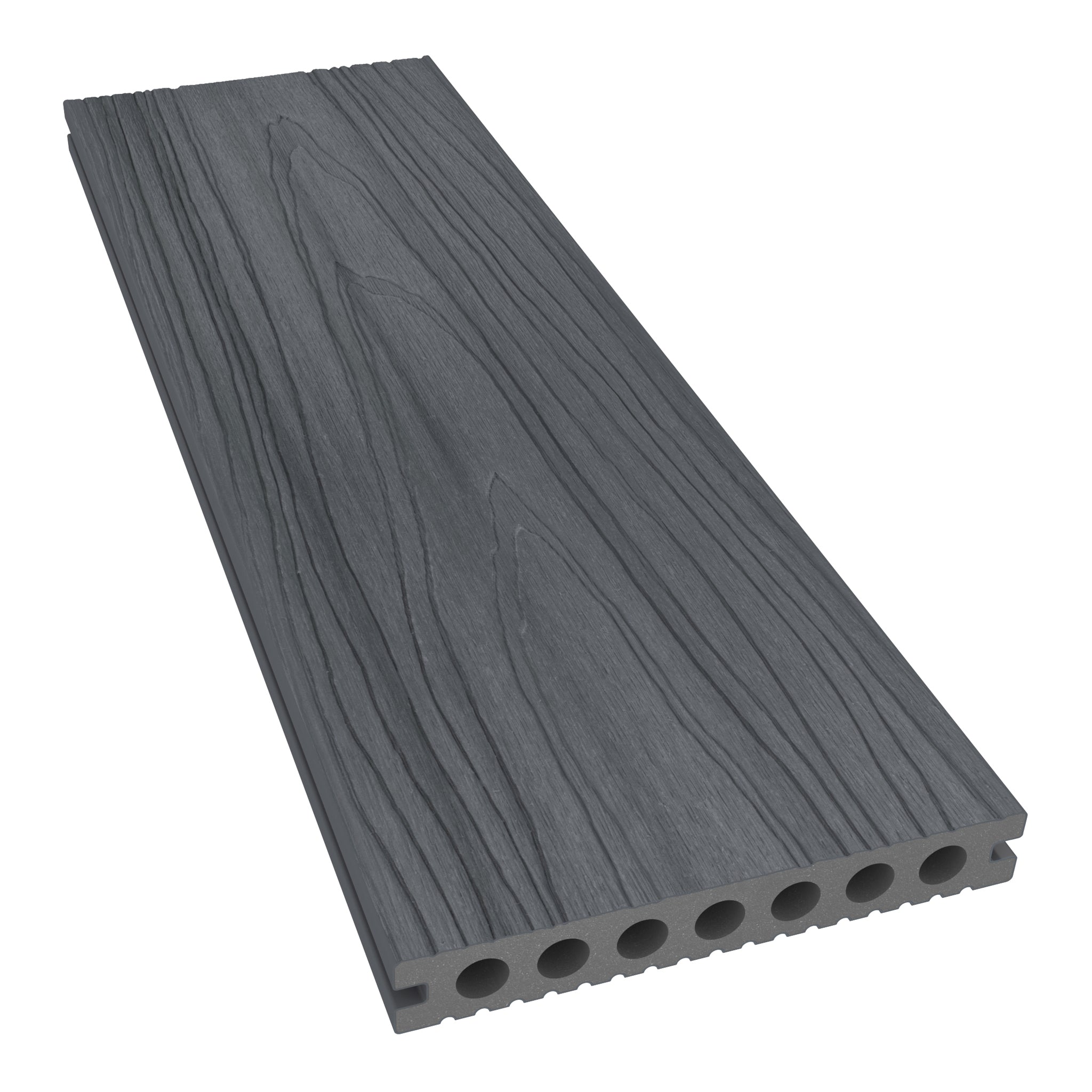
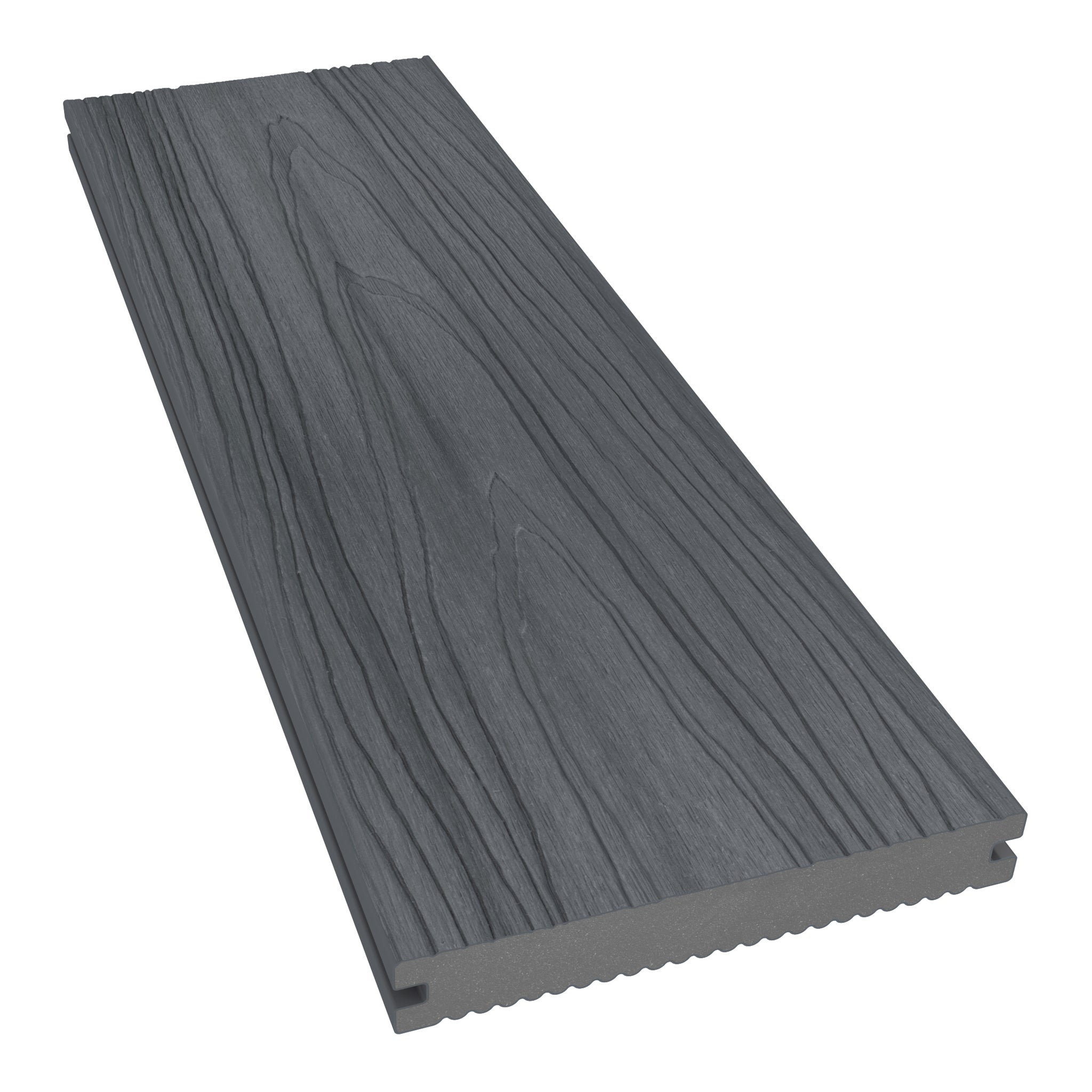
NeoTimber’s Deluxe Hollow and Deluxe Solid boards offer capped options. Compare their individual specifications and suitability for your project. Neither capping nor a solid profile makes a deck immune to damage or removes the need for care.
Uncapped Boards Need Their Own Care Approach
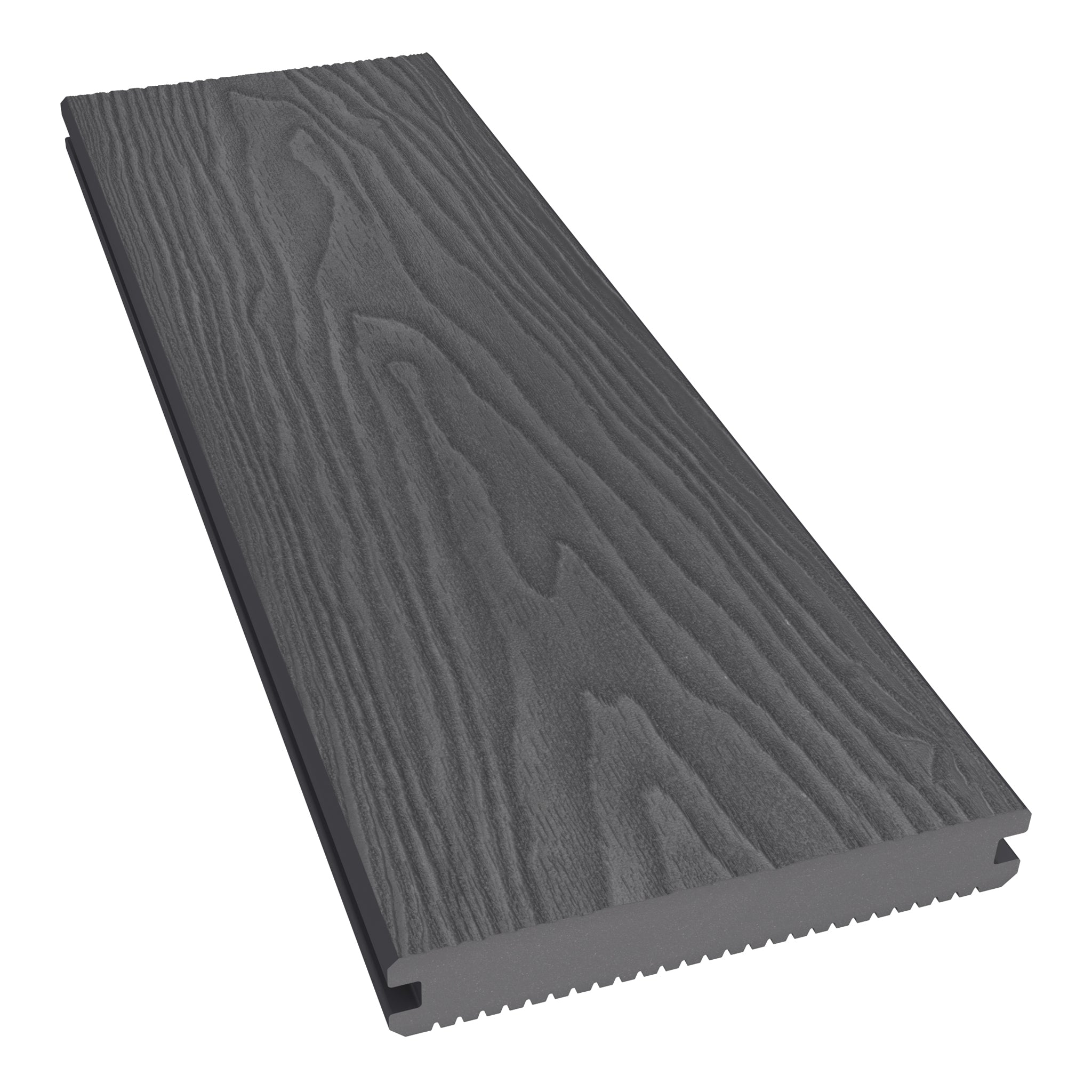
Uncapped products, such as our Classic Hollow boards, have a different surface construction. Spills may interact with the exposed composite surface differently, making prompt cleaning particularly useful.
Traditional boards can still be a practical choice. Consider their appearance, price and maintenance requirements alongside the extra surface protection offered by capped alternatives.

How to Respond to Food and Drink Spills
Identify the board range before using a treatment. For routine fresh spills, the following approach is a useful starting point, subject to the product’s care guidance:
- Remove the excess promptly. Lift food solids and blot liquids with an absorbent cloth rather than spreading them over a larger area.
- Wash gently. Use warm soapy water and a soft-bristled brush, working into the texture without using a scourer or wire brush.
- Rinse thoroughly. Remove loosened dirt and soap so they do not dry back onto the boards.
- Let the surface dry. Assess the result once the cleaned area has dried before deciding whether another treatment is needed.
- Ask before escalating. For persistent marks, confirm the next step with the supplier rather than increasing abrasion or chemical strength.
Clean spills when you notice them; do not treat a stated cleaning period as permission to leave food or grease on the deck. Follow our composite decking cleaning guide for broader routine-care advice.
Common Marks and Sensible First Steps
Starting points for everyday decking spills and residues:
| Substance | Initial response | What to avoid |
|---|---|---|
| Ketchup, mustard and sauces | Lift the excess, then gently wash and rinse promptly. | Leaving strongly coloured food to dry on the surface. |
| Oil and greasy food | Blot the excess and clean using the approved method; seek advice if a mark remains. | Assuming a household solvent or degreaser is compatible. |
| Wine, coffee and other drinks | Blot, wash and rinse, including residue within the surface texture. | Spreading the liquid with a dirty cloth. |
| Leaves, fruit and bird droppings | Remove deposits regularly and clean the affected area. | Allowing damp organic matter to accumulate beneath furniture. |
| Paint, rust or an unknown chemical | Identify the substance and ask for product-specific advice. | Scraping, sanding or applying strong chemicals without approval. |

What If Gentle Cleaning Does Not Work?
A specialist cleaner may be appropriate for particular marks. NeoTimber® supplies Owatrol Compo-Clean composite cleaner and degreaser. Confirm that the treatment is appropriate for your board and contaminant, follow the label and test in an inconspicuous area before treating a visible section.
Do not mix cleaning chemicals. Check application conditions, contact time, rinsing requirements and any precautions for surrounding plants and materials.
Do not sand capped boards or use a heat gun to remove stains: these methods can damage the protective surface. For uncapped boards, ask NeoTimber® for an approved remedy before attempting abrasive work. Sanding can change colour and texture, and an invisible repair cannot be assumed.
If pressure washing is permitted for your range, follow its current guidance on pressure, nozzle and working distance. A maximum permitted pressure is a limit, not a recommended setting for every mark. Concentrated jets can damage the surface.
Reduce the Chance of Staining in Everyday Use
Good habits are often more useful than repeated deep cleaning. Remove fallen leaves, clear food after outdoor meals and check beneath movable furniture and pots. Keep board gaps and drainage routes free of debris.
For barbecue areas, follow the appliance’s placement and clearance requirements. Any protective product must be compatible with the board surface, allow appropriate drainage and be used as directed. A mat is not proof that a heat-producing appliance is safe on a combustible deck.
Take care during nearby decorating or building work. Protect the surface using a suitable method and remove trapped grit before it is walked across the deck. Stain resistance does not imply scratch resistance.
Is Stain Resistant Composite Decking Worth Considering?
Extra surface protection can be useful for outdoor dining areas, family gardens and spaces where food is served regularly. Compare the initial cost with the care routine you are prepared to maintain, rather than assuming a capped surface will never need attention.
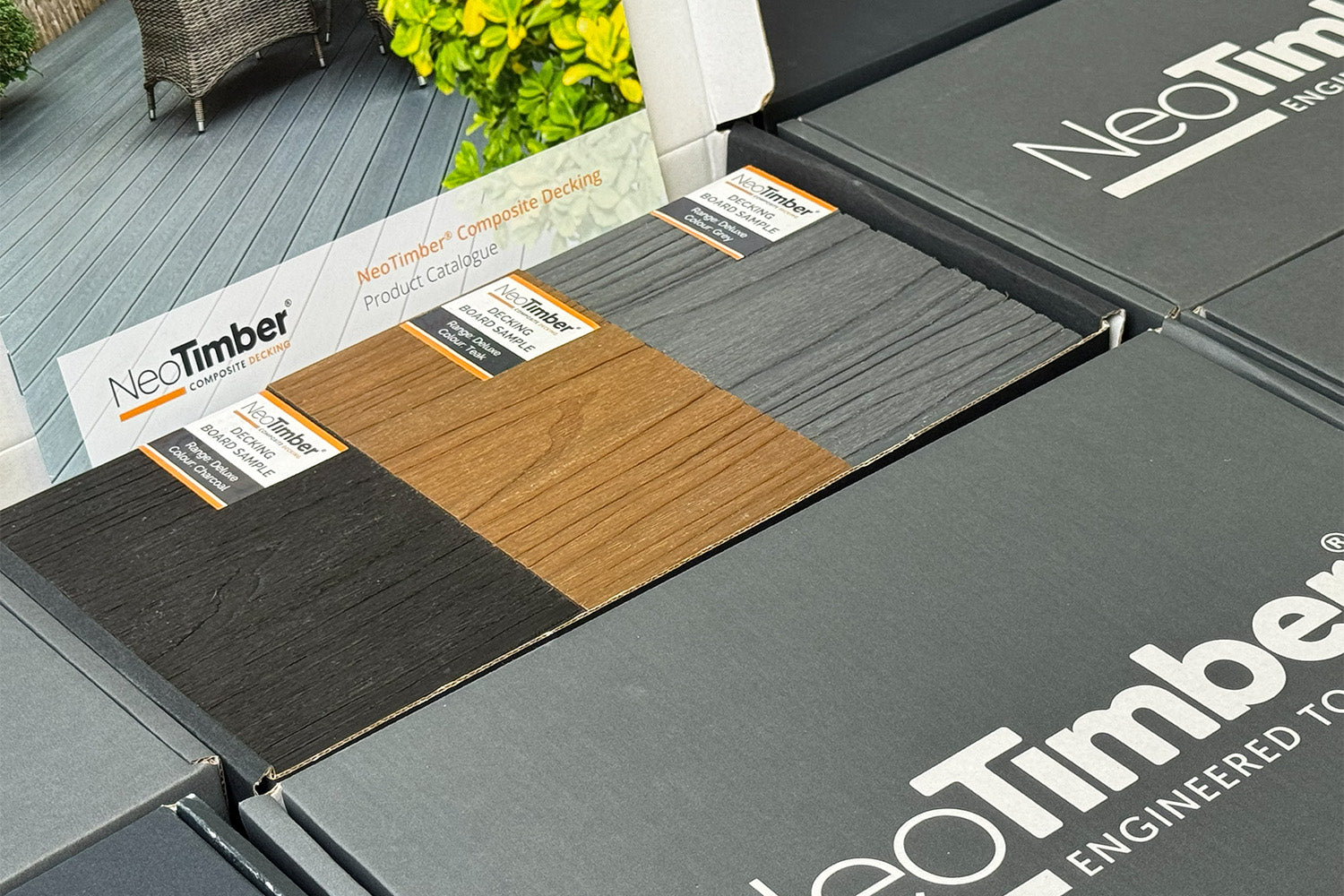
Colour matters too: different shades reveal different kinds of dirt. Choose the finish you enjoy, then establish a realistic cleaning routine. Request free composite decking samples to compare colour and texture; use product information for performance claims rather than treating a small sample as a comprehensive stain test.
Read the applicable decking warranty terms separately. NeoTimber’s current warranty information lists surface staining among its exclusions, so a stain-resistant product description should not be read as automatic stain cover.
Stain Resistant Composite Decking FAQs
Is composite decking completely stain-proof?
No. Stain resistance helps reduce the effect of spills, but the substance, contact time and cleaning method still matter.
Are capped boards easier to clean?
The protective cap can help improve stain resistance and simplify cleaning. Follow the selected range’s care instructions and deal with spills promptly.
Can cooking oil stain the surface?
Oil and grease can leave marks, particularly when left in contact with the boards. Blot the excess and use the approved cleaning method as soon as practical.
Can I sand out a stubborn stain?
Do not sand capped surfaces. For an uncapped board, contact the supplier before using an abrasive treatment, as it can alter the finish.
Should I use bleach or a strong household degreaser?
Only use treatments confirmed as compatible with the specific board. Do not assume a general-purpose cleaner is suitable, and never mix chemicals.
Who can advise on a mark that will not lift?
Contact the NeoTimber® team with the board range, photographs, the likely contaminant and details of treatments already used. That information helps identify the appropriate next step.
Choose Surface Protection and a Care Routine Together
The strongest approach combines a suitable board with prompt spill removal and gentle, regular care. Compare the available composite decking ranges, check their specifications and ask for advice before tackling a persistent stain. This helps protect the finish while keeping your outdoor space ready for everyday use.