Plan a Garden Noise Barrier With Realistic Expectations
Acoustic fencing is designed or specified to reduce sound reaching an area beyond a boundary. It can be worth investigating where traffic or other external noise affects how you use your garden, but no ordinary outdoor fence creates a noiseless space.
The result depends on the noise source, barrier construction, height, length and the position of the people using the garden. A laboratory result for a panel is useful evidence, but it is not a prediction of the reduction you will hear at your patio.
This guide explains the principles and questions to ask when considering composite fencing. Explore our general fencing guidance for the wider product choice.
Jump to: How barriers work · Layout · Acoustic ratings · Composite options · Planting and sound · Project brief · FAQs
How Does Acoustic Fencing Work?
A barrier can reduce the direct path between a source and a receiving position. Some sound may pass through the material, while sound can also travel over the top, around the ends and through openings.
Sound insulation and sound absorption are different properties. A barrier that restricts transmission is not necessarily designed to absorb sound at its surface. Decorative texture or a slatted appearance alone establishes neither property.
The FHWA noise-barrier design handbook explains the importance of geometry, transmission and paths around a barrier. Its highway examples illustrate the principles rather than guaranteeing a result for a domestic fence.

Height, Length and Openings Matter
Consider the Source and the Seating Position
Assess where noise originates and where you want an improvement. Blocking the direct view between those positions can be important, but a source above the fence or a raised seating area may remain exposed.
Garden size alone does not determine effectiveness. Relative heights, distances, surrounding surfaces and the character of the noise all matter. A smaller garden is not automatically a worse candidate.
Think Beyond One Panel
A short section may allow sound to travel around its ends. Gates and other openings also affect continuity. Assess the complete boundary rather than assuming a high-performing panel resolves every sound path.
Required movement gaps, drainage and installation details must still be respected. Do not seal openings or alter a proprietary system without confirming an appropriate design.
Balance Acoustic Goals With Structural Requirements
A taller or more continuous fence can change wind loading and foundation demands. Confirm permitted height, boundary constraints, sightlines and any necessary permissions before changing the design. Acoustic ambition does not establish structural suitability.

Understanding STC and Laboratory Test Results
Sound Transmission Class, or STC, is a single-number rating derived from measured transmission-loss data. It is not an arithmetic average of decibel reduction at every frequency.
ASTM E413 describes the classification of sound insulation ratings. The rating supports particular comparisons under defined conditions; it does not replace analysis of the noise source and site.
For example, an STC value of 29 should be written as STC 29, not interpreted as a guaranteed 29dB reduction at a garden seat. Outdoor sound travelling over and around a fence is a different issue from transmission through a laboratory specimen.
Before relying on a reported NeoTimber® result, request the relevant report and confirm that it describes the exact product and assembly you intend to use. The original article references ASTM E90 and E413 testing, but the complete report is needed to assess the specimen, method and applicability.
Questions to ask about acoustic fencing evidence:
| Question | Why it matters |
|---|---|
| Which assembly was tested? | Boards, posts, joints and mounting details can affect the result. |
| What method was used? | Laboratory transmission and outdoor before-and-after measurements answer different questions. |
| Is frequency data available? | Different noise sources need more detail than a headline rating. |
| Does my proposed system match? | A result should not automatically transfer to another profile or configuration. |
| What can be predicted on site? | Geometry, openings and other sound paths need assessment. |

Can Composite Fencing Be Part of a Noise-Reduction Design?
It may be considered where the assembly and evidence suit the brief. A solid-looking boundary can provide privacy, but visual screening is not proof of acoustic performance.
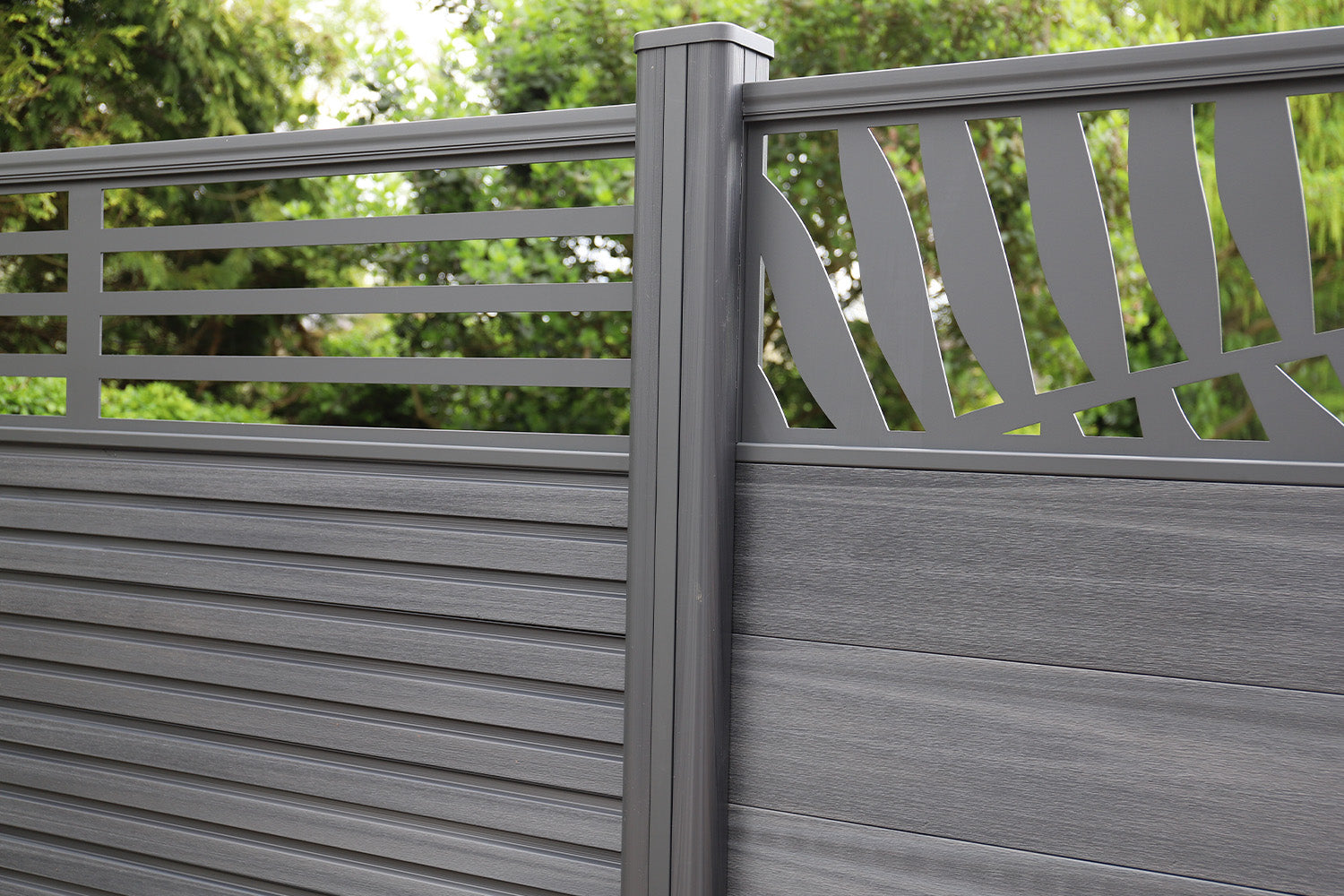
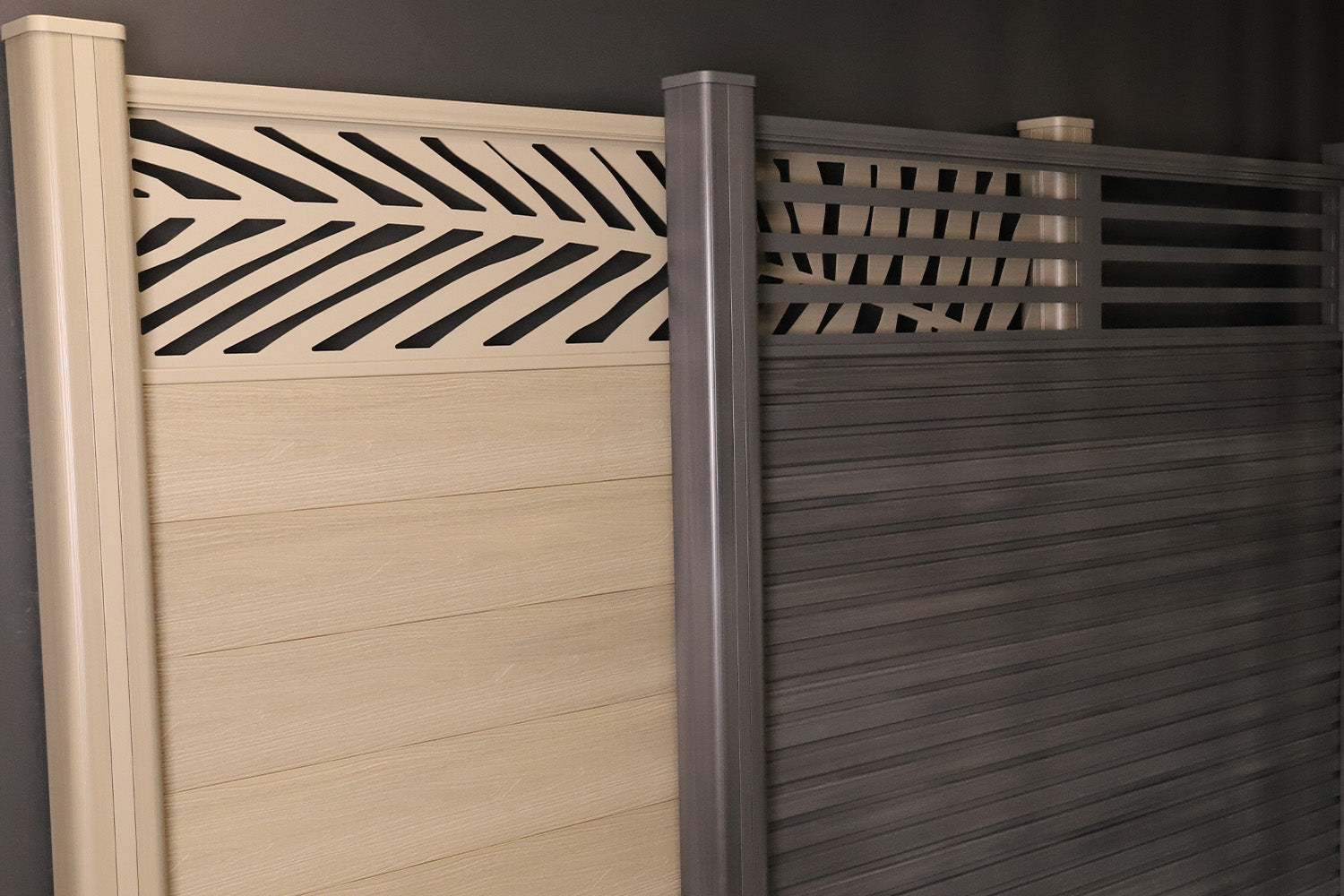
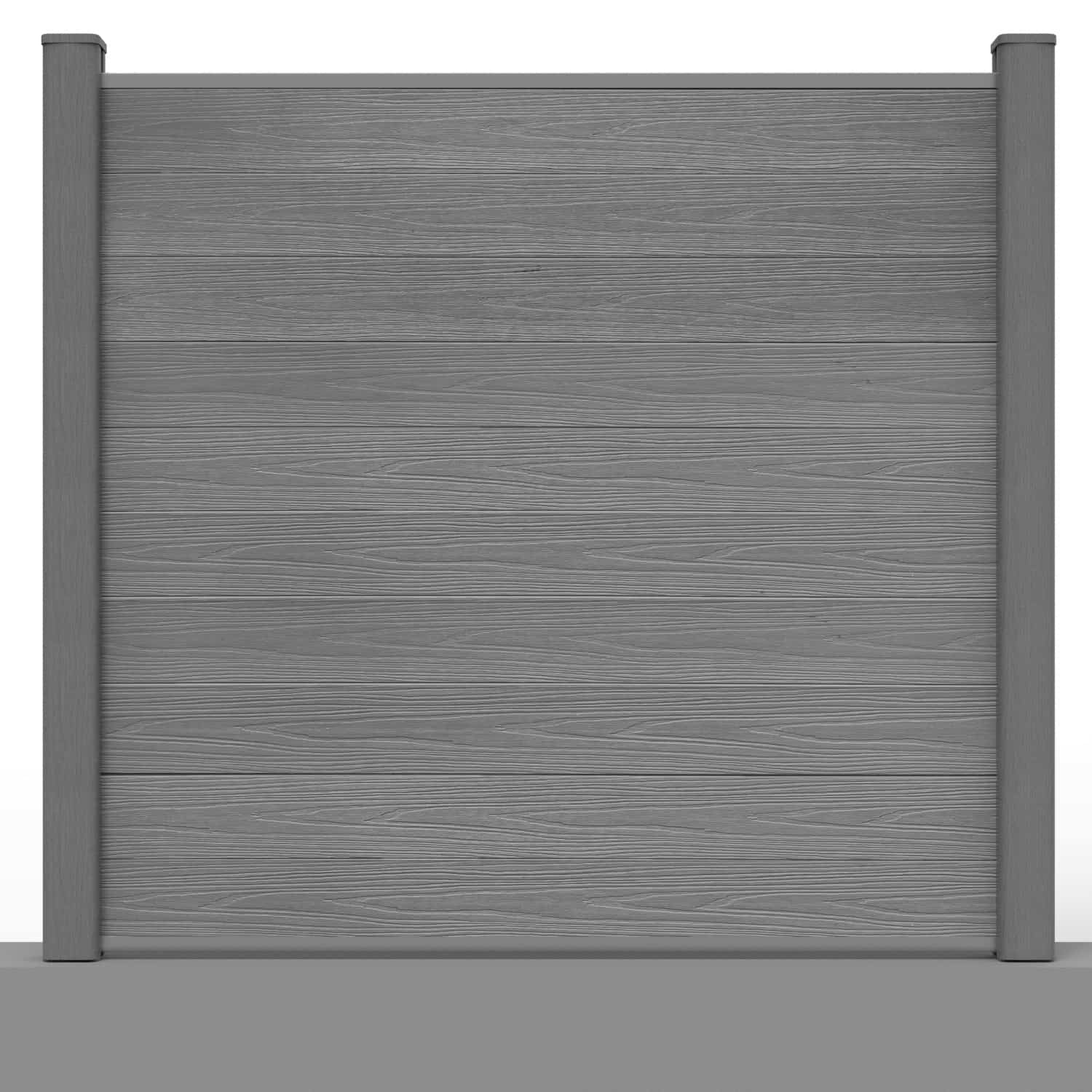
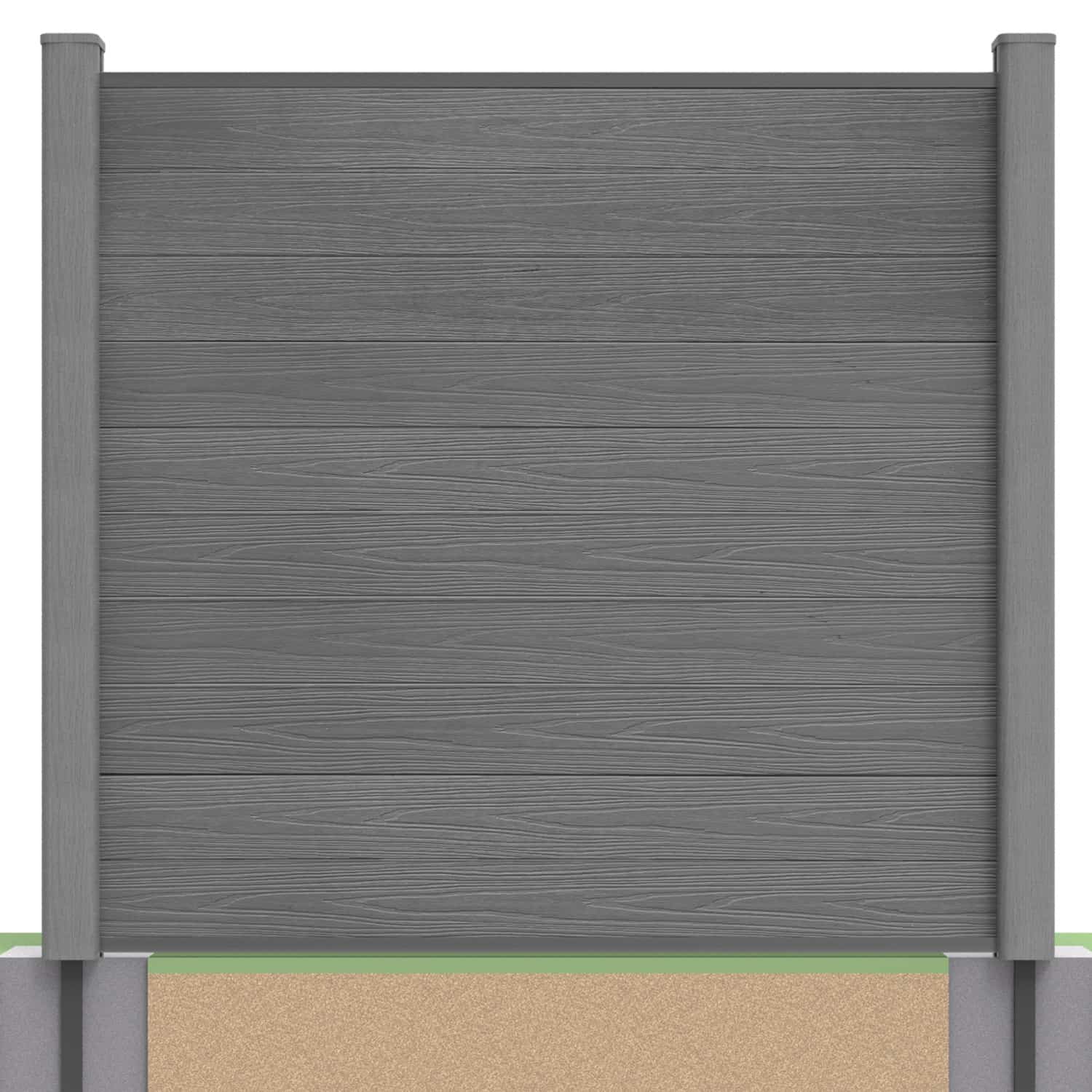
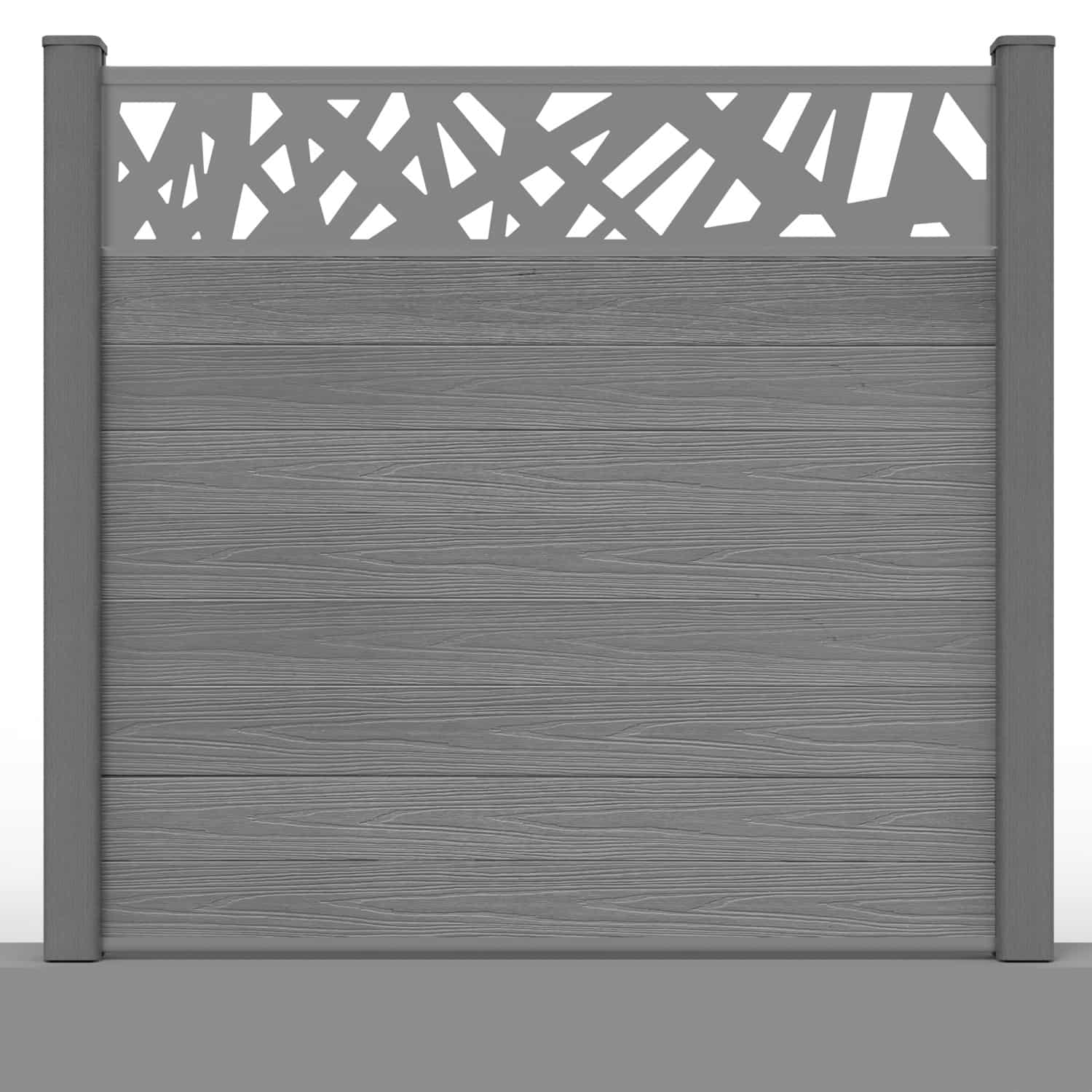
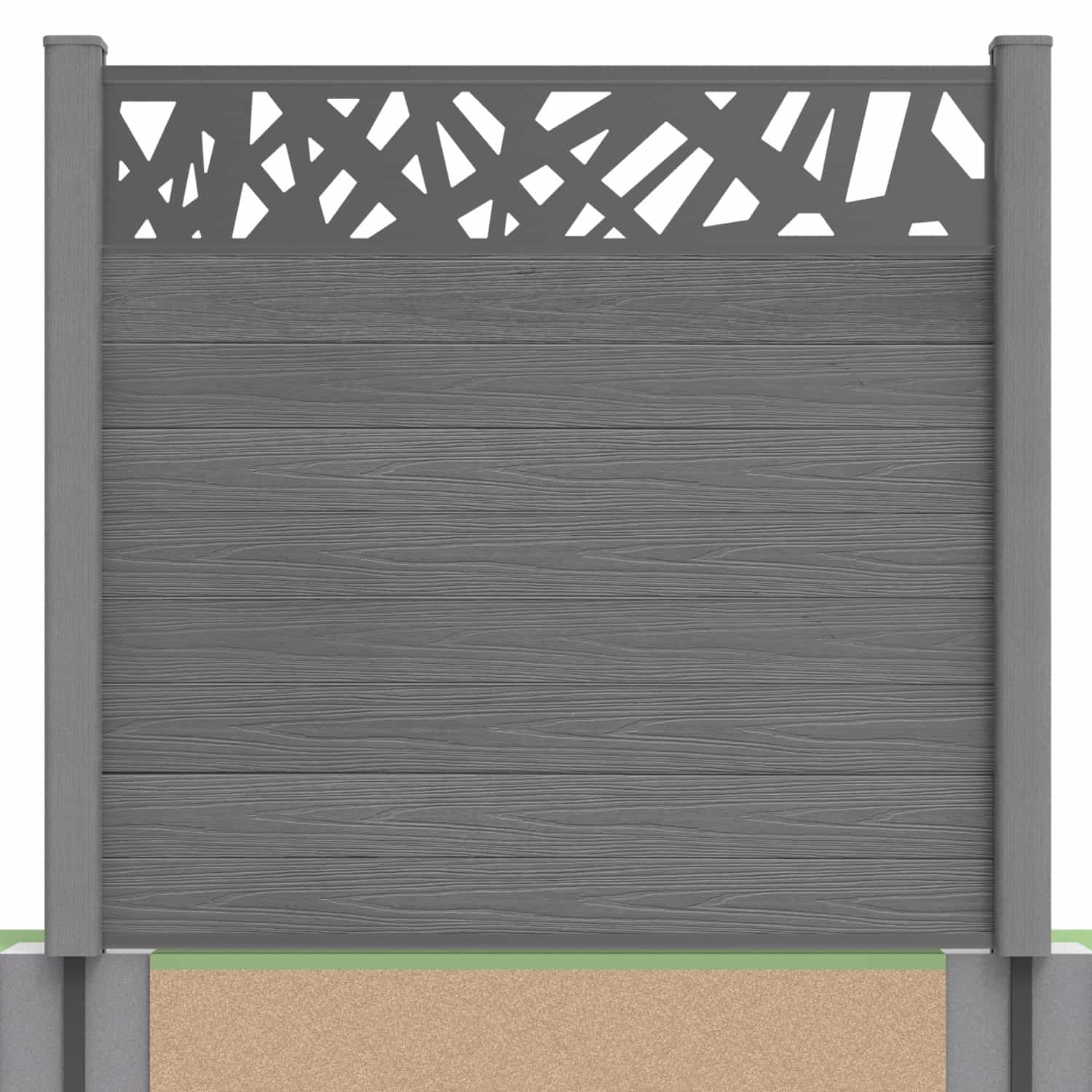
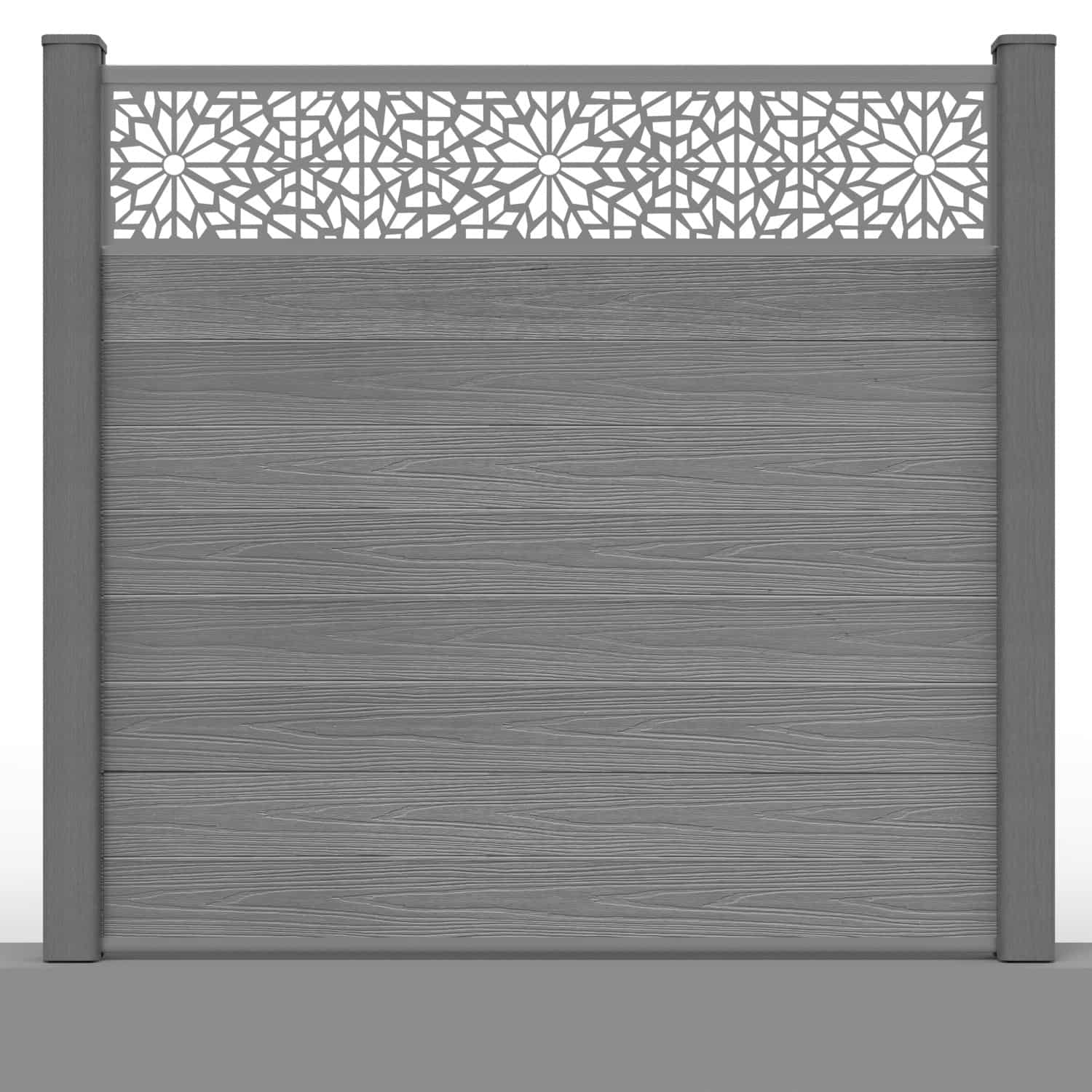
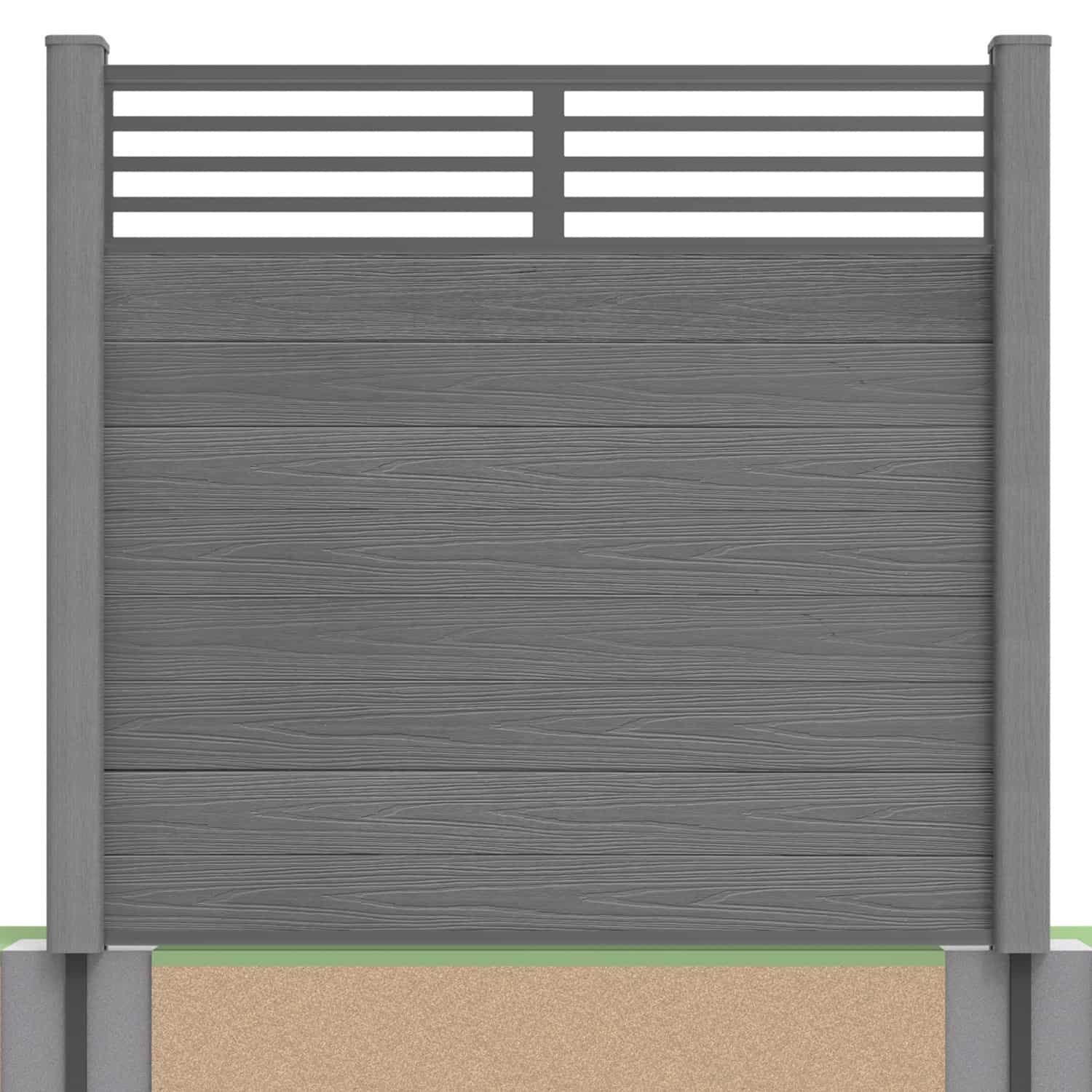
NeoTimber’s tongue-and-groove board arrangement is one construction detail to review. Do not assume it makes the completed fence airtight or that a result for one board style covers every other style.
Discuss the proposed height, posts, ground conditions and gates with the supplier. Follow the installation guidance and obtain acoustic advice where a measurable reduction is essential. Our technical resources are a starting point for product information.
What About Hedges and Water Features?
Planting can soften a boundary and improve the character of a seating space. Do not assume a narrow hedge or a few pots will provide substantial, predictable sound attenuation. Use planting as part of the design, with any performance claim assessed separately.
A water feature may change what you notice by adding another sound. That is masking, not removal of the original noise. Consider whether the added sound is welcome to you and your neighbours before installing it.
Changing where you sit can also be worth exploring. Compare several positions at the times noise matters most, then discuss the practical options if the problem remains significant.
Create a Useful Brief Before Buying
- Identify the main sources and when they occur.
- Mark the seating area or other position you want to protect.
- Record source and receiver heights, boundaries and openings.
- Explain whether you want improved comfort or a measured performance target.
- Ask for product-specific reports and a suitable installation design.
- Include foundations, gates, permissions and maintenance in the budget.
Where a specific acoustic outcome is important, an acoustician can assess feasibility and appropriate measurement. A phone recording or an isolated sound-level reading should not be treated as a complete design assessment.
Acoustic Fencing FAQs
Will acoustic fencing make my garden silent?
No. Sound may still arrive over the top, around the ends and from other directions. Set an achievable goal for the particular site.
Does STC 29 mean 29dB less traffic noise?
No. STC is a laboratory rating, not a guaranteed outdoor noise reduction. Traffic noise and barrier geometry need separate consideration.
Is a taller fence always the solution?
Height can influence performance, but feasibility also depends on length, location, structure and permitted design. Assess these together.
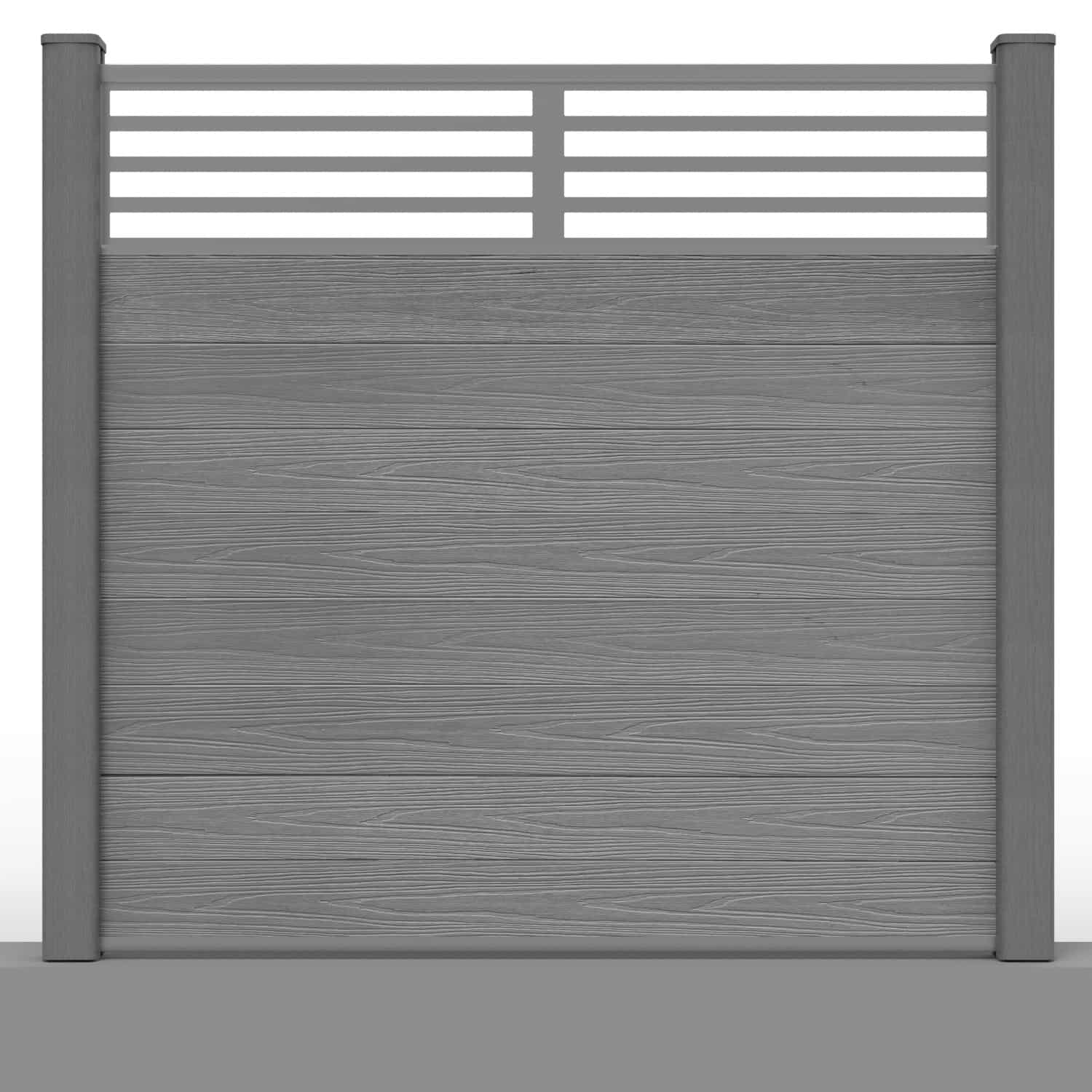
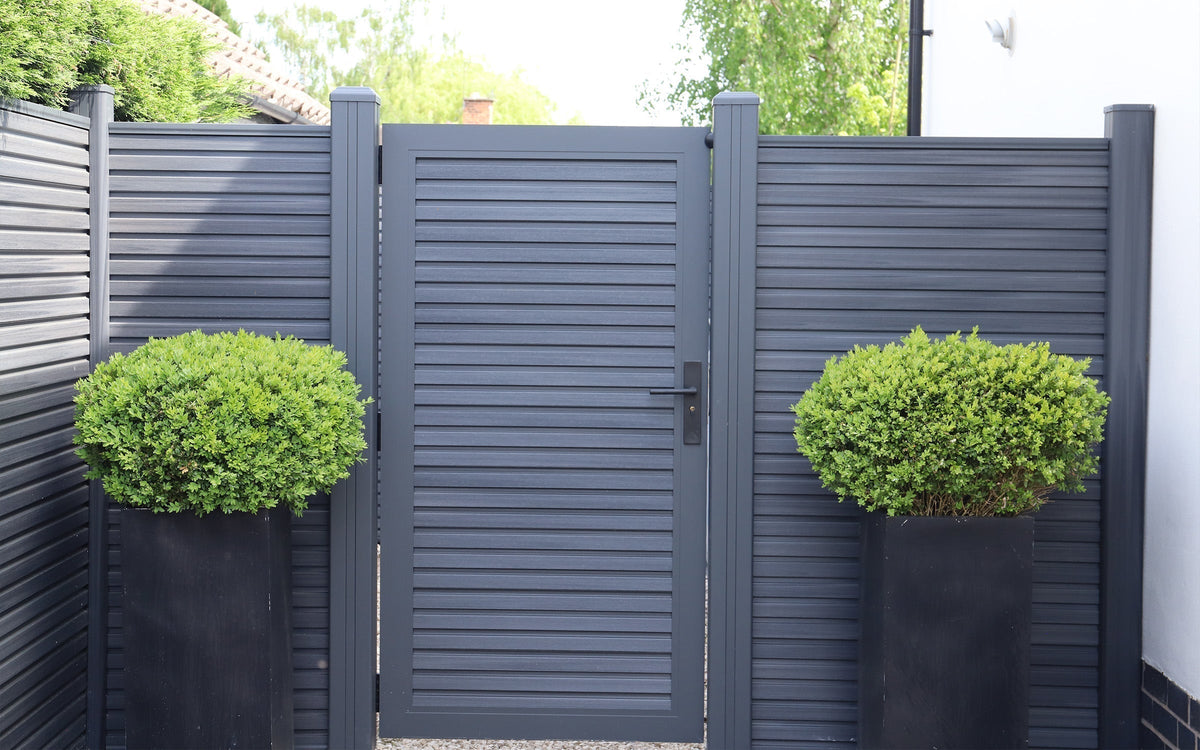
Are slatted-looking panels automatically acoustic?
No. Appearance does not establish construction or performance. Request evidence for the exact assembly.
Can I add acoustic fencing between existing posts?
Only if the proposed system, existing supports and foundations are suitable. Altering a tested assembly may also affect the relevance of its acoustic evidence.
Where can I discuss NeoTimber® fencing?
Contact our team with your boundary details and ask for the relevant product information. Seek specialist acoustic advice where a quantified outcome is required.
Choose a Boundary With Evidence and a Clear Purpose
Acoustic fencing is most useful when the specification starts with the sound problem and site geometry. Compare the evidence, confirm the complete design and keep expectations realistic before committing to a new boundary.