
Choose a Garden Boundary That Suits Your Space and Care Routine
Alternative fencing can offer a different appearance, maintenance routine or construction method from traditional timber panels. The best choice depends on what you need the boundary to do: provide privacy, define the garden, contain a space or create a background for planting.
When comparing fencing alternatives to wood, look beyond the panel face. Posts, foundations, exposure, access and the eventual care routine all affect how the finished boundary works.
This guide compares the main options, including composite, metal, concrete, masonry and hedging. Explore our general fencing guidance and browse our composite fencing collection if a manufactured timber-inspired finish appeals to you.
Jump to: Your brief · Composite · Metal and plastic · Concrete · Walls · Hedges · Comparison · FAQs
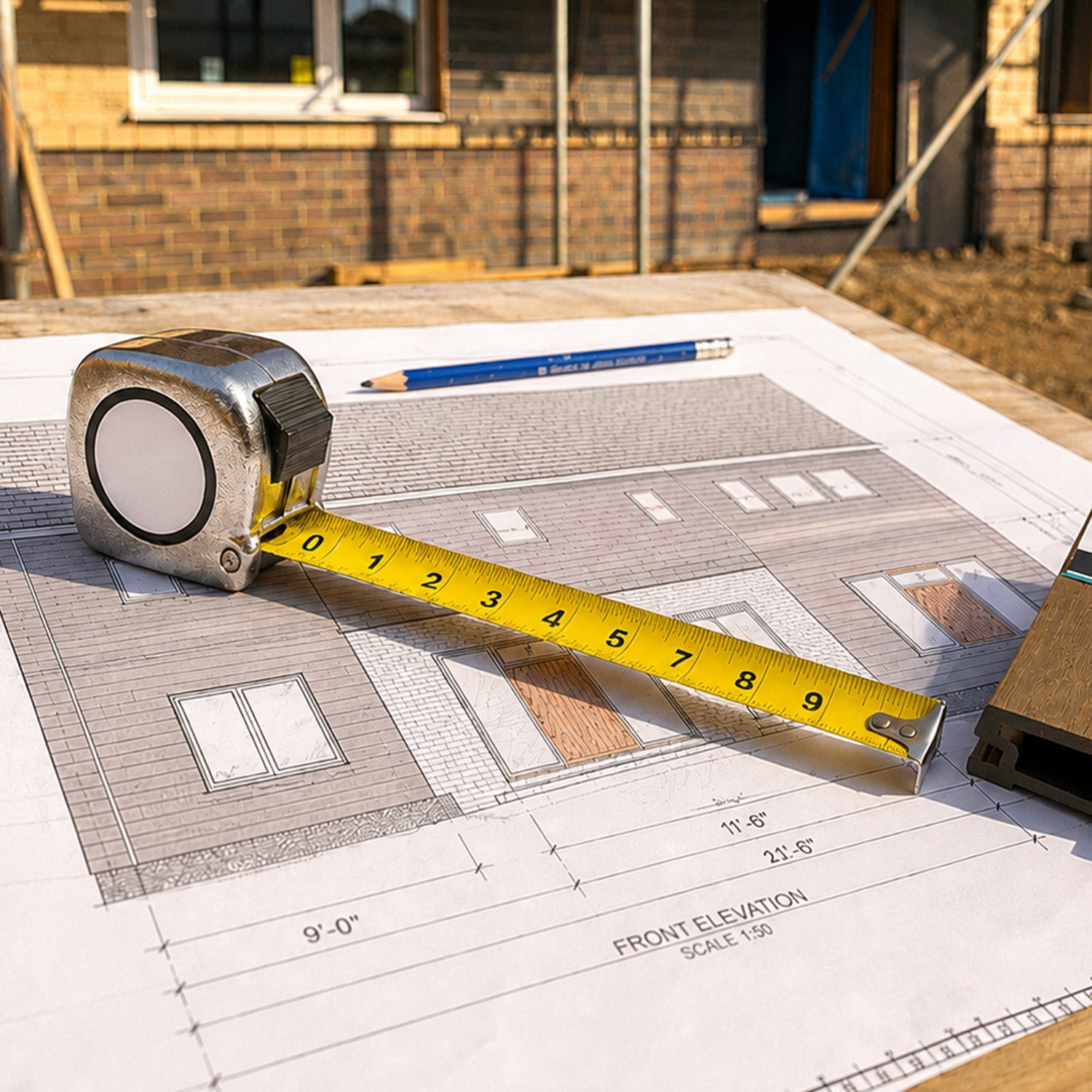
Start With the Boundary’s Purpose
An alternative fence is not automatically an improvement simply because it uses a different material. Decide which aspects of the existing boundary you want to change, then compare options against that brief.
- Privacy: do you want a solid screen or some visibility through it?
- Light: how will the proposed height and openness affect the garden?
- Care: which cleaning, finishing or pruning tasks are you prepared to do?
- Site: what are the ground conditions, levels and exposure?
- Appearance: how will the boundary relate to the house and planting?
- Budget: what is the complete installed cost, including removal?
Timber remains a legitimate option. Species, treatment and detailing influence its performance, while natural weathering may suit some owners. Consider alternatives because they meet your priorities, rather than assuming every wooden fence deteriorates quickly.
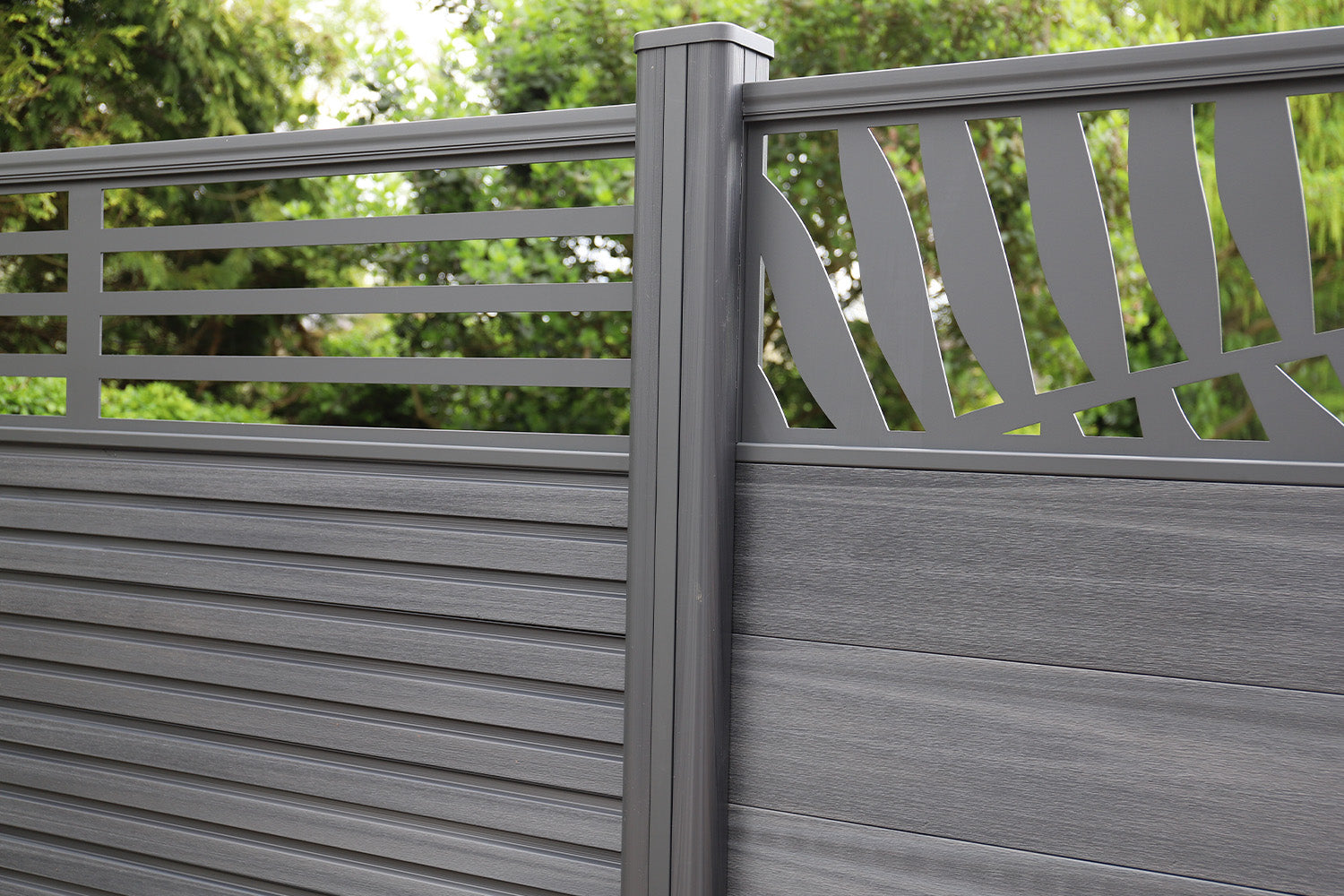
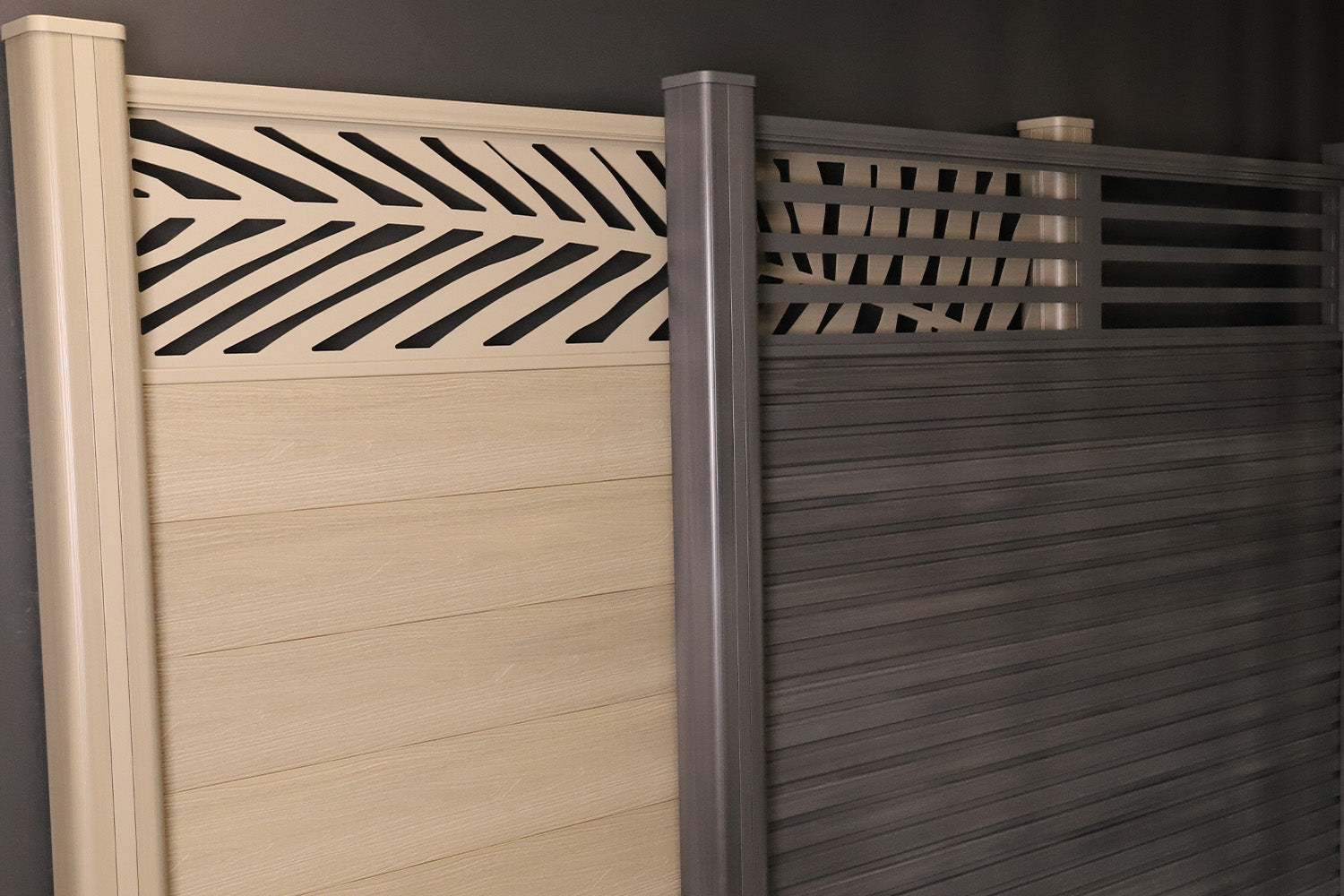
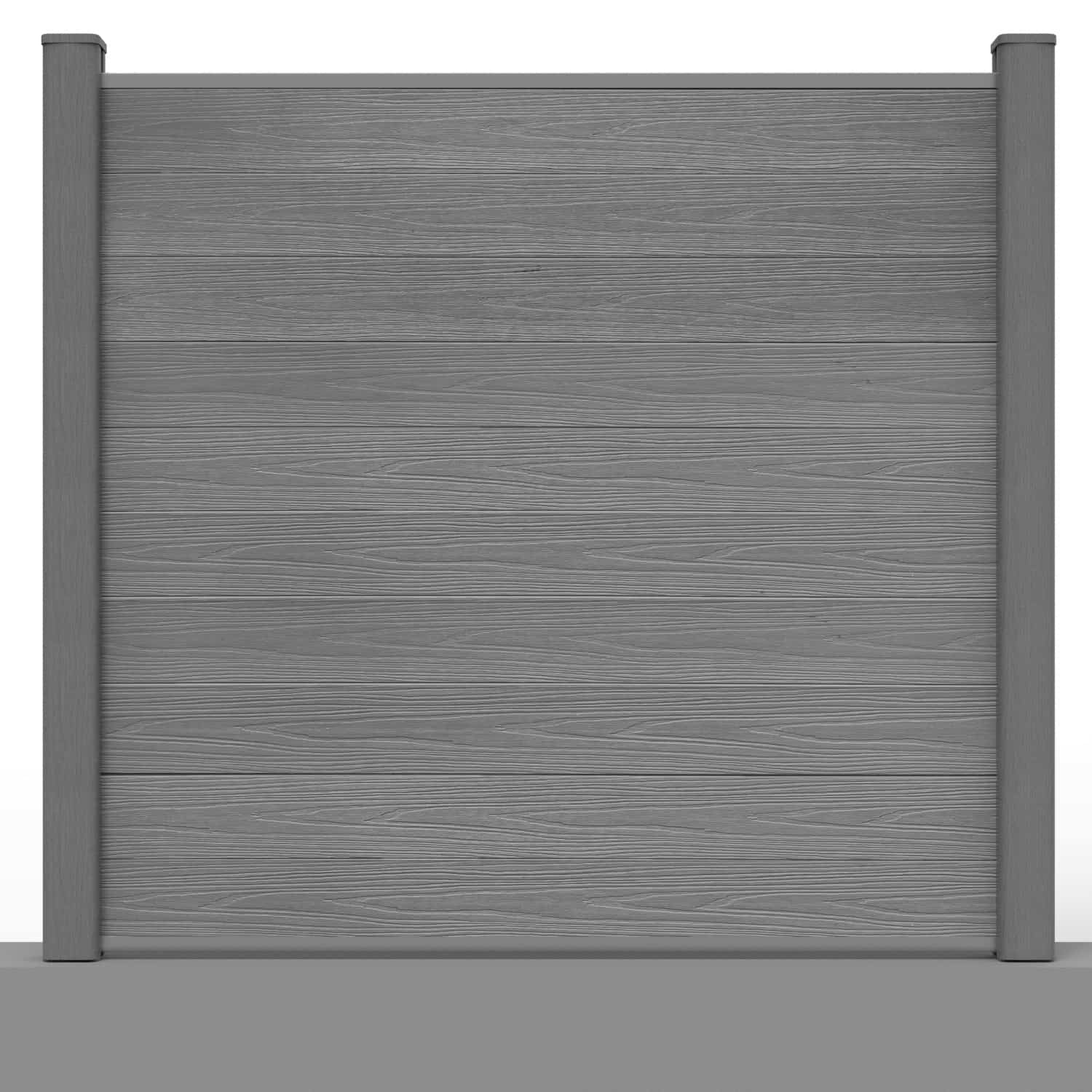
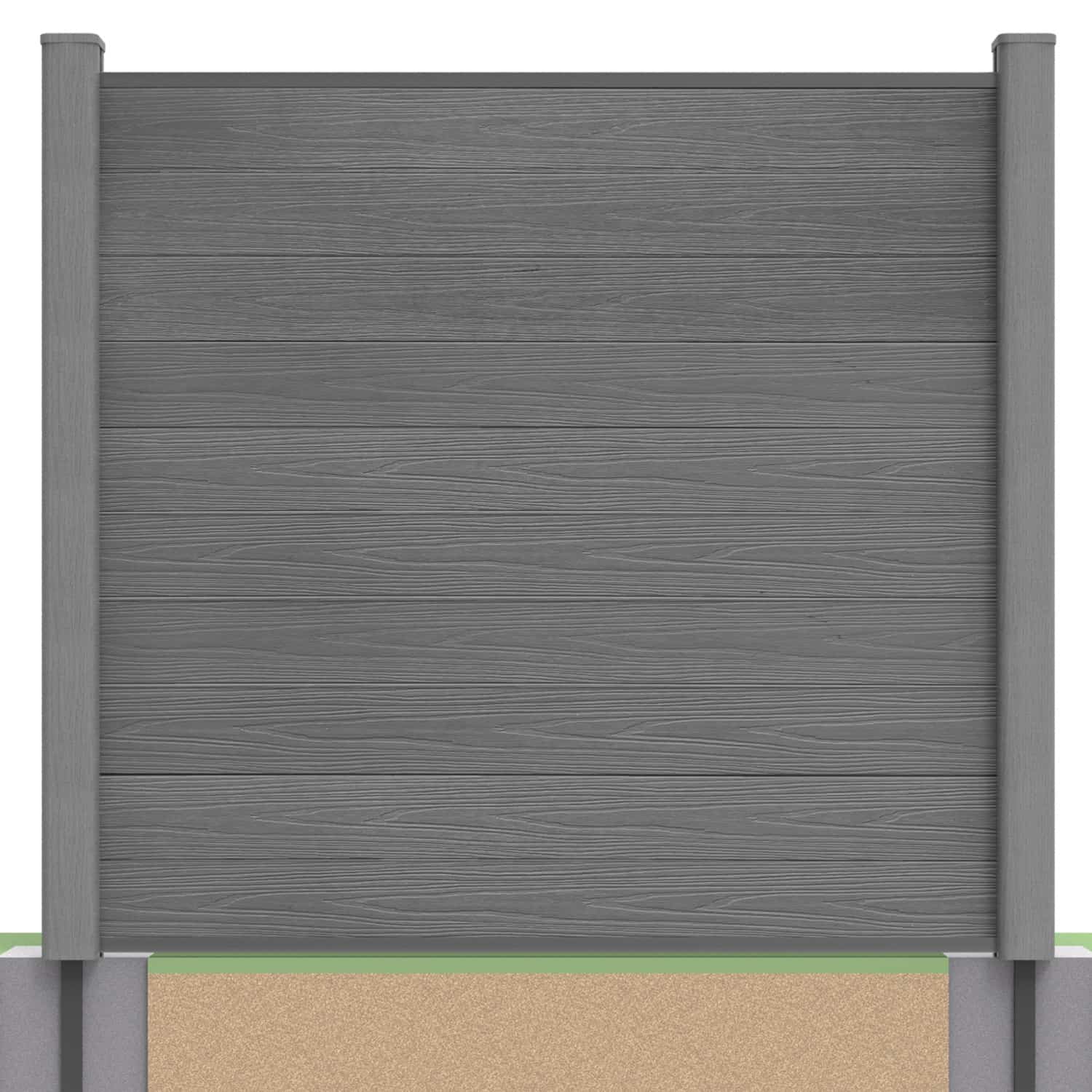
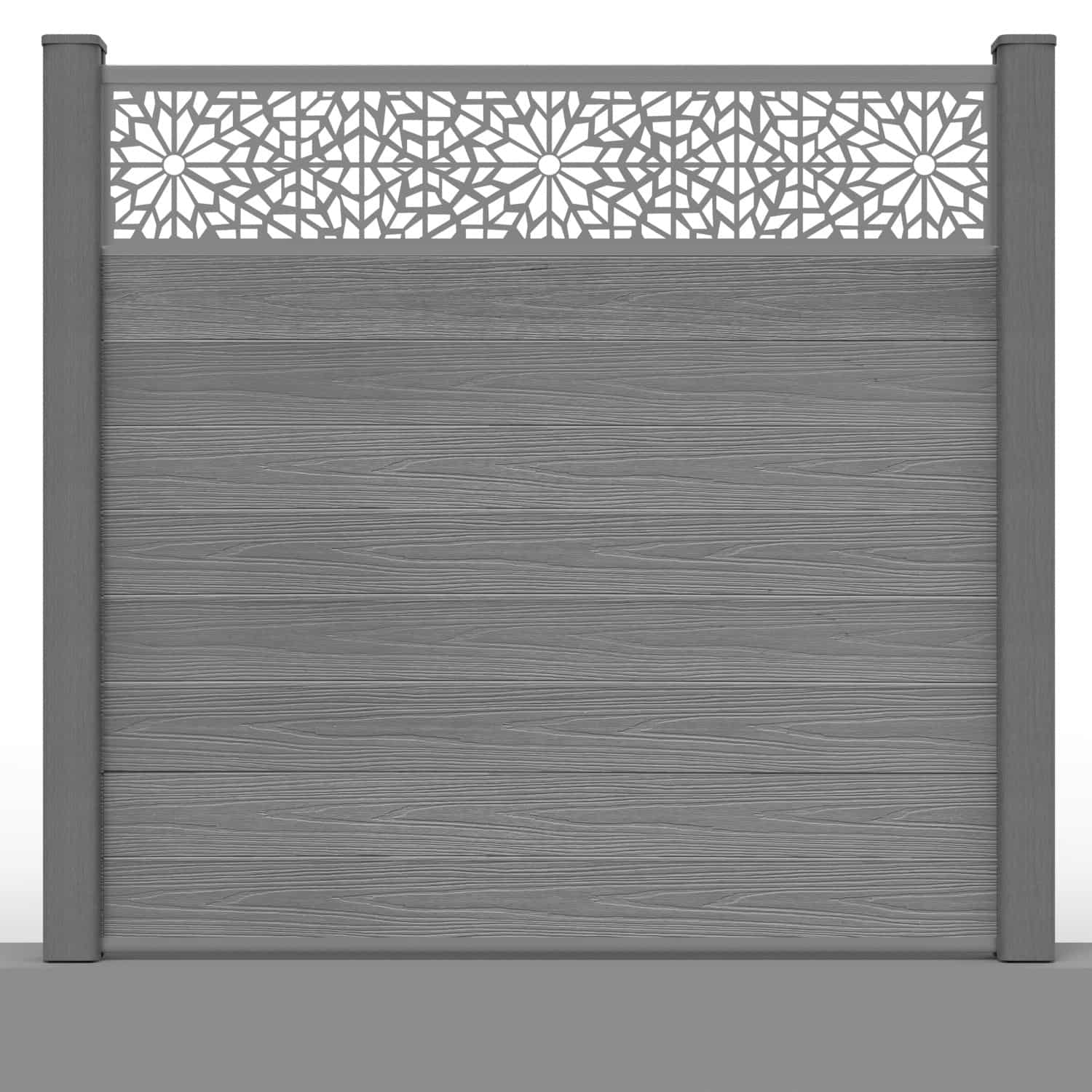
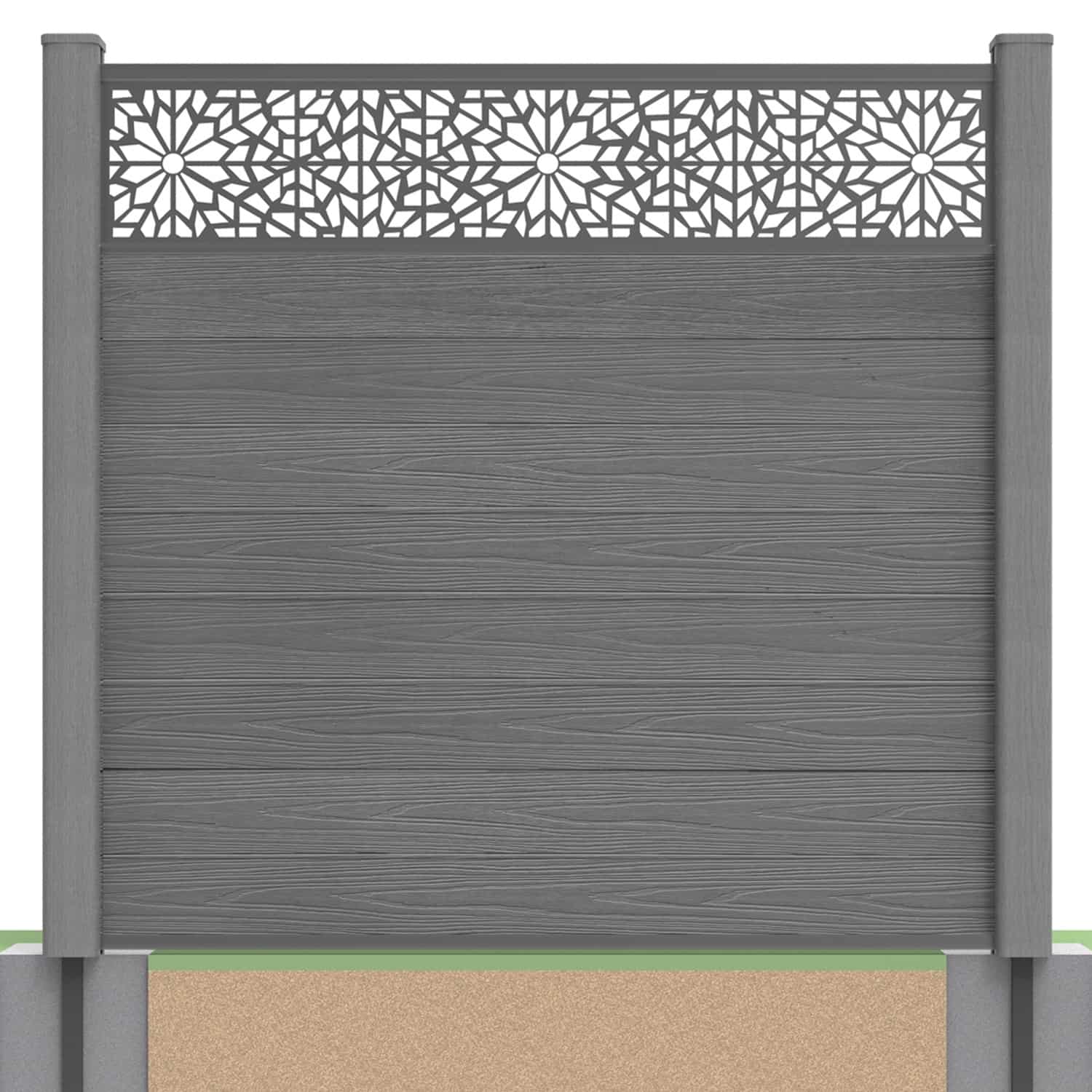
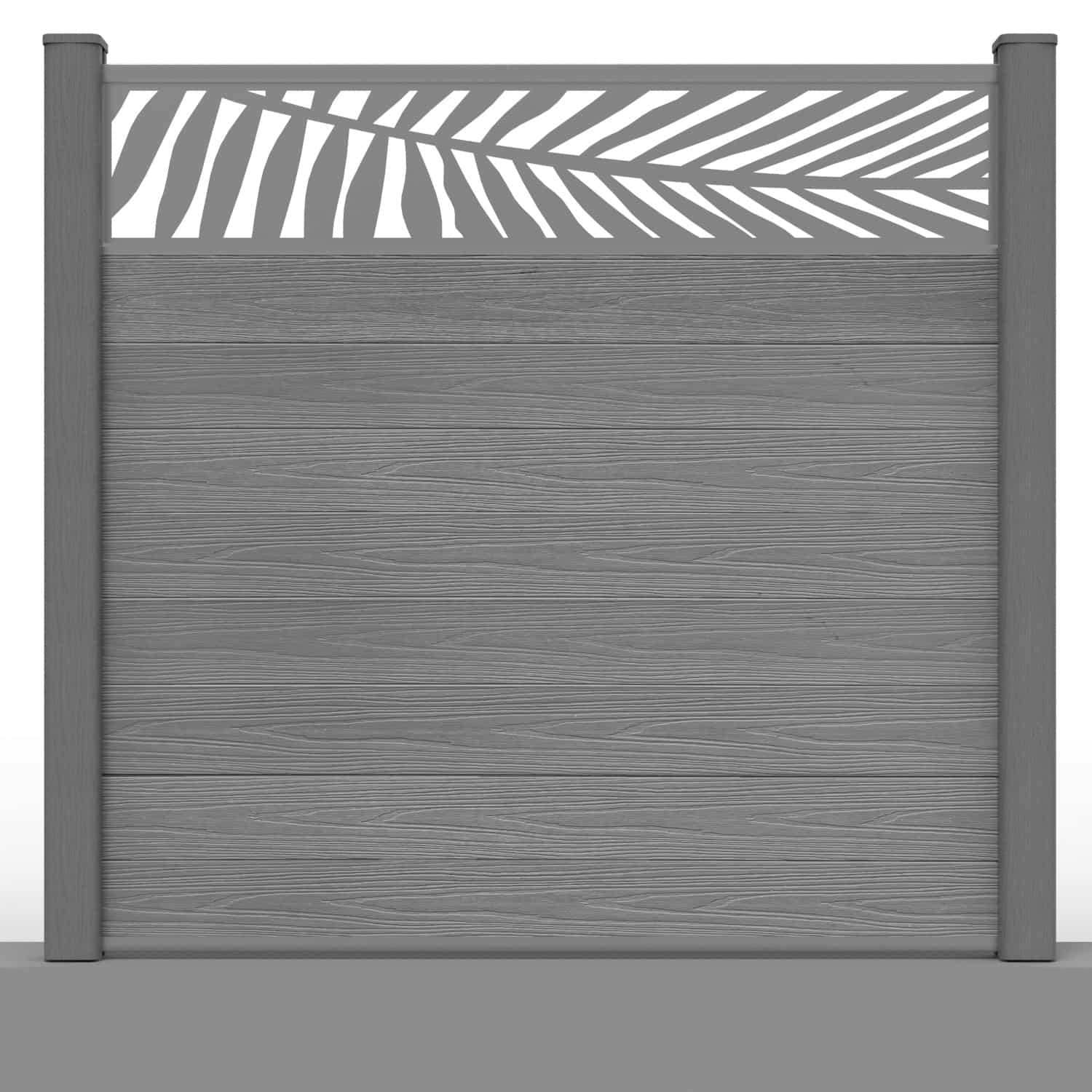
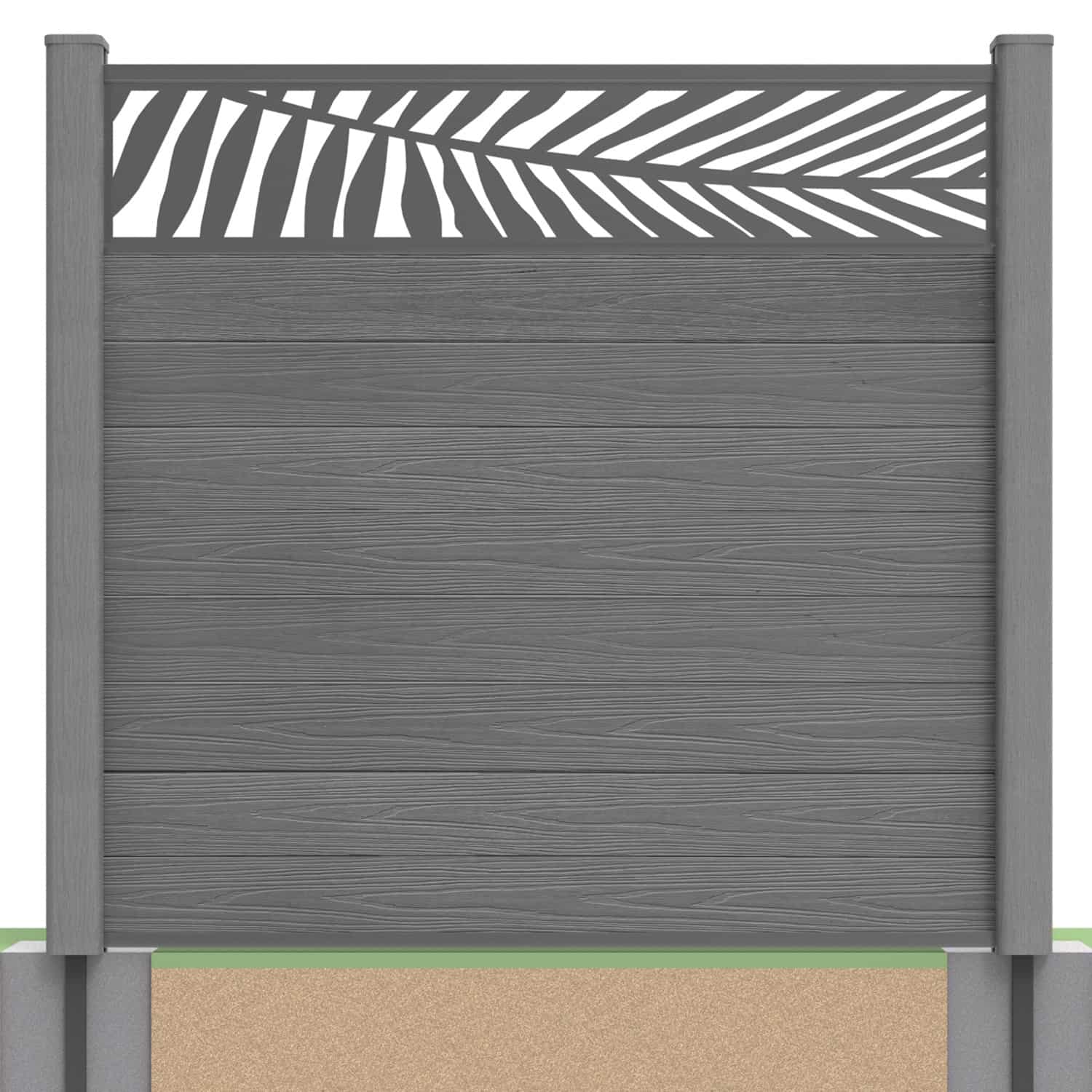
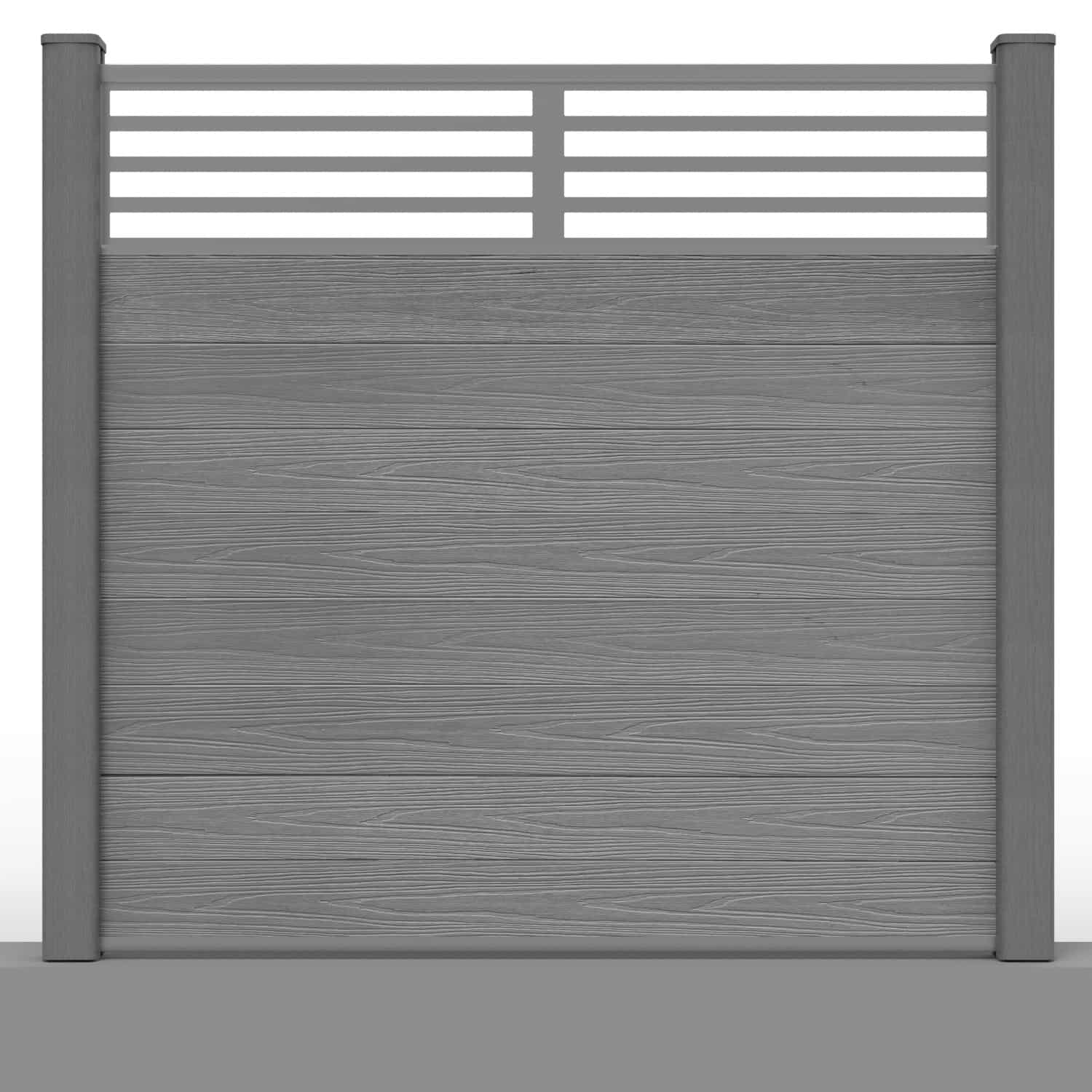
Composite Fencing: A Timber-Inspired Manufactured Option
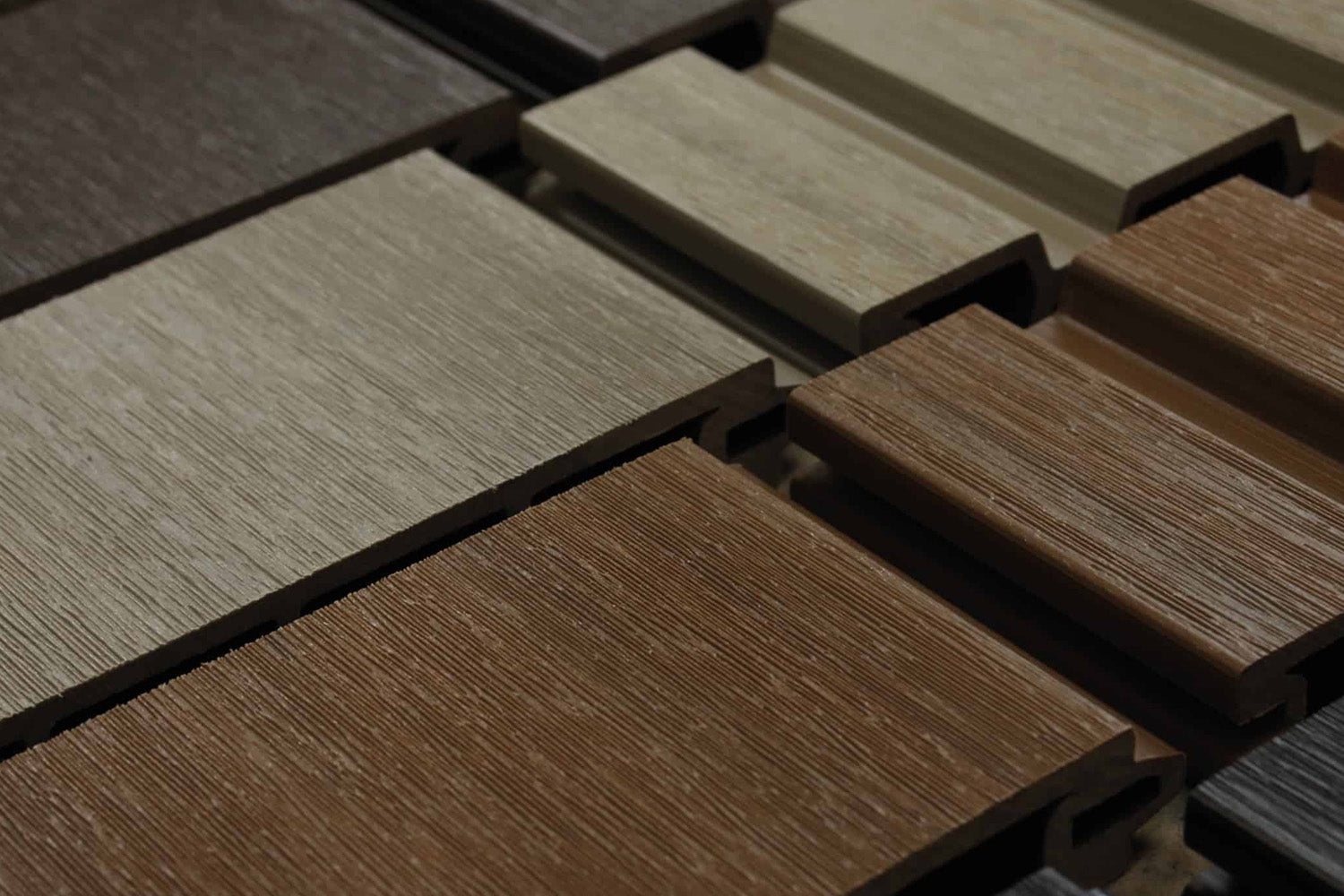
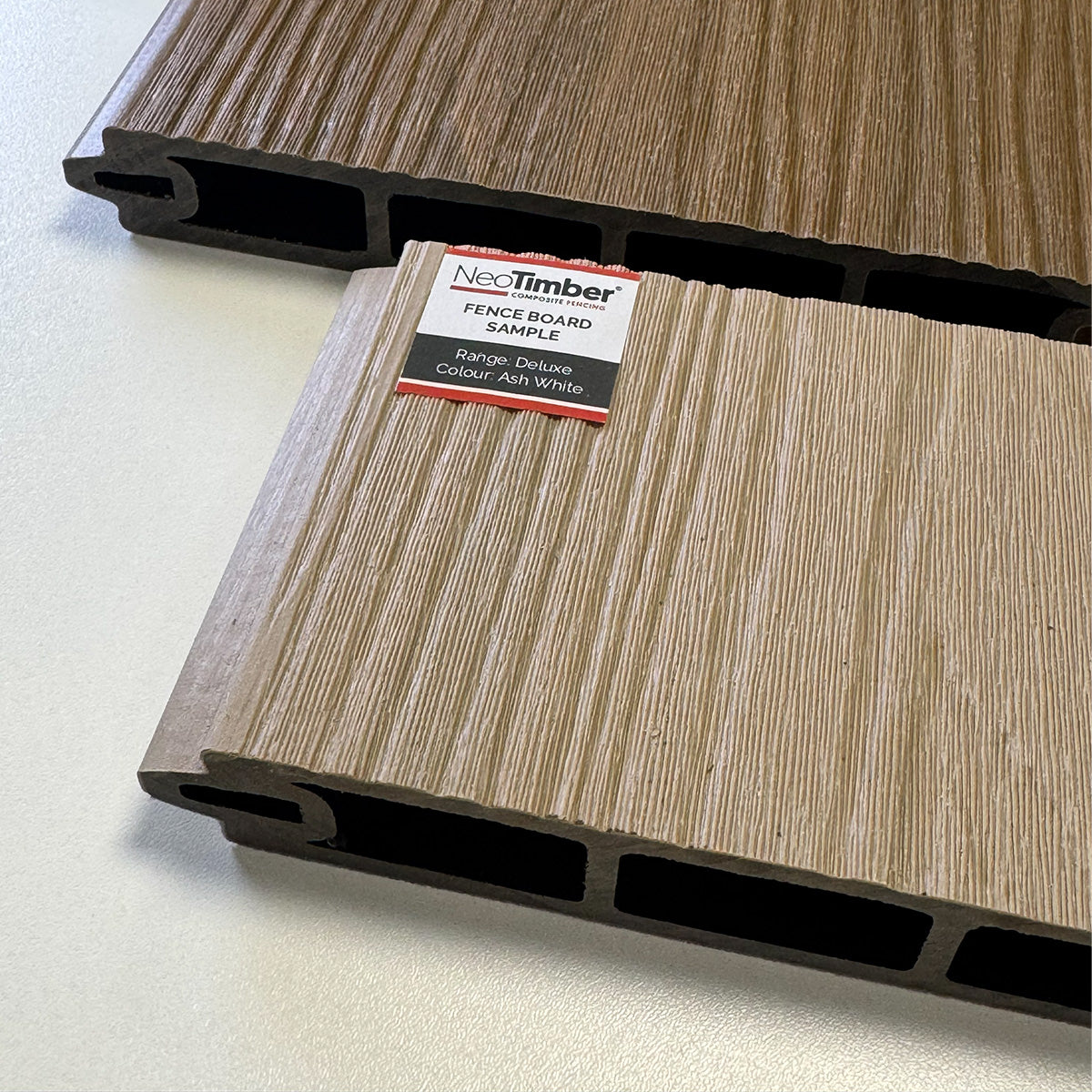
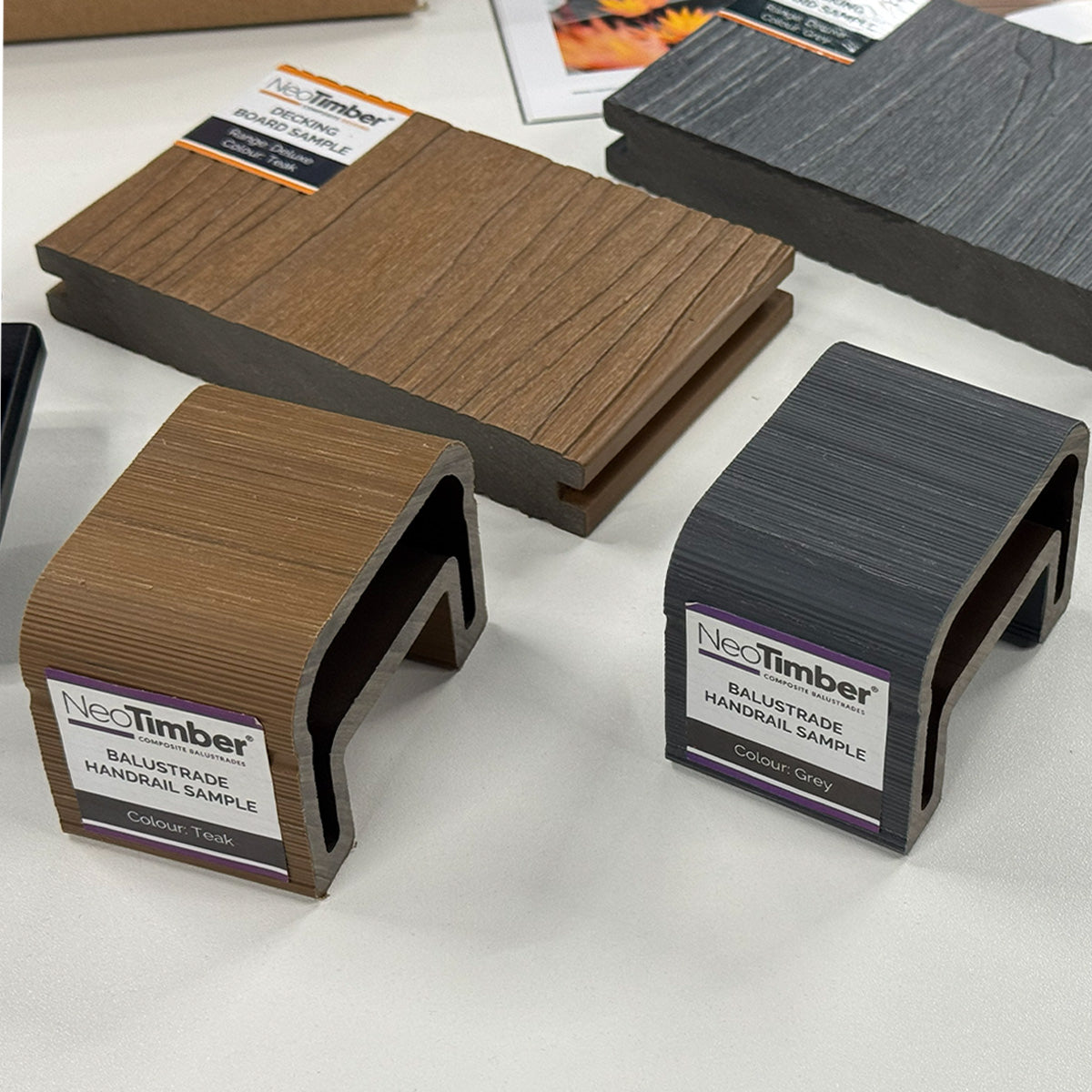
Composite boards combine wood fibres with polymers and additives. They provide a different material from solid timber and can offer textured finishes without routine painting or staining to maintain a decorative appearance.
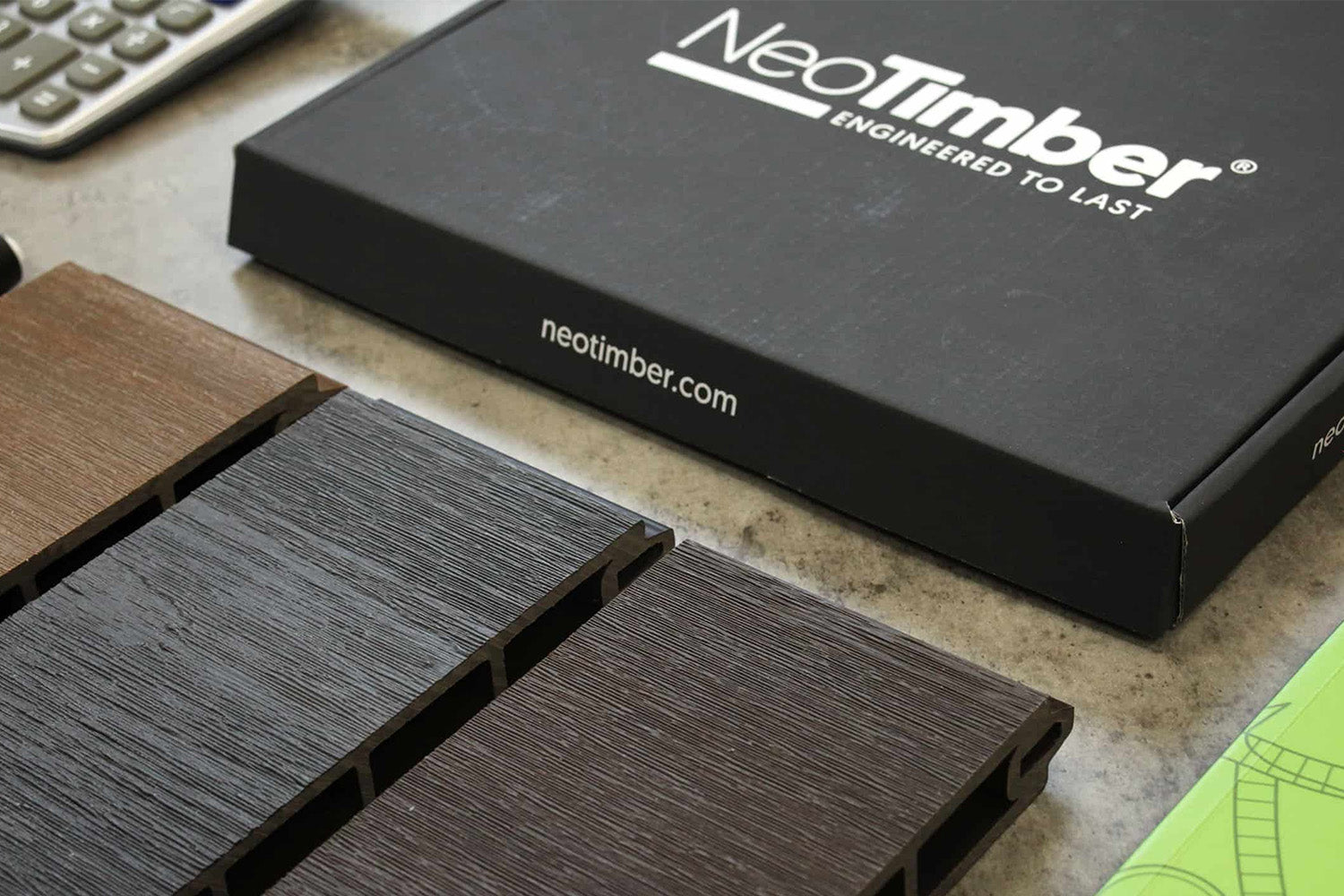
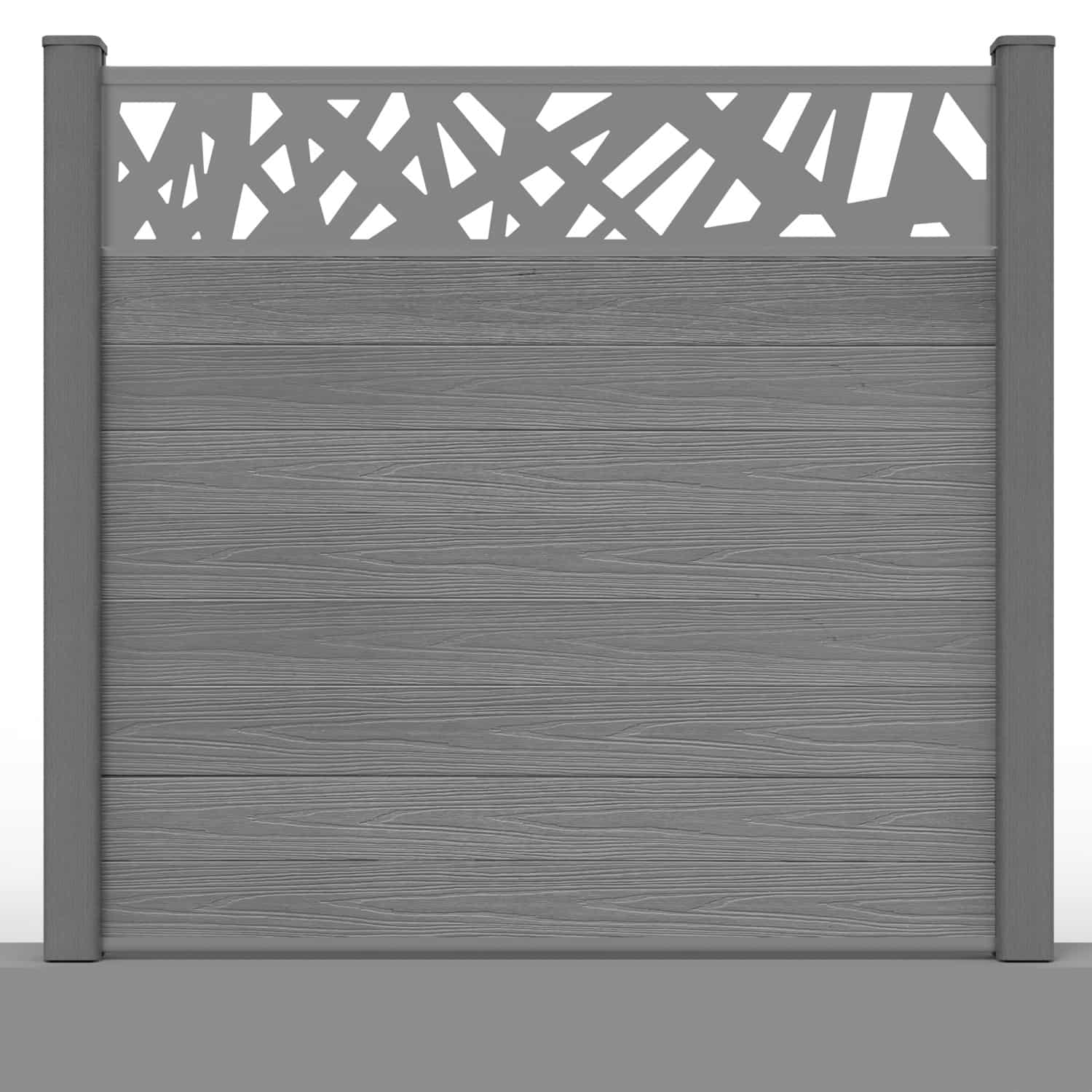
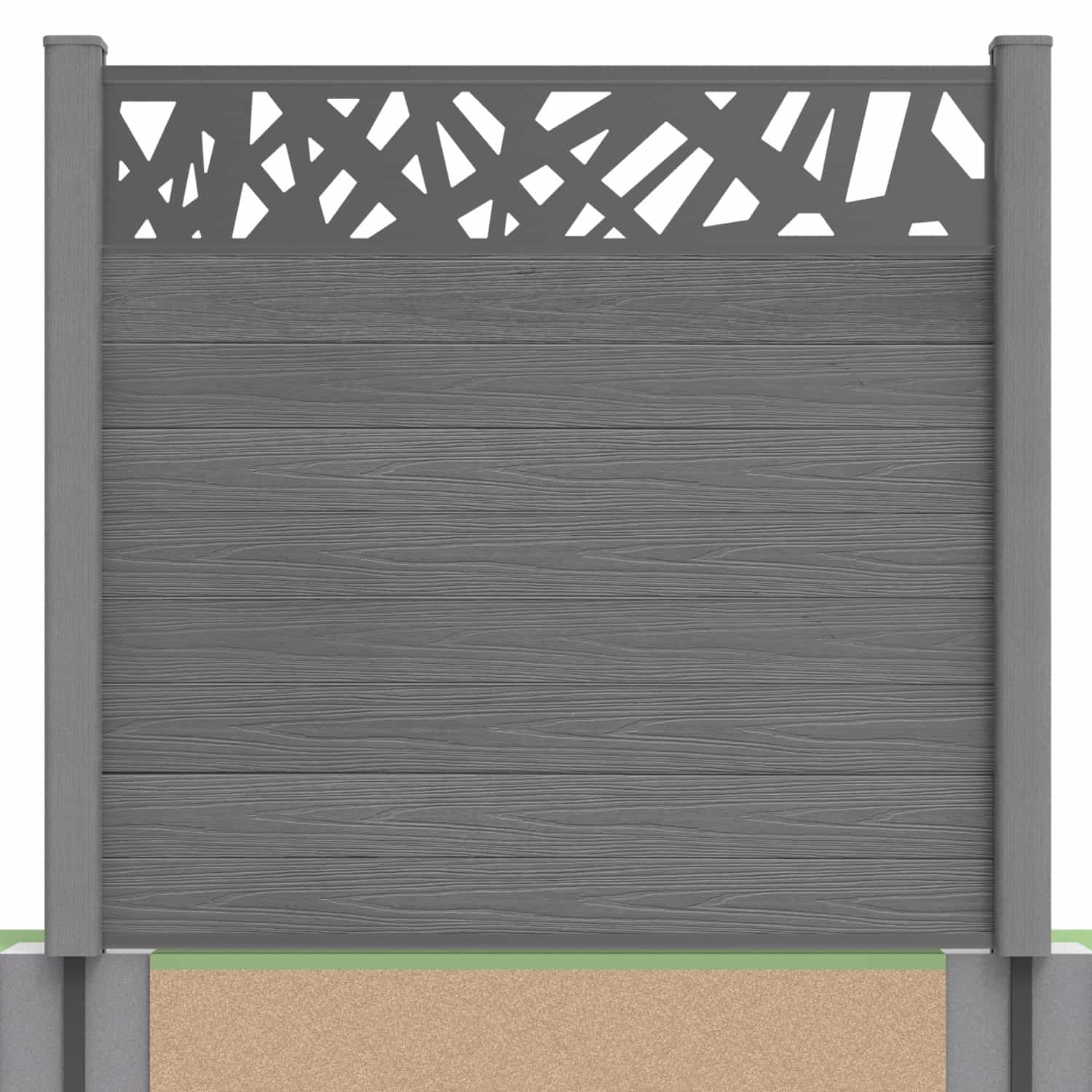
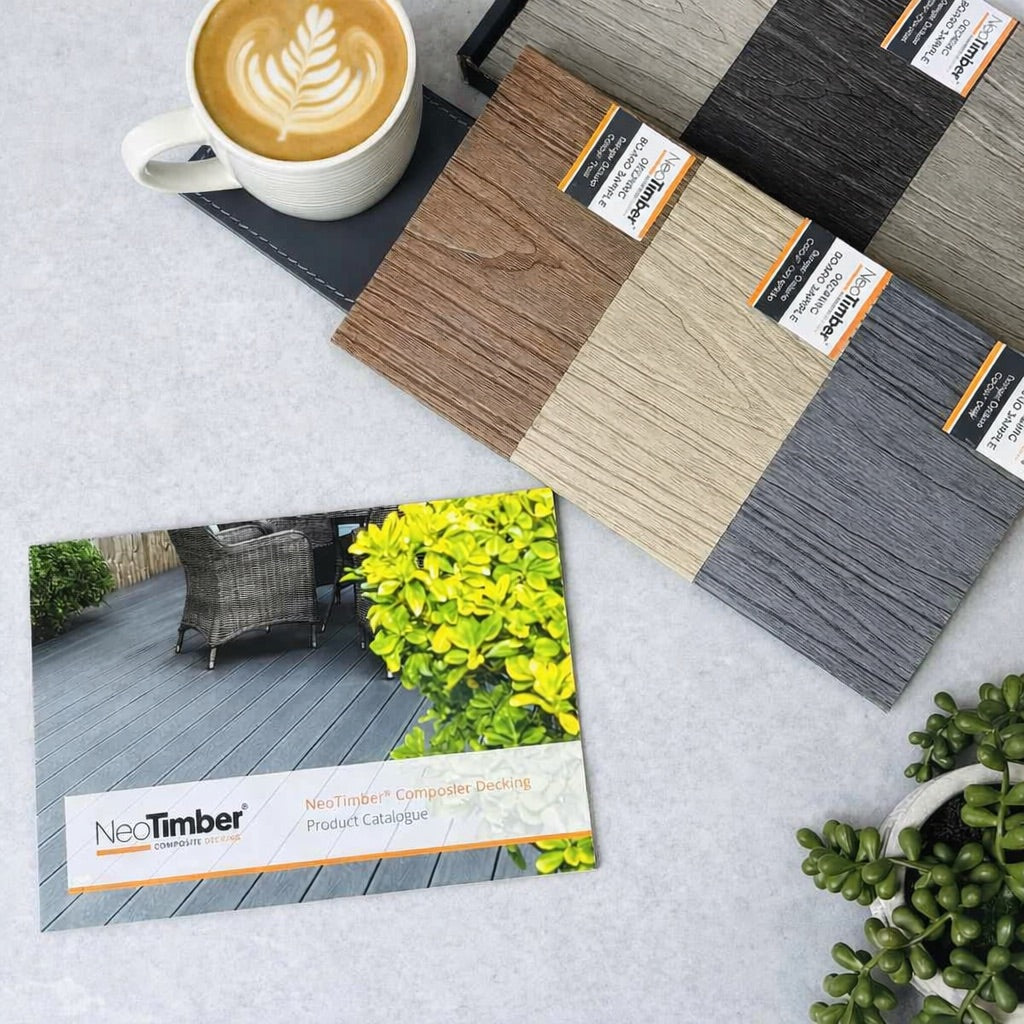
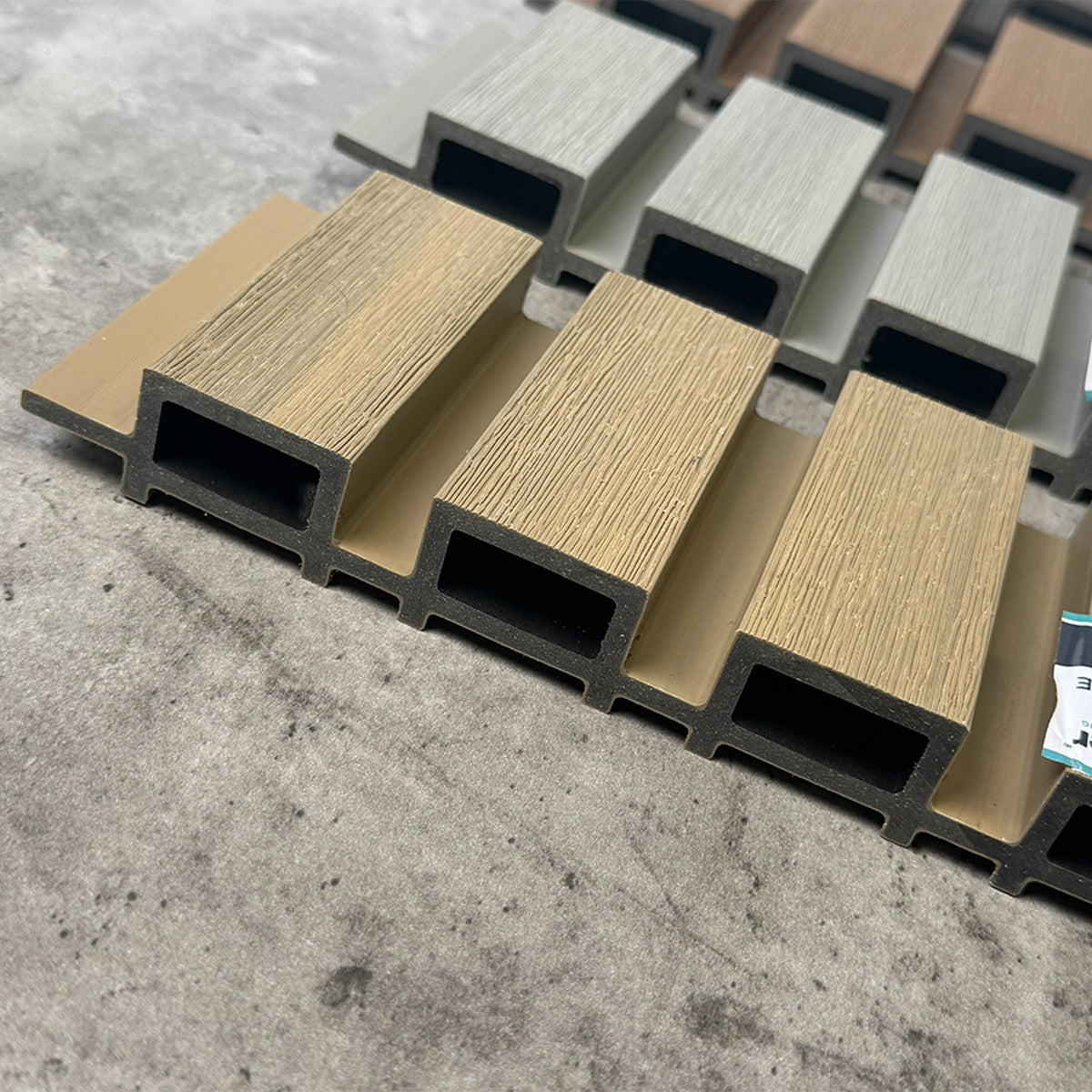
NeoTimber® offers Deluxe and Slatted options. Compare the exact system, colour and panel configuration rather than assuming all composite fences look or perform alike.
Capped surfaces provide additional protection designed to improve fade and stain resistance. They still need cleaning and inspection, and can change appearance outdoors. Composite is not an automatic guarantee against every mark, movement or weather-related issue.
Could You Retain Existing Posts?
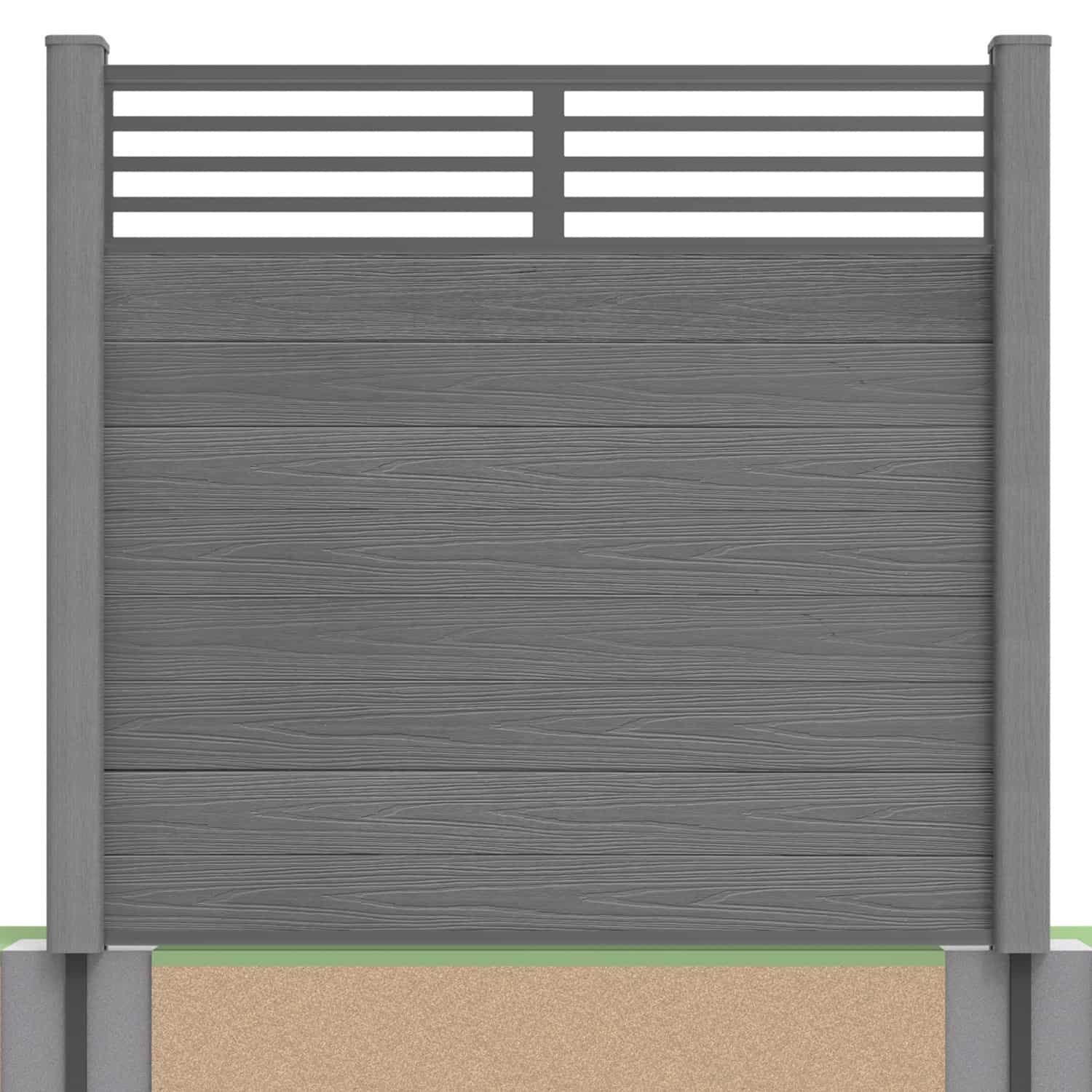
Compatible wooden-post inserts and concrete-post inserts may allow suitable posts to be retained. Assess their condition, foundations and spacing first. An insert cannot repair an inadequate support.
For a new boundary, choose the post and foundation detail around the site. Follow the installation guidance and confirm exposure and height requirements before ordering.

Metal and Plastic Fencing Alternatives
Metal Railings, Panels and Screens
Metal can suit a contemporary boundary or an open frontage where visibility matters. Railings and perforated screens have a different privacy function from solid panels, so compare the design rather than the material name alone.
Check the alloy or metal type, protective finish, fixings and environmental suitability. Coatings and connections may need inspection and repair. A metal fence is not automatically maintenance-free or appropriate for every coastal exposure.
PVC and Other Plastic Systems
Plastic fencing can avoid some timber-finishing work and may suit a particular budget or style. Formulation, reinforcement, profile and installation requirements vary between systems.
Ask about movement allowances, repair options, colour stability and cleaning. Do not infer strength or lifespan from appearance alone, and compare the complete post-and-panel arrangement.
Concrete Fencing: Weight and Support Matter
Concrete panels and posts can create a substantial boundary, with different textures and finishes available. Their weight affects delivery, handling and foundations, so installation planning matters as much as appearance.
Concrete does not require the same preservative treatment as timber, but it can still need cleaning and inspection. Cracking, movement and damaged components require attention. It should not be described as completely soundproof without relevant assembly evidence and a site assessment.
The photograph below illustrates an existing concrete-post arrangement, rather than the appearance or condition of every concrete system.

Brick and Stone Walls: A Different Kind of Boundary
A masonry wall can complement the house and create a clearly defined enclosure. However, it is a construction project with foundations, stability and drainage details that need suitable design.
Cost depends on the materials, height, access, ground and labour involved. Avoid assuming every wall is prohibitively expensive or every fence is cheaper. Compare quotations for the actual boundary.
Solid walls can affect light and the feeling of enclosure. If you want to change a wall’s appearance, explore cladding options with a suitable fixing and moisture-management design. Do not assume any decorative finish can be attached to every wall.
Hedging: A Living Alternative
A hedge provides seasonal character and can support wildlife. It needs sufficient growing space and time to establish, with watering and trimming appropriate to the species and site.
The RHS hedge-planting guide explains establishment and planting considerations. Choose for soil, light, mature size and the privacy you need through the seasons.
Do not assume a young hedge provides immediate security or an established one needs no work. Check whether a separate boundary is needed while plants grow, and plan access for maintenance on both sides.
Compare Fencing Alternatives to Timber Side by Side
Key trade-offs when choosing a boundary:
| Option | Potential appeal | What to check |
|---|---|---|
| Composite | Timber-inspired finishes with no routine decorative staining. | System compatibility, supports, weathering and cleaning. |
| Metal | Open railings or contemporary screens. | Privacy, finish, corrosion protection and connections. |
| Plastic | Manufactured profiles and a different care routine from timber. | Product construction, reinforcement and movement. |
| Concrete | A substantial panel-and-post boundary. | Weight, foundations, handling and condition checks. |
| Brick or stone | A masonry finish that can relate to the building. | Structural design, ground conditions and installed cost. |
| Hedging | A living boundary with planting interest. | Establishment time, growing space and ongoing care. |
If noise reduction is a priority, request relevant evidence rather than selecting solely by solidity or weight. Our acoustic fencing guide explains why panel ratings and outdoor results are different.
Budget for Installation and Ownership
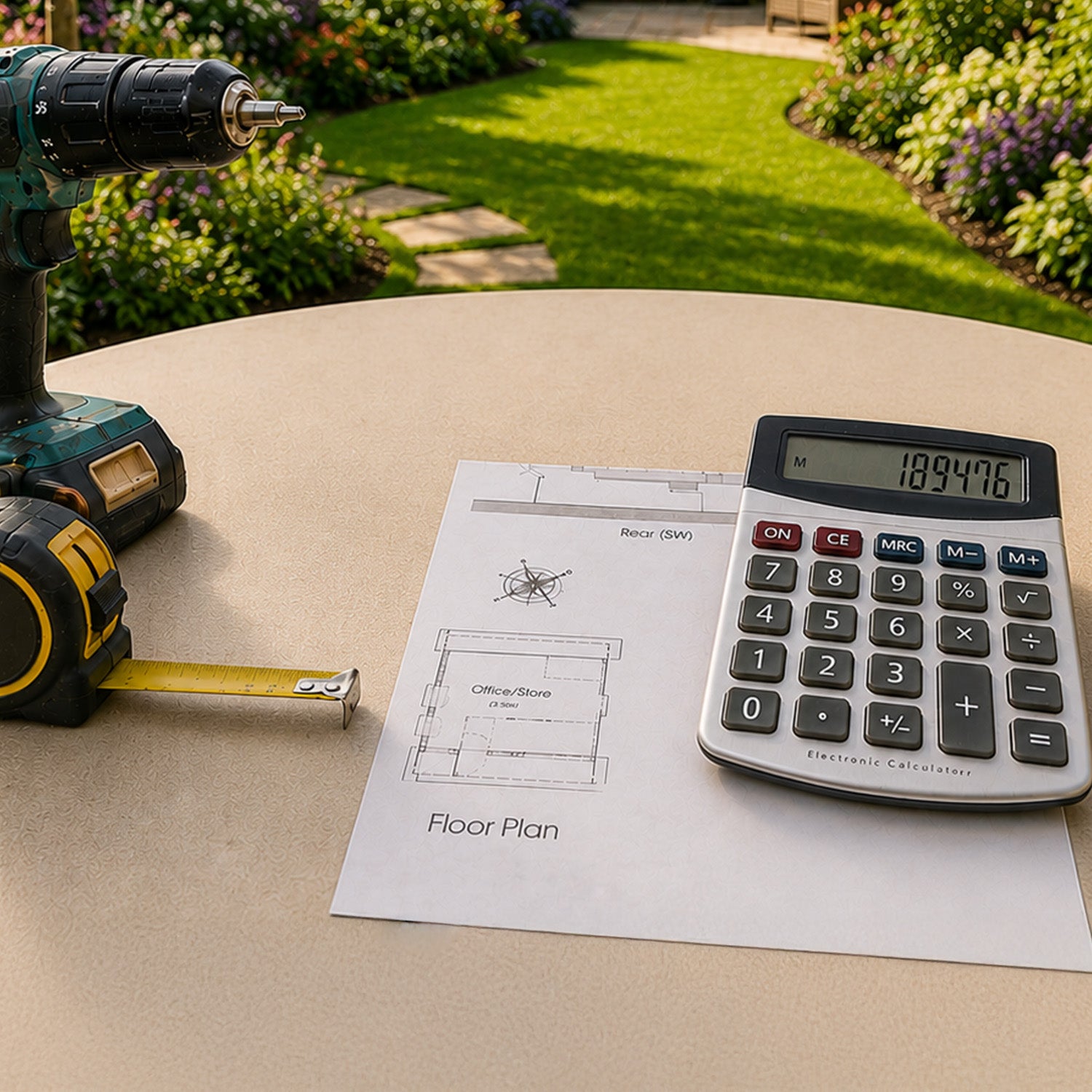
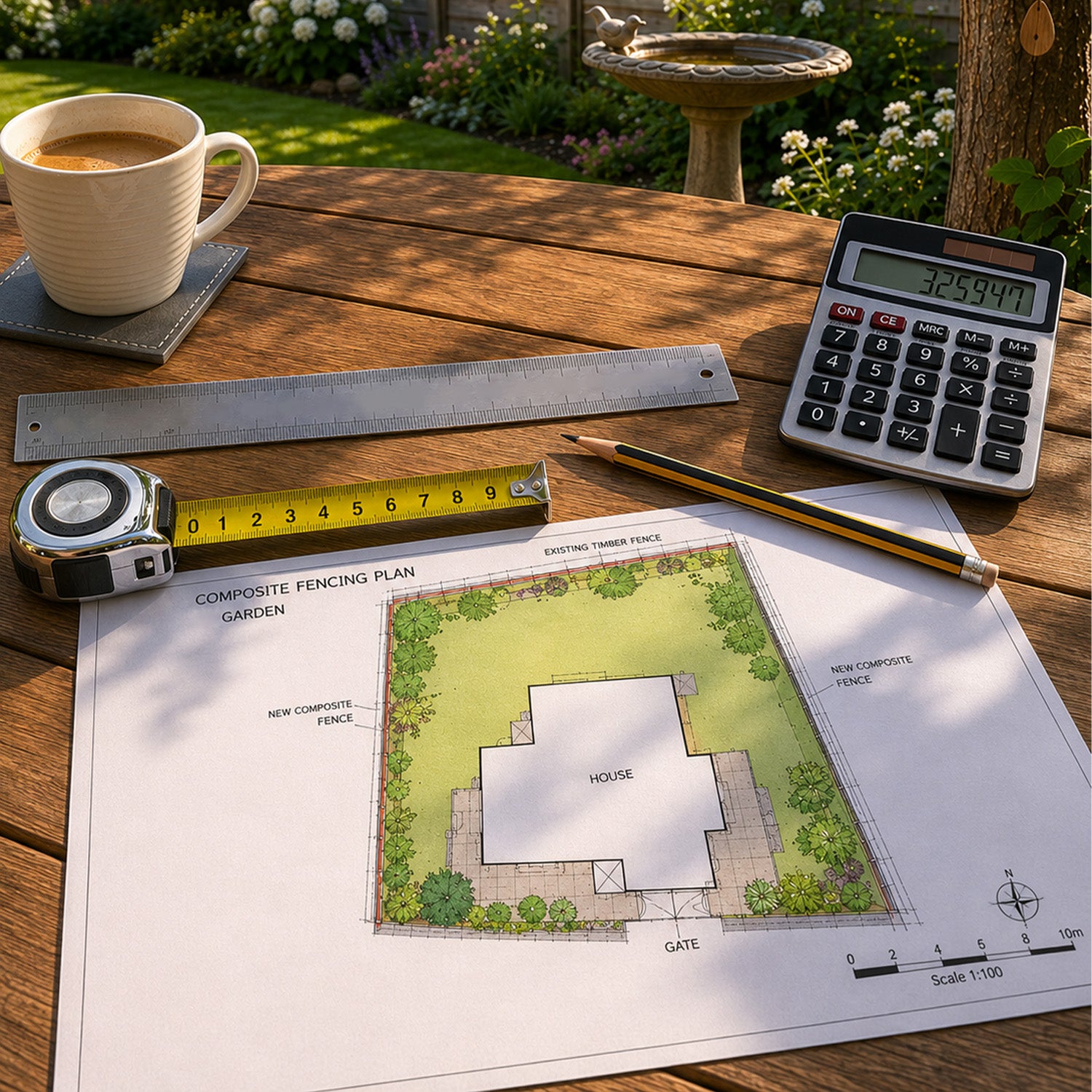
Include removal, foundations, posts, panels, gates, delivery, labour and waste disposal. Then compare realistic cleaning, treatment, pruning and repair needs over time.
Check boundary constraints, permitted height and any required approvals before committing. Wind exposure and ground conditions may affect the specification for several materials, not only lightweight panels.
For composite options, read the applicable warranty terms separately. A headline period does not establish an exact lifespan or cover every cosmetic and installation issue. Our affordable fencing guide helps organise the budget.
Alternative Fencing FAQs
What are the main fencing alternatives to wood?
Composite, metal, plastic, concrete, masonry walls and hedges are options to assess. They provide different levels of enclosure, appearance and care.
Which alternative needs the least maintenance?
There is no universal answer. Compare the exact product and site, separating routine cleaning from finishing, inspection and repair.
Can composite boards fit existing concrete posts?
Potentially, using a compatible arrangement where the posts and foundations are suitable. Confirm dimensions and condition before ordering.
Is a wall always more private than a fence?
Privacy depends on height, openings and position rather than material alone. Both can create a solid visual screen when suitably designed.
Will a solid boundary block all noise?
No. Sound can pass over, around and through it. A specific acoustic aim needs relevant evidence and site assessment.
How do I compare NeoTimber® options?
Browse our composite fencing range and contact our team with dimensions, ground details and the look you want.
Choose the Boundary That Answers Your Brief
The strongest choice among fencing alternatives balances appearance, practical performance and the work you are willing to maintain. Compare the complete design and installed cost, then choose the system that fits your garden rather than a generic claim of the “best” material.