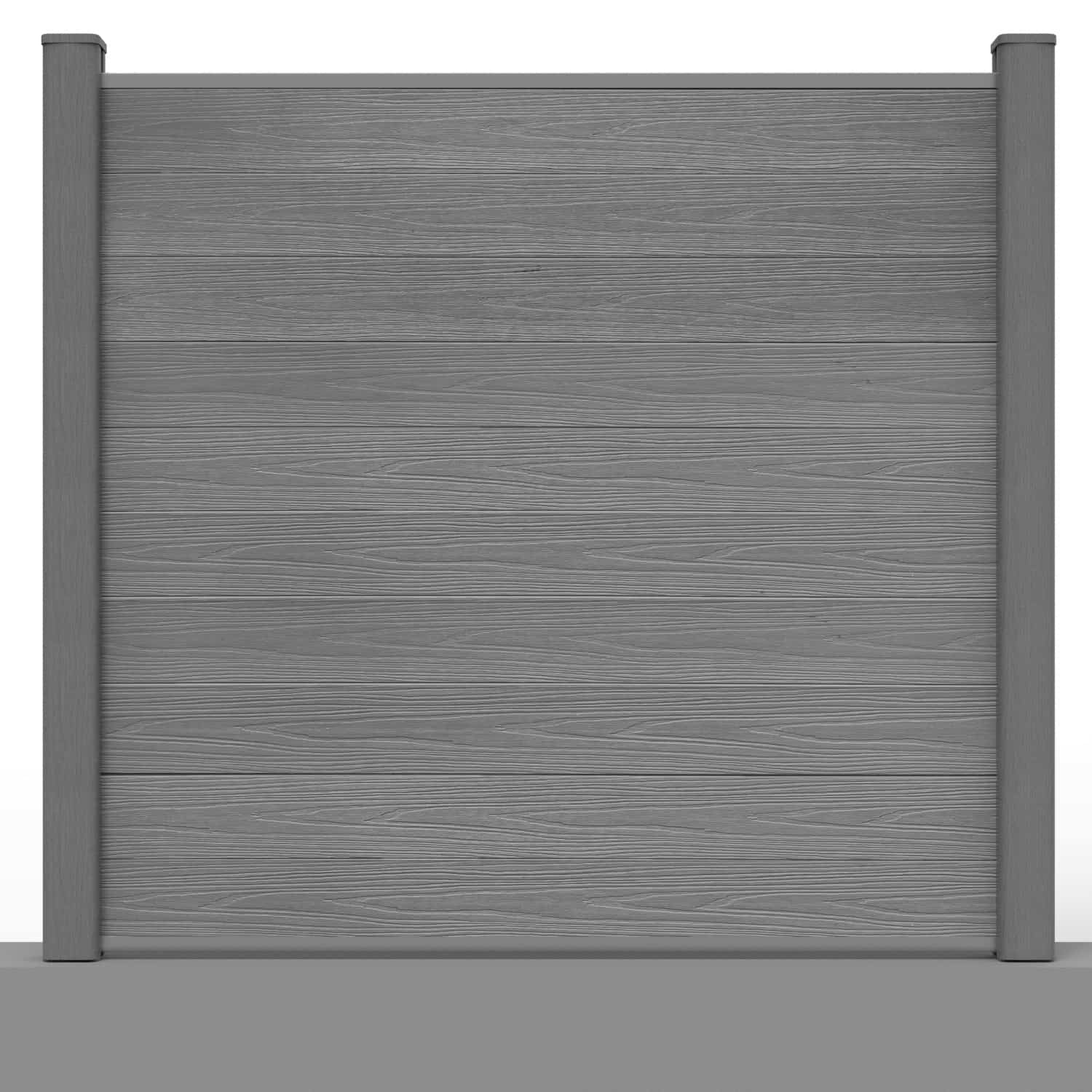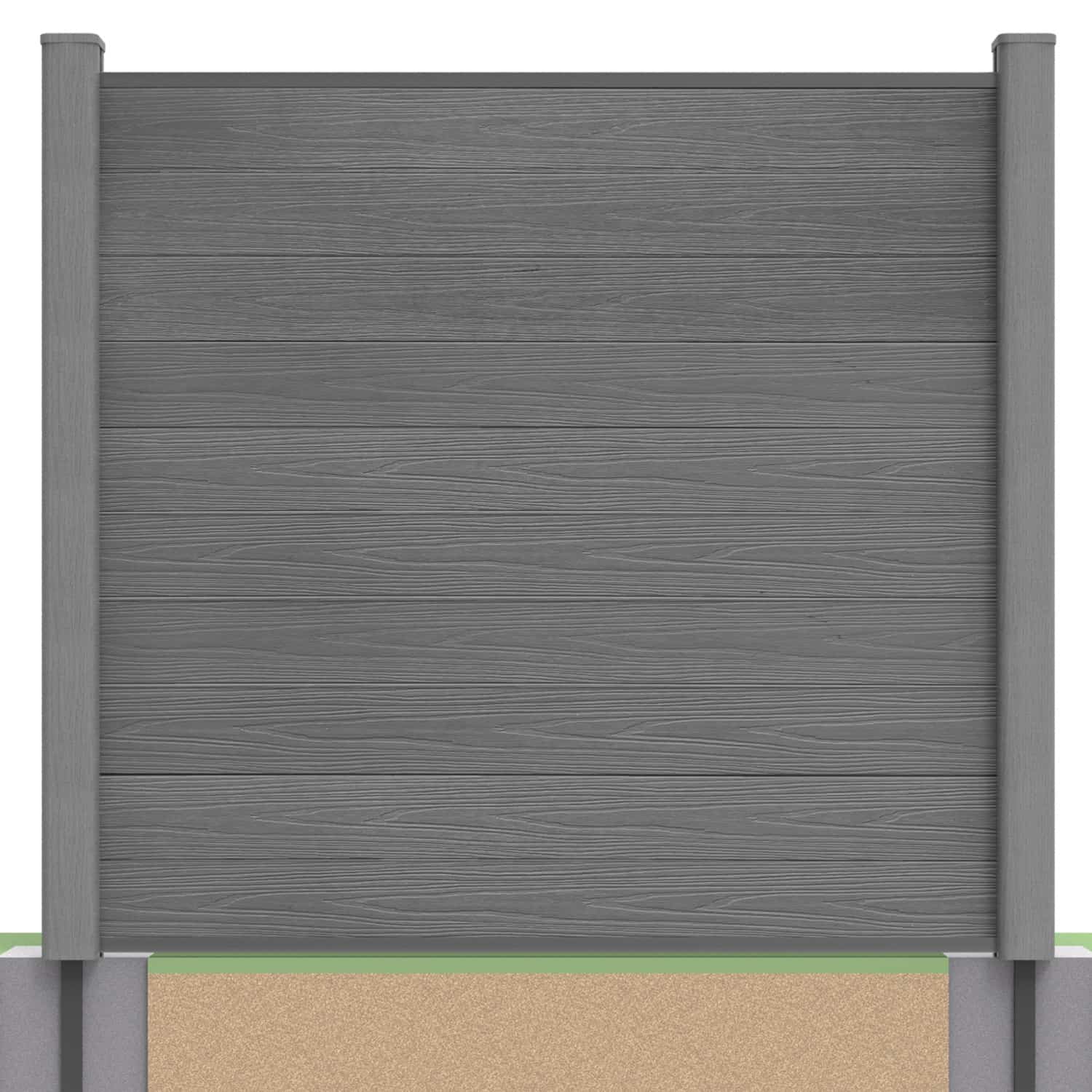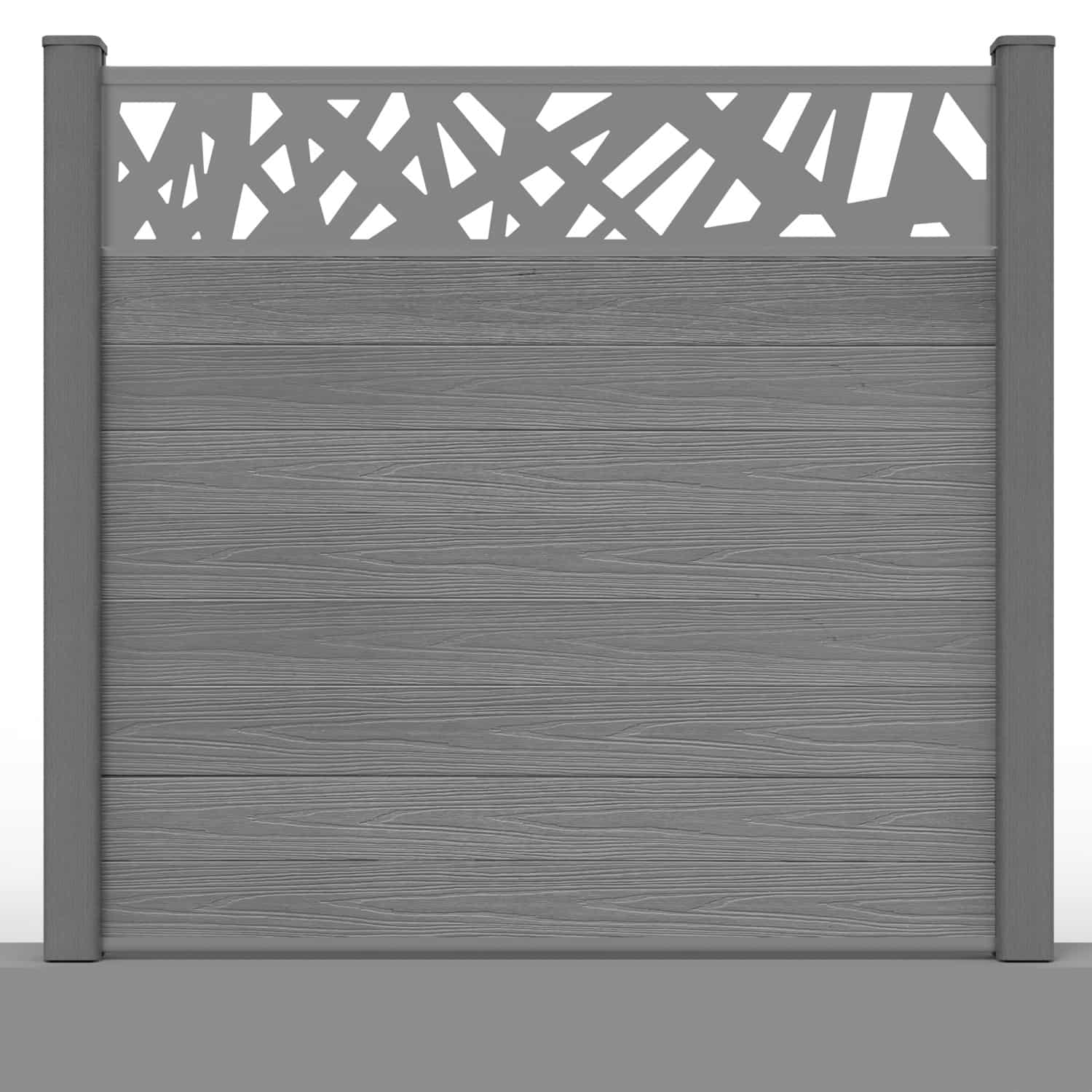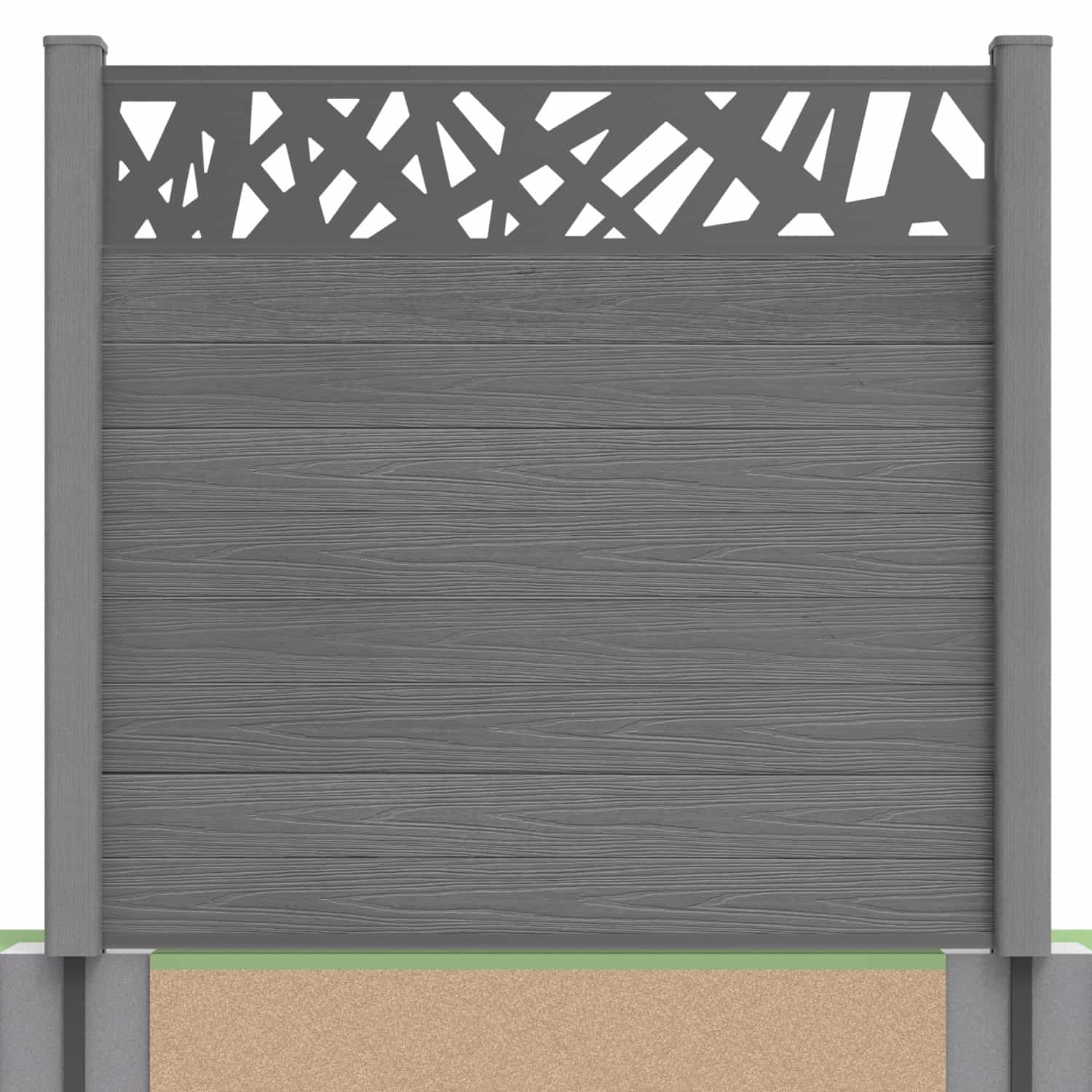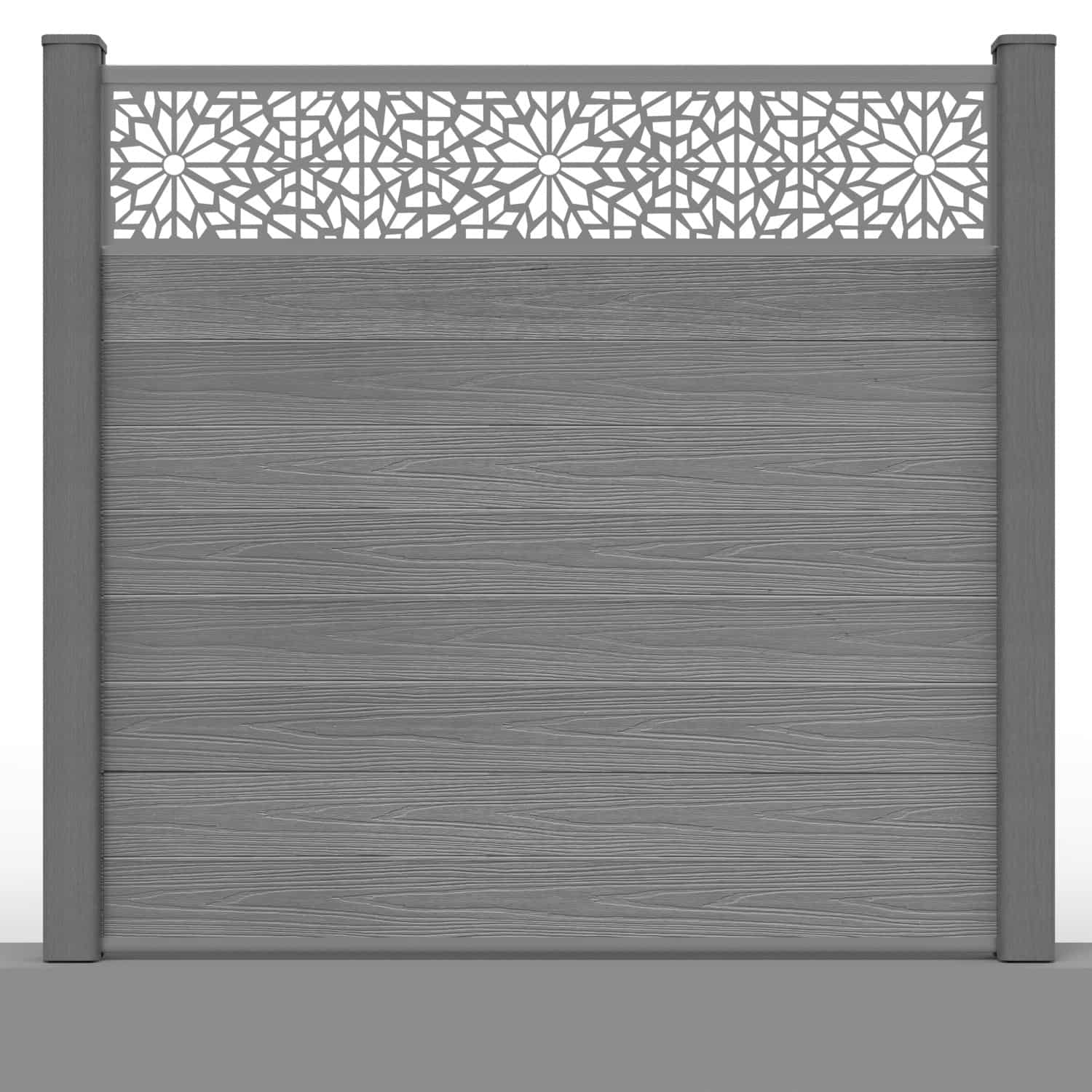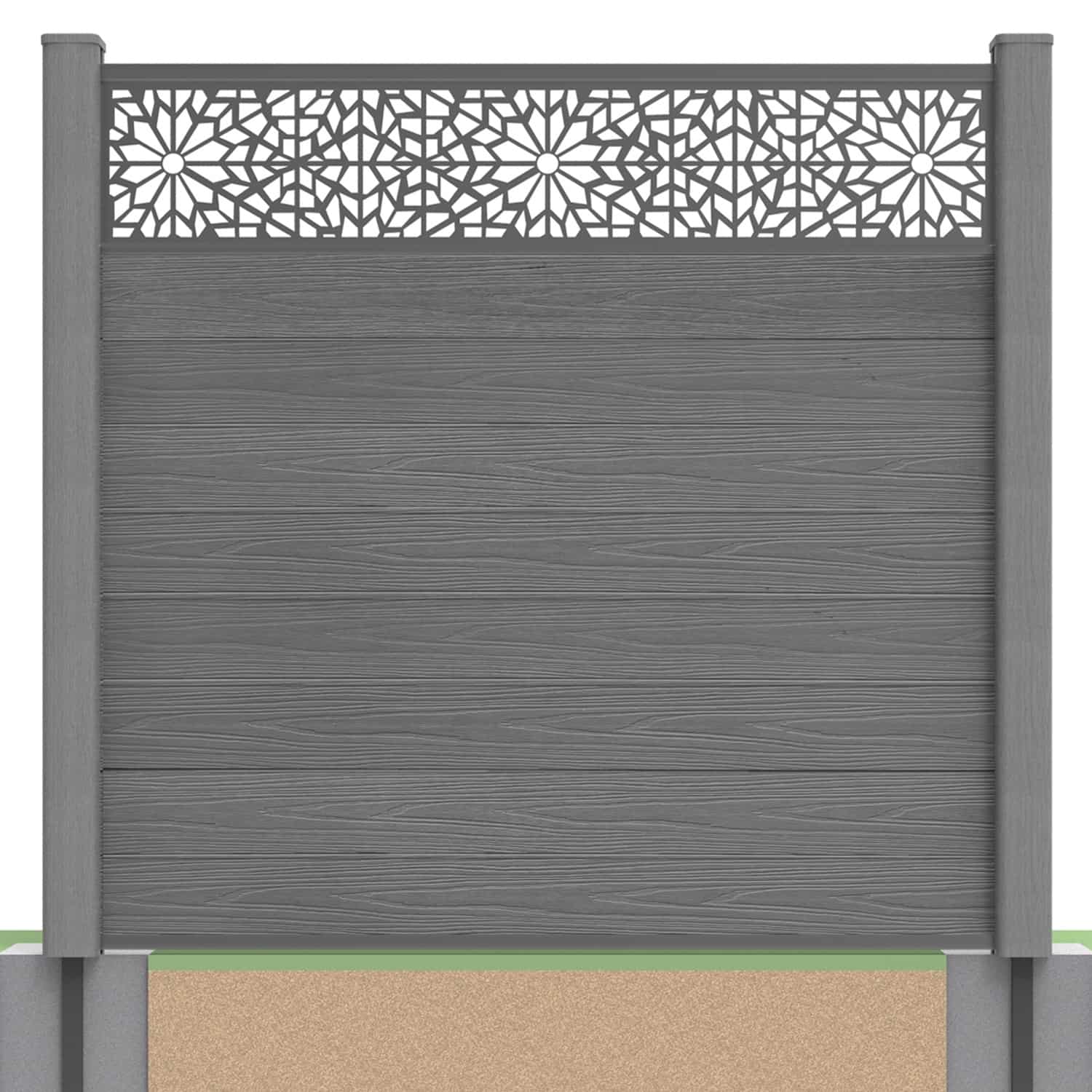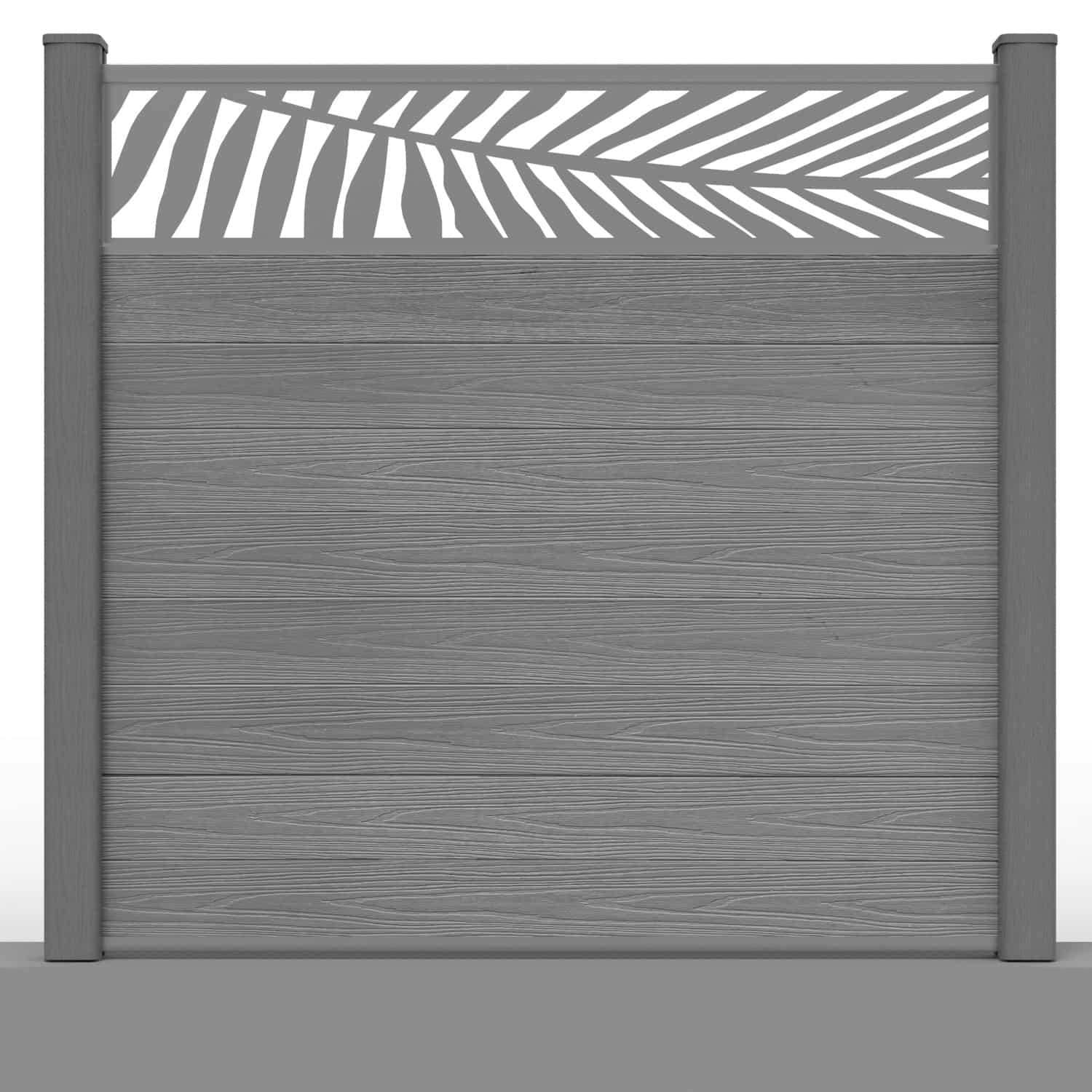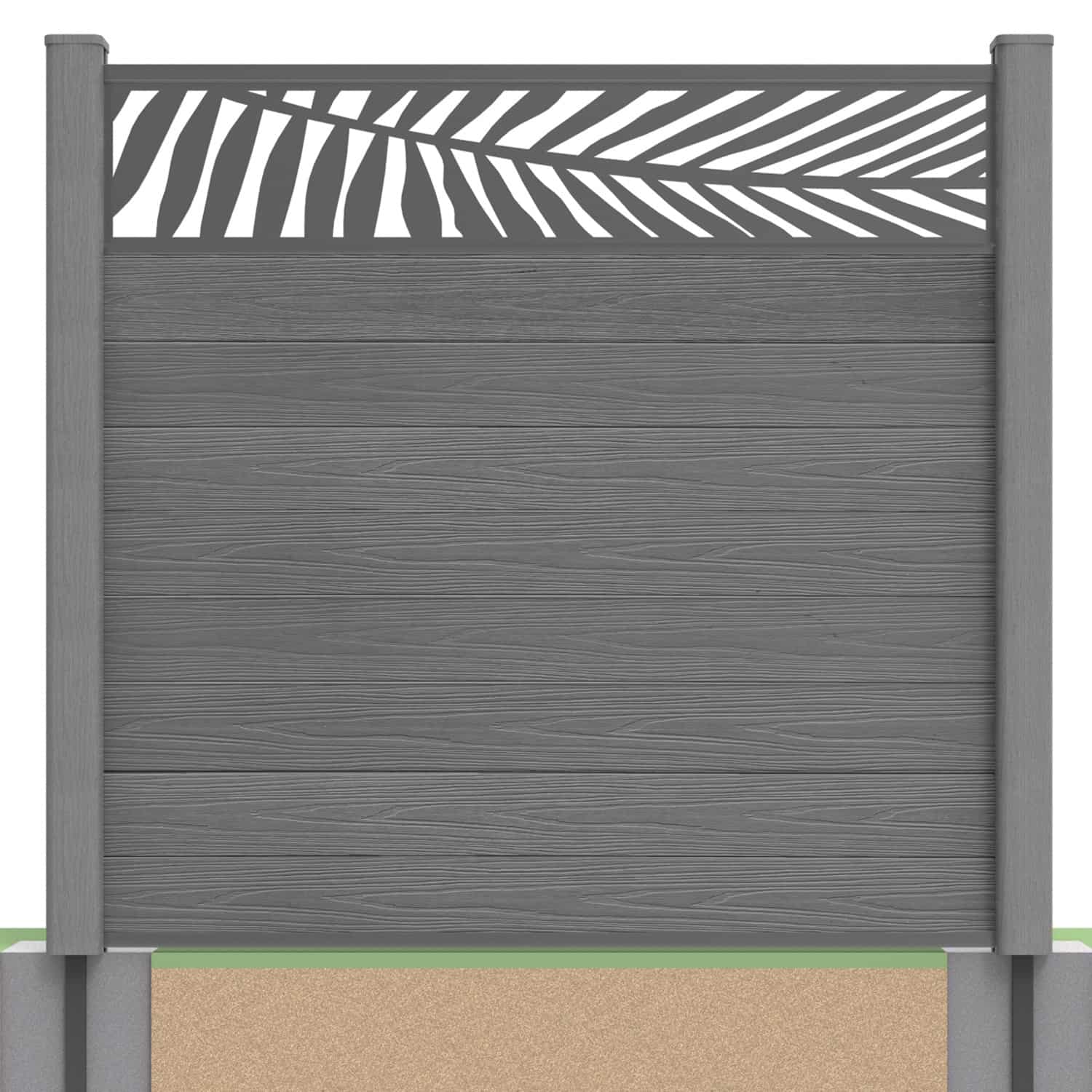




Painting Composite Fencing: What to Know Before Picking Up a Brush
Can composite fencing be painted? The answer depends on the specific product, but NeoTimber® does not recommend painting its capped composite fencing. The boards are supplied with their intended colour and protective surface, so painting is not part of their normal maintenance.
If your fence looks tired, needs cleaning or no longer suits your garden, start by identifying the material and the problem. A coating that is suitable for timber is not automatically suitable for composite. This guide explains the difference between needing paint and being able to apply it, alongside practical ways to refresh your boundary.
Explore our fencing guide for an introduction to the system, or browse NeoTimber® composite fencing to compare factory-finished options.
In this guide: Painting advice · Capped and uncapped boards · Refreshing your fence · Choosing colours · Replacing timber panels · FAQs
Why Painting NeoTimber® Composite Fencing Is Not Recommended
Composite fencing is designed to provide a finished garden boundary without the regular painting or staining associated with maintaining a painted timber fence. Adding a coating creates another surface to look after, rather than removing maintenance.
There are also practical questions about adhesion and compatibility. An unsuitable coating may not bond consistently, and preparation methods such as sanding or using aggressive solvents may damage the original finish. A successful-looking test patch does not establish long-term suitability or manufacturer approval.
- Adhesion: paint may not adhere reliably to the selected composite surface.
- Appearance: a coating can obscure the board’s woodgrain, brushed texture or tonal detail.
- Future upkeep: a painted layer may require further attention if it wears or peels.
- Product guidance: alterations need to be considered against the manufacturer’s instructions and warranty terms.
Do not assume that painting necessarily damages every board’s core or automatically cancels every aspect of a warranty. The relevant product instructions and terms determine the position. For NeoTimber® products, read the fencing warranty information and ask our team for advice before making alterations.
Does the Advice Change for Capped or Uncapped Boards?
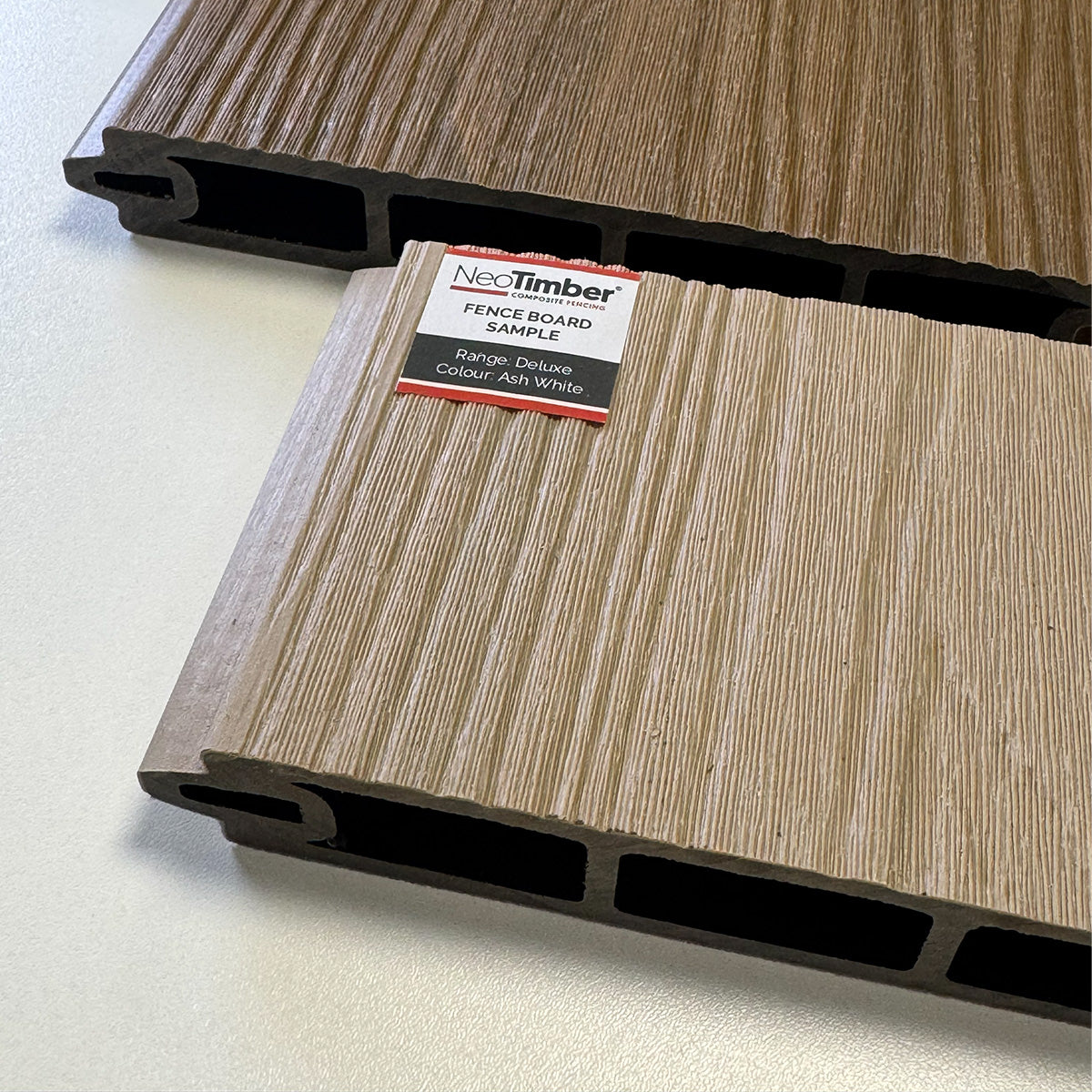
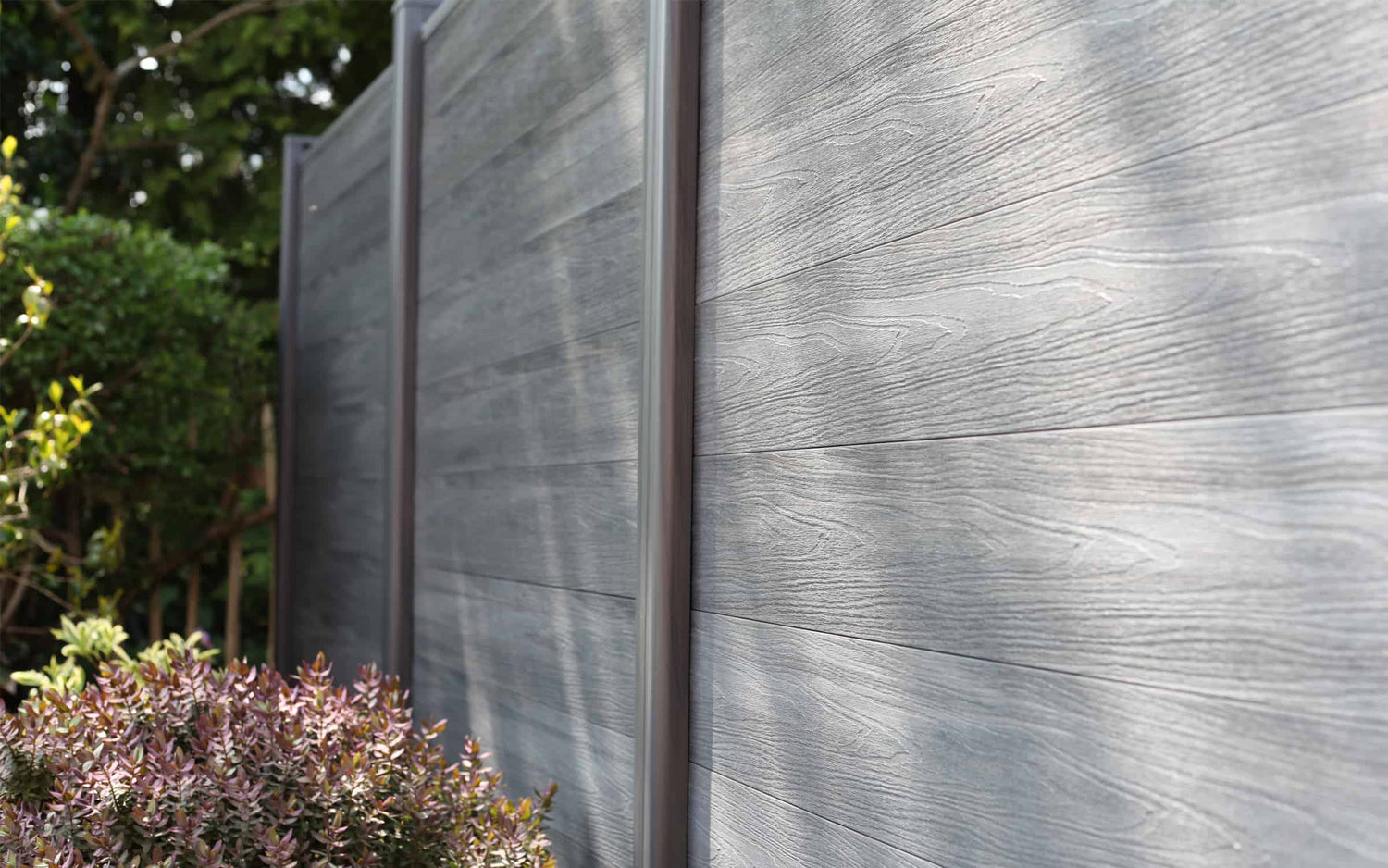
Capped composite fencing has an additional protective outer layer. NeoTimber’s capped boards are designed to resist fading and staining while offering an easy-clean surface. Applying paint over that finish is not a recommended way to maintain it.
Uncapped composite has a different exposed surface, but that does not make all uncapped boards paintable. Formulations and manufacturer instructions vary. If you own another brand, identify the exact range and obtain its written guidance before buying paint, stain, primer or a restoration product.
| Fence material | Best starting point | What to avoid assuming |
|---|---|---|
| NeoTimber® capped composite | Leave the supplied finish unpainted and follow the care guidance | That timber paint or stain is a suitable treatment |
| Another manufacturer’s composite | Identify the product and request its specific instructions | That advice for one composite applies to every range |
| Timber fencing | Check the timber condition and requirements of the chosen finish | That every timber fence needs repainting on the same schedule |
How to Refresh Composite Fencing Without Painting
1. Identify What Has Changed
Look at the fence when it is dry and in consistent daylight. Dust, pollen, splash marks and organic deposits can alter its appearance. Compare affected areas rather than immediately treating a dull-looking surface as permanent fading.
If there is a persistent mark or suspected damage, take photographs and contact the supplier. The right response depends on the cause; painting over an unexplained problem can make assessment more difficult.
2. Start With the Recommended Cleaning Method
Follow the composite fencing maintenance guide. For routine cleaning, use warm soapy water and a soft brush, then rinse away loosened dirt and residue. Check the suitability of any cleaning product before applying it.
Avoid abrasive pads, wire brushes, sanding and solvent-based stripping methods unless the manufacturer specifically instructs otherwise. Pressure-washer settings and cleaning chemicals should also be checked against the instructions for your exact product.

3. Ask About Marks That Remain
If cleaning does not resolve the issue, seek product-specific advice before trying a stronger treatment. Do not sand a capped board to remove a mark or apply a heat treatment as an improvised repair. Keep details of the board range, installation date and products already used.
4. Update the Surroundings
If the finish is sound but you want a different garden feel, consider changes around the fence. New planting, pots or furniture can shift the colour balance without altering the boards. If you want a completely different fence colour, ask about compatible replacement boards and components.
Choose a Colour You Can Enjoy Without Repainting
For a new installation, choosing the finish carefully is more useful than planning to recolour it later. Explore the composite fencing colours guide and compare options against your paving, brickwork and planting.
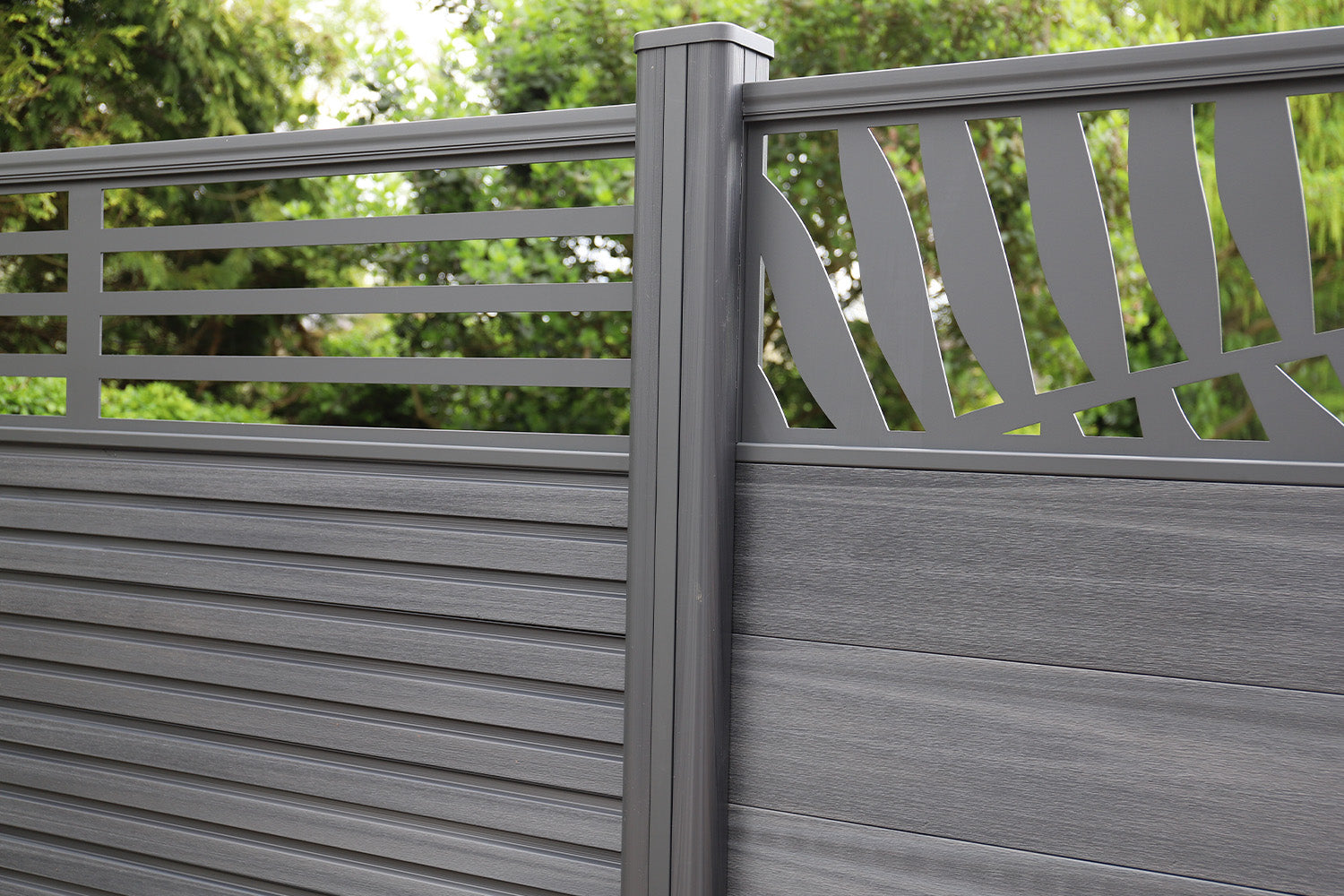
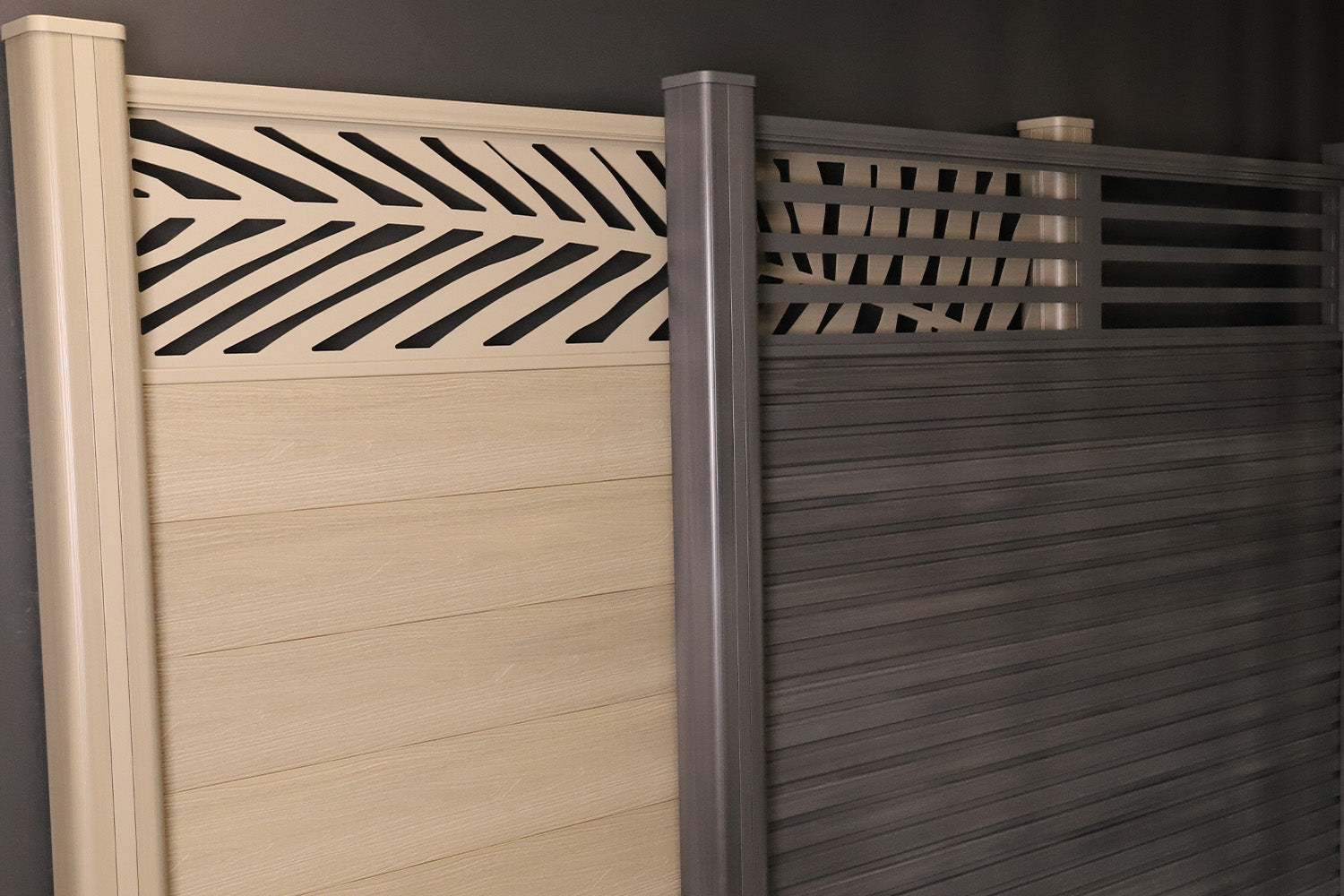
Warm tones can complement traditional materials, while grey and charcoal offer a different backdrop for contemporary gardens. A colour name or screen image cannot show precisely how a full boundary will look in your own light.

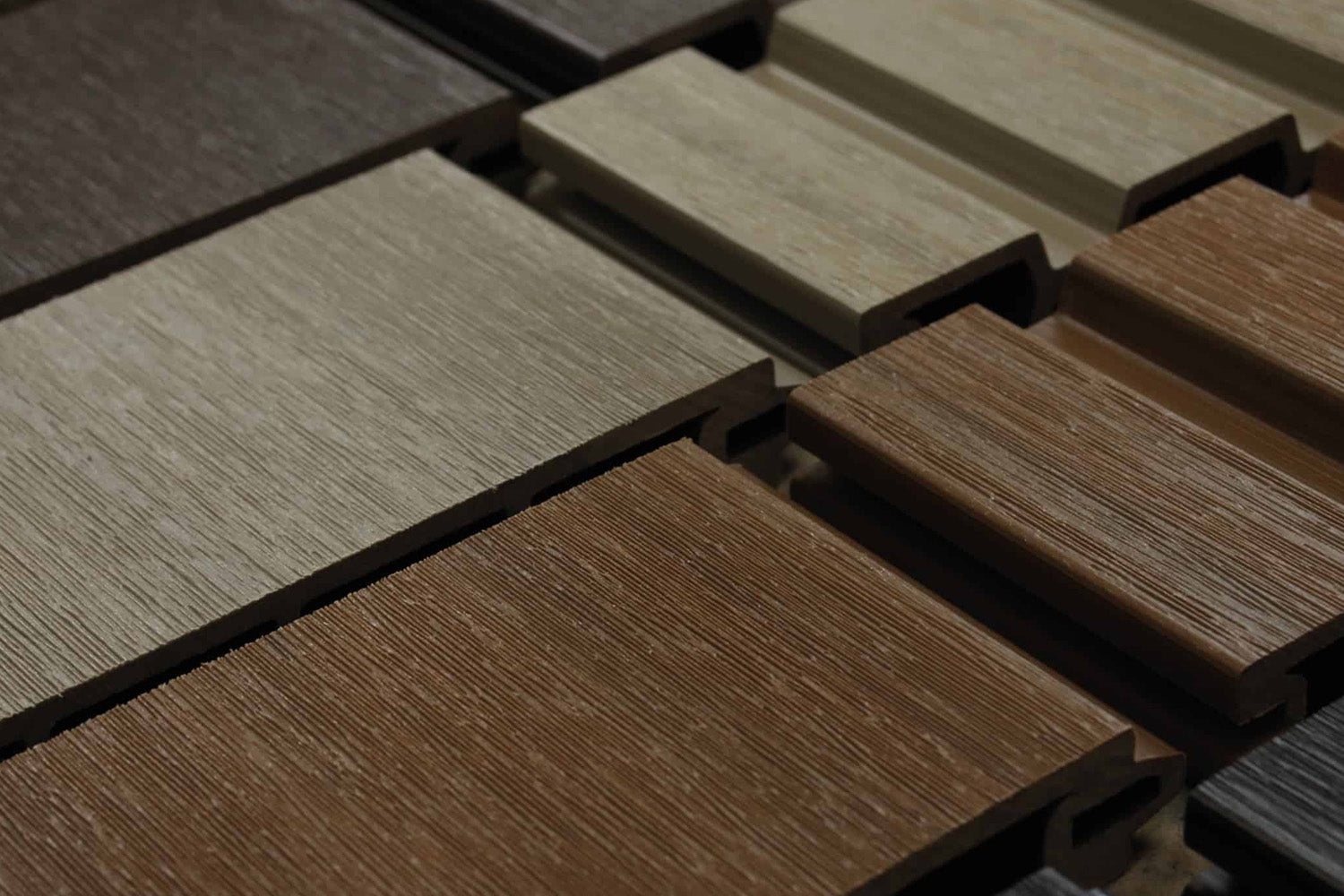
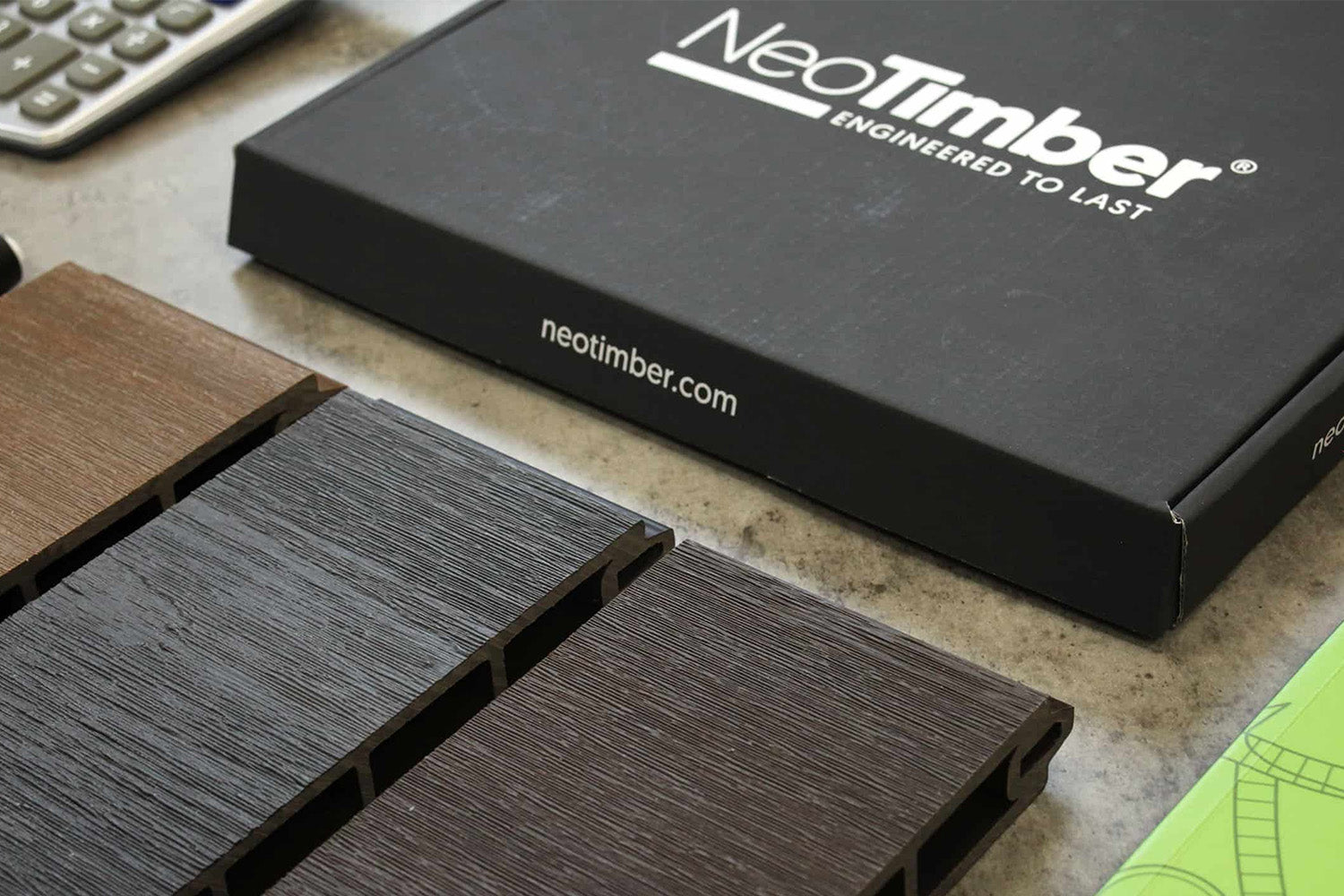
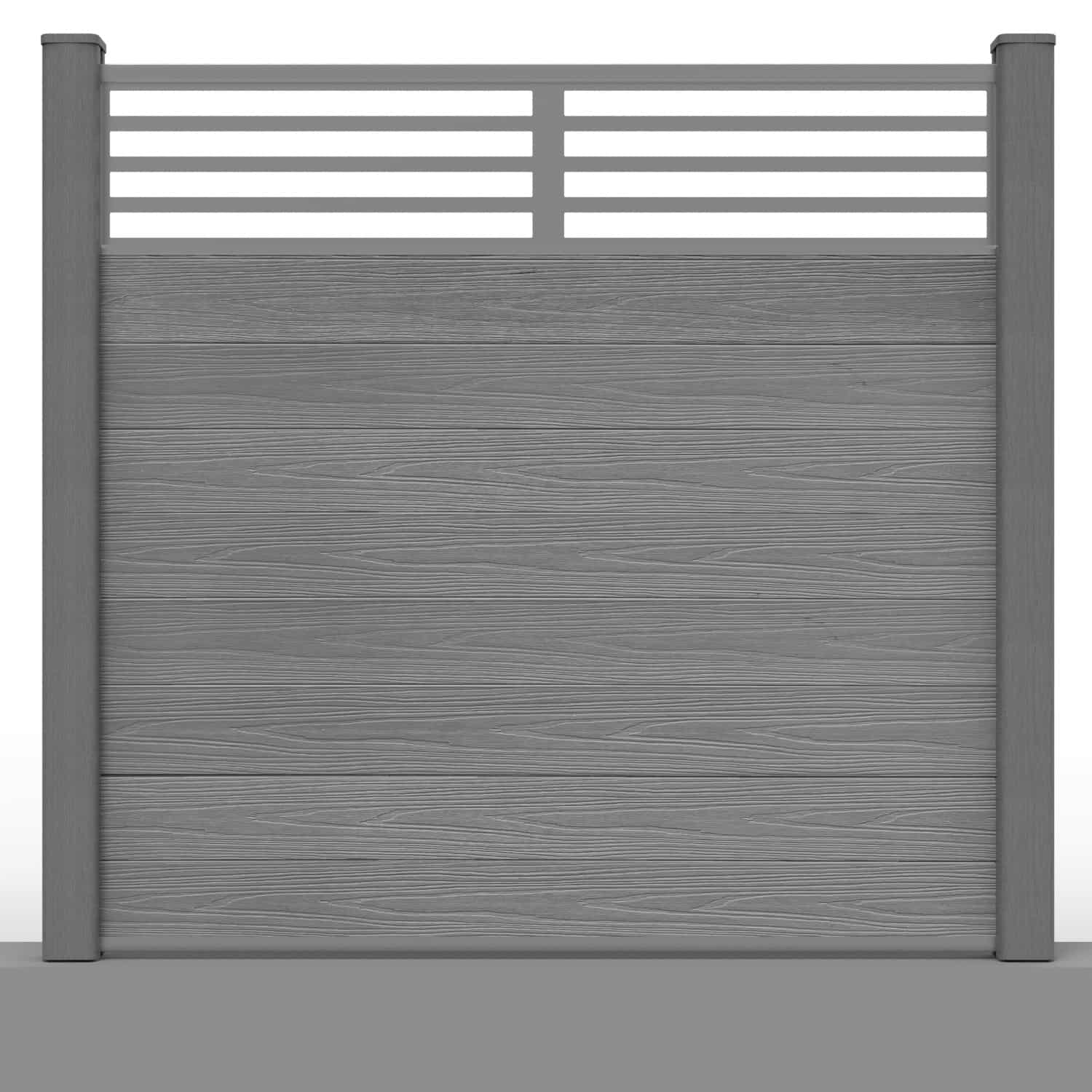
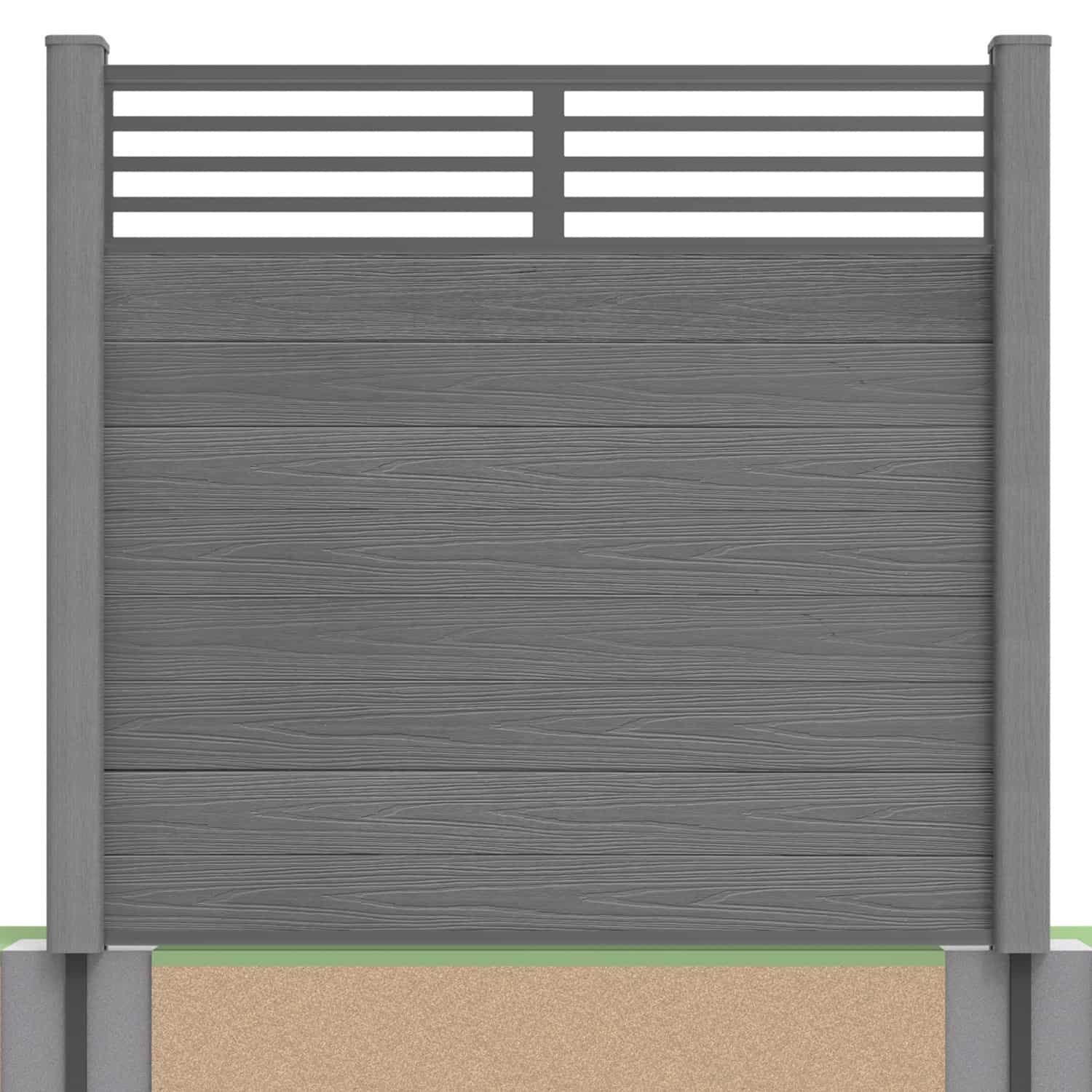
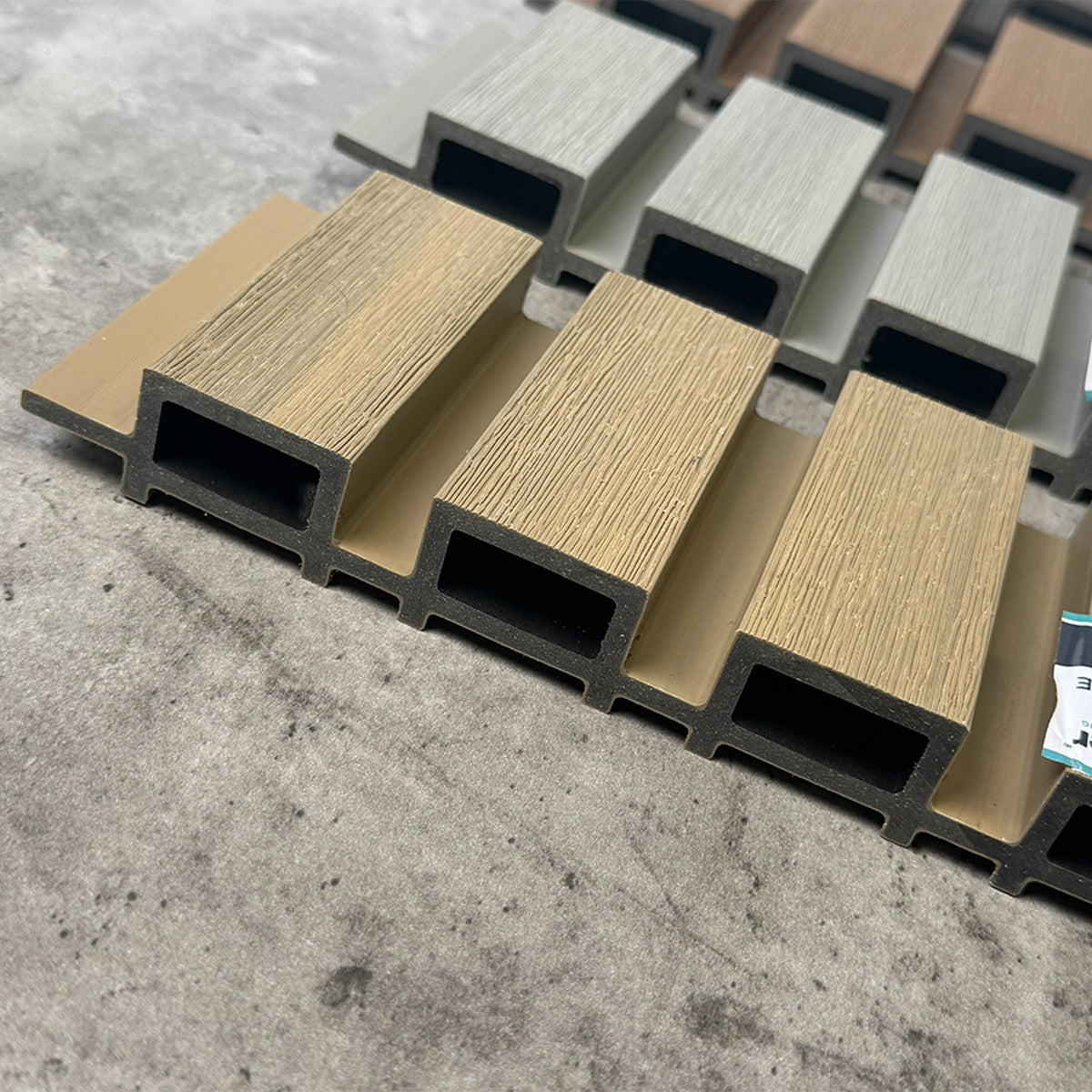
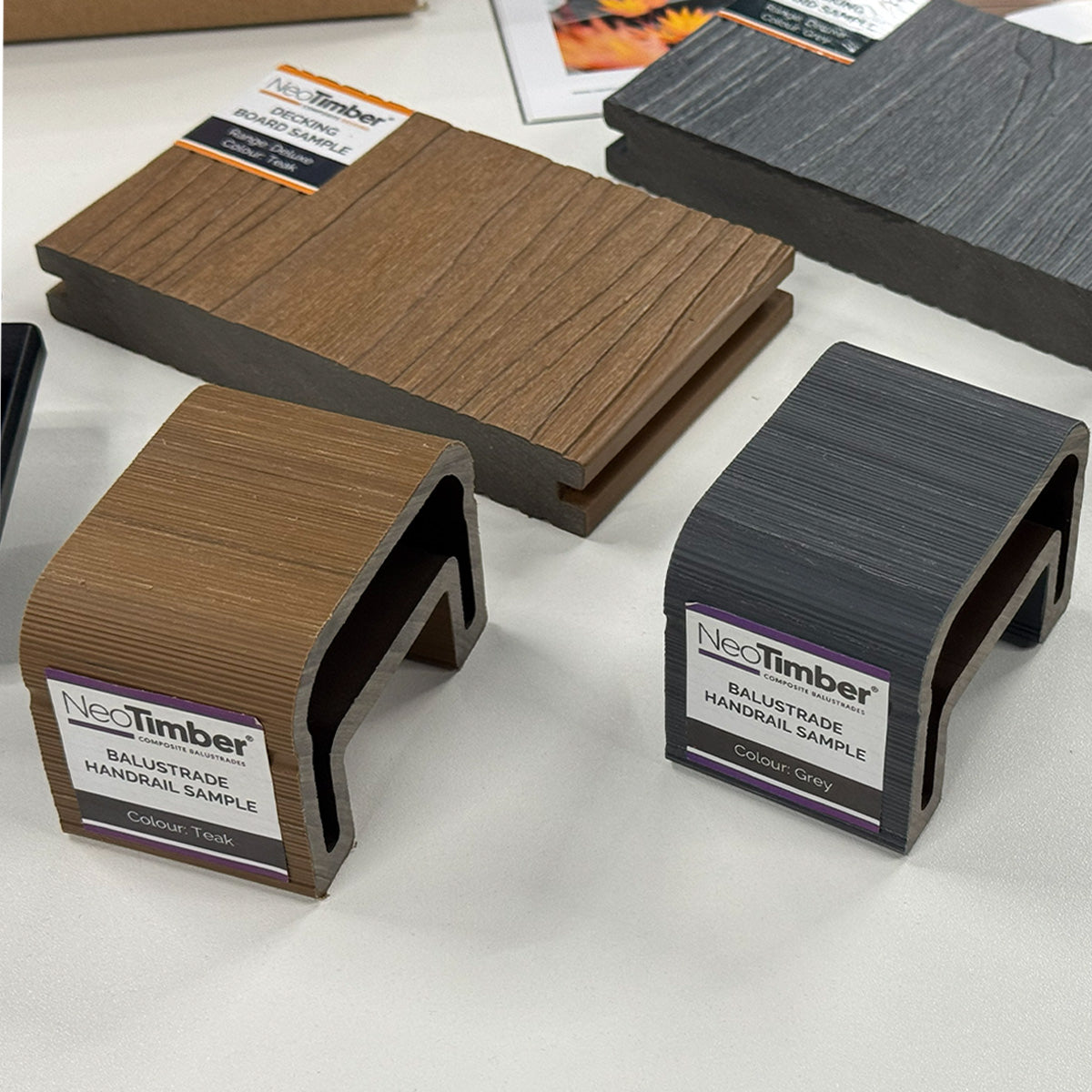
Order free composite fencing samples and view them upright outside at different times of day. Compare the texture as well as the shade: Deluxe fencing offers woodgrain and brushed faces, while Slatted fencing creates a pronounced linear appearance.
Fade resistance helps reduce colour change; it is not a promise that an outdoor surface will remain identical indefinitely. Allow for normal weathering when choosing your finish, and check availability across the boards, posts and accessories you need.
Replacing Painted Timber Panels With Composite Boards
If your aim is to move away from maintaining a painted timber finish, replacing suitable panels with composite may be an option. However, retaining old posts requires more than checking whether they look straight.
Assess their condition, foundations, spacing and suitability for the proposed height and exposure. NeoTimber’s wooden fence post inserts can adapt compatible timber posts to accept the fencing system, but do not repair rot or inadequate foundations.

Confirm panel dimensions, inserts, rails and any permitted cutting before ordering. Follow the composite fencing installation guidance, and ask an installer to assess supports if their suitability is uncertain.
Frequently Asked Questions About Painting Composite Fencing
Can composite fencing be painted to change its colour?
This depends on the specific manufacturer and range. NeoTimber® does not recommend painting its capped boards. If you want a different colour, discuss compatible replacement components rather than assuming a coating will work.
Can you stain composite fence panels?
Do not assume a timber stain is suitable for composite. NeoTimber’s capped fence boards are supplied with their intended finish and do not need routine staining. Seek advice before applying any coating.
Should I sand composite fencing before painting?
Do not sand NeoTimber’s capped boards as preparation for painting. Abrasion can damage their protective finish. For another product, follow the manufacturer’s specific written instructions.
Will painting composite fencing affect the warranty?
It may affect cover, depending on the applicable terms and the alteration or damage involved. Check the exact warranty and ask the supplier before proceeding; do not assume painting is covered or that every claim is automatically excluded.
What if my composite fence is already painted?
Contact the fence manufacturer before stripping, sanding or recoating it. Provide the product details, photographs and the paint used if known. Solvents and abrasive removal methods may harm the original surface.
Does fencing that needs no painting still need maintenance?
Yes. Routine cleaning and checks of posts, rails and fixings still matter. Avoiding painting reduces one maintenance task, but does not make the whole fence maintenance-free.
Enjoy the Supplied Finish With the Right Care
For NeoTimber® capped fencing, leave the paintbrush aside and focus on suitable cleaning, a well-planned colour choice and correct installation. Browse our composite fencing range or contact our team for help with an existing fence or a new garden boundary.