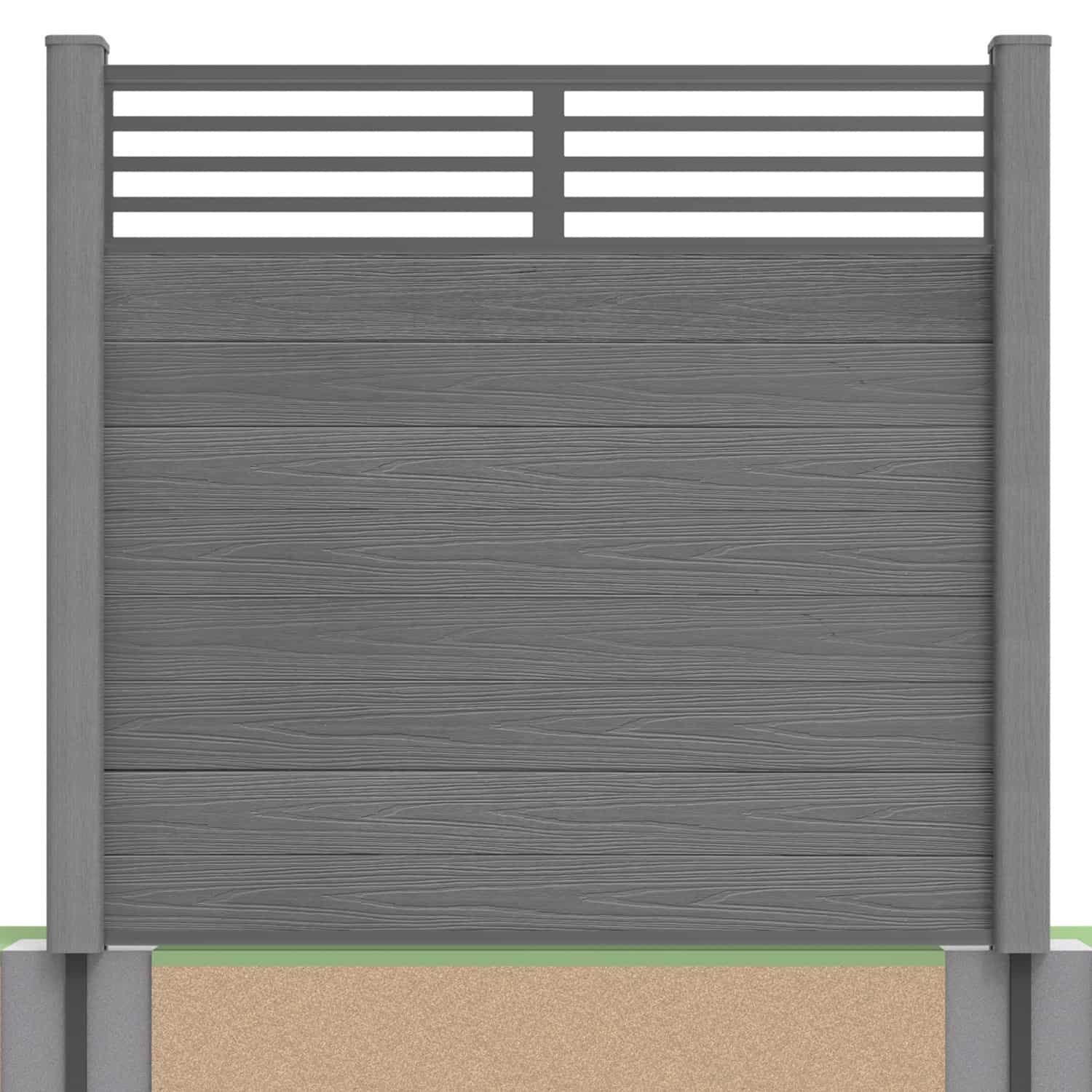
Keep Your Composite Fence Clean and Well Looked After
Composite fencing maintenance is generally straightforward: remove outdoor deposits, use suitable cleaning methods and check the complete installation periodically. NeoTimber’s capped boards do not need routine painting or staining, but they still benefit from regular care.
Start with a gentle clean rather than stronger chemicals or abrasive tools. This guide explains the basic process, how to approach persistent marks and which parts of the fence deserve attention beyond the visible boards.
For an introduction to the system, visit our fencing guide or explore the composite fencing collection. Always follow the current care instructions for your exact product.
Care topics: Routine cleaning · Persistent stains · Water marks · Surface growth · Inspection checklist · What to avoid · FAQs
How to Clean Composite Fencing
Gather a soft-bristled brush, a non-abrasive sponge or cloth, warm water, mild detergent and clean rinsing water. Use a suitable stable access method if you cannot reach the upper section comfortably.
- Inspect the surface. Identify loose dirt, deposits and any damage before cleaning.
- Remove dry debris gently. Brush away loose dust and leaves without scraping the finish.
- Wash a manageable section. Use warm soapy water and a soft brush or sponge, applying gentle pressure.
- Rinse thoroughly. Remove the loosened dirt and detergent before they dry on the surface.
- Review when dry. Check whether any remaining mark needs product-specific advice.

Work carefully near planting and soil to avoid splashing mud back onto the boards. Follow the cleaner’s instructions for protecting nearby materials and managing runoff.
How Often Should You Clean?
A spring and autumn check can be a useful starting routine, with cleaning when needed. Shaded boundaries, overhanging trees and areas exposed to road dust or frequent splashes may need attention more often than a sheltered, open site.
Remove fresh spills or bird droppings promptly using the appropriate method. Do not wait for a scheduled seasonal clean if a deposit is sitting on the surface.
Approach Stubborn Marks Carefully
If gentle washing leaves a mark, identify its likely cause before escalating treatment. Soil, grease, mineral deposits and surface damage do not necessarily respond to the same method.
NeoTimber® supplies Owatrol Compo-Clean as a specialist composite cleaner. Check its current instructions and confirm suitability for the selected fence surface and surrounding materials before use. Follow the label for application, protective equipment, contact time and rinsing.

Where a treatment is approved, trial it in an inconspicuous area and assess the dry result before treating a visible section. Do not mix cleaning products or assume a decking treatment is suitable for every composite surface.
If the mark remains, take photographs and contact our team with the range, colour and cleaning products already used. More force is not always the answer.
Can You Use a Pressure Washer?
Only use pressure washing where the current guidance for the exact product permits it. Confirm the pressure, nozzle, distance and method rather than relying on distance alone. An unsuitable jet can damage the finish or force water into unwanted areas.
If you cannot confirm the settings, use the gentler manual method and seek advice. Be mindful of loose soil and surrounding surfaces when rinsing.
Water Marks and Uneven Appearance
Wetness, drying patterns, dirt and mineral deposits can change how the surface appears. Compare the fence in consistent light once dry, then clean using the recommended method before assuming a mark is permanent fading.

Do not assume every water mark will disappear naturally in the rain. If deposits persist, ask for a suitable treatment rather than reaching for vinegar, descalers or abrasive products without checking compatibility.
The protective capped surface improves resistance to moisture and staining, but does not make the fence immune to all marks or normal weathering.
Surface Mould, Mildew and Algae
Outdoor deposits and damp conditions can support surface growth, particularly in shaded areas. A capped finish should not be treated as a guarantee that growth can never occur.
Start with the approved general cleaning method. If further treatment is needed, confirm a suitable product with the supplier rather than assuming a general-purpose mould remover or bleach is appropriate.
Clear leaf build-up and keep reasonable access around the boundary for inspection and cleaning. Address persistent splashback or accumulated debris where practical, without modifying the fence or foundations outside the installation guidance.

Inspect More Than the Boards
Cleaning is also a useful opportunity to check the assembly. Look for changes rather than assuming every movement is harmless because the board surface looks sound.
| Part | What to check |
|---|---|
| Boards | Damage, unusual movement and persistent deposits |
| Posts and supports | Leaning, looseness or movement at the base |
| Rails, caps and fixings | Missing parts, loose connections or displaced components |
| Gates | Smooth operation, hinge condition and correct latching |
| Surroundings | Debris, splashback and objects adding unintended loads |
Check the boundary after severe weather or an impact. If a post moves, a rail becomes displaced or a gate starts dragging, have the cause assessed. Do not force components back into place or conceal damage with a coating.
Cleaning and Repair Methods to Avoid
- Wire brushes, abrasive pads and sanding of capped surfaces.
- Solvents, strong acids or household stain remedies without approval.
- Heat guns or other improvised scratch-repair methods.
- Unverified pressure-washer settings.
- Routine painting, staining or sealing of the supplied finish.
- Coating over an unexplained stain or damaged area.
Read our guide to painting composite fencing before considering alterations. If you have another manufacturer’s product, obtain its specific instructions rather than applying this guide universally.
Keep your care and installation records with the applicable warranty information. Warranty cover has conditions and exclusions; it is not a promise that every cosmetic mark or weathering change is covered.
Composite Fencing Maintenance FAQs
What is the best way to clean the fence?
Start with warm soapy water and a soft brush or sponge, then rinse thoroughly. Follow the guidance for the selected product and check any specialist treatment before use.
Does composite fencing need maintenance?
Yes. It avoids routine painting and staining, but cleaning and checks of the boards, supports, rails and gates remain necessary.
Can I use bleach or vinegar?
Do not assume these household products are suitable for capped boards. Confirm compatibility with the supplier before applying them or another chemical treatment.
Can stubborn stains be sanded away?
Do not sand the capped surface as an improvised stain-removal method. Seek advice about persistent marks to avoid damaging the original finish.
How often should I inspect posts and fixings?
Include them in routine seasonal checks and inspect after severe weather or impact. Address unexpected movement or damage promptly.
Will cleaning restore the original colour?
Cleaning can remove deposits that affect appearance, but it does not reverse every form of weathering or surface damage. Assess the dry result and ask for advice where needed.
Keep Care Simple and Consistent
Use gentle cleaning, check the whole installation and seek advice before trying stronger treatments. For help with an existing fence, contact the NeoTimber® team with product details and photographs. If you are planning a replacement, explore our composite fencing options.