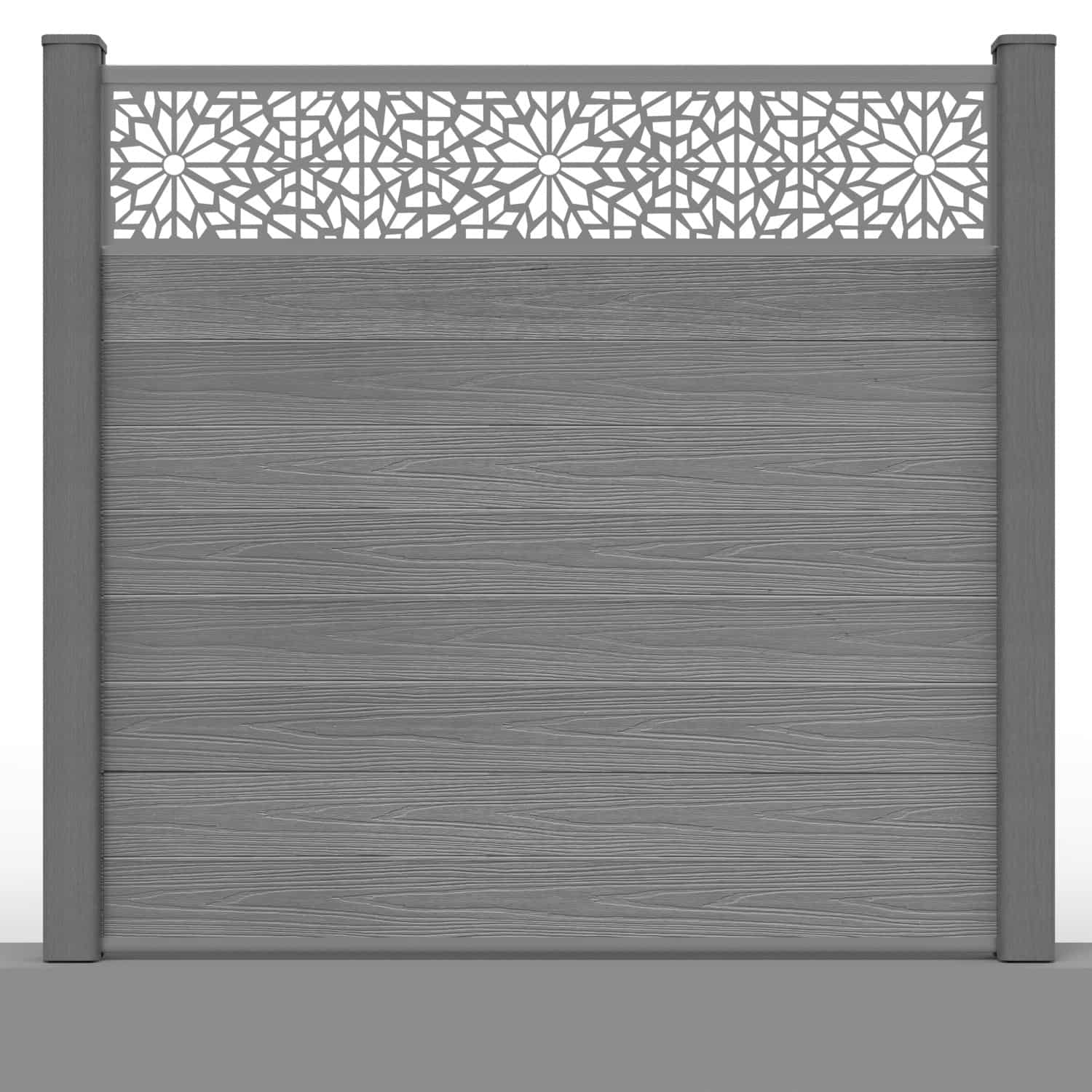
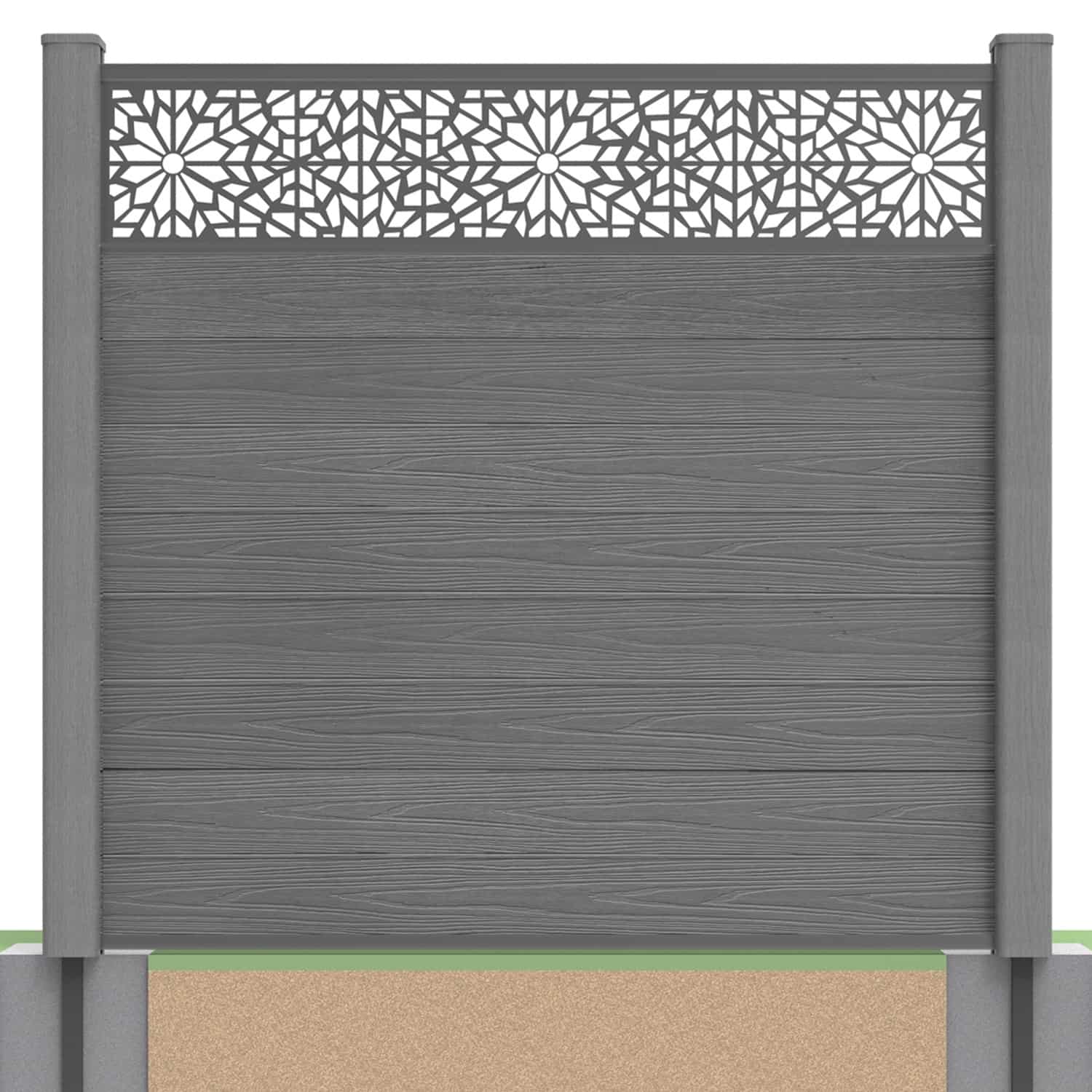
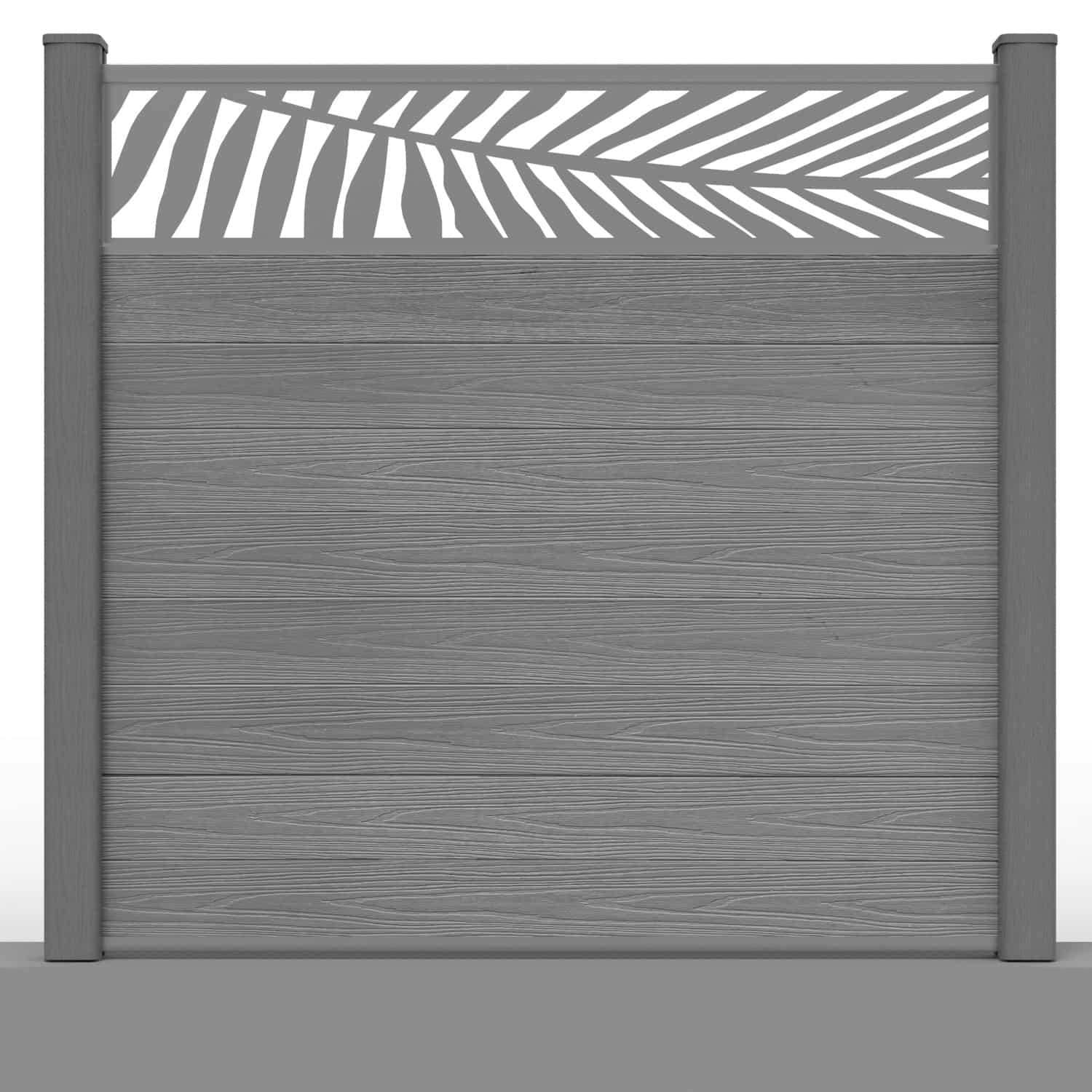
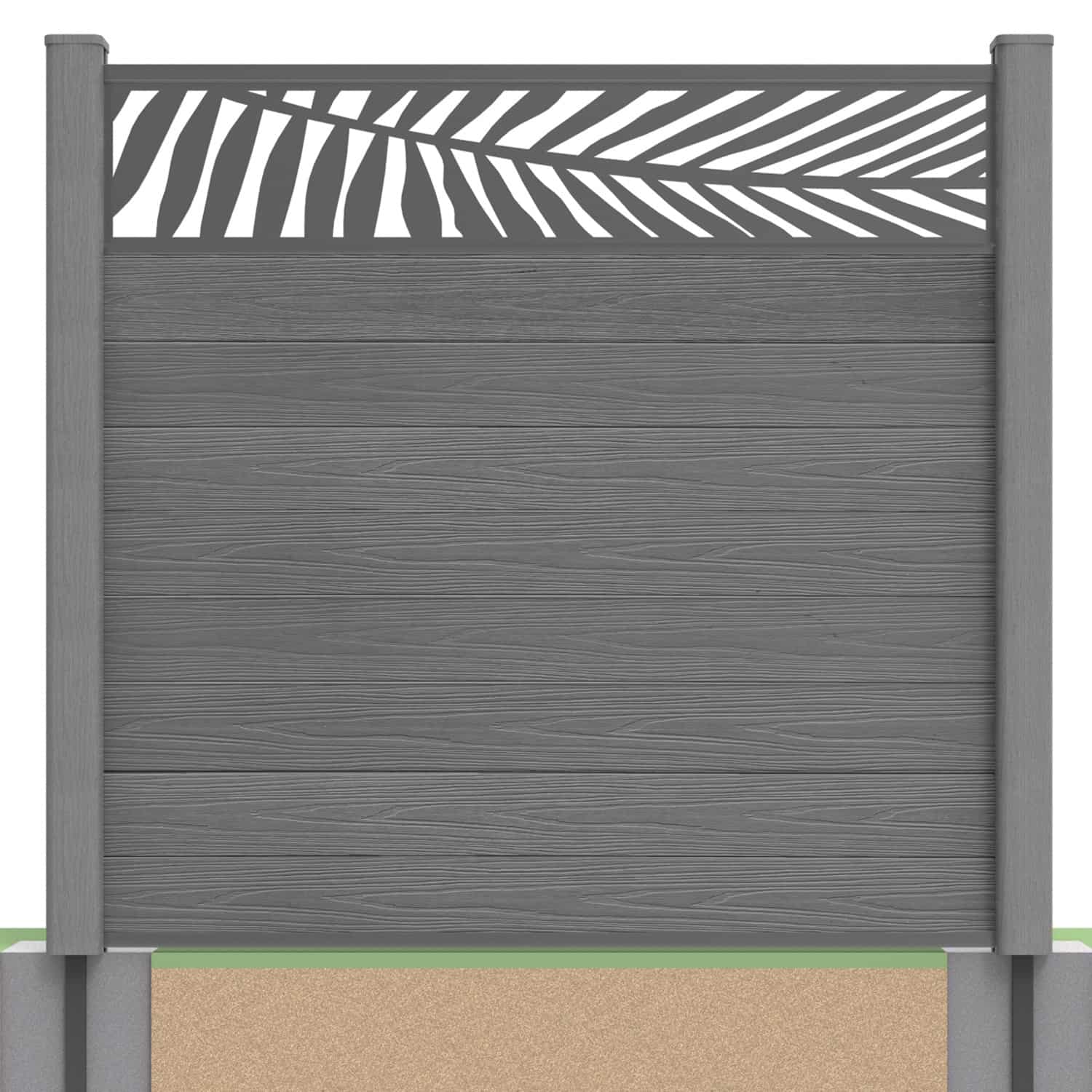
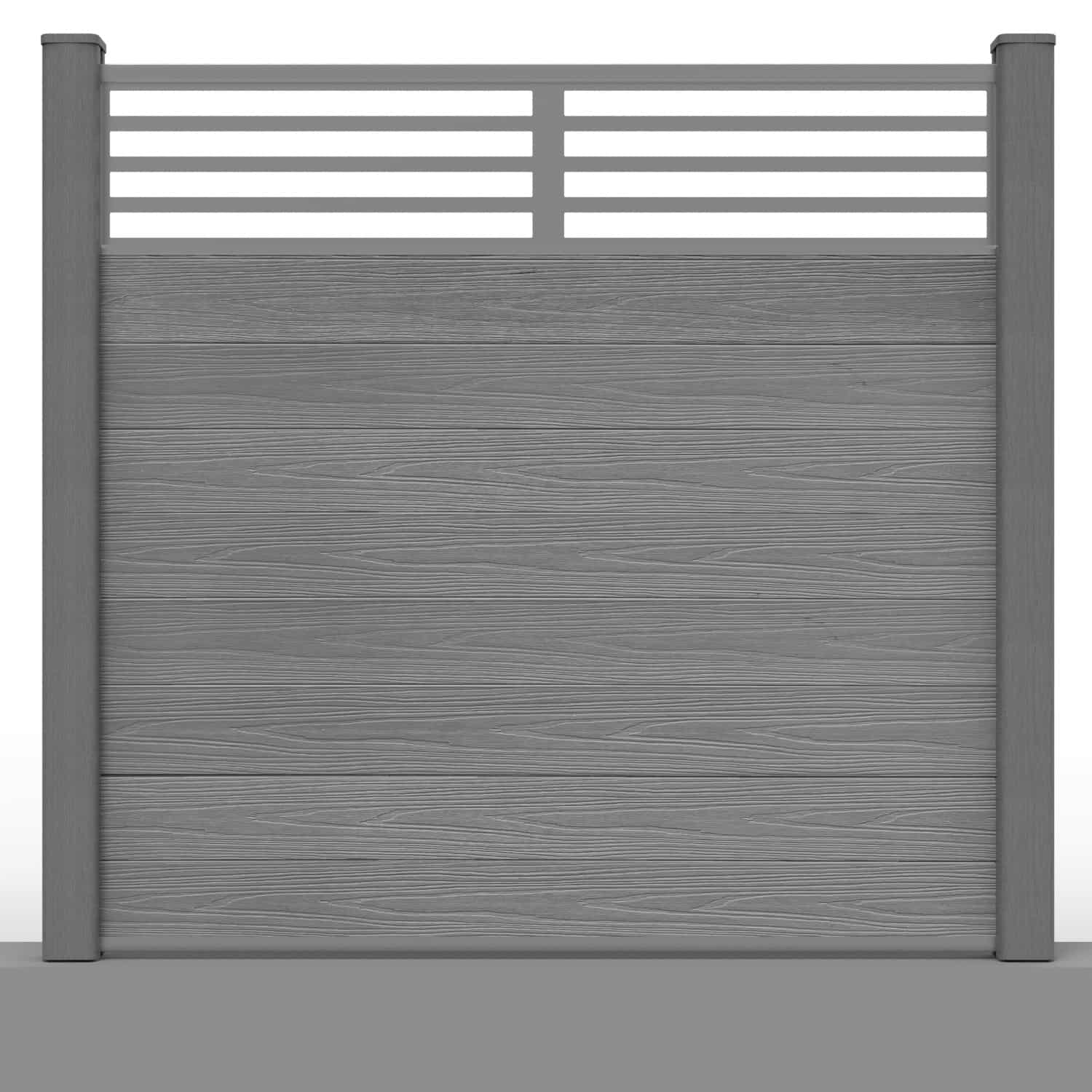
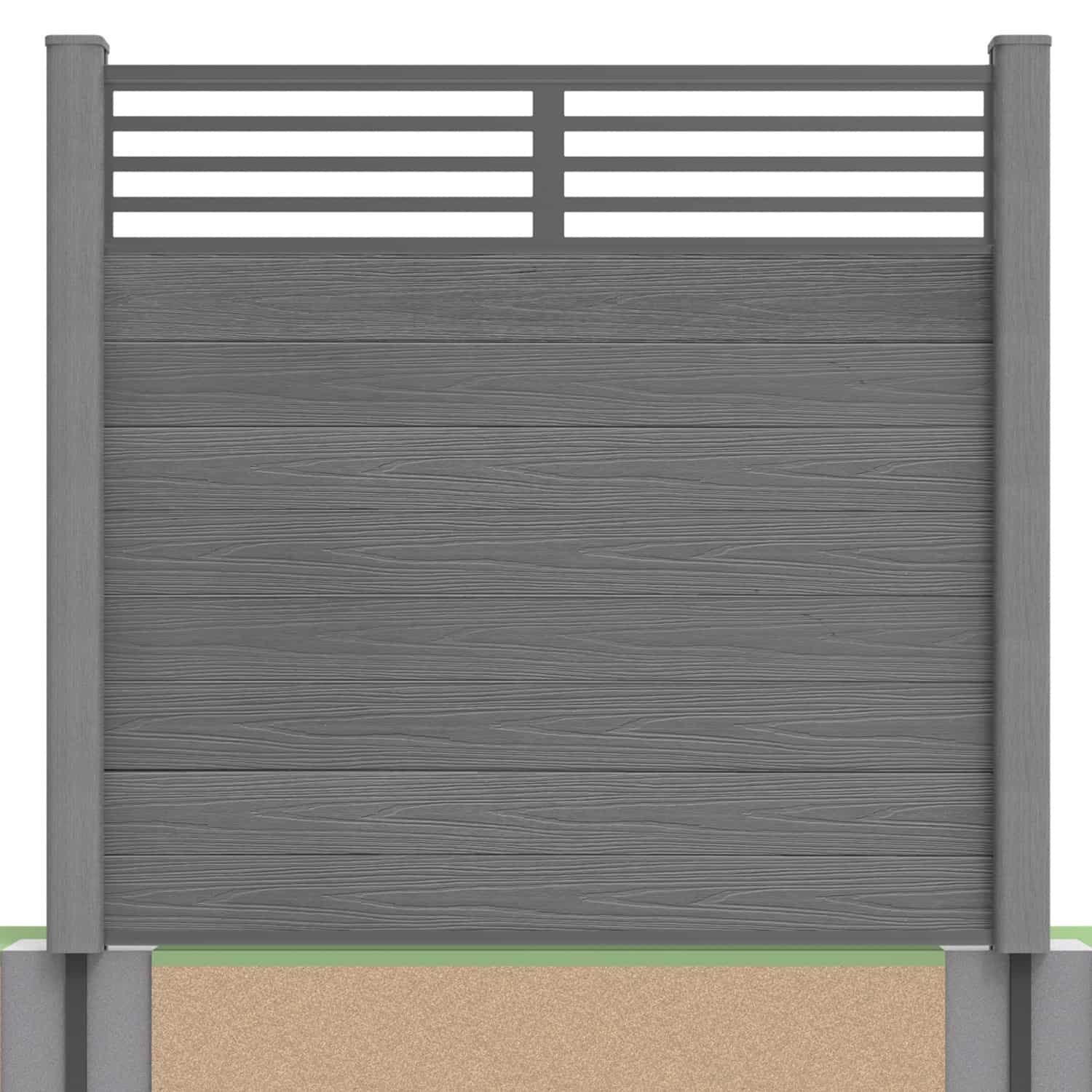
Build Your Boundary With the Right Fencing Boards
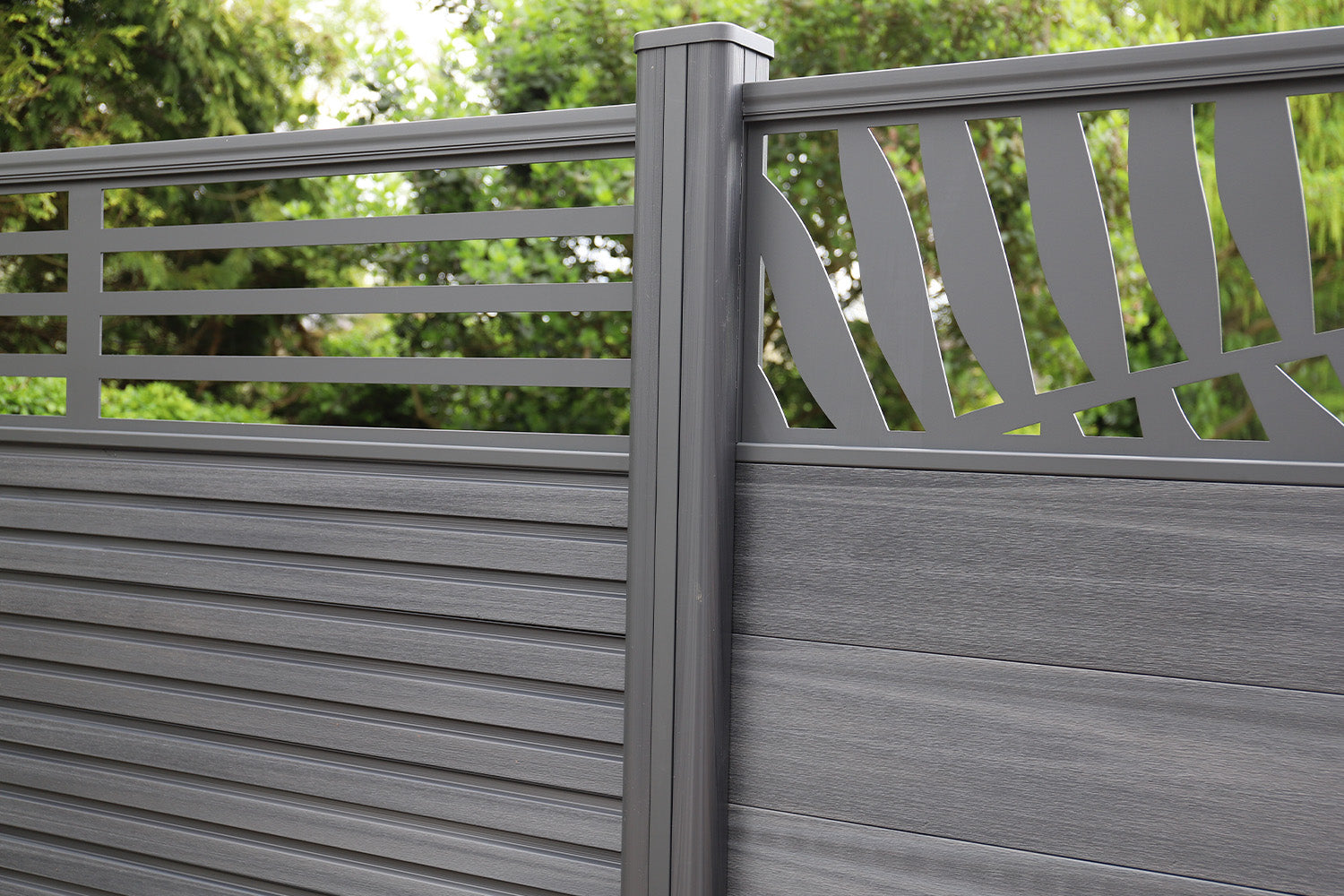
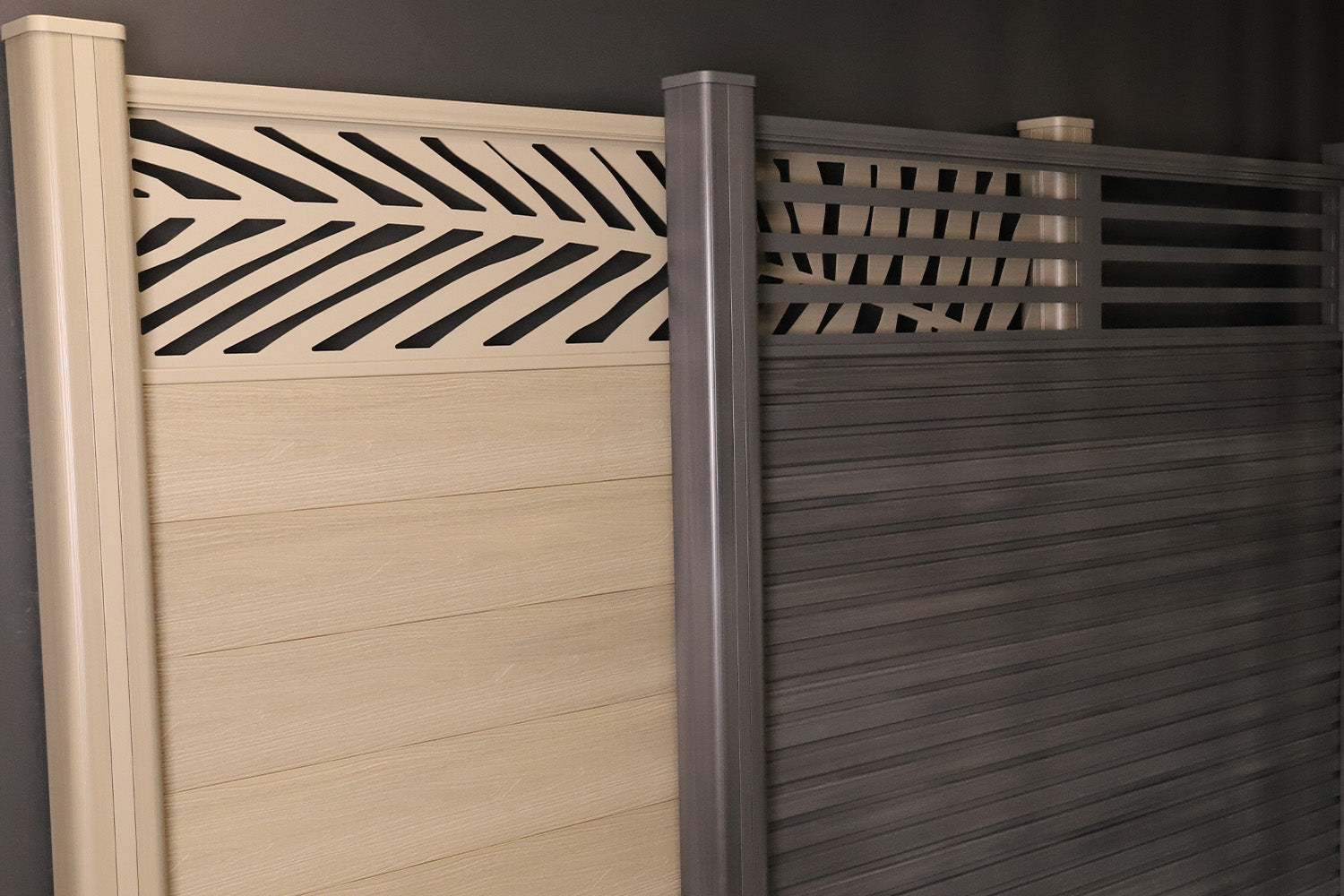
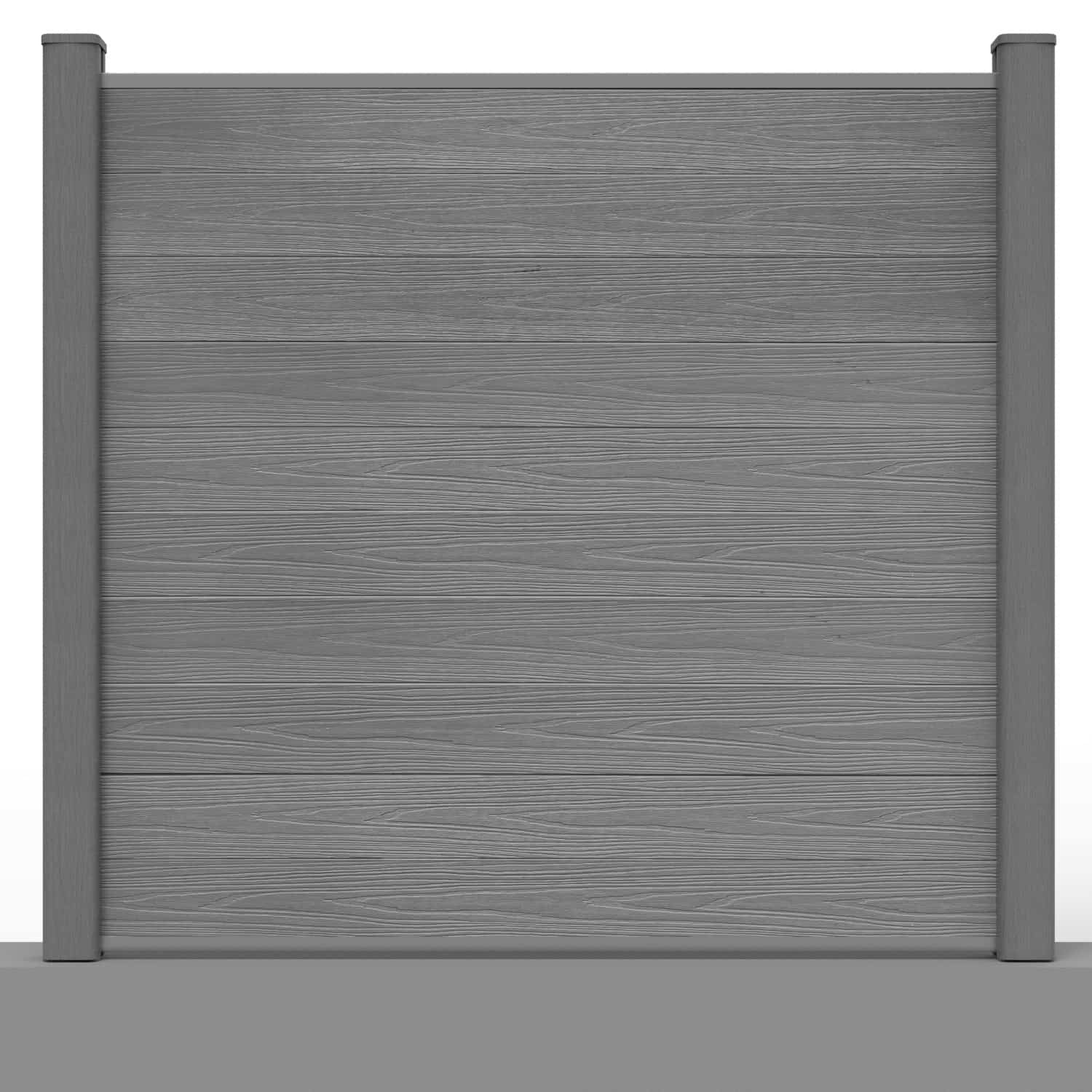
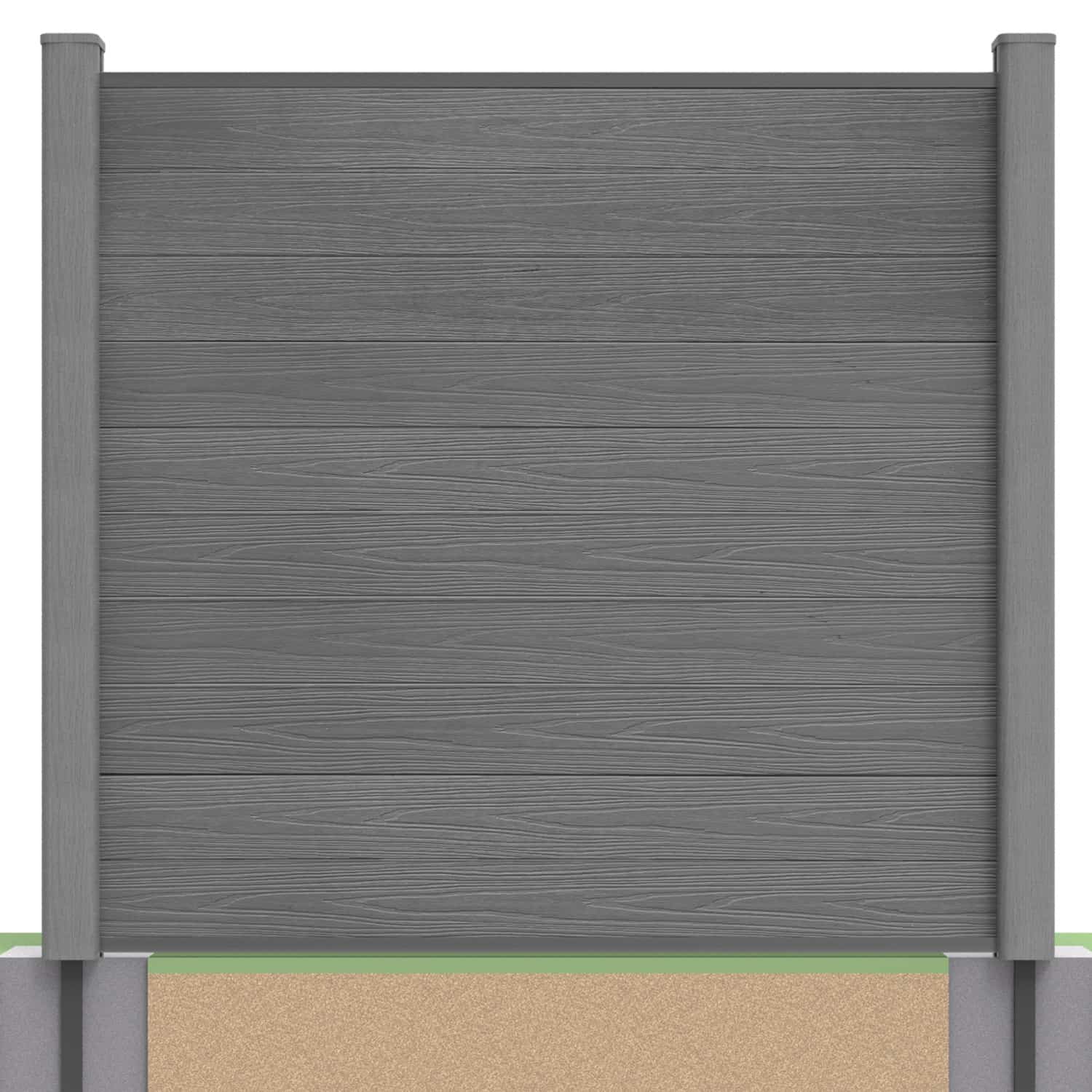
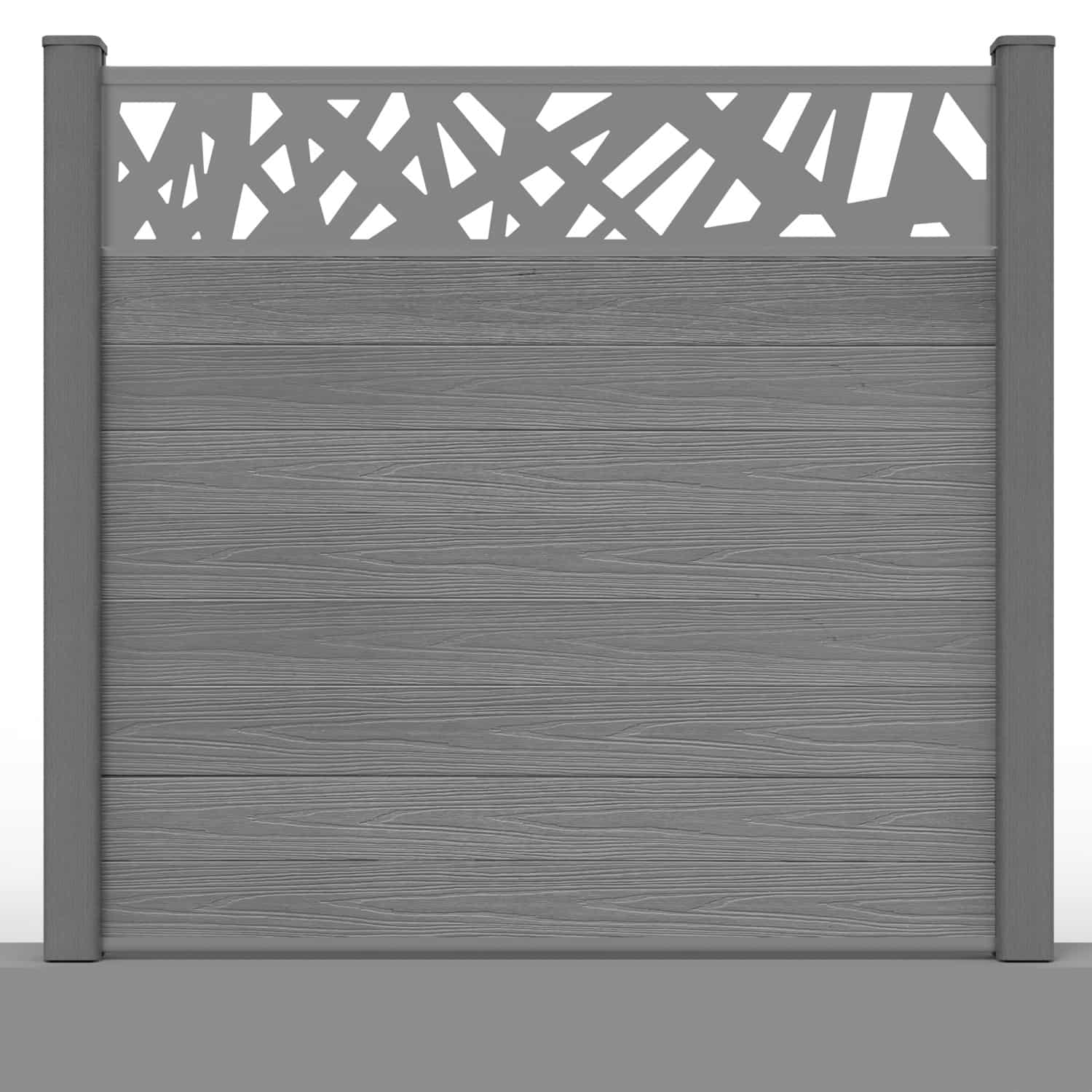
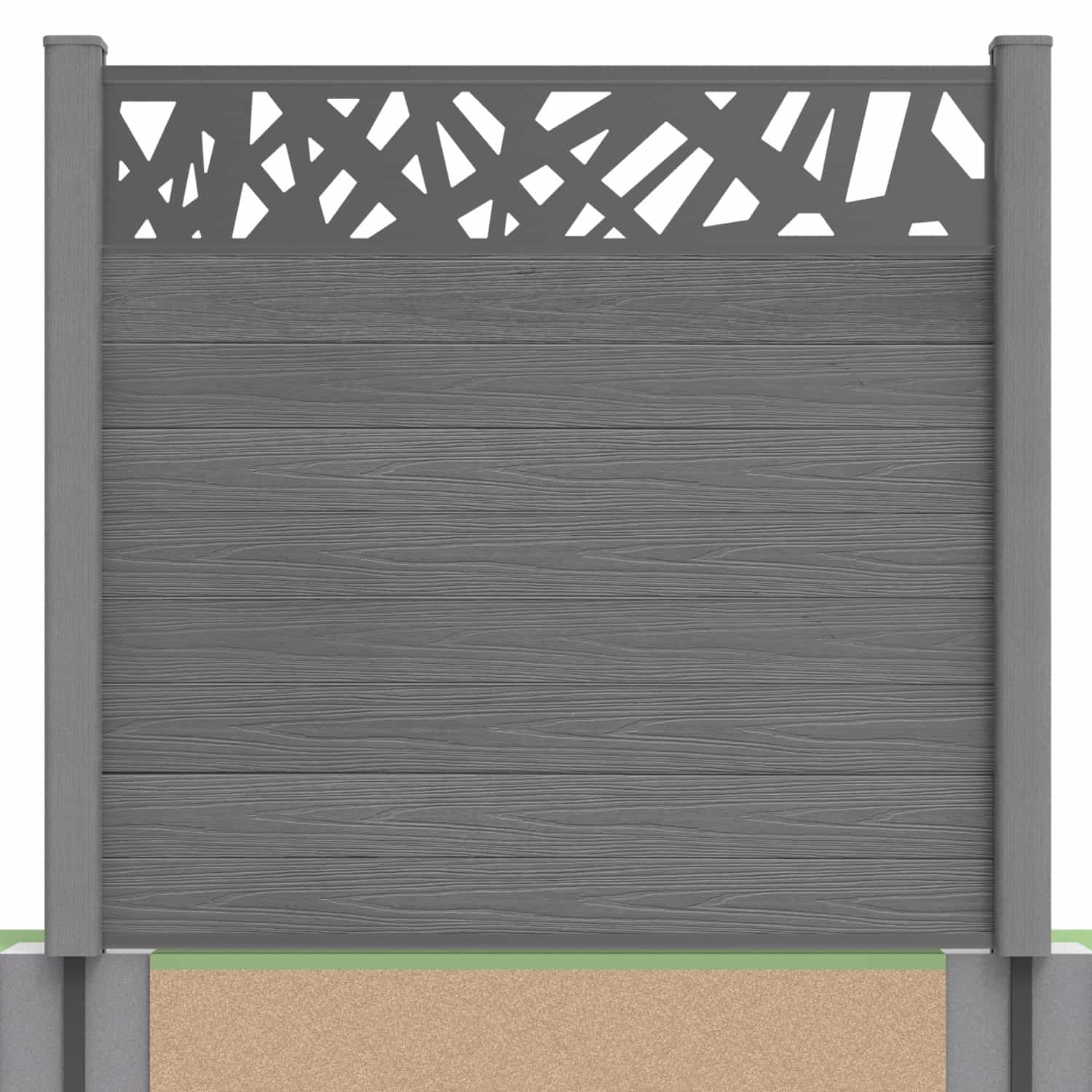
Composite fence slats are the individual boards used to assemble a modular fence panel. NeoTimber’s system uses horizontal boards stacked between compatible posts or inserts, with tongue-and-groove edges that connect as the panel is built.
Choosing the right board involves more than a colour preference. Profile, dimensions, surface finish and supporting components all affect the finished boundary. This guide compares the Deluxe and Slatted options and explains what to check before ordering.
Explore our fencing guide for an introduction, or browse the composite fencing collection to see the wider system.
Explore: Slats, boards and planks · Sizes and finishes · Capped surfaces · Layout and quantities · Installation checks · Care · FAQs
Slats, Boards and Planks: Understanding the Terms
When shopping for a composite fence board, you may also see the terms slat or plank. These descriptions often refer to the individual components rather than complete assembled panels, but terminology varies between suppliers.
If you are comparing composite fence planks, check the actual profile and dimensions. The name alone does not establish whether the product has interlocking edges, which post channels it fits or how much finished panel height each board provides.
There is also a distinction between a slat as a general name for a board and NeoTimber’s Slatted range. Slatted describes a particular visual profile; it should not automatically be interpreted as open screening with gaps for airflow or views.
Compare NeoTimber’s Two Board Styles
Deluxe: Woodgrain and Brushed Faces
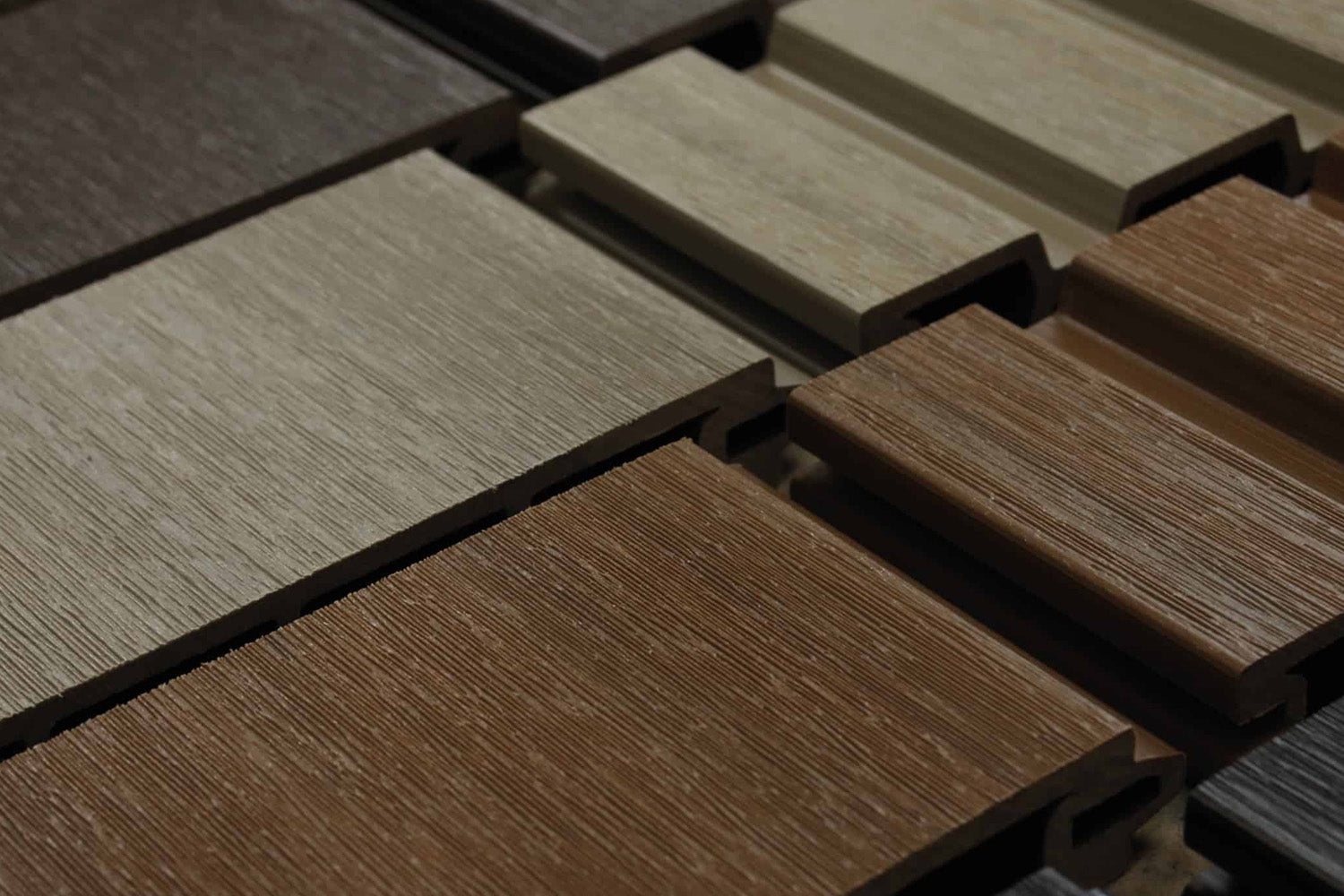
The Deluxe composite fencing board measures 180 × 24 × 1800mm. It offers an embossed woodgrain face and a brushed face, allowing you to choose which texture is most prominent in your garden.
Decide on the face orientation before installation, including how the reverse will appear from neighbouring spaces. View a sample upright beside your paving and planting to assess both colour and texture.

Slatted: A Defined Linear Profile
The Slatted board measures 176 × 24 × 1800mm. Its three-slat visual design and brushed finish create repeated lines and shadow detail across the boundary.
It provides a different appearance from Deluxe, rather than being simply another name for the same board. Check the whole system specification before considering any substitution between ranges.

| Range | Listed board dimensions | Surface character |
|---|---|---|
| Deluxe | 180 × 24 × 1800mm | Embossed woodgrain on one face; brushed finish on the other |
| Slatted | 176 × 24 × 1800mm | Three-slat visual profile with a brushed finish |
Overall board dimensions are not necessarily the effective installed coverage. Interlocking edges, rails, posts and specified clearances all affect the completed assembly. Use the product instructions rather than calculating panel height from nominal width alone.
What Does the Capped Surface Add?
NeoTimber’s boards combine wood fibres, polymers and additives with an additional protective outer layer. This capped construction is designed to improve resistance to moisture, fading and staining while providing the finished surface.
The intended colour and texture are supplied with the board, so routine painting and staining are not part of normal care. This can reduce the refinishing associated with maintaining a coated timber appearance.

However, surface protection does not make the material immune to every mark or guarantee unchanged colour indefinitely. Structural suitability also depends on the full system, including supports and foundations; capping alone is not a strength rating.
Plan the Layout Before Calculating Quantities
Start with a sketch showing the fence runs, proposed height, corners, changes in level and gate openings. Decide whether you need individual components or complete panel sets, then confirm what each purchase includes.
For composite fencing planks supplied individually, the shopping list needs more than the boards. Allow for compatible posts or inserts, supports, rails, caps and fixings as required by your configuration.
- Use the selected system’s installed dimensions to establish bay positions.
- Confirm the board quantity needed for the specified panel height.
- Account for rails, clearances and permitted cutting.
- Plan ends, corners and gate supports separately.
- Check whether existing posts can be retained after assessment.

A horizontal board is not a freestanding boundary component. The completed panel needs suitable support at the specified spacing. Do not increase spans or add height simply because more boards can be stacked into a channel.
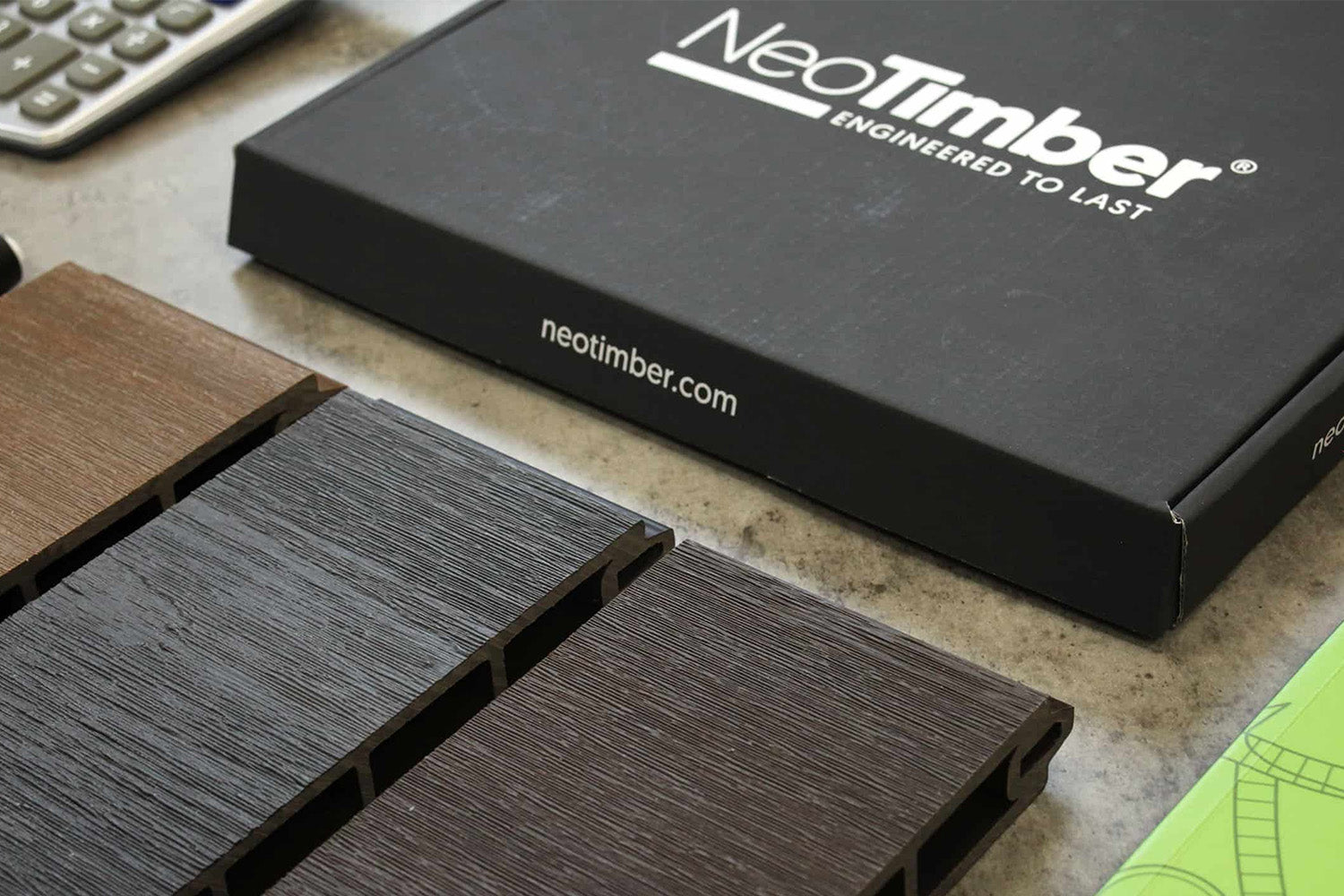
For colour selection, compare the available fencing shades and request samples. Ordering a replacement later may involve appearance differences due to weathering or batch variation, so do not assume an exact visual match with older boards.
Installation Checks for a Modular Fence
The tongue-and-groove arrangement helps align neighbouring boards as they stack between compatible channels. Follow the current installation guidance for the correct sequence, rails and allowances for movement.
Check post alignment, spacing and foundations before fitting boards. Existing concrete or timber supports need a condition and compatibility assessment before using retrofit inserts. Inserts do not repair damaged posts or compensate for inadequate foundations.
Where cutting is permitted, follow the board instructions and use appropriate tools and protective equipment. Do not assume that every adjustment is allowed: gate frames, board profiles and support components have their own requirements.

On sloping or exposed sites, agree the layout and support specification before ordering. The board system does not automatically make every fence height or stepped arrangement suitable.
Keep the Surface Clean and Inspect the Assembly
Follow the fencing maintenance guide. Warm soapy water and a soft brush provide a starting point for routine cleaning; rinse away loosened dirt and check additional cleaning products before use.

Avoid sanding capped surfaces or using abrasive tools, solvents or improvised heat treatments without product-specific advice. If a mark remains, contact the supplier before attempting a repair. Periodically inspect posts, rails and fixings as well as the visible boards.
Review the applicable warranty terms separately. Product cover is conditional and should not be interpreted as a guaranteed lifespan or a promise that every cosmetic change is covered.
Fence Board and Slat FAQs
Are composite fence slats the same as boards?
Slats, boards and planks are often used for individual fence components. Always compare the technical profile and dimensions, because naming alone does not establish compatibility.
What sizes are the NeoTimber® boards?
Deluxe is listed at 180 × 24 × 1800mm and Slatted at 176 × 24 × 1800mm. Check current specifications and effective installed coverage before calculating quantities.
Does the Slatted range leave gaps through the fence?
Do not assume this from its name. Slatted describes the board’s visual profile. Assess the assembled panel details if airflow, privacy or visibility is important.
Can I replace one damaged board?
A modular assembly may allow individual replacement, but access and dismantling depend on the installation. Confirm the compatible range and seek advice before removing components. New and weathered boards may differ in appearance.
Can I build a taller fence by adding more boards?
Only within the approved system specification. Height affects the required supports and foundations, so adding boards is not simply a cosmetic change.
Do the boards need painting?
NeoTimber’s capped boards are supplied with their intended finish and do not need routine painting. Suitable cleaning and inspection remain necessary.
Choose the Board, Then Complete the System
Compare the profile and finish you prefer, confirm your layout and prepare the full component list. Explore NeoTimber® fencing products or contact our team with your measurements for help checking the right combination.