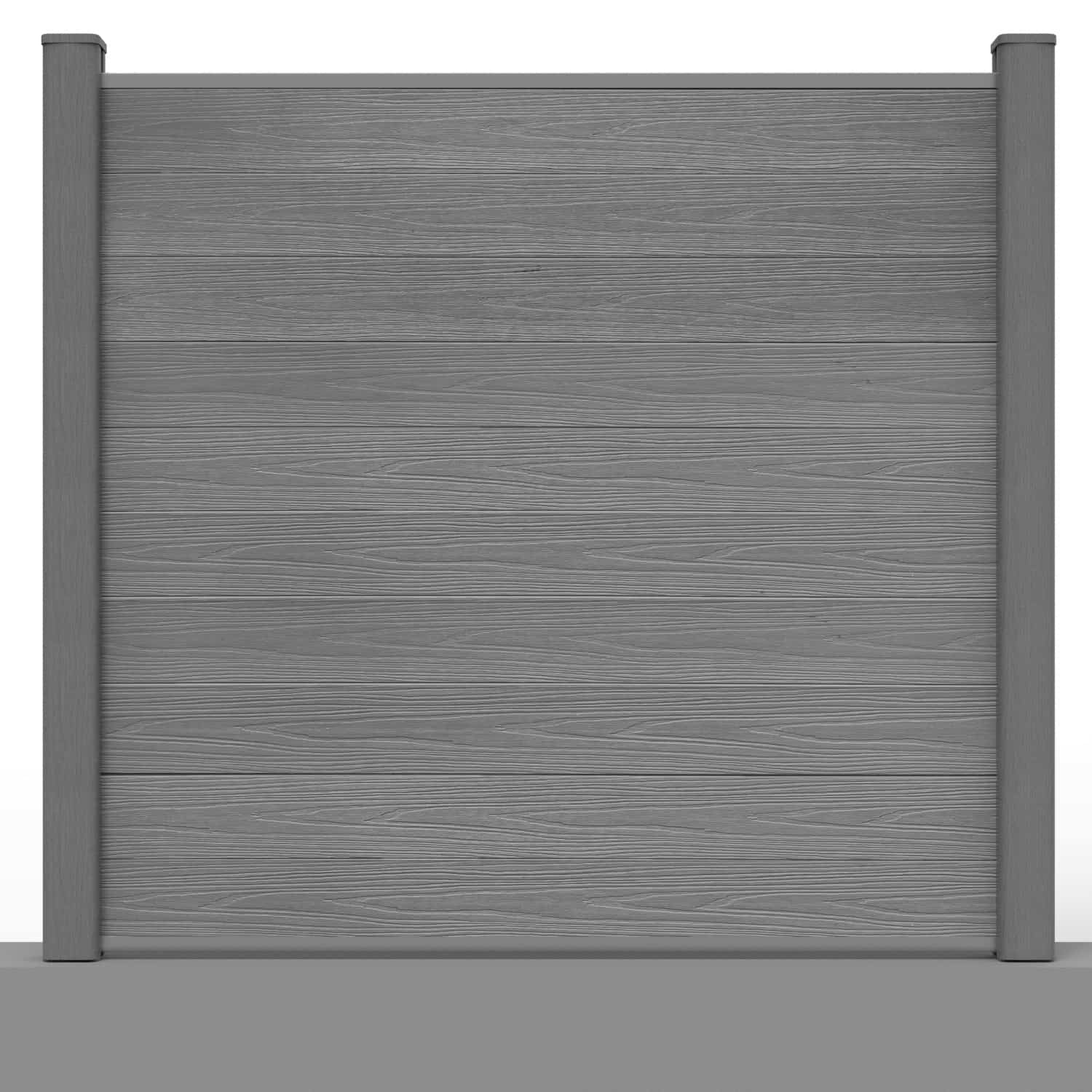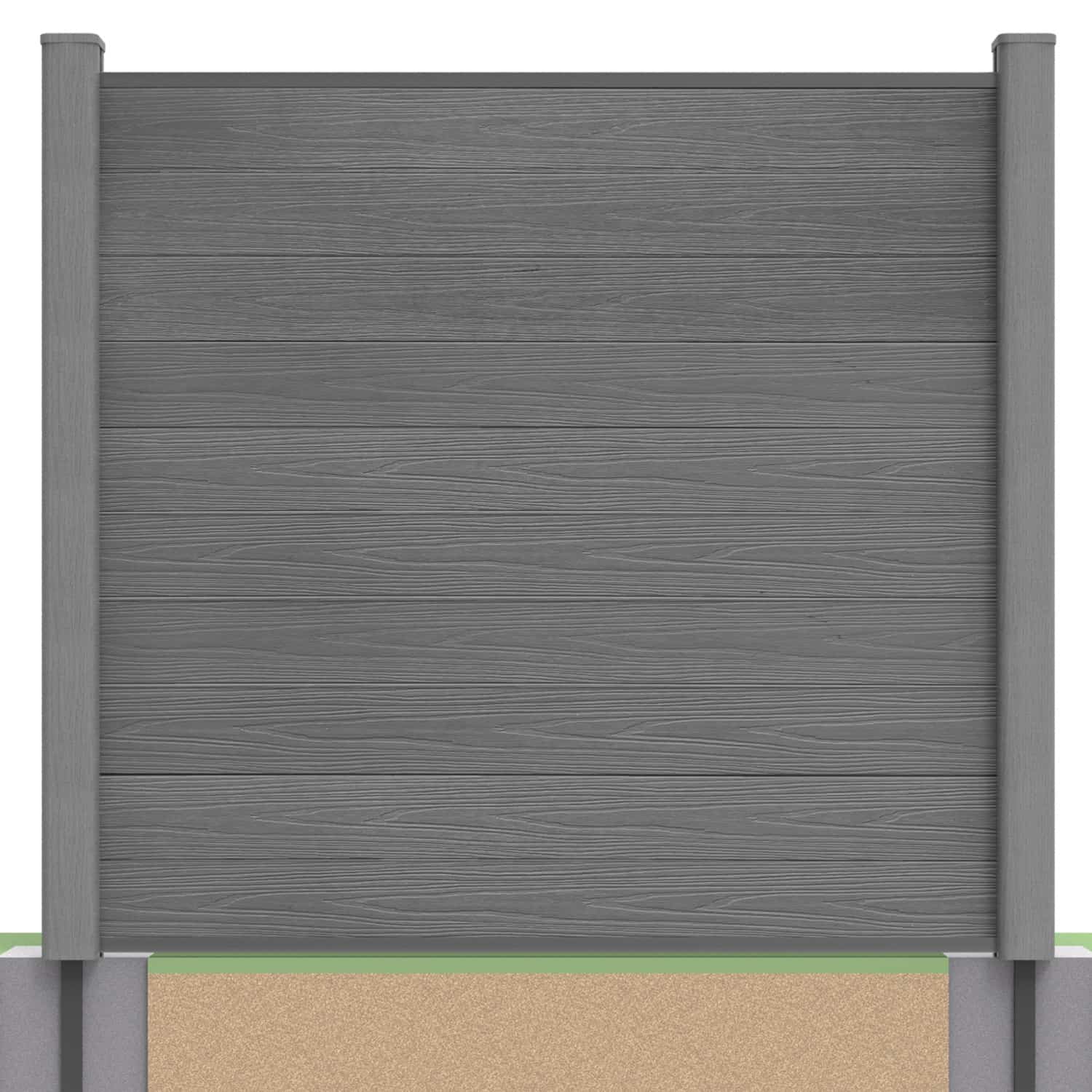
Add a Decorative Screen to Your Composite Fence Design
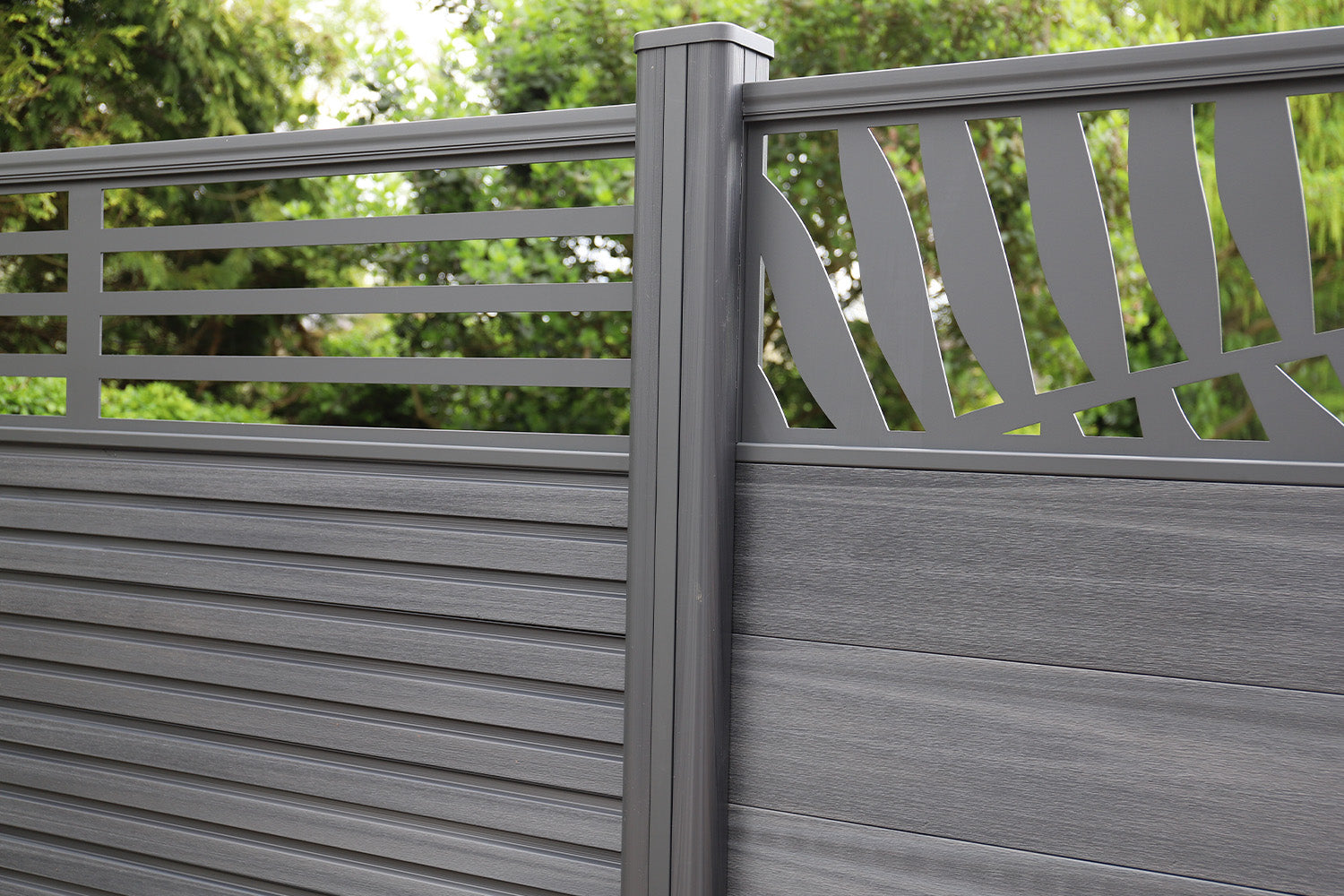
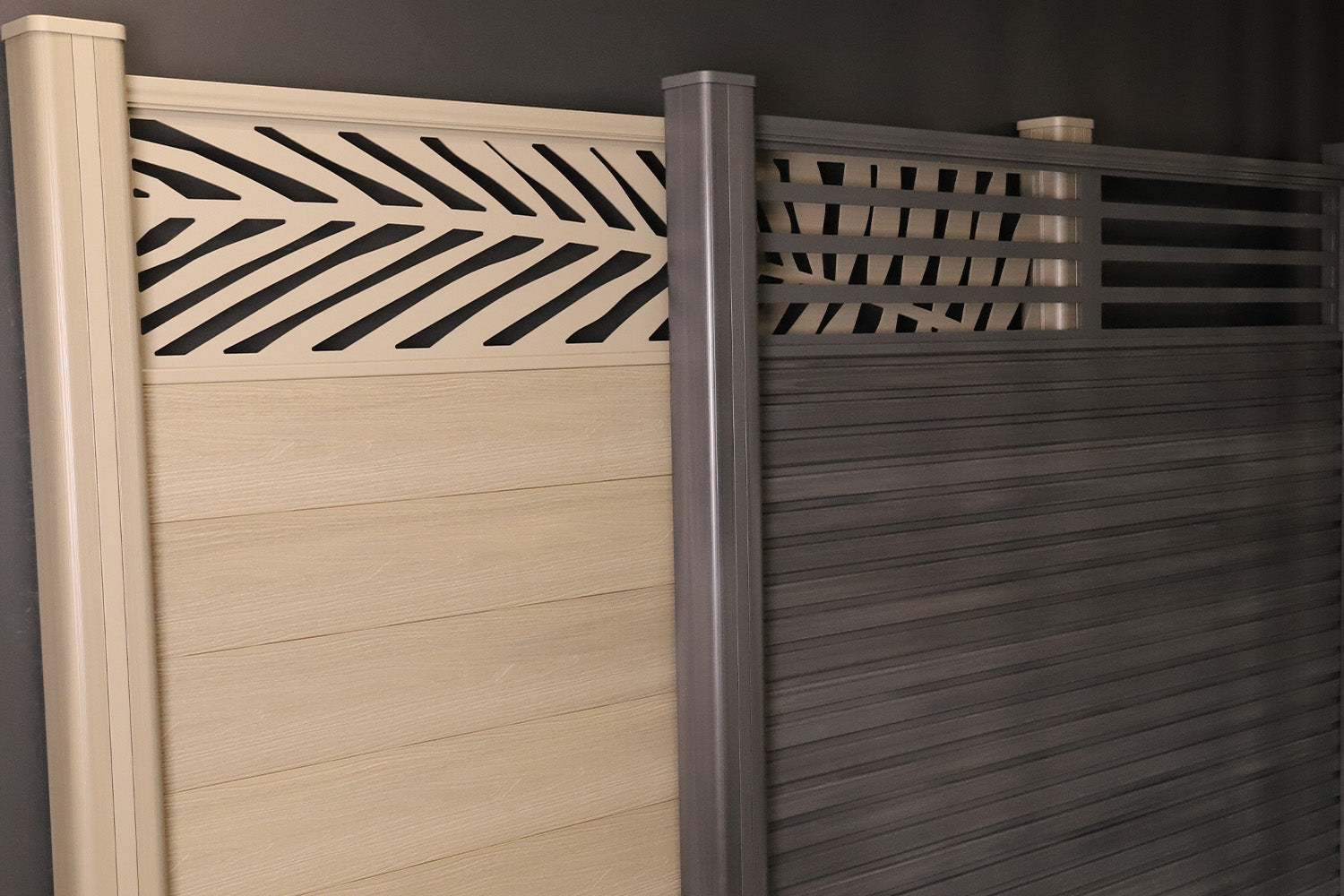
A composite fencing trellis top can introduce pattern and an open decorative detail to a garden boundary. NeoTimber’s options are powder-coated aluminium screens designed for use within the composite fencing system, rather than trellis panels made from composite boards.
Choose from Geometric, Contemporary, Leaf and Linear designs. This guide compares their appearance and explains what to check before adding a screen to a new or existing fence.
Explore our fencing guide for an introduction to the system, or browse NeoTimber® composite fencing to compare boards and accessories.
Explore: What a trellis top does · Geometric · Contemporary · Leaf · Linear · Fitting checks · FAQs
What Does a Decorative Top Add?
A screen can break up a long panel run or create a feature beside a seating area. Its cut-outs introduce a different texture from solid boards, allowing selected views and light through the openings.
The effect depends on the pattern, viewing angle and surrounding layout. Replacing solid material with cut-outs changes visibility; it should not be described as automatically increasing privacy. Consider the view from inside and outside the garden.
You can use a coordinating colour for a unified boundary or compare a contrasting finish for a more noticeable feature. Check fencing colour options and the selected screen’s availability before planning the combination.
Geometric: A Strong Repeated Pattern
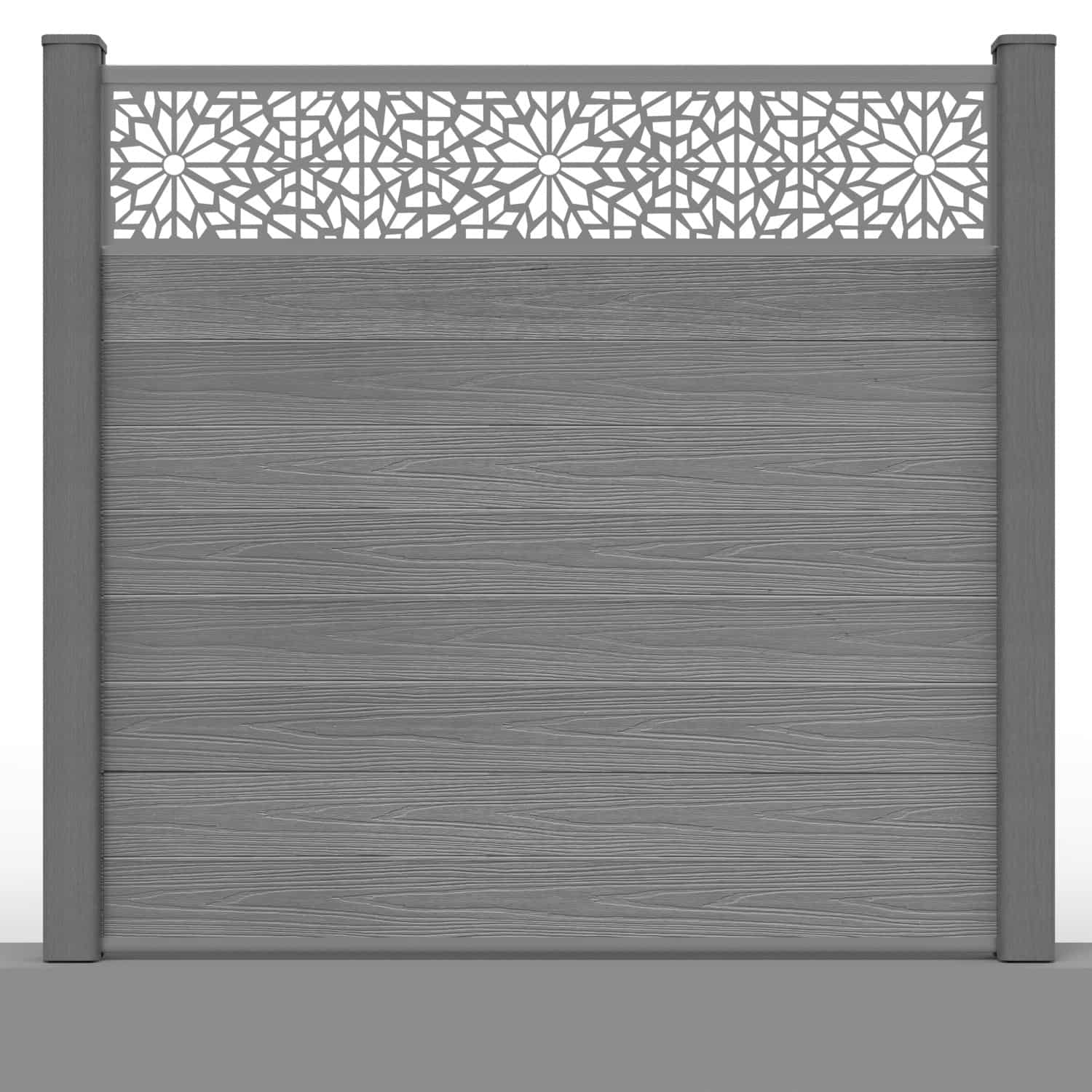
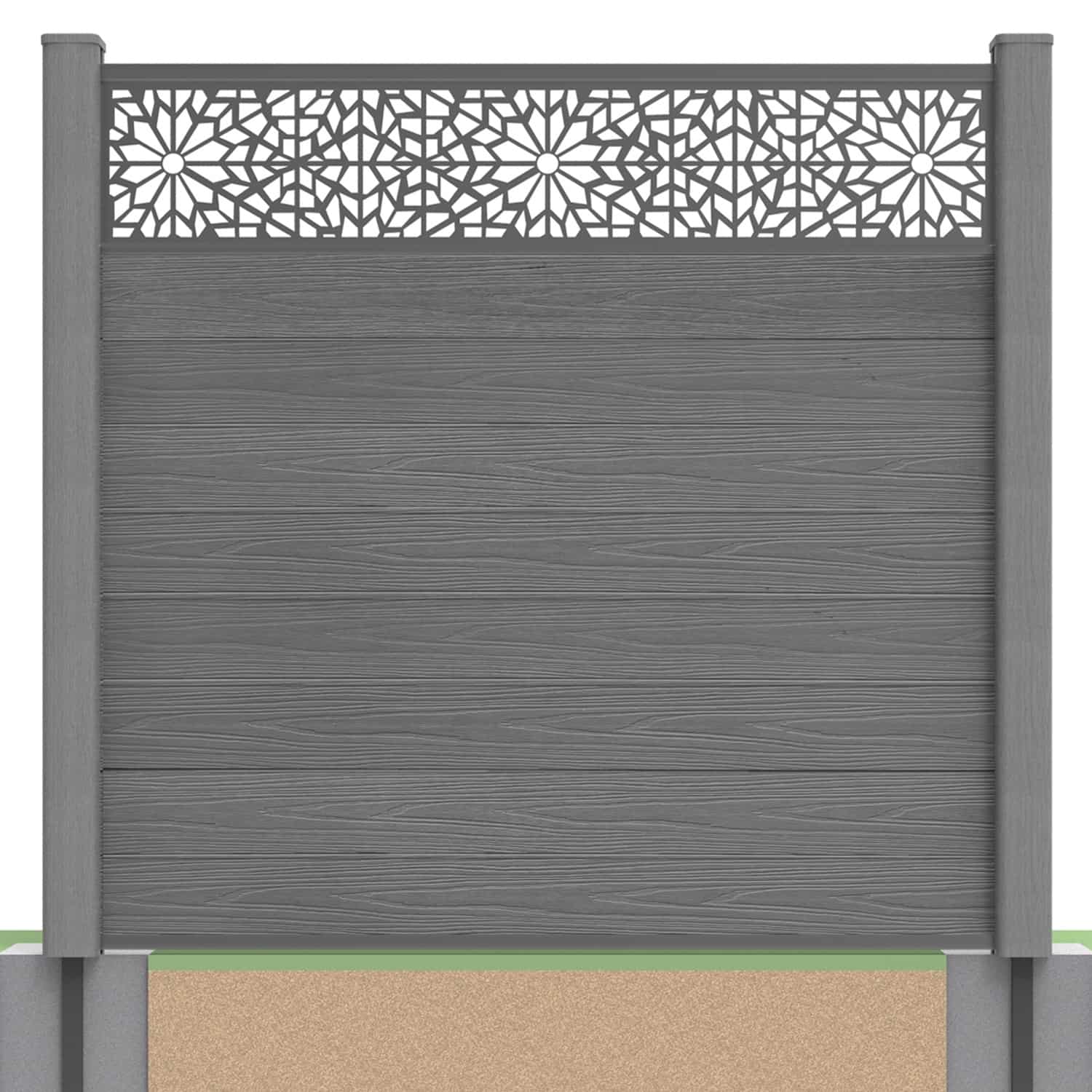
The Geometric Fence Screen creates a patterned feature that draws attention to the upper part of the fence. It is worth considering if you enjoy repeated shapes in paving, textiles or garden accessories.
Use it in a selected bay to create a focal point, or repeat it across a run where the wider design can support the detail. Compare the pattern against planting so the boundary and foliage work together rather than compete.

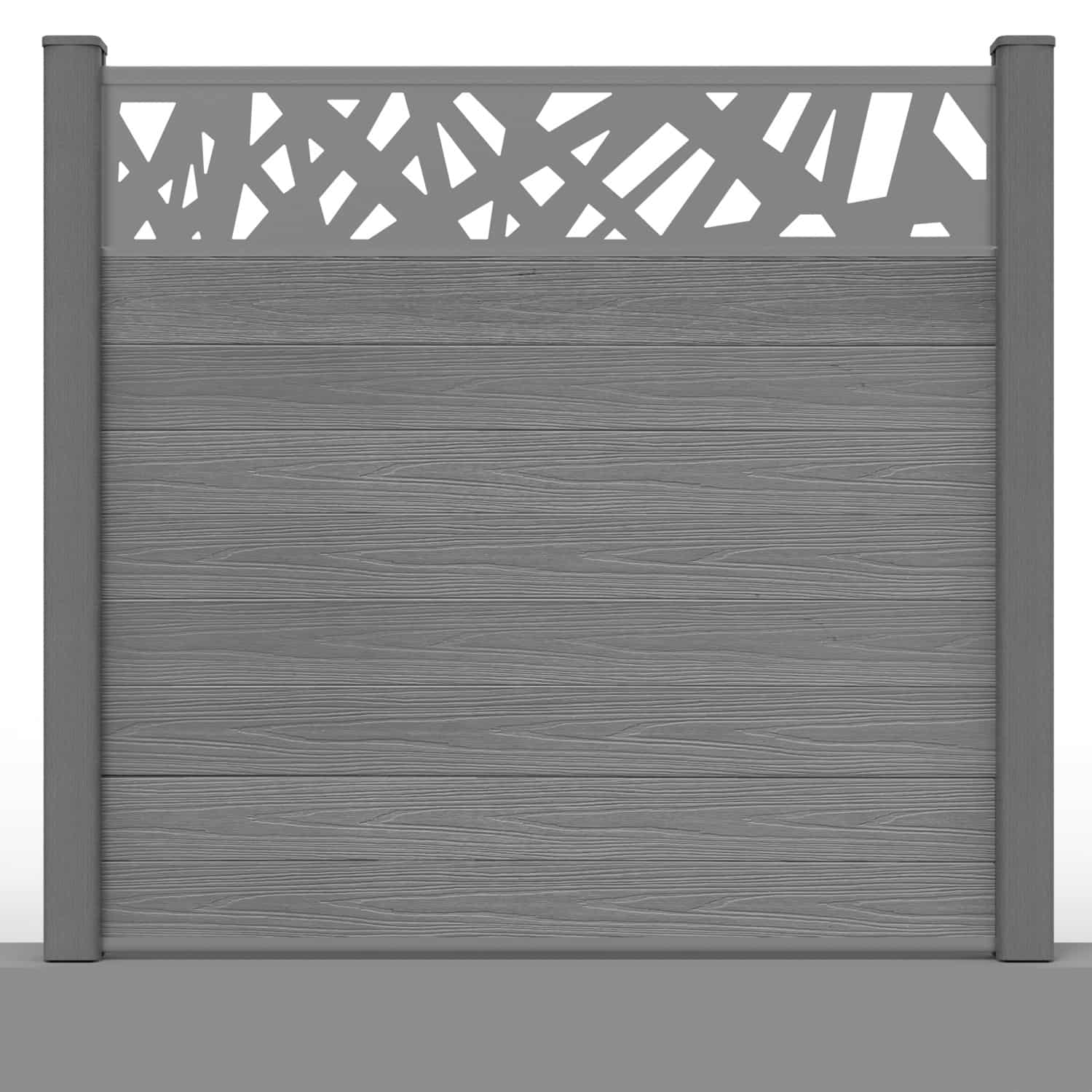
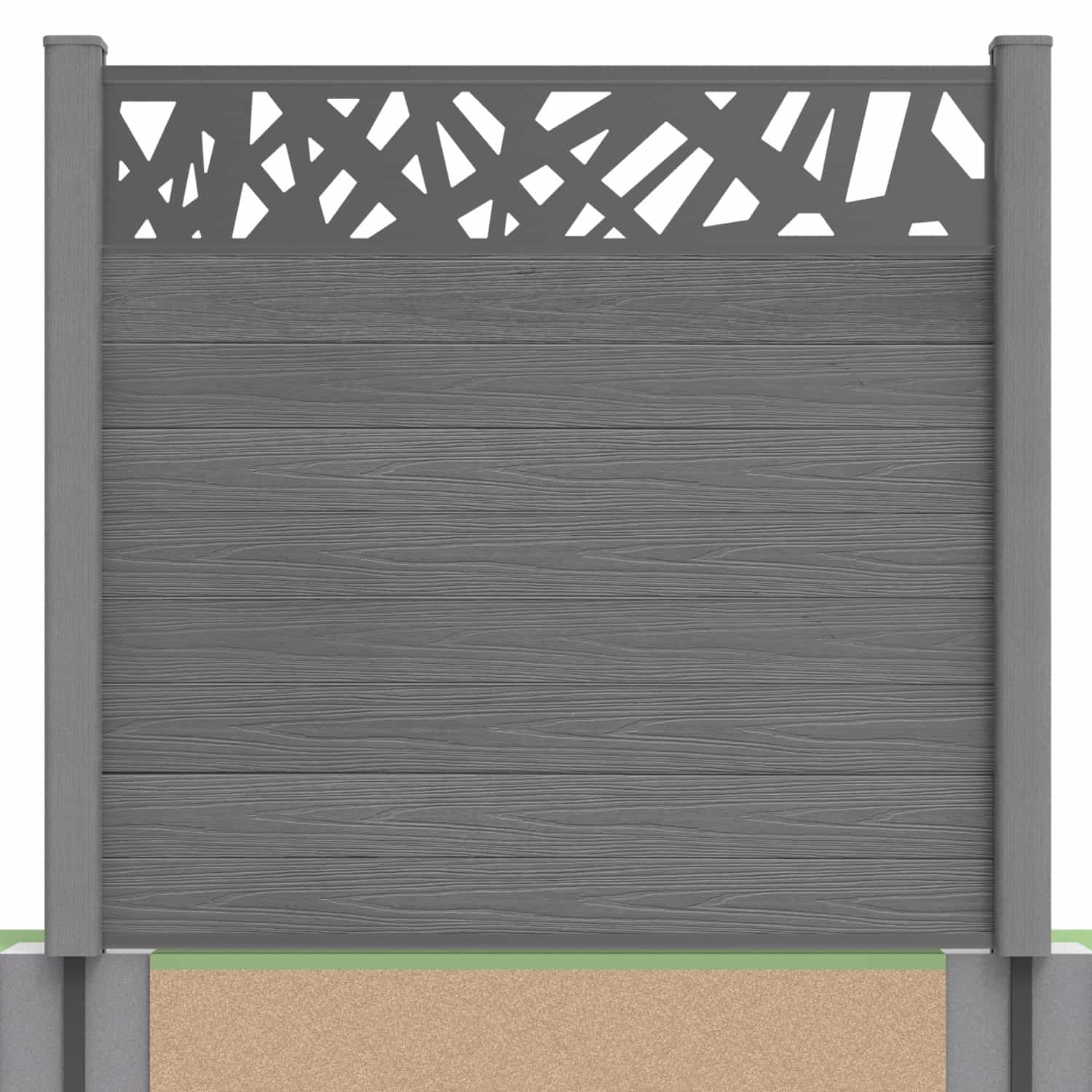
Contemporary: An Angular Decorative Detail
The Contemporary Fence Screen uses an abstract arrangement of angular cut-outs. It offers another way to add pattern without choosing a botanical or strongly linear design.
Assess its appearance from the main seating area and from the approach to the garden. Do not infer a privacy ranking from a small photograph alone: the opening pattern and viewing angle both matter.

Leaf: A Botanical-Inspired Finish
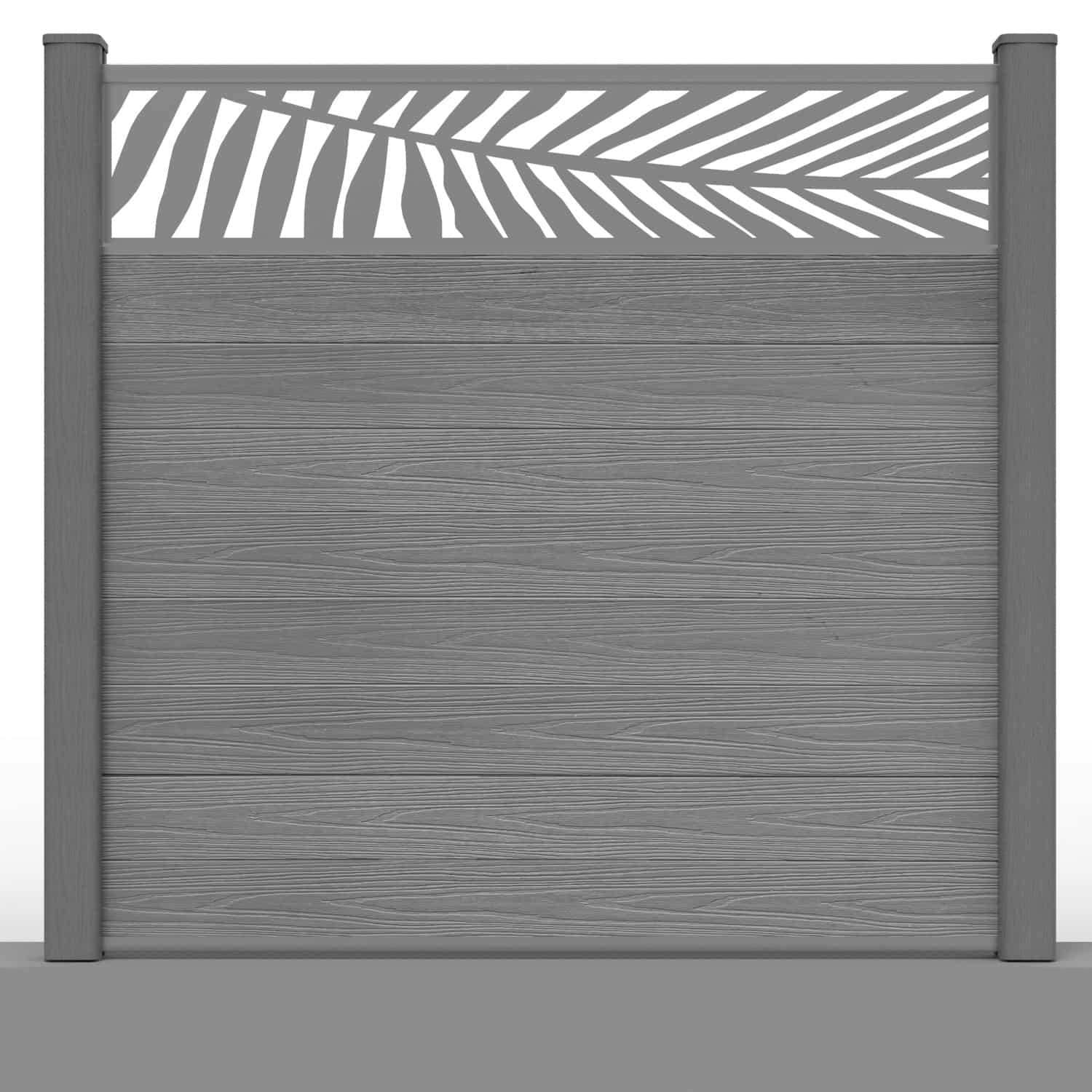
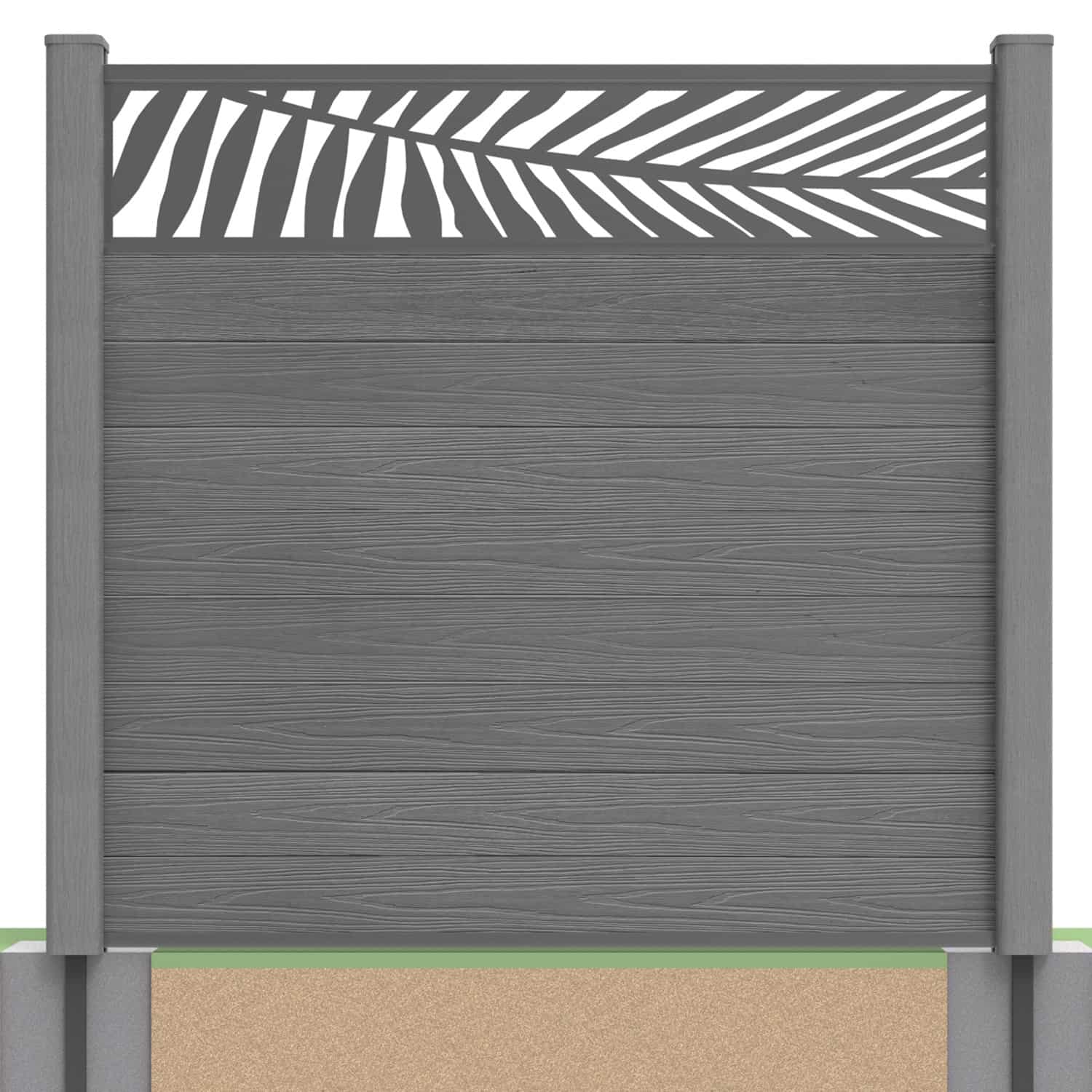
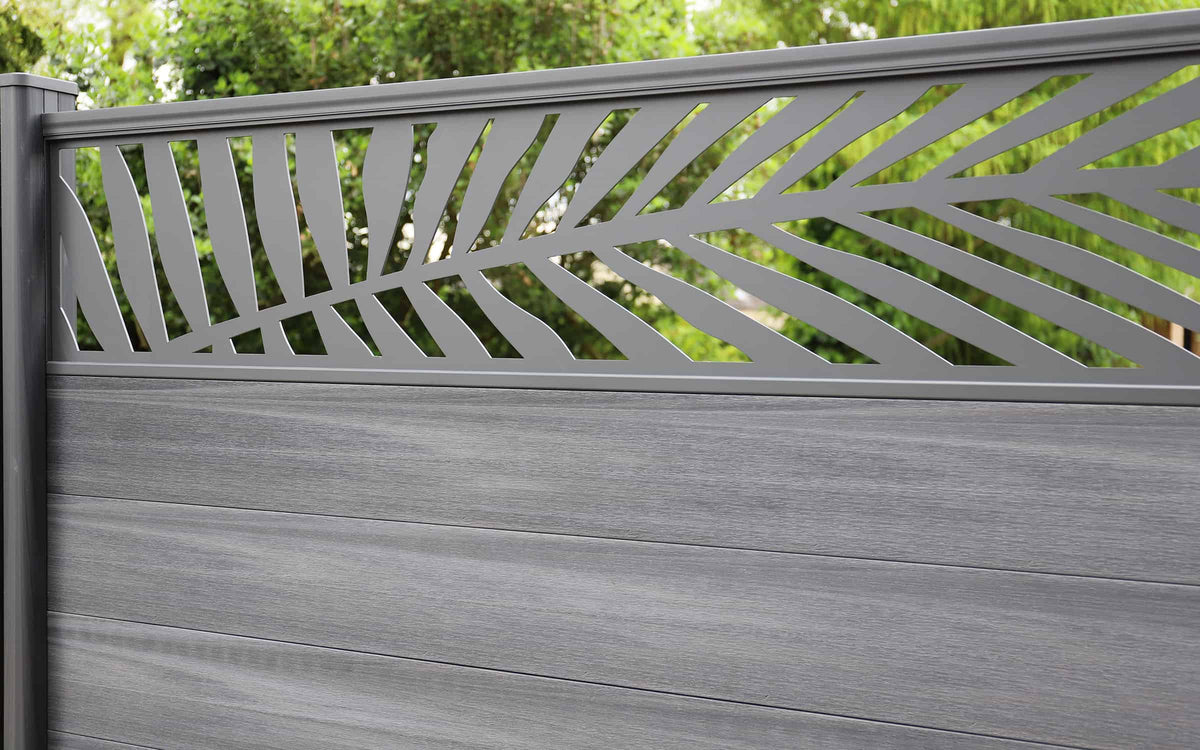
The Leaf Fence Screen introduces a plant-inspired motif. It can sit alongside borders and softer garden shapes, connecting the decorative element with the surrounding planting.
Warm board colours such as teak or chocolate are combinations to explore, while a neutral palette offers a different effect. Compare physical finish samples where available and use photographs for overall composition ideas.

Linear: A Clean, Structured Pattern
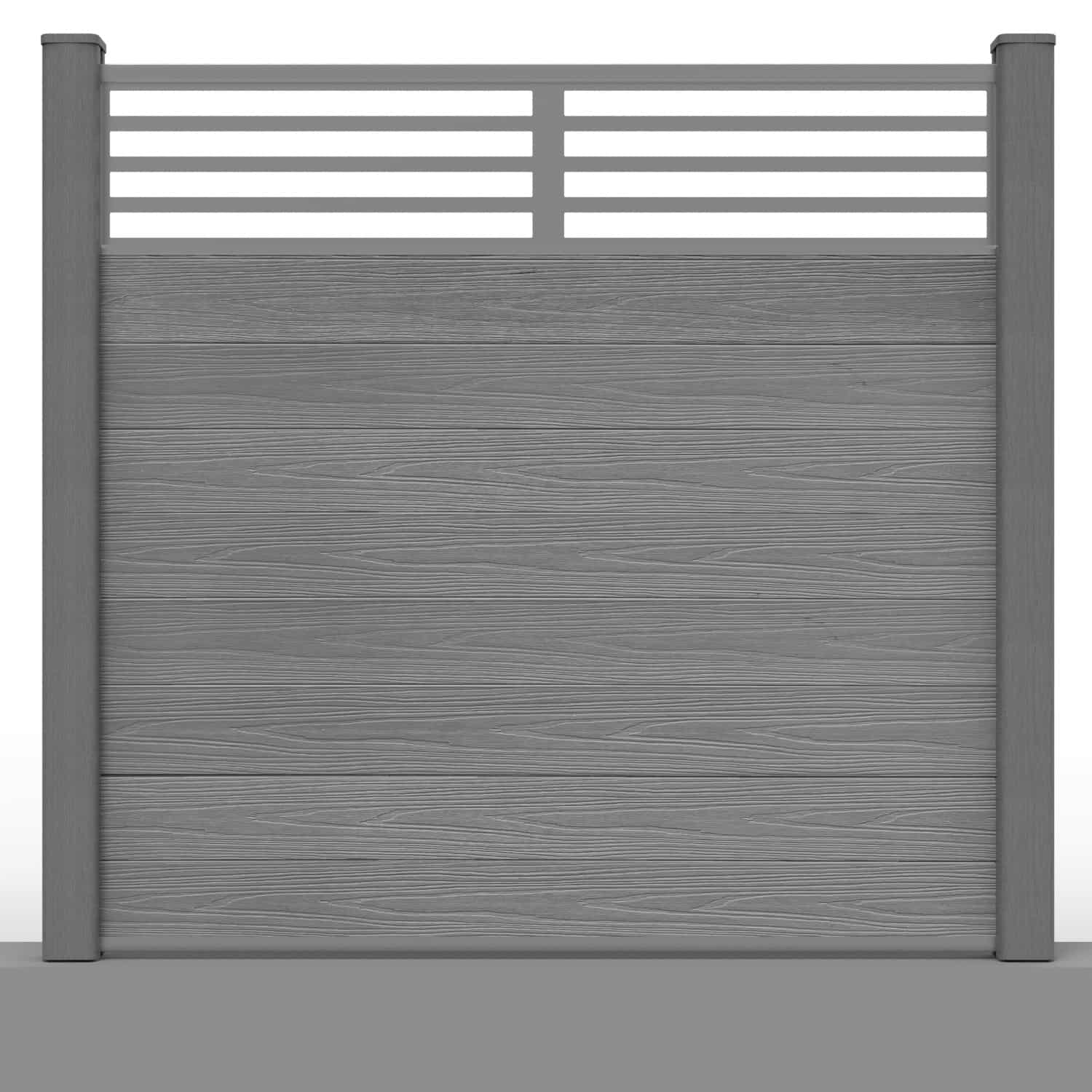
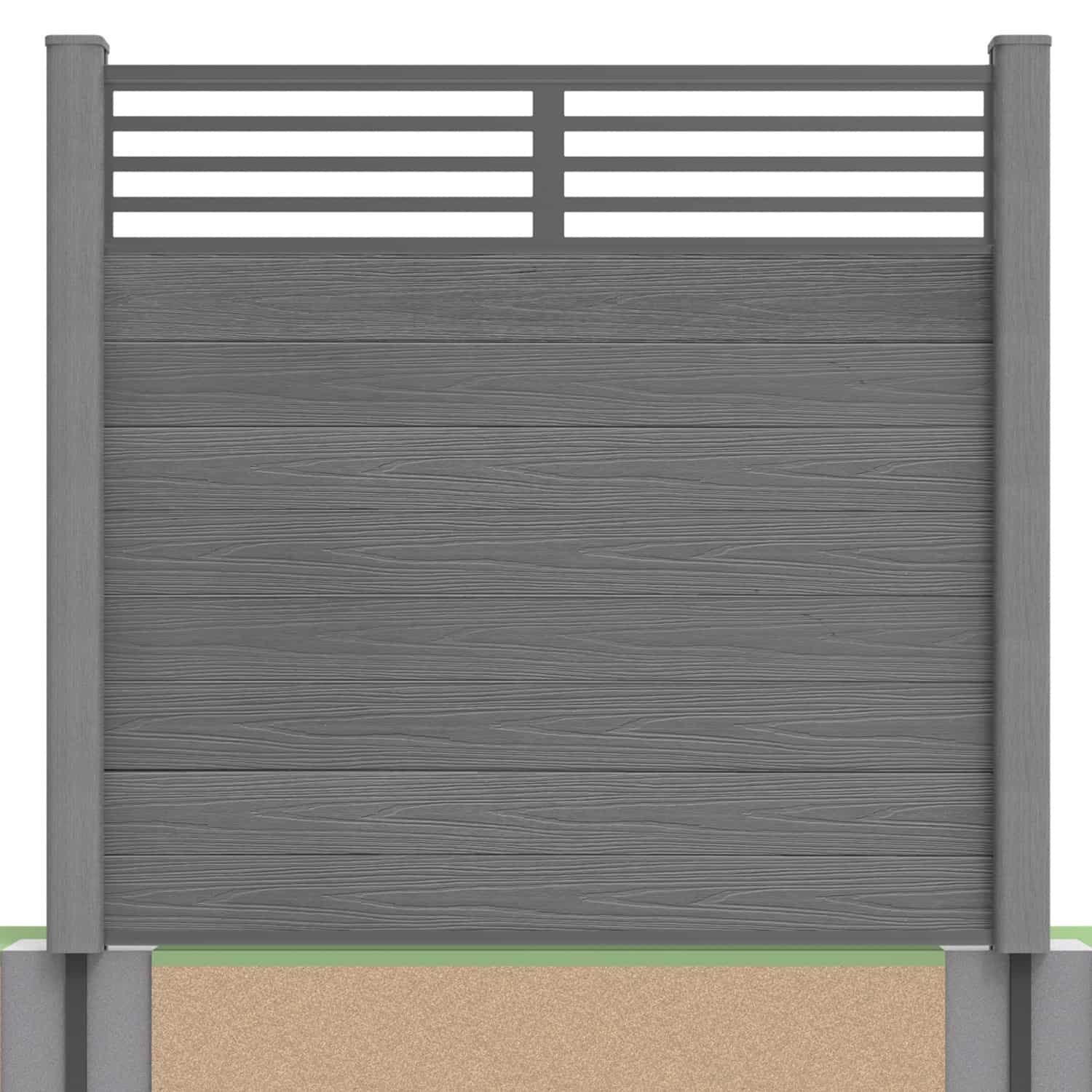
The Linear Fence Screen uses parallel lines for a more structured appearance. It can complement the repeated profile of Slatted fencing or introduce contrast above a different board texture.
Its product specification describes a screen that replaces the top two slats of a standard NeoTimber® panel and includes fixing channels. Confirm the complete assembly for your chosen configuration before ordering.

Compare the Four Designs
| Design | Visual direction | Useful planning check |
|---|---|---|
| Geometric | Repeated decorative pattern | Whether to use a feature bay or repeat the motif |
| Contemporary | Abstract angular cut-outs | The appearance and visibility from seating positions |
| Leaf | Botanical-inspired detail | How the motif works with nearby planting |
| Linear | Parallel, structured lines | How the pattern relates to the board profile below |
These descriptions help shortlist a style; they do not establish wind performance, an acoustic rating or an automatic level of privacy. Confirm any specialist requirement separately.
Fitting a Composite Fencing Trellis Top
NeoTimber’s screens form part of an approved panel arrangement. They should not be treated as a universal extension that can simply be added above any fence to increase its height.
Read the screen installation guide alongside the current system instructions. The exact screen, board quantity, channels, rails and support arrangement need to work together.
- Identify the panel system. Check the board range, dimensions and existing assembly where relevant.
- Confirm compatibility. Verify that the chosen screen and fixing channels suit the intended configuration.
- Check the finished height. Establish whether the screen replaces boards and how the specified rails fit.
- Assess the supports. Confirm post and foundation suitability, especially for altered layouts or exposed sites.
- Follow the fitting sequence. Use the supplied instructions for dismantling, assembly, clearances and fixings.
For an existing installation, access to the upper rails and board channels may require partial dismantling. Do not assume that every screen can be slid into place without other work. Ask for advice before cutting, drilling or modifying components.
Consider Privacy and Plant Loads
Check sightlines through the proposed openings, including from higher windows or neighbouring seating areas. A decorative pattern can soften the boundary visually while still revealing more than solid boards.
Although the term trellis may suggest climbing plants, do not assume the screen is approved to support mature climbers, hanging baskets or heavy ornaments. Use a suitable independent support unless the manufacturer confirms the additional loads are acceptable.
Care for the Metal Finish
Follow the care instructions for the powder-coated screen and the adjacent composite surfaces. Avoid abrasive tools and unapproved chemicals, and inspect fixing channels, rails and connections periodically.
A metal screen and a capped board are different materials, even when their colours coordinate. Check treatment or repair advice for the actual surface rather than assuming the same method suits both.
Trellis Top FAQs
Are NeoTimber’s trellis-style tops made from composite?
The decorative screens described here are powder-coated aluminium, designed to coordinate with NeoTimber’s composite fencing. They are not composite-board trellis panels.
Can I add one to an existing fence?
It may be possible on a compatible NeoTimber® installation. Check the panel dimensions, screen configuration, supports and required access before changing the assembly.
Does a screen increase the fence height?
Not necessarily. A standard screen arrangement replaces part of the board section rather than acting as an unrestricted extra-height extension. Confirm the finished dimensions for the selected configuration.
Will it provide more privacy?
Cut-outs allow views through parts of the upper section, so replacing solid boards can reduce screening. Assess the pattern and sightlines before choosing.
Can I grow climbers on it?
Do not assume it can carry plant loads. Obtain approval for the proposed use or provide a suitable independent support.
Can I choose a contrasting colour?
Check the available screen finishes and compatibility with your selected system. A contrast can create a feature, while a coordinating shade gives a different visual effect.
Choose a Decorative Detail That Fits Your Boundary
Shortlist a pattern, assess privacy and confirm the complete panel arrangement. Explore NeoTimber® composite fencing and aluminium screen options or contact our team with your measurements and photographs for help checking the right components.