


Create a Garden Boundary That Fits the Way You Live
Composite garden fencing can define your outdoor space, provide a backdrop for planting and help screen a seating area. NeoTimber’s modular system brings together boards, posts, rails and accessories so you can choose a finish and plan the complete boundary.
A successful project balances appearance with practical details. Think about the privacy you want, the condition of existing supports, the garden’s levels and the care routine you prefer before choosing a panel style.
This guide explains how to plan a composite garden fence around those needs. For an introduction to the wider system, visit our fencing guide or browse the composite fencing collection.
Explore: Garden priorities · Panel styles · Colours · Posts and installation · Care · Budget · FAQs
Start With What Your Boundary Needs to Do
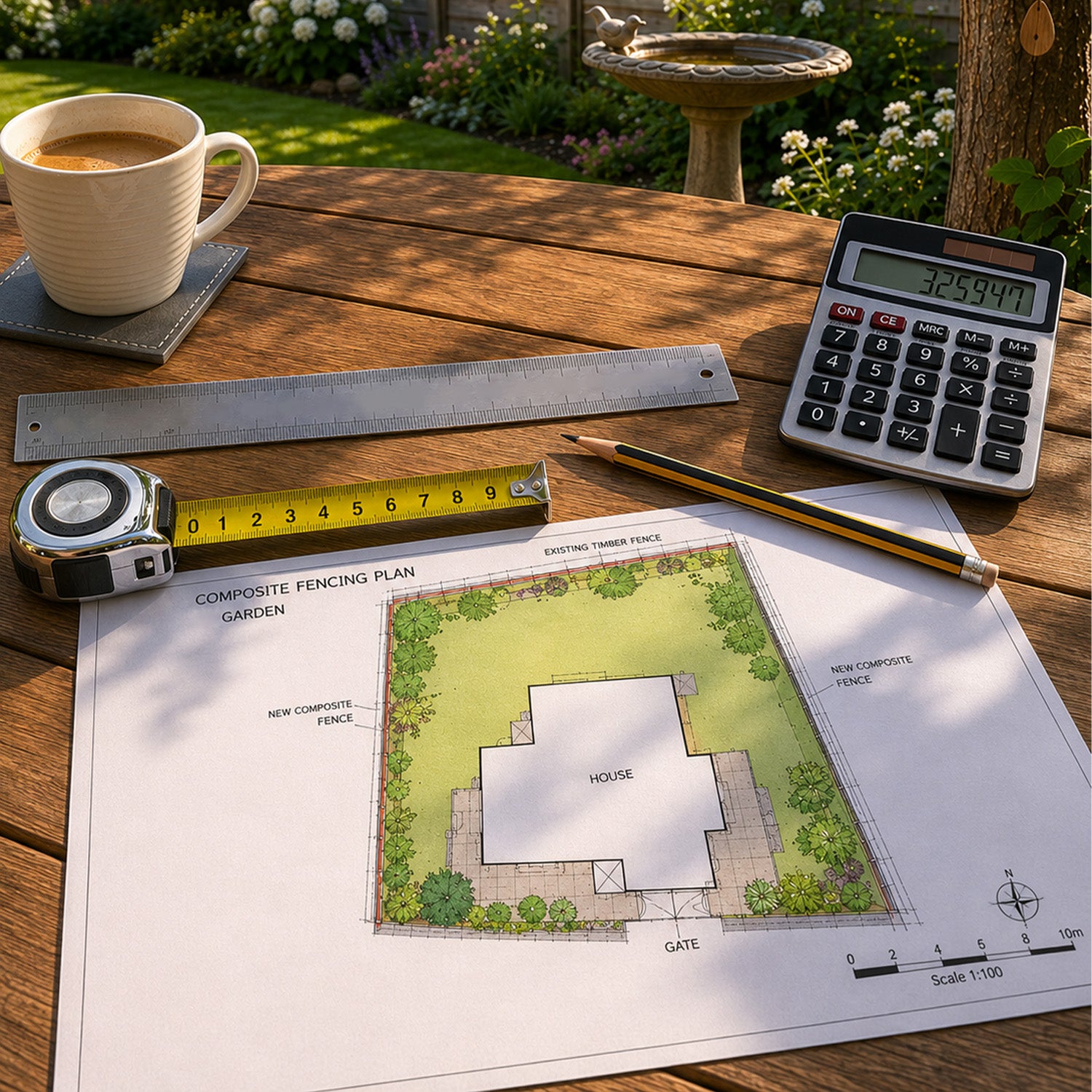
A full perimeter and a short patio screen solve different problems. Identify the views you want to screen, the routes you need to keep clear and the places where the fence will be most visible from the house.
Consider both sides of the boundary and how the proposed height will relate to planting and neighbouring spaces. A dark backdrop can emphasise pale flowers, while a warmer finish can connect with brickwork and timber-inspired furniture.
If the project needs specialist security, noise control or guarding against a fall, include those requirements separately. A solid-looking panel does not automatically provide a verified rating for those purposes.
Compare Composite Garden Fence Panels
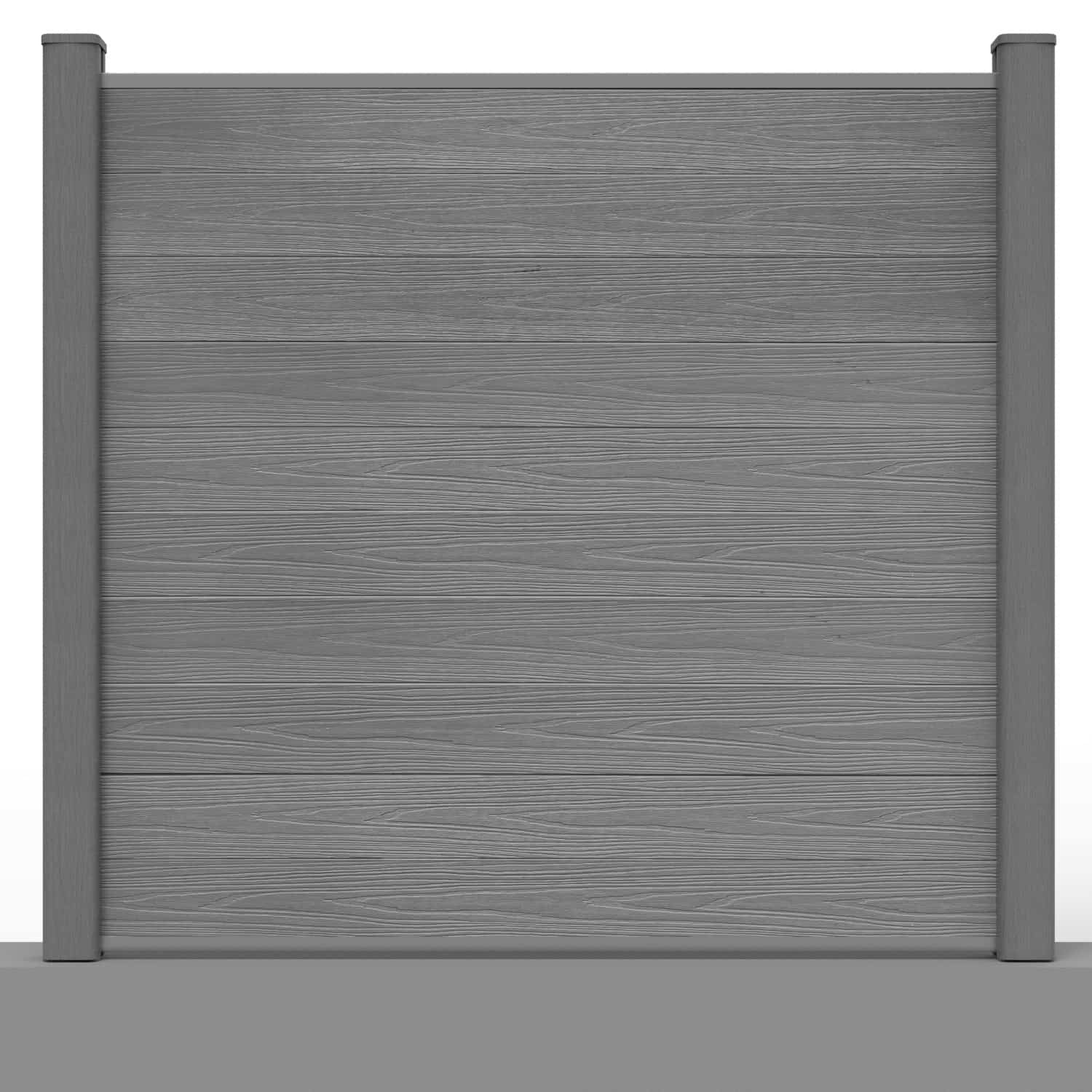
NeoTimber® offers Deluxe and Slatted styles. Both use capped boards assembled within the compatible system, with different surface details to compare.
Deluxe: Woodgrain and Brushed Faces
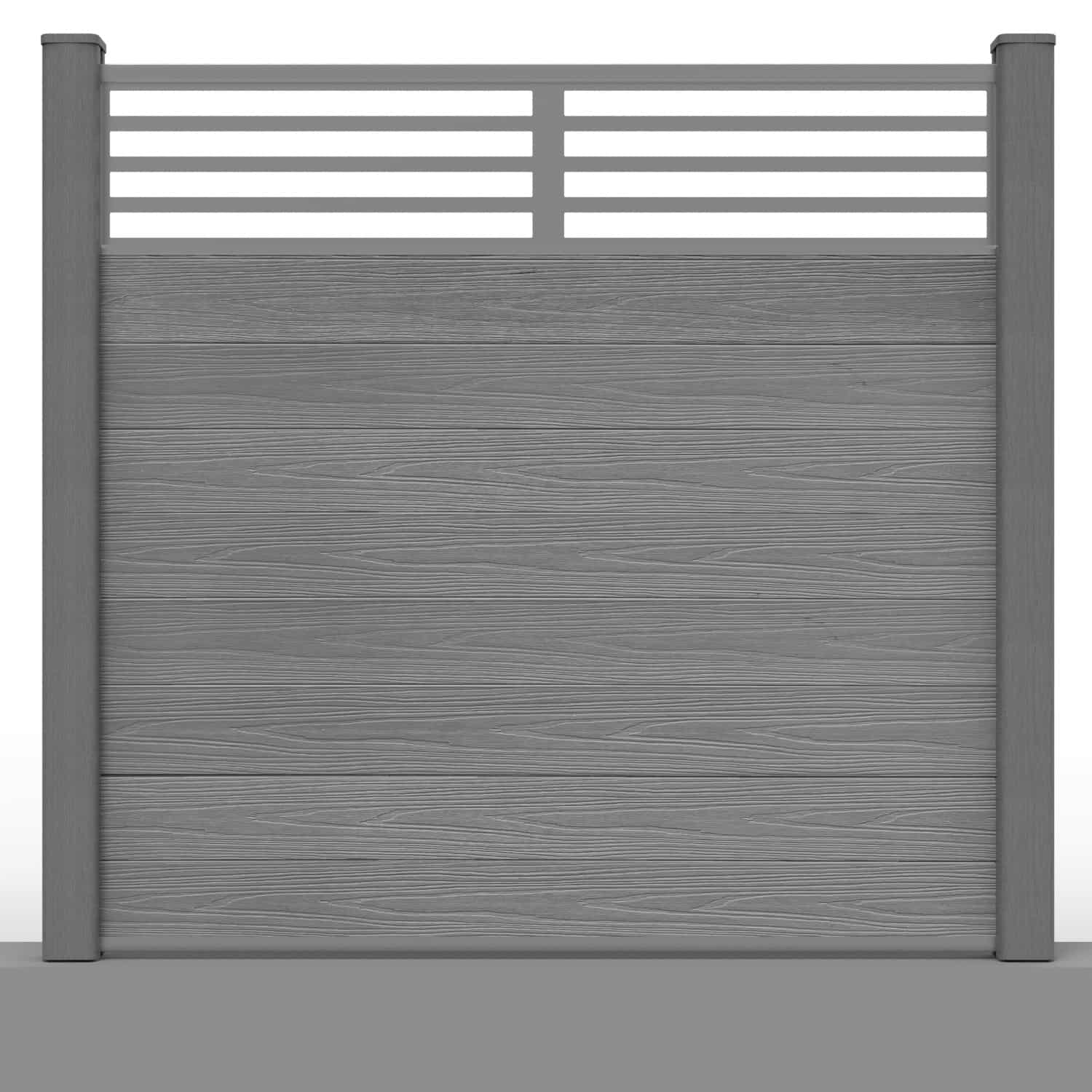
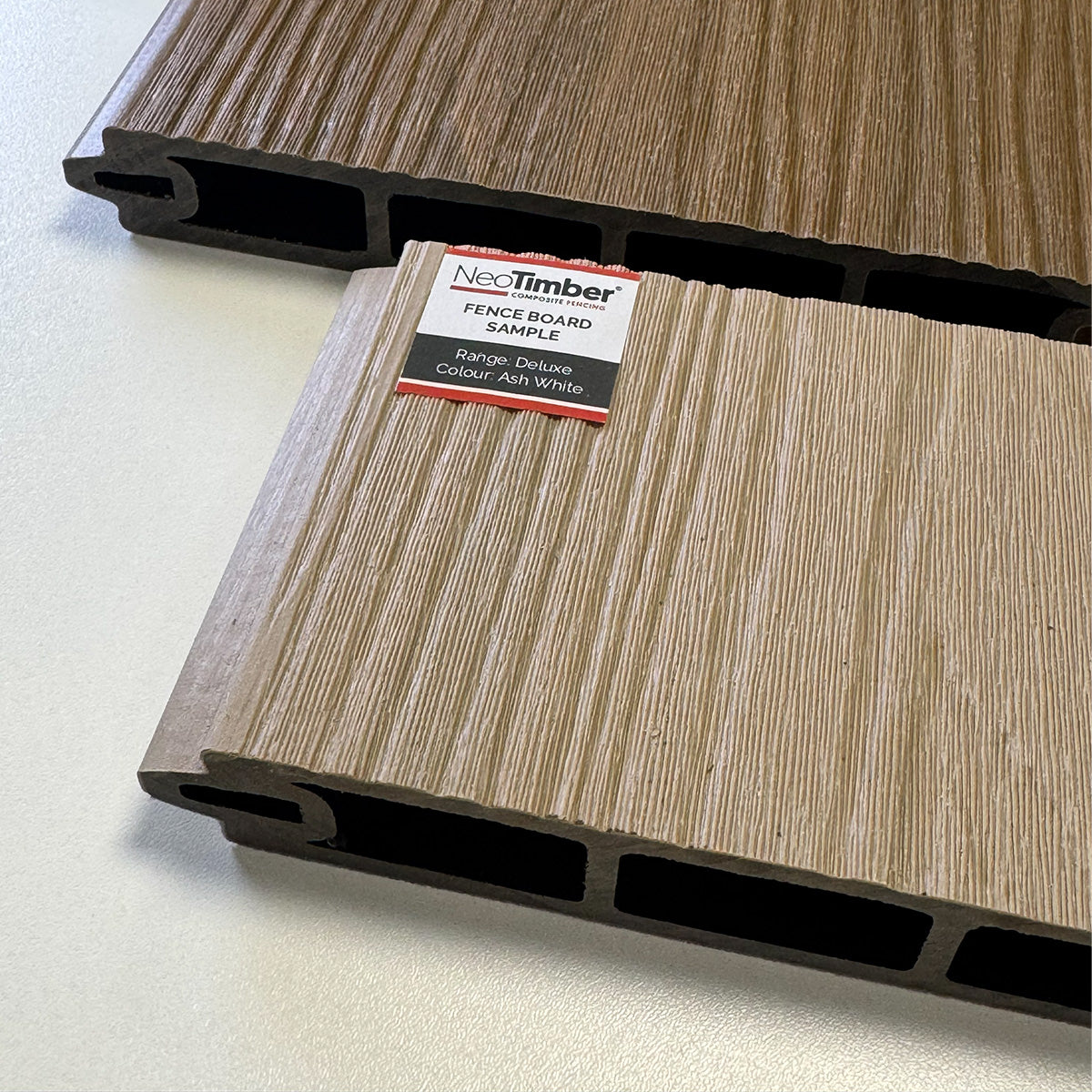
The Deluxe panel set offers an embossed woodgrain face and a brushed face. Choose which texture you want to see from your main seating area, and consider the reverse side as part of the design.

Slatted: A Defined Linear Profile
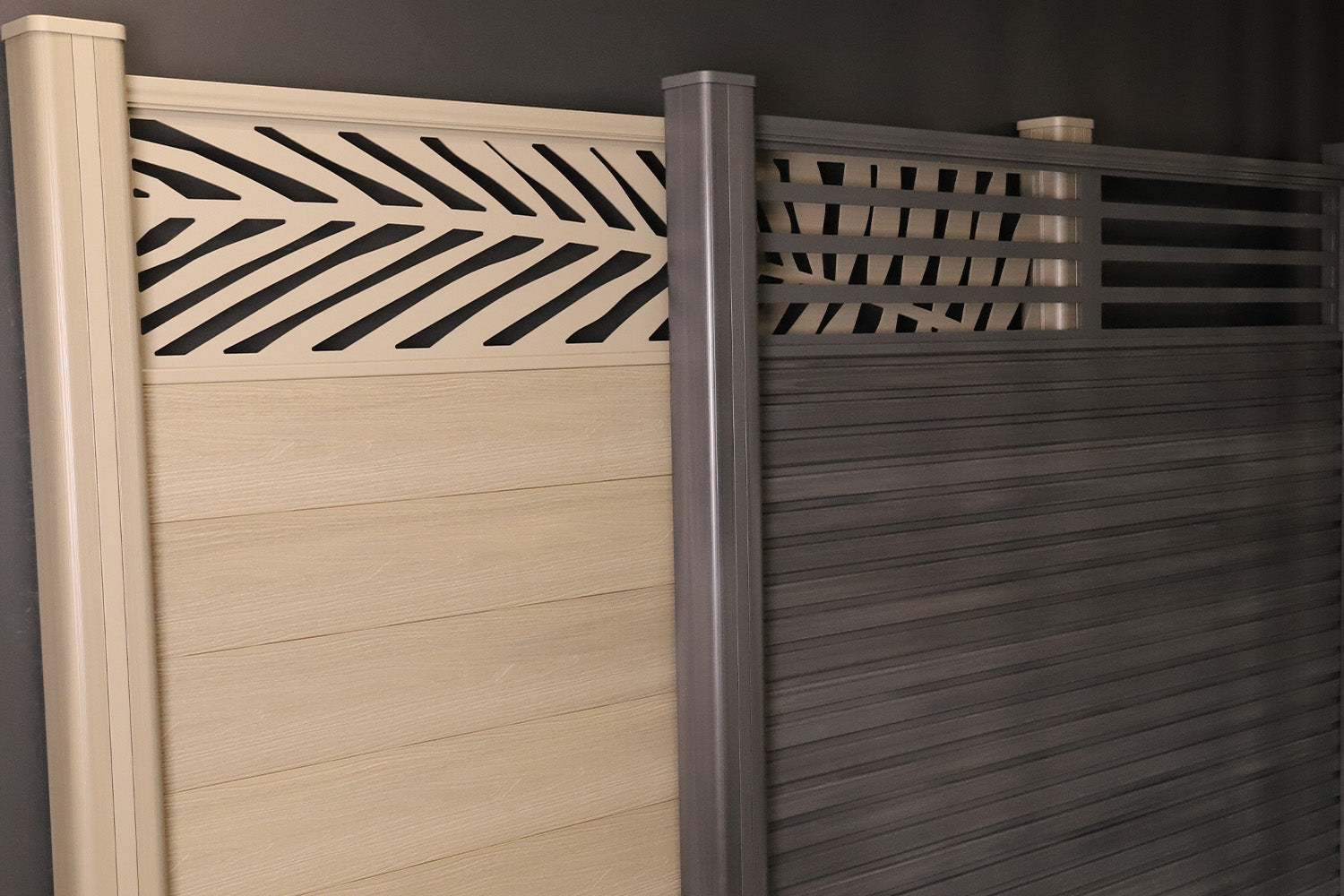
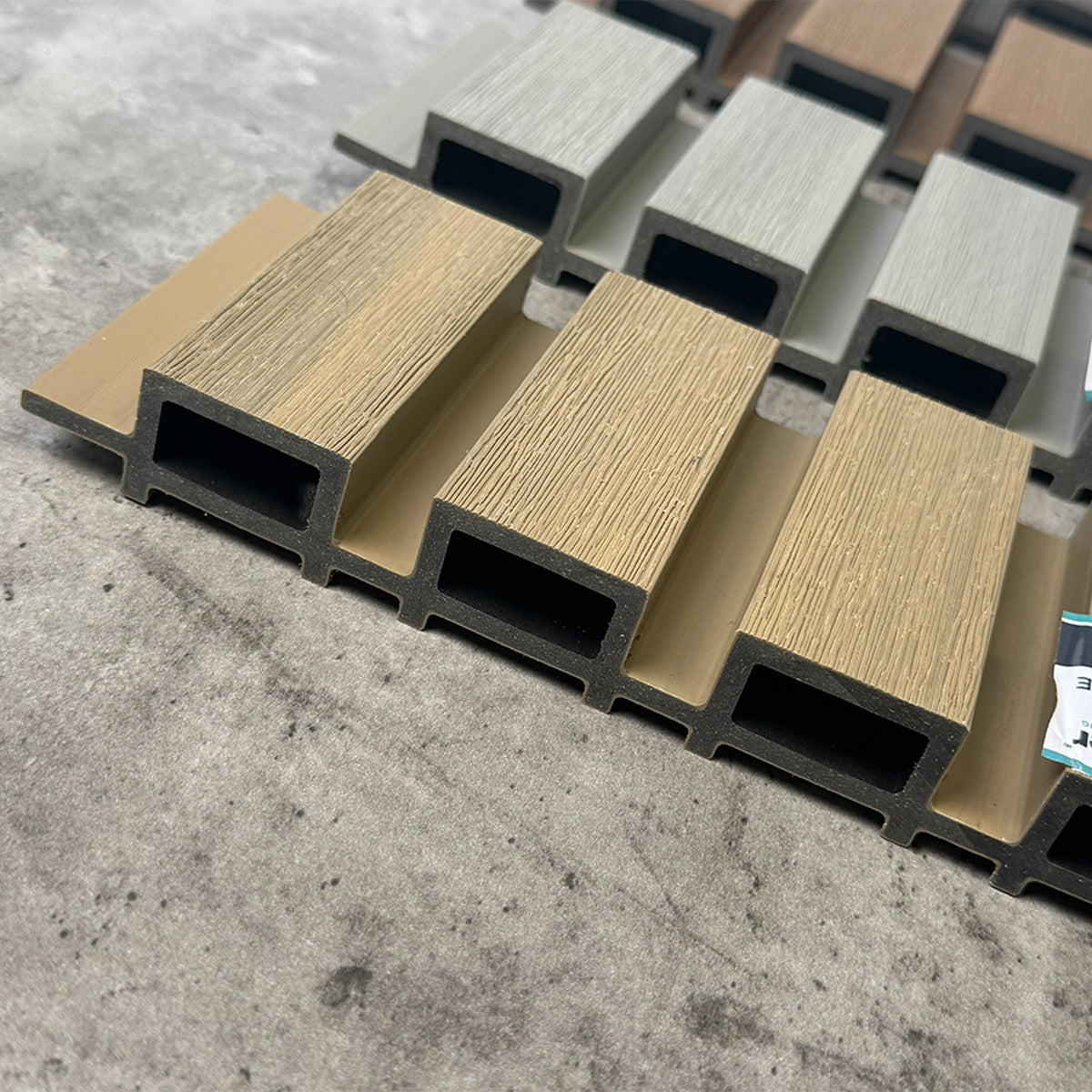
The Slatted panel set introduces repeated lines and shadow detail. It can complement simple paving and contemporary furniture or provide contrast with softer planting.
A slatted-style appearance does not automatically mean an open screen. Check the assembled construction if airflow, visibility or privacy is important to your choice.
| Decision | What to compare |
|---|---|
| Board texture | Deluxe woodgrain or brushed faces versus the Slatted profile |
| Colour | Samples beside your paving, planting and house exterior |
| Privacy | Height, sightlines and any decorative openings |
| Installation | New supports or compatible assessed existing posts |
| Complete cost | Materials, delivery, groundwork, labour and removal |
Choose a Palette for the Whole Garden
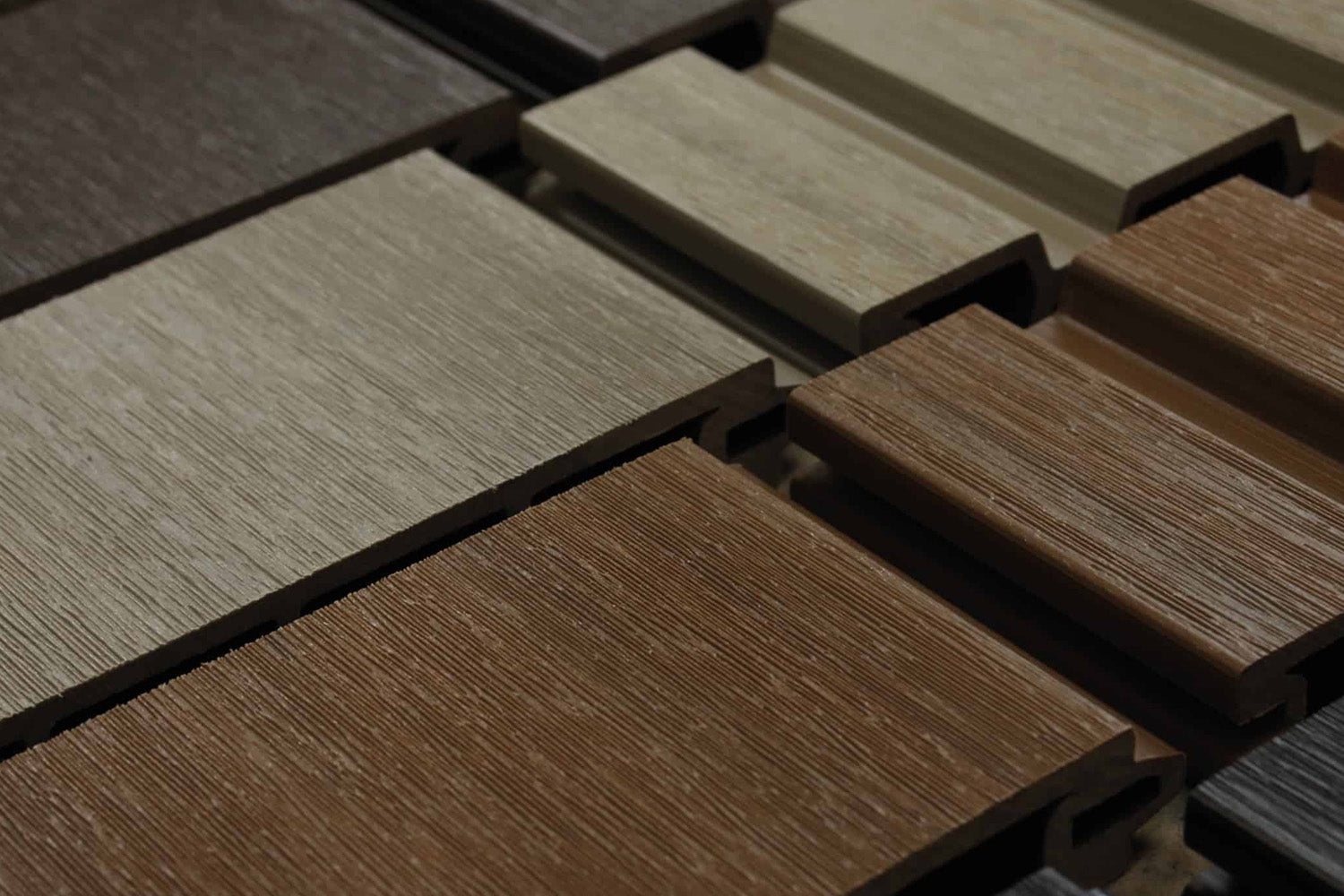
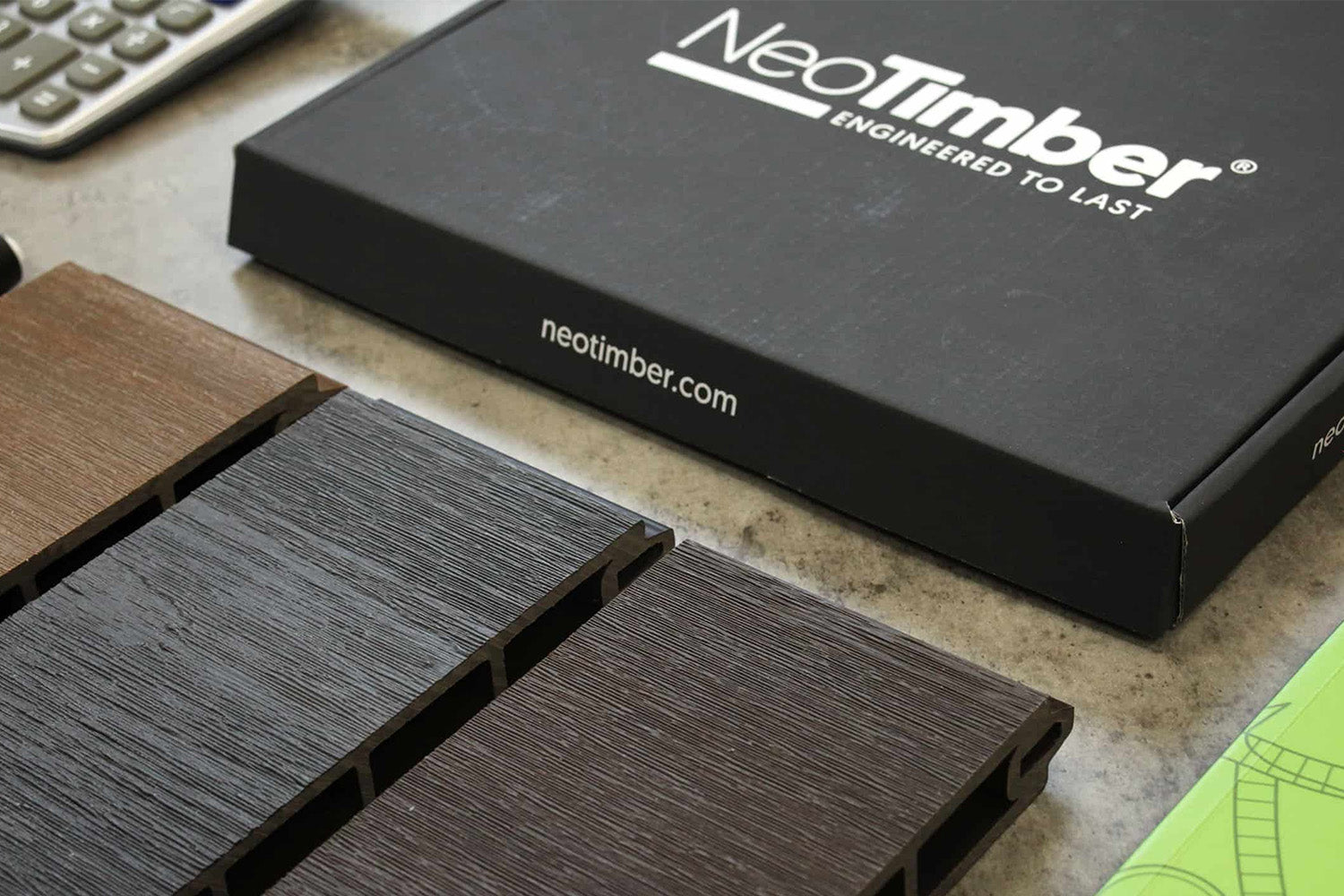
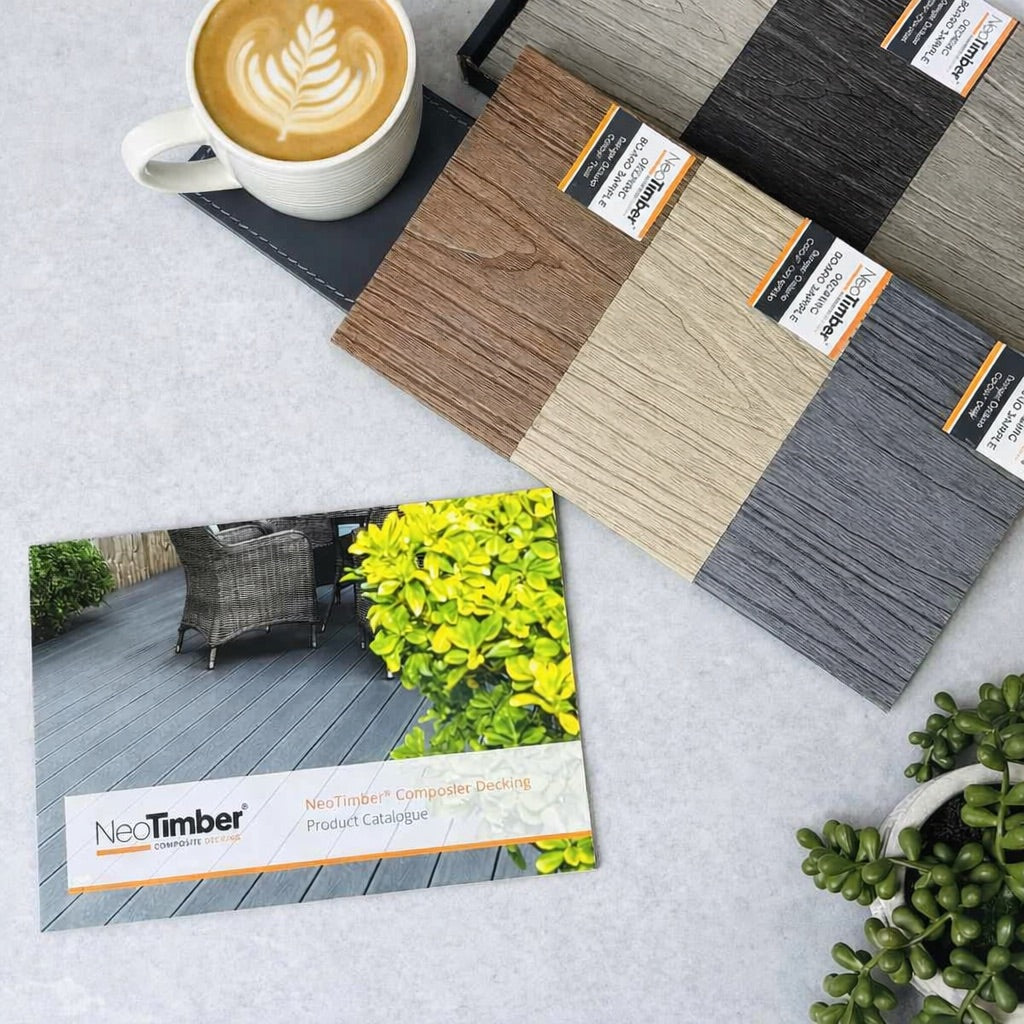
Use the fencing colours guide to shortlist shades, then request free samples. View them upright outside in sun and shade beside the materials you intend to keep.
Warm tones such as Teak and Chocolate offer a timber-inspired direction, while Grey, Charcoal and other neutral shades provide different backdrops. Explore Antique, Ash White, Oak and Silver Birch too, checking availability in your selected range and accessories.
When comparing composite garden panels, look at texture as well as shade. Surface detail changes how light falls, and matching colour names across different products do not guarantee identical appearance.
Coordinate With Other Outdoor Features
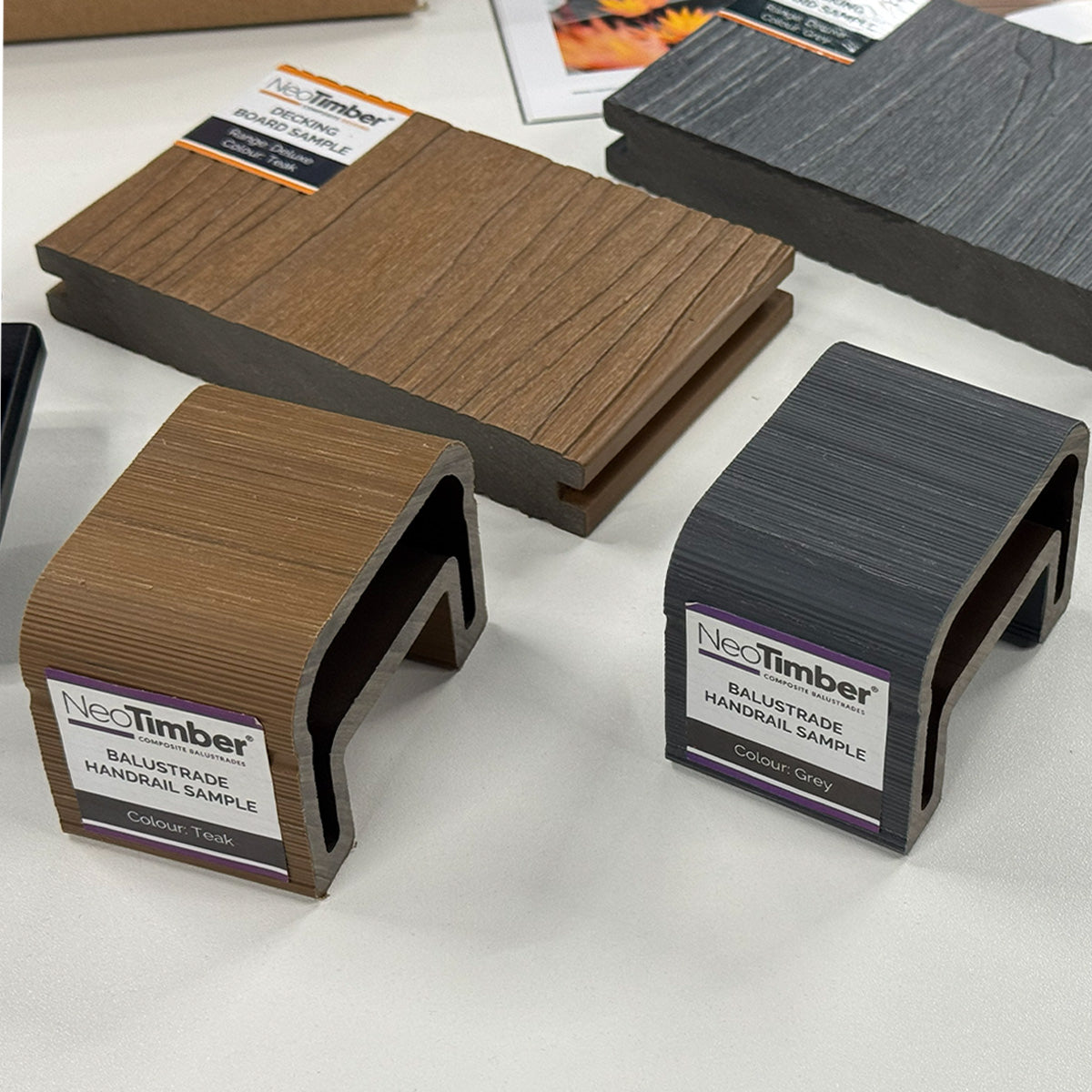
You can repeat a colour in selected details or use complementary tones rather than making every surface match. Compare samples from the composite decking, composite cladding and composite balustrades collections together before deciding.
For broader planning, explore our guides to decking, cladding and balustrades.
Plan the Posts Before Assembling the Panels
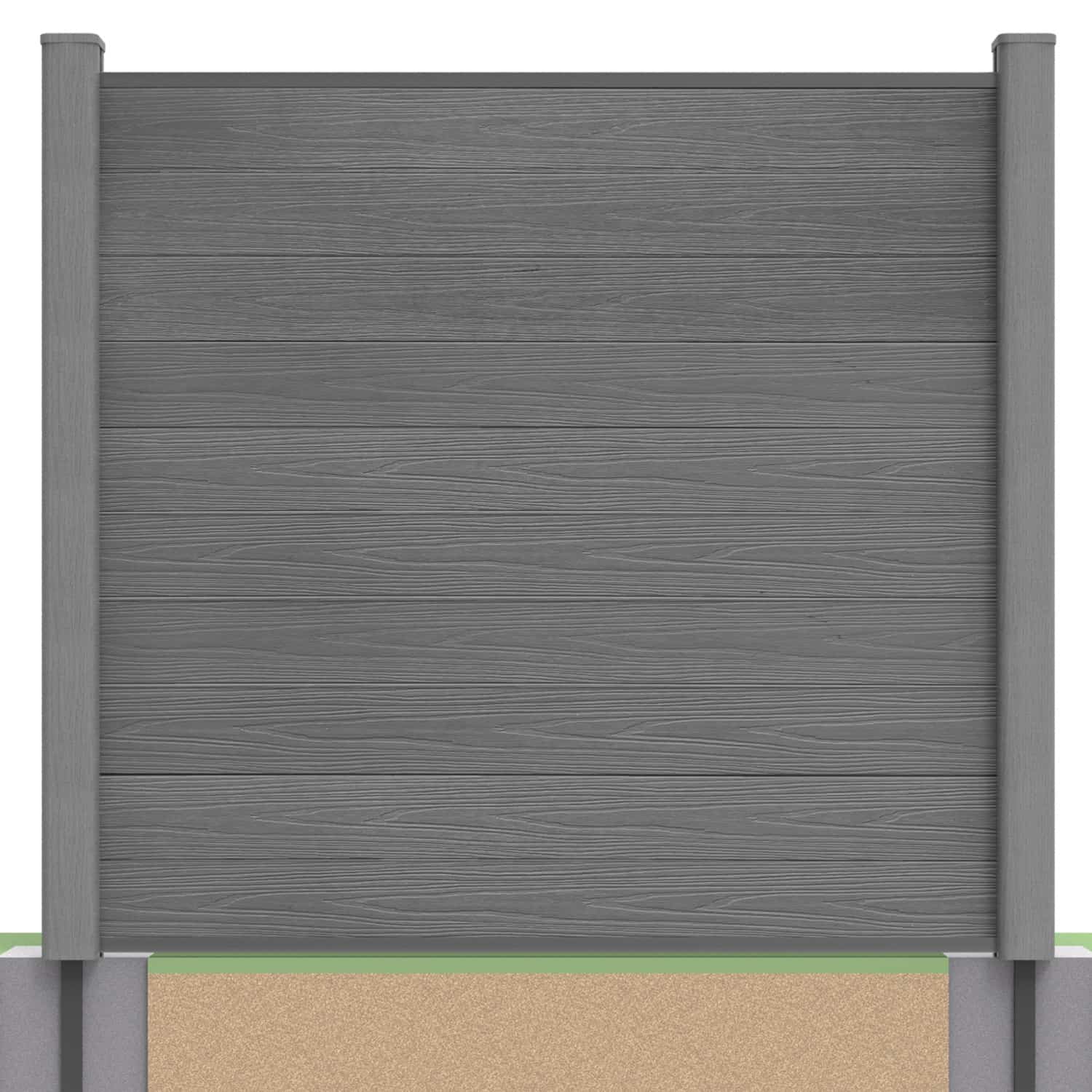
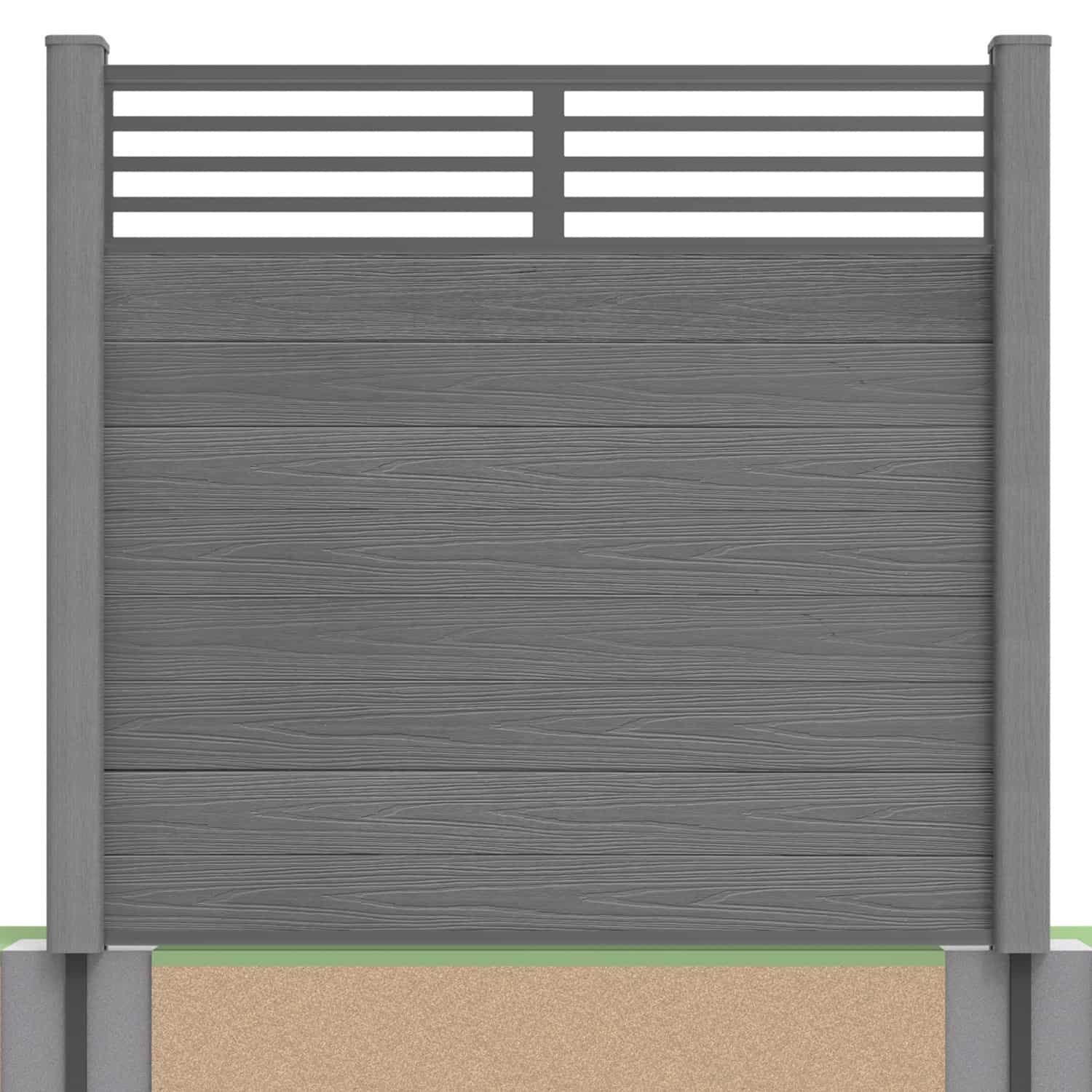
The system uses individual horizontal boards stacked between compatible channels, with specified rails and supports. Modular construction helps organise the parts, but does not remove the need for suitable foundations or correct clearances.
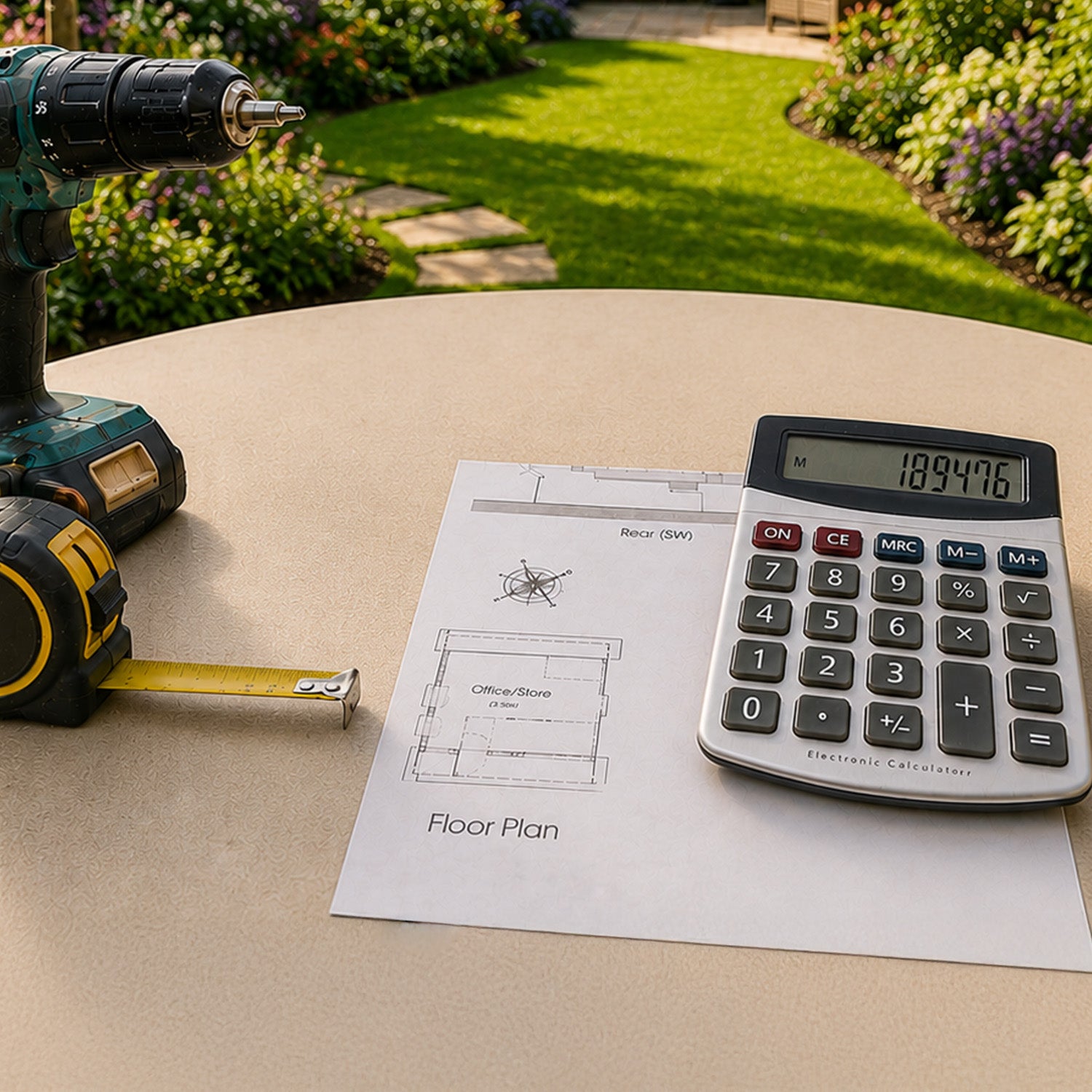
Measure each run and mark corners, slopes and gate openings. Follow the installation guidance for permitted heights, dimensions and support arrangements. Seek advice for exposed sites or non-standard layouts.

Can Existing Posts Stay?
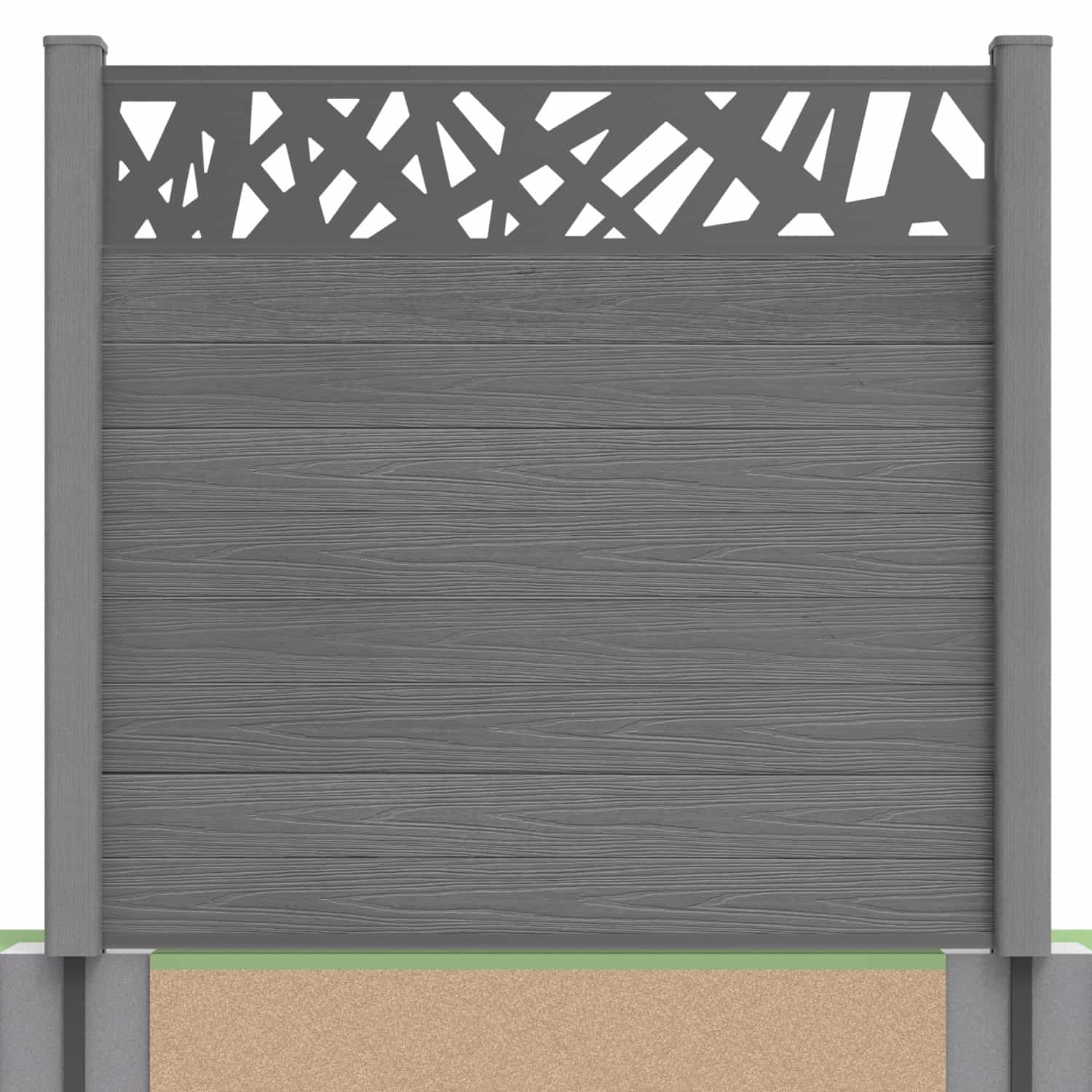
Suitable timber or concrete posts may be retained using compatible wooden post inserts or concrete post inserts. Assess their condition, foundations, spacing and dimensions first.
Inserts provide board channels; they do not repair decay, cracking or inadequate supports. Reuse should be based on suitability rather than an assumption that keeping old posts always saves money.
Allow for a Gate or Decorative Screen
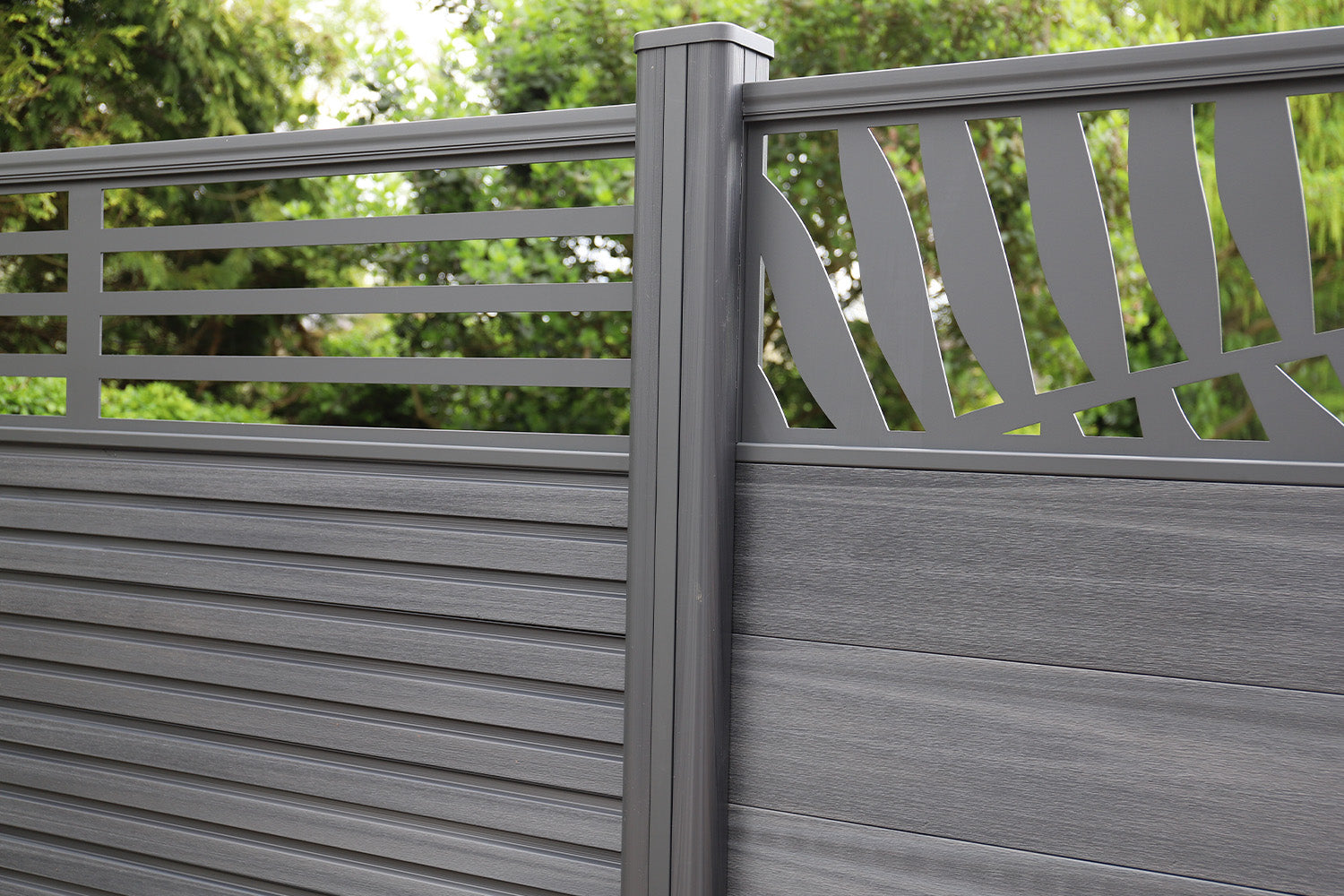
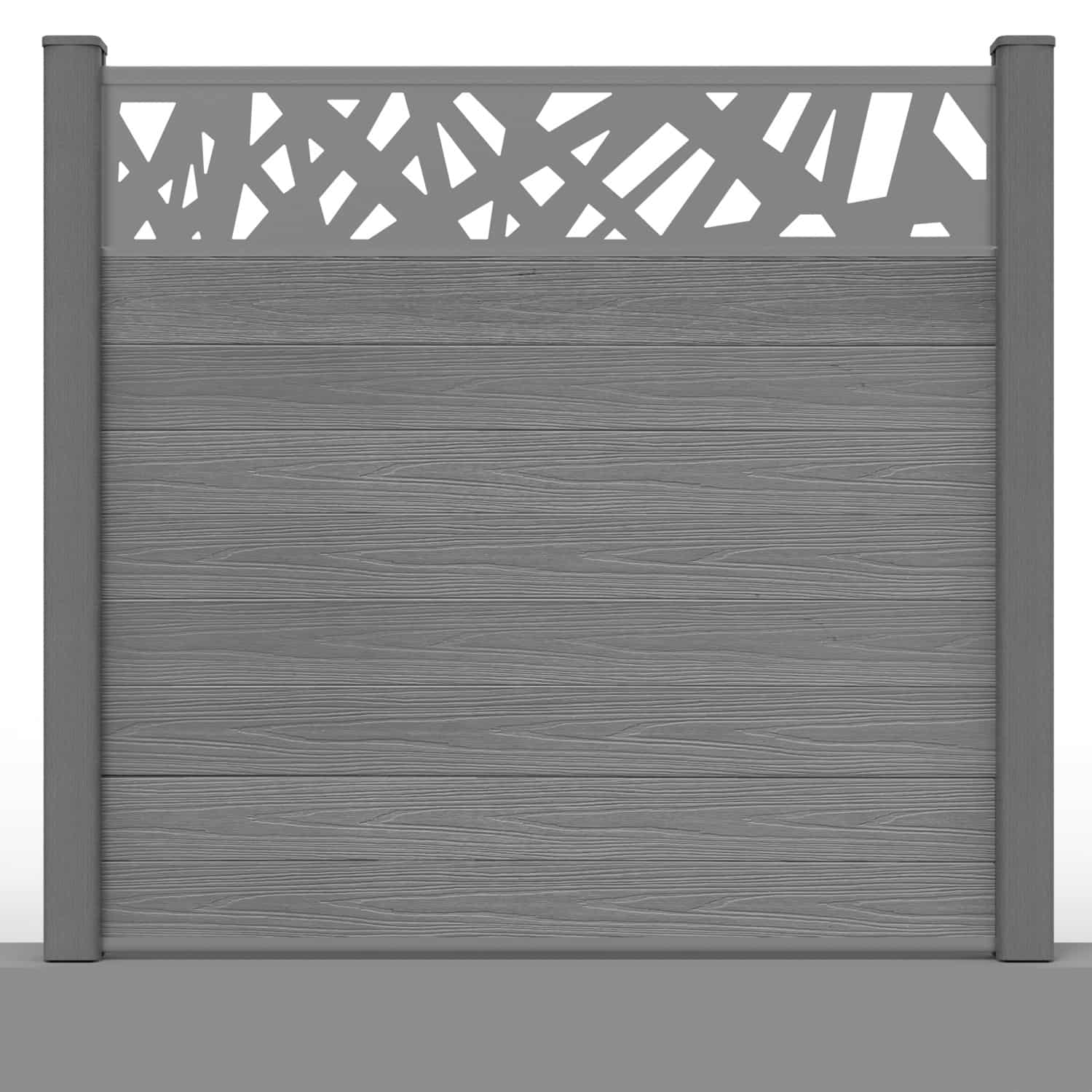
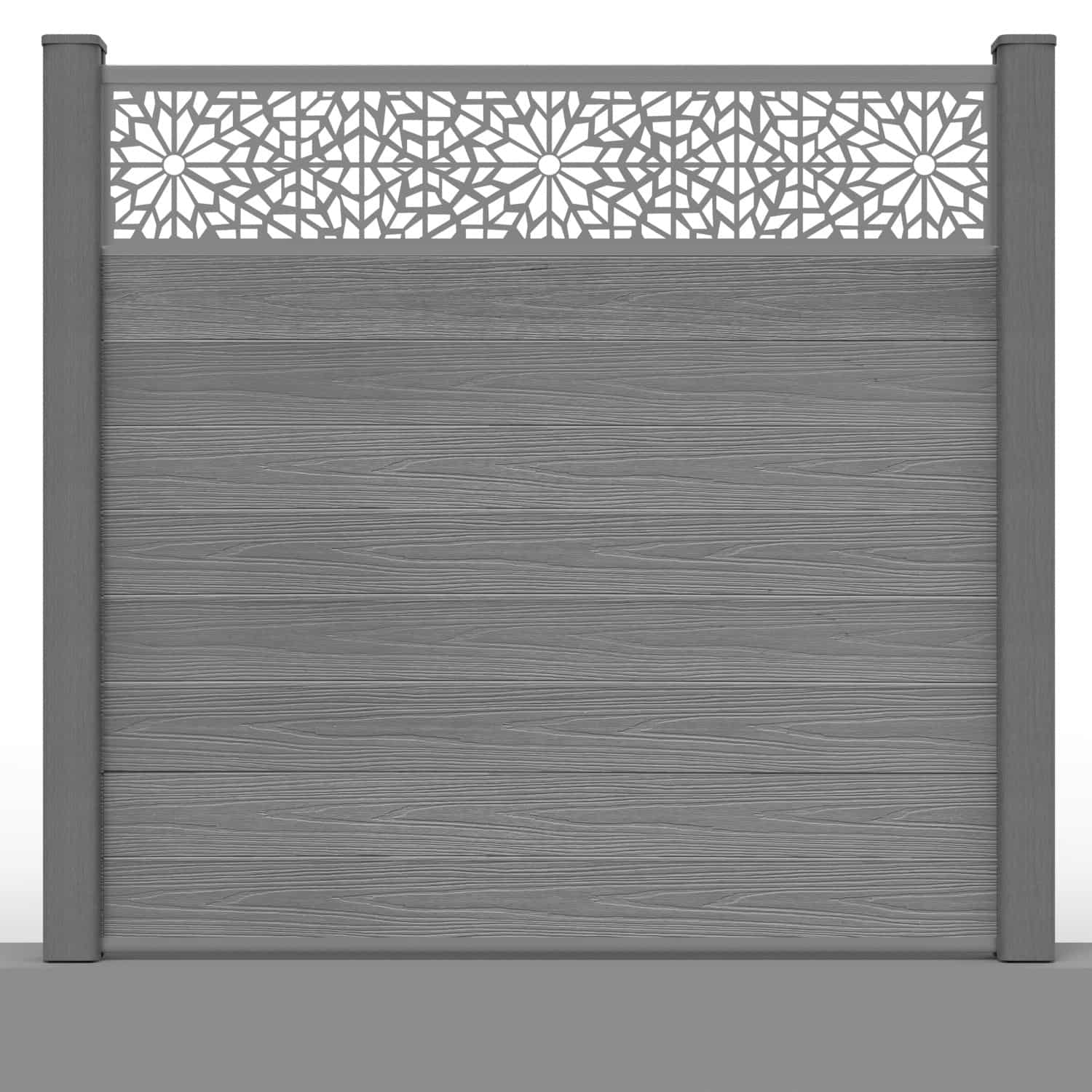
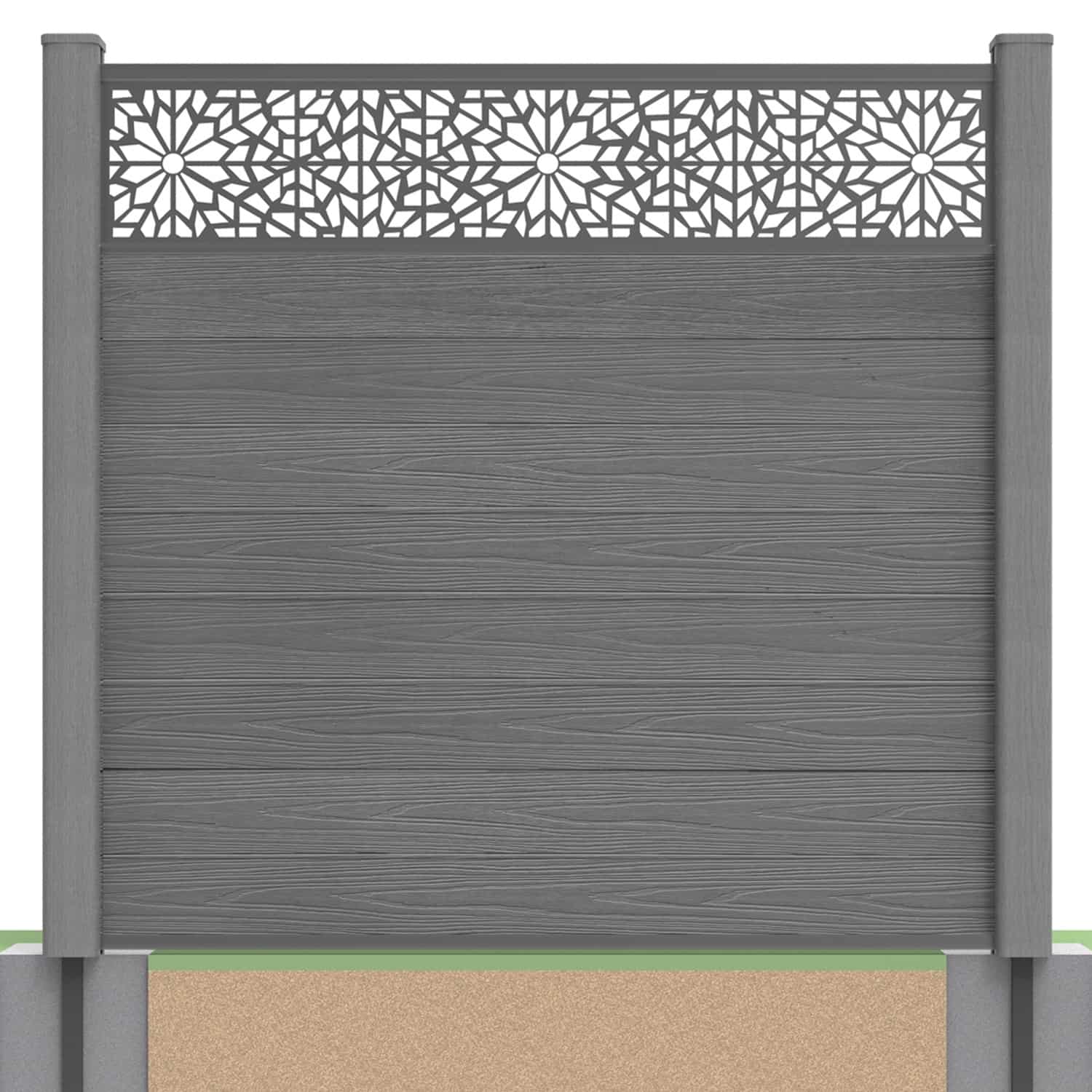
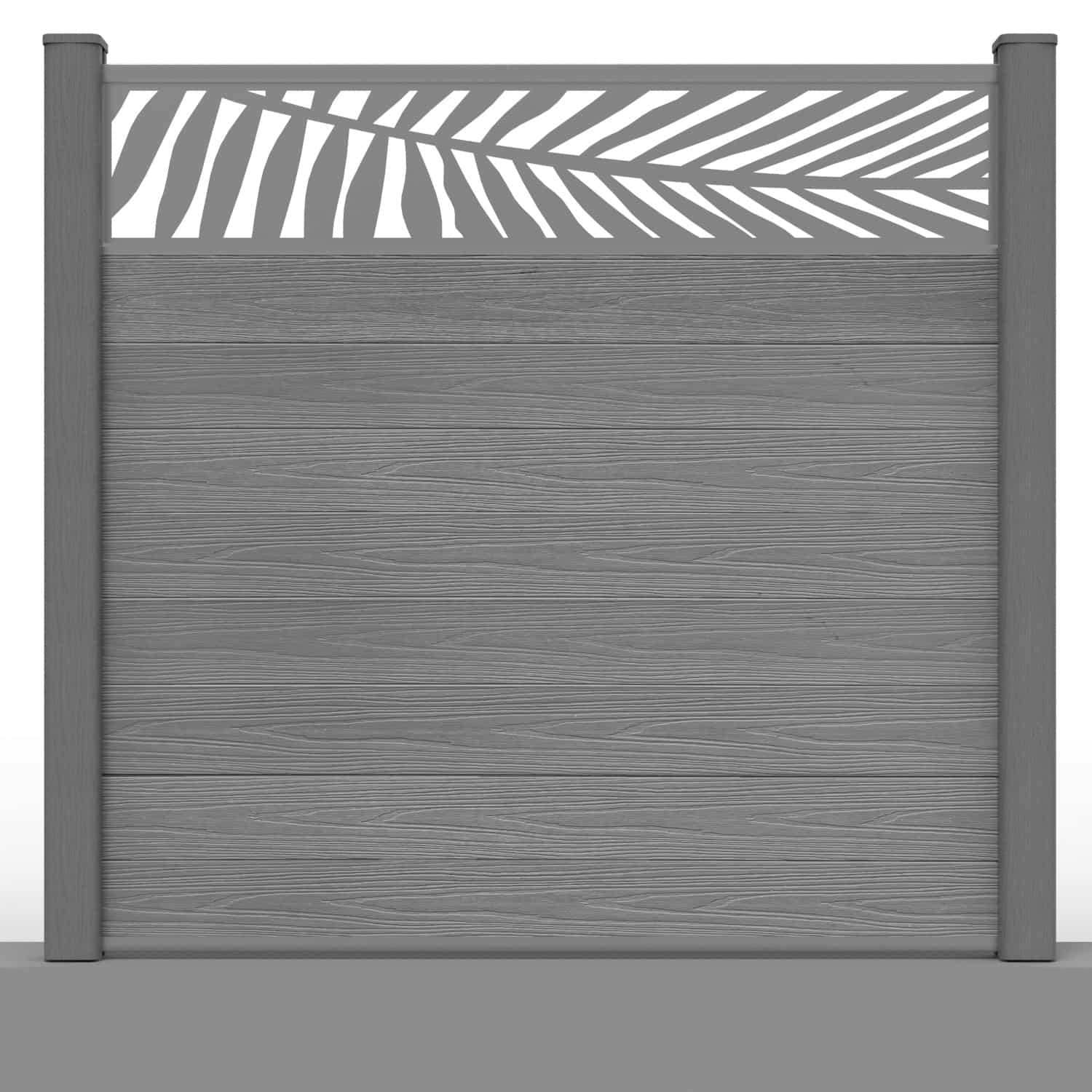
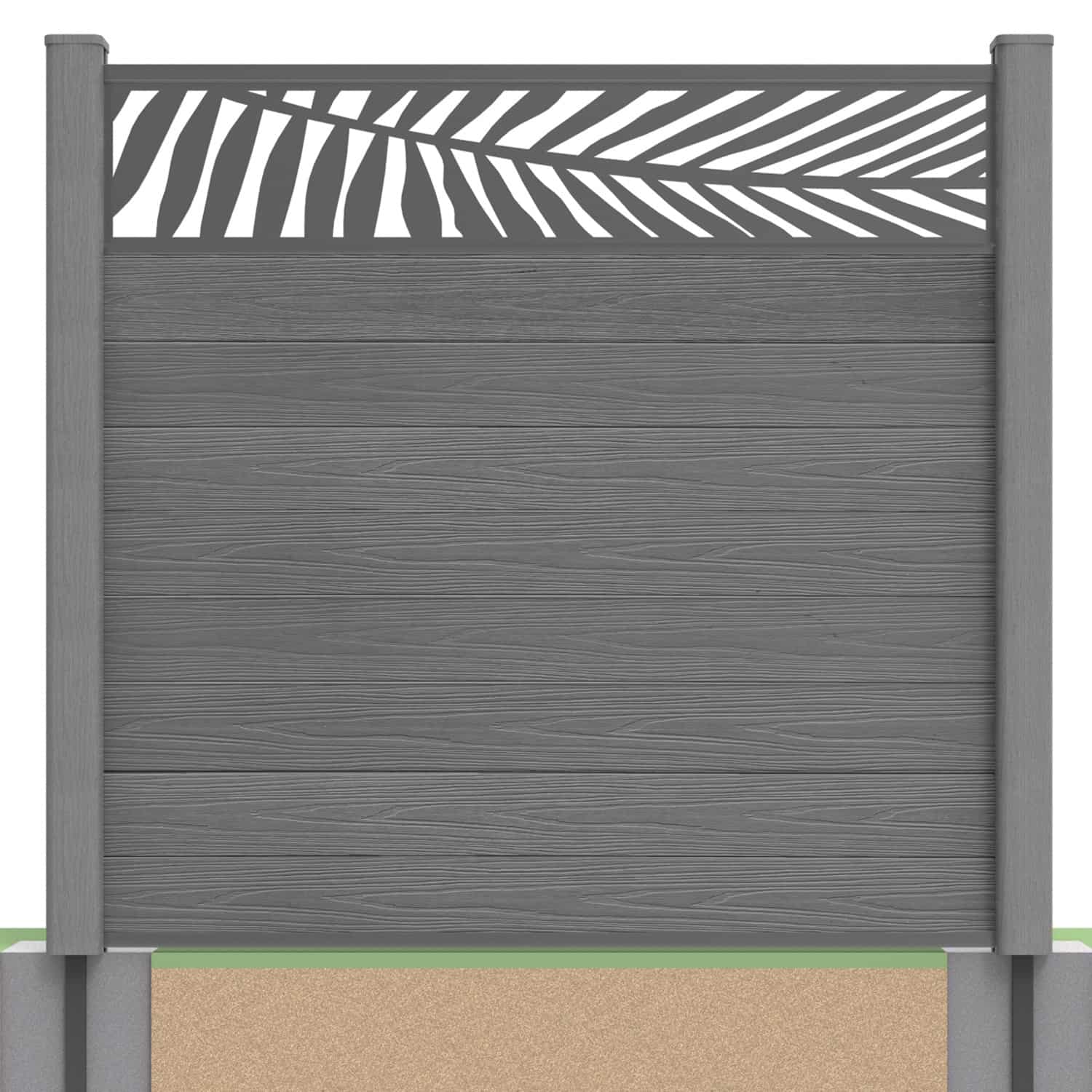
Plan access early, including the clear passage width, swing space and specified gate posts. Decorative screens can add pattern, but cut-outs change visibility and need the approved panel configuration.
Low Maintenance With Realistic Expectations
The protective capped surface is designed to improve fade and stain resistance. Its supplied finish avoids routine painting and staining, but still needs suitable cleaning and inspection.

Follow the maintenance guide. Warm soapy water and a soft brush provide a starting point for routine cleaning; check stronger treatments or pressure washing against the exact product instructions.
Fade resistance is not a guarantee of unchanged colour, and capping does not prevent every scratch or mark. Inspect posts, rails, fixings and gates as well as the visible boards.
Budget for a Complete Boundary
A panel set price is not automatically the installed cost. Check the selected package contents and allow for end supports, corners, delivery, groundwork, removal of the old fence and labour.
Compare like-for-like quotations for the same height, length and scope. Read the applicable warranty terms separately; conditional product cover is different from a guaranteed lifespan or a promise of no future expenditure.

Garden Fencing FAQs
What are the benefits of composite garden fencing?
It offers a supplied colour and texture without routine painting or staining, alongside a modular component system. Suitable cleaning and a correctly specified installation remain important.
Which panel style should I choose?
Compare Deluxe if you prefer its woodgrain or brushed face options, and Slatted if you want a pronounced linear profile. Samples help assess the finish in your own light.
Can I keep existing concrete posts?
Potentially, if their condition, foundations, channels and spacing suit the selected inserts and board system. Have uncertain supports assessed before ordering.
Can the fence support climbing plants?
Use a suitable independent support for substantial climbers unless the system is approved for those loads. Keep access for cleaning and inspection.
Will the colour stay exactly the same?
The capped surface is designed to resist fading, but outdoor exposure and weathering may affect appearance. Compare samples and allow for realistic changes over time.
Can I fit it myself?
That depends on your skills, equipment and site conditions. Read the full installation instructions, including foundations and support details, before deciding whether to use professional help.
Bring the Boundary Into Your Garden Plan
Choose the appearance you enjoy, confirm the layout and prepare the complete component list. Explore NeoTimber® composite garden fencing options or contact our team with your measurements and site details for help planning a compatible system.